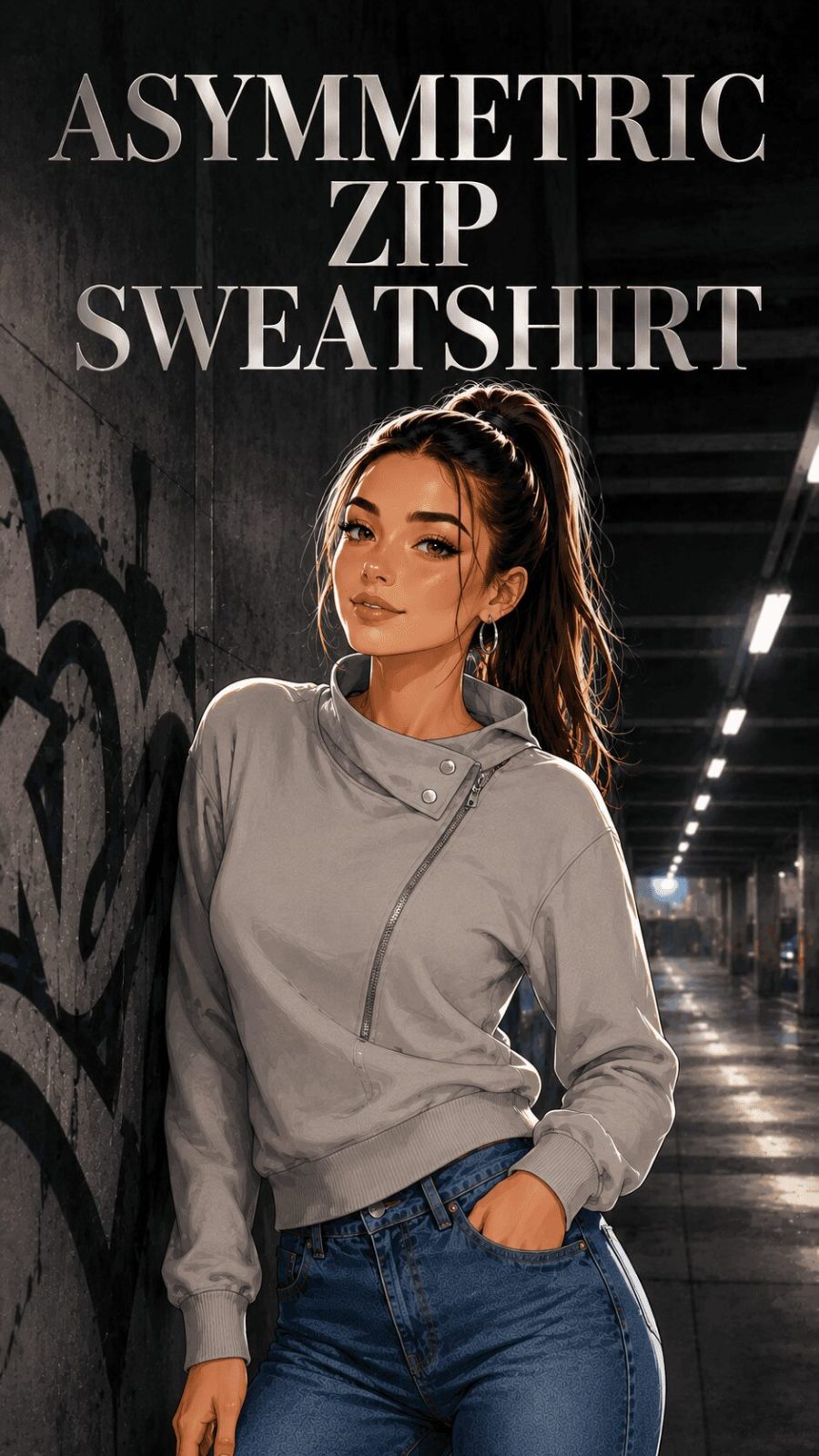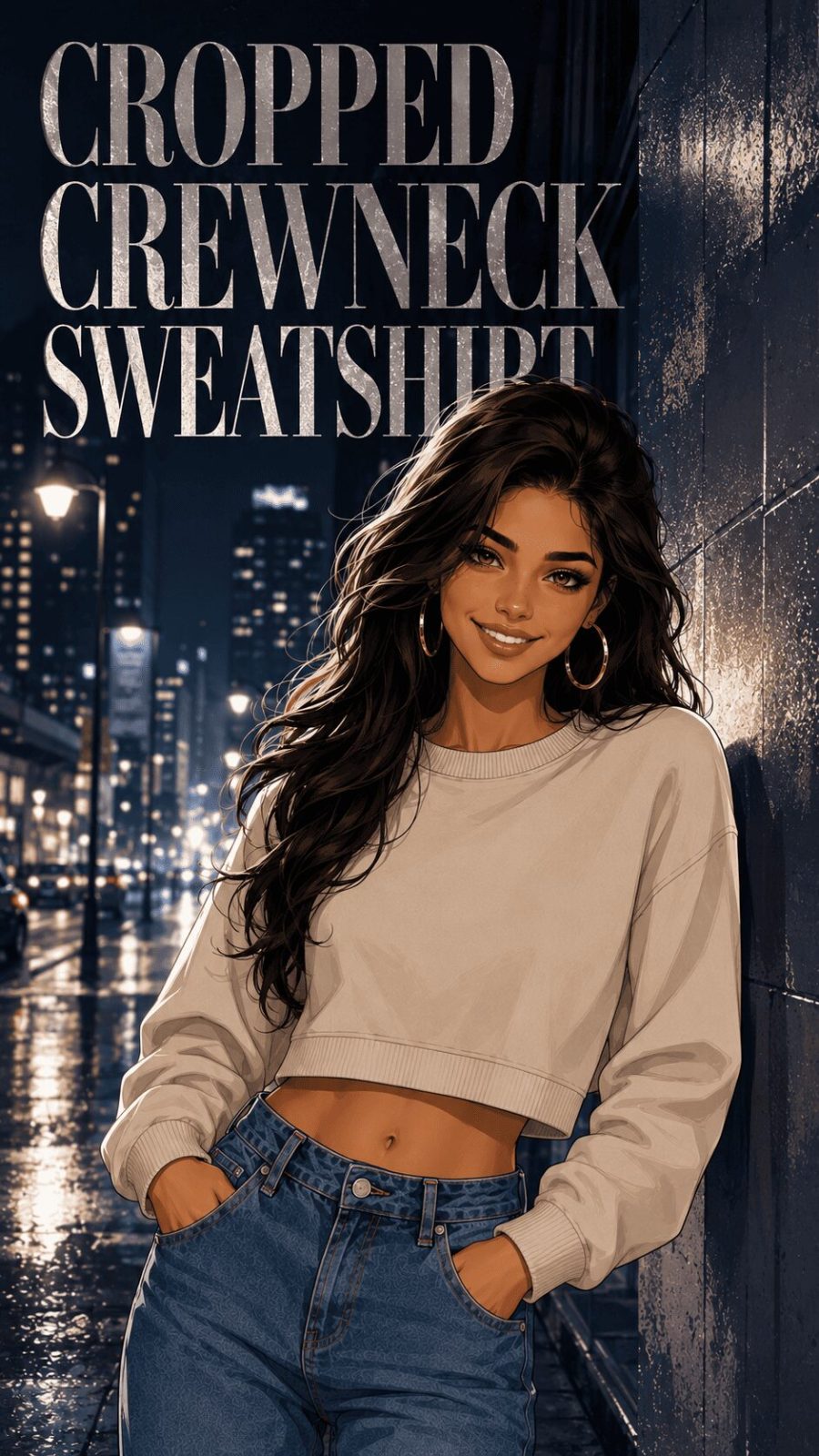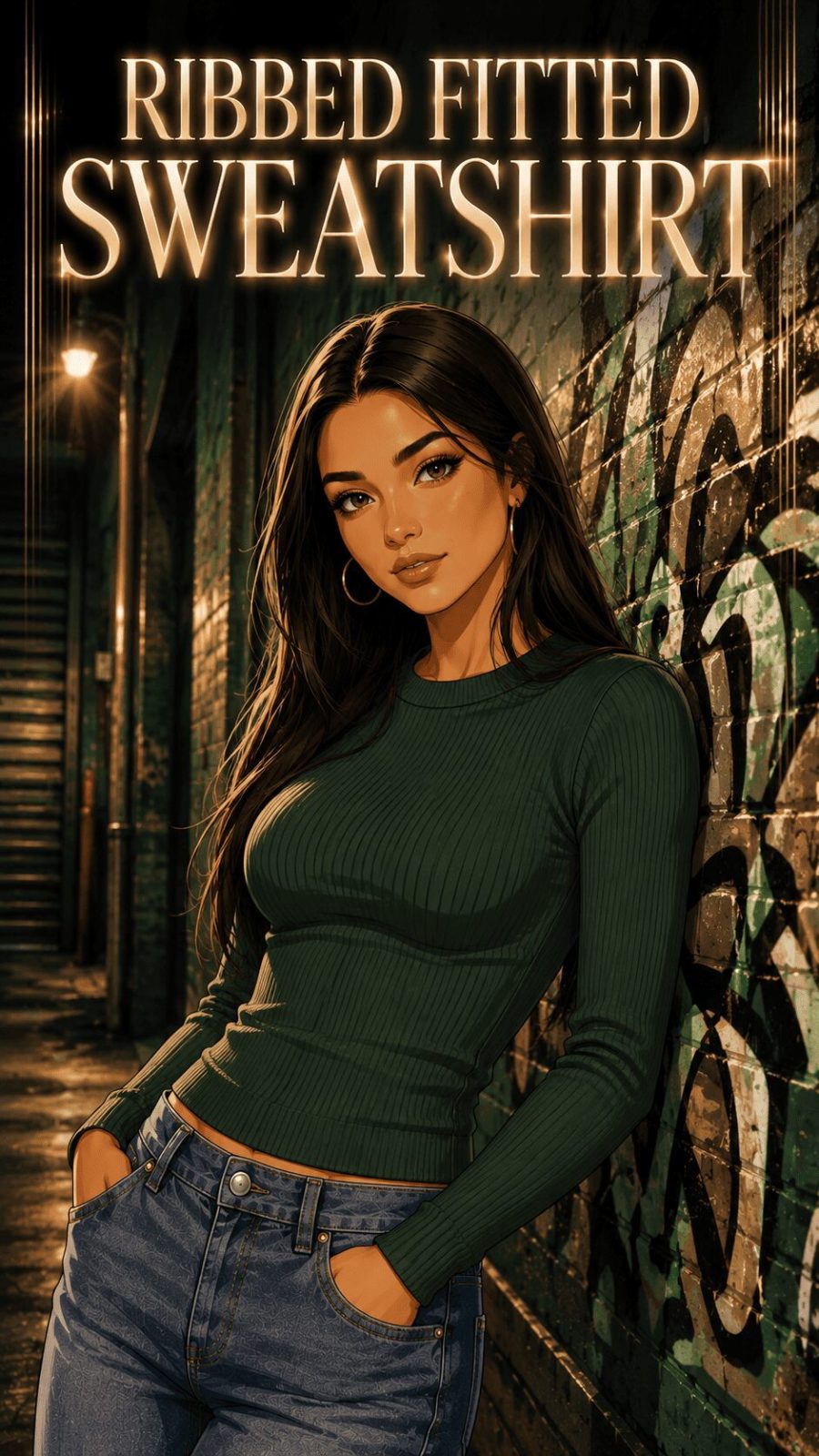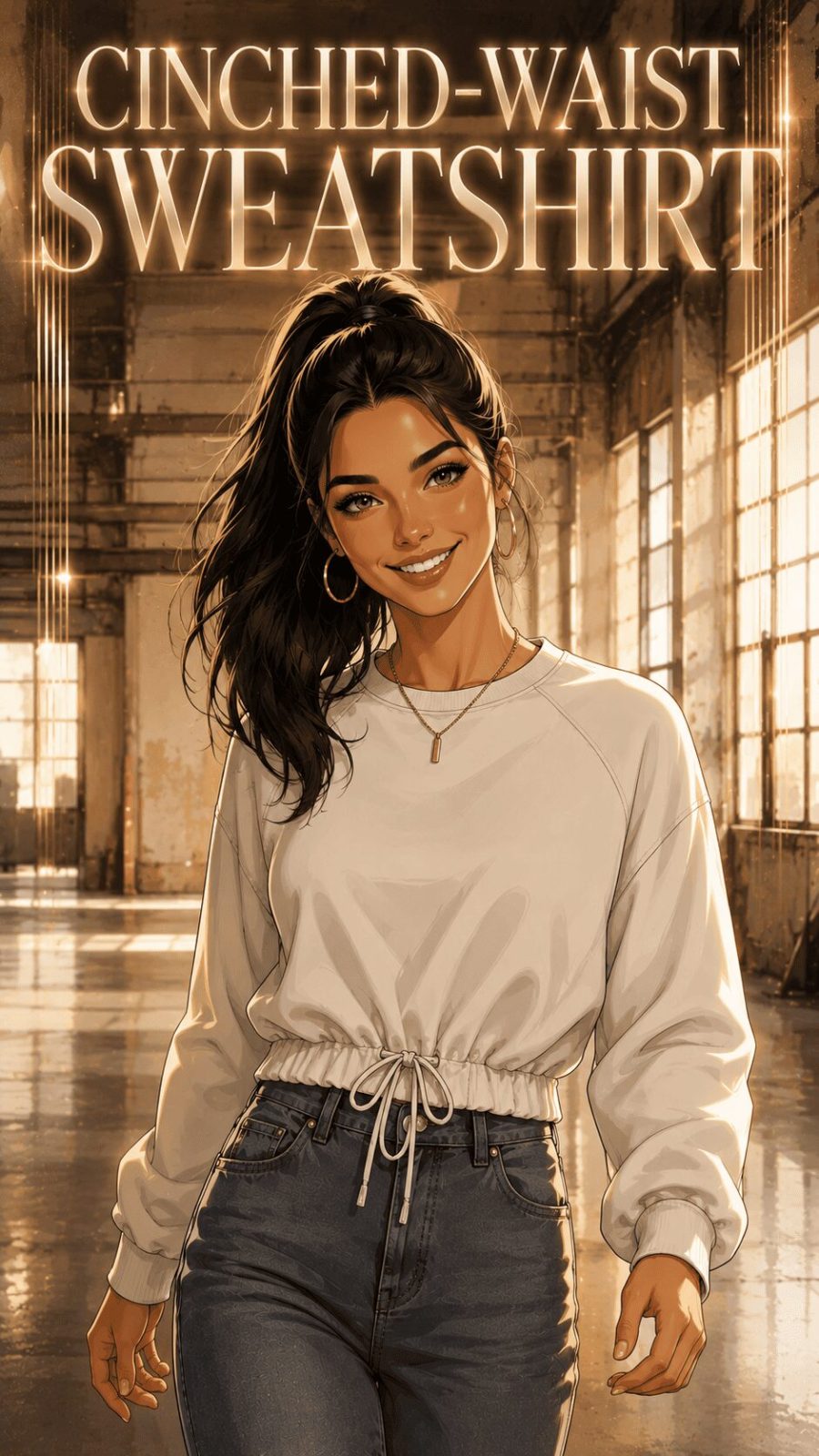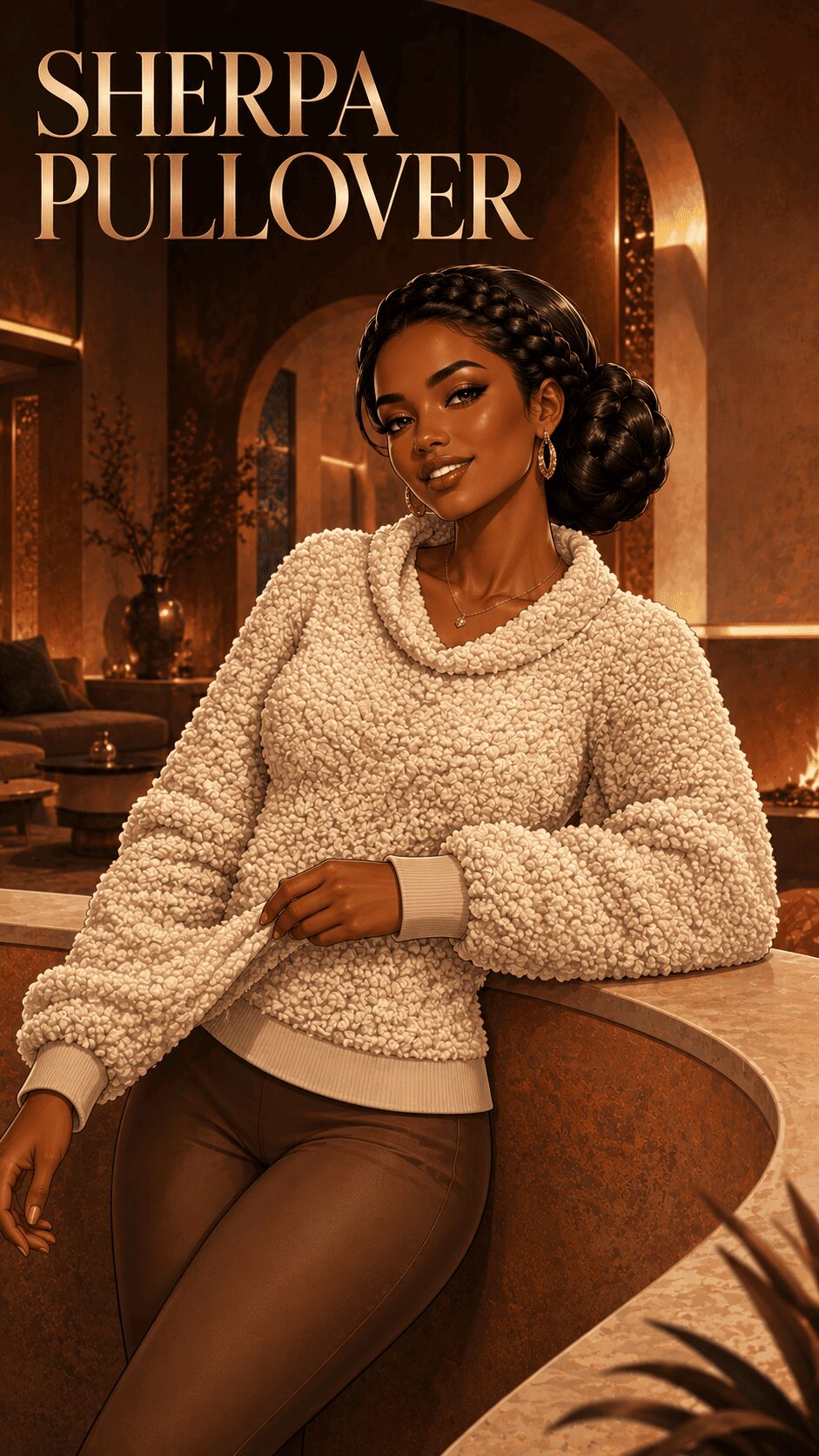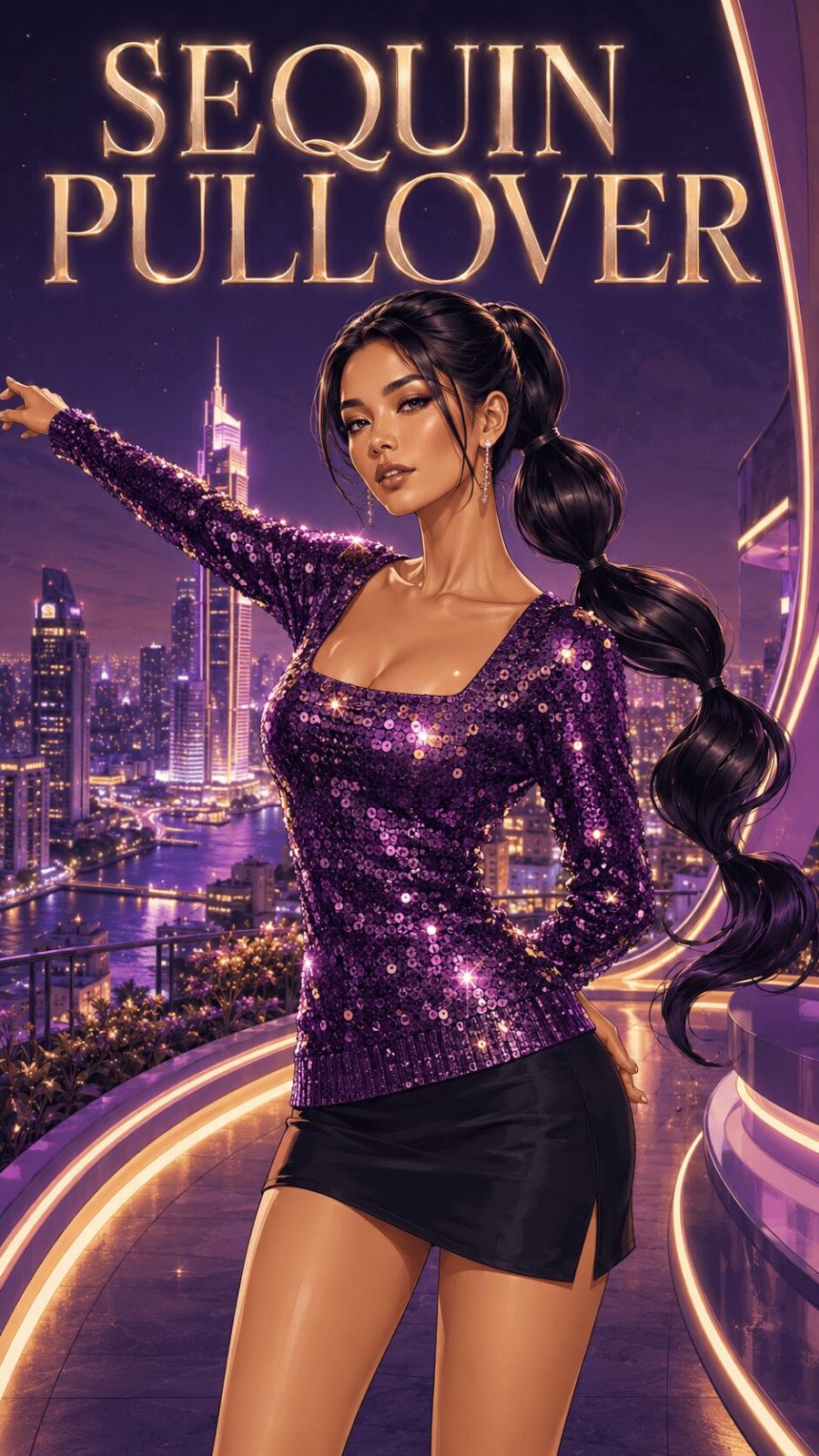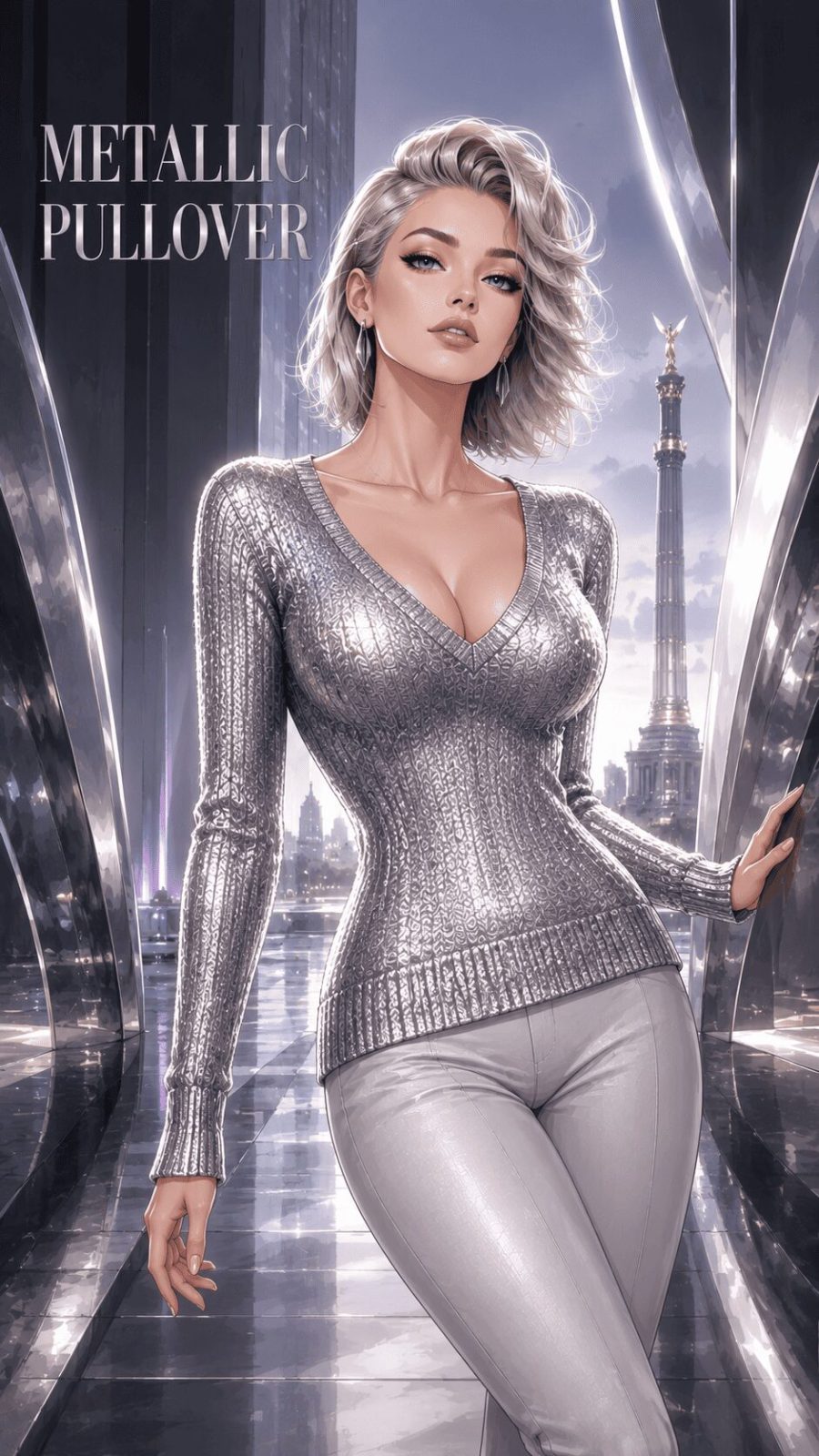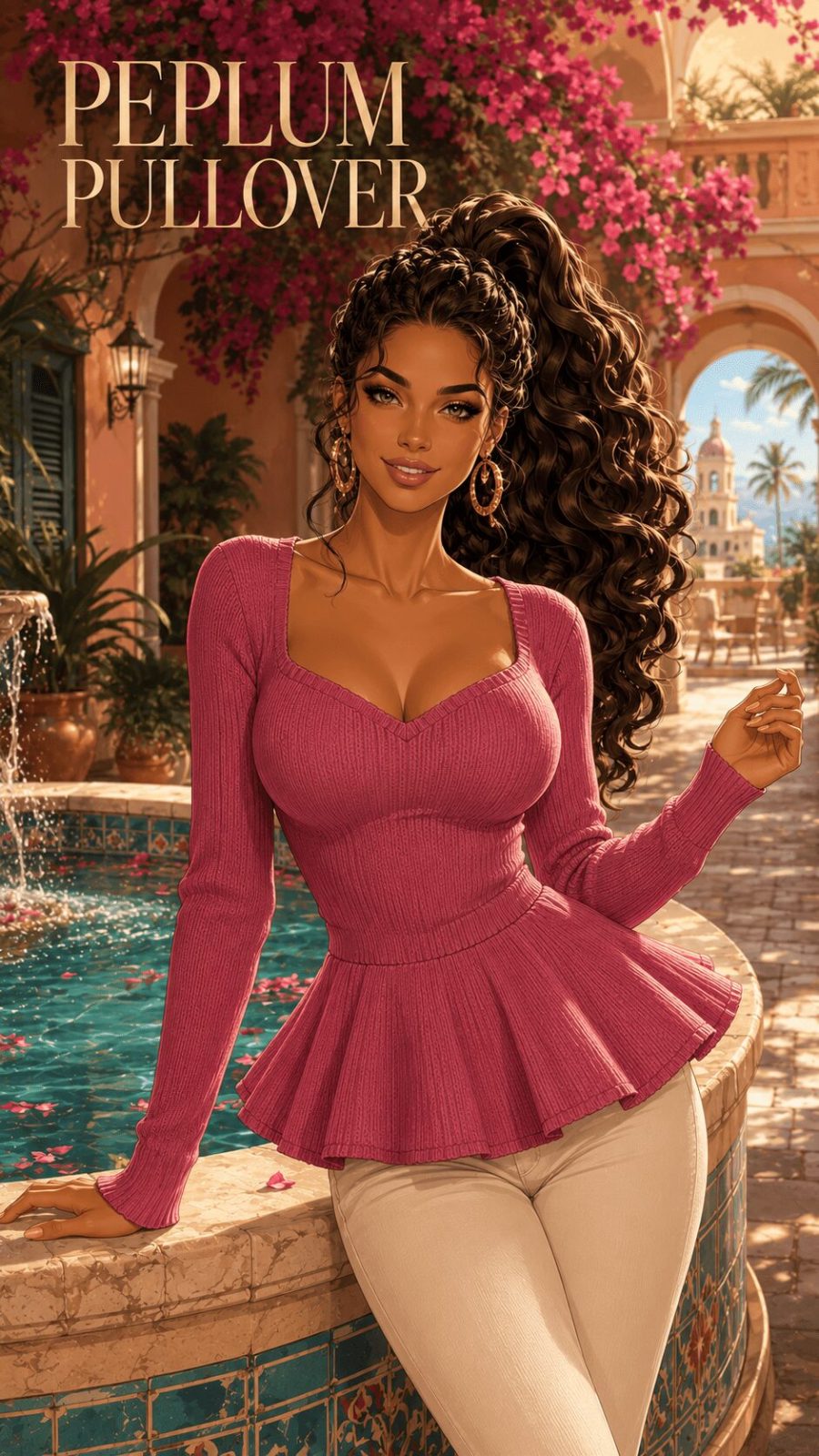

There’s a reason a jacket can turn an ordinary outfit into a finished one the second you put it on — it isn’t the color, and it usually isn’t the price tag. It’s construction: the shoulder line, the closure, the length, the fabric weight, all working together to decide how a piece moves, layers, and ages.
A jacket is the most structural decision in any outfit. Everything else in the look gets built around it.
The tailored blazer as we know it took its modern shape through the mid-century work of houses like Chanel, which treated jacket construction as a foundation for a woman’s entire wardrobe rather than a menswear borrowing. The biker jacket, meanwhile, moved from functional motorcycle gear into mainstream fashion largely through decades of subculture and runway reinterpretation, carrying its hardware and asymmetry straight from utility into style. Today the category spans everything from a lightweight linen safari jacket to a fully insulated down parka, each with its own construction logic, seasonal purpose, and styling potential.
This guide categorizes 115+ types across 8 classification systems. For every single entry:
-
Design
What it looks like
-
Season
When to wear it
-
Best For
Who it works for
Start here, explore everything, and keep this open as your full visual jacket reference.
All 8 Categories at a Glance
A structured breakdown of the 115+ jacket styles documented in this guide.
- 01
By Silhouette & Construction
- 02
By Length & Proportion
- 03
By Sleeve & Closure
- 04
By Collar, Hood & Neckline
- 05
By Fit & Silhouette Volume
- 06
By Fabric & Material
- 07
By Occasion & Function
- 08
By Design Details & Embellishment
115+ Different Types of Jackets for Women
Category 1: By Silhouette & Construction (#1–#18)
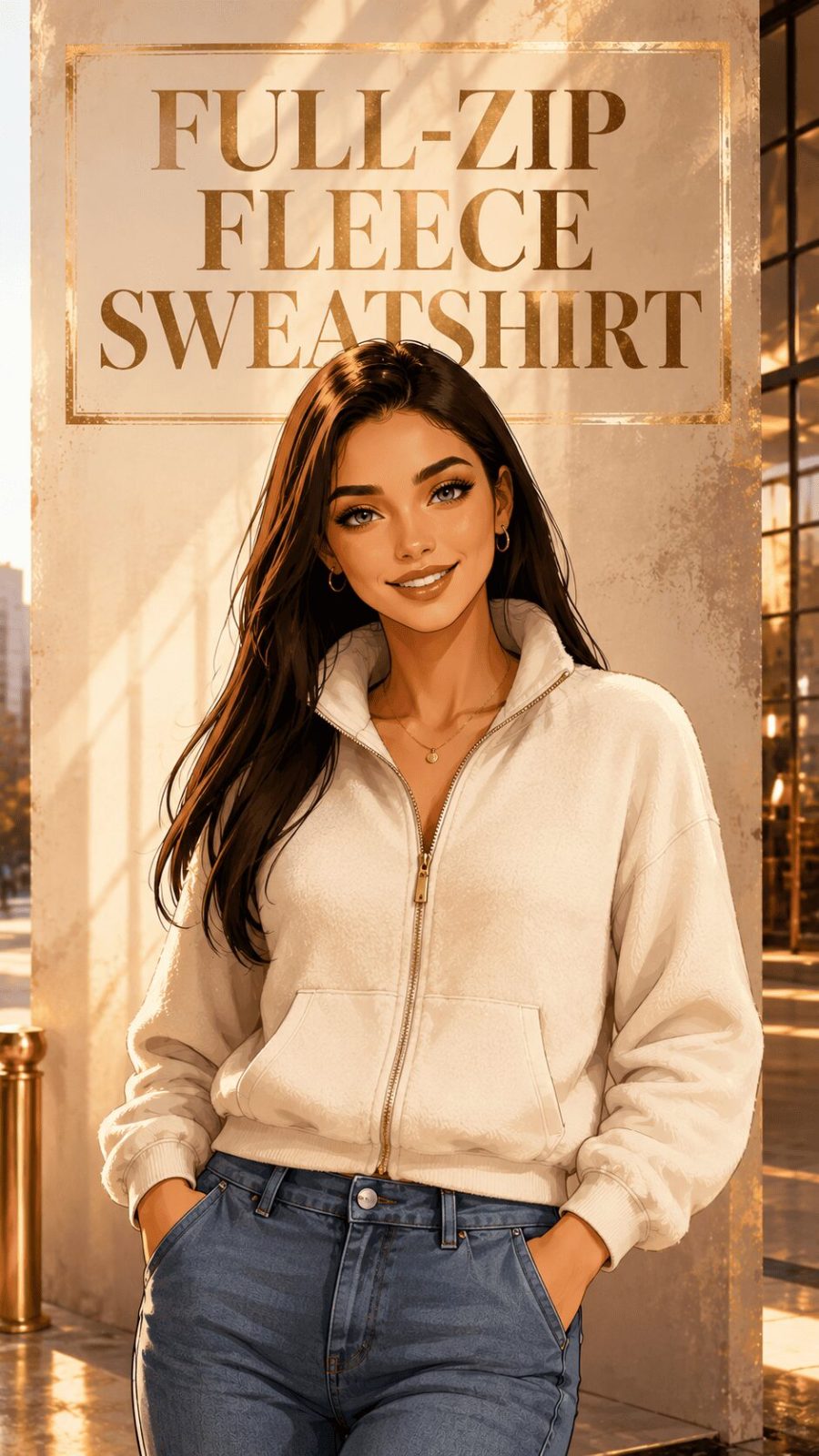
How the jacket is built and shaped — the foundational identity of each style
Silhouette is where a jacket earns its name. Before color or trim ever enter the conversation, the underlying construction — cropped and boxy, or long and fluid, structured through the shoulder or left deliberately unstructured — decides how the garment will sit on a body and what mood it signals the moment someone walks into a room.
This is also the category most often flattened by casual shopping language. A "cool jacket" is marketing. A bomber with a ribbed hem and set-in sleeve is construction — and that distinction is exactly what tells you how a piece will layer, move, and age over repeated wear.
- 01
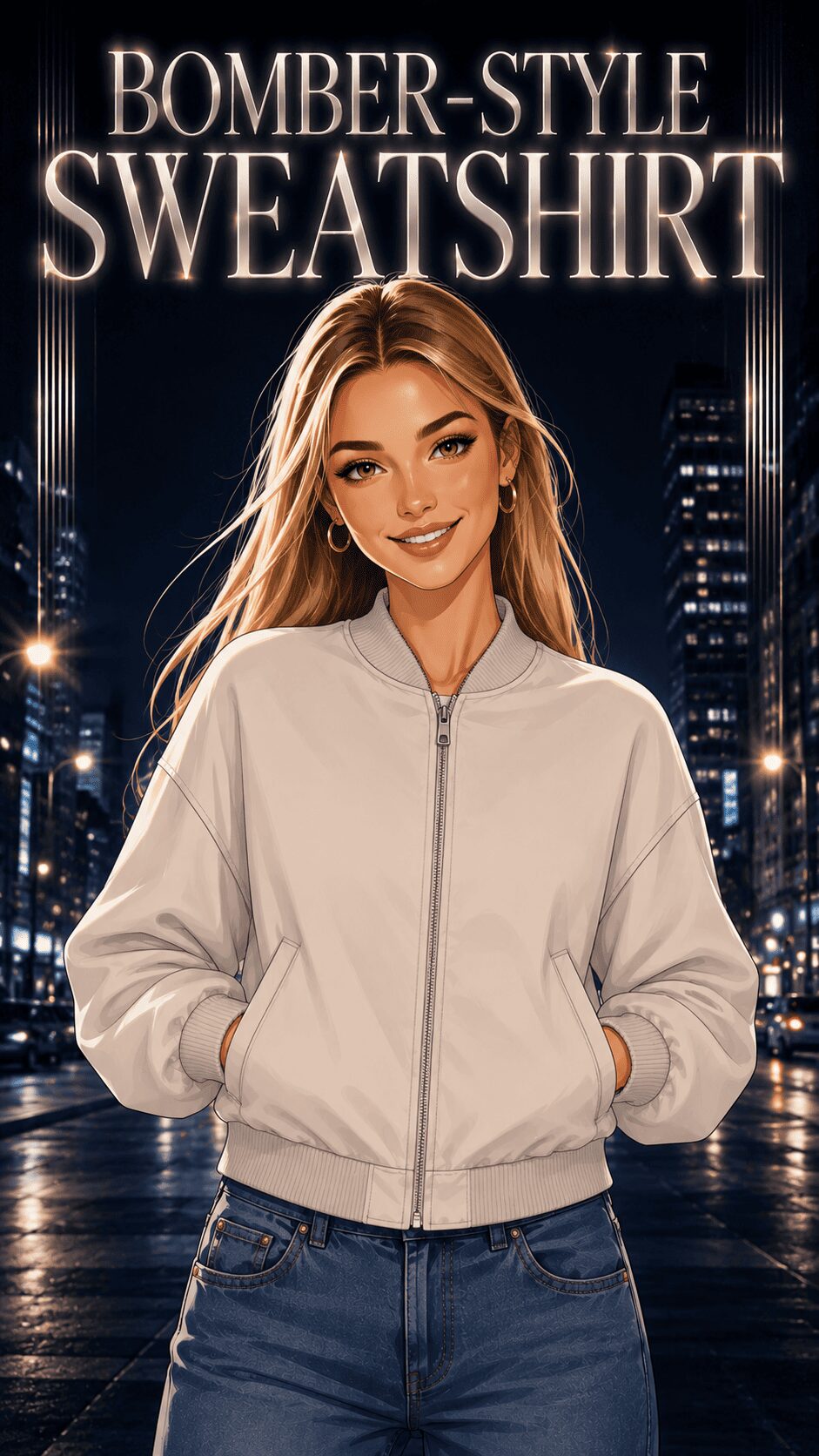
Bomber Jacket

Ribbed hem, ribbed cuffs, and a zip-front body borrowed directly from mid-century flight gear; boxy through the torso with room to layer underneath.
- 02
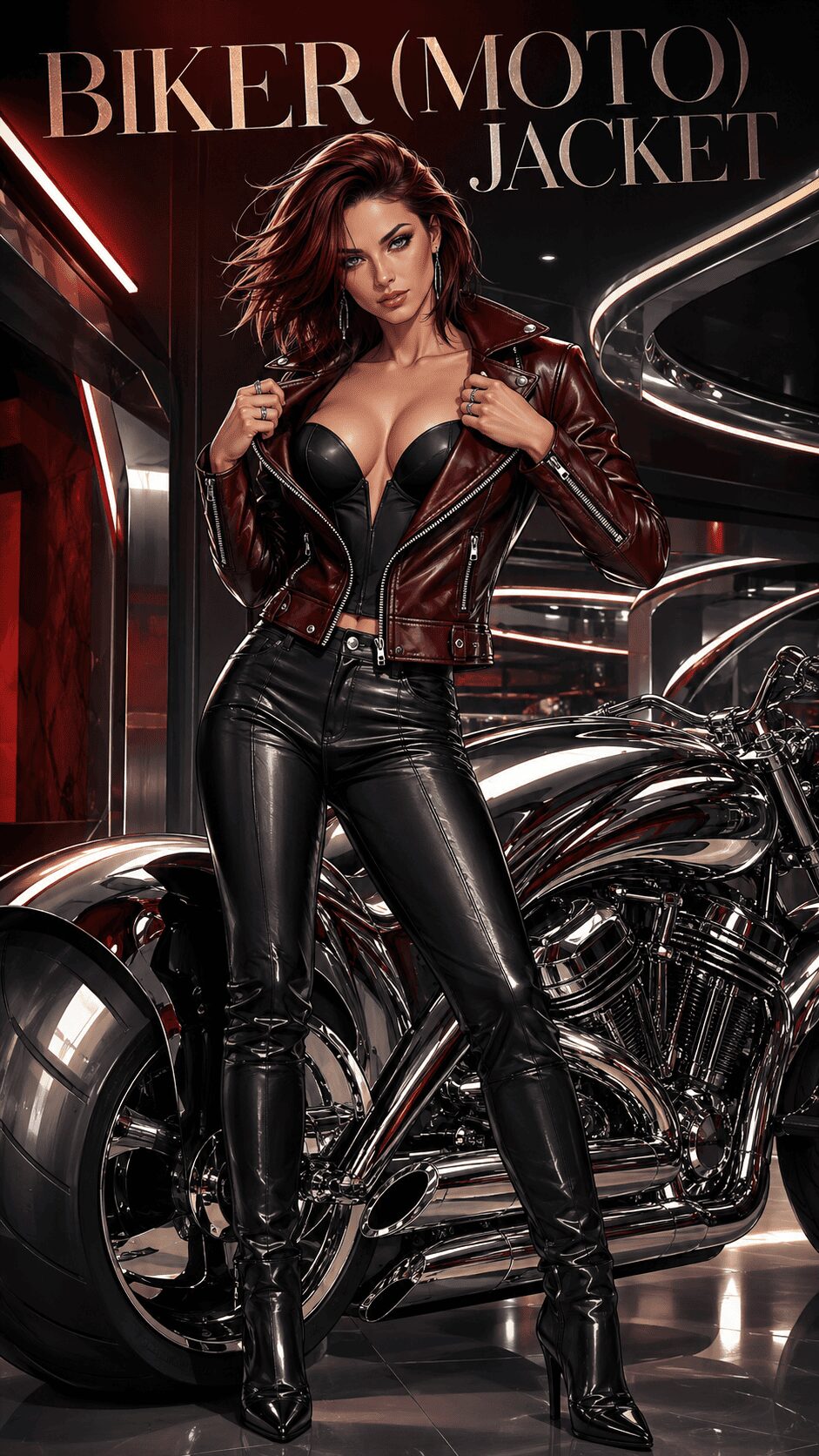
Biker (Moto) Jacket

Asymmetric front zip, wide lapels that snap back, and heavy-duty hardware borrowed from motorcycle safety gear, now read as an edge-adding layering piece.
- 03
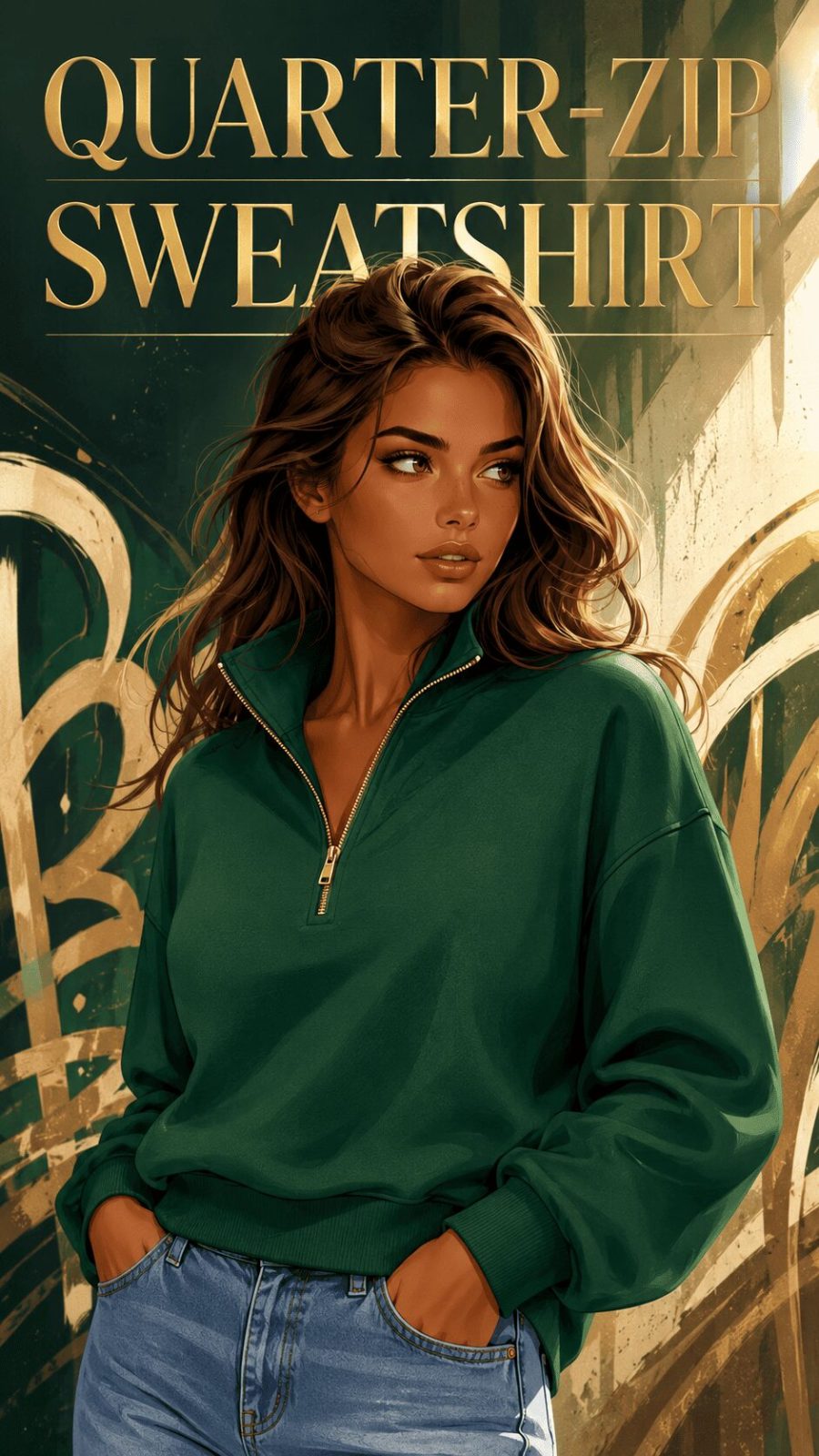
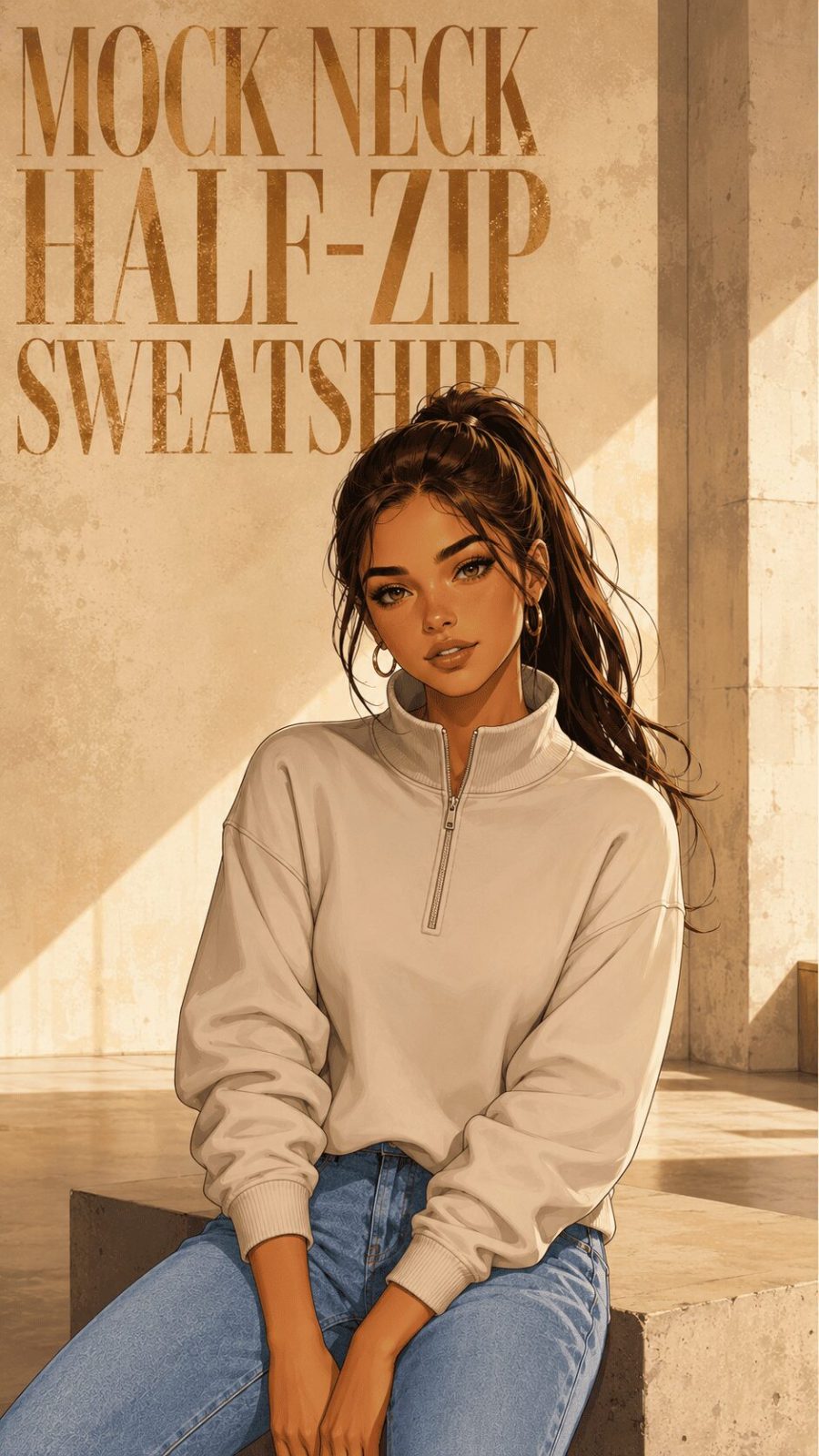
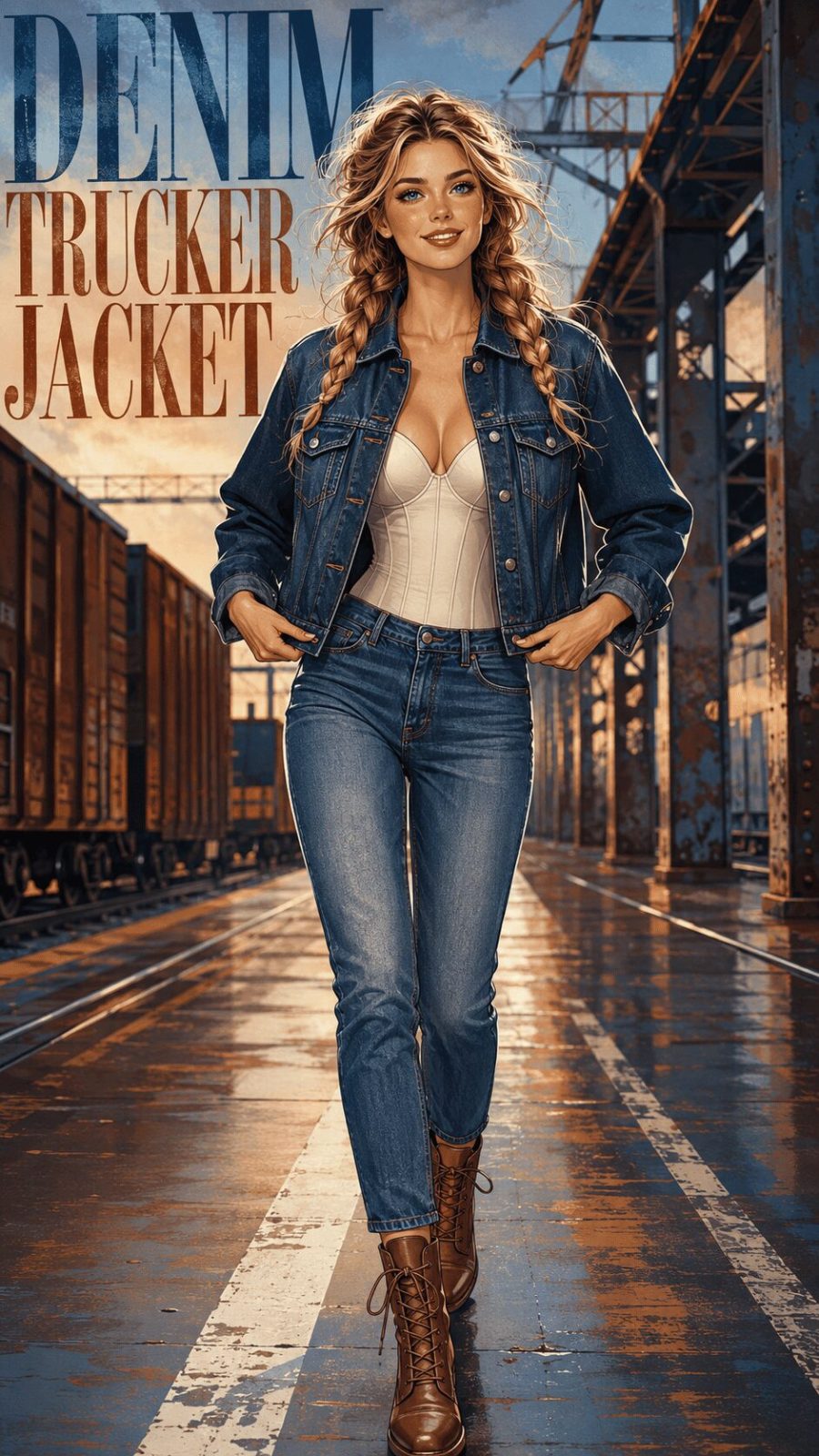
Denim Trucker Jacket
Point collar, chest flap pockets, and a button-front body in rigid or washed denim; the piece that popularized the term "jacket" as a wardrobe staple rather than workwear.
- 04
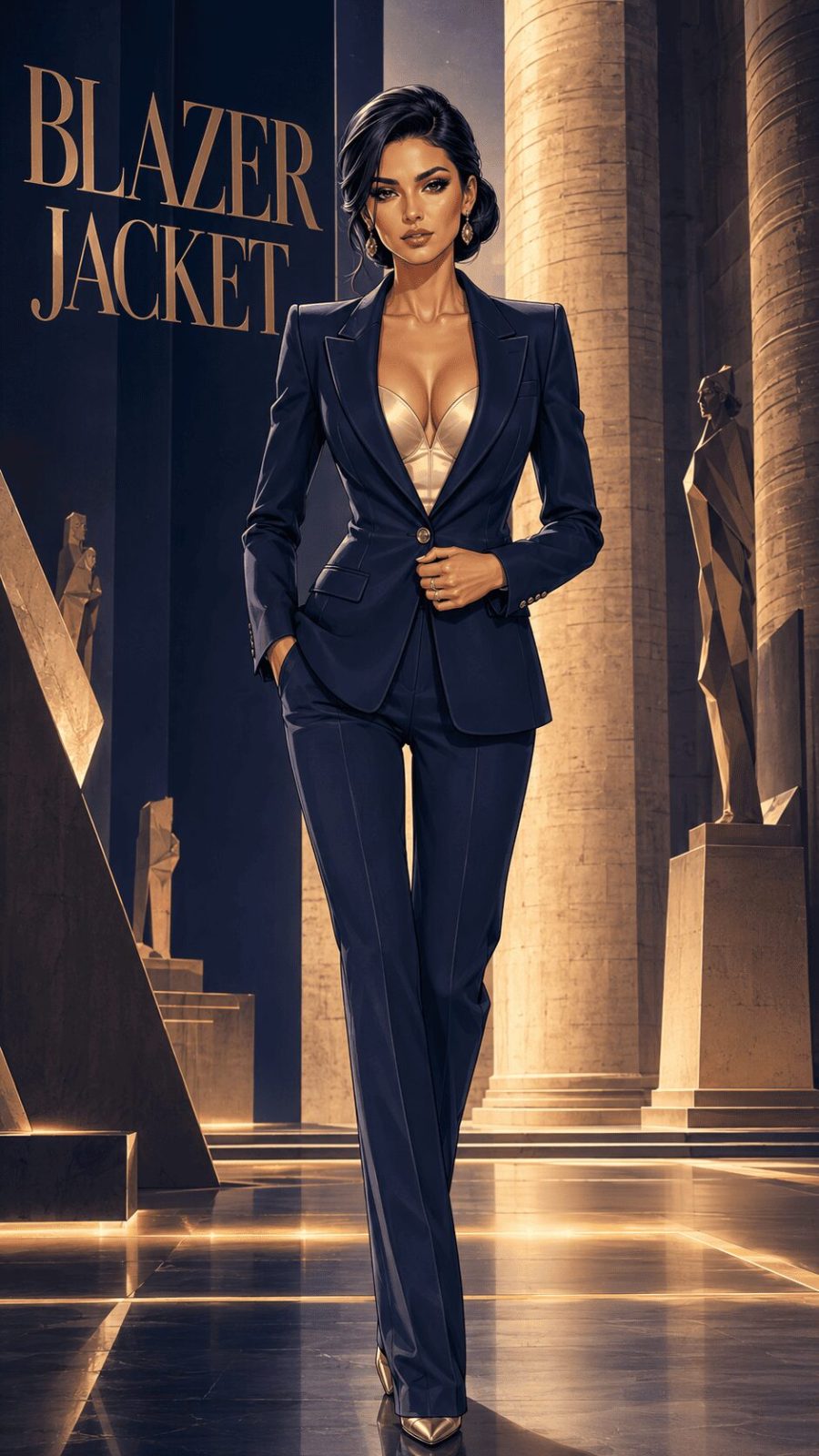
Blazer Jacket
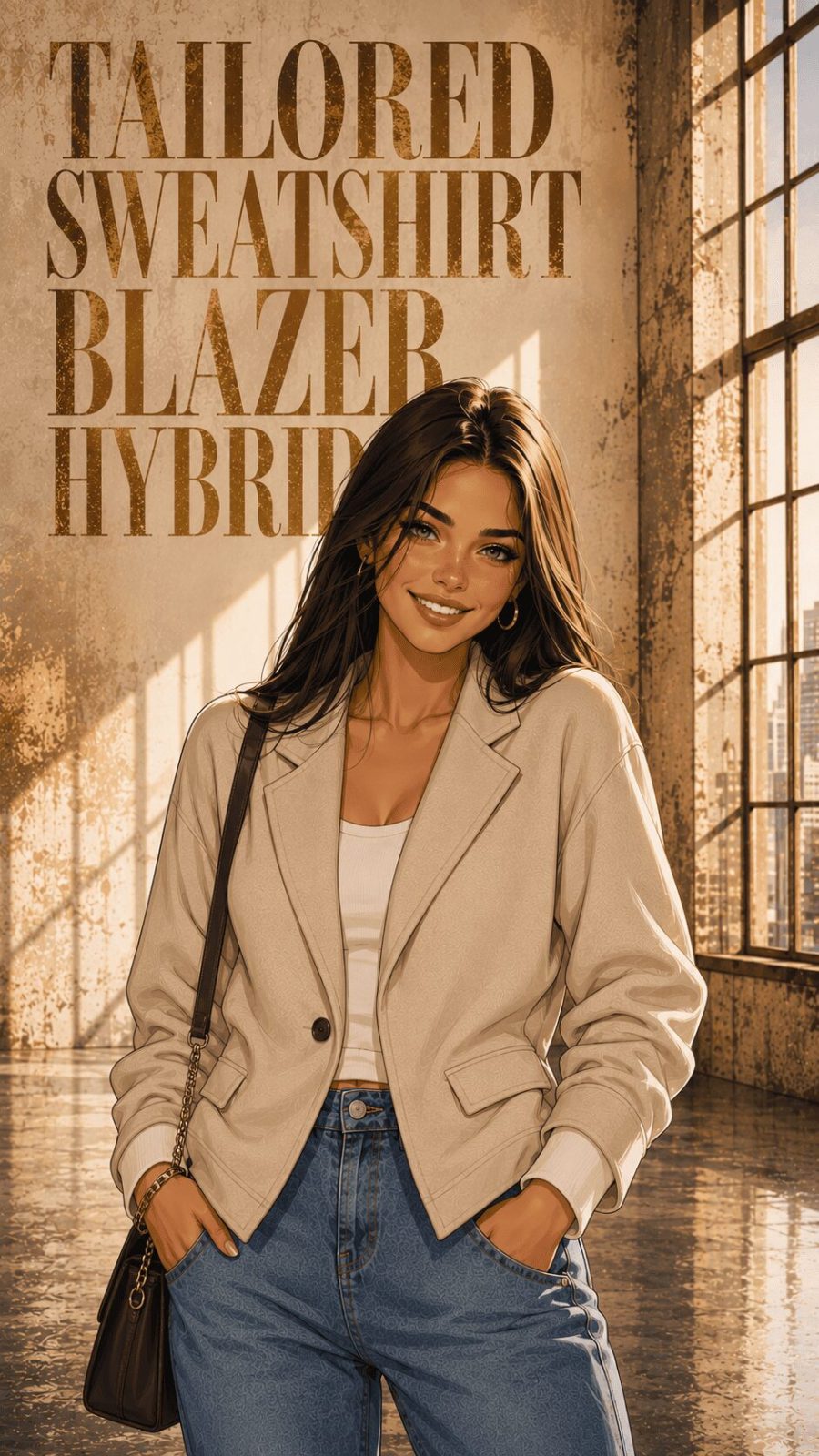
Tailored shoulder, notch or peak lapel, and a fitted waist built from suiting fabric; the most transferable piece between boardroom and dinner table.
- 05
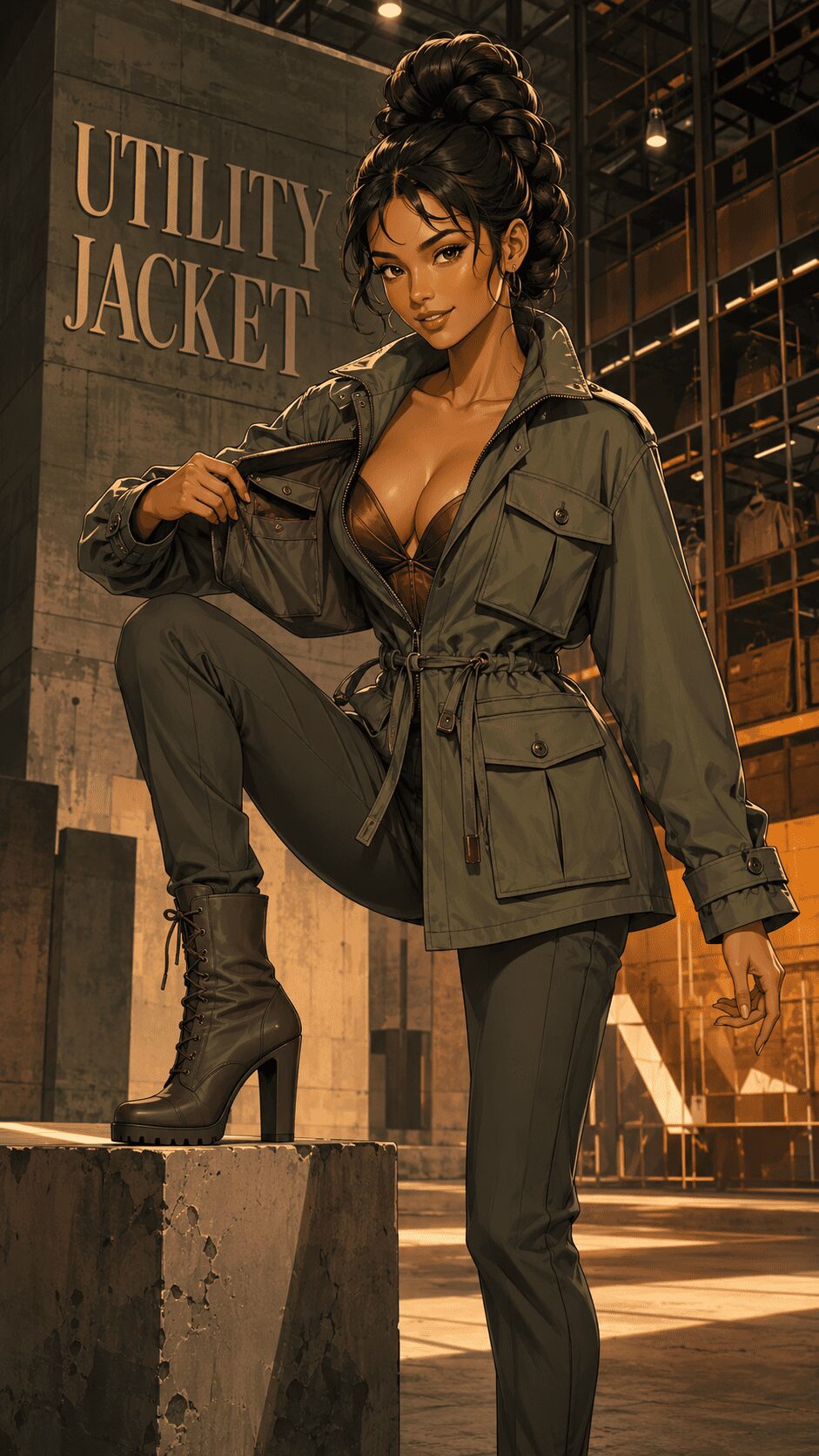
Utility Jacket
Multiple patch pockets, a straight or slightly boxy body, and cotton-twill or canvas construction designed around function first.
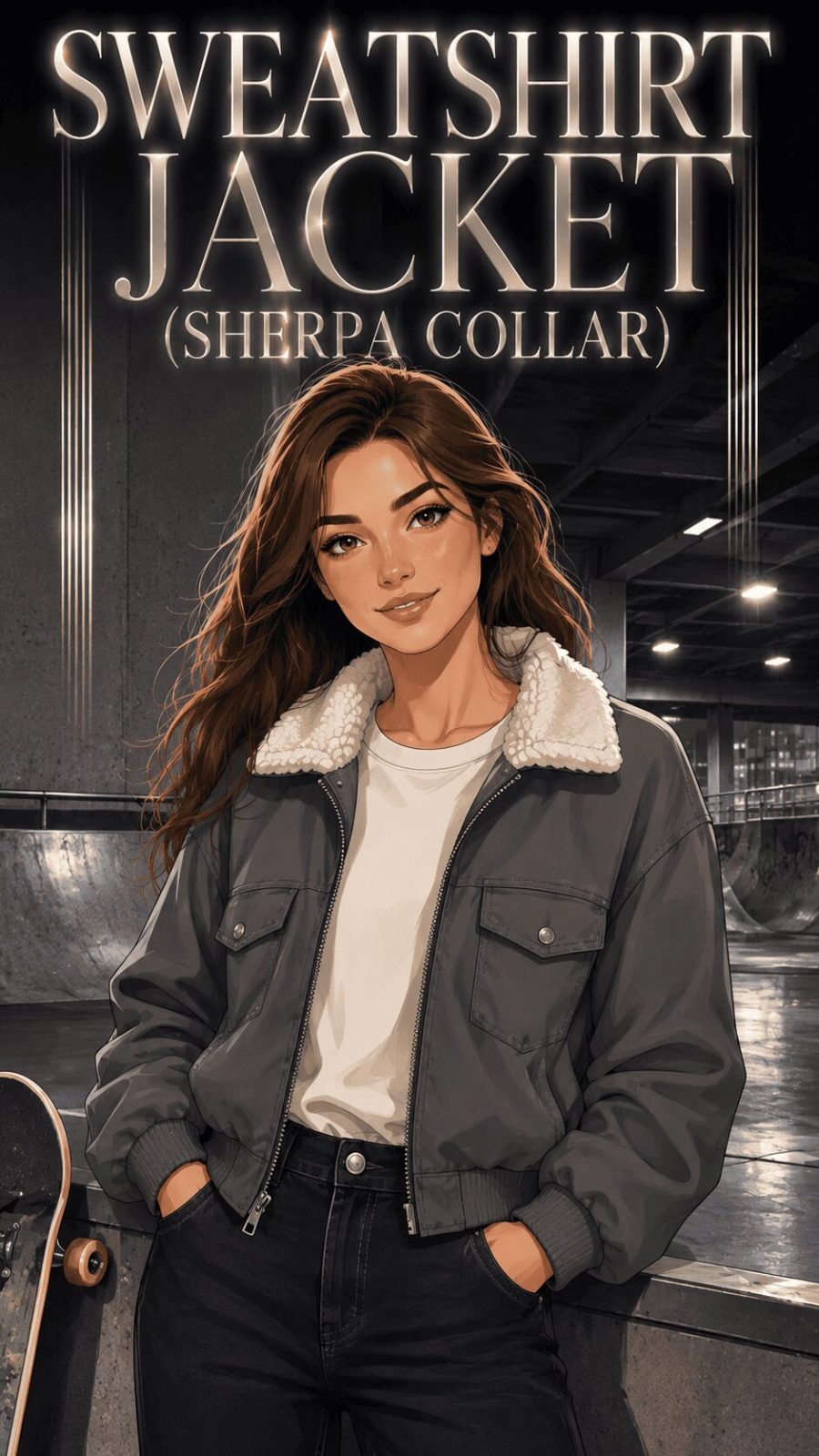
- 06
Field Jacket
Four-pocket military-derived design with a shirt-style collar and a longer body meant to sit over knitwear without restricting movement.
- 07
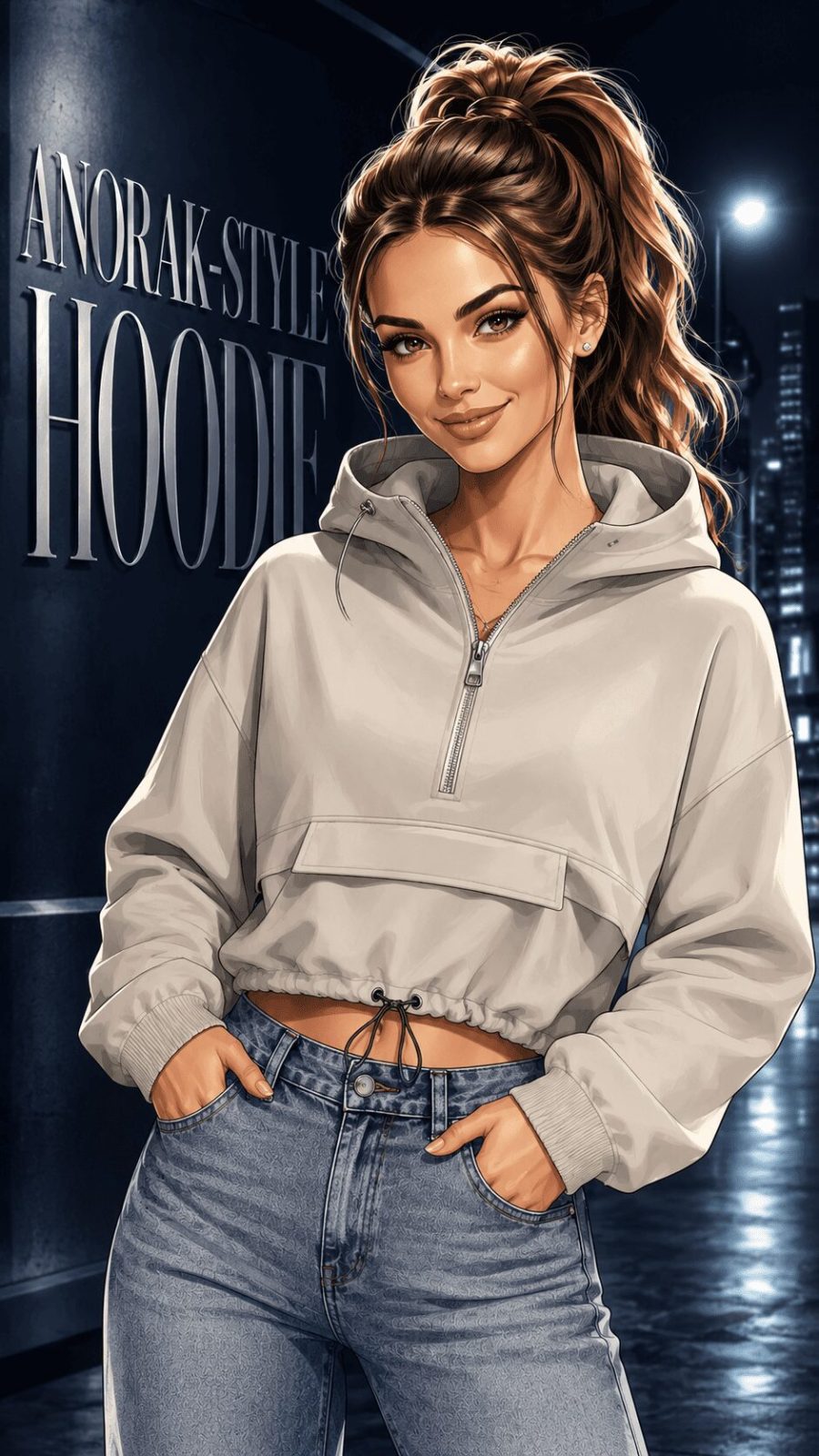
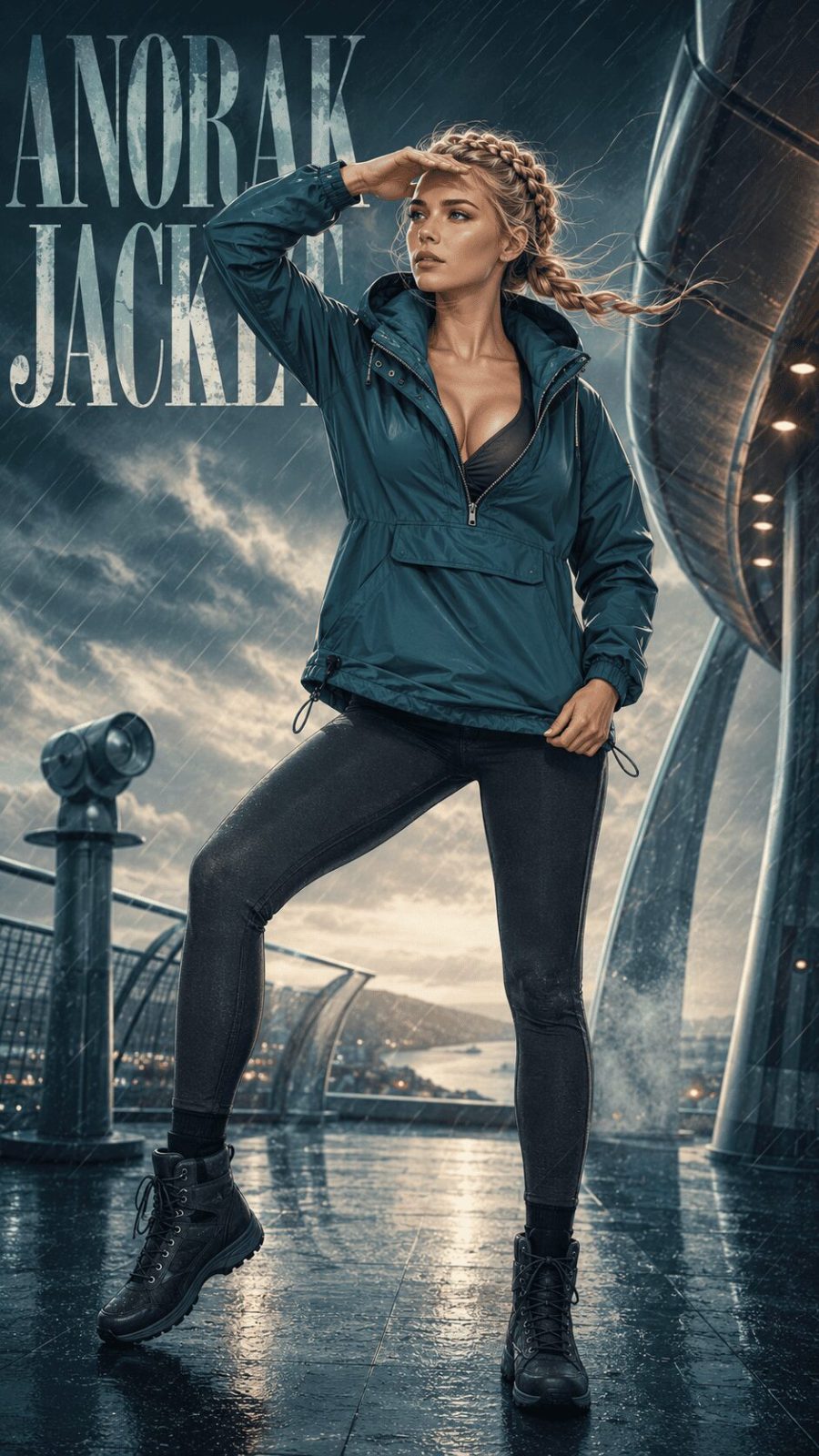
Anorak Jacket
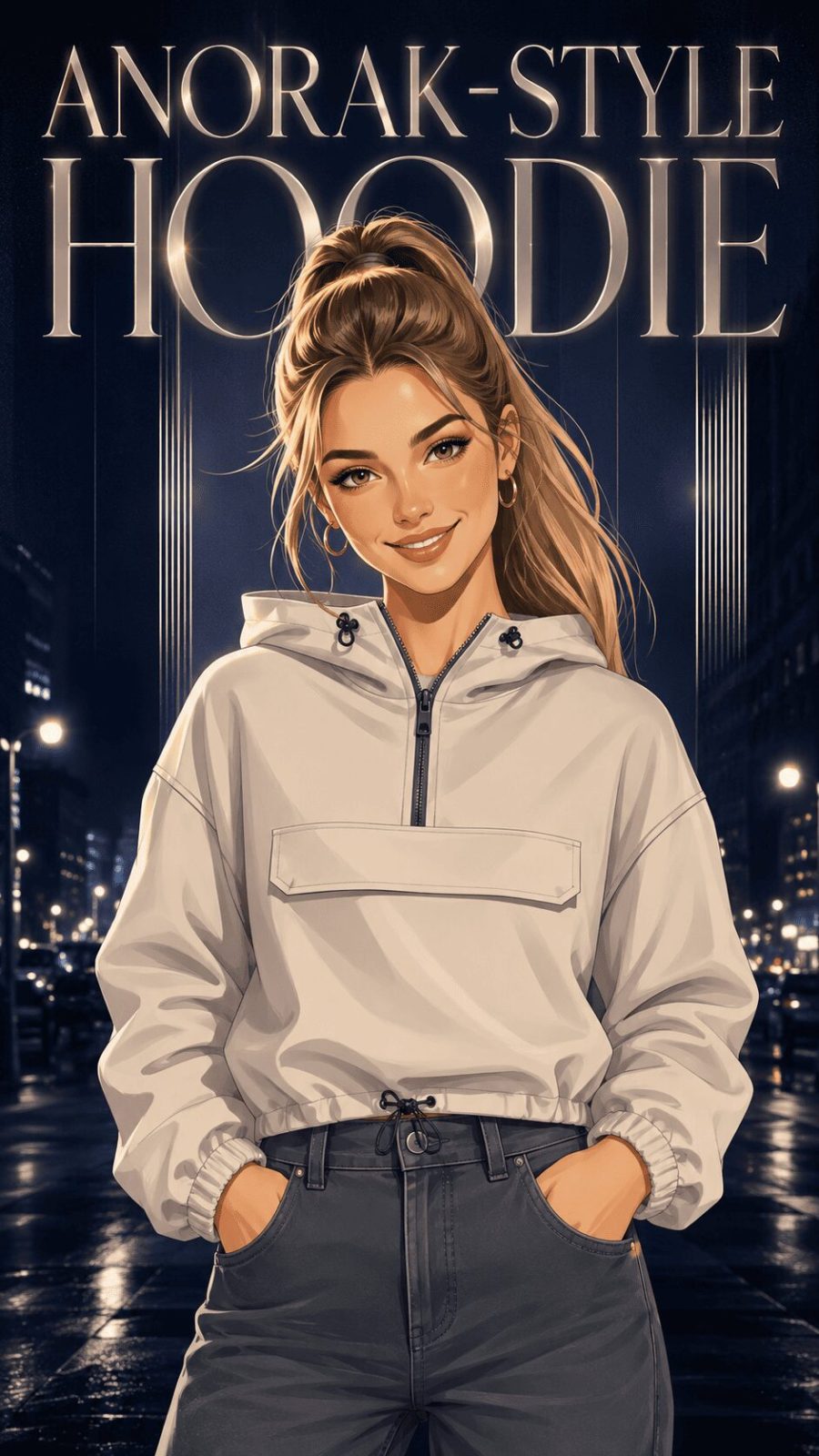
Pullover construction with a half-zip or button placket and a fixed or stowable hood; built originally for wind and light rain.
- 08
Parka Jacket
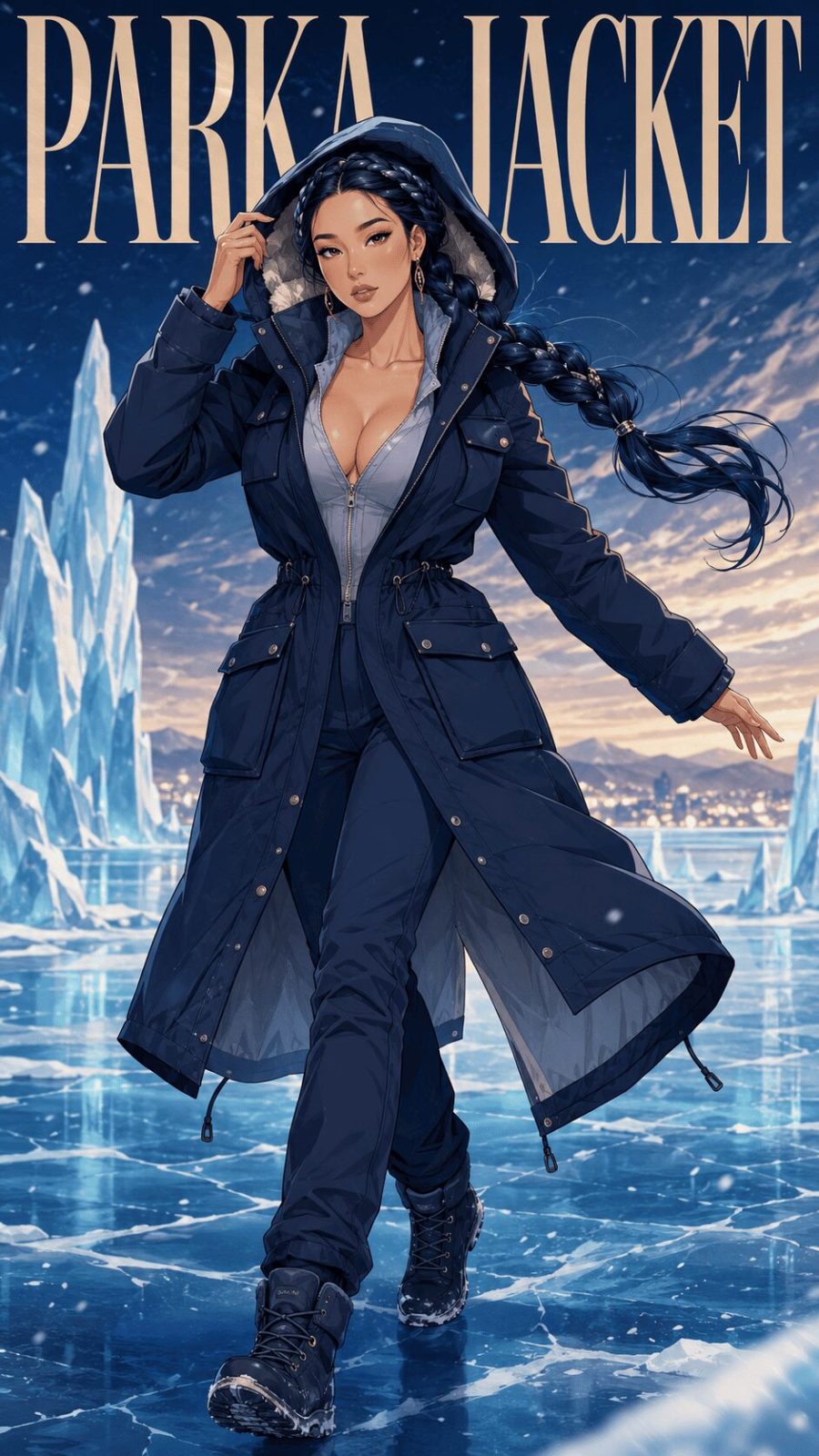

Knee-grazing length, insulated lining, and a fur-trimmed or plain hood; the heaviest-duty piece in the everyday outerwear lineup.
- 09
Safari Jacket
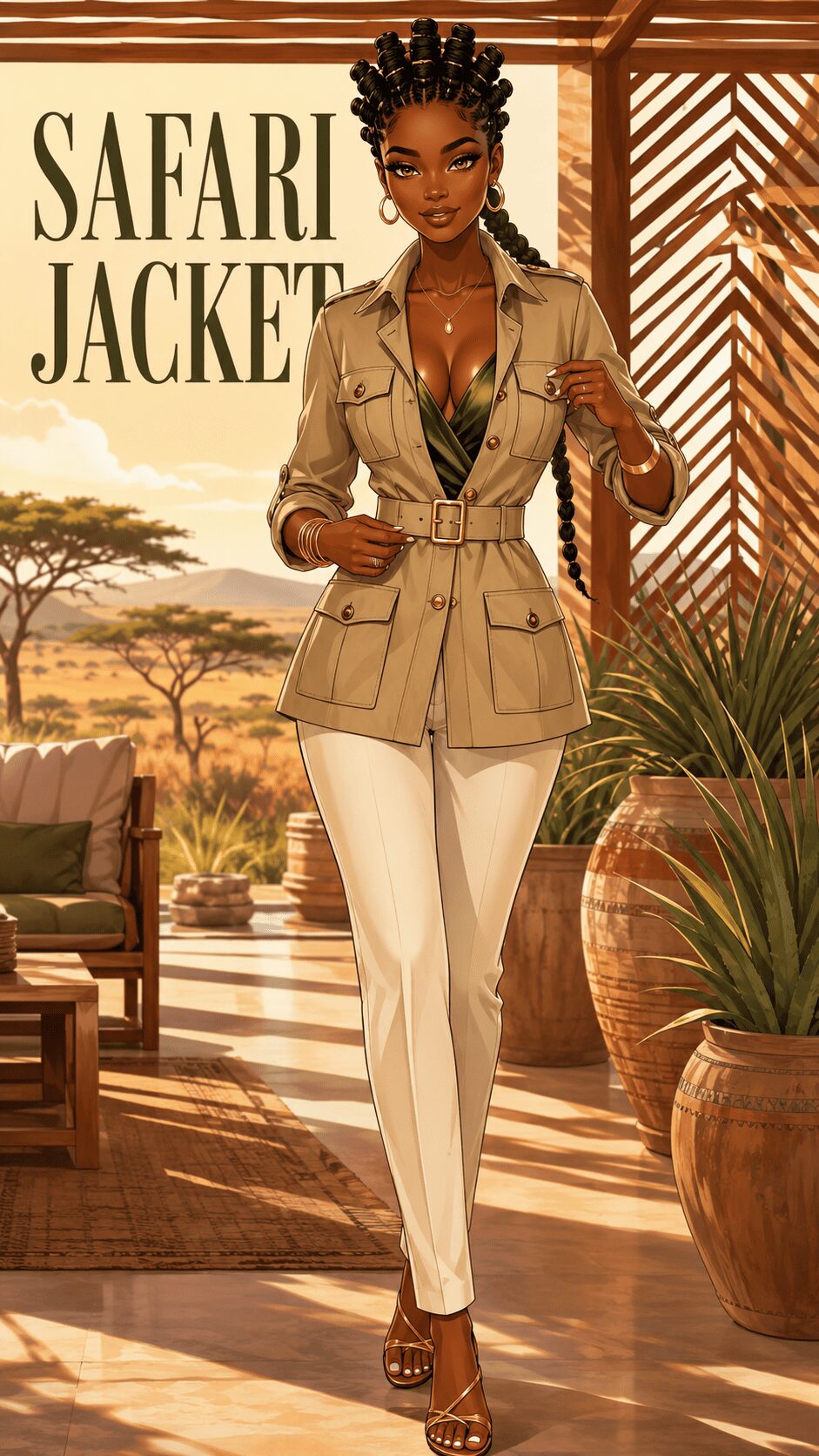
Belted waist, four bellows pockets, and a shirt-style collar in lightweight cotton or linen; a warm-climate cousin of the field jacket.
- 10
Shacket (Shirt-Jacket)
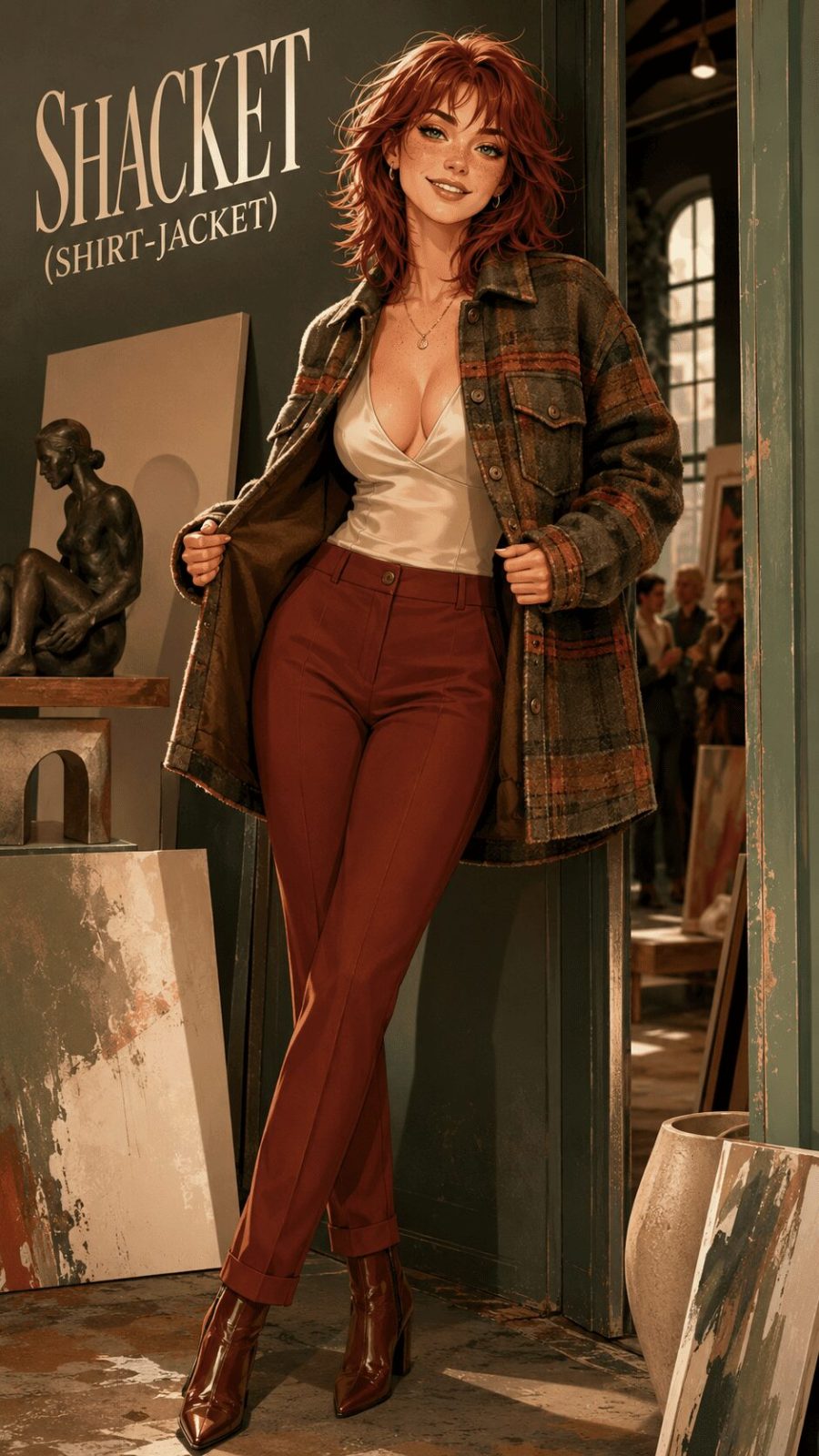
A hybrid piece — heavier than a shirt, lighter than a coat — usually in flannel, wool-blend, or brushed cotton with a shirt collar and button front.
- 11
Cocoon Jacket
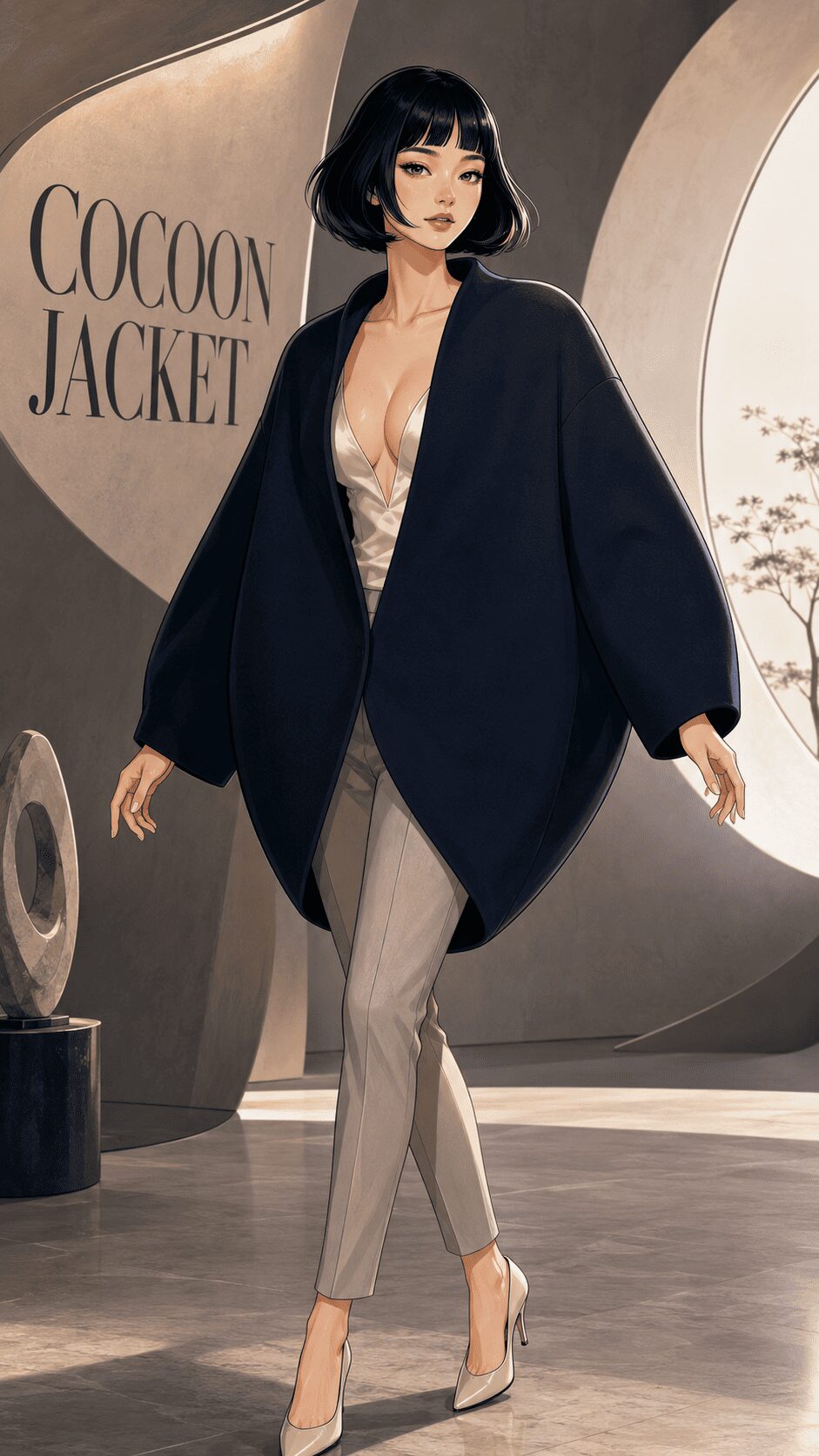
A rounded, volume-forward shape that narrows at the hem; no set waistline, so the body reads soft and enveloping rather than structured.
- 12
Boxy Jacket
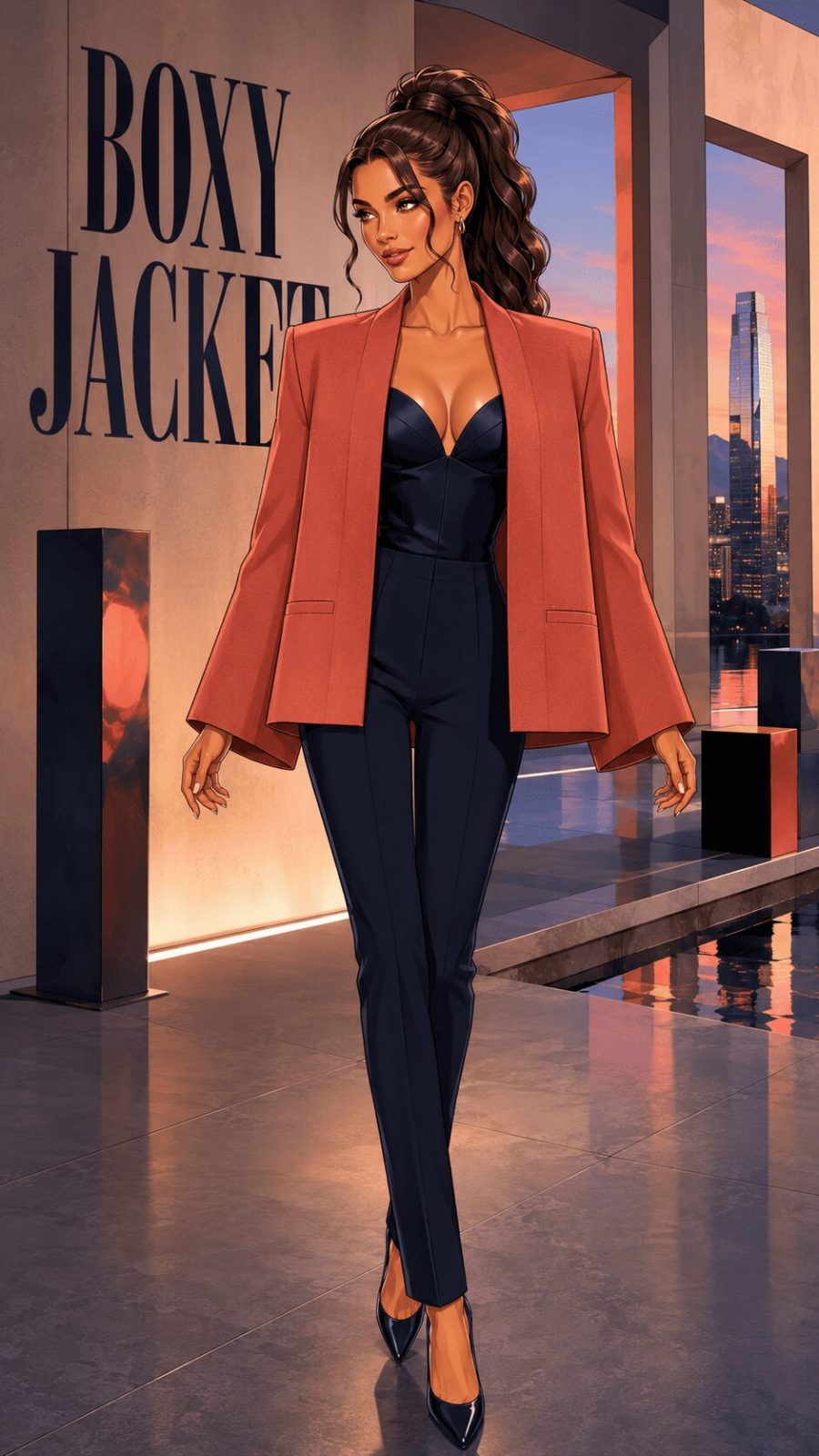
Square-cut through the torso with minimal waist shaping; sits away from the body at every point rather than following its line.
- 13
Fitted (Tailored) Jacket
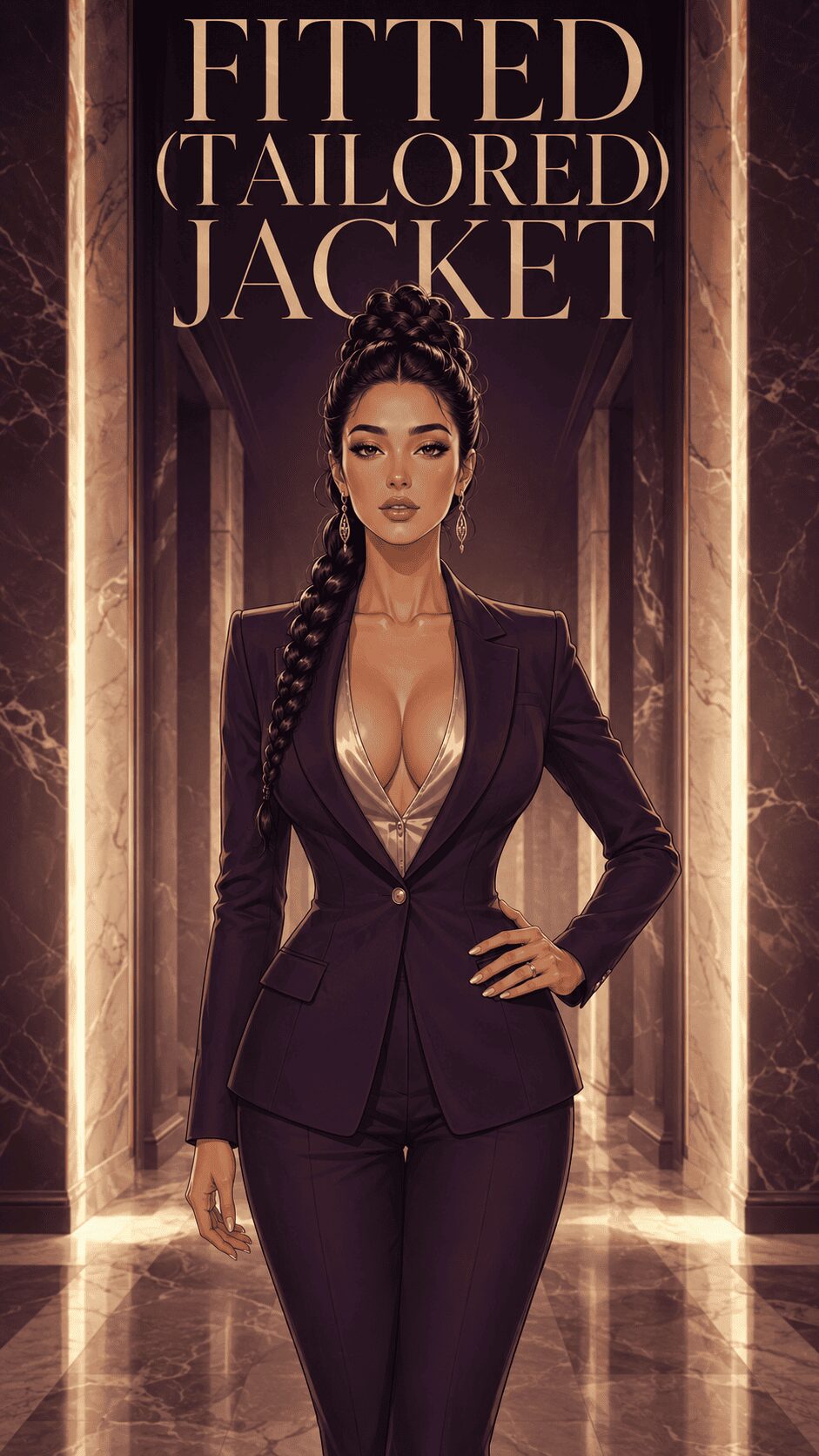
Princess seams or darts shape the jacket precisely to the waist and bust; the opposite construction philosophy to a boxy or cocoon cut.
- 14
Cape Jacket
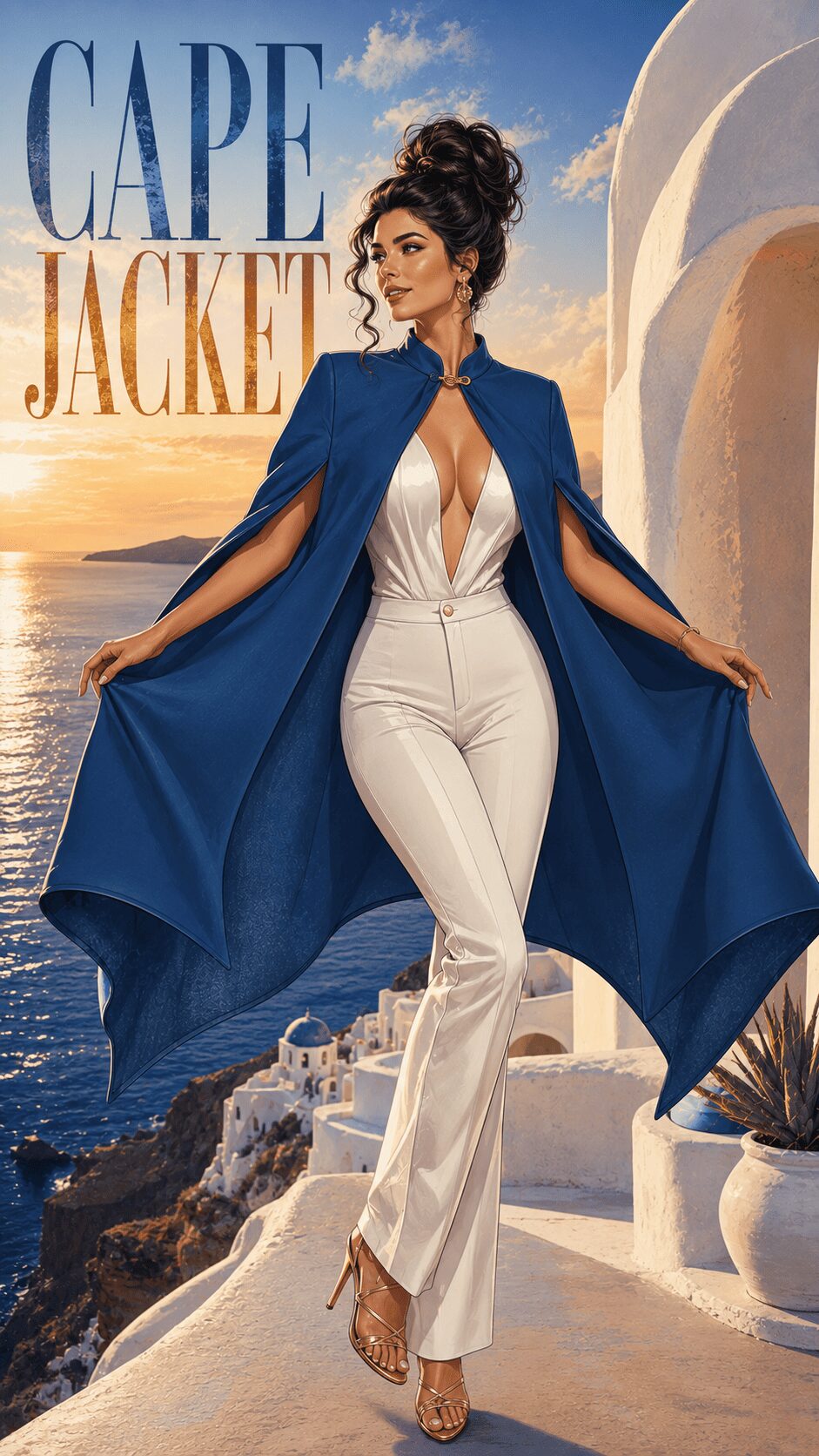
An armhole-free, sweeping shape that drapes from the shoulders; sometimes finished with slits for the arms rather than true sleeves.
- 15
Kimono Jacket
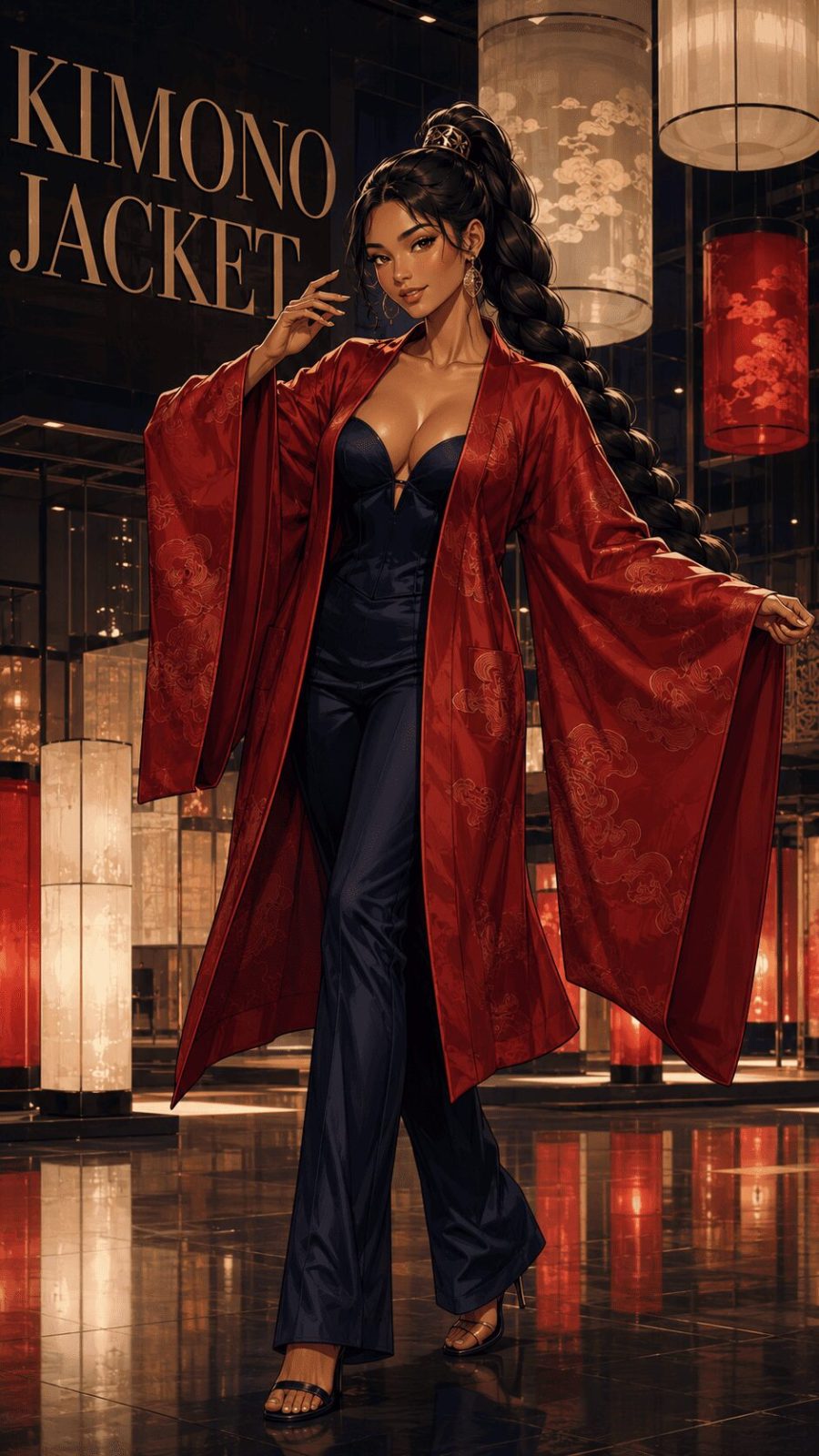
Open-front, no-closure construction with wide dropped sleeves, drawing directly on traditional Japanese kimono tailoring principles.
- 16
Wrap Jacket
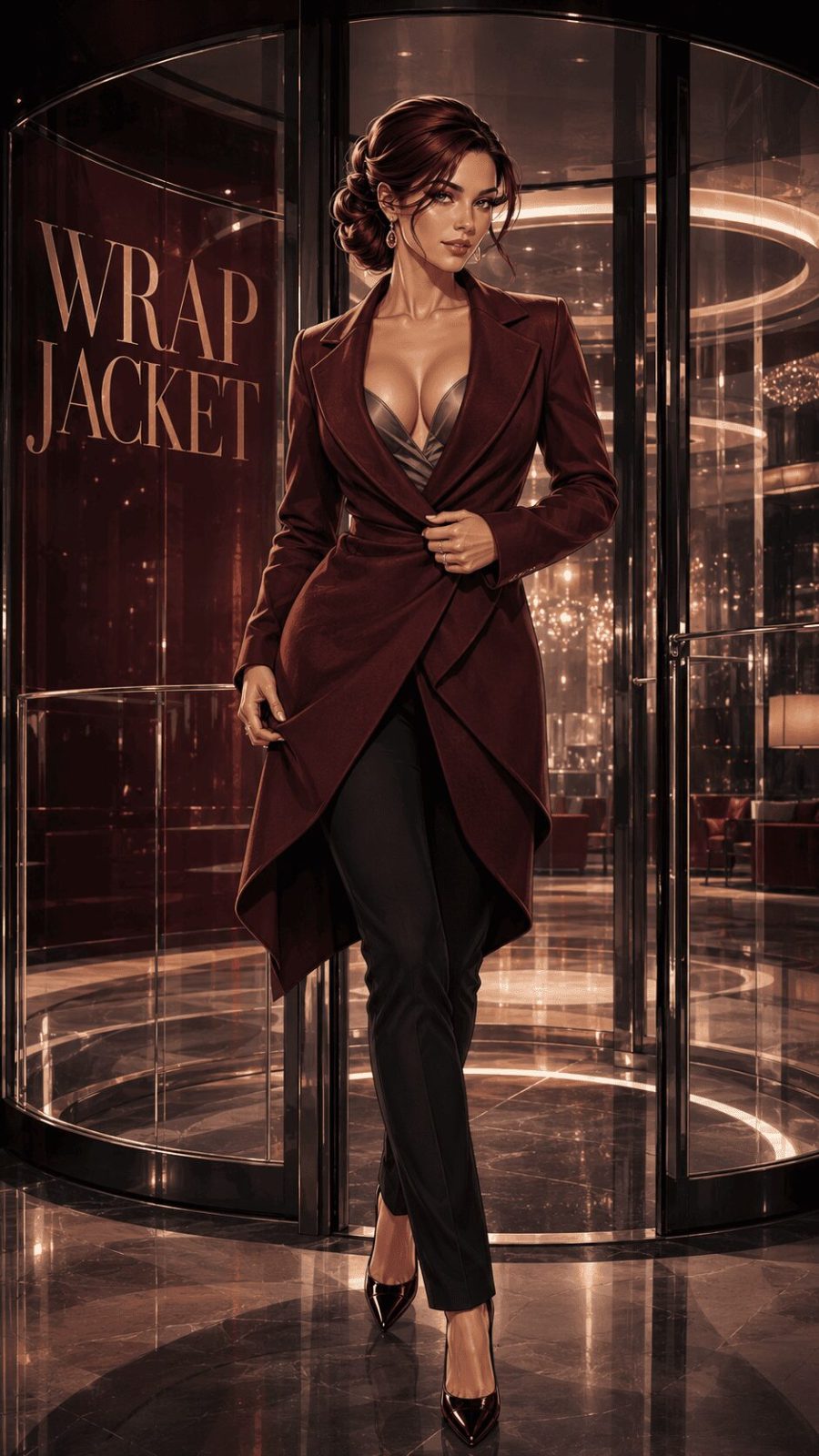
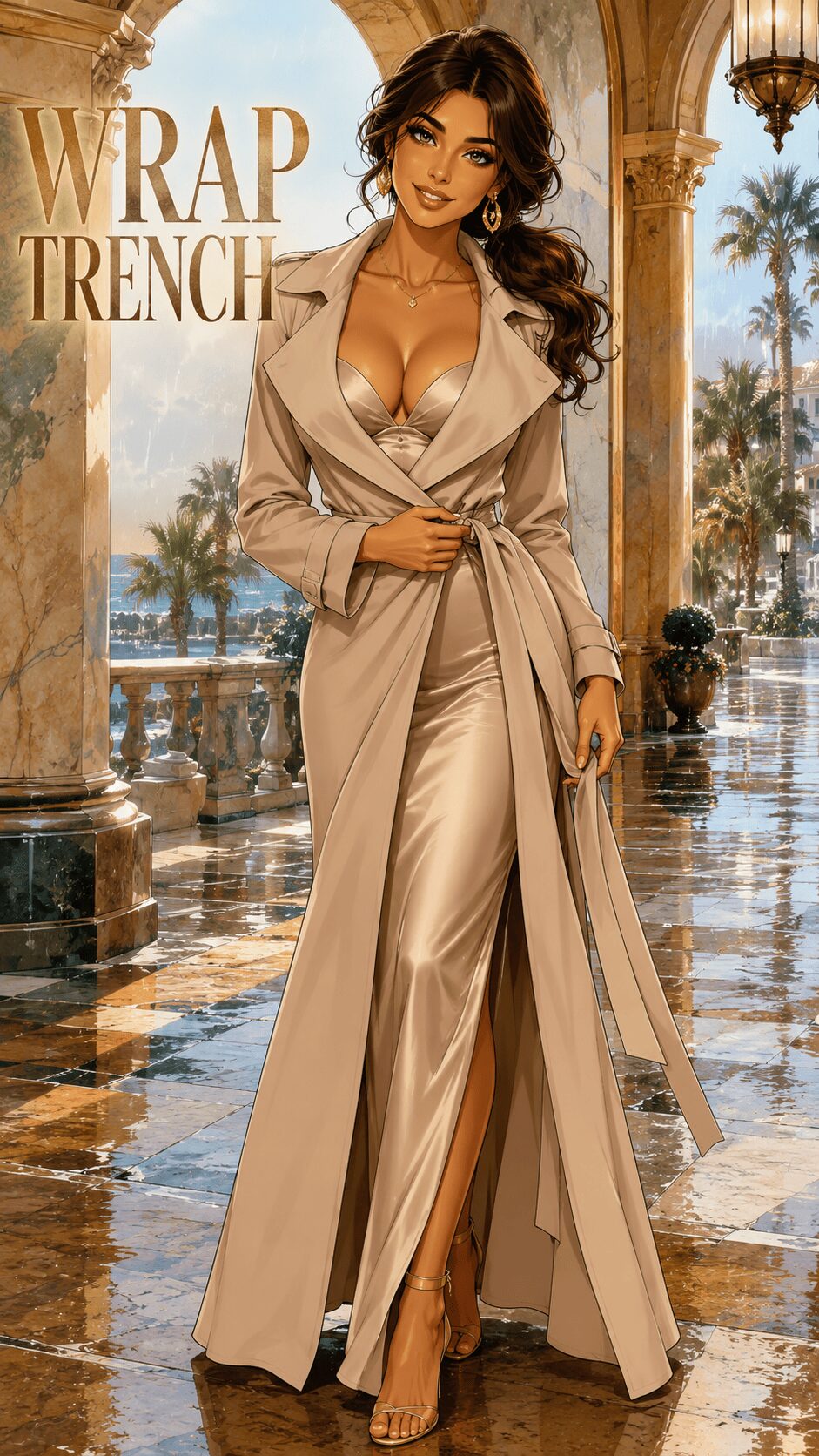
Overlapping front panels secured with an interior tie or belt rather than buttons or a zip; adjustable through the waist by design.
- 17
Puffer Jacket

Quilted baffles filled with down or synthetic insulation trap warmth in defined channels running horizontally or vertically across the body.
- 18
Pea Jacket (Cropped Peacoat)

Double-breasted front with wide lapels and a shorter body than a traditional peacoat, built from heavy wool or wool-blend melton.
Category 2: By Length & Proportion (#19–#30)
Where the hem falls changes everything below it — proportion is the quiet variable most people underestimate
Length dictates proportion more than almost any other design decision. A cropped jacket shortens the visual line of the torso and opens up the waistline underneath it; a duster-length coat lengthens the whole silhouette and reads considerably more formal, even in casual fabric.
None of these lengths are inherently more flattering than another — what changes is which part of an outfit gets visual emphasis. Choosing length is really choosing what you want a viewer's eye to land on first.
- 19
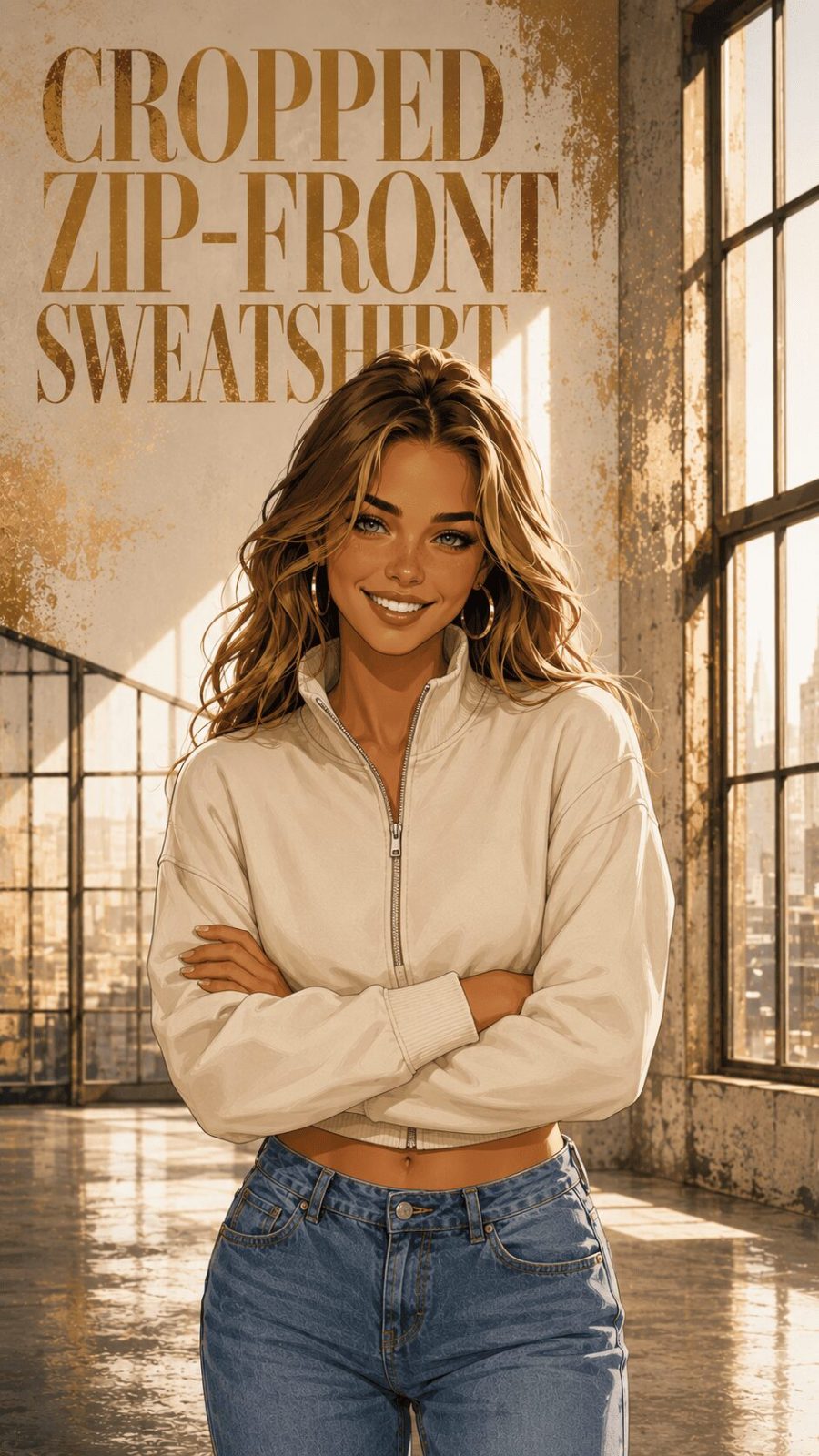
Cropped Jacket
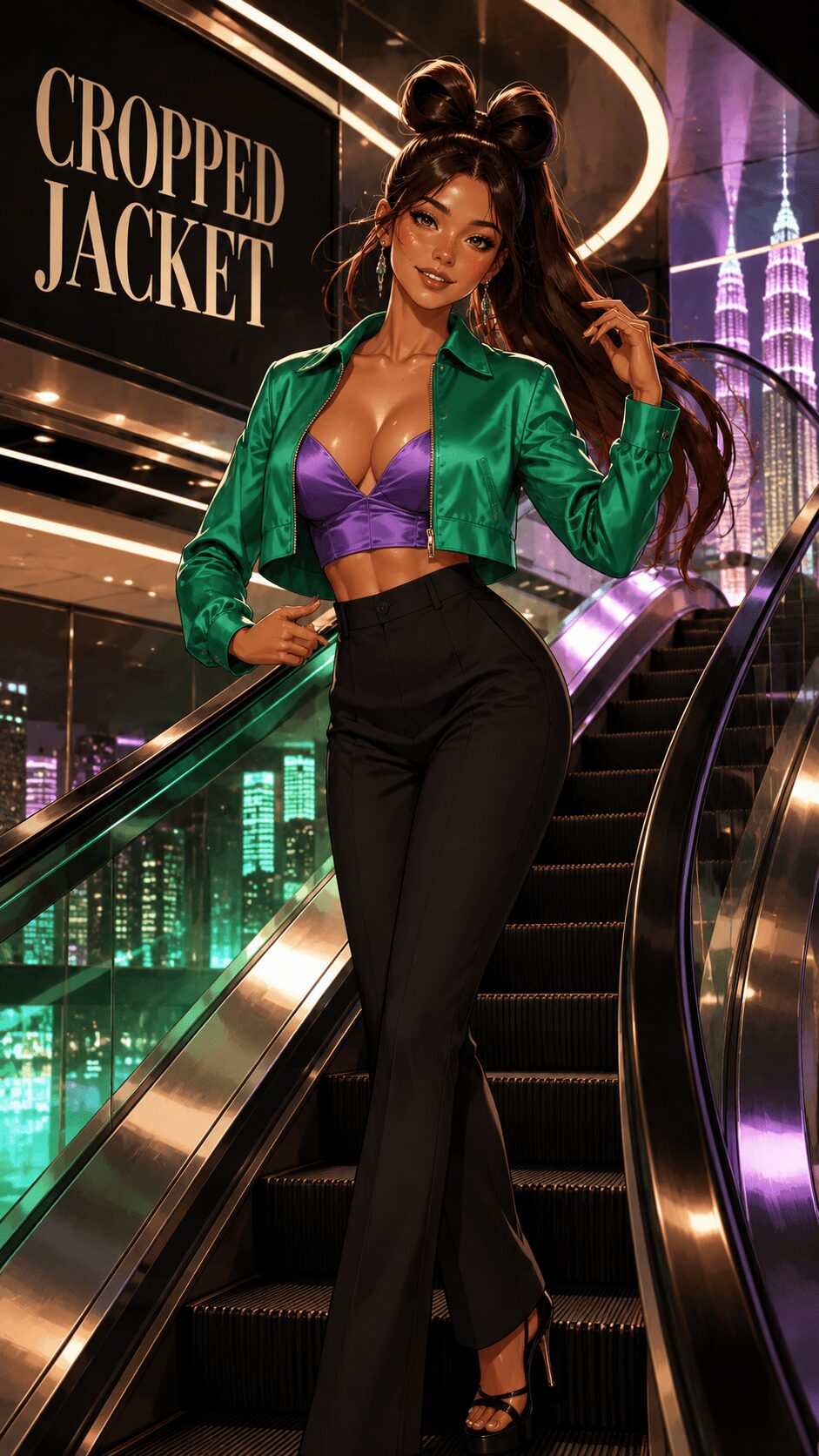
Hits at or above the natural waist, exposing the hip line entirely; pairs by design with high-rise bottoms so no gap of midriff shows.
- 20
Waist-Length Jacket
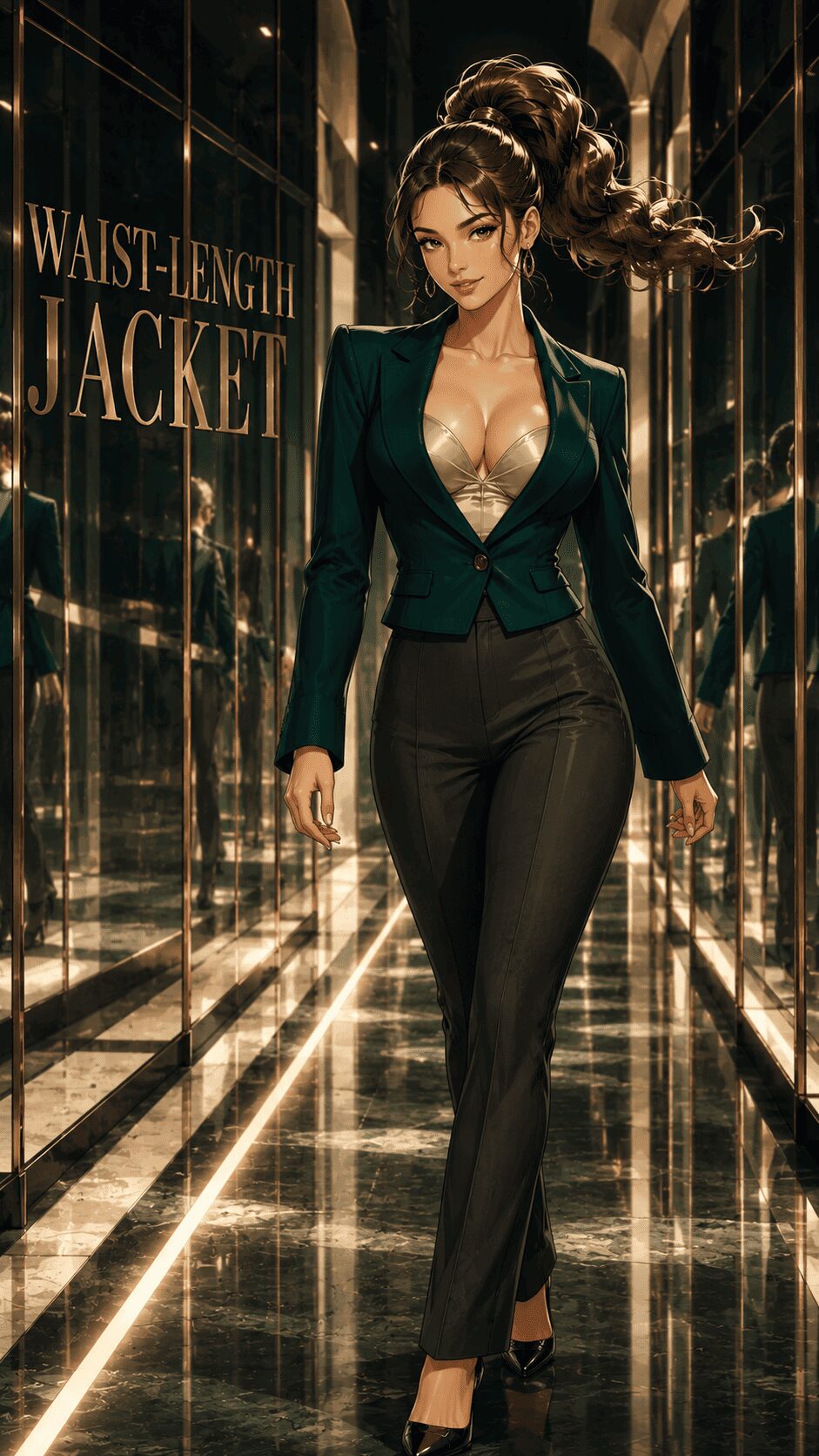
Ends precisely at the natural waistline — the most universally proportionate length, working with nearly any bottom silhouette.
- 21
Hip-Length Jacket
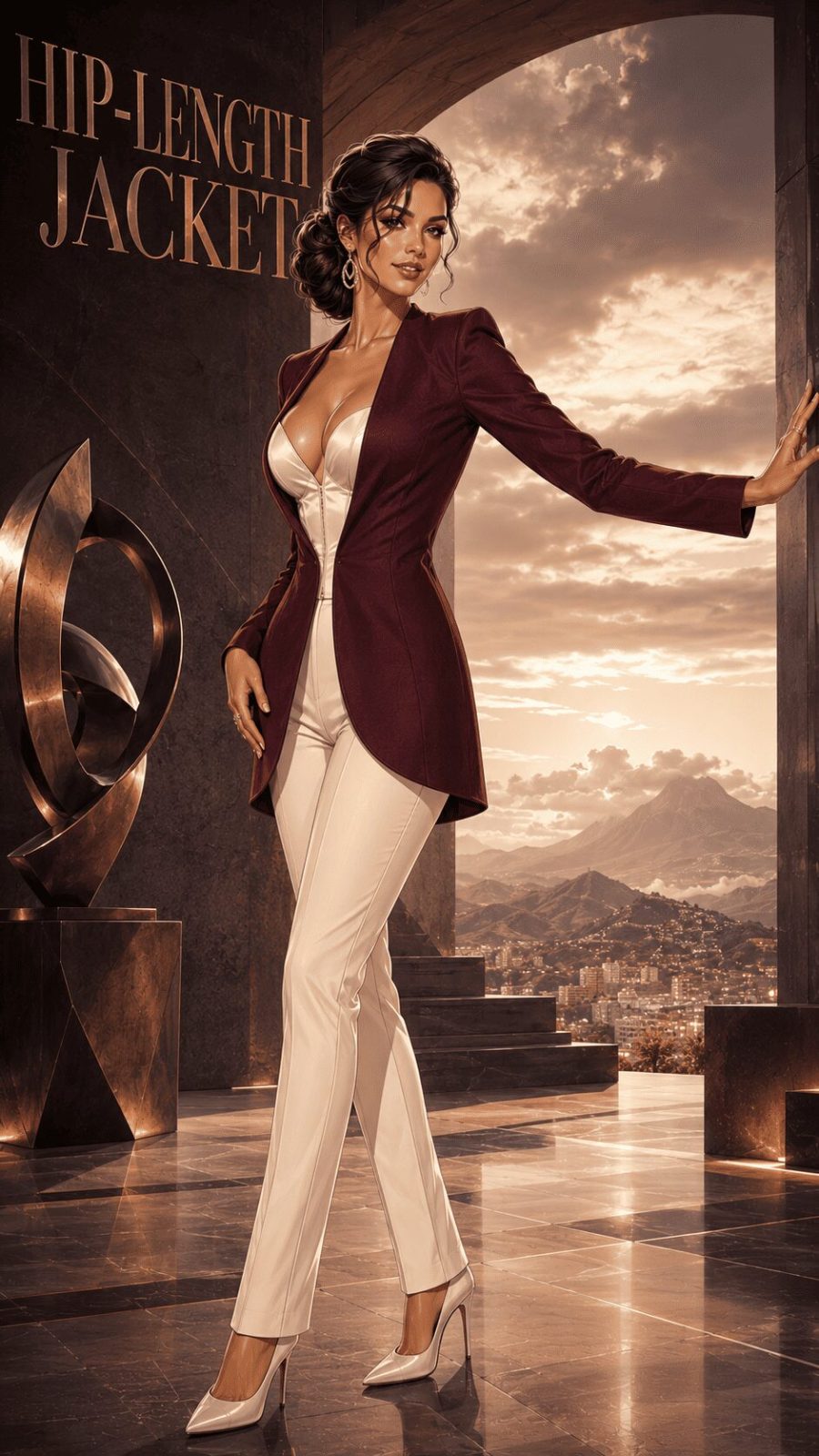
Falls a few inches past the waist to the upper hip; slightly more coverage than a waist-length piece without moving into coat territory.
- 22
Car Coat (Mid-Thigh Jacket)
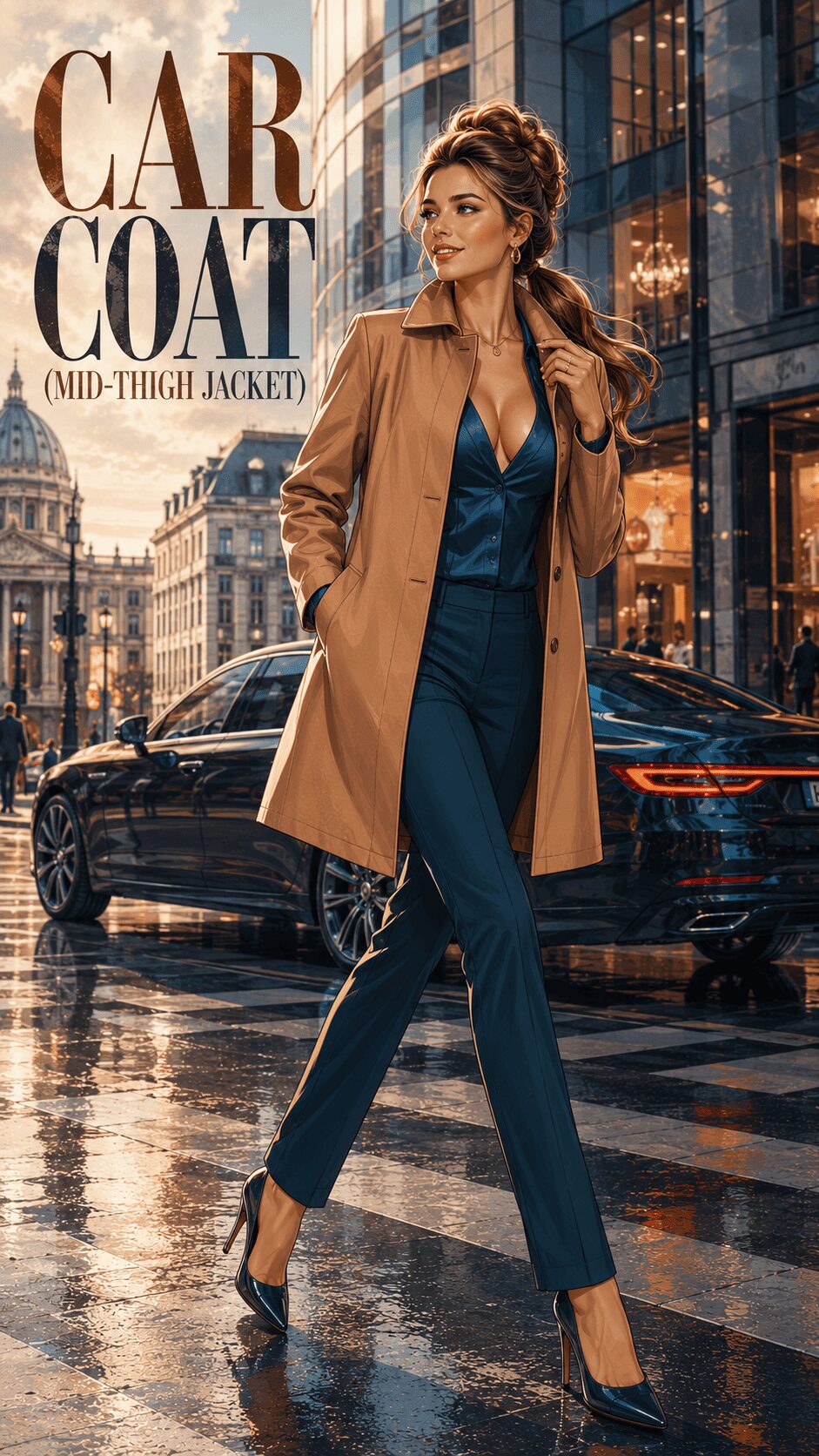
Historically cut short enough not to bunch when seated in a car; falls to mid-thigh with a straight, unfussy body.
- 23
Duster Jacket
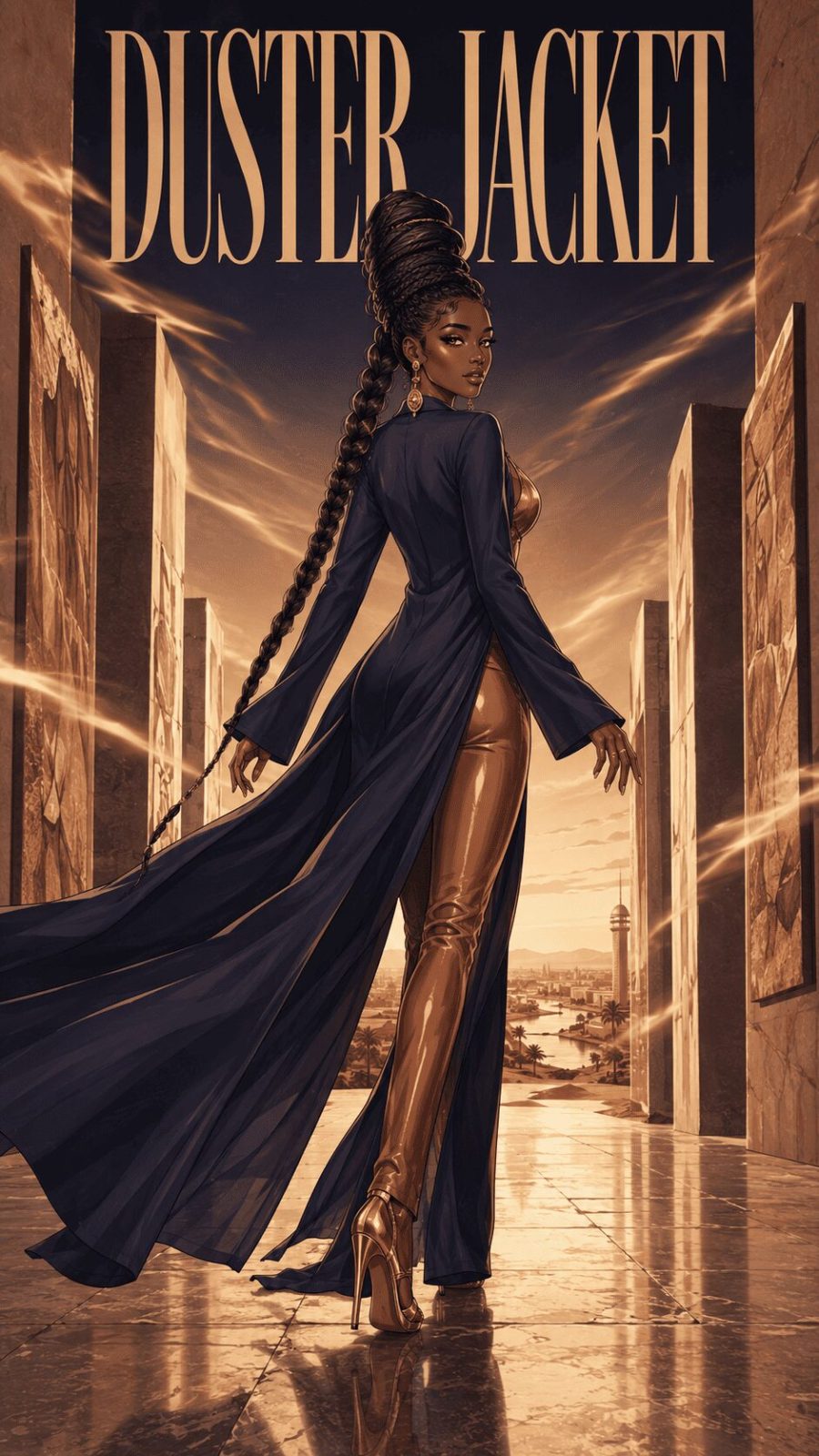
An unstructured, floor-or-ankle-grazing layer, usually open-front, that moves like a coat but styles like an accessory piece.
- 24
Longline Jacket
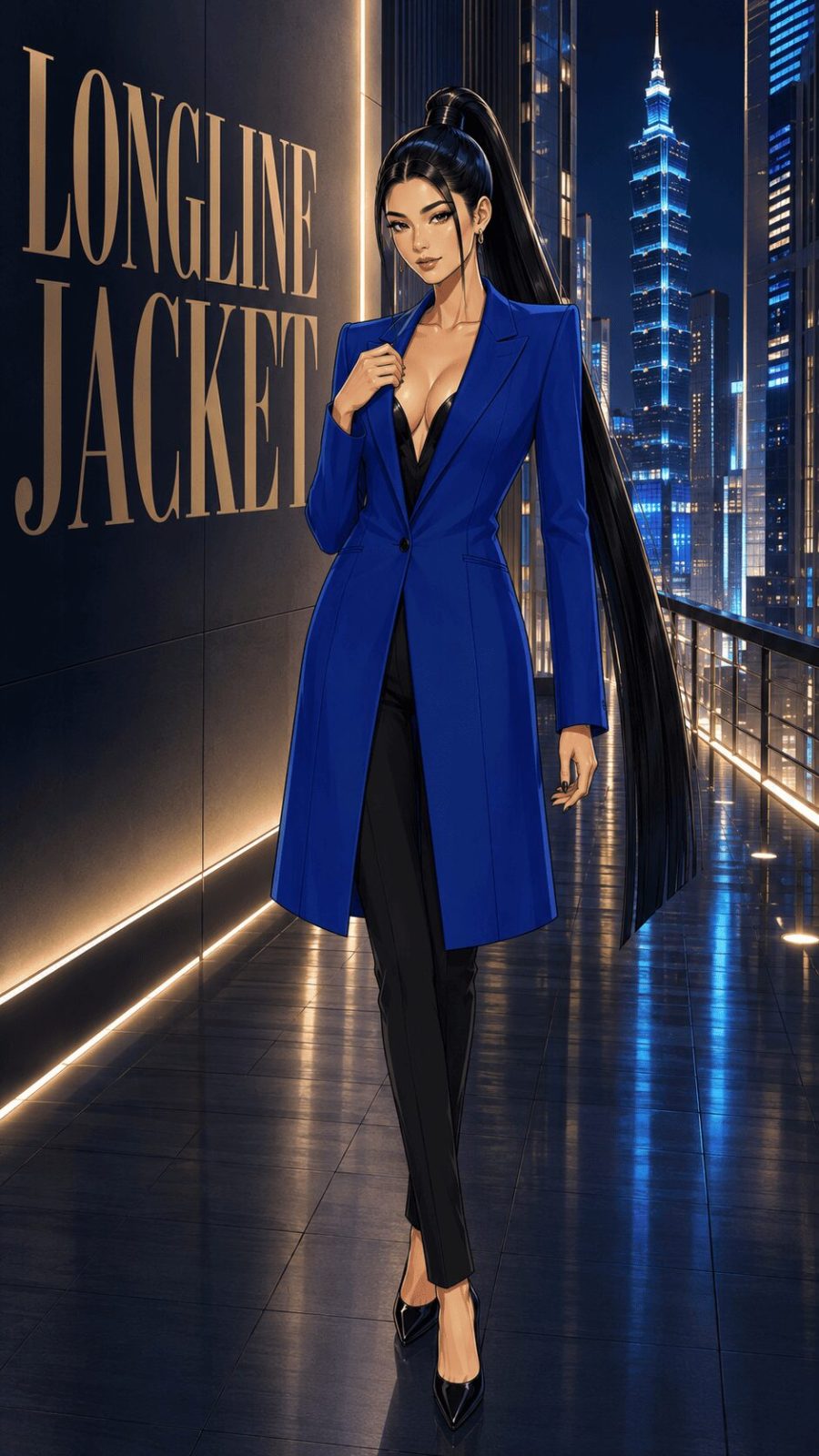
Extends to mid-thigh or knee with a straighter body than a duster; a middle ground between practical outerwear and directional silhouette.
- 25
Three-Quarter Length Jacket
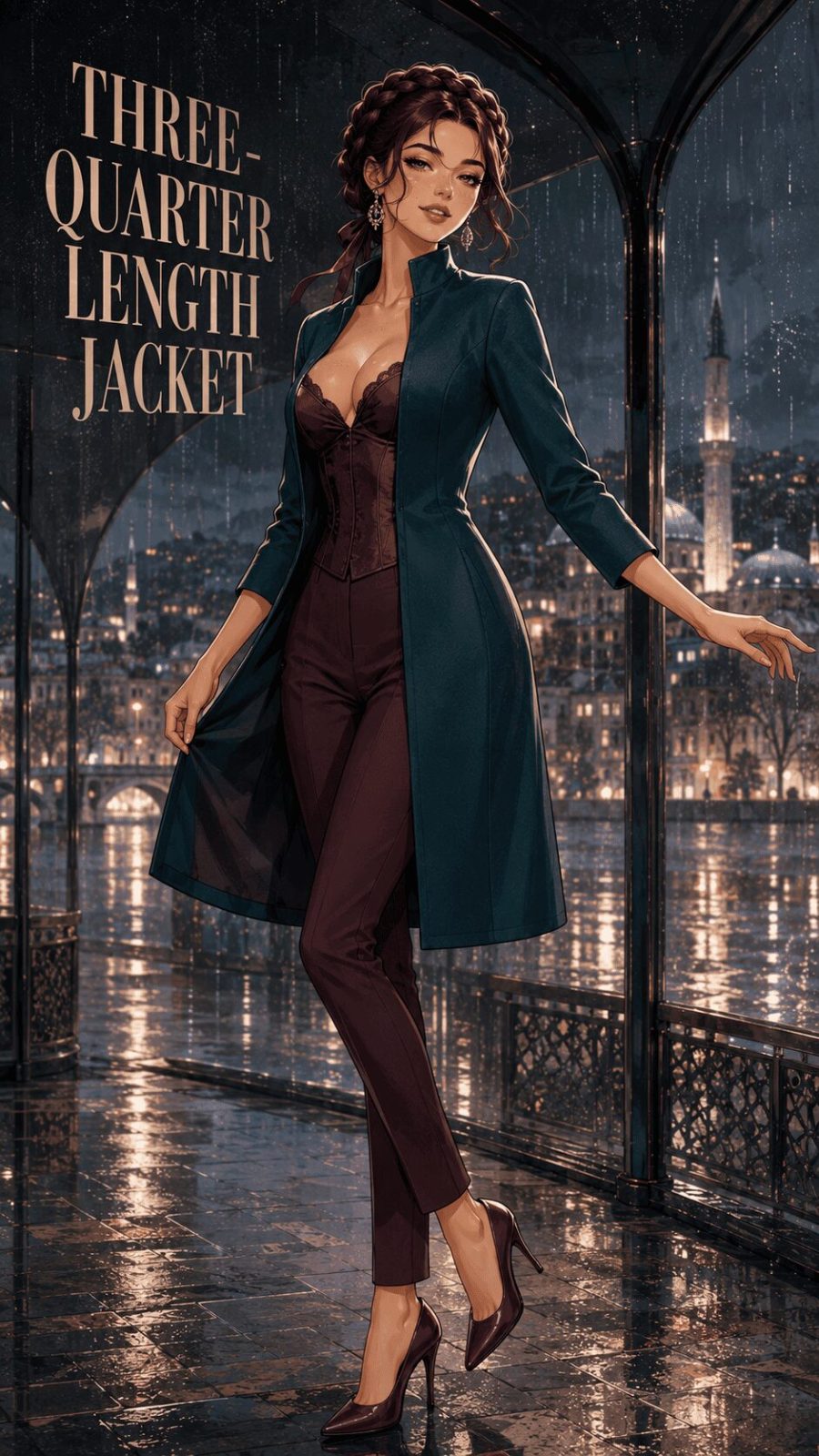
Falls between hip and knee, roughly matching classic three-quarter coat proportions; more coverage than hip-length without full coat commitment.
- 26
Knee-Length Jacket
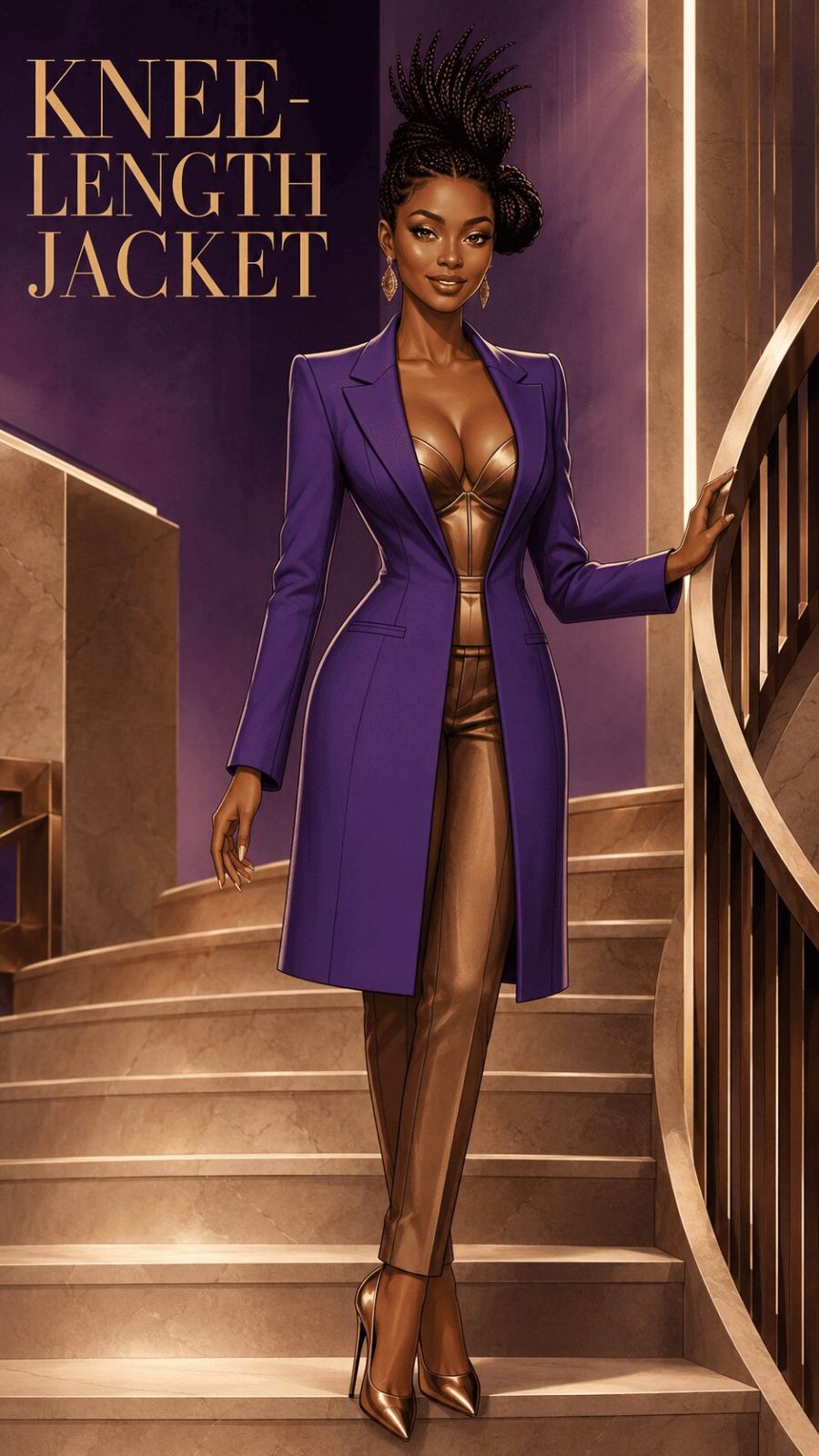
Reaches the knee itself, blurring the line between jacket and coat; typically requires a lighter-weight fabric to avoid reading as outerwear-heavy.
- 27
Swing Jacket
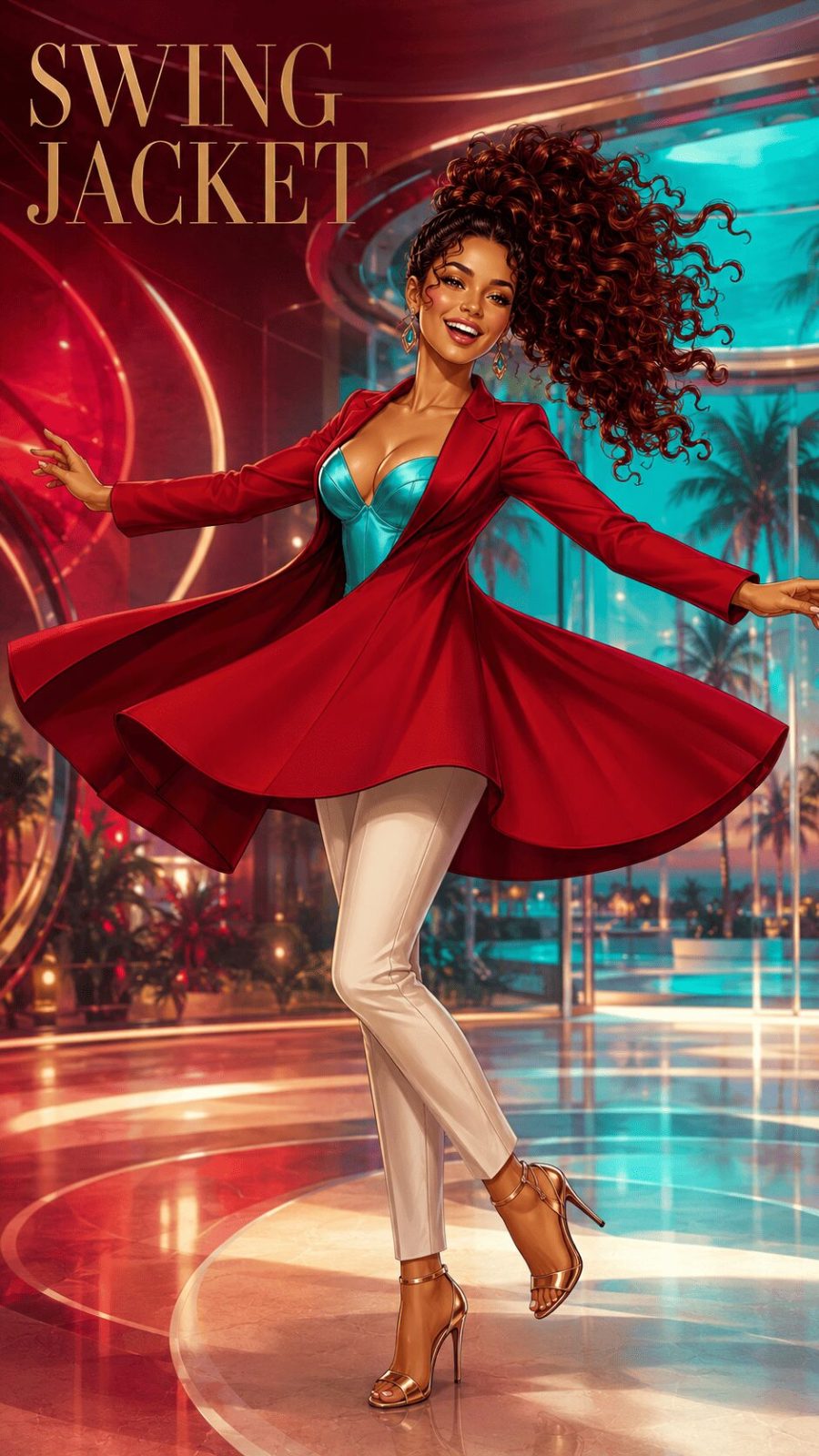
A flared, A-line body that widens gradually from shoulder to hem, creating movement rather than a fitted line at the waist.
- 28
Peplum-Hem Jacket
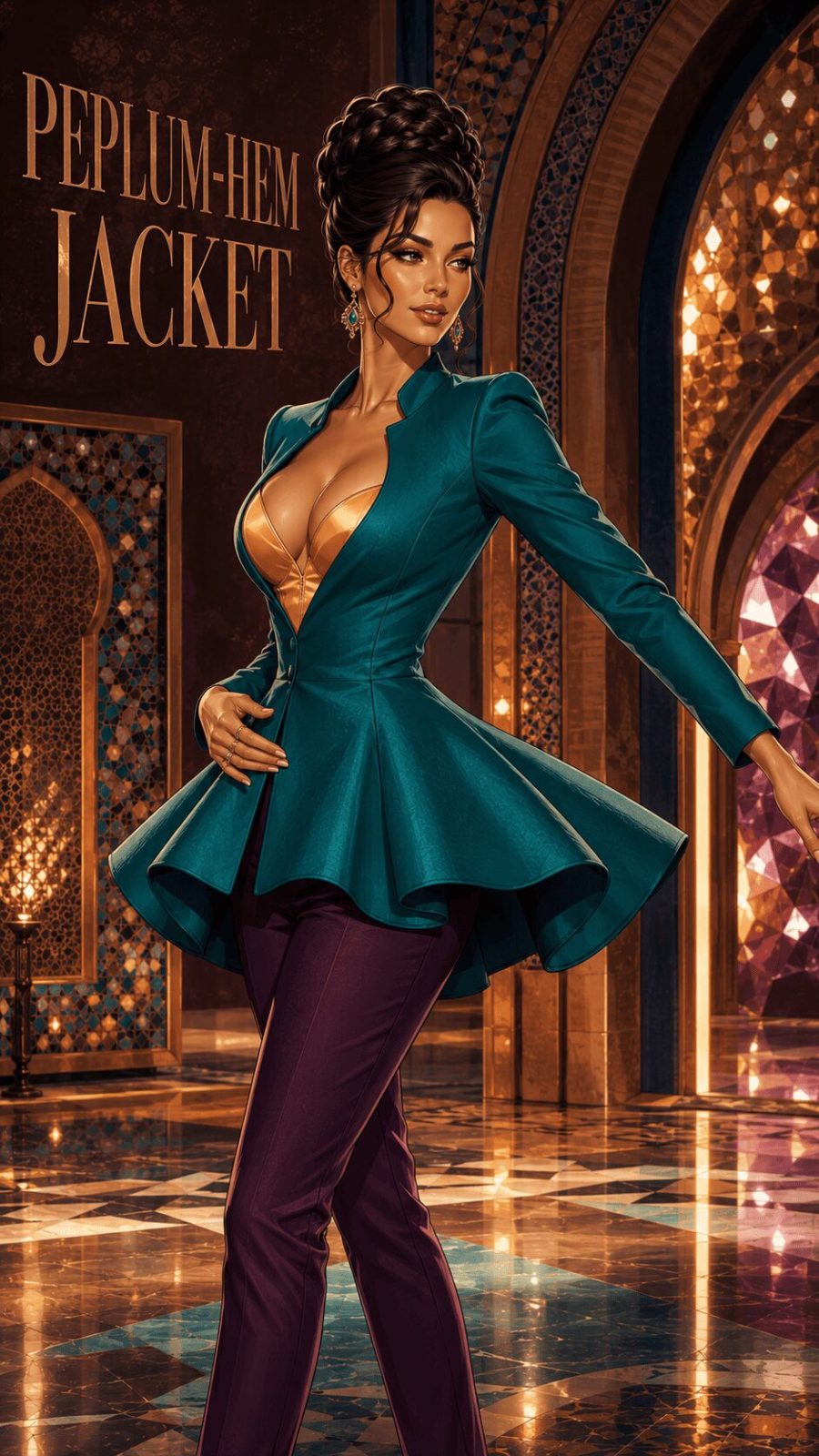
A fitted bodice with a flared panel released at the waist, adding volume at the hip without changing the overall jacket length.
- 29
Tunic-Length Jacket

Extends past the hip toward mid-thigh with a straight or gently shaped body, often worn instead of a top rather than as a true outer layer.
- 30
Micro Jacket
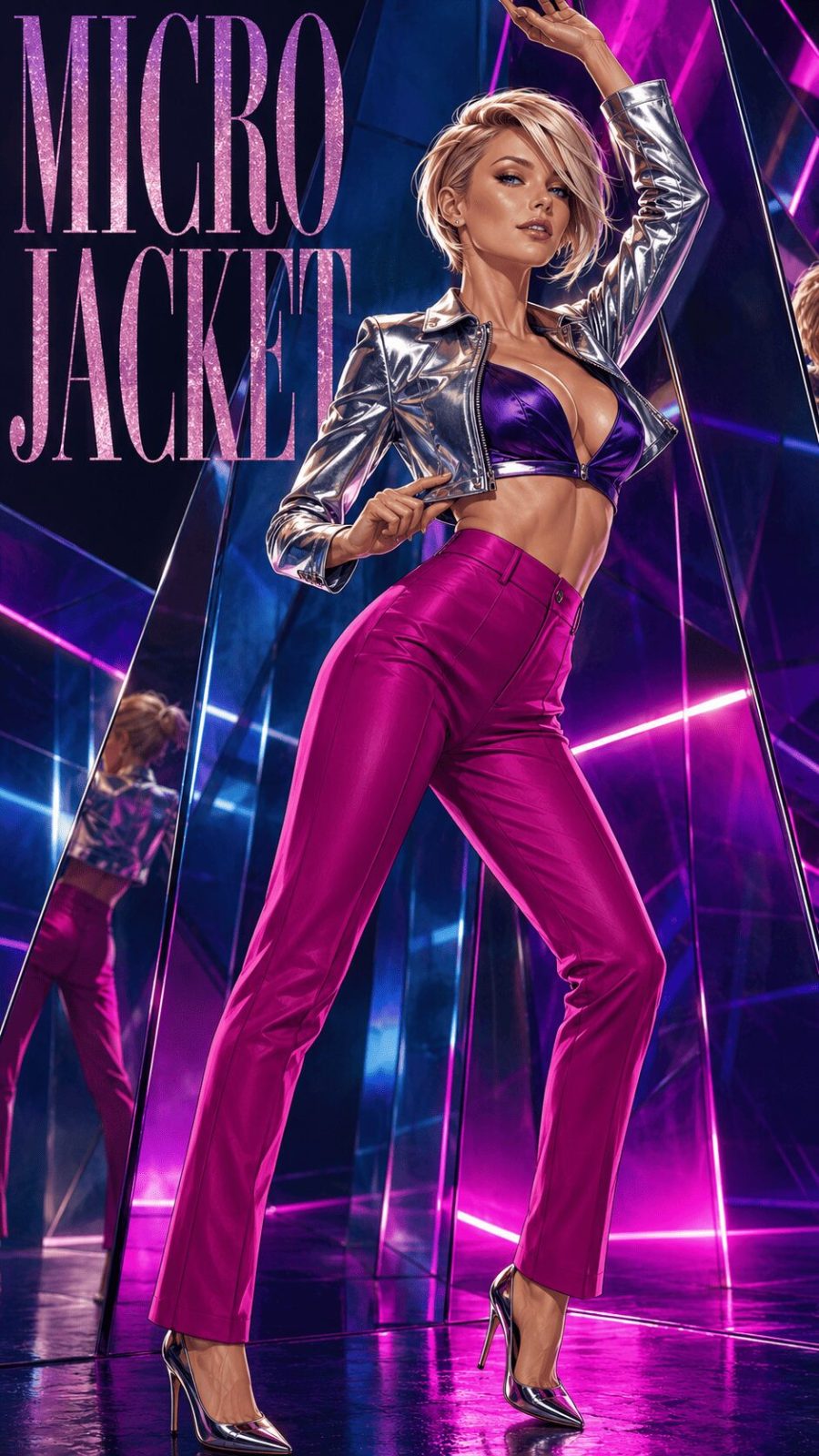
An extremely cropped cut ending well above the waist, sometimes at the underbust; a directional, fashion-forward proportion.
Category 3: By Sleeve & Closure (#31–#44)
How the arm is set and how the front closes changes both movement and formality
Closures and sleeve construction rarely get the credit they deserve, but they're doing two important jobs at once: managing how the jacket moves with the arm, and signaling how formal or utilitarian the piece reads at a glance.
A zip-front jacket says something different from a double-breasted one, even in identical fabric and length — and a raglan sleeve moves through space in a way a set-in sleeve simply cannot.
- 31
Raglan-Sleeve Jacket
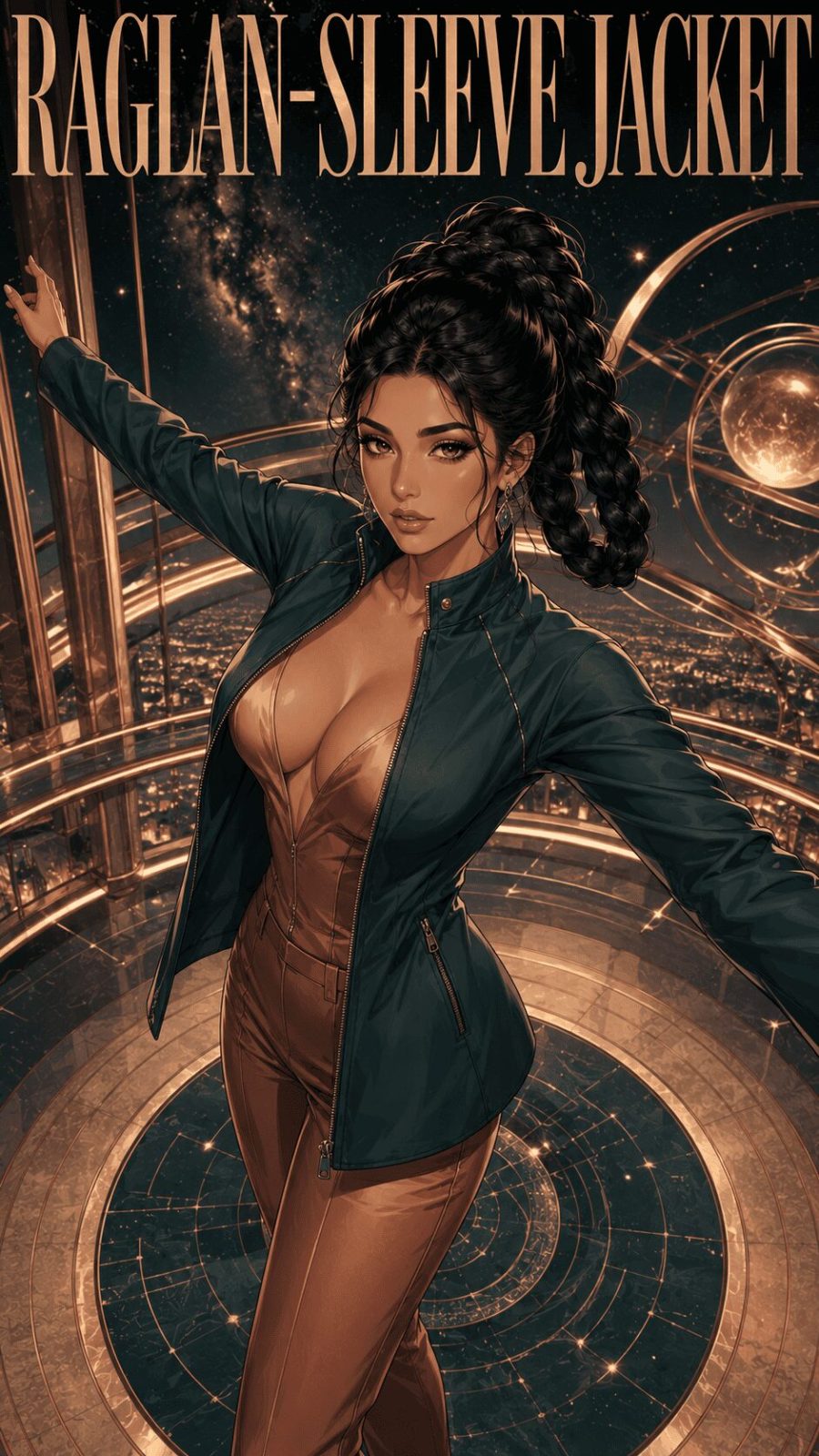
The sleeve seam runs diagonally from underarm to neckline instead of around the shoulder, allowing significantly more arm mobility.
- 32
Dolman-Sleeve Jacket
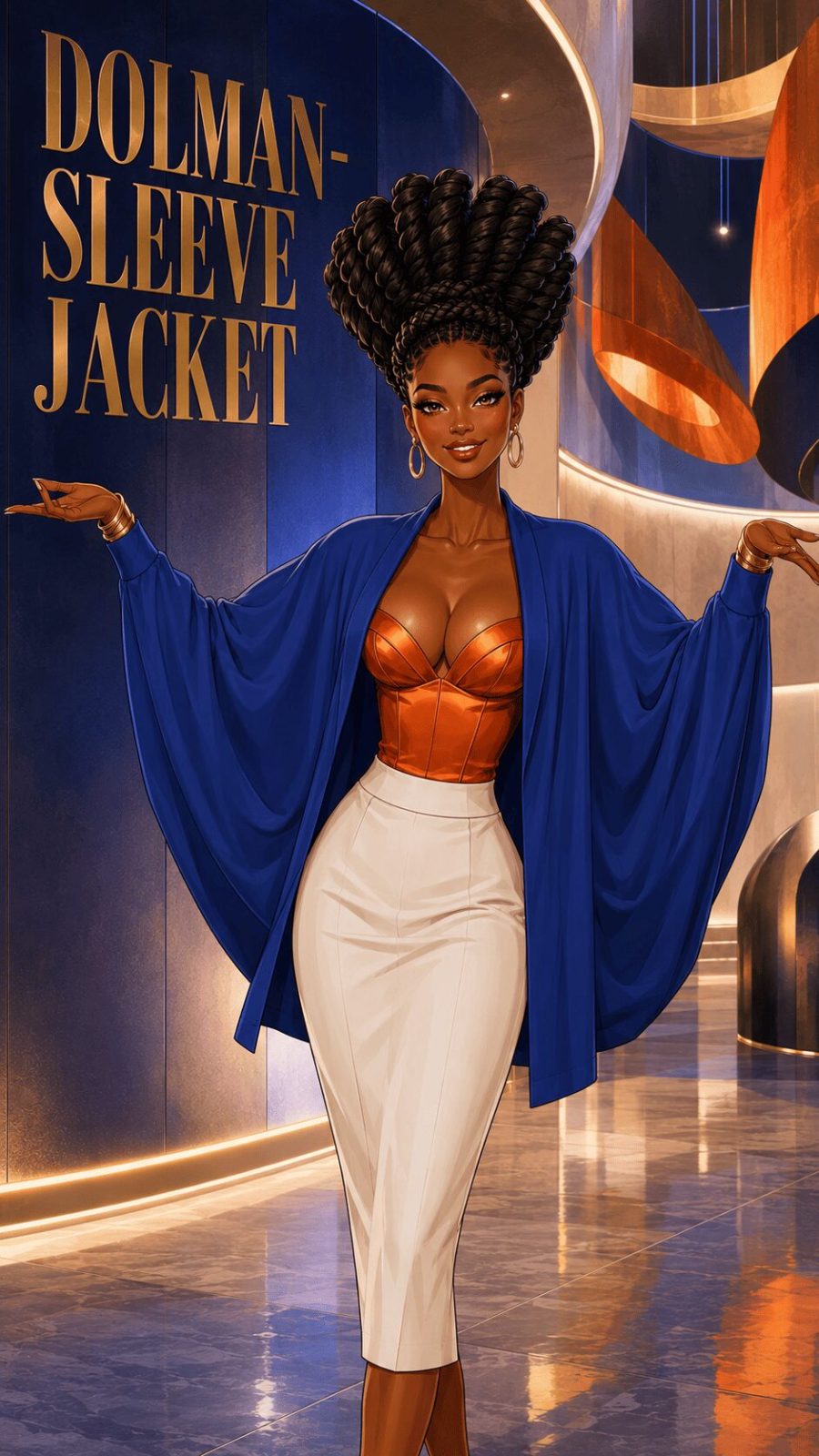
A wide, batwing-style sleeve that narrows toward the wrist, cut as one continuous piece with the body rather than set in separately.
- 33
Drop-Shoulder Jacket
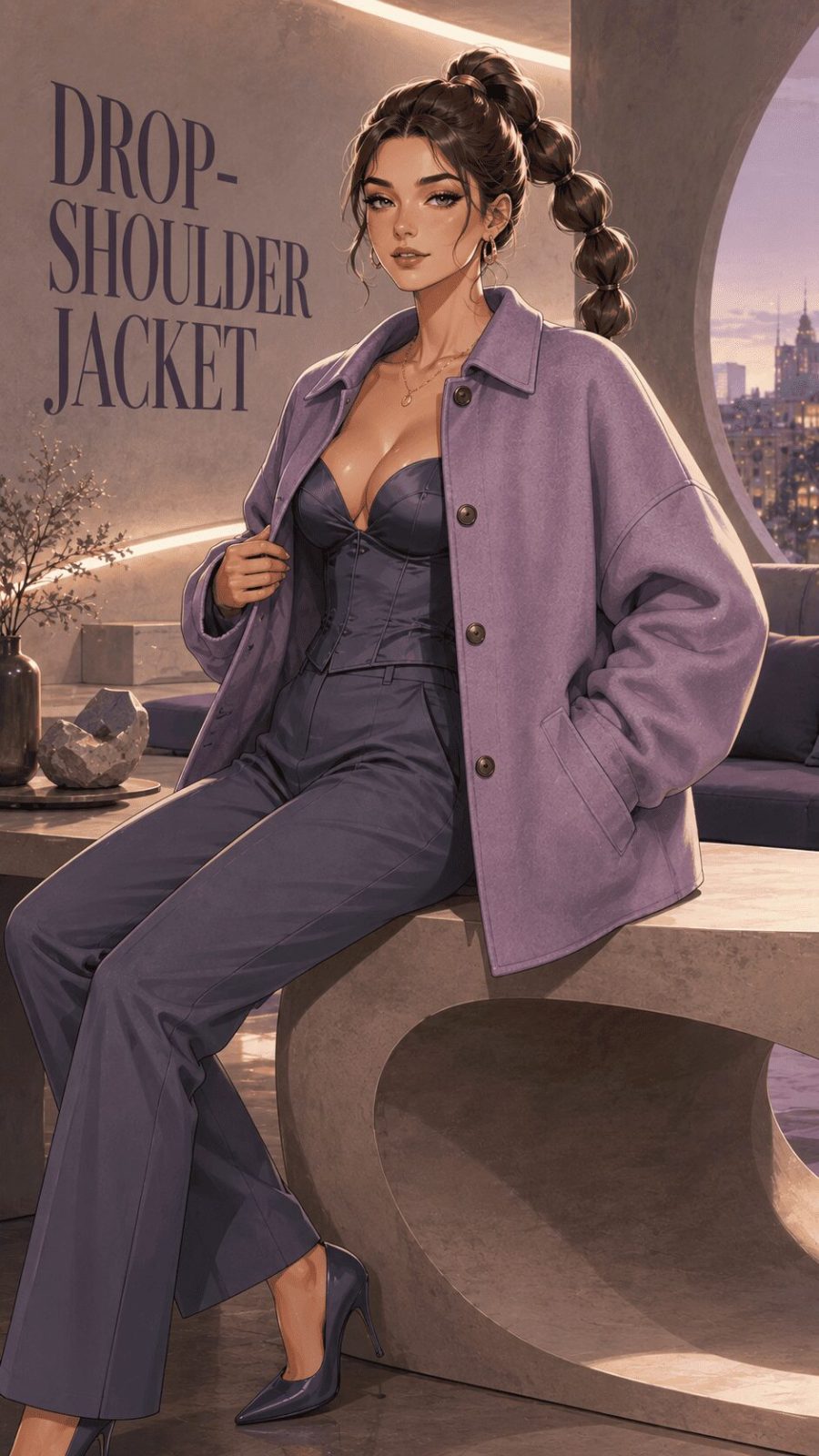
The shoulder seam sits below the natural shoulder point, creating an intentionally oversized, relaxed line through the upper body.
- 34
Zip-Front Jacket
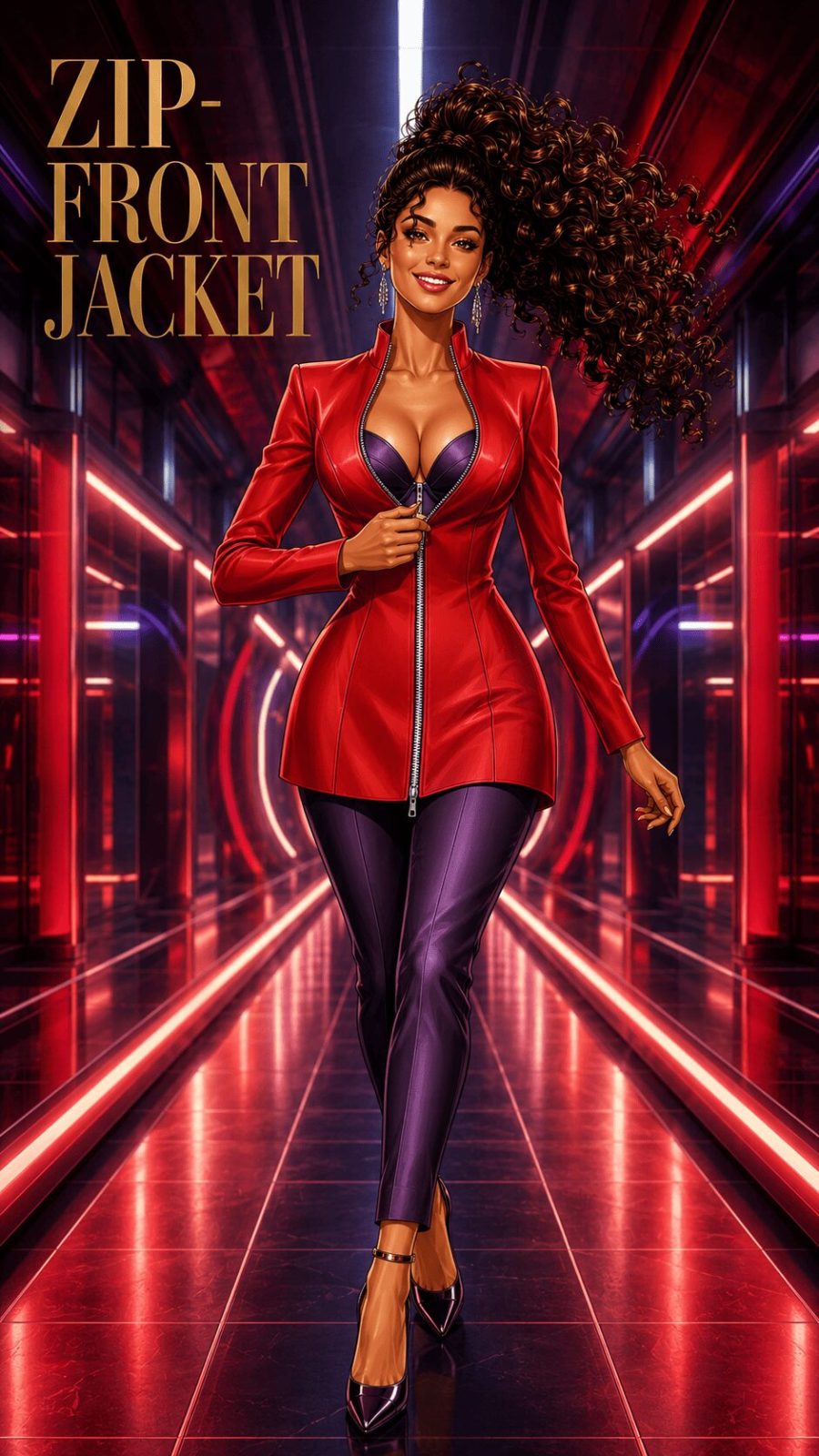
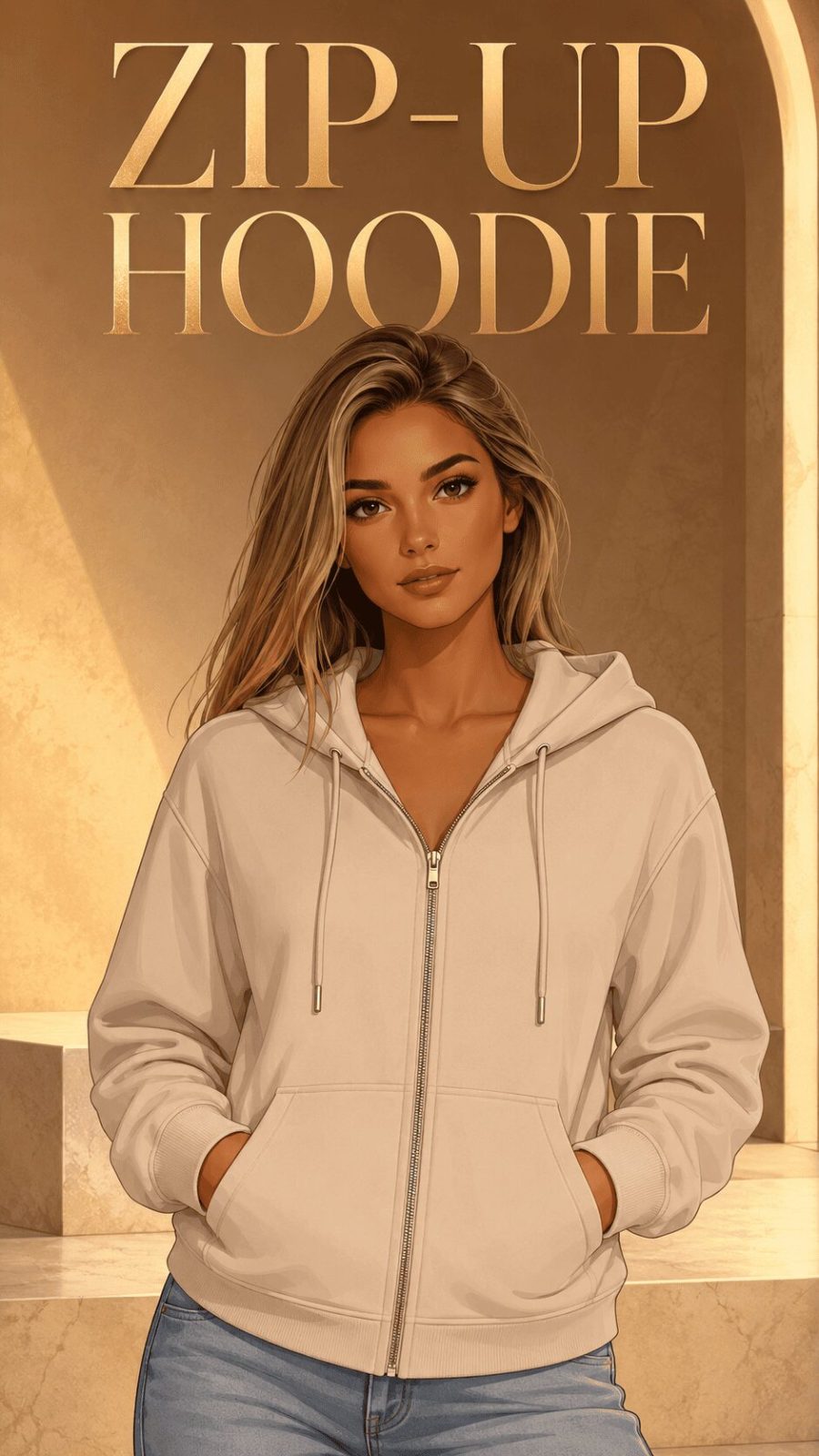
A single continuous zipper replaces buttons entirely, offering the fastest close and the cleanest, most minimal front panel.
- 35
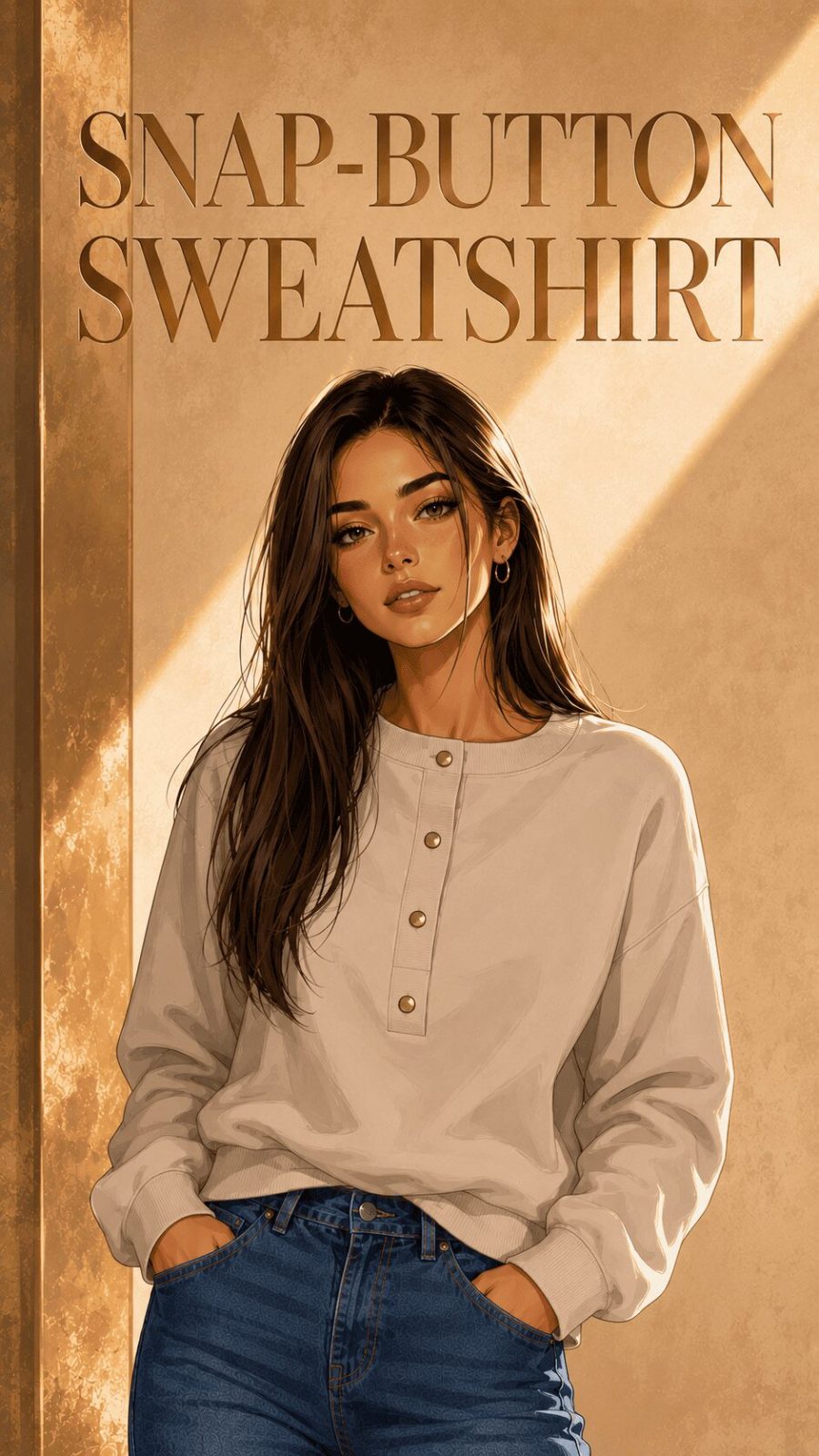
Snap-Front Jacket
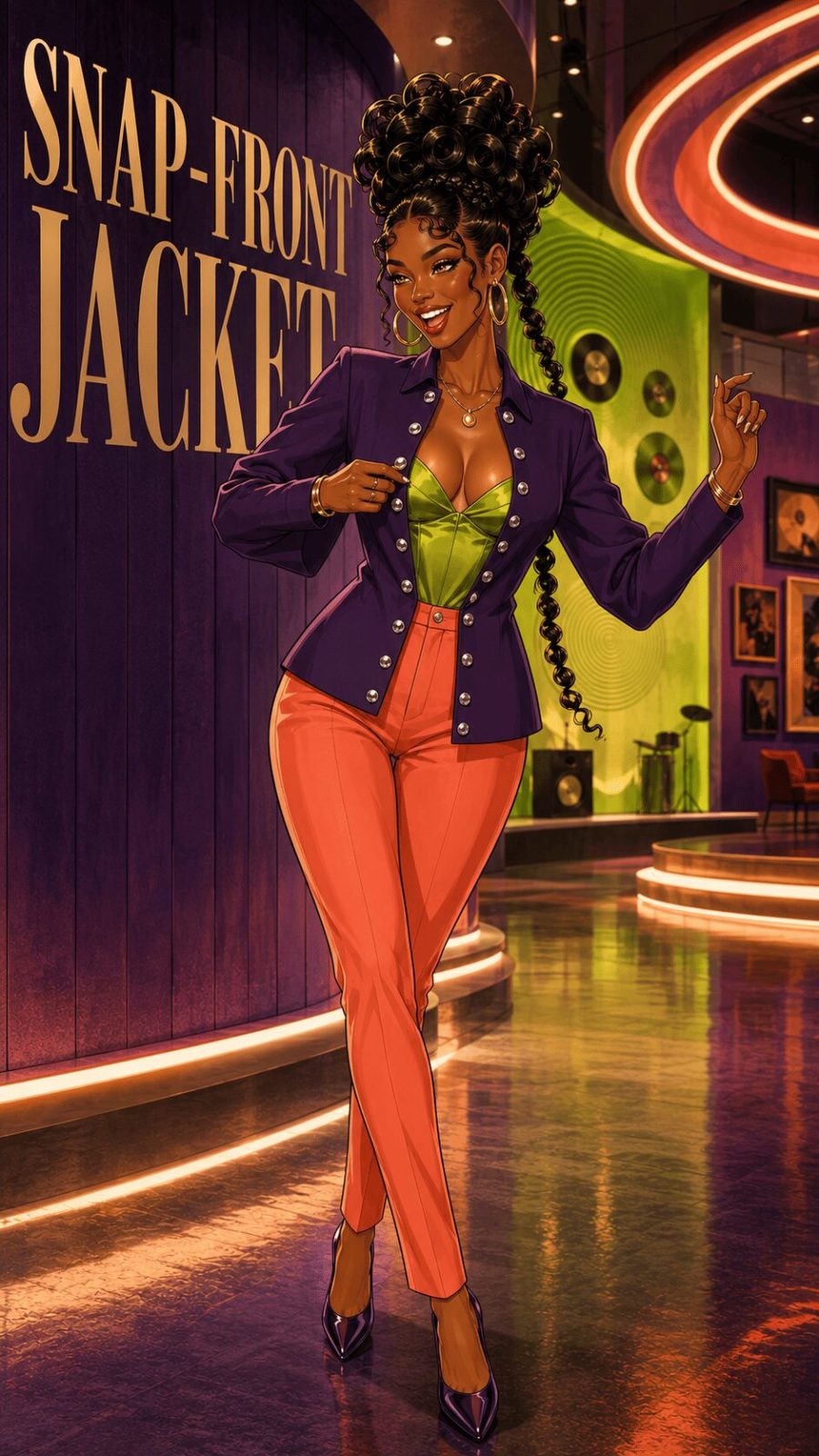
Metal snap closures stand in for both buttons and zips, historically associated with western and denim-inspired jacket styling.
- 36
Double-Breasted Jacket
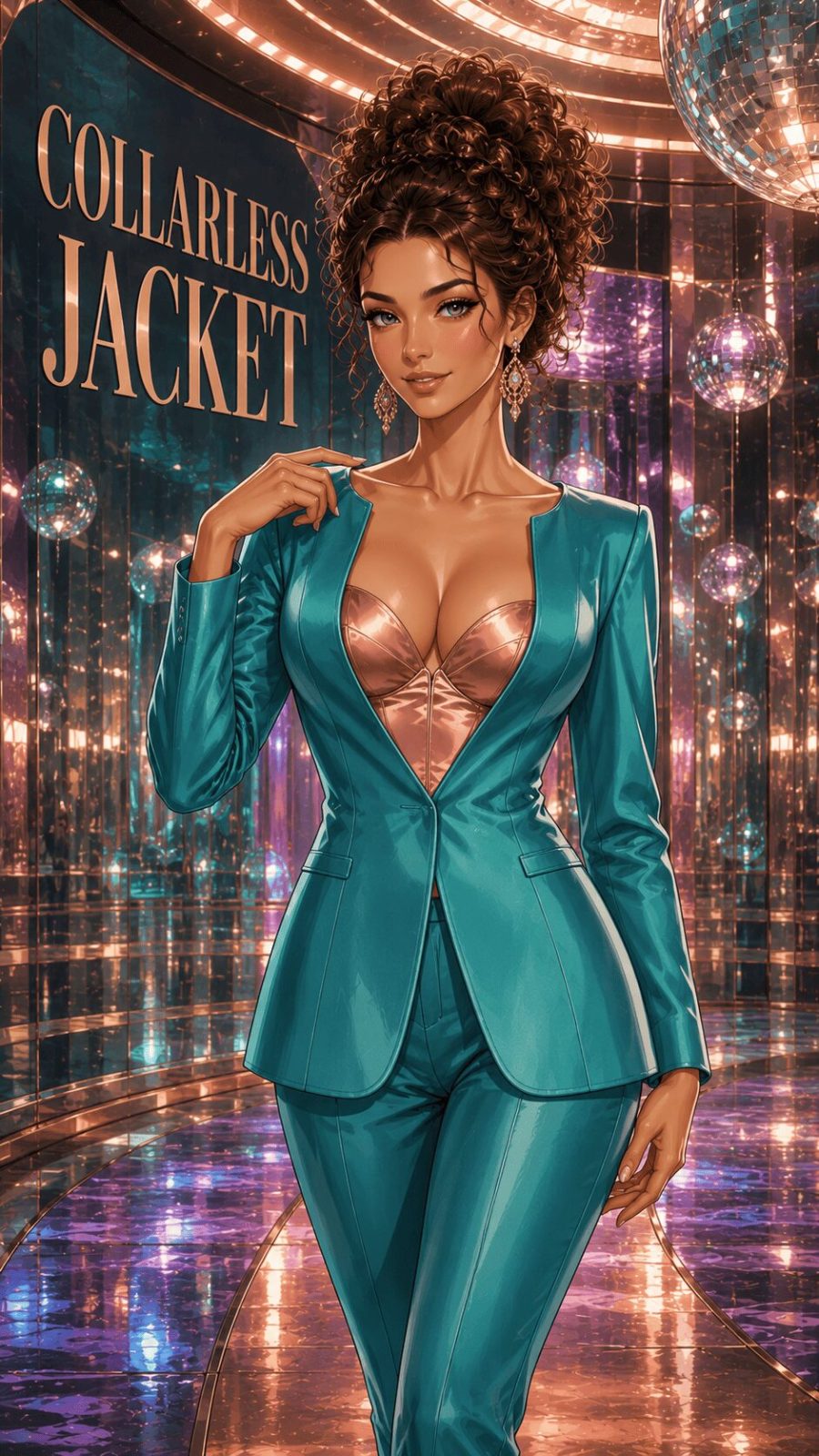
Two parallel columns of buttons overlap at the front, adding visual width across the chest and a more formal, structured presence.
- 37
Single-Breasted Jacket
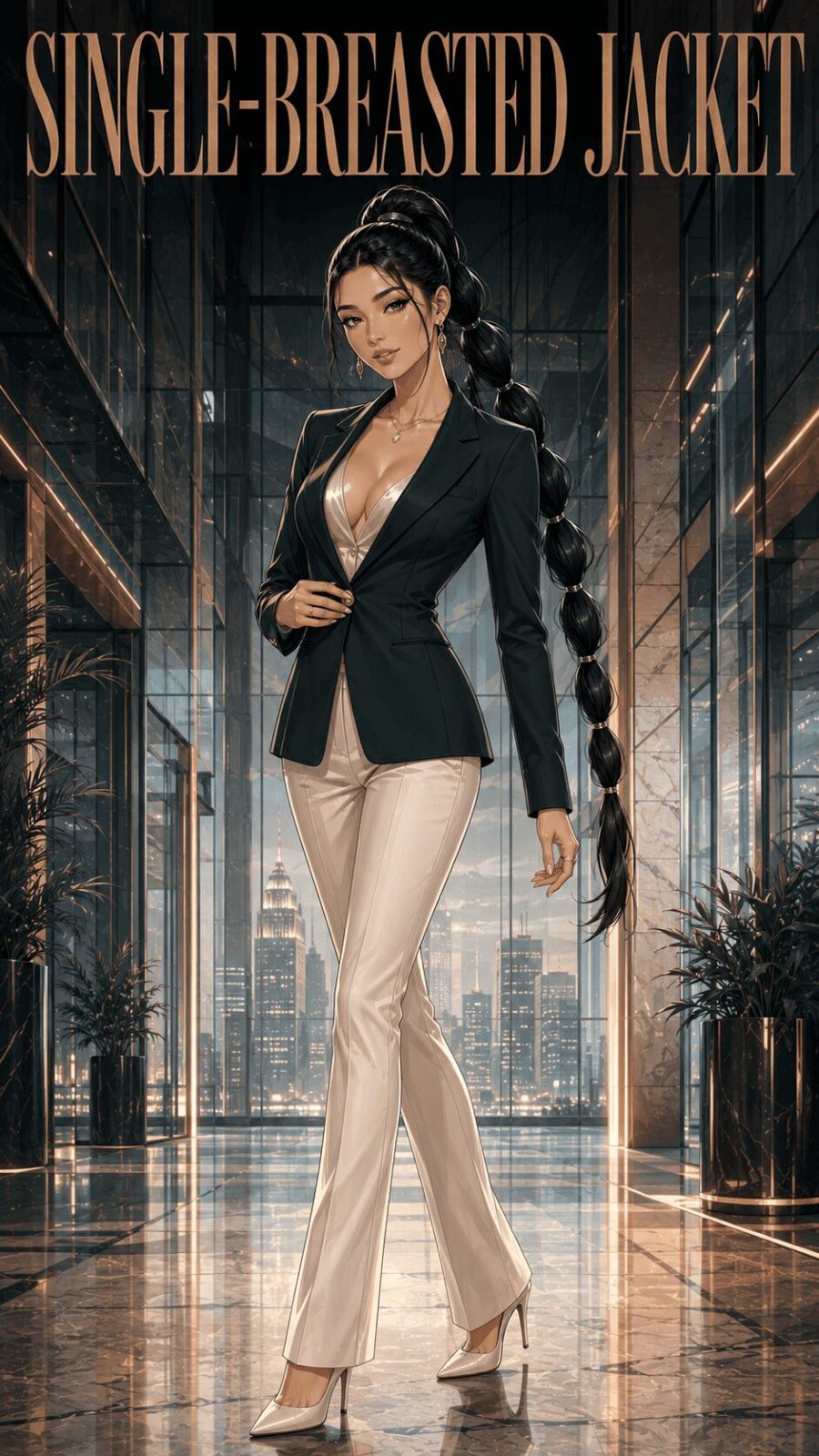
One column of buttons meets at center front; the most common and most versatile closure across nearly every jacket category.
- 38
Toggle-Closure Jacket
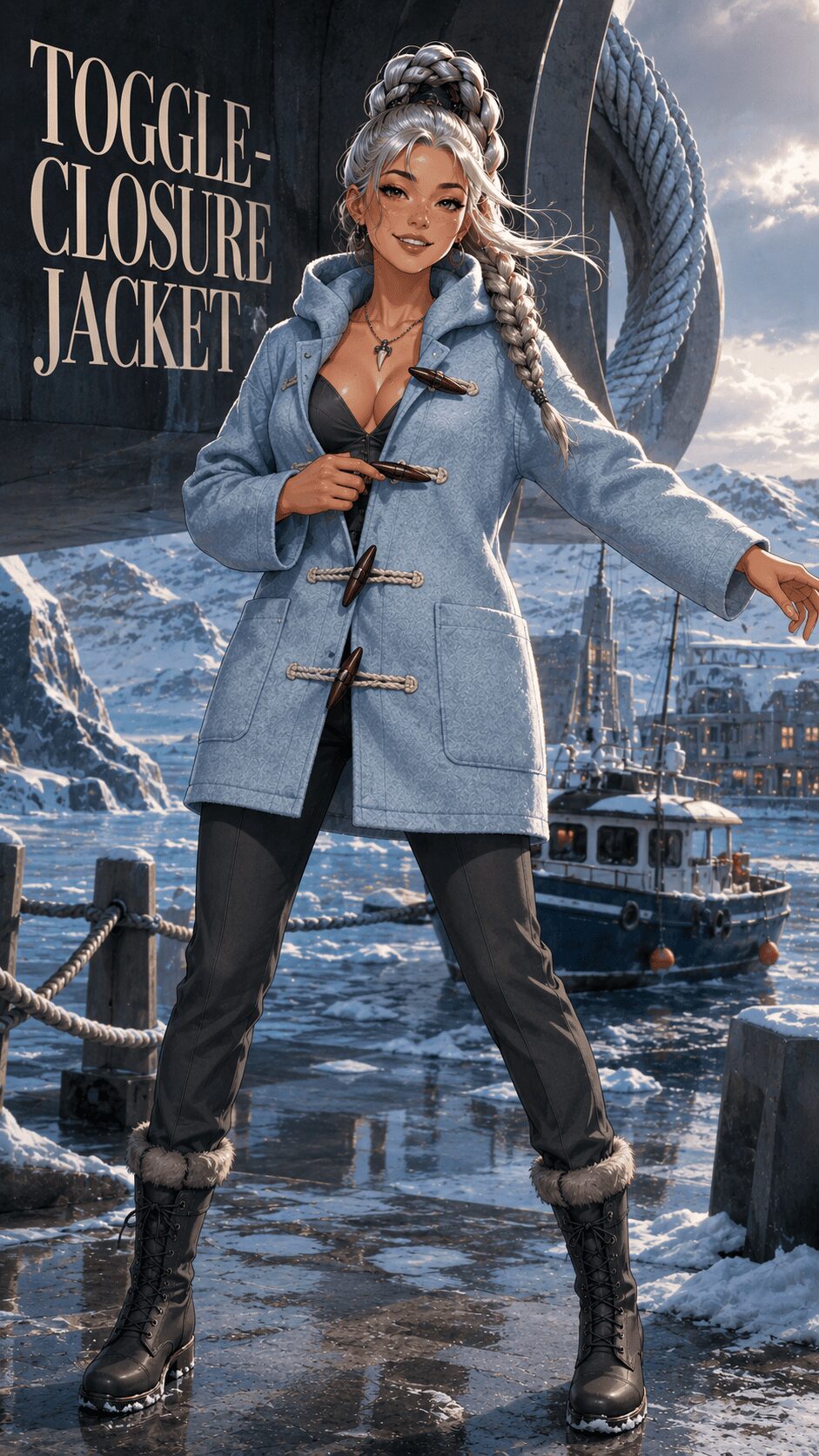
Wood or horn toggles pass through looped rope fastenings, most associated with duffle-style jackets and coats.
- 39
Wrap-Tie Jacket

No hardware at all — an interior or exterior tie secures the overlapping front panels, adjustable to the wearer's preferred fit.
- 40
Belted Jacket
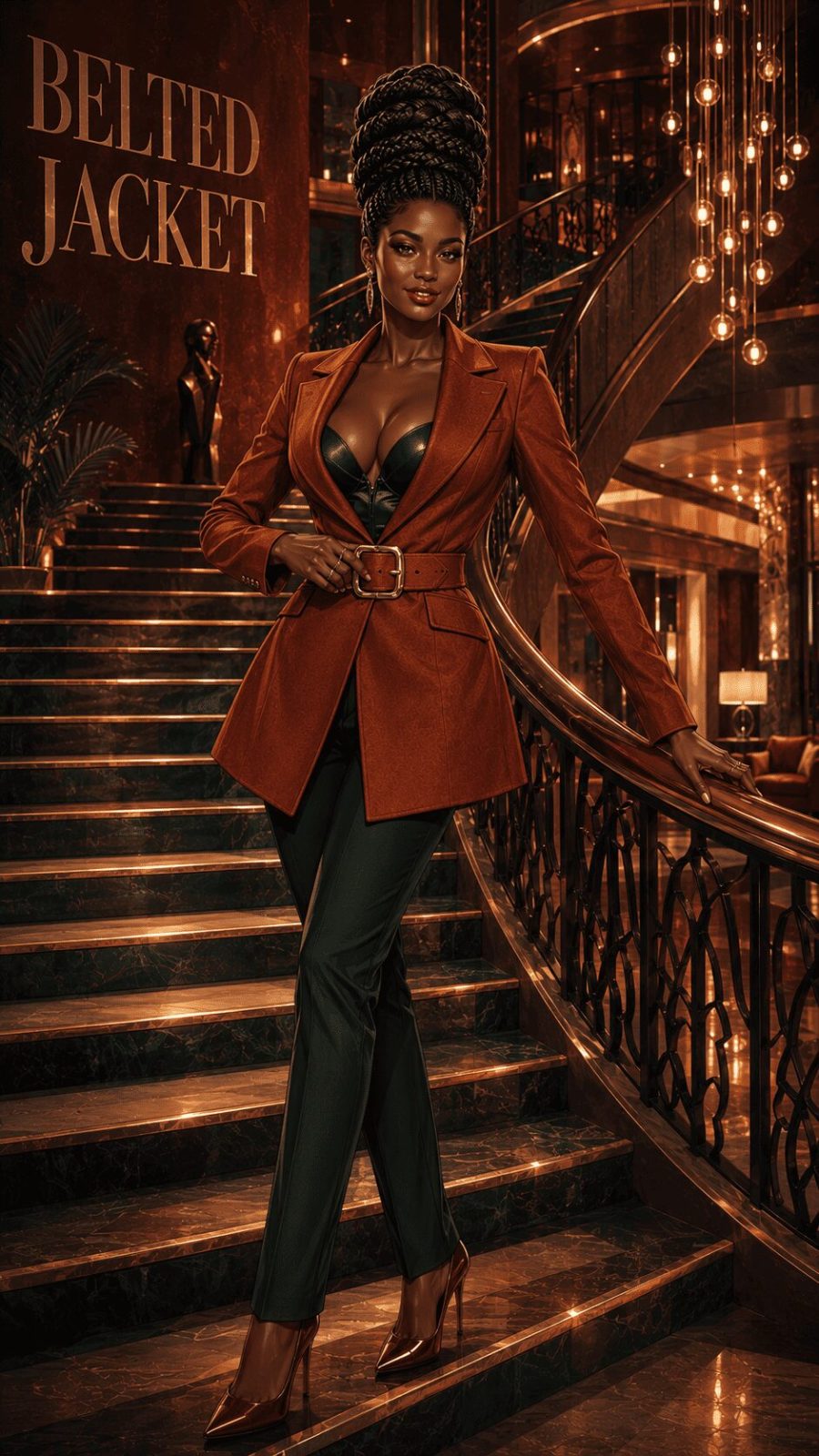
An exterior belt cinches the waist over an otherwise straight or relaxed body, defining shape without altering the underlying cut.
- 41
Hook-and-Eye Jacket
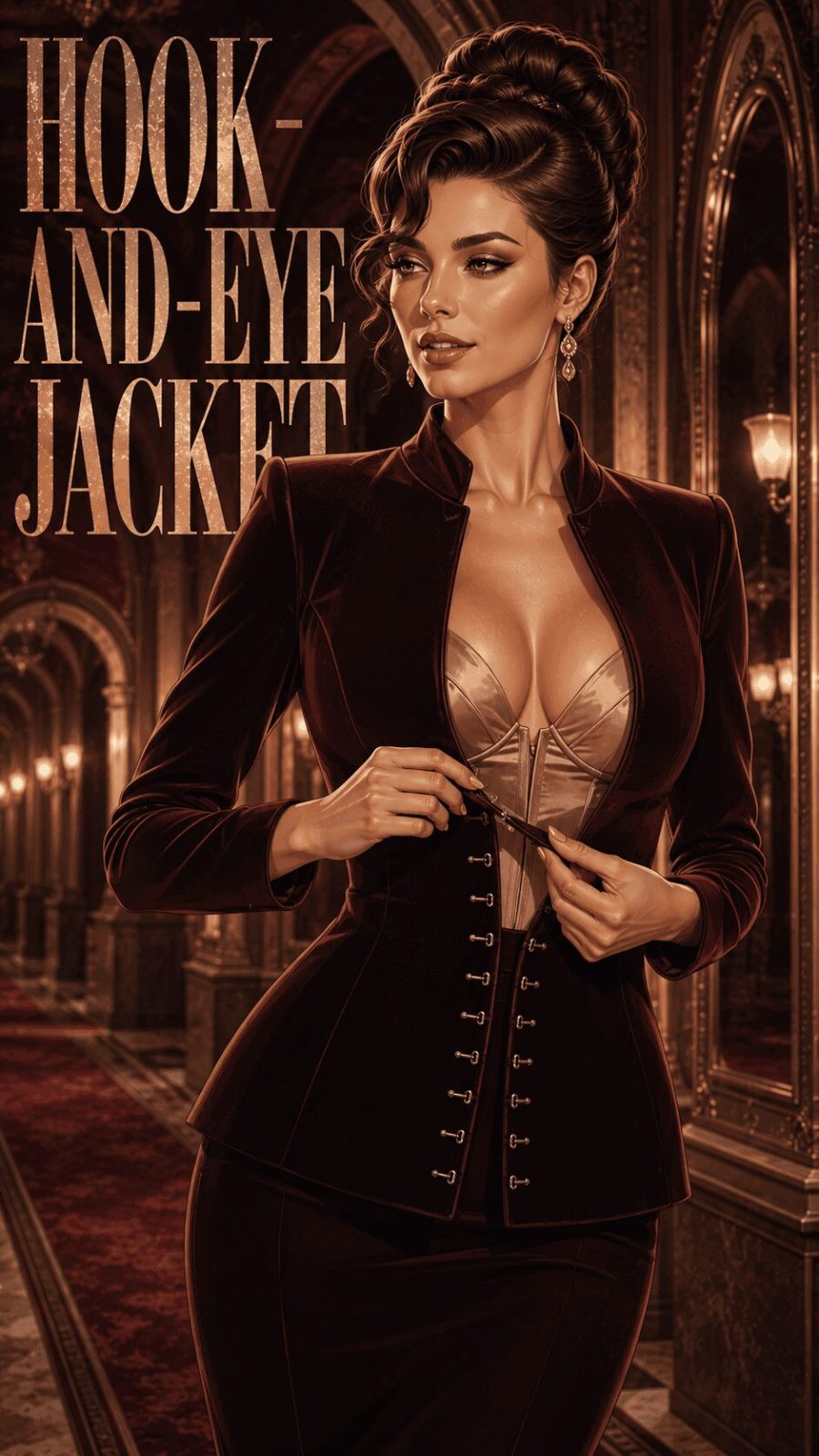
Concealed hook-and-eye fastenings replace visible buttons for a cleaner front panel, common on tailored and formal jacket styles.
- 42
Asymmetric-Zip Jacket
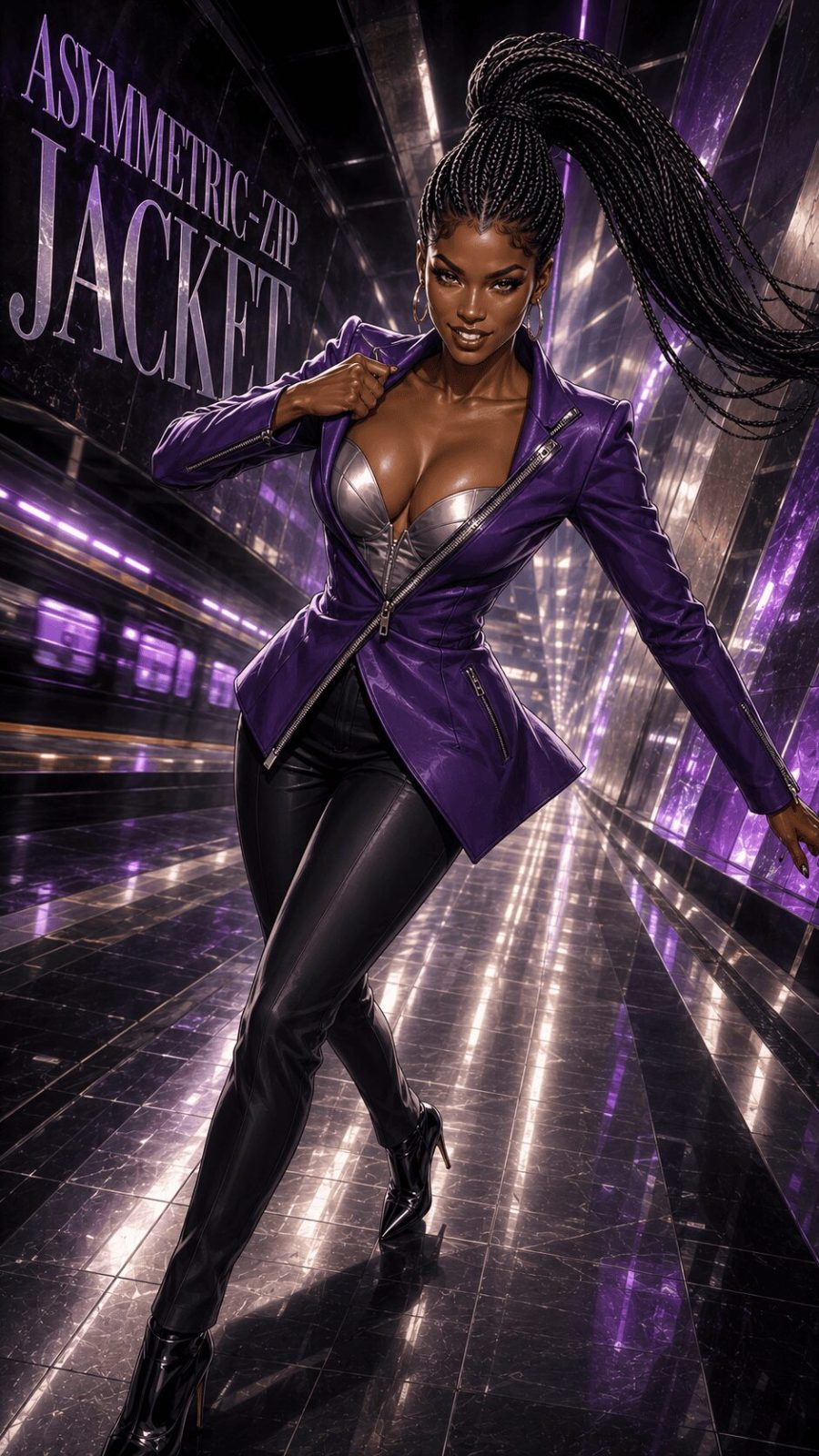
The zipper runs off-center rather than down the middle, a construction detail borrowed directly from motorcycle jacket design.
- 43
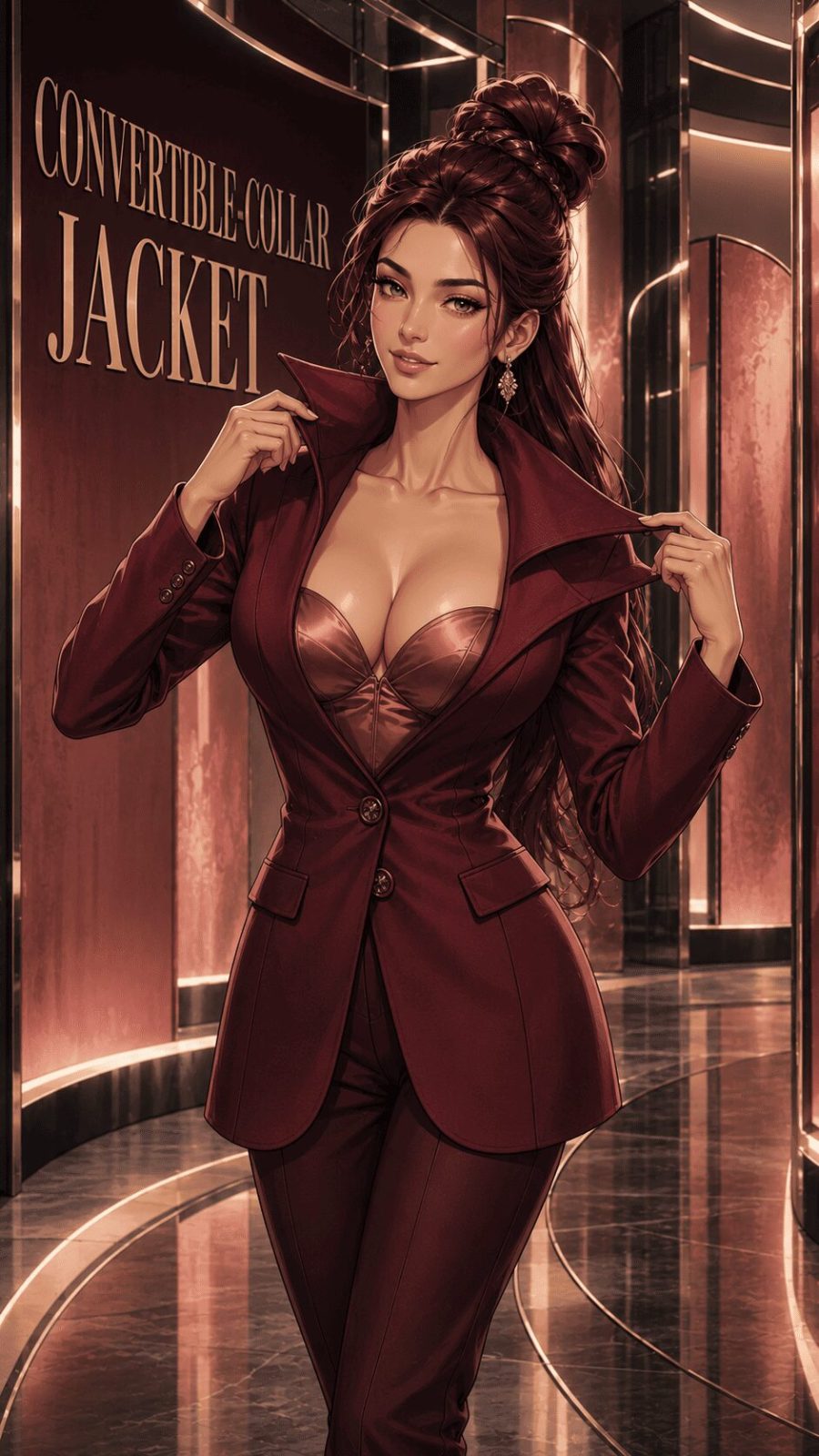
Convertible-Collar Jacket

A collar built to be worn open, buttoned flat, or turned up, giving one jacket several distinct styling options.
- 44
Half-Zip Jacket
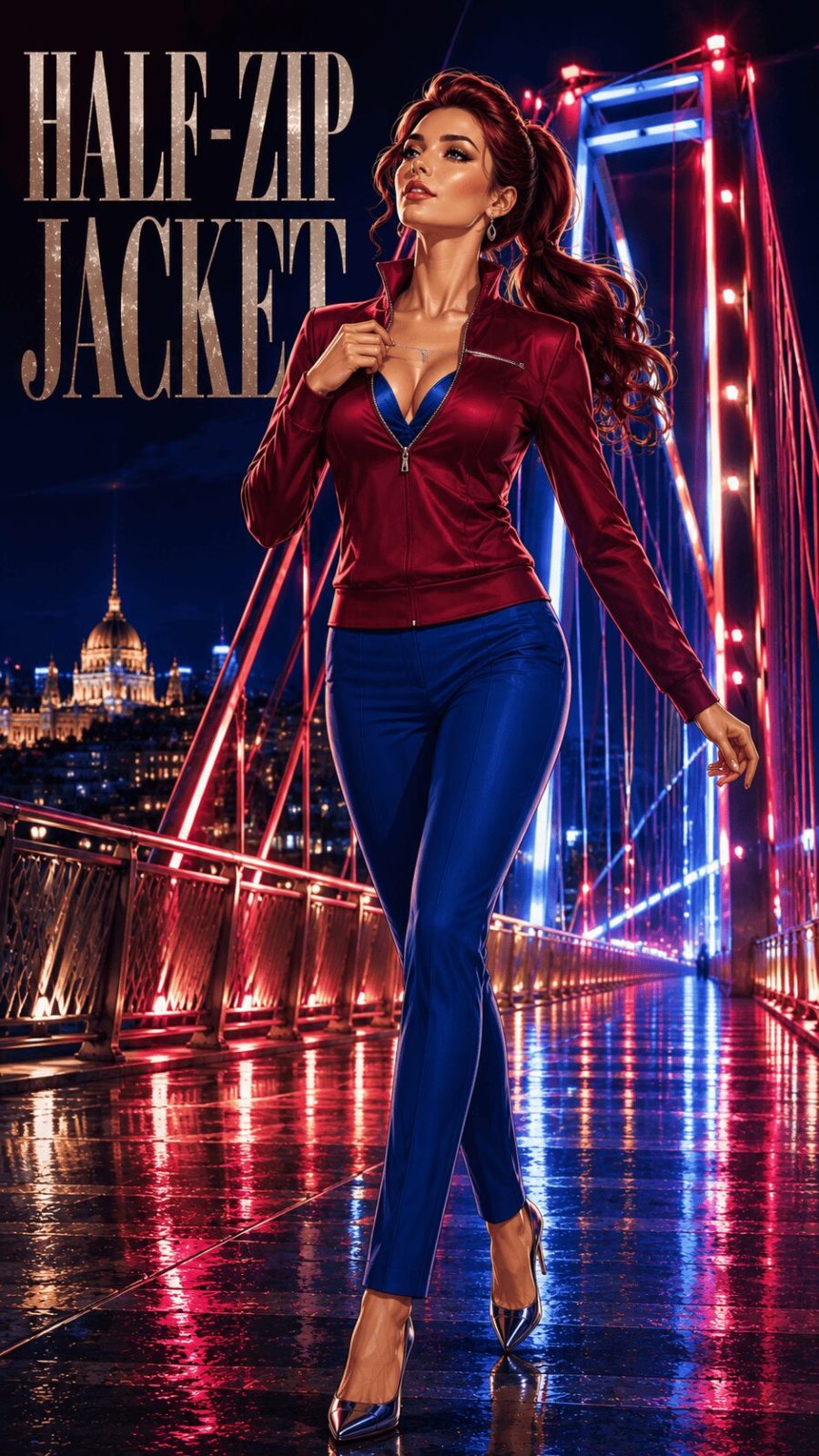
A zipper that closes only partway up the front, typically paired with a pullover-style body rather than a full placket.
Category 4: By Collar, Hood & Neckline (#45–#56)
What frames the face carries more visual weight than most people give it credit for
The collar sits closest to the face of anything on a jacket, which means it does outsized work for how formal, sporty, or directional the whole piece reads — independent of body, length, or fabric.
A notch lapel photographs as tailored no matter what's underneath it. A hood, by contrast, immediately reads as functional first and fashion second, whatever fabric it's cut from.
- 45
Notch-Lapel Jacket

The classic V-shaped indent where collar meets lapel; the single most common tailored jacket collar in menswear-inspired womenswear alike.
- 46
Shawl-Collar Jacket
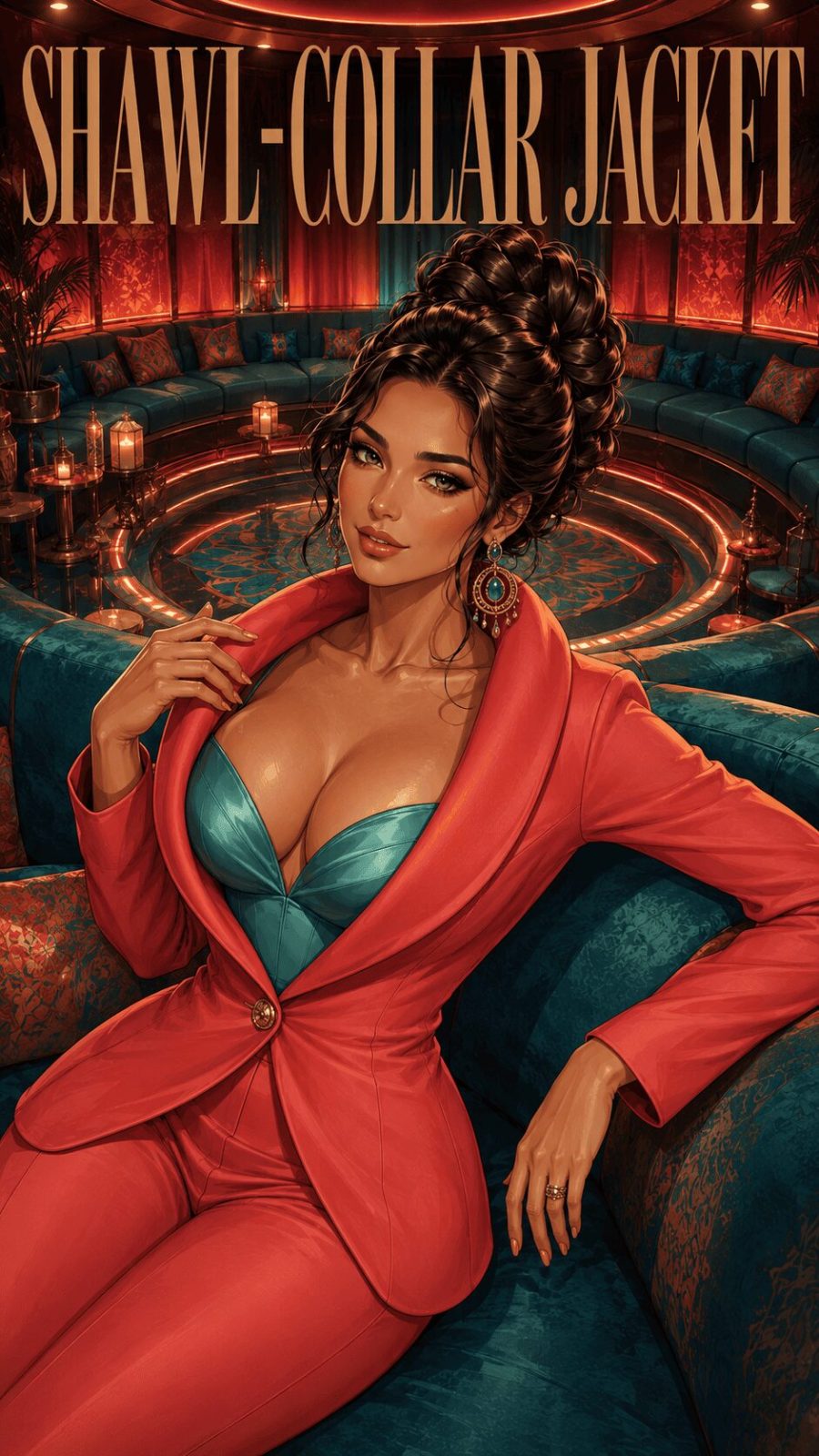
A continuous, rounded lapel with no notch, running unbroken from the back neck to the front closure point.
- 47
Mandarin-Collar Jacket
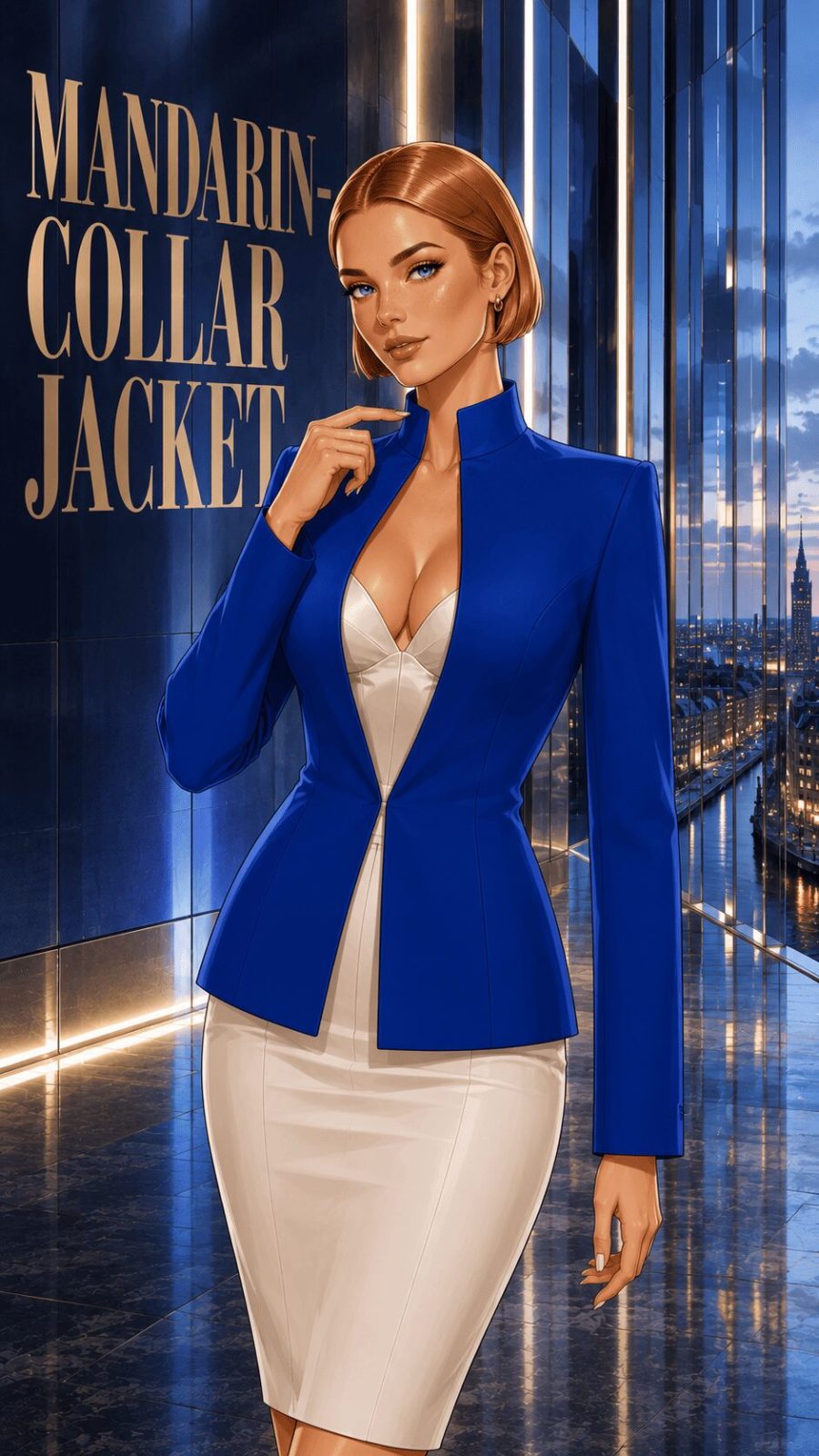
A short, stand-up collar that doesn't fold over, sitting close to the neck without a lapel of any kind.
- 48
Peter Pan Collar Jacket
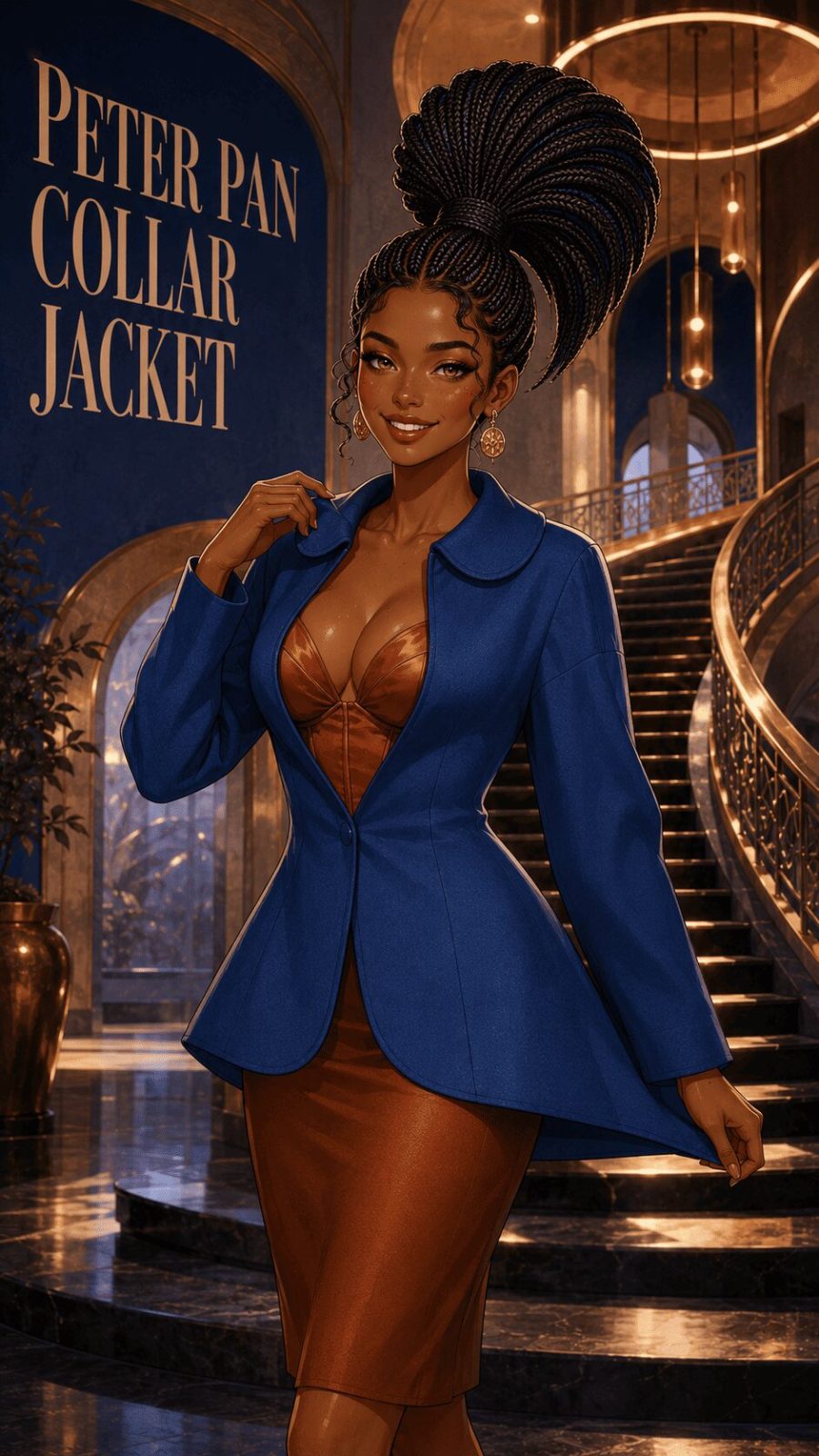
A small, rounded flat collar borrowed from childrenswear history, now used to add a soft, feminine detail to structured jackets.
- 49
Funnel-Neck Jacket
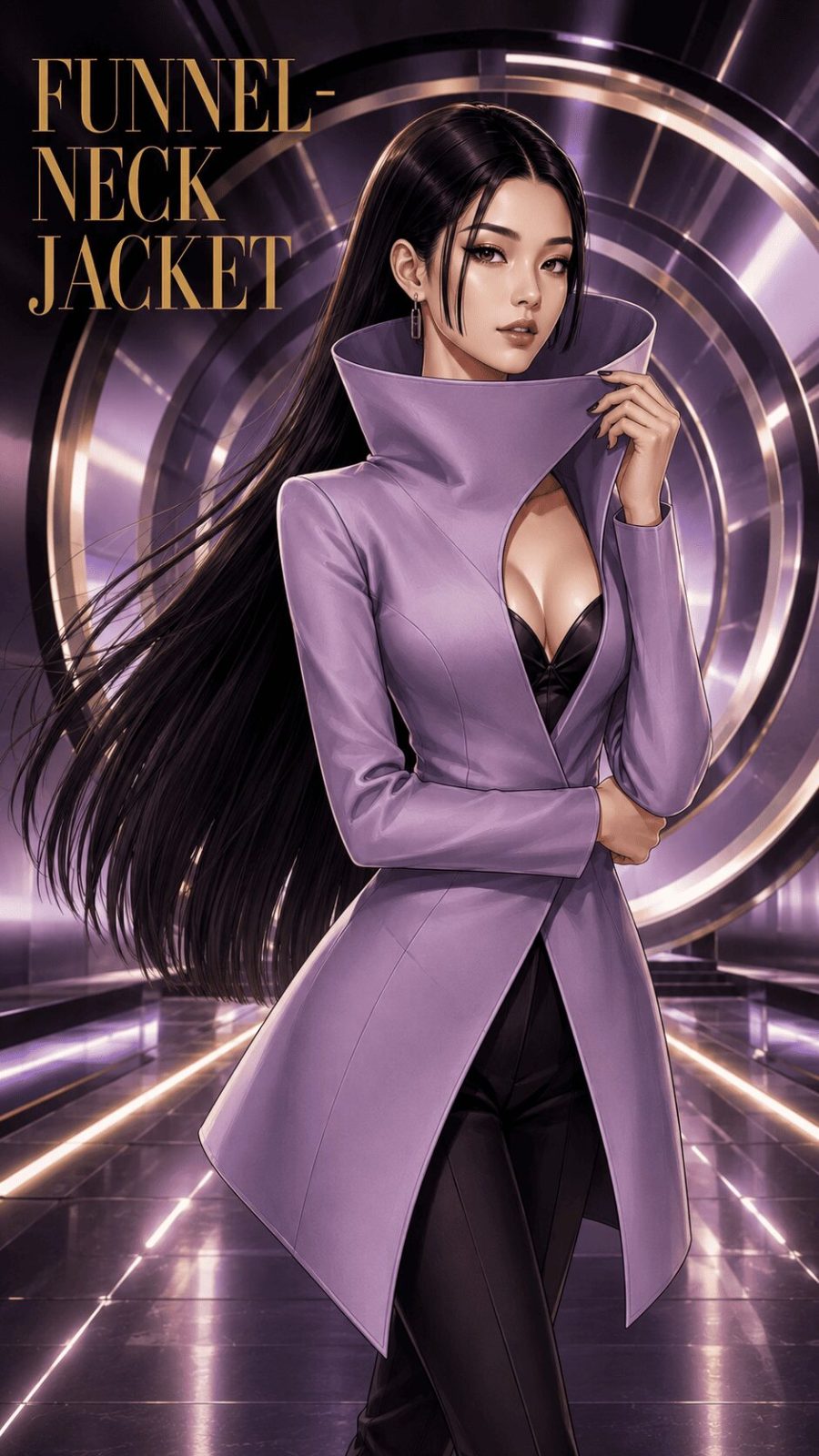
A tall, upright collar that stands away from the neck without folding, offering extra coverage against wind.
- 50
Hooded Jacket
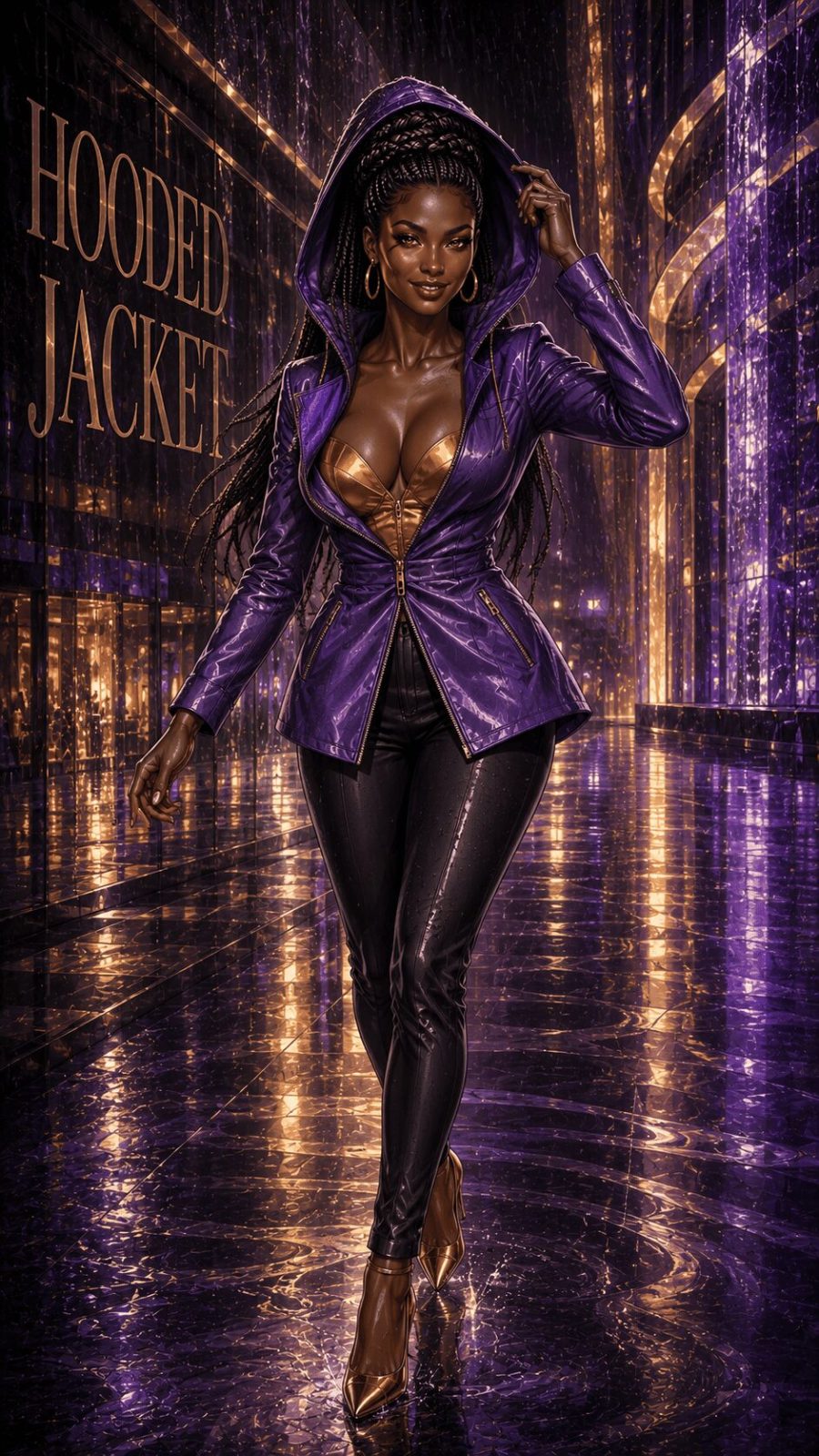
A fixed or detachable hood replaces a traditional collar entirely, prioritizing function and weather coverage.
- 51
Collarless Jacket

No collar structure at all — the neckline finishes clean at the seam, often paired with a boxy or cropped silhouette.
- 52
Sherpa-Collar Jacket
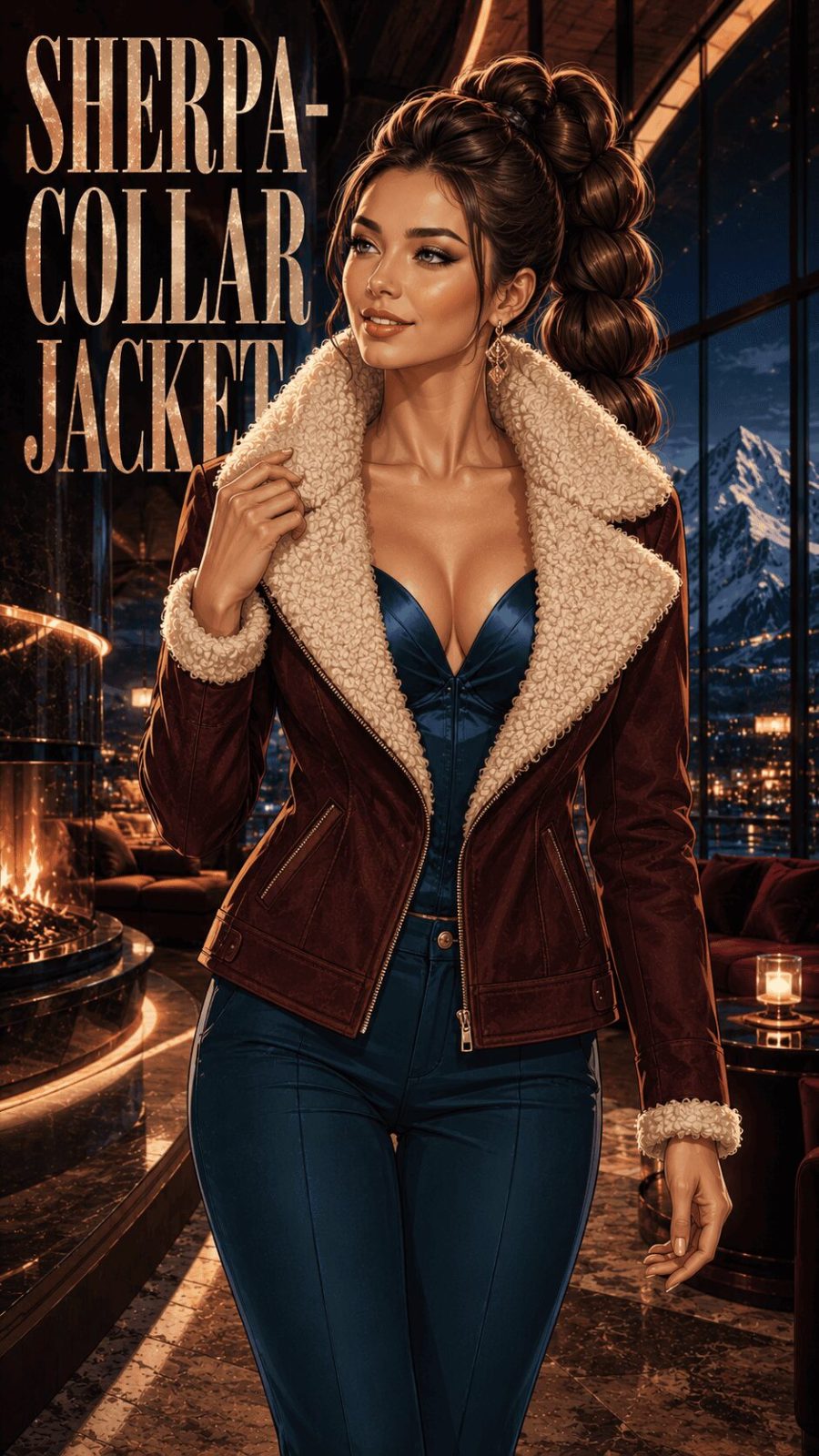
A plush faux-shearling panel lines the collar and sometimes the front placket, adding textural warmth without full shearling construction.
- 53
Fur-Trim Hood Jacket
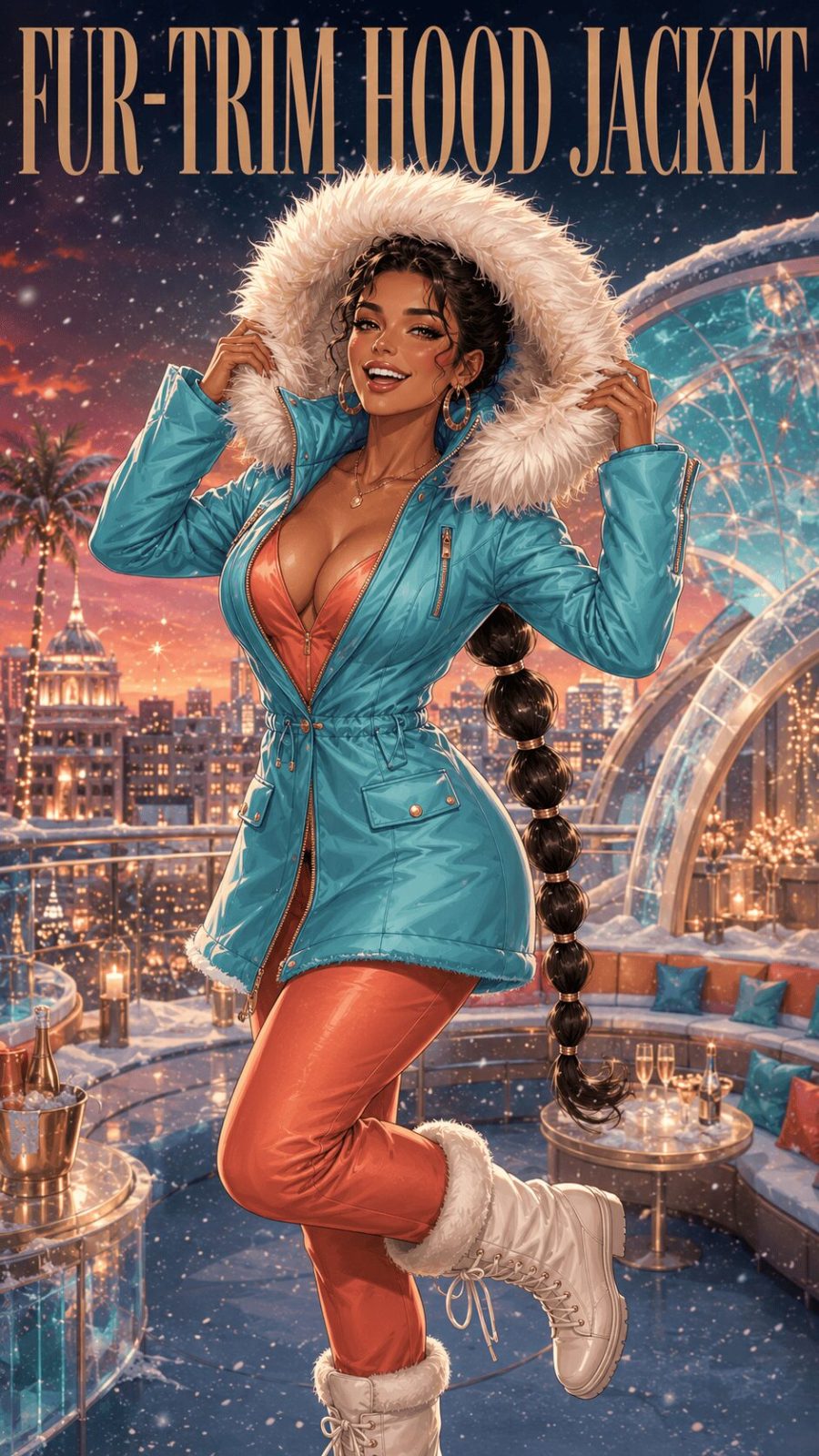
A hood edged in faux or genuine fur trim, historically functional for wind-blocking and now largely a styling signature.
- 54
Stand-Collar Jacket
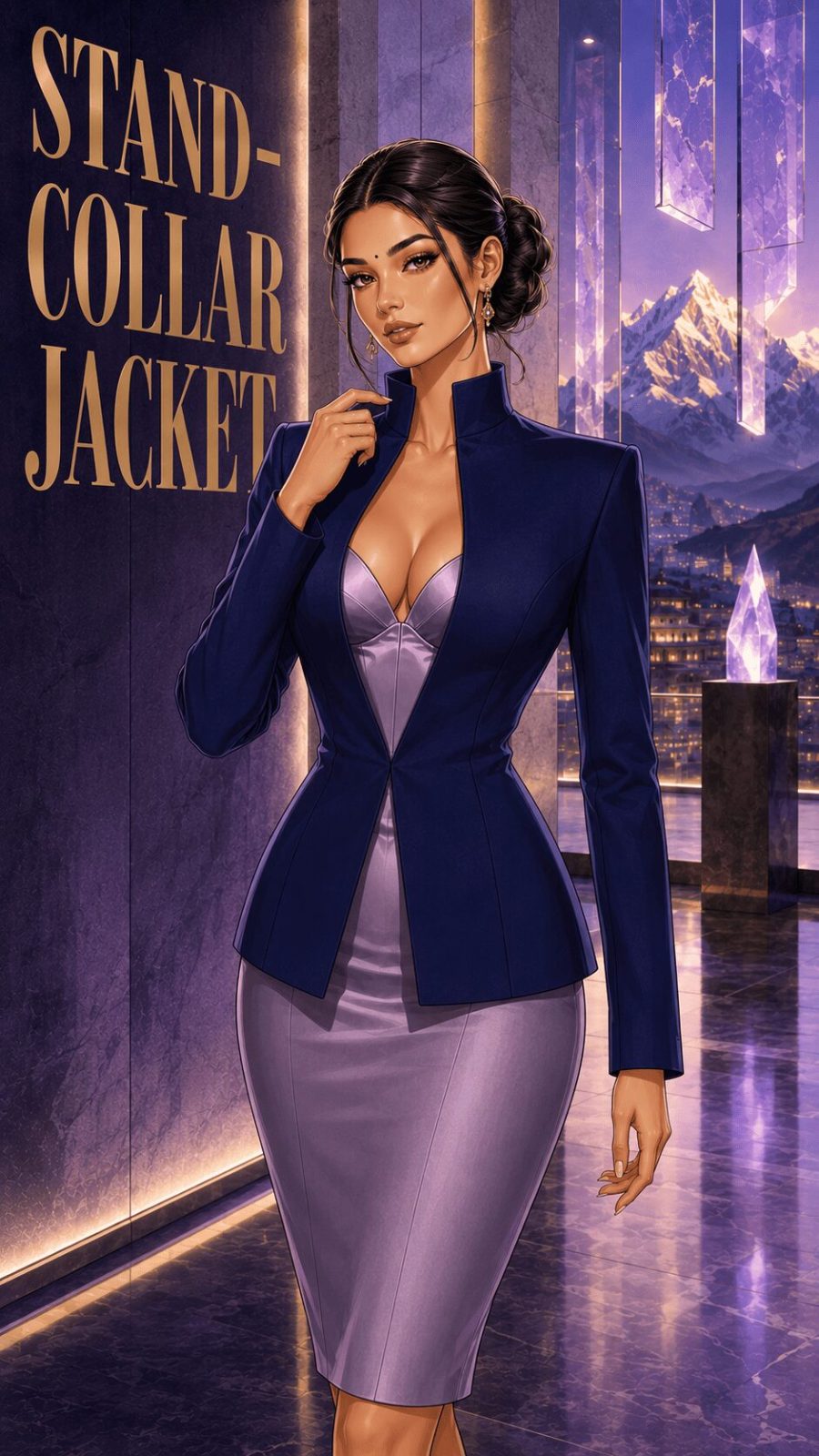
An upright collar that doesn't fold down, similar to a mandarin collar but typically cut slightly taller and structured.
- 55
Peak-Lapel Jacket
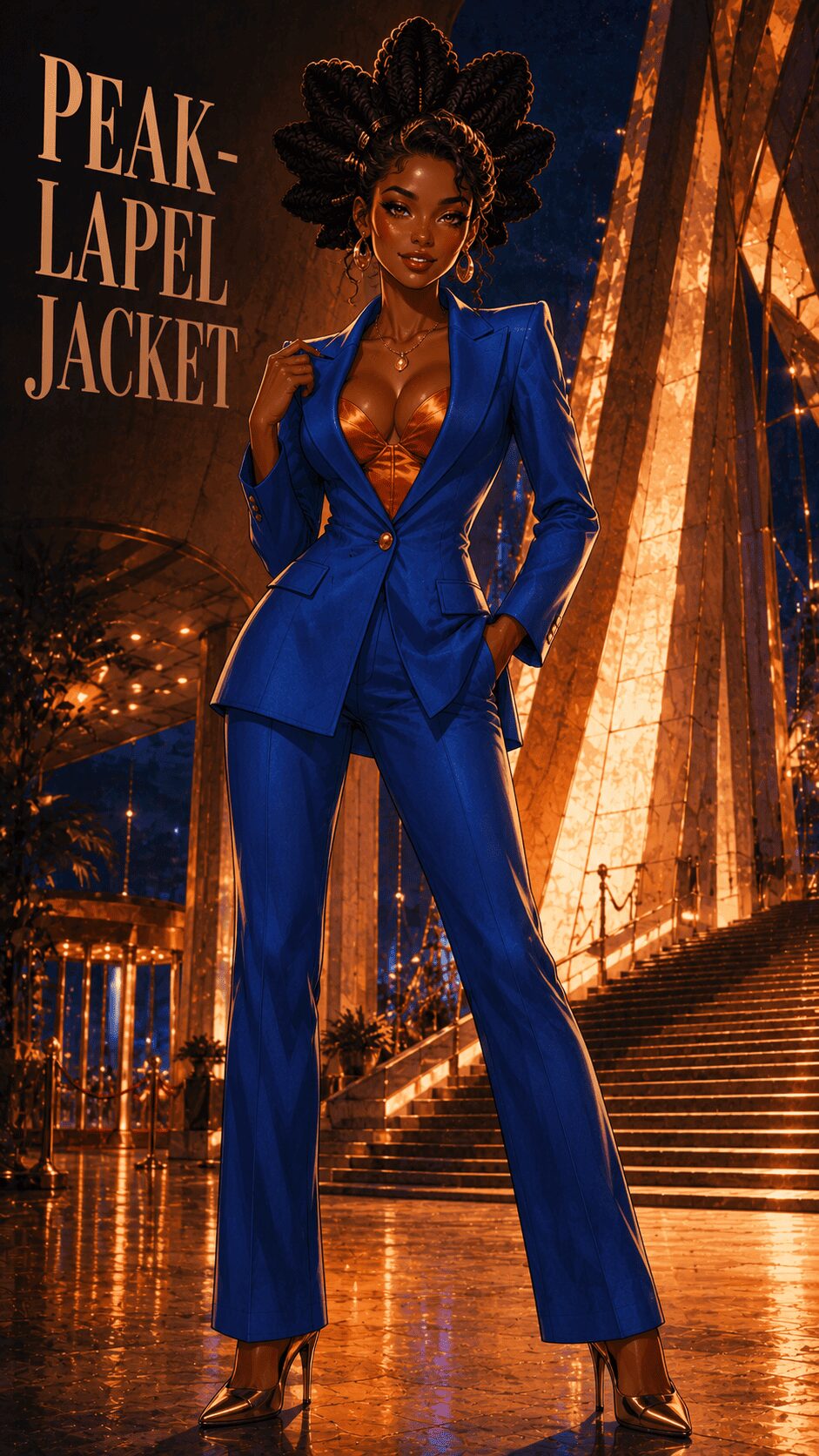
The lapel point angles upward toward the shoulder rather than lying flat, a detail borrowed from formal menswear tailoring.
- 56
Cowl-Neck Jacket
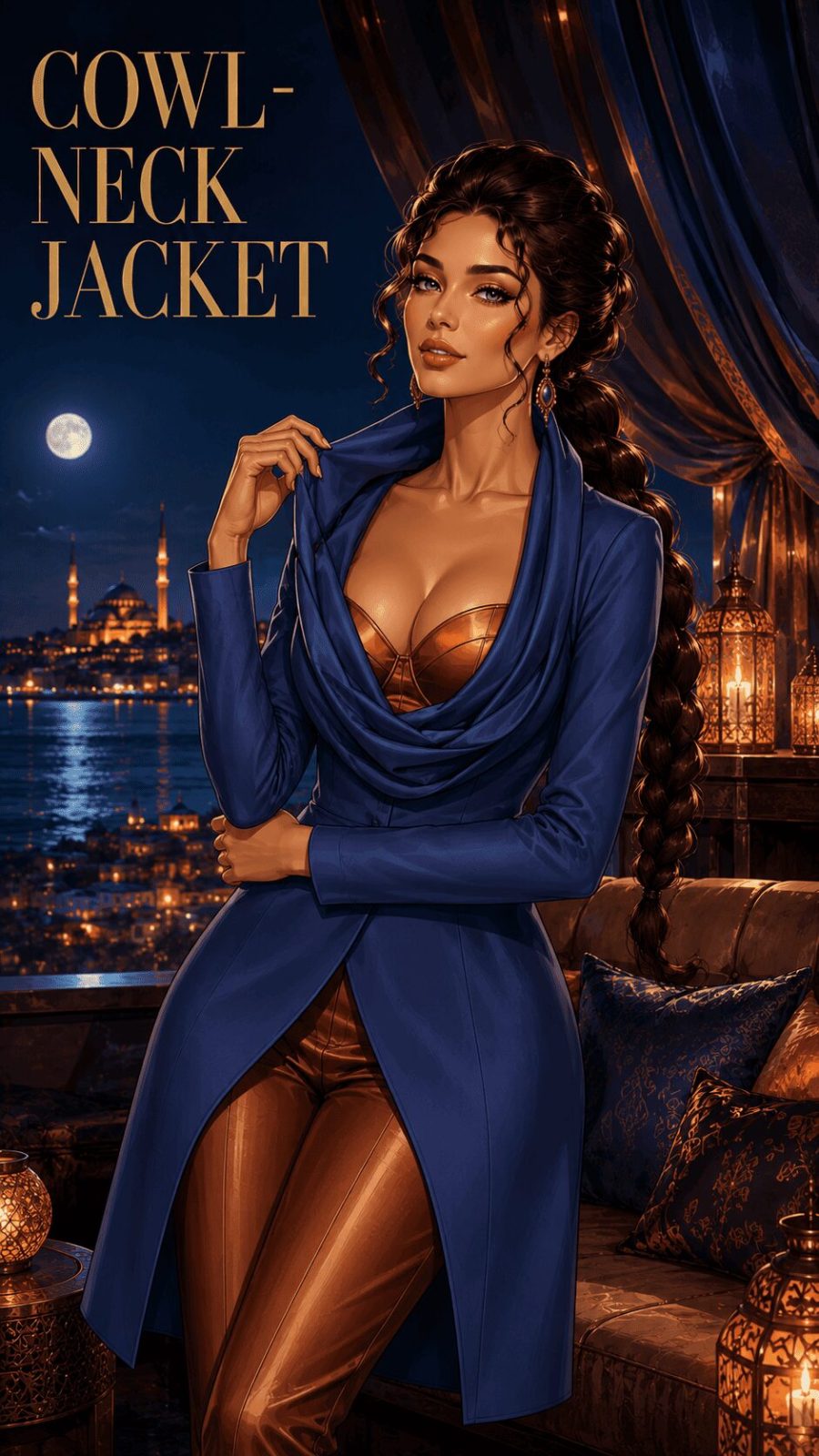
Soft, draped fabric folds loosely at the neckline instead of a structured collar, adding a relaxed, fluid finish.
Category 5: By Fit & Silhouette Volume (#57–#66)
The same jacket design reads completely differently depending on how closely it follows the body
Fit is the variable that most directly shapes how a jacket interacts with whatever is worn underneath it. A slim fit is built to layer close to the body; an oversized fit is built to layer over volume, and neither is more correct than the other.
What matters is matching the fit to intention — an oversized jacket over a fitted dress reads intentional, while an oversized jacket over already-loose layers can read as simply too big.
- 57
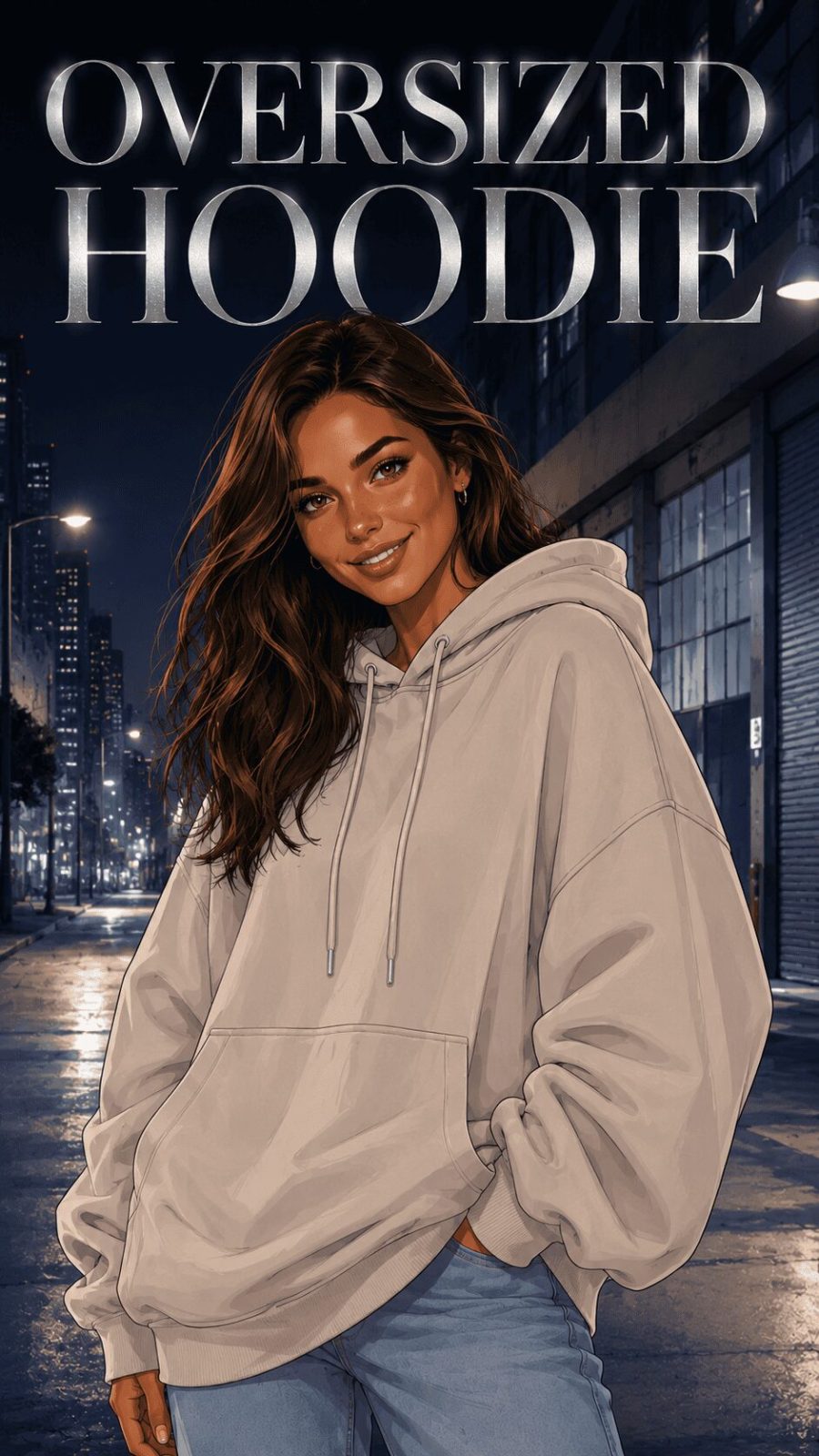
Oversized-Fit Jacket
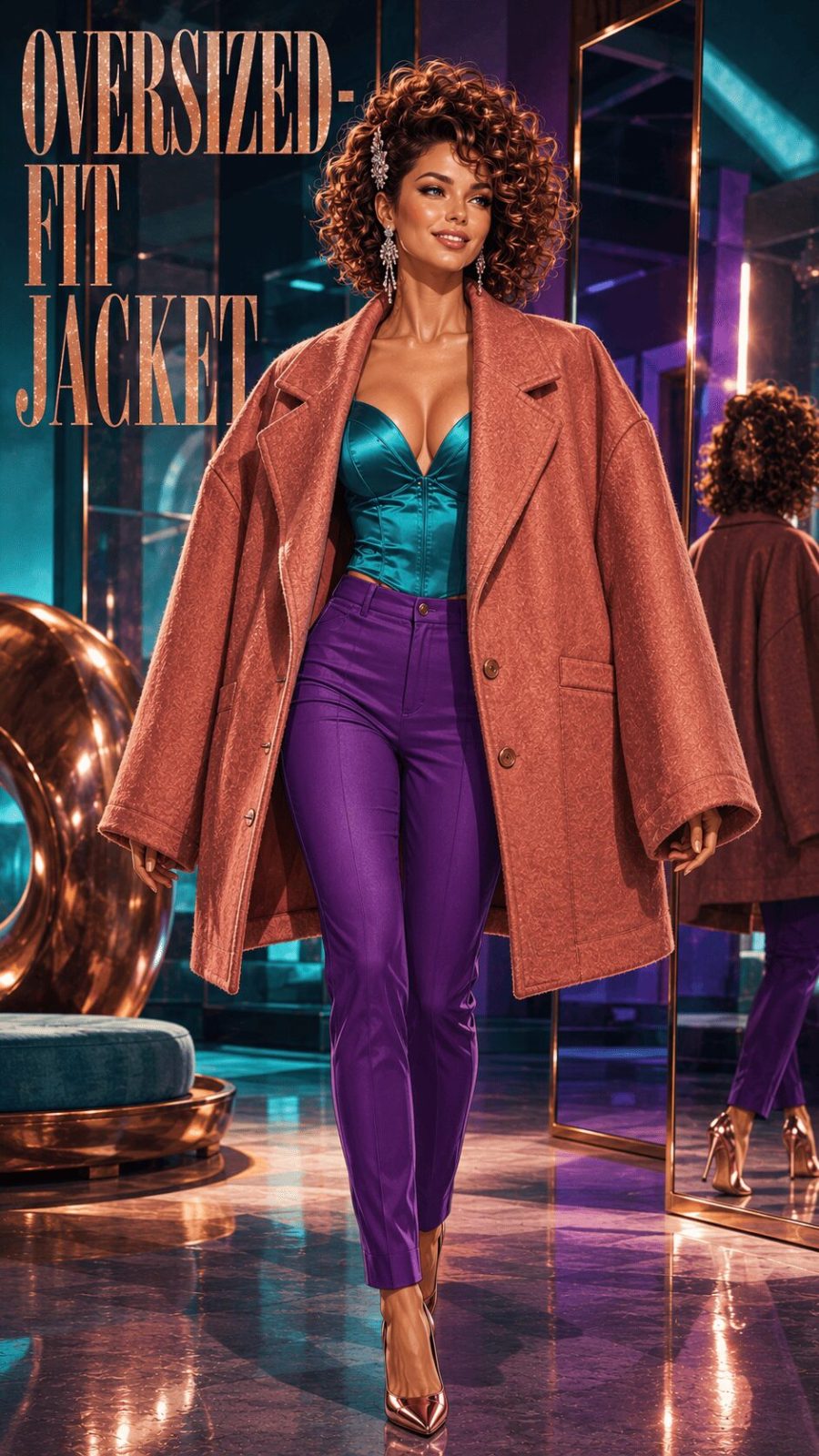
Deliberately sized beyond the body's actual measurements, creating volume and drape that a true-to-size cut cannot achieve.
- 58
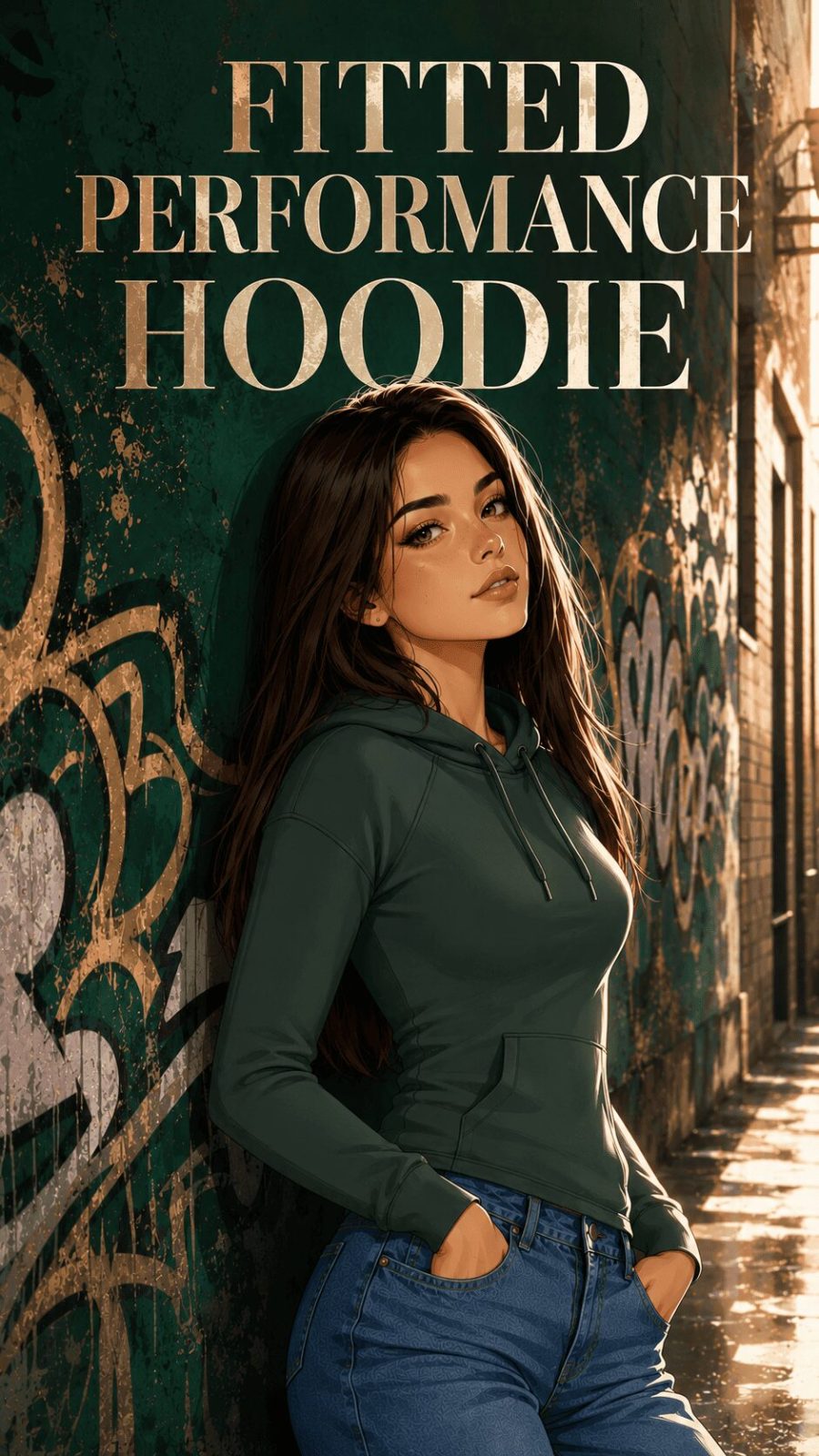
Slim-Fit Jacket
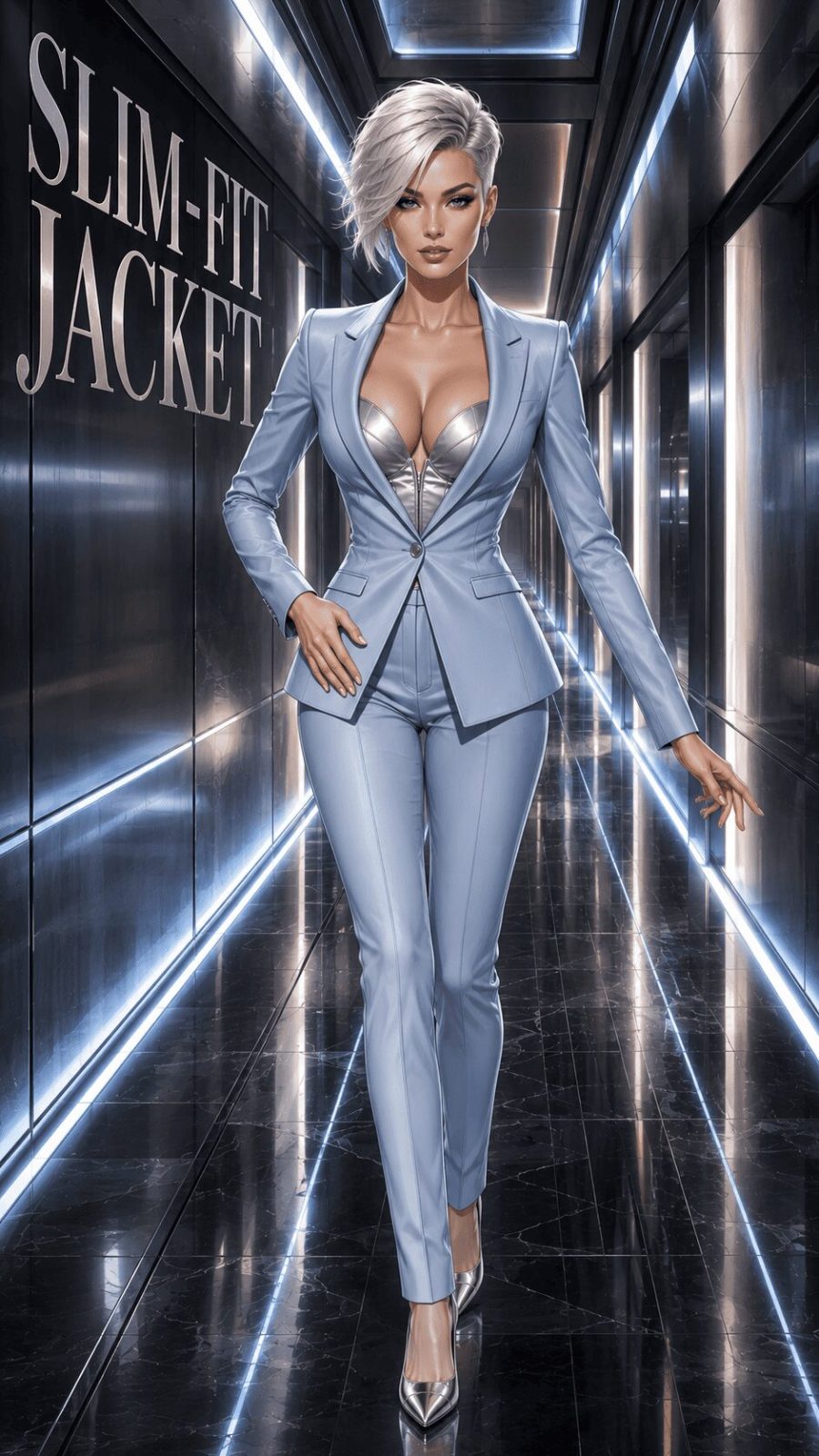
Cut close to the body's actual measurements with minimal ease, following the line of the torso and arm precisely.
- 59
Relaxed-Fit Jacket

A middle ground between slim and oversized — some ease throughout, without the dramatic volume of a fully oversized cut.
- 60
Tailored-Fit Jacket
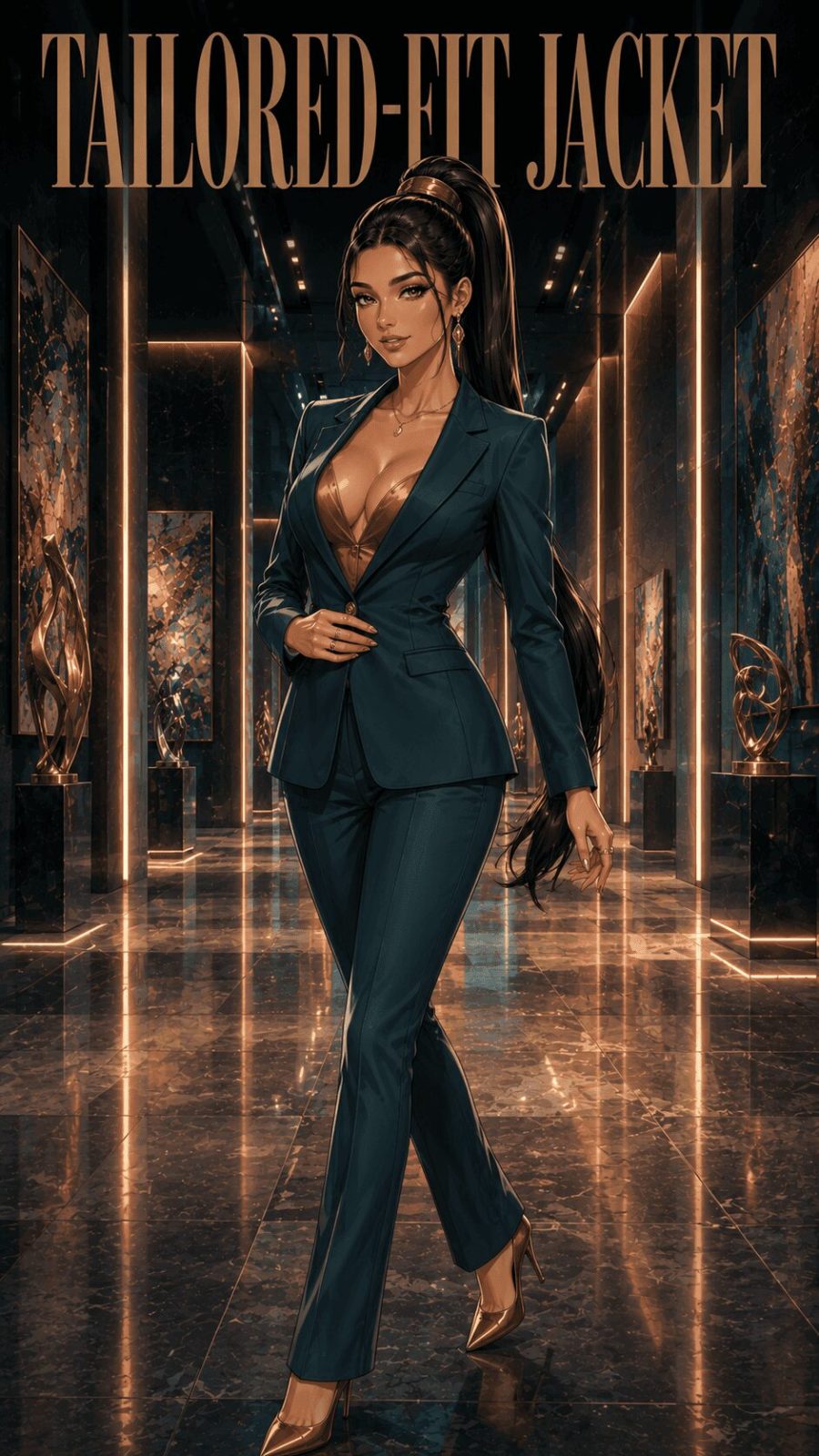
Shaped precisely through darts and seaming to follow the body's natural lines, the traditional benchmark for structured jackets.
- 61
Boyfriend-Fit Jacket
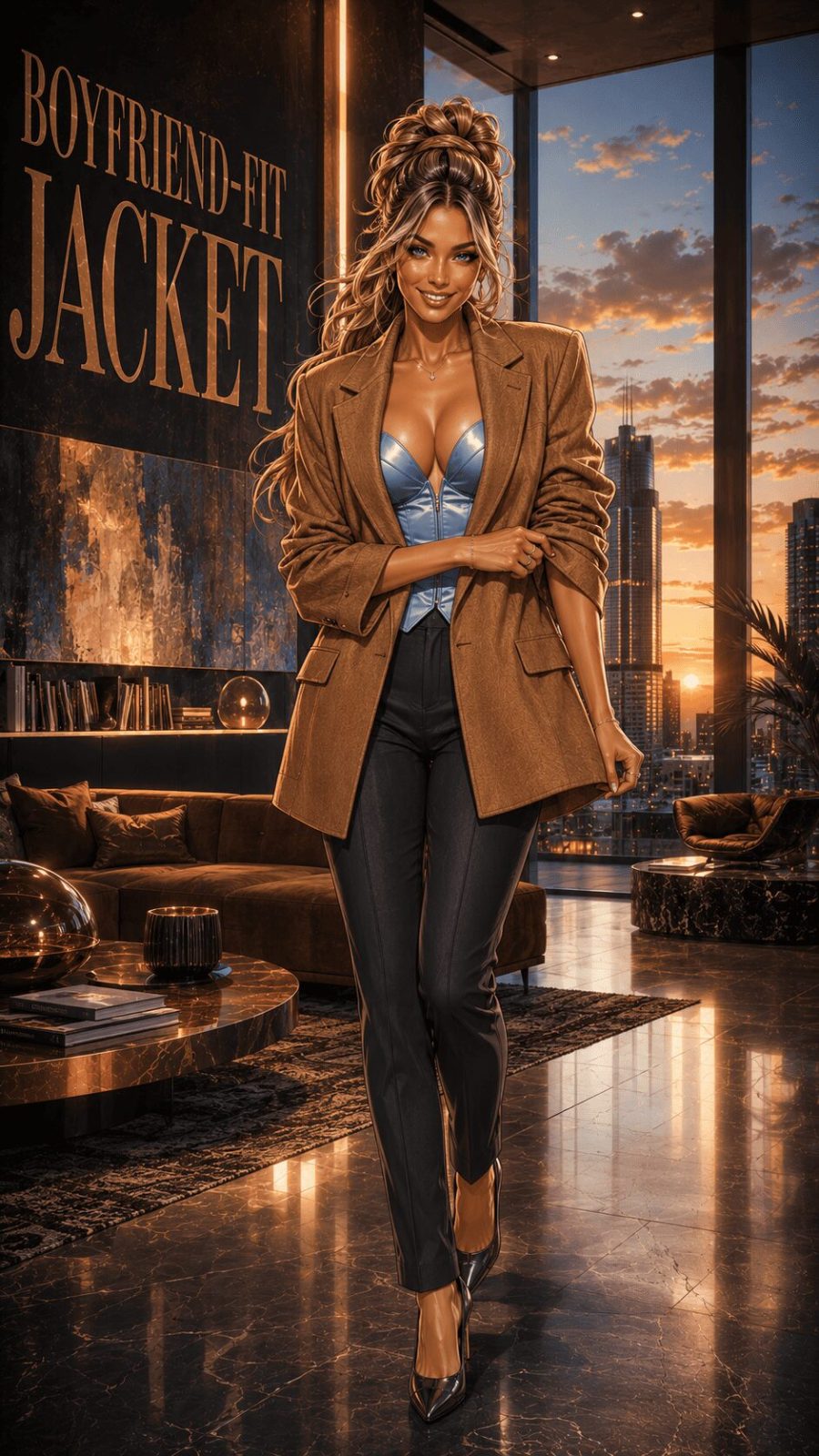
Borrowed-from-the-boys proportions — broader shoulder, looser body — worn deliberately larger than a standard womenswear cut.
- 62
Cropped-Fit Jacket
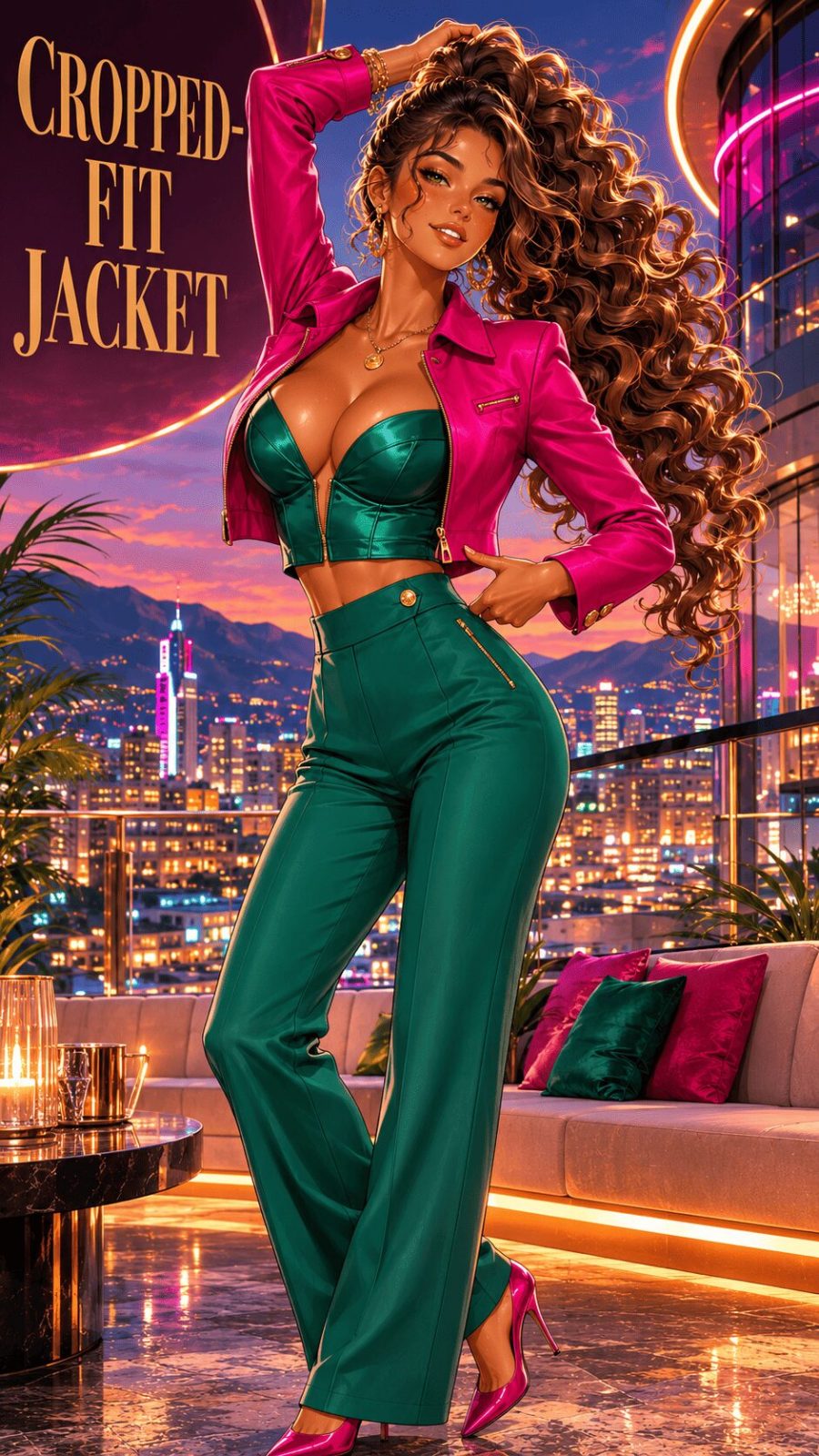
Combines a shortened length with a closer body fit, distinct from an oversized crop which adds volume instead.
- 63
Cocoon-Fit Jacket
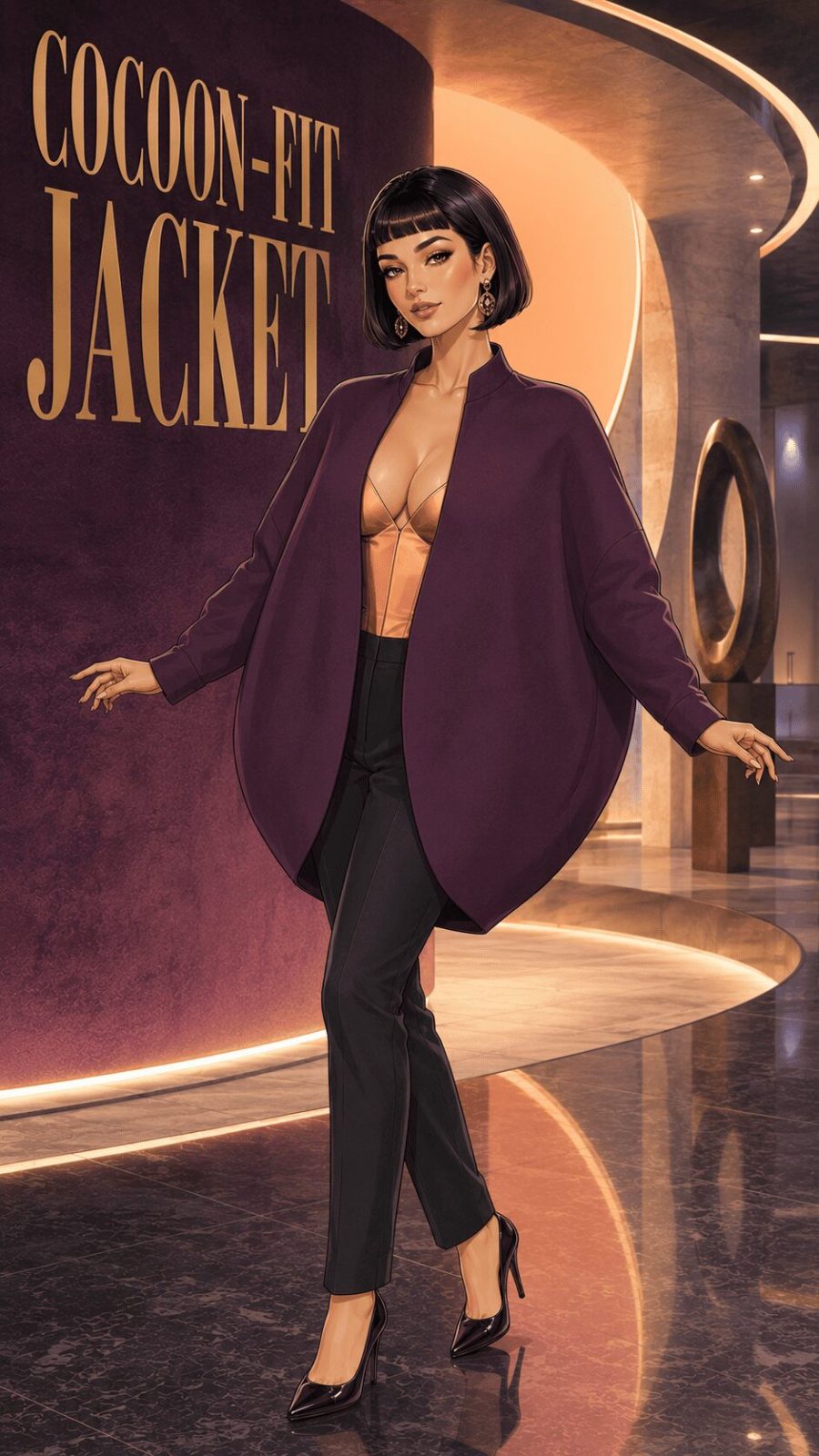
Rounded through the body with no waist definition, tapering gently at the hem rather than following the torso's shape.
- 64
Structured-Fit Jacket
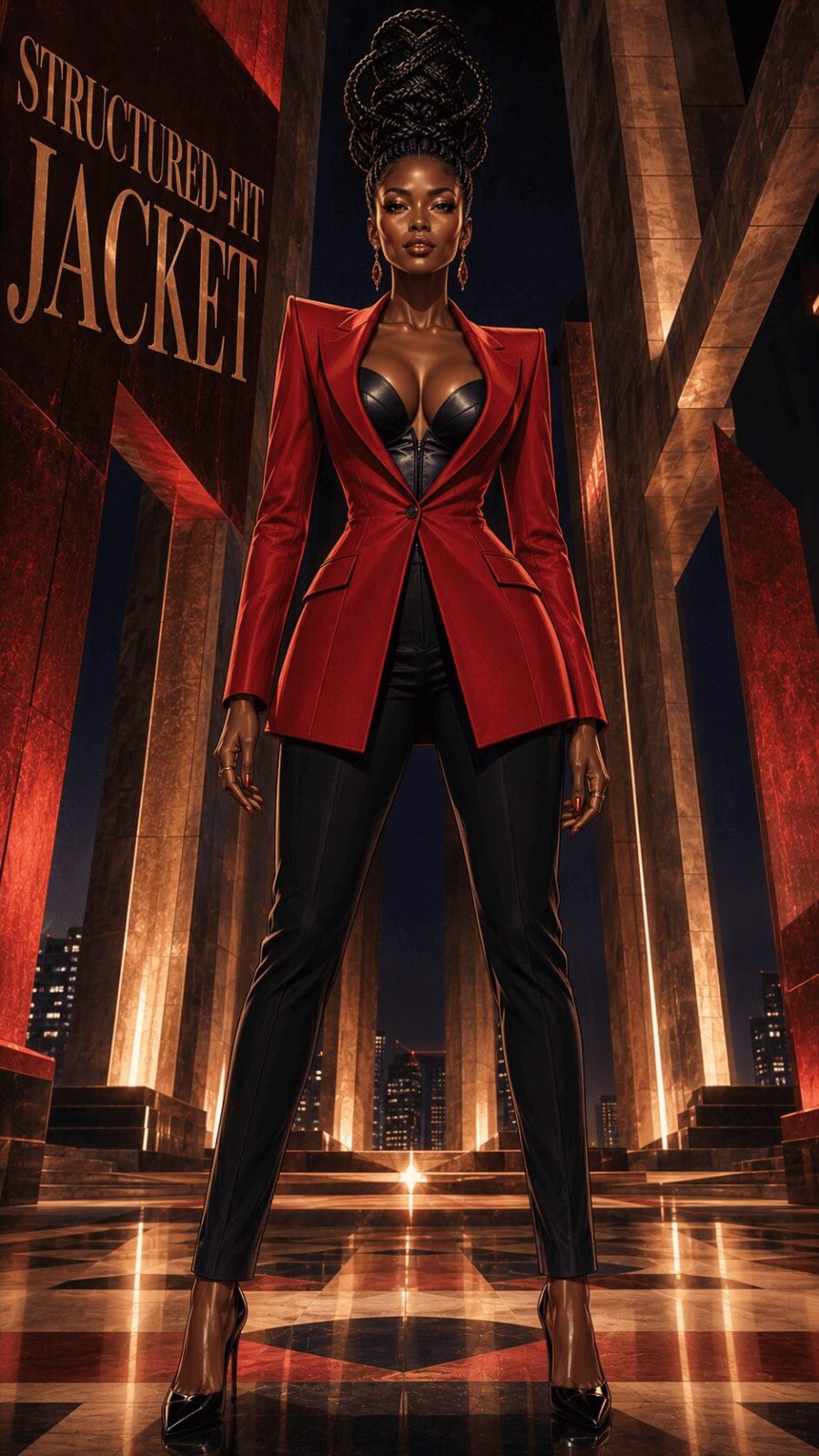
Built with internal shoulder pads or interfacing to hold its shape independent of the body underneath it.
- 65
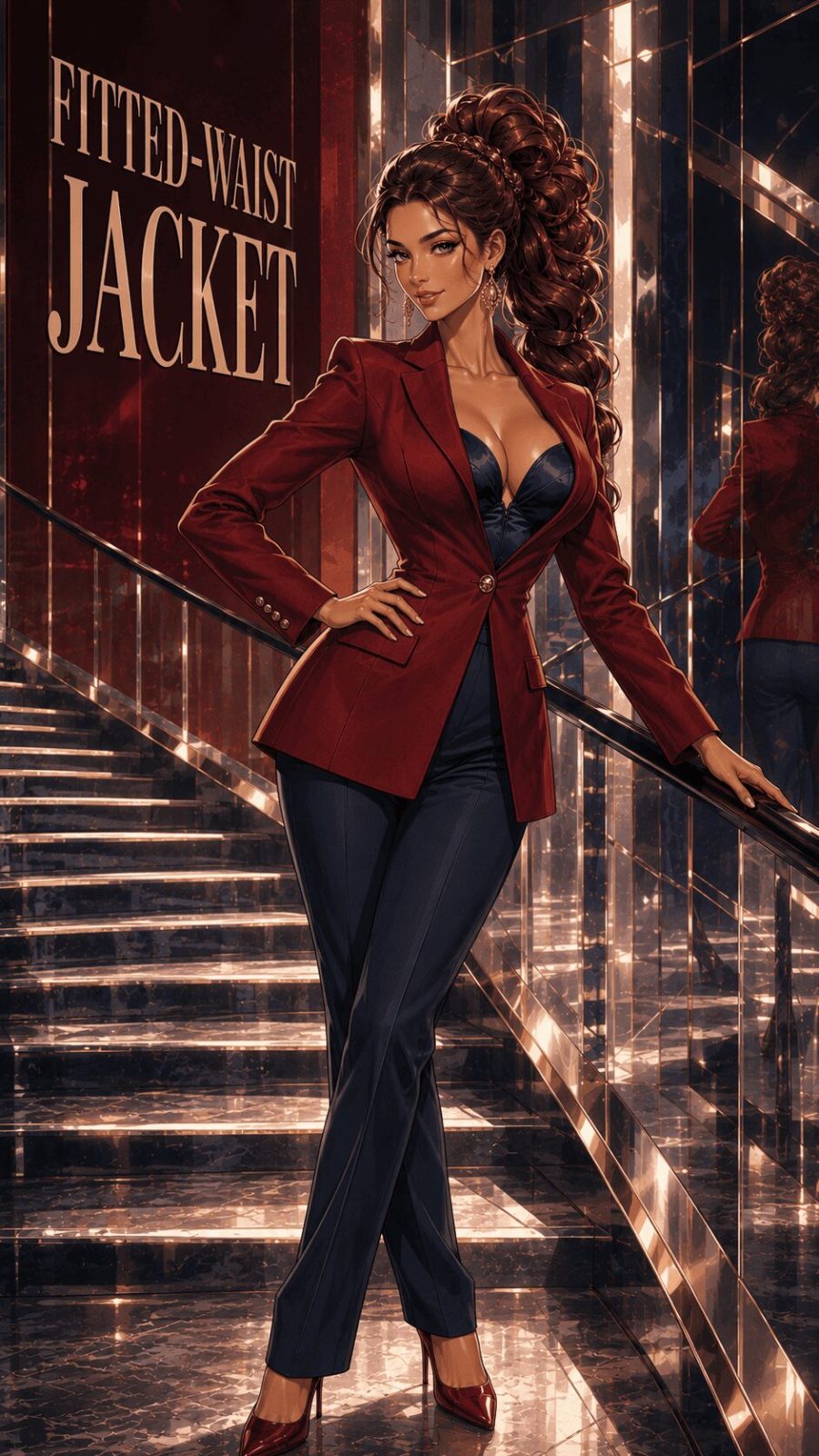
Fitted-Waist Jacket

Shaped specifically at the waist through princess seams or side darts while keeping the shoulder and hip looser.
- 66
Cinched-Waist Jacket
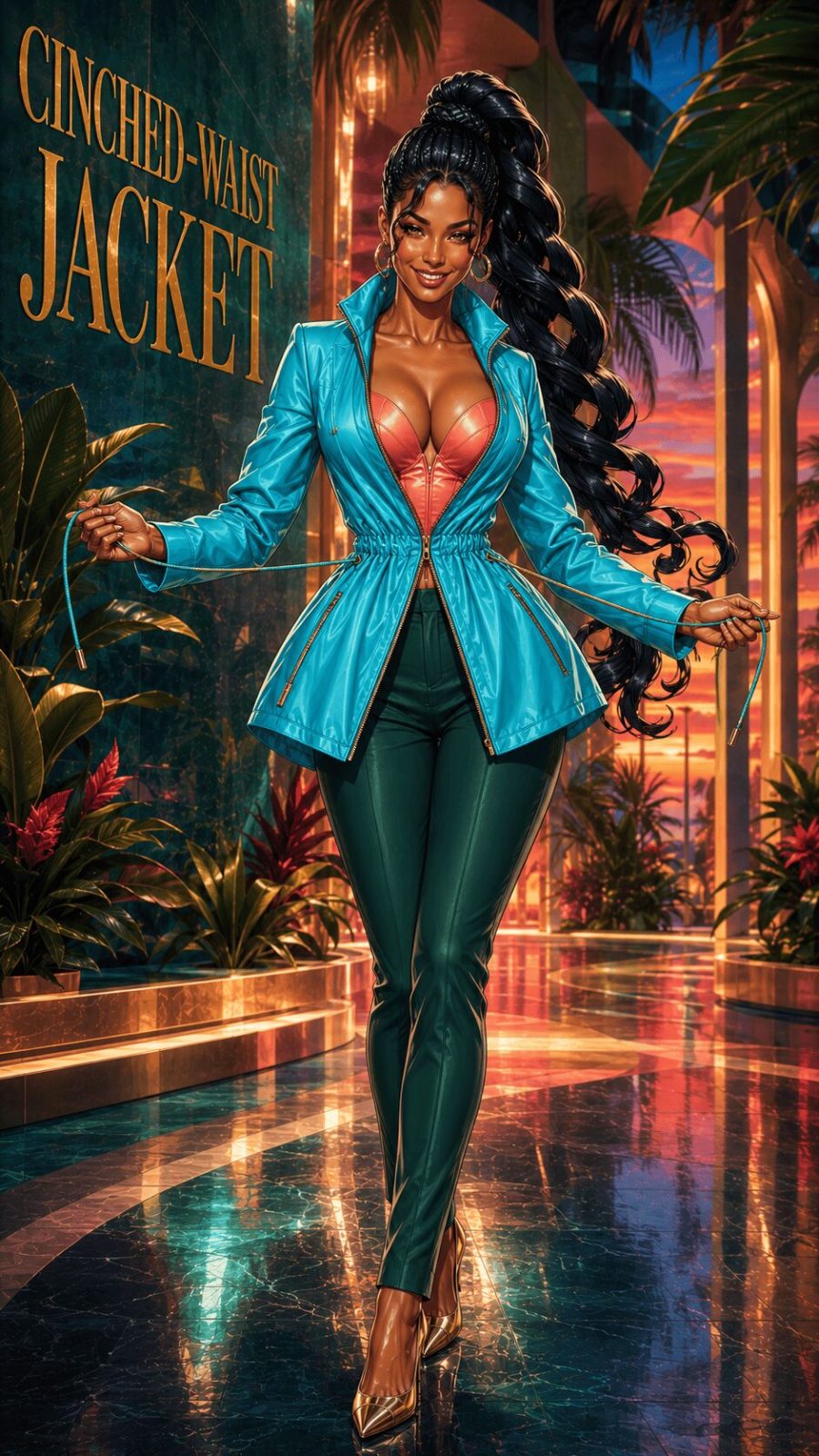
An elasticated or drawstring waist panel pulls the fabric in at one point, creating shape without permanent seaming.
Category 6: By Fabric & Material (#67–#84)
What a jacket is made from decides how it drapes, how it ages, and what it costs to keep it looking good
Fabric determines nearly everything about how a jacket behaves over its lifetime — how it creases, how it insulates, whether it needs specialty cleaning, and how it will look after the tenth wear rather than the first.
According to the most recently published Business of Fashion Consumer Index from 2024, consumers are increasingly weighing durability and fabric quality over trend cycles when investing in outerwear, which makes understanding material differences more relevant than ever.
- 67
Leather Jacket
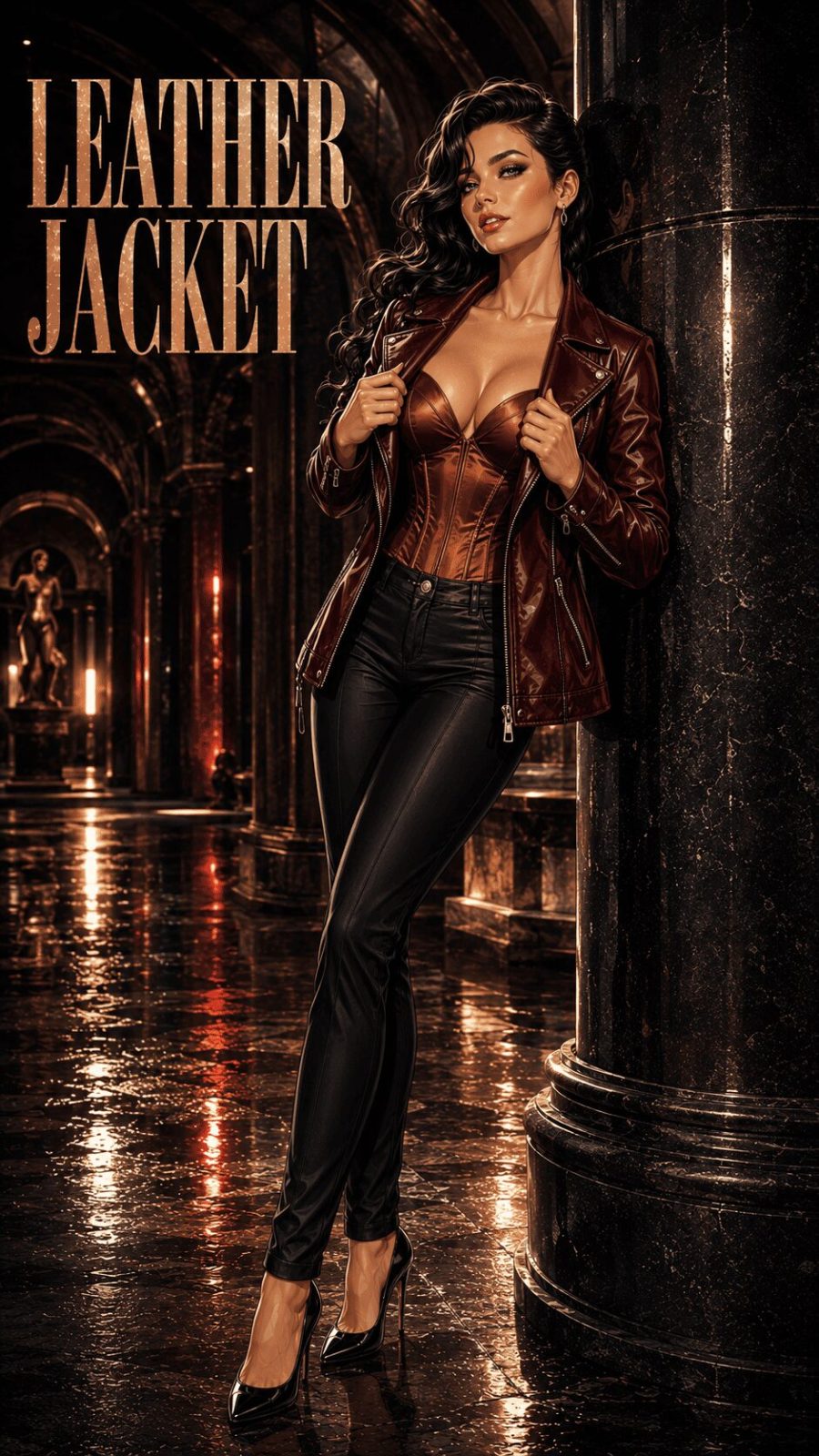
Genuine hide — lambskin, cowhide, or goatskin — that softens and develops character with wear rather than wearing out.
- 68
Faux Leather Jacket
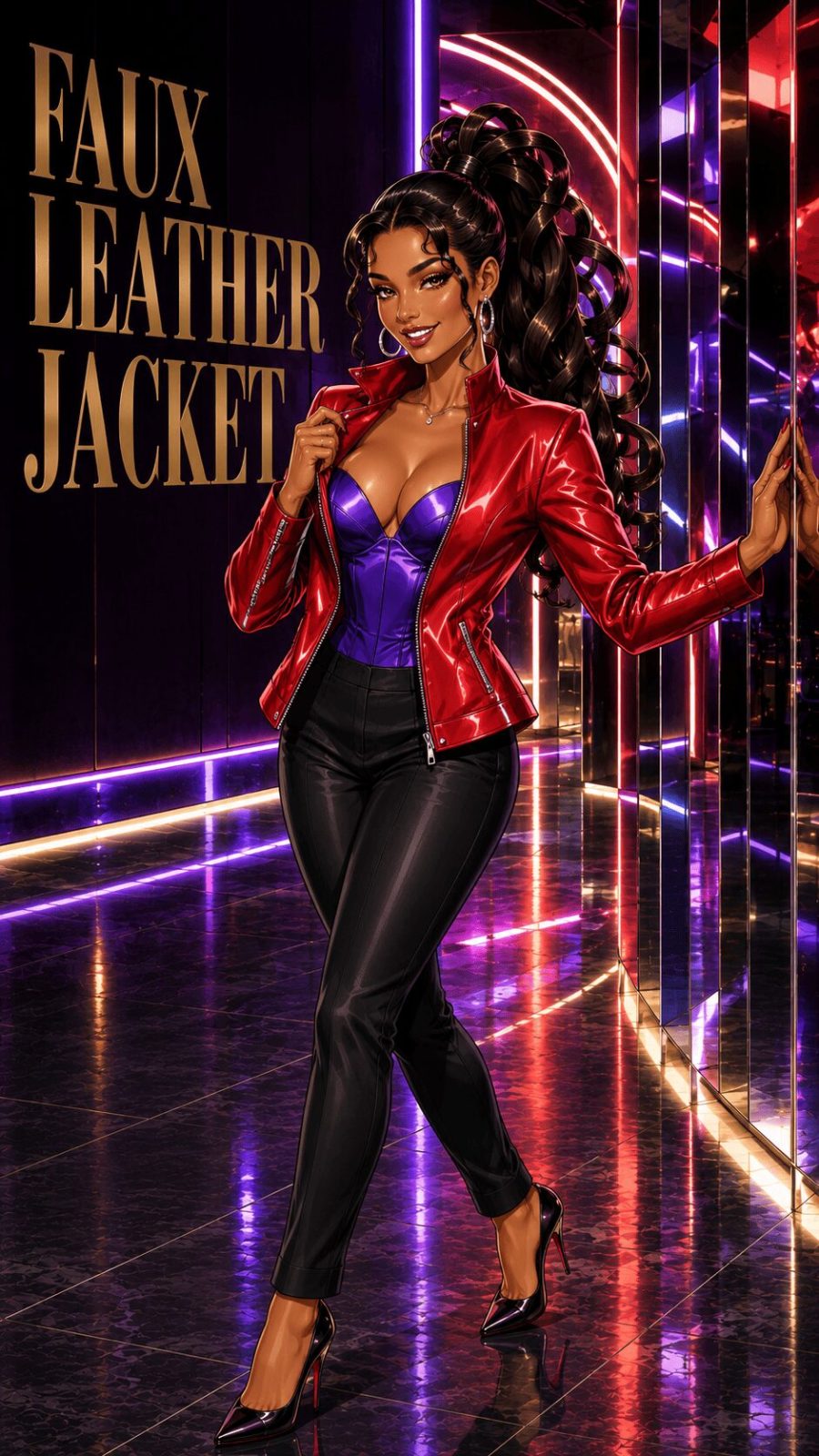
A polyurethane or PVC-coated fabric engineered to mimic leather's sheen and hand without animal-derived material.
- 69
Denim Jacket
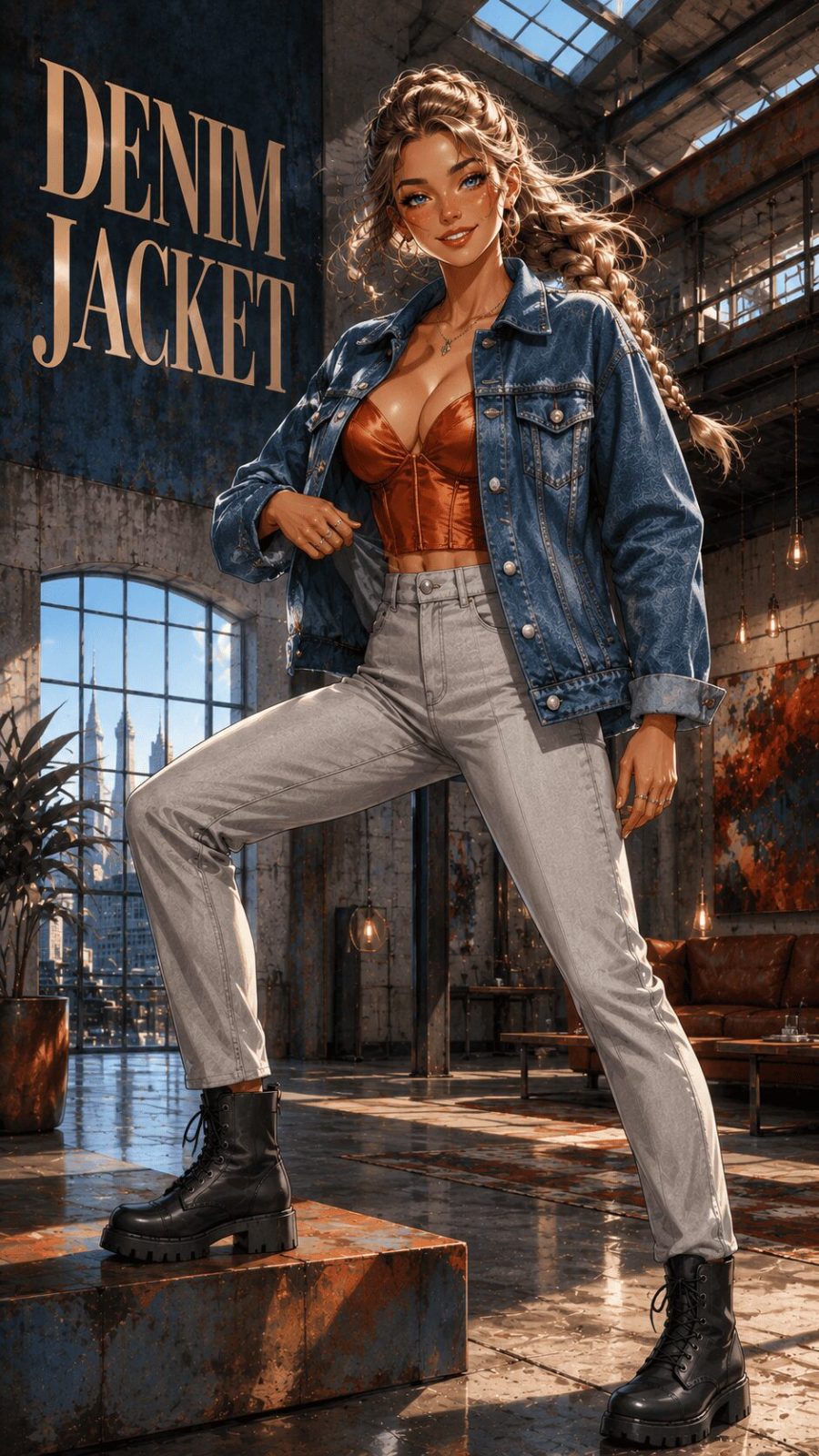
Twill-weave cotton, usually indigo-dyed, that fades and creases uniquely to the wearer over repeated washing and wear.
- 70
Wool Jacket
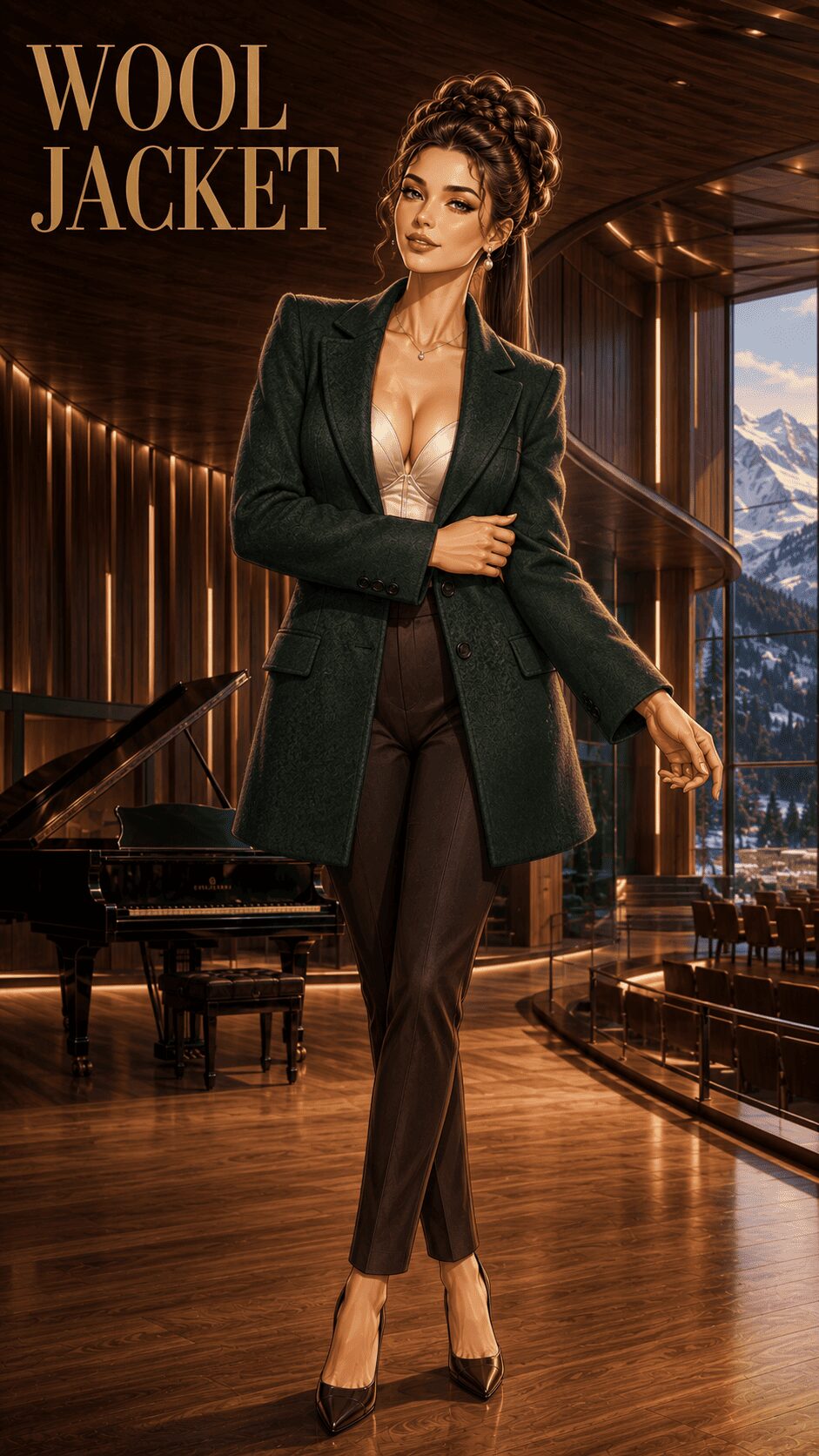
A natural insulating fiber woven into anything from crisp gabardine to soft flannel, prized for warmth without excess bulk.
- 71
Tweed Jacket
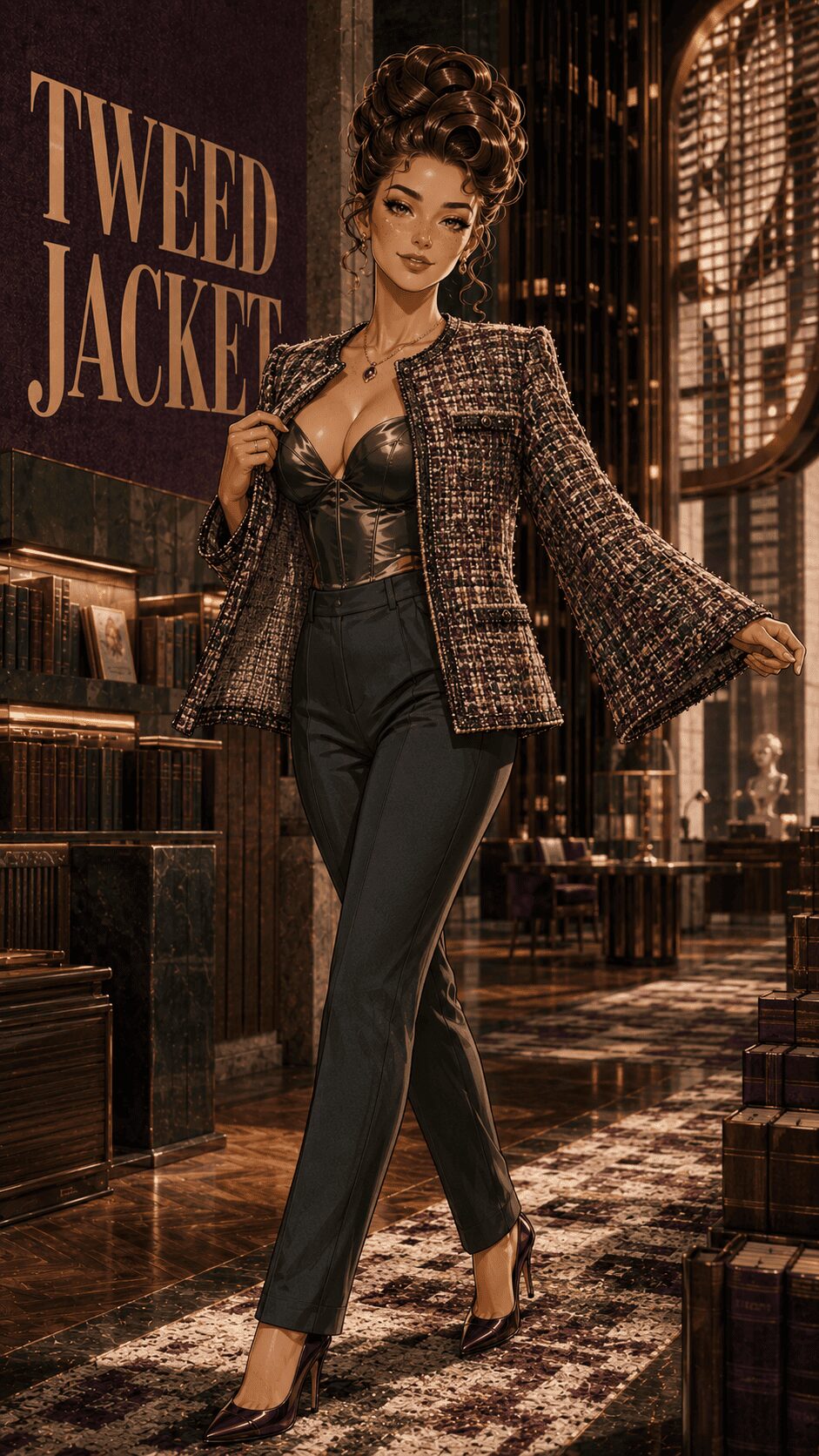
A rough-textured wool weave, traditionally flecked with multiple yarn colors, associated with country and collegiate style history.
- 72
Corduroy Jacket
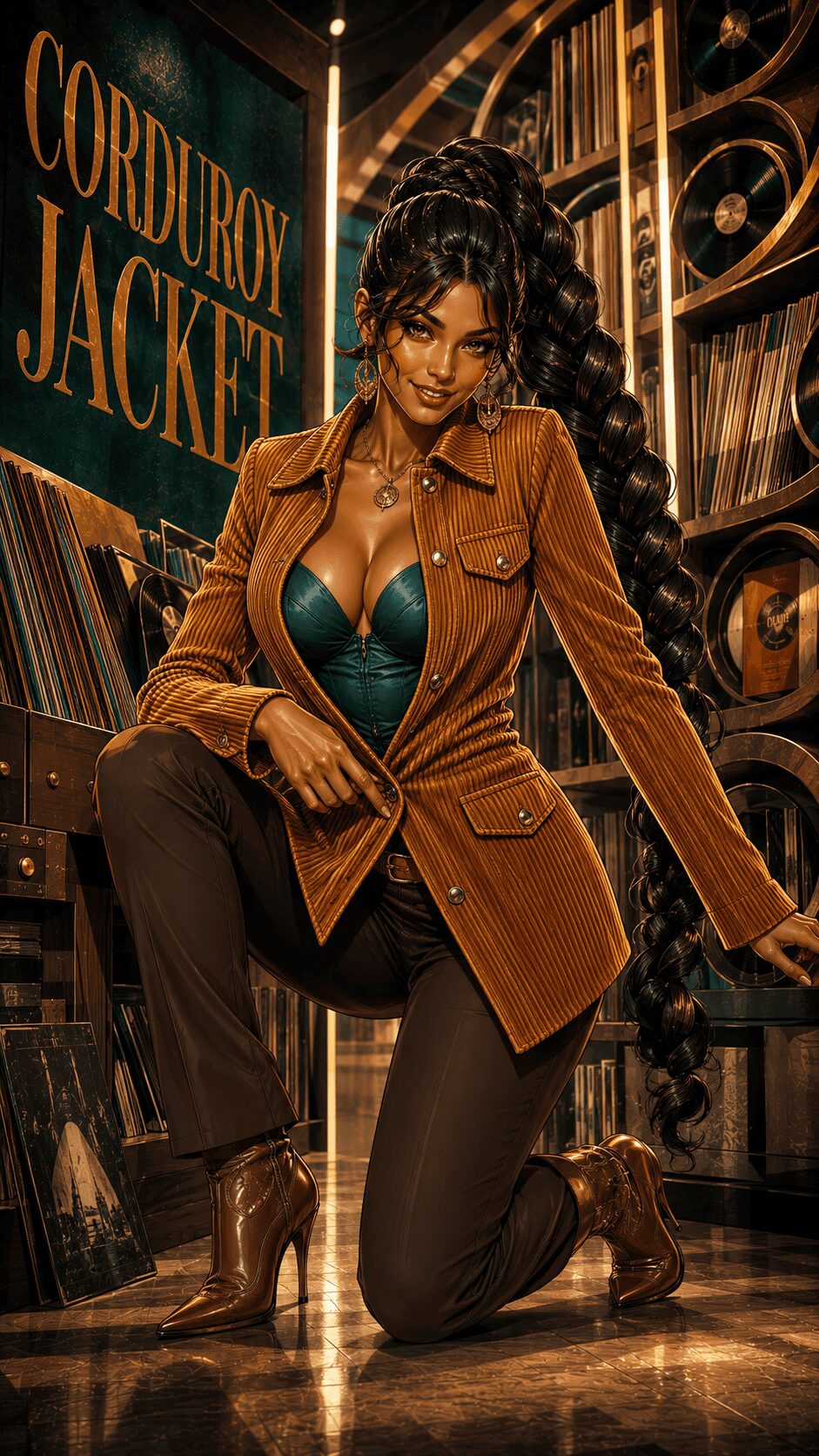
A cut-pile cotton fabric with distinctive vertical ridges (wales), offering texture and warmth without wool's weight.
- 73
Suede Jacket
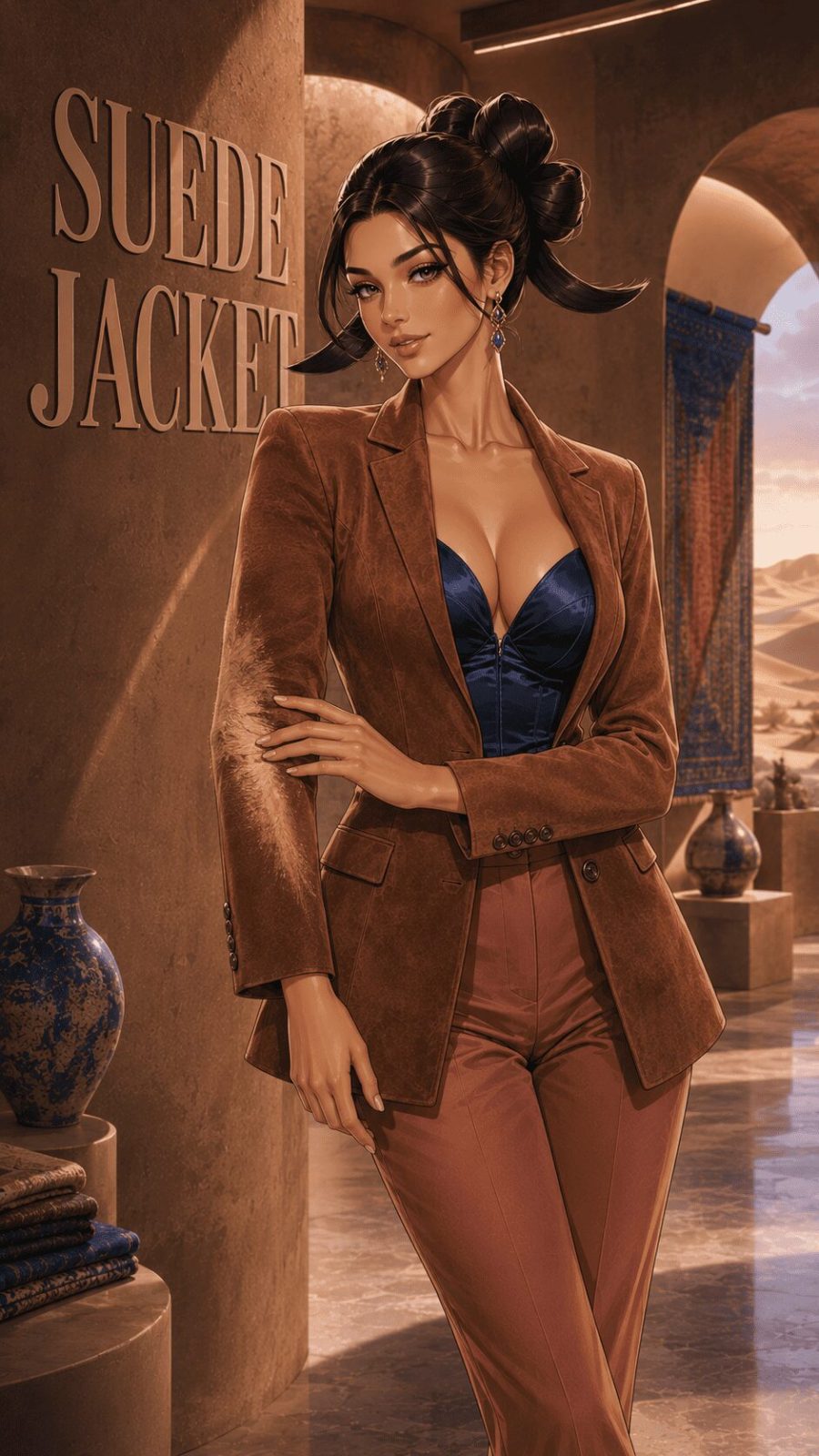
The napped underside of leather, softer and more matte than the grain side, requiring specialty care to maintain texture.
- 74
Shearling Jacket

Sheepskin tanned with the wool intact, worn wool-side-in for warmth with a suede or leather exterior face.
- 75
Puffer (Nylon) Jacket
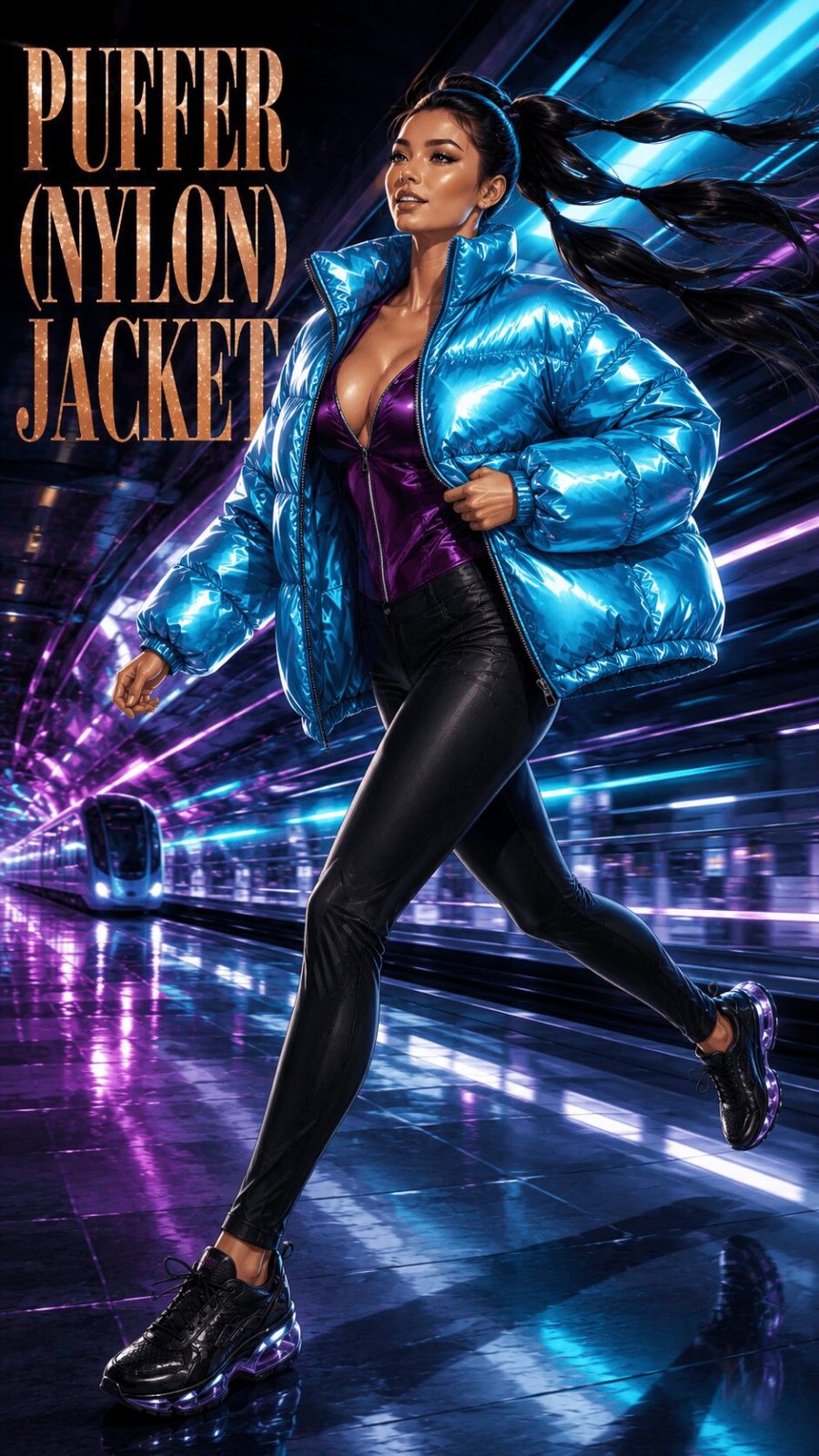
A lightweight nylon or polyester shell over synthetic or down insulation, engineered for maximum warmth-to-weight ratio.
- 76
Quilted Jacket
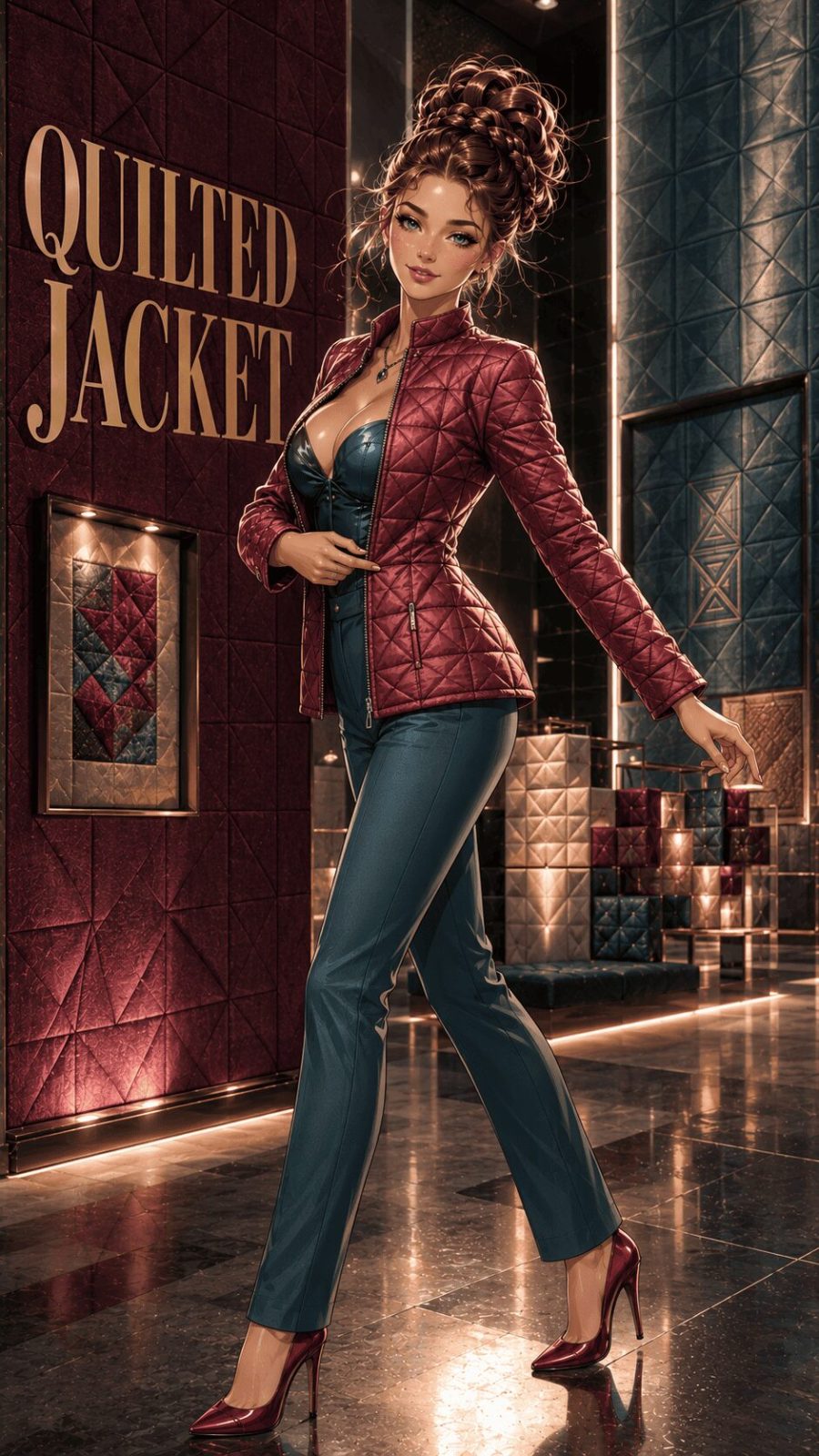
Two fabric layers stitched together with insulation between them in a repeating diamond or channel pattern.
- 77
Velvet Jacket
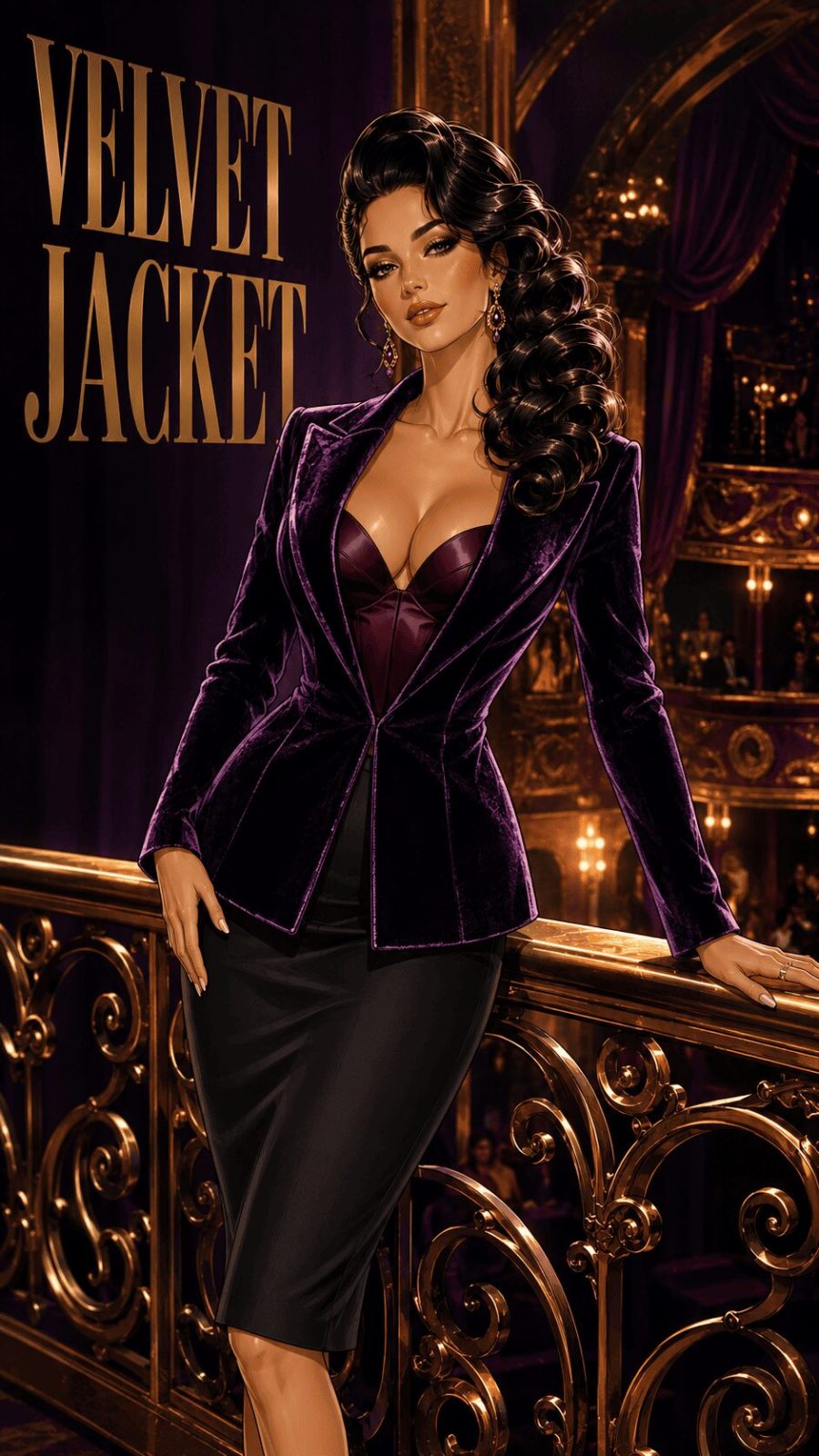
A cut-pile fabric with a directional nap that catches and reflects light differently depending on viewing angle.
- 78
Sequin Jacket
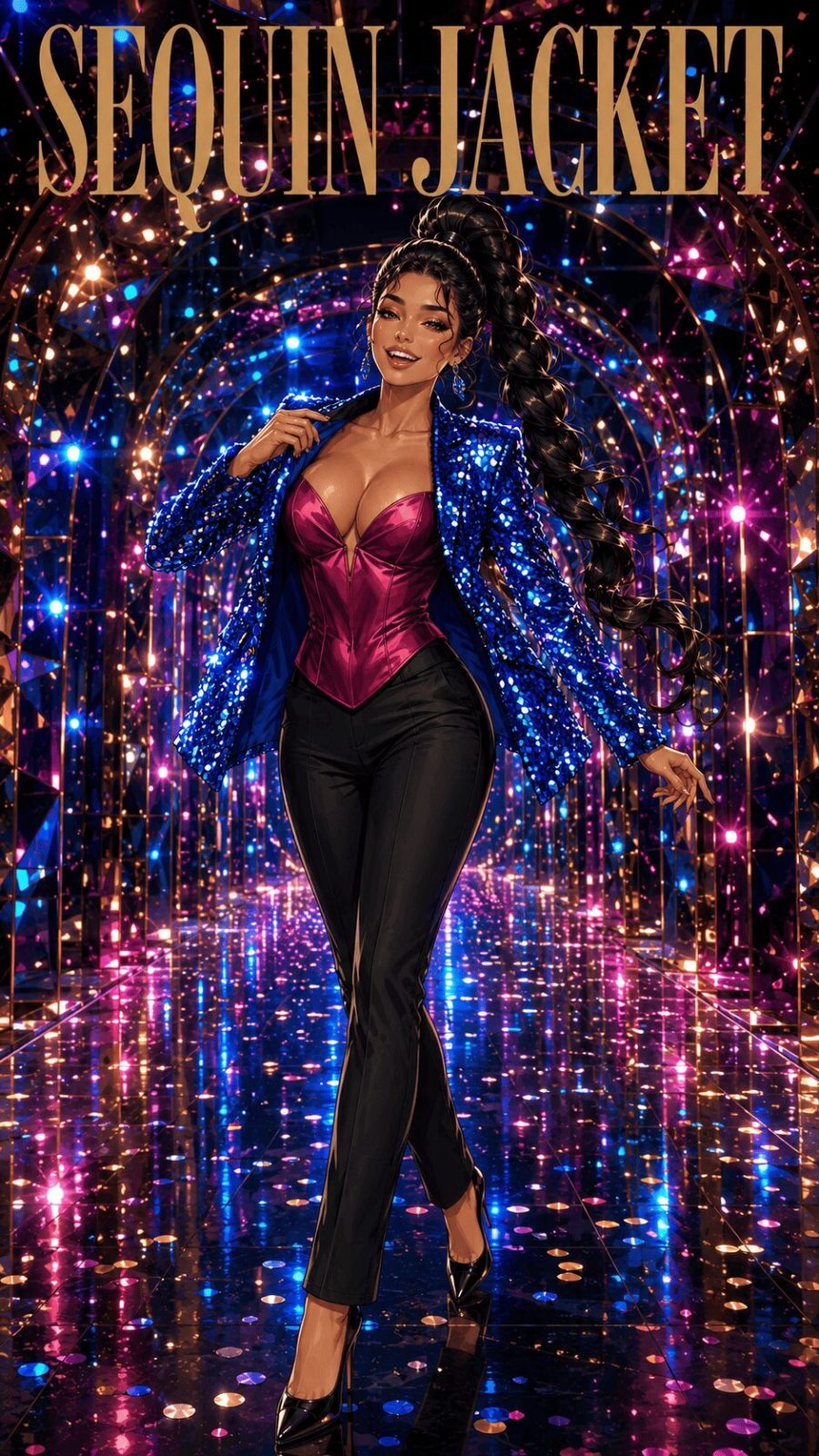
A base fabric fully covered in reflective discs, engineered specifically for maximum light-catching impact.
- 79
Linen Jacket
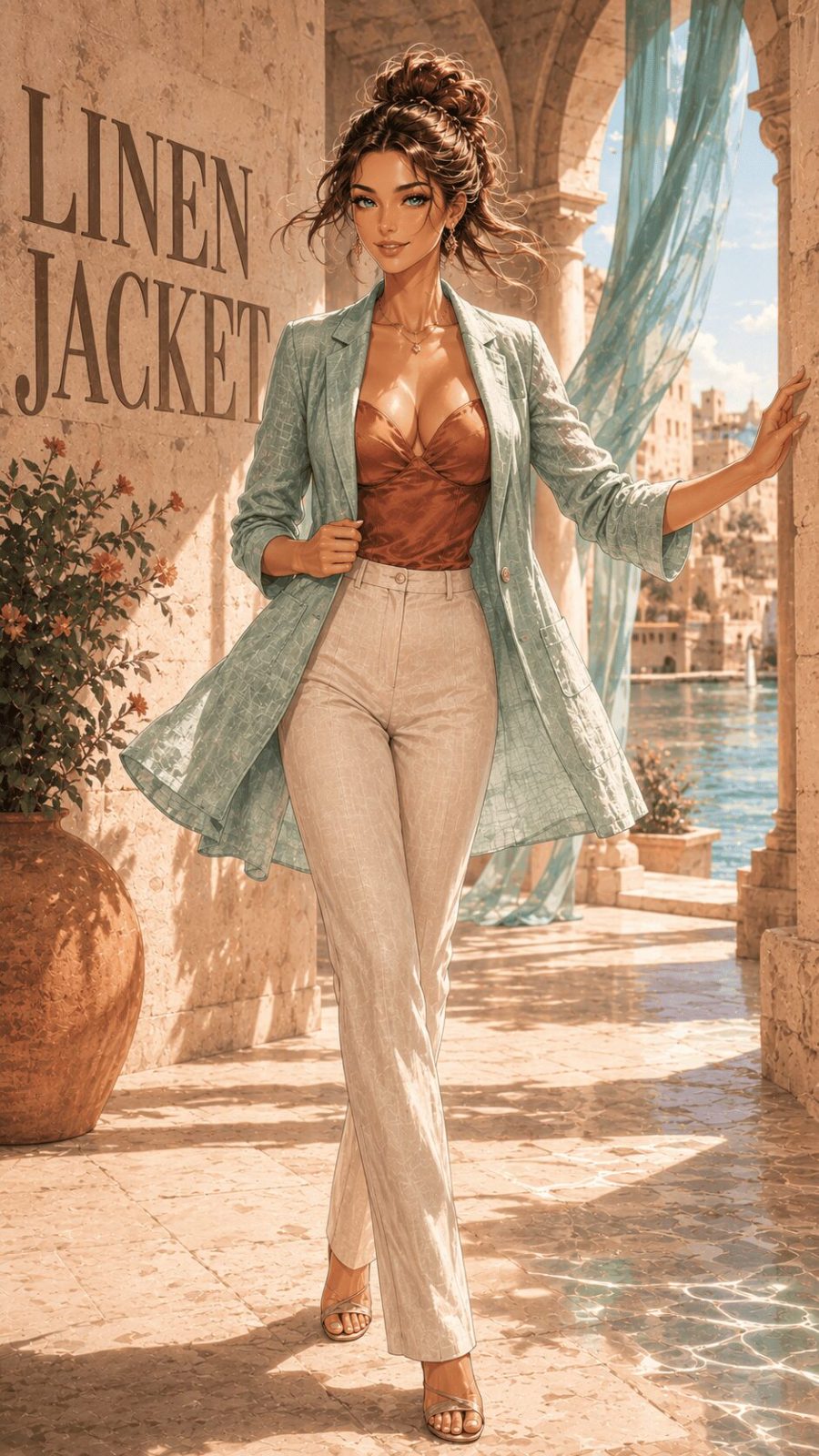
A breathable natural fiber with a characteristic crumpled texture that relaxes further with each wash.
- 80
Canvas Jacket
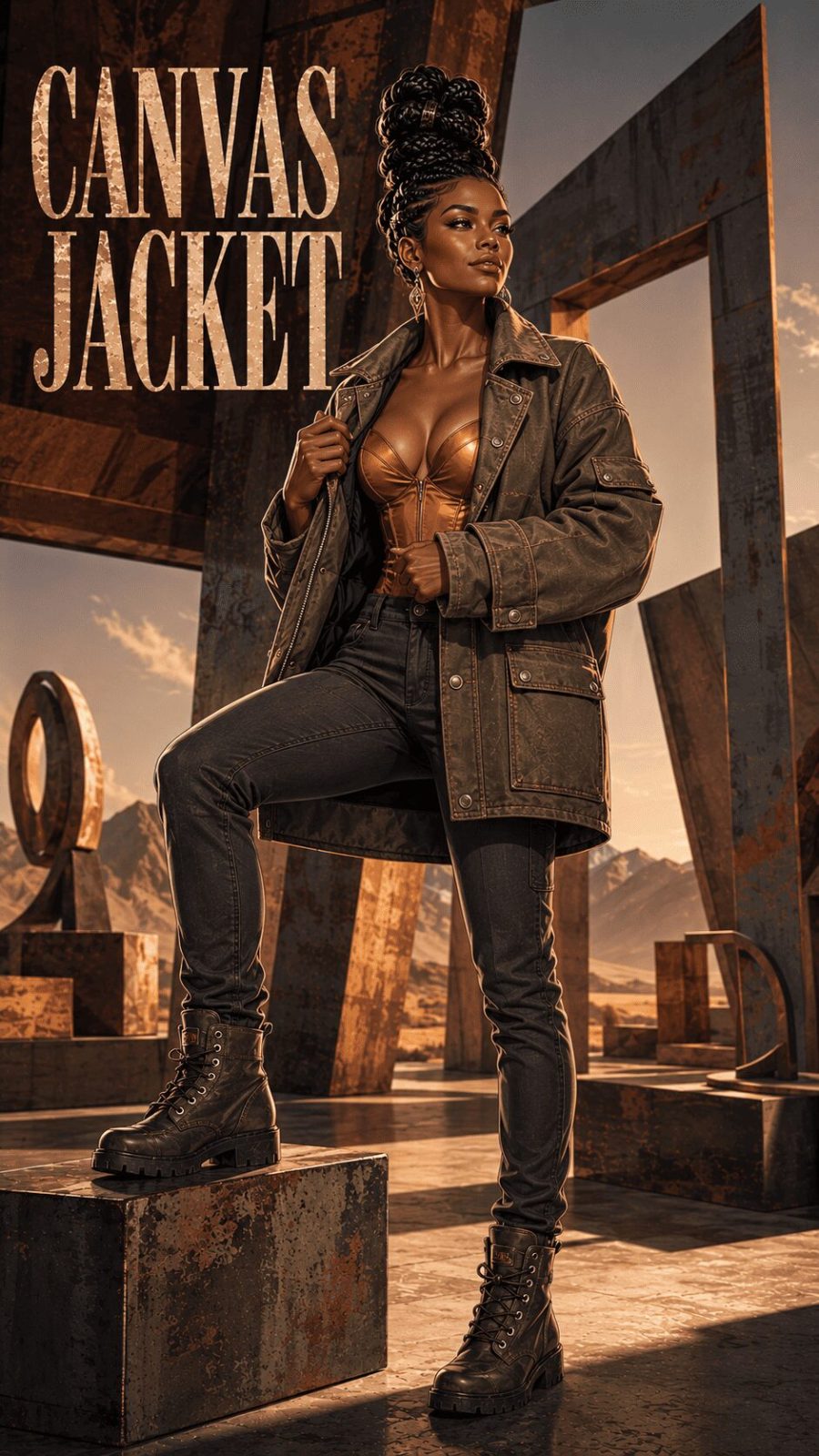
A tightly woven, durable cotton fabric historically used for workwear, valued for its structure and abrasion resistance.
- 81
Cashmere-Blend Jacket
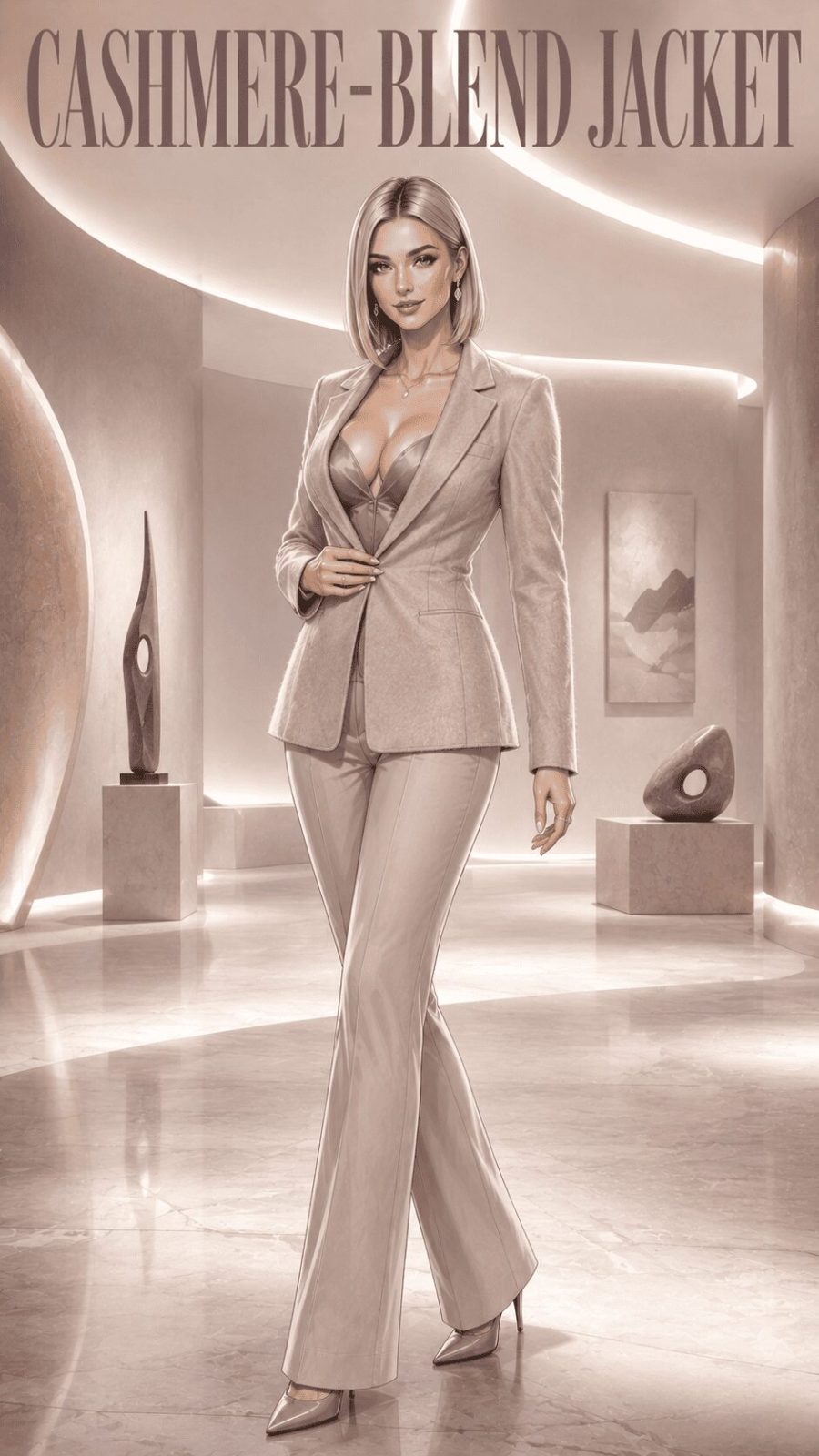
Cashmere fiber blended with wool or synthetic yarns to add softness and warmth while keeping the price accessible.
- 82
Tech-Fabric Jacket
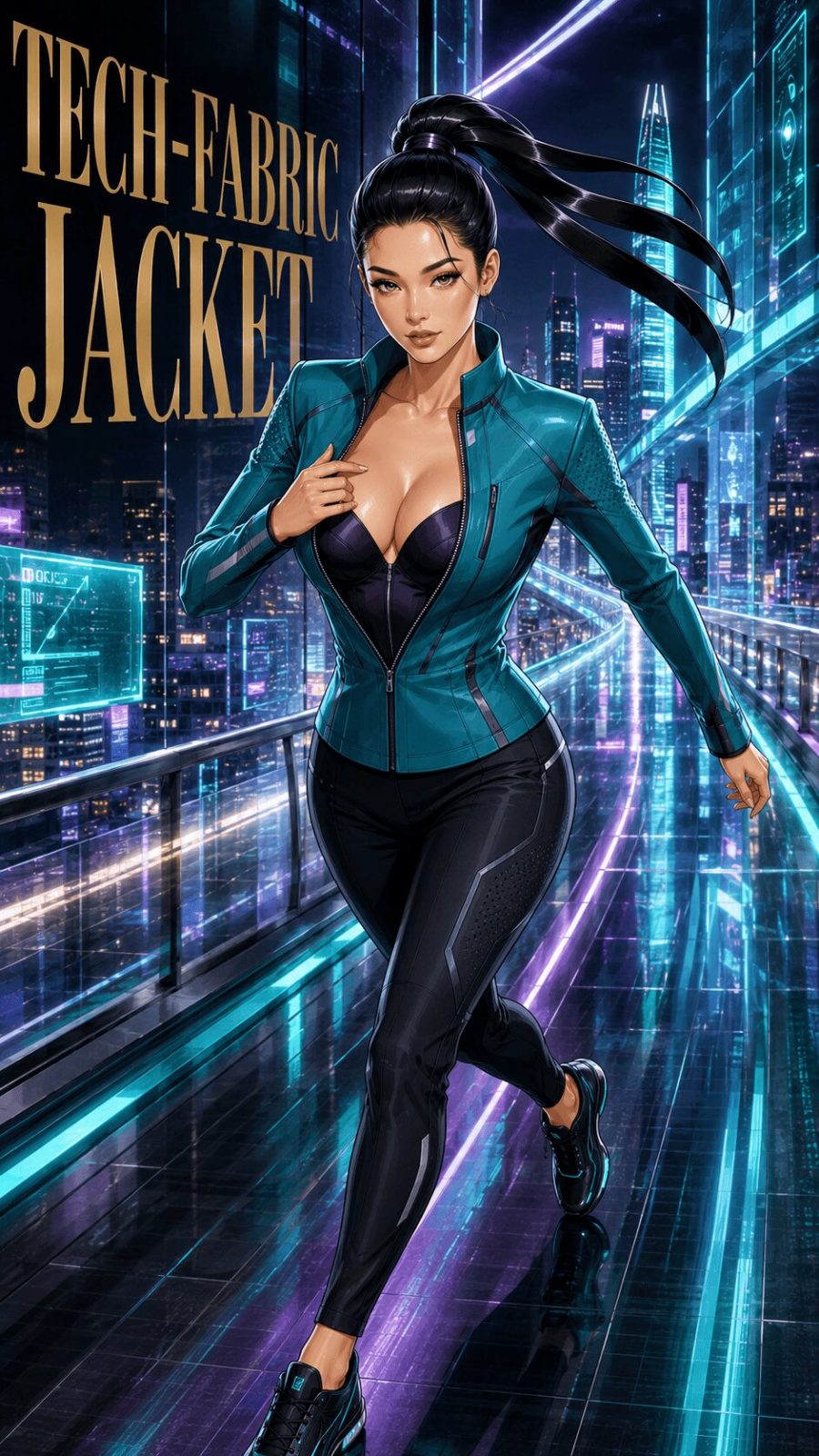
Engineered synthetic fabric built for specific performance properties — water resistance, stretch, or breathability.
- 83
Down Jacket
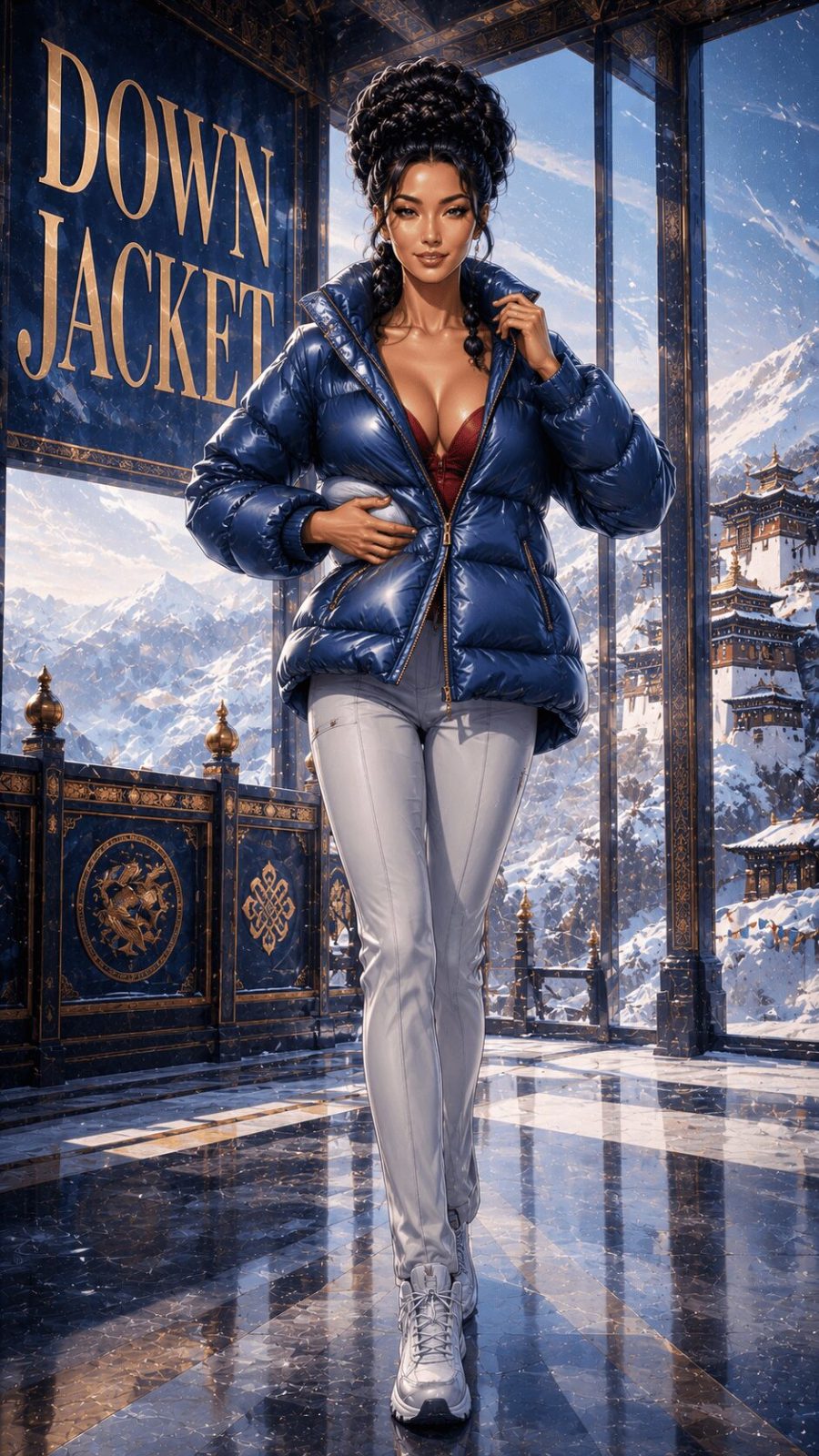
Filled with the soft underplumage of geese or ducks, offering the highest warmth-to-weight ratio of any common insulation.
- 84
Bouclé Jacket
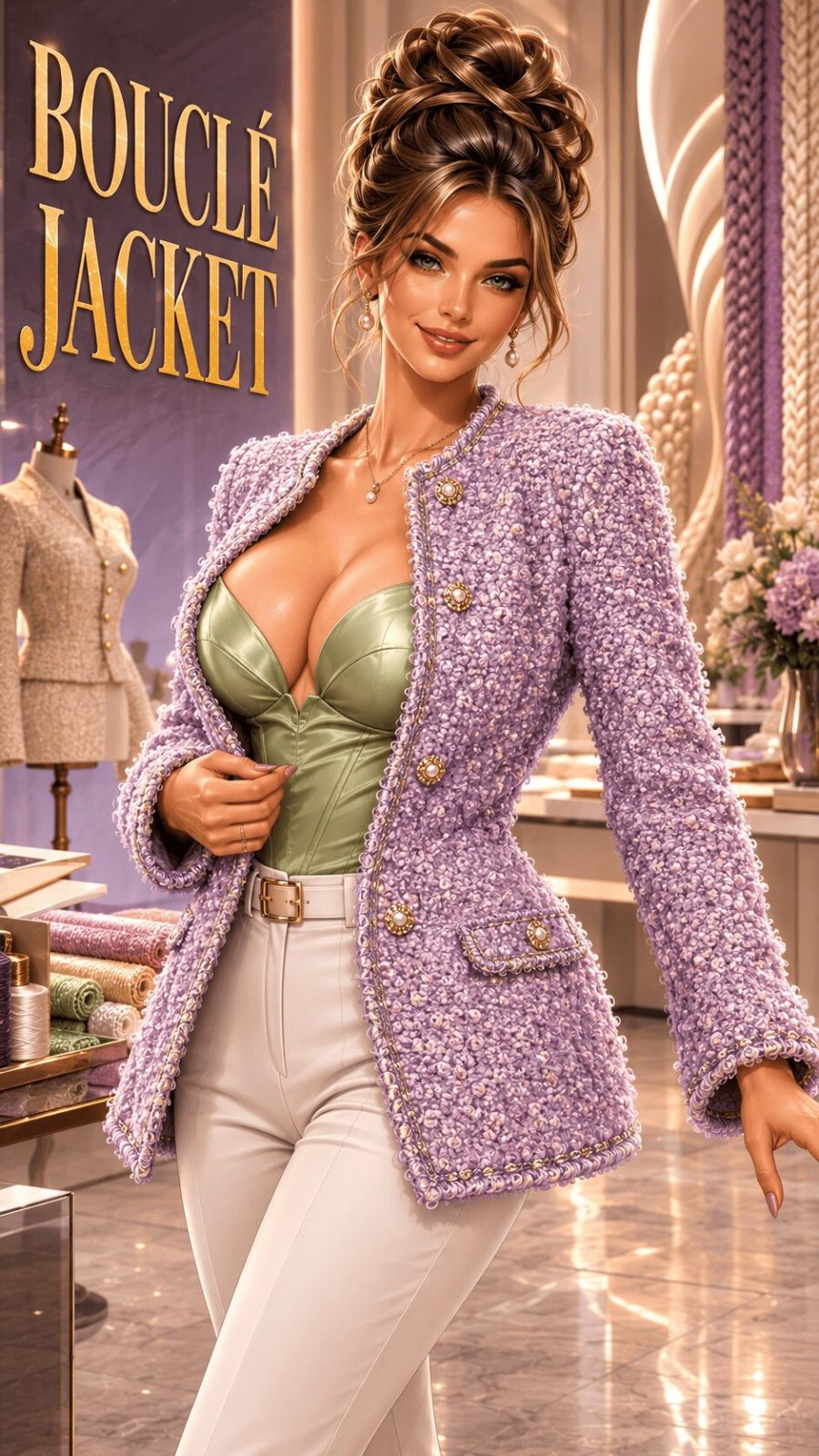
A looped, textured yarn woven or knit into a nubby surface, closely associated with mid-century tailored jacket history.
Category 7: By Occasion & Function (#85–#98)
Some jackets are built around a specific context first and a look second
Every jacket in this category was designed with a specific use case as the starting point — weather protection, a sport, a workplace — with style following function rather than the reverse.
That doesn't make them less fashionable. Function-first pieces often become the most enduring wardrobe investments precisely because they were never designed to chase a single season's trend.
- 85
Office Blazer
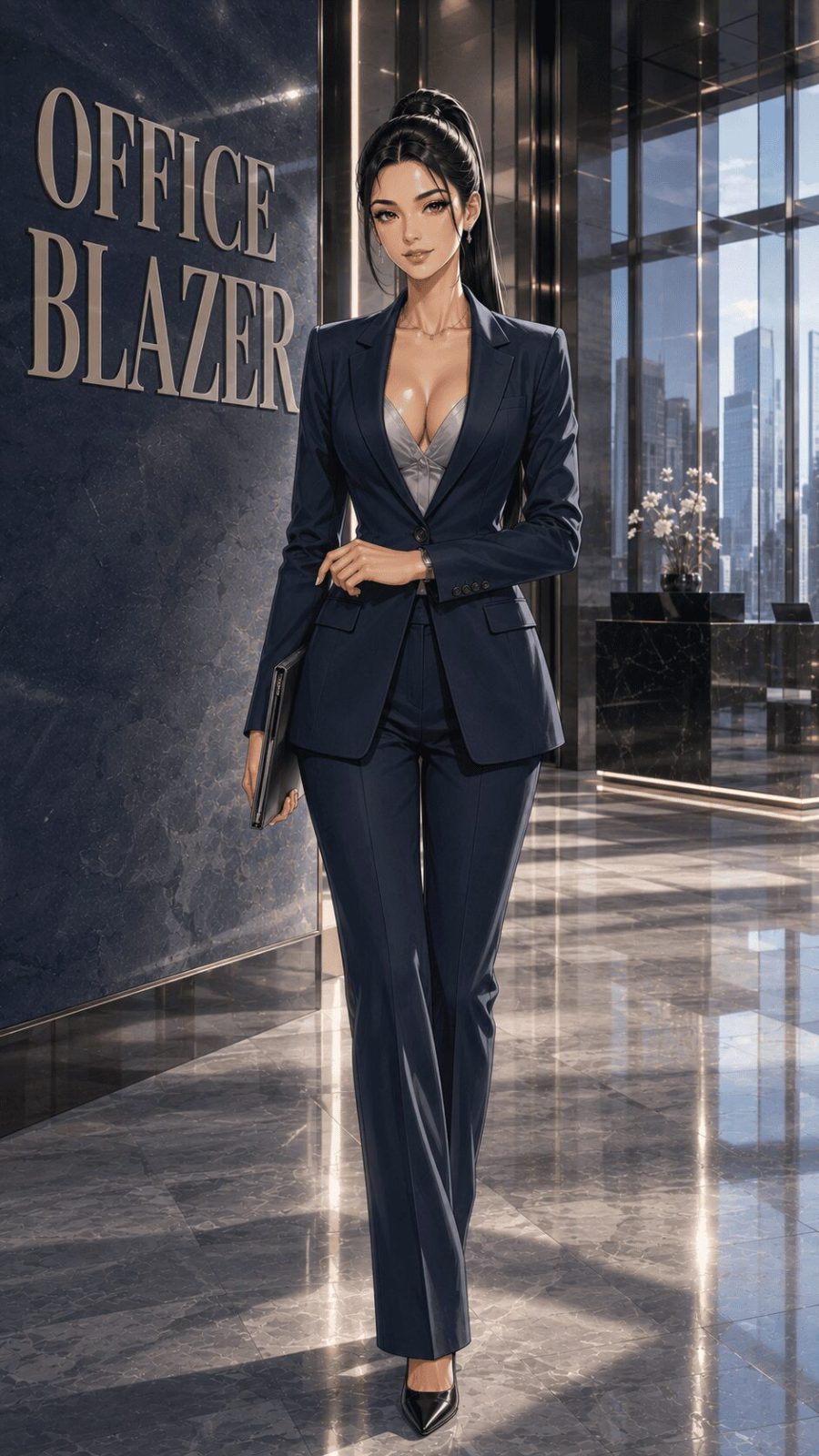
A tailored jacket built specifically for workplace dressing — structured shoulder, classic lapel, and neutral fabric that layers over most professional outfits.
- 86
Rain Jacket
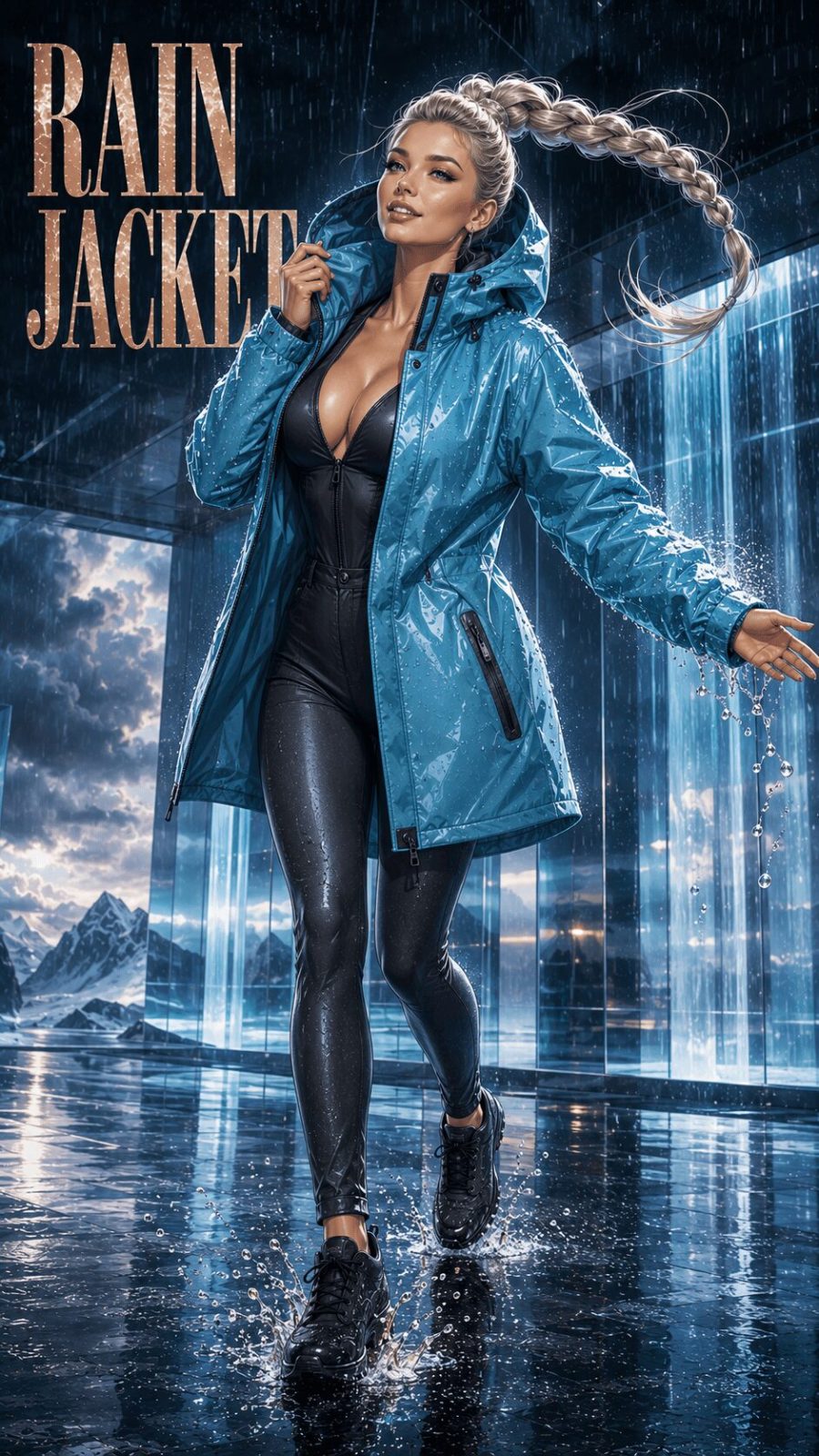
A waterproof or water-resistant shell, often taped at the seams, designed to keep moisture out rather than to insulate against cold.
- 87
Ski Jacket
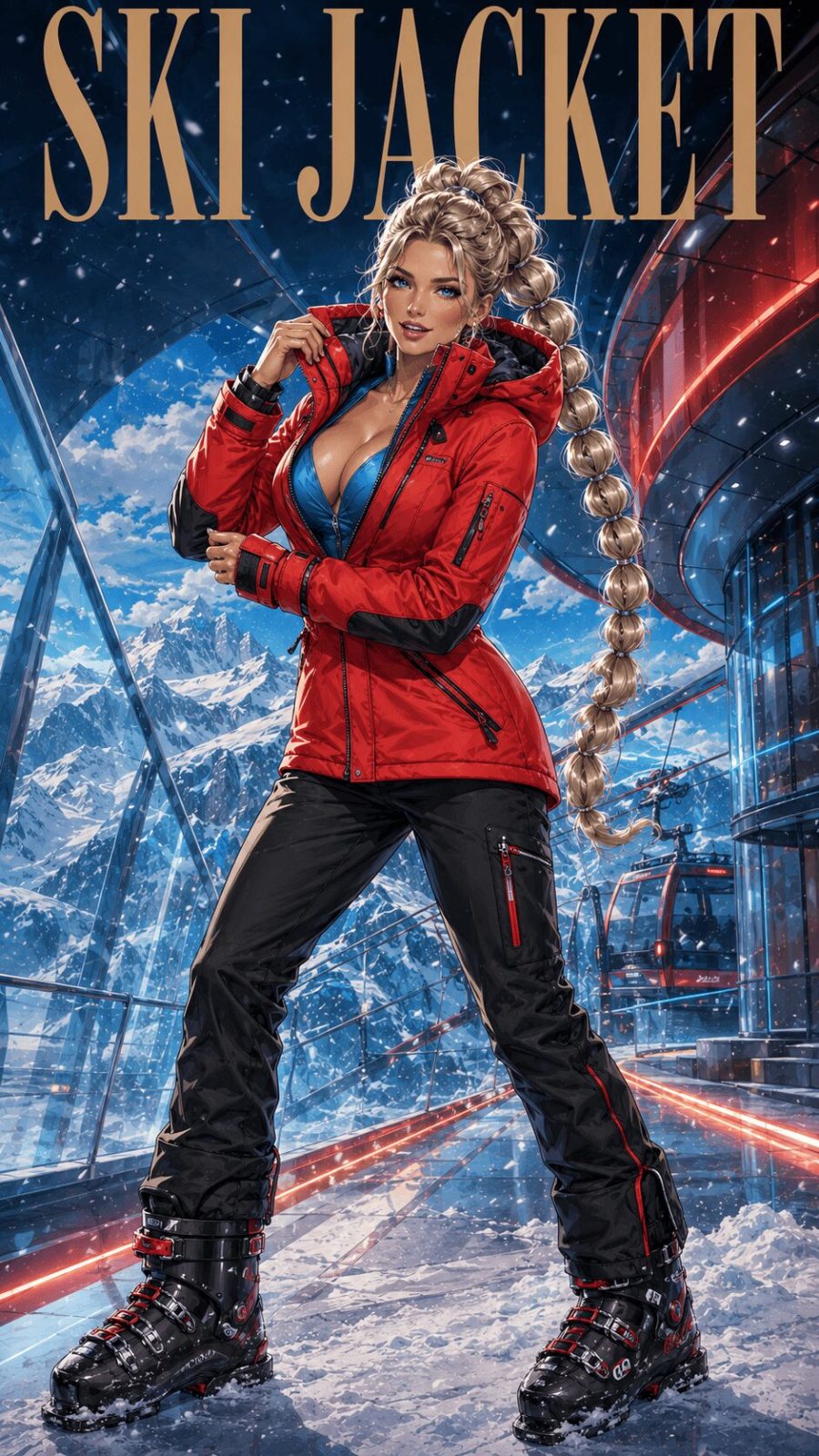
Heavily insulated with a waterproof outer shell and a snow-skirt at the hem, built for sustained cold and moving in snow.
- 88
Travel Jacket
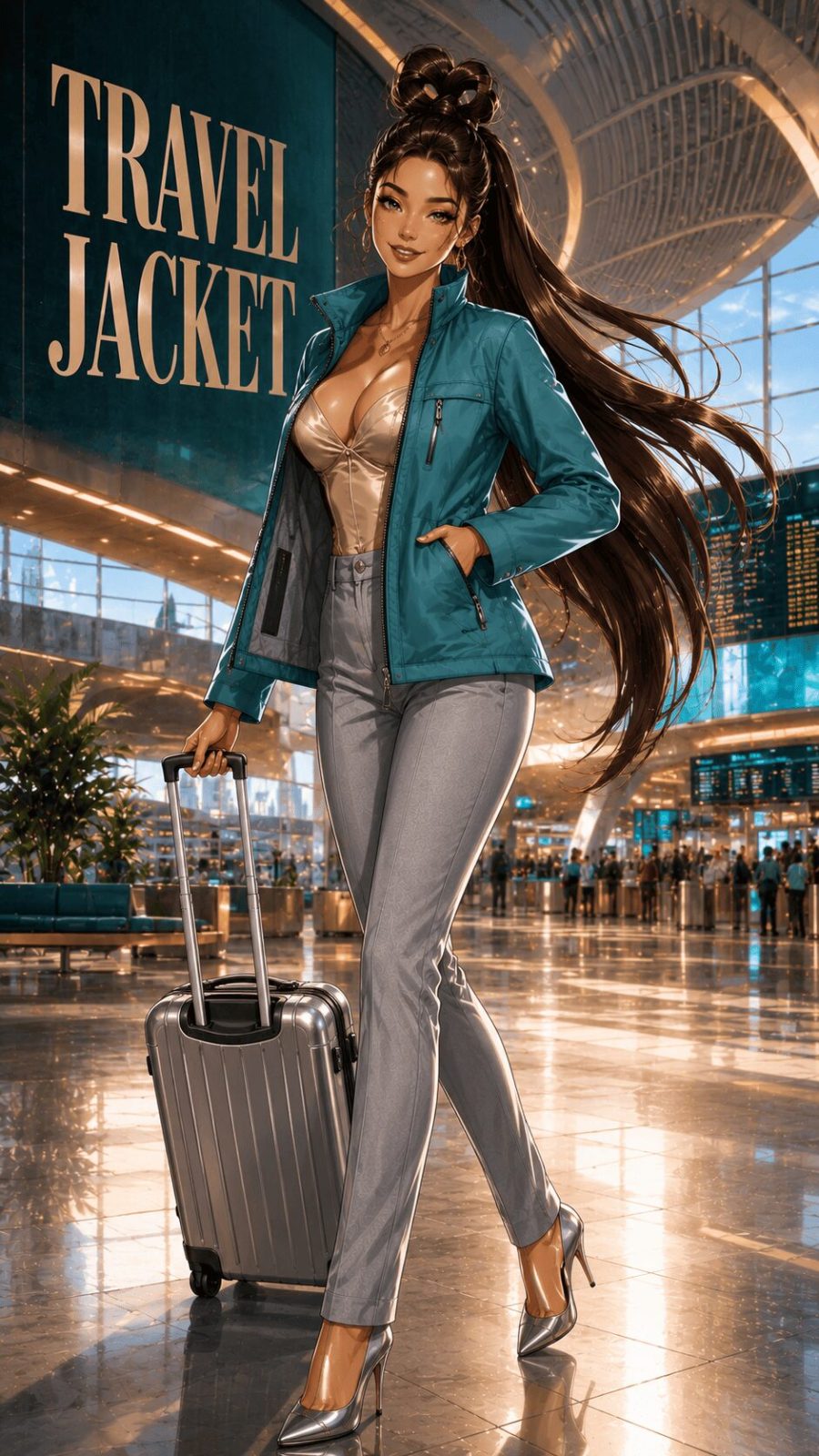
Designed around hidden pockets, packable construction, and wrinkle-resistant fabric rather than a single defining silhouette.
- 89
Motorcycle Riding Jacket
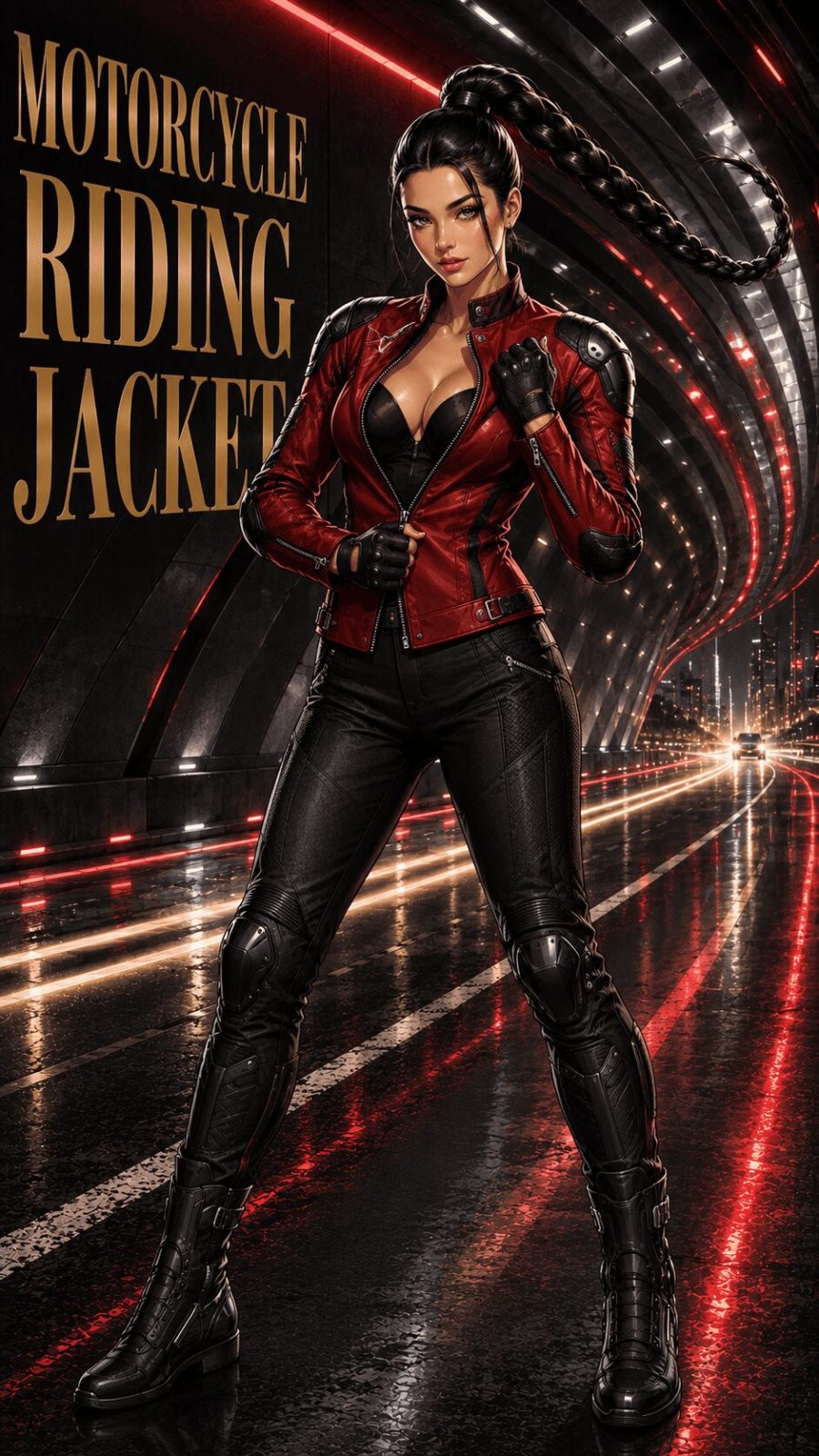
Reinforced with armor padding at the shoulders and elbows, built for abrasion resistance in the event of a fall.
- 90
Festival Jacket
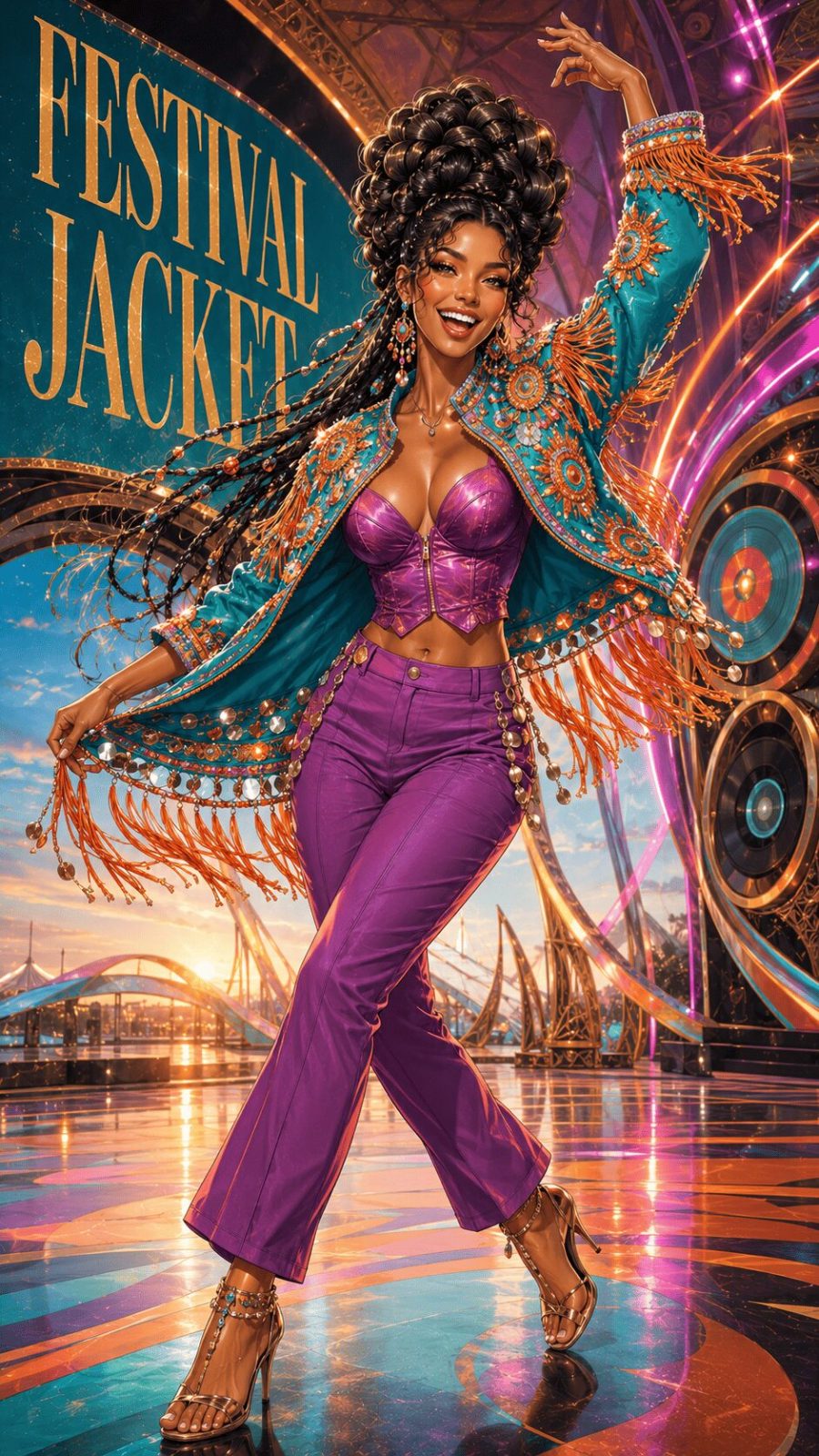
Leans into bold print, fringe, or embellishment, prioritizing visual impact for outdoor daytime and evening events.
- 91
Wedding-Guest Jacket

A lightweight, dressier layer — often lace, satin, or bouclé — meant to complement rather than compete with a formal outfit underneath.
- 92
Evening Jacket
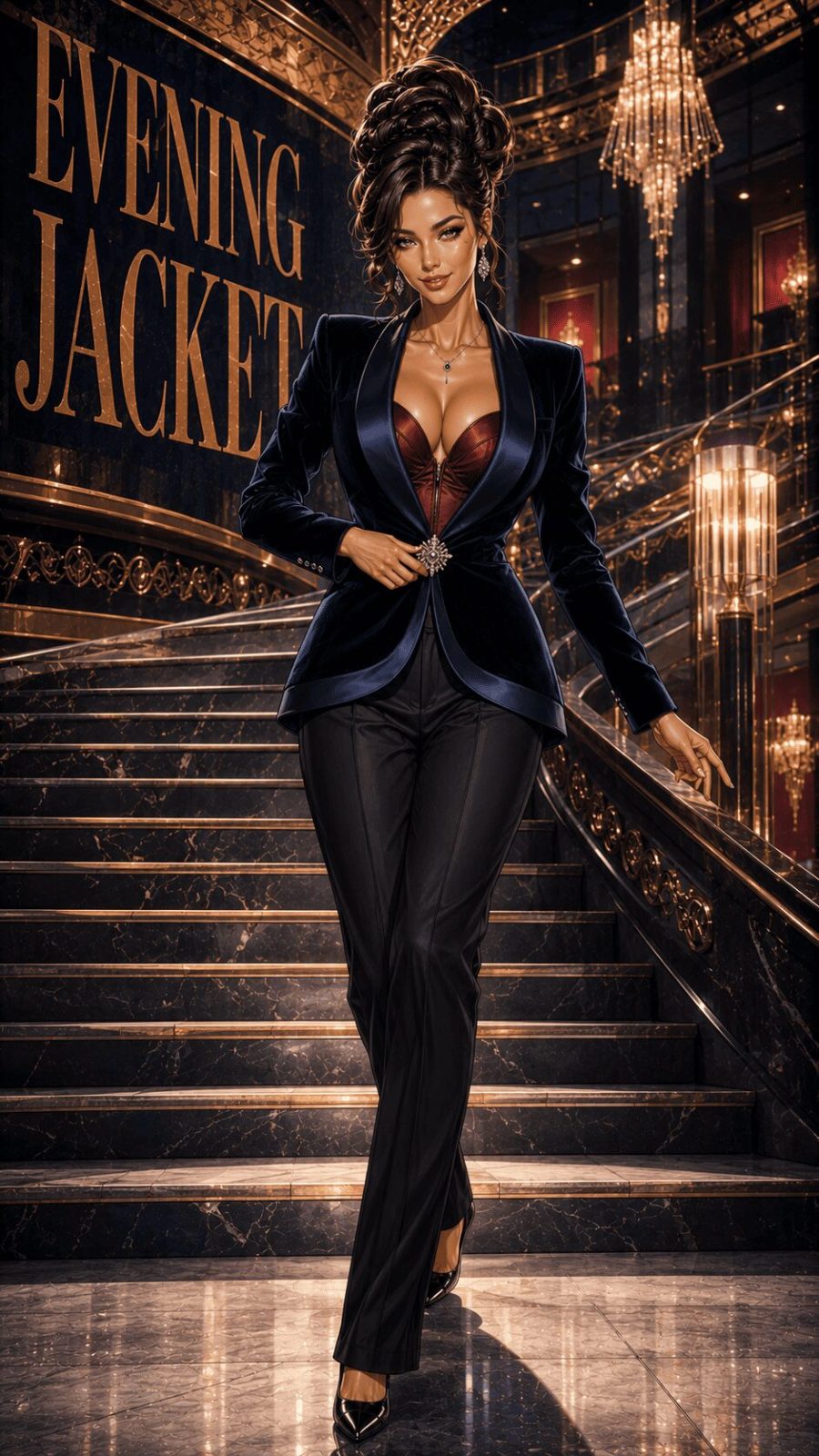
Constructed from luxe fabric such as velvet or satin specifically to layer over eveningwear without adding bulk.
- 93
Golf Jacket
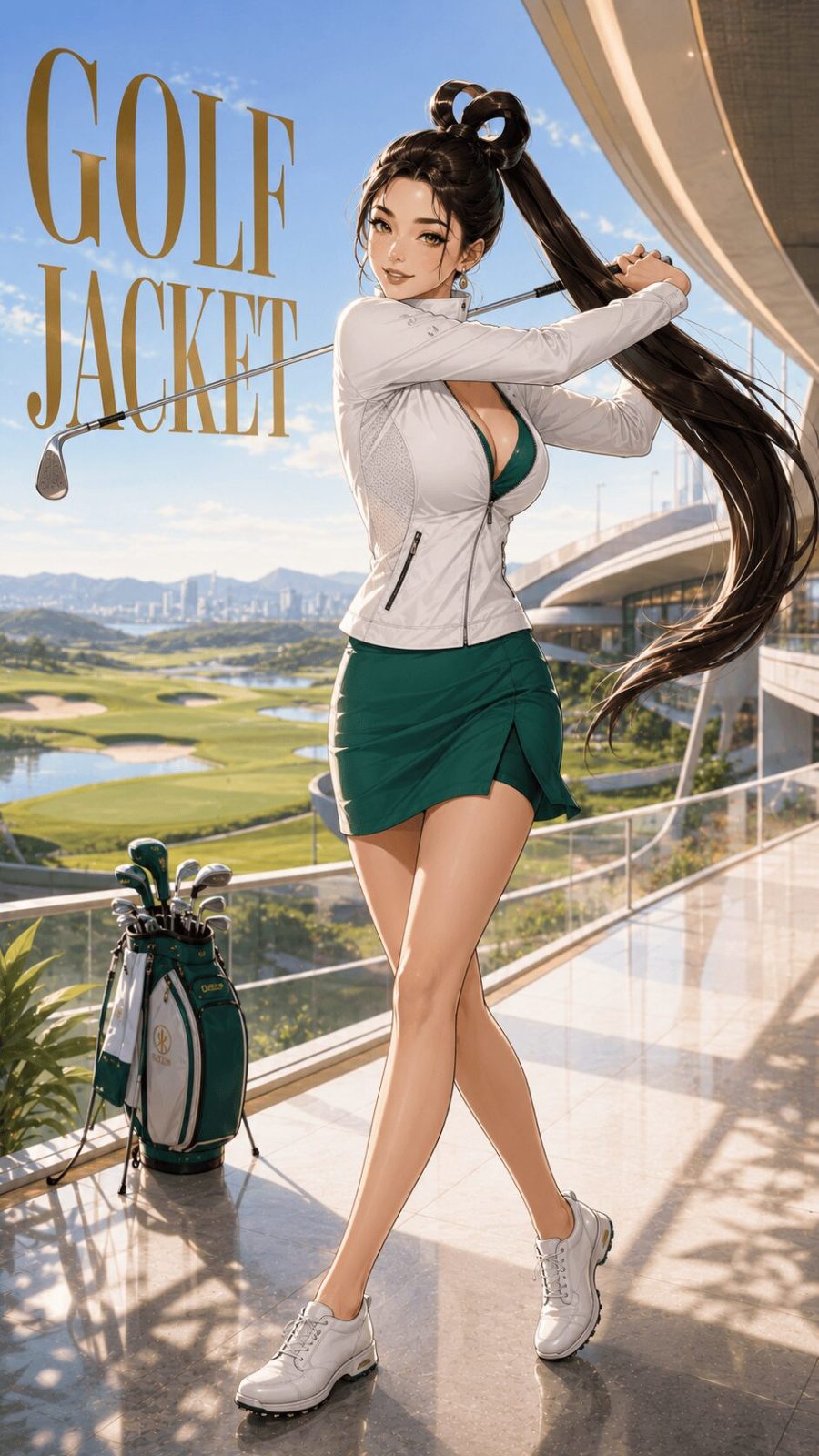
Lightweight and often water-resistant, built with a four-way stretch fabric that doesn't restrict a golf swing.
- 94
Hiking Jacket
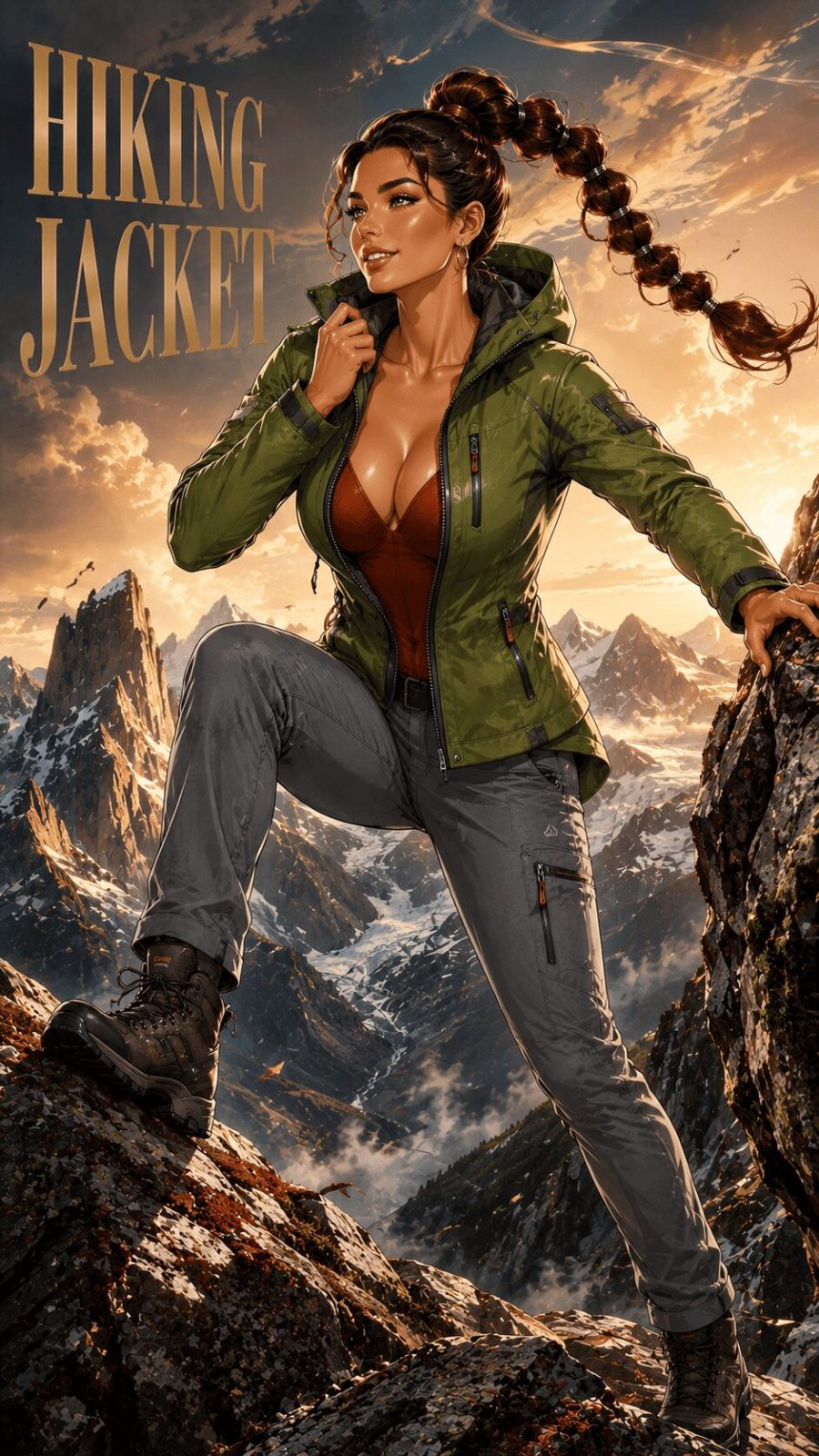
Built from breathable, weatherproof technical fabric with articulated sleeves that move with an active stride.
- 95
Cycling Jacket
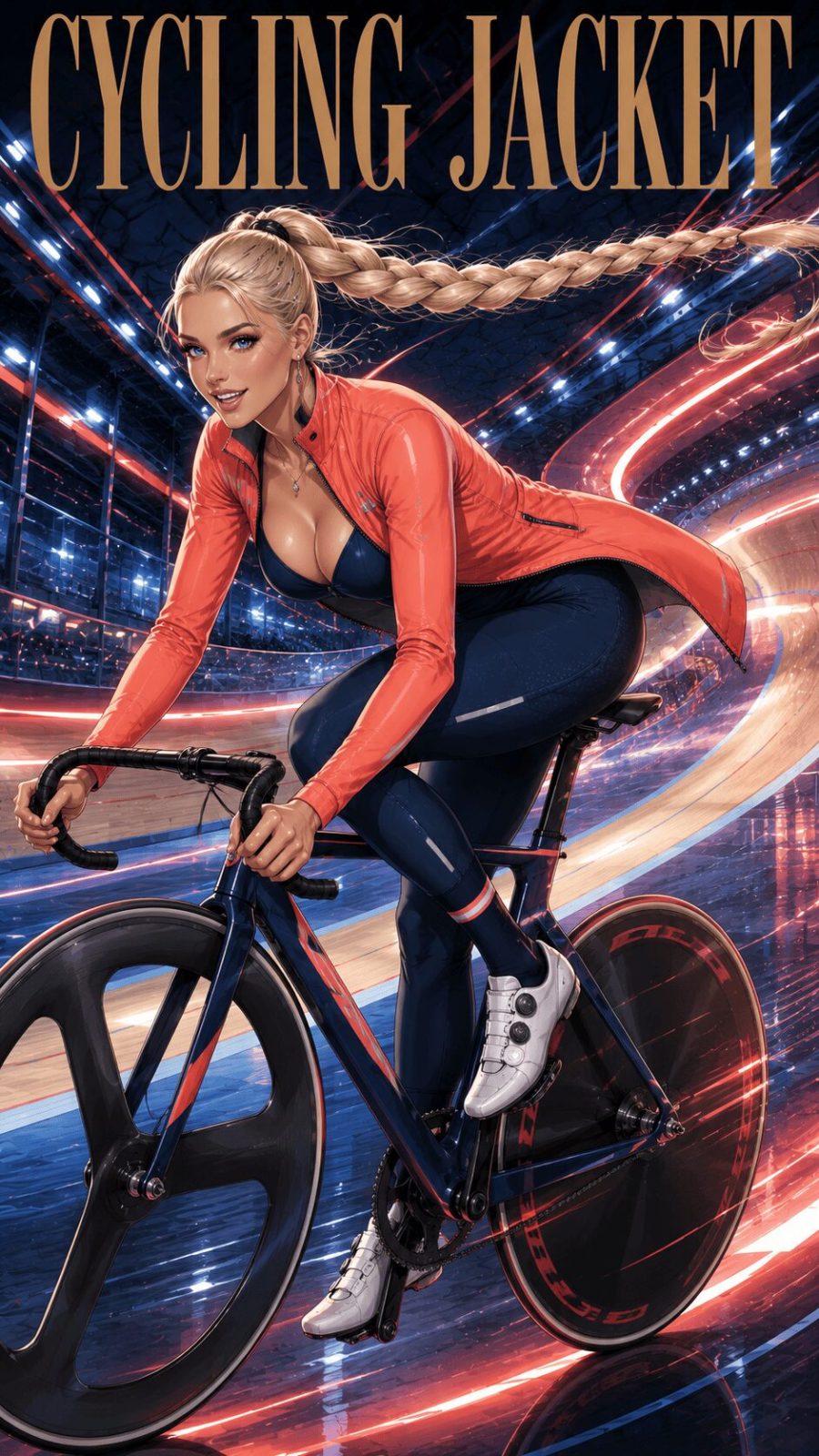
Cut slightly longer at the back hem to cover when leaning forward, often in high-visibility or reflective fabric.
- 96
Maternity Jacket
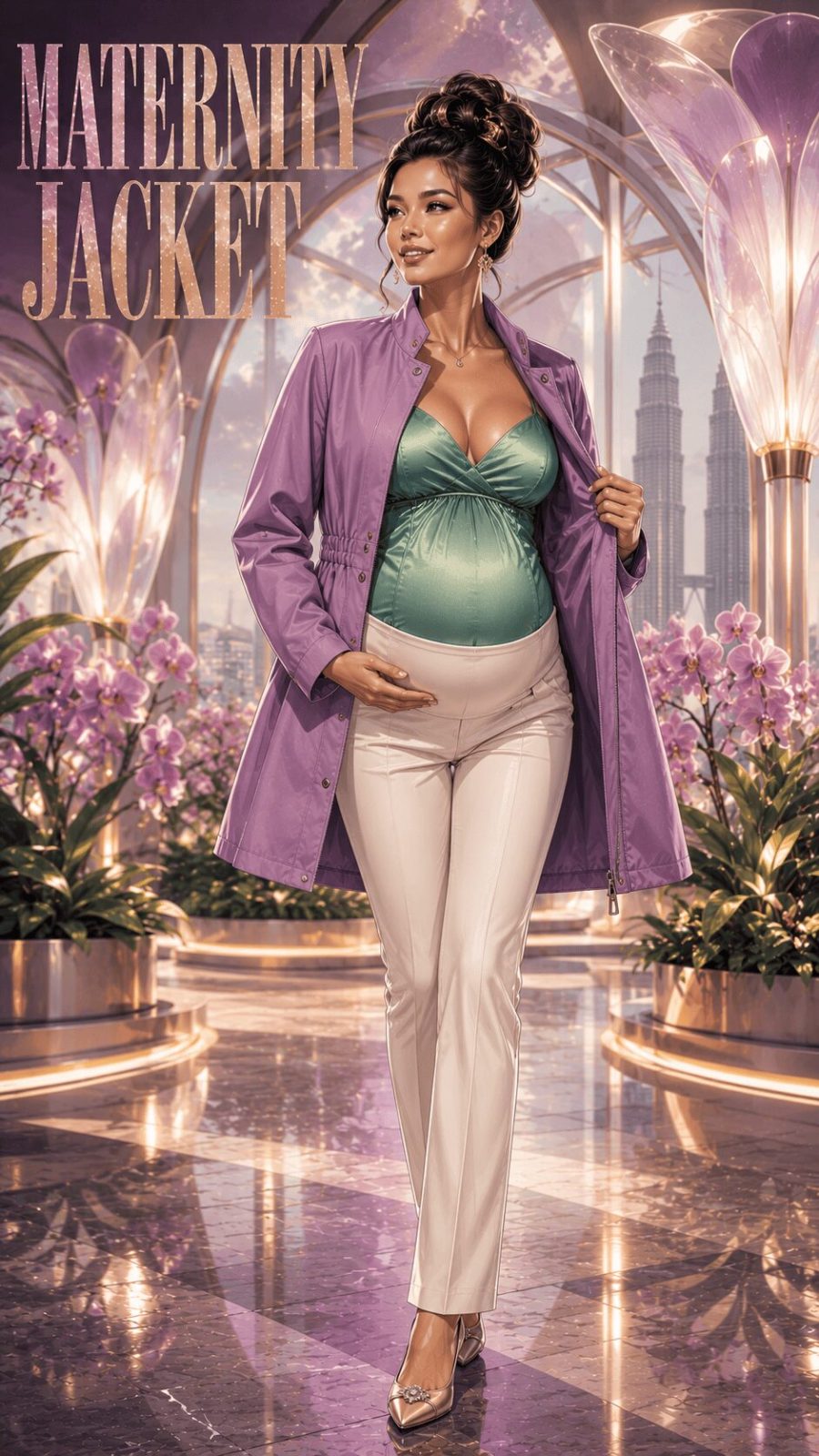
Built with expandable panels or an adjustable wrap closure to accommodate a changing body through pregnancy.
- 97
Varsity Jacket
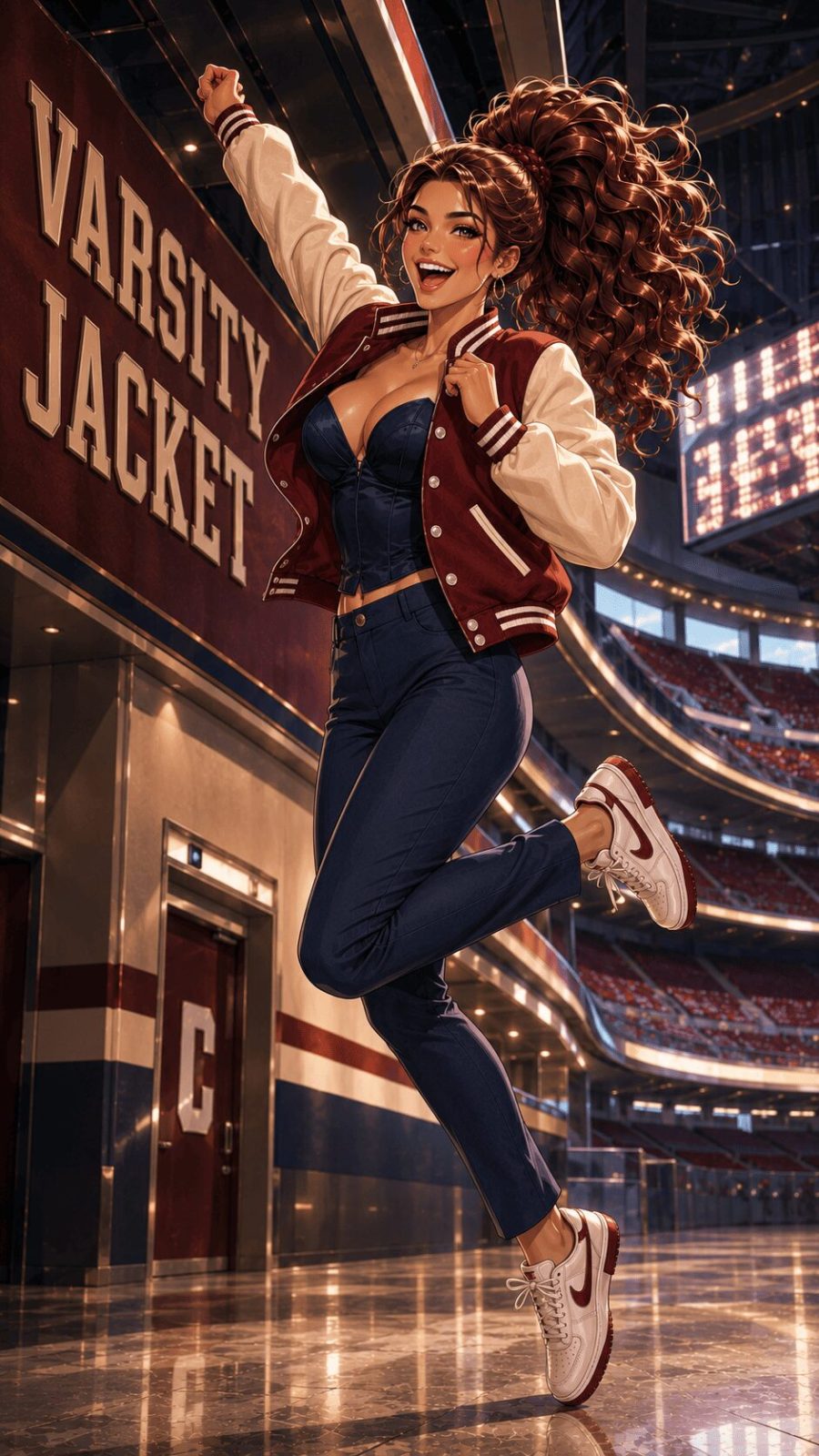
Wool body with contrasting leather sleeves and ribbed trim, historically awarded for collegiate athletic achievement.
- 98
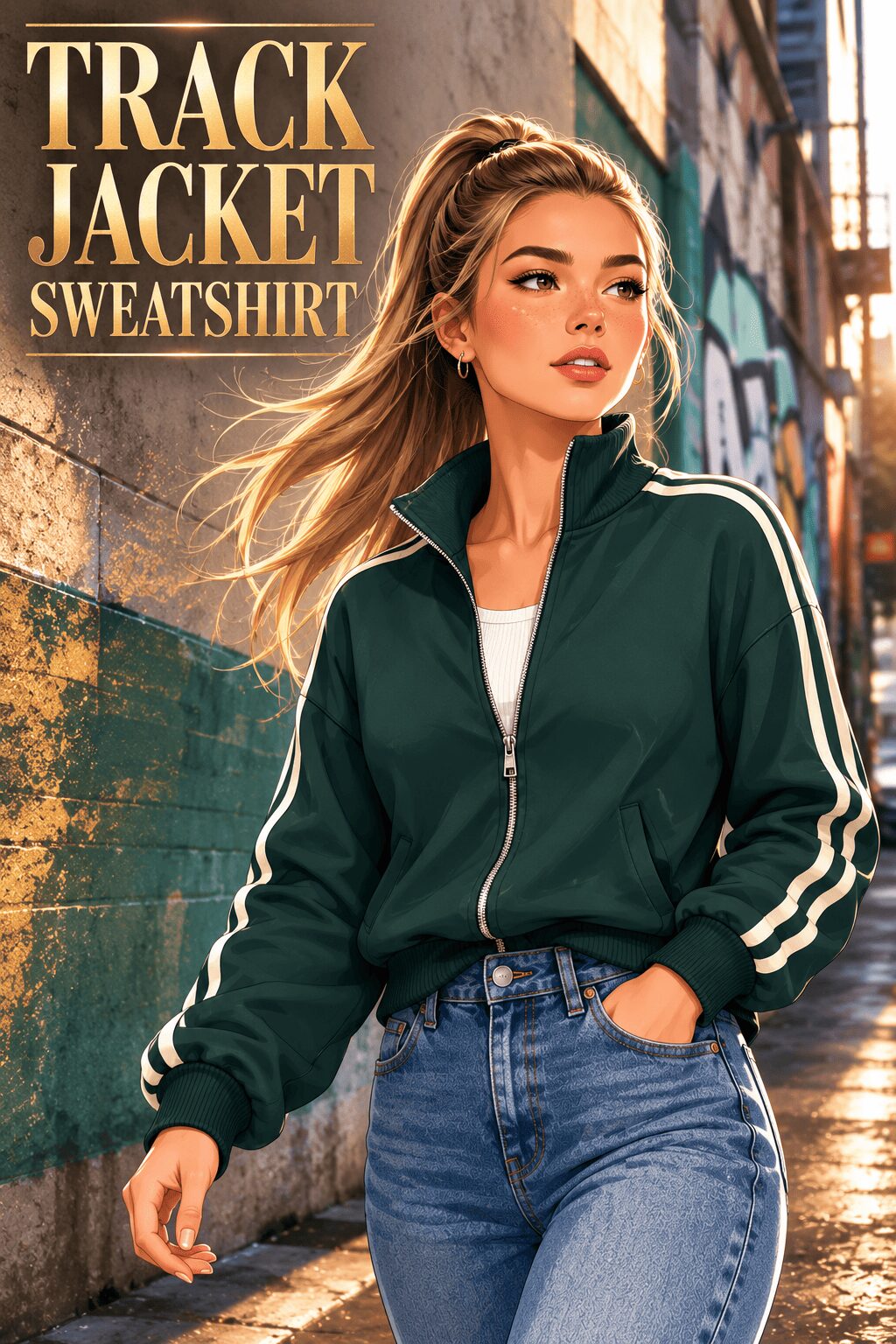
Track Jacket

A lightweight zip-front piece in performance fabric, typically with contrast side stripes borrowed from athletic uniform design.
Category 8: By Design Details & Embellishment (#99–#115)
The finishing touches that turn a basic jacket into a signature piece
Embellishment and surface detail are the last layer of decision-making in jacket design — and often the deciding factor in whether a piece reads as a foundational basic or a standout statement.
None of these details change how a jacket functions. What they change is how much attention it commands, and that's worth choosing deliberately rather than by accident.
- 99
Embroidered Jacket
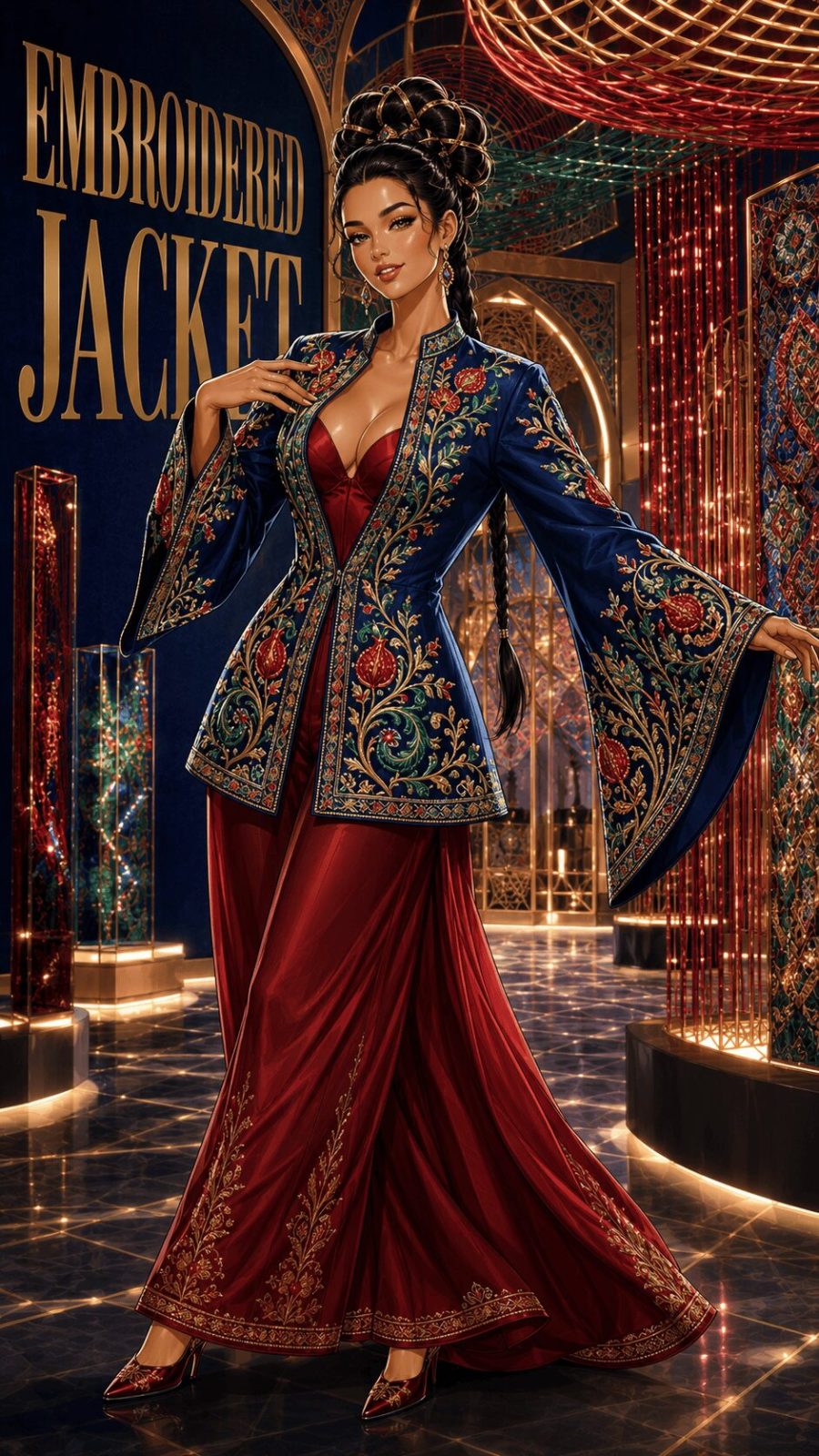
Thread-based decorative stitching applied to the surface fabric, ranging from subtle florals to full back-panel artwork.
- 100
Studded Jacket

Metal studs applied in patterns across the body or collar, a detail borrowed directly from punk and rock subculture styling.
- 101
Fringe Jacket
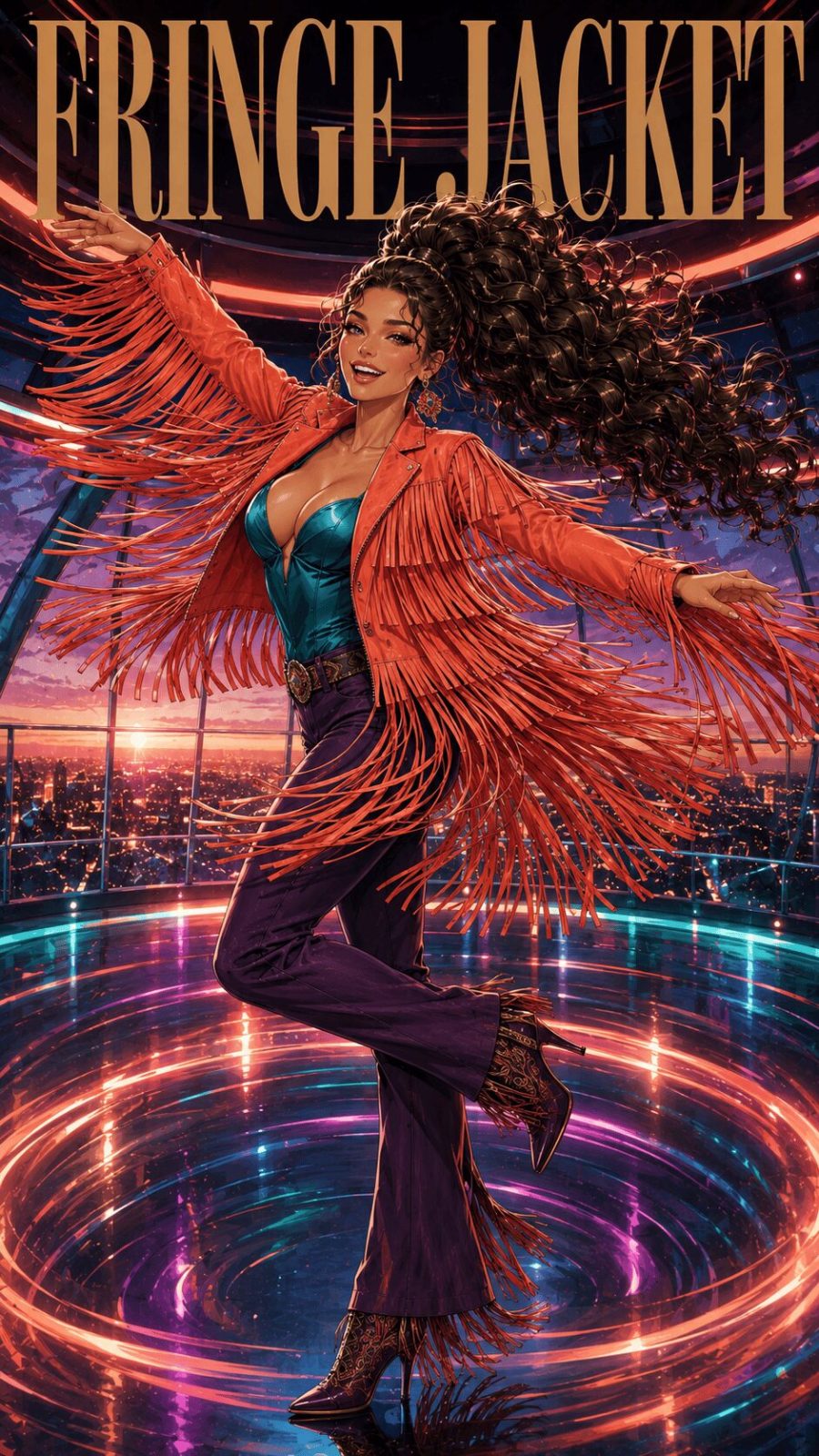
Cut or attached strands of fabric or suede along the hem, sleeve, or yoke that move visibly with the wearer.
- 102
Sequined Jacket
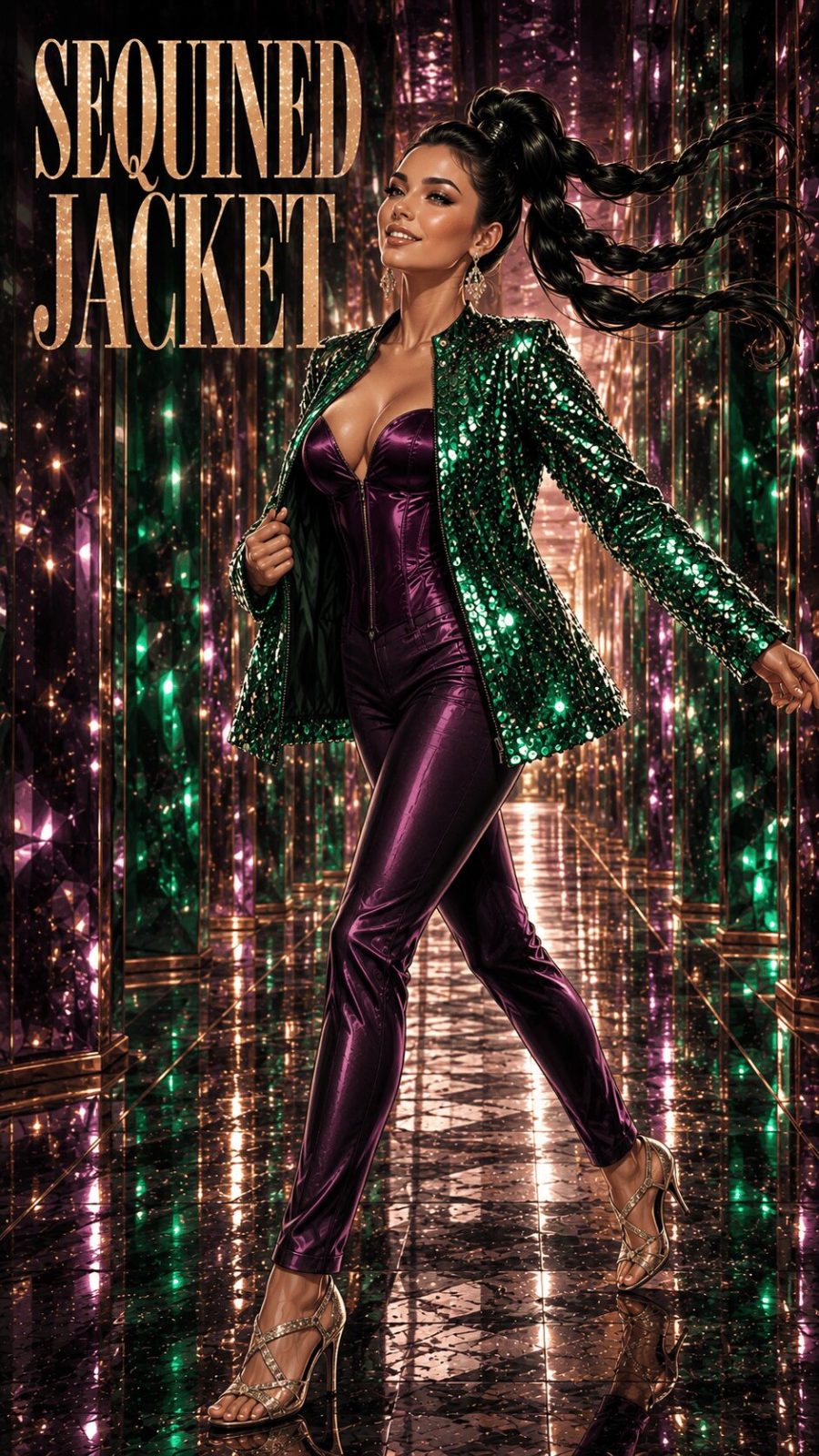
Fully or partially covered in reflective sequin discs for maximum shine under both daylight and artificial light.
- 103
Printed Jacket
A base fabric carrying a repeating or placement print — floral, animal, abstract — rather than a solid color.
- 104
Color-Block Jacket
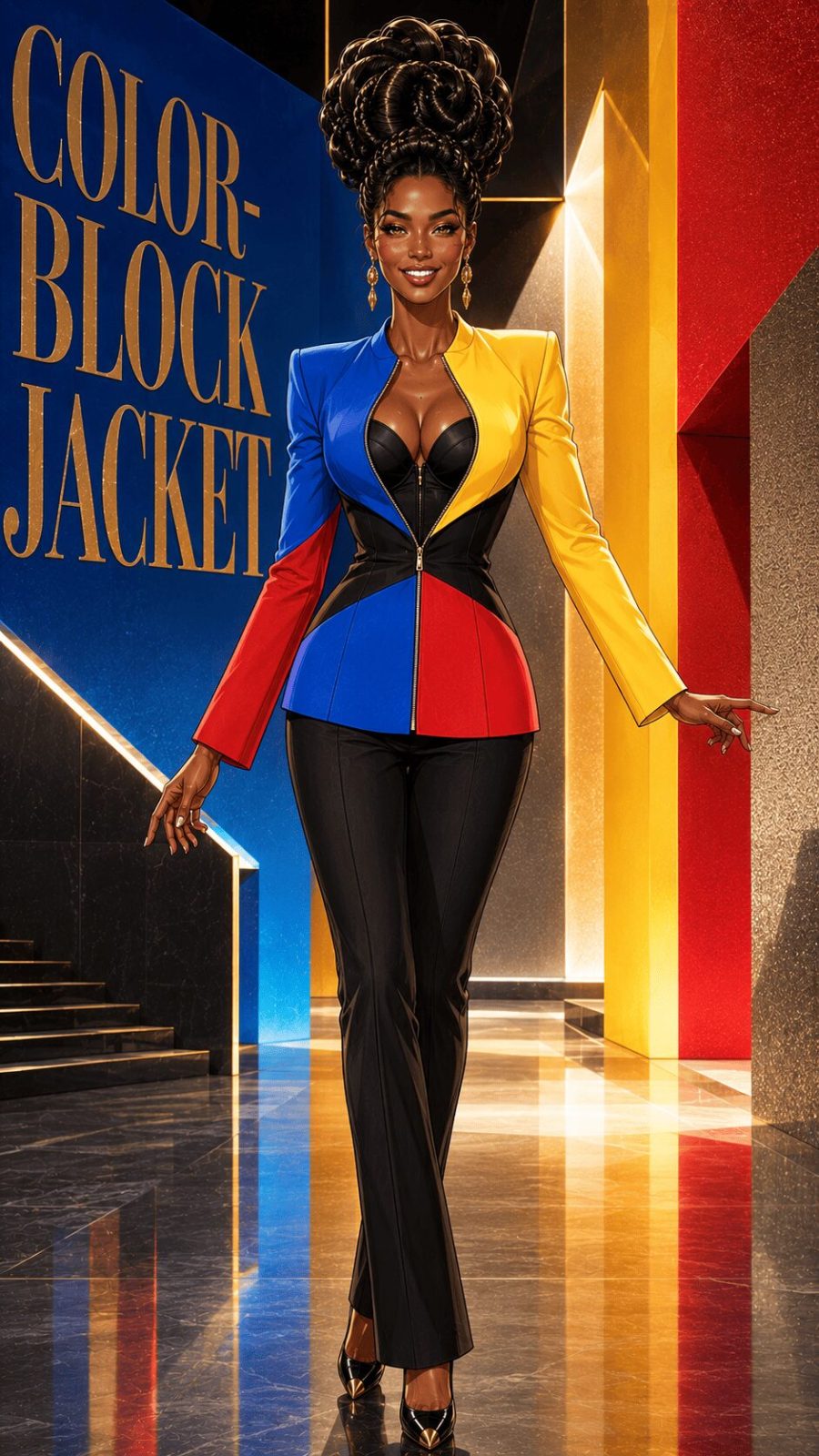
Two or more solid colors meet at clean seam lines across the body, creating graphic contrast without a print.
- 105
Quilted-Diamond Jacket
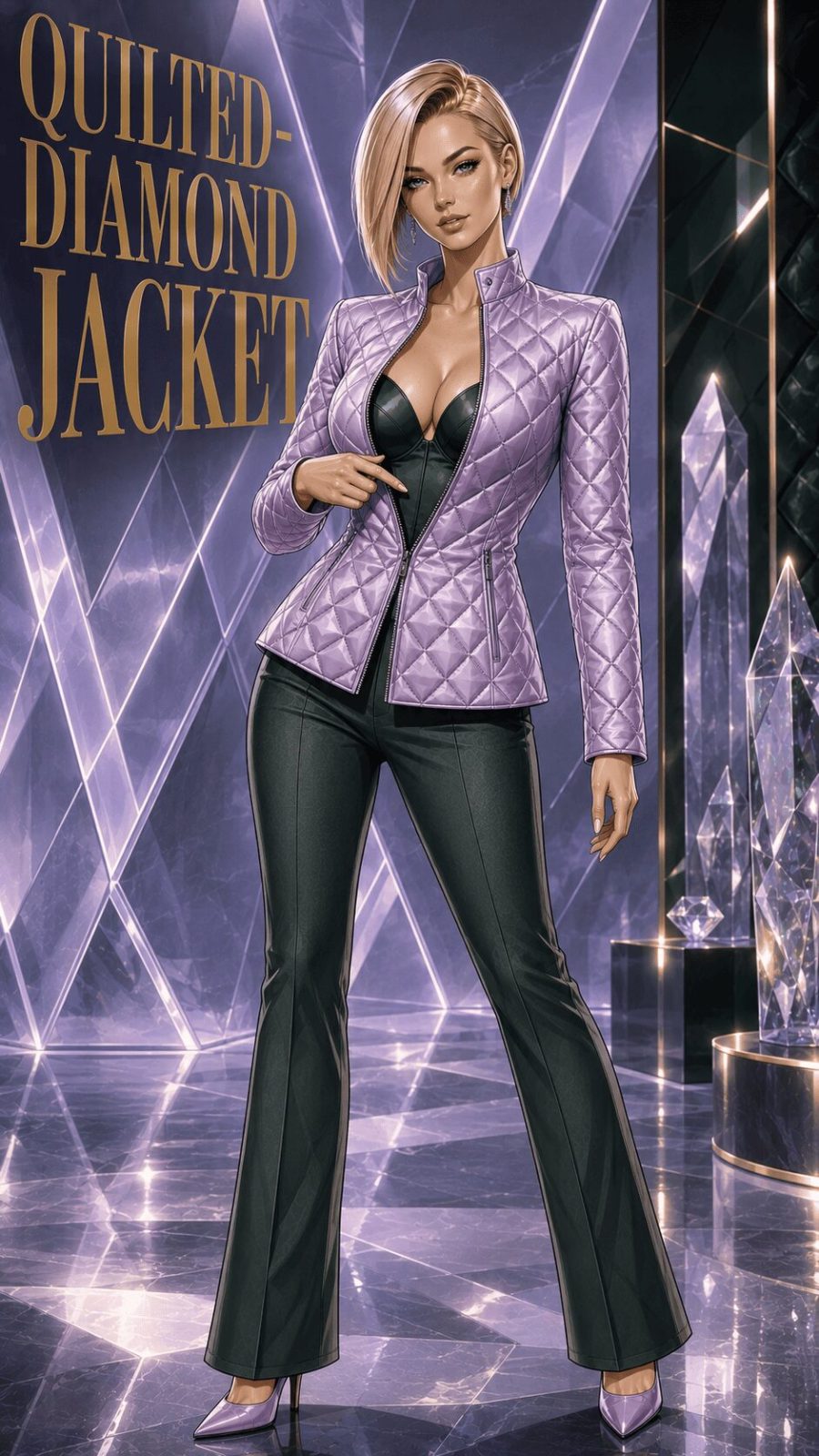
A diamond-grid quilting pattern stitched across the entire body, distinct from channel quilting's straight lines.
- 106
Patchwork Jacket
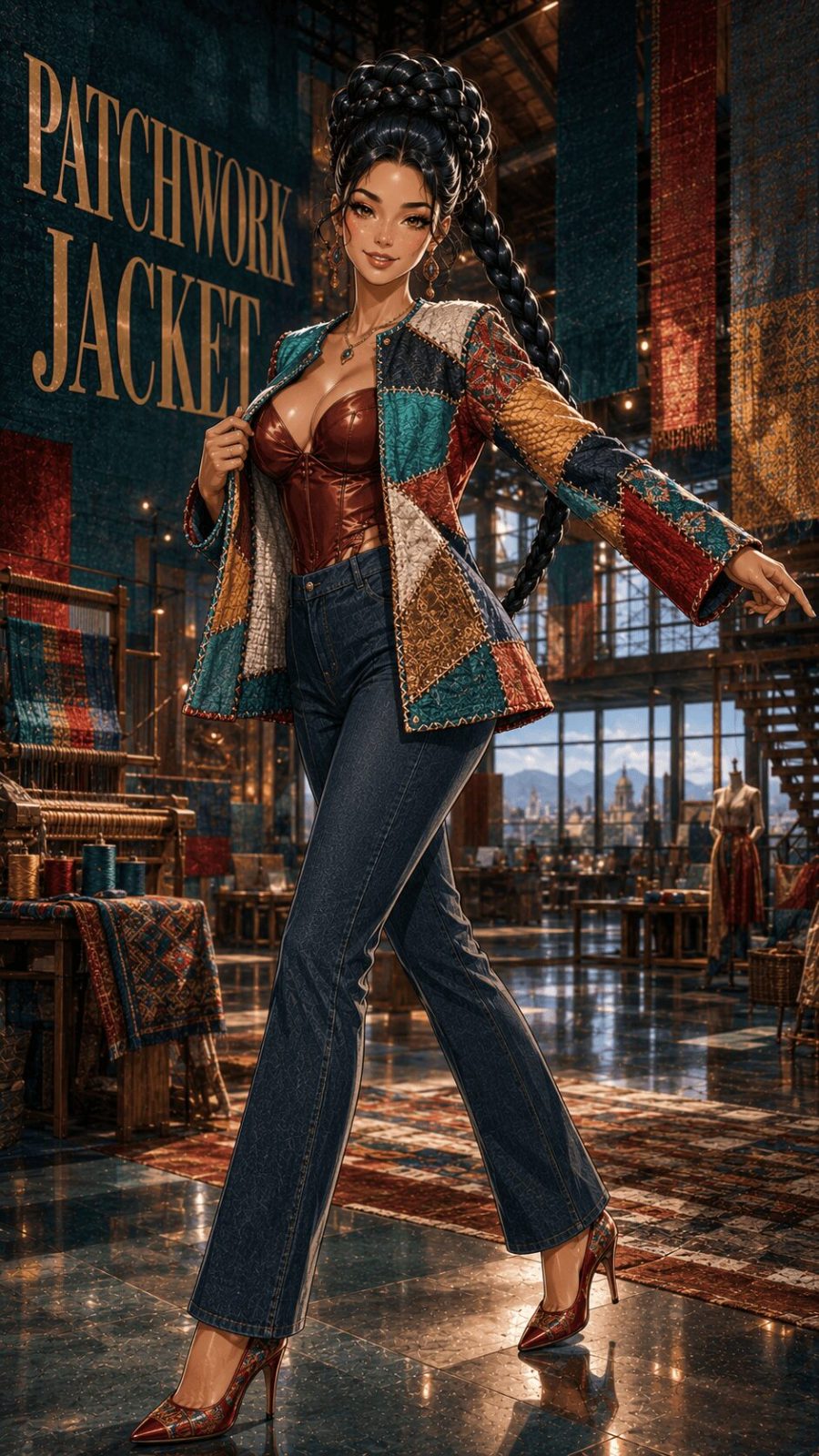
Multiple fabric pieces — often different textures or colors — are pieced together into a single unified body.
- 107
Distressed-Denim Jacket
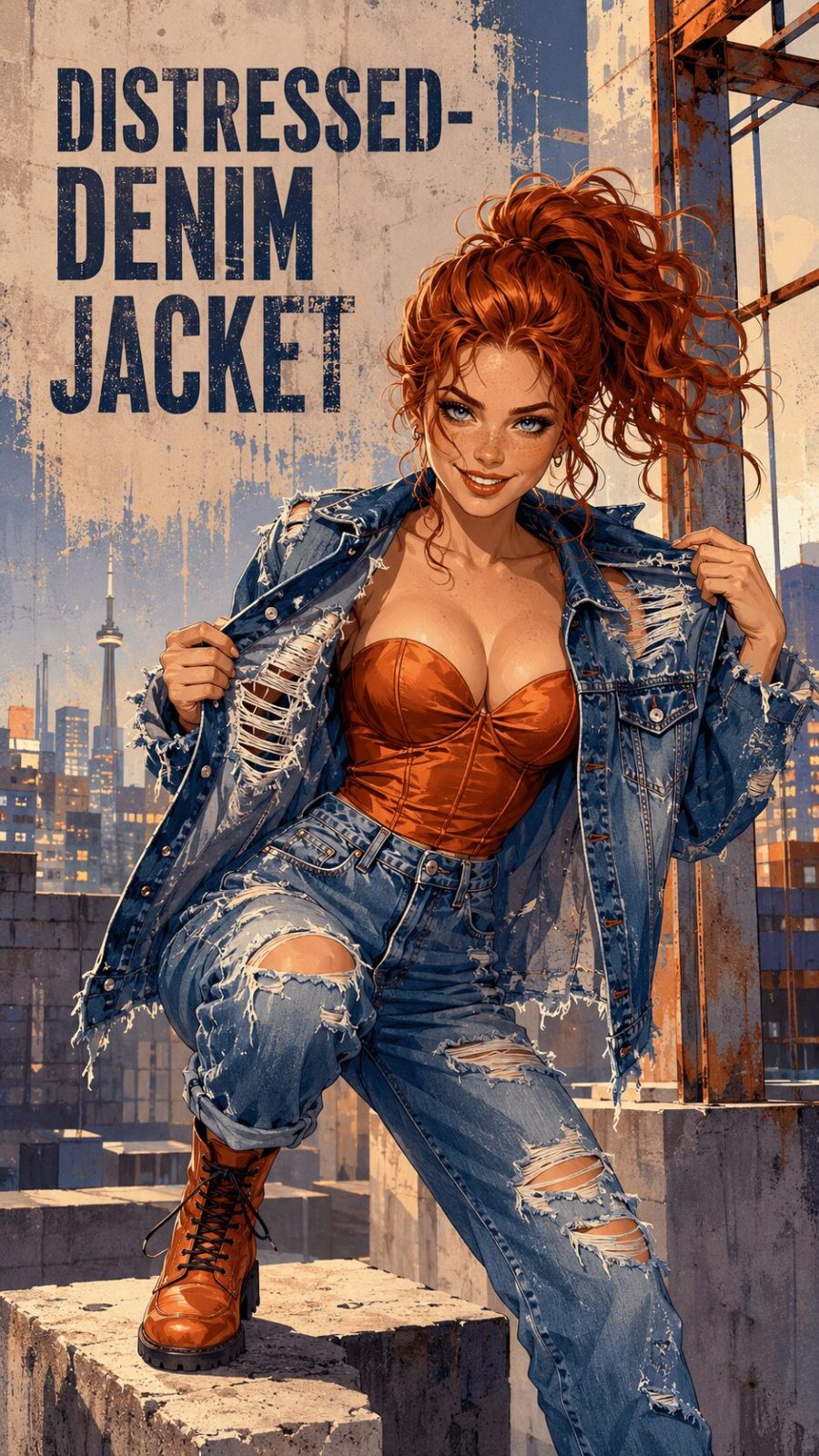
Deliberately faded, ripped, or whiskered denim that mimics decades of natural wear through controlled processing.
- 108
Metallic Jacket
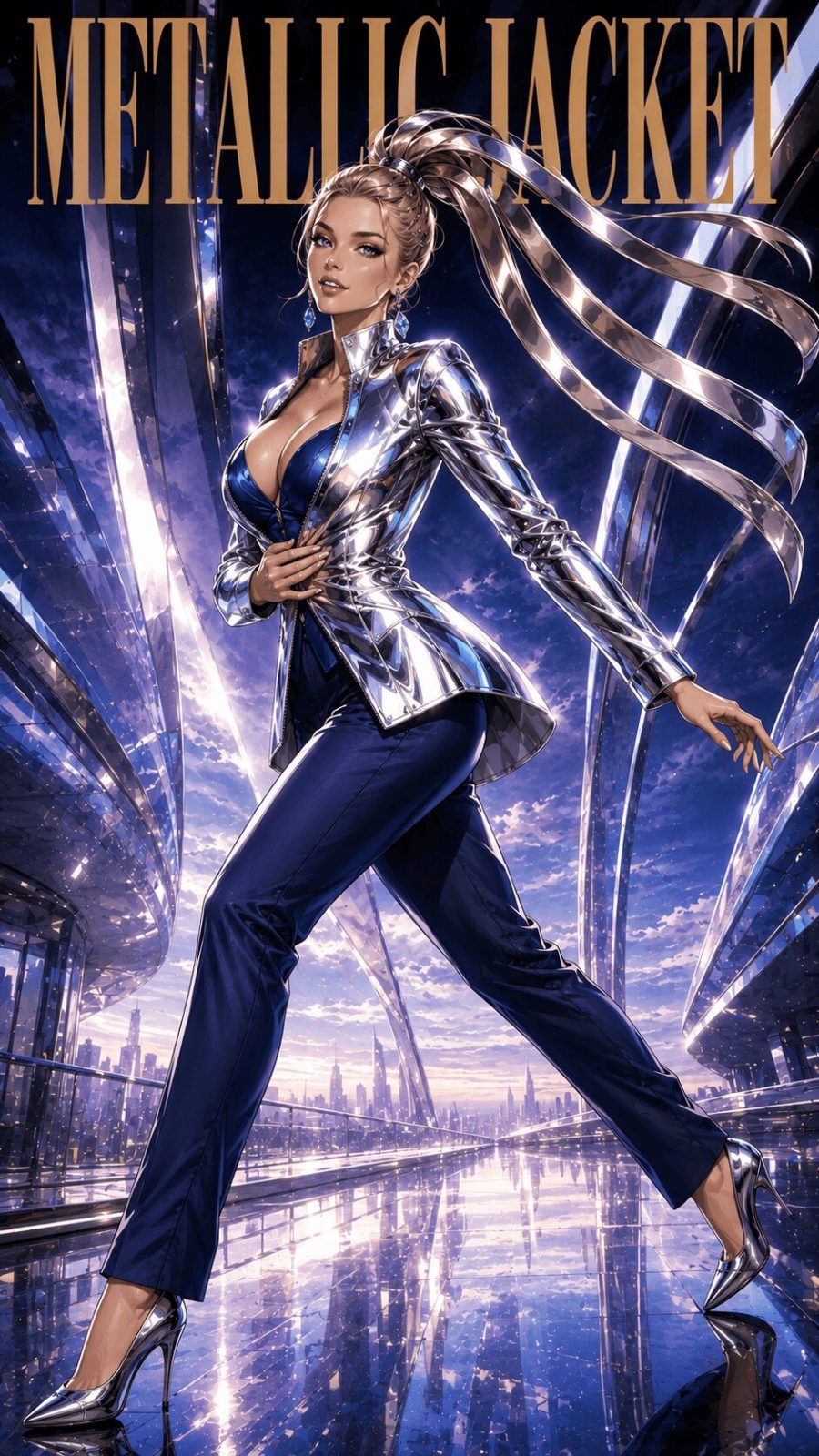
A coated or laminated fabric surface that reflects light with a foil-like or liquid-metal finish.
- 109
Faux-Fur Trim Jacket
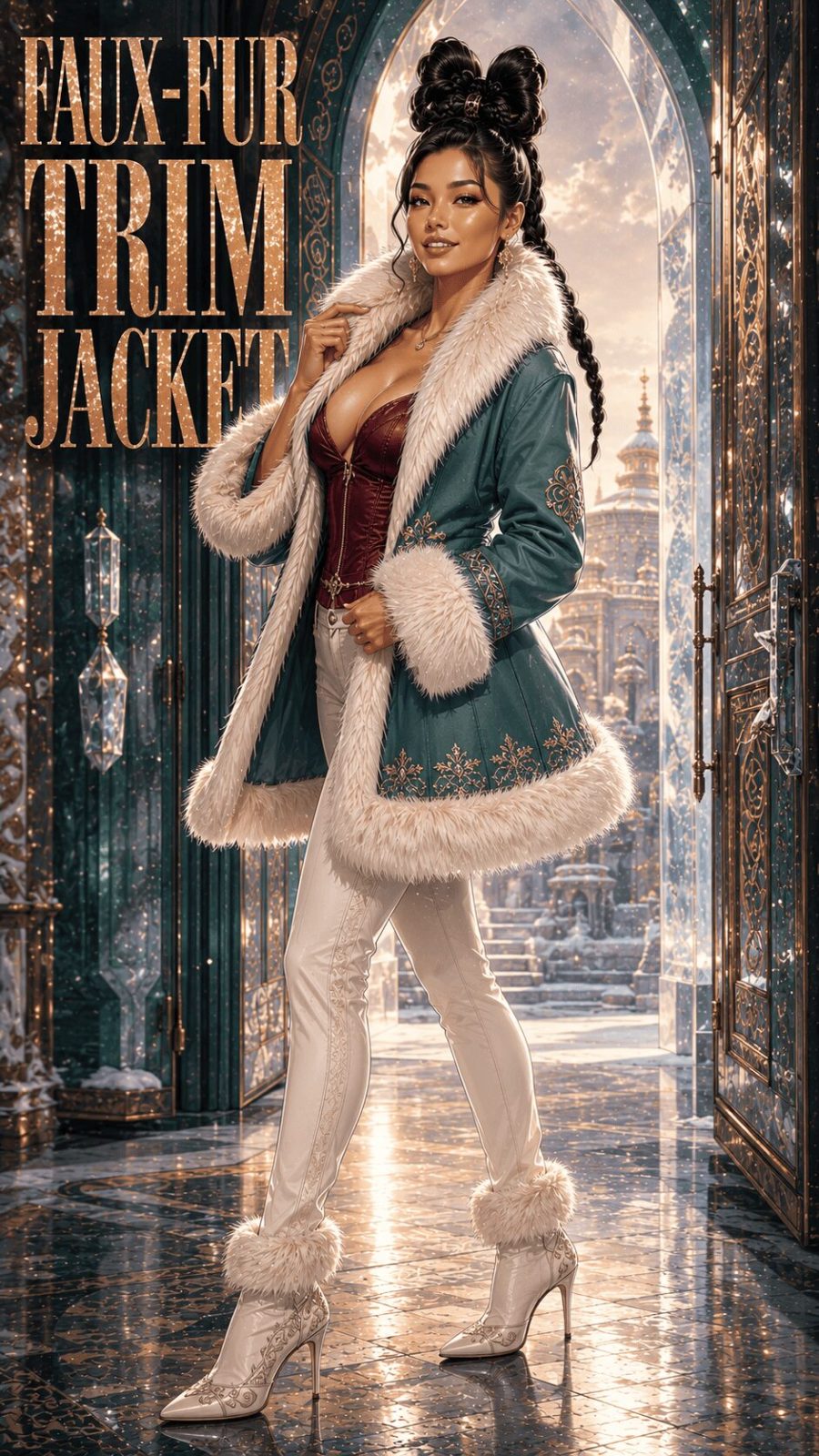
Synthetic fur applied at the collar, cuff, or hem for textural contrast and added warmth without genuine fur.
- 110
Beaded Jacket
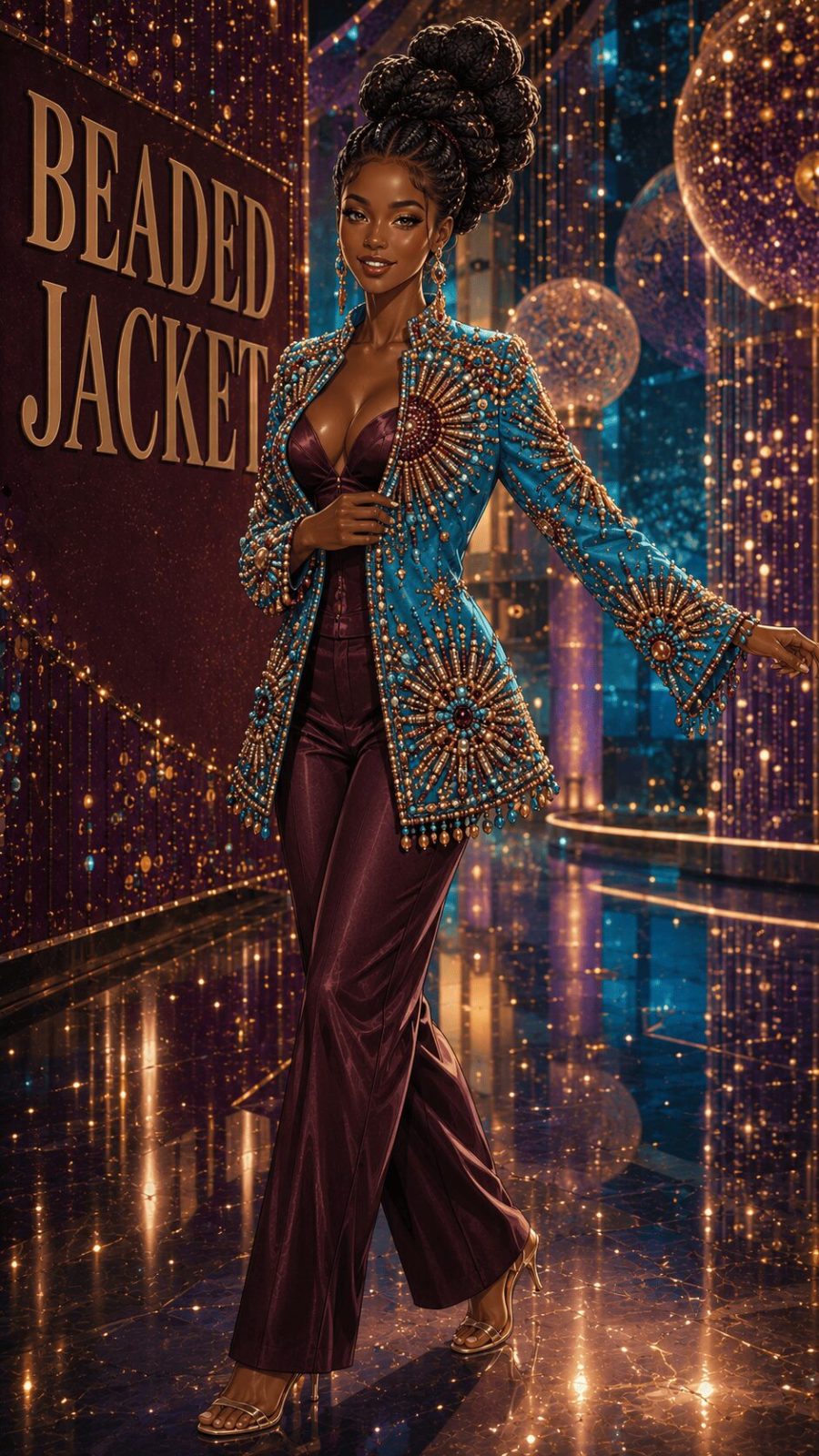
Individually applied beads form patterns or full-coverage surfaces, typically hand- or machine-embellished for occasion wear.
- 111
Two-Tone Jacket
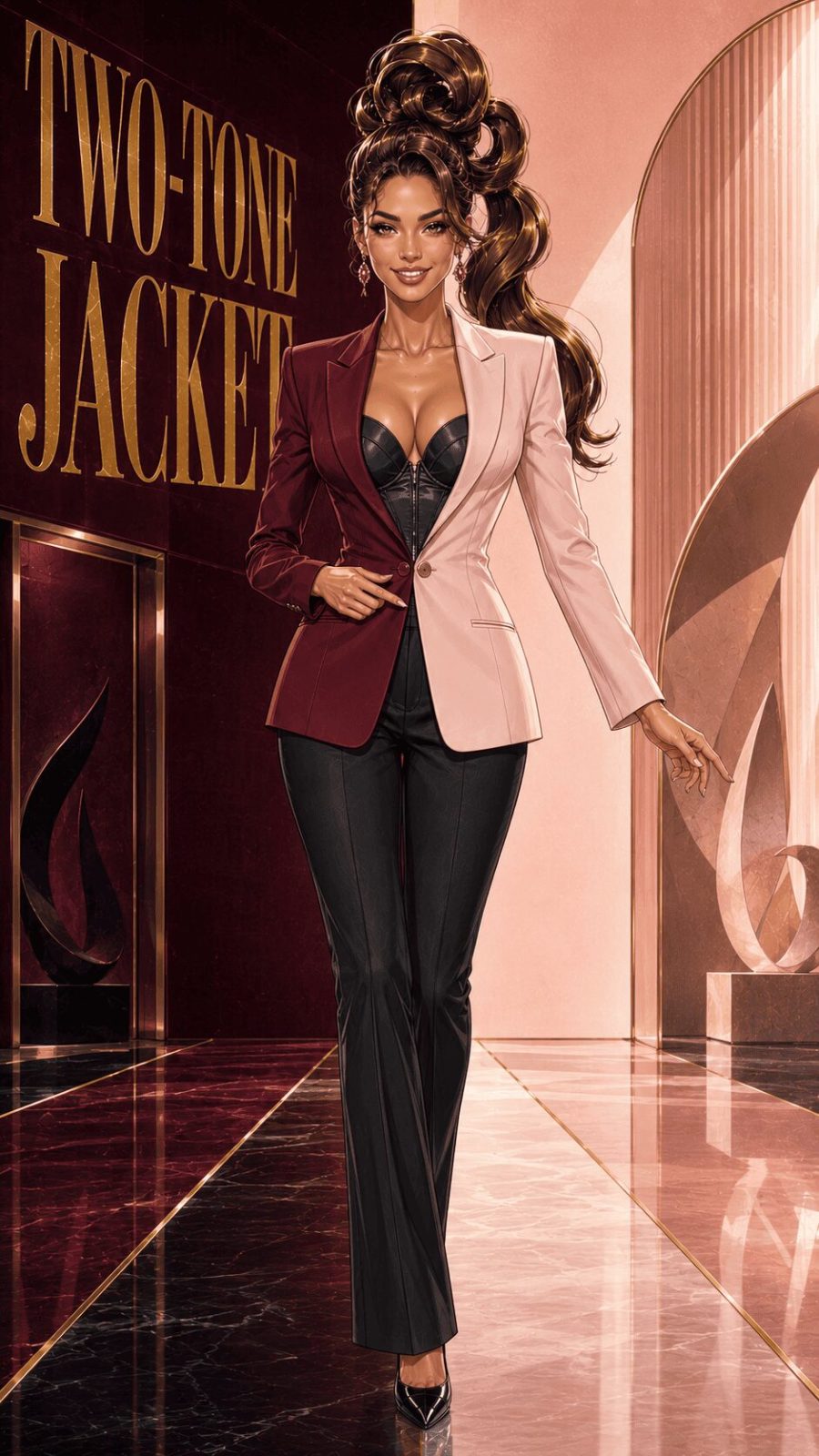
Two distinct but complementary colors or fabrics are combined, often at the sleeve, collar, or panel level.
- 112
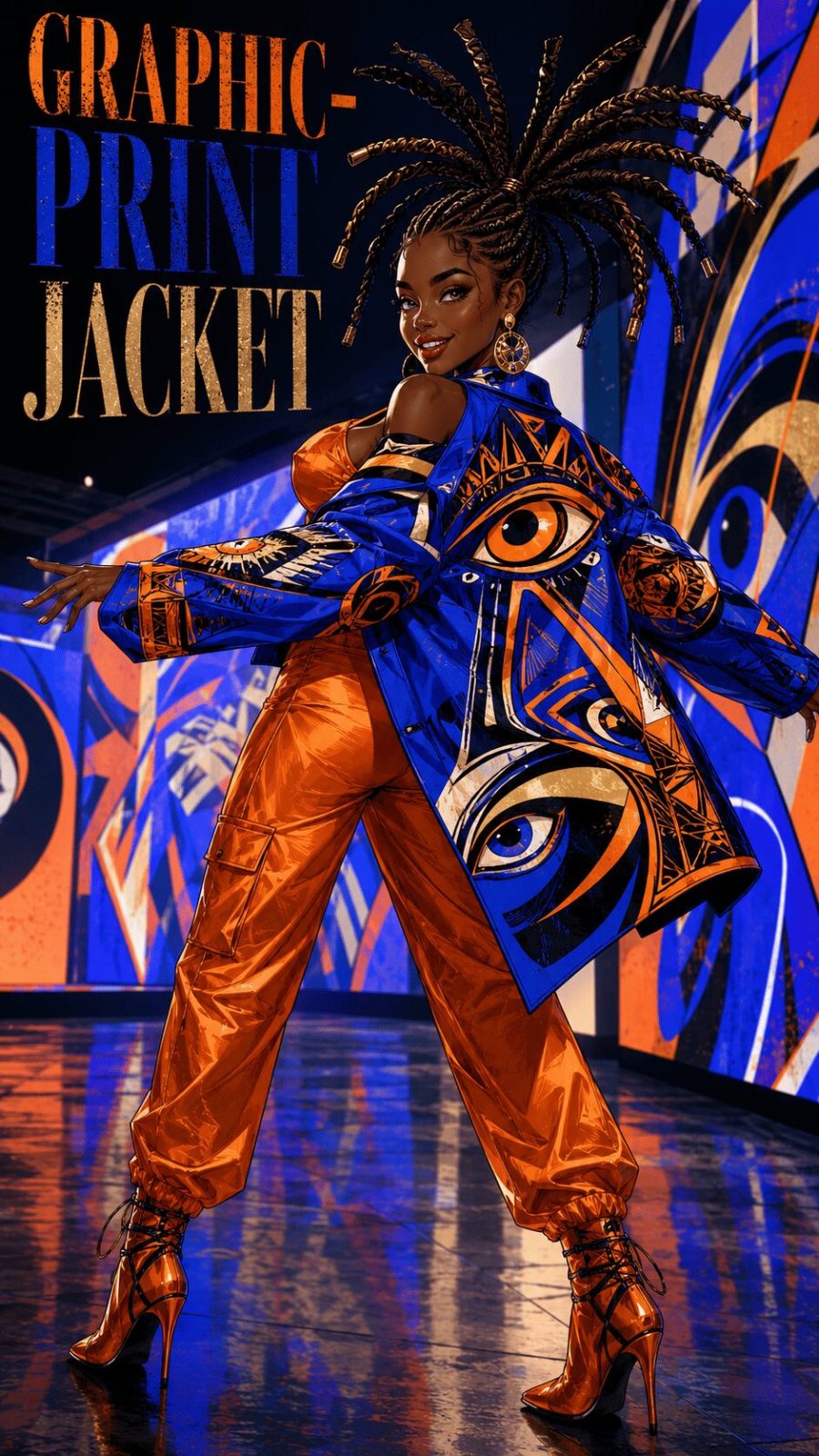
Graphic-Print Jacket
Bold placement graphics — logos, illustrations, or text — applied to the back or sleeve as the jacket's focal point.
- 113
Chain-Detail Jacket
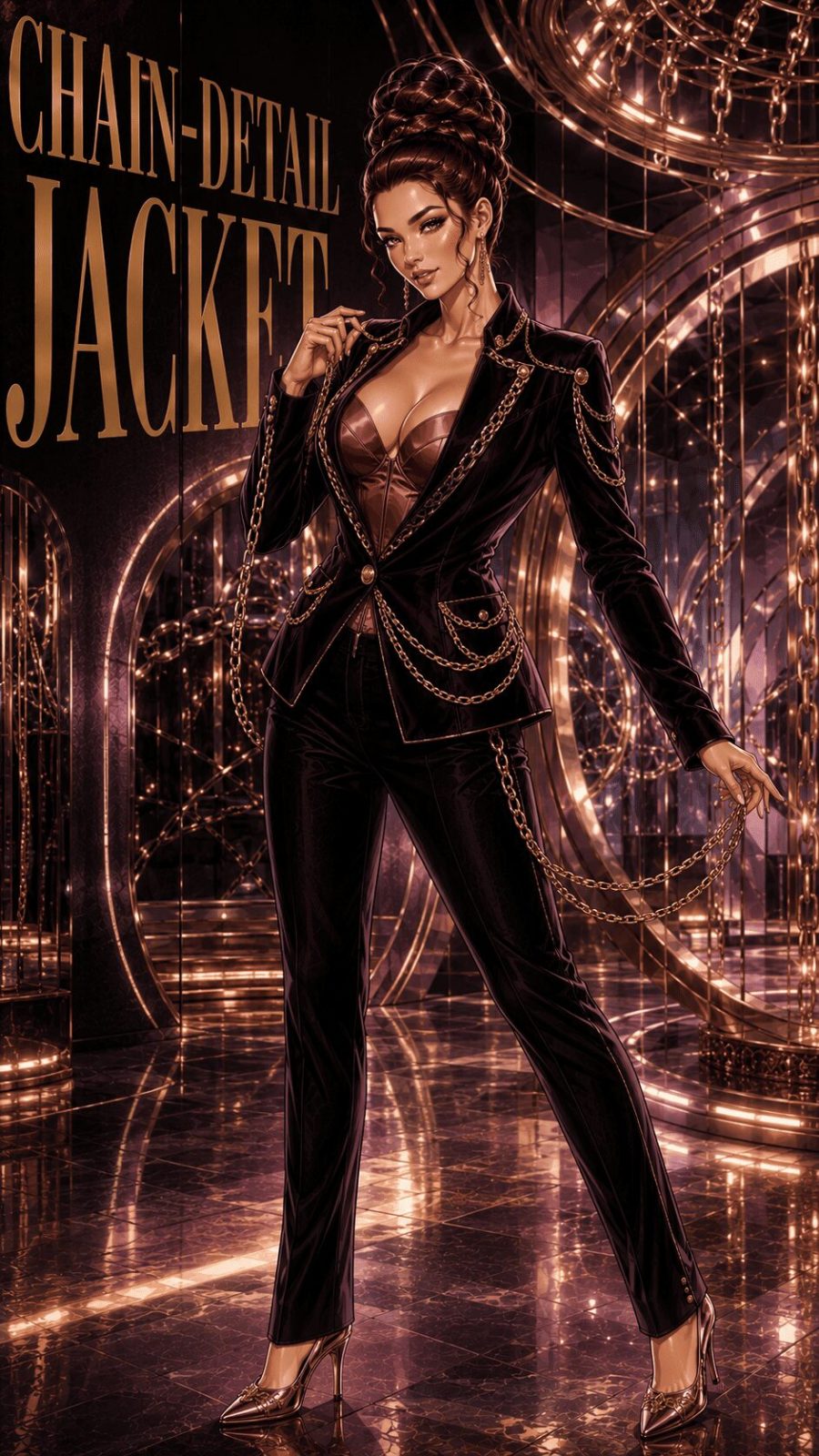
Metal chain hardware applied as a decorative accent at the pocket, collar, or hem rather than a functional closure.
- 114
Ombré Jacket
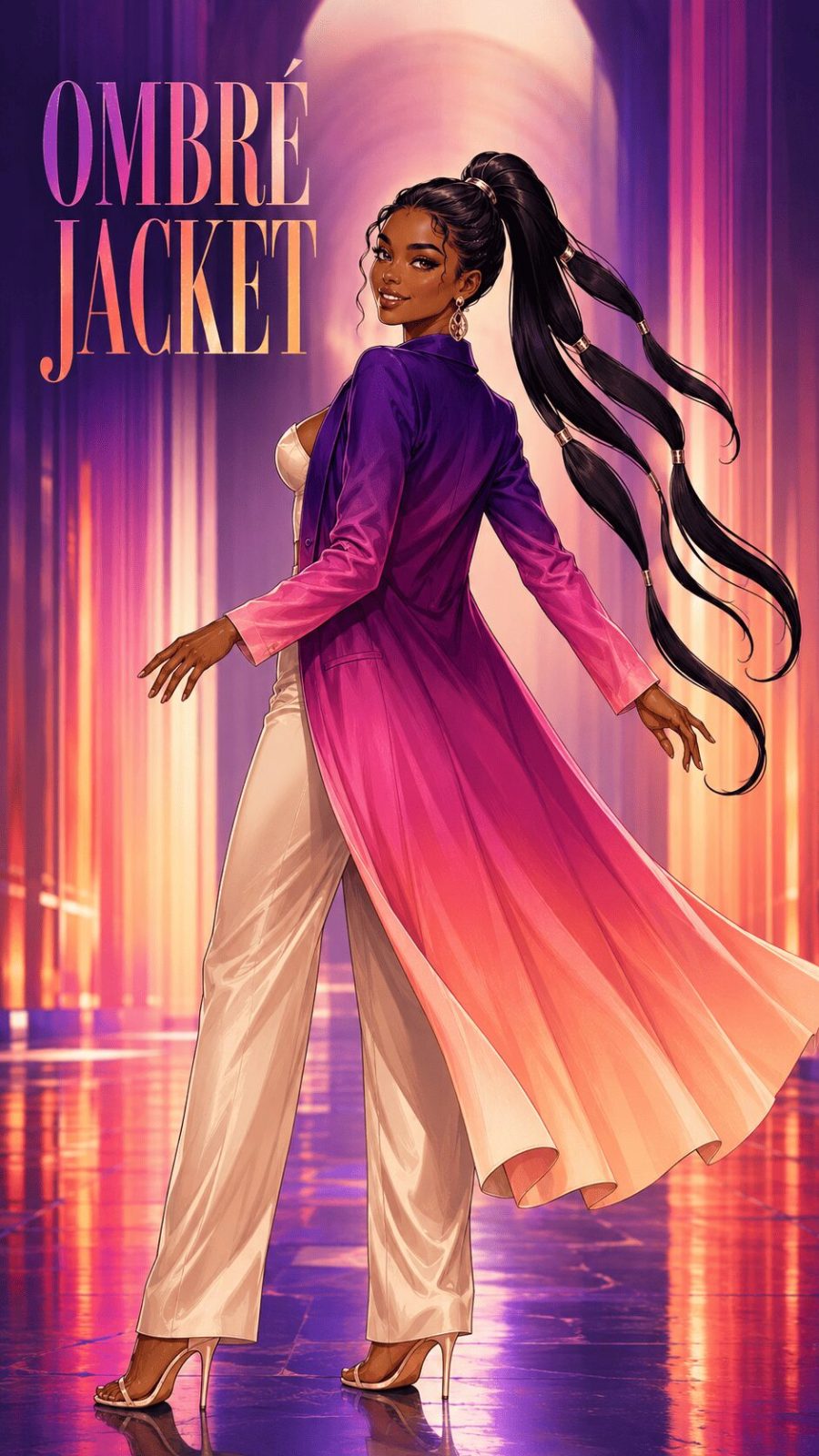
A gradual color gradient runs across the fabric, transitioning smoothly from one shade to another.
- 115
Appliqué Jacket
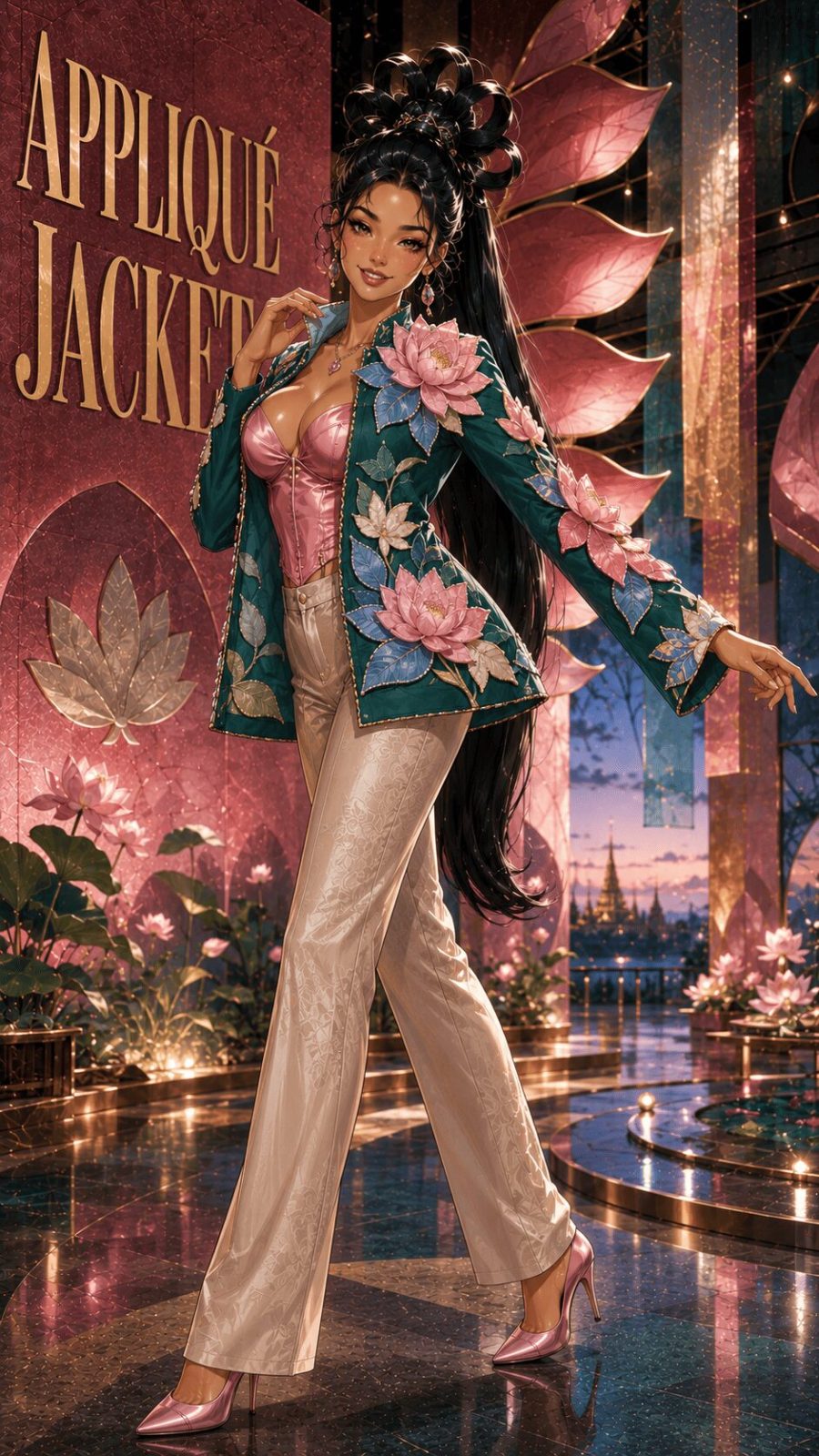
Separate fabric shapes are stitched onto the base jacket to create raised, dimensional decorative motifs.
Frequently Asked Questions About Women's Jackets
Quick, direct answers to the questions we hear most often about choosing and styling jackets
Frequently Asked Questions
Direct answers to the most-searched questions about women's jackets
What's the difference between a jacket and a coat?
A jacket generally ends at or above the hip and is made from lightweight or medium-weight fabrics, while a coat extends below the hip and is designed with heavier materials for additional warmth and insulation. When a garment reaches knee length, fabric weight and intended purpose usually become more important than length alone when distinguishing between the two.
How many jackets does a woman actually need in her wardrobe?
A practical capsule wardrobe typically includes four essential jackets: a tailored blazer for dressier occasions, a denim or leather jacket for casual outfits, an insulated jacket for cold weather, and a lightweight jacket for spring and autumn layering. Additional styles depend on personal taste, climate, and lifestyle rather than necessity.
Can a cropped jacket work with high-waisted bottoms only?
High-waisted bottoms are the easiest match because they visually balance the shorter hemline, but cropped jackets also pair beautifully with fitted midi dresses and other one-piece outfits where they frame the upper body instead of exposing the waist.
Is a blazer considered a jacket?
Yes. A blazer is a tailored type of jacket characterized by structured shoulders, lapels, and suiting fabrics. It belongs to the jacket category but is designed to create a more polished and formal appearance than most casual jackets.
What jacket length is most flattering for petite frames?
Waist-length and hip-length jackets usually create the most balanced proportions on petite frames because they preserve vertical lines. Longline jackets and dusters can sometimes overwhelm a smaller frame, although personal style and overall outfit proportions always matter more than strict fashion rules.
How do I choose a jacket for rainy climates?
Look for fully waterproof jackets with sealed seams rather than simply water-resistant finishes. If insulation is needed, synthetic insulation is generally a better choice than down because it continues to provide warmth even after getting wet.
Are leather jackets hard to maintain?
Not particularly. Genuine leather benefits from occasional conditioning to prevent drying and cracking and should be professionally cleaned instead of machine washed. With proper care, a quality leather jacket can remain in excellent condition for many years.
What's the most versatile jacket fabric for year-round wear?
A mid-weight wool or wool-blend fabric offers outstanding year-round versatility. It provides warmth during cool weather while remaining breathable enough for spring evenings, making it one of the most adaptable jacket materials for changing seasons.
Finding Your Jacket Wardrobe
Bringing 115+ styles back down to the handful that will actually work for you
No one needs 115 jackets. What this guide is really offering is a shared vocabulary — so that when you're shopping, you can name exactly what you're looking for instead of scrolling until something catches your eye. A biker jacket and a shacket solve entirely different problems, even though both technically qualify as "a jacket."
Start with function: what job does this jacket need to do in your week? Commute protection, office polish, evening presence, weekend ease. From there, silhouette and fabric narrow the field fast, and the specific style names in this guide become search terms rather than guesswork.
Key Takeaways
- Silhouette and length decide proportion before fabric or color ever enter the equation.
- Closures and collars carry more formality signal than most people realize — a zip reads differently from a double-breasted front in identical fabric.
- Function-first jackets (rain, travel, cycling) are worth buying for their specific job, not styled as an all-purpose piece.
- A well-chosen four-piece jacket capsule — blazer, casual layer, insulated piece, transitional layer — covers most year-round needs.
- Fabric quality determines lifespan more than trend timing; a well-made wool or leather jacket typically outlasts several fast-fashion replacements.
Sources & Further Reading
For readers who want to go deeper on jacket construction and current outerwear trends, these sources informed parts of this guide: