
There’s a reason certain hats feel like the final word on an outfit. Not just a layer against the cold — a declaration. You pull on a wide-brimmed felt fedora and something shifts. The whole look clicks. That sensation isn’t vanity. It’s the product of centuries of hat construction converging into a single silhouette designed — at its best — to frame the face, anchor the outfit, and project exactly who you want to be that day.
Hats are the most underestimated accessory in a woman’s wardrobe — and the one that most immediately transforms an outfit from assembled to intentional.
The millinery tradition spans thousands of years. The structured felt hat as we know it was formalized in European court dress by the 16th century; the wide-brimmed sun hat evolved through agricultural necessity long before it became a resort staple. In the 20th century, milliners like Coco Chanel stripped the hat of its elaborate Victorian ornamentation and reframed it as a modern accessory — functional, personal, directional. Today, the category spans everything from structured crowns to crushable packable brims, each carrying its own construction logic, seasonal purpose, and styling register.
This guide covers 21+ types of hats for women across 5 classification systems. For every single entry:
-
Design
What it looks like
-
Season
When to wear it
-
Best For
Who it works for
Start here, explore everything, and build a hat vocabulary that actually makes your wardrobe work harder.
All 5 Categories at a Glance
A structured breakdown of the 21+ hat types documented in this guide.
- 01
By Structure / Crown Shape
- 02
By Brim Type
- 03
By Material / Fabric
- 04
By Occasion / Purpose
- 05
By Cultural Heritage & Style Era
21+ Different Types of Hats for Women
Category 1: By Structure / Crown Shape (#1–#6)
The crown is the architectural core of any hat — how it is shaped, blocked, and constructed defines everything else about the silhouette
Crown shape is the foundational identity of every hat. Before a hat has a brim width or a fabric or an occasion context — it has a crown construction. Is it a structured felt fedora? A soft knit beanie? A rigid pillbox? These structural distinctions determine how a hat sits on the head, what face shapes it complements, and how much visual weight it adds to an outfit's overall silhouette.
What works beautifully about classifying hats by crown is that it cuts through trend language entirely. A "coastal grandmother hat" is marketing. A wide-brimmed natural straw hat with a teardrop crown and raw-edge brim? That's construction — and construction tells you how a hat will behave in the wind, how it will photograph, and whether it'll last a decade or dissolve after one summer.
- 01
Fedora

Structured felt or wool hat with a pinched, lengthwise-creased crown and a medium brim turned up at the back. The fedora entered women's wardrobes in the 1880s — popularized on stage before it became a menswear staple and eventually crossed back into womenswear as a deliberate androgynous statement. The indentation in the crown is called the "pinch," and its angle is everything: forward-tilted reads vintage and dramatic; worn straight reads contemporary and crisp.
- 02
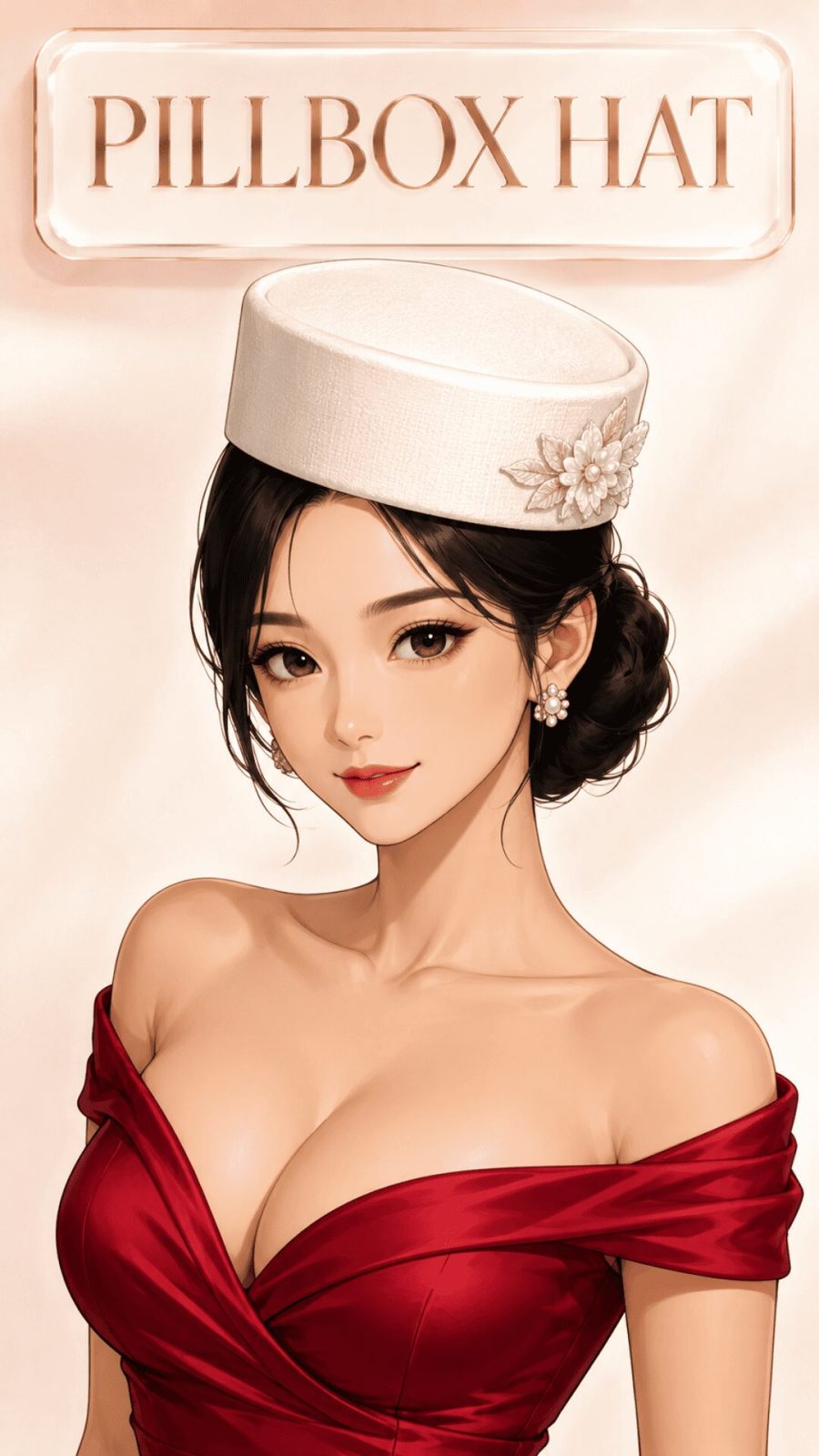
Pillbox Hat
![Pillbox hat for women]()
Small, flat-topped, brimless cylindrical hat worn at the crown or tilted forward on the head. The construction is rigidly structured — typically blocked in felt, wool, or covered in fabric — with vertical sides and a perfectly flat top. Balenciaga popularized the pillbox in the 1950s; Halston's Jackie Kennedy designs cemented its cultural permanence. It perches, it doesn't cover — which is exactly what makes it either completely impractical or strikingly elegant, depending on your perspective.


- 03
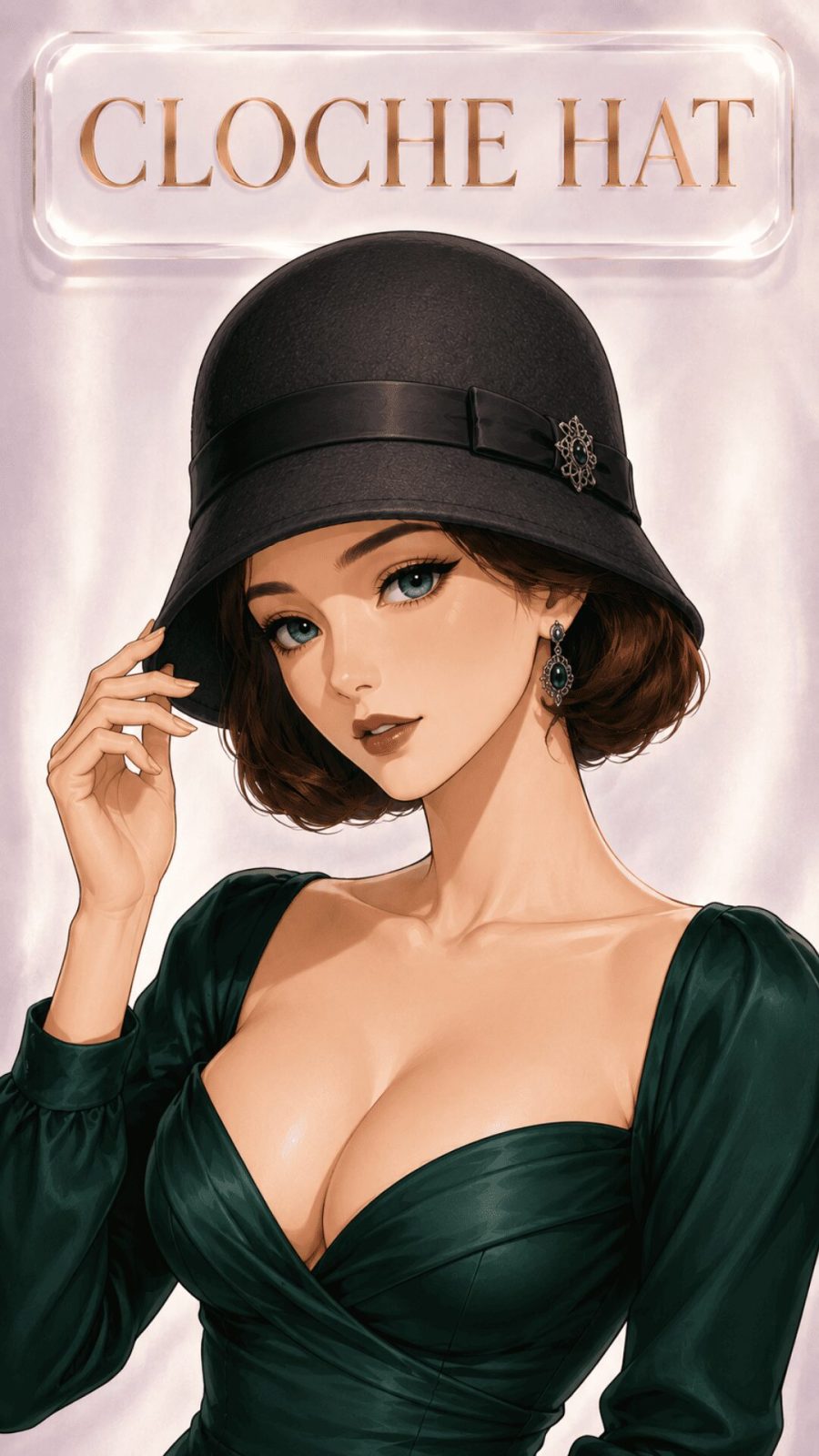
Cloche Hat
![Cloche hat for women]()
Bell-shaped felt hat that fits snugly over the head, typically worn pulled low across the brow. "Cloche" is French for bell — and the silhouette is exactly that: a downward-curving crown that follows the shape of the skull. Carolyn Reboux invented it in Paris around 1908; by the 1920s it was synonymous with the flapper era and the newly bobbed hair that made it possible to wear. The cloche only works if the crown fits: it's not a hat you can adjust with a band.
- 04
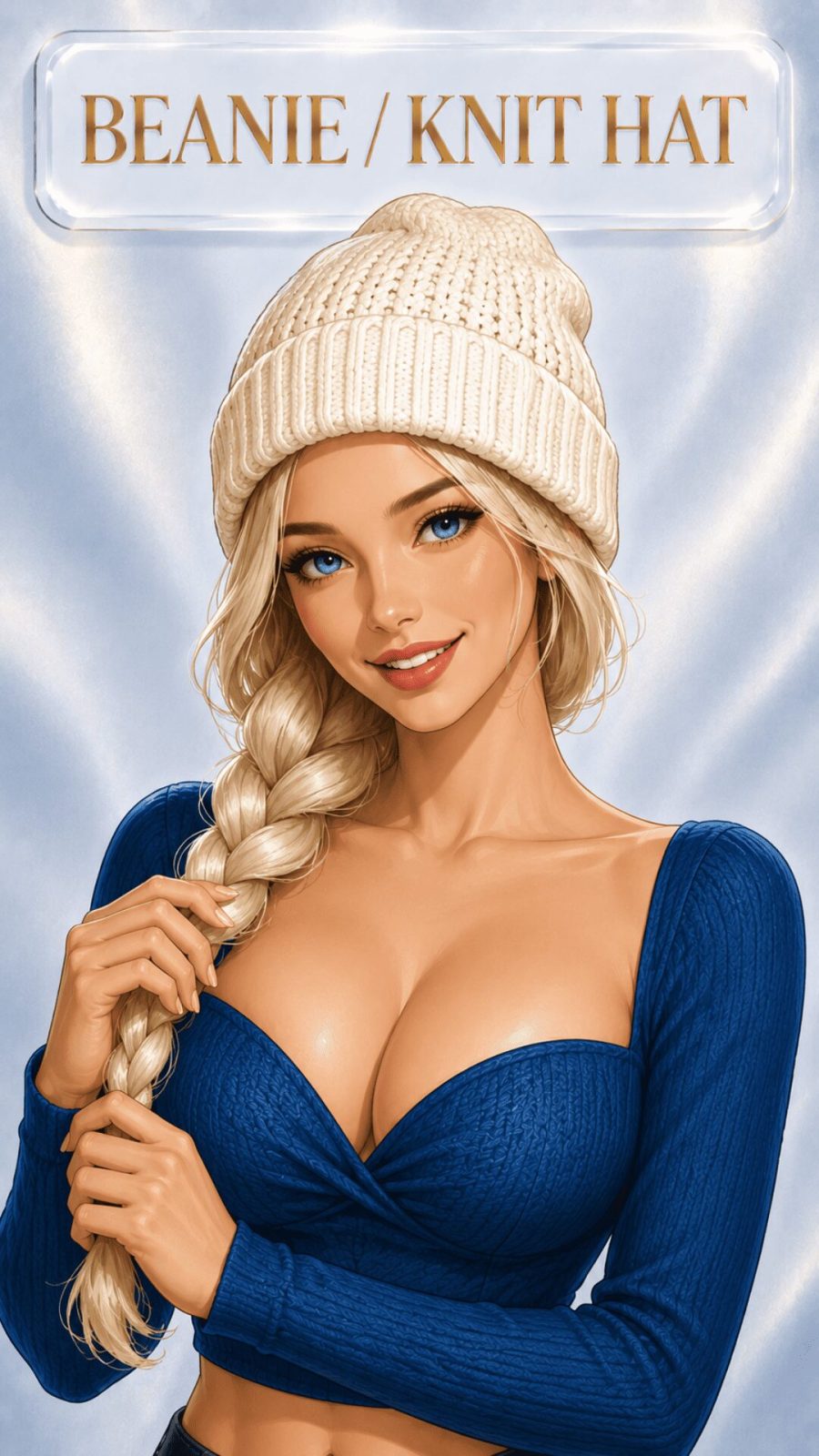
Beanie / Knit Hat
![Beanie knit hat for women]()
Close-fitting, brimless knit cap in wool, cashmere, acrylic, or blended yarn. The construction is the opposite of a structured hat: the beanie has no internal blocking, no wire, no frame — it's entirely the knit fabric itself conforming to the head. How you wear it changes everything. Pulled down to the brows reads streetwear-casual; worn at the back of the crown reads more relaxed and effortless. A slouchy beanie with extra length piled at the back is a distinct subtype, sometimes called a "slouch beanie."


- 05
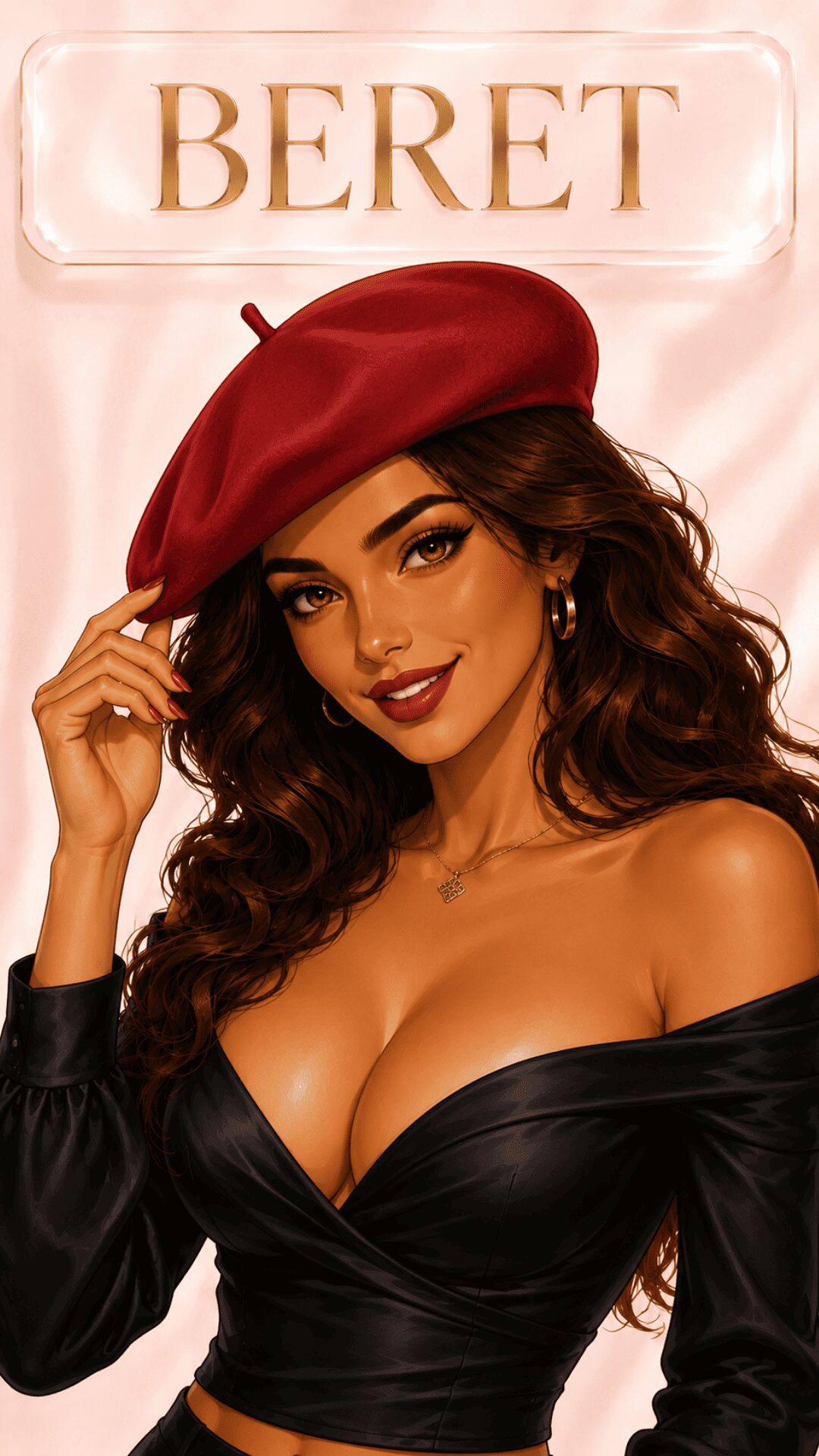
Beret
![Beret hat for women]()
Soft, round, flat-crowned hat without a brim, typically in wool felt or knit fabric. Worn tilted to one side — that tilt is construction-dictated by the stalk (the small central stem on the crown). The beret's Basque origins trace to 14th-century shepherds; by the 20th century it had become the universal symbol of Parisian intellectualism and, later, military elite units worldwide. The way a beret sits depends on whether it has a lining and how much oversized drape the crown has — a tightly fitted beret reads classical; a generous draping beret reads artistic.
- 06
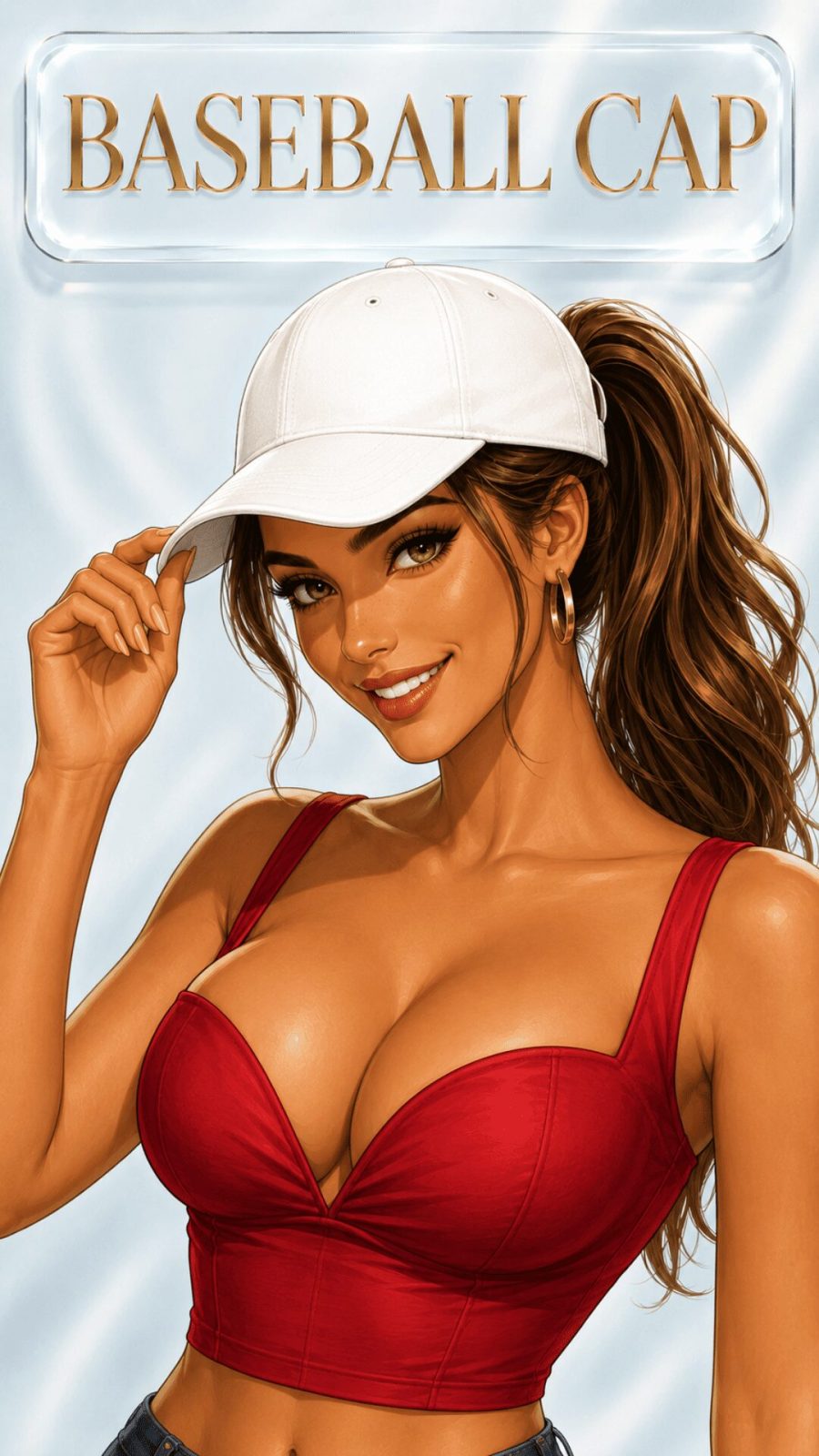
Baseball Cap
![Baseball cap for women]()
Structured or unstructured cap with a forward-facing curved brim and an adjustable back closure — snap, Velcro, or fitted construction. The six-panel crown construction is the standard; five-panel (with a single front panel creating a slight brow rise) reads more fashion-forward. Originally a sporting garment from the 1860s, it crossed fully into fashion in the 1990s. For women, it carries a deliberate "borrowed from the boys" energy — most effective when worn with something that creates tension against it: a silk dress, a blazer, structured tailoring.


Category 2: By Brim Type (#7–#11)
The brim is the hat's relationship with space — it determines sun protection, formality level, and the visual balance between the hat and the wearer's face
Brim width and shape are arguably the most visually impactful decision in hat design. A three-inch brim and a six-inch brim on the same crown shape produce entirely different aesthetic registers — one reads polished and restrained, the other reads theatrical and resort. The brim also determines whether a hat works in wind (wider, floppy brims do not), indoors (wide brims require physical space awareness), and for photography (the brim controls how much shadow falls across the face).
- 07
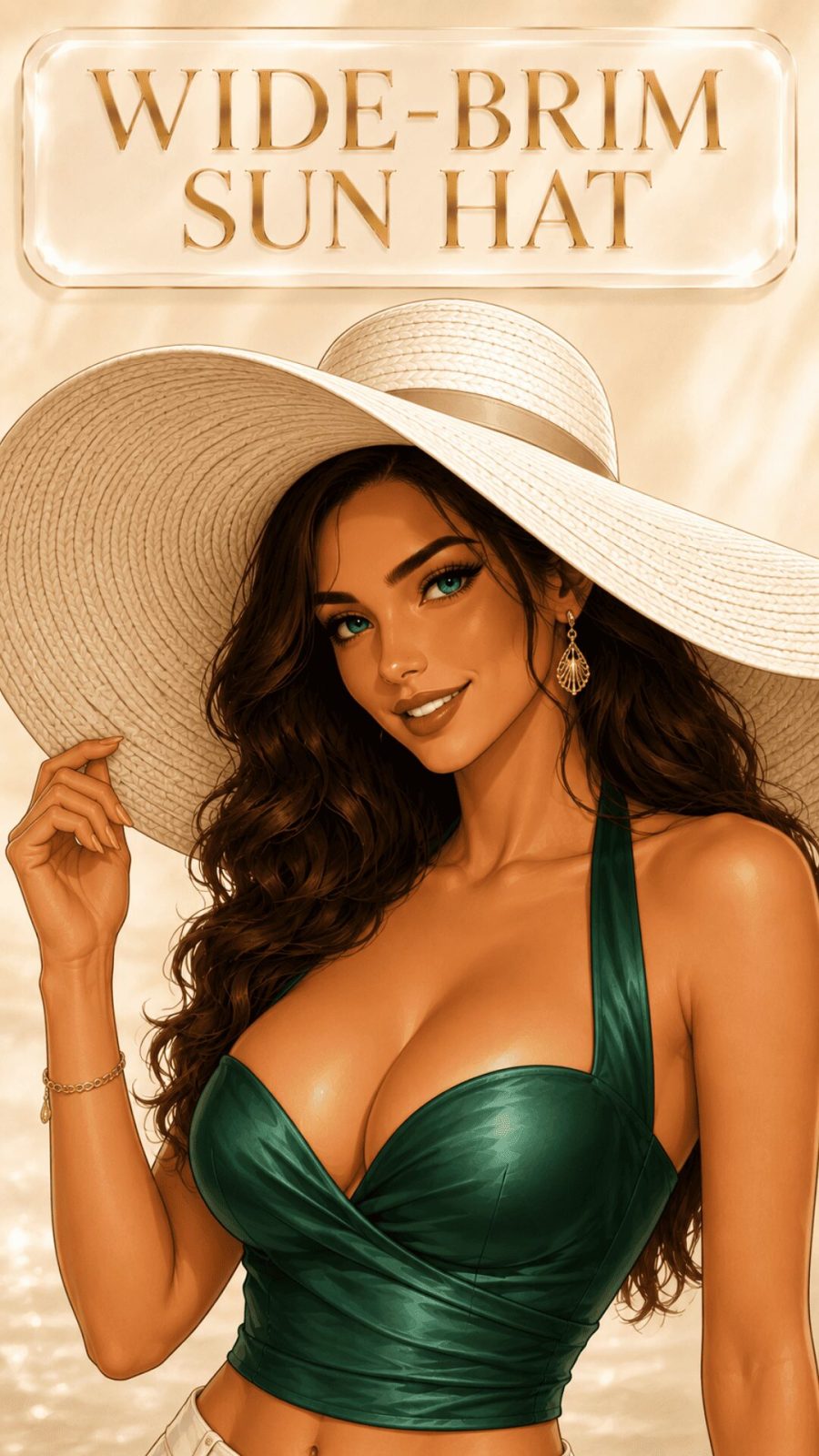
Wide-Brim Sun Hat
![Wide brim sun hat for women]()
A hat with a brim measuring four inches or wider all around, typically in straw, raffia, or treated cotton. The wide brim's primary function is sun protection — the UPF rating matters more than most buyers realize, and a finely woven, tightly constructed straw provides meaningful UV blocking that a loosely woven raffia simply doesn't. Photographically, the wide brim produces that dramatic shadow-across-the-face effect that photographs beautifully but can be genuinely impractical for conversation or dining outdoors.
- 08
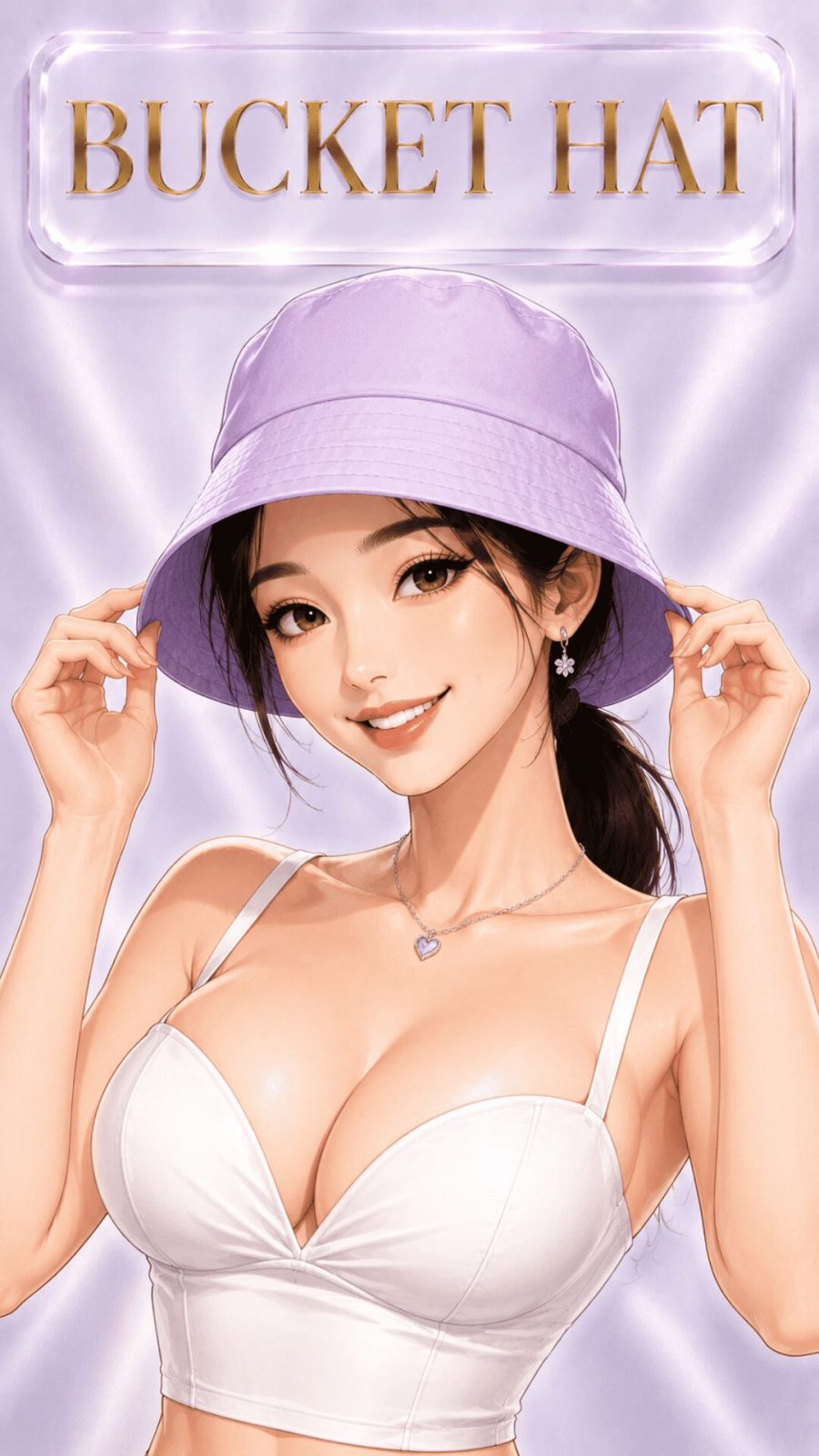
Bucket Hat
![Bucket hat for women]()
Soft, downward-sloping brim all around with a low, unstructured crown. Originally a fishing and outdoors hat (hence the utilitarian cotton duck or denim construction), it was reappropriated by hip-hop culture in the 1990s — LL Cool J, Run DMC — and then again by 2010s streetwear into a full fashion category. The bucket hat's proportions are deliberately oversized relative to the head; that casual, slightly sloppy silhouette is the entire point. Wear it too small and it reads wrong immediately.


- 09
Boater Hat
![Boater hat for women]()
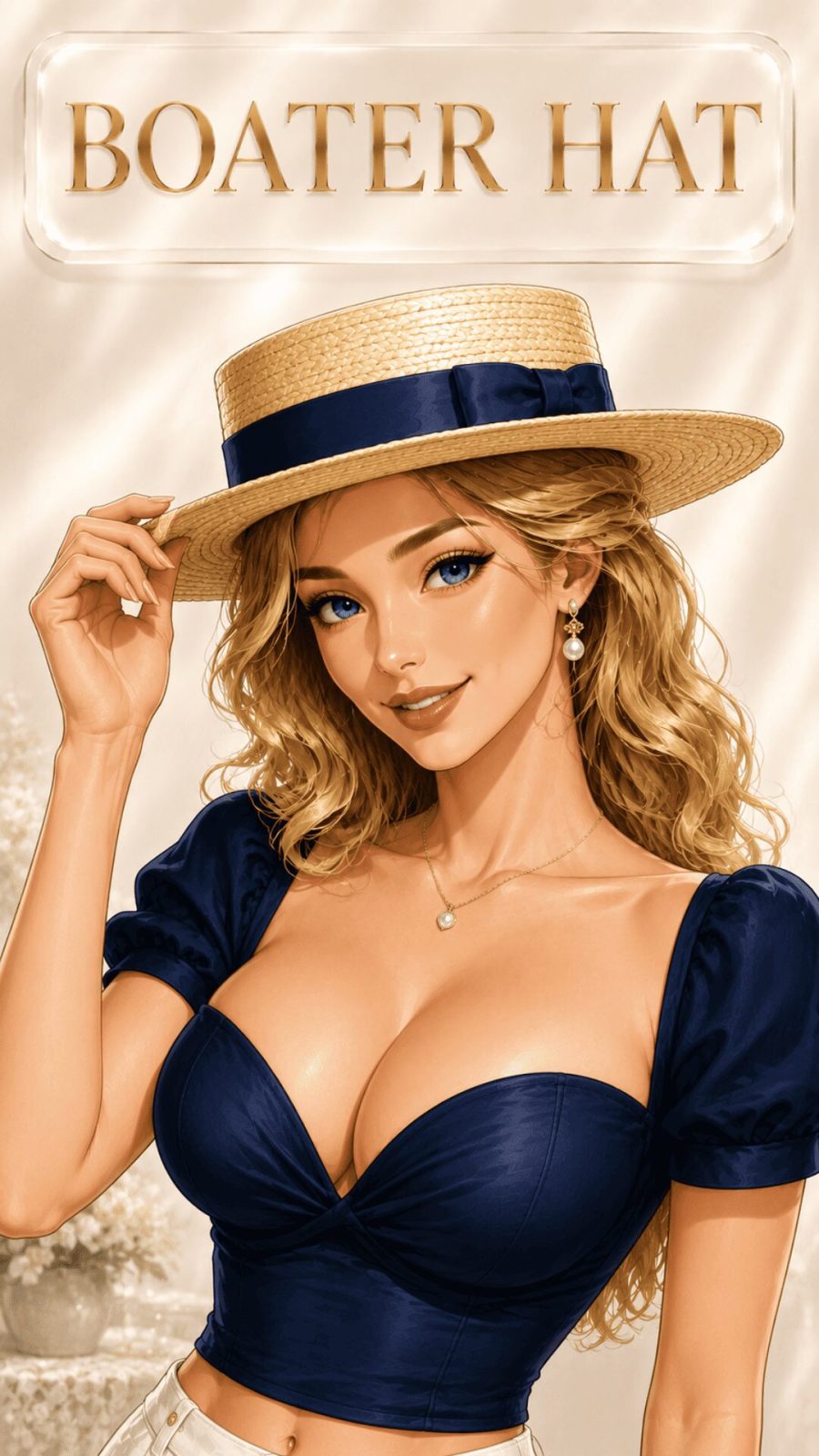
Rigid, flat-topped hat with a flat, stiff brim — traditionally woven in natural straw with a grosgrain or ribbon band. The crown is cylindrical with a completely flat top (no creasing, no shaping) and the brim extends straight out without curling. Named for its association with boating and Edwardian garden parties, it sits flat on the head — usually secured with a hat pin — and refuses to tilt. That rigidity is structural: proper boater straw is lacquered to hold its shape even in humidity.
- 10
Cowboy / Western Hat
![Cowboy western hat for women]()
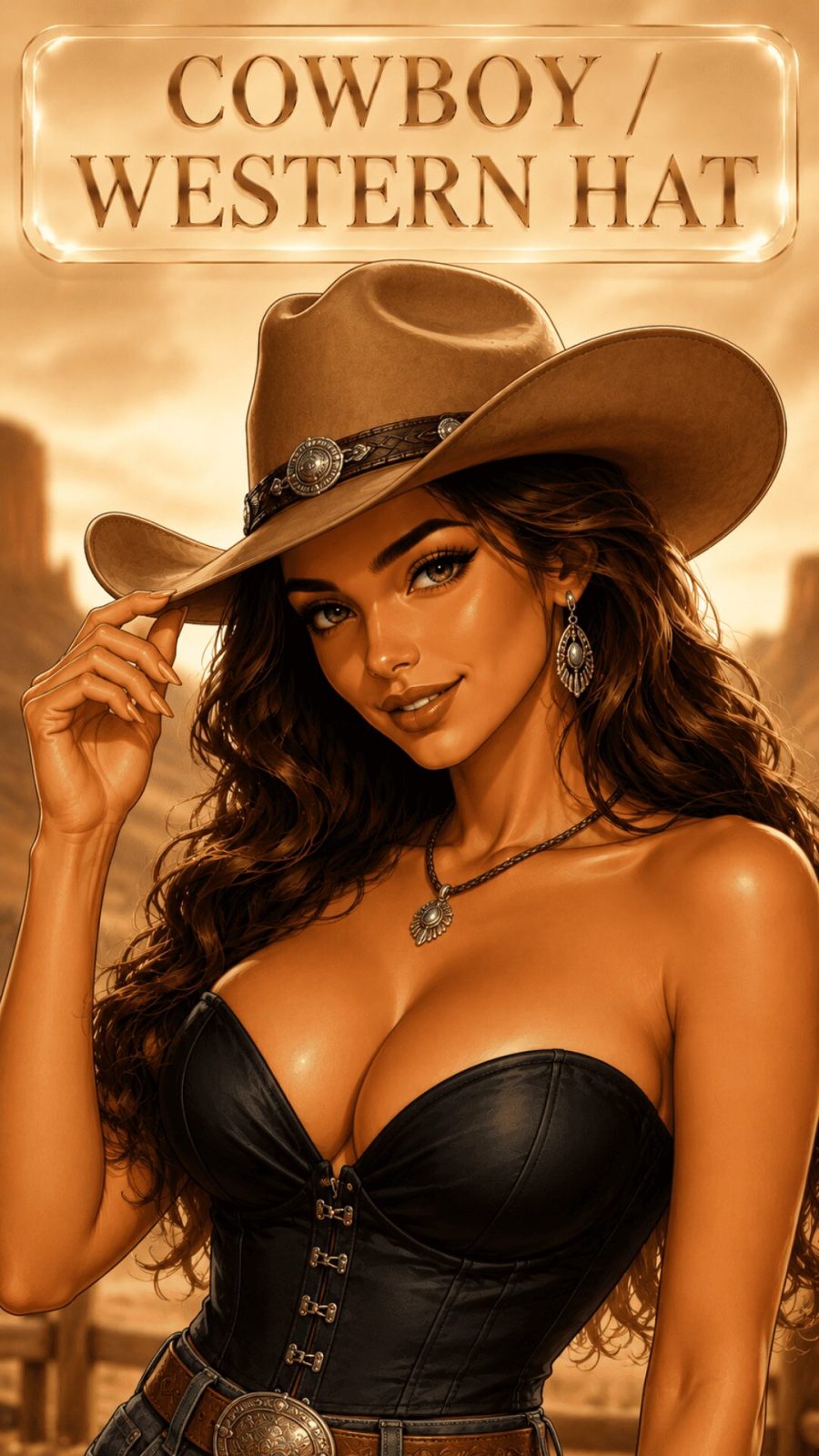
High, structured felt or leather crown with a distinctive upward-curled brim at the sides and a downward front brim. The crown crease varies by regional tradition — a center-front crease is the most common contemporary version. Originally a working hat for the American West (John B. Stetson's 1865 Boss of the Plains design), it has cycled in and out of fashion but never fully leaves. Its current resurgence through Beyoncé's country crossover and Western-aesthetic runways has pushed it firmly into mainstream fashion territory.


- 11
Visor
![Visor hat for women]()
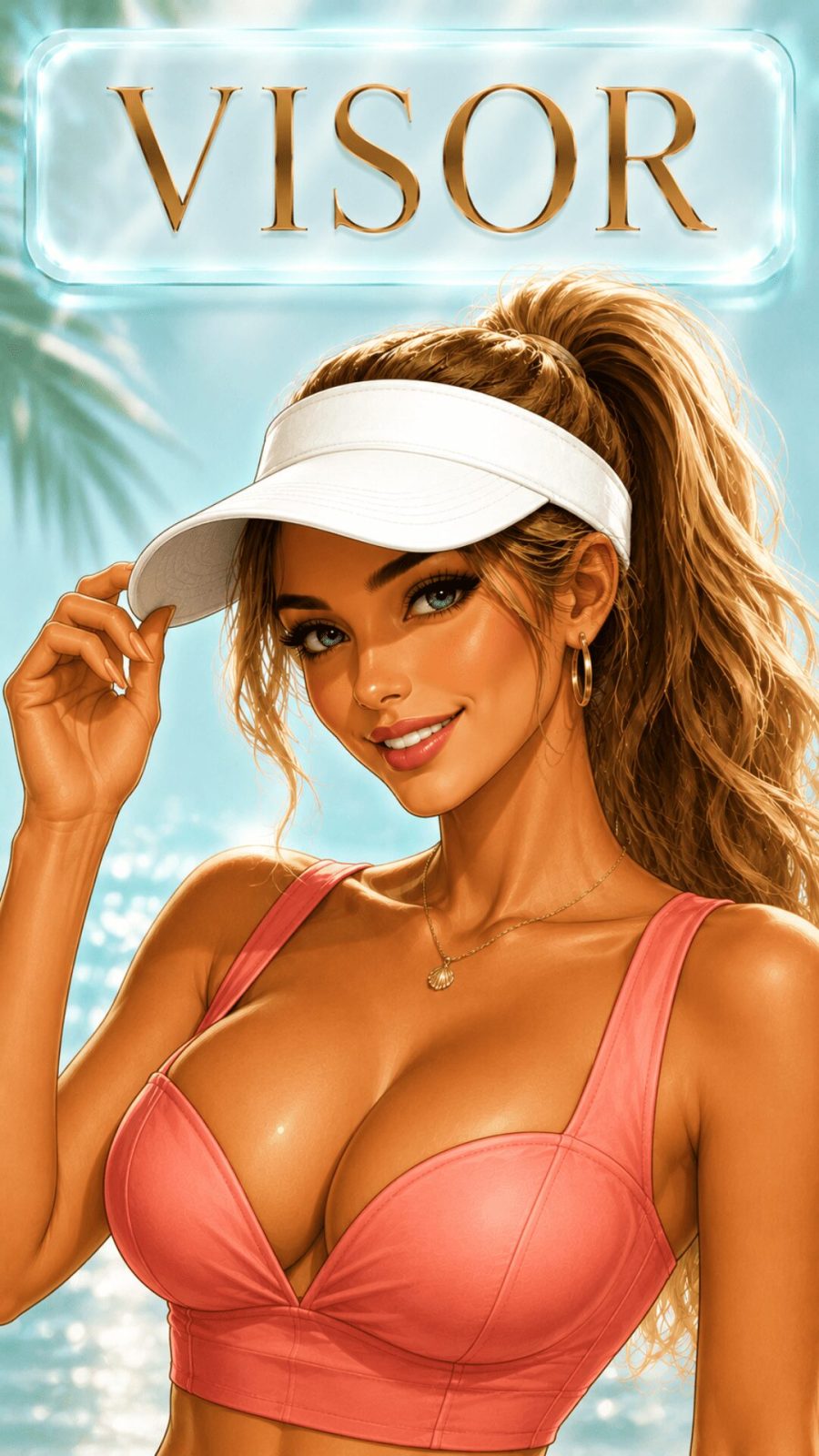
A brim-only hat — just the front brim extending from a band that circles the head, with the crown entirely open. The structural logic is the opposite of every other hat type here: the visor exists purely for front-only sun protection while keeping the top of the head ventilated. Originally and still primarily a sports accessory (tennis, golf, running), it has crossed into fashion through resort and beach styling. It does nothing for warmth and everything for airflow — which makes it a specific-use piece, not a wardrobe workhorse.
- 12
Panama Hat
![Panama hat for women]()
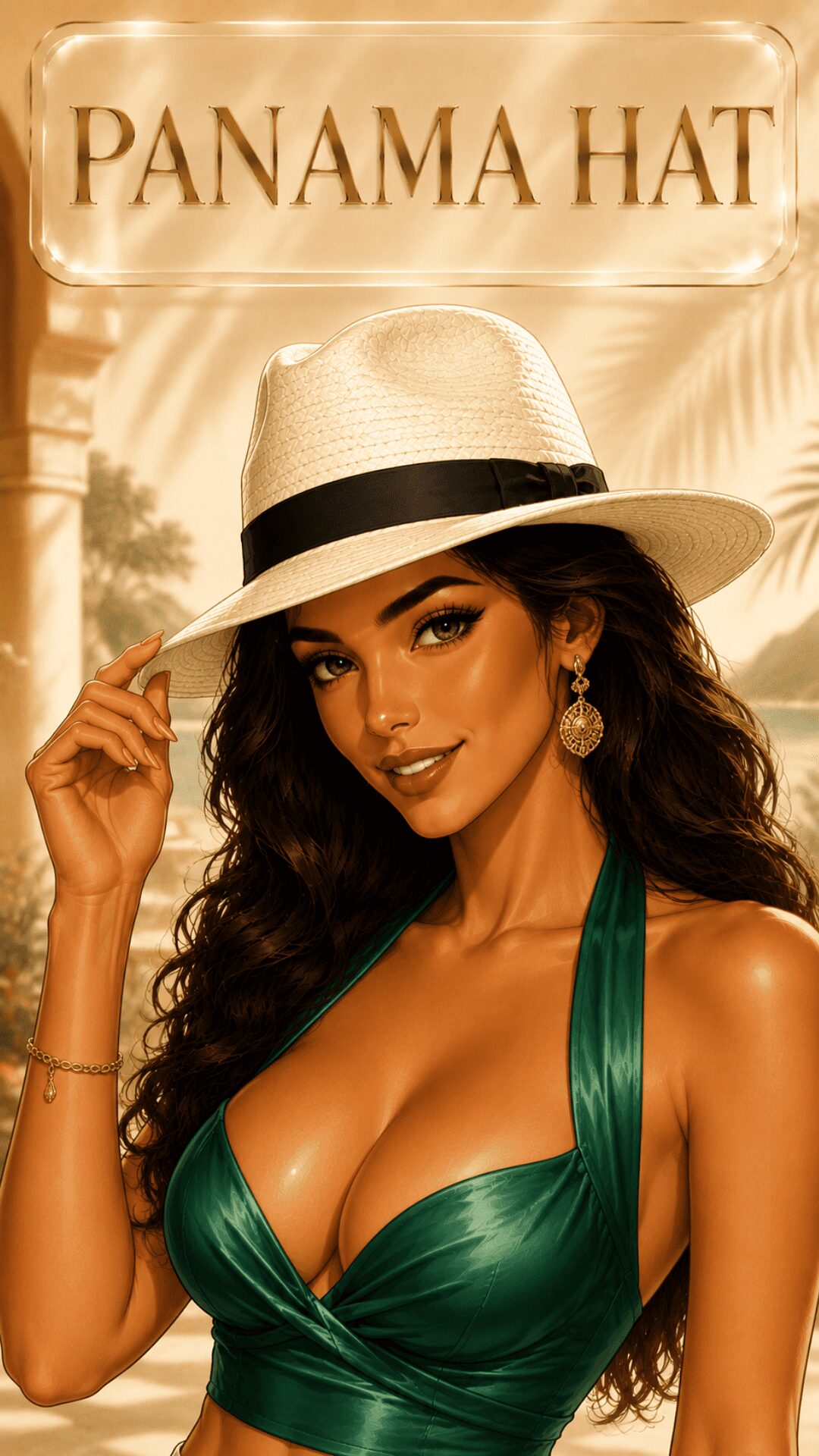
Lightweight, hand-woven toquilla palm hat with a center-dented crown and medium upturned brim. Despite the name, it originates in Ecuador — specifically the Montecristi region, where master weavers use a technique passed down for centuries. The quality is measured in "vueltas" (the number of weaves per linear inch): a superfino or Montecristi fino at 2,000+ weaves can cost thousands of dollars and can be rolled into a tube without cracking. Most Panama hats sold commercially are machine-made imitations. The real ones are UNESCO-recognized cultural heritage.


Brim width needs to be proportionate to shoulder width — not face shape. This is the part most style guides get wrong. A woman with very narrow shoulders wearing an eight-inch floppy brim hat looks unbalanced because the hat is wider than the body beneath it. The brim should not exceed or dramatically exceed the widest point of the shoulders. That's the rule that actually matters when you're standing in front of a mirror, not a theoretical face-shape chart.
Category 3: By Material / Fabric (#13–#16)
Material determines a hat's weight, season, formality, and longevity — fabric choice is the difference between a hat that lasts five years and one that lasts five wears
- 13
Felt Hat
![Felt hat for women]()
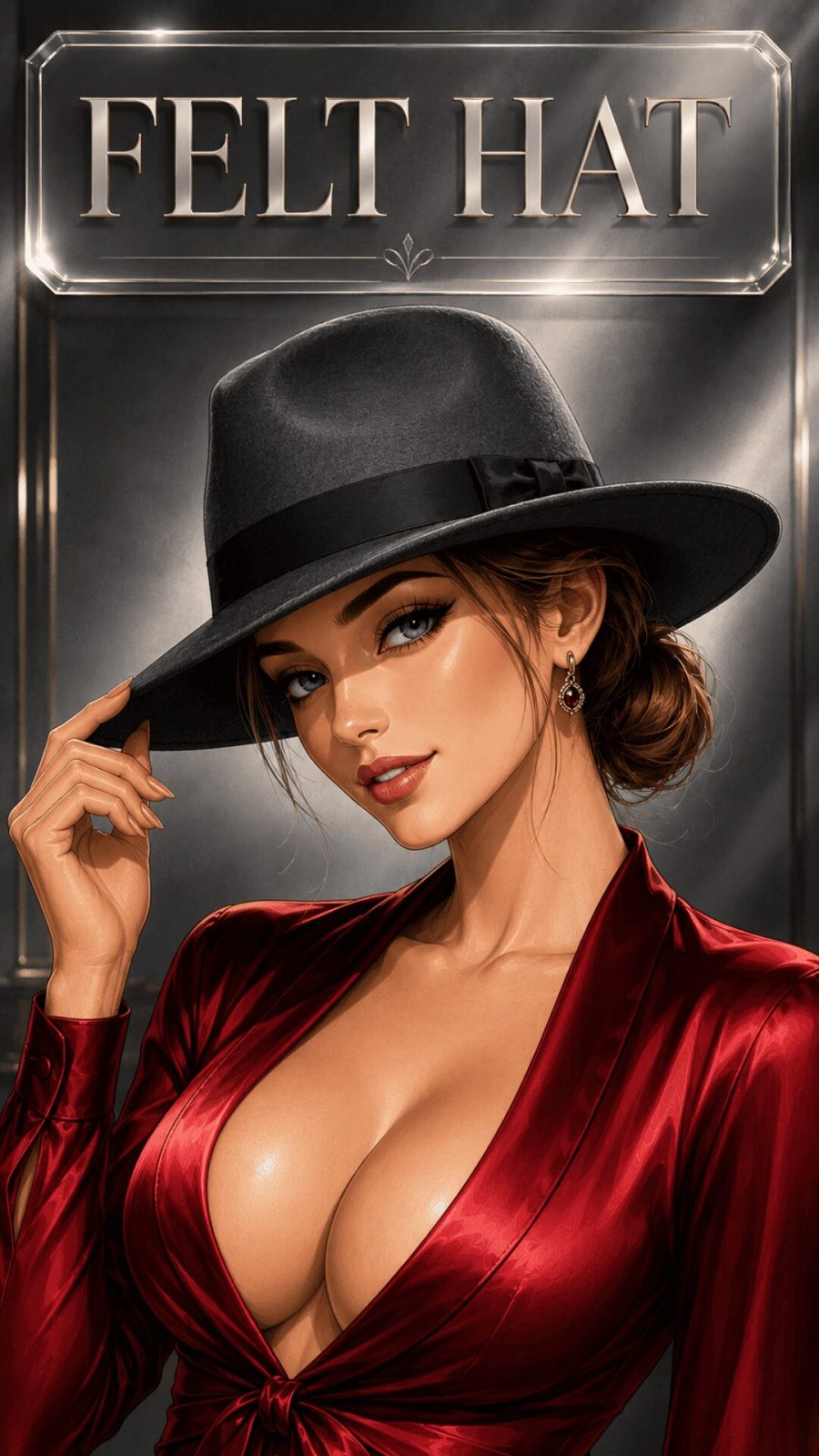
Hat constructed from compressed wool, rabbit, or beaver fur fibers — the felting process produces a dense, non-woven fabric that holds structure without needing a frame. The quality spectrum is enormous: budget felt is stiff and loses shape in rain; quality wool felt softens slightly with wear and develops a natural patina over years; beaver felt (the material of true luxury hats) is remarkably water-resistant and dense without being heavy. Felt is the most versatile hat material — it can be blocked into virtually any crown shape from fedoras to cloches to cowboy hats.
- 14
Straw Hat
![Straw hat for women]()
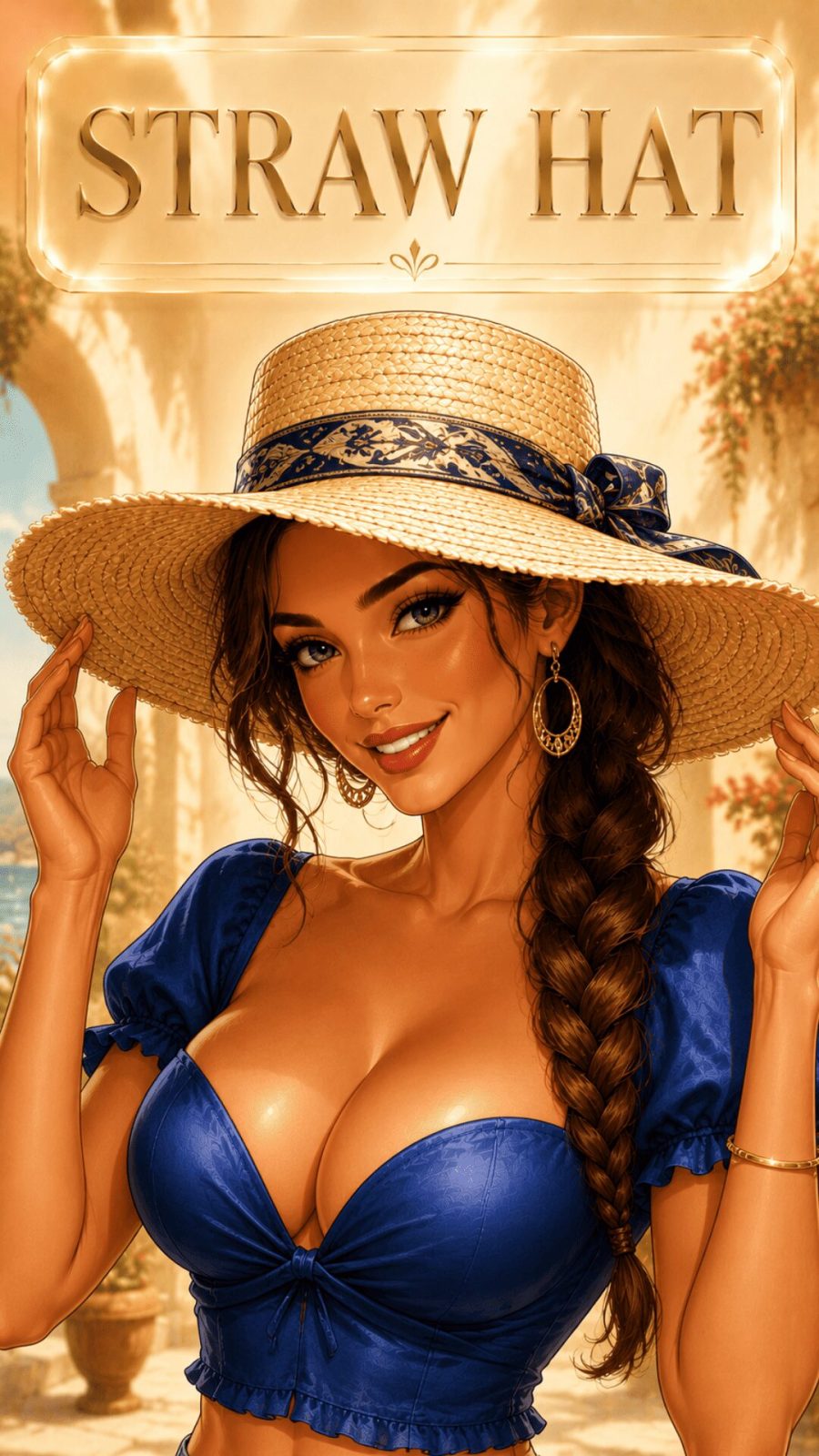
Woven from dried plant materials — wheat straw, toquilla palm, seagrass, raffia, or toyo fiber. The weave density determines both appearance and UV protection: a tightly woven Montecristi straw provides genuine sun blocking; a loosely woven raffia is largely decorative. Straw hats are defined by their material as much as their shape — the same crown can be blocked in felt for winter or woven in straw for summer, producing an entirely different wearing experience. Natural straw has a characteristic warm, sun-dried smell and a slight structural creak when bent — things that matter when assessing quality.


- 15
Knit / Wool Hat

![Knit wool hat for women]()
Any hat constructed from knitted yarn — wool, cashmere, merino, alpaca, or blended fibers. Unlike felt (which uses compressed fibers) or woven straw, knit hats are made using interlocking loops that create inherent stretch and recovery. Gauge matters: a tightly knit hat in fine merino reads sleek and elevated; a chunky open-knit hat reads casual and textural. Cashmere beanies occupy a specific luxury territory — the hand-feel against the forehead is noticeably different from even high-quality wool, and the weight difference is significant.
- 16
Leather / Suede Hat
![Leather suede hat for women]()
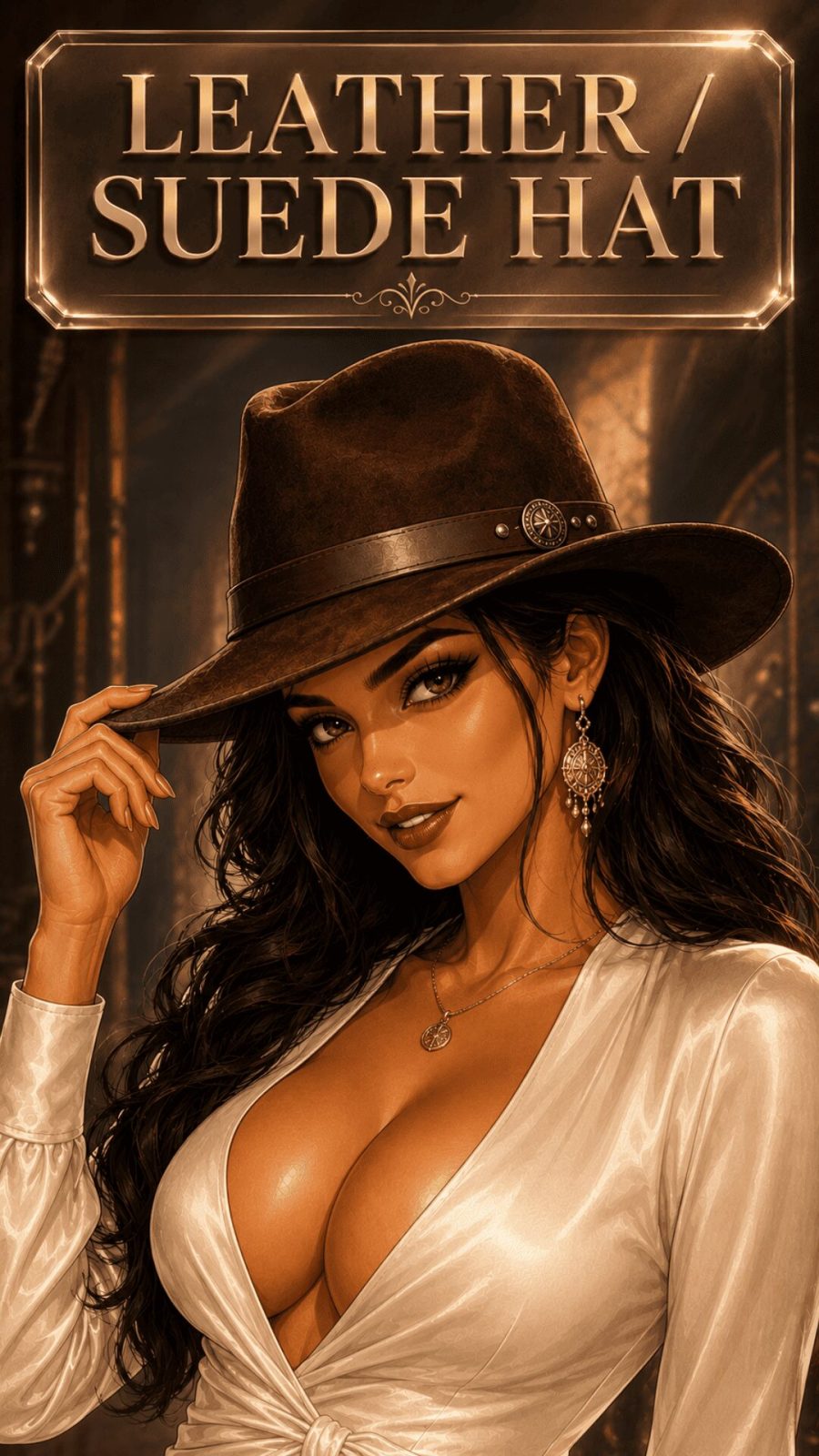
Hat constructed in full-grain leather, nappa, or nubuck suede — most commonly in fedora or cowboy crown shapes. Leather hats occupy a specific register between rugged utility and luxury: they're the most durable hat material available (a quality leather fedora can outlast its owner), develop a distinctive patina with age, and are water-resistant when properly treated. Suede is softer and more tactile but more vulnerable to moisture and marking. The leather hat is one of the very few hat categories where investment in quality genuinely transforms the wearing and aging experience.


Category 4: By Occasion / Purpose (#17–#20)
Occasion determines the hat you reach for — the same crown shape in different fabrics and contexts serves completely different social purposes
- 17
Fascinator
![Fascinator hat for women]()
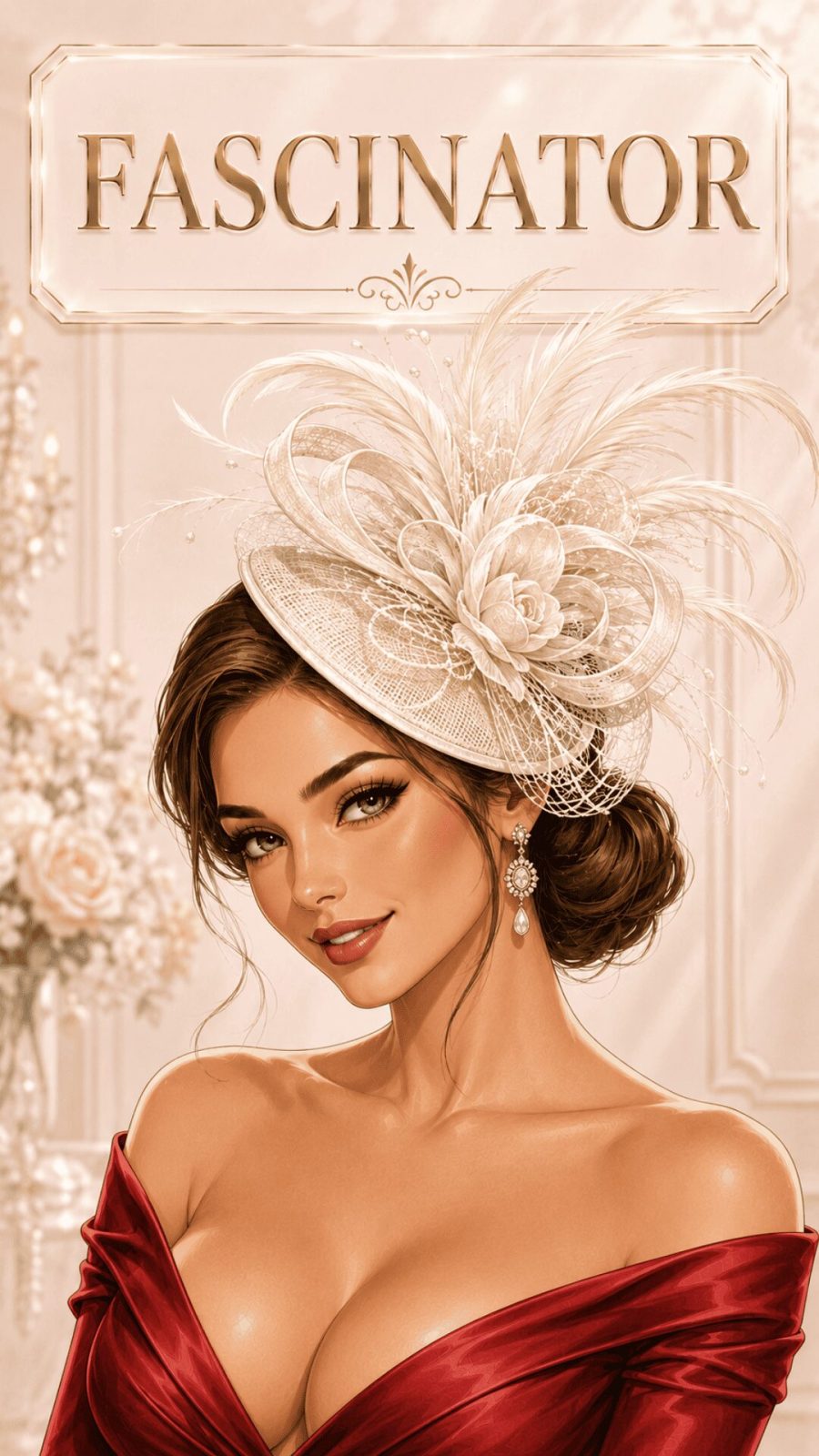
A minimal headpiece — not technically a hat, but classified in the hat category by the millinery trade — constructed from feathers, flowers, netting, or sculptural elements on a small comb, clip, or band base. The fascinator is the hat reduced to pure decoration: it provides no sun protection, no warmth, no coverage. It exists entirely as a social signal — worn to formal races (the British racing circuit essentially runs on fascinators), weddings, and high-formality events. Milliner Philip Treacy, whose pieces have been worn by the British royal family, is the defining contemporary authority on fascinator construction.
- 18
Trapper Hat (Ushanka)

![Trapper ushanka hat for women]()
Structured winter hat with earflaps that can be tied up over the crown or down under the chin, typically in shearling, faux fur, or heavy wool outer with lined flaps. The ushanka (Russian for "ear hat") was originally a functional survival garment designed for extreme cold: the earflaps create a seal against wind and the fur lining traps heat efficiently. In fashion contexts, it reads either deliberately utilitarian-chic or ski-resort stylish. The faux shearling version has become a mainstream winter trend; genuine sheepskin versions are in a completely different quality register.


- 19
Newsboy Cap / Baker Boy Hat
![Newsboy baker boy cap for women]()
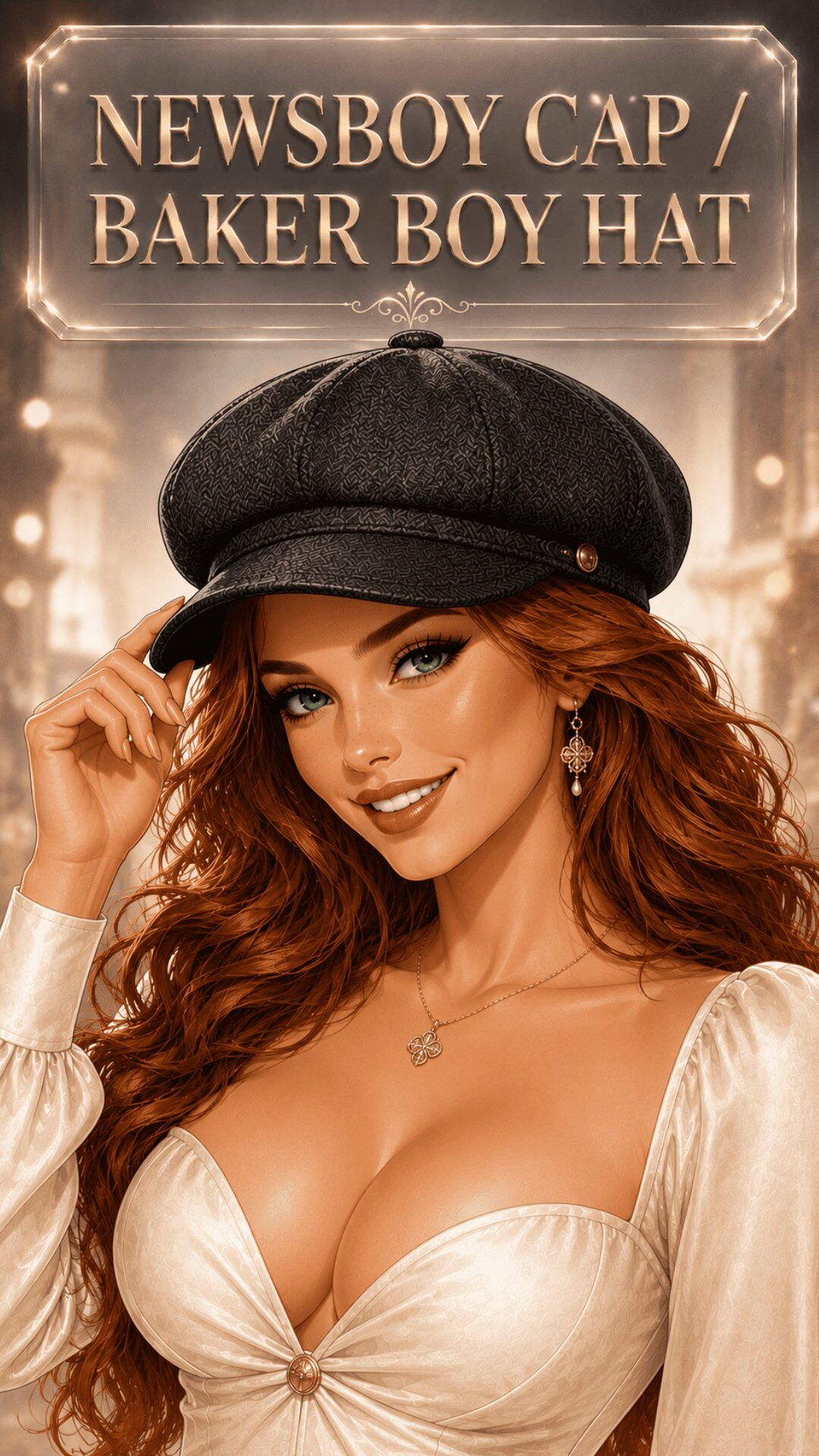
Eight-panel, rounded, puffy crown cap with a small front brim — distinguished from a flat cap by its fuller, gathered crown. The panels are sewn together with a button at the center top, and the crown puffs out noticeably above the brim rather than lying flat. Its Edwardian working-class origins gave it a certain street authenticity that made it a favorite in 1990s British fashion and Gigi Hadid-era 2010s style. In tweed or plaid it reads heritage; in velvet it reads editorial; in denim it reads casual-contemporary. The volume at the crown flatters angular face shapes particularly well.
- 20
Packable / Travel Hat
![Packable travel hat for women]()
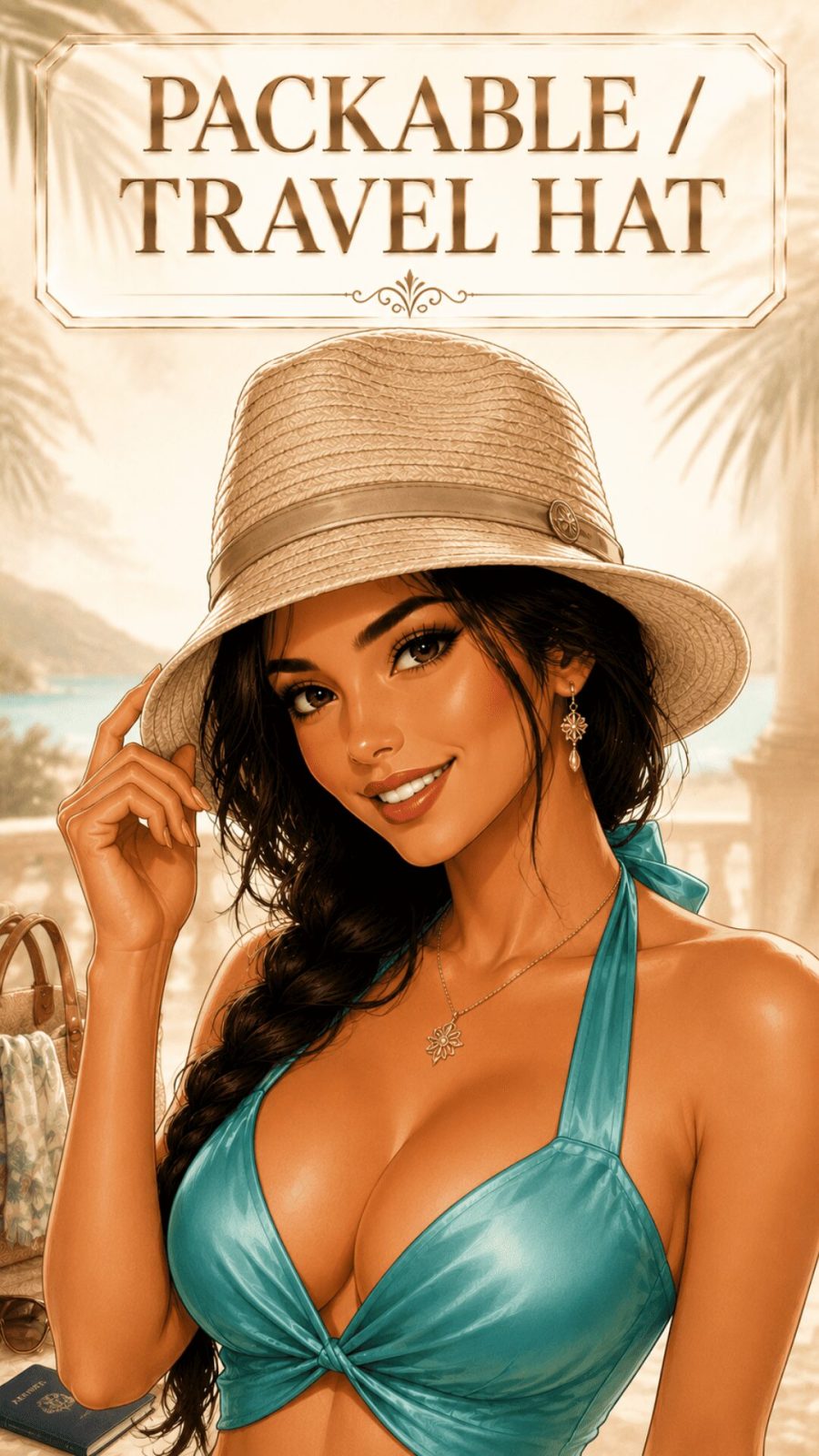
A hat engineered specifically to be compressed, rolled, or folded into luggage without permanent damage to the crown or brim — then returning to its original shape. The technical solution differs by material: fine toquilla straw and sewn-fabric hats can be rolled; UPF-rated nylon sun hats fold flat; felt hats can often be steam-re-blocked back to shape after mild crushing. The category is defined by function rather than silhouette. What you're actually buying is pack-and-recover engineering. Not every hat marketed as "packable" genuinely recovers well — testing by rolling before purchase is the only reliable check.


Category 5: By Cultural Heritage & Style Era (#21–#22+)
Some hat types carry specific cultural origins that define their construction, wearing conventions, and meaning — context matters as much as silhouette
- 21
Turban Hat / Wrapped Hat
![Turban wrapped hat for women]()
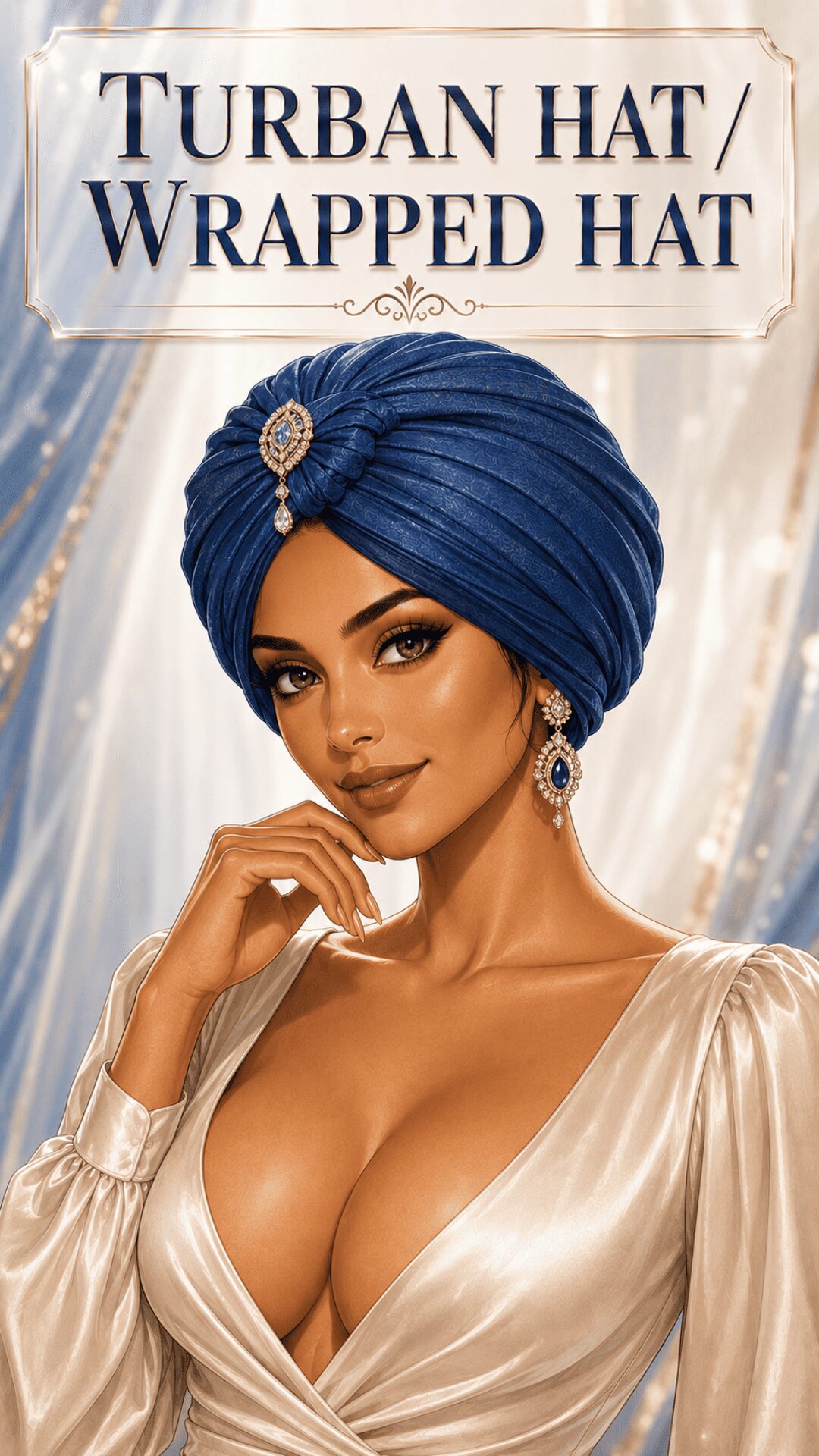
A fabric-wrapped head covering — either a true wound turban or a pre-constructed turban hat with a fixed wrapped appearance. In fashion contexts, the pre-made turban hat is constructed with a sewn, fixed wrap shape in jersey, velvet, silk, or woven fabric. The turban's fashion history in Western dress runs from 1920s Poiret-inspired exoticism through 1940s wartime utility (women wrapped hair to protect it in factory work) to 1960s Saint Laurent Orientalist collections to contemporary mainstream styling. It's a hat with extremely complex cultural layers — a fact worth knowing before wearing.
- 22
Flat Cap
![Flat cap for women]()
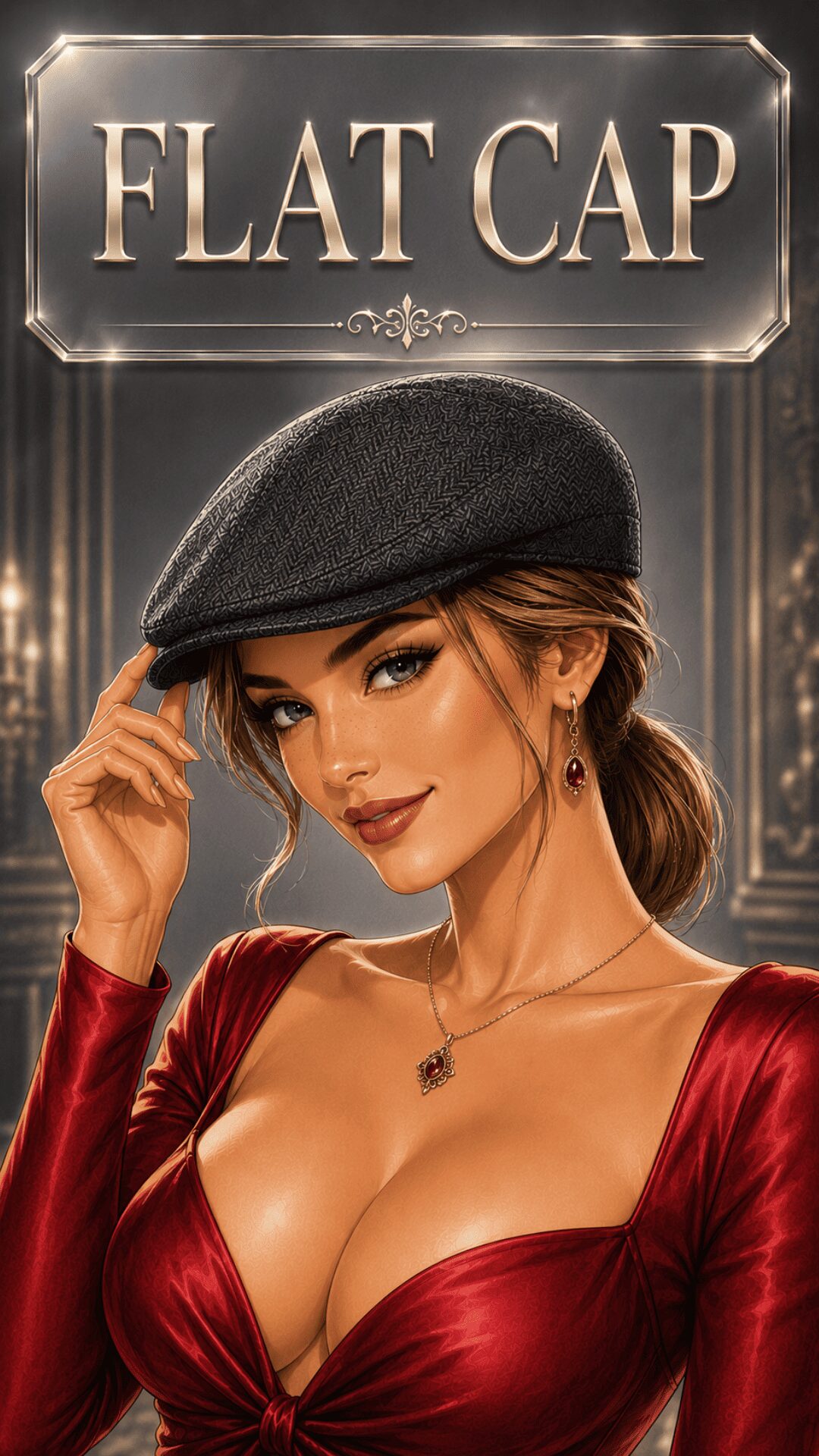
Low-profile, rounded cap with a small, stiffened front brim — the crown lies almost flat against the head without the volume of a newsboy cap. Originally a working-class British garment from the 14th century, the flat cap (also called a cloth cap or ivy cap) has cycled through fashion multiple times: as an aristocratic golf hat, a mod accessory in the 1960s, and a unisex fashion item from the 2000s onward. The key silhouette distinction from a newsboy cap is that flat cap panels lie down without gathering or volume. In houndstooth, herringbone, or tweed it reads heritage-smart; in cotton or canvas it reads relaxed.


Hats perform very differently in photographs versus in real life. Wide-brimmed straw hats with dramatic shadow effects are photographic hats — engineered for exactly the kind of image that performs well on Pinterest and Instagram. But in a real garden party, a wide brim means constant spatial awareness around other people and genuine difficulty in conversation. A beret or flat cap, by contrast, barely photographs as anything remarkable — but it's the kind of hat you can put on in the morning and forget you're wearing. Know which problem you're solving: the photo or the day.
Frequently Asked Questions — Types of Hats for Women
What is the difference between a fedora and a panama hat?
A fedora is primarily a felt hat (wool, rabbit, or beaver) with a pinched, creased crown and a medium brim — worn in cooler months. A panama hat is woven from toquilla palm straw and specifically associated with warmer weather and resort dressing. Both share a similar crown shape with a center crease and upturned brim, but the materials, seasons, and origins are entirely different. The panama originates in Ecuador; the fedora name comes from an 1882 French play.
What hat styles suit a round face shape?
For a round face shape, hats with height in the crown create a visual lengthening effect — a fedora with a high, creased crown, a tall cowboy hat, or an asymmetrical beret worn high and to one side all add vertical line that balances round proportions. Avoid hats that add width at the sides, such as wide symmetrical brims worn perfectly flat, as these can amplify horizontal proportions. A newsboy cap worn slightly forward works particularly well because the gathered crown adds height while the brim directs attention forward.
What is the most versatile hat for a woman's everyday wardrobe?
The beanie in a neutral color (charcoal, camel, cream) is arguably the single most versatile everyday hat — it pairs with everything from tailored coats to casual denim without creating styling tension. For year-round versatility, a mid-sized fedora in neutral felt (camel or black) transitions through three seasons and works across smart-casual to casual occasions. If you only invest in one hat, a quality neutral felt fedora with a 2.5-3 inch brim offers the widest styling range.
How do I know if a wide-brim hat will suit me?
The reliable test is proportionality: the brim should not significantly exceed your shoulder width when viewed from the front. If the hat is wider than your shoulders, the proportions will be off regardless of face shape. Beyond that, wide-brim hats work best when the outfit beneath them has some structure — a wide brim paired with a relaxed t-shirt and jeans tends to look unintentional, while the same hat over a midi dress or linen co-ord reads deliberate and cohesive.
What hats are appropriate for a wedding or formal event?
For formal events, fascinators and formal occasion hats in fine straw, sinamay, or fabric-covered felt are the standard. The size should be appropriate to the venue: a large theatrical piece works at outdoor races; a smaller tilt hat or fascinator is better for an indoor reception. For British weddings or races, hat etiquette specifies that fascinators must cover a minimum diameter of 10cm (roughly 4 inches). A pillbox hat in a matching color to the outfit reads extremely elegant at formal occasions and never feels excessive.
How do I care for a felt hat?
Store a felt hat on a hat block or in a hat box with the crown upward, never resting on the brim. If the brim misshapes, a light pass of steam (from a garment steamer held at a distance — never direct contact) relaxes the fibers enough to reshape by hand. Brush with a soft bristle hat brush in the direction of the nap to remove dust. If a felt hat gets wet, let it dry naturally away from heat sources with the crown supported. Never place it on a flat surface brim-down; the brim will permanently warp. Quality felt hats can and should last decades with proper care.
What is the difference between a newsboy cap and a flat cap?
A newsboy cap has a fuller, rounder crown with gathered panels that puff up above the brim — the volume is visible from the side. A flat cap has panels that lie flat, creating a low, streamlined profile with minimal crown height. Both have a small front brim, but the newsboy reads fuller and more romantic while the flat cap reads sleeker and more tailored. The construction is similar (paneled crown, front brim) but the crown volume is the defining visual and structural difference.
Can hats be worn in hot climates? What materials work best?
Yes — and a well-chosen hat is one of the most effective sun-protection strategies available. For hot climates, the priorities are: breathability (natural fibers like straw, toquilla palm, and open-weave cotton allow air circulation), UV protection (a tightly woven straw blocks UV far more effectively than a loose raffia), and lightweight construction. Avoid synthetic materials in extreme heat — they trap humidity. A well-ventilated bucket hat in UPF-rated fabric, or a finely woven Panama, offers both protection and wearability in high temperatures.
Conclusion: A Hat Is a Point of View
Twenty-two types. Five classification systems. Design identity, season context, and best-use purpose for every single entry.
What this guide provides, ultimately, is a framework for making hat decisions deliberately rather than impulsively. Understanding that a fedora's construction determines its formality register, that a Panama hat's quality lives in weave density, that brim width should scale to shoulder width rather than face shape — these aren't obscure millinery trivia. They're the practical facts that turn a hat purchase from a guess into a considered choice.
The hat, more than almost any other accessory, communicates instantly and loudly. It's worn at eye level. It frames the face. It signals era, aesthetic, attitude. The difference between knowing you want "a casual summer hat" and being able to specify "a medium-brim toquilla straw Panama in natural with a black grosgrain band" is enormous — one ends in a generic purchase; the other ends in the right hat. And when the right hat exists in your wardrobe, everything changes slightly. You leave the house differently. Not dramatically — just deliberately.
- 22+ types of women's hats exist across 5 classification systems — crown shape, brim type, material, occasion, and cultural heritage each produce distinct hat identities.
- Crown construction is the foundation — all other variables (brim, material, occasion register) are layered on top of the crown shape decision.
- Brim width should scale to shoulder width, not face shape — this is the proportionality principle most style guides overlook entirely.
- Material determines season and durability — quality felt, genuine toquilla straw, and fine cashmere knit occupy completely different quality and longevity registers than their budget counterparts.
- The fascinator is not technically a hat but is classified within millinery — it functions as pure social signal rather than protective headwear.
- Panama hats originate in Ecuador, not Panama — their UNESCO-recognized cultural heritage status is a meaningful quality signal for authenticating genuine toquilla straw weaving.
- Photography hats vs. wearing hats are genuinely different — a wide-brim straw hat photographs beautifully but requires spatial awareness in real-world social situations that a beret or flat cap simply doesn't.
- Investment in hat quality pays off differently than clothing investment: a quality felt fedora can outlast decades of wear and improve with age, making it one of the highest-return accessory investments in a wardrobe.
Sources & Further Reading
- UNESCO World Heritage — Traditional weaving of the Ecuadorian toquilla straw hat, cultural heritage documentation
- The Metropolitan Museum of Art — Fashion and dress history, Heilbrunn Timeline of Art History
- Vogue — Hat Trends & History — Editorial reference for hat silhouette trends and millinery authority
- Encyclopædia Britannica — Hat — Historical and construction reference for hat typology
- Business of Fashion — Hat trend analysis and accessory market reporting
This guide was compiled through analysis of millinery history records, fashion industry glossaries, and hat construction references. All classification decisions are editorial. Last reviewed: June 2026.


Leave a Reply