Author: Tanu Jaizz

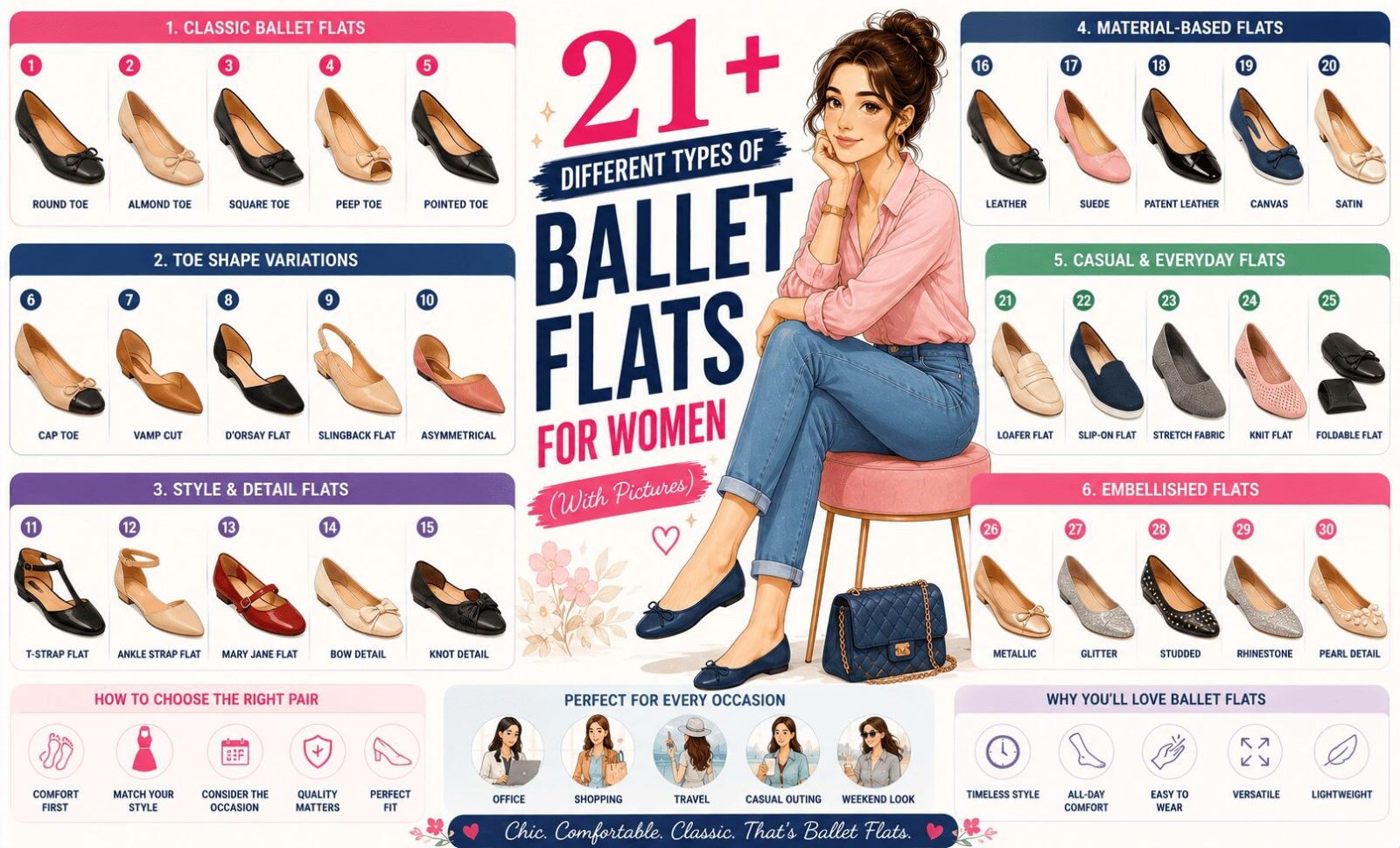
  • 21+ Different Types of Ballet Flats for Women (With Pictures)

    21+ Different Types of Ballet Flats for Women (With Pictures)

    There’s a shoe that has outlasted trends, survived decades of heel obsession, and still manages to look quietly, effortlessly correct on the foot. Ballet flats. Not flashy. Not loud. But — and this is what most footwear guides completely miss — endlessly varied in construction, material, toe shape, strap detail, and occasion range.

    Ballet flats are the most underestimated category in women’s footwear. And once you understand the construction differences, you’ll never shop for them the same way again.

    The design traces directly to the soft leather slippers worn by classical ballet dancers — a connection documented extensively by the Metropolitan Museum of Art’s fashion archive, which notes that Audrey Hepburn’s pairing of ballet-inspired flats with slim trousers in the 1950s translated what was once a rehearsal shoe into an everyday fashion staple. What began as a single, simple silhouette has since diverged into a rich taxonomy of constructions — from the grosgrain ribbon-trim flat to the cap-toe variant modeled after Chanel’s original two-tone design, from the kitten-heeled ballet hybrid to the platform-soled reinterpretation that dominated the 2024 runway season at Miu Miu and Simone Rocha.

    The Guide

    This guide documents all 21+ types of ballet flats across 6 classification systems. For every single entry:

    • Design

      Construction & silhouette detail

    • Season

      When to wear it

    • Best For

      Occasion & styling context

    Start here — then explore our full footwear reference library alongside it, including all types of flats for women and the wider complete shoe style breakdown.

    All 6 Categories at a Glance

    A structured breakdown of the 21+ ballet flat types documented in this guide.

    1. 01

      By Design / Construction

      8 types #1–#8
    2. 02

      By Toe Shape

      6 types #9–#14
    3. 03

      By Strap & Closure

      4 types #15–#18
    4. 04

      By Material / Fabric

      4 types #19–#22
    5. 05

      By Heel Height Variation

      2 types #23–#24
    6. 06

      By Occasion / Purpose

      3 types #25–#27
    Total Coverage
    27+ Types Documented

    21+ Different Types of Ballet Flats for Women

    Category 1: By Design / Construction (#1–#8)

    The foundational identity of each ballet flat — how the shoe is built, finished, and structured at its core

    Construction is the conversation nobody has about ballet flats — and that's exactly why so many women end up with a drawer full of pairs that slip off, crease unevenly, or look deflated after three wears. Before a flat has a color or a print or a trend name, it has a construction identity. Is it a slip-on? A d'Orsay cut? A two-tone cap-toe? These 8 types represent the fundamental what of the shoe: how the upper is cut, how the lining is finished, and what structural logic keeps it on your foot.

    What works beautifully about this classification is that it cuts through the noise of naming conventions. A "Parisian flat" is a marketing phrase. A slip-on ballet flat with a grosgrain ribbon trim and a soft leather lining? That's construction — and construction tells you how the shoe will fit, breathe, and hold its shape after fifty wears. Which is the information that actually matters. For a broader look at how flats fit within the full shoe family, see our guide to all flat shoe styles explained with pictures.

    1. 01

      Classic Slip-On Ballet Flat

      Classic Slip-On Ballet Flat

      The original. A fully enclosed upper with no fastening — just a softly rounded vamp, thin leather sole, and a shallow heel counter. The construction mirrors the ballet dancer's rehearsal slipper almost exactly, which is precisely why it stays so close to the foot. Repetto's Cendrillon, launched in 1956 for Brigitte Bardot, remains the most studied single iteration of this silhouette.

      Design Enclosed upper, no closures, soft leather lining, shallow heel counter
      Season Spring / Summer / Autumn; year-round in leather
      Best For Everyday wear, office, travel, smart-casual
    2. 02

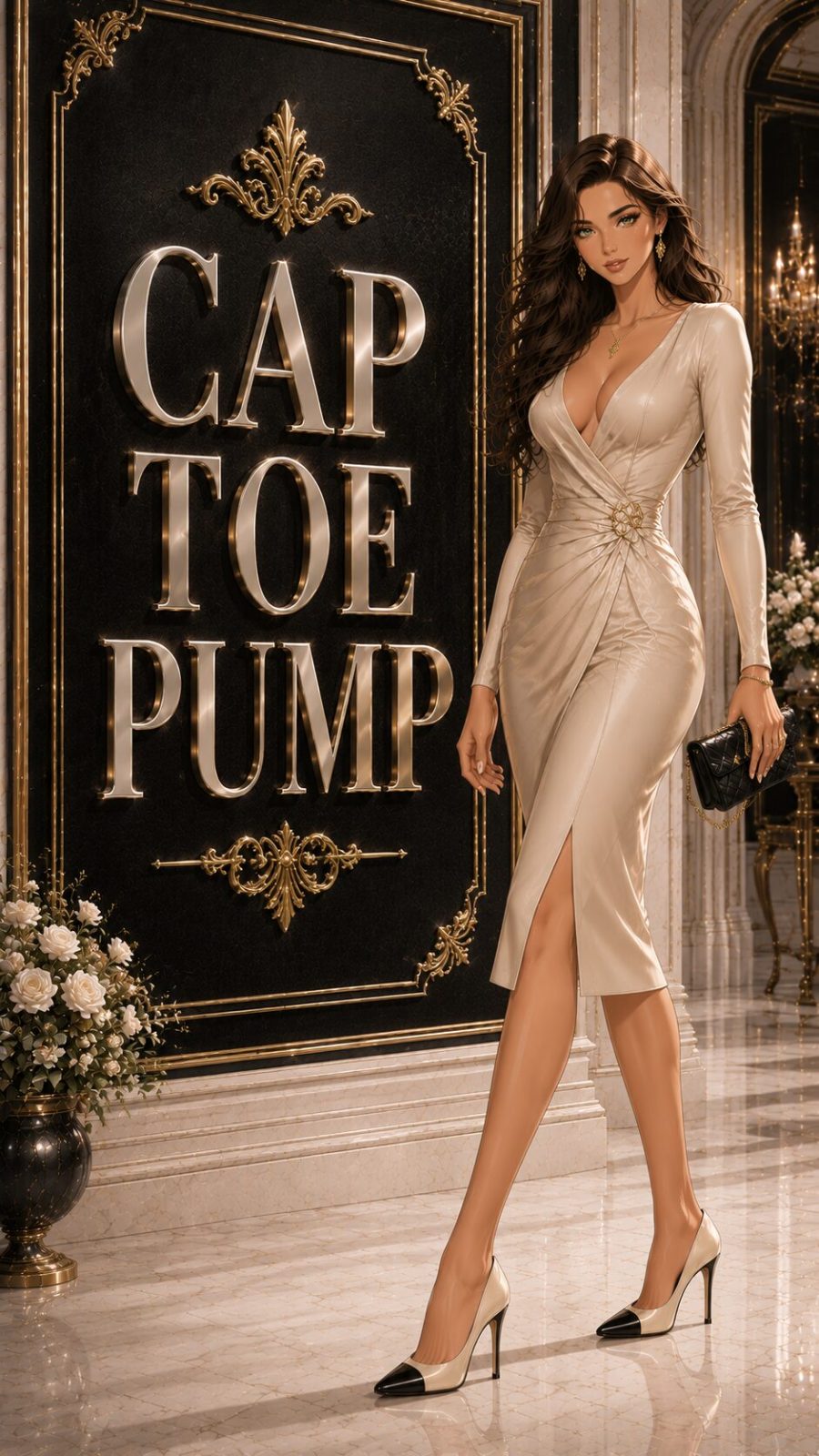
      Cap-Toe Ballet Flat

      Cap-Toe Ballet Flat

      A contrasting panel of leather, suede, or patent across the toe box — the most directly Chanel-influenced construction in the ballet flat category. Gabrielle Chanel introduced the two-tone cap-toe in 1957 specifically to visually shorten the foot and elongate the leg. It's not decoration. It's optical engineering — and it still works the same way today.
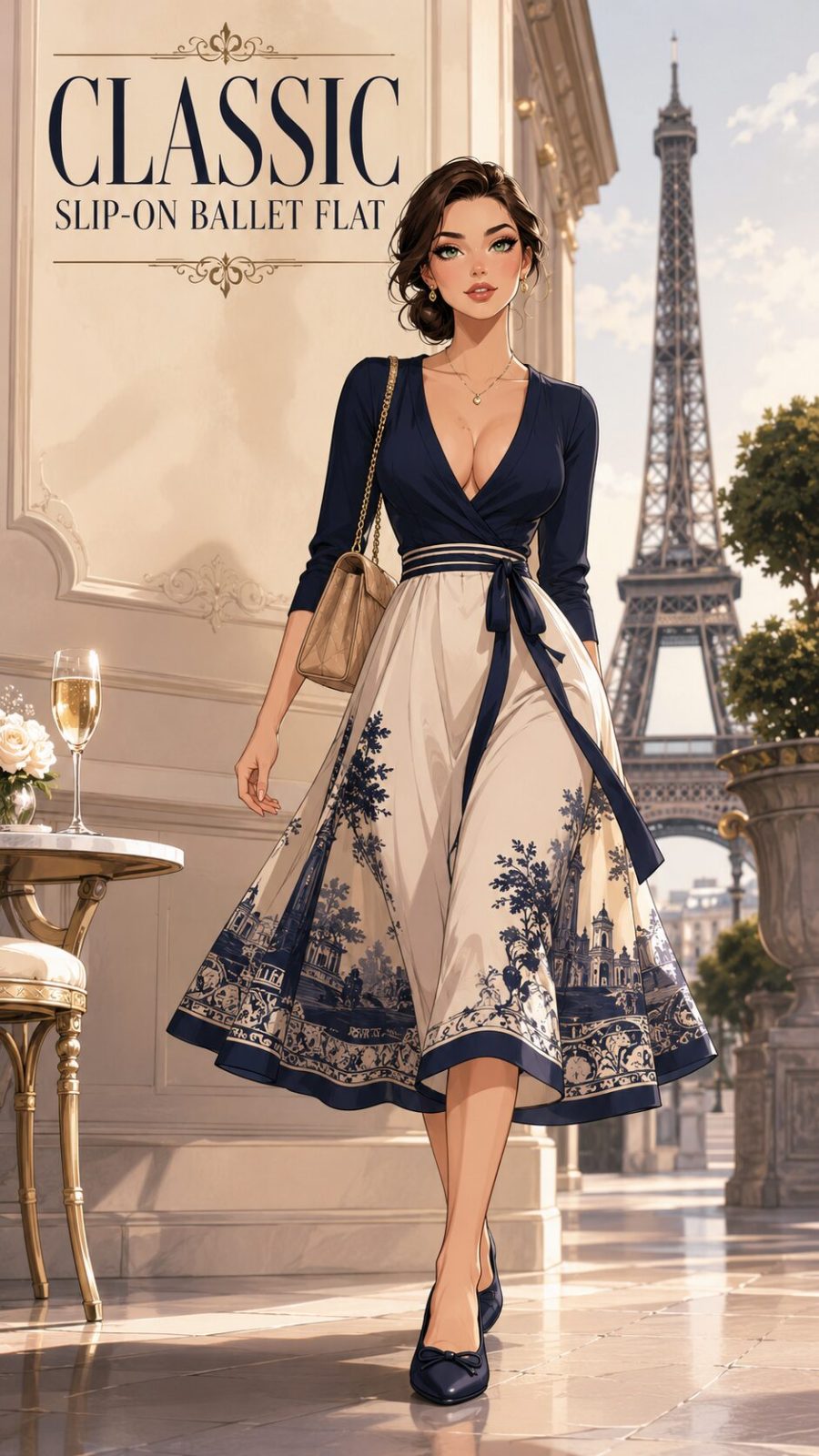
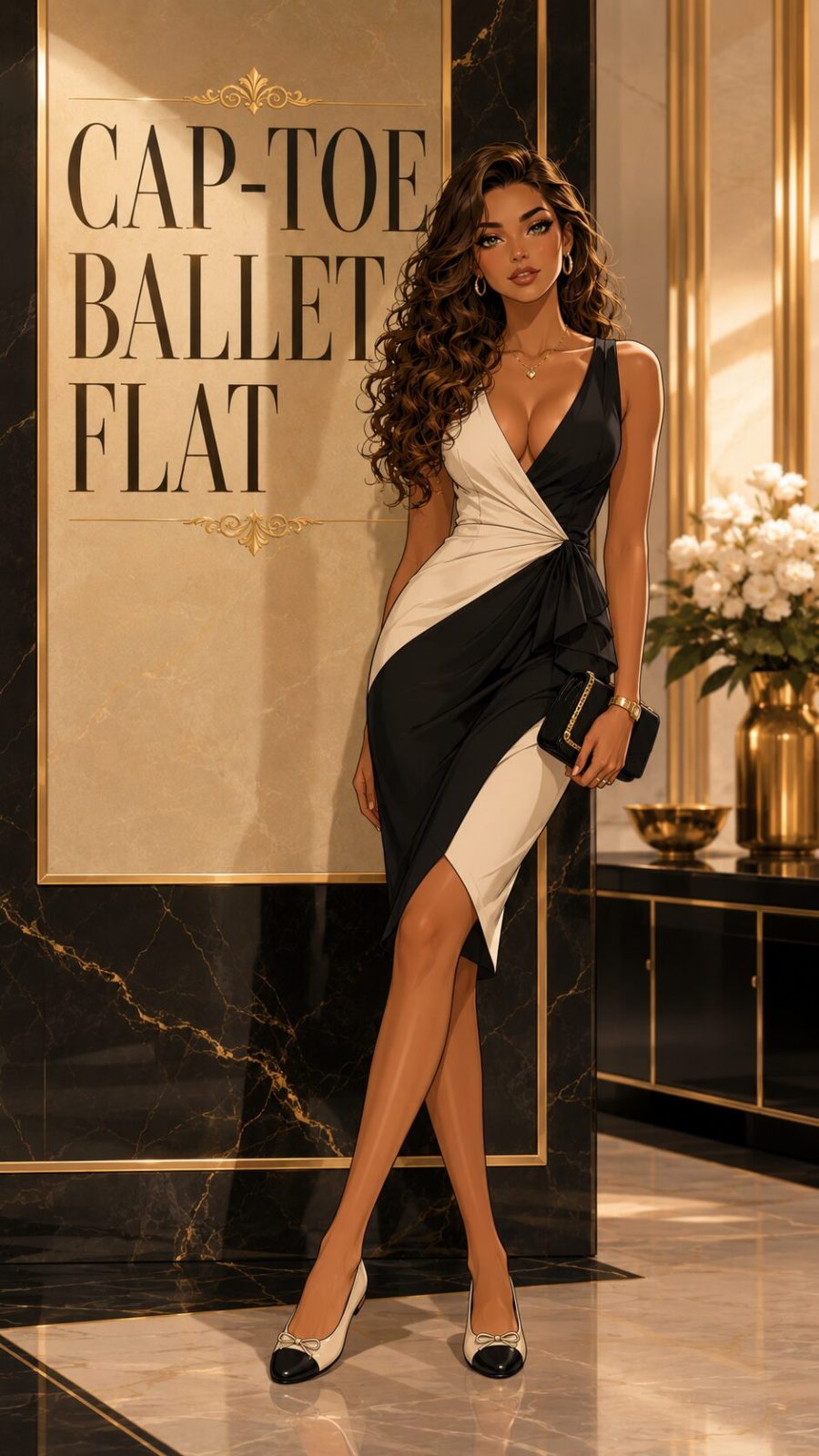
      Design Contrasting toe panel, often beige-and-black or tonal; clean stitched seam
      Season All seasons
      Best For Office, formal casual, classic dressing, French minimalist style
    1. 03

      D'Orsay Ballet Flat

      D'Orsay Ballet Flat

      Cut away at both sides of the foot, exposing the arch — while keeping the toe box and heel counter intact. The d'Orsay silhouette creates the visual effect of a longer, narrower foot without adding height. It's seductive without trying too hard — exactly why it photographs so well on Instagram and Pinterest alike.

      DesignOpen arch cutaway on both sides; toe and heel enclosed; often with elastic gusset
      SeasonSpring / Summer / Autumn
      Best ForDate night, smart-casual, occasions, brunch
    2. 04

      Grosgrain Ribbon Trim Flat

      Grosgrain Ribbon Trim Ballet Flat

      A ballet flat finished with a woven grosgrain ribbon along the upper edge — the most direct visual reference to actual pointe shoe construction. The ribbon adds both structural integrity to the vamp and a distinctly feminine finish that works as well with denim as it does with a satin skirt. Repetto built an entire heritage identity around this single detail.
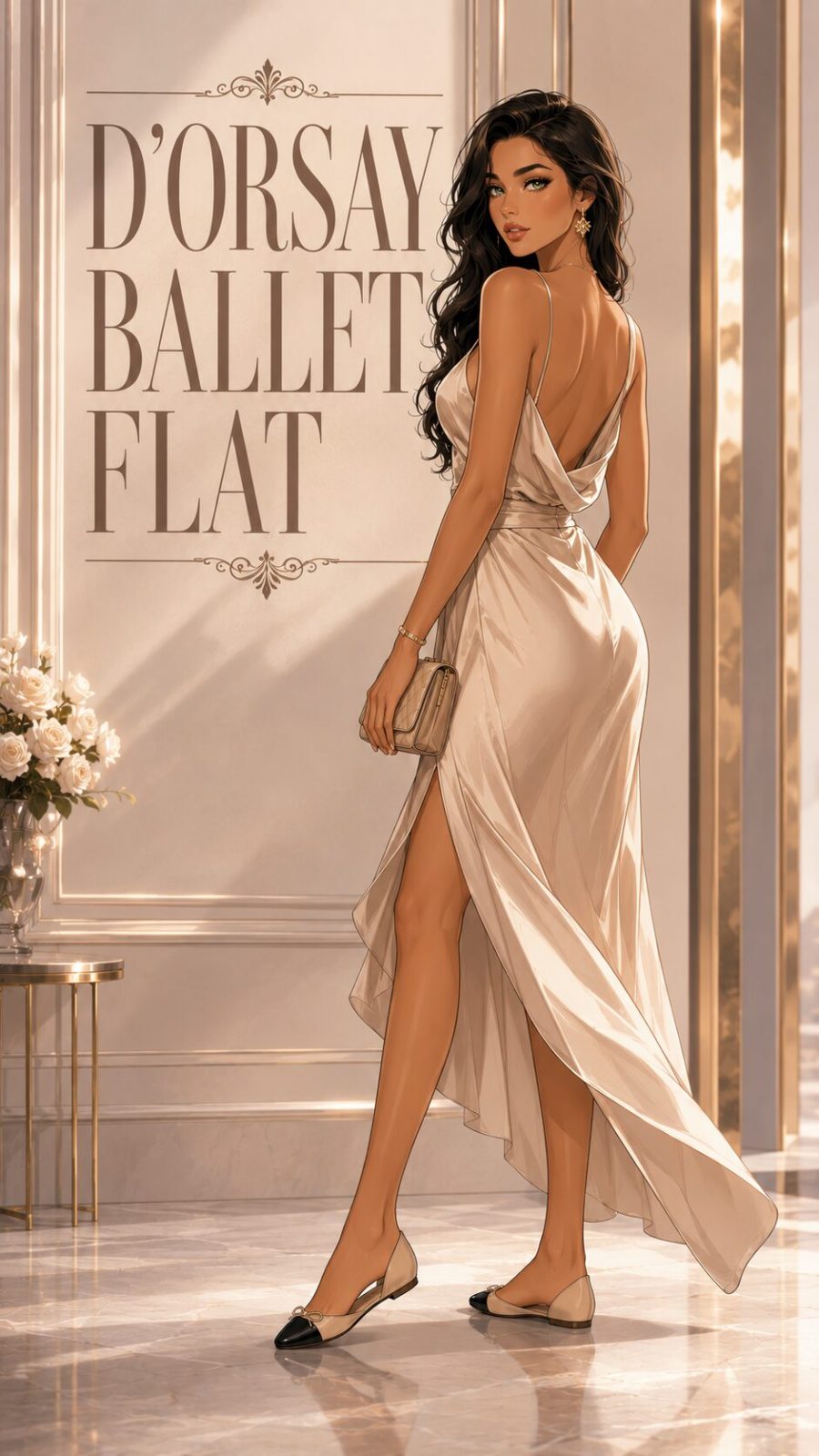
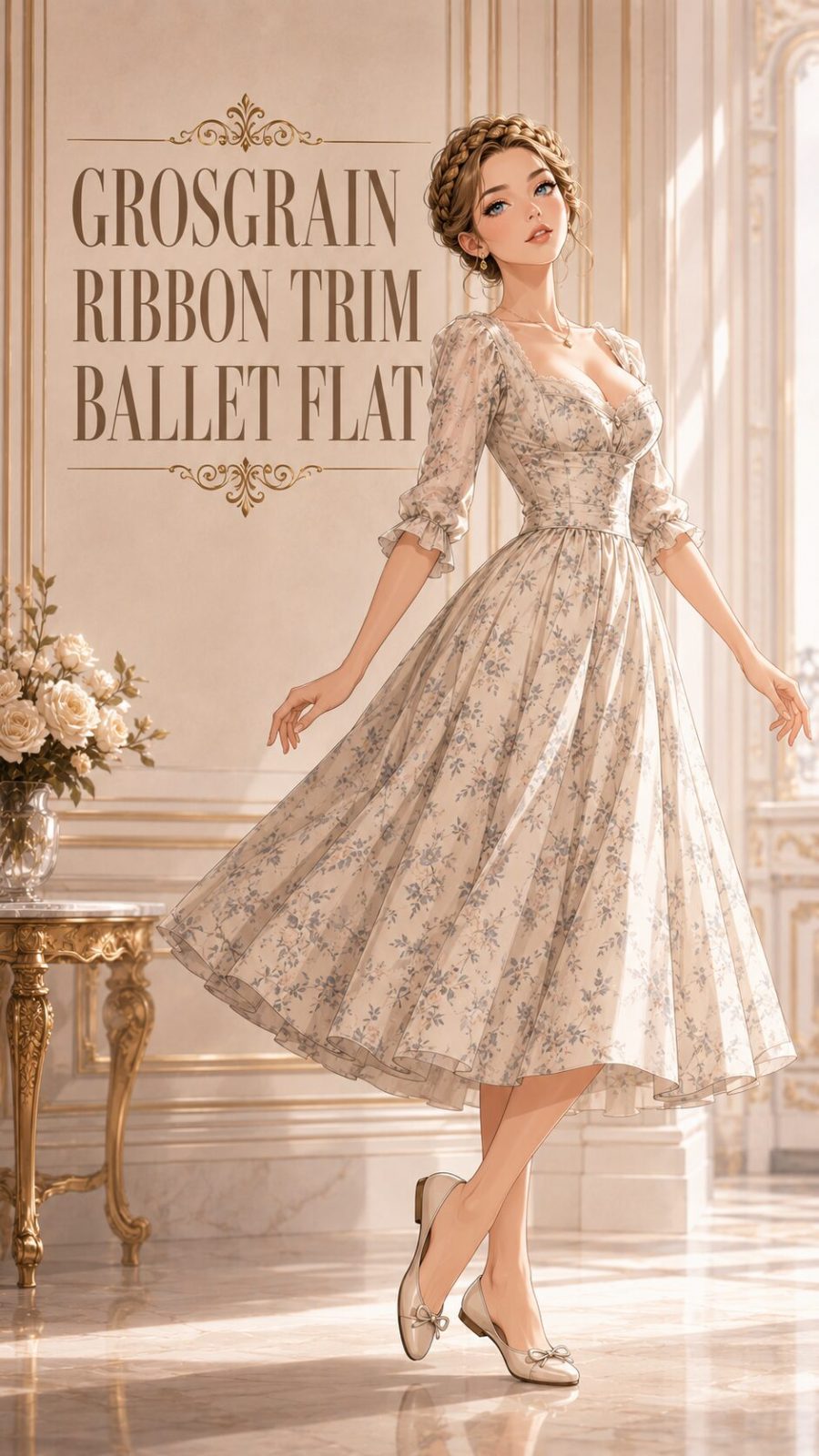
      DesignWoven ribbon trim at vamp edge; often with bow detail; soft leather upper
      SeasonSpring / Summer; year-round
      Best ForFeminine dressing, office, vacation, smart-casual
    1. 05

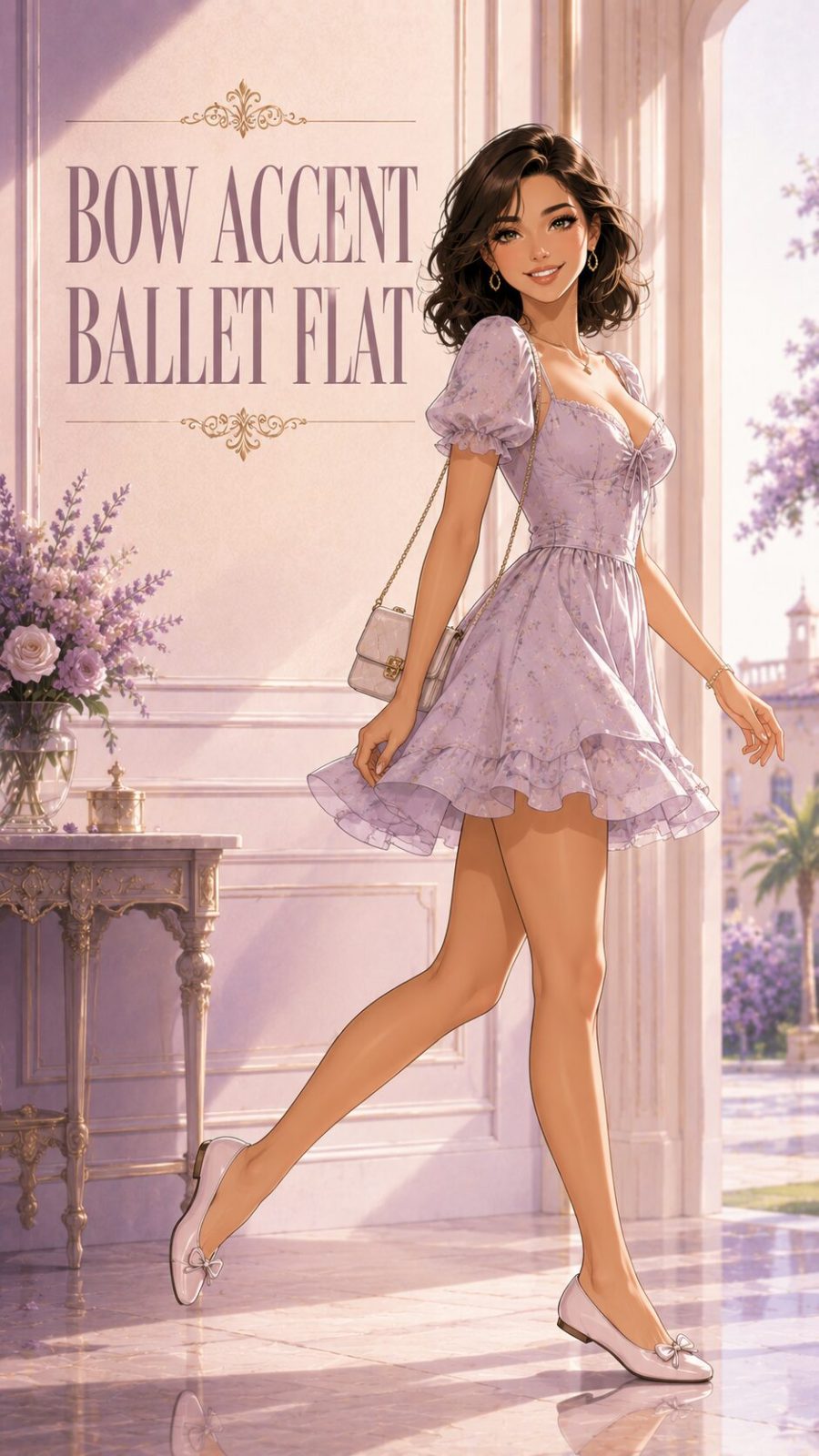
      Bow Accent Ballet Flat

      Bow Accent Ballet Flat

      A decorative bow positioned at the vamp — usually tacked center-front or slightly offset. The bow can be made of leather, grosgrain ribbon, satin, or a matching fabric. What separates a quality bow flat from a fast-fashion version is construction: a proper bow is stitched, not glued, and maintains its shape through repeated wear. The bow is old-money quiet — and that's exactly why it never really leaves.

      DesignCenter or offset bow at vamp; ribbon, leather, or fabric construction
      SeasonAll seasons
      Best ForFeminine occasions, brunch, dates, office (in neutral tones)
    2. 06

      Platform Ballet Flat

      Platform Ballet Flat

      A ballet flat construction built on a visible platform sole — typically 1–3 cm of stacked leather, rubber, or foam. The upper remains flat-profile, the platform carries all the height. Miu Miu's leather Mary Jane platform flat, which dominated the 2022–2024 runway cycle, is the most recognizable modern iteration. The result? All the altitude of a modest heel, none of the angle on the foot.
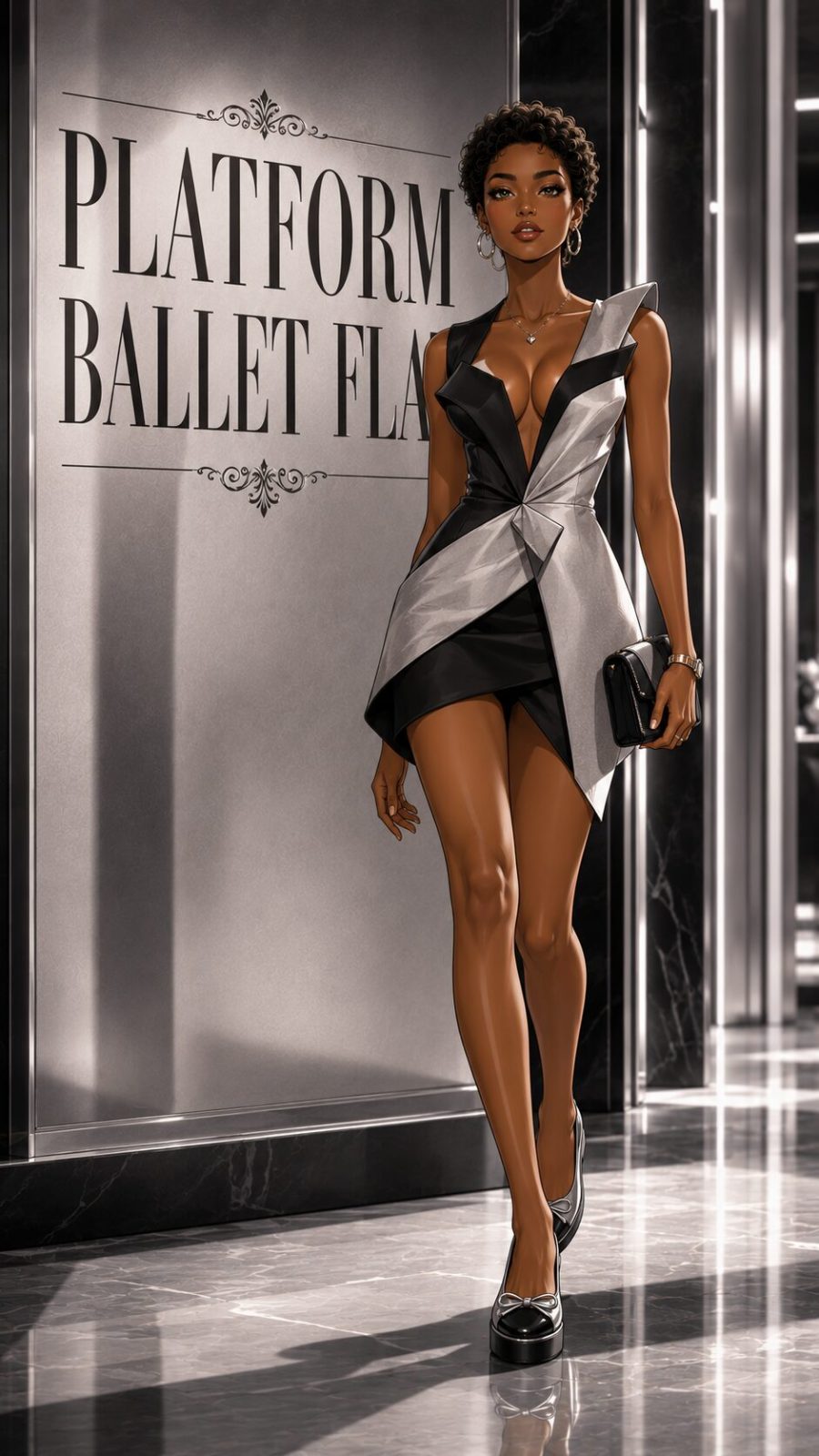
      DesignStacked platform sole 1–3cm; flat upper profile; often chunky-soled construction
      SeasonSpring / Summer / Autumn
      Best ForFashion-forward looks, streetwear, casual-chic dressing
    1. 07

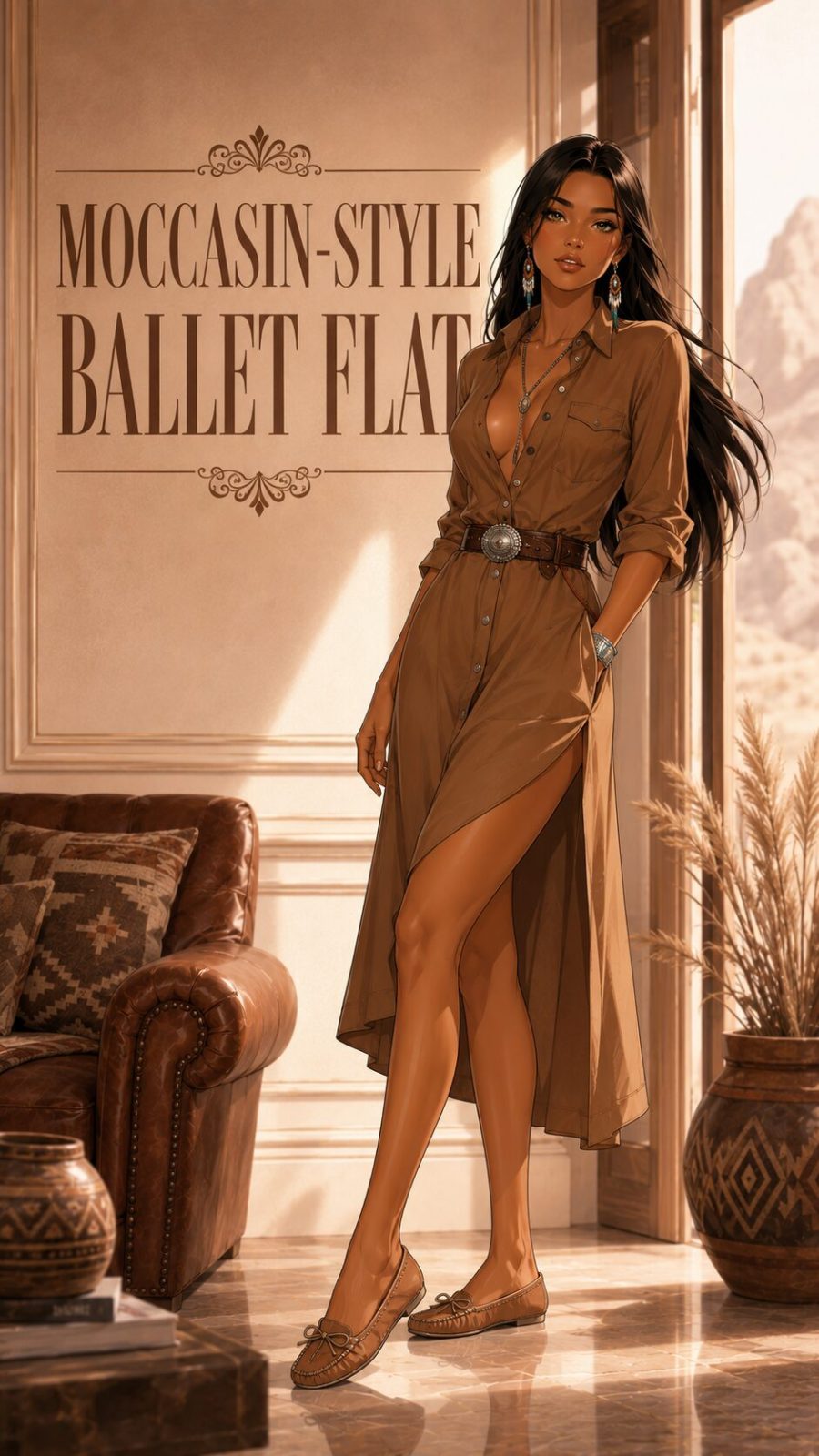
      Moccasin-Style Ballet Flat

      Moccasin-Style Ballet Flat

      Combines the low-profile sole of a ballet flat with the hand-stitched seam detailing of a moccasin — often a visible whipstitch or U-throat stitching across the toe. The construction references Native American and Scandinavian footwear traditions while maintaining the slip-on ease of a ballet flat. Softer than a loafer. Less precious than a classic flat. Ideal for the woman who wants ground-close comfort without any formality at all.

      DesignHand-stitched seaming; soft supple leather or suede upper; minimal sole
      SeasonSpring / Summer / Autumn
      Best ForCasual, weekend, travel, resort, relaxed dressing
    2. 08

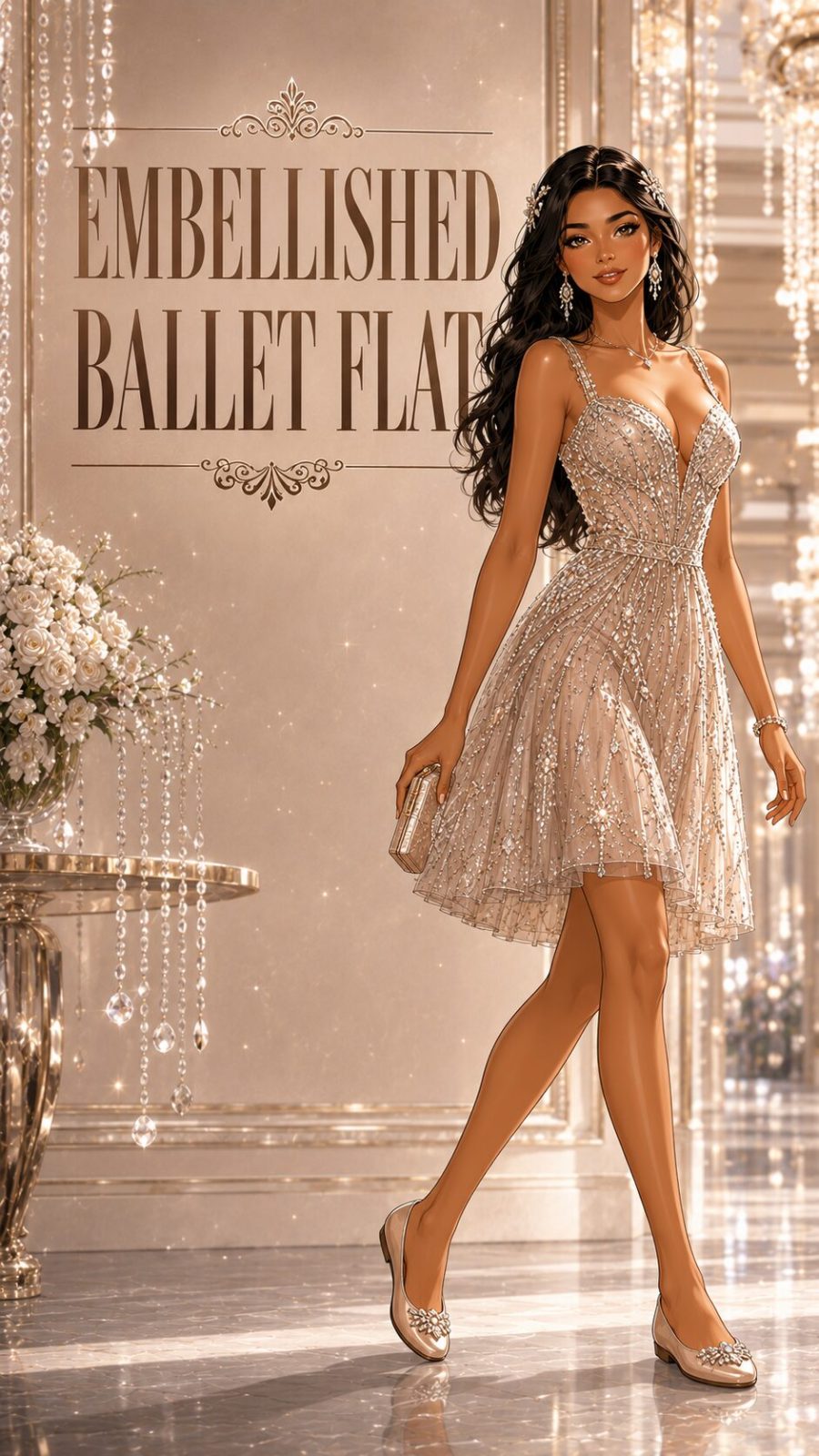
      Embellished Ballet Flat

      Embellished Ballet Flat

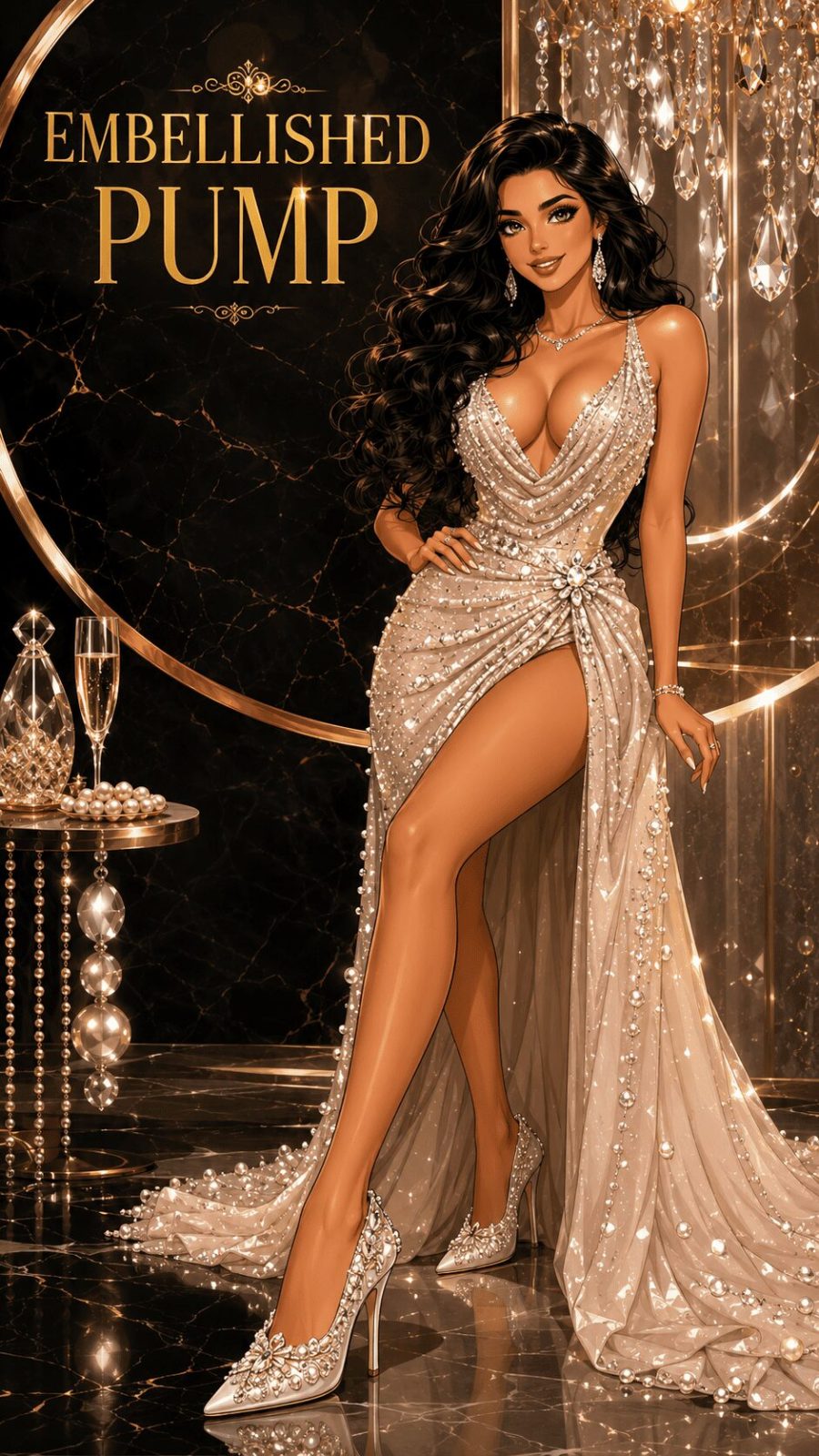
      A classic ballet flat construction overlaid with embellishment — crystals, pearls, floral appliqués, embroidery, or metallic stud detailing. The underlying shoe remains flat-soled and slip-on; the embellishment is the identity. This type spans a wide price range from high street to couture — the difference being in how the decorative elements are fixed. Glued embellishments shed; hand-sewn details hold season after season.
      DesignCrystal, pearl, floral or embroidery embellishment on a slip-on flat base
      SeasonSpring / Summer; festive occasions year-round
      Best ForEvening, festive events, wedding guest, parties
    Quick Recap — Category 1
    • 8 types defined by construction, not color or trend name
    • The d'Orsay cut and cap-toe create distinct optical effects on the foot — not just style preferences
    • Embellishment quality is a construction issue, not a style one — stitched details outlast glued ones by years
    • The classic slip-on and the grosgrain ribbon trim offer the highest cross-occasion versatility in this category

    Category 2: By Toe Shape (#9–#14)

    Where the flat terminates at the front — the single detail with the most influence on visual foot length and styling range

    Toe shape matters far more than most footwear guides acknowledge. It's the single construction detail that most significantly affects how a foot reads visually — and how a shoe transitions between casual and formal contexts. A square toe box reads modern and deliberate. A pointed toe creates an elongated line. An almond toe splits the difference. Understanding toe shape is, practically speaking, the fastest way to shop for flats with precision rather than guesswork.

    1. 09

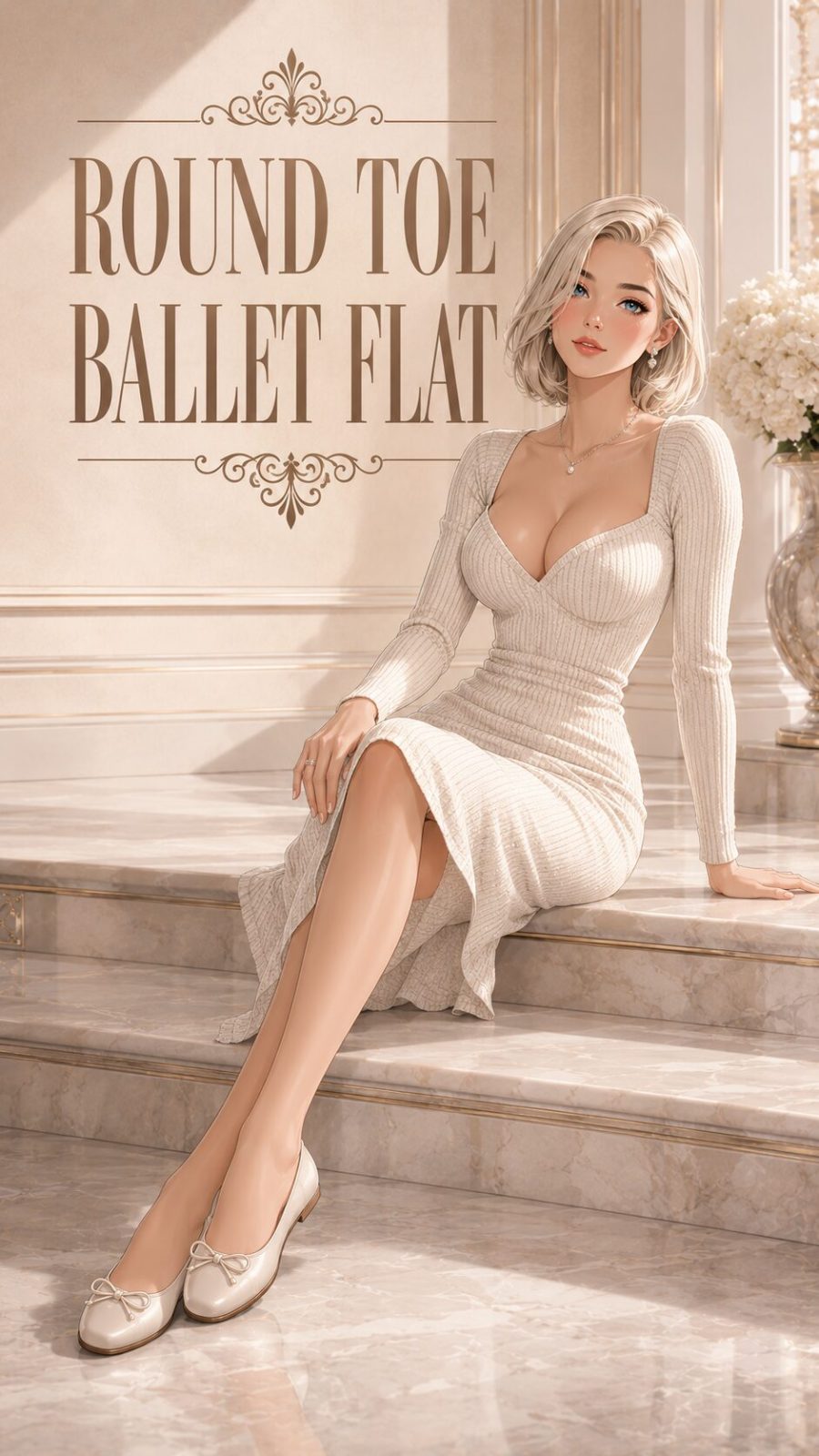
      Round Toe Ballet Flat

      Round Toe Ballet Flat

      The most classically "ballet" of all toe shapes — a gentle, continuous curve that mirrors the round front of an actual pointe shoe. This is the shape Audrey Hepburn made iconic; the shape that launched the fashion flat as a cultural artifact. Round toes are the most comfortable for wider foot shapes, most forgiving in leather, and — importantly — the least trend-dependent of all the toe variants.

      DesignContinuous gentle curve at toe box; widest fit; most neutral silhouette
      SeasonAll seasons
      Best ForEveryday use, office, travel, all-season versatility
    2. 10

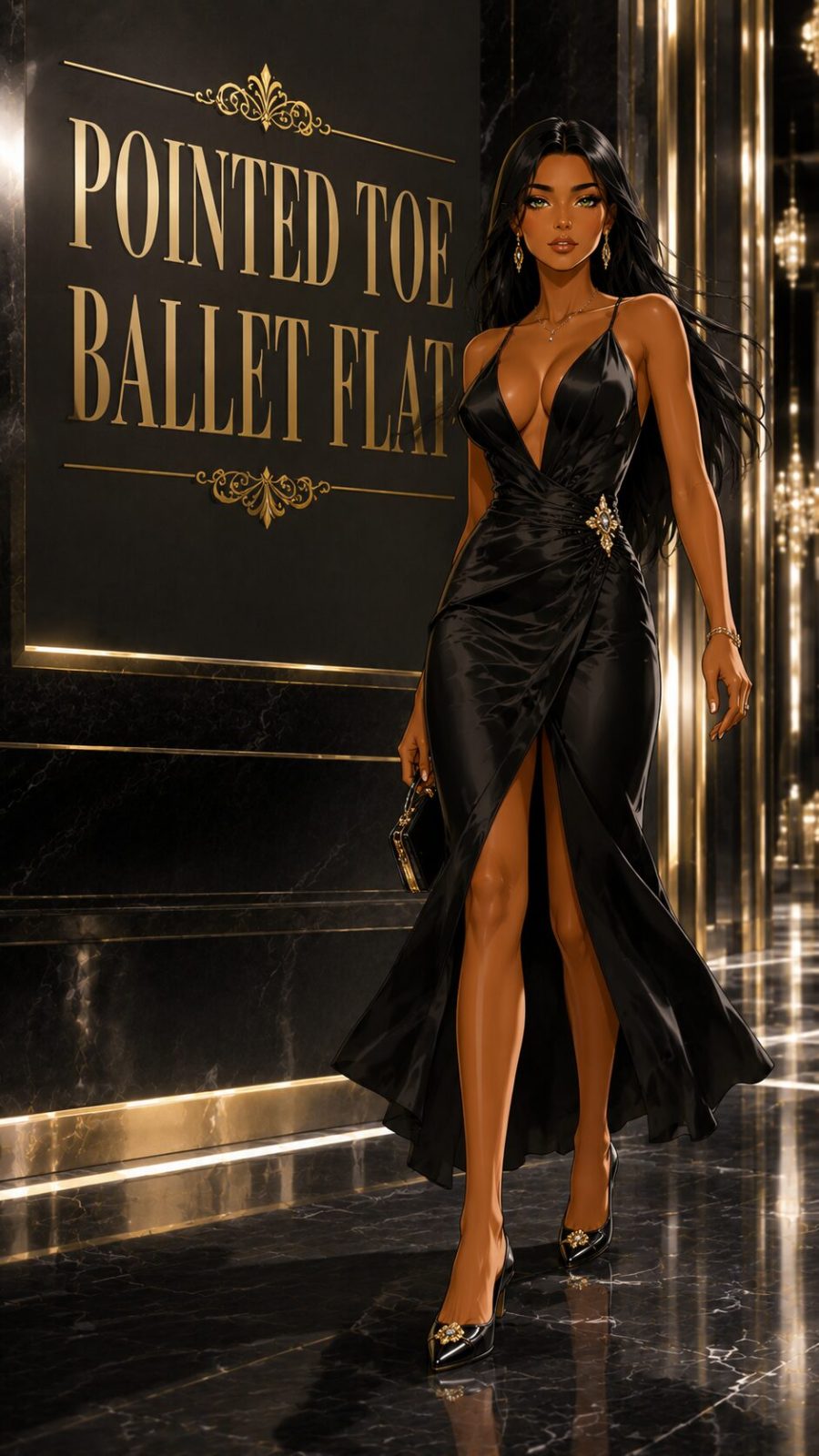
      Pointed Toe Ballet Flat

      Pointed Toe Ballet Flat

      A sharply tapered toe that extends well beyond the foot's natural contour — creating one of the most elongating visual effects available in flat footwear. The pointed ballet flat manages to read simultaneously dressed-up and relaxed: more elegant than a loafer, more casual than a pump. It pairs particularly well with cropped trousers and straight-leg jeans, where the point creates a visual continuation of the leg line. For more pairing ideas, our guide to casual outfit styles for women shows exactly how this toe shape elevates a relaxed look.

      DesignSharp extended taper; strongly elongating visual line; narrower fit
      SeasonAll seasons
      Best ForOffice, smart-casual, evening, cropped trouser styling
    1. 11

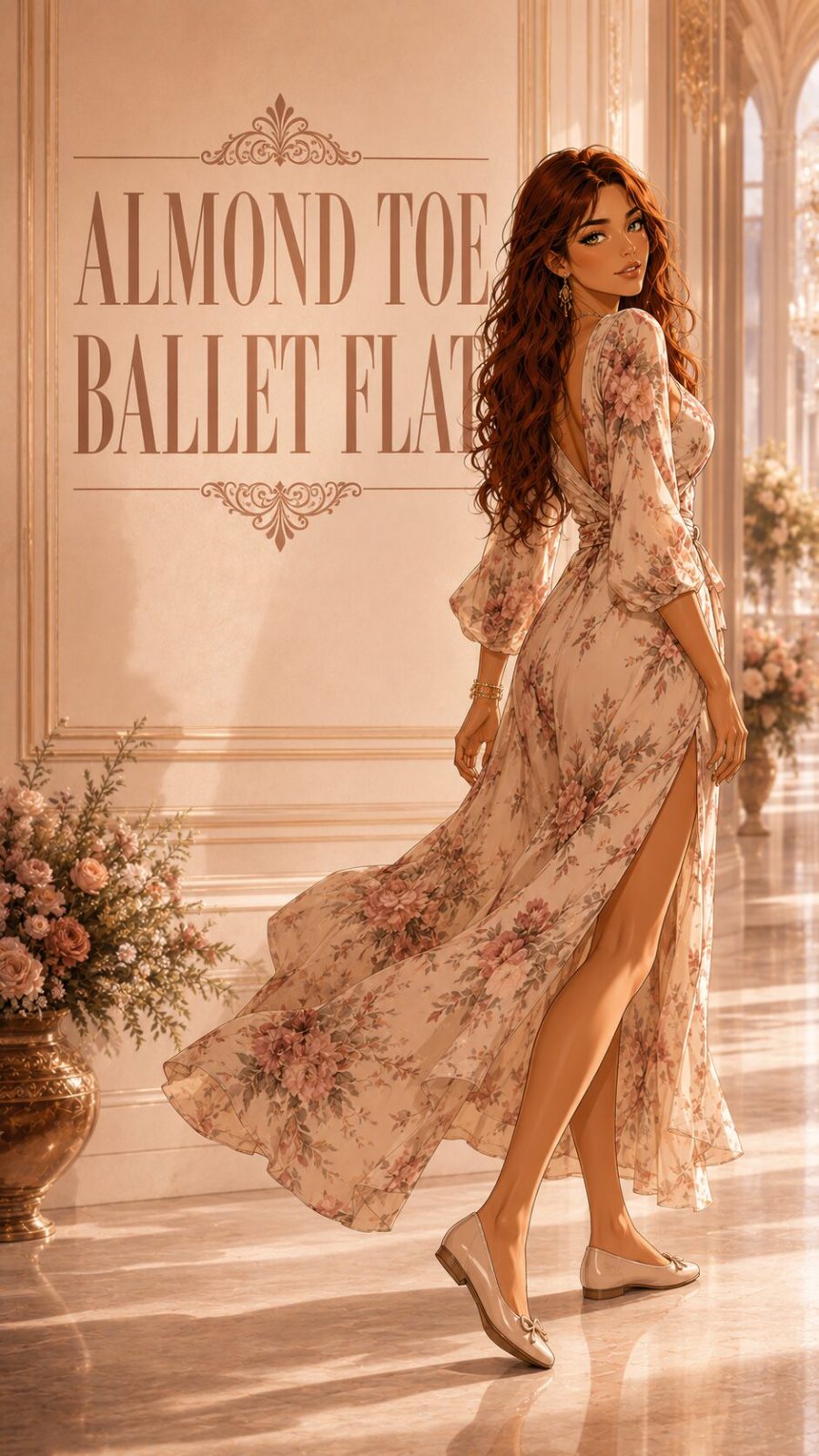
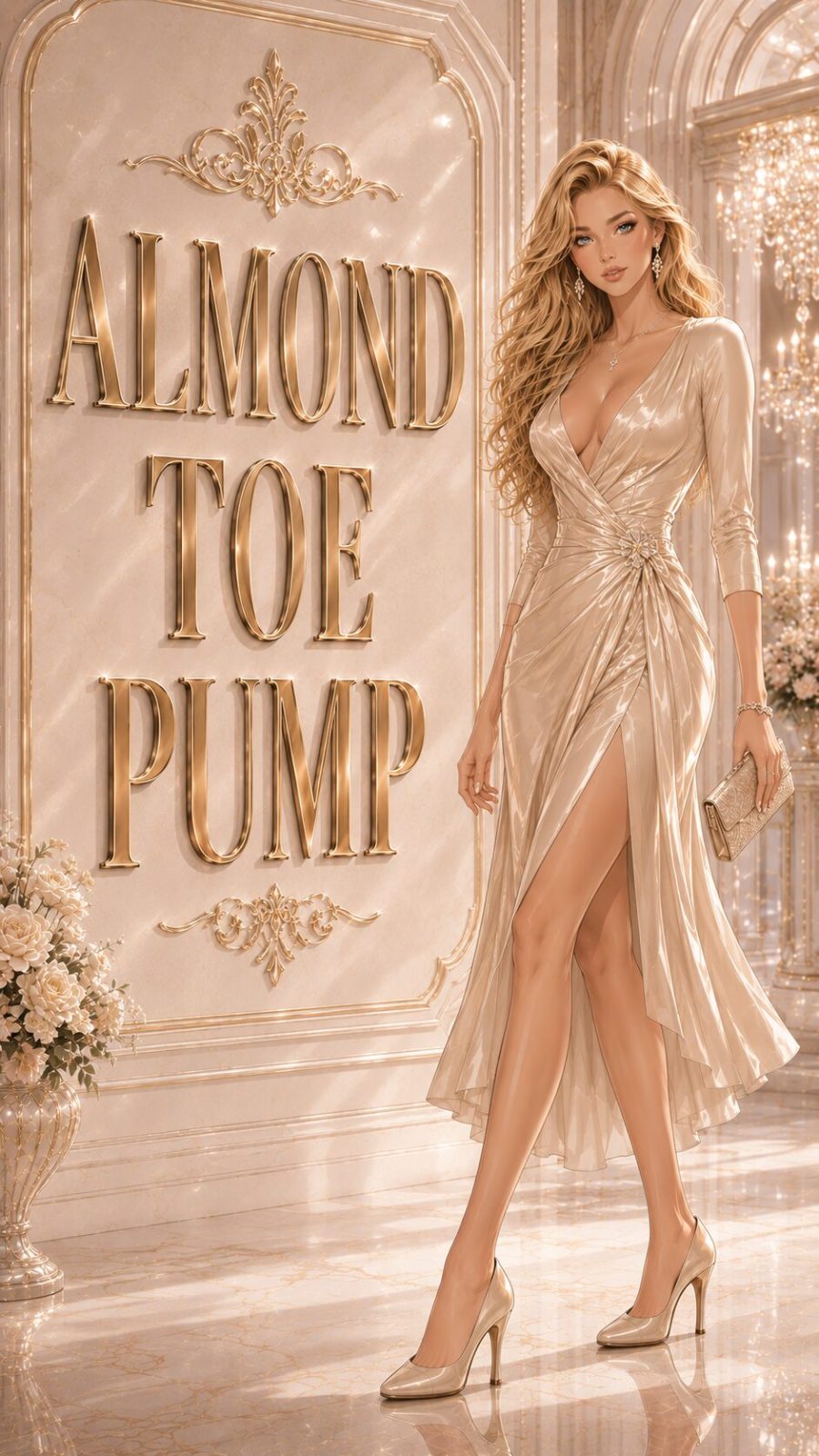
      Almond Toe Ballet Flat

      Almond Toe Ballet Flat

      Tapers toward a soft, oval-shaped point — less extreme than a stiletto-pointed toe, more directional than a round toe. Think of it as the diplomatic middle ground of toe shapes: slightly elongating, still comfortable for most foot widths, readable as both casual and polished depending on the material. The almond toe, perhaps more than any other shape, is the one that quietly works everywhere without requiring thought.

      DesignOval soft taper; moderate elongation; comfortable for most widths
      SeasonAll seasons
      Best ForDaily wear, office, travel, most outfit types
    2. 12

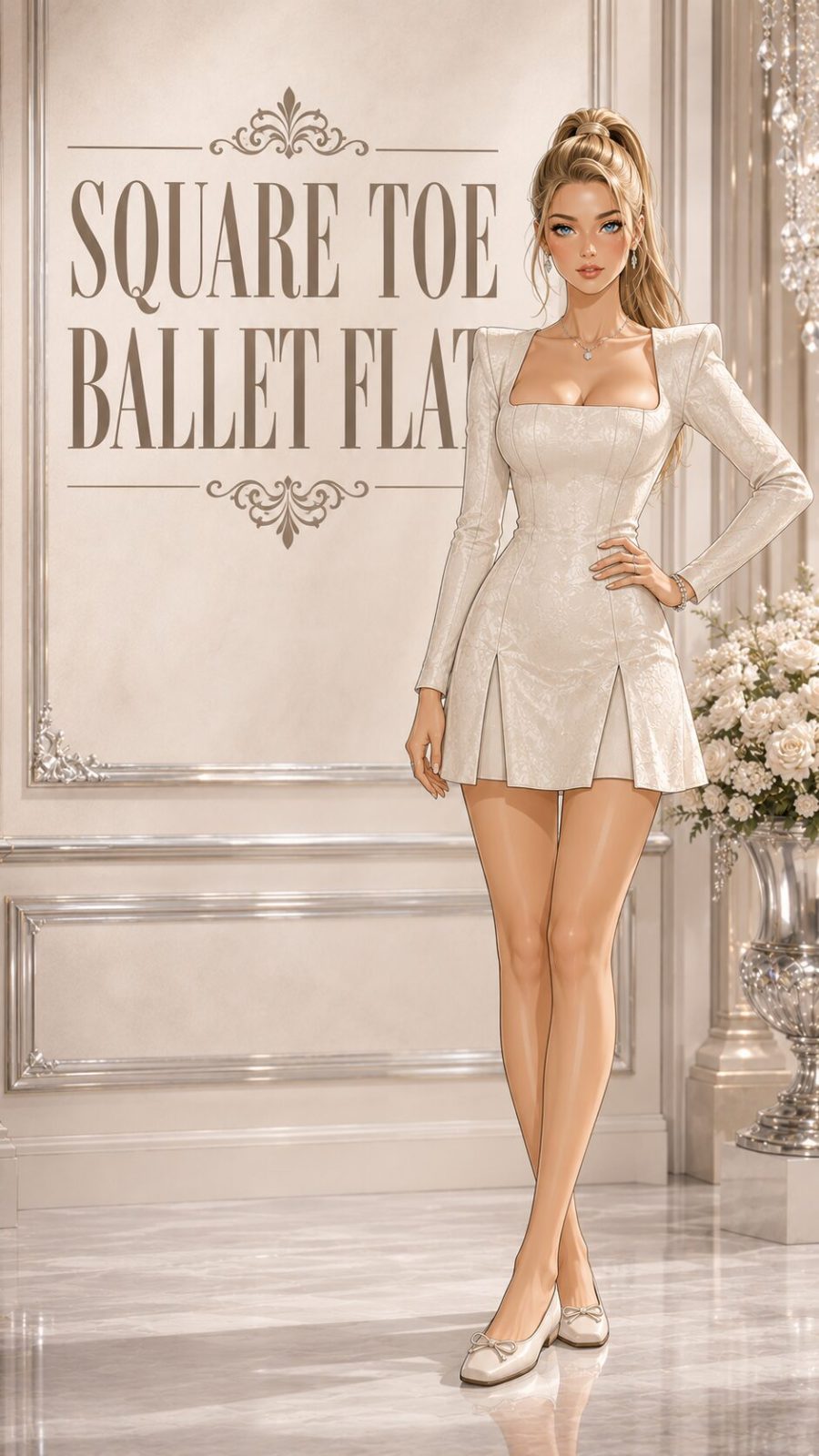
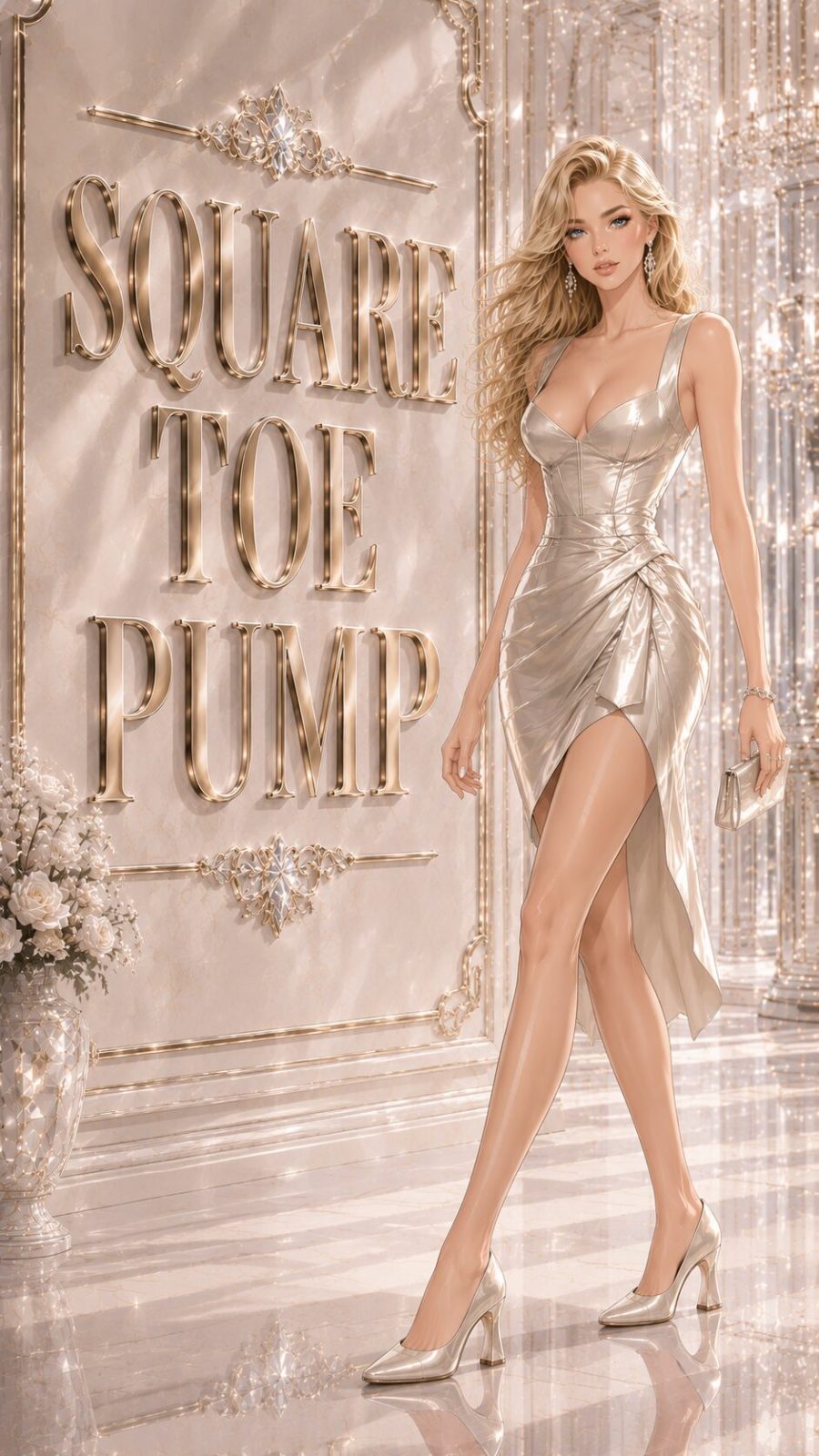
      Square Toe Ballet Flat

      Square Toe Ballet Flat

      A flat, horizontal toe box with 90-degree (or near-90-degree) corners. The square toe is the most deliberately modern choice among all ballet flat variants — it reads architectural, editorial, and often fashion-forward. It dominated the runway from 2019 onward and has since settled into a genuine design staple rather than a passing trend. Notably, the square shape can actually be more comfortable for wider toes because it provides more horizontal space at the toe box than a rounded or pointed variant.

      DesignFlat horizontal toe; architectural silhouette; more toe room than round
      SeasonSpring / Summer / Autumn
      Best ForFashion-forward dressing, minimalist looks, contemporary office wear
    1. 13

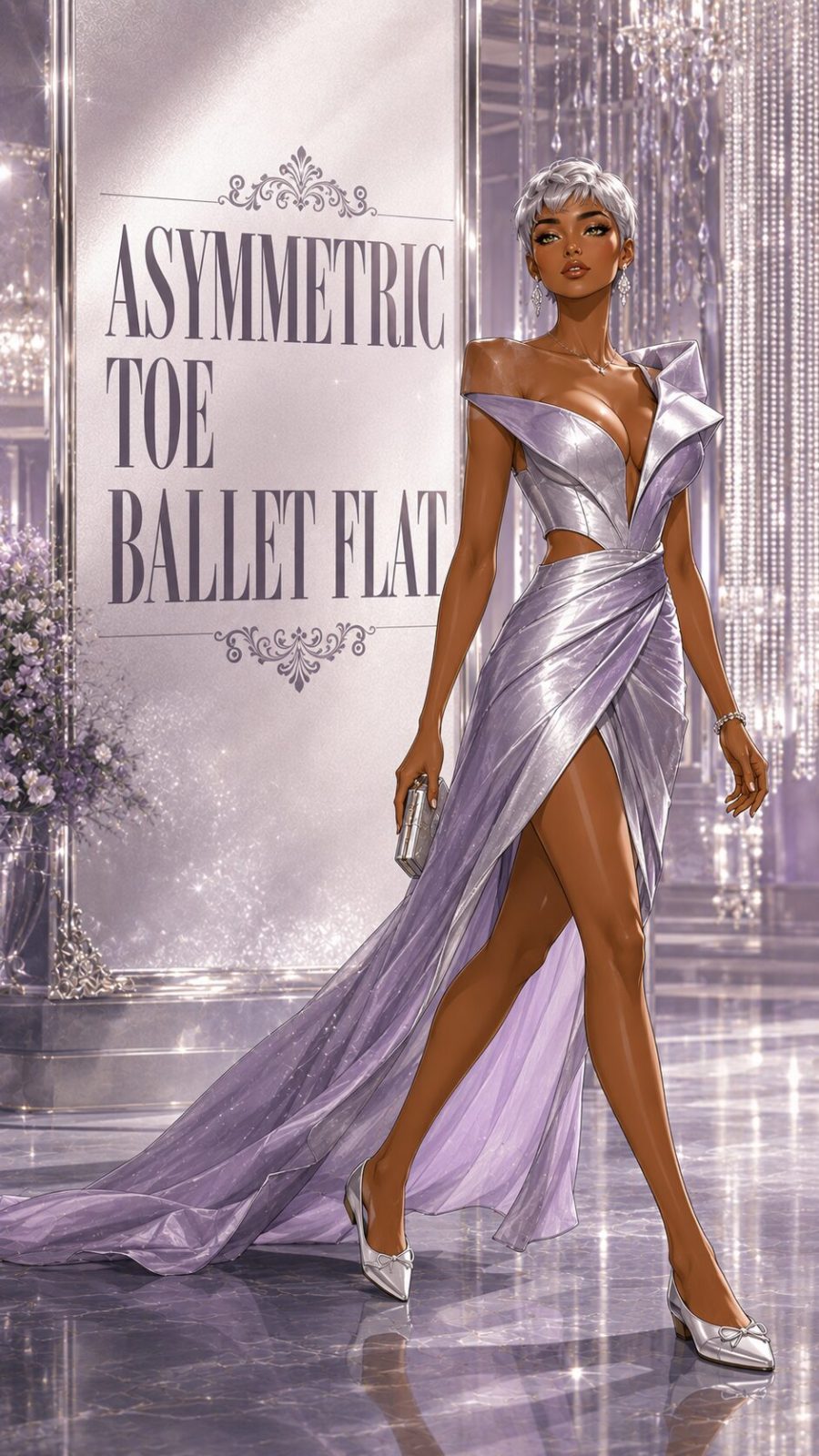
      Asymmetric Toe Ballet Flat

      Asymmetric Toe Ballet Flat

      The toe tapers off-center — the point or flattest part of the box aligns with the big toe side rather than the center. This is the anatomically correct toe shape, technically — it mirrors the actual structure of most human feet. Asymmetric toe flats became increasingly popular in ergonomic and sustainable footwear circles in the 2020s as awareness of bunion prevention and natural foot alignment grew among consumers. Uncomfortable looking? Actually less so than a symmetric pointed toe.

      DesignOff-center point aligned to big toe; anatomically correct; slightly editorial
      SeasonAll seasons
      Best ForErgonomic preference, daily wear, fashion-conscious comfort seekers
    2. 14

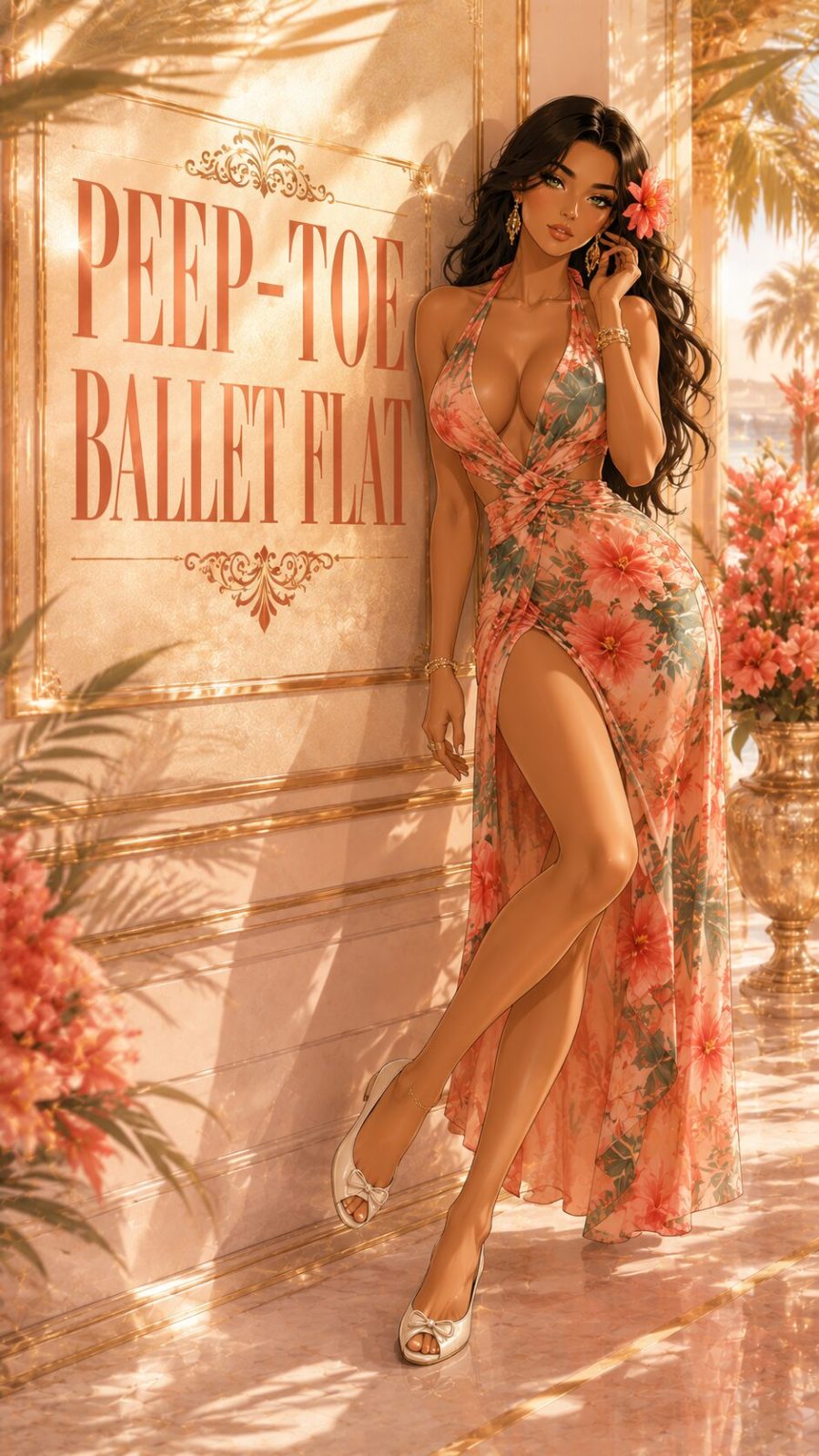
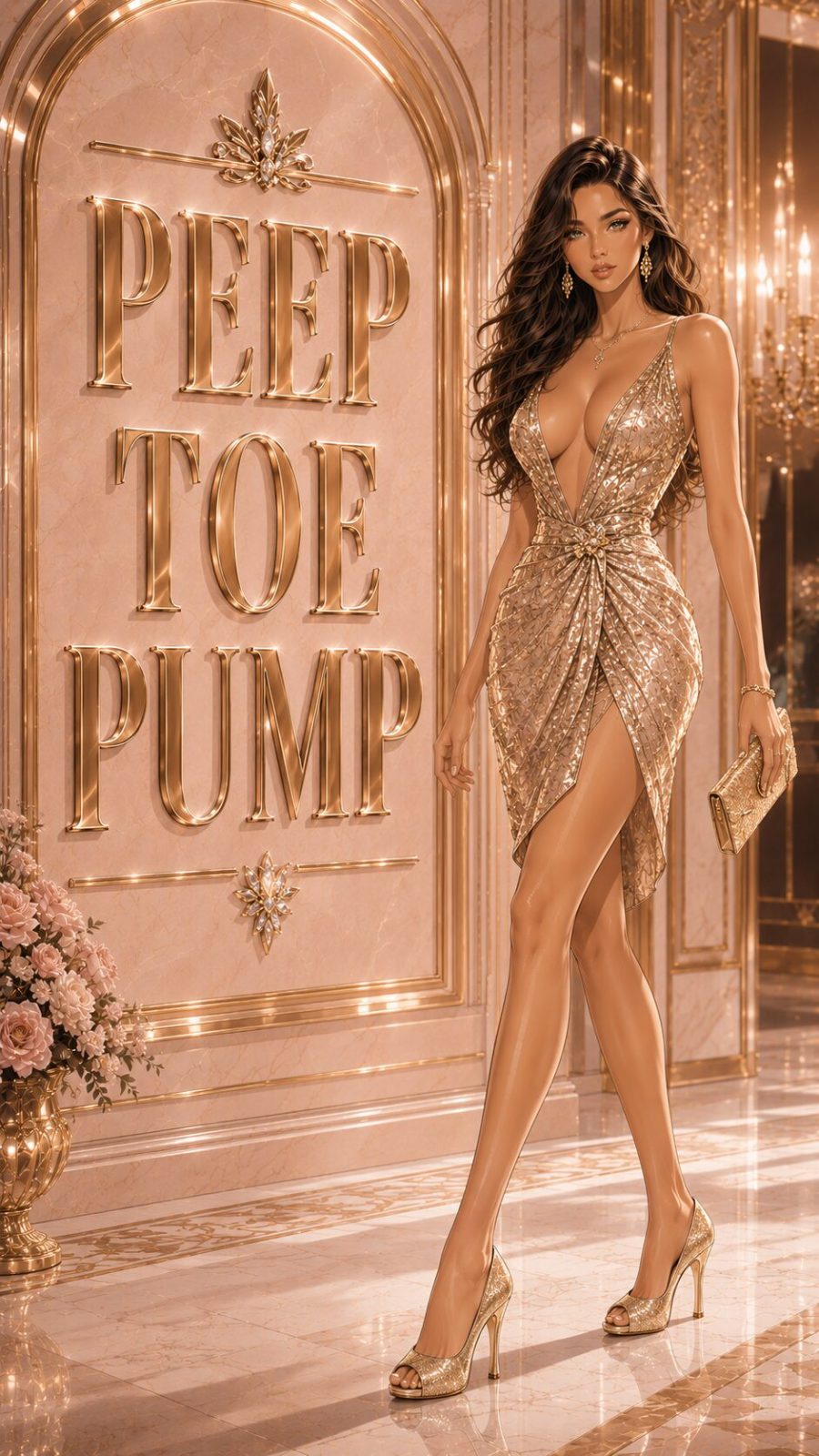
      Peep-Toe Ballet Flat

      Peep-Toe Ballet Flat

      A small oval or almond-shaped opening cut into the toe box, allowing the first and second toes to show. The peep-toe flat bridges the gap between a closed ballet flat and an open sandal — more appropriate for warm weather than a fully enclosed flat, more covered than a sandal. The opening is purely decorative in function; structural integrity remains with the closed upper on either side. A warm-season wardrobe extender for those who love a flat but want more airflow.

      DesignOval cutout at toe box; toe straps or reinforced edges; mostly enclosed upper
      SeasonSpring / Summer
      Best ForSummer casual, resort, warm-weather occasions, brunch
    Quick Recap — Category 2
    • Toe shape is the strongest visual modifier of foot length and leg line — more impactful than color
    • Square toe = modern and architectural; almond toe = universally wearable; pointed toe = most elongating
    • Asymmetric toes are anatomically correct — often more comfortable than pointed for daily wear
    • Round toe remains the most brand-neutral and trend-resistant option in this category

    Category 3: By Strap & Closure Style (#15–#18)

    How the flat stays on the foot — and how that decision changes the entire aesthetic register of the shoe

    A strap transforms a ballet flat. Not just in terms of security on the foot — though that matters enormously for women with narrow heels or high arches — but in terms of the entire character of the shoe. An elastic inset reads clean and invisible. A Mary Jane strap reads preppy or academic. An ankle strap reads evening. Understanding strap logic is what separates a frustrating flat (one that slips off constantly) from a flat that actually works for your foot. And for most foot shapes, the right strap construction is a game-changer. See how different closure types affect the look in our breakdown of all sandal strap styles explained.

    1. 15

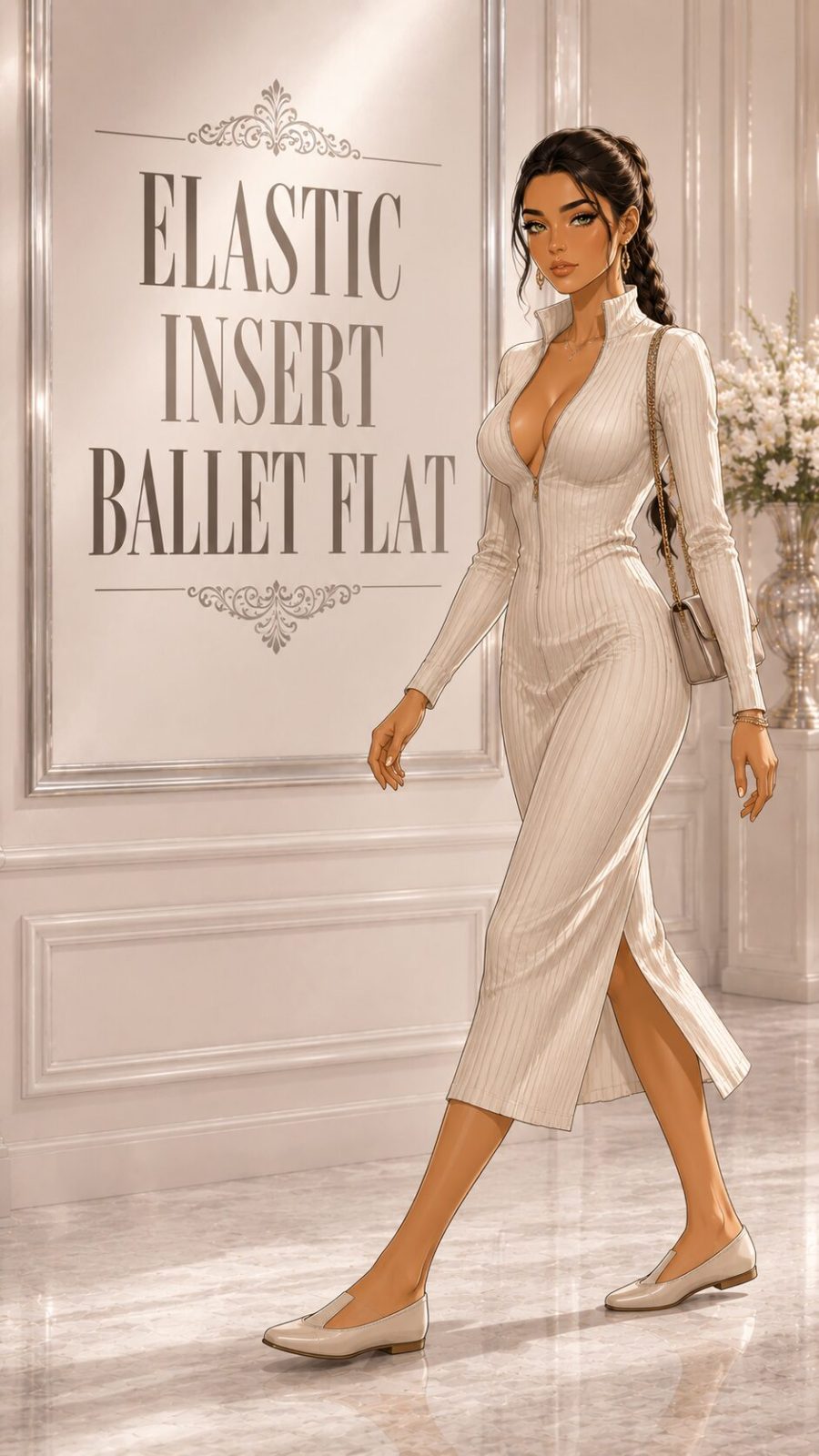
      Elastic Insert Ballet Flat

      Elastic Insert Ballet Flat

      Elastic bands or panels incorporated into the vamp or throat — often hidden within the upper construction so they remain invisible from the outside. This is the most functional innovation in ballet flat construction. The elastic accommodates foot width variation, prevents slipping at the heel, and allows the shoe to give gently with movement without deforming. The best quality versions use braided elastic rather than flat elastic, which holds its stretch significantly longer through repeated wear.

      DesignHidden or visible elastic gusset; adjustable fit; clean exterior line
      SeasonAll seasons
      Best ForDaily wear, travel, walking-heavy days, all occasions
    2. 16

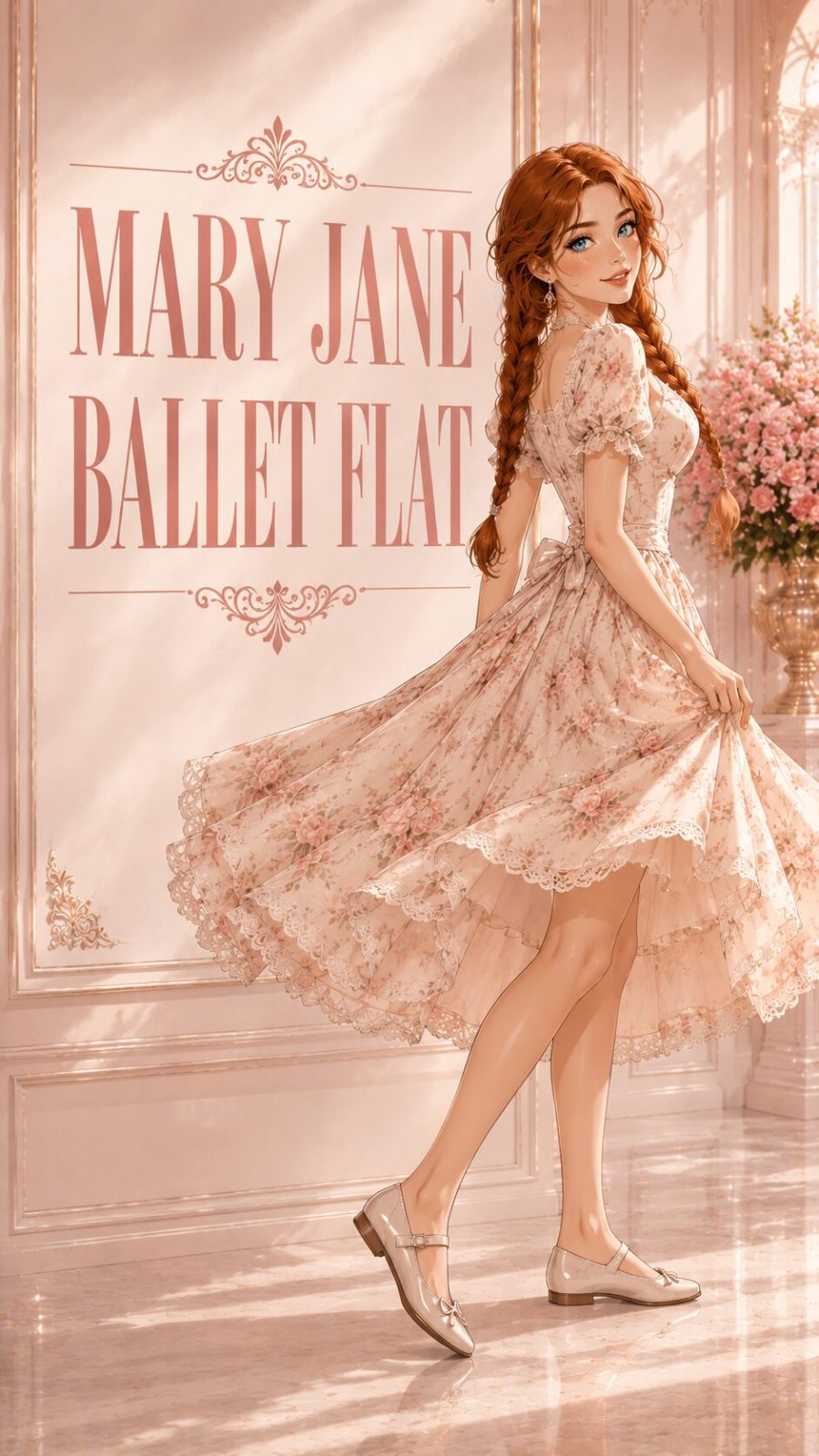
      Mary Jane Ballet Flat

      Mary Jane Ballet Flat

      A single strap crossing the instep, fastened with a button, buckle, or snap. The Mary Jane is one of the longest-standing shoe constructions in women's footwear — named after the comic strip character in 1902 and never fully out of fashion since. The Mary Jane ballet flat variant combines the strap's architectural definition with the shoe's flat sole. It's been reimagined by everyone from Marni to Prada — and it photographs magnificently with both midi skirts and wide-leg trousers. If you enjoy this directional pairing, our guide to midi dress styles shows exactly how this shoe shape reads against various hemlines.

      DesignSingle instep strap with button or buckle; structured architectural look
      SeasonSpring / Summer / Autumn
      Best ForFashion-forward looks, office, smart-casual, editorial dressing
    1. 17

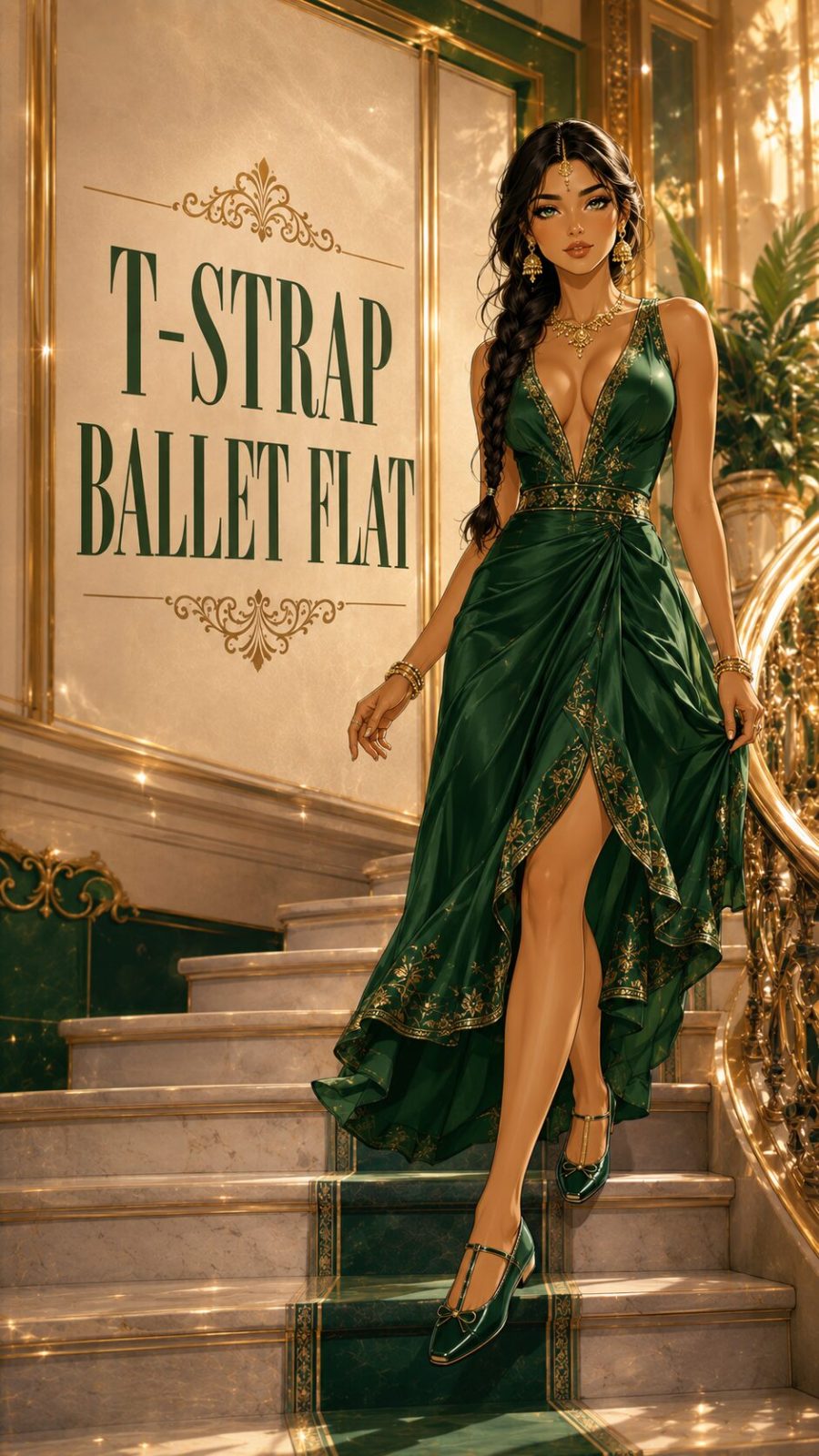
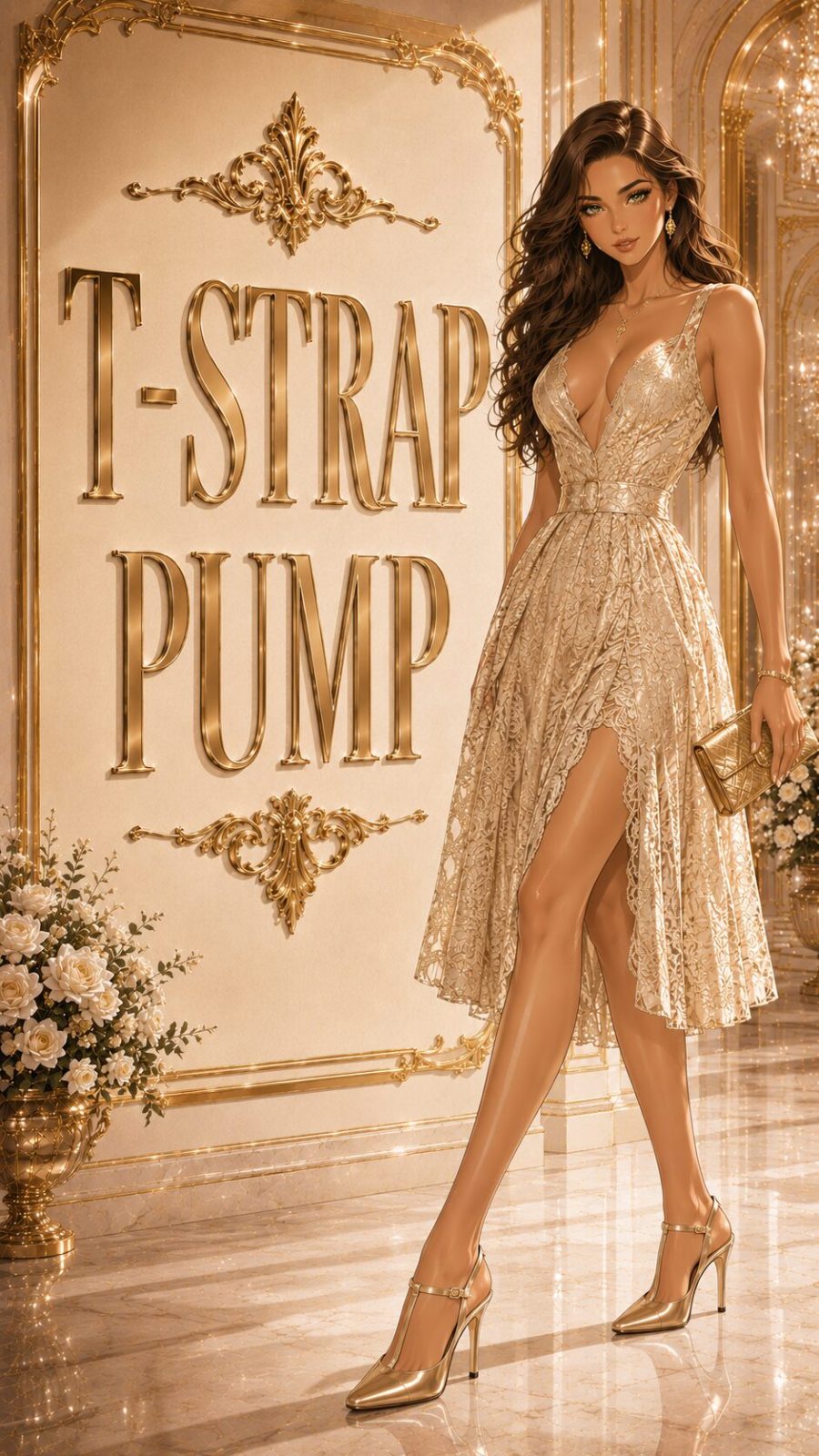
      T-Strap Ballet Flat

      T-Strap Ballet Flat

      A vertical strap runs from the toe vamp to meet a horizontal strap at the ankle — forming a T. The result is a shoe that reads vintage-adjacent and structured, simultaneously more formal than a slip-on and more relaxed than a Mary Jane. T-strap ballet flats are particularly popular in the cottagecore and vintage dressing subcultures, where the strap's decorative quality matters as much as its functional one. For the complete vintage dressing picture, explore our guide to vintage-inspired outfit styles explained.

      DesignVertical toe strap meets horizontal ankle strap; often buckle-fastened
      SeasonSpring / Summer
      Best ForVintage-inspired looks, cottagecore, summer occasions, feminine dressing
    2. 18

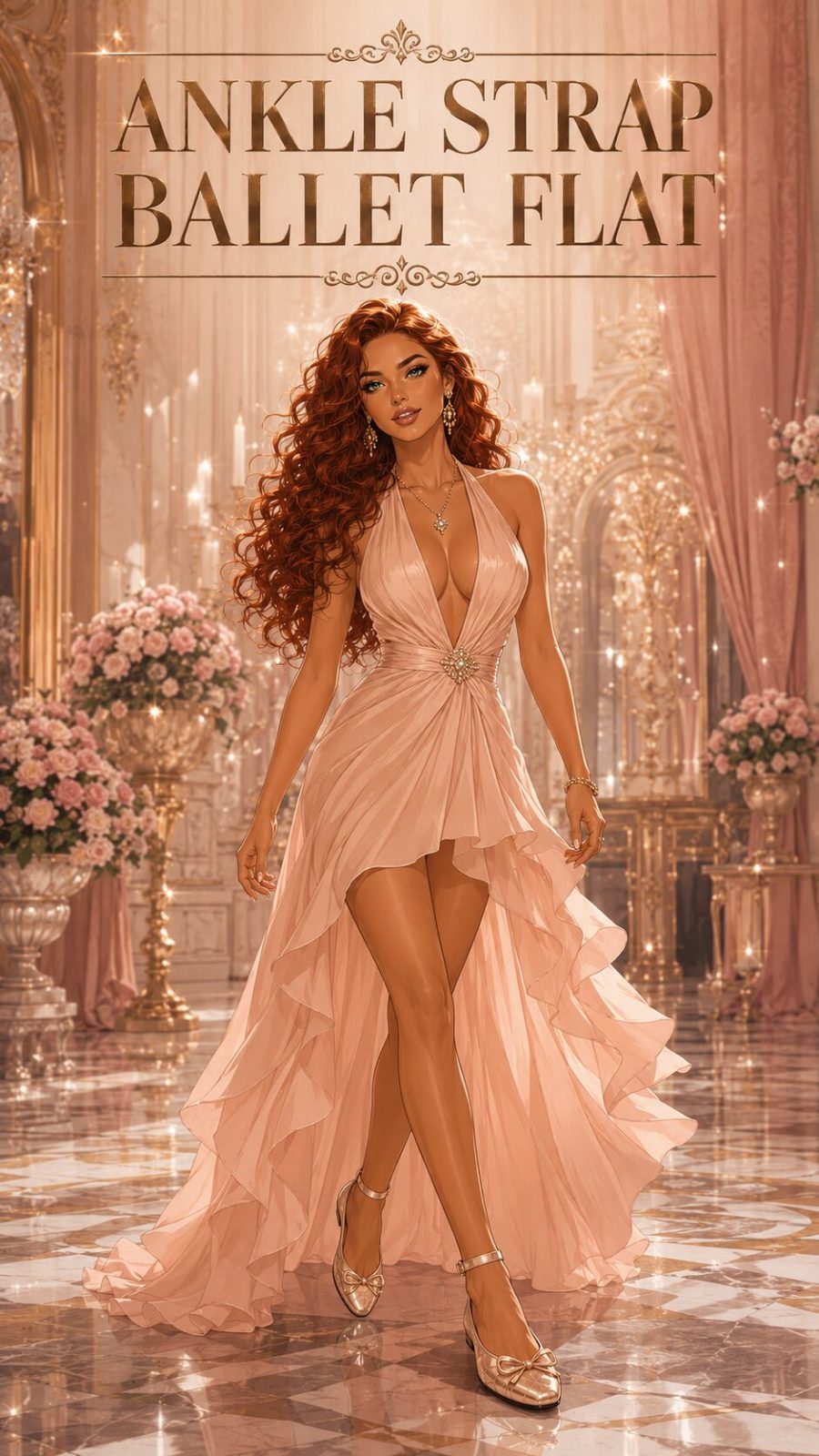
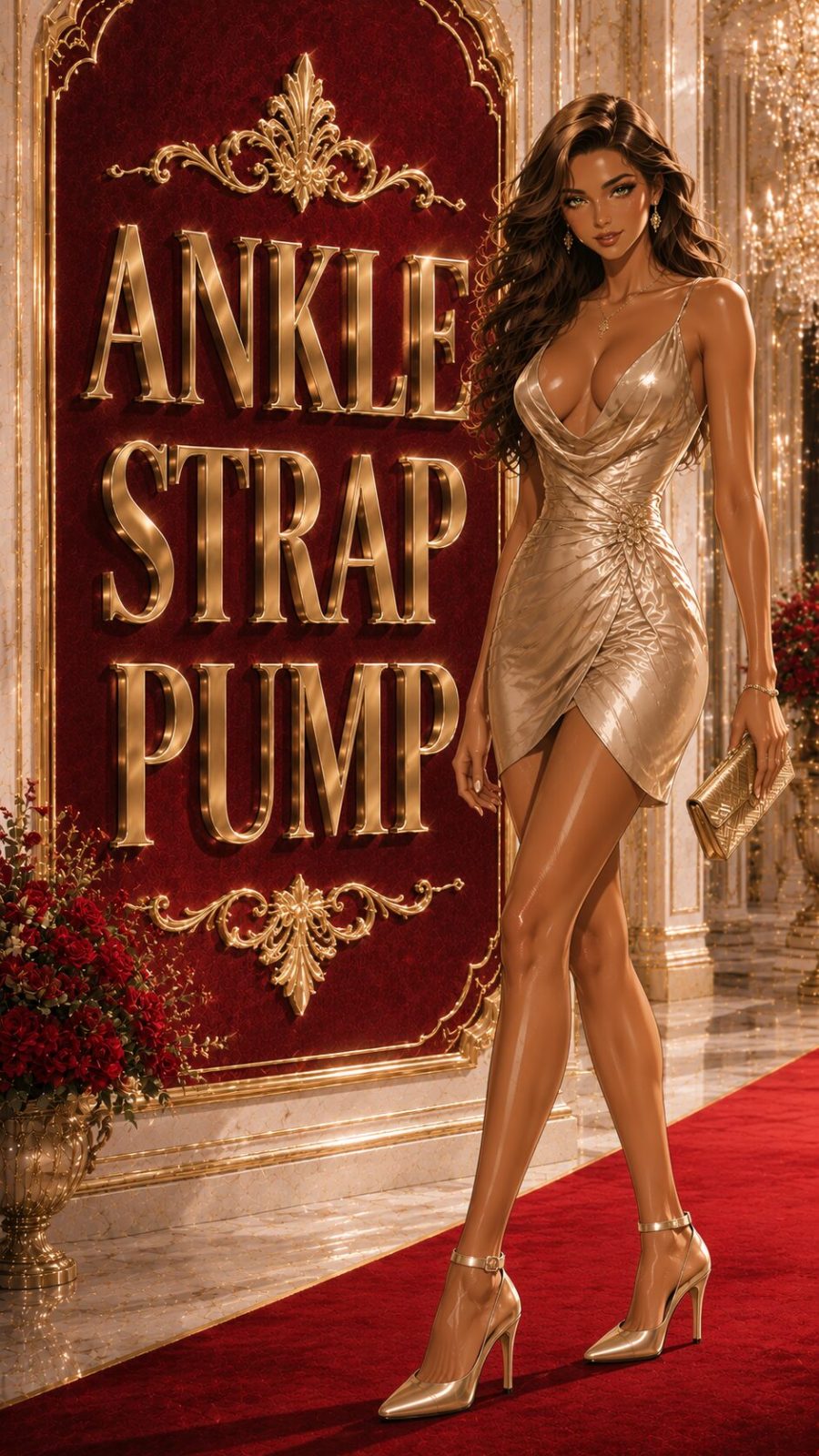
      Ankle Strap Ballet Flat

      Ankle Strap Ballet Flat

      A strap fastened around the ankle — above the heel counter, secured by a buckle or snap closure. The ankle strap elevates any flat shoe into a more deliberate, evening-adjacent silhouette. It also adds structural security for wider feet or narrow ankles. Worth noting: ankle straps that sit at the thinnest part of the ankle tend to read more elegant; straps placed higher up toward the calf read more architectural and fashion-forward. Small placement decisions, very different outcomes.

      DesignAnkle-level strap with buckle; adds security and evening formality
      SeasonSpring / Summer / Autumn
      Best ForEvening, occasions, wedding guest, parties, date night

    Category 4: By Material / Fabric (#19–#22)

    What the upper is made of — and why material determines occasion range, season suitability, and care requirements

    Material is where most budget-conscious purchases go wrong. A leather ballet flat and a synthetic ballet flat can look identical in a product photo — and feel completely different after one summer of daily wear. The leather softens and molds to the foot. The synthetic retains its original stiff shape or simply breaks down. Understanding material gives you the ability to shop at any price point with intention, rather than relying on brand name alone. As detailed in the Business of Fashion's materials guide (most recently updated in 2024), material choice in footwear is increasingly tied to durability, sustainability, and long-term value — not just initial cost.

    1. 19

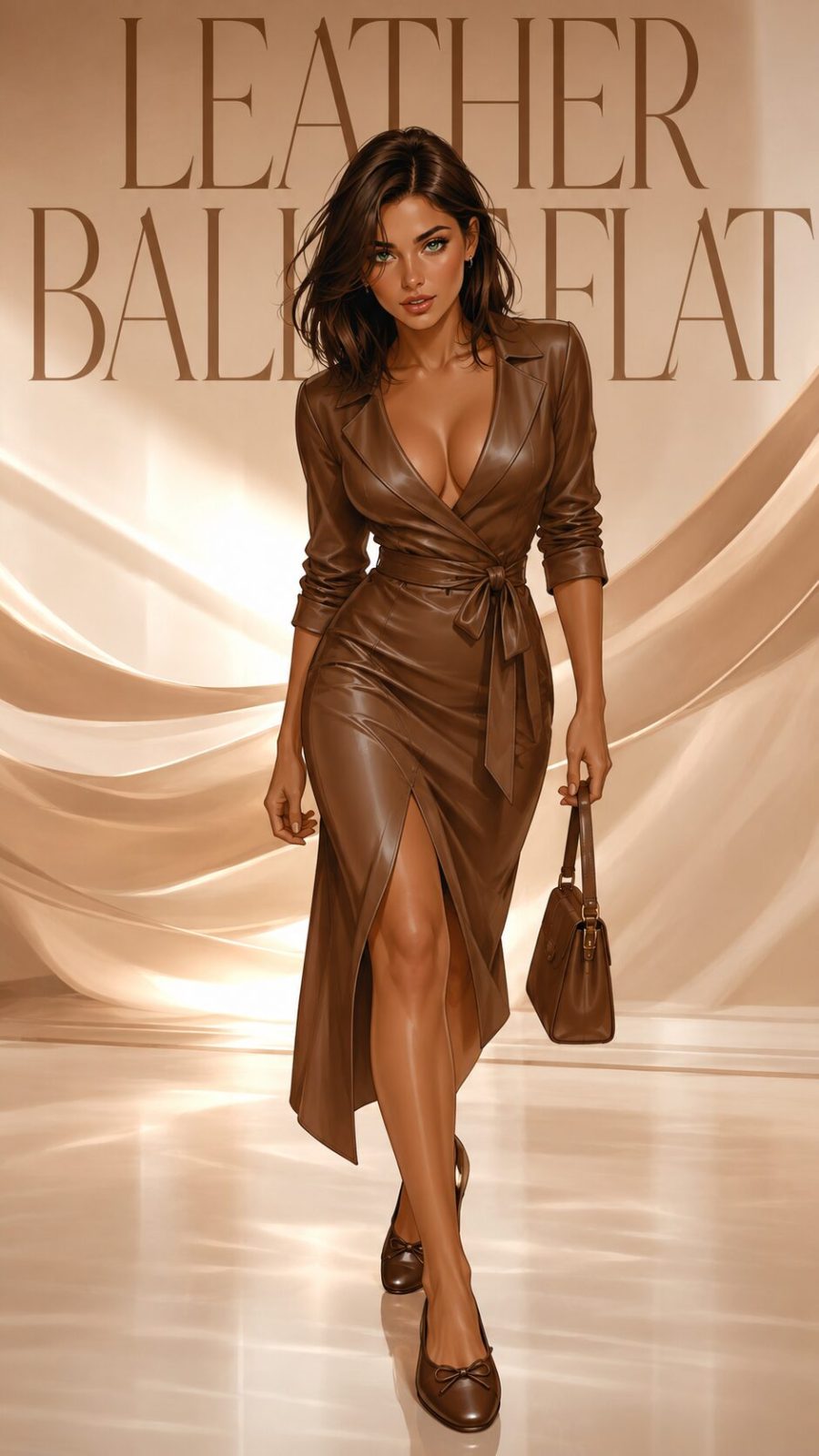
      Leather Ballet Flat

      Leather Ballet Flat

      Full-grain or top-grain leather upper — the most durable, most breathable, and most expensive of ballet flat materials. Leather molds gently to the individual foot over the first 10–15 wears, creating a fit that becomes increasingly personal and precise. It ages with character rather than degrading. A quality leather ballet flat, resoled when necessary, can last a decade. Budget leather and split-grain leather look similar initially but crease unevenly and dry out within a few seasons.

      DesignFull-grain or top-grain upper; develops personal fit with wear; any construction
      SeasonAll seasons; avoid heavy rain
      Best ForInvestment pieces, office, daily wear, all occasions
    2. 20

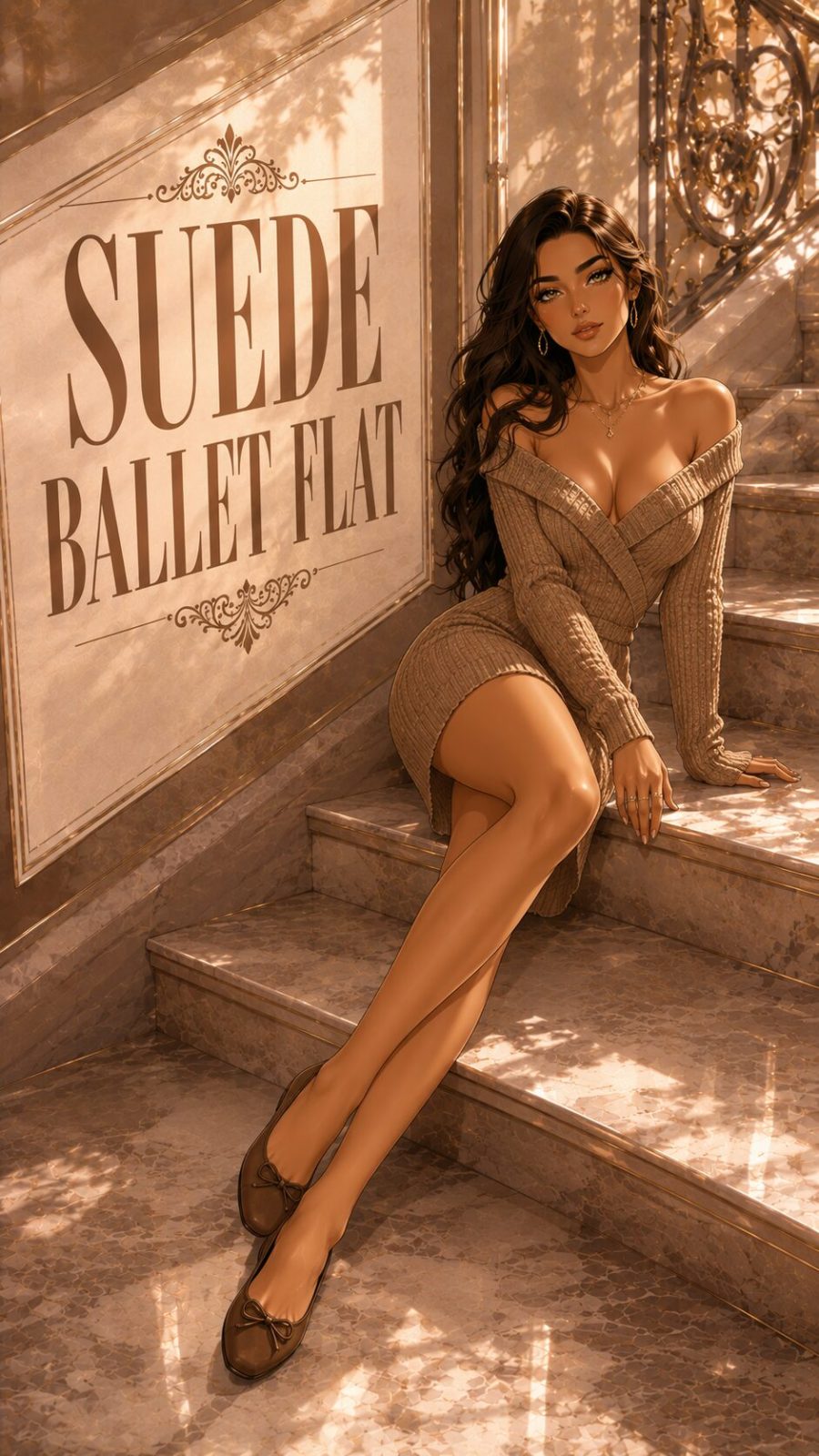
      Suede Ballet Flat

      Suede Ballet Flat

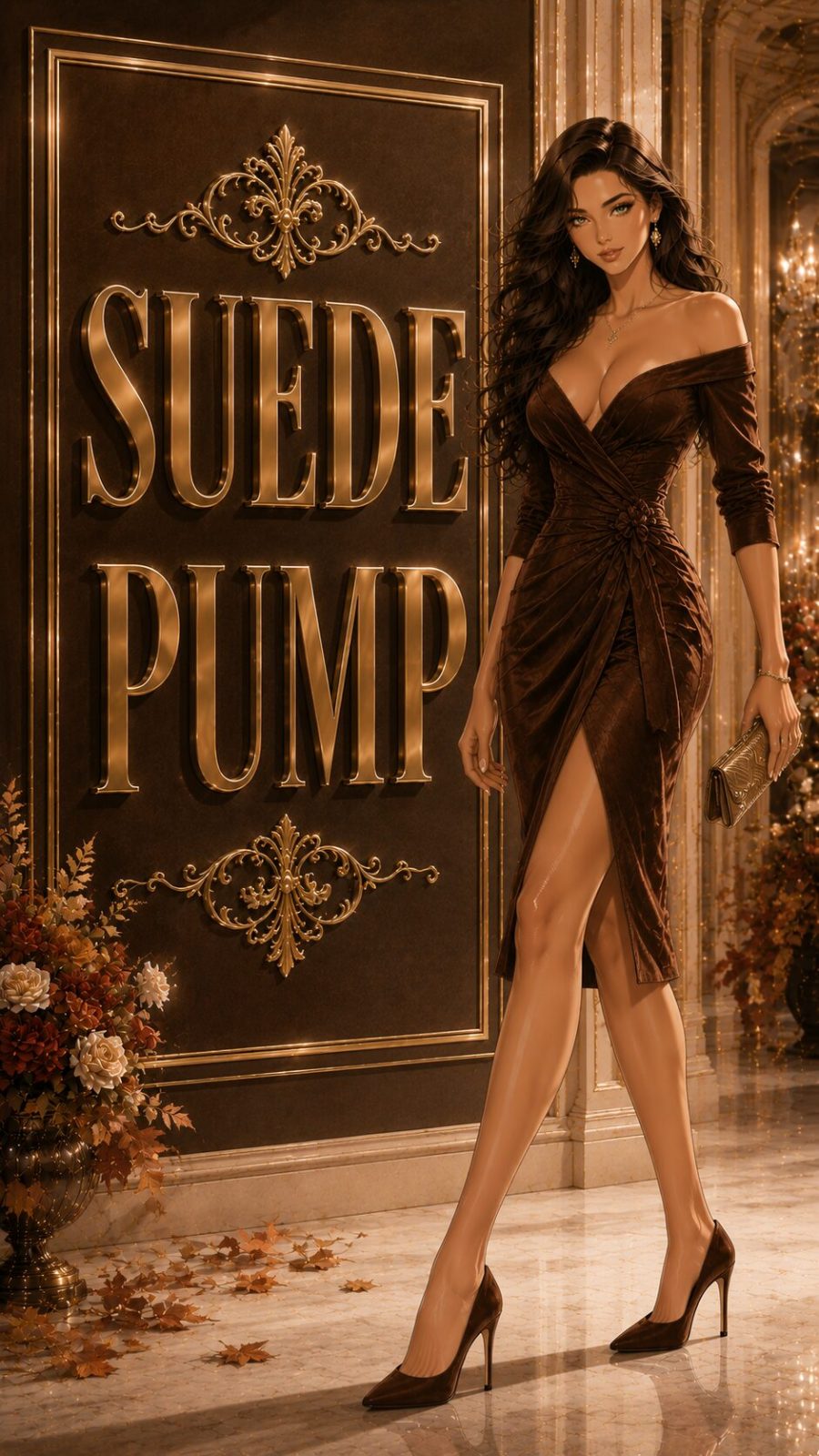
      Split-grain leather with a napped, velvety surface — softer against the foot than polished leather, with a matte texture that reads autumnal and luxurious. Suede ballet flats tend to read slightly more casual than polished leather in equivalent styles, which makes them excellent for transitional dressing — they soften a formal outfit just enough without tipping into casualwear. The major maintenance consideration: suede requires a protective spray and occasional brushing. It does not handle rain well.

      DesignNapped velvety surface; matte finish; rich autumnal color palette
      SeasonAutumn / Winter; dry conditions year-round
      Best ForSmart-casual, office, fall dressing, transitional outfits
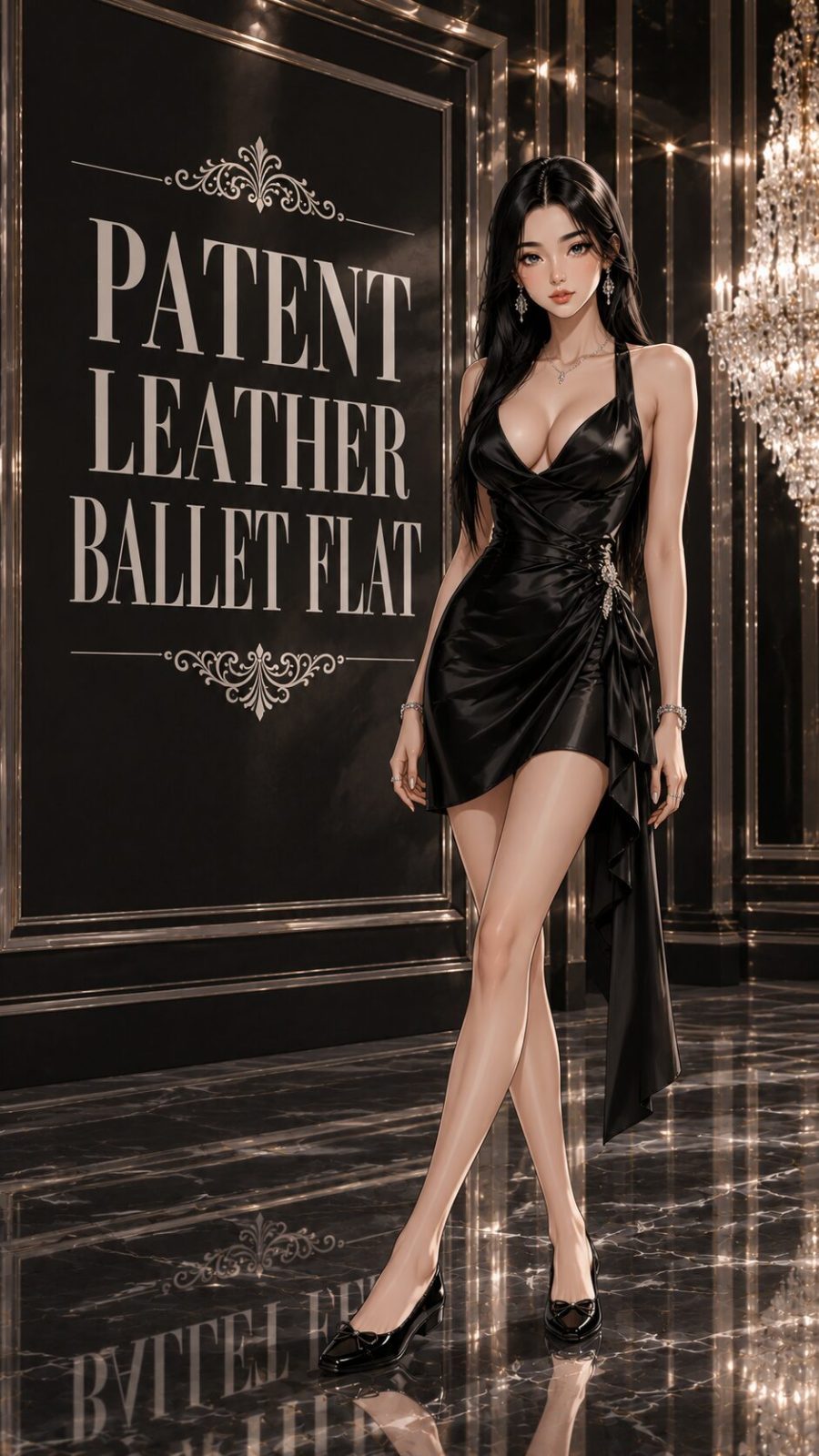
    1. 21

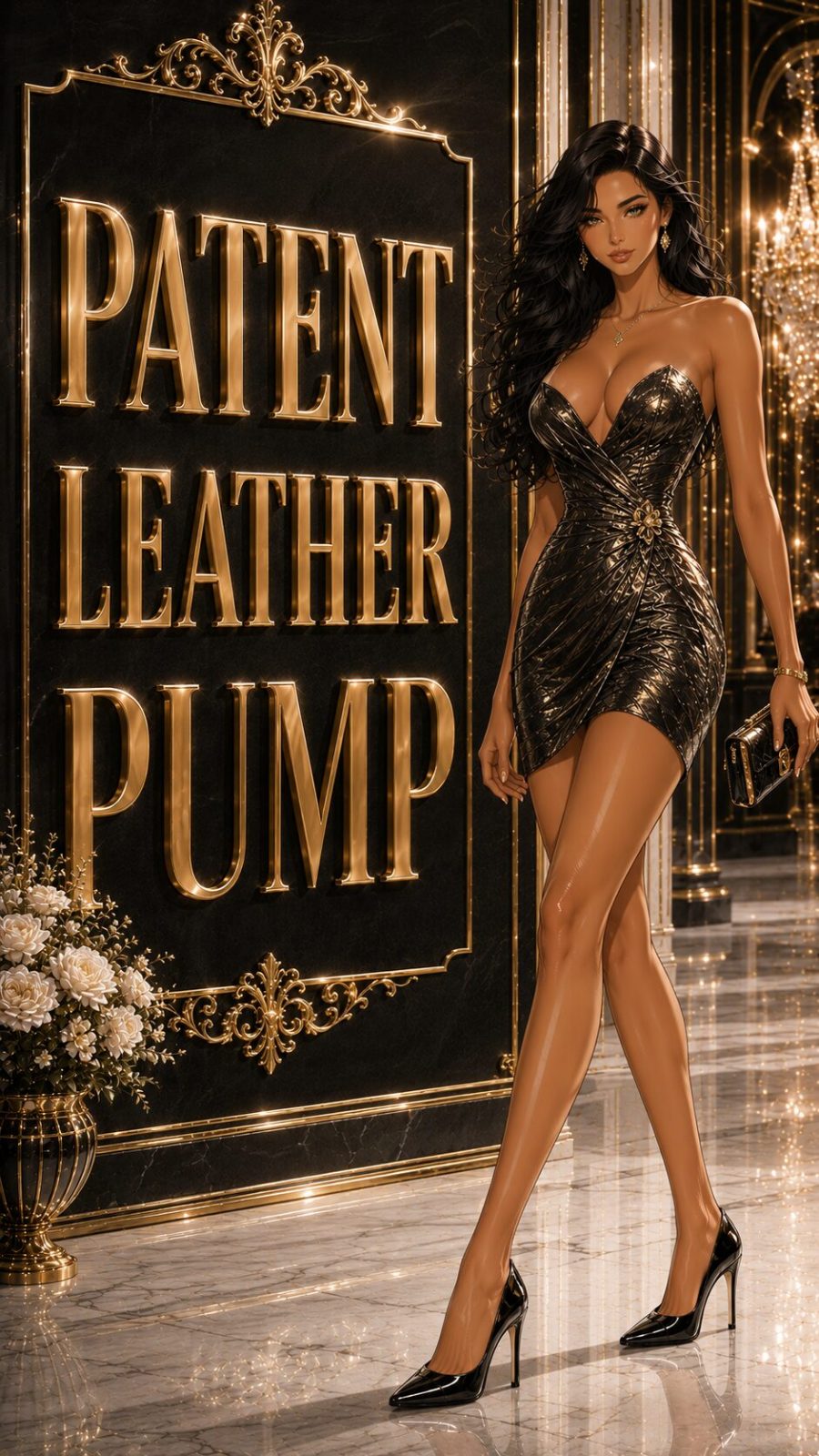
      Patent Leather Ballet Flat

      Patent Leather Ballet Flat

      A high-gloss lacquered surface applied to leather or synthetic — creating a mirror-bright finish that reads both polished and playful simultaneously. Patent ballet flats are the most visually dramatic flat shoe option available; they can elevate even the simplest outfit purely through the reflective quality of the material. Black patent is the most versatile; red patent is the most statement-driven. They clean easily with a damp cloth — and look excellent for about two hours before fingerprints and scuffs appear. Worth it regardless.

      DesignHigh-gloss lacquered upper; mirror-bright finish; easiest to clean
      SeasonAll seasons
      Best ForEvening, festive events, smart-casual, statement dressing
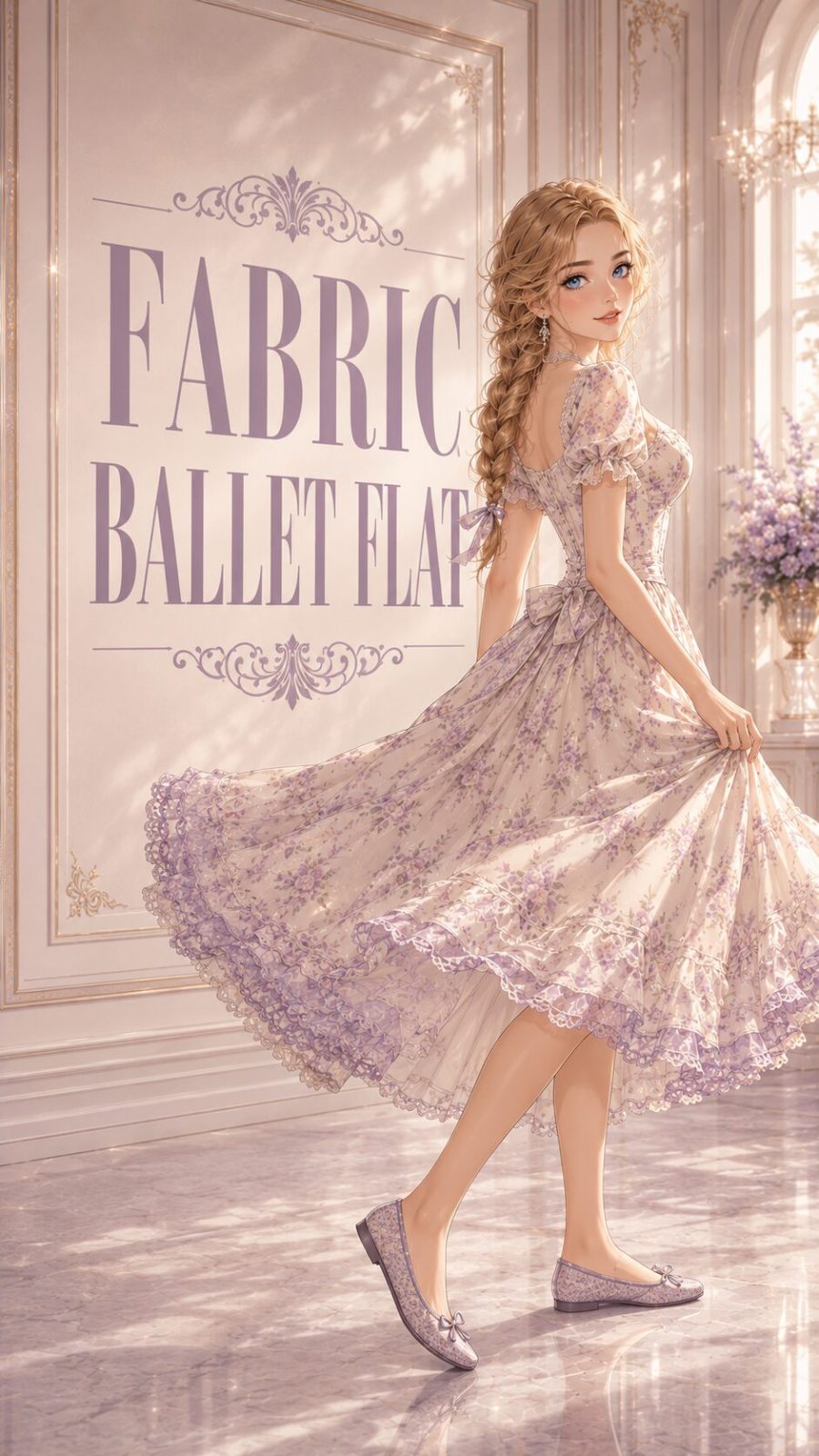
    2. 22

      Fabric & Canvas Ballet Flat

      Fabric Canvas Ballet Flat

      Uppers made from woven canvas, cotton, linen, jacquard, or printed fabric — allowing for pattern, texture, and color play unavailable in leather. Fabric flats are the lightest-weight and most breathable option in hot climates. They also allow for creative embellishment — floral prints, toile patterns, plaid weaves, and brocade fabrics that would be technically impossible in standard leather construction. The trade-off is durability: fabric uppers are more susceptible to wear marks and staining than smooth leather. Protective sprays help significantly.

      DesignWoven or printed textile upper; printed patterns, jacquard, brocade available
      SeasonSpring / Summer
      Best ForCasual, resort, summer occasions, statement prints


    Quick Recap — Category 4
    • Leather molds to your foot; synthetics retain their original stiff shape — that's the investment argument in one sentence
    • Patent reads most formal; suede reads most casual; polished leather sits between them
    • Fabric flats offer pattern range unavailable in leather — with a trade-off in long-term durability
    • Suede requires protective spray — a five-minute investment that can add years to the shoe's life

    Category 5: By Heel Height Variation (#23–#24)

    The subtle height modifications that keep the ballet flat silhouette intact while adjusting its practical function

    Here's something that confuses shoppers regularly: not all "ballet flats" are truly flat. The category exists on a spectrum from a completely zero-drop sole — where heel and toe sit at exactly the same ground level — to a kitten heel construction that adds up to 5 cm of heel height while maintaining the closed, rounded-toe visual identity of the ballet flat. Understanding where a shoe sits on this spectrum tells you a great deal about its all-day comfort profile, its walking behavior on uneven surfaces, and which pant and skirt hemlines it pairs best with. For everything you need to know about heel heights in women's footwear, our full breakdown of all heel types for women covers the complete spectrum.

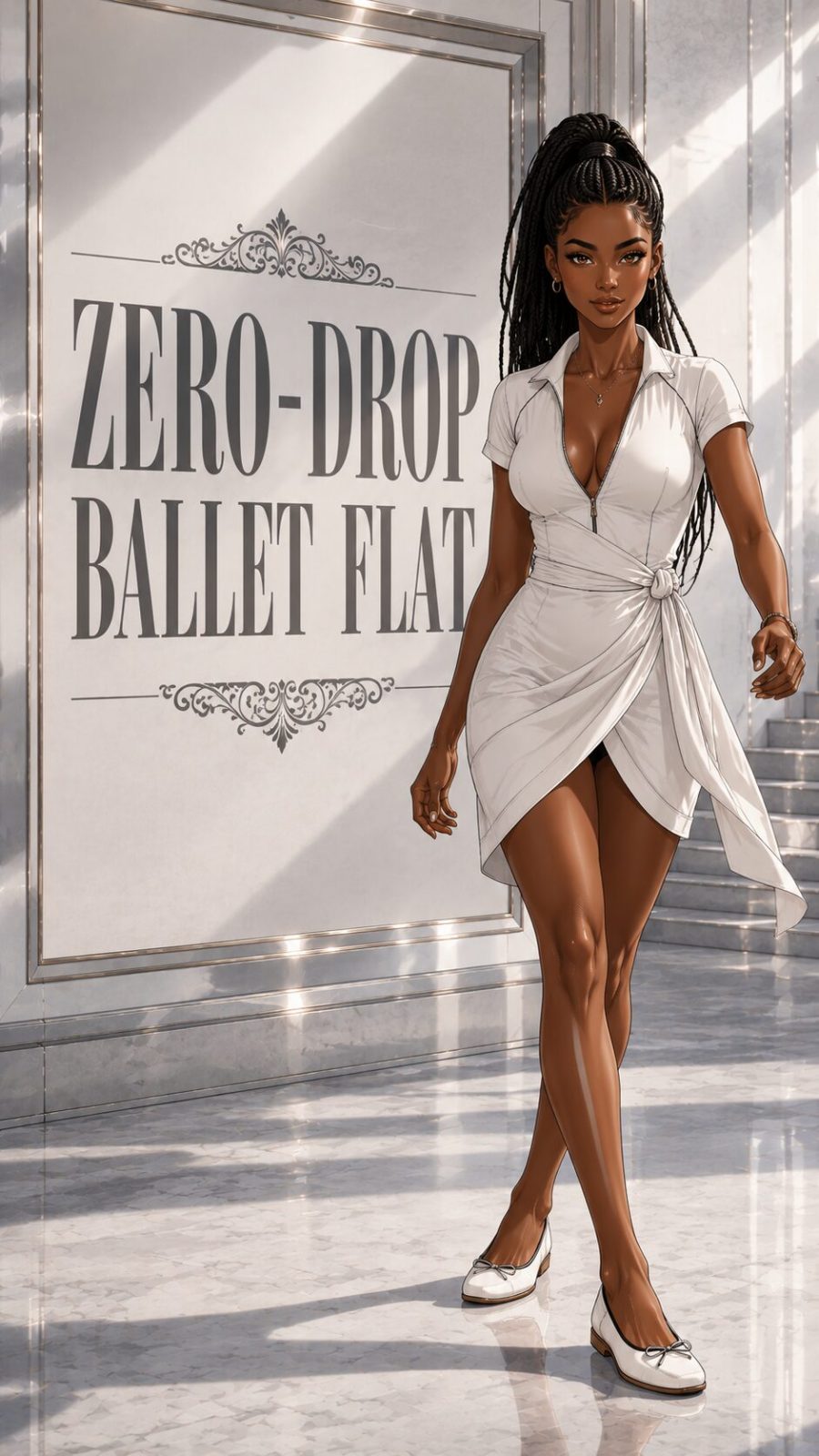
    1. 23

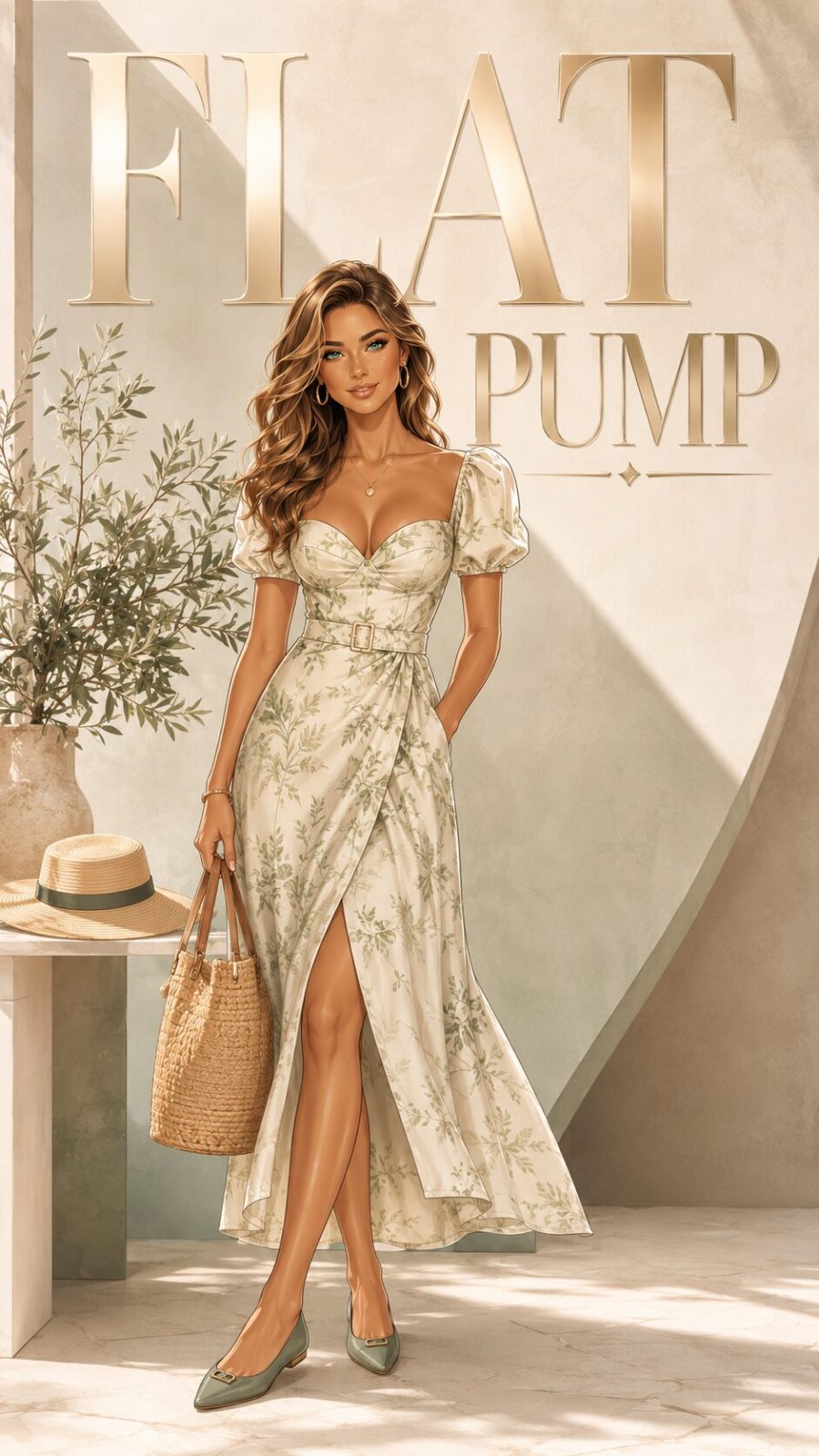
      True Flat / Zero-Drop Ballet Flat

      Zero Drop True Flat Ballet Flat

      Heel and toe contact the ground at precisely the same level. The most anatomically barefoot-mimicking construction available in a ballet flat. Popular in ergonomic footwear circles and among practitioners of natural movement — where the zero-drop geometry encourages heel striking naturally rather than the forward-lean that a raised heel induces. For those accustomed to heeled shoes, an adjustment period of a few weeks is typical. For those already wearing trainers, the transition feels immediate and effortless.

      DesignEqual heel-to-toe drop; fully level sole; minimal cushioning profile
      SeasonAll seasons
      Best ForAll-day walking, ergonomic preference, minimalist footwear enthusiasts
    2. 24

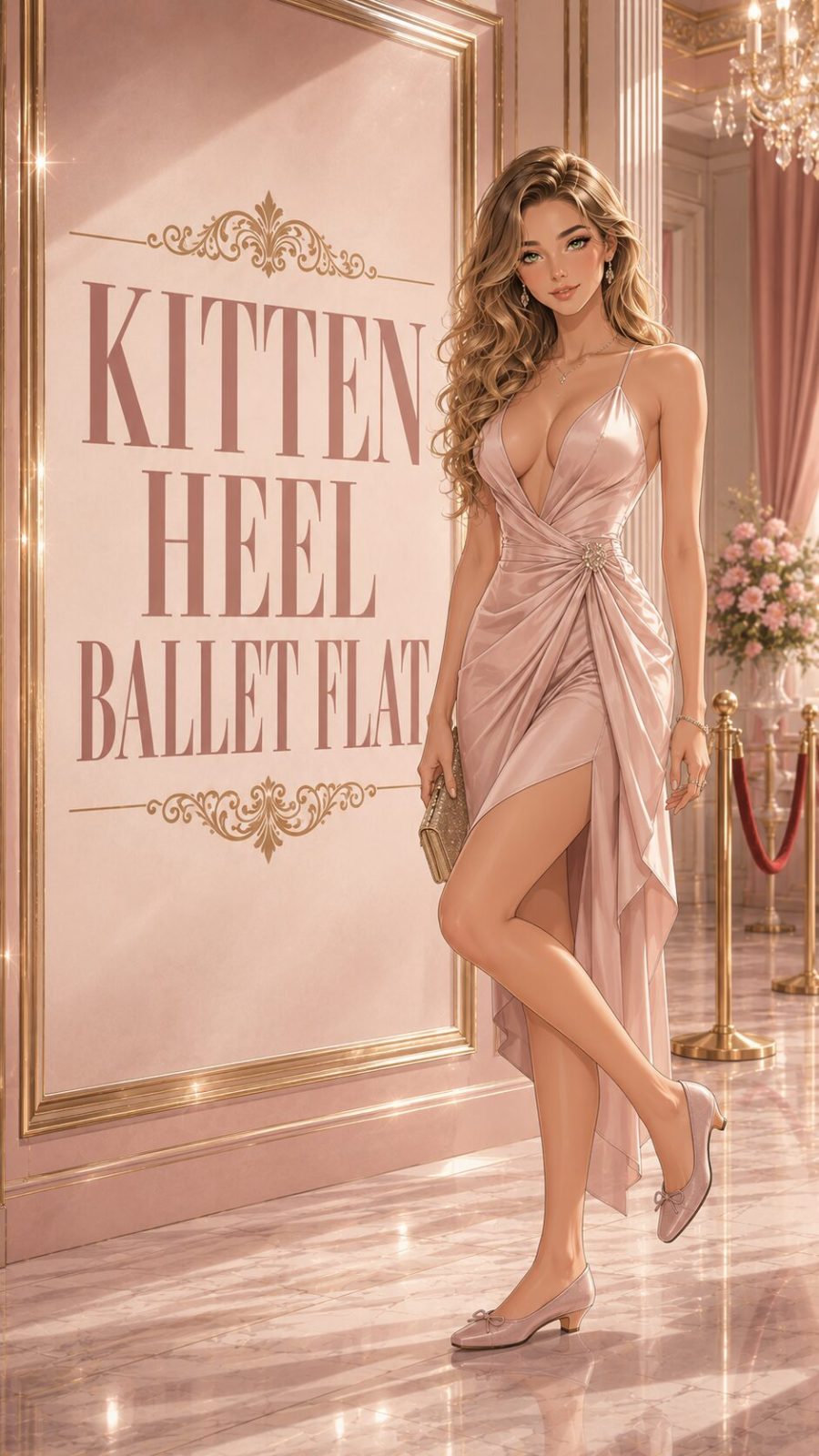
      Kitten Heel Ballet Flat

      Kitten Heel Ballet Flat

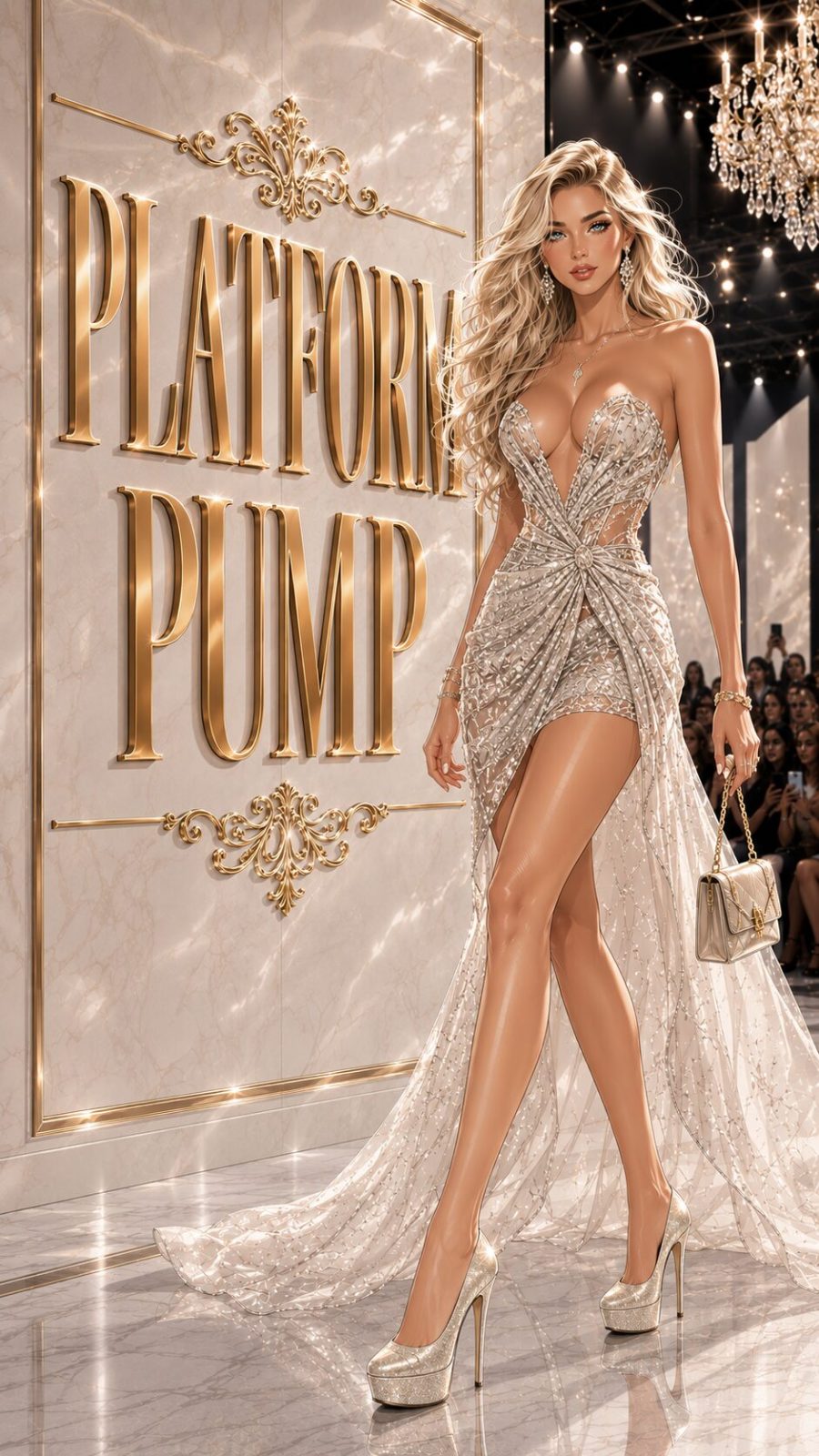
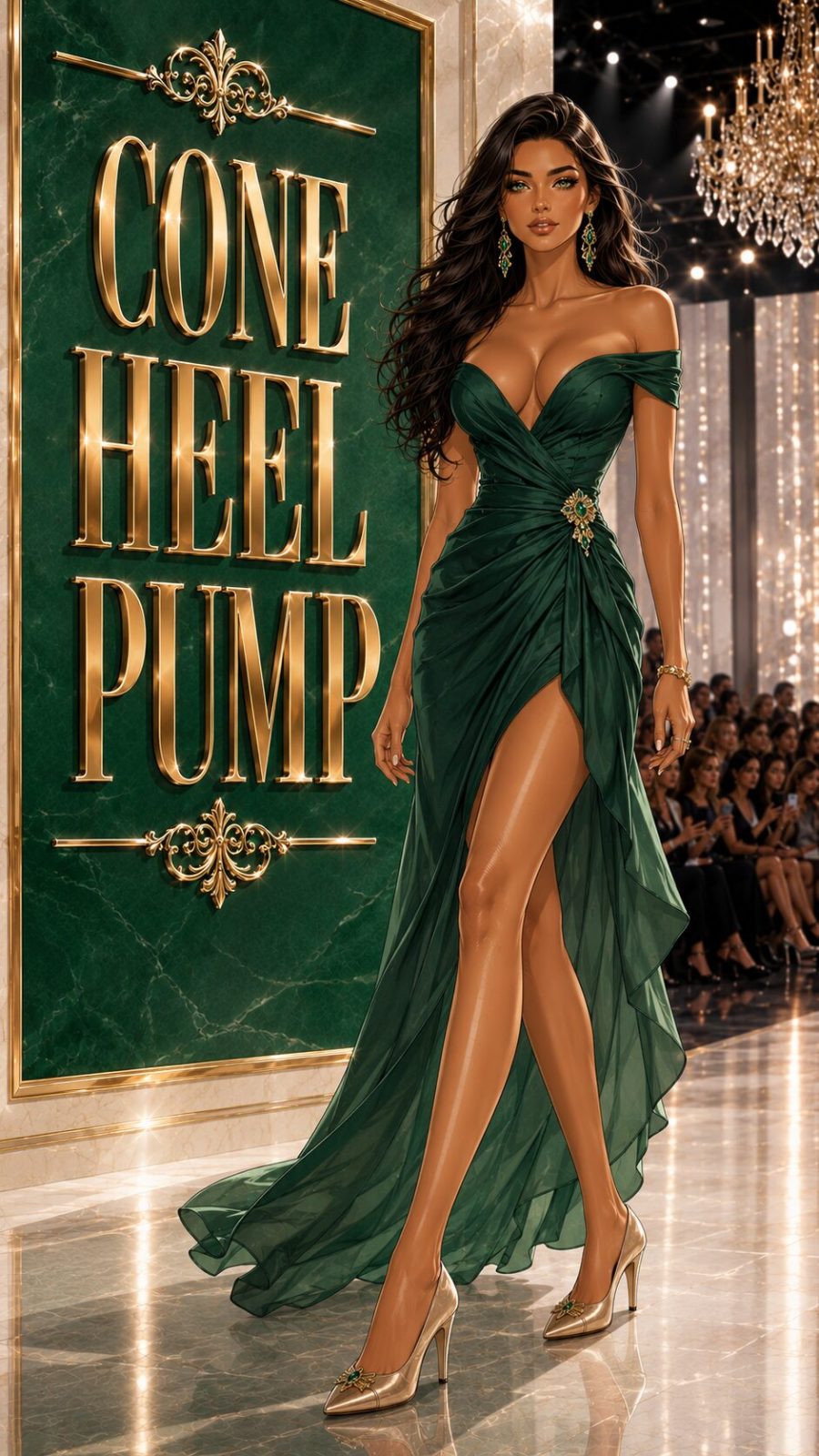
      A slender heel of 3–5 cm — short enough to walk comfortably in all day, tall enough to create leg extension and a slightly elevated posture. The kitten heel ballet flat is the most office-appropriate variant in the category; it carries the formality of a heeled shoe without the discomfort of a stiletto. Audrey Hepburn wore kitten-heeled flats throughout her career as an intentional middle ground between elegance and ease — the same logic still applies seventy years later. For a complete overview of where the kitten heel sits within women's footwear, see our full guide to pump and low-heeled shoe styles explained.

      Design3–5cm slender heel; ballet flat upper profile; elegant and walkable
      SeasonAll seasons
      Best ForOffice, formal occasions, smart-casual, events where heels are appropriate

    Category 6: By Occasion / Purpose (#25–#27)

    How ballet flat types divide across real-world dressing contexts — the practical application layer

    Occasion-based categorization is perhaps the most directly useful for actual wardrobe building. Not every woman needs every type of ballet flat — but most women could benefit from three distinct occasion categories: a daily workhorse flat (leather, classic construction), a dressed-up option for evening and events (embellished, patent, or ankle-strap), and a relaxed casual flat for weekend and travel. Those three slots — work, occasion, casual — cover the full range of contexts most women navigate in a week. For broader styling guidance across all occasion categories, explore our comprehensive guide to office outfit styles for women and the full casual wear breakdown.

    1. 25

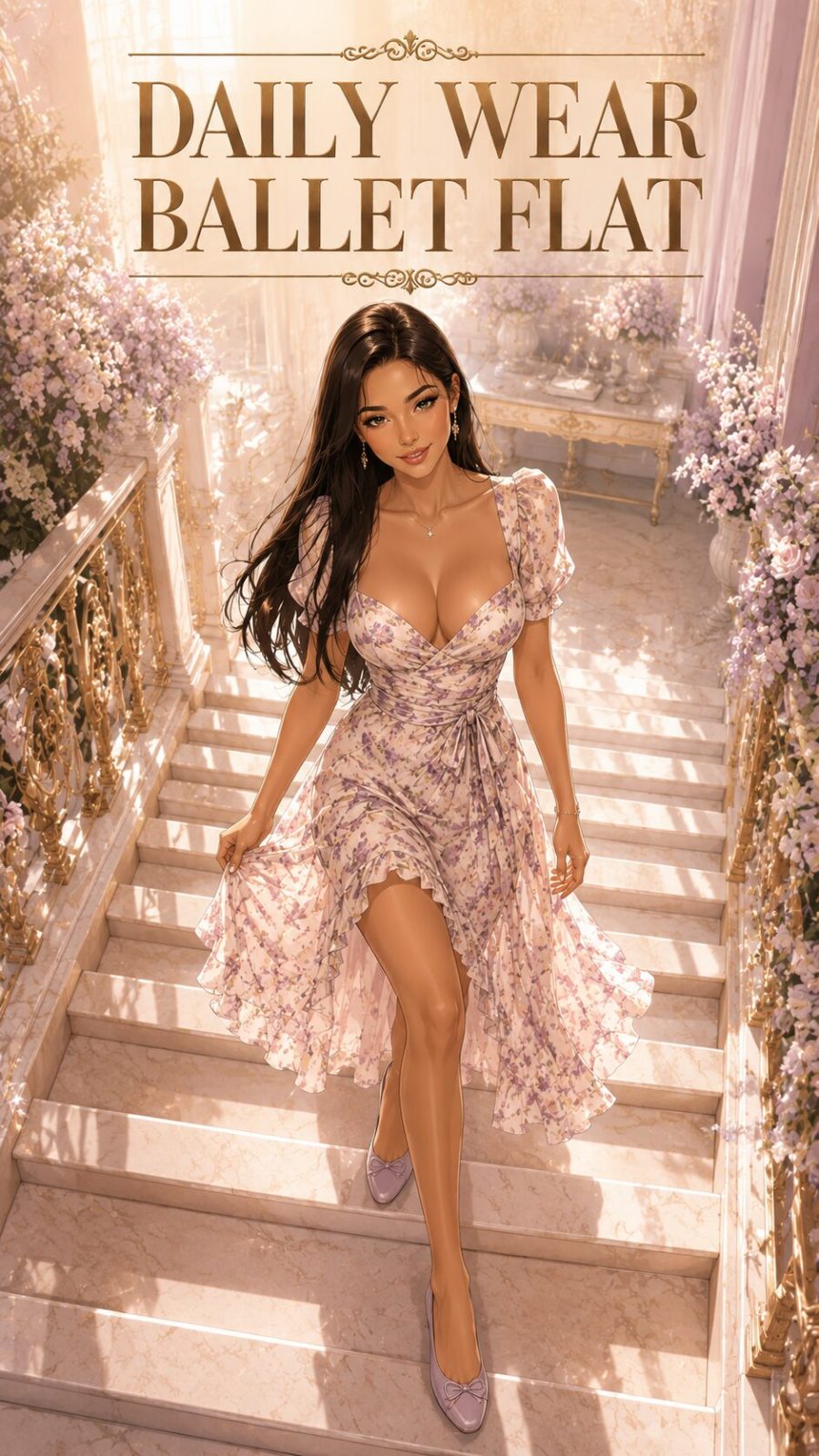
      Everyday / Daily Wear Ballet Flat

      Everyday Daily Wear Ballet Flat

      The highest-mileage flat in the wardrobe — built for repeated, sustained wear across varied surfaces and conditions. Key construction priorities for a true everyday flat: leather or memory foam insole, cushioned sole, elastic insert at the vamp, heel counter with grippy lining. This is a type defined not by aesthetics but by engineering intention. The best everyday ballet flats are often the least interesting-looking ones — neutral tone, clean silhouette, zero embellishment. Everything is directed inward: fit, comfort, durability.

      DesignCushioned insole, heel lining grip, elastic vamp; neutral color palette
      SeasonAll seasons
      Best ForOffice commute, daily errands, travel, 8+ hours on feet
    2. 26

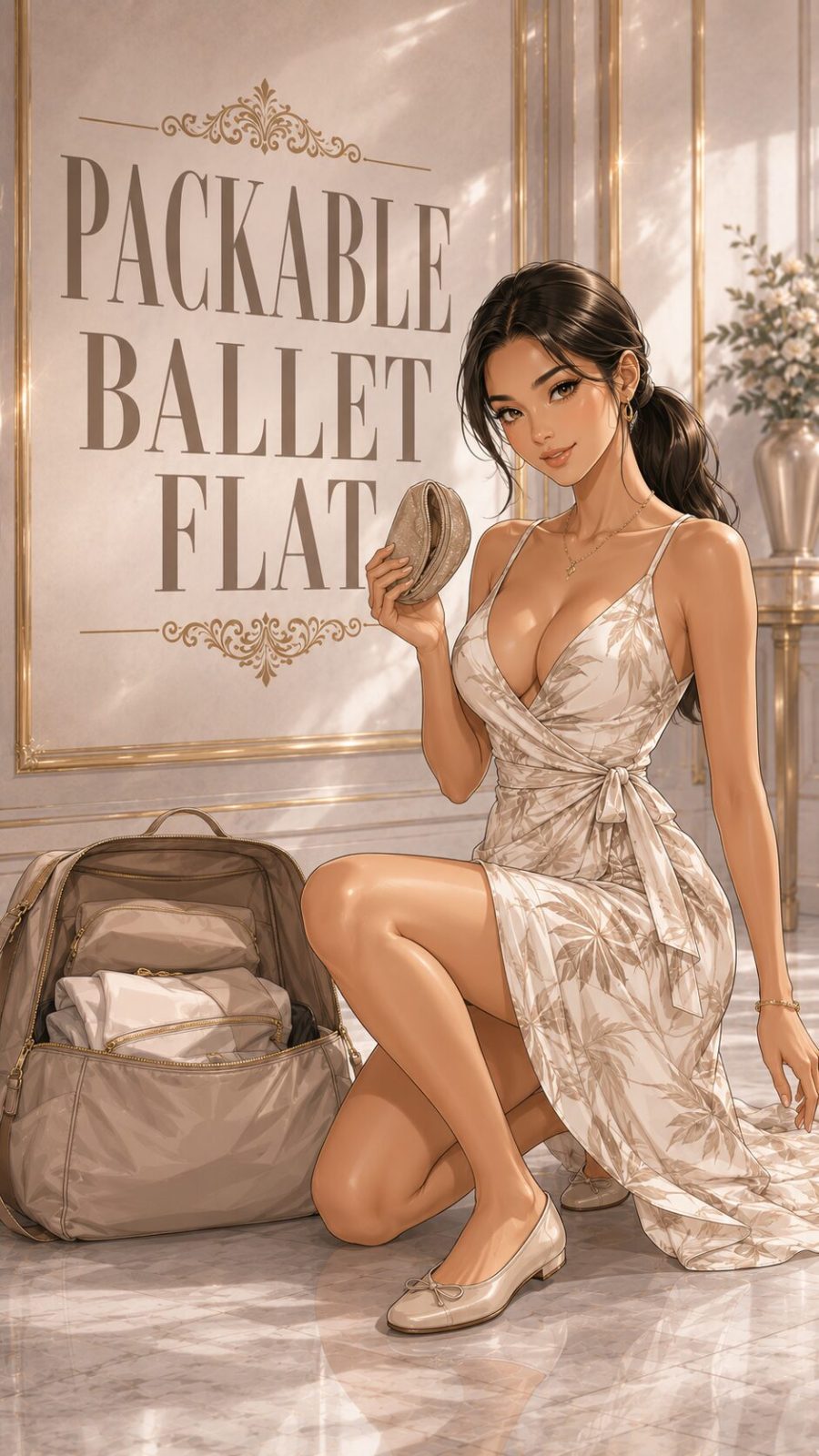
      Travel / Packable Ballet Flat

      Travel Packable Ballet Flat

      Engineered for foldability — the sole is flexible enough to allow the flat to be folded in half and stored flat in a bag or suitcase without deforming the upper. Brands like Tieks and Vivaia built their entire identity around this construction. The material is typically soft stretch leather, vegan microfiber, or coated fabric. These are the ones you pack as a "just in case" pair — and somehow end up wearing every day of the trip. For building a travel-focused wardrobe around versatile shoe choices, our guide to airport outfit styles and vacation outfit ideas covers the broader context well.

      DesignFlexible foldable sole; soft stretch upper; ultra-lightweight construction
      SeasonAll seasons
      Best ForTravel, airport, city breaks, resort, packing-efficient wardrobes
    1. 27

      Bridal & Special Occasion Ballet Flat
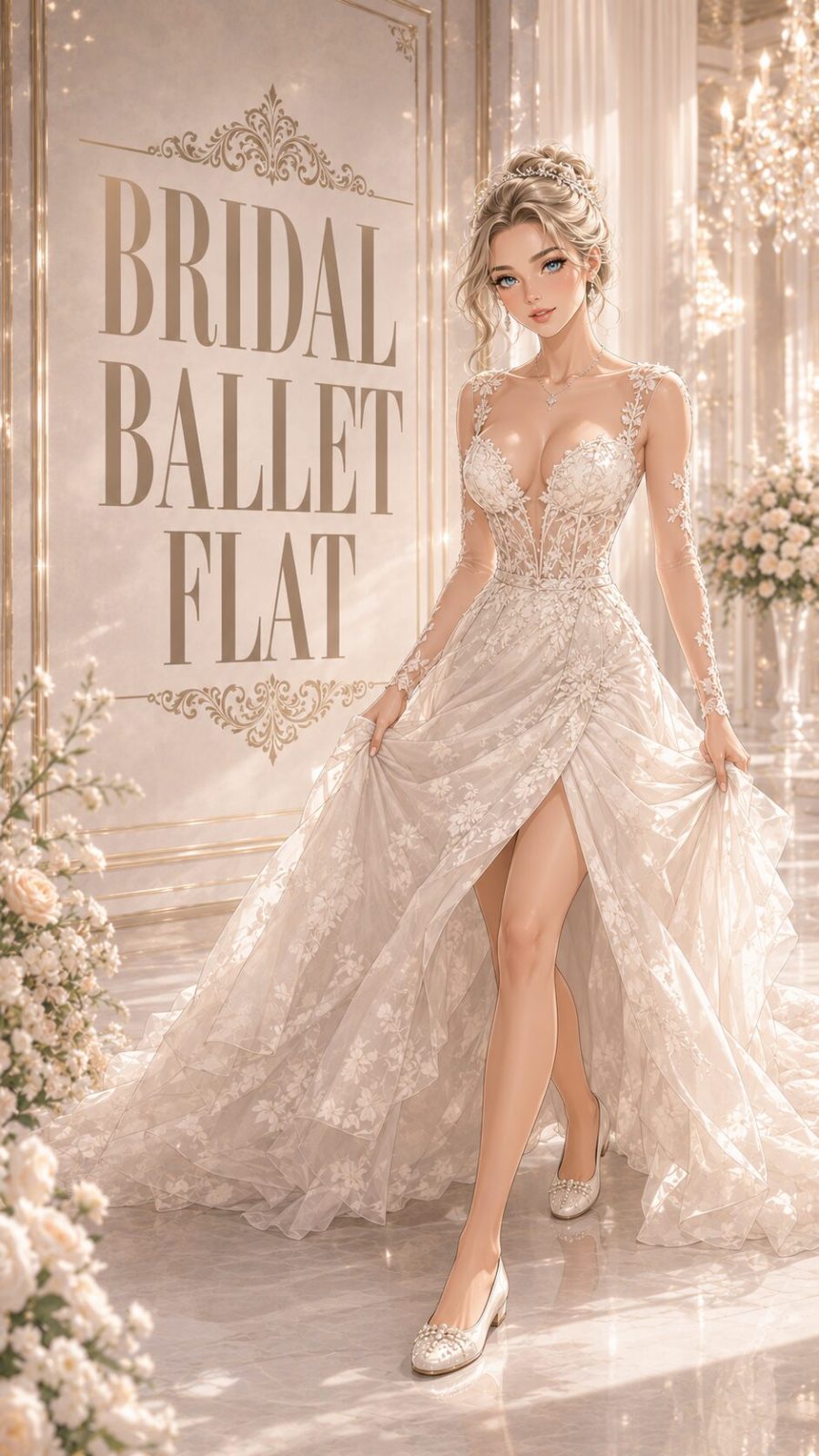
      Bridal Special Occasion Ballet Flat

      Constructed specifically for occasions where a flat shoe is both preferred and appropriate — weddings (for comfort through a long day), formal events, evening dining. Bridal ballet flats typically feature satin or silk uppers, pearl or crystal embellishment, grosgrain or velvet ribbon trim, and often a dyeable fabric option. The construction prioritizes soft padding (for dancing and standing) alongside visual elegance. These are the flats worn by bridesmaids who've finally decided that heel-induced pain is not a requirement of celebration.

      DesignSatin or silk upper; pearl or crystal embellishment; padded for long wear
      SeasonYear-round for indoor occasions
      Best ForWeddings, evening events, formal occasions, bridesmaids
    2. 28

      Streetwear / Chunky Sole Ballet Flat
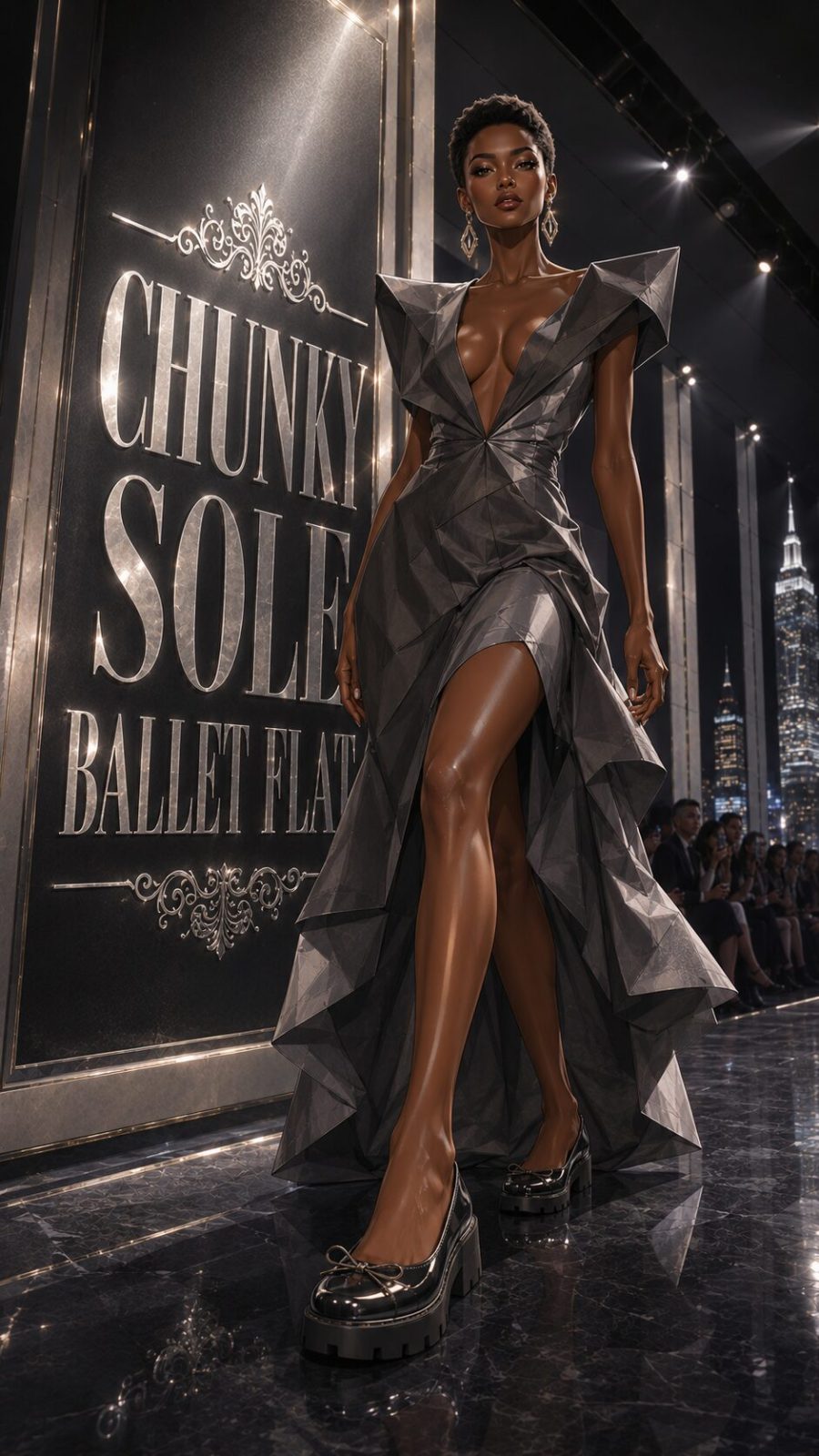
      Streetwear Chunky Sole Ballet Flat

      The most contemporary-facing ballet flat variant — a traditional flat upper mounted on a chunky rubber or lug sole. The result is a shoe that reads streetwear-influenced but maintains the closed-toe, flat-profile character of a classic ballet flat. Brands like Simone Rocha and Ganni have made this construction central to their seasonal shoe identity. The chunky sole adds grip, all-day cushioning, and — importantly — a visual weight at the base that reads decisively modern rather than vintage. It pairs beautifully with everything from wide-leg trousers to sheer midi skirts. See styling ideas in our guide to streetwear outfit ideas for women.

      DesignClassic flat upper; thick rubber or lug sole; contemporary silhouette
      SeasonSpring / Summer / Autumn
      Best ForFashion-forward casual, streetwear, contemporary everyday dressing
    Quick Recap — Categories 5 & 6
    • Most women need three ballet flat slots: everyday, occasion, and travel — not one flat trying to do everything
    • Kitten-heeled flats offer the best middle ground between comfort and formality for professional contexts
    • The chunky sole flat is the most versatile contemporary choice — it bridges casual and occasion dressing
    • Packable flats are engineered for foldability — a completely different design priority from everyday durability

    Frequently Asked Questions: Ballet Flats

    The most commonly searched questions about ballet flat types, fit, styling, and care — answered directly
    1. Q

      What are the different types of ballet flats?

      Ballet flats are categorized across six systems: by construction (classic slip-on, d'Orsay, cap-toe, grosgrain trim, bow accent, platform, moccasin-style, embellished); by toe shape (round, pointed, almond, square, asymmetric, peep-toe); by strap or closure (elastic insert, Mary Jane, T-strap, ankle strap); by material (leather, suede, patent, fabric/canvas); by heel height variation (true flat/zero-drop, kitten heel); and by occasion (everyday, travel/packable, bridal/special occasion, streetwear chunky-sole). Most ballet flats can be described across multiple categories simultaneously — for example, a "round-toe leather Mary Jane flat" or a "square-toe patent pointed ballet flat."

    2. Q

      What is the difference between a ballet flat and a regular flat shoe?

      A ballet flat specifically refers to a low-cut, slip-on or minimally strapped shoe with a thin, flat sole and a vamp (the front upper) that sits low on the foot — directly inspired by the soft leather slipper worn by ballet dancers. A "flat shoe" is a broader category that includes loafers, moccasins, espadrilles, and driving shoes — all of which have flat soles but differ significantly in construction, vamp height, closure type, and sole thickness. The defining feature of a ballet flat is the combination of low vamp, thin sole, and the rounded or pointed toe silhouette inherited from dance footwear.

    3. Q

      Are ballet flats good for walking all day?

      Traditional ballet flats — with thin leather soles and minimal padding — are not designed for prolonged walking on hard surfaces. However, many brands now engineer ballet flats specifically for all-day wear by incorporating memory foam insoles, cushioned soles, supportive heel counters, and arch-supportive footbeds. Brands like Ecco, Clarks, and Sam Edelman offer ballet flat constructions with significantly more walking-focused engineering than traditional fashion flats. The elastic-insert construction also improves walkability by preventing slippage, which reduces energy expenditure and blister formation. If walking is the primary use, prioritize the insole construction over the visual silhouette.
    4. Q

      What is a d'Orsay ballet flat?

      A d'Orsay ballet flat is a shoe construction where both sides of the foot (the arch area) are cut away, leaving only the toe box and heel counter intact. The cutaway creates an open-sided silhouette that tends to visually lengthen and narrow the foot. The name references Alfred d'Orsay, a 19th-century French dandy whose style innovations — including open-sided shoe designs — were associated with his name by fashion historians. The d'Orsay silhouette is one of the most consistently "elegant" constructions in the ballet flat category, and tends to read more dressed-up than an equivalent closed ballet flat in the same material.
    1. Q

      What toe shape in a ballet flat is most elongating?

      The pointed toe creates the most significant elongating visual effect among all ballet flat toe shapes — the sharp taper extends beyond the actual foot contour, creating a visual continuation of the leg line. The almond toe offers moderate elongation with more comfort for wider feet. The square toe creates a contemporary, architectural effect but does not elongate in the traditional sense. If visual leg extension is the goal, a pointed toe in a nude or skin-tone color creates the strongest elongating effect — the color-matching reduces visual "interruption" at the foot.

    2. Q

      What is the most versatile ballet flat for building a capsule wardrobe?

      For maximum versatility in a capsule wardrobe, a round-toe or almond-toe leather ballet flat in black, nude, or tan delivers the widest outfit range. The classic slip-on construction (no straps) keeps the silhouette neutral across dress codes. In a single pair, this type will work with trousers, jeans, midi skirts, dresses, shorts, and tailored pieces — making it the highest-return investment in the category. A grosgrain ribbon trim in the same configuration adds a slight personality elevation without reducing versatility. For the broader capsule wardrobe picture, our guide to everyday wardrobe basics for women covers complementary pieces across all clothing categories.

    3. Q

      Can you wear ballet flats to a formal occasion?

      Yes — with the right construction. Patent leather ballet flats, embellished flats with crystal or pearl detailing, satin bridal flats, or kitten-heeled ballet flats all read as occasion-appropriate in most formal settings. The key consideration is material and finish rather than heel height: a satin or patent flat reads as deliberate and polished; a scuffed canvas flat reads casual regardless of the occasion. A kitten-heeled ballet flat in a structured leather or satin is arguably the most elegant flat option available for formal wear — it reads intentional rather than casual, even in a heeled context.

    4. Q

      How do I care for leather ballet flats?

      Leather ballet flats benefit from a simple three-step care routine. First: condition the leather every 4–6 weeks with a leather conditioner to prevent cracking and dryness — particularly important in dry climates or during winter heating seasons. Second: use a shoe tree or ball-of-paper stuffing when not wearing them to maintain the shape of the toe box and prevent creasing. Third: resole when the outsole wears thin rather than waiting for the upper to fail — a quality cobbler can resole a leather ballet flat for a fraction of the cost of a new pair, effectively doubling or tripling the shoe's lifespan. Suede requires a protective spray application before first wear and brushing with a suede brush to restore the nap after wear.

    5. Q

      What outfits do ballet flats pair best with?

      Ballet flats create a particularly strong visual line with: cropped or tapered trousers (the flat allows the trouser hem to sit cleanly without heel disruption); midi skirts and dresses (the flat-to-floor transition creates a clean, elongated leg line); straight-leg jeans rolled or cropped at the ankle; and A-line or full-skirted dresses where the light-weight shoe doesn't compete with a voluminous hem. Pointed-toe flats work especially well with slim trousers. Mary Jane flats work particularly well with pleated midi skirts, giving the outfit a deliberate, editorial quality. For the full outfit pairing picture across different skirt silhouettes, see our guide to all skirt styles for women.

    6. Q

      Are ballet flats still in fashion in 2024–2025?

      Yes — emphatically. The ballet flat returned to prominent runway position between 2022 and 2024 through the collections of Miu Miu, Simone Rocha, Ganni, and Alaïa, among others. Variants gaining specific runway momentum included the Mary Jane ballet flat, the platform ballet flat with a chunky sole, the grosgrain ribbon-trim flat, and the square-toe construction. According to trend analysis from the most recently published WGSN Footwear Forecast (2024), the ballet flat is classified as a "re-established wardrobe classic" rather than a micro-trend — suggesting longevity well beyond a single season. It's not hype. The flat has outlasted every heel cycle for seven consecutive decades.
    Conclusion: The Flat That Earns Its Place

    Twenty-seven types. Six classification systems. Design, season, and best-use context for every single entry.

    What this guide does, ultimately, is give you a vocabulary for a shoe category that's been spoken about in impressionistic terms for too long. "Ballet flats are classic." That's true — but it's not useful. "A round-toe leather slip-on with elastic insert and memory foam insole, in a nude tone, is your highest-versatility daily flat" is useful. The difference between those two statements is the difference between vague intention and a specific, confident purchase.

    The categorization framework here — construction, toe shape, closure, material, heel variation, occasion — is the same framework footwear buyers and stylists use to navigate seasonal collections. It's not arcane industry knowledge. It's organized thinking applied to a category that usually gets treated as impulse or habit. You now have the tools to shop this category precisely, build around it intelligently, and understand why certain pairs feel completely right the moment you put them on. For the broader footwear picture, our complete guide to all shoe types for women maps how the ballet flat family sits within the full taxonomy.

    Key Takeaways
    • 27+ types of ballet flats exist across 6 distinct classification systems — each type has a Design identity, a Season context, and a Best For purpose.
    • Construction type is the foundational identity of any ballet flat — toe shape, material, strap style, and occasion use are all modifiers layered on top of the base construction.
    • Toe shape is the most impactful visual modifier in the category — pointed toes elongate, square toes read modern, round toes read universally classic, almond toes offer the practical middle ground.
    • Material determines occasion range — a principle well supported by footwear industry standards. Patent reads most formal; suede reads most casual; polished smooth leather sits between them and transitions across the widest range of contexts.
    • The elastic-insert construction is the most underappreciated functional innovation in the ballet flat category — it accommodates fit variation and prevents heel slippage without adding visual bulk.
    • Most women benefit from three flat slots: a leather daily flat, a packable travel flat, and an occasion flat (embellished, patent, or ankle-strapped) — rather than one flat trying to serve all contexts.
    • Quality is a construction issue: stitched embellishments outlast glued ones; braided elastic outlasts flat elastic; full-grain leather outlasts split-grain and synthetics by years.
    • The ballet flat has never been more relevant — the WGSN Footwear Forecast most recently published in 2024 classifies it as a re-established wardrobe classic, not a micro-trend. Investment logic applies.
    • Body-neutral shopping for flats starts with construction vocabulary — "pointed toe creates visual elongation" is a neutral observation about optics, not a prescriptive instruction about what any foot should look like.

    Sources & Further Reading

  • 27+ Different Types of Tote Bags for Women (With Pictures)

    27+ Different Types of Tote Bags for Women (With Pictures)

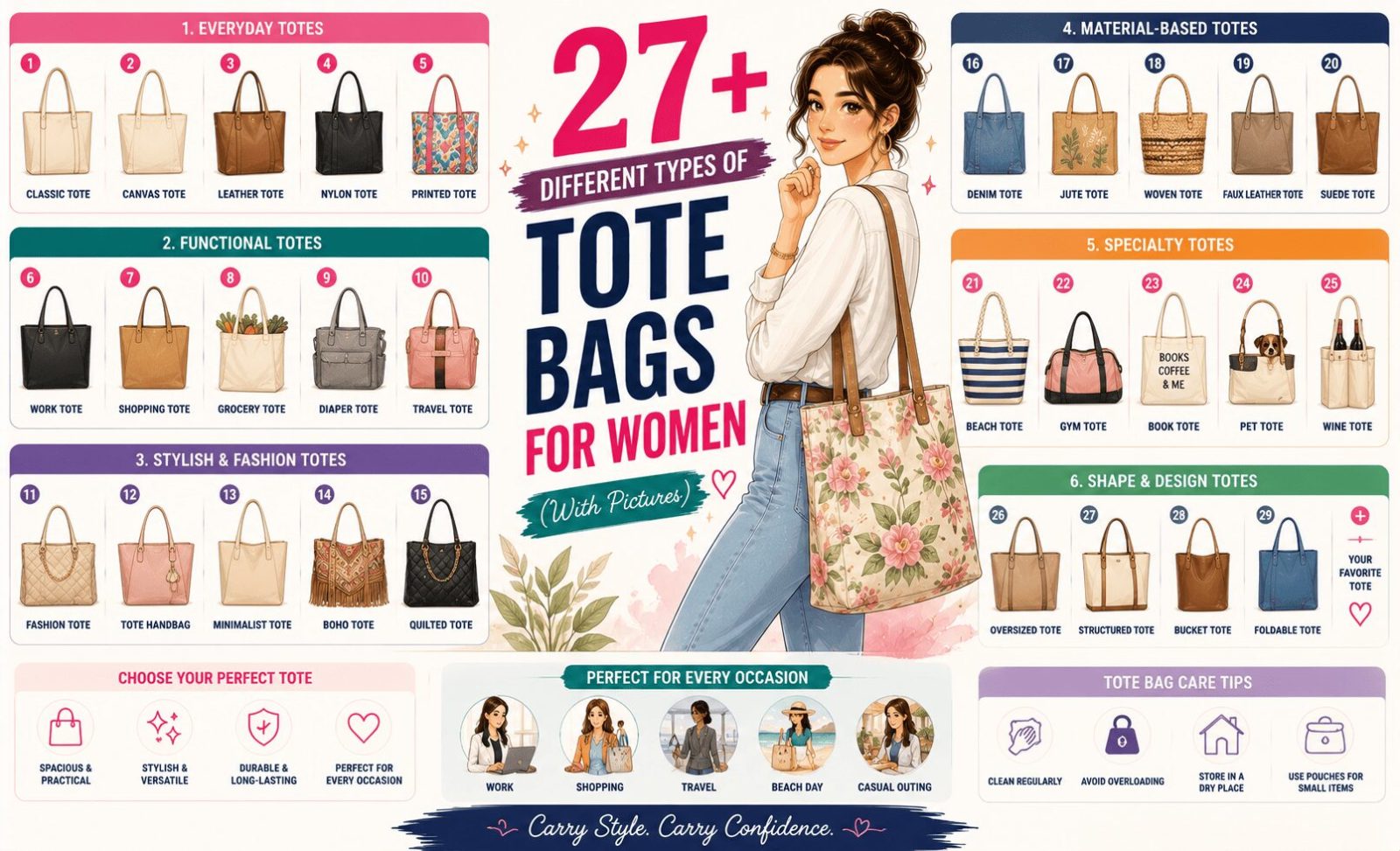
    There’s a reason certain tote bags feel instantly, completely right the moment you sling them over your shoulder. Not just functional — right. Like the bag was constructed for exactly who you’re trying to be that day. That sensation isn’t accidental. It’s the product of silhouette, strap length, material weight, lining, gusset depth — dozens of design decisions converging into something that works not just for your arm, but for your life.
    Tote bags are the most versatile accessory in any woman’s wardrobe. And, honestly, the most underestimated.

    The modern tote as we know it has roots in the 1940s, when L.L.Bean produced a simple canvas bag for carrying ice from cars to boats — purely utilitarian. What happened next is one of fashion’s more interesting transformations: designers like Prada and Bottega Veneta elevated the tote into a luxury statement, while fashion houses from Goyard to Louis Vuitton turned it into a signifier of effortless wealth. Today, the category spans everything from raw canvas market totes to structured leather carryalls, each with its own construction logic, material story, and styling purpose.

    The Guide

    This guide categorizes all 21+ types of tote bags across 6 classification systems. For every single entry:

    • Design

      What it looks like

    • Best For

      When & where to carry it

    • Material

      What it’s made from

    Start here, explore everything, and browse our full visual handbag guide alongside it.

    All 6 Categories at a Glance

    A structured breakdown of the 21+ tote bag types documented in this guide.

    1. 01

      By Structure / Construction

      7 types #1–#7
    2. 02

      By Size / Capacity

      4 types #8–#11
    3. 03

      By Material / Fabric

      5 types #12–#16
    4. 04

      By Occasion / Purpose

      4 types #17–#20
    5. 05

      By Strap Style

      3 types #21–#23
    6. 06

      By Design Detail / Embellishment

      4 types #24–#27
    Total Coverage
    27 Types Documented

    21+ Different Types of Tote Bags for Women

    Category 1: By Structure / Construction (#1–#7)

    How the bag is built, shaped, and held — the foundational identity of each tote type

    Structure is everything. Before a tote has a material or a color or a brand name — it has a construction identity. Is it a simple open-top shopper? A zippered carryall with internal organization? A rigid frame tote with base feet? These 7 types represent the fundamental what of the bag: how panels are cut, how handles are attached, and what structural logic holds the whole thing together when loaded.

    What works beautifully about this classification is that it cuts through the noise of brand language. A "luxury everyday tote" is marketing. A structured leather bag with a rigid base, metal feet, and open-top panel construction? That's construction. And construction tells you how a bag will carry, age, and behave when packed — which is the information that actually matters when you're shopping.

    1. 01

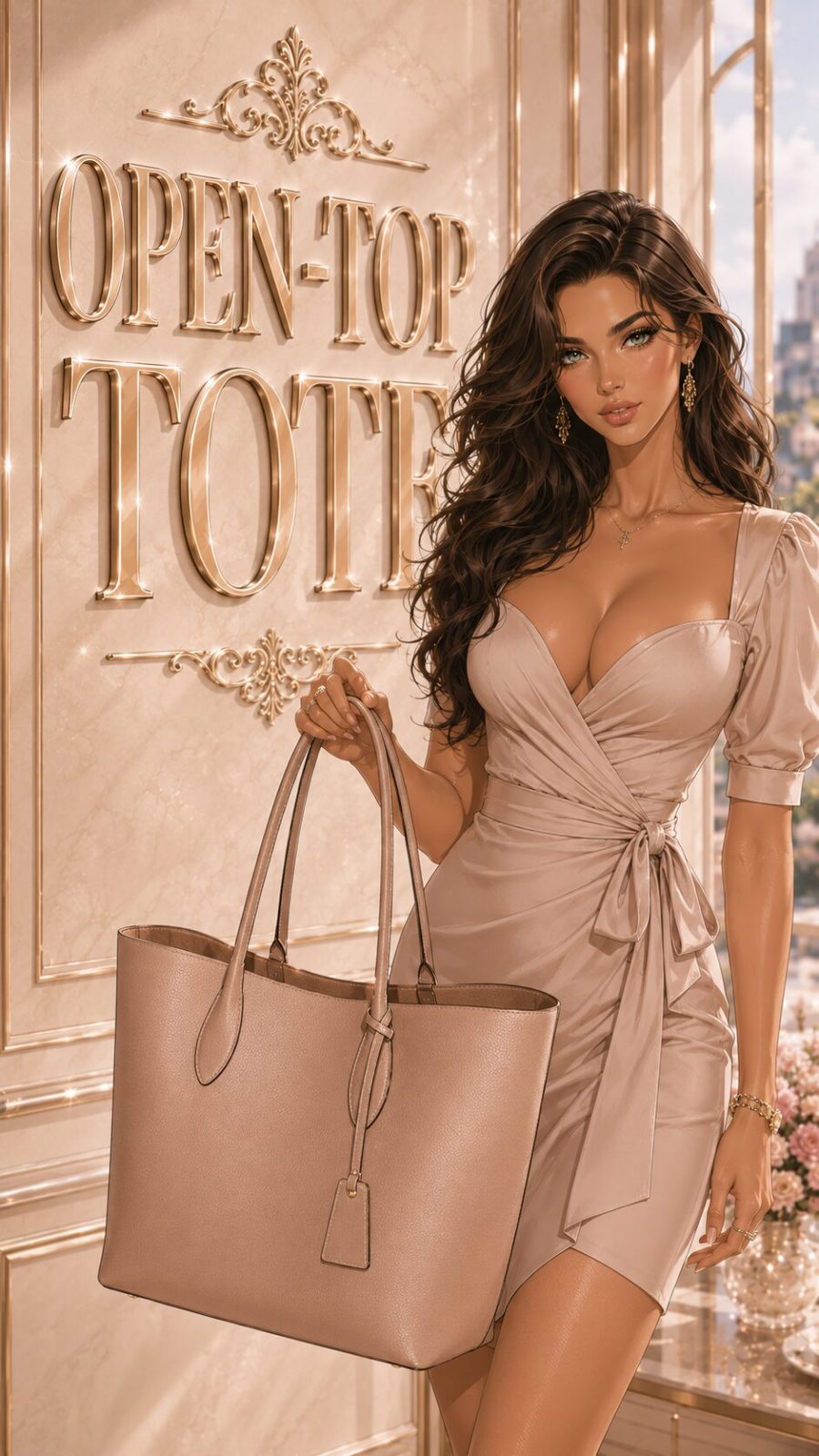
      Classic Open-Top Tote

      Classic Open Top Tote Bag Example

      The quintessential tote — an open rectangular bag with two parallel handles and no closure at the top. Pure, uninterrupted access. The construction descends directly from the utilitarian canvas bags that defined early American workhorse design. Today, every major fashion house has riffed on this form. Yet the open-top tote's appeal remains precisely its simplicity.

      DesignOpen top, two parallel handles, rectangular body panel construction
      MaterialCanvas, cotton, leather, nylon — highly material-variable
      Best ForEveryday errands, grocery runs, beach, casual outings
    2. 02

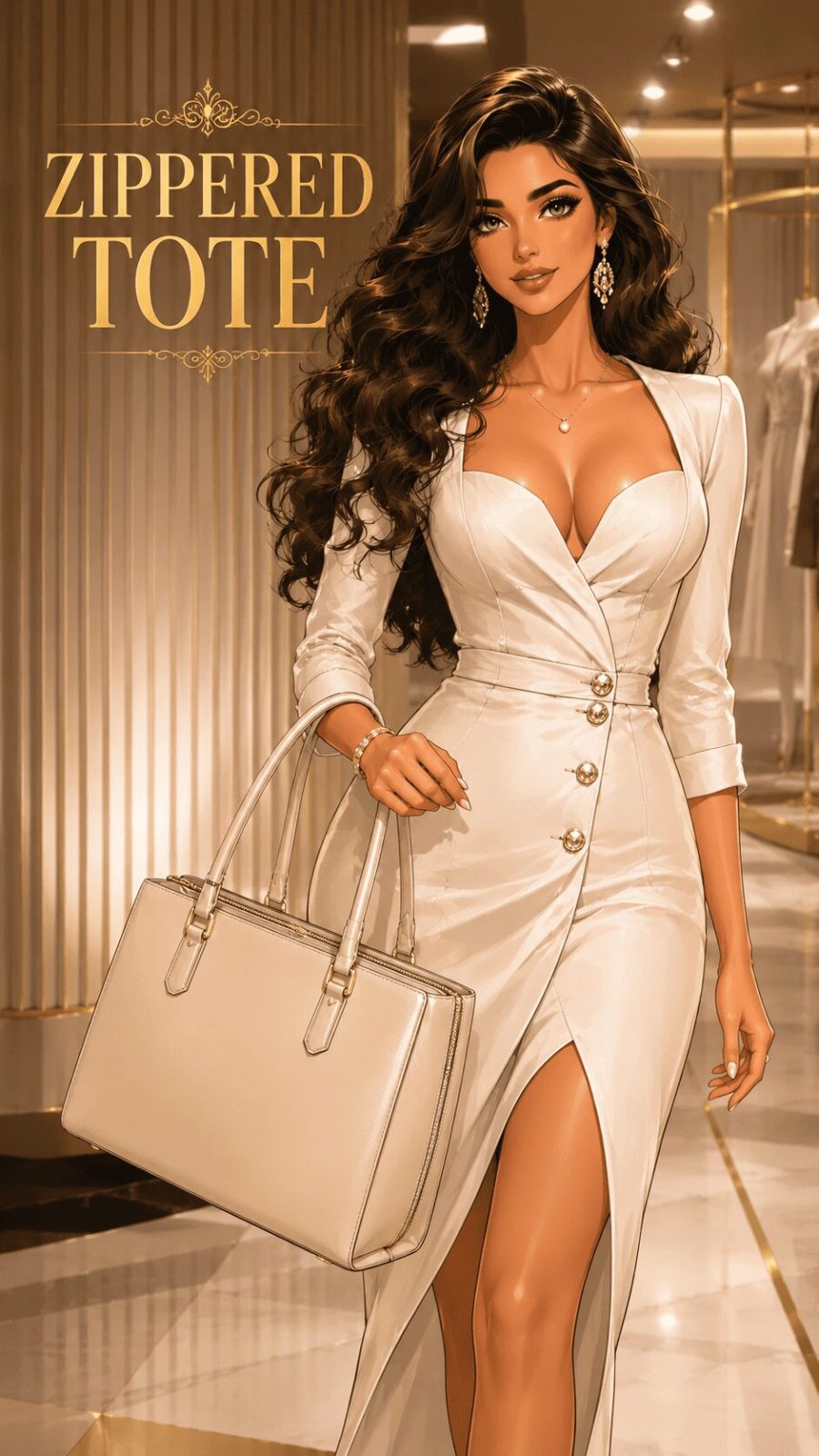
      Zippered Tote

      Zippered Tote Bag Example

      A tote with a full zip closure across the top. Structurally identical to an open-top tote in body construction — the closure is the differentiator. The zip hardware adds weight but also security; this is the tote of choice for commuters, travelers, and anyone who needs to move through crowds without anxiety about bag contents.

      DesignFull zip top closure, tote body construction, often structured sides
      MaterialNylon, leather, coated canvas — durability-focused
      Best ForCommuting, travel, public transport, daily city use
    1. 03

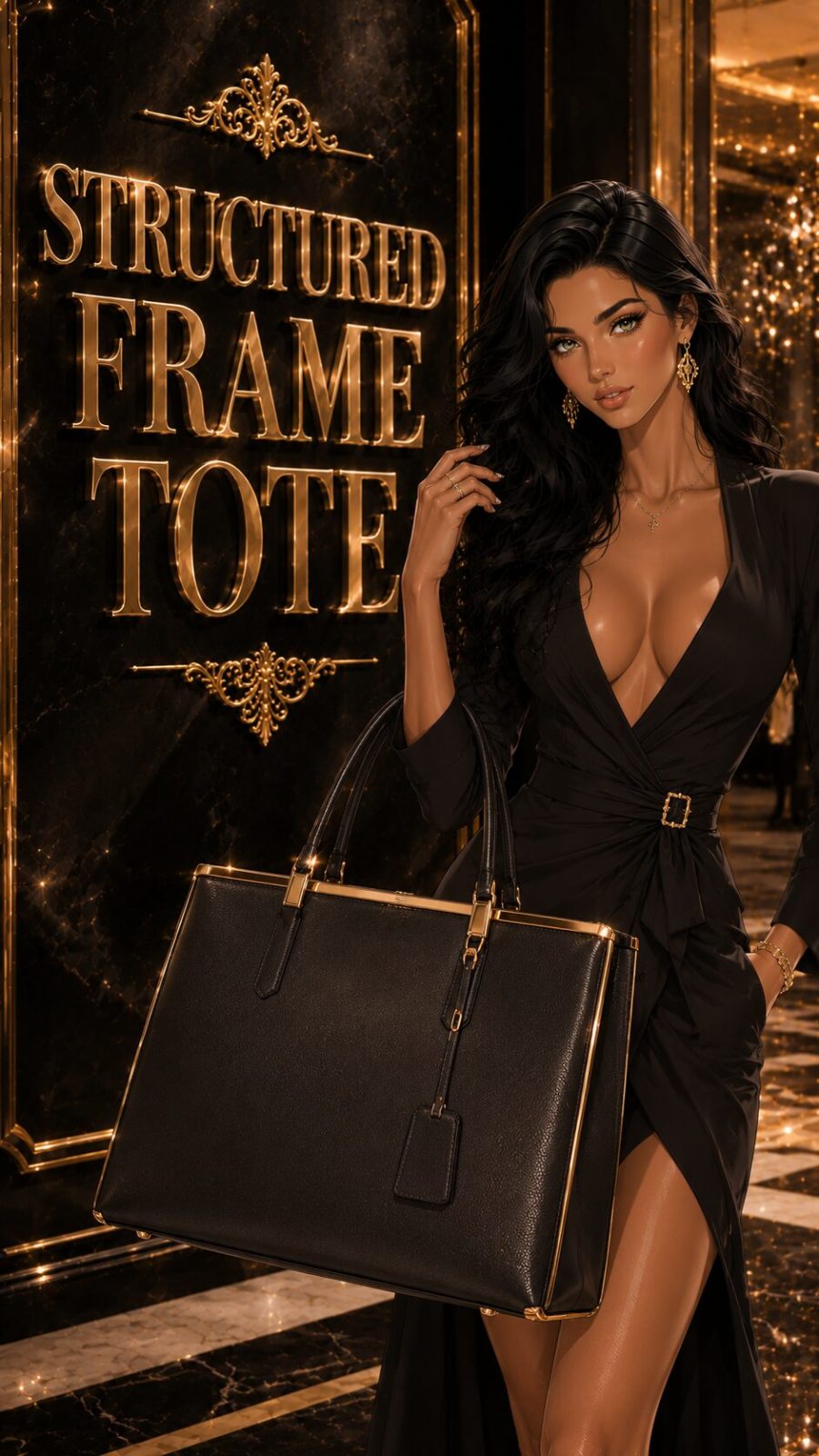
      Structured Frame Tote

      Structured Frame Tote Bag Example

      A tote built around an internal or external rigid frame that holds its shape whether full or empty. Bottom feet are nearly universal in this category. The structured frame tote is, frankly, the most architecturally honest bag in this guide — it makes no attempt to be what it isn't. Stiff. Upright. Reliable.

      DesignRigid internal structure, base feet, holds shape when empty
      MaterialLeather, stiff coated canvas, structured nylon
      Best ForOffice, formal occasions, professional environments
    2. 04

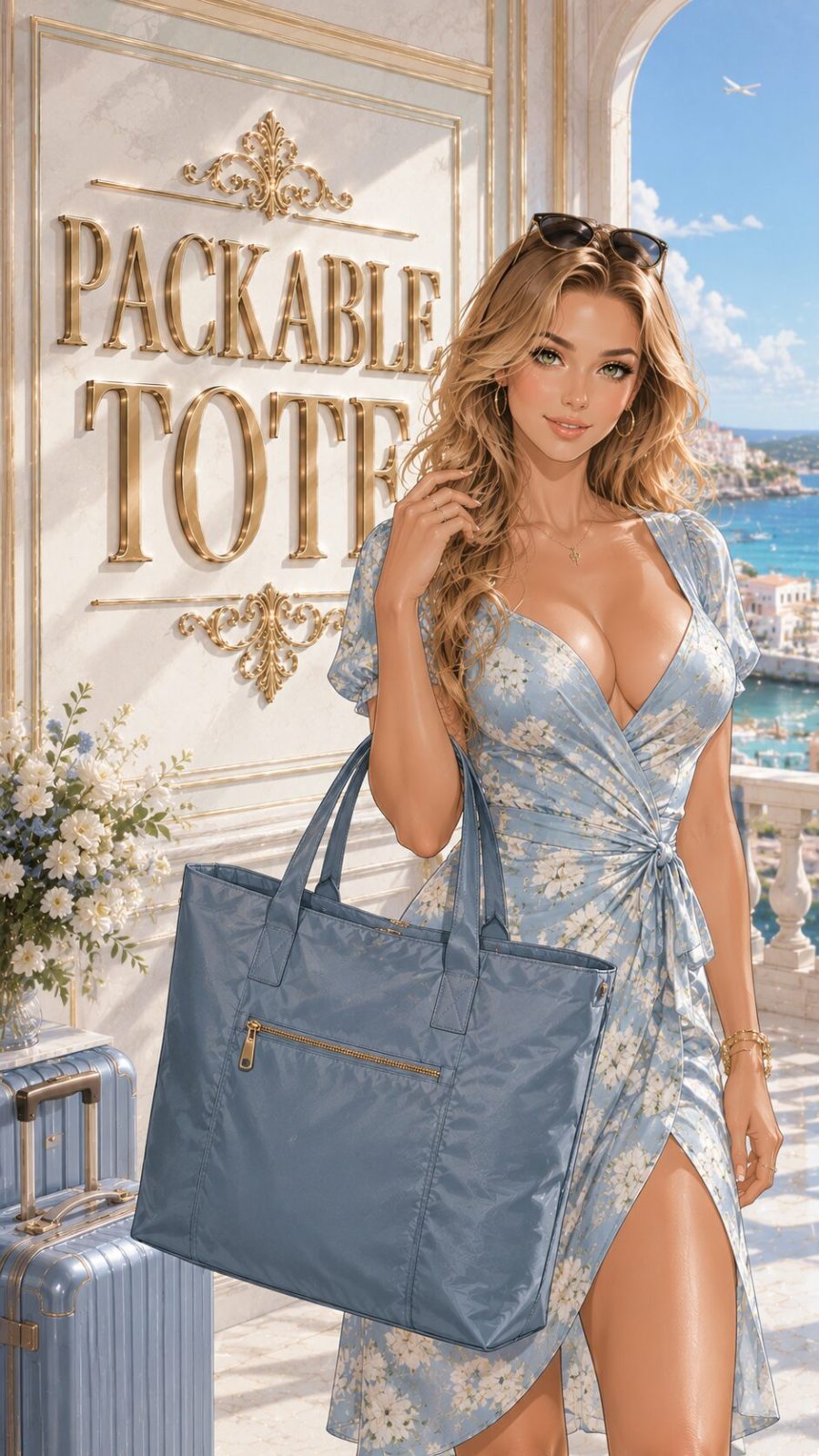
      Foldable / Packable Tote

      Foldable Packable Tote Bag Example

      Ultra-lightweight construction that folds down flat or compresses into a small pouch. Zero structure by design. The packable tote solves a specific, genuine problem: you leave the house with one bag and realize you've bought too much to carry home in your hands. It's the backup bag — and a thoughtful one.

      DesignFlat-fold or stuff-sack construction, lightweight ripstop or nylon
      MaterialRipstop nylon, ultralight polyester, packable canvas
      Best ForTravel, shopping, grocery runs, emergency overflow bag
    1. 05

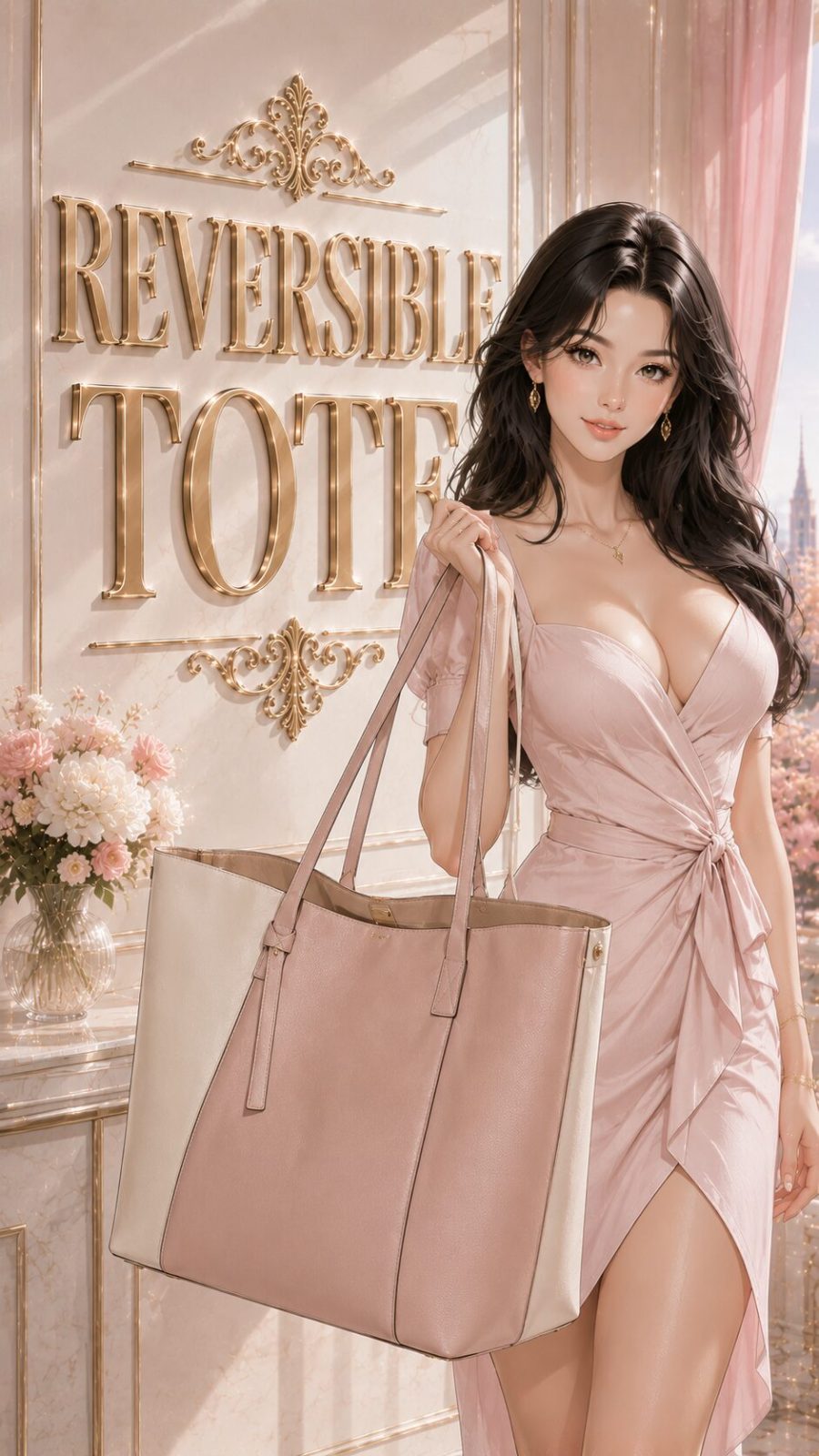
      Reversible Tote

      Reversible Tote Bag Example

      Two-sided construction where both interior and exterior are finished and wearable. Flip it inside out and you essentially have a different bag. Clever engineering — the seams must be concealed on both sides simultaneously, which makes it technically more complex to produce well than it looks.

      DesignDual finished sides, clean seams inside and out, two distinct colorways
      MaterialCanvas, nylon, neoprene — fabric combinations that work reversed
      Best ForCapsule wardrobe building, travel versatility, casual everyday
    2. 06

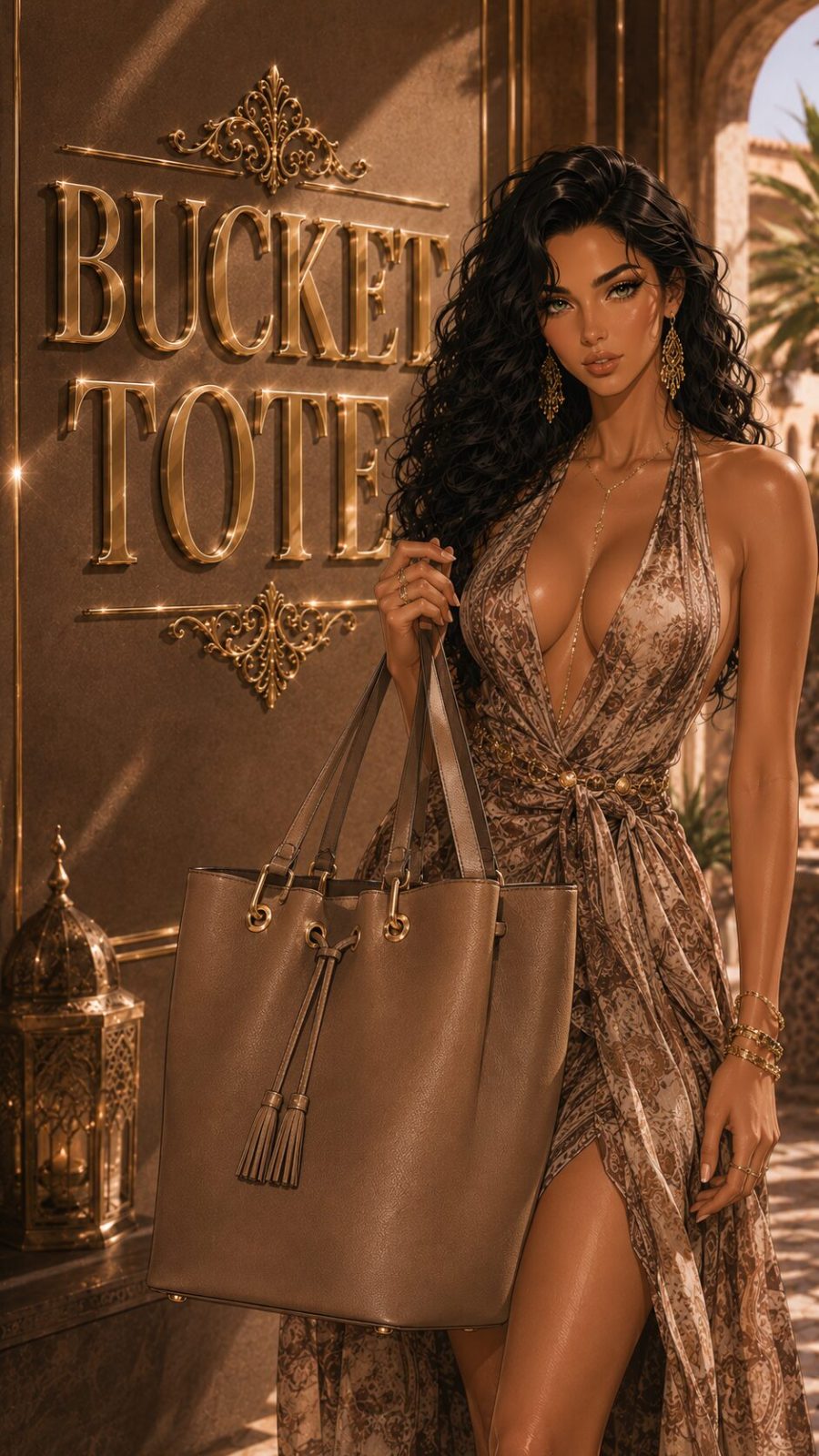
      Bucket Tote

      Bucket Tote Bag Example

      Cylindrical or bucket-shaped body with a flat base; wide mouth opening. The bucket tote is the tote-bag cousin of the bucket bag — taller than it is wide, open at the top, and designed around the logic that depth matters more than structure. It swallows everything. Not always elegantly. But reliably.

      DesignCylindrical or bucket silhouette, flat circular base, wide open mouth
      MaterialCanvas, leather, woven straw, jute — widely material-flexible
      Best ForMarket trips, casual outings, beach, weekend errands
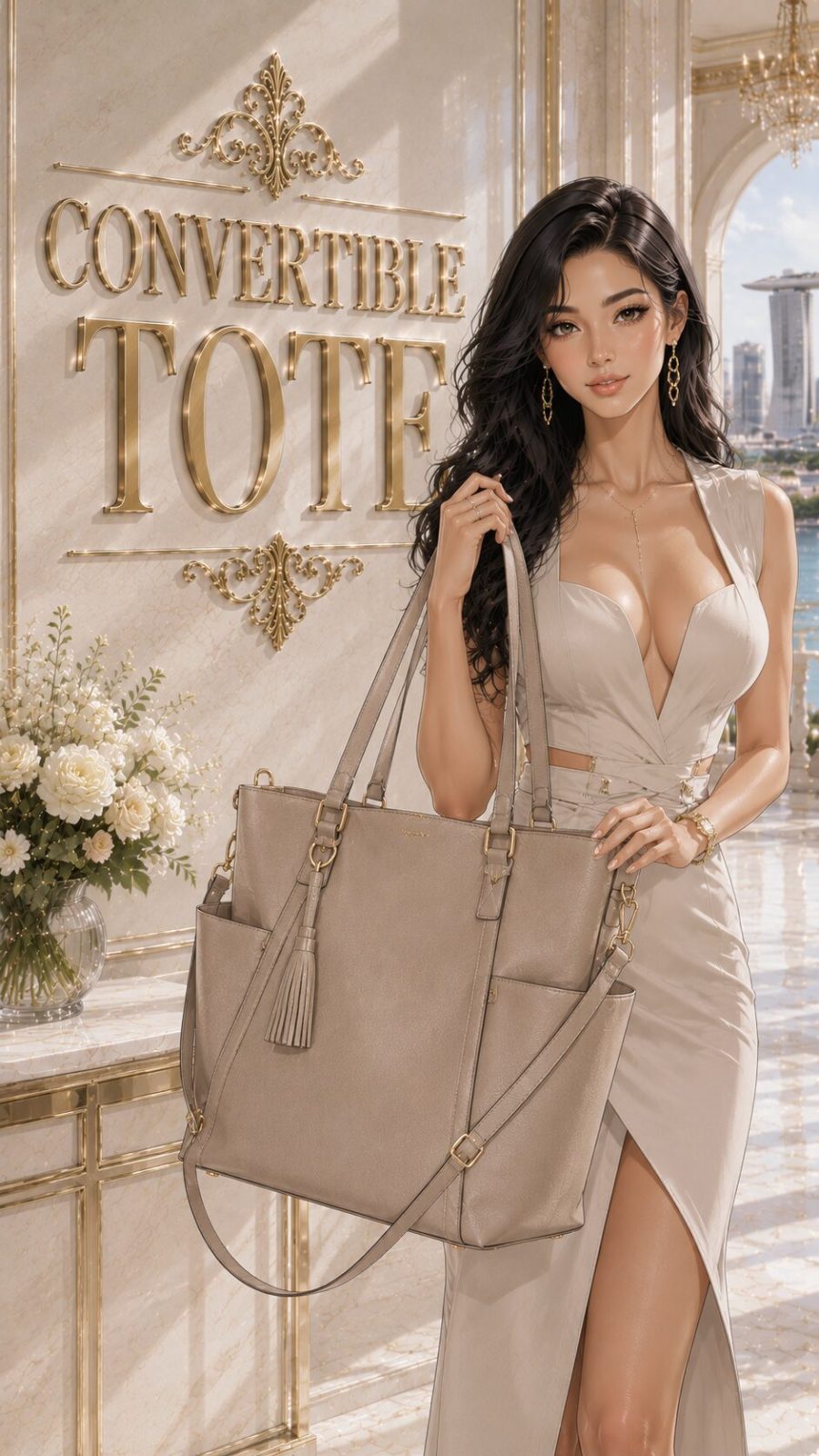
    1. 07

      Convertible Tote

      Convertible Tote Bag Example

      A tote with adjustable or detachable straps that allow it to function as a shoulder bag, backpack, or even a clutch. The construction intentionally builds in multiple carrying configurations. Useful — genuinely — especially for commuters who shift between walking, transit, and desk work across a single day.

      DesignMulti-carry configuration with detachable or adjustable straps
      MaterialNylon, canvas, technical fabric — durability-first construction
      Best ForCommuting, travel, gym-to-work transitions
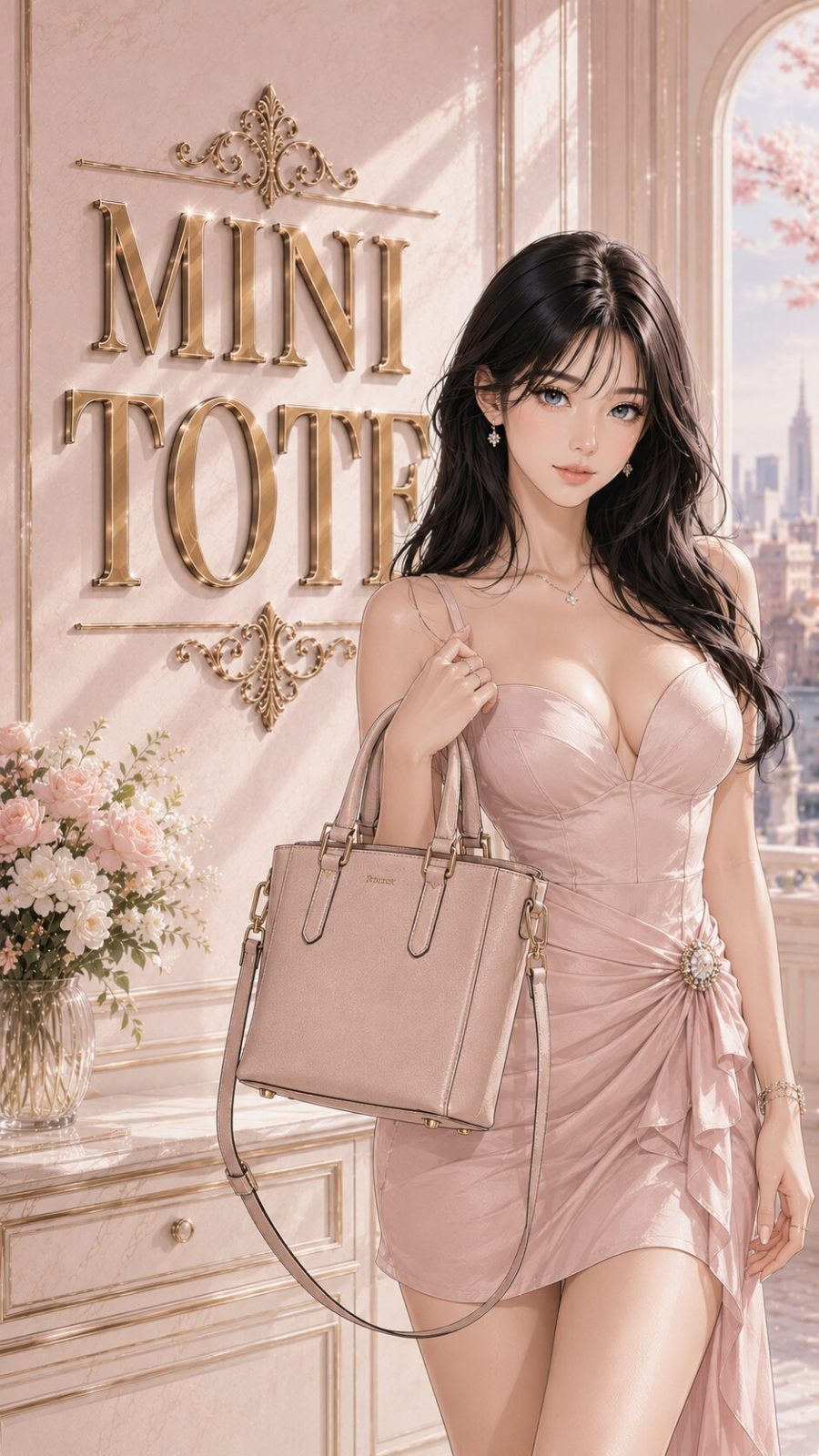
    2. 08

      Mini Tote

      Mini Tote Bag Example

      A tote scaled down to essentials-only size — typically 18–22 cm wide. Holds a phone, card holder, keys, and perhaps one small item. The mini tote began as a luxury fashion statement (Marc Jacobs, Loewe, Miu Miu all popularized scaled-down versions) and has since filtered into every market segment. It's not practical for much. But it photographs extraordinarily well.

      DesignCompact tote dimensions (18–22 cm wide), essentials-only capacity
      MaterialLeather, canvas, woven fabric — anything that holds structured shape small
      Best ForDinner, events, fashion-forward casual, short outings
    Stylist Insight

    The single most overlooked construction detail in tote bags is the gusset — that flat piece at the base and sides that determines how much the bag expands. A bag with a 5 cm gusset and a bag with a 12 cm gusset look nearly identical empty but carry dramatically different loads. Always check the gusset measurement before buying. It changes everything about daily capacity. And capacity, honestly, is what you're actually buying.

    Quick Recap — Category 1
    • 7 types defined by construction identity — not color, brand, or trend name
    • Structure determines carry behavior — a frame tote and a foldable tote share a shape but nothing else
    • Gusset depth is the most overlooked construction variable — check it before every purchase
    • Zippered and convertible constructions offer the highest functional versatility in daily use

    Category 2: By Size / Capacity (#8–#11)

    How much the bag can carry — the volume modifier that determines your daily functionality

    Size is a modifier. A canvas tote isn't a construction type — it's a material applied to a construction. But size? Size is the variable that most directly affects whether a bag works for your actual life. A woman who commutes with a laptop, gym kit, and lunch needs a different size decision than one heading to brunch with a phone and a card holder. Understanding size categories — not just "small/medium/large" but what those proportions actually hold — is the practical skill this guide aims to deliver.

    1. 09

      Oversized / Market Tote

      Oversized Market Tote Bag Example

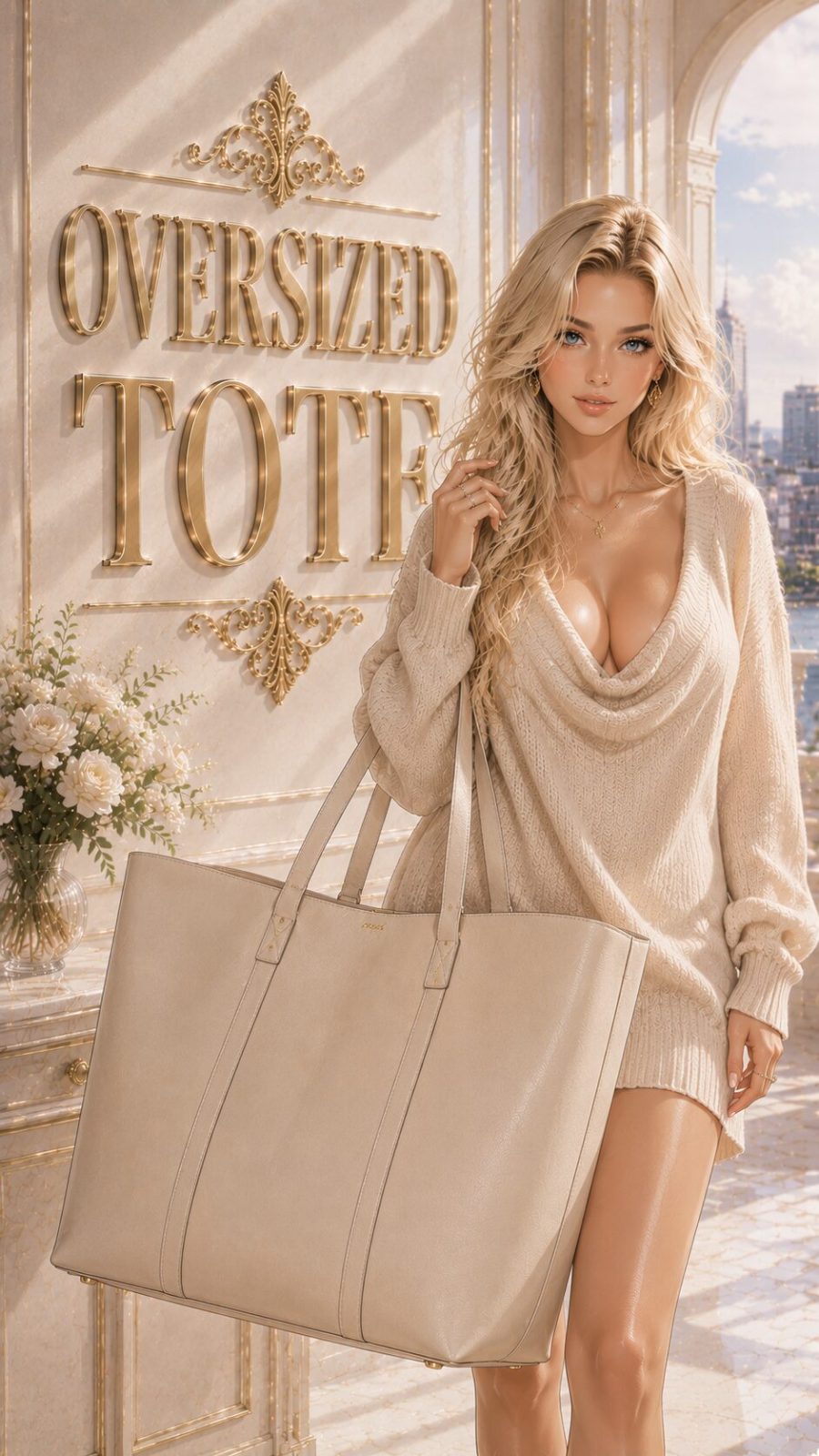
      Extra-large dimensions — typically 40+ cm wide — built for maximum load. The market tote is the workhorse version of this category: generous enough to carry groceries, farmers market hauls, or an entire beach setup. In European style culture, a large woven market basket or oversized canvas tote has been a signature accessory for decades. Practically wise. Consistently chic.

      Design40+ cm width, generous gusset, maximum volume capacity
      MaterialHeavy canvas, woven straw, jute, linen — naturally casual materials
      Best ForGrocery shopping, beach, farmers market, travel carry-on
    2. 10

      Standard / Everyday Tote

      Standard Everyday Tote Bag Example

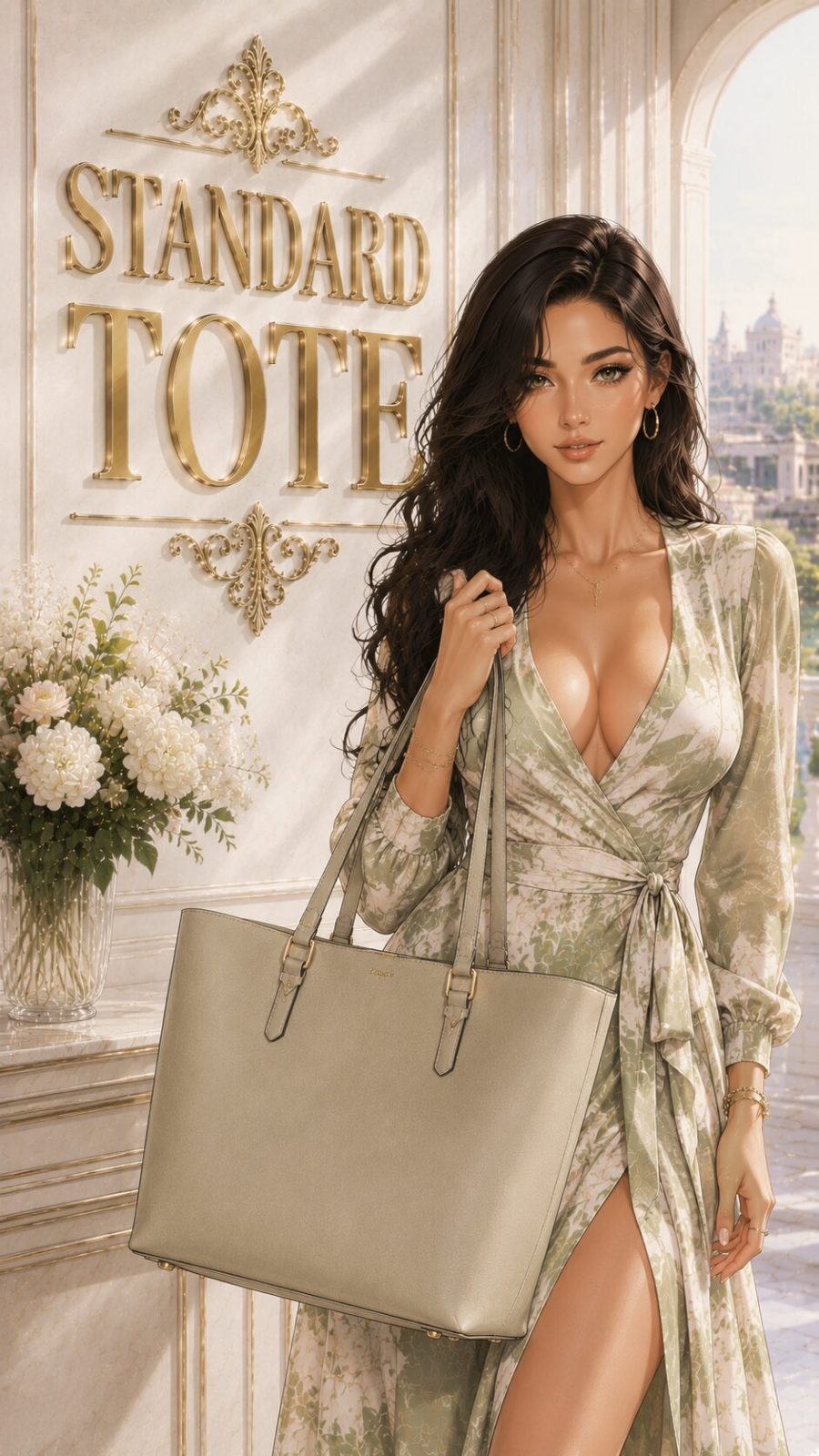
      The default size category — roughly 30–38 cm wide, proportioned to carry a day's worth of essentials without strain. This is the tote most women reach for without thinking: wallet, phone, water bottle, keys, a book or tablet, and something extra. It's not dramatic. That's precisely why it works so consistently well across virtually every context.

      Design30–38 cm width, proportionate depth, universally versatile sizing
      MaterialAll materials — this is the canvas, leather, nylon default
      Best ForEveryday everything — the universal default tote size
    1. 11

      Work / Laptop Tote

      Work Laptop Tote Bag Example

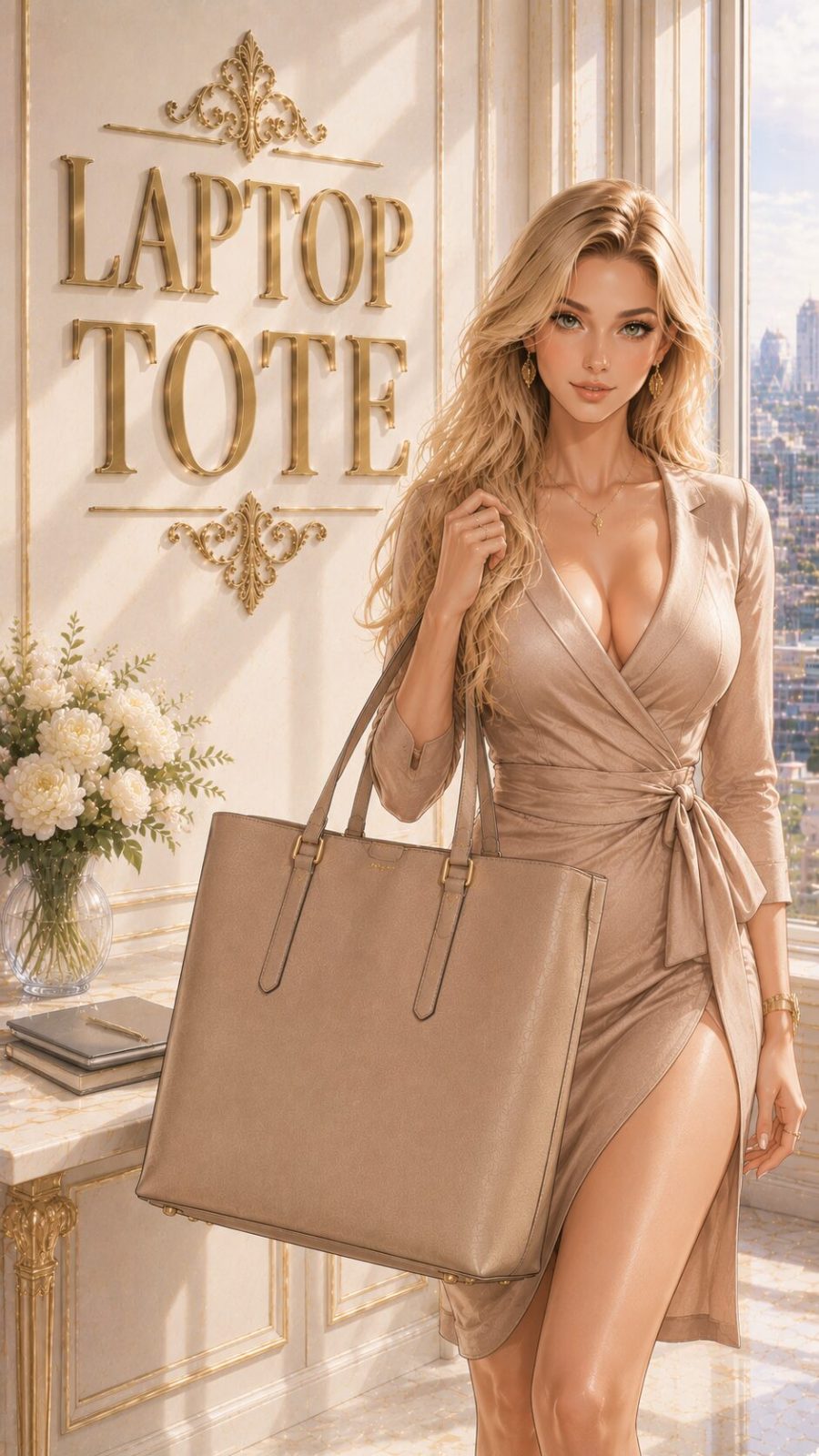
      Sized and structured specifically to accommodate a 13–15 inch laptop, with internal organization for work essentials. The key differentiator here isn't just size — it's the padded laptop sleeve and the structural rigidity needed to protect devices. A well-designed work tote is, essentially, a professional briefcase in tote clothing. And women have largely preferred it that way.

      DesignPadded laptop compartment, structured sides, internal organization pockets
      MaterialLeather, structured nylon, coated canvas — professional aesthetics
      Best ForOffice commuting, business travel, client meetings
    2. 12

      Canvas Tote

      Canvas Tote Bag Example

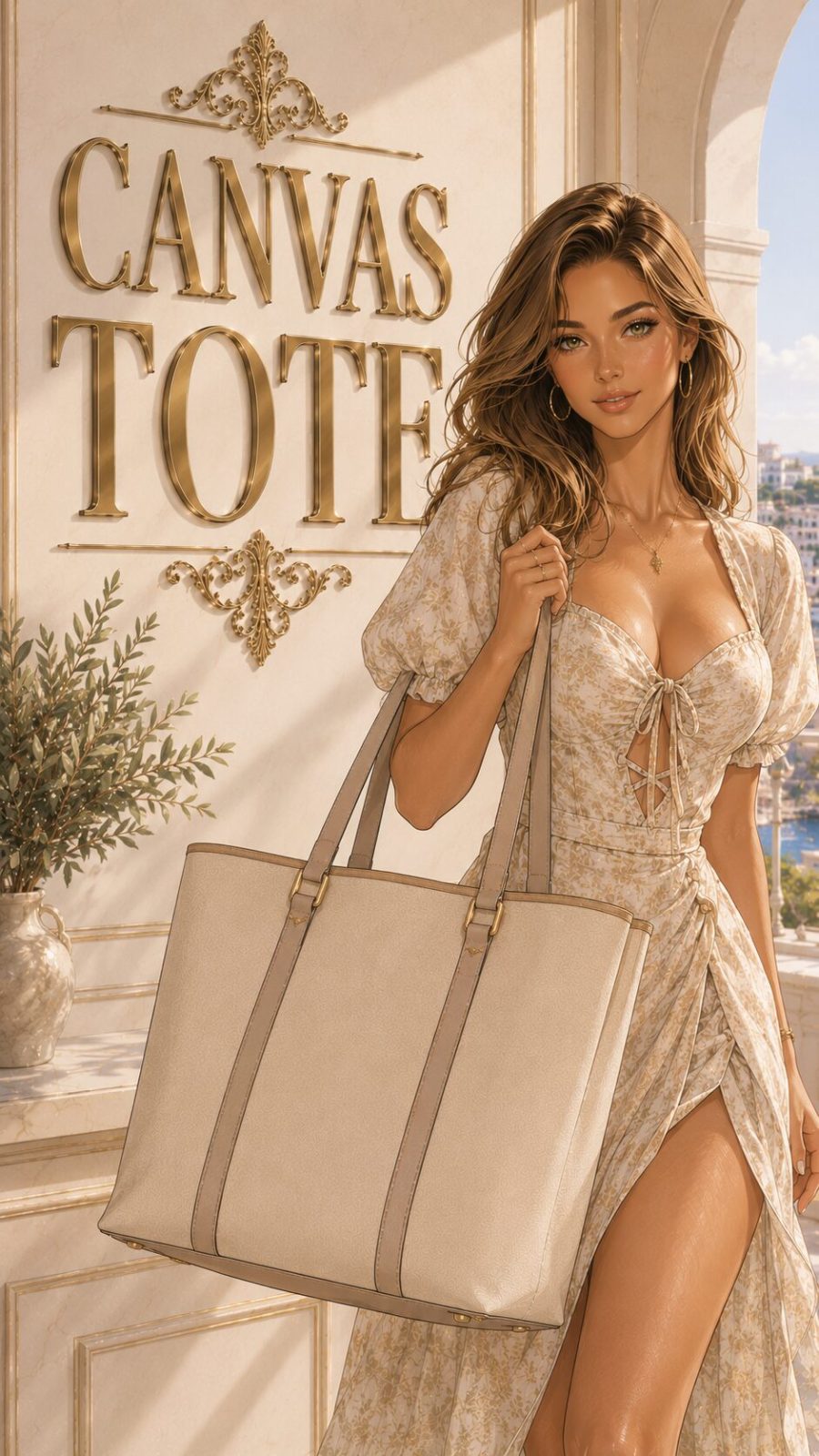
      Made from woven cotton or cotton-polyester canvas; the most common tote material by far. The canvas tote became a cultural symbol as much as a bag — museum bookshops, literary festivals, political campaigns, and independent brands all gravitated toward it as a vehicle for identity expression. Durable, washable, and — at its best — genuinely beautiful in its simplicity.

      DesignWoven cotton canvas construction, typically flat, open-top
      MaterialCotton canvas, duck canvas, cotton-poly blend canvas
      Best ForCasual everyday, grocery, bookshop, student life, farmers market

    Category 3: By Material / Fabric (#13–#16)

    What the bag is made from — the material story that determines texture, durability, and character

    Material is where tote bags get genuinely interesting from a craft standpoint. The material is the most emotionally expressive dimension of a bag — before you even see the silhouette, you respond to texture. The crinkle of structured nylon. The buttery weight of a full-grain leather. The organic roughness of raw jute. These sensory cues communicate something about the bag's character before you've even touched it. And they tell you something accurate about how it will age.

    For more context on how different materials interact with daily wear and bag care, our comprehensive breakdown of fabric types and their properties offers useful context.

    1. 13

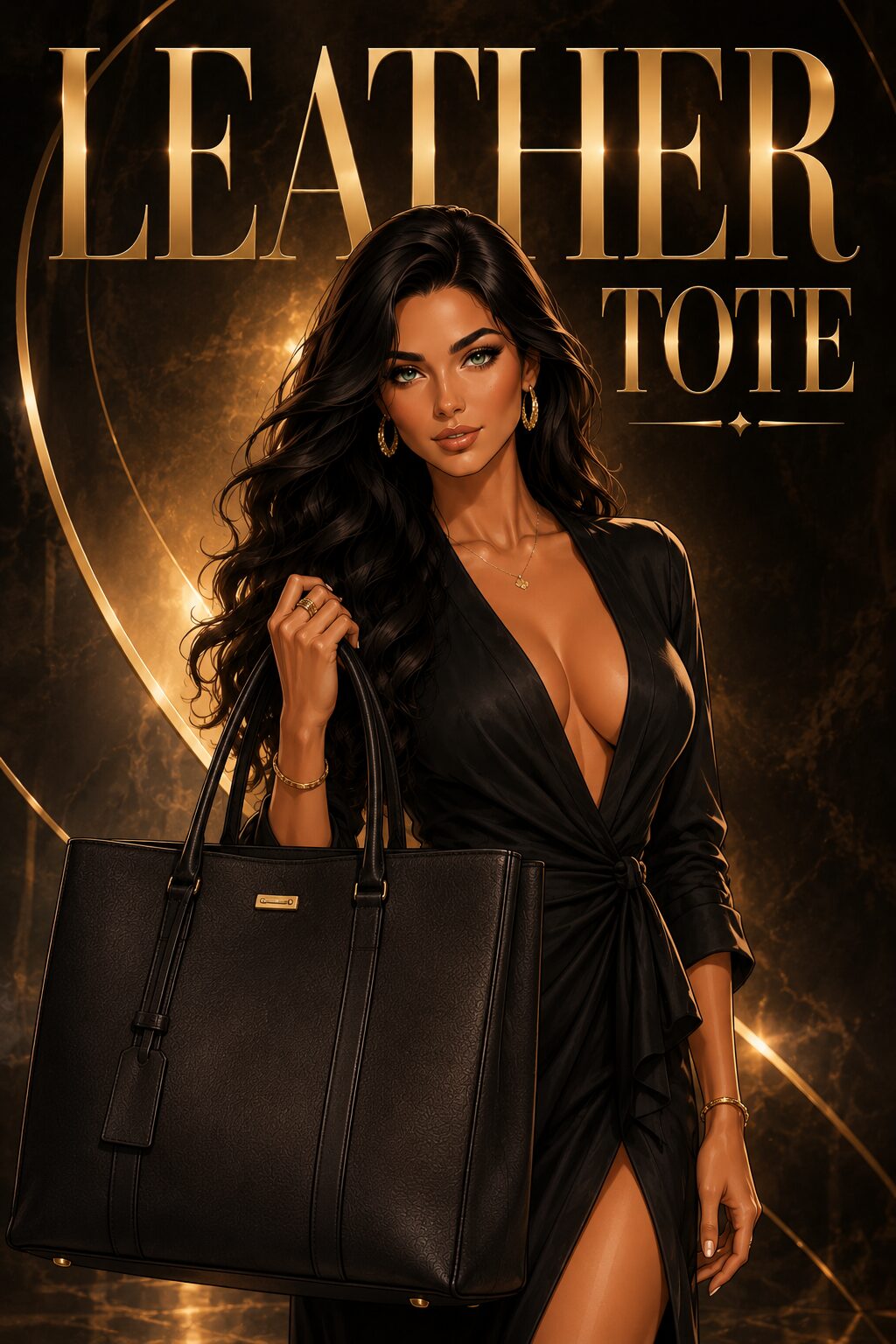
      Leather Tote

      Leather Tote Bag Example

      Full-grain, top-grain, or corrected-grain leather construction; the material that develops a patina over time and ages better than virtually any other bag material. A quality leather tote bought at 25 can still be carried at 45 — arguably more beautifully, given what leather does as it absorbs years of handling. The weight is the primary trade-off: leather totes are heavier before you put anything in them.

      DesignLeather panels, stitched construction, often structured with base feet
      MaterialFull-grain, top-grain, or corrected-grain leather; pebbled or smooth
      Best ForOffice, smart-casual, investment-piece everyday use
    2. 14

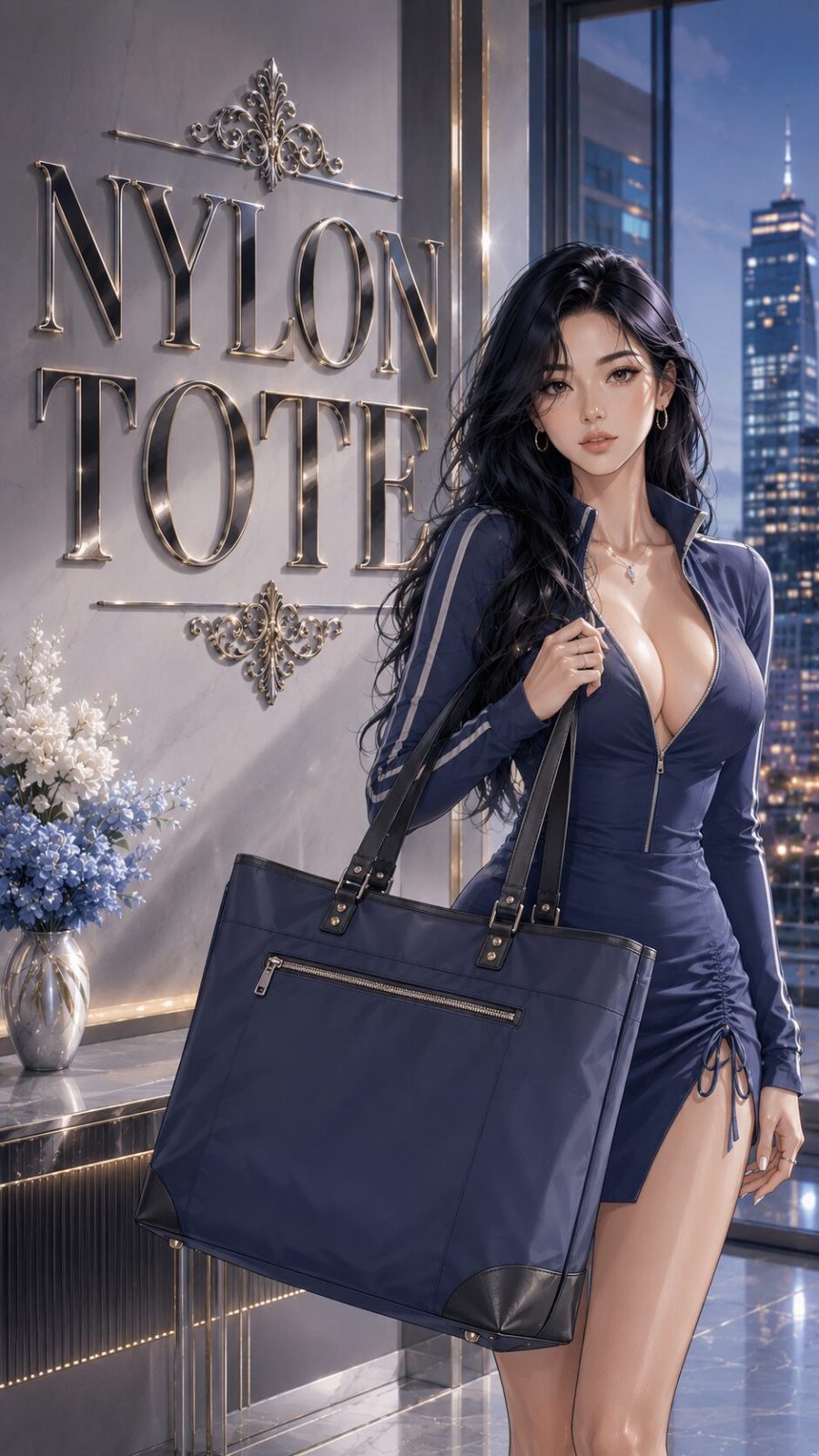
      Nylon / Technical Tote

      Nylon Technical Tote Bag Example

      Lightweight, weather-resistant, and often with a slight sheen. Nylon totes exploded in fashion relevance when Prada introduced its Pocone nylon in the early 1980s — elevating a technically functional material into a luxury statement. Today, nylon totes occupy the sweet spot between casual and polished: light enough to forget you're carrying it, durable enough for everyday abuse.

      DesignLightweight synthetic panels, often with leather or nylon trim details
      MaterialBallistic nylon, ripstop nylon, coated nylon, recycled nylon
      Best ForCommuting, rainy climates, travel, smart-casual urban use
    1. 15

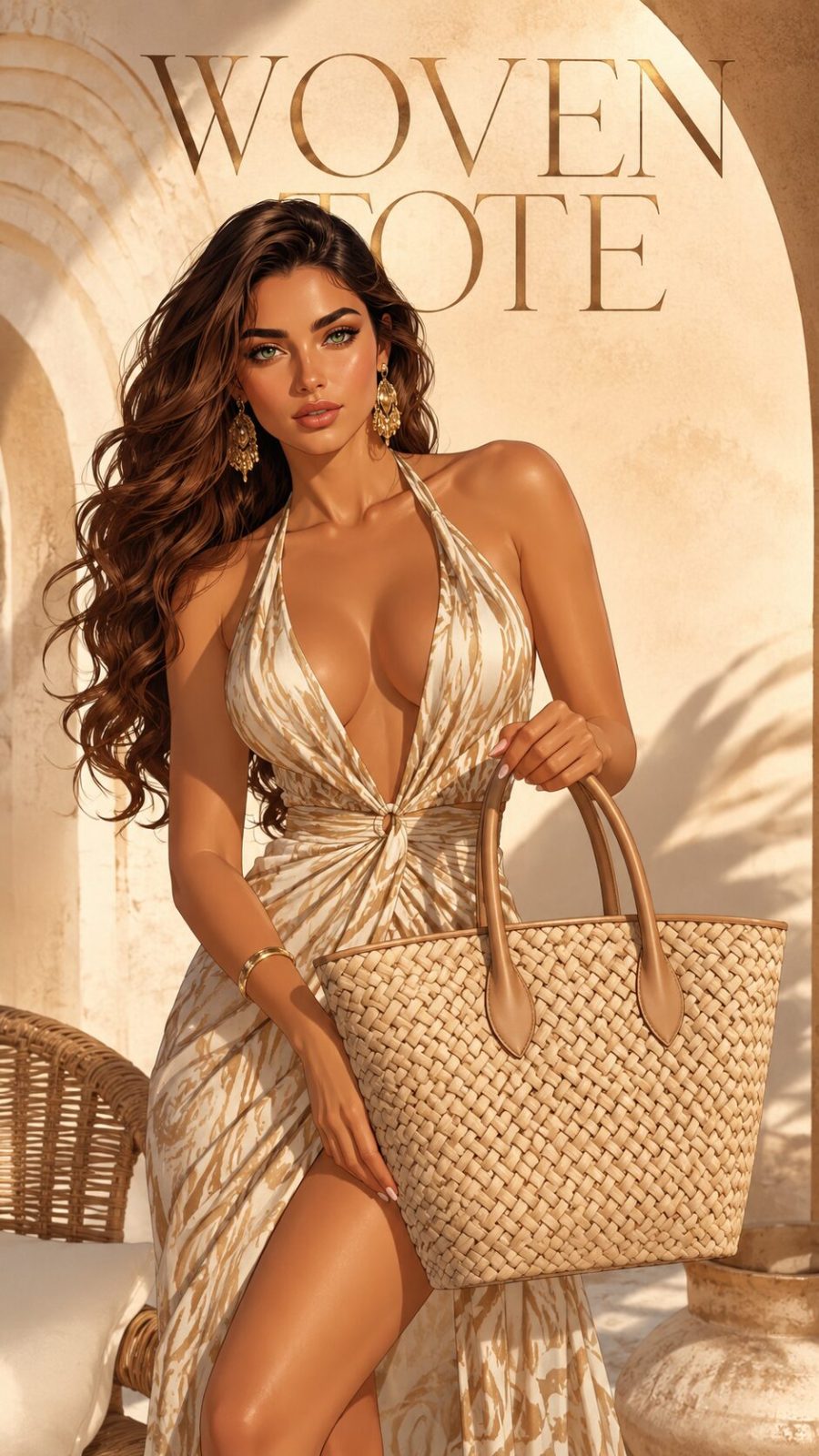
      Woven / Straw Tote

      Woven Straw Tote Bag Example

      Handwoven or machine-woven construction using natural materials — raffia, seagrass, rattan, or straw. The weave itself is the design. Some of the most expensive totes in the world (Loewe's craft pieces, Bottega Veneta's intrecciato variations) use woven techniques. Equally, some of the most beloved inexpensive beach totes are simple woven straw bags bought in coastal markets. Same construction logic, worlds apart in price.

      DesignInterlaced natural fiber weave, organic texture, typically open-top
      MaterialRaffia, seagrass, rattan, straw, woven leather strips
      Best ForBeach, resort, market, summer casual, vacation
    2. 16

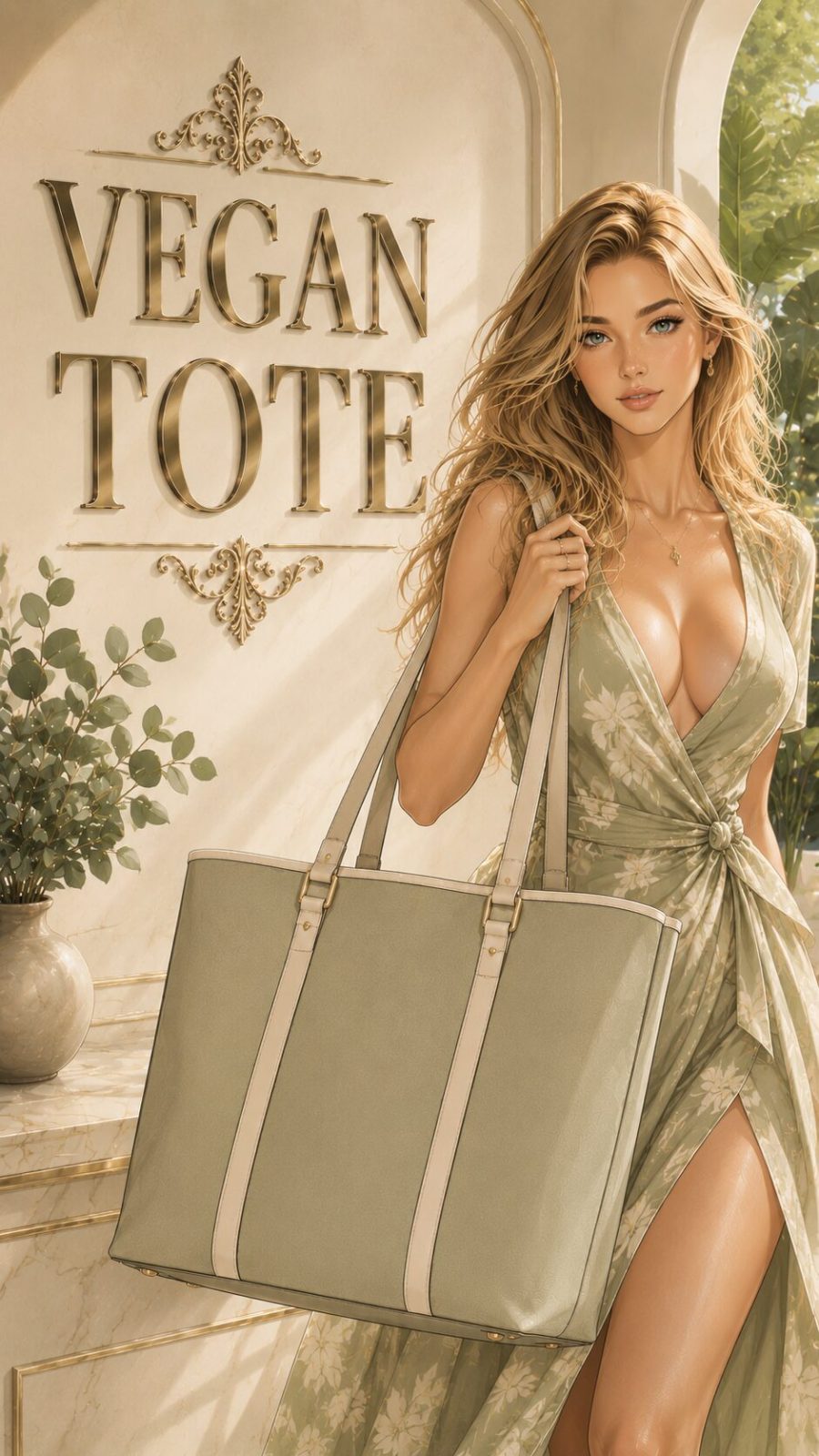
      Vegan / Faux Leather Tote

      Vegan Faux Leather Tote Bag Example

      Constructed from PU leather, PVC, or newer plant-based alternatives like Piñatex (pineapple fiber) or apple leather. The quality range is enormous — cheap PU peels within a year, while good-quality PU can last a decade. The faux leather tote has expanded significantly in quality and credibility, particularly as innovation in bio-based materials has accelerated through the early 2020s and beyond.

      DesignLeather-mimic surface, structured construction, various finish textures
      MaterialPU leather, high-quality PVC, Piñatex, apple leather, cactus leather
      Best ForEthical-conscious styling, office, everyday smart-casual
    Stylist Insight

    In real-world bag-buying decisions, women consistently underestimate material weight as a variable. A leather tote that feels manageable in a shop adds 800–1000 grams to your carry before you've put a single item in it. Over a full commuting day, that matters. Nylon totes — even structured ones — typically weigh 200–350 grams empty. That 600-gram difference is the difference between arriving somewhere rested and arriving somewhere with a shoulder ache. Weight before you shop. It changes everything.

    Category 4: By Occasion / Purpose (#17–#20)

    What the bag is designed to do — the context and occasion that defines its purpose

    The occasion category is where tote bags diverge most clearly. A beach tote and a work tote may both be called "totes" — both have two handles, open-top construction, and similar proportions — but their internal organization, material requirements, and structural logic are entirely different. Occasion-specific design isn't just marketing. It's engineering for a specific context. Understanding which tote type aligns with which life scenario is the most practical thing this guide offers.

    For a broader look at how bag choice intersects with occasion dressing, our rundown of complete handbag styles by occasion provides useful context alongside this section.

    1. 17

      Beach Tote

      Beach Tote Bag Example

      Designed to handle wet swimsuits, sandy towels, sunscreen bottles, and the general chaos of a beach day. The beach tote is typically large, water-resistant or water-tolerant, and easy to wipe clean. The construction priorities are radically different from an office tote: sand-resistant lining matters more than internal pockets; material weight matters less than material resilience.

      DesignLarge open body, wipe-clean interior, water-tolerant construction
      MaterialStraw, woven raffia, EVA rubber, coated canvas, mesh
      Best ForBeach days, pool, resort, waterside outings
    2. 18

      Gym / Sports Tote

      Gym Sports Tote Bag Example

      Purpose-built for carrying gym kit — typically includes a separate ventilated shoe compartment, a water bottle pocket, and a wet items pouch. The gym tote is a tote that has accepted it has a job to do and optimized accordingly. The ventilated shoe compartment is, perhaps, the greatest quiet innovation in everyday bag design. Anyone who has ever put damp gym shoes directly against clean clothes knows precisely why.

      DesignShoe compartment, external water bottle pocket, wet-dry separation
      MaterialNylon, polyester, wipe-clean coated fabric, mesh ventilation panels
      Best ForGym, yoga, fitness classes, swim training
    1. 19

      Travel Tote

      Travel Tote Bag Example

      Proportioned to fit in an airline overhead compartment or under a seat — typically 40–45 cm wide. Built with travel-specific features: a luggage pass-through sleeve on the back, a top carry handle for lifting overhead, and organizational pockets for documents, tech, and in-flight essentials. The travel tote is the bag that has replaced wheeled carry-on bags for a significant cohort of lighter travelers.

      DesignLuggage sleeve, document pocket, overhead-bin compatible proportions
      MaterialNylon, structured canvas, durable coated fabric
      Best ForAir travel, weekend trips, overnight stays, business travel
    2. 20

      Eco / Reusable Shopping Tote

      Eco Reusable Shopping Tote Bag Example

      Purpose-designed to replace single-use plastic bags — typically made from organic cotton, recycled materials, or jute. The eco tote is the most politically and culturally loaded bag in this guide. A simple printed organic cotton tote has, in the past decade, become a vehicle for values communication, brand alignment, and identity display. The functional case for it is simple: durable, washable, and better for the planet than disposable alternatives.

      DesignSimple open construction, reinforced handles, often printed design
      MaterialOrganic cotton, recycled polyester, jute, hemp canvas
      Best ForGrocery shopping, market runs, daily errands, identity expression
    Myth vs. Fact — Tote Bags & Practicality
    Myth:

    "A structured tote is always more practical than an unstructured one."

    Fact:

    Structure serves specific purposes — it keeps a bag upright, prevents it from collapsing inward, and projects a polished appearance. But an unstructured canvas tote can carry significantly more volume precisely because it can expand with its contents. The practical question isn't "structured or not?" — it's "what am I carrying, and what does that carry need from my bag?" An architect carrying drawing tubes needs an open, expandable structure. A commuter carrying a laptop needs structure and internal organization. Different answers. Both correct.

    Category 5: By Strap Style (#21–#23)

    How the bag is carried — the strap configuration that determines comfort and carrying position

    Strap design is where comfort is made or broken. A bag with perfect construction, ideal material, and the right size becomes an instrument of daily discomfort if the straps are too short to fit comfortably over a thick coat, or too narrow to distribute load across the shoulder. Strap length, width, material, and attachment method — these are not secondary details. They're the variables that determine whether you'll actually carry the bag for years or leave it on a shelf after a month of sore shoulders.

    1. 21

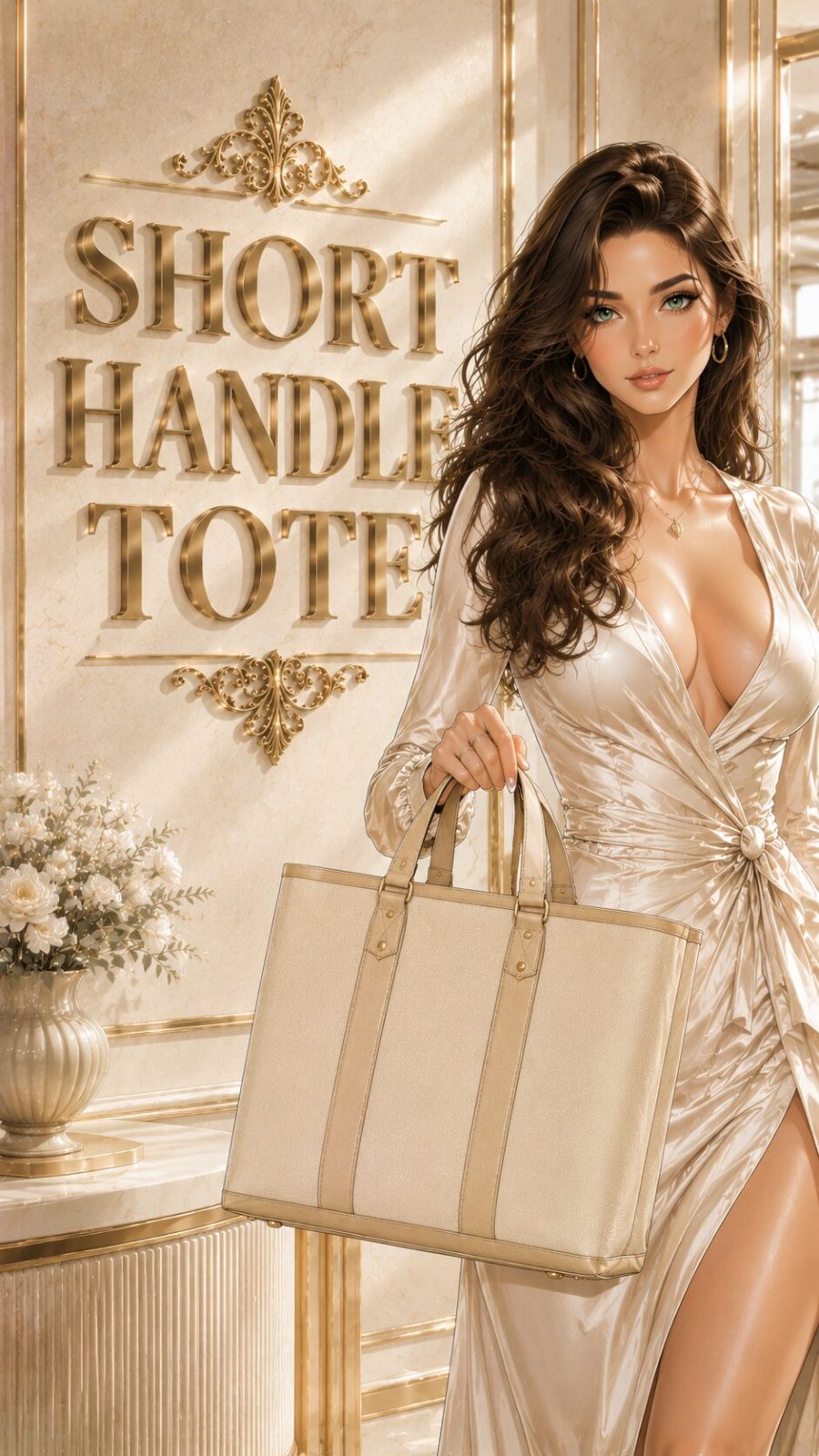
      Short Handle / Arm Tote

      Short Handle Arm Tote Bag Example

      Handles sized to carry in the hand or crook of the arm — typically 18–25 cm drop length. The arm-carry position is the most formally elegant carrying posture, which is why short-handle totes consistently dominate luxury fashion imagery. It's also the most impractical for heavy loads, long commutes, or anyone who needs their hands free. Beautiful? Absolutely. Ergonomically sensible for full-day carry? Debatable.

      Design18–25 cm handle drop, hand or arm carry position
      MaterialLeather handles most common; rope, cotton, structured materials
      Best ForOffice, formal occasions, lunch meetings, polished city looks
    2. 22

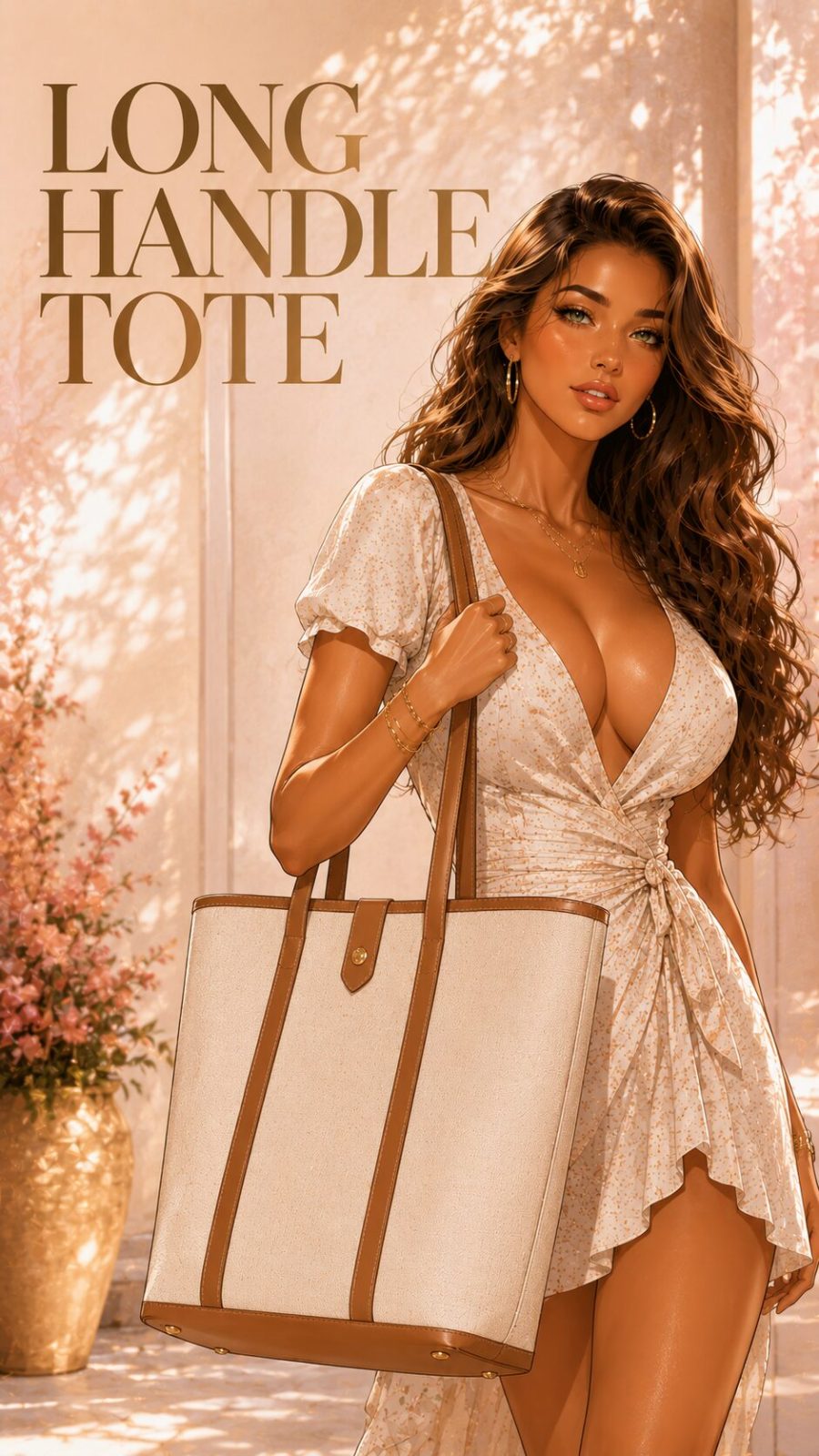
      Long Handle / Shoulder Tote

      Long Handle Shoulder Tote Bag Example

      Handles long enough to sit comfortably on the shoulder — typically 28–40 cm drop. The most ergonomically sensible tote configuration for extended carry. The shoulder distributes bag weight far more efficiently than the hand or arm, which is why this strap length dominates working women's everyday bags globally. Hands stay free. Shoulder takes the load. Practical logic wins here without contest.

      Design28–40 cm handle drop, over-shoulder carry, hands-free use
      MaterialAll handle materials — the most universally configured drop length
      Best ForDaily commuting, shopping, travel, extended carry periods
    1. 23

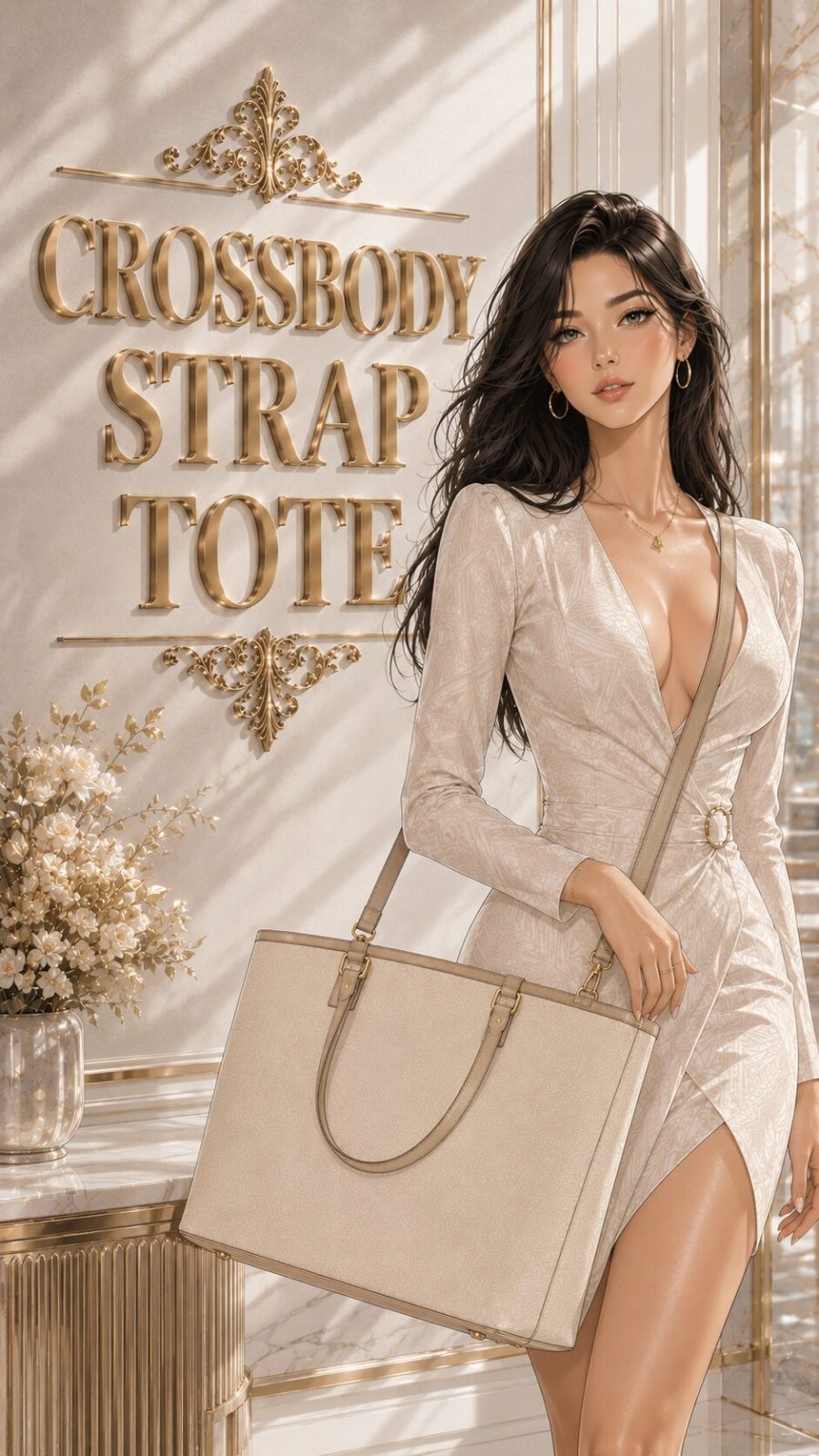
      Crossbody Strap Tote

      Crossbody Strap Tote Bag Example

      A tote with a long adjustable strap that allows diagonal across-body carry. This is the crossbody configuration applied to tote proportions — larger and more structured than a typical crossbody bag, but with the hands-free security of the across-body carry position. Popular among urban commuters navigating crowded transit where keeping belongings close matters.

      DesignLong adjustable strap for diagonal across-body carry, tote proportions
      MaterialNylon, leather, canvas with adjustable hardware-fitted strap
      Best ForTransit commuting, crowded spaces, hands-free urban navigation
    2. 24

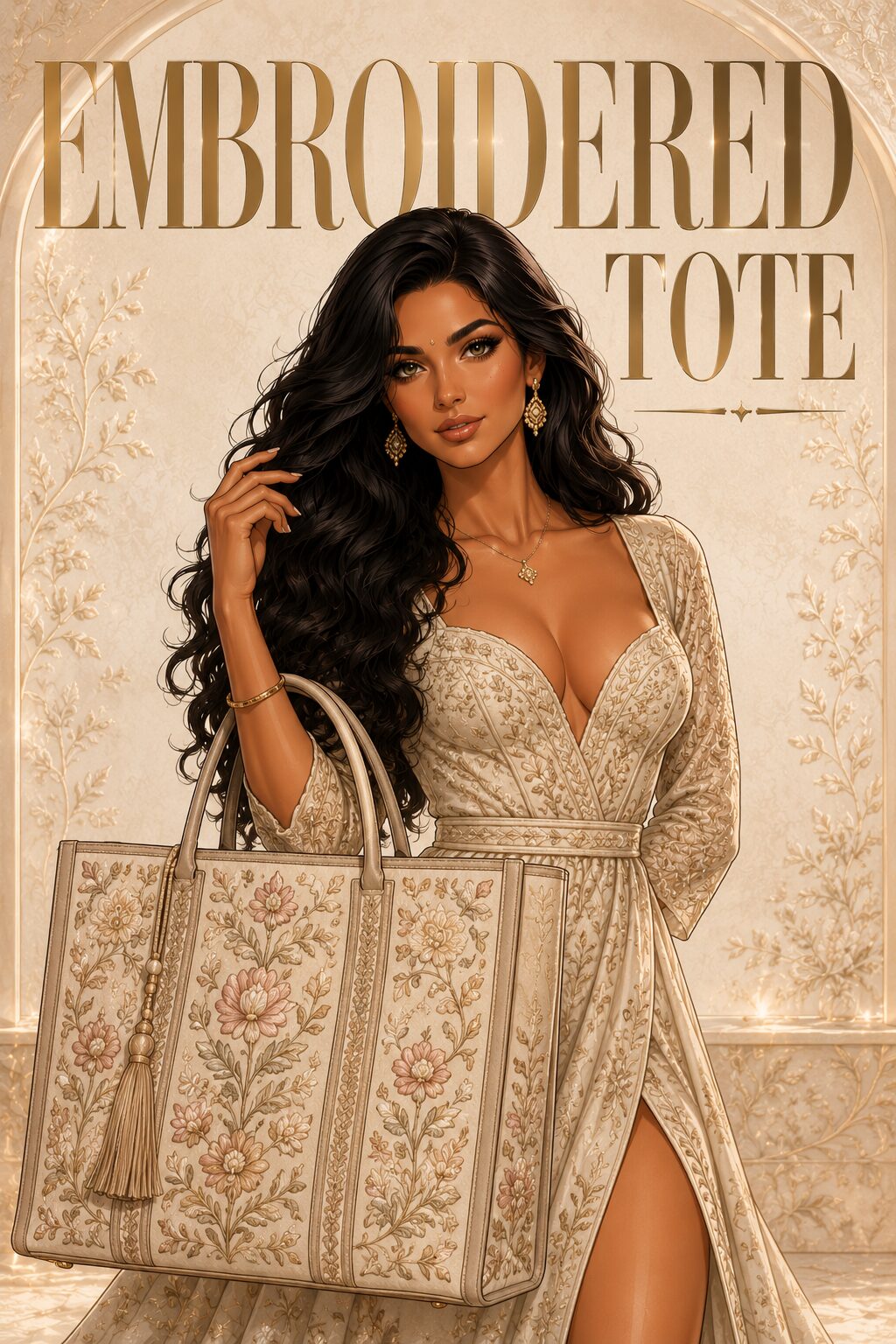
      Embroidered Tote

      Embroidered Tote Bag Example

      Canvas or fabric tote decorated with embroidered motifs — from folk-art florals and botanical illustrations to initials and graphic designs. Embroidery is one of the oldest textile decoration techniques, and on tote bags it creates a handmade, artisanal quality that mass-produced print cannot replicate. The raised texture of the thread catches light differently at different angles — it's a living surface in a way printed fabric simply isn't.

      DesignThread embroidered motifs on fabric body, raised textural surface
      MaterialCotton canvas or linen base; embroidery in silk, cotton, or metallic thread
      Best ForCasual outings, bohemian styling, artisan fashion, gifts
    1. 25

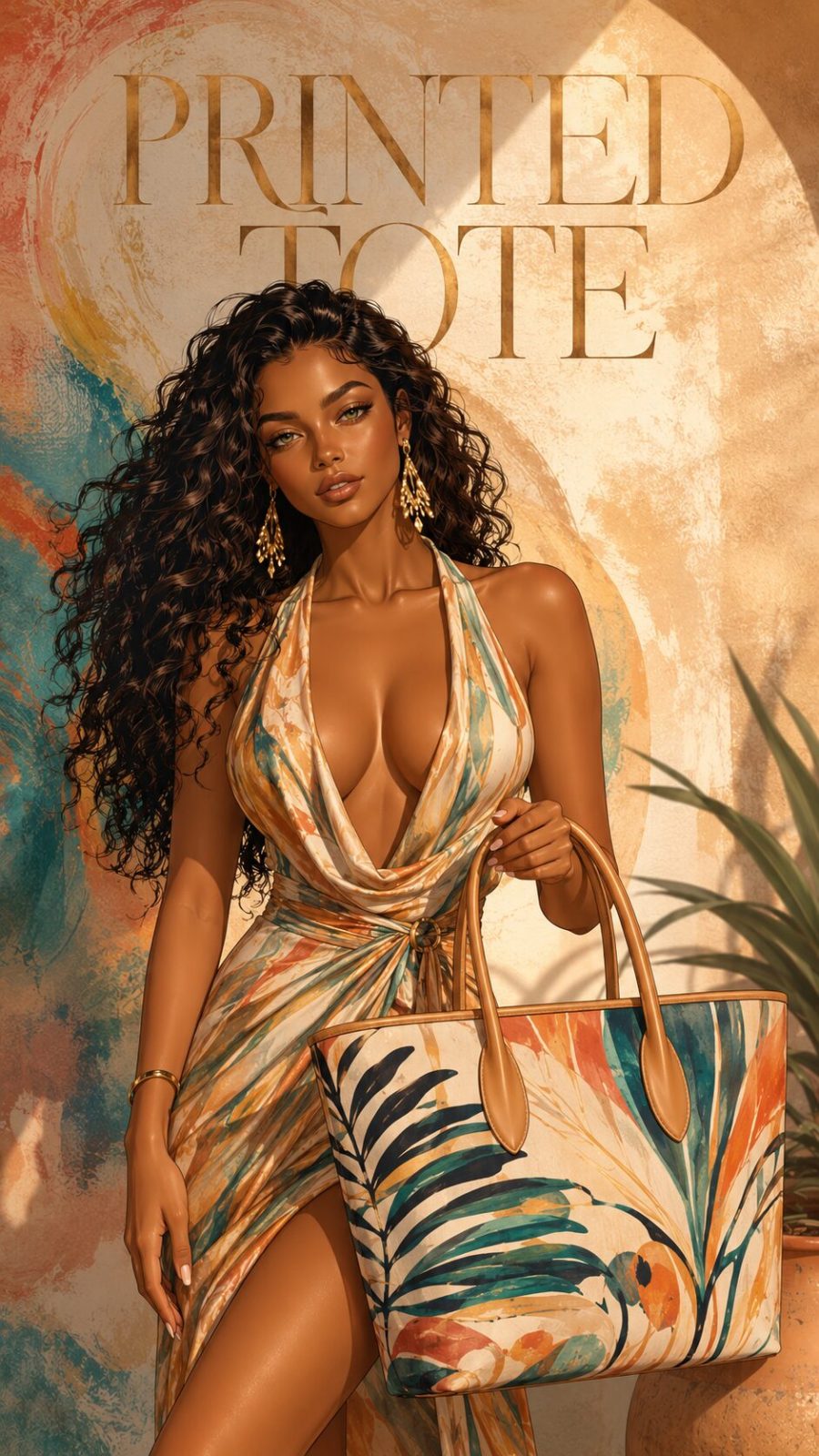
      Printed / Graphic Tote

      Printed Graphic Tote Bag Example

      Screen-printed, digitally printed, or heat-transferred graphic design on a tote body — text, illustration, pattern, or photography. The graphic tote has become the most culturally democratic accessory in fashion history: museum gift shops, indie bookstores, political campaigns, and luxury fashion houses all produce them. A Comme des Garçons printed tote and a local bookshop printed tote occupy entirely different price tiers but the same cultural logic: the bag communicates identity through its surface.

      DesignScreen, digital, or heat-transfer print on exterior fabric surface
      MaterialCotton canvas base; all printable fabrics including denim and linen
      Best ForCasual everyday, identity expression, cultural signaling, gifting
    2. 26

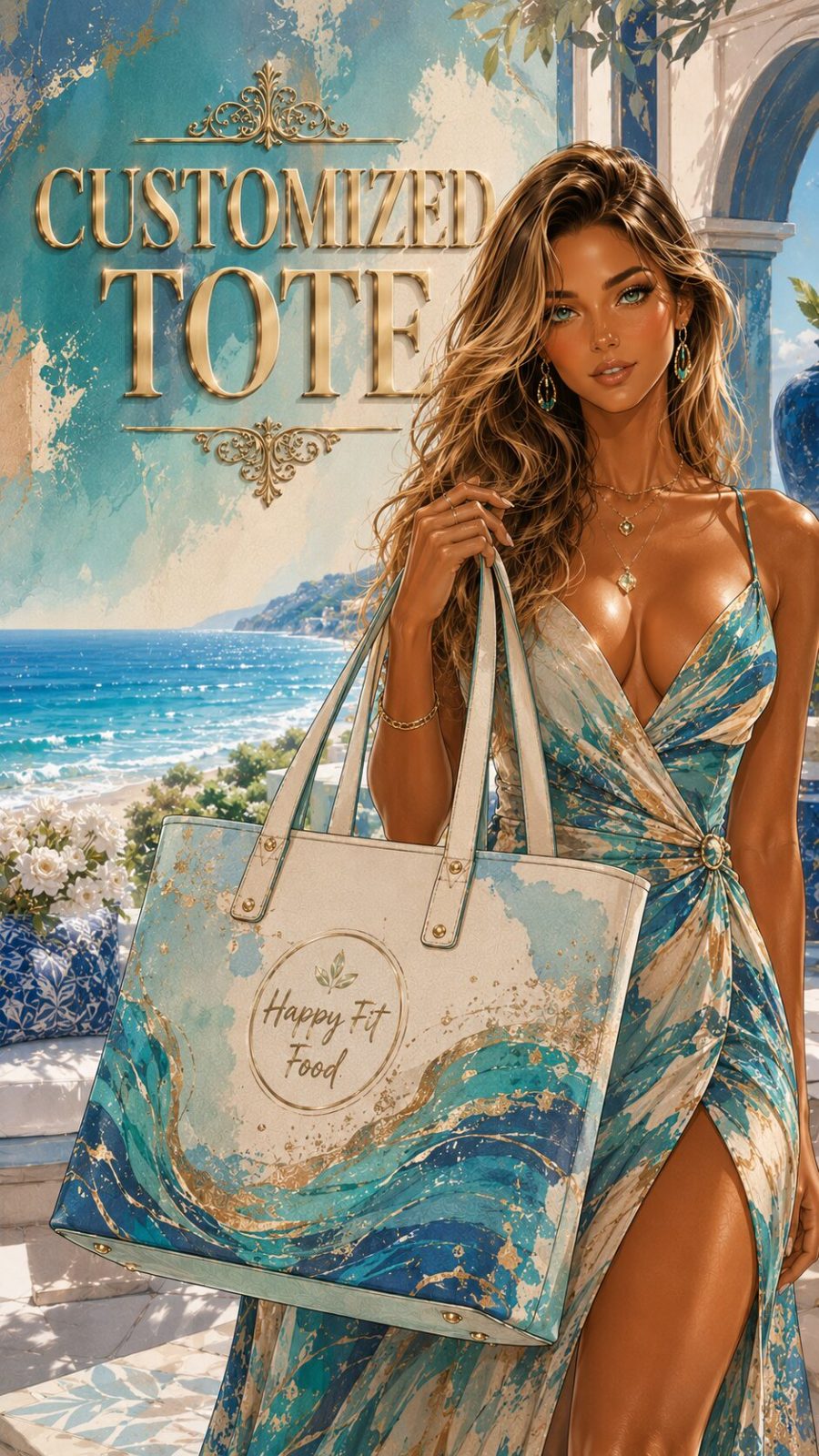
      Monogram / Personalized Tote

      Monogram Personalized Tote Bag Example

      A tote personalized with initials, a name, or a custom design — through embroidery, debossing, print, or applied patches. Personalization transforms any tote into a one-of-one. Louis Vuitton's monogram canvas wasn't originally personal to the buyer — it was the house's pattern. The modern personalized tote inverts that: the pattern is personal to the owner. Different cultural logic, same appeal to individuality.

      DesignCustom monogram or design via embroidery, debossing, or print
      MaterialCanvas, leather, nylon — any material that accepts personalization
      Best ForGifting, personal statement pieces, bridesmaid gifts, milestone bags
    1. 27

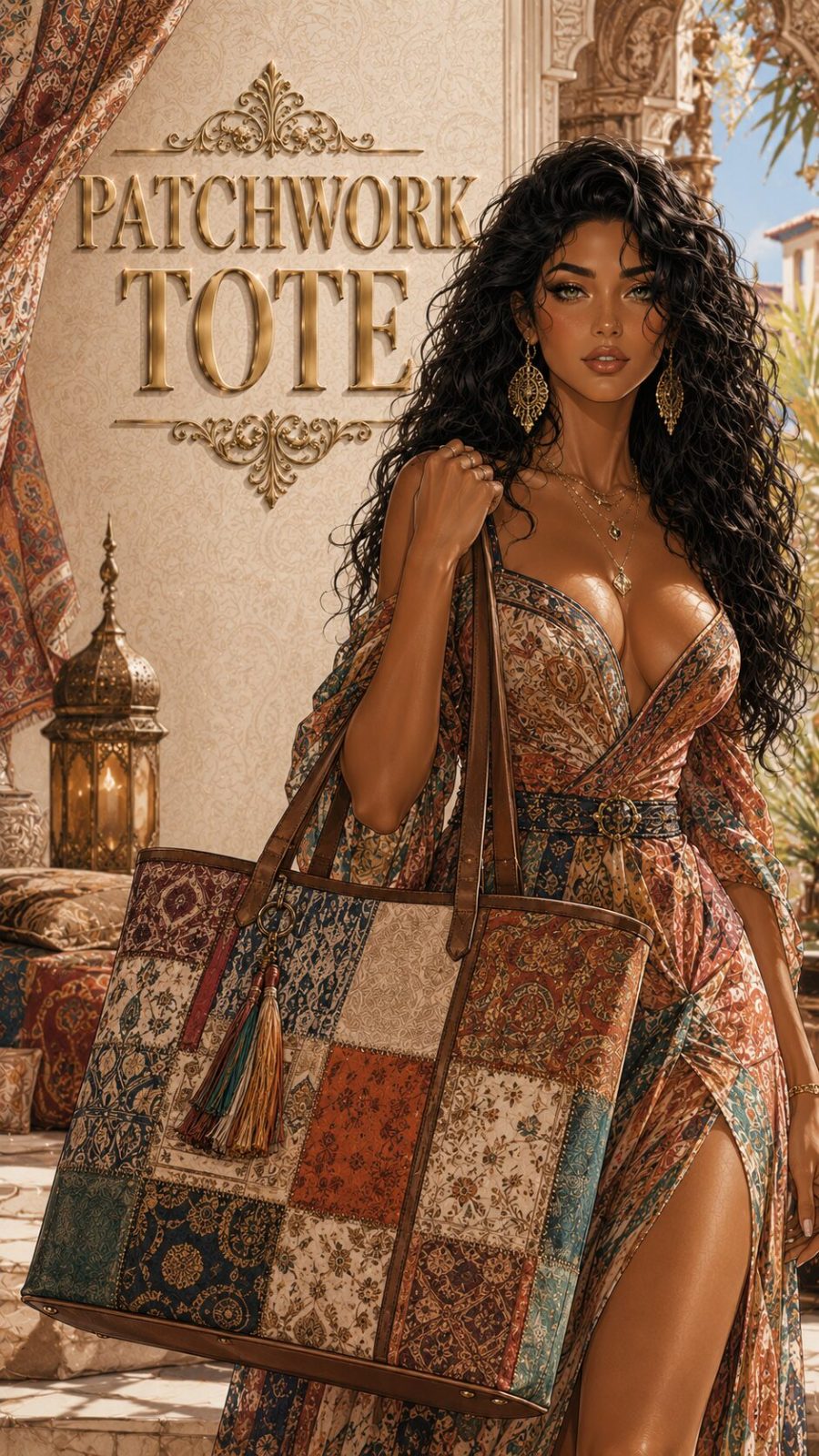
      Patchwork Tote

      Patchwork Tote Bag Example

      A tote constructed from multiple fabric patches — different colors, patterns, and textures combined into a single intentional design. The patchwork tote takes one of textile history's oldest techniques and applies it to bag construction. At its best, a patchwork tote reads as considered and artisanal; at its worst, it looks chaotic. The difference is usually the quality of the edit — how deliberately the patches were chosen and proportioned.

      DesignMulti-fabric panel construction, contrasting colors and textures
      MaterialMixed fabrics — cotton, denim, linen, leather patches combined
      Best ForBohemian styling, artisan fashion, casual individual looks
    2. 28

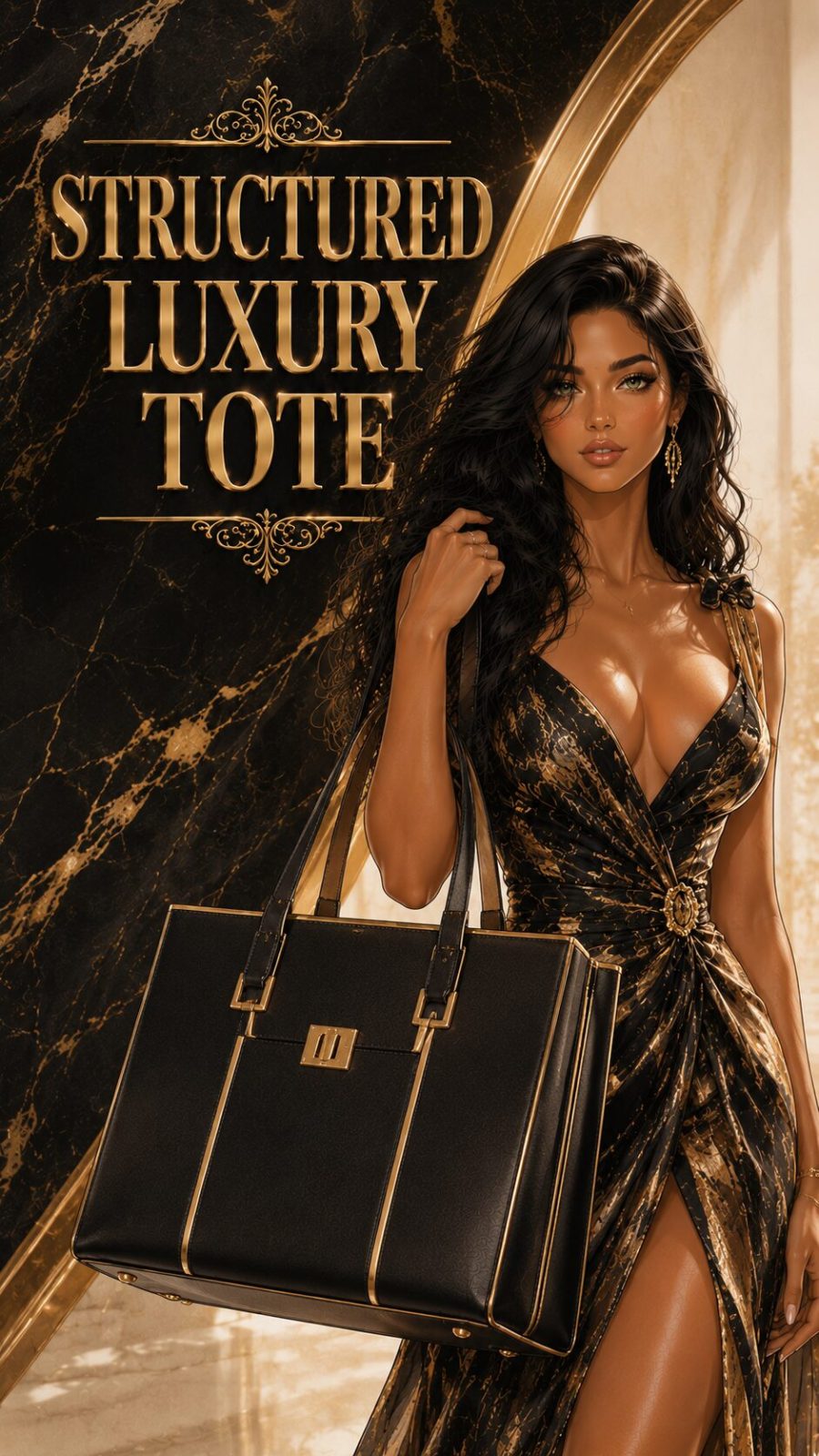
      Structured Luxury Tote

      Structured Luxury Tote Bag Example

      High-end leather or fabric construction with visible quality markers: double stitching, edge paint on leather handles, metal hardware with weight, suede or silk lining. The structured luxury tote is the tote category's investment piece — priced accordingly, built to last decades, and designed to communicate understated refinement. Think Celine Cabas, Bottega Veneta Arco, or the Cuyana Triple Zip in quality terms. The construction quality at this tier is genuinely different from mass-market alternatives, not just in material but in the precision of assembly.

      DesignPrecision stitching, metal hardware, quality lining, structured frame
      MaterialFull-grain leather, luxury canvas, calfskin; suede or silk lining
      Best ForInvestment dressing, office, formal occasions, long-term wardrobe building
    Fit Advisory

    Tote bag dimensions in product listings are almost always listed as width × height × depth in that order. But the measurement that most affects daily usability is depth — the gusset. A bag listed as 35 × 30 × 8 cm will carry significantly less than a bag listed as 35 × 30 × 14 cm, despite looking nearly identical in photos. Always check the third number before purchasing. It's the one that tells you whether the bag will actually hold your life or just pretend to. For proportional reference, our guide to shoulder bag sizing and proportions walks through how to translate measurements into real-world carry capacity.

    Stylist Insight

    Here's something most tote-buying guides completely ignore: strap width matters as much as strap length. A 1.5 cm wide leather strap digs into a shoulder within 20 minutes of carrying any real weight. A 3.5 cm wide padded strap can carry the same load comfortably for hours. If you're buying a work tote or a travel tote — anything you'll carry loaded for extended periods — look at the strap width first. It's the variable most brands photograph out of existence. The bags that feel best over a full day almost always have wider, slightly padded shoulder straps. That's not coincidence. That's physics.

    Tote Bag Comparison: Which Type Is Right for You?

    Tote Type vs. Occasion Matrix

    Use this guide to match your tote type to your most common carry scenarios

    Tote TypeOfficeTravelBeachGymCasualEvening
    Classic Open-Top✓✓✓✓
    Zippered Tote✓✓✓✓✓✓✓✓
    Structured Frame✓✓
    Leather Tote✓✓✓✓
    Woven / Straw✓✓✓✓
    Nylon / Technical✓✓✓✓✓✓✓✓
    Beach Tote✓✓
    Mini Tote✓✓✓✓
    Luxury Structured✓✓✓✓✓✓
    ✓✓ = Ideal choice  |  ✓ = Works well  |  — = Not recommended

    Tote Bag Material Guide: Season × Care × Longevity

    MaterialBest SeasonCareLongevityPrice Tier
    CanvasAll seasonsMachine washable5–10 yearsBudget–Mid
    LeatherAutumn / WinterCondition regularly; avoid rain15–30 yearsMid–Luxury
    NylonAll seasonsWipe clean; hand wash5–15 yearsBudget–Mid
    Woven / StrawSpring / SummerSpot clean; avoid moisture2–8 yearsBudget–Mid
    Vegan / PUAll seasonsWipe clean; avoid heat1–10 years*Budget–Mid
    Recycled MaterialsAll seasonsVaries by base material3–12 yearsBudget–Mid
    *PU longevity varies enormously by quality grade. Budget PU may peel within 12–18 months; high-quality PU can last a decade.

    How to Style a Tote Bag: Outfit Combinations That Actually Work

    A tote bag is not a neutral accessory in the way that, say, a belt is. It occupies physical and visual space in any outfit. A structured leather tote carried with a linen blazer and straight trousers creates a completely different register from the same bag carried with a floral midi dress and sandals. Same bag. Different story. The tote doesn't just carry your things — it communicates something about the intentionality of the whole look.

    Here's what works beautifully in practice, organized by occasion:

    For Work & Office

    A structured leather or nylon work tote tends to work best paired with tailored separates — a blazer over a tucked blouse, or a ponte trouser with a clean-line top. The bag's structure mirrors the outfit's intentionality. Keep the color relationship simple: a cognac leather tote with navy separates; a black structured nylon with charcoal and ivory. More on building professional looks from our guide to office outfit combinations.

    For Casual / Weekend

    This is where the canvas tote, the printed tote, or the woven tote shine. An oversized canvas tote with a linen shirt dress and flat sandals is practically the uniform of European market days — and for good reason. It works. A printed graphic tote adds personality to otherwise neutral weekend basics: white tee, straight-leg jeans, clean trainers. The bag becomes the punctuation.

    For Beach & Resort

    Woven raffia or straw totes paired with a swimsuit coverup, linen shorts, or a breezy maxi dress creates that effortlessly put-together beach look that takes no actual effort whatsoever — which is exactly how it should feel on a holiday. Natural materials in warm, earthy tones photograph well in sunlight and tolerate sand with dignity.

    For Evening & Smart Occasions

    The mini tote or structured luxury tote earns its place here. A sleek leather mini tote in black or camel alongside a midi dress and block-heel sandals communicates exactly the right level of effort. The tote says: I thought about this, but not so hard that it shows. Which is, in the end, the ideal register for most smart-casual evenings.

    Capsule Tote Wardrobe: The 3-Bag Foundation

    Most women don't need fifteen tote bags. They need three well-chosen ones that cover every carry scenario without overlap. Here's the framework that tends to work in real wardrobes:

    Bag 1: The Everyday Workhorse

    A standard-size canvas or nylon tote in a neutral tone — black, natural, or navy. This is the bag you don't think about. It goes to the office, the grocery store, the library. It fits everything. When it gets dirty, you wash it. Budget: £25–£80. This is not a place to spend significantly.

    Bag 2: The Investment Piece

    A structured leather or high-quality vegan leather tote in a classic color. This is the bag you carry to client meetings, to smart-casual events, to anything where the bag communicates intentionality. Spend here — a quality leather tote bought thoughtfully can last decades. Budget: £200–£600+. Check our guide to investment-worthy handbag types before committing.

    Bag 3: The Seasonal / Occasion Bag

    A woven straw tote for summer, a packable nylon for travel, or a mini tote for evenings — whichever seasonal or occasion gap your first two bags don't cover. This is the bag with personality: the printed canvas, the embroidered raffia, the color-blocked mini. Budget: £30–£150. Have fun here.

    Price Guide: What to Expect at Every Budget

    Budget TierPrice RangeWhat You GetBest Tote Types
    EntryUnder £30Functional basics; cotton canvas or thin nylon; minimal hardwareCanvas tote, eco/reusable tote, packable tote
    Mid-Range£30–£150Quality construction; good hardware; structured options; variety of materialsNylon tote, structured canvas, woven straw, printed tote
    Upper Mid£150–£400Genuine leather or premium vegan; quality lining; branded hardware; longer lifespanLeather tote, work laptop tote, convertible tote
    Luxury£400+Full-grain leather; artisan construction; lifetime repair services; resale value retentionStructured luxury tote, designer leather, woven artisan

    What Most People Get Wrong About Buying Tote Bags

    In years of observing how women actually use bags versus how they buy them, a few patterns emerge with uncomfortable consistency. These aren't judgment calls — they're buying behaviors that lead to bags that sit unused on shelves while the same reliable workhorse gets carried every day.

    Mistake 1: Buying for the photo, not the carry

    A bag that looks beautiful carried on a forearm in a well-lit flat lay may be genuinely impractical for a full workday of transit and movement. Short-handle totes photograph magnificently. They're awkward to carry when you need your hands free. Know which carry scenario you actually live before you buy for the one you aspire to.

    Mistake 2: Ignoring the lining

    The lining is where tote bags age fastest and where construction quality differences most visibly manifest. A good lining — structured, stain-resistant, well-finished at seams — extends the useful life of a bag significantly. A bad lining — thin, unfinished, prone to fraying — is the first thing to fail. Request photos of the interior before purchasing online. Brands that are proud of their lining show it. Those that aren't, won't.

    Mistake 3: Treating capacity as fixed

    An unstructured canvas tote with no gusset expands dramatically with weight — but also sags, loses shape, and puts all that weight in a shifting, rolling mass that swings against your body. A bag with a gusset distributes load into a defined volume. Different carry experience. Not better or worse — different. Know which you want before you buy.

    Mistake 4: Undervaluing the wardrobe tote

    The most useful tote in your collection is almost never the most interesting one. It's the reliable canvas or nylon workhorse that goes with everything and survives everything. Investing £15–£35 in a genuinely good-quality canvas tote pays dividends in daily ease that a beautiful but impractical designer tote rarely matches. Invest in both, for different reasons. Use both, for different purposes.

    Stylist Insight

    There's a category of tote bag that gets almost no attention in buying guides: the "tote organizer insert." It's a structured felt or nylon liner that transforms any open, floppy tote into a functionally organized bag. For under £20, you can turn a beautiful-but-chaotic canvas tote into a well-organized carry piece. If you love the look of an unstructured bag but find yourself losing items in its depths daily — this is the solution. It's not dramatic. It's just genuinely useful, in the way most practical things are.

    Tote Bag Care: Making Your Bag Last

    The care practices that most extend bag life are remarkably consistent across material types — and remarkably under-practiced. Here's what actually matters:

    • Store bags stuffed, not flat. A leather or structured tote stored flat under other bags will develop creases and lose shape over time. Stuff with tissue paper or a folded scarf to maintain the silhouette.
    • Leather needs conditioning, not just cleaning. Leather that dries out becomes brittle and cracks. A light application of leather conditioner — not polish, conditioner — every 3–6 months dramatically extends lifespan. This single practice is the difference between a leather bag that lasts 5 years and one that lasts 25.
    • Canvas: wash less than you think. Over-washing canvas totes — especially printed ones — fades color and weakens handle attachment points. Spot-clean first. Full machine wash only when genuinely necessary, on a gentle cycle, cold water.
    • Rotate your bags. Using the same bag daily compresses handles, wears hardware, and accelerates material breakdown. Even rotating between two bags doubles the lifespan of both.
    • Protect hardware during storage. Metal hardware left in contact with other metal (keys, coins, other bags) scratches and tarnishes. A soft dust bag isn't just aesthetic — it genuinely protects the finish of clasps, rings, and base feet.

    Frequently Asked Questions About Tote Bags

    1. Q

      What is the difference between a tote bag and a shopper bag?

      The terms are often used interchangeably, but there is a meaningful distinction in construction history. A shopper bag is specifically designed for retail use — typically larger, often with reinforced handles, and proportioned to carry bulky purchases. A tote bag is broader in scope: any open-top bag with two parallel handles qualifies, regardless of size or intended use. In practical modern terms, most fashion-context bags marketed as "shoppers" are simply large totes. The construction logic is the same.

    2. Q

      What size tote bag is best for everyday use?

      For most women's everyday needs — wallet, phone, keys, water bottle, a book or tablet, and incidentals — a tote bag measuring approximately 35–40 cm wide and 30–35 cm tall tends to work well. The depth (gusset) should be at least 10–12 cm to provide real volume without awkward bulging. Bags in this range fit under desks, in overhead lockers, and on public transport without issue. If you regularly carry a laptop, add approximately 3–5 cm to these dimensions and look specifically for a padded laptop sleeve.

    3. Q

      Are canvas tote bags actually sustainable?

      This is more nuanced than many sustainability-focused guides admit. A study often cited in environmental fashion discussions found that a conventional cotton tote bag needs to be used approximately 7,100 times to offset its environmental production cost relative to a single-use plastic bag — due to the water and land intensity of cotton cultivation. Organic cotton fares somewhat better. The sustainability case for canvas totes is strongest when they're actually used long-term — not acquired and abandoned. A canvas tote used daily for 10 years is genuinely sustainable. A collection of twenty canvas totes used occasionally is not. Use what you have. Use it consistently. That's the practical answer.

    4. Q

      How do I know if a leather tote is good quality?

      Four things to check: First, smell it — real leather has a distinctive, earthy smell that cannot be replicated synthetically. Second, check the cut edges of the leather panels — quality leather has painted or burnished edges, not raw exposed fiber. Third, examine the stitching — it should be even, tight, and consistent. Loose or uneven stitching indicates rushed construction. Fourth, check the hardware weight — press the clasps, D-rings, and zipper pulls. Quality hardware has mass; cheap hardware feels hollow. The lining is a fifth indicator: a quality lining is structured and finished at seam edges. A poor lining is thin fabric stapled or glued to the interior.

    1. Q

      Can a tote bag be professional enough for office use?

      Yes — with material and structure as the determining factors. A structured leather tote in black, tan, or navy reads as entirely professional in most office environments. A floppy printed canvas tote with a band logo tends not to, regardless of how much you love it. The markers of professionalism in a bag are structure (does it hold its shape?), material (does it look intentional?), and scale (is it proportionate to the context?). A well-constructed nylon work tote at £60 can read more professionally than a poorly made leather bag at £200. Construction and condition matter more than price.

    2. Q

      What accessories pair well with a tote bag?

      Tote bags pair most naturally with flat shoes or low heels — the casual-to-smart-casual register of the tote tends to work best with footwear that matches its energy. A leather tote carries beautifully with loafers, block-heel sandals, or clean trainers. A woven straw tote pairs naturally with espadrilles or flat sandals. Jewelry-wise, a tote generally plays well with minimal, considered pieces rather than elaborate statement jewelry — the bag has presence; it doesn't need competing accessories. Our guides to shoe styles and jewelry types cover compatible pairing options in detail.

    3. Q

      What is the most durable tote bag material?

      Full-grain leather is the most durable natural material — it develops a patina over decades of use and can be repaired, reconditioned, and resoled essentially indefinitely. For synthetic options, ballistic nylon (used in high-end luggage and bags) offers exceptional abrasion resistance and water resistance without leather's weight. For casual everyday use, heavy-duty duck canvas (12 oz or heavier) is extraordinarily durable, easily cleaned, and ages gracefully. The "most durable" material is ultimately the one that receives the right care for its specific material type — any material neglected fails faster than it should.

    4. Q

      How many tote bags does the average woman actually need?

      Fewer than most bag collections suggest; more than one. In practice, a well-chosen set of two to three totes covers the full range of daily scenarios for most women: one reliable everyday workhorse, one structured professional bag, and one occasion-specific piece (beach, travel, or evening). Beyond this, additional totes tend to sit unused unless there's a genuine specific-use case they address. The most useful thing this guide can offer isn't a list of all the bags you could own — it's clarity about which three would actually serve you. Which is the information you needed all along.

    Key Takeaways
    • Tote bags span 6 distinct classification systems — structure, size, material, occasion, strap, and embellishment — and the best buying decisions engage all six.
    • Gusset depth is the most overlooked dimension in tote bag shopping — it determines actual carry capacity more than width or height.
    • Strap width affects comfort as much as strap length — narrow straps cut into shoulders under load; wider straps distribute weight efficiently.
    • Full-grain leather lasts 15–30 years with proper conditioning; canvas lasts 5–10 years; vegan leather longevity ranges widely based on quality grade.
    • The capsule tote wardrobe requires just three well-chosen bags: a reliable workhorse, an investment piece, and a seasonal or occasion-specific third.
    • Mini totes and structured luxury totes serve evening and formal occasions; nylon and canvas totes serve the rest — build your collection to cover both ends.

    There's a misconception that the tote bag is fashion's most uncomplicated accessory. Two handles. An open top. A rectangular body. How complex can it be? The answer, as this guide demonstrates: far more complex than it looks, and in ways that matter directly to how your daily life feels.

    The construction of a gusset. The width of a strap. The quality of a lining. The weight of a material before anything is placed inside it. These are not minor variables — they're the cumulative engineering behind whether a bag serves your life well or frustrates it daily. And they're almost never the things photographed in product listings.

    What this guide has attempted to do is give you a vocabulary and a framework for seeing past the surface. Not just "I like this tote" but "this tote has a 12 cm gusset, a 32 cm shoulder drop, full-grain leather construction, and will likely outlive several trends." That's a different kind of purchase decision. A more considered one. And one that tends to result in bags you actually carry — not just bags you own.

    The tote bag has carried groceries for decades, luxury goods for centuries, and political convictions for the past decade. It's carried books, laptops, wet swimsuits, and carefully wrapped birthday presents. It is, in every meaningful sense, the most democratic bag in fashion history. And it rewards the same thoughtful attention as any other accessory in your wardrobe. Perhaps more — because you'll carry it almost every day.

    For more ways to build a complete accessories wardrobe, explore our guides to shoulder bag styles, crossbody bag types, and our full overview of women's handbag categories — each one a companion resource to what you've just read.

  • 35+ Different Types of Pumps for Women (With Pictures)

    35+ Different Types of Pumps for Women (With Pictures)

    There’s a reason certain shoes feel instantly, completely right the moment you slip them on. Not just comfortable — right. Like the pair was engineered specifically for the version of yourself you’re stepping into that day. That sensation isn’t accidental. It’s the result of heel geometry, vamp cut, toe shape, material, block height — dozens of decisions converging into something that doesn’t just fit the foot, but fits the moment.

    Pumps are the most transformative shoe category in a woman’s wardrobe. And, honestly, the most misunderstood.

    The stiletto heel was refined for mainstream fashion by Roger Vivier in the 1950s — a construction built around a slender steel rod running through the heel core, enabling dramatic height without structural collapse. The classic court pump, meanwhile, traces its lineage to 17th-century European courts where heeled shoes were status symbols rather than fashion statements. Today the category spans everything from ballet-inspired kitten heels to towering platform pumps, each carrying its own engineering logic, occasion purpose, and styling potential. In years of watching women navigate their wardrobes, pumps remain the shoe type that generates the most questions — and the most confusion.

    The Guide

    This guide categorizes all 33+ types of pumps across 6 classification systems. For every single entry:

    • Design

      What it looks like

    • Occasion

      When to wear it

    • Best For

      Who it works for

    Start here, explore every pump silhouette, and pair this guide with our full visual women’s shoe reference for the complete picture.

    All 6 Categories at a Glance

    A structured breakdown of the 33+ pump types documented in this guide.

    1. 01

      By Heel Height

      6 types #1–#6
    2. 02

      By Heel Shape / Construction

      8 types #7–#14
    3. 03

      By Toe Shape

      6 types #15–#20
    4. 04

      By Upper Cut / Vamp Style

      7 types #21–#27
    5. 05

      By Material / Finish

      4 types #28–#31
    6. 06

      By Occasion / Purpose

      4 types #32–#35
    Total Coverage
    33+ Types Documented

    33+ Different Types of Pumps for Women

    Category 1: By Heel Height (#1–#6)

    The vertical lift of the heel — the first and most fundamental variable in any pump

    Heel height is everything. Before a pump has a toe shape or a material or a strap — it has a heel measurement. Is it a kitten? A mid? A stiletto? These six height categories represent the fundamental how high of the shoe: how much lift is built in, how the weight distributes across the foot, and what that means for comfort over a full day's wear.

    What works beautifully about classifying pumps by height first is that it cuts through all the marketing noise. A "power pump" is just a high-heeled court shoe with confident styling. A "comfort heel" is a mid-height pump with extra cushioning. Height tells you the real story — how the shoe will feel at hour six, and whether your outfit needs that vertical lift or works better close to the ground.

    1. 01

      Kitten Heel Pump

      Kitten Heel Pump Example

      A slender heel measuring 1.5 to 2 inches (roughly 3.5–5 cm) with a slight inward curve at the base. Popularised in the 1950s by Audrey Hepburn and Brigitte Bardot as a refined alternative to the towering stiletto. The kitten heel's genius lies in its proportion — it creates a subtle elongation of the leg without demanding serious balance or sacrifice of comfort. A genuinely wearable all-day shoe that carries itself with quiet authority.

      Design1.5–2 inch slender heel, slight inward curve, refined silhouette
      OccasionOffice, smart-casual, travel, daytime events
      Best ForLong work days, those new to heels, petite proportions
    2. 02

      Mid-Heel Pump

      Mid-Heel Pump Example

      Sitting between 2 and 3 inches (5–7.5 cm), the mid-heel pump is the wardrobe workhorse most women reach for instinctively — and for good reason. This height range tends to hit the sweet spot between visual impact and genuine wearability. The foot remains at a manageable angle, weight distributes more evenly across the ball, and you can actually walk at pace without calculation. Not dramatic. Deliberate.

      Design2–3 inch heel, balanced arch angle, versatile construction
      OccasionAll seasons; everyday office through evening
      Best ForUniversal everyday wear, travel, long events
    1. 03

      High Heel Pump

      High Heel Pump Example

      The 3-to-4-inch range (7.5–10 cm) — this is where the classic "power pump" lives. The foot angle creates a lengthened leg line and naturally shifts posture upward. In real-world office environments, this heel height consistently outperforms trend-driven alternatives for professional impact. The construction relies on a reinforced shank running through the midsole to maintain structural integrity under prolonged weight-bearing.

      Design3–4 inch elevated heel, reinforced shank, lengthened silhouette
      OccasionOffice, formal events, presentations, evening dining
      Best ForProfessional settings, confident occasion dressing
    2. 04

      Stiletto Pump

      Stiletto Pump Example

      4 inches and above on a pin-thin heel (typically under 1 cm diameter at the base). The stiletto is as much a cultural object as a shoe construction — its name derives from the Italian dagger, and the visual effect is similarly sharp. The internal steel rod running through the heel core is what makes this extreme height structurally possible. Beautiful in motion. Demanding in reality. Worth knowing both truths before you commit to a full day in them.

      Design4+ inch pin-thin heel, internal steel rod, dramatic visual line
      OccasionEvening events, cocktail parties, red-carpet styling
      Best ForStatement occasions, shorter events where you'll primarily be seated
    1. 05

      Platform Pump

      Platform Pump Example

      A raised sole platform at the forefoot combined with a heel — the platform counterbalances heel height by reducing the pitch of the foot. What looks like a 5-inch heel may only feel like a 3-inch pitch because the front platform absorbs 2 inches. This engineering reality is why platforms are often more comfortable than their stated heel height implies. See the full breakdown of platform shoe styles for the complete range.

      DesignRaised forefoot platform + heel, reduced effective pitch
      OccasionNight out, festival, fashion-forward casual, parties
      Best ForMaximum height with reduced foot strain, bold statement looks
    2. 06

      Flat Pump / Zero-Heel Pump

      Flat Pump Example

      A pump silhouette — closed toe, structured upper, clean vamp — built on a completely flat or near-flat sole. Technically a pump in its upper construction but without the heel lift that defines the category in most people's minds. The flat pump delivers court shoe elegance without any elevation. Often confused with a ballet flat, but the construction differs — pumps have a more structured, often stiffer upper than the soft, gathered construction of a ballet flat.

      DesignZero to minimal heel, pump upper construction, structured vamp
      OccasionAll-day office, travel, casual smart-dressing
      Best ForComfort-forward styling, those avoiding heel elevation
    Stylist Insight

    The most overlooked variable in pump selection is effective pitch — not stated heel height. A 4-inch platform pump with a 1.5-inch platform has an effective pitch of 2.5 inches. A 3-inch stiletto with zero platform has an effective pitch of 3 inches. The platform pump is actually more comfortable despite the higher stated height. Always calculate pitch, not just heel measurement. That distinction transforms how you shop, especially online without a fitting room.

    Quick Recap — Category 1
    • 6 height tiers from flat to extreme stiletto — each with distinct wearability profiles
    • Effective pitch matters more than stated heel height — platforms reduce pitch despite taller overall height
    • Mid-heel (2–3 inches) tends to be the most universally wearable and versatile range
    • Kitten and flat pumps offer the same elegant silhouette without structural demands on the foot

    Category 2: By Heel Shape / Construction (#7–#14)

    The physical form and engineering of the heel itself — the structural identity beneath the shoe

    Heel shape is a modifier. A block heel and a stiletto can both measure 3.5 inches — but they behave completely differently underfoot, create entirely different silhouettes, and communicate distinct style languages. The shape determines how weight distributes, how stable the shoe feels, how the outline reads against your leg, and whether the shoe leans toward structured polish or relaxed confidence.

    1. 07

      Cone Heel Pump

      Cone Heel Pump Example

      Wide at the top where it meets the shoe, tapering to a narrower point at the base. The cone is more stable than a stiletto while retaining an elegant, sculptural profile. It's one of those shapes that's more interesting than it first appears — the flared-to-narrow geometry creates an almost architectural visual quality on the foot. A favourite of designers looking to add structure without the full fragility of a pin heel.

      DesignWide-to-narrow tapering cone shape, sculptural architectural quality
      OccasionSmart-casual, office, evening, fashion-forward events
      Best ForThose who want sculptural elegance with extra stability
    2. 08

      Block Heel Pump

      Block Heel Pump Example

      A wide, rectangular or square heel with substantial surface area at the base. The extra surface area distributes weight across a broader footprint — which is exactly why block heels are significantly more comfortable for prolonged wear than stilettos of the same height. According to the most recently published Business of Fashion Consumer Index from 2024, block and low-heel constructions continue to dominate the comfort-driven footwear segment. And honestly? This trend isn't fading.

      DesignWide rectangular heel base, substantial surface contact, clean lines
      OccasionOffice, casual-smart, all-day events, dates
      Best ForElevated comfort, all-day professional dressing
    1. 09

      Comma Heel Pump

      Comma Heel Pump Example

      A curved heel shaped like a comma or the letter J — with an exaggerated inward curve from the base of the shoe to the heel tip. The comma heel is a designer favourite for its sculptural drama. It looks unstable at first glance but is structurally sound when engineered correctly. The curve itself becomes the visual statement of the shoe — a heel that photographs beautifully in motion, especially from the side profile.

      DesignDramatically curved J-shaped heel, sculptural side profile
      OccasionFashion events, editorial, elevated evening occasions
      Best ForStatement dressing, fashion-forward occasions
    2. 10

      Flared Heel Pump

      Flared Heel Pump Example

      A heel that widens dramatically as it reaches the ground — an inverted funnel shape. Vintage-leaning and distinctly retro in character; often associated with 1970s and 1990s design revivals. The flare creates a solid base that often feels surprisingly stable, despite the bold visual statement the heel makes.

      DesignInverted funnel shape, narrow top wide base, retro silhouette
      OccasionSmart-casual, vintage-inspired styling, going out
      Best ForRetro-inspired outfits, fashion statement looks
    1. 11

      Wedge Heel Pump

      Wedge Heel Pump Example

      A continuous wedge sole running from heel to toe — no separate heel structure. The pump version has a closed, structured upper (rather than a sandal strap). The wedge construction eliminates the single-point load of a heel entirely, distributing weight along the full length of the foot. Genuinely more stable than any separate heel at the same height. Excellent for cobblestones, grass, or any surface where a stiletto would sink. See our visual guide to wedge shoe styles for related variations.

      DesignContinuous sole wedge, closed pump upper, no separate heel
      OccasionOutdoor events, garden parties, resort, smart casual
      Best ForMaximum stability at height, outdoor terrain, full-day wear
    2. 12

      Lucite / Clear Heel Pump

      Lucite Clear Heel Pump Example

      A transparent acrylic or PVC heel — the construction creates a visually floating effect. The Lucite material was originally developed in the 1930s and found its way into footwear in the 1950s, when designers began exploiting its optical transparency to create the illusion that the wearer had no heel support at all. Contemporary versions often pair clear heels with leather or suede uppers for a clean material contrast that reads as distinctly modern.

      DesignTransparent acrylic heel, floating visual effect, strong material contrast
      OccasionGoing out, fashion events, summer evening wear
      Best ForStatement fashion looks, minimalist paired outfits
    1. 13

      Sculptural / Architectural Heel Pump

      Sculptural Architectural Heel Pump Example

      A heel engineered as a design object in its own right — carved into geometric shapes, organic forms, or abstract structures. The heel becomes the focal point of the shoe rather than a functional afterthought. Often seen in designer collections where the shoe is intended as wearable art. The engineering here is genuinely complex: maintaining structural integrity in non-standard heel shapes requires precise material selection and internal reinforcement that standard heels don't require.

      DesignNon-standard heel as art object, geometric or organic form
      OccasionHigh fashion events, editorial, gallery openings
      Best ForFashion collectors, statement occasions, minimal outfits where shoe is the story
    2. 14

      Spool Heel Pump

      Spool Heel Pump Example

      Wide at top and base with a pronounced inward curve in the middle — shaped like a thread spool. The spool heel has an inherently vintage quality, frequently associated with 1950s and 1960s footwear design. It's more stable than a stiletto thanks to the wider base contact, while retaining the hourglass shape that makes it visually interesting from every angle.

      DesignWide-narrow-wide hourglass shape, spool-like heel silhouette
      OccasionVintage styling, smart-casual, evening occasions
      Best ForRetro-inspired outfits, those wanting heel character with added stability

    Category 3: By Toe Shape (#15–#20)

    How the front of the shoe is cut — the toe box that frames the foot and shapes the shoe's overall character

    The toe is the neckline of the shoe. Just as a neckline directs attention toward the face, the toe shape directs the visual line along the foot and leg. A pointed toe creates a continuous tapering line that elongates — the same visual logic as a V-neckline for the foot. A square toe grounds the look and reads as more modern and architectural. An open toe shifts the entire character of the shoe toward resort and summer dressing.

    Understanding toe shapes also explains why the same heel height reads very differently on different shoes. A pointed-toe stiletto and a round-toe stiletto at 4 inches feel aesthetically decades apart, even when their construction is essentially identical. For deeper context, our complete guide to heel styles maps how toe and heel combinations interact.

    1. 15

      Pointed Toe Pump

      Pointed Toe Pump Example

      The vamp tapers sharply to a pointed front beyond the natural foot shape. The classic "power pump" construction. The taper creates a continuous elongating line from ankle to toe that tends to lengthen the visual line of the leg. True pointed-toe pumps require a more structured upper and specific last (the shoe form) designed to hold the tapered shape — which is why quality varies so significantly in this style.

      DesignSharp tapered vamp, elongating visual line, structured upper
      OccasionOffice, smart-casual, evening, formal
      Best ForProfessional polish, leg-lengthening effect, classic dressing
    2. 16

      Round Toe Pump

      Round Toe Pump Example

      A gently curved toe box that follows the natural shape of the foot more closely than the pointed style. The round toe pump is often more comfortable for prolonged wear because the toe box accommodates natural toe spread rather than compressing it. The rounded silhouette reads as softer and more approachable than the pointed alternative — which is why it tends to work better with feminine, flowing styles rather than sharp tailoring.

      DesignCurved toe box, natural foot shape, soft front silhouette
      OccasionAll-day events, smart-casual, feminine dressing, work
      Best ForComfort-conscious dressers, floaty feminine outfits
    1. 17

      Square Toe Pump

      Square Toe Pump Example

      A straight horizontal cut across the toe box creating a geometric square front. The square toe has cycled in and out of fashion prominence since the 1990s — and it's not hard to see why it keeps returning. The flat front line creates a strong geometric statement that pairs particularly well with wide-leg trousers and structured tailoring. It also tends to offer more toe space than a pointed style, which many find genuinely more comfortable for longer wear periods.

      DesignStraight horizontal cut at toe, geometric modern front
      OccasionContemporary office, minimalist styling, fashion-forward casual
      Best ForArchitectural outfits, wide-leg pants, structured tailoring
    2. 18

      Open Toe / Peep Toe Pump

      Peep Toe Pump Example

      A small oval or teardrop opening at the front of an otherwise closed pump allows one or two toes to show. The peep-toe was a design solution that emerged in the 1930s — a modest compromise between the closed formality of a court shoe and the casual openness of a sandal. It bridges the gap between the two categories with grace. The opening is small enough to read as refined but sufficient to shift the shoe's season from year-round to warm-weather focused.

      DesignSmall oval opening at vamp front, closed sides and back
      OccasionSpring / Summer events, smart-casual, evening
      Best ForWarm-weather dressing, feminine summer occasions
    1. 19

      Almond / Oval Toe Pump

      Almond Toe Pump Example

      A compromise between pointed and round — narrower than a round toe but without the sharp point of a true pointed style. The almond toe is often considered the most universally flattering toe shape because it creates a gentle elongating taper without the severity of the pointed toe or the bluntness of the round. In real-world wardrobe consulting, this is the toe shape I consistently reach for when helping someone build a versatile shoe wardrobe. Balanced. Comfortable. Works with almost everything.

      DesignGently tapered oval front, mid-point between round and pointed
      OccasionAll occasions — the most universally versatile toe shape
      Best ForCapsule wardrobe building, maximum versatility, everyday elegance
    2. 20

      Pointed-Square / Chisel Toe Pump

      Chisel Toe Pump Example

      The vamp tapers toward a front, but instead of concluding in a sharp point it ends in a very narrow flat edge — essentially a miniaturized square across a pointed toe. The result is an angular, architectural quality that reads as both sharp and structured. Less extreme than the true pointed toe, more distinctive than the square. Particularly popular in Italian luxury footwear.

      DesignTapered with narrow flat edge at front, architectural angular quality
      OccasionContemporary office, fashion-forward dressing, structured looks
      Best ForTailored dressing, sharp contemporary looks
    Stylist Insight

    In real-world shoe consultations, the question I hear most often is: "what toe shape is most flattering?" Here's what I actually say: the almond toe consistently works best across the widest range of foot shapes and outfit combinations. The pointed toe is not universally more elegant — in a heavy-weight shoe or with a chunky sole, the pointed tip can actually look out of proportion. The toe shape that works best depends entirely on the rest of the shoe's construction and the outfit it's carrying. There is no universal answer, but almond is the safest starting point for anyone building from scratch.

    Category 4: By Upper Cut / Vamp Style (#21–#27)

    How much of the foot the upper covers — the cut that defines how the shoe sits and what it exposes

    The vamp is to the pump what the neckline is to the top. How deeply the upper is cut, how much of the foot it frames, and where the sides are cut away — these decisions shape the shoe's entire character. A deep-cut vamp elongates the foot visually. A high-cut vamp creates a more modest, covered look that photographs well with trousers. The side cut determines whether the shoe reads as day or evening, formal or fashion-forward.

    For more context on how shoe cut interacts with your wardrobe, our comprehensive guide to women's formal shoes explores these variables across multiple shoe categories.

    1. 21

      Classic Court Pump

      Classic Court Pump Example

      The definitive pump silhouette. A closed toe, closed back, minimal upper that sits low on the foot with a clean-cut vamp — no straps, no buckles, no embellishment. The court pump is the shoe equivalent of a white button-down: it competes with nothing and works with virtually everything. The low-cut vamp creates a clean horizontal line across the foot that tends to lengthen the leg. This is the starting point from which most other pump variations derive. Refer to our complete breakdown of women's pump styles for the full picture.

      DesignClosed toe and back, low-cut vamp, no embellishment or fastenings
      OccasionOffice, formal, smart-casual, all seasons
      Best ForUniversal wardrobe staple, capsule building, professional polish
    2. 22

      D'Orsay Pump

      D'Orsay Pump Example

      Cut away on one or both sides of the upper, exposing the arch of the foot. Named after Alfred-Guillaume Gabriel d'Orsay, the 19th-century French dandy whose distinctive cut-away footwear became fashionable in Parisian society. The modern d'Orsay exposes the arch to create a visually lighter, more delicate shoe that somehow reads as both practical and romantic — which is exactly why it photographs beautifully in motion, especially from the side profile.

      DesignCut-away sides exposing arch, closed toe, closed or open back
      OccasionEvening, smart-casual, office in warmer seasons
      Best ForSpring / Summer elegant dressing, feminine occasions
    1. 23

      Slingback Pump

      Slingback Pump Example

      Closed toe with an open back — the heel is secured by a strap running behind the ankle rather than a closed counter. The slingback construction eliminates the back of the upper while maintaining the structure of the vamp and toe. The resulting shoe is lighter in feel than a closed-back pump and lends itself to warmer-season wear without losing the elegant silhouette of a court. Chanel elevated this style into a design signature with their two-tone slingback — still one of the most copied shoe constructions in fashion history.

      DesignClosed toe, open back with ankle strap, structured vamp
      OccasionSpring / Summer office, smart-casual, weddings
      Best ForWarm-weather professional dressing, feminine occasion wear
    2. 24

      Mary Jane Pump

      Mary Jane Pump Example

      A single strap across the instep with a button or buckle closure — the closed-toe adult version of the classic children's shoe that carries significant nostalgic weight. The Mary Jane pump has been reinterpreted in practically every decade of the 20th and 21st centuries. The strap across the instep creates a horizontal line that visually shortens the foot — a detail worth noting when pairing with different trouser lengths and hemlines. The strap also provides genuine security, which is why this pump tends to feel more confident to walk in than a slingback.

      DesignSingle instep strap with buckle or button, closed toe and back
      OccasionSmart-casual, vintage-inspired looks, feminine dressing
      Best ForPlayful feminine styling, cottage-romantic aesthetics, confident walking
    1. 25

      T-Strap Pump

      T-Strap Pump Example

      A vertical strap running from the vamp to an ankle strap, forming a T-shape over the instep. The construction references 1920s and 1930s dance shoes — the ankle stability of a full strap combined with the visual interest of a center vamp line. The T-strap divides the foot vertically down the center, which creates a different visual effect from a standard single instep strap and tends to work particularly well with both wide-leg and cropped trouser styles.

      DesignVertical center strap meeting ankle strap in T formation
      OccasionVintage-inspired events, parties, smart-casual
      Best ForArt Deco-inspired styling, dancing occasions, retro looks
    2. 26

      Ankle Strap Pump

      Ankle Strap Pump Example

      A closed-toe pump with an additional strap around the ankle — the standard ankle strap without the open back of a sandal. The strap adds both visual interest and actual security — this is the most stable closed-toe pump construction for dancing, long events, or any occasion where you need to stay on your feet for hours. One styling note worth knowing: a thin ankle strap tends to draw the eye to the ankle point and can visually shorten the leg compared to a strapped or court silhouette. A broader or more transparent strap minimises this effect.

      DesignClosed toe and back, ankle strap with buckle, pump upper
      OccasionEvening, weddings, long events, dancing
      Best ForMaximum security on heels, active evening wear
    1. 27

      Cap Toe Pump

      Cap Toe Pump Example

      A contrasting panel of material covers the toe box — the "cap" — while the rest of the upper is a different colour or texture. The defining feature of the Chanel two-tone pump: beige body with black cap toe. The cap toe treatment draws the eye forward and creates a visual anchoring line at the front of the shoe. This detail also tends to make the shoe look slightly shorter — a consideration worth keeping in mind when pairing with cropped trousers or full-length skirts.

      DesignContrasting toe cap panel, two-tone visual effect, classic detailing
      OccasionOffice, smart-casual, weddings, classic occasions
      Best ForTimeless polished styling, colour-blocked outfits, classic dressing
    2. 28

      Patent Leather Pump

      Patent Leather Pump Example

      Any pump construction — court, slingback, block heel — in a high-gloss patent finish. The lacquer coating creates a mirror-like surface that dramatically amplifies the shoe's visual presence. Patent makes even a simple court pump feel statement-worthy. It also tends to show scuffs and fingerprints more readily than matte leather — which is the trade-off you're accepting for the gloss. The finish tends to pair best with clean, minimal outfits that don't compete for visual attention. For a broader view of shoe materials, our complete guide to fashion fabrics and materials covers the full landscape.

      DesignHigh-gloss lacquer finish, mirror-like surface, amplified visual presence
      OccasionEvening events, smart office, formal occasions, parties
      Best ForClean minimal outfits, monochrome looks, high-impact statement
    Myth vs. Fact — Pumps & Outfit Pairing
    Myth:

    "Nude pumps always elongate the legs for everyone."

    Fact:

    Nude pumps close to your skin tone can create a continuous leg line — but the "nude" that works for this effect varies significantly with skin tone. A single beige standard works for a narrow range of skin tones; the elongating effect depends on finding a nude close to your actual skin, not a universal beige. The toe shape matters too: a pointed nude works differently to a round-toe nude. This is a genuinely useful effect when you find the right match, but it's not a universal given.

    Category 5: By Material / Finish (#29–#32)

    The surface material and texture of the pump upper — the sensory and visual layer that defines the shoe's character

    Material is the variable that makes or breaks any pump — regardless of how technically interesting its construction is. A beautifully engineered court pump in satin becomes a problematic shoe the moment it rains. A simple leather court in the exact right finish can feel like a wardrobe revelation. Material choice also determines season, care requirements, and how the shoe ages — which matters considerably when you're investing in footwear you intend to wear for years.

    1. 29

      Suede Pump

      Suede Pump Example

      A napped leather finish — soft, matte, and tactile in a way that smooth leather simply isn't. The suede pump has a distinctly autumn and winter quality to it; the matte surface absorbs light rather than reflecting it, giving the shoe a softer, warmer visual weight. It tends to pair particularly well with texturally rich fabrics — wool, tweed, velvet — precisely because the material speaks the same sensory language. Requires waterproofing spray and regular brushing to maintain; suede scuffs and water-stains more readily than smooth leather.

      DesignNapped leather surface, matte finish, soft tactile quality
      OccasionAutumn / Winter — office, smart-casual, evening
      Best ForTextured cold-weather outfits, autumn occasions, soft-palette dressing
    2. 30

      Satin / Fabric Pump

      Satin Fabric Pump Example

      An upper covered in fabric — satin, silk, brocade, velvet, or embroidered textile — rather than leather or synthetic. The satin pump is a bridal staple partly because satin can be dyed to match a dress precisely; the fabric surface absorbs dye in a way leather cannot. Satin pumps require careful handling, are not water-resistant, and are primarily occasion shoes rather than everyday wearers. They photograph beautifully under formal lighting.

      DesignFabric or satin upper, dye-able, occasion-focused construction
      OccasionWeddings, formal events, black-tie, bridal
      Best ForFormal occasions, dress-matched bridal footwear
    1. 31

      Metallic Pump

      Metallic Pump Example

      Gold, silver, bronze, or chrome-finish upper — whether leather, synthetic, or fabric — with a reflective metallic sheen. The metallic pump occupies an interesting styling position: it can read as a neutral when paired with the right colours, or as an outright statement when contrasted against matte fabrics. A gold metallic court pump with a navy suit, for instance, tends to work as an elevated neutral. The same shoe against a printed dress reads as deliberate statement. Context is everything with metallics.

      DesignReflective metallic finish, gold / silver / bronze / chrome tones
      OccasionEvening, parties, celebrations, festive occasions
      Best ForStatement evening looks, festive dressing, elevated neutrals
    2. 32

      Embellished Pump

      Embellished Pump Example

      Any pump construction decorated with embellishment — crystals, beads, bows, feathers, floral appliqués, embroidery, or chain hardware. The embellishment is the statement, which means the rest of the outfit typically works best when it stays quiet. An embellished pump is one of the most efficient ways to elevate a simple, understated outfit — a plain black sheath and crystal pumps tells a complete, high-impact story that requires nothing else. The shoe does the talking. The outfit just has to listen.

      DesignApplied decorative elements — crystals, bows, embroidery, chains
      OccasionParties, weddings, festive, cocktail events
      Best ForSimple outfit elevation, special occasions, celebration dressing


    1. 33

      Bridal Pump

      Bridal Pump Example

      Not a specific construction but a category defined by occasion — typically satin, ivory, white, or champagne in finish, often with embellishment. The bridal pump brings together several construction elements at once: the dyeable satin upper, the elegant mid or high heel, and the refined closed-toe silhouette. What distinguishes a true bridal pump is its engineering for prolonged wear through an entire ceremony and reception — cushioning, strap security, and heel stability all factor in more heavily than in a standard occasion shoe. Some brides buy two pairs: one statement heel for photos, one comfortable lower version for dancing. A genuinely practical approach.

      DesignSatin or ivory upper, refined heel, often embellished or dye-matched
      OccasionWeddings, formal ceremonies, black-tie events
      Best ForBrides, wedding guests, formal ceremony dressing
    2. 34

      Office / Work Pump

      Office Work Pump Example

      Engineered for sustained professional wear — typically a court or block-heel construction in leather or leather-look, with a reinforced insole for all-day cushioning. The office pump prioritises comfort without sacrificing the professional polish that an open-toe sandal or casual flat can't always provide. In real-world office environments, a leather court or block-heel pump consistently outperforms trend-driven shapes for longevity, credibility, and comfort across a full business day. Pair alongside our full breakdown of women's office outfit styles for complete professional dressing context.

      DesignLeather upper, structured heel, reinforced cushioned insole
      OccasionAll seasons — designed specifically for sustained professional wear
      Best ForFull-day professional wear, active office environments
    1. 35

      Evening / Occasion Pump

      Evening Occasion Pump Example

      Built for impact over endurance — typically a higher, thinner heel with a statement material or embellishment, prioritising visual drama over sustained comfort. The evening pump is engineered knowing you'll wear it for a cocktail party, not an eight-hour workday. Insole cushioning is typically lighter, the heel is often more extreme, and the material is chosen for appearance under evening lighting rather than durability under daily friction. The trade-off is deliberate and honest — and worth accepting when the occasion calls for it. Style these alongside our complete guide to women's party and occasion wear for a complete evening dressing approach.

      DesignStatement material or heel, impact-focused, lighter construction
      OccasionEvening events, cocktail parties, galas, special occasions
      Best ForShorter high-impact occasions, photographed events
    2. 36

      Comfort / Cushioned Pump

      Comfort Cushioned Pump Example

      A pump design — often block heel, mid-height, round or almond toe — that incorporates orthopedic-adjacent engineering: memory foam insoles, wider toe boxes, additional arch support, anti-slip outsoles. The comfort pump is a category that's genuinely improved in the past decade. Brands like Clarks, Naturalizer, and Cole Haan have invested in construction techniques that deliver professional pump aesthetics without the foot strain. The most common styling mistake with comfort pumps is choosing a chunky, orthopedic-looking one when a refined block-heel comfort pump achieves the same result with far more visual elegance.

      DesignMemory foam insole, wider toe box, arch support, anti-slip outsole
      OccasionAll seasons — all-day professional and smart-casual
      Best ForLong work days, those with foot sensitivities, travel
    Stylist Insight

    Most women think they need to "compromise" to wear heels all day. In reality, construction matters more than the stated heel height. A well-built block-heel comfort pump with arch support and memory foam cushioning often outlasts a stiletto by six hours of comfortable wear. The question isn't "how high can I go?" — it's "how is this shoe actually built?" Investing in engineered comfort at a mid heel often gives you better posture, more confidence, and more outfit range than a dramatically high heel that limits where you can walk and how long you'll last.

    Quick Recap — Categories 5 & 6
    • Suede reads warm and autumnal; patent reads sharp and statement; satin reads formal and occasion-specific
    • Metallic pumps function as elevated neutrals when paired with the right base colours — not only as statement pieces
    • Office pumps and comfort pumps now overlap significantly — well-engineered comfort heels deliver professional aesthetics without sacrifice
    • Evening pumps prioritise visual impact over endurance — a deliberate and legitimate engineering choice for shorter occasions


    Pump Occasion Matrix: Which Type For Which Setting?

    A practical reference for matching pump type to occasion — before you open your wardrobe.

    OccasionBest Pump TypeHeel HeightAvoid
    Corporate OfficeClassic court, block heel2–3.5 inchesPlatform, embellished excess
    Cocktail PartyStiletto, ankle strap, metallic3.5–5 inchesFlat pump, chunky comfort heel
    Wedding (Guest)Slingback, d'Orsay, satin pump2–4 inchesWhite / ivory (unless explicitly asked)
    All-Day EventBlock heel, wedge, comfort pump1.5–2.5 inchesStiletto, thin unsupported heel
    Smart CasualKitten heel, round toe, Mary Jane1–2.5 inchesOver-embellished evening styles
    TravelBlock heel, wedge, flat pump0–2 inchesStiletto, satin, delicate embellishment
    Outdoor / GardenWedge pump, block heel2–3 inchesAny thin heel (sinks in grass)


    Pump Material Guide: Care, Season & Lifespan

    What your pump is made of determines how long it lasts — and how you need to look after it.

    MaterialBest SeasonCareLifespan
    Smooth LeatherAll seasonsCondition regularly, polish, cedar shoe tree5–15+ years with care
    SuedeAutumn / WinterSpray protector, suede brush, avoid rain2–5 years
    Patent LeatherAll seasons (avoid cold cracking)Damp cloth, patent conditioner, store separately3–8 years
    Satin / FabricDry occasions onlySpot clean, no water, store in dust bag1–3 years (occasion wear)
    Metallic LeatherEvening / year-round casualDamp cloth, metallic conditioner3–6 years
    Synthetic / VeganAll seasonsDamp cloth, mild soap — avoid harsh solvents1–3 years (quality varies widely)


    Before You Buy: Pump Shopping Checklist

    • Check the effective pitch (heel height minus platform) — not just the stated heel measurement

    • Identify the primary occasion: office comfort, evening impact, or versatile smart-casual — each demands a different construction

    • Match the toe shape to your outfit style: pointed for tailored, round for feminine, square for contemporary minimal

    • If buying online: check the listed heel-to-toe length against your foot measurement — not just the size number

    • For investment pieces: choose smooth leather in a neutral colour (black, nude, cognac) — they outlast trend finishes by years

    • Break in new heels at home before wearing to an event — even high-quality leather needs 2–3 wear sessions to soften


    What Most Pump Guides Don't Tell You

    Five things that only become clear after years of wearing, fitting, and styling heels in the real world.

    Most pump guides focus on what a shoe looks like. Very few explain how it actually behaves. Here are the things that matter when you're not in a photo shoot.

    1. The break-in period is real — and the shoe you try on isn't the shoe you'll wear in six months. Leather pumps in particular soften significantly with wear. A shoe that feels slightly stiff at purchase may become your most comfortable pair after three full wears. Don't judge a leather pump entirely by a single try-on. Judge it by how it fits, how it holds your foot, and whether any pressure points feel structural (bad) or just stiff (will resolve).

    2. Half sizing exists for a reason — and most women are shopping in the wrong size. Feet swell throughout the day, typically expanding by up to half a size by evening. Many women who wear 37 at 9am need a 37.5 by 5pm. If you consistently find heels uncomfortable, try going half a size up. And — this is important — width matters more than most sizing guides acknowledge. A narrow last on a wide foot is the most common cause of pump pain, regardless of heel height.

    3. The outsole matters as much as the insole for comfort — and it's rarely discussed. A thin leather outsole on a stiletto offers almost no shock absorption. A rubber-tipped outsole on a block heel changes the walking experience significantly. Adding a rubber cap to the heel of any pump costs very little and extends both comfort and shoe life considerably. It's the single most impactful modification you can make.

    4. Colour is not just aesthetic — it's structural. Dyed leather pumps (especially bright or very dark colours) are often treated with pigments that make the upper slightly stiffer. Black leather and camel leather typically come from the same hide but may behave differently under foot flex because of how the dye penetrates the grain. This is why natural tan leathers often soften fastest and black leathers can take longer to mould to the foot.

    5. The "nude pump" is not a universal standard. The widely-repeated styling advice that "a nude pump elongates any leg" applies only when the nude is close to your actual skin tone. The effect works because the shoe becomes visually continuous with the leg — which requires a genuine colour match, not a single universal beige. If you can't find your tone, a clear/transparent vamp achieves a similar effect regardless of skin tone, which is why lucite and barely-there styles have remained popular styling tools.


    Frequently Asked Questions — Types of Pumps for Women

    The most common pump questions — answered directly and practically.

    1. Q

      What is the difference between a pump and a stiletto?

      A pump is a category of closed-toe, closed-back shoe — defined by its upper construction, not its heel. A stiletto is a specific heel shape: an extremely slender heel (typically under 1 cm diameter at the base) held up by a steel rod. A stiletto pump is a pump with a stiletto heel. Not all pumps are stilettos, and not all stilettos are technically pumps — though in common usage, the terms are often used interchangeably to refer to a high-heeled court shoe.

    2. Q

      What heel height is best for a wedding?

      It depends entirely on your comfort level and how long you'll be on your feet. A 2–3 inch block heel or kitten heel tends to be more practical for a full-day wedding than a 4-inch stiletto. Many brides and guests choose a statement heel for photographs and ceremony, then switch to a lower or more cushioned option for the reception and dancing. The key variable is duration — not aesthetics. If you'll be standing for 8+ hours, prioritise construction and cushioning over height.

    3. Q

      How do I make heels more comfortable?

      Several practical approaches genuinely help: add a rubber heel cap (reduces impact shock), use a gel forefoot cushion (redistributes pressure from the ball of the foot), ensure proper fit with half-size adjustments if needed, and break leather heels in gradually over 2–3 wears before wearing them to a long event. Wider toe boxes accommodate natural foot spread better than narrow pointed styles. Heel height is only one comfort variable — heel stability, toe box width, and insole cushioning matter as much or more.

    4. Q

      What is a d'Orsay pump?

      A d'Orsay pump is a closed-toe shoe with the sides of the upper cut away, exposing the arch of the foot. The construction creates a lighter, more delicate visual profile than a standard court pump. Named after 19th-century French dandy Alfred-Guillaume Gabriel d'Orsay, whose distinctive cut-away footwear became fashionable in Parisian society. Modern d'Orsay pumps are typically worn for smart-casual and evening occasions, particularly in warmer months when the exposed arch suits the season.


    1. Q

      What type of pump is most versatile for everyday wear?

      A smooth leather court pump in black or a neutral close to your skin tone, at a 2–3 inch heel, with an almond or round toe. This combination pairs with trousers, skirts, dresses, and tailoring across professional and smart-casual settings. The almond toe elongates slightly without the polarising nature of a sharp point, and the mid-height heel remains walkable across a full day. Smooth leather in neutral tones outlasts trend finishes, conditions with wear, and ages well. It's the shoe equivalent of a crisp white button-down.

    2. Q

      Can you wear pumps with jeans?

      Yes — and this combination works well when the proportions are right. A court or block-heel pump in a neutral or metallic finish tends to work beautifully with slim or straight-leg jeans, particularly when the jean hem is cropped to the ankle. Wide-leg jeans can work with a pointed-toe pump visible at the hem. Avoid very chunky or embellished pumps with casual denim as the contrast in formality tends to read as mismatched rather than intentionally styled. Check our full guide to women's jeans styles for pairing reference.

    3. Q

      What is the difference between a slingback and a mule?

      A slingback has a strap running behind the ankle to secure the shoe — the front is structured and closed. A mule has no back at all: it's an open-back slip-on, held on by the fit of the front section alone. A slingback pump is technically still a pump because of its closed-toe structured upper. A mule is its own category — see our detailed guide to women's mule styles for the full breakdown. The functional difference is meaningful: slingbacks stay on the foot more securely, mules are quicker to slip on and off.

    4. Q

      What pump type is best for someone new to heels?

      Start with a block heel or chunky heel at 2–2.5 inches — the wider base makes balance significantly more intuitive than a stiletto. An ankle strap adds security. A rounded or almond toe is more forgiving than a pointed style. Comfort pump constructions with memory foam insoles genuinely reduce fatigue. Once you've built confidence and strength in your foot and ankle muscles at that height, moving to thinner or taller heels becomes far more manageable. The common mistake is starting with a 4-inch stiletto because it looks elegant — and then concluding that heels simply aren't for you, when the issue was the construction, not the heel category.


    Key Takeaways

    Pumps occupy a unique place in fashion because they sit at the intersection of utility and symbolism. Few shoe categories have been worn by queens, office workers, film stars, lawyers, politicians, brides, and runway models with equal consistency across generations. The construction is deceptively simple: a closed-toe shoe with a raised heel. Yet from that foundation emerges extraordinary variation in proportion, silhouette, material, and cultural meaning.

    Understanding pumps through construction rather than trend language changes how you shop for them. Instead of choosing between "classic" and "fashionable," you begin choosing between heel architectures, toe shapes, upper constructions, and intended uses. The result is usually fewer purchases, better purchases, and shoes that remain relevant long after seasonal trends have disappeared.

    The 25+ pump styles covered in this guide are not simply variations of the same shoe. Each evolved to solve a different problem: comfort, stability, elegance, visibility, evening formality, workplace practicality, or seasonal adaptation. Knowing the difference gives you a vocabulary that makes every future shoe purchase more intentional.

    • 25+ distinct pump styles exist across multiple construction categories, each designed for specific occasions, proportions, and comfort requirements.
    • A pump is defined by its upper construction, not its heel. Stilettos, block heels, kitten heels, and wedges can all exist within the pump category.
    • Court pumps remain the most versatile style ever created. They transition effortlessly between professional, formal, and smart-casual wardrobes.
    • Heel architecture matters more than height. A stable block heel can feel significantly more comfortable than a lower stiletto.
    • Toe shape influences both comfort and aesthetics. Almond and round toes generally offer the best balance between elegance and wearability.
    • Slingbacks, d'Orsay pumps, and peep-toes provide seasonal alternatives without abandoning the fundamental pump silhouette.
    • Material choice affects longevity. Smooth leather generally ages better than most synthetic alternatives and can often be repaired and conditioned.
    • Neutral-coloured pumps deliver the highest wardrobe versatility. Black, nude, taupe, and deep navy consistently outperform trend colours in cost-per-wear value.
    • Comfort comes from fit, construction, and support. Cushioning, toe-box shape, heel placement, and sole flexibility all influence wearability.
    • The best pump collection is usually small. A carefully chosen everyday pair, an occasion pair, and a seasonal alternative cover most real-world needs.

    Whether you're building a professional wardrobe, shopping for wedding footwear, searching for your first comfortable heel, or simply refining your personal style, understanding pump construction provides a framework that lasts longer than any fashion cycle. Trends change. Construction principles rarely do.


  • 21+ Different Types of Wedges for Women (With Pictures) 

    21+ Different Types of Wedges for Women (With Pictures) 

    There’s a reason wedge shoes occupy a very specific emotional space in most women’s wardrobes. Not as bold as a stiletto. Not as plain as a flat. They land somewhere more interesting — heeled enough to change how you stand, stable enough to actually wear all day. That balance isn’t accidental. It’s engineering. And it explains why wedges have outlasted nearly every other heel trend since their mainstream debut in the 1940s.

    Wedges are the most wearable heeled shoe in existence. Full stop.

    The wedge sole was first developed as a serious footwear innovation by Salvatore Ferragamo in the late 1930s, born from a wartime material shortage that prevented him from sourcing traditional steel shanks. His solution — a continuous sole of cork and wood — turned a practical workaround into one of fashion’s most enduring silhouettes. Decades later, the wedge found its second life through platform revivals and contemporary designers who recognized what Ferragamo already understood: a wedge heel distributes weight differently than any other construction — and that difference is felt in every step. Today the category spans espadrille sandals to chunky sneaker hybrids to sleek ankle boots, each carrying its own construction logic, occasion purpose, and styling potential.

    The Guide

    This guide documents 13+ types of wedges for women across 6 classification systems. For every single entry:

    • Design

      What it looks like

    • Season

      When to wear it

    • Best For

      Who it works for

    Start here, explore everything, and pair this guide with our full visual breakdown of women’s shoe styles alongside it.

    All 6 Categories at a Glance

    A structured breakdown of the 13+ wedge types documented in this guide.

    1. 01

      By Sole Construction

      3 types #1–#3
    2. 02

      By Upper Style / Silhouette

      4 types #4–#7
    3. 03

      By Height & Platform Profile

      3 types #8–#10
    4. 04

      By Material & Fabric

      3 types #11–#13
    5. 05

      By Occasion & Use

      3 types #14–#16
    6. 06

      By Design Details

      2 types #17–#18
    Total Coverage
    13+ Types Documented

    13+ Different Types of Wedges for Women (With Pictures)

    Category 1: By Sole Construction (#1–#3)

    The foundational engineering of the wedge — how the sole is built, shaped, and what it’s made from

    Sole construction is the whole story with wedges. Before a wedge has a color, a strap pattern, or an occasion label — it has a sole identity. Is it a carved cork espadrille? A molded rubber flatform? A sculpted wooden heel? These three types represent the foundational "what" of the wedge: how the material is shaped, what it does to your foot's weight distribution, and the structural logic that holds every step together.

    What works beautifully about classifying wedges by construction first is that it cuts through the noise of naming conventions. An "espadrille wedge" and a "jute platform sandal" may describe the same shoe — or completely different ones — depending on who's doing the labeling. Construction tells you what you're actually getting before the marketing language confuses things. And that matters enormously when you're shopping online without the ability to feel the sole thickness, test the flexibility, or check whether the heel-to-toe slope is steep or gradual.

    1. 01

      Cork Wedge

      Cork Wedge Shoes for Women

      The original Ferragamo construction — a carved cork sole shaped into a continuous wedge from toe to heel. Lightweight, naturally springy, and unmistakably vintage in character. Cork absorbs impact differently than rubber: it compresses slightly with weight, creating a distinctive cushioned sensation underfoot that synthetic wedge soles don't quite replicate. The exposed cork edge is the signature visual — often wrapped, sometimes lacquered, and almost always paired with a simple leather or canvas upper that lets the sole do the talking.

      DesignCarved cork sole, continuous heel-to-toe profile, wrapped or lacquered edge
      SeasonSpring / Summer
      Best ForCasual summer, resort, vintage-inspired outfits, everyday comfort
    2. 02

      Espadrille Wedge

      Espadrille Wedge Shoes for Women

      Jute-wrapped rope sole — braided, coiled, or twisted — built up into a wedge profile. The texture is everything here: that woven natural fibre is the defining visual and tactile identity of the espadrille, regardless of how high or flat the heel runs. Originating in the Pyrenean regions of Spain and France, espadrilles have been a summer staple for centuries before they became a global fashion phenomenon. The wedge version elevates the traditional flat espadrille with added height while keeping that laid-back, coastal-summer character entirely intact.

      DesignBraided jute or rope sole, natural texture, wedge height varies
      SeasonSpring / Summer
      Best ForBeach, vacation, brunch, casual summer dressing
    1. 03

      Wooden Wedge

      Wooden Wedge Shoes for Women

      A sculpted sole of genuine or faux wood — typically maple, birch, or compressed wood composite — carved into a clean wedge profile. Heavier than cork but more structurally rigid, the wooden wedge creates a more architectural, deliberate silhouette underfoot. You hear wooden wedges differently. The tap-tap-tap on pavement has a distinct resonance. That's not just texture — it's mass, density, and the sound of a shoe that knows what it is. Usually paired with minimal leather straps or a simple closed upper to let the sole's visual weight anchor the look.

      DesignSculpted wood or composite sole, architectural clean lines, visible grain
      SeasonSpring / Summer / Autumn
      Best ForSmart-casual, statement dressing, warmer-weather outfits
    2. 04

      Wedge Sandal

      Wedge Sandal Shoes for Women

      Open upper — straps across the foot, bare toes and often bare heel — mounted on a wedge sole. The most popular wedge silhouette by a significant margin. The combination of open construction and stable heel makes wedge sandals uniquely summer-appropriate in a way that closed wedges simply aren't. Strap configurations vary enormously: T-bar, ankle strap, thong, gladiator — all of them can sit on a wedge sole and create a fundamentally different visual effect while sharing the same structural base. Pair with our full sandal style guide for the complete picture.

      DesignOpen strap upper, wedge sole, exposed toes, various strap patterns
      SeasonSpring / Summer
      Best ForBeach, resort, garden parties, brunch, casual summer occasions
    1. 05

      Wedge Pump

      Wedge Pump Shoes for Women

      A closed-toe, closed-heel upper — the classic pump silhouette — set on a wedge sole rather than a traditional stiletto or block heel. This is the wedge that goes to the office. The pump upper reads as formal; the wedge sole adds stability and comfort that a slim heel never offers. That combination is genuinely useful — you get the dressed polish of a heel without the fatigue that a pointed stiletto generates by the second hour. Tends to work well in leather, suede, or patent finishes. More on pump styles in our detailed pump style breakdown.

      DesignClosed toe and heel, pump upper, wedge sole, often in leather or suede
      SeasonSpring / Autumn / Winter
      Best ForOffice, smart-casual, formal events requiring all-day wear
    2. 06

      Wedge Mule

      Wedge Mule Shoes for Women

      Open back, closed or partially covered toe — the mule construction — sitting on a wedge heel. Slip-on ease meets elevated height. The backless opening is a genuine comfort advantage: it aerates the heel area and makes the shoe feel less confining than a fully enclosed upper. Wedge mules are having a consistent modern moment — they read as effortlessly stylish in a way that requires no particular expertise to pull off. Slide them on, and the wedge does the visual work for you. See how they compare to other open-back styles in our complete mule guide.

      DesignOpen back, slip-on, closed or open toe, wedge sole
      SeasonSpring / Summer
      Best ForSmart-casual, going out, weekend, easy elevated dressing
    1. 07

      Wedge Bootie / Ankle Boot Wedge

      Wedge Bootie Ankle Boot for Women

      An ankle boot — fully enclosed, often with a zip or lace fastening — built on a wedge sole instead of a traditional heel. The wedge ankle boot bridges the gap between the casual wedge sandal and the dressed wedge pump: it has the coverage and warmth of a boot, the stability of a continuous sole, and enough height to work under both trousers and dresses without looking incongruous. In real-world autumn dressing, this is the wedge that consistently gets the most mileage — it genuinely works from October through February without feeling seasonal-costume. More context in our full ankle boot style guide.

      DesignAnkle-height enclosed boot upper, wedge sole, zip or lace fastening
      SeasonAutumn / Winter / Spring
      Best ForOffice, casual-smart, transitional dressing, travel
    2. 08

      Flatform Wedge

      Flatform Wedge Shoes for Women

      An even-thickness sole — same height at toe and heel, creating a completely flat platform rather than a traditional wedge slope. Technically a sub-category of both platform and wedge, the flatform sits at the intersection: you get the height of a wedge without the heel-to-toe angle. This is the easiest elevated sole to walk in, because your foot doesn't change its natural angle at all — the platform simply lifts you uniformly. Popular in chunky sneaker-inspired styles, exaggerated fashion footwear, and certain summer sandal constructions. Compare with related platform shoe styles.

      DesignEven-thickness platform sole, no heel-to-toe angle, uniform height
      SeasonSpring / Summer
      Best ForCasual, streetwear, festival, fashion-forward looks
    Stylist Insight

    Most people never think about sole flexibility when shopping wedges online — and it's the thing that matters most on a long day. A cork or espadrille wedge flexes slightly with your foot's movement. A rigid wooden or molded rubber sole doesn't flex at all. Neither is "better" — but the rigid sole needs a more precise fit and usually a wide toe box, or your foot's natural spreading movement has nowhere to go. Always check sole material alongside heel height. That combination tells you far more about all-day wearability than either measurement alone.

    Quick Recap — Category 1
    • Cork, espadrille, and wooden soles are the three foundational wedge constructions — each with distinct weight, flex, and visual identity
    • Sole material determines how the shoe wears all day — not just how it looks in photos
    • Wedge sandals and mules share the most cross-occasion versatility — both pair with dresses, trousers, and denim without styling effort
    • A wedge ankle boot is the highest-mileage wedge for four-season wardrobes — it does office, weekend, and travel without effort

    Category 2: By Upper Style / Silhouette (#4–#7)

    The shape and coverage of the shoe's upper — the part that determines how it looks worn and how much of the foot it covers

    The upper is where wedge shoes acquire their personality. Two wedges with identical soles — same height, same cork material, same manufacturer — can look completely different depending entirely on what sits above the sole. A peep-toe closed upper reads dressy. A thong sandal upper reads beach-casual. A fully closed leather upper reads office-appropriate. The upper controls occasion, vibe, and what you can pair the shoe with — which makes it arguably the more important variable when shopping.

    1. 09

      Peep-Toe Wedge

      Peep Toe Wedge Shoes for Women

      A largely closed upper with a small opening at the toe — typically a circular or oval cut-out revealing one or two toes. Sits stylistically between the fully closed pump wedge and the open sandal. The peep-toe construction arrived in Western fashion in the 1930s and has never fully left — it occupies a specific aesthetic middle ground that works particularly well for occasions where you want some formality without complete coverage. Toe nail polish matters with this style. That is not advice to paint your nails — it's a practical observation that the peep-toe frames the toe area deliberately, so whatever is there gets noticed.

      DesignMostly closed upper with circular or oval toe opening, closed heel
      SeasonSpring / Summer
      Best ForSmart-casual, office-adjacent, wedding guest, garden party
    2. 10

      Slingback Wedge

      Slingback Wedge Shoes for Women

      A narrow strap that wraps behind the heel instead of a full heel counter. The front of the shoe can be closed or open-toe — the defining feature is always the strap at the back. Slingback construction creates a lighter, more elegant silhouette than a fully enclosed shoe while still providing better security than a mule. Chanel made slingbacks iconic as a refined daywear choice; the wedge slingback borrows that elegance and pairs it with the stability and height of a continuous sole. A strong choice for anyone who wants height without spending all day worrying about their footing.

      DesignHeel strap fastening, closed or open toe front, wedge sole
      SeasonSpring / Summer
      Best ForOffice, smart-casual events, wedding guest, elevated everyday
    1. 11

      Wedge Sneaker

      Wedge Sneaker Shoes for Women

      Athletic sneaker construction — lace-up, padded collar, fabric or leather upper — set on a hidden or visible wedge sole. The wedge sneaker was the defining footwear story of the early 2010s, popularized through luxury and high-street collaborations and worn with everything from tailored trousers to jersey dresses. The appeal is logical: you get the casual ease and foot comfort of a sneaker with a heel boost that changes posture and leg line. Hidden wedge sneakers (where the elevation is inside the shoe and not visible from the side) create height without obviously reading as heeled — a useful property in contexts where you want the look without the obvious wedge statement. Explore more about sneaker types in our sneaker style guide.

      DesignLace-up athletic upper, wedge or hidden wedge sole, chunky profile
      SeasonAll seasons
      Best ForCasual, streetwear, athleisure, everyday wear
    2. 12

      Low Wedge / Kitten Wedge

      Low Wedge Kitten Wedge Shoes for Women

      A wedge with a very modest heel height — typically under 4 cm — creating a subtle elevation rather than a dramatic statement. The low wedge is the most approachable entry point in the wedge category: enough height to polish a look and change how your legs appear in photographs, but not enough to tire your feet after three hours. If you're someone who doesn't normally wear heels but wants some occasional lift, the low wedge is genuinely the smartest choice to start with. The continuous sole eliminates the stability anxiety that comes with stilettos or even slim kitten heels — the foot rests on a solid, predictable surface.

      DesignUnder 4 cm heel height, subtle slope, continuous sole, low profile
      SeasonAll seasons
      Best ForOffice, everyday, beginners to heels, all-day comfort events
    Fit Advisory

    Wedge shoes are often photographed from a front-facing angle that masks how dramatic the heel-to-toe slope actually is. Always check the side-profile image before purchasing — a 7 cm wedge can look subtle from the front but creates a steep incline that challenges the achilles tendon over long wear periods. If the product photography only shows front or three-quarter views, that's worth noting. Our guide to heel types and what they do to your posture covers this in practical detail.

    Category 3: By Height & Platform Profile (#8–#10)

    How high the wedge rises — and whether it features a front platform — defining the overall visual impact and walking experience

    Wedge height is a genuinely misunderstood variable. Most people focus on the heel measurement alone — but with wedges, what matters equally is the relationship between heel height and toe height. A wedge with a 7 cm heel and a 3 cm front platform only places your foot at a 4 cm incline, which is notably more comfortable than a 7 cm heel with no front platform at all. The platform absorbs some of the slope, effectively reducing the functional height your achilles tendon has to accommodate. That's engineering worth understanding before you shop.

    Understanding height categories also explains why certain wedges photograph dramatically but wear easily — and why others look moderate in product images but feel steep on the foot.

    1. 13

      Mid Wedge

      Mid Height Wedge Shoes for Women

      A heel height in the 4–6 cm range — the most universally worn wedge height. Enough lift to create a noticeably lengthened leg line; not so much that it causes fatigue within hours. This is the height range that most espadrille wedges, cork sandals, and summer wedge pumps fall into. It's the sweet spot that Ferragamo's original designs targeted, and contemporary footwear designers keep returning to it for the same reason: it works for most wearers across most occasions. This tends to pair beautifully with wide-leg trousers, midi dresses, and relaxed tailored pieces — anywhere a small heel adds polish without announcing itself.

      Design4–6 cm heel height, moderate slope, the most common wedge height range
      SeasonSpring / Summer / Autumn
      Best ForMost occasions, everyday smart dressing, travel, all-day events
    2. 14

      High Wedge / Platform Wedge

      High Platform Wedge Shoes for Women

      A heel height above 6 cm, often paired with a substantial front platform that reduces the actual foot incline. High wedges are deliberate statements. The silhouette is bold, the height is visible, and the shoe tends to anchor an outfit visually rather than support it quietly. They dominate festival and resort contexts, appear frequently in fashion-forward summer collections, and photograph with a drama that mid and low wedges don't produce. The platform component is critical to wearability: without it, a 9 cm wedge heel places serious strain on the achilles; with a 3 cm front platform, the effective incline drops to 6 cm and becomes far more manageable across several hours. Explore how these relate to platform shoes more broadly.

      DesignOver 6 cm heel, often with front platform, dramatic visual presence
      SeasonSpring / Summer
      Best ForResort, festival, fashion statements, evening events, beach occasions
    1. 15

      Leather Wedge

      Leather Wedge Shoes for Women

      A wedge shoe with a leather upper — full grain, nappa, suede, or patent — regardless of sole material. Leather uppers dramatically extend the wedge's occasion range. A canvas espadrille wedge is unmistakably summer-casual; the same heel profile in smooth tan leather reads polished enough for a smart office environment. Leather also breathes better than most synthetic alternatives, ages more gracefully, and responds to shoe care in ways that PU and faux leather don't. Worth the investment if you plan to wear wedges year-round across varied contexts. Our comprehensive formal shoe guide explores how leather footwear functions across dress codes.

      DesignFull grain, suede, nappa, or patent leather upper on any wedge sole
      SeasonAll seasons depending on style
      Best ForOffice, smart-casual, elevated everyday, investment dressing
    2. 16

      Canvas / Fabric Wedge

      Canvas Fabric Wedge Shoes for Women

      Woven cotton canvas, linen, or similar fabric upper on a wedge sole. The traditional espadrille material — and the construction that made wedge shoes feel casual, sunny, and approachable rather than formal and precious. Canvas uppers breathe well, feel lighter on the foot, and carry a coastal, relaxed quality that leather doesn't replicate. They're also less forgiving in wet conditions — canvas absorbs water readily, which limits this type to fair-weather wear. Available in an enormous range of prints, solids, and embroidered options: the surface takes decoration easily, which explains why canvas wedge espadrilles appear in so many pattern varieties. These also tend to be the most budget-accessible wedge option without significant quality compromise.

      DesignWoven canvas or linen upper, lightweight, print-friendly, breathable
      SeasonSpring / Summer
      Best ForBeach, resort, casual summer dressing, everyday fair-weather use
    1. 17

      Ankle-Strap Wedge

      Ankle Strap Wedge Shoes for Women

      A wedge sandal or open shoe with a strap that fastens around the ankle — buckle, elastic, or tie. The ankle strap is the most important security feature in open wedge footwear. Without it, a high wedge sandal relies entirely on the front of the shoe gripping your toes to prevent slippage — and that's both uncomfortable and unstable. With a proper ankle strap that fits snugly (not tight), the shoe is mechanically secured to your foot and can be worn with real confidence at height. The visual effect is secondary but worth noting: an ankle strap creates a horizontal band across the ankle joint, which tends to work differently across different leg proportions and skirt lengths — something to keep in mind when pairing with cropped trousers or certain midi lengths. Discover how ankle straps compare across shoe styles in our comprehensive sandal guide.

      DesignAnkle-level strap fastening, buckle or tie, open or slingback upper
      SeasonSpring / Summer
      Best ForDresses, summer occasions, going out, beach events, resort
    2. 18

      Cut-Out Wedge

      Cut-Out Wedge Shoes for Women

      Deliberate geometric or organic cut-outs in the upper, sole side, or heel area — creating negative space that becomes a design feature in its own right. Cut-out wedges sit at the intersection of structural footwear and statement fashion. The most dramatic versions feature cut-outs carved directly through the wedge sole itself — a technically challenging construction that creates an almost sculptural quality. More common versions apply cut-outs to the upper or the side of the platform, adding visual lightness to what would otherwise be a heavy silhouette. These tend to be the most fashion-forward wedge option — the cut-out is always a deliberate design choice, not an incidental detail, and the shoe reads accordingly. Not designed for wet conditions; water penetrates cut-outs readily. A great choice for summer fashion dressing and styled photoshoots, but they demand care in practical terms.

      DesignGeometric or organic cut-outs in upper or sole, sculptural negative space
      SeasonSummer / Resort
      Best ForFashion-forward dressing, editorial looks, summer occasions, resort
    Stylist Insight

    In years of wardrobe consulting, the most common wedge-related mistake I see is choosing height based on how the shoe looks on a model rather than how it will feel on the foot after four hours of walking. A mid wedge at 5 cm genuinely changes your silhouette, your posture, and your leg line — and it's also the height where most people can maintain reasonable comfort and balance throughout a full day. Going higher is absolutely valid for specific occasions, but be honest about when "specific occasions" actually occur in your life. One dramatic high wedge used three times a year is a different investment calculation than two mid-height wedges worn three times a week.

    Category 4: By Material & Fabric (#11–#13)

    What the wedge is made from — and why it matters for comfort, longevity, and when you can actually wear it

    Material is the variable that most shopping guides skip over — and it's the one that determines whether a wedge lasts one season or five. Upper materials determine how a wedge breathes, ages, responds to care, and transitions between casual and formal contexts. Two wedge sandals can have identical construction, identical heel height, identical price point — and completely different wearing lifespans based entirely on what the upper is made from. Leather molds to the foot over time. Canvas stays fixed. Synthetic materials neither age well nor adapt. Understanding what you're buying before the purchase saves real frustration later.

    1. 19

      Suede Wedge

      Suede Wedge Shoes for Women

      A wedge with a napped, velvety suede upper — the split underside of leather, buffed to a soft texture. Suede wedges occupy a distinct sensory and visual register. The matte, slightly fuzzy surface absorbs light rather than reflecting it, which creates a quieter, more understated look than polished leather. Suede wedges work particularly well in autumnal colours — tan, rust, burgundy, camel — and carry a richness that makes them genuinely transition-season footwear. The trade-off is maintenance: suede is vulnerable to water, staining, and scuffing in ways that smooth leather isn't. A good suede protector spray applied regularly is the difference between a shoe that looks good for three years and one that deteriorates after a single wet pavement encounter. Worth noting: nubuck is suede's close relative — both are napped leathers, but nubuck is buffed from the outer hide grain rather than the split, creating a slightly finer, firmer texture.

      DesignNapped suede upper, matte texture, soft colour absorption, rich autumnal palette
      SeasonAutumn / Spring
      Best ForSmart-casual, transitional dressing, office, elevated autumn outfits
    2. 20

      Rope / Raffia Wedge

      Rope Raffia Wedge Shoes for Women

      Natural plant fibres — raffia (extracted from the Raphia palm), sisal, or twisted rope — woven or coiled to form the upper or as a decorative wrapping. The rope wedge is essentially the espadrille's more textural, artisanal cousin. Where the espadrille uses jute specifically for the sole, rope and raffia wedges often feature the natural fibre prominently in the upper as well — woven basket-style across the foot, layered as decorative trim, or covering the entire shoe surface. The result is unmistakably artisanal: this is the wedge that signals handcrafted origin and vacation context almost immediately. Raffia in particular has a dry, golden quality that photographs beautifully against tanned skin. It's also fragile — raffia and rope uppers require gentle handling and don't respond well to any moisture beyond light contact. Our beach and resort wear guide covers how to build complete summer looks around natural-texture footwear.

      DesignRaffia palm or sisal fibre upper, woven or coiled, natural texture
      SeasonSummer
      Best ForResort, beach, vacation, summer dressing, artisanal fashion looks

    Category 5: By Occasion & Use (#14–#16)

    Which contexts each wedge type was genuinely designed for — and where it actually performs best

    Wedge shoes are remarkably context-flexible — more so than most heeled footwear. A stiletto is fundamentally a formal or evening shoe; you cannot convincingly wear it hiking, at a picnic, or while navigating a cobblestone market. A wedge, by contrast, exists across virtually every lifestyle category. The occasion determines not which wedge you wear, but which features matter most: sole flexibility, upper material, strap security, heel height. Getting the category right before buying is what separates a wedge that earns 300 wears from one that collects dust after five.

    1. 21

      Resort / Vacation Wedge

      Resort Vacation Wedge Shoes for Women

      Vacation dressing places specific demands on footwear that everyday city life doesn't — you walk more, on more varied surfaces, in heat, with sand, on pool decks, on uneven cobblestone. The resort wedge is engineered for this reality. It usually combines an open sandal upper (for heat and breathability), a moderate heel (comfortable across long walking days), secure ankle or toe strapping (for stability on varied terrain), and materials that don't catastrophically suffer from brief water exposure. The best resort wedges feel genuinely effortless: you put them on after breakfast and they work through dinner without a second thought. Our resort wear guide and vacation outfit breakdown show how these pair with complete travel wardrobes.

      DesignOpen upper, secure strapping, water-tolerant materials, moderate heel
      SeasonSpring / Summer
      Best ForBeach holidays, resort travel, coastal destinations, summer trips
    2. 22

      Office / Workwear Wedge

      Office Workwear Wedge Shoes for Women

      A wedge designed specifically for professional environments — closed or substantially covered upper, smart material (leather, patent, or structured fabric), restrained heel height (typically mid-range), and a polished finish that reads formal without effort. This is where the wedge genuinely outperforms the stiletto as a work shoe. Offices typically require hours of standing, walking between meeting rooms, navigating stairs, possibly some commuting. A wedge delivers the height and polished silhouette of a heeled shoe while distributing body weight across a continuous sole — reducing foot fatigue significantly compared to a pointed or thin heel. According to research consistently cited in podiatric literature, wedge heels and block heels cause considerably less forefoot pressure than stilettos at equivalent heights. The office wedge is not a compromise — it's a rational choice. See how they work within complete professional outfit builds.

      DesignClosed or semi-covered upper, leather or smart material, mid heel, polished finish
      SeasonAll seasons
      Best ForOffice, formal environments, smart occasions, long business days
    1. 23

      Casual Everyday Wedge

      Casual Everyday Wedge Shoes for Women

      The everyday wedge doesn't need to impress anyone. It needs to work. This category covers the wedges built for real-life casual use: errands, coffee dates, market trips, school runs, casual lunches. They're typically canvas or flexible leather, mid heel, open or semi-open, with enough comfort engineering to stay on the foot happily for five or six hours of mixed activity. The everyday wedge is arguably where the category's fundamental advantage is most visible — you get a heeled shoe that doesn't require you to think about your feet. That's rarer than it sounds. Many women wear wedge sneakers and low cork sandals here, along with simple leather mule wedges in neutral tones that transition from morning to evening without a costume change. Explore versatile casual shoe options in our casual shoe guide.

      DesignFlexible sole, comfortable fit, mid or low heel, practical construction
      SeasonAll seasons depending on style
      Best ForErrands, coffee dates, casual socialising, everyday wear
    2. 24

      Wedge Loafer / Closed-Toe Flat Wedge

      Wedge Loafer Shoes for Women

      A loafer silhouette — slip-on, closed toe, low vamp — built onto a low-to-mid wedge sole instead of the traditional flat loafer base. The wedge loafer is perhaps the most quietly useful item in this entire guide. It looks like a flat. It photographs like a flat. But it gives you 2–4 cm of lift and a slightly altered posture that changes how trousers drape and how legs appear in cropped bottoms. This is the shoe for people who love loafers but want just a fraction more height without committing to an obvious heel. Particularly effective with straight-leg jeans, wide-leg trousers, and midi skirts — anywhere a subtle heel shift improves proportions without announcing itself. Our complete loafer style guide covers how to build outfit systems around this silhouette.

      DesignSlip-on loafer upper, low vamp, closed toe, subtle wedge sole 2–4 cm
      SeasonAll seasons
      Best ForOffice, smart-casual, everyday elevated dressing, versatile year-round
    Myth vs. Fact — Wedges & Comfort
    Myth:

    "All wedge shoes are comfortable because the heel is stable."

    Fact:

    Stability is genuine — the continuous sole does distribute weight more evenly than a thin heel. But comfort depends on far more than heel type. A rigid 9 cm wooden wedge with a narrow toe box and no cushioning can be deeply uncomfortable despite its stable base. Sole flexibility, toe box width, arch support quality, and heel height relative to any front platform are all variables that matter enormously. A stable sole means you won't wobble. It doesn't automatically mean you won't ache.

    Wedge Types at a Glance — Quick Comparison

    Occasion, comfort level, and season mapped across the key wedge types

    Wedge TypeComfortBest SeasonOccasion
    Cork Wedge★★★★☆SummerCasual / Resort
    Espadrille Wedge★★★★☆SummerBeach / Casual
    Wedge Pump★★★★☆Spring–AutumnOffice / Formal
    Wedge Bootie★★★★★Autumn–WinterOffice / Everyday
    Flatform Wedge★★★★★SummerCasual / Festival
    High Platform Wedge★★★☆☆SummerResort / Events
    Wedge Sneaker★★★★★All seasonsCasual / Street
    Suede Wedge★★★★☆Autumn / SpringSmart-Casual
    Slingback Wedge★★★★☆Spring / SummerOffice / Occasions
    Wedge Loafer★★★★★All seasonsEveryday / Office

    Category 6: By Design Details (#17–#18)

    Decorative and structural detailing that defines the wedge's personality — the features that go beyond function

    Design details on wedges function differently than on most other shoes — because the substantial, continuous sole is already a visual statement in itself. Details either amplify that statement or create deliberate contrast with it. An ankle strap adds security and a horizontal detail line. A cut-out creates visual lightness against a heavy sole. Embroidery or beading adds decorative personality to what would otherwise be a functional surface. Understanding how these details interact with the sole's visual mass is what separates a thoughtfully chosen wedge from one that simply looked nice on a screen.

    1. 25

      Embellished Wedge

      Embellished Wedge Shoes for Women

      Decorative elements added to the upper or sole wrapping — beads, embroidery, crystals, studs, shells, metallic thread, or woven pattern. The embellished wedge is the category's statement dresser: it takes the structural stability of a wedge sole and layers intentional visual interest over it. The most artisanal versions feature hand-embroidered uppers — Mexican huarache-style beadwork, Indian mirror embroidery, Greek leather tooling — each carrying cultural craft traditions that mass-market versions often reference without replicating in material quality. In fashion terms, an embellished wedge is the equivalent of a statement earring for the shoe: it dresses up simple outfits instantly, but requires restraint elsewhere in the look. Plain linen dress plus embellished wedge is a complete, considered outfit. Sequin skirt plus heavily beaded wedge is usually just noise. Explore how embellishment works across fashion in our embellishment guide.

      DesignBeads, embroidery, crystals, studs, or shells on upper or sole wrap
      SeasonSpring / Summer
      Best ForResort, parties, evening casual, cultural occasions, statement summer dressing
    2. 26

      Lace-Up Wedge

      Lace-Up Wedge Shoes for Women

      Leather or rope laces that cross and tie up the ankle or calf — gladiator-style or oxford-inspired — on a wedge sole. The lace-up detail adds a strong structural visual element to the wedge: where most wedge designs rely on the sole for visual impact, the lace-up redirects attention upward through vertical or crossing lines on the leg. Gladiator-style lace-ups that extend above the ankle are inherently more fashion-forward; oxford-inspired lace-ups across the toe box read more classic. The construction also adds genuine security — a properly laced wedge sandal stays on more reliably than any strap alternative, which makes high lace-up versions particularly practical for active summer occasions. Particularly effective with midi and maxi dresses, and with wide-leg trousers where the lace visible above the shoe adds deliberate detail interest.

      DesignCrossing laces up ankle or calf, gladiator or oxford-style, wedge sole
      SeasonSpring / Summer
      Best ForResort, fashion-forward casual, dresses, summer occasions
    Stylist Insight

    The most common styling mistake with wedges — and I see it consistently — is pairing a detailed, decorative wedge with an already-detailed outfit. The wedge sole is visually heavy by nature. When you add embellishment on top of that and then wear the shoe with a patterned dress and statement jewellery, the look fights with itself. Wedges actually style best with clean, simple clothing. A plain linen dress, a solid midi skirt, straight-leg jeans in a neutral wash — these let the shoe do what it's built to do, which is provide structural interest at ground level without competing with the rest of the outfit.

    Wedge Styling Guide — What to Wear With Each Type

    Outfit combinations, bottom pairings, and wardrobe building blocks for every wedge category

    Wedge TypePairs WithAvoid Pairing With
    Espadrille WedgeLinen dresses, wide-leg linen trousers, midi skirts, denim shortsFormal suiting, heavy winter fabrics, structured blazers
    Wedge PumpTailored trousers, pencil skirts, sheath dresses, smart blousesUltra-casual denim, athleisure, very casual fabrics
    Wedge BootieStraight-leg jeans, midi dresses, tailored trousers, knit dressesMaxi dresses (may clash at hem), shorts in colder weather
    High Platform WedgeMaxi dresses, flowy midi skirts, wide-leg trousers, minimal sundressesCropped trousers (sole dominates), busy printed fabrics
    Wedge LoaferEverything — this is the most versatile wedge type across all outfit categoriesVery formal black-tie contexts
    Embellished WedgeSolid-colour linen, plain cotton dresses, simple jersey, minimal silhouettesBold prints, heavily patterned fabrics, strong competing accessories
    1. Q

      What is a wedge shoe and how does it differ from a regular heel?

      A wedge shoe features a continuous sole that runs from toe to heel in a single piece, with the heel end being taller than the toe end. Unlike a regular heel — which uses a separate, distinct heel piece attached to the back of the shoe — a wedge sole distributes the wearer's weight across a larger surface area. This wider base provides more stability and typically reduces foot fatigue compared to thin heels at equivalent heights. The wedge construction was pioneered by Italian cobbler Salvatore Ferragamo in the late 1930s as a practical solution to wartime material shortages.

    2. Q

      Are wedge heels easier to walk in than stilettos?

      Generally, yes — wedge heels tend to be easier to walk in than stilettos for most wearers. The continuous sole provides a stable, predictable walking surface that eliminates the wobble associated with narrow stiletto heels on uneven ground. However, ease of walking also depends on heel height, sole flexibility, toe box width, and individual biomechanics. A very high, rigid wooden wedge can be significantly harder to walk in than a low block heel. At equivalent heights, the wider sole of a wedge typically offers more stability than a slim or stiletto heel.

    3. Q

      What is the difference between a wedge and a platform shoe?

      A wedge has a continuous sole that slopes from a lower toe height to a higher heel height — creating an incline across the foot. A platform shoe has a raised section specifically under the toe and forefoot area, which can be combined with either a flat sole or a separate heel. When a platform shoe also has a raised heel, the distinction blurs — shoes with both a raised toe platform and a higher heel can be described as platform wedges. The key difference: a classic wedge slopes. A classic platform elevates the front of the foot without necessarily increasing the heel-to-toe angle.

    4. Q

      What outfits do wedge shoes go with?

      Wedge shoes pair effectively with a wide range of outfits depending on style. Espadrille wedges work naturally with linen dresses, midi skirts, wide-leg trousers, and summer denim. Wedge pumps suit tailored trousers, pencil skirts, and smart office dressing. Wedge booties complement straight-leg jeans, knit dresses, and autumn layers. High platform wedges pair best with maxi dresses, flowy midi skirts, and minimal silhouettes that don't compete with the shoe's visual weight. As a general rule, wedges style best with clean, relatively simple clothing — the substantial sole provides enough visual interest at ground level without additional competition from busy patterns or heavy embellishment.

    5. Q

      Can wedge shoes be worn to work or in formal settings?

      Yes — certain wedge styles are entirely appropriate for professional and formal settings. Wedge pumps in leather or suede with a mid heel height (4–6 cm) read as polished office footwear. Wedge loafers are increasingly accepted in smart-casual and creative professional environments. Wedge ankle boots work well in most office contexts during autumn and winter. The key factors are upper material (leather or smart fabric performs better than canvas in formal settings), heel height (moderate rather than extreme), and toe design (closed or substantially covered rather than fully open). The espadrille wedge, while excellent for casual and resort use, is generally not suited to formal business environments.

    6. Q

      Are wedge shoes in style in 2025?

      Wedge shoes remain a relevant category in 2025 fashion. According to the most recently published trend reporting available, espadrille styles continue performing strongly as summer footwear staples, while platform wedge silhouettes retain appeal within street style and resort dressing. The wedge's endurance in fashion is fundamentally structural — its comfort advantage over thin heels at comparable heights gives it a practical case that trend cycles alone don't erase. Specific details fluctuate seasonally (sole thickness, upper strap patterns, material preferences), but the wedge category itself has remained continuously relevant since the 1940s. Buying quality over trend-driven silhouettes remains the smarter long-term strategy for this shoe category.

  • 33+ Different Types of Belts for Women (With Pictures)

    33+ Different Types of Belts for Women (With Pictures)

    There’s a reason the right belt can transform an outfit from forgettable to unforgettable. Not just functional — defining. A single strip of leather, woven fabric, or chain link placed at the waist has the power to restructure an entire silhouette, signal a style tribe, and shift an outfit from daytime casual to evening-ready. That’s not styling hyperbole. That’s the result of thousands of years of construction logic, cultural history, and fashion engineering converging in one accessory.

    Belts are the most underestimated finishing tool in women’s fashion. And, honestly, the most versatile.

    Historically, belts trace back to the Bronze Age — early civilizations used them for practical carrying purposes long before fashion entered the conversation. The cinched-waist silhouette was codified in Western women’s fashion through the structured waists of the 1940s and 1950s, then reinvented by designers like Yves Saint Laurent, who elevated the wide statement belt from utilitarian closure to high-fashion focal point. Today, the category spans everything from barely-there cord ties to architectural statement pieces, each carrying its own construction logic, styling purpose, and cultural context. And if you’re building a smarter wardrobe — one where your tops, skirts, and dresses actually work together — understanding belt types is non-negotiable.

    The Guide

    This guide covers 33+ types of belts across 6 classification systems. For every single entry:

    • Design

      What it looks like

    • Season

      When to wear it

    • Best For

      Who it works for

    Start here, explore everything, and pair this with our complete guides to handbags, shoes, and jewelry to build complete outfit systems.

    All 6 Categories at a Glance

    A structured breakdown of the 33+ belt types documented in this guide.

    1. 01

      By Construction / Structure

      8 types #1–#8
    2. 02

      By Width

      5 types #9–#13
    3. 03

      By Material

      8 types #14–#21
    4. 04

      By Closure Style

      5 types #22–#26
    5. 05

      By Placement / Wear Position

      4 types #27–#30
    6. 06

      By Occasion / Purpose

      6 types #31–#36
    Total Coverage
    36 Types Documented

    33+ Different Types of Belts for Women

    Category 1: By Construction / Structure (#1–#8)

    How the belt is made — the foundational identity of each belt type

    Construction is everything. Before a belt has a width, a material, or an occasion — it has a structural identity. Is it a waistband? A chain? A self-tie? These 8 types represent the foundational what of the accessory: how it is built, how the pieces are assembled, and what mechanical logic holds it together around the waist.

    What works beautifully about this classification is that it cuts through the noise of trend language. An "it-girl belt" is marketing. A 4cm woven jute strap with a D-ring closure and frayed edges? That's construction — and construction tells you how it will sit, behave, and age. Which is the information that actually matters when you're shopping.

    1. 01

      Classic Leather Belt

      Classic Leather Belt Example

      A strip of genuine or faux leather with a single-prong metal buckle and punched holes. The most foundational belt construction in Western fashion — its silhouette has remained essentially unchanged since the 17th century. Clean, reliable, and endlessly versatile across casual and office contexts alike.

      Design Smooth or textured leather strap, single-prong buckle, punched holes
      Season All seasons
      Best For Everyday casual, office, jeans, trousers
    2. 02

      Woven Belt

      Woven Belt Example

      Strips of leather, fabric, or synthetic material interlaced in a repeating pattern. The woven construction gives slight lateral stretch — making it more forgiving at the waist than a solid leather strap. Often seen in espadrille-adjacent summer styling.

      Design Interlaced strips in lattice or herringbone patterns; various textures
      Season Spring / Summer
      Best For Casual summer outfits, resort, linen co-ords, sundresses
    1. 03

      Chain Belt

      Chain Belt Example

      Linked metal rings or plates forming a flexible band worn at the waist or hips. No fabric substrate — the metal itself is the structure. Popularized in the 1960s and 1970s by disco and bohemian fashion; reclaimed in Y2K aesthetic cycles and now a recurring statement piece in contemporary streetwear.

      DesignLinked metal construction, no fabric backing, lobster clasp or toggle closure
      SeasonSpring / Summer / Autumn
      Best ForGoing out, fashion-forward looks, Y2K styling, dresses worn at the hip
    2. 04

      Corset Belt (Cincher)

      Corset Belt Cincher Example

      A wide structured belt covering the torso from just below the bust to the waist, often with boning, lacing, or hook-and-bar closures. Functionally a waist cincher — the term comes directly from corsetry. The wide silhouette creates a defined vertical torso line that tends to work across a range of body proportions.

      DesignWide boned structure, lacing or hook closures, covers lower ribcage
      SeasonAutumn / Winter / Spring
      Best ForEvening, editorial, layering over dresses or midi skirts
    1. 05

      Tie Belt / Self-Tie Belt

      Tie Belt Self-Tie Example

      A long fabric or leather strip with no hardware — secured entirely by tying at the front or side into a bow or knot. Often cut from the same fabric as the garment it came with (hence "self-tie"). The adjustability is the construction logic here — no holes, no prongs, just wherever the knot sits.

      DesignLong fabric strip, no hardware, tied in bow or loose knot
      SeasonSpring / Summer; year-round in silk or satin
      Best ForTrench coats, wrap dresses, midi skirts, relaxed blouses
    2. 06

      D-Ring Belt

      D-Ring Belt Example

      Two D-shaped metal rings serve as the closure — one end threads through both rings then folds back under the first ring to lock. No punched holes necessary. The D-ring mechanism allows infinitely adjustable fit, which is why it's so popular in military-inspired and sporty-casual fashion.

      DesignTwo metal D-shaped rings, fabric or webbing strap, no holes needed
      SeasonAll seasons
      Best ForCargo trousers, military-inspired looks, casual trousers, linen pants
    1. 07

      Elastic / Stretch Belt

      Elastic Stretch Belt Example

      Woven elastic strap — often in a bold pattern or color — with a flat interlocking metal clasp. The elastic construction gives real movement comfort, making this a practical choice for seated work, travel, or any outfit where a rigid belt would feel restrictive through the day.

      DesignWoven elastic band, flat metal interlocking clasp, often patterned
      SeasonAll seasons
      Best ForOffice comfort, travel days, smart-casual, high-waist trousers
    2. 08

      Braided Belt

      Braided Belt Example

      Three or more leather or fabric strands twisted into a braid along the full belt length. The plaited construction adds textural interest without adding visual weight. Genuine leather braids in tan or cognac have become a signature piece of the quiet luxury and old-money aesthetic in recent styling seasons.

      DesignThree-strand plaited construction, prong buckle, textured visual surface
      SeasonSpring / Summer / Autumn
      Best ForSmart casual, quiet-luxury styling, jeans, chinos, linen trousers

    Category 2: By Width (#9–#13)

    How wide the belt sits on the body — the single biggest factor in how it reads visually

    Width is a proportional decision, not just a style preference. A 1cm skinny belt worn on a wide-leg trouser disappears. A 10cm statement belt on a fitted dress restructures your entire silhouette. Width should be chosen relative to the garment's waistband region, the rise of the bottom, and the volume of the outfit as a whole — not selected in isolation.

    1. 09

      Skinny Belt

      Skinny Belt Example

      Ultra-narrow strap — typically 1–2cm wide. Barely visible at the waist, but present enough to define the transition between top and bottom. The skinny belt's job is suggestion rather than statement. It tends to work most effectively on tailored dresses and high-waist skirts where a structural reference point is needed without visual weight.

      Design1–2cm width, delicate buckle, minimal visual presence
      SeasonAll seasons
      Best ForTailored dresses, shirt dresses, high-waist skirts, office wear
    2. 10

      Medium-Width Belt

      Medium Width Belt Example

      The 2.5–4cm range — the sweet spot of belt sizing. Visible enough to register as a style element, narrow enough to work with nearly any trouser waistband. This is the most universally flattering width bracket and the most sensible investment if you're building a minimalist belt collection.

      Design2.5–4cm width, standard prong buckle, classic silhouette
      SeasonAll seasons
      Best ForJeans, chinos, formal trousers, most dress styles
    1. 11

      Wide / Statement Belt

      Wide Statement Belt Example

      5–8cm wide — the belt becomes a focal point rather than a supporting element. Wide belts have strong construction heritage in 1980s power dressing and were systematically reintroduced by designers like Alexander McQueen and Dolce & Gabbana as silhouette-defining tools. The wide belt creates a defined vertical torso column when worn correctly.

      Design5–8cm width, often embellished buckle or decorative hardware
      SeasonAutumn / Winter / Spring
      Best ForOver dresses, blazers, maxi skirts, layered outfits
    2. 12

      Obi Belt

      Obi Belt Example

      Inspired by the Japanese kimono sash, an obi belt is very wide — typically covering the entire torso from hip to just below the bust — and wraps around the body to tie at the back or side. The construction creates a sculpted torso effect that many find both elegant and visually impactful. Often seen in contemporary fashion worn over flowy dresses or midi dresses.

      DesignVery wide fabric sash, wraps and ties at back or side, no metal hardware
      SeasonAll seasons depending on fabric
      Best ForEvening, editorial, resort, layered kimono styling
    1. 13

      Hip Belt / Low-Slung Belt

      Hip Belt Low Slung Example

      A wide-ish belt designed to sit at the hip rather than the natural waist. Often medium-to-wide width and deliberately worn low across the pelvis. Associated with 1970s bohemian fashion and Y2K styling — the hip belt lengthens the torso visually and shifts attention to the hip line. Pairs particularly well with wide-leg pants and flowing maxi skirts.

      DesignMedium-to-wide width, worn at the hip or below the natural waist
      SeasonSpring / Summer
      Best ForBoho styling, Y2K, wide-leg jeans, maxi skirts, festival
    2. 14

      Leather Tassel Belt

      Leather Tassel Belt Example

      A leather or faux-leather strap with fringe or tassel detailing along the hem or from the end tip. The movement of the fringe adds a kinetic element — it's the belt equivalent of a fringe jacket. Most effective in boho and western-inspired styling contexts.

      DesignLeather strap with hanging fringe or tassel trim, decorative prong buckle
      SeasonSpring / Summer
      Best ForBoho, festival, western-inspired, sundresses

    Category 3: By Material (#15–#22)

    What the belt is made from — determines texture, formality, season, and longevity

    Material is not just an aesthetic decision — it's a formality signal. A patent leather belt reads evening. A rope belt reads resort casual. A fabric belt in a complementary colour reads considered coordination. Understanding material language means you can use belts to shift the register of an outfit, not just define the waist.

    1. 15

      Patent Leather Belt

      Patent Leather Belt Example

      A lacquered or coated leather belt with a high-gloss reflective surface. Patent leather has strong evening and occasion-wear heritage — its glossy finish elevates even a basic trouser-and-blouse combination into something polished. Works particularly well on formal outfits and evening looks.

      DesignHigh-gloss lacquered surface, sleek silhouette, often black or nude tones
      SeasonAutumn / Winter
      Best ForEvening, formal office, party looks, occasion dressing
    2. 16

      Suede Belt

      Suede Belt Example

      Split-grain leather with a napped matte finish — the opposite of patent in both texture and formality register. Suede belts have a softness and warmth that reads beautifully in autumn and winter tones. They tend to pair most naturally with earth-toned fall outfits and textured knitwear.

      DesignNapped matte surface, soft tactile quality, earthy tones
      SeasonAutumn / Winter
      Best ForKnitwear, fall dressing, corduroy, wool trousers, casual smart
    1. 17

      Fabric / Textile Belt

      Fabric Textile Belt Example

      Constructed from woven or printed fabric — cotton, linen, silk, or brocade. Often matches or complements a garment's fabric, making it feel like an integrated design element rather than an accessory. Fabric belts in brocade or jacquard read occasionwear; in cotton chambray or linen, they read resort and casual.

      DesignWoven or printed fabric body, often with a fabric or fabric-covered buckle
      SeasonAll seasons depending on fabric type
      Best ForCo-ord sets, ethnic wear, occasion dressing, resort casual
    2. 18

      Rope / Cord Belt

      Rope Cord Belt Example

      A twisted or braided cord — in cotton, jute, or synthetic rope — worn at the waist and tied in a knot or bow. No hardware at all. The rope belt is informal by definition; it belongs primarily to beach, resort, and summer casual contexts. When tied into a decorative knot at the front, it adds a Mediterranean or island vacation energy that can elevate simple linen pieces.

      DesignTwisted or braided cord, no hardware, tied at the front
      SeasonSummer / Resort
      Best ForBeach cover-ups, linen dresses, resort wear, boho styling
    1. 19

      Embellished / Studded Belt

      Embellished Studded Belt Example

      A leather or faux-leather belt with metal studs, rhinestones, gems, or engraved detailing across its surface. The embellishments are the point — this is a maximalist accessory that actively draws attention rather than quietly defining the waist. Particularly popular in western, rock-inspired, and festival fashion contexts.

      DesignMetal studs, rhinestones or gem details applied across leather surface
      SeasonSpring / Summer
      Best ForFestival, party, western, rock-inspired outfits, evening casual
    2. 20

      Western / Tooled Belt

      Western Tooled Belt Example

      Hand-tooled leather with carved floral, geometric, or scrollwork patterns — a craft tradition with deep roots in American western and Mexican charro heritage. The tooling process involves pressing or cutting a design into damp leather. Authentic hand-tooled belts are genuinely artisanal objects, not simply decorative items.

      DesignHand-carved leather patterns, often with large decorative buckle
      SeasonAll seasons
      Best ForWestern-inspired, boho, jeans, boots, cowboy aesthetic
    1. 21

      Exotic Skin Print Belt

      Exotic Skin Print Belt Example

      Leather or faux-leather with an embossed or printed pattern imitating crocodile, python, ostrich, or lizard skin. The texture itself is the design statement — exotic prints add visual richness without the need for hardware embellishment. Most versions available today use high-quality embossed or printed vegan leather.

      DesignEmbossed or printed reptile/exotic texture, often in neutral or jewel tones
      SeasonAutumn / Winter
      Best ForSmart casual, evening, trousers, neutral outfit pop
    2. 22

      Buckle-Front Statement Belt

      Buckle Front Statement Belt Example

      The buckle — not the strap — is the primary design element. Oversized logo plates, sculptural metal forms, jewel-encrusted hardware. Designer brands like Gucci and Versace have historically used statement buckles as brand identity markers. The strap here is secondary. Its job is simply to hold the buckle in place.

      DesignOversized or sculptural metal buckle plate, understated strap
      SeasonAll seasons
      Best ForMinimal outfits that need a focal point, party looks, elevated jeans styling

    Category 4: By Closure Style (#23–#27)

    How the belt fastens — affects ease of wear, security, and the visual line at the centre front

    The closure mechanism is often dismissed as purely functional. It isn't. A snap closure reads sportswear. A lacing closure reads eveningwear or corsetry. A magnetic clasp reads modern minimalism. The hardware at the front of a belt communicates style language just as clearly as the strap itself — and often more visibly, since it sits at the visual centre of the waistline.

    1. 23

      Single-Prong Buckle Belt

      Single Prong Buckle Belt Example

      The most universally recognized belt closure — a single metal pin seated in a frame, threading through a punched hole in the strap. Its familiarity is part of its appeal: readable, unfussy, and universally understood as a belt. Available in every finish from matte black to antique brass to gold, making the hardware finish an easy way to complement shoe and bag hardware.

      DesignSingle metal prong, rectangular or oval frame, classic punched-hole strap
      SeasonAll seasons
      Best ForEvery occasion — the universal belt closure
    2. 24

      Double-Prong Buckle Belt

      Double Prong Buckle Belt Example

      Two prongs mounted side by side in a wider frame. The double-prong construction offers stronger security than a single prong and a visually heavier hardware presence — which is exactly why it reads more rock, military, or utilitarian than conventional. Often seen in wide belts and alternative fashion contexts.

      DesignTwo parallel prongs, wider hardware frame, bold hardware presence
      SeasonAll seasons
      Best ForRock-inspired outfits, military aesthetic, edgy wide belts
    1. 25

      Snap / Hook-and-Bar Belt

      Snap Hook Bar Belt Example

      A hook-and-bar or snap mechanism — common on corset belts and structured cinchers. The closure is invisible or minimal from the front, which means the hardware language is "no hardware," a strong signal of either formal elegance or intimate-inspired fashion. Hook closures are also used in skirt and trouser waistbands for the same visual-clean reason.

      DesignInvisible front closure, sleek flat appearance, no visible hardware
      SeasonAutumn / Winter / Spring
      Best ForCorset belts, eveningwear, formal looks, structured cinchers
    2. 26

      Magnetic Clasp Belt

      Magnetic Clasp Belt Example

      A modern closure mechanism where two magnetic elements click together — no prong, no threading, no hardware frame. Fast and minimal. The magnetic clasp reads contemporary and tech-adjacent — it's the fastening of choice in minimalist fashion labels and premium basics. Particularly appealing for office wear where a clean, fast closure is preferred.

      DesignMagnetic snap closure, streamlined flat front, minimal visual hardware
      SeasonAll seasons
      Best ForMinimalist fashion, office outfits, sleek dresses, modern aesthetics
    1. 27

      High-Waist Belt

      High Waist Belt Example

      Positioned at or above the natural waist — often just below the bust on very high-waist versions. Creates a lengthened leg line and defined torso. The placement, not the construction, is the defining characteristic here. Works beautifully when worn over high-waist palazzo pants or flared trousers to exaggerate the hip-to-waist proportion.

      DesignWorn at natural waist or just above; varies by strap style
      SeasonAll seasons
      Best ForHigh-waist trousers, palazzo pants, over-dress belting
    2. 28

      Empire-Waist Belt

      Empire Waist Belt Example

      Sits directly beneath the bust rather than at the natural waist. The empire placement creates a raised waistline effect, a visual reference borrowed from Regency-era and Empire-line dress construction. When worn over a flowy dress or tunic, the empire-placement belt can elongate the lower half of the body visually.

      DesignWorn just below the bust, often narrow, creates raised-waist visual effect
      SeasonAll seasons
      Best ForFlowy dresses, tunics, maxi dresses, bohemian styling
    1. 29

      Over-Coat / Trench Belt

      Over Coat Trench Belt Example

      A self-fabric or leather belt specifically designed to be worn over outerwear — trench coats, wool coats, oversized blazers. The over-coat belt cinches the external silhouette rather than the garment's own waistline. The effect is dramatic: a shapeless overcoat transforms immediately into a structured silhouette with a single wrap of the belt.

      DesignLong, wide-ish strap designed to wrap over layered outerwear
      SeasonAutumn / Winter
      Best ForTrench coats, wool coats, oversized blazers, transitional layering
    2. 30

      Layering Belt (Over Dress)

      Layering Belt Over Dress Example

      Any belt used to define the waist of a garment that has no integrated waistband — wrap dresses, slip dresses, shirt dresses, kaftans. The layering belt adds structure where the garment has none. A wide belt over a slip dress adds formality. A skinny belt over a shirt dress adds polish. The relationship between belt width and garment volume is the styling decision.

      DesignAny construction used over a beltless garment; width varies by intent
      SeasonAll seasons
      Best ForSlip dresses, shirt dresses, wrap dresses, kaftans, tunics

    Category 6: By Occasion / Purpose (#31–#36)

    What the belt is worn for — the context that defines styling decisions

    Occasion dictates belt register — and getting this wrong is one of the most common styling errors. A heavily studded western belt at a formal office is construction-appropriate but occasion-inappropriate. A delicate satin self-tie at a festival is aesthetically refined but context-wrong. Matching belt to occasion isn't about rules. It's about reading the room.

    1. 31

      Office / Workwear Belt

      Office Workwear Belt Example

      A polished, understated belt in smooth leather or patent finish — minimal hardware, neutral colour. The office belt's job is to complete the look without drawing attention. Gunmetal or gold hardware that matches your other accessories is a detail-oriented signal that professional dressing rewards. Pairs naturally with tailored formal trousers and blazers.

      DesignSmooth leather, minimal hardware, neutral tone, medium width
      SeasonAll seasons
      Best ForFormal trousers, blazers, tailored office dresses, business casual
    2. 32

      Evening / Occasion Belt

      Evening Occasion Belt Example

      A belt in elevated fabric or material — gold chain, rhinestone-encrusted leather, satin, or metallic — designed specifically for evening and special occasion contexts. The evening belt often functions more as jewelry than structure: its job is to catch light and add formality, not to hold anything in place. Perfect for party wear and formal gowns.

      DesignMetallic, rhinestone, chain or embellished construction for formal occasions
      SeasonAutumn / Winter (events season)
      Best ForGala evenings, formal dinners, party looks, wedding guest outfits
    1. 33

      Casual / Everyday Belt

      Casual Everyday Belt Example

      A reliable, unfussy belt for daily wear — typically in brown or black leather (genuine or vegan), medium width, classic buckle. The everyday belt doesn't need to make a statement. It needs to be there, be comfortable, and work with the widest possible range of jeans, chinos, and casual trousers in your wardrobe.

      DesignClassic leather strap, standard buckle, neutral tone, medium width
      SeasonAll seasons
      Best ForJeans, chinos, casual trousers, everyday casual wear
    2. 34

      Athletic / Performance Belt

      Athletic Performance Belt Example

      Engineered for movement — typically in neoprene, nylon webbing, or silicone-backed elastic, with a snap or quick-release buckle closure. The performance belt appears most commonly in running, hiking, and athleisure contexts. Some versions include small zippered pockets for keys or cards — functionally overlapping with a running pack. Pairs naturally with activewear and athleisure outfits.

      DesignNylon or neoprene, quick-release clasp, sometimes with storage pocket
      SeasonAll seasons
      Best ForRunning, gym, activewear, athleisure casual styling
    1. 35

      Festival / Boho Belt

      Festival Boho Belt Example

      A maximalist, expressive belt — fringe leather, woven fabric, turquoise stone-embellished, crochet, or beaded. Festival belts are not trying to be subtle. They carry cultural references from boho chic, folk craft traditions, and desert festival aesthetics — think Coachella, Glastonbury, Woodstock. Often worn low at the hip to maximize visual impact on a flowing maxi dress or wide-leg jean.

      DesignFringe, stones, crochet, or beaded detailing; maximalist aesthetic
      SeasonSummer / Festival season
      Best ForFestivals, beach, resort, boho dressing, denim shorts styling
    2. 36

      Bridal / Occasion Sash Belt

      Bridal Occasion Sash Belt Example

      A wide satin, lace, or embellished fabric sash for bridal and high-formality occasions. The bridal sash is typically tied at the back in a dramatic bow — the tie itself becoming a design focal point at the reverse. Pearl-embellished, crystal-studded, or ivory silk versions are all established in bridal fashion. Pairs with wedding guest outfits and occasion gowns.

      DesignWide satin or embellished fabric, back bow tie, pearl or crystal detailing
      SeasonAll seasons depending on fabric weight
      Best ForBridal, festive occasion dressing, ball gowns, formal evening

    Belt Styling Guide: Occasion Matrix & Expert Tips

    How to Match Belt to Garment: The Width Rule

    Here's the thing most style guides don't actually explain clearly — width is relative, not absolute. The correct belt width depends on the garment it's worn on, not on your body measurements. In years of working through wardrobes with real women in real situations, this single principle resolves 80% of belt-styling confusion.

    Garment TypeRecommended Belt WidthWhy It Works
    Slim trousers / chinosMedium (2.5–3cm)Proportional to narrow waistband
    Wide-leg trousers / palazzoMedium to wide (3–6cm)Wide volume needs width to anchor it
    Shirt dress / wrap dressSkinny to medium (1–3cm)Dress is already structured; belt is punctuation
    Maxi dress / kaftanWide or obi (5–10cm)Flowy volume needs a strong horizontal anchor
    Trench coat / wool coatMedium to wide (3–6cm) tie beltSelf-fabric tie reads elegant and intention
    Blazer / tailored jacketSkinny (1–2cm) or no beltBlazer already structures the waist; belt = redundancy risk

    💬 Stylist Insight: Most people reach for whatever belt is already threaded through their trouser loops. That's the styling mistake right there. The belt on the trouser is a functional decision — the belt you choose should be a visual one. They don't always need to be the same belt.

    Belt Material Guide: What to Wear & When

    Material is formality language. Here's a quick-reference breakdown for every wardrobe decision.

    MaterialSeasonFormalityCare Note
    Full-grain leatherAll seasonsSmart casual – formalCondition regularly; avoid excess moisture
    SuedeAutumn / WinterCasual – smart casualProtect with spray; avoid rain
    Patent leatherAutumn / WinterFormal – eveningWipe clean; avoid scratching
    Chain / metalSpring / SummerCasual – evening (by width)Store flat; anti-tarnish cloth storage
    Woven / fabricSpring / SummerCasual – smart casualHand wash or spot clean only
    Rope / cordSummer / ResortCasualAir dry; avoid extended sun exposure
    ElasticAll seasonsCasual – smart casualHand wash; avoid heat (degrades elastic)

    Myth vs. Fact: What Most Belt Guides Get Wrong

    Let's address the half-truths that circulate relentlessly in style content.

    ✘ MYTH: "Match your belt to your shoes."
    ✔ FACT: Match your hardware finish (gold, silver, gunmetal) — not the exact leather colour. Exact matching can read costume-y and overly coordinated. Tonal harmony is more sophisticated than precision matching.
    ✘ MYTH: "Wide belts only work for hourglass figures."
    ✔ FACT: Wide belts define a waist line on any body. What matters is where the widest point of the belt sits relative to your natural waist — not your specific proportions. The belt is a construction tool, not a sizing filter.
    ✘ MYTH: "Skinny belts are always casual."
    ✔ FACT: A skinny patent leather belt on a tailored sheath dress is decidedly formal. Width and material work together — neither one alone determines formality level.
    ✘ MYTH: "You don't need a belt if your trousers fit properly."
    ✔ FACT: Fit and styling are different objectives. A belt adds a visual element and waist definition that a well-fitted trouser alone cannot deliver. These are separate wardrobe decisions.

    Frequently Asked Questions About Types of Belts for Women

    1. Q

      What are the main types of belts for women?

      Women's belts can be classified into 6 systems: by construction (leather, woven, chain, corset, tie, D-ring, elastic, braided), by width (skinny through obi), by material (leather, suede, patent, fabric, rope), by closure (prong buckle, D-ring, hook-bar, snap, magnetic), by placement (high-waist, empire, hip, over-coat), and by occasion (office, evening, casual, athletic, festival, bridal).

    2. Q

      What belt goes best with jeans?

      For everyday jeans, a medium-width (2.5–3.5cm) smooth leather belt in tan or dark brown tends to work across the widest range of denim washes. For fashion-forward styling, braided leather or woven belts add texture, while chain belts create a trend-forward look.

    3. Q

      How do I wear a belt over a dress?

      The width of the belt should relate to the volume of the dress. Flowy maxi dresses work well with wider belts, while shirt dresses and wrap dresses usually pair best with medium or skinny belts. Positioning at the natural waist tends to be the most universally flattering.

    4. Q

      What is the difference between a corset belt and a cincher?

      A corset belt emphasizes structured construction with boning and often lacing, while a cincher emphasizes waist definition. In modern fashion usage, the terms are often used interchangeably.

    1. Q

      What is an obi belt?

      An obi belt is inspired by the traditional Japanese kimono sash. It is very wide, typically covering the lower ribcage to waist, and secures by wrapping and tying rather than using hardware. In contemporary fashion, obi belts are worn over dresses and flowing garments to create a dramatic, sculpted silhouette.

    2. Q

      Should I match my belt to my shoes?

      Exact leather colour matching often appears overly coordinated. A more modern approach is matching hardware finishes such as gold, silver, or gunmetal. Tonal harmony between accessories generally looks more natural than precise colour matching.

    3. Q

      What type of belt is best for office wear?

      Smooth leather or patent leather belts in black or dark brown with understated hardware work best for professional environments. Medium widths and minimal detailing keep the belt polished without becoming the focal point of the outfit.

    4. Q

      What are the best belts for a petite frame?

      Narrow to medium-width belts generally look more proportional on petite frames. Wearing the belt at the natural waist rather than the hip often helps maintain visual balance and a cleaner vertical silhouette.

    5. Q

      Can you wear a belt over a blazer?

      Yes. While highly tailored blazers may not require additional waist definition, oversized and relaxed blazers often benefit from belting. A medium or wide leather belt can transform an oversized silhouette into a more structured and intentional look.

    Conclusion: Understanding Belts Beyond Function

    Material is formality language. The same belt shape can shift from casual to formal depending entirely on what it's made from.

    Full-grain leather remains the most versatile year-round option, while suede excels during autumn and winter. Patent leather naturally belongs in formal and evening wardrobes, while woven, rope, and fabric belts bring a more relaxed seasonal character to spring and summer dressing.

    Understanding material is often more important than understanding belt width. Material determines durability, maintenance requirements, seasonal appropriateness, and perceived formality before anyone notices the buckle or styling details.

    Key Takeaways
    • Belt width should relate to garment volume rather than being chosen independently.
    • Material determines formality more than almost any other belt characteristic.
    • Hardware finishes matter more than exact leather colour matching.
    • Wide belts and obi belts create structure where garments lack natural shape.
    • Chain belts function almost like jewelry and naturally become outfit focal points.
    • Tie belts offer the greatest flexibility because they can be adjusted to multiple placements.
    • Placement changes silhouette dramatically even when using the exact same belt.
    • Petite proportions generally benefit from narrower belts.
    • Belting oversized outerwear is one of the simplest ways to create waist definition.
    • A capsule collection of four versatile belts covers the majority of styling situations.

  • 45+ Different Types of Silk Fabric for Women’s Clothing (With Pictures)

    45+ Different Types of Silk Fabric for Women’s Clothing (With Pictures)

    There’s a moment — the instant silk touches your skin — when every other fabric suddenly feels like a rough draft. Not just comfortable. Right. Ancient and immediate at the same time. That sensation isn’t coincidence; it’s the product of a 5,000-year manufacturing tradition, a protein fiber structure unlike anything else in nature, and dozens of distinct weave constructions that each transform the same raw material into something completely new.

    Silk isn’t a single fabric. It’s an entire universe of textiles — each with its own drape, weight, sheen, and purpose.

    The story of silk begins in China around 2700 BCE — legend credits Empress Leizu with discovering the fiber when a cocoon fell into her tea. Historically documented silk trade routes, particularly along what historians now call the Silk Road, connected ancient China to Persia, Rome, and eventually Europe — and with it came not just a fabric but an entire aesthetic philosophy of luxury. Today, silk remains the benchmark against which every synthetic fabric is measured, and for good reason: no laboratory process has fully replicated its combination of luminosity, thermal regulation, moisture-wicking behavior, and fluid drape. Understanding the full spectrum of fabric types starts here — with the fabric that defined luxury itself.

    The Guide

    This guide catalogs all 45+ types of silk fabrics across 6 classification systems. For every single entry:

    • Weave / Construction

      How it’s made

    • Best Season

      When to wear it

    • Best For

      Ideal use and garments

    Start here, explore every variety, and pair this with our complete guide to all fabric types for women alongside it.

    All 6 Categories at a Glance

    A structured breakdown of the 45+ silk fabric types documented in this guide.

    1. 01

      By Weave Structure (Plain, Satin, Twill & Beyond)

      12 types #1–#12
    2. 02

      By Weight & Opacity

      8 types #13–#20
    3. 03

      By Texture & Surface Finish

      9 types #21–#29
    4. 04

      By Geographic & Cultural Origin

      8 types #30–#37
    5. 05

      By Fiber Source & Processing

      5 types #38–#42
    6. 06

      By Occasion & End Use

      6 types #43–#48
    Total Coverage
    48 Types Documented

    45+ Different Types of Silk Fabrics with Name and Pictures

    Category 1: By Weave Structure — Plain, Satin, Twill & Beyond (#1–#12)

    How the silk thread is interlaced defines everything — the drape, the sheen, the hand-feel, the purpose

    Weave structure is the DNA of any silk fabric. Before a silk textile has a color, a pattern, or a price tag — it has a weave identity. Is it a plain weave? A satin weave? A twill? These structural decisions determine everything: whether the fabric catches light dramatically or diffuses it softly, whether it drapes like water or holds its shape with authority, whether it whispers against the skin or slides over it with almost unsettling smoothness.

    What's remarkable about silk weaves is that they all start from the same place: the filament from a Bombyx mori silkworm cocoon. One cocoon yields a thread between 300 and 900 meters long. What happens to that thread next — how it's twisted, how it's woven, whether it's degummed before or after weaving — determines whether it becomes the floating transparency of chiffon or the structured weight of dupioni. Construction tells you how a fabric will behave in the real world, which is the information that actually matters when you're choosing what to make, buy, or wear.

    1. 01

      Charmeuse

      Charmeuse silk fabric

      A satin-weave silk with a brilliant, mirror-like front face and a matte, crepe-like reverse. The name derives from the French word for "charmer" — and it earns it. Charmeuse is the quintessential lingerie-to-eveningwear silk, the fabric behind the bias-cut gowns of 1930s Hollywood and the slip dresses that never really went away.

      Weave4-harness satin weave; high warp float count creates luminous surface
      SeasonYear-round; especially spring and summer for lighter weights
      Best ForSlip dresses, blouses, lingerie, evening gowns, scarves
    2. 02

      Silk Chiffon

      Silk chiffon fabric

      A sheer, almost weightless plain-weave fabric made with highly twisted yarns that create a subtly pebbled surface and unparalleled floating drape. Genuine silk chiffon is softer and more luminous than its polyester counterpart — and far more challenging to sew, which is precisely why it commands the price it does.

      WeavePlain weave with S- and Z-twisted yarns; alternating twist creates pebble texture
      SeasonSpring / Summer; layered in autumn
      Best ForOverlay layers, flutter sleeves, scarves, bridal veils, evening gowns
    1. 03

      Silk Satin

      Silk satin fabric

      Satin is a weave structure, not a fiber — but when executed in silk, it becomes something extraordinary. The long floating warp threads catch light across their full length, producing a surface sheen that no synthetic satin has yet convincingly replicated. Heavier than charmeuse, silk satin holds its shape slightly better while still delivering remarkable drape.

      WeaveSatin weave with long warp floats; high thread count, smooth face
      SeasonAll seasons; especially autumn/winter for formal occasions
      Best ForEvening gowns, bridal wear, tailored blouses, structured bodices
    2. 04

      Habotai (China Silk / Pongee)

      Habotai China silk pongee fabric

      The most foundational of all plain-weave silks. Habotai — the Japanese term; pongee is the broader English name — is lightweight, smooth on both sides, and almost democratic in its accessibility. It's the silk most commonly used for lining fine garments, hand-painting, and scarves. Not as lustrous as charmeuse, but genuinely beautiful in its quiet, even sheen.

      WeaveSimple plain weave; balanced warp and weft; smooth on both faces
      SeasonAll seasons; lightweight versions suit spring and summer best
      Best ForLinings, scarves, hand-painted silk art, lightweight blouses
    1. 05

      Dupioni (Dupion)

      Dupioni silk fabric

      Woven from thread spun from two cocoons that have merged during the spinning process — called doupion cocoons. The resulting irregular, slubby yarn creates a fabric with characteristic horizontal ridges called slubs. Crisp, slightly stiff, with a high natural sheen and a distinctive rustle when worn. It's the silk that sounds like confidence.

      WeavePlain weave with irregular doupion yarn; natural slubs create textured ridges
      SeasonSpring / Summer / Autumn; structured enough for transitional dressing
      Best ForBridal wear, structured jackets, formal suits, curtains, statement skirts
    2. 06

      Silk Crêpe de Chine

      Silk crepe de Chine fabric

      A plain-weave silk with highly twisted crepe yarns producing a fine, grainy texture and a matte finish quite unlike the brilliance of charmeuse or satin. It's the fabric of choice when you want silk's drape and temperature regulation but none of its visual ostentation — the working silk, the everyday luxury. Crêpe de Chine drapes superbly and recovers from creasing better than most silk weaves.

      WeavePlain weave with high-twist crepe yarns; creates fine pebble surface
      SeasonAll seasons; one of the most versatile silk weaves
      Best ForBlouses, dresses, scarves, tailored trousers, wrap styles
    1. 07

      Silk Twill

      Silk twill fabric

      Woven in a diagonal rib pattern — the weft thread passes over multiple warp threads in a stepped sequence, creating the characteristic twill line. More durable than plain-weave silks and holds color with exceptional fidelity, which is why silk twill is the preferred fabric for printed scarves. Hermès has built an empire on this weave. There's a reason.

      WeaveDiagonal twill weave; 2/2 or 3/1 twill common; produces characteristic rib line
      SeasonAll seasons; medium weight is particularly ideal for autumn
      Best ForPrinted scarves, neckties, blouses, structured dresses, tailored pieces
    2. 08

      Silk Organza

      Silk organza fabric

      A sheer, crisp plain-weave fabric made from highly twisted degummed yarns — lighter than chiffon but significantly stiffer. Silk organza holds its shape with architectural precision, which makes it invaluable for structured volume in couture. A ball gown's dramatic petticoat layer? Almost certainly organza. Bridal veils with shape and body? Same answer.

      WeavePlain weave; highly twisted yarns; stiff hand compared to chiffon
      SeasonSpring / Summer; occasion wear year-round
      Best ForBridal veils, structured couture layers, petal overlays, volume underskirts
    1. 09

      Silk Taffeta

      Silk taffeta fabric

      A crisp, smooth, plain-weave fabric with a characteristic rustling sound — that frou-frou swish you associate with ball gowns and evening formality. Pure silk taffeta has a fine, even rib and a subtle iridescent quality when woven with differently colored warp and weft threads (shot taffeta). It holds structure without lining or boning.

      WeavePlain weave; fine rib; stiff and crisp hand; audible rustle
      SeasonAutumn / Winter; formal occasion wear year-round
      Best ForBall gowns, structured skirts, bridal wear, evening event dressing
    2. 10

      Silk Velvet

      Silk velvet fabric

      True silk velvet is constructed with a pile weave — an additional set of yarns loops above the base weave and is then cut to create the characteristic soft, dense pile. The result is a fabric with extraordinary color depth: light travels into the pile rather than reflecting directly off it, creating that distinctive jewel-toned richness that synthetic velvet has never convincingly replicated.

      WeaveCut pile weave; extra warp threads form and are cut to create the pile
      SeasonAutumn / Winter; the quintessential cold-weather luxury fabric
      Best ForEvening gowns, blazers, upholstery, accessories, holiday dressing
    1. 11

      Silk Brocade

      Silk brocade fabric

      A Jacquard-woven fabric with raised, embossed-looking patterns created by supplementary weft threads — often in gold or silver — worked into the base weave during the weaving process itself. Not embroidered on top; woven in. The pattern is structural. Historically associated with imperial court dress across Chinese, Indian, and European traditions.

      WeaveJacquard loom; supplementary weft creates raised pattern within base cloth
      SeasonAutumn / Winter; festive and ceremonial occasions year-round
      Best ForStructured jackets, statement blouses, bridal wear, ethnic occasion garments
    2. 12

      Silk Jacquard

      Silk jacquard fabric

      Not a specific weave structure but a category of fabrics woven on a Jacquard loom — a mechanical predecessor to modern computing, invented by Joseph Marie Jacquard in 1804. The loom uses punch cards (later digital programming) to control individual warp threads, allowing complex, precise, multi-colored patterns to be woven directly into the fabric structure. Damask, brocade, and tapestry weaves are all types of jacquard.

      WeaveJacquard loom-produced; pattern woven into structure via programmed warp control
      SeasonAll seasons depending on weight; heavier weights suit autumn/winter
      Best ForTailored garments, home furnishings, statement fashion pieces

    Category 2: By Weight & Opacity (#13–#20)

    From near-invisible sheers to dense, substantial silks — weight changes everything about how the fabric behaves

    Silk is measured in momme (mm) — a Japanese unit of weight representing the weight in pounds of 100 yards of fabric that is 45 inches wide. A 6mm habotai is sheer and delicate; a 30mm silk satin is substantial and opaque. Understanding momme weight is one of the most practically useful pieces of knowledge you can carry into a fabric shop — it tells you instantly whether a silk will perform as lingerie, as tailoring, as outerwear, or as a scarf.

    1. 13

      Silk Gauze

      Silk gauze fabric

      The lightest silk fabric category — a leno weave where pairs of warp threads twist around each other between each weft pick, creating an open, mesh-like structure with excellent stability despite its extreme sheerness. Silk gauze is almost more air than fabric. It belongs to the same family as chiffon but with a more open weave — and an almost ghostly translucency.

      Weight4–8mm; among the lightest silk constructions available
      SeasonSummer; desert and tropical climates year-round
      Best ForSheer overlays, lightweight scarves, delicate embroidery base cloth
    2. 14

      Sandwashed Silk

      Sandwashed silk fabric

      A finishing process — not a weave structure — in which silk is tumbled with tiny stone or sand particles to soften the surface and slightly dull the sheen. The result is a fabric with a suede-like hand and a more casual, lived-in appearance than raw silk satin. Sandwashed silk feels heavier and more substantial than its momme weight suggests.

      FinishStone or micro-sand tumbled to create matte, suede-like surface
      SeasonAll seasons; more casual feel than standard silk
      Best ForCasual silk blouses, relaxed dresses, resort wear, smart-casual
    1. 15

      Silk Georgette

      Silk georgette fabric

      Similar to chiffon in construction but heavier — woven with highly twisted yarns in both warp and weft, creating a more pronounced crepe effect and a matte finish. Georgette is drapier and less slippery than chiffon, which makes it significantly easier to sew and style. It photographs beautifully, drapes beautifully, and sits at the sweet spot between sheer and opaque.

      Weight10–16mm; semi-sheer; heavier than chiffon with better drape stability
      SeasonSpring / Summer / early Autumn
      Best ForDresses, blouses, evening tops, flutter sleeves, saree fabric
    2. 16

      Heavy Silk (Silk Suiting)

      Heavy silk suiting fabric

      Silks woven at 25mm and above — substantial, opaque, and structured enough to hold tailoring seams without interlining in many applications. Heavy silk behaves more like wool suiting in terms of structure while retaining silk's temperature regulation and surface sheen. Rare, expensive, and exceptionally rewarding to wear well-made.

      Weight25–40mm; fully opaque; approaches suiting fabric in structure
      SeasonAutumn / Winter; formal year-round
      Best ForTailored suits, structured blazers, formal trousers, couture garments
    1. 17

      Silk Voile

      Silk voile fabric

      A sheer, soft plain-weave fabric — lighter and less crisp than organza, less floaty than chiffon. Silk voile sits between them, with a slightly more structured hand than chiffon while remaining beautifully translucent. The name comes from the French word for veil. It's the fabric of choice for lightweight summer blouses where you want softness without total transparency.

      Weight6–12mm; semi-sheer; positioned between chiffon and georgette
      SeasonSpring / Summer
      Best ForLightweight blouses, sheer overlays, bridal veils, delicate curtains
    2. 18

      Mid-Weight Silk (12–18mm)

      Mid-weight silk fabric

      The sweet spot of silk weights — opaque enough to wear without lining, drapes beautifully without being too fluid to control, and substantial enough to hold simple tailoring details like pleats and darts. Most silk blouses on the market fall in this range. Most "affordable luxury" silk falls here too — it's the practical working weight for fashion garments.

      Weight12–18mm; opaque; practical for most fashion applications
      SeasonAll seasons; most versatile weight range for fashion
      Best ForBlouses, dresses, trousers, wrap styles, smart casual garments
    1. 19

      Shot Silk (Iridescent / Changeable Silk)

      Shot silk iridescent changeable fabric

      Woven with a warp of one color and a weft of a contrasting color, so the fabric appears to shift between two different hues depending on the angle of light and observation. Also called changeant or shot taffeta. The effect is impossible to achieve with printing; it's purely a function of the weave. Shot silk has been coveted since medieval courts because it makes ordinary movement into something visually theatrical.

      ConstructionTwo-color weave; contrasting warp and weft threads create iridescent shift
      SeasonAll seasons; evening and formal occasions especially
      Best ForStatement evening wear, bridal, structured occasion pieces, accessories
    2. 20

      Silk Matte Jersey

      Silk matte jersey fabric

      A knit silk fabric — unlike most silk textiles which are woven, this is knitted from silk yarns, producing a fabric with modest stretch and a completely matte surface. Far more forgiving to wear and maintain than woven silks. Silk matte jersey is the fabric of choice when you want silk's skin-feel and temperature regulation in a format that actually forgives movement — and the occasional improper washing cycle.

      ConstructionKnitted silk; has stretch unlike standard woven silk; matte surface
      SeasonAll seasons; excellent for travel due to wrinkle resistance
      Best ForTravel dresses, bodycon silhouettes, draped tops, comfortable everyday wear

    Category 3: By Texture & Surface Finish (#21–#29)

    Smooth, rough, pebbly, ribbed — the tactile identity of silk is as diverse as its visual spectrum

    Surface texture changes everything about how a silk garment reads in person versus in a photograph. The smooth mirror of charmeuse photographs as glamorous — it's also unforgiving on every body irregularity. Raw silk's roughness reads as artisanal and intentional. Silk shantung's slight irregularity sits between the two. And then there's the unique category of silks that have been physically or chemically altered after weaving — washed, steamed, embossed, or burned — to create surface effects impossible to achieve in the loom itself.

    1. 21

      Raw Silk / Silk Noil

      Raw silk noil fabric

      Woven from the short, broken fibers left after the primary silk filament has been reeled — combed and spun like cotton or linen rather than reeled as a continuous filament. The resulting fabric is matte, slightly rough to the touch, and full of natural irregularities. It wrinkles readily — and honestly, looks better for it. Silk noil is the most sustainable form of silk, utilizing fiber that would otherwise be waste.

      TextureMatte, slightly rough, irregular; opposite of lustrous silk in appearance
      SeasonAll seasons; breathable and ideal for warm weather
      Best ForCasual shirts, summer dresses, artisanal garments, sustainable fashion
    2. 22

      Silk Shantung

      Silk shantung fabric

      Named for Shandong province in China. Similar to dupioni in having an irregular, slubby surface — but finer and smoother. The slubs are more subtle, the hand is more refined, and the overall appearance is more polished than dupioni while retaining that characteristic textural interest. Shantung typically comes in a medium weight that bridges casual and formal beautifully.

      TextureFine, subtle slubs; crisp hand; more refined than dupioni
      SeasonSpring / Summer / Autumn
      Best ForSuits, structured dresses, wedding guest attire, smart-formal occasions
    1. 23

      Silk Crêpe

      Silk crepe fabric

      A family of fabrics characterized by a crinkled, granular, or pebbly surface created through the use of highly twisted yarns, heat treatment, or chemical processing. Silk crêpe includes crêpe de Chine (light), crêpe georgette (medium), and crêpe satin (with one smooth and one textured face). The unifying quality across all crepe weaves is their excellent recovery from wrinkling — a significant practical advantage in real life.

      TexturePebbly, granular; varies from subtle to pronounced depending on yarn twist
      SeasonAll seasons; most wrinkle-resistant silk family
      Best ForTravel garments, blouses, dresses, professional wear, eveningwear
    2. 24

      Silk Velvet Devoré (Burnout)

      Silk velvet devore burnout fabric

      A technical finishing process in which a chemical is selectively applied to a silk velvet or silk blend to dissolve portions of the pile — literally burning away the velvet in a pattern to reveal the sheer base fabric beneath. The result is a fabric that alternates between opaque velvet and transparent silk in a deliberate, decorative pattern. Devoré is statement-making by design.

      ProcessChemical burnout creates alternating opaque pile and sheer base in pattern
      SeasonAutumn / Winter; evening and special occasion
      Best ForEvening tops, statement dresses, scarves, fashion-forward occasion wear
    1. 25

      Embossed Silk

      Embossed silk fabric

      Silk that has been passed through heated engraved rollers to permanently imprint a raised or recessed pattern into the fabric surface. The pattern is three-dimensional — tactile as well as visual. Embossed silk tends to hold its surface pattern better than embossed synthetics because silk's protein fiber structure responds to heat and pressure in a way that creates durable surface modification without damaging the cloth.

      ProcessHot roller embossing creates permanent raised surface pattern
      SeasonAll seasons depending on base fabric weight
      Best ForStatement blouses, structured bodices, accessories, home furnishings
    2. 26

      Pleated Silk (Fortuny-Style)

      Pleated Fortuny-style silk fabric

      A mechanical pleating process that creates permanent, accordion-like folds in silk — most famously associated with Mariano Fortuny's Delphos gown patent of 1909, whose pleating secret was never fully disclosed and remains partially mysterious. Modern pleated silks achieve similar effects through heat-setting in ceramic molds. The result is extraordinary: a fabric that compresses to almost nothing yet expands back to full dimension.

      ProcessHeat-set pleating in molds creates permanent accordion folds in silk
      SeasonAll seasons; the Delphos is a perennial art-fashion reference
      Best ForCouture gowns, artistic statement garments, collector fashion pieces
    1. 27

      Silk Faille

      Silk faille fabric

      A slightly ribbed, flat-woven fabric with a soft luster — lighter than grosgrain but with a similar horizontal rib structure. Silk faille holds its shape well and has a certain formality that makes it particularly appropriate for structured occasion garments. Pronounced "fye," it's more common in menswear (tuxedo lapels, cummerbunds) but appears in women's eveningwear as a structured alternative to satin.

      TextureSubtle horizontal rib; soft luster; flat face; structured hand
      SeasonAutumn / Winter; formal events year-round
      Best ForEvening gowns, structured bodices, formal separates, occasion wear
    2. 28

      Silk Damask

      Silk damask fabric

      A reversible Jacquard-woven fabric with a self-pattern created by contrasting satin and matte areas within the same-colored cloth — the pattern appears and disappears depending on the light angle. Named for Damascus, Syria, where European traders first encountered it in the Middle Ages. Silk damask carries centuries of association with power and ceremony — it's still the fabric of choice for ecclesiastical vestments and state occasion garments in many cultures.

      WeaveJacquard reversible; self-colored pattern created by satin vs. matte contrast
      SeasonAutumn / Winter; ceremonial and formal occasions year-round
      Best ForFormal gowns, upholstery, ecclesiastical garments, ceremonial occasion wear
    1. 29

      Silk Grosgrain

      Silk grosgrain fabric

      A heavily ribbed fabric with a pronounced horizontal cord — stiff, matte, and completely different from the fluid silks in this list. Silk grosgrain is rarely used for garment bodies; its strength is as ribbon, trim, and structural element. The tightly packed weft creates exceptional durability for a silk fabric. It's the backbone of haute couture millinery and the trim on a thousand bespoke lapels.

      TextureHeavy pronounced horizontal ribs; stiff hand; matte surface
      SeasonAll seasons as trim; autumn/winter in structural garment applications
      Best ForRibbon trim, hat bands, lapel detail, waistbands, couture finishing
    2. 30

      Muga Silk

      Muga silk fabric from Assam

      Produced exclusively in Assam, northeast India, from the semi-wild Antheraea assamensis silkworm — one of the only silkworms in the world not raised in captivity but semi-domesticated in natural forest settings. Muga silk has a distinctive natural golden color that deepens rather than fades with age and washing. A GI-protected product since 2007, it is genuinely irreplaceable. There is no other silk in the world quite like it.

      OriginAssam, India; GI-protected; Antheraea assamensis silkworm; natural gold color
      SeasonAll seasons; traditionally worn for festive and ceremonial occasions
      Best ForTraditional sarees, mekhela-chadors, ethnic occasion wear, collector's fabric

    Category 4: By Geographic & Cultural Origin (#31–#37)

    Silk traditions across China, India, Japan, Italy, and beyond — geography shapes the fiber, the weave, and the meaning

    Silk is not one tradition — it's dozens. China held the monopoly on silk production for roughly three thousand years before the Byzantine Emperor Justinian I reportedly had monks smuggle silkworm eggs out of China in hollow walking sticks around 550 CE. From that moment, silk production spread to Persia, then to medieval Italy, then to France and beyond. Each regional tradition developed its own silkworm species, its own weave vocabularies, its own dye traditions. Understanding where a silk comes from often explains almost everything about what it looks and feels like.

    1. 31

      Kanchipuram Silk (Kanjivaram)

      Kanchipuram Kanjivaram silk saree fabric

      Woven in Kanchipuram, Tamil Nadu, from mulberry silk and pure zari (gold or silver metallic thread). The defining characteristic: the body and border are woven separately on the loom and then interlocked — a technically demanding process that produces a saree where the border is structurally independent from the main body. Recognized with GI status. A Kanjivaram saree is one of the most technically complex handwoven textiles produced anywhere in the world.

      OriginKanchipuram, Tamil Nadu; mulberry silk + zari; GI-protected
      SeasonAll seasons; festive, ceremonial, and bridal occasions
      Best ForSarees, bridal wear, South Indian occasion and wedding dressing
    2. 32

      Banarasi Silk

      Banarasi silk fabric saree

      Woven in Varanasi (Banaras), Uttar Pradesh, with origins in Mughal court aesthetics — the characteristic floral and foliate motifs woven in gold or silver zari reflect Persian artistic influence absorbed during the 16th-century Mughal period. Banarasi silk comes in four types: pure silk (katan), organza (kora), georgette, and shattir (a satin-silk blend). GI-protected. Among the most internationally recognized Indian textiles.

      OriginVaranasi, Uttar Pradesh; Mughal-influenced zari work; GI-protected
      SeasonFestive and bridal; traditionally worn year-round for occasions
      Best ForSarees, lehenga fabric, bridal wear, ethnic occasion garments
    1. 33

      Mysore Silk

      Mysore silk fabric saree

      Produced by the government-owned Karnataka Silk Industries Corporation (KSIC) in Mysuru, Karnataka — one of the rare cases of state-owned luxury silk production. Mysore silk is known for its exceptional purity: 100% pure mulberry silk with a high luster, smooth texture, and a characteristic lightweight feel. Its color retention is remarkable. The sarees carry a KSIC certification mark as quality assurance — which is actually meaningful here.

      OriginMysuru, Karnataka; 100% pure mulberry silk; KSIC-certified
      SeasonAll seasons; traditional South Indian festive and formal wear
      Best ForSarees, occasion wear, festive silk garments
    2. 34

      Japanese Habutai vs. Chinese Mulberry Silk

      Japanese habutai and Chinese mulberry silk comparison

      Both are mulberry silk plain weaves — but they're not identical. Japanese habutai traditionally used yarns reeled from silkworms fed on specific regional mulberry varieties, producing a slightly crisper, more structured hand than Chinese habutai. Modern production has blurred these distinctions as global supply chains have homogenized, but connoisseurs still note regional differences in the feel and hand. It's subtle. It matters to the people it matters to.

      OriginJapan (habutai) vs. China; regional silkworm diet differences affect hand
      SeasonAll seasons depending on weight
      Best ForScarves, linings, hand-painting, lightweight blouses, kimono linings
    1. 35

      Eri Silk (Ahimsa / Peace Silk)

      Eri silk ahimsa peace silk fabric

      Produced from the Samia ricini silkworm, which feeds on castor plants rather than mulberry. Uniquely, the cocoon can be reeled after the moth has emerged naturally — no boiling of the cocoons, which is the process that kills silkworms in conventional silk production. This is why eri is called ahimsa (non-violence) silk. The resulting fabric is warmer, softer, and more matte than mulberry silk — closer in hand to fine wool than to conventional silk.

      OriginNortheast India; Samia ricini worm; castor-fed; cruelty-free production
      SeasonAutumn / Winter; warmer hand than standard silk
      Best ForSustainable fashion, shawls, ethical luxury garments, knitwear alternatives
    2. 36

      Thai Silk

      Thai silk fabric

      Hand-woven from a native Thai silkworm variety that produces a slightly thicker, stronger filament than the Chinese Bombyx mori. Thai silk has a characteristic rough texture — particularly visible in its matmi (ikat) and mudmee weaves — and an unusual luminosity that comes from its naturally triangular filament cross-section. Jim Thompson almost single-handedly revived the Thai silk industry in the 1950s after WWII near-decimated it.

      OriginThailand; native silkworm variety; hand-woven; distinct rough texture
      SeasonAll seasons; excellent breathability in tropical climates
      Best ForTraditional Thai garments, resort wear, structured shirts, artisanal fashion
    1. 37

      Italian Silk (Como Silk)

      Italian Como silk fabric

      Como, in the Lombardy region of northern Italy, has been the center of European silk weaving since the 15th century. Today, Como mills produce some of the world's most technically refined silk fabrics — particularly for luxury fashion houses. The distinction is not the fiber (which is often sourced from Asia) but the weaving, finishing, and dyeing processes, which remain exceptionally precise. Italian silk certification typically refers to the weaving and finishing origin, not the fiber origin.

      OriginComo, Lombardy, Italy; luxury finishing and weaving; used by major fashion houses
      SeasonAll seasons; the finishing standard for luxury fashion silk
      Best ForLuxury fashion scarves, blouses, designer garments, ties, accessories
    2. 38

      Tussah Silk (Wild Silk)

      Tussah wild silk fabric

      Produced from several species of wild Antheraea silkworms that feed on oak, juniper, or other trees rather than the cultivated mulberry. Tussah is coarser than mulberry silk, naturally tan to golden-brown in color (from tannins in the wild-sourced diet), and doesn't accept dye as evenly — giving tussah fabrics a characteristic earthy, natural palette. It is stronger per filament than Bombyx mori silk and significantly more sustainable due to wild-rearing practices.

      FiberAntheraea species; wild or semi-wild rearing; naturally tan/golden
      SeasonAll seasons; natural earthy tones suit autumn particularly well
      Best ForNatural-toned garments, sustainable fashion, scarves, artisanal weaves

    Category 5: By Fiber Source & Processing (#39–#43)

    The silkworm species, the diet, and the processing method fundamentally alter what the fabric becomes

    1. 39

      Mulberry Silk (Bombyx mori)

      Mulberry silk Bombyx mori fabric

      The gold standard of commercial silk — produced by the fully domesticated Bombyx mori silkworm, which has been selectively bred for 5,000 years to produce a long, continuous, uniform filament of exceptional fineness. Mulberry-fed, raised in controlled conditions, and incapable of surviving in the wild. The resulting silk is the whitest, finest, most uniform, and most lustrous of any silkworm species. It represents approximately 90% of global silk production.

      FiberDomesticated Bombyx mori; mulberry-fed; white; finest and most uniform filament
      SeasonAll seasons; the base fiber for most commercial silk fabrics
      Best ForAll silk fabric types — the underlying fiber in charmeuse, chiffon, satin, twill, etc.
    2. 40

      Spun Silk vs. Reeled (Filament) Silk

      Spun silk vs reeled filament silk comparison

      Reeled silk (filament silk) is the continuous thread unwound from an intact cocoon — the finest, most lustrous form of silk. Spun silk is made from shorter broken filaments twisted together, like cotton or wool. Spun silk is less lustrous, slightly heavier for the same visual coverage, and more matte. The distinction matters enormously for luxury assessment — most high-end silk garments use reeled filament silk. Spun silk appears frequently in lower price tiers and in fabric blends.

      ProcessingReeled = continuous filament from intact cocoon; spun = shorter fibers twisted
      SeasonDetermined by weave structure, not fiber processing method
      Best ForReeled for luxury garments; spun for noil, affordable linings, blended fabrics
    1. 41

      Degummed Silk vs. Gummed (Raw) Silk

      Degummed vs gummed raw silk fabric

      Fresh from the cocoon, silk filaments are coated in sericin — a protein gum that holds the cocoon structure together. Gummed (raw) silk retains this coating, making it slightly stiff and off-white. Degummed silk has had the sericin removed through hot water or soap treatment, revealing the pure fibroin underneath — which is what gives commercial silk its softness, luster, and dye affinity. Most woven silk fabrics use degummed yarn. Weighted silks deliberately re-add weight after degumming, which historically caused early degradation — a practice now largely abandoned.

      ProcessingDegumming removes sericin coating; reveals pure fibroin; unlocks luster and dye
      SeasonN/A — this is a process distinction, not a seasonal category
      Best ForDegummed: most fashion uses. Gummed: some weaving traditions, stiff textile arts
    2. 42

      Spider Silk & Lab-Grown Silk Alternatives

      Spider silk lab-grown silk alternative fabric

      Spider silk is pound-for-pound stronger than steel and more elastic than conventional silkworm silk — but spiders can't be farmed like silkworms (they're territorial and cannibalistic). Researchers have successfully produced spider silk proteins in yeast, bacteria, and genetically modified silkworms. Companies like Bolt Threads (Microsilk) and Spiber have developed commercial quantities of lab-grown silk proteins. This category is at the research frontier of luxury textiles — relevant now for understanding where the field is heading in the next decade.

      SourceBiologically or lab-engineered silk proteins; emerging sustainable luxury
      SeasonStill in commercial development; limited production garments available
      Best ForFuture sustainable luxury; high-performance sportswear; collector fashion

    Category 6: By Occasion & End Use (#43–#48)

    From bridal to bedtime — the same fiber serves entirely different purposes depending on how it's constructed and finished

    Silk is one of the few fibers that comfortably crosses every occasion register — from sleepwear to state occasion dressing. The key variable isn't the fiber itself but the weave structure and weight chosen for the application. Understanding which silk type belongs where is the final layer of literacy that separates confident silk shopping from expensive guesswork. And it's simpler than it sounds: once you know the weave, the occasion almost selects itself.

    1. 43

      Bridal Silk

      Bridal silk fabric for wedding gowns

      Not a single fabric but a category of silks traditionally selected for wedding garments — typically including silk satin, silk duchesse (a very heavy, stiff satin), silk mikado (a matte-finish heavy twill-satin hybrid), and silk taffeta. The selection criteria are structural integrity, movement quality under a camera, and the ability to hold embellishment weight without distorting. Bridal silk must look extraordinary both in person and on photograph — a demanding technical requirement for any textile.

      Key TypesSilk duchesse satin, silk mikado, silk taffeta, heavy silk charmeuse
      SeasonYear-round depending on wedding season; fabric weight guides the choice
      Best ForWedding gowns, bridal separates, formal occasion dressing
    2. 44

      Silk Lingerie Fabric

      Silk lingerie fabric charmeuse

      The lightest-weight charmeuse, habotai, and silk jersey are the historic workhorses of luxury lingerie construction. What makes silk genuinely superior to synthetic alternatives for intimates is thermal regulation: silk is naturally temperature-moderating and absorbs moisture without feeling damp — qualities that synthetic fabrics approximate but never fully replicate. Silk lingerie also generates significantly less static than nylon or polyester — a practical, often unmentioned advantage that anyone who has tried to remove a nylon slip in winter will appreciate immediately.

      Key Types6–8mm charmeuse, light habotai, silk jersey, silk satin (light weight)
      SeasonAll seasons; temperature-regulating properties work year-round
      Best ForSlips, camisoles, nightgowns, robes, luxury intimates
    1. 45

      Silk Scarf Fabric (Printed Twill)

      Silk scarf printed twill fabric

      Specifically the 12mm to 16mm silk twill that has become synonymous with the luxury printed scarf — the Hermès carré being its definitive cultural reference. The twill weave creates a surface that accepts screen printing with extraordinary precision and color fidelity across dozens of colors simultaneously, without the hues bleeding at edges. The rolled hem is hand-finished. It takes roughly 12 hand-stitching steps to complete a single Hermès scarf — which explains both the price and the multigenerational longevity of the object.

      Key Type12–16mm silk twill; high color fidelity; rolled hand-stitched hem
      SeasonAll seasons; a genuine perennial accessory
      Best ForLuxury printed scarves, neck ties, pocket squares, head wraps
    2. 46

      Silk Bedding & Home Textile

      Silk bedding home textile fabric

      Silk used in pillowcases, sheets, and duvet covers is typically a heavier charmeuse or satin weave — 19mm to 25mm — chosen for smoothness against skin and durability under repeated washing cycles. The benefit claimed most frequently in marketing (reduced hair breakage and sleep crease prevention) has modest but genuine support from dermatological observations about friction reduction against fine hair and delicate skin. The silk pillowcase, specifically, has become one of the most-purchased wellness accessories globally.

      Key Type19–25mm charmeuse or satin; smooth face; designed for repeat washing
      SeasonAll seasons; temperature regulation makes it genuinely year-round
      Best ForPillowcases, bed sheets, duvet covers, cushion covers, sleep masks
    1. 47

      Silk Lining Fabric

      Silk lining fabric for garments

      Habotai, light charmeuse, and sandwashed silk are the preferred lining fabrics in bespoke tailoring — for the practical reason that silk slides over undergarments and skin without generating static or clinging, allowing the outer garment to hang correctly at all times. A poor lining undermines even an exceptional outer fabric. In bespoke tailoring, the choice of lining is considered as important as the choice of shell fabric. There is a reason why high-quality coats often cost more to line than to construct the outer shell.

      Key Type8–12mm habotai, light charmeuse, sandwashed silk; smooth, anti-static
      SeasonAll seasons; used inside outer garments of all seasonal weights
      Best ForJackets, coats, tailored dresses, formal trousers, couture garments
    2. 48

      Embroidered Silk Base

      Embroidered silk base fabric

      A plain-weave or twill-weave silk used as the foundation cloth for hand or machine embroidery — including zardozi (gold wire work), kantha (running stitch), chikankari (white-on-white shadow work), and kasuti (geometric). The silk base matters because its tightness of weave and surface smoothness determines how well embroidery threads travel through it and how the finished surface reads. Satin-weave silk bases are preferred for zardozi; plain-weave muslin-like silk for chikankari's delicate shadow effect.

      Key TypePlain or twill weave base; selected per embroidery tradition being applied
      SeasonFestive, ceremonial, and occasion wear across all seasons
      Best ForZardozi garments, chikankari kurtas, ethnic occasion wear, couture embellished pieces

    Silk Fabric Comparison: Quick Reference Tables

    Side-by-side comparisons to help you choose the right silk for any application

    Choosing between silk types is genuinely easier once you understand a few core trade-offs. These tables cut through the noise. For deeper context on how silk pairs with different garment styles, the complete fabrics guide covers the full spectrum of textile options. And for silk's relationship to seasonal dressing, see how it maps against the best summer fabrics and winter fabric choices.

    Table 1: Silk Type vs. Sheen, Drape & Occasion

    Silk TypeSheenDrapeBest Occasion
    CharmeuseVery High (mirror)Fluid, bias-cutEvening, lingerie, slip dresses
    ChiffonLow (diffused)Floating, airyOverlays, flutter sleeves, veils
    Silk TwillMedium (warm)Structured, holds formScarves, blouses, tailored pieces
    DupioniHigh (textured)Stiff, holds shapeBridal, structured jackets
    Crêpe de ChineLow-Medium (matte)Excellent, wrinkle-resistantOffice, everyday, travel
    OrganzaMedium (crisp)Stiff, architecturalCouture volume, bridal veils
    VelvetDepth (not reflective)Heavy, structuredEvening, autumn/winter occasion
    Raw / NoilMatte (none)Casual, relaxedCasual shirts, artisanal wear

    Table 2: Silk Weight (Momme) Guide

    Momme RangeOpacityFeelTypical Use
    4–8mmSheerNear weightlessGauze, lightweight chiffon, lining
    8–14mmSemi-sheerLight, floatyChiffon, light charmeuse, scarves
    14–18mmOpaqueBalanced, drapeyBlouses, dresses, most fashion garments
    18–25mmFully opaqueSubstantialEvening gowns, bedding, tailored pieces
    25mm+DenseStructured, near suitingBridal, couture, structured jackets

    Table 3: Silk Care Guide by Fabric Type

    Silk TypeWash MethodIron SettingStorage
    CharmeuseHand wash cold / dry cleanLowest (silk) setting, reverseFlat or loosely rolled; no wire hangers
    ChiffonHand wash only; dry clean preferredAvoid direct contact; steam onlyTissue-wrapped flat storage
    Crêpe de ChineHand wash cold; machine (delicate) possibleLow-medium, slightly dampFold or hang on padded hanger
    DupioniDry clean strongly recommendedLow heat, press cloth essentialHang on padded hanger; no compression
    Silk VelvetDry clean onlyNever iron directly; steam onlyHang in breathable bag; avoid crushing pile
    Silk Matte JerseyMachine wash cold, delicate cycleLow; usually wrinkle-resistantFold flat; most forgiving silk for storage

    💬 Stylist Insight

    Most people buying silk make the same mistake: choosing by appearance alone. A fabric that photographs as glamorous can feel impossible to wear in real life — charmeuse's liquid sheen shows every body contour in motion, not just in a photograph. In years of working with fabric, the most universally flattering silk for everyday use isn't charmeuse or satin. It's crêpe de Chine: matte enough to not broadcast everything, substantial enough to drape well on virtually any body, and wrinkle-resistant enough to travel. The glamorous silks are for occasions. Crêpe is for life.

    Silk Myths vs. Reality: What the Industry Gets Wrong

    MYTH: "All silk is delicate and will ruin in one wash."

    Reality: Silk matte jersey can often survive a gentle machine wash cycle. Crêpe de Chine handles careful hand washing well. Durability varies enormously by weave and weight — silk's reputation for fragility often comes from mishandling charmeuse and organza, which are genuinely high-maintenance. Not all silk is equal in this respect. Not even close.

    MYTH: "Silk is always cool to wear in summer."

    Reality: Silk is temperature-regulating, not inherently cooling. Heavy silk velvet or brocade will be warm regardless of the season because the weight of the fabric traps body heat. The light silks — chiffon, gauze, light habotai — are genuinely cool to wear. Weight is the determining variable, not the fiber alone.

    MYTH: "Satin and silk are the same thing."

    Reality: Satin is a weave structure. Silk is a fiber. Satin can be woven from polyester, nylon, acetate, or silk. The confusion is understandable but consequential — a polyester satin and a silk satin look superficially similar in a photograph but feel entirely different against skin and perform entirely differently over time.

    MYTH: "Heavier silk is always better quality."

    Reality: Momme weight is appropriate for purpose — not a universal quality indicator. A 6mm habotai is exactly the right weight for a hand-painting canvas or a gossamer scarf. A 30mm satin is exactly right for a structured bridal gown. Judging either by the other's standard produces bad conclusions. The right silk is the one that performs correctly for its specific application.

    MYTH: "Sustainable silk doesn't exist."

    Reality: Eri silk (ahimsa / peace silk), silk noil from waste filament, and tussah from semi-wild silkworms all represent genuinely more sustainable production pathways than conventional mulberry sericulture. Lab-grown silk proteins are already in limited commercial production. The sustainability picture in silk is complex — but "it's all environmentally equivalent" is not a defensible position.

    Explore More: Related Fabric & Style Guides

    Silk doesn't exist in isolation in a wardrobe. Understanding how it relates to other fabrics and garment categories sharpens every buying and styling decision. For the full picture of how fabrics intersect with garment types, our cotton fabrics breakdown is the natural companion to this guide — cotton and silk are the two most historically significant natural fibers in women's fashion, and they each excel where the other doesn't. For wool, see the complete wool fabric guide.

    Silk appears across almost every garment category when quality is a priority. It shows up in blouse styles, in the construction of slip dresses, in the lining of well-made blazers, and across the full spectrum of scarf styles. For occasion dressing specifically, our gowns guide covers the formal end of the spectrum where silk dominates most.

    And for breathability and warm-weather dressing, comparing silk against the best breathable fabrics gives a useful performance framework. Silk's position in that comparison is more nuanced than most guides acknowledge — sustainable fabric choices add another layer to the decision for conscious shoppers.

    Frequently Asked Questions: Types of Silk Fabrics

    Direct answers to the most-searched questions about silk — no padding, no repetition

    1. Q

      What is the difference between silk charmeuse and silk satin?

      Both use a satin weave structure, but charmeuse is lighter (typically 16mm or under) with a more fluid drape and a softer hand. Silk satin is heavier, holds its shape better, and produces a crisper, more structured silhouette. Charmeuse is the choice for slip dresses and lingerie; satin for structured evening gowns and bridal wear. The surface sheen of charmeuse is more mirrored — satin, in its heavier forms, often reads as slightly richer and less "slippery" in appearance.

    2. Q

      What are the main types of silk fabric?

      The most important silk types by weave structure are: charmeuse (satin weave, fluid), chiffon (plain weave, sheer and floaty), crêpe de Chine (plain weave, matte and wrinkle-resistant), silk twill (diagonal weave, durable and print-ready), organza (plain weave, crisp and architectural), dupioni (plain weave with slubs, structured), and silk velvet (pile weave, rich depth). Geographic varieties include Kanjivaram, Banarasi, Muga, Thai, and Italian Como silk.

    3. Q

      What is momme weight in silk and why does it matter?

      Momme (mm) is the standard unit for measuring silk fabric weight — it represents the weight in pounds of 100 yards of fabric at 45 inches wide. Higher momme means heavier, more opaque, and more durable silk. For scarves and linings, 6–12mm is appropriate. For blouses and dresses, 12–18mm is the practical range. For bridal wear and structured garments, 19mm and above is standard. Momme weight is the single most useful specification to understand when buying silk.

    4. Q

      What is the most durable type of silk fabric?

      Among commonly used silk textiles, silk twill tends to be the most durable — its diagonal weave structure creates more thread crossings per unit area than plain or satin weaves, distributing wear more evenly. Tussah silk is stronger per filament than mulberry silk. Dupioni's slubby texture, while visually distinctive, also gives it structural resilience. The most fragile commonly used silks are chiffon and organza — both are essentially delicate structures that require careful handling throughout their life.

    1. Q

      What is the difference between silk and satin?

      Silk is a natural protein fiber produced by silkworms. Satin is a weave structure — a pattern of interlacing threads that creates a smooth, lustrous surface regardless of the fiber used. Satin can be woven from silk, polyester, nylon, acetate, or blends. When people say "satin," they usually mean polyester satin. When they say "silk satin," they mean the satin weave structure applied to silk fiber. Only the silk version has silk's natural thermal properties, moisture management, and protein-based feel against skin.

    2. Q

      Which silk is best for summer?

      For genuine warm-weather comfort, light plain-weave silks in the 6–14mm range perform best: silk chiffon, silk gauze, silk voile, and lightweight habotai. These silks allow air circulation, wick moisture without feeling damp, and regulate temperature more effectively than their synthetic equivalents. Silk georgette (slightly heavier) is also excellent in warm weather while being more forgiving to sew and style. Avoid heavy silks like velvet or brocade in summer — the weight creates warmth regardless of the fiber.

    3. Q

      What is the most expensive type of silk?

      Muga silk from Assam, India, is among the rarest and most expensive silks — its natural golden color deepens with age, it's GI-protected, and production is limited to one geographic region. Sea silk (byssus), historically woven from the filaments of Pinna nobilis mollusks in Sardinia, is arguably the rarest textile material on earth, though it is no longer commercially produced. Among commercially available silks, handwoven Indian silks (Kanjivaram, Banarasi) and French or Italian-finished luxury silks tend to represent the highest price points per meter.

    4. Q

      Is dupioni silk the same as raw silk?

      No — they're often confused but are structurally different. Dupioni is woven from doupion thread (reeled from merged cocoons), producing a smooth-faced fabric with characteristic horizontal slubs. Raw silk (noil) is made from short combed fibers, creating a matte, irregular, somewhat rough surface that looks and behaves more like linen or cotton than conventional lustrous silk. Dupioni has sheen; noil does not. Dupioni is crisp; noil is soft. The unifying quality is the visible irregularity in the yarn — but the origins of that irregularity are entirely different.

    5. Q

      How do I care for silk fabric at home?

      The safest approach across all silk types: hand wash in cold water with a pH-neutral detergent formulated for delicates, gently squeeze (never wring), and lay flat to dry away from direct sunlight. Iron on the lowest silk setting while slightly damp, or use a pressing cloth and steam. Heavier silks like dupioni and velvet should generally be dry cleaned. Silk matte jersey is the most forgiving — gentle machine cycles are usually survivable. The cardinal rules: no hot water (it causes shrinkage and fiber damage), no direct sunlight drying (causes yellowing), no high heat ironing.

    6. Q

      What is Kanjivaram silk and how is it different from Banarasi silk?

      Both are GI-protected Indian silk traditions, but they differ in construction, motif vocabulary, and cultural origin. Kanjivaram (from Tamil Nadu) is defined by the separately woven body and border that are interlocked on the loom — a technically demanding construction that makes the border structurally distinct. Its motifs draw from temple architecture and South Indian tradition. Banarasi (from Uttar Pradesh) features fine zari work with Persian-influenced floral and foliate motifs — a legacy of Mughal court aesthetics. Kanjivaram tends to be heavier and crisper; Banarasi tends to be finer and more fluid in its finest forms.

    7. Q

      What is the difference between silk chiffon and silk georgette?

      Both are sheer, floaty fabrics made with highly twisted yarns — but georgette is heavier, more opaque, and slightly stiffer than chiffon. Chiffon uses S-twist yarns in alternating directions to create its characteristic pebbled surface and floating drape. Georgette uses high-twist yarns in both warp and weft, creating a more pronounced crepe texture and a denser structure. The practical consequence: georgette is easier to sew, handles better in garment construction, and photographs with more body. Chiffon is more delicate, more transparent, and more ethereal in movement.

    8. Q

      Can you wash silk at home or does it always need dry cleaning?

      It depends entirely on the silk type and weight. Light habotai, crêpe de Chine, and silk matte jersey can often be hand-washed at home in cold water with a pH-neutral detergent. Charmeuse requires extreme care — cold hand wash and flat drying. Dupioni, silk velvet, silk brocade, and heavily embellished silks should be dry cleaned. The test: if the label says "dry clean only," follow it. If it says "hand wash," proceed with care. The biggest risks with home washing are shrinkage (from hot water), color bleeding (from alkaline detergents), and pile distortion (in velvet specifically).

    Conclusion: Silk Literacy Is Practical Knowledge

    Forty-eight types. Six classification systems. Weave structure, weight, texture, geographic origin, fiber source, and end use documented for every entry.

    What this guide ultimately delivers is a framework for thinking about silk — not as a single luxury material with vague aspirational associations, but as a family of distinct textiles that each have specific properties, appropriate applications, and distinct care requirements. That framework is practically useful. It's the difference between paying a premium for charmeuse when crêpe de Chine would have served you better — or buying a "silk" pillowcase that turns out to be polyester satin because nobody explained that satin is a weave, not a fiber.

    Silk has been the benchmark of textile luxury for five millennia. That longevity isn't arbitrary. No synthetic fiber has yet replicated the combination of thermal regulation, moisture management, drape, biodegradability, and surface luminosity that characterizes real silk at its best. The fabric that fell into Empress Leizu's tea in 2700 BCE is still, by most objective technical measures, among the most sophisticated textiles available. Understanding the 48 distinct forms it takes makes every encounter with it more informed — and more rewarding.

    Key Takeaways
    • Satin is a weave, not a fiber. Silk satin and polyester satin are fundamentally different products that share only a weave structure. Every "silk vs. satin" question starts with this clarification.
    • Momme weight is the most useful single spec when buying silk — it tells you whether a fabric will be sheer or opaque, delicate or durable, lingerie-weight or tailoring-weight. Learn to read it.
    • Weave structure determines behavior. Before a silk has a color, occasion, or price — it has a weave identity. Charmeuse drapes because of its satin weave. Organza holds shape because of its twisted plain weave. Construction explains everything.
    • Regional silks carry technical distinction. Kanjivaram's separately woven border, Muga's natural gold that deepens with age, Thai silk's distinctive texture from its native silkworm variety — geography in silk is a genuine performance variable, not just provenance marketing.
    • Crêpe de Chine is the most versatile everyday silk — matte enough to be unfussy, wrinkle-resistant enough to travel, and drapey enough to work across most garment types. If you buy one silk, make it a good crêpe de Chine.
    • Sustainable silk options genuinely exist. Eri (ahimsa), tussah, and silk noil offer real ethical alternatives for conscious buyers — they perform differently from mulberry silk but carry their own design advantages. The choice between them deserves real consideration, as detailed in our guide to sustainable fabric choices for women.
    • Silk is hypoallergenic by nature. Its protein structure (fibroin) is closer to human skin than any other natural fiber. Silk genuinely performs better than synthetics for skin-sensitive wearers — not just in marketing language but in dermatological practice.
    • Care requirements vary dramatically by silk type. Velvet and brocade belong at the dry cleaner. Matte jersey may tolerate a gentle machine cycle. Knowing your silk type tells you its care protocol before you even check the label.
    • Silk outlasts trends precisely because it precedes them. A silk twill scarf from fifty years ago is still beautiful, functional, and valuable. Choosing silk — at any investment level — is choosing longevity over disposability.

    Sources & Further Reading

    This guide was compiled through analysis of textile history records, fashion industry glossaries, and garment construction references. All classification decisions are editorial. Last reviewed: June 2026.

  • 21+ Different Types of Shawls for Women (With Pictures)

    21+ Different Types of Shawls for Women (With Pictures)

    There’s something almost meditative about the way a shawl settles onto the shoulders. Not quite a jacket. Not really a scarf. Something in between — and somehow better than both. The right shawl doesn’t just cover; it completes. It finishes an outfit the way punctuation finishes a sentence: with intention.

    Shawls are the most culturally rich accessories in a woman’s wardrobe — and the most underutilized in modern Western fashion.

    Shawls trace their origins across continents — from the hand-woven Kashmir shawls of the Mughal era that European nobility coveted in the 18th and 19th centuries, to the simple rectangular wraps of ancient Greece and Rome. The pashmina shawl gained global fashion recognition through the 1990s luxury boom; the draped evening shawl has appeared season after season on European runways since. Today, the category spans beach wraps to hand-embroidered bridal shawls, each serving a distinct purpose in fabric, construction, and cultural context.

    The Guide

    This guide documents 21+ types of shawls across 4 classification systems. For every single entry:

    • Design

      What it looks like

    • Season

      When to wear it

    • Best For

      Who it works for

    Start here, explore everything — and pair this guide with our complete visual references for scarves, stoles, and kaftans.

    All 4 Categories at a Glance

    A structured breakdown of the 21+ types documented in this shawl guide.

    1. 01

      By Construction / Structure

      8 types #1–#8
    2. 02

      By Fabric / Material

      6 types #9–#14
    3. 03

      By Occasion / Purpose

      4 types #15–#18
    4. 04

      By Cultural Origin / Style

      5 types #19–#23
    Total Coverage
    21+ Types Documented

    21+ Different Types of Shawls for Women

    Category 1: By Construction / Structure (#1–#8)

    How the shawl is built, shaped, and draped — the foundational identity of each type

    Construction is everything — and with shawls, that's more complex than it sounds. Unlike structured garments, a shawl's "construction" encompasses not just how it's made but how it's meant to be draped, fastened, or worn. A rectangular shawl and a triangular shawl are sewn from the same materials but create entirely different silhouettes, serve different draping purposes, and carry different cultural histories. Before fabric or occasion enters the picture, shape is the first variable.

    What works beautifully about classifying shawls by construction is that it gives you instant intelligence about drape behavior. A square shawl folds into a triangle that rests flat. A circular wrap creates movement differently — the bias cut pulls the fabric outward when you walk. A wrap shawl with fringe behaves differently from one without. Construction tells you how the piece will actually feel on the body, which matters far more than trend language does when you're standing in a shop trying to decide.

    1. 01

      Rectangular Shawl

      Rectangular Shawl Example

      The most fundamental shawl construction — a long rectangle of fabric worn folded in half, draped over the shoulders, or wrapped around the body. Endlessly versatile. This is the shape that has served women across cultures for millennia, from ancient Mesopotamian textiles to today's cashmere wraps.

      Design Simple rectangle, multi-draping versatility, open or fringed hem
      Season All seasons; fabric weight determines warmth
      Best For Travel, office, casual, layering over dresses
    2. 02

      Triangular Shawl

      Triangular Shawl Example

      Cut or knitted as a triangle with the longest edge across the back and the point hanging at the centre back. Often features decorative borders or edging. The triangular construction naturally frames the shoulders — it's designed for the body in a way the rectangle is not.

      Design Three-point construction, wide shoulder span, pointed back drape
      Season Autumn / Winter; lighter versions for Spring
      Best For Casual evenings, layering, transitional weather
    1. 03

      Square Shawl

      Square Shawl Example

      Equal-sided fabric square typically worn folded diagonally to form a triangle. More compact than a rectangular shawl and easier to control on the shoulders. Indian and South Asian cotton square shawls have been a staple of daily wear for centuries — and yes, they're still the most practical version you can own.

      DesignEqual sides, often printed or bordered, folds diagonally
      SeasonSpring / Summer; lighter cotton versions
      Best ForEveryday wear, casual draping, ethnic outfits
    2. 04

      Wrap Shawl

      Wrap Shawl Example

      A longer, wider rectangular shawl specifically designed for wrapping around the entire torso — like a coat alternative. Often has sufficient length and width to cross in front, secure under the arms, or tie at the back. The construction logic here is closer to a coat than a scarf.

      DesignExtra-wide and long, torso-wrapping construction, tie or drape close
      SeasonAutumn / Winter; transitional layering
      Best ForTravel, layering over outfits, cool evening cover
    1. 05

      Fringed Shawl

      Fringed Shawl Example

      Any shawl construction with cut or knotted fringe along one or more edges. The fringe adds movement, visual rhythm, and a bohemian or ethnic quality. Traditional Spanish mantón de Manila shawls feature extraordinarily long silk fringe — often 30–40 cm — that creates a dramatic sweep with every movement.

      DesignDecorative fringe edging, fluid movement, textile-rich finish
      SeasonSpring through Autumn; festive contexts year-round
      Best ForFestive, ethnic occasions, bohemian styling, statement pieces
    2. 06

      Embroidered Shawl

      Embroidered Shawl Example

      Any shawl with decorative needlework — from simple floral motifs to elaborate all-over hand embroidery. The Kashmiri sozni embroidery technique, involving extremely fine needle work on pashmina, represents one of the most intricate textile arts in the world. A genuinely hand-embroidered shawl is wearable craft.

      DesignDecorative stitching — borders, all-over, or central motif
      SeasonAll seasons depending on base fabric
      Best ForEthnic occasions, festive wear, gifting, heritage fashion
    1. 07

      Printed Shawl

      Printed Shawl Example

      Surface pattern printed directly onto the fabric rather than woven or embroidered into it. The print can be digital, block-printed, or screen-printed. Hermes-style equestrian prints. Paisley. Ikat-inspired. The printed shawl spans everything from a five-dollar bazaar purchase to a collector's piece — construction is identical; the print is the variable.

      DesignSurface-applied pattern; digital, block, or screen methods
      SeasonSpring / Summer; lighter base fabrics
      Best ForCasual outfits, beach cover, statement accessory
    2. 08

      Woven Jacquard Shawl

      Woven Jacquard Shawl Example

      Pattern woven directly into the fabric structure on a Jacquard loom — the design is part of the weave, not applied on top. This is structurally superior to printed versions because the pattern cannot crack, fade from surface wear, or peel. The same loom technology that made Paisley shawls iconic in 19th-century Europe.

      DesignWoven-in pattern, raised texture, reversible or single-face
      SeasonAutumn / Winter; heavier weight
      Best ForFormal events, investment pieces, heritage styling
    Stylist Insight

    The single most overlooked factor when buying a shawl? Weight-to-size ratio. A thin pashmina at 200 x 100 cm covers more and drapes better than a thick wool shawl at the same dimensions — because weight determines how it falls. Lightweight shawls can double as scarves; heavy shawls function more like coats. Buy by weight first, shape second.

    Quick Recap — Category 1
    • 8 construction types — each with different draping behavior and styling range
    • Rectangular shawls offer maximum versatility; triangular are designed for the shoulder
    • Woven Jacquard patterns outlast printed ones — the design is structural, not surface-applied
    • Weight-to-size ratio determines drape quality — more important than dimensions alone

    Category 2: By Fabric / Material (#9–#14)

    What the shawl is made from — the material determines warmth, drape, occasion register, and longevity

    Fabric is the soul of a shawl. More than any other accessory, the shawl's character is defined by the textile it's made from — because the shawl is essentially fabric allowed to be itself, with minimal intervention from construction. A cashmere shawl and a polyester shawl in identical dimensions will look and feel utterly different, serve different occasions, and command different care routines. Fabric literacy is the real key to shawl shopping — and it's not as complicated as it sounds.

    1. 09

      Pashmina Shawl

      Pashmina Shawl Example

      Made from the undercoat of the Changthangi goat native to the Himalayan regions of India, Nepal, and Pakistan. True pashmina has a fibre diameter of 12–16 microns — finer than cashmere. It's extraordinarily soft, lightweight, and warm. The term is often misused on synthetic alternatives; genuine pashmina is hand-spun and hand-woven.

      DesignUltra-fine natural fibre, featherweight drape, soft matte finish
      SeasonAutumn / Winter; transitions well into cool Spring
      Best ForFormal events, gifting, travel, investment pieces
    2. 10

      Cashmere Shawl

      Cashmere Shawl Example

      From the undercoat of Kashmir goats. Softer and finer than standard wool at 14–19 microns fibre diameter. Cashmere shawls have a characteristic warm, slightly pillowy hand feel and exceptional temperature-regulating properties. The name comes from the Kashmir region — though cashmere is now sourced globally, particularly from Mongolia and China.

      DesignFine protein fibre, warm drape, solid or patterned
      SeasonAutumn / Winter / early Spring
      Best ForOffice, smart-casual, formal, cold-weather travel
    1. 11

      Wool Shawl

      Wool Shawl Example

      Standard wool — heavier and coarser than cashmere, but structurally more durable and considerably more affordable. Scottish and Shetland wool shawls have historic significance in British textile heritage. A good wool shawl is workwear-appropriate, genuinely warm, and remarkably long-lived. Not glamorous. Effective.

      DesignHeavier fibre, textured surface, structured drape
      SeasonAutumn / Winter — cold-weather specific
      Best ForPractical warmth, outdoor events, everyday winter wear
    2. 12

      Silk Shawl

      Silk Shawl Example

      Made from woven silk — the most lustrous, fluid, and occasion-elevated shawl fabric. Silk shawls catch light differently than any other material; the characteristic sheen shifts between warm and cool depending on angle. Temperature-regulating, cool to the touch, and surprisingly strong for its weight. The go-to for formal or evening occasions.

      DesignHigh sheen, fluid drape, cool-touch surface, lightweight
      SeasonSpring / Summer / Evening year-round
      Best ForFormal occasions, evening wear, bridal styling, gifting
    1. 13

      Cotton Shawl

      cotton shawl example

      Woven or knitted from cotton — breathable, washable, and the most democratic shawl fabric. Indian khadi cotton shawls, block-printed cotton wraps, and Bangladeshi muslin shawls all fall under this category. It's the everyday fabric. Unpretentious, reliable, and washable in your machine — which the others mostly are not.

      DesignMatte, breathable, machine-washable, often printed
      SeasonSpring / Summer — ideal for heat
      Best ForBeach, casual wear, everyday ethnic styling, affordable gifting
    2. 14

      Chiffon / Georgette Shawl

      chiffon shawl example

      Sheer, weightless fabric with minimal body — essentially a floating layer of color. Chiffon shawls are primarily decorative; they add color and visual texture without contributing real warmth. Georgette is slightly heavier and less slippery than chiffon. Both fabrics dominate Indian bridal and formal occasion shawls where the visual effect matters more than the thermal one.

      DesignTranslucent, featherweight, fluid movement, decorative
      SeasonSpring / Summer / Evening year-round
      Best ForFormal occasions, bridal, evening, festive styling
    Myth vs. Fact — Pashmina vs. Cashmere
    Myth:

    "Pashmina and cashmere are the same thing."

    Fact:

    Pashmina is a specific grade of cashmere — finer, softer, and rarer. Standard cashmere fibre measures 14–19 microns; genuine pashmina is 12–16 microns. All pashmina is cashmere, but not all cashmere is pashmina. Additionally, authentic pashmina is hand-spun and hand-woven in Kashmir; machine-made cashmere shawls labelled "pashmina" are legally and technically misleading. The price difference reflects both fibre quality and production method, not just branding.

    Category 3: By Occasion / Purpose (#15–#18)

    When and where you wear it — the social context the shawl is designed to serve

    The same rectangular cashmere shawl can go to a boardroom meeting and a winter wedding — because occasion is more about how you wear it and what you pair it with than what it inherently is. That said, certain shawl constructions and fabrics skew strongly toward specific occasions. A chiffon shawl looks out of place on a hiking trail. A wool tartan shawl reads oddly at a black-tie dinner. The occasion compatibility chart below is honest about where each type genuinely belongs.

    1. 15

      Bridal / Wedding Shawl

      bridal shawl example

      Designed for bridal or high-formal occasion use — typically silk, organza, or heavily embellished fabric with beading, sequins, or intricate embroidery. Often coordinated with the bridal outfit in colour and embroidery style. In South Asian weddings, the dupatta-shawl overlap is significant; in Western bridal contexts, a silk organza shawl over an evening gown serves a similar function.

      DesignEmbellished or silk fabric, matched to outfit, ceremonial drape
      SeasonYear-round for ceremonies
      Best ForWeddings, receptions, formal ceremonies, gifting
    2. 16

      Evening Shawl

      evening shawl example

      A formal shawl worn over evening wear — typically in satin, velvet, or embellished silk. The evening shawl serves the practical purpose of warmth while maintaining the occasion's dress code. It's the adult alternative to "just grab a cardigan" — and a far more elegant one. Velvet evening shawls in deep jewel tones photograph particularly well.

      DesignLuxe fabric, formal finish, often solid or subtle pattern
      SeasonAutumn / Winter evenings; year-round for indoor formal events
      Best ForGala events, formal dinners, theatre, concerts
    1. 17

      Travel Shawl

      travel shawl example

      Specifically designed or selected for travel contexts — lightweight, packable without creasing, large enough to serve as a blanket on a plane, and versatile enough to cover the shoulders in religious sites. Pashmina and lightweight cashmere both serve this function excellently. The practical travel shawl is genuinely one of the most useful things you can carry in hand luggage.

      DesignPackable, lightweight, wrinkle-resistant, multipurpose size
      SeasonAll seasons for travel contexts
      Best ForAir travel, touring religious sites, variable-climate trips
    2. 18

      Beach / Resort Shawl

      beach shawl example

      A lightweight cotton or linen wrap large enough to serve as a beach cover-up, sarong, or shoulder layer. The beach shawl hovers between coverup and accessory — and that dual nature is exactly what makes it a resort packing staple. For a broader look at this category, our swim cover-up guide covers the full range of beach-to-bar layering.

      DesignLightweight, breathable, large format, bold prints common
      SeasonSummer / Resort year-round
      Best ForBeach holidays, resort wear, casual outdoor events
    Stylist Insight

    Most women own shawls but never quite master them — the piece ends up sliding off constantly or looking sloppy. The real issue? Size. A shawl that's too small won't drape properly; it perches rather than flows. As a rule: a wearable shawl needs to be at least 180 cm long and 70 cm wide to stay on the shoulders without constant adjusting. Anything smaller behaves like an oversized scarf, not a shawl.

    Category 4: By Cultural Origin / Style (#19–#23)

    Where the shawl comes from and the cultural tradition it represents — history and heritage encoded in textiles

    Shawls are — more than almost any other textile category — repositories of cultural knowledge. The patterns, techniques, and materials used in Kashmir differ from those in Scotland, Peru, Mexico, and Turkey in ways that reflect distinct climates, agricultural traditions, and artistic histories. Understanding where a shawl comes from doesn't just make you a better shopper; it adds genuine meaning to the piece. This section focuses on the most globally significant shawl traditions — each one worth knowing, regardless of which you choose to wear. For a deeper exploration of how these traditions intersect with broader fashion, our article on ethnic wear for women covers the wider picture.

    1. 19

      Kashmir Shawl

      Kashmir shawl example

      The original luxury shawl — hand-woven in Kashmir from pashmina fibre with intricate tapestry-woven or embroidered patterns. The classic Kashmiri Kani shawl is woven using a special twill-tapestry technique with wooden needles called kanies; a single complex shawl can take a skilled weaver one to two years. A genuine Kani shawl is one of the most labour-intensive textiles made anywhere in the world today.

      DesignTapestry-woven or embroidered, pashmina base, botanical motifs
      SeasonAutumn / Winter / Special occasions year-round
      Best ForHeirloom gifting, formal occasions, investment collecting
    2. 20

      Paisley Shawl

      Paisley shawl example

      Distinguished by the boteh or paisley motif — a teardrop shape with a curved tip derived from Persian and Zoroastrian symbolism. Paisley shawls became an obsession in 18th and 19th century Europe after the East India Company introduced Kashmiri originals; Scottish Paisley town famously began manufacturing affordable imitations on power looms, creating the association of the motif with the town's name. Today, paisley is one of the most globally recognized textile patterns in existence.

      DesignTeardrop boteh motif, densely patterned, rich colorways
      SeasonAutumn / Winter; all-season depending on fabric weight
      Best ForHeritage styling, bohemian fashion, ethnic fusion outfits
    1. 21

      Tartan / Plaid Shawl

      Tartan Shawl Example

      Woven in the traditional Scottish tartan pattern — intersecting horizontal and vertical bands in multiple colors creating a distinctive plaid grid. Clan tartans carry specific heraldic meanings in Scottish tradition; modern fashion interpretation of tartan shawls is considerably freer. Typically made in wool. The large wool tartan shawl — the traditional arisaid — was Highland women's dress for centuries before it became fashion shorthand for a certain kind of European heritage aesthetic.

      DesignPlaid grid pattern woven into wool, structured drape
      SeasonAutumn / Winter — definitively cold-weather
      Best ForHeritage fashion, smart-casual winter looks, country outfits
    2. 22

      Dupatta-Style Shawl

      Dupatta-Style Shawl Example

      Rooted in South Asian dress tradition, the dupatta functions simultaneously as a shawl, head covering, and integral component of salwar kameez or lehenga styling. The line between dupatta and shawl blurs considerably in modern fashion, especially with embroidered or heavily bordered styles worn draped over Western outfits. A wide, embellished dupatta worn as a shoulder shawl over a western dress is among the most interesting cultural fusion moves in contemporary fashion.

      DesignLong rectangle, embellished border, sheer to medium weight
      SeasonAll seasons; fabric weight varies by context
      Best ForEthnic and fusion outfits, festive occasions, Indo-Western styling
    1. 23

      Mantón de Manila

      Mantón de Manila shawl example

      A large embroidered silk shawl with long fringe — associated with Spanish and Flamenco tradition, though historically originating from Chinese silk shawls imported through Manila to Spain in the 17th century. The combination of elaborate hand embroidery, silk ground, and dramatic fringe makes this one of the most ornate shawl types in existence. It drapes beautifully but is strictly occasion wear.

      DesignEmbroidered silk, very long fringe, square format, dramatic drape
      SeasonSpring / Summer / Festive occasions
      Best ForFlamenco, cultural events, fashion-forward statement dressing, collecting
    Stylist Insight

    The shawl vs. stole question comes up constantly — and it matters more than people think. A stole is narrower (typically 50–60 cm wide) and designed to be draped elegantly over the arms, not wrapped. A shawl is wider (70 cm and above) and wraps the body. Both can be used decoratively, but they serve genuinely different styling functions. Wearing a stole as a shawl often ends in frustration because the fabric won't stay without constant adjustment. For full comparison, our stoles guide breaks this down in detail.

    Shawl Type × Occasion Matrix

    A practical reference — which shawl type works for which context

    Shawl TypeCasualOfficeEveningFestiveTravelBeach
    Pashmina✓✓✓✓✓✓✓✓
    Silk✓✓✓✓
    Cotton✓✓✓✓✓✓
    Wool✓✓
    Chiffon✓✓✓✓

    ✓✓ = Ideal | ✓ = Works well | — = Not recommended

    Frequently Asked Questions About Shawls

    1. Q

      What is the difference between a shawl and a scarf?

      A shawl is significantly larger than a scarf — typically 150–220 cm long and 60–100 cm wide — and is designed to drape over the shoulders and upper body. A scarf is narrower and primarily wraps around the neck. The functional purpose differs: scarves provide neck warmth and are mostly decorative accessories, while shawls provide upper-body coverage and function as a layering garment. For a full comparison and styling guide, our scarves guide for women details every style and use case.

    2. Q

      What is the difference between a shawl and a stole?

      A stole is narrower — typically 50–60 cm wide — and is designed to be draped elegantly over the arms or one shoulder rather than wrapped around the body. A shawl (70 cm+ wide) wraps the shoulders fully. Stoles are more decorative; shawls are more functional for warmth. Both serve formal occasions well, but the way you wear them differs significantly.

    3. Q

      How can you tell if a pashmina is real?

      Genuine pashmina is hand-spun and hand-woven from Changthangi goat undercoat with a fibre diameter of 12–16 microns. It passes through a ring test (a full-sized shawl can pass through a ring), feels extraordinarily soft with no synthetic sheen, and does not generate static. True pashmina is expensive — if it seems very cheap, it almost certainly contains acrylic, viscose, or machine-spun inferior cashmere blends. Look for GI-certified Kashmiri pashmina for authentic pieces.

    4. Q

      What size should a shawl be to drape properly?

      For a properly draping shawl, a minimum of 180 cm × 70 cm is recommended. Anything narrower tends to slide off the shoulders without constant adjustment. Wrap shawls should be wider still — 90–100 cm — to allow full torso coverage. Length of 200–220 cm gives you enough fabric to experiment with different draping styles including front crosses and back wraps.

    1. Q

      What is a Kani shawl?

      A Kani shawl is a specific type of Kashmiri shawl woven using the traditional twill-tapestry method with wooden needles called kanies. The pattern is woven directly into the fabric (not embroidered after) using a complex system of small bobbins. A single large Kani shawl with an intricate design can take one to two years to complete and represents one of the most technically demanding textile arts currently practised anywhere. These are classified as GI-protected products from Jammu & Kashmir.

    2. Q

      Can a shawl be worn over a saree?

      Yes — and it works beautifully in cooler months. A pashmina or embroidered shawl worn over a saree drapes naturally over the pallu and provides warmth without disrupting the silhouette. The key is choosing a shawl in a complementary color that doesn't compete with the saree's border. Embroidered dupatta-style shawls often coordinate better with heavily decorated sarees than plain cashmere versions. For complete occasion outfit references including shawl pairing, our festive outfit guide has detailed examples.

    3. Q

      How do you wash a cashmere or pashmina shawl?

      Hand-wash in cool water (below 30°C) with a mild detergent or baby shampoo — never wring. Gently press water out and lay flat on a clean dry towel to reshape and dry. Never hang a wet cashmere or pashmina shawl; the weight of the water will stretch and distort the weave permanently. Dry-cleaning is the safest option for heavily embroidered or embellished pieces. Store folded (not hung) in breathable fabric bags with cedar to deter moths.

    4. Q

      What shawl type is most versatile for everyday wear?

      A lightweight pashmina or cashmere shawl in a neutral color (ivory, camel, charcoal, or navy) is the single most versatile shawl you can own. It transitions across casual, office, travel, and formal contexts by changing how it's draped. Paired with jeans or a formal dress, it reads appropriately either way — a construction flexibility very few accessories offer. For outfit ideas that center on layering versatility, see our guide to layering pieces for women.

    5. Q

      What is the origin of the paisley pattern on shawls?

      The paisley motif — the boteh or teardrop with curved tip — originates from Persian and Zoroastrian textile tradition, where it represented a bent cypress tree or flame. It entered the global fashion vocabulary through Kashmiri shawls traded to Europe via the East India Company in the 18th century. Scottish weavers in Paisley town began replicating it affordably on power looms in the early 19th century, giving the motif the Western name it carries today.

    Key Takeaways

    Shawls are among the oldest and most globally travelled textile traditions in the world — and also among the most underused in contemporary Western wardrobes. The category spans extraordinary range: from the featherweight hand-woven Kani shawl that represents one to two years of a master weaver's skill, to the practical cotton beach wrap thrown into hand luggage. Both are shawls. Both serve a purpose. Understanding the distinctions between them — construction, fabric, occasion, origin — gives you genuine intelligence about what you're choosing and why.

    If there is one category of accessory that rewards deeper knowledge more than almost anything else in fashion, it's this one.

    • Construction determines drape behavior. A rectangular shawl, triangular shawl, and square shawl all behave differently on the body — shape is the primary variable, not size alone.
    • True pashmina is not the same as cashmere. Pashmina is a specific grade of cashmere (12–16 microns vs. 14–19 microns), hand-spun and hand-woven — significantly finer and rarer than standard cashmere shawls labeled "pashmina."
    • A shawl needs minimum 180 × 70 cm to drape properly. Anything smaller functions as a scarf, not a shawl — and will slide off without constant adjustment.
    • Fabric weight determines occasion register more than pattern or construction. The same rectangular silhouette in chiffon reads formal-occasion; in cotton it reads casual.
    • Woven patterns outlast printed ones. Jacquard-woven designs are part of the fabric's structure — they cannot fade, crack, or peel from surface wear the way printed designs can.
    • The paisley motif carries 3,000+ years of history from Persian textile tradition through Kashmiri craftsmanship to global fashion — understanding it adds meaning to every paisley shawl you own or gift.
    • A neutral pashmina or cashmere shawl is the most versatile accessory you can own — office to formal to travel, all in one piece. Buy quality once over quantity repeatedly.
    • Shawls and stoles serve different purposes. A stole drapes; a shawl wraps. Using them interchangeably leads to the frustration of constant re-adjusting. Our stoles guide and scarves guide cover the full spectrum alongside this one.

    For the complete visual wardrobe ecosystem this guide belongs to, explore our full range of women's tops, ethnic wear, and outerwear guides.

    Sources & Further Reading

    This guide was compiled through analysis of textile history records, fashion industry data, and garment construction references. All classification decisions are editorial. Last reviewed: May 2026.

  • 45+ Different Types of Wool Fabric for Women’s Clothing (With Pictures)

    45+ Different Types of Wool Fabric for Women’s Clothing (With Pictures)

    There’s a reason wool keeps showing up — season after season, decade after decade — in the most enduring pieces in any wardrobe. Not just warm. Not just durable. Intelligent. The way it regulates temperature, absorbs moisture without feeling wet, and drapes with a weight that synthetic fibers have been trying — and mostly failing — to replicate for sixty years. Wool isn’t a single fabric. It’s an entire family of materials, each with its own construction logic, hand-feel, occasion range, and care behavior.

    Wool is the most misunderstood fabric category in fashion — and the most rewarding one to actually know.

    The history of wool in fashion runs from medieval European cloth trade through the Industrial Revolution’s mechanized spinning mills, all the way to today’s luxury Merino performance base layers. Wool’s dominance in tailoring was codified by the Savile Row tradition — the structured wool suiting that defined menswear formality for two centuries also shaped how women’s tailored pieces were constructed and fitted. Meanwhile, fine wool types like cashmere and vicuña entered the lexicon of true luxury at the other end of the spectrum. Today, the category spans everything from felted craft wool to superfine Italian Merino suiting, each carrying its own micron count, fiber origin, weave construction, and functional identity.

    The Guide

    This guide documents all 45+ types of wool fabric across 7 classification systems. For every single entry:

    • Fiber Profile

      Source, micron count & hand-feel

    • Season

      When & how to wear it

    • Best For

      Garment types & occasions

    Start here, explore every fiber, and use our complete visual fabric reference alongside it.

    All 7 Categories at a Glance

    A structured breakdown of the 45+ wool fabric types documented in this guide.

    1. 01

      By Animal Source / Fiber Origin

      10 types #1–#10
    2. 02

      By Weave / Construction Method

      8 types #11–#18
    3. 03

      By Weight / Warmth Grade

      6 types #19–#24
    4. 04

      By Finish / Texture Processing

      7 types #25–#31
    5. 05

      By Fashion Application / Garment Use

      7 types #32–#38
    6. 06

      By Blend / Composite Wool Fabrics

      5 types #39–#43
    7. 07

      Specialty & Heritage Wool Fabrics

      5 types #44–#48
    Total Coverage
    48 Types Documented

    45+ Types of Wool Fabric with Name and Pictures

    Category 1: By Animal Source / Fiber Origin (#1–#10)

    The animal, breed, and region that produces each fiber — the foundational identity of every wool type

    Fiber origin is everything. Before a wool fabric has a weave, a finish, or a weight — it has a source animal, and that source animal determines the fundamental fiber properties. Micron count, crimp frequency, scale structure, tensile strength, lanolin content — all of this is decided before a single strand reaches a loom. Understanding where wool comes from is how you understand why it behaves the way it does.

    What works beautifully about classifying wool by source first is that it cuts through the marketing noise immediately. "Luxury wool" is a marketing phrase. A Merino fiber with an 18.5-micron diameter from a specific New Zealand flock? That's a verifiable specification — and that specification tells you exactly how it will drape, how it will feel against skin, and how long it will last. Fiber literacy is the foundation of smart fabric shopping.

    1. 01

      Merino Wool

      Merino Wool Fabric

      The gold standard of performance wool — sourced from Merino sheep, primarily bred in Australia and New Zealand. Fiber diameter typically ranges between 15 and 24 microns, which places it well below the itch threshold most people can perceive. Incredibly soft against bare skin. Temperature-regulating. Naturally odor-resistant. What separates Merino from most fibers is that it works in both directions — it insulates when cold and releases excess heat when warm.

      Fiber Profile15–24 micron; fine crimp; scales that regulate moisture passively
      SeasonAll seasons — lightweight Merino in summer, heavier weights in winter
      Best ForBase layers, knitwear, travel pieces, activewear, suiting linings
    2. 02

      Cashmere

      Cashmere Wool Fabric

      Collected from the soft undercoat of Cashmere goats — primarily raised in Mongolia, China, and the Kashmir region of the Indian subcontinent. Fiber diameter typically ranges between 14 and 19 microns. The finest grades can be as low as 13 microns. That fineness, combined with the fiber's hollow cross-section, gives cashmere its famous lightness-to-warmth ratio. Eight times warmer than sheep's wool at a fraction of the weight. Each goat produces only about 150–200 grams of usable fiber per year — which explains the price point.

      Fiber Profile14–19 micron; exceptionally fine; hollow cross-section; clouds of softness
      SeasonAutumn / Winter; lightweight cashmere transitions into spring
      Best ForLuxury knitwear, sweaters, wraps, investment outerwear lining
    1. 03

      Lambswool

      Lambswool Fabric

      Shorn from young sheep in their first shearing — typically within the first seven months of life. The fiber tips at this stage are naturally tapered rather than cut-blunt, which gives lambswool its characteristic soft, springy feel. It tends to be softer and more supple than standard sheep's wool clipped at later shearings. A recurring favorite in classic British knitwear — particularly the Aran sweater tradition.

      Fiber ProfileNaturally tapered tips; fine crimp; springy and resilient hand
      SeasonAutumn / Winter
      Best ForSweaters, knitwear, scarves, classic casual layering
    2. 04

      Alpaca Wool

      Alpaca Wool Fabric

      Sourced from the Alpaca — a South American camelid raised primarily in the Andean highlands of Peru, Bolivia, and Chile. Alpaca fiber is hollow at the core, which gives it a warmth-to-weight ratio similar to cashmere but at a notably more accessible price. No lanolin — making it hypoallergenic and a genuine alternative for those sensitive to sheep's wool. Two main types: Huacaya (most common — fluffy and crimped) and Suri (silkier, with a lustrous drape).

      Fiber Profile18–25 micron; hollow core; lanolin-free; two distinct fleece types
      SeasonAutumn / Winter; light-weight grades work in spring
      Best ForKnitwear, coats, blanket scarves, luxury casual wear
    1. 05

      Angora Wool

      Angora Wool Fabric

      Harvested from Angora rabbits — not to be confused with Angora goat fiber (which produces Mohair). The fiber is exceptionally fine — often between 11 and 16 microns — and possesses a characteristic floating, halo-like quality when woven or knitted. Angora fibers are smooth rather than scaly, which gives them a silky sheen and reduces the scratching associated with wool — but also means they don't bind well on their own and are almost always blended.

      Fiber Profile11–16 micron; smooth surface; halo-like fluff; almost always blended
      SeasonAutumn / Winter
      Best ForStatement knitwear, luxury sweaters, textural blends
    2. 06

      Mohair

      Mohair Wool Fabric

      Produced from the Angora goat — one of the oldest domesticated fiber-producing animals, with origins tracing to the Angora region (now Ankara) in Turkey. Kid mohair (from animals under 18 months) is the finest and softest variety, at around 23–27 microns. Adult mohair ranges up to 35 microns and has a more pronounced luster. Mohair's defining characteristic is its long, silky staple and bright natural sheen — it takes dye brilliantly and holds color with unusual vibrancy.

      Fiber Profile23–35 micron; long silky staple; high natural luster; vibrant dye uptake
      SeasonAutumn / Winter
      Best ForStatement knitwear, scarves, shawls, evening outerwear lining
    1. 07

      Vicuña

      Vicuña Wool Fabric

      The rarest, most expensive natural fiber in the world — sourced from the Vicuña, a wild camelid related to the llama that lives in the Andean highlands of Peru and Bolivia. Fiber diameter ranges from 12 to 14 microns — among the finest of any animal fiber. Protected under CITES since 1975; shearing is strictly regulated and conducted humanely in small quantities. A single vicuña coat can require the fiber from 25–30 animals and commands prices that rival fine jewelry.

      Fiber Profile12–14 micron; world's finest animal fiber; strictly regulated production
      SeasonAutumn / Winter
      Best ForCouture coats, bespoke suiting, ultra-luxury investment pieces
    2. 08

      Qiviut

      Qiviut Wool Fabric

      The downy undercoat of the Musk Ox — a prehistoric-era Arctic animal native to Canada and Alaska. Qiviut is harvested by combing naturally shed fiber during the spring molting season. At 15–18 microns, it's significantly softer than cashmere in many hands-on comparisons. Eight times warmer than sheep's wool. Does not shrink when wet. Arctic-climate origins mean it performs in genuinely extreme cold without bulk. Extremely limited production makes it one of the rarest commercial fibers available.

      Fiber Profile15–18 micron; Arctic origin; no shrink; extreme warmth-to-weight
      SeasonWinter — designed for extreme cold
      Best ForUltra-luxury knitwear, hats, neck-warmers, extreme climate base layers
    1. 09

      Camel Hair

      Camel Hair Wool Fabric

      Harvested from the Bactrian camel — the two-humped variety native to Central Asia. The usable undercoat fiber ranges from 16 to 25 microns, naturally occurring in that distinctive warm golden-amber to deep brown palette. The outer guard hair (coarser, above 25 microns) is separated out and used in brushes and industrial applications; only the fine undercoat becomes fabric. Camel hair has a characteristic dry, slightly crisp hand compared to cashmere — firm enough to hold structure in tailored coats.

      Fiber Profile16–25 micron; warm amber tones; slightly crisp dry hand
      SeasonAutumn / Winter
      Best ForClassic overcoats, tailored outerwear, luxury suiting blends
    2. 10

      Shetland Wool

      Shetland Wool Fabric

      From the native Shetland sheep of Scotland's Shetland Islands — a hardy, small-framed breed that has adapted to the sub-Arctic climate of the northern archipelago over centuries. Fiber is medium-fine (typically 23–30 microns) with a characteristic springiness and notable natural color range: white, grey, moorit (reddish-brown), and black, among others. The island's knitting tradition — Fair Isle being the most internationally recognized expression — developed entirely from this fiber's properties.

      Fiber Profile23–30 micron; springy; broad natural color palette; heritage breed
      SeasonAutumn / Winter
      Best ForFair Isle knitwear, heritage sweaters, colorwork designs
    Stylist Insight

    The most misunderstood thing about wool shopping is treating "softness" as a fixed quality. Softness is a micron number — full stop. A 17-micron Merino and a 28-micron standard sheep's wool are objectively different fibers, and no amount of finishing will close that gap permanently. When a brand says "extra-soft," ask for the micron count. That one number tells you more than any marketing adjective ever will.

    Quick Recap — Category 1
    • 10 distinct animal-source wool types — each with unique micron count, fiber structure, and performance profile
    • Softness is determined by micron count — not by brand name or price point alone
    • Vicuña and Qiviut are the rarest fibers; Merino and Lambswool offer the best value-to-performance ratio for most wardrobes
    • Alpaca and Angora are lanolin-free, making them viable alternatives for those with wool sensitivities

    Category 2: By Weave / Construction Method (#11–#18)

    How fibers are interlaced, looped, or compressed — the structural logic that defines each fabric's drape and performance

    Weave structure is a modifier. Merino wool spun into a tight twill produces a completely different fabric than Merino processed into a jersey knit — same fiber, radically different behavior. The construction method determines drape, elasticity, texture, and how the fabric responds to tailoring. Understanding weave types is what separates a shopper who looks at fabric content labels from one who actually knows what they're buying.

    1. 11

      Worsted Wool

      Worsted Wool Fabric

      Produced from long-staple wool fibers that are combed parallel before spinning — creating a smooth, tightly twisted yarn with minimal surface fuzz. Worsted fabrics have a flat, smooth face, excellent drape, and hold a pressed crease exceptionally well. The dominant fabric in tailored suiting. Super 100s, 120s, 150s — these designations refer to worsted weave counts, which indicate fineness of yarn.

      Fiber ProfileLong-staple parallel-combed; smooth face; crease-retaining; tailoring benchmark
      SeasonAll seasons — lightweight in summer, heavier in winter
      Best ForTailored suits, trousers, blazers, formal dresses
    2. 12

      Woolen Spun Fabric

      Woolen Spun Wool Fabric

      Made from shorter-staple wool fibers that are carded (rather than combed) before spinning — leaving the fibers in a more random, intermingled arrangement. The resulting yarn is softer, loftier, and more textured than worsted. Woolen fabrics tend to have a slightly fuzzy or napped surface and a warmer, more casual feel. Tweed is the most iconic woolen-spun construction. The loft traps more air, which contributes to warmth.

      Fiber ProfileShort-staple carded; lofty; textured surface; air-trapping warmth
      SeasonAutumn / Winter
      Best ForCasual outerwear, heritage coats, tweed jackets
    1. 13

      Jersey Knit Wool

      Jersey Knit Wool Fabric

      A weft-knit construction — wool yarn looped horizontally to create a fabric with natural stretch in both directions. Jersey knit wool has a smooth front face and a textured back. It drapes beautifully, conforms to movement, and is fundamentally more forgiving in fit than woven constructions. Merino jersey is the preferred base layer fabric for high-performance outdoor and travel applications precisely because of this combination of stretch, warmth, and odor resistance.

      Fiber ProfileWeft-knit loop structure; horizontal stretch; smooth face; movement-responsive
      SeasonAll seasons depending on weight
      Best ForBase layers, travel tops, performance knitwear, casual dresses
    2. 14

      Rib Knit Wool

      Rib Knit Wool Fabric

      A knit structure where alternating columns of knit and purl stitches create raised vertical ridges running along the length of the fabric. Rib knit has significantly more horizontal elasticity than plain jersey — it stretches outward considerably and snaps back with precision. This is what makes it the standard construction for sweater cuffs, collar bands, hem ribbing, and any area where fit retention matters. Stand-alone rib knit garments have a close, body-conscious silhouette by design.

      Fiber ProfileAlternating knit-purl column structure; high horizontal elasticity; form-retaining
      SeasonAutumn / Winter
      Best ForFitted sweaters, turtlenecks, body-conscious knitwear
    1. 15

      Cable Knit Wool

      Cable Knit Wool Fabric

      A knitting technique in which stitches are crossed over one another at regular intervals to create raised, rope-like twisted columns across the fabric surface. Originally developed by Irish fishing communities — most famously the Aran Islands — where each family clan reportedly had a distinct cable pattern. Whether that origin story is entirely accurate is debated by textile historians, but the association with heritage Irish knitwear is genuine. Cable knit fabric is substantially thicker and warmer than plain knit, with significant surface texture.

      Fiber ProfileCrossed-stitch rope columns; substantial thickness; pronounced surface relief
      SeasonAutumn / Winter
      Best ForHeritage sweaters, chunky knitwear, cozy winter layering
    2. 16

      Intarsia Knit Wool

      Intarsia Knit Wool Fabric

      A color-knitting technique in which separate blocks of color are worked using individual yarn bobbins — each color section uses its own strand, which is twisted at the join to prevent holes. Unlike Fair Isle or stranded colorwork, intarsia does not carry yarns across the back of the fabric. The result is a single-thickness piece with clean, flat color blocks — the technique preferred for bold geometric or pictorial designs where color clarity matters more than pattern repeat.

      Fiber ProfileIndividual yarn bobbin per color; flat color blocks; single-thickness construction
      SeasonAutumn / Winter
      Best ForDesigner sweaters, pictorial knitwear, bold graphic pieces
    1. 17

      Jacquard Woven Wool

      Jacquard Woven Wool Fabric

      Woven on a Jacquard loom — a mechanism (invented by Joseph Marie Jacquard in 1804) that controls individual warp threads via a punch-card system to produce complex woven patterns. In wool, Jacquard weaving creates intricate geometric, floral, or tapestry-style designs directly in the fabric structure — not printed or embroidered on afterward. The pattern is structural, which means it won't fade or wash out. Brocade effects, tapestry weaves, and many heritage textile traditions use Jacquard construction.

      Fiber ProfileIndividual warp-thread control; structural pattern; color woven in, not printed
      SeasonAutumn / Winter / formal occasion year-round
      Best ForStatement skirts, structured jackets, heritage coats, formal occasion wear
    2. 18

      Bouclé Wool

      Bouclé Wool Fabric

      Made from a specialty bouclé yarn — a yarn construction in which two threads (a core and a looping thread) are twisted together at different tension rates, causing the outer thread to form characteristic loops and curls along the surface. The resulting fabric has a distinctive looped, bumpy texture and a soft, almost pillow-like surface quality. Chanel's iconic tweed suits were made in a bouclé construction — it remains the defining aesthetic of the house's ready-to-wear language.

      Fiber ProfileLooped-loop yarn construction; bumpy surface; soft pillow hand; iconic in luxury tailoring
      SeasonAutumn / Winter
      Best ForTailored jackets, structured skirts, smart-casual coats, investment pieces
    1. 19

      Lightweight Wool (100–180 gsm)

      Lightweight Wool Fabric

      Woven at 100–180 grams per square meter — the weight range that makes year-round and transitional-season wool dressing possible. At this weight, wool loses none of its temperature-regulating properties but becomes light enough to wear in spring, early autumn, and even cool summer evenings. Summer-appropriate fabric choices often overlook fine wool, but a 130gsm Merino worsted can genuinely outperform cotton in variable-temperature environments.

      Fiber Profile100–180 gsm; year-round weight range; temperature regulation without bulk
      SeasonSpring through Autumn; cool summer evenings
      Best ForTravel wardrobes, year-round tailoring, transitional-season layering
    2. 20

      Medium Weight Wool (200–300 gsm)

      Medium Weight Wool Fabric

      The dominant weight range for autumn suiting, structured blazers, and season-appropriate trousers. At 200–300 gsm, wool has enough body to hold a clean pressed seam and sufficient warmth for cool-to-cold temperatures without requiring heavy lining or extreme layering. Standard business suiting tends to fall in this range. It's the workhorse weight — not the most dramatic but consistently the most practical for real-world professional wardrobes.

      Fiber Profile200–300 gsm; structured drape; crease-holding; professional-grade weight
      SeasonAutumn / Winter
      Best ForBusiness suiting, tailored trousers, structured blazers, formal skirts
    1. 21

      Heavy Weight Wool (350–600 gsm)

      Heavyweight Wool Fabric

      The weight territory of serious overcoats, military-style coats, and cold-climate outer layers. At 350–600 gsm, fabric has genuine structural presence — it hangs with authority, resists wind, and holds warmth without secondary insulation. Melton wool coats, classic peacoats, and many heritage military-inspired outerwear pieces are built at this weight. The drape is architectural rather than fluid — this fabric tells you how it wants to be cut.

      Fiber Profile350–600 gsm; architectural drape; wind-resistant; stand-alone insulation
      SeasonWinter — cold-climate outerwear
      Best ForOvercoats, peacoats, structured winter outerwear
    2. 22

      Chunky / Bulky Knit Weight Wool

      Chunky Knit Wool Fabric

      A yarn-weight category in which multiple plies of thick roving-spun yarn are used to create extremely open, large-stitch knitwear. Chunky and bulky weight wool knits are visually impactful — the stitch scale is visible from across a room — and exceptionally warm due to the large air pockets between loosely twisted fibers. Super chunky "arm knit" blankets and Oversized winter sweaters typically fall in this weight territory.

      Fiber ProfileLarge-ply thick yarn; open stitch scale; maximum loft; visually bold
      SeasonWinter
      Best ForStatement sweaters, cozy knitwear, winter loungewear
    1. 23

      Fine Gauge Wool Knit

      Fine Gauge Wool Knit Fabric

      Knitted on machines with a high needle count per inch — typically 18 gauge or finer — producing a very tight, smooth knit fabric that reads more like a woven from a distance. Fine gauge wool knitwear has minimal surface texture and a fluid drape. It layers easily under blazers without bulk, behaves with the polish of woven fabric, and photographs with the clean lines of a structured garment. This is the construction behind most luxury cashmere and Merino office-appropriate knitwear.

      Fiber Profile18+ needles per inch; smooth tight surface; woven-quality appearance
      SeasonAll seasons depending on fiber weight
      Best ForOffice knitwear, refined tops, blazer-layering pieces
    2. 24

      DK / Double Knit Weight Wool

      DK Weight Wool Knit Fabric

      A yarn-weight classification in the knitting industry — DK (Double Knitting) sits between fine/sport weight and worsted weight, producing a medium-gauge fabric that's the versatile middle of the knitwear spectrum. Not too light to lack warmth; not too heavy to restrict movement. The standard gauge for most classic hand-knitting patterns. Machine-produced DK wool garments have a balanced relationship between stitch visibility and surface refinement.

      Fiber ProfileMedium gauge; balanced warmth-to-drape ratio; visible but refined stitch
      SeasonAutumn / Winter
      Best ForEveryday sweaters, casual knitwear, versatile cold-weather pieces
    Stylist Insight

    Gram weight is genuinely the most useful number on a fabric spec sheet — and almost no one looks at it. A 180gsm Merino worsted can be worn in July in a temperate climate. A 450gsm melton shouldn't be worn inside a heated office unless the plan is to overheat dramatically. The problem: most garment labels list fiber content but not weight. When shopping for wool outerwear specifically, asking for the gsm is completely legitimate — and any brand that makes good outerwear will know the number.

    Category 4: By Finish / Texture Processing (#25–#31)

    How post-weave processing transforms the surface character of wool fabric

    Surface finish is where the same underlying wool fabric diverges into entirely different tactile and visual identities. A woven wool can be left in its natural loom state, milled and napped into a dense felt-like surface, brushed to produce a cloud-soft halo, or chemically treated to become machine-washable. The fiber is the same. The processing is what determines whether the final fabric belongs in a tailored suit or a painterly artist's coat.

    1. 25

      Felted Wool

      Felted Wool Fabric

      Produced by applying heat, moisture, and mechanical agitation to wool fibers or woven fabric, causing the microscopic scales on each fiber to interlock and create a dense, non-woven matted sheet. Felting is irreversible — once interlocked, the fibers cannot be separated back to their original state. The resulting fabric doesn't fray, requires no hemming at cut edges, and has a distinctive matte, painterly surface. Boiled wool is a specific and particularly dense form of felted construction.

      Fiber ProfileInterlocked fiber scales; no fray at cut edges; dense matte surface
      SeasonWinter
      Best ForStructured outerwear, crafted accessories, avant-garde garments
    2. 26

      Brushed Wool

      Brushed Wool Fabric

      A finishing process in which fine wire or teasel brushes are passed across the fabric surface to raise a soft nap of fiber ends. The result is a fuzzy, cloud-like surface that feels exceptionally soft against skin and creates a visual warmth even before thermal properties are considered. Cashmere and Mohair are particularly responsive to brushing — kid mohair's famous halo effect comes directly from this finishing technique. Brushed wool tends to pill more readily than unbrushed, which is simply the fiber behavior, not a quality defect.

      Fiber ProfileWire-raised nap; halo surface; exceptionally soft hand
      SeasonAutumn / Winter
      Best ForStatement knitwear, cozy sweaters, cloud-texture coats
    1. 27

      Boiled Wool

      Boiled Wool Fabric

      A densely felted construction produced by washing knitted wool fabric in hot water with agitation, causing significant shrinkage and fiber interlocking. The resulting fabric is compact, dimensionally stable, and noticeably stiffer than regular knit. It does not stretch significantly. Traditional Austrian and German alpine jackets (Jankers) are a classic boiled wool application — the fabric's density provides genuine wind resistance and structural body. It's also used extensively in Chanel's atelier work for structured jacket bodies.

      Fiber ProfileHot-wash felted knit; compact; dimensionally stable; non-stretch
      SeasonWinter
      Best ForAlpine-style jackets, structured coats, heritage outerwear
    2. 28

      Superwash Wool

      Superwash Wool Fabric

      Wool treated with a chlorine-acid or polymer coating process to smooth or remove the microscopic scales that cause felting — making the fiber safe for machine washing without shrinkage or matting. Superwash treatment has made wool significantly more accessible for everyday wear, particularly for knitwear that would previously require dry cleaning. There's a legitimate ongoing debate among textile purists about whether the chemical process affects the fiber's natural biodegradability; it's a fair consideration for sustainability-conscious shoppers.

      Fiber ProfileScale-smoothed or polymer-coated; machine-washable; reduced felting risk
      SeasonAll seasons depending on weight
      Best ForPractical everyday knitwear, children's garments, travel pieces
    1. 29

      Melton Wool

      Melton Wool Fabric

      A thick, tightly woven woolen cloth that has been heavily milled and napped to produce a smooth, dense, felt-like surface where the underlying weave structure is no longer visible. Named after Melton Mowbray in Leicestershire, England, where the construction was historically associated with hunting apparel. Classic peacoats — including the military-origin US Navy peacoat — are constructed from Melton wool. The fabric is extremely wind-resistant, durable, and takes dye to rich, even depth of color.

      Fiber ProfileHeavily milled and napped; dense smooth surface; weave invisible; wind-resistant
      SeasonWinter
      Best ForPeacoats, classic winter outerwear, structured formal coats
    2. 30

      Napped Wool

      Napped Wool Fabric

      Any wool fabric that has undergone a napping or raising process — using teasel heads or wire rollers to pull fiber ends to the fabric surface, creating a soft directional pile. Unlike brushed wool (which raises fibers freely), napped wool tends to produce a more directional nap that lies in a specific direction. Velour, fleece, and many blanket-weight fabrics use this principle. The nap direction affects how the color reads — changing viewing angle can subtly shift the apparent shade. Garments cut from napped fabric must be laid in a single direction during cutting.

      Fiber ProfileDirectional pile; teasel-raised surface; nap direction affects color appearance
      SeasonAutumn / Winter
      Best ForSoft outerwear, full-luster coats, blanket-weight pieces
    1. 31

      Tweed Wool

      Tweed Wool Fabric

      A rough-textured woolen cloth woven in a twill pattern using multi-colored yarns — producing that characteristic flecked, heathered surface that defines the aesthetic. Originally produced in the Scottish Borders and Ireland, with Harris Tweed from the Outer Hebrides holding protected geographical indication status under European law. Genuine Harris Tweed is woven by hand in the homes of islanders from pure virgin Scottish wool. The construction's rough, weather-resistant character made it the fabric of choice for outdoor sporting pursuits long before it became a fashion staple.

      Fiber ProfileMulti-color twill weave; rough textured surface; flecked heathered appearance
      SeasonAutumn / Winter
      Best ForHeritage jackets, tailored skirts, structured blazers, investment pieces
    2. 32

      Flannel Wool

      Flannel Wool Fabric

      A plain or twill weave wool fabric with a slightly napped surface — less aggressively textured than tweed, with a softer, more refined hand. Wool flannel has a subtle surface fuzziness that makes it warmer to the touch than a smooth worsted of the same weight. The fabric is associated with traditional British tailoring — flannel grey trousers are perhaps the most emblematic casual-formal piece in the Savile Row vocabulary. It drapes beautifully in trouser cuts, where the slight surface softness prevents the fabric from looking harsh under artificial light.

      Fiber ProfileLightly napped plain or twill; softer than worsted; refined surface fuzz
      SeasonAutumn / Winter
      Best ForTailored trousers, smart blazers, semi-formal separates

    Category 5: By Fashion Application / Garment Use (#32–#38)

    How specific wool fabric types map to garment categories — suiting, knitwear, performance, occasion wear, and everyday dressing

    Application is context. The same Merino fiber processed into a 130gsm jersey becomes a travel base layer. Spun into a 280gsm flannel and cut into wide-leg trousers, it becomes a smart-casual staple. What changes is the construction format, the weight, and the intention behind the cut. Knowing which wool type belongs in which garment category is how you shop with genuine purpose — and avoid buying wool pieces that underperform because the wrong fabric met the wrong design.

    1. 33

      Suiting Wool

      Suiting Wool Fabric

      A purpose-built category describing worsted or semi-worsted woven wool constructed specifically for tailored garments — jackets, trousers, blazers, skirts. Suiting wool is engineered to press cleanly, hold a structured seam, drape over the body without distortion at the hips or shoulders, and recover from compression when folded during travel. The best suiting wools — traditionally milled in Yorkshire, England and Biella, Italy — are evaluated on a Super S-count system: the higher the Super count, the finer the yarn, and the more delicate the handling required. Most formal wear for women that performs reliably over time is built on a quality suiting wool base.

      Fiber ProfileWorsted or semi-worsted; Super 100s–150s range; structured drape; press-retaining
      SeasonAll seasons depending on weight
      Best ForPower suits, blazers, tailored trousers, structured pencil skirts
    2. 34

      Performance / Base Layer Wool

      Performance Base Layer Wool Fabric

      Engineered specifically for next-to-skin performance wear — made from fine Merino (typically 17–19 microns) in a jersey or mesh knit, with construction focused on moisture management, temperature regulation, and odor resistance over multiple wearings. Performance wool base layers are the reason serious outdoor athletes and frequent travelers consider Merino a functional fabric category, not a luxury one. The fiber's ability to absorb up to 35% of its own weight in moisture before feeling wet is the key property that synthetic base layers — despite decades of development — have never fully matched.

      Fiber Profile17–19 micron Merino jersey; moisture-managing; odor-resistant; multi-day wear
      SeasonAll seasons — regulates in both directions
      Best ForOutdoor layering, travel, activewear, high-performance cold-weather base layers
    1. 35

      Outerwear Coating Wool

      Outerwear Coating Wool Fabric

      A broad category of heavy woven wool fabrics designed specifically for overcoats, peacoats, and structured winter outerwear. What distinguishes coating wool from suiting wool is weight (usually 350–500gsm), surface treatment (often milled, napped, or felted), and structural purpose — coatings are designed to function without lining support in cold conditions, with enough body to hold a clean silhouette under wind. The widest range of coat silhouettes — from boxy cocoon to sleek princess-line — depend entirely on the coating wool's gsm and drape behavior.

      Fiber Profile350–500 gsm; milled or felted surface; wind-resistant; self-structuring
      SeasonWinter
      Best ForOvercoats, investment outerwear, structured winter coats
    2. 36

      Dress Weight Wool

      Dress Weight Wool Fabric

      A lighter, more fluid-draping woven or knit wool used for dresses, skirts, and tops rather than heavy outerwear or structured suiting. Dress weight wool typically sits at 150–220gsm — light enough to flow through a full skirt or draped bodice without creating bulk, but substantial enough to provide warmth and structure in autumn and early winter dressing. Jersey knit Merino at this weight is how most midi dress silhouettes achieve that clean, fall-appropriate look that photographs so well in editorial contexts.

      Fiber Profile150–220 gsm; fluid drape; lightweight enough for full skirts and draped bodices
      SeasonAutumn / Winter
      Best ForMidi dresses, wrap dresses, A-line skirts, fluid blouse-style tops
    1. 37

      Accessory Wool (Scarf & Wrap Grade)

      Accessory Scarf Wool Fabric

      A category defined by softness priority above almost all else — because accessory wool makes direct, prolonged contact with the neck and face. Cashmere, fine Merino, Qiviut, and brushed Mohair dominate this space for good reason. The fiber must be either fine enough to avoid prickling (under 21 microns, ideally), or processed (brushed, felted, or blended) to soften the surface. Travel wraps and blanket scarves in this grade function as both wearable layering pieces and compact warmth tools for flights and cool evenings.

      Fiber ProfileUnder 21 micron or processed-soft; face-contact safe; fluid drape essential
      SeasonAutumn / Winter; lightweight grades year-round
      Best ForScarves, shawls, travel wraps, blanket accessories
    2. 38

      Circular Knit / Seamless Wool

      Circular Knit Seamless Wool Fabric

      Produced on circular knitting machines that knit in a continuous tube — eliminating side seams entirely. The seamless construction reduces pressure points and friction, making it the preferred format for wool garments worn directly against skin for extended periods. Most high-performance Merino base layers and many luxury knit tops are produced this way. What you're paying for in seamless construction is the elimination of seam bulk and a natural 360-degree stretch that flows with body movement rather than against it.

      Fiber ProfileSeamless tube construction; no side seams; 360-degree stretch; reduced pressure points
      SeasonAll seasons depending on fiber weight
      Best ForPerformance base layers, seamless knitwear, luxury everyday tops
    Myth vs. Fact — Wool & Warmth
    Myth:

    "Wool is always itchy and uncomfortable next to skin."

    Fact:

    Itchiness in wool is a function of micron count, not the fiber category itself. Fibers above 28–30 microns can trigger a tactile prickling response in most people. Merino at 17–19 microns, fine cashmere at 15–16 microns, and Qiviut at 15–18 microns are genuinely soft against bare skin for the vast majority of wearers — including those who identify as "wool-sensitive." The category is not the problem; the micron count is.

    Category 6: By Blend / Composite Wool Fabrics (#39–#43)

    What happens when wool meets other fibers — and why blending is often a deliberate engineering decision, not a cost-cutting one

    Blending isn't a compromise. Done well, it's a solution. Wool blended with silk gains luster and drape without losing warmth. Wool blended with nylon gains abrasion resistance — critical for socks and high-wear knitwear. Cashmere blended with a small percentage of Merino pills less and holds its shape longer than pure cashmere. Understanding what each blend partner contributes (and what it costs in terms of the original fiber's properties) is what turns a label reader into an informed buyer.

    1. 39

      Wool-Silk Blend

      Wool Silk Blend Fabric

      The meeting of two protein fibers — both naturally temperature-regulating, both biodegradable, both with distinct strengths that happen to complement each other. Silk adds a fluid, almost liquid drape to wool's natural structure, along with a subtle sheen that catches light beautifully. The blend also softens the surface of wools that might otherwise sit at the edge of skin sensitivity. Most dress-weight and blouse-weight wool-silk fabrics read as formal without being stiff — which makes them genuinely useful for elevated occasion dressing through autumn and winter.

      Fiber ProfileProtein fiber blend; silk adds luster and drape; wool provides warmth and structure
      SeasonAutumn / Winter; transitional spring
      Best ForOccasion tops, evening blouses, fluid trousers, draped skirts
    2. 40

      Wool-Cashmere Blend

      Wool Cashmere Blend Fabric

      A commercially ubiquitous and genuinely well-reasoned blend — the durability and body of Merino or lambswool combined with the softness and warmth of cashmere. Pure cashmere, despite its extraordinary softness, has relatively low tensile strength and pills readily under friction. Adding 10–20% Merino extends the garment's functional lifespan considerably while preserving much of the cashmere's characteristic hand. A 90% cashmere / 10% Merino blend often pills less and holds shape better than 100% cashmere at a similar weight — which is not a marketing trick but fiber science.

      Fiber ProfileCashmere softness with Merino durability; reduced pilling; extended lifecycle
      SeasonAutumn / Winter
      Best ForInvestment knitwear, everyday luxury sweaters, coats
    1. 41

      Wool-Nylon Blend

      Wool Nylon Blend Fabric

      Pure wool, while excellent in many performance categories, has a real limitation in abrasion resistance. Repeated friction — at heels, elbows, and cuffs — can wear through wool fiber comparatively quickly. Adding 15–25% nylon (polyamide) dramatically improves durability in high-wear areas without significantly compromising the fiber's warmth or moisture-management properties. This is standard practice in quality wool sock construction for exactly this reason. It's also why technical hiking knitwear almost always lists nylon content — not as a flaw but as an engineered feature.

      Fiber ProfileWool warmth + nylon abrasion resistance; durable; high-wear applications
      SeasonAll seasons depending on weight
      Best ForTechnical knitwear, elbow-patch garments, hiking base layers, socks
    2. 42

      Wool-Cotton Blend

      Wool Cotton Blend Fabric

      An interesting and underrated combination — cotton's breathability and wash-friendliness meeting wool's warmth and natural elasticity. The blend is typically easier to care for than pure wool, machine-washable at gentle cycles, and more forgiving about temperature fluctuations. Spring transitional knitwear — where a garment needs to function across a 15-degree temperature range in a single day — tends to do this very well. The tradeoff is that the blend's warmth-to-weight ratio is lower than pure wool, and the cotton component tends to absorb moisture rather than manage it.

      Fiber ProfileWool warmth + cotton breathability; easier care; spring-transitional behavior
      SeasonSpring / Autumn transitional
      Best ForCasual transitional knitwear, everyday sweaters, easy-care wardrobe basics
    1. 43

      Recycled Wool (Shoddy / Mungo)

      Recycled Wool Fabric

      Produced from reclaimed wool fiber — either pre-consumer textile waste (factory offcuts) or post-consumer garments mechanically shredded and re-spun into new yarn. The resulting fiber is shorter-staple than virgin wool and typically blended with virgin fiber or nylon to restore strength and cohesion. Historically called "shoddy" (softer reclaimed fiber) or "mungo" (denser, harder reclaimed fiber) — both terms from the Yorkshire textile trade. Prato, Italy is the world's foremost center for recycled wool production, processing millions of tons of reclaimed textiles annually. A genuinely sustainable fabric choice when sourced from certified recycling programs.

      Fiber ProfileReclaimed short-staple; blended with virgin fiber; lower carbon footprint
      SeasonAutumn / Winter
      Best ForSustainable outerwear, eco-conscious knitwear, casual winter basics
    2. 44

      Harris Tweed

      Harris Tweed Wool Fabric

      The most legally protected textile in the world — defined by the Harris Tweed Act of 1993 and certified by the Harris Tweed Authority. To carry the orb trademark, the fabric must be hand-woven by islanders at their homes in the Outer Hebrides of Scotland, made from 100% pure virgin Scottish wool, and dyed and finished in the islands. The colors come from natural plant and mineral dyes that produce the characteristic earthy, heathered palette. No mechanically woven fabric — however similar in appearance — can be called Harris Tweed. It's not a style. It's a geographic and manufacturing designation with legal standing.

      Fiber ProfileHand-woven; virgin Scottish wool; orb trademark certified; legally protected
      SeasonAutumn / Winter
      Best ForHeritage jackets, investment blazers, statement outerwear, collector pieces

    Category 7: Specialty & Heritage Wool Fabrics (#44–#48)

    The protected, the regional, the ancient, and the technically advanced — wool fabric types defined by geography, history, or innovation

    Some wool fabrics carry their entire identity in where they come from or how they were made — not just what they're made of. These are the fabrics where provenance, tradition, and sometimes legal protection are as much a part of the product as the fiber itself. They represent the upper tier of wool culture: textiles that took centuries to refine and communities that built their entire economies around a single cloth.

    1. 45

      Pashmina

      Pashmina Wool Fabric

      Technically a specific grade of cashmere — the downy undercoat of the Changthangi goat, raised at altitude in the Ladakh plateau of the Himalayan region (India, Nepal, and Pakistan). The fiber must be 12–16 microns to qualify as true pashmina. The name derives from the Persian word "pashm," meaning soft gold. Authentic hand-spun, hand-woven pashmina shawls from Kashmir are among the most labor-intensive textiles in the world — a single shawl can take months to produce. The cheap "pashmina" scarves sold at tourist markets are almost universally acrylic or viscose blends and have no legitimate claim to the name.

      Fiber Profile12–16 micron Changthangi undercoat; hand-spun; extreme softness; Himalayan origin
      SeasonAutumn / Winter
      Best ForHeirloom shawls, luxury scarves, collector-grade wraps
    2. 46

      Fair Isle Wool (Stranded Colorwork)

      Fair Isle Wool Fabric

      A stranded colorwork knitting technique originating from Fair Isle — a remote island between Orkney and Shetland in northern Scotland. The method involves knitting with two or more colors per row, carrying the unused yarn loosely across the back of the fabric (called floats). The resulting fabric is double-thickness in effect — the floats add thermal insulation — and the surface carries the geometric, repeating motifs that define the style. Authentic Fair Isle work is produced by a small community of knitters on the island itself, though the technique is widely practiced globally under the broader "Fair Isle" name.

      Fiber ProfileMulti-color stranded knit; float-backed double layer; geometric motif heritage
      SeasonAutumn / Winter
      Best ForHeritage sweaters, statement knitwear, Christmas and seasonal gifting
    1. 47

      Aran / Fisherman Wool

      Aran Fisherman Wool Fabric

      A specific knitting tradition from the Aran Islands off the west coast of Ireland — characterized by densely cabled, highly textured knitwear worked in natural, undyed cream or oatmeal wool. What makes authentic Aran wool distinctive is its unscoured quality — it retains much of the natural lanolin from the sheep's fleece, which gives it a degree of water resistance and a characteristic slightly waxy hand feel. The combination of cable construction (which creates thick air-trapping layers) and lanolin-rich yarn produces a genuinely weather-resistant fabric that performs outdoors rather than just looking outdoorsy.

      Fiber ProfileLanolin-rich unscoured wool; cable-knit construction; natural cream color; water-resistant
      SeasonAutumn / Winter
      Best ForHeritage fisherman sweaters, outdoor knitwear, investment winter pieces
    2. 48

      Biella Italian Wool

      Biella Italian Wool Fabric

      Not a fiber type but a production origin — Biella, in the Piedmont region of northern Italy, is arguably the most prestigious wool-milling center in the world. Mills in Biella — including Zegna, Loro Piana, Vitale Barberis Canonico, and Reda — produce fabrics used by luxury fashion houses across Europe. The combination of Alpine water quality (unusually pure and cold, ideal for wool scouring and dyeing), centuries of accumulated milling expertise, and access to the world's finest raw Merino and cashmere fibers produces fabrics that set the international benchmark for suiting cloth. "Made with Biella wool" or "Biella-milled" on a label is a meaningful provenance signal.

      Fiber ProfilePiedmont-milled; Alpine water processed; luxury suiting benchmark; centuries of craft
      SeasonAll seasons depending on weight and construction
      Best ForInvestment suiting, luxury tailored pieces, bespoke garment construction
    Stylist Insight

    The provenance-labeled wool category is one where the label actually tells you something. "Biella-milled" means Alpine water processing and generations of craft. "Harris Tweed orb trademark" means a specific island, specific hands, specific legal standards. These aren't marketing phrases — they're geographic and manufacturing designations backed by regulation. When a label is vague ("luxury Italian fabric," "premium highland wool"), it's marketing. When it's specific with a verifiable certification, it's information.

    Frequently Asked Questions — Types of Wool Fabric

    1. Q

      What is the softest type of wool fabric?

      Vicuña is the softest animal fiber by micron count (12–14 microns), but it is also the most expensive and restricted in production. For practical wardrobe purposes, fine cashmere at 14–15 microns and Qiviut at 15–18 microns are both extraordinarily soft against bare skin. Superfine Merino at 17–18 microns is the softest widely available option and offers the best performance-to-cost ratio for everyday soft wool garments.

    2. Q

      What is the difference between worsted and woolen wool fabrics?

      Worsted wool is made from long-staple fibers combed parallel before spinning — producing a smooth, flat-faced fabric with excellent drape and crease retention. It's the basis of most tailored suiting. Woolen fabric uses shorter-staple carded fibers in a more random arrangement, producing a loftier, more textured, warmer surface. The key distinction: worsted for tailoring precision, woolen for warmth and casual texture. Tweed is woolen. A suit is worsted.

    3. Q

      Can wool fabric be worn in summer?

      Yes — specifically fine Merino wool at 100–160 gsm, which is lightweight enough to function as a breathable, temperature-regulating fabric in warm conditions. The fiber's natural moisture management means it absorbs perspiration without feeling wet, and its temperature-regulating properties work in both directions. Lightweight Merino travel tops and fine wool suiting at 130–160 gsm perform genuinely well in variable or air-conditioned environments that would make cotton feel cold or synthetic feel stuffy.

    4. Q

      Why does some wool feel itchy while other wool feels soft?

      The sensation of itchiness in wool is caused by fibers with a diameter above 28–30 microns pressing against skin nerve endings and triggering a mechanical prickling response. It's not an allergy (true wool allergies are rare) — it's a physical threshold response. Merino wool (15–24 microns), cashmere (14–19 microns), and other fine-fiber wools are simply below the threshold where this response triggers in most people. Coarser breeds used in traditional chunky knitwear can exceed 30 microns, which is where the prickling sensation occurs.

    1. Q

      What is the difference between cashmere and Merino wool?

      Both are fine-fiber wools, but they come from different animals and have different fiber properties. Cashmere (from Cashmere goats) is finer (14–19 microns vs. 15–24 for Merino), lighter, and has a more luxurious drape — but it has lower tensile strength, pills more readily, and is significantly more expensive per gram of usable fiber. Merino (from Merino sheep) has better durability, superior moisture management, and more elasticity. For performance wear, Merino wins. For pure luxury hand-feel, cashmere tends to edge ahead — though the gap closes at superfine Merino grades.

    2. Q

      How do I care for wool fabric garments without damaging them?

      Standard wool (non-Superwash) should be hand-washed in cool water with a dedicated wool detergent, or dry-cleaned. Never wring — press water out gently and dry flat to prevent stretching. Superwash-treated wool can go in a machine on a gentle wool cycle at 30°C. The primary enemy of wool is heat and agitation together — which triggers the felting response and causes irreversible shrinkage. Air rather than tumble-dry. For cashmere, hand-wash in cool water and lay flat — never hang, as wet cashmere will stretch under its own weight.

    3. Q

      What types of wool fabric are best for winter coats?

      The strongest choices for genuinely warm winter outerwear are Melton wool (dense, wind-resistant, smooth surface), heavy coating wool at 400–500gsm (structured drape, holds silhouette), boiled wool (compact, dimensionally stable), and camel hair or cashmere-blend coatings (lighter warmth-to-weight with natural insulation properties). For investment coats expected to last a decade or more, fabrics milled in Biella or Yorkshire from virgin Australian or New Zealand Merino typically offer the best combination of quality, longevity, and performance.

    4. Q

      Is wool a sustainable fabric choice?

      Virgin wool is a naturally renewable, biodegradable fiber — a worn-out wool garment will decompose in soil within months, unlike synthetic alternatives that persist for decades. However, sustainable certification varies significantly. RWS (Responsible Wool Standard) certification verifies animal welfare and land management practices. Recycled wool (from Prato, Italy or certified programs) has a significantly lower carbon and water footprint than virgin production. The least sustainable option is cheap blended "wool" with high synthetic content — it loses the biodegradability that makes natural wool environmentally favorable.

    Conclusion: Fiber Literacy Is the Foundation of Smart Dressing

    Forty-eight types. Seven classification systems. Fiber origin, weave construction, weight grade, surface finish, fashion application, blend engineering, and heritage provenance — documented for every entry.

    What this guide does, ultimately, is hand you a vocabulary. And vocabulary in fabric — like vocabulary in fashion generally — is practical power. The difference between "I want a warm wool sweater that won't itch" and being able to search for "superfine Merino jersey 17-micron fine gauge" is enormous. One ends in disappointment at the department store return desk. The other ends with a garment you'll still be reaching for in fifteen years.

    The classification framework here — source animal, construction method, weight grade, finish processing, garment application, blend composition, heritage origin — is the same framework textile buyers, wardrobe stylists, and serious fabric editors use to navigate the market. It's not esoteric knowledge. It's organized thinking applied to a category that usually gets treated as pure impulse buying. A coat that costs four times more but lasts twelve times longer isn't a luxury purchase. It's an arithmetic one. And knowing your wool types is how you make that calculation with confidence.

    Key Takeaways
    • 48 wool fabric types documented across 7 classification systems — every entry includes fiber profile, seasonal range, and best garment application.
    • Softness is a micron number, not a marketing phrase — anything under 22 microns tends to be non-irritating for most people; Vicuña (12–14 microns) and fine cashmere (14–15 microns) sit at the top of the softness scale.
    • Worsted vs. woolen is the most foundational distinction in woven wool — worsted for tailoring precision and drape; woolen for warmth, texture, and casual character.
    • Blending is often engineering, not compromise — cashmere-Merino blends last longer than pure cashmere; wool-nylon blends in technical knitwear are designed to outperform single-fiber alternatives.
    • Weight in gsm determines occasion range more reliably than brand names — a documented resource like the Business of Fashion's overview of luxury fabric sourcing consistently frames fabric weight as the primary specification retailers should communicate to customers.
    • Heritage labels carry legal weight — Harris Tweed, Pashmina, and Biella designations are verifiable; vague luxury adjectives are not.
    • Recycled wool from certified programs is a genuinely sustainable choice — not a compromise — particularly from Prato-based mills with documented fiber sourcing.
    • Wool can be worn year-round at appropriate weights — the failure mode is using heavy winter wool in warm conditions, not the fiber category itself. Lightweight wool as a winter fabric staple remains irreplaceable for genuine cold-weather performance.
    • Fiber literacy pays for itself — understanding what you're buying leads to fewer replacement purchases, better garment lifespan, and a wardrobe built around materials that improve with careful ownership rather than degrading under casual neglect.

    Sources & Further Reading

  • 117+ Different Types of Cotton Fabric for Women’s Clothing (With Pictures)

    117+ Different Types of Cotton Fabric for Women’s Clothing (With Pictures)

    There’s a reason certain fabrics feel quietly, unmistakably perfect the moment they touch your skin. Not just soft — right. Like the textile itself understood the assignment. That sensation has a name, a history, and a construction logic — and almost every time you chase it, the answer leads back to cotton.

    Cotton isn’t just the world’s most widely worn fibre. It’s the most misunderstood one — because “cotton” is not one thing at all.

    The cultivation of cotton stretches back over 7,000 years — first domesticated in the Indus Valley and independently in Mesoamerica, long before global trade routes made it the backbone of modern textile manufacturing. What most people call “cotton fabric” is, in practice, a vast taxonomy: from the gossamer-light voile favored by resort-wear designers to the dense, load-bearing canvas used in structured fashion pieces, to the performance-engineered jersey knits that underpin most of what we wear daily. Each type has its own weave structure, weight, drape, breathability profile, and seasonal personality.

    The Guide

    This guide categorizes all 117+ types of cotton fabrics across 8 classification systems. For every single entry:

    • Weave / Knit

      How it’s constructed

    • Season

      When to wear it

    • Best For

      What garments it suits

    Explore the complete cotton fabric taxonomy below — and browse our full fabrics reference guide alongside it for the wider textile picture.

    All 8 Categories at a Glance

    A structured breakdown of the 117+ cotton fabric types documented in this guide.

    1. 01

      By Weave Structure

      28 types #1–#28
    2. 02

      By Knit Structure

      12 types #29–#40
    3. 03

      By Weight & Density

      14 types #41–#54
    4. 04

      By Finish & Treatment

      16 types #55–#70
    5. 05

      By Specialty / Artisan Process

      14 types #71–#84
    6. 06

      By Blend & Fibre Combination

      12 types #85–#96
    7. 07

      By Occasion & Use

      10 types #97–#106
    8. 08

      By Sustainability & Grade

      12 types #107–#118
    Total Coverage
    117+ Types Documented

    117+ Different Types of Cotton Fabrics with Names

    Category 1: By Weave Structure (#1–#28)

    The foundational identity of each cotton type — defined by how threads interlace at the loom

    Weave structure is everything. Before a cotton fabric has a name, a season, or a price tag — it has a construction identity. Plain weave? Twill? Satin weave? These 28 types represent the fundamental what of the cloth: how warp and weft threads are interlaced, how tightly they're beaten together, and what structural logic determines whether the result is crisp or drapey, opaque or translucent, smooth or textured.

    What works beautifully about classifying by weave is that it cuts through brand naming noise. A "luxury summer fabric" is marketing. A plain-weave cotton with 80-thread count in a 2.5 oz per yard weight? That's construction — and construction tells you exactly how it'll drape, breathe, and age. Which is what actually matters when you're building a wardrobe, designing a garment, or shopping with intent. Explore our complete breakdown of all fabric types for women for the broader picture.

    1. 01

      Plain Weave Cotton

      Plain Weave Cotton Fabric

      The most fundamental cotton weave — each weft thread passes alternately over and under each warp thread, creating a balanced, grid-like structure. It's the backbone of cotton textile history, the starting point for nearly every other weave variation that followed. Crisp, stable, and honest in how it behaves: no surprises.

      Weave1×1 interlace, balanced, equal warp and weft
      SeasonAll seasons; weight-dependent
      Best ForShirts, blouses, lightweight trousers, linings
    2. 02

      Poplin (Broadcloth)

      Poplin Cotton Fabric

      A plain-weave cotton with a higher warp thread count than weft — creating a fine, horizontal rib that catches the light in a way solid plain weave doesn't. Crisp, smooth, moderately lustrous. Poplin is the fabric that makes a well-pressed button-down shirt look authoritative rather than just neat.

      WeavePlain weave, warp-dominant, fine horizontal rib
      SeasonSpring / Summer / Autumn
      Best ForDress shirts, formal blouses, tailored dresses, office wear
    1. 03

      Oxford Cloth

      Oxford Cloth Cotton Fabric

      A basket-weave variation in which two warp threads interlace with one or two weft threads — creating a slightly raised, textured surface that's noticeably more casual in character than poplin. Oxford cloth is the fabric behind the classic Oxford shirt, a wardrobe essential that reads as relaxed without being sloppy.

      WeaveBasket weave variant, slightly textured surface
      SeasonAll seasons
      Best ForCasual shirts, weekend wear, smart-casual layering
    2. 04

      Twill Weave Cotton

      Twill Weave Cotton Fabric

      Threads interlace in a diagonal pattern — you can see the diagonal rib when you look closely at the surface. Twill-weave cotton is denser and more durable than plain weave; it resists wrinkles better, and hangs with more weight. Denim is a twill. Chino is a twill. Two of fashion's most enduring fabrics share this foundational structure.

      WeaveDiagonal interlace, visible diagonal rib on surface
      SeasonAll seasons; heavier weights for Autumn/Winter
      Best ForTrousers, jackets, denim, workwear, structured garments
    1. 05

      Denim

      Denim Cotton Fabric

      A 3×1 twill-weave cotton where the warp yarns are dyed (classically with indigo) and the weft yarns remain undyed — which is why the back side of raw denim is notably lighter than the front. Heavy, structured, stiff when new but legendary for the way it softens and personalizes with wear over time.

      Weave3×1 warp-faced twill, indigo-dyed warp, undyed weft
      SeasonAll seasons; lighter weights for Spring/Summer
      Best ForJeans, jackets, skirts, casual dresses, dungarees
    2. 06

      Chambray

      Chambray Cotton Fabric

      Plain-weave cotton with a colored warp and a white weft — producing that distinctive, slightly two-toned appearance that looks like denim from a distance but is significantly lighter and softer in hand. Chambray is the summer-friendly answer to the denim shirt: the same casual aesthetic, none of the weight.

      WeavePlain weave, colored warp / white weft, two-tone effect
      SeasonSpring / Summer
      Best ForLightweight shirts, casual summer dresses, beach cover-ups
    1. 07

      Chino / Twill Khaki

      Chino Cotton Fabric

      A combed, medium-weight twill-weave cotton with a noticeably smooth face — the diagonal rib is there but subtle. Lighter and finer than denim, with a slightly silky finish from the combing process. Named originally for the Chinese cotton soldiers wore during the 19th-century Sino-Indian campaigns. Now entirely civilian and reliably smart.

      WeaveCombed twill, smooth face, subtle diagonal rib
      SeasonSpring / Summer / Autumn
      Best ForChino trousers, smart-casual pants, lightweight jackets
    2. 08

      Cotton Sateen

      Cotton Sateen Fabric

      A satin-weave structure applied to cotton — the weft floats over multiple warp threads before going under one, creating a smooth, lustrous face. Less brilliant than silk satin but significantly more accessible in price and care. It catches light in a way that lifts even simple garment shapes into something that reads as considered and elevated.

      WeaveSatin weave, weft-dominant floats, lustrous surface
      SeasonSpring / Summer; evening wear year-round
      Best ForBlouses, evening tops, luxury bedding, occasion dresses
    1. 09

      Cotton Voile

      Cotton Voile Fabric

      A plain-weave fabric woven from tightly twisted, high-count yarns — the twist creates the sheerness without open holes in the weave. Incredibly lightweight, translucent, and soft. Cotton voile is the fabric that makes summer blouses look effortless — it floats, it moves, it breathes. There's nothing quite like it in extreme heat.

      WeavePlain weave, high-twist yarn, semi-sheer and lightweight
      SeasonSummer / Resort
      Best ForSummer blouses, resort wear, delicate dresses, layering pieces
    2. 10

      Muslin

      Muslin Cotton Fabric

      A loosely plain-woven, unfinished cotton — the most elemental form of cotton fabric. Named for the city of Mosul in present-day Iraq, where it originated centuries before industrialization. In fashion, muslin is what you reach for when you need to make a toile (a test garment). In South Asian clothing traditions, it's an actual luxury fabric in its finest form — Dhaka muslin, notably, was so fine it was called "woven air."

      WeaveLoose plain weave, unfinished, low thread count varieties
      SeasonSummer; craft use year-round
      Best ForToiles, baby clothing, gauze-style garments, traditional ethnic wear
    1. 11

      Cotton Lawn

      Cotton Lawn Fabric

      A fine, semi-sheer plain-weave cotton that has been calendered (smoothed under heavy rollers) to give it a slightly crisp, almost tissue-like quality. Softer and crisper than voile, with a subtly polished surface. Liberty of London built much of their reputation on lawn — their iconic printed cotton fabric is lawn by construction, distinctive florals by character.

      WeavePlain weave, fine yarns, calendered finish, semi-sheer
      SeasonSpring / Summer
      Best ForPrinted blouses, dresses, children's clothing, feminine tops
    2. 12

      Batiste

      Batiste Cotton Fabric

      One of the finest plain-weave cottons in existence — named, legend has it, after the 13th-century Flemish weaver Jean Batiste of Cambrai. Ultra-lightweight, soft, finely woven. Often used in heirloom sewing, delicate linings, and the softest summer blouses. It lacks the semi-crispness of lawn; instead, it drapes with an almost silk-like gentleness.

      WeaveFine plain weave, very high thread count, lightweight drape
      SeasonSpring / Summer
      Best ForHeirloom garments, delicate blouses, linings, baby clothing
    1. 13

      Percale

      Percale Cotton Fabric

      A plain-weave cotton with a thread count of at least 180, known for its matte, cool, crisp surface. Percale holds its shape without looking stiff — it's the fabric behind premium shirt-quality cotton that resists wrinkling far better than most plains. The matte finish is often mistaken for linen at first glance.

      WeaveHigh thread count plain weave, 180+ TC, matte cool finish
      SeasonSpring / Summer; year-round in shirts
      Best ForPremium shirts, tailored garments, crisp summer dresses
    2. 14

      Canvas

      Canvas Cotton Fabric

      A heavy, tightly plain-woven cotton — the most robust cotton weave family. Duck canvas, sailcloth, and artist's canvas all belong here. In fashion, it appears in structured bags, outerwear, and utility garments where the fabric needs to carry structural weight. It doesn't drape; it holds.

      WeaveHeavy plain weave, high thread density, rigid structure
      SeasonAutumn / Winter; utility wear all year
      Best ForBags, structured jackets, workwear, utility outerwear
    1. 15

      Piqué

      Piqué Cotton Fabric

      A double-cloth weave technique that creates a distinctive raised pattern on the fabric's surface — the classic waffle or honeycomb texture. Most associated with polo shirts, though piqué appears across formal evening wear (white-tie waistcoats are traditionally piqué), children's clothing, and structured accessories. It holds its structure beautifully and resists pilling better than jersey.

      WeaveDouble-cloth construction, raised waffle or honeycomb surface
      SeasonSpring / Summer / Autumn
      Best ForPolo shirts, waistcoats, structured casual tops, sportswear
    2. 16

      Seersucker

      Seersucker Cotton Fabric

      A plain-weave cotton where alternating stripes of fabric are held taut at different tensions — producing the characteristic crinkled, puckered surface. The puckering is engineered into the weave, not a defect. It keeps the fabric from lying flat against skin, creating air channels that make it significantly cooler than flat-woven alternatives of similar weight. The name derives from the Persian "shir o shekar" — meaning "milk and sugar."

      WeavePlain weave, differential tension stripes, puckered surface
      SeasonSummer / Resort
      Best ForSummer suits, casual dresses, shorts, hot-climate wear
    1. 17

      Dobby Weave Cotton

      Dobby Weave Cotton Fabric

      Woven on a dobby loom — a mechanism that controls individual warp threads independently, allowing small geometric patterns (diamonds, dots, small florals) to be woven directly into the fabric structure rather than printed on. The pattern is part of the cloth itself. Dobby fabrics have a subtle, understated texture that elevates even a simple garment silhouette.

      WeaveDobby loom, geometric woven-in patterns, textured surface
      SeasonSpring / Summer / Autumn
      Best ForDress shirts, smart blouses, occasion garments, home textiles
    2. 18

      Jacquard Cotton

      Jacquard Cotton Fabric

      Woven on a Jacquard loom — the most complex weaving system available, capable of producing large-scale, intricate patterns as part of the fabric's fundamental weave structure. Named for Joseph Marie Jacquard, whose 1804 loom mechanism was controlled by punched cards — a precursor to computer programming. Cotton Jacquard can produce floral, paisley, and even photographic-style patterns woven in relief.

      WeaveJacquard loom, complex multi-thread patterns woven in structure
      SeasonAll seasons; weight-dependent
      Best ForStatement tops, occasion dresses, luxury home textiles, couture
    1. 19

      Gauze

      Gauze Cotton Fabric

      An open, loosely plain-woven cotton with significant space between the threads — producing an almost lace-like transparency. Featherweight. The weave structure itself creates the openness; gauze is not sheer because of fine yarns but because of deliberate thread spacing. In fashion, it's been championed repeatedly for its effortless, undone aesthetic — especially in resort and boho-influenced collections.

      WeaveOpen plain weave, widely spaced threads, translucent
      SeasonSummer / Resort
      Best ForSheer layers, beach cover-ups, boho dresses, decorative panels
    2. 20

      Double Gauze

      Double Gauze Cotton Fabric

      Two layers of gauze loosely joined at intervals — producing something that is simultaneously more opaque than single gauze, yet still breathably light and incredibly soft. The layering creates a subtle three-dimensional texture and significant softness increase. Japanese double gauze (particularly from Kokka and similar mills) is considered among the most refined versions of this construction.

      WeaveTwo gauze layers joined at intervals, textured and soft
      SeasonSpring / Summer
      Best ForBaby clothing, soft dresses, comfortable summer blouses
    1. 21

      Nankeen Cotton

      Nankeen Cotton Fabric

      A naturally buff-yellow plain-weave cotton, originally grown in Nanjing, China — the color comes from naturally pigmented cotton fibers rather than dyeing. It was enormously fashionable in 18th and early 19th century Europe for trousers and breeches. Today, it's primarily a historical textile, though naturally colored cotton crops are experiencing renewed interest among sustainable fashion circles.

      WeavePlain weave, naturally pigmented fiber, buff-yellow color
      SeasonSpring / Summer
      Best ForHistorical reproduction garments, sustainable fashion, casual trousers
    2. 22

      Madras Cotton

      Madras Cotton Fabric

      A lightweight plain-weave cotton handwoven in Chennai (formerly Madras), India — distinguished by its plaid or check pattern made from hand-dyed yarns. The vegetable dyes traditionally used in authentic madras are deliberately not colorfast — the fabric bleeds and fades with washing, producing a softer, more muted vintage character that is considered the mark of authenticity rather than a flaw.

      WeaveHandwoven plain weave, plaid from pre-dyed yarns
      SeasonSummer / Resort
      Best ForCasual shirts, summer trousers, resort shorts, lightweight jackets
    1. 23

      Gingham

      Gingham Cotton Fabric

      A plain-weave cotton with a simple check pattern created by weaving dyed and undyed yarns in an alternating sequence. The result is a clean, symmetrical check in which the intersecting squares are always an intermediate tone between the two yarn colors. Gingham is one of those fabrics that somehow manages to feel simultaneously nostalgic and perennially current — it shows up on runways every decade without ever becoming a cliché.

      WeavePlain weave, dyed and undyed yarn alternation, symmetric check
      SeasonSpring / Summer
      Best ForCasual dresses, shirts, skirts, children's wear, picnic-chic styling
    2. 24

      Ikat Cotton

      Ikat Cotton Fabric

      A weave in which the yarns are resist-dyed in precise patterns before weaving — producing a distinctive blurred, feathered appearance where colors meet, because the resist-dyed patterns never align perfectly when woven. Double ikat, where both warp and weft are resist-dyed, is among the most technically demanding textile processes in the world. Central Asian, Indian (Patola), Japanese (Kasuri), and Indonesian traditions each have distinct ikat vocabularies.

      WeaveResist-dyed yarns pre-woven, blurred feathered pattern edges
      SeasonAll seasons; weight-dependent
      Best ForStatement pieces, ethnic garments, resort dresses, artisan tops
    1. 25

      Flannel Cotton

      Flannel Cotton Fabric

      A loosely woven cotton that has been brushed on one or both sides — the brushing raises the fiber surface into a soft nap. Cotton flannel is warmer than its base weave would suggest because the nap traps air. It's softer than wool flannel and significantly more accessible in care and cost. The plaid flannel shirt — a cotton flannel staple — has moved through workwear, grunge, and streetwear without losing its identity.

      WeaveLoosely woven, brushed one or both sides, raised nap
      SeasonAutumn / Winter
      Best ForPlaid shirts, loungewear, casual winter tops, nightwear
    2. 26

      Corduroy

      Corduroy Cotton Fabric

      A cut-pile woven cotton where tufted cords (called "wales") run vertically along the fabric face. The number of wales per inch — wide wale (8 or fewer), standard wale (11), fine wale (14+), or pinwale (16+) — determines the character of the fabric entirely. Wide wale reads as relaxed and textural; pinwale reads as tailored and refined. It's the same construction logic at different scales.

      WeaveCut-pile weave, vertical tufted cords (wales), directional texture
      SeasonAutumn / Winter
      Best ForTrousers, jackets, skirts, structured casual wear
    1. 27

      Velveteen

      Velveteen Cotton Fabric

      A cut-pile cotton that mimics the appearance and hand of velvet — but is constructed entirely from cotton, making it more affordable, more durable, and machine-washable where velvet typically is not. The pile is shorter than true velvet and the color depth slightly less intense, but for fashion use the distinction matters far less than the practical advantages. Velveteen's fashion credentials run from Victorian children's clothing to 1970s evening jackets to contemporary streetwear.

      WeaveCut-pile weave, short directional nap, cotton-based velvet
      SeasonAutumn / Winter
      Best ForJackets, skirts, evening tops, structured dresses
    2. 28

      Cotton Lace

      Cotton Lace Fabric

      Constructed through a combination of looping, twisting, and braiding rather than conventional weaving — cotton lace is a fabric that is its own pattern. The negative space is structural, not incidental. Cotton lace is more matte and less delicate than its silk or synthetic counterparts, which makes it significantly more wearable in everyday contexts without sacrificing the decorative effect.

      WeaveLooped and braided construction, open decorative structure
      SeasonSpring / Summer; evening wear year-round
      Best ForTops, overlays, trim details, occasion dresses, bridal
    Fabric Expert Insight

    The most overlooked detail when shopping cotton garments is yarn quality — not thread count. A 200-thread count percale from long-staple Egyptian cotton outperforms a 400-thread count from short-staple ordinary cotton every time. Longer fibers produce fewer fiber ends per inch, which means less pilling, softer hand, greater durability, and a cleaner surface. Thread count is a marketing number. Staple length is the engineering number. When a brand won't tell you the staple length, that tells you something.

    Category 2: By Knit Structure (#29–#40)

    Cotton fabrics constructed through interlocking loops rather than interlacing threads — a fundamentally different textile logic

    Knit cotton is a different animal than woven cotton — literally constructed differently, with loops instead of interlaced threads. This gives it stretch, drape, and recovery properties that woven cotton simply cannot replicate. Most of what we wear daily — T-shirts, jersey dresses, leggings, casual tops — falls into this category. Browse our guide to breathable fabrics for how cotton knits compare seasonally.

    1. 29

      Jersey Knit Cotton

      Jersey Knit Cotton Fabric

      The most widely produced cotton knit — single-knit construction where each stitch interlocks in one direction. It stretches significantly in the horizontal direction and somewhat in the vertical. Smooth face, looped back. This is the fabric behind the classic white T-shirt, and it's been the backbone of fashion's most democratic garments for over a century. Jersey is also the base from which Coco Chanel helped liberate women from corsetry in the 1910s — revolutionary then, ubiquitous now.

      KnitSingle-knit, horizontal stretch, smooth face / looped back
      SeasonAll seasons
      Best ForT-shirts, dresses, casual tops, layering, activewear bases
    2. 30

      Interlock Knit Cotton

      Interlock Knit Cotton Fabric

      A double-knit construction where two rows of jersey stitches are interlocked back-to-back — producing a fabric that looks the same on both sides, has more body and stability than single jersey, and doesn't curl at the edges when cut. Interlock is the fabric behind premium T-shirts and everyday basics that hold their shape wash after wash. It costs more to produce than jersey. The difference is immediately apparent when you compare them.

      KnitDouble-knit, same appearance both sides, no edge curl
      SeasonAll seasons
      Best ForPremium T-shirts, polo shirts, children's wear, structured knit garments
    1. 31

      Ribbed Knit Cotton

      Ribbed Knit Cotton Fabric

      A knit structure with alternating columns of knit and purl stitches — creating vertical ridges and grooves that give the fabric exceptional horizontal stretch recovery. It snaps back. You stretch it across your hand, let go, and it returns to exactly where it started. This recovery is why ribbing is used at cuffs, waistbands, and necklines — and why ribbed cotton tops hug the body without distorting.

      KnitAlternating knit and purl columns, high horizontal stretch recovery
      SeasonAll seasons; heavier ribs for Autumn/Winter
      Best ForBody-hugging tops, fitted dresses, cuffs, waistbands, turtlenecks
    2. 32

      French Terry Cotton

      French Terry Cotton Fabric

      A knit fabric with a smooth face and uncut loops on the reverse side — unlike standard terry cloth, which has loops on both sides. The smooth outer face makes it suitable for visible fashion garments; the looped interior creates warmth and softness without weight. French terry is the fabric behind premium sweatshirts and loungewear that actually look presentable outside the house.

      KnitSmooth face, uncut interior loops, medium weight and warmth
      SeasonAutumn / Winter / Spring
      Best ForSweatshirts, casual tops, loungewear, athleisure
    1. 33

      Terry Cloth Cotton

      Terry Cloth Cotton Fabric

      A loop-pile knit with loops on both sides of the fabric — maximum surface area for water absorption. Classic towel construction. In fashion, terry cloth experienced remarkable reinvention as a resort and athleisure fabric throughout the 1970s and again in the early 2000s (the velour tracksuit moment). It's heavier than French terry, warmer, and significantly more absorbent — which is either a feature or a liability depending on context.

      KnitLoop-pile on both sides, highly absorbent, heavy texture
      SeasonSummer / Resort; Autumn for heavier weights
      Best ForBeach cover-ups, resort wear, tracksuits, retro fashion
    2. 34

      Waffle Knit Cotton

      Waffle Knit Cotton Fabric

      A knit with a distinctive honeycomb or waffle-grid texture — deeper cells than ribbing, creating a three-dimensional surface that traps insulating air. Originally associated with thermal underwear (Henley shirts, long-john sets), waffle knit migrated definitively into loungewear and casual tops during the 2010s and has never left. It's tactile in a way that makes it genuinely pleasurable to wear.

      KnitHoneycomb cell texture, insulating air pockets, tactile surface
      SeasonAutumn / Winter / Spring
      Best ForLoungewear, casual tops, Henley shirts, cozy home wear
    1. 35

      Fleece-Backed Cotton

      Fleece-Backed Cotton Fabric

      A knit cotton where the reverse side has been brushed and raised into a soft, fleece-like nap. Also called sweatshirt fleece or cotton fleece. The face is typically smooth; the reverse is the plush, insulating side. The result is a fabric that is substantially warmer than its weight would suggest — which is why cotton fleece is the default choice for sweatshirts, hoodies, and casual winter tops across every price point.

      KnitBrushed reverse nap, smooth face, significant warmth-to-weight ratio
      SeasonAutumn / Winter
      Best ForHoodies, sweatshirts, casual winter tops, loungewear
    2. 36

      Slub Cotton

      Slub Cotton Fabric

      Cotton woven or knit from "slub" yarn — yarn that has been deliberately spun with irregular thick-and-thin variations in diameter, producing a fabric with a subtle, natural-looking texture that resembles raw or hand-spun material. Slub jersey is everywhere in premium casual T-shirts because it introduces visual interest without pattern. It looks effortlessly handcrafted even when it isn't.

      Knit/WeaveIrregular slub yarn, deliberate thick-thin variation in texture
      SeasonSpring / Summer
      Best ForPremium casual T-shirts, relaxed tops, everyday basics
    1. 37

      Pointelle Knit Cotton

      Pointelle Knit Cotton Fabric

      A decorative knit pattern with small, regularly spaced eyelets or holes worked into the structure. The openwork creates a delicate, lacy visual effect using nothing more than the knit structure itself — no lace yarn, no separate embellishment. Pointelle is at its best in fine cotton or cotton-modal blends; it photographs beautifully and carries a softly feminine register that sits between casual and occasion wear.

      KnitDecorative eyelet pattern worked into knit structure
      SeasonSpring / Summer; year-round in layering
      Best ForFeminine tops, cardigans, baby clothing, occasion knitwear
    2. 38

      Velour Cotton

      Velour Cotton Fabric

      A knit fabric with a cut-pile surface — the loops of a terry-style knit are sheared to create a smooth, plush face that resembles velvet. The stretch of the underlying knit gives velour significantly more give than woven velvet. Cotton velour was the fabric of choice for the iconic 1970s and early 2000s tracksuit era — a combination of stretch comfort and luxurious visual texture that still reads as distinctive decades later.

      KnitCut-pile knit, sheared smooth plush face, stretch construction
      SeasonAutumn / Winter
      Best ForTracksuits, loungewear, retro-inspired garments, soft tops
    1. 39

      Mesh Cotton

      Mesh Cotton Fabric

      An open-knit structure with regular holes throughout — the negative space is the point. Cotton mesh is cooler than jersey of equivalent weight because of dramatically increased airflow. In performance sportswear, mesh panels are used strategically in high-heat zones (underarms, back yoke). In fashion, cotton mesh appears as sheer statement layers, athletic tops, and the occasional ambitious swimwear design.

      KnitOpen-knit, regular holes, high airflow, translucent
      SeasonSummer / Activewear year-round
      Best ForSports tops, sheer layers, festival fashion, performance panels
    2. 40

      Ponte di Roma Cotton

      Ponte di Roma Cotton Fabric

      A firm, stable double-knit fabric with excellent body and shape retention. Cotton ponte behaves almost like a woven fabric despite being knit — it doesn't distort under stress, holds pressed seams, and tailors beautifully. The name references Rome, though the connection is more culinary than geographic (ponte means "bridge" in Italian). In practical terms, cotton ponte is the knit fabric that makes a structured blazer or tailored dress feel genuinely tailored rather than sportswear-adjacent.

      KnitFirm double-knit, stable structure, holds pressed shape
      SeasonAll seasons
      Best ForBlazers, tailored dresses, structured skirts, pants, office wear
    Fabric Expert Insight

    Here's what most cotton guides skip entirely: knit and woven cotton are not interchangeable even when they look similar. A woven chambray shirt and a jersey T-shirt might both be "cotton," but they sew differently, press differently, wash differently, and age differently. If you're shopping online, "100% cotton" tells you the fiber — not the construction. Construction determines everything from how the garment moves to how long it stays looking new. Always ask (or read): knit or woven? The answer changes everything downstream.

    Category 3: By Weight & Density (#41–#54)

    How fabric weight determines seasonality, structure, and the garment types that succeed in each range

    Weight changes everything. The same weave structure — plain, twill, or jersey — behaves entirely differently at 2 oz per yard versus 12 oz per yard. A lightweight plain-weave cotton floats and drapes; a heavyweight plain-weave cotton stands away from the body. Understanding cotton weight categories is the single most practical piece of knowledge for building a functional wardrobe. See also how summer fabric weights and winter fabric weights compare across fiber types.

    1. 41

      Ultrafine Cotton (under 2 oz/yd²)

      Ultrafine Cotton Fabric

      The lightest category of cotton fabric — batiste, some voiles, and the finest lawn weights fall here. Translucent, featherweight, best used in tropical climates or as inner linings and delicate overlays. These fabrics don't provide coverage on their own; they require layering or lining. Their value is in tactile lightness and the visual effect of fabric that moves like breath.

      WeightUnder 2 oz/yd², translucent, sheer, delicate
      SeasonPeak summer / Tropical / Resort
      Best ForLinings, overlays, sheer panels, delicate blouses
    2. 42

      Lightweight Cotton (2–4 oz/yd²)

      Lightweight Cotton Fabric

      The summer garment sweet spot. Most dress shirts, summer blouses, lightweight voiles, and poplin fabrics fall here. Light enough to be comfortable in heat, substantial enough to be fully opaque (in most weaves). This weight category covers the largest range of fashion-relevant cotton fabrics and represents the highest seasonal versatility.

      Weight2–4 oz/yd², most dress shirts and summer blouses
      SeasonSpring / Summer
      Best ForBlouses, shirts, summer dresses, lightweight trousers
    1. 43

      Medium Weight Cotton (4–7 oz/yd²)

      Medium Weight Cotton Fabric

      The transitional season workhorse. Chambray, lighter chinos, oxford cloth, and medium-weight jerseys all sit here. Heavy enough to provide genuine structure, light enough not to feel oppressive in mild weather. A 5 oz cotton shirt worn in September needs no layering; the same shirt in December goes under a sweater. Medium weight is the most seasonally adaptable category in the cotton range.

      Weight4–7 oz/yd², structural, seasonally adaptable
      SeasonSpring / Autumn / transitional
      Best ForOxford shirts, chinos, casual trousers, structured casual garments
    2. 44

      Heavy Weight Cotton (7–12 oz/yd²)

      Heavy Weight Cotton Fabric

      Standard denim (8–12 oz) and heavyweight canvas fall here. The fabric can stand independently when cut — there's no drape, only structure. Garments made from this weight hold their form through hard use, which is why it's the material of choice for workwear, heavy-duty outerwear, and selvedge denim made to last decades. Selvedge denim in particular — woven on narrow shuttle looms — develops character that mass-produced stretch denim never achieves.

      Weight7–12 oz/yd², rigid structure, withstands heavy use
      SeasonAutumn / Winter
      Best ForJeans, denim jackets, workwear, structured outerwear, bags
    1. 45

      Duck Cotton (Extra Heavy Canvas)

      Duck Cotton Canvas Fabric

      The heaviest fashion-grade cotton plain weave — named for the Dutch "doek" (cloth), not the waterfowl. 12 oz and above. Used in structured outerwear, aprons, utility trousers, and as an interfacing base in structured tailoring. In fashion, duck canvas has experienced notable revival in workwear-influenced collections — brands like Carhartt built their entire identity on it. The fabric is nearly indestructible under normal wear conditions.

      Weight12+ oz/yd², very heavy plain weave, near-indestructible
      SeasonAutumn / Winter / Year-round in utility contexts
      Best ForUtility jackets, workwear trousers, bags, aprons, outerwear
    2. 46

      Fine Count Cotton (100s and above)

      Fine Count Cotton Fabric

      Thread count in yarn (the "count" system) describes the number of 840-yard lengths per pound of yarn — the higher the count, the finer the yarn. 100s count cotton produces an extraordinarily fine, smooth, almost silky fabric while remaining entirely cotton. Thomas Mason's 200s shirting, for instance, is considered among the finest shirting in the world. These fabrics are used exclusively for the highest-quality dress shirts and luxury linings.

      Count100s+ count yarn, extraordinarily fine and smooth surface
      SeasonSpring / Summer
      Best ForLuxury dress shirts, fine blouses, premium linings
    1. 47

      High-Density Poplin (300+ thread count)

      High-Density Poplin Cotton Fabric

      High thread count doesn't automatically mean high quality in cotton — but in a true poplin weave, a 300+ thread count produces a fabric with genuinely exceptional surface density, smoothness, and wrinkle resistance. The tighter the weave, the more the surface repels moisture before absorption, making these fabrics particularly good choices for hot, humid environments where a shirt needs to maintain its shape through a full day.

      Density300+ thread count, wrinkle-resistant, moisture-repellent surface
      SeasonSpring / Summer / Formal year-round
      Best ForFormal shirts, hot-climate business wear, premium dress shirts
    2. 48

      Combed Cotton

      Combed Cotton Fabric

      Not a weave or knit type, but a yarn preparation method that significantly affects the resulting fabric's quality. Combed cotton has had shorter fiber lengths and impurities removed by a fine-toothed combing process, leaving only the longest, strongest, most uniform fibers. The result: smoother surface, greater strength, reduced pilling, and better print clarity. Any weave or knit made from combed cotton yarn is measurably higher quality than the same structure from uncombed (carded) cotton.

      ProcessShort fibers removed, smooth aligned long-staple yarn only
      SeasonAll seasons — applies across any cotton weave/knit type
      Best ForPremium T-shirts, fine shirts, any garment where quality matters
    1. 49

      Ring-Spun Cotton

      Ring-Spun Cotton Fabric

      A spinning method where cotton fibers are continuously twisted and thinned as they pass through a series of rings — producing a significantly stronger, smoother yarn than open-end (rotor) spun alternatives. Ring-spun cotton fabrics are softer to the touch, more durable over time, and have a more uniform surface. You'll see this called out as a feature on premium T-shirts because it genuinely is one — not marketing language.

      ProcessRing spinning method, stronger softer uniform yarn than open-end
      SeasonAll seasons
      Best ForPremium T-shirts, quality basics, any high-wear cotton garment
    2. 50

      Long-Staple Cotton (Egyptian & Pima)

      Long-Staple Egyptian Cotton Fabric

      Fiber length (staple length) is the single most important quality determinant in cotton. Long-staple varieties — Egyptian cotton (Gossypium barbadense, grown in the Nile Delta), Pima cotton (grown in the American Southwest and Peru), and Supima (certified US Pima) — have fiber lengths above 1.5 inches. Extra-long staple (ELS) varieties exceed 1.75 inches. The longer the fiber, the fewer fiber ends per square inch, the smoother and stronger and softer the resulting fabric. This is the foundation beneath every luxury cotton claim.

      Fiber1.5"+ staple length, fewer fiber ends, superior softness and strength
      SeasonAll seasons — found across weave and knit types
      Best ForLuxury shirting, premium bedding, the finest everyday basics
    1. 51

      Sea Island Cotton

      Sea Island Cotton Fabric

      The rarest, most expensive cotton variety in the world — grown exclusively on the islands off the coasts of South Carolina and Georgia in a highly specific microclimate that cannot be replicated elsewhere. Sea Island cotton has an average staple length of 2 inches or more, producing fabric with a silk-like sheen and extraordinary softness that no other cotton can match. Production is minuscule; authentic Sea Island cotton commands premium prices that rival fine wool.

      Fiber2"+ staple, silk-like sheen, world's finest cotton grade
      SeasonSpring / Summer / Formal year-round
      Best ForThe finest dress shirts, luxury blouses, heirloom-quality garments
    2. 52

      Selvedge Denim

      Selvedge Denim Cotton Fabric

      Denim woven on a narrow shuttle loom — typically 28–32 inches wide — where the weft thread loops back on itself at each edge, creating a tightly finished "self-edge" (selvedge) that never frays or unravels. Shuttle looms are slower and more expensive to operate than modern projectile looms, which is why selvedge denim costs significantly more. The trade-off: a denser, more evenly tensioned weave that develops fades with exceptional character over years of wear. Japanese selvedge mills (Kaihara, Nihon Menpu, Kurabo) are considered the global benchmark.

      WeaveShuttle-loom 3×1 twill, self-finished edge, dense even tension
      SeasonAutumn / Winter; lightweight selvedge in Spring/Summer
      Best ForInvestment jeans, denim jackets, quality heritage trousers
    1. 53

      Stretch Cotton (Cotton-Elastane)

      Stretch Cotton Fabric

      A cotton fabric with 1–5% elastane (Lycra or Spandex) woven or knit in — adding two-way or four-way stretch to an otherwise non-stretch cotton structure. The elastane content changes everything about how the garment fits and moves. Stretch denim (1–3% elastane) behaves differently from stretch poplin (1–2% elastane), which behaves differently from stretch jersey (3–5% elastane) — the base fabric structure still dominates; the elastane just adds recovery.

      Blend95–99% cotton + 1–5% elastane, two-way or four-way stretch
      SeasonAll seasons; base fabric determines seasonal range
      Best ForStretch jeans, fitted trousers, fitted shirts, activewear-influenced fashion
    2. 54

      Supima Cotton

      Supima Cotton Fabric

      A trademarked certification for American-grown Pima cotton with an extra-long staple length of 1.5 inches or above. Only about 1% of all cotton grown worldwide qualifies. Supima is the American equivalent of Egyptian extra-long staple cotton — and in many blind tests, indistinguishable in quality from the finest Egyptian grades. Brands licensed to use the Supima trademark are audited at fiber, yarn, and fabric stages, which gives the certification genuine meaning rather than marketing hollow-ness.

      FiberCertified US Pima ELS cotton, 1.5"+ staple, audited chain of custody
      SeasonAll seasons
      Best ForPremium T-shirts, luxury basics, high-quality shirts and knitwear

    Category 4: By Finish & Treatment (#55–#70)

    How post-weave and post-knit processes transform the same base cotton into fabrics with entirely different surface behavior

    The finish transforms everything. Two pieces of identical plain-weave cotton — same fiber, same count, same weight — can feel and behave completely differently depending on what happens after the loom. Mercerization makes cotton lustrous and stronger. Sanforization prevents shrinkage. Enzyme washing makes it feel like it's been worn for a decade. Understanding finishes is the key to understanding why two "100% cotton" garments from the same brand feel nothing alike. Browse how these compare across sustainable fabric treatments for the full environmental picture.

    1. 55

      Mercerized Cotton

      Mercerized Cotton Fabric

      Treated with a sodium hydroxide solution under tension — a process discovered by John Mercer in 1844 — which swells the cotton fibers and permanently rounds their cross-section. The result: a silkier surface lustre, increased tensile strength (up to 25%), better dye uptake, and improved moisture absorption. Mercerized cotton holds color more vibrantly and longer than untreated cotton. It's one of the most impactful single-process improvements available to cotton fabric.

      FinishNaOH caustic treatment under tension, fiber cross-section rounded
      SeasonAll seasons — applies to any cotton weave type
      Best ForPremium shirts, richly dyed garments, luxury knitwear
    2. 56

      Sanforized Cotton

      Sanforized Cotton Fabric

      Pre-shrunk using the Sanforize process — developed by Sanford Lockwood Cluett in 1930 — which compresses the fabric mechanically before it reaches the consumer, ensuring less than 1% residual shrinkage after repeated washing. This was genuinely revolutionary for ready-to-wear: it meant garments maintained their fit after laundering. Virtually all modern cotton clothing is sanforized; the distinction matters mainly in raw or "pre-washed" denim, where unsanforized raw denim is intentionally left to shrink on the wearer's body.

      FinishMechanical pre-shrinking, under 1% residual shrinkage guaranteed
      SeasonAll seasons
      Best ForAny garment where maintaining size after washing matters
    1. 57

      Enzyme-Washed Cotton

      Enzyme-Washed Cotton Fabric

      Treated with cellulase enzymes that selectively break down surface cotton fibers — producing a fabric that looks and feels like it's been washed hundreds of times, straight from the production line. The enzymes digest the tiny fiber ends that create that "new fabric" roughness, leaving a smoother, softer surface. This is how premium T-shirt brands achieve that broken-in softness from day one without the environmental impact of aggressive stone-washing.

      FinishCellulase enzyme treatment, surface fiber degradation, pre-aged softness
      SeasonAll seasons
      Best ForPremium T-shirts, casual shirts, soft loungewear, aged-look denim
    2. 58

      Garment-Dyed Cotton

      Garment-Dyed Cotton Fabric

      Dyed as a completed garment rather than as raw fabric or yarn — a reversal of the conventional manufacturing sequence. Garment dyeing produces softer, slightly irregular color distribution that reads as more natural and less "straight-out-of-the-machine." The thread stitching often absorbs dye differently than the fabric, creating subtle tonal variation at seams. Brands charging premium prices for "naturally faded" aesthetics are almost always using garment dyeing to achieve the effect.

      ProcessPost-construction dyeing, subtle tonal seam variation, natural-looking color
      SeasonAll seasons
      Best ForPremium casual wear, naturally faded aesthetics, artisan garments
    1. 59

      Stone-Washed Cotton

      Stone-Washed Cotton Fabric

      Tumbled with pumice stones during washing — the abrasion physically breaks down surface fibers and fades the dye in an irregular, organic pattern. The original process for achieving worn denim aesthetics. Stone-washing makes the fabric softer and more pliable immediately; the resulting fades are genuinely random rather than engineered. The environmental cost (water, chemical contamination from pumice dust) has driven most modern manufacturers toward enzyme washing as an alternative.

      ProcessPumice abrasion tumbling, organic irregular fading, softened hand
      SeasonAll seasons
      Best ForVintage-look denim, casual shirts, worn-in jacket aesthetics
    2. 60

      Acid-Washed Cotton

      Acid-Washed Cotton Fabric

      Produced by treating pumice stones with chlorine bleach before stone-washing — the bleach-soaked stones leave distinctive, high-contrast splotchy fades that are unmistakably acid-washed in character. Enormously popular in the 1980s, it's returned cyclically as a nostalgic reference in fashion collections. The look is intentionally extreme: bold contrast, irregular bleaching, obviously processed — and that's precisely the point.

      ProcessBleach-soaked pumice stones, high-contrast splotchy fading
      SeasonAll seasons; statement piece wear
      Best ForStatement denim, retro fashion, 80s/Y2K inspired styling
    1. 61

      Wrinkle-Resistant Cotton

      Wrinkle-Resistant Cotton Fabric

      Treated with a resin finish — typically formaldehyde-based or formaldehyde-free alternatives — that crosslinks cotton fibers, preventing them from shifting position when the fabric is crushed or creased. The trade-off is real: wrinkle resistance reduces breathability slightly and softness somewhat, and the most aggressive treatments can also reduce absorbency. Low-formaldehyde and formaldehyde-free treatments have improved significantly; well-treated wrinkle-resistant cotton remains comfortable in most conditions.

      FinishResin crosslinking, fiber movement restricted, crease-resistant
      SeasonAll seasons; especially useful for travel and formal wear
      Best ForTravel shirts, office wear, formal garments, low-maintenance wardrobes
    2. 62

      Waterproof-Coated Cotton

      Waterproof-Coated Cotton Fabric

      Cotton canvas or twill coated with wax (traditional oilcloth and waxed cotton), polyurethane, or DWR (Durable Water Repellent) treatments that cause water to bead and run off rather than absorbing. Waxed cotton has a particularly storied heritage — Barbour built their entire outerwear identity on it, and the aesthetic of a well-seasoned waxed jacket is unmistakable. DWR treatments are lighter and more discreet but degrade with washing and need periodic reapplication.

      FinishWax, PU, or DWR coating — water beads and runs off surface
      SeasonAutumn / Winter / Spring
      Best ForWaxed jackets, rain-resistant outerwear, outdoor utility garments
    1. 63

      Pigment-Printed Cotton

      Pigment-Printed Cotton Fabric

      Printed using insoluble pigment particles suspended in a binder — the pigment sits on top of the cotton fiber rather than penetrating it the way reactive dyes do. Pigment printing produces exceptionally vibrant, flat opaque colors with a slightly raised surface feel. It's the printing method behind most fashion screen-prints and graphic T-shirts. The trade-off: pigment-printed areas reduce breathability slightly and may crack with heavy washing.

      FinishSurface-applied insoluble pigment in binder, vibrant opaque colors
      SeasonAll seasons
      Best ForGraphic T-shirts, printed fashion pieces, screen-printed garments
    2. 64

      Reactive-Dyed Cotton

      Reactive-Dyed Cotton Fabric

      Dyed with reactive dyes that chemically bond to the cotton fiber at molecular level — the dye becomes part of the fiber structure rather than sitting on top of it. Reactive dyes produce the most vibrant, colorfast results available for cotton, with excellent wash fastness and light fastness. Most premium dyed cotton garments use reactive dyes; the process requires careful water management to minimize environmental impact.

      ProcessMolecular fiber bonding, best wash fastness, vibrant true colors
      SeasonAll seasons
      Best ForAll premium dyed cotton garments — T-shirts, shirts, blouses
    1. 65

      Digital-Printed Cotton

      Digital-Printed Cotton Fabric

      Printed using inkjet technology that applies dye directly to the fabric surface — capable of producing photographic resolution prints with unlimited color ranges that screen printing cannot achieve. Digital printing has democratized fashion design: small-batch and on-demand printing are now economically viable. The limitation is print durability versus traditional reactive printing, though modern digital inks have narrowed that gap substantially.

      ProcessInkjet direct-to-fabric, photographic resolution, unlimited color range
      SeasonAll seasons
      Best ForFashion-forward prints, small-batch garments, designer collections
    2. 66

      Embroidered Cotton

      Embroidered Cotton Fabric

      Cotton with decorative stitching applied to the surface — ranging from simple hand embroidery to machine-executed chikan work, Schiffli embroidery, and computerized embroidery. Embroidery adds texture, weight, and visual interest that cannot be replicated by printing. Chikankari from Lucknow, India — white-on-white shadow embroidery on fine cotton — is among the most refined expressions of embroidered cotton in global textile tradition. See more in our guide to embroidery types and styles.

      DetailApplied stitching, hand or machine, textural surface embellishment
      SeasonAll seasons; depends on base cotton weight
      Best ForOccasion wear, ethnic garments, statement blouses, artisan fashion
    1. 67

      Broderie Anglaise Cotton

      Broderie Anglaise Cotton Fabric

      An eyelet embroidery technique applied to cotton — holes are cut or punched into the fabric and then closely overstitched (satin stitch or blanket stitch) to reinforce the edges and create a decorative, perforated surface pattern. Traditionally white-on-white. The name translates as "English embroidery," though the technique has roots across European textile traditions. Broderie anglaise cotton has a persistent presence in spring and summer fashion for its combination of lightness, femininity, and tactile interest.

      DetailPunched eyelets, overstitched edges, perforated decorative surface
      SeasonSpring / Summer
      Best ForSummer blouses, dresses, skirts, feminine occasion pieces
    2. 68

      Burnout Cotton (Devoré)

      Burnout Devoré Cotton Fabric

      A technique where an acid paste is applied to a cotton-blend or cotton velvet fabric in a pattern — the acid chemically dissolves the cotton in those areas while leaving a non-cotton component (often silk or polyester) intact, creating a semi-transparent patterned surface. The dissolved cotton areas become translucent; the remaining pile or weave creates the pattern in relief. Devoré velvet is perhaps the most dramatic expression of this technique.

      ProcessAcid paste selective fiber dissolution, semi-transparent patterned surface
      SeasonAutumn / Winter; evening wear
      Best ForStatement tops, evening garments, occasion dresses
    1. 69

      Indigo-Dyed Cotton

      Indigo-Dyed Cotton Fabric

      Cotton dyed with indigo — either natural (from Indigofera tinctoria plants) or synthetic (chemically identical but industrially produced). Indigo does not bond chemically to cotton the way reactive dyes do; it deposits on the fiber surface, which is why it fades with wear and washing in that characteristically beautiful, gradual way. The impermanence is the point. Natural indigo produces slightly different tonal qualities than synthetic; both are used in premium denim production.

      ProcessSurface deposition dye, fades gradually with wear, not fiber-bonded
      SeasonAll seasons; classic denim year-round
      Best ForDenim, chambray, heritage garments, artisan-dyed fashion
    2. 70

      Naturally Dyed Cotton

      Naturally Dyed Cotton Fabric

      Dyed using plant, mineral, or insect-derived colorants — madder root (red), weld (yellow), woad (blue), logwood (purple), cochineal (crimson), walnut husks (brown). Natural dyes produce colors with a characteristic softness and complexity that synthetic dyes struggle to replicate — no two batches are identical, which is a feature of the process. Cotton requires a mordant (typically alum, iron, or tannin) to fix natural dyes; unmordanted cotton releases color rapidly. Renewed interest from sustainable fashion has brought natural dyeing back into contemporary collections.

      ProcessPlant/mineral/insect colorants with mordant, complex soft palette
      SeasonAll seasons
      Best ForSustainable fashion, artisan garments, slow-fashion collections
    Fabric Expert Insight

    Here's a textile reality most guides quietly skip: "wrinkle-free cotton" is a contradiction in terms if you want it to also be fully breathable and soft. The resin that prevents creasing does so by restricting fiber movement — and restricted fiber movement also restricts airflow and tactile softness, by definition. The best wrinkle-resistant cottons minimize this trade-off with finer resin application. But the trade-off exists. If breathability is paramount, choose an unfinished high-quality cotton and accept ironing as part of the garment's maintenance.

    Category 5: By Specialty & Artisan Process (#71–#84)

    Cotton fabrics defined by their regional origin, traditional craft heritage, or artisan production method

    Some of the most significant cotton fabrics in the world are defined not by weave structure or weight, but by where they're made and how. These are textiles with geography encoded in their character — khadi from India, khakis from colonial-era military tailoring, batik from Java, kente from Ghana. Each carries a cultural identity that industrial production cannot replicate. Understanding these fabrics means understanding that cotton is not just a fiber category — it's a carrier of human history. For related ethnic and artisan garment traditions, see our complete guide to ethnic wear for women.

    1. 71

      Khadi Cotton

      Khadi Cotton Fabric

      Hand-spun and hand-woven cotton from India — given enormous cultural and political significance by Mahatma Gandhi, who promoted khadi production as an act of resistance against British industrial textile dominance. The resulting fabric has a characteristic irregular texture from hand-spinning that no machine can replicate: slightly uneven yarns, subtle slubs, a surface that breathes and moves differently than any mill-produced cotton. Khadi is inherently sustainable — no industrial spinning, no industrial weaving.

      ProcessHand-spun yarn, hand-woven on handloom, irregular natural texture
      SeasonSummer; transitional seasons in heavier weights
      Best ForKurtas, Indian ethnic wear, sustainable fashion, artisan tops
    2. 72

      Batik Cotton

      Batik Cotton Fabric

      Cotton decorated using wax-resist dyeing — hot wax is applied to the fabric in a pattern (either with a canting pen for hand batik or a copper cap stamp for cap batik), and when dye is applied, the waxed areas resist color while the unwaxed areas absorb it. Repeated wax-and-dye cycles build up complex multi-color patterns. Javanese batik is recognized by UNESCO as an Intangible Cultural Heritage. The characteristic "crackle" effect — where wax cracks and lets dye seep through in fine lines — is unique to the process.

      ProcessHot wax resist dyeing, multiple color cycles, crackle-effect lines
      SeasonAll seasons; base fabric weight determines season
      Best ForIndonesian traditional wear, resort dresses, artisan fashion, statement pieces
    1. 73

      Shibori-Dyed Cotton

      Shibori-Dyed Cotton Fabric

      A Japanese resist-dyeing tradition where fabric is folded, twisted, pleated, bound, or clamped before being immersed in dye — the bound or compressed areas resist dye penetration, creating precise geometric patterns. Distinct from tie-dye in its precision and repeatability: shibori techniques produce specific, intentional patterns rather than random effects. Itajime shibori (clamped between boards), arashi shibori (wrapped around a pole), and kumo shibori (pleated binding) each produce distinct, recognizable pattern families.

      ProcessFold/clamp/bind resist dyeing, precise geometric pattern families
      SeasonAll seasons
      Best ForArtisan fashion, Japanese-inspired garments, statement scarves and tops
    2. 74

      Tie-Dye Cotton

      Tie-Dye Cotton Fabric

      Fabric bound with rubber bands or string before dyeing — the binding prevents dye from reaching the tied areas, creating characteristic circular, spiral, or sunburst patterns. More freeform and less precise than shibori. Tie-dye is the most democratic textile art form: any cotton fabric can be tie-dyed with kitchen equipment. It entered mainstream fashion via 1960s counterculture and has returned cyclically ever since — most recently in the early 2020s, when the technique dominated casual fashion globally.

      ProcessRubber band binding resist, freeform organic patterns, multi-color
      SeasonSpring / Summer
      Best ForFestival fashion, casual T-shirts, resort wear, DIY fashion
    1. 75

      Block-Printed Cotton

      Block-Printed Cotton Fabric

      Printed by hand using carved wooden or metal blocks dipped in dye or pigment and pressed repeatedly onto fabric. One of the oldest printing techniques in existence — documented in India over 2,000 years ago. Each impression is slightly different from the last; the deliberate imprecision of registration creates patterns with a warmth and organic quality that mechanical printing cannot replicate. Rajasthani block-printed cotton (dabu print, bagh print, bagru print) remains globally sought-after for this reason.

      ProcessHand block impression, organic pattern variation, artisan production
      SeasonSpring / Summer
      Best ForIndian ethnic wear, resort dresses, artisan blouses, summer kurtis
    2. 76

      Crochet Cotton

      Crochet Cotton Fabric

      Constructed by interlocking loops of cotton yarn using a crochet hook — creating an open, lace-like or net-like structure that is simultaneously textile and embellishment. Crochet cotton is entirely handwork or machine-produced to replicate handwork. It has no woven or knitted structure behind it — the crochet IS the fabric. Cotton is the preferred fiber for crochet fashion pieces because it holds its shape, withstands sun exposure, and launders easily.

      ConstructionInterlocked loop hook construction, open structure, no backing
      SeasonSpring / Summer / Resort
      Best ForBeach tops, festival fashion, resort cover-ups, boho styling
    1. 77

      Macramé Cotton

      Macramé Cotton Fabric

      A textile art form using knotting rather than weaving or knitting — cotton cord is manipulated into patterns using square knots, half hitches, and spiral knots. Macramé cotton has a distinctly artisanal, tactile character that no woven or knit fabric replicates. Its fashion presence is cyclical; it peaked in the 1970s, returned prominently in the 2010s, and continues as a resort and boho fashion staple with genuine craft credibility.

      ConstructionKnotted cord construction, tactile three-dimensional surface
      SeasonSummer / Resort
      Best ForBoho tops, beach bags, resort accessories, wall art
    2. 78

      Kalamkari Cotton

      Kalamkari Cotton Fabric

      A South Indian cotton fabric hand-painted or block-printed with natural dyes — the name translates as "pen work" (kalam = pen, kari = work). Srikalahasti kalamkari is entirely hand-drawn using a bamboo pen; Machilipatnam kalamkari uses carved wooden blocks. Both traditions use vegetable dyes and involve multiple stages of mordanting, dyeing, washing, and drying. The resulting fabric carries complex, narrative imagery — mythological scenes, floral motifs, animals — that are entirely unique to this tradition.

      ProcessHand-drawn or block-printed natural dyes, multi-stage mordanting
      SeasonSpring / Summer
      Best ForIndian ethnic tops, kurtis, sarees, artisan occasion wear
    1. 79

      Ajrakh Cotton

      Ajrakh Cotton Fabric

      A resist-print and natural-dye tradition from the Kutch region of Gujarat, India — involving up to 16 steps of mordanting, resist application, dyeing, and washing with natural materials including natural indigo, madder, and tamarind. Ajrakh prints are characterized by geometric repeat patterns in deep indigo, red, and black on white or cream grounds, traditionally printed on both sides of the fabric with perfect alignment. Ajrakh has been practiced by the Khatri community of Kutch for centuries.

      Process16-step natural dye/resist process, double-sided print, geometric pattern
      SeasonSpring / Summer
      Best ForIndian ethnic wear, artisan sarees and fabrics, slow-fashion collections
    2. 80

      Dabu-Printed Cotton

      Dabu-Printed Cotton Fabric

      A mud-resist printing technique from Rajasthan — a paste made from black clay, gum, lime, and wheat chaff is block-printed onto the fabric and allowed to dry. When the fabric is dyed, the mud-covered areas resist the dye. The dried mud cracks slightly during dyeing, creating a distinctive crackle effect within the resist areas that is specific to dabu printing. After dyeing, the mud is removed by washing to reveal the print.

      ProcessClay-mud resist block print, crackle effect, Rajasthani tradition
      SeasonSpring / Summer
      Best ForSummer ethnic garments, artisan tops, festival fashion
    1. 81

      Phulkari Embroidered Cotton

      Phulkari Embroidered Cotton Fabric

      A Punjabi embroidery tradition — the name means "flower work" — applied to khaddar (coarse hand-woven cotton) using silk floss worked from the wrong side of the fabric. The stitches create a geometric pattern that covers the ground fabric entirely in some pieces (bagh, meaning "garden") or sparsely in others. Phulkari is traditionally made by women for their own dowries, with different pattern vocabularies signifying different life occasions. Contemporary designers have brought phulkari motifs into mainstream fashion.

      DetailSilk floss darning stitch on coarse cotton, geometric floral patterns
      SeasonAutumn / Winter
      Best ForPunjabi dupatta, ethnic tops, occasion wear, artisan garments
    2. 82

      Chikankari Cotton

      Chikankari Cotton Fabric

      A delicate white-on-white embroidery tradition from Lucknow, India — stitched on fine cotton muslin using white thread in a range of stitches (shadow work, chain stitch, herringbone, satin stitch) that create a subtle, refined surface texture. Chikankari is among the most labor-intensive embroidery traditions in the world; quality pieces require months of work. The restraint of the white-on-white palette makes chikankari cotton among the most elegant summer fabrics available.

      DetailWhite-on-white hand embroidery on muslin, shadow work and satin stitch
      SeasonSummer / Spring
      Best ForLucknawi kurtas, kurtis, occasion tops, elegant summer dressing
    1. 83

      Sambalpuri Cotton

      Sambalpuri Cotton Fabric

      A hand-woven ikat cotton from the Sambalpur region of Odisha, India — the distinctive feature being the traditional local motifs (shankha/conch, chakra/wheel, phula/flower, deer) woven into the fabric structure using pre-tied resist dyeing of both warp and weft yarns. Sambalpuri cotton is GI-tagged (Geographical Indication protected) in India, meaning authentic Sambalpuri can only be produced in the Sambalpur region. It's among India's most celebrated handloom traditions.

      WeaveDouble ikat handloom, GI-protected, traditional Odishan motifs
      SeasonAll seasons; weight-dependent
      Best ForIndian ethnic wear, sarees, salwar kameez fabric, artisan fashion
    2. 84

      Tangail Cotton

      Tangail Cotton Fabric

      A fine handloom cotton from the Tangail district of Bangladesh — characterized by its lightweight, airy texture and traditional jamdani-influenced floral motifs woven into the structure. Tangail sarees and fabric have a centuries-long history in Bengal. The fine cotton used is locally grown and hand-spun in traditional varieties; the resulting fabric has a character that contemporary mill cotton cannot replicate. Tangail cotton is experiencing renewed international recognition as sustainable fashion grows.

      WeaveFine Bengali handloom, jamdani-influenced motifs, airy texture
      SeasonSummer / Spring
      Best ForBengali sarees, ethnic tops, lightweight summer garments

    Category 6: By Blend & Fibre Combination (#85–#96)

    Cotton mixed with other fibers to create performance, aesthetic, or functional properties neither fiber achieves alone

    No fiber is perfect in isolation. Cotton blends intelligently with other fibers to compensate for its limitations — it wrinkles, it lacks stretch on its own, it can shrink, it's relatively slow to dry. Every major blend addresses one or more of these trade-offs. Understanding what each blending partner contributes (and what it costs) is the key to reading fabric content labels with genuine intelligence. For the full fabric landscape beyond cotton, see our silk fabrics guide and wool fabrics guide.

    1. 85

      Cotton-Polyester Blend

      Cotton-Polyester Blend Fabric

      The most common cotton blend in mass-market fashion — typically 65/35 or 50/50 cotton/polyester. Polyester reduces wrinkling, increases durability, speeds drying, and lowers cost. Cotton maintains breathability and skin comfort that pure polyester cannot provide. The blend's limitation is environmental: polyester is non-biodegradable and releases microplastics when washed. It's a pragmatic trade-off that the fast fashion industry built its entire infrastructure around.

      Blend65/35 or 50/50 cotton/polyester, reduced wrinkling, quick dry
      SeasonAll seasons
      Best ForEveryday wear, uniforms, casual shirts, activewear-adjacent pieces
    2. 86

      Cotton-Linen Blend

      Cotton-Linen Blend Fabric

      Cotton softens linen's characteristic roughness and reduces its extreme wrinkling; linen contributes superior breathability and a more textured, natural aesthetic to cotton. The resulting blend is cooler and more textural than pure cotton, softer and less wrinkle-prone than pure linen. Cotton-linen is the go-to summer fabric for garments that need both comfort and a polished, natural appearance — the kind of fabric that looks intentionally relaxed rather than merely creased.

      BlendCotton softness + linen breathability, textural natural surface
      SeasonSpring / Summer
      Best ForSummer shirts, casual trousers, resort dresses, relaxed blazers
    1. 87

      Cotton-Modal Blend

      Cotton-Modal Blend Fabric

      Modal (a beechwood-derived semi-synthetic fiber) contributes silkiness and drape beyond what cotton achieves alone; cotton contributes structure and durability beyond modal's softness. The resulting fabric is exceptionally soft, breathes well, and has a subtle sheen that elevates the simplest garment forms. Cotton-modal blends tend to pill less than pure cotton because modal's longer fiber length reduces surface fiber ends. It's a genuinely excellent combination for everyday luxury basics.

      BlendCotton structure + modal silkiness, reduced pilling, elevated drape
      SeasonAll seasons
      Best ForPremium T-shirts, luxe basics, soft blouses, elevated casualwear
    2. 88

      Cotton-Silk Blend

      Cotton-Silk Blend Fabric

      A premium blend where silk's lustre, temperature regulation, and extraordinary drape are moderated by cotton's accessibility in care, reduced slipperiness, and structural stability. Cotton-silk blends are more washable than pure silk, more lustrous than pure cotton, and occupy an elevated position in the fabric hierarchy without the full delicacy of pure silk. Indian dupion-cotton blends and Japanese cotton-silk lawn represent two very different expressions of this combination.

      BlendCotton stability + silk lustre and drape, more washable than pure silk
      SeasonSpring / Summer / evening year-round
      Best ForElegant blouses, occasion dresses, elevated casual tops
    1. 89

      Cotton-Wool Blend

      Cotton-Wool Blend Fabric

      Cotton moderates wool's tendency toward itchiness and reduces dry-clean-only restrictions; wool contributes natural warmth, elasticity, and moisture management that cotton cannot match. Cotton-wool blends are well-suited to transitional seasons — warm enough for autumn, cool enough for a British summer. The blend appears in classic autumn shirting, suiting fabrics, and outerwear where machine-washability matters.

      BlendCotton softness/washability + wool warmth/elasticity, reduced itch
      SeasonAutumn / Winter / transitional
      Best ForAutumn shirts, transitional jackets, structured casual garments
    2. 90

      Cotton-Bamboo Blend

      Cotton-Bamboo Blend Fabric

      Bamboo-derived fiber (bamboo viscose or bamboo lyocell) contributes remarkable softness, natural antibacterial properties, and excellent moisture-wicking to cotton's structural familiarity. Cotton-bamboo blends are frequently marketed as sustainable alternatives to cotton-polyester, and while bamboo cultivation is genuinely more sustainable than cotton, the viscose production process can offset those benefits. Bamboo lyocell (processed in a closed-loop solvent system) represents a cleaner option.

      BlendCotton structure + bamboo softness and moisture-wicking, antibacterial
      SeasonSpring / Summer / All seasons in activewear
      Best ForActivewear, soft basics, sustainable fashion, athleisure
    1. 91

      CVC (Chief Value Cotton)

      CVC Cotton Fabric

      A blend in which cotton is the majority fiber by weight — typically 60% cotton / 40% polyester or similar. The "chief value cotton" designation simply means the cotton content exceeds that of any other single fiber. CVC fabric retains more cotton character than equal-ratio blends: better breathability, softer hand, improved comfort. The polyester reduces wrinkling and speeds drying. CVC is the standard for quality corporate wear and mid-range casualwear where comfort and easy care both matter.

      Blend60%+ cotton majority, reduced wrinkling, retains cotton breathability
      SeasonAll seasons
      Best ForCorporate wear, polo shirts, quality casualwear, uniforms
    2. 92

      Cotton-Tencel (Lyocell) Blend

      Cotton-Tencel Blend Fabric

      Tencel (lyocell from Lenzing AG) contributes softness, drape, and moisture management that outperforms standard cotton in humid conditions — lyocell absorbs up to 50% more moisture than cotton and releases it quickly. Cotton stabilizes lyocell's tendency to fibrillate (develop a fluffy surface) with repeated washing. The combination is one of the more genuinely sustainable blend options, as Tencel lyocell is produced in a closed-loop solvent process with over 99% solvent recovery.

      BlendCotton structure + lyocell moisture management, closed-loop sustainable
      SeasonSpring / Summer / All seasons in athleisure
      Best ForSustainable fashion, soft dresses, premium basics, hot-climate wear
    1. 93

      Cotton-Viscose / Rayon Blend

      Cotton-Viscose Blend Fabric

      Viscose (rayon) contributes softness and fluid drape well beyond cotton's natural range; cotton contributes the structural stability that viscose lacks alone. Viscose is prone to shrinking, stretching under moisture, and losing shape — cotton significantly reduces these tendencies in a blend. The resulting fabric drapes beautifully, is relatively soft, and tends to behave better in washing than pure viscose. Many mid-market fashion brands use 70/30 or 60/40 cotton-viscose for exactly these reasons.

      BlendCotton stability + viscose drape, improved washability over pure rayon
      SeasonSpring / Summer
      Best ForFlowy dresses, blouses, casual summer tops, draped garments
    2. 94

      Cotton-Nylon Blend

      Cotton-Nylon Blend Fabric

      Nylon contributes extraordinary abrasion resistance and high tensile strength — it's among the most durable synthetic fibers available. Cotton-nylon blends are engineered for durability rather than aesthetics: military and workwear fabrics (ripstop cotton-nylon, for example) use this combination specifically because the nylon's reinforcing grid prevents tears from propagating. In fashion, cotton-nylon appears in performance-influenced casualwear where durability and shape retention matter alongside comfort.

      BlendCotton comfort + nylon abrasion resistance, ripstop grid available
      SeasonAll seasons
      Best ForCargo pants, outdoor garments, military-influenced fashion, durable casual wear
    1. 95

      Organic Cotton-Hemp Blend

      Organic Cotton-Hemp Blend Fabric

      Hemp contributes UV resistance, natural antimicrobial properties, exceptional durability, and a texture that softens dramatically with washing over time. Cotton softens hemp's initial roughness and makes the blend more accessible for direct skin contact in garments. Hemp grows with minimal water, no pesticides required, and actually improves soil health — combined with organic cotton, this is among the most sustainable fabric combinations available in commercial fashion. The blend gets better with every wash; a 10-year-old cotton-hemp garment can be softer than a new pure-cotton one.

      BlendCotton softness + hemp durability and UV resistance, highly sustainable
      SeasonAll seasons
      Best ForSustainable fashion, casual wear, long-lasting garments
    2. 96

      Tri-Blend Cotton

      Tri-Blend Cotton Fabric

      A three-fiber combination — typically 50% cotton / 25% polyester / 25% rayon (or similar proportions) — where each fiber contributes a distinct property: cotton for breathability and structure, polyester for durability and shape retention, rayon for softness and drape. The result is a fabric with an exceptionally soft hand, good drape, reduced wrinkling, and better durability than any single fiber achieves alone. Tri-blend jersey is the choice for premium fashion T-shirts that need to look as good at the end of the day as they did at the beginning.

      BlendCotton + polyester + rayon, three-property optimization, premium soft hand
      SeasonAll seasons
      Best ForPremium T-shirts, fashion basics, durable everyday essentials
  • 135+ Different Types of Color Palette for Women’s Clothing (With Pictures)

    135+ Different Types of Color Palette for Women’s Clothing (With Pictures)

    There’s a reason certain color combinations stop you mid-scroll. Not just pretty — electric. Like whoever assembled that palette understood something deeply personal about how color speaks before words do. That reaction isn’t random. It’s the product of hue relationships, tonal contrast, saturation, and the invisible emotional grammar that color theory has been mapping for centuries — converging into something that doesn’t just dress the body, but signals something true about the person wearing it.

    Color is the first thing people notice. And the last thing they forget.

    The formal study of color in fashion traces back to Michel Eugène Chevreul’s 19th-century work on simultaneous contrast — the discovery that colors change appearance based on what sits beside them. That principle still governs every palette decision a designer makes today, whether they’re building a capsule collection or selecting a single outfit. Meanwhile, the psychology of color in personal dressing was brought to mainstream audiences through Carole Jackson’s iconic Color Me Beautiful system in the 1980s, which introduced seasonal color analysis to millions of women and permanently shifted how consumers think about wardrobe color strategy. Today, the landscape has expanded dramatically: Vogue’s color dressing features consistently rank among their most-shared fashion content, reflecting an enduring — and growing — appetite for understanding the mechanics behind what to wear and why it works.

    The Guide

    This guide documents 135+ types of color palettes for women’s clothing across 8 classification systems. For every single entry:

    • Palette Identity

      What it looks and feels like

    • Season

      When it lands best

    • Best For

      Occasions & styling contexts

    Start here. Whether you’re building a capsule wardrobe or styling a single outfit, this is the most complete color palette reference for women’s clothing available — organized around how color actually works in dressing, not just how it looks on a mood board. Explore our full women’s clothing visual guide alongside it.

    All 8 Categories at a Glance

    A structured breakdown of the 135+ color palette types documented in this guide.

    1. 01

      By Tonal Relationship

      24 types #1–#24
    2. 02

      By Color Temperature

      18 types #25–#42
    3. 03

      By Mood / Aesthetic

      22 types #43–#64
    4. 04

      By Seasonal Color System

      16 types #65–#80
    5. 05

      By Occasion / Dress Code

      20 types #81–#100
    6. 06

      By Cultural / Regional Origin

      18 types #101–#118
    7. 07

      By Trend Cycle

      14 types #119–#132
    8. 08

      By Wardrobe Strategy

      33+ types #133–#135+
    Total Coverage
    135+ Palette Types Documented

    135+ Different Types of Color Palettes for Women’s Clothing

    Category 1: By Tonal Relationship (#1–#24)

    How colors relate to each other in value, saturation, and hue contrast — the structural logic of any palette

    Tonal relationship is the architecture of a palette. Before a color has a mood, a season, or a cultural reference — it has a structural relationship with every other color it shares space with. Are the values close or contrasting? Is the saturation uniform or varied? Does the hue family stay narrow or spread wide? These 24 palette types represent the foundational how of color combination: the mechanics underneath every instinct you've ever had about whether something "works."

    What works beautifully about this classification is that it transcends trend language entirely. A "coastal grandmother palette" is marketing. An analogous low-saturation sequence in blue-green-cream? That's tonal logic — and that logic tells you exactly how the outfit will read in natural light, how it will photograph, and how much visual effort the wearer will appear to be making. Tonal structure is the information that actually matters when building outfits that feel considered rather than assembled. For everything you need to know about how those colors connect to actual garments, our full women's tops visual reference and our deep-dive on silhouettes and how color interacts with them both complement this guide directly.

    1. 01

      Monochromatic Palette

      Monochromatic Color Palette for Women's Clothing

      A single hue used across multiple shades, tints, and tones within one outfit or wardrobe capsule. The depth comes entirely from value variation — from palest cream through to deepest navy within a single blue family, say. It's not boring. It's precise. The optical effect creates a long, unbroken vertical line, making this one of the most lengthening palettes in practical dressing.

      Palette Identity One hue family; varied tones from light to deep
      Season All seasons; hue determines warmth
      Best For Minimalist dressing, office, editorial looks
    2. 02

      Analogous Palette

      Analogous Color Palette Women's Clothing

      Colors that sit adjacent on the color wheel — typically three to five hues spanning a 60–90° arc. Think rust, terracotta, and burnt orange together. The palette feels naturally harmonious because the hues share a common undertone family. In wardrobe terms, analogous dressing is the approach most master stylists use when building outfits that feel effortlessly cohesive without being predictably matchy.

      Palette Identity 3–5 adjacent hues; shared undertone family
      Season Autumn/Spring most natural; warm or cool arcs
      Best For Casual, smart-casual, editorial styling
    1. 03

      Complementary Palette

      Complementary Color Palette Women's Clothing

      Two colors positioned directly opposite each other on the color wheel — blue and orange, red and green, purple and yellow. The tension between them creates maximum visual contrast and mutual intensification. In dressing, complementary palettes read as bold and confident. Used in equal proportions they can feel jarring; the styling trick is to let one color dominate (roughly 70%) while the other accents (30%), maintaining energy without visual chaos.

      Palette IdentityTwo opposing hues; 70/30 proportion rule applies
      SeasonSpring/Summer at full saturation; autumn in muted tones
      Best ForStatement dressing, party wear, fashion-forward looks
    2. 04

      Split-Complementary Palette

      Split Complementary Color Palette Clothing

      One base hue paired not with its direct complement but with the two colors flanking that complement. Blue paired with yellow-orange and red-orange, for instance. The visual result retains significant contrast and visual interest but softens the confrontational tension of a pure complementary pair. In wardrobing this reads as confidently colorful without the polarizing edge — versatile enough for daytime wear where a straight complementary combination might feel too aggressive.

      Palette IdentityOne hue + two flanking complements; 3-color contrast
      SeasonSpring/Summer; works at reduced saturation year-round
      Best ForDaywear, smart-casual, color-forward office dressing
    3. 05

      Triadic Palette

      Triadic Color Palette Women's Clothing

      Three colors spaced evenly around the color wheel — forming a perfect triangle. Red, yellow, and blue is the classic example; violet, orange, and green another. In fashion, triadic palettes read as playful, dynamic, and visually energetic. This is the palette system behind many maximalist dressing approaches. It requires genuine editorial confidence to execute in clothing because equal visual weight across three contrasting hues can easily tip into costume territory if proportions aren't carefully managed.

      Palette Identity3 equidistant hues; vibrant and high-energy
      SeasonSpring and Summer; festival and resort dressing
      Best ForMaximalist styling, vacation wear, statement outfits
    4. 06

      Tetradic / Double Complementary Palette

      Tetradic Color Palette Women's Clothing

      Two complementary pairs combined — forming a rectangle or square on the color wheel. Four distinct hues in conversation. This is complex territory in fashion; most successful tetradic dressing uses one hue as dominant ground, one as secondary, and the remaining two as accent only. The reward is exceptional visual richness. The risk is visual clutter — which is why this palette appears most reliably in print-led garments rather than solid-color ensembles.

      Palette Identity4 hues; 2 complementary pairs; hierarchical use essential
      SeasonSpring and Summer; best in print fabrics
      Best ForBold prints, festival fashion, editorial photography
    Stylist Insight

    The most common palette mistake I see isn't choosing the wrong colors — it's ignoring proportion. Two complementary hues in equal amounts create visual noise. The same two colors at 70/30 create effortless contrast. Before changing your palette entirely, try adjusting the ratio of what you're already working with. It's the single cheapest, fastest styling upgrade available. And it changes everything.

    1. 07

      Neutral Palette

      Neutral Color Palette Women's Clothing

      Beige, ivory, camel, taupe, stone, grey, and white assembled without any saturated color present. The power of a neutral palette is entirely in texture and proportion — with no hue contrast to do the visual work, fabric becomes the star. A cashmere cream sweater next to a linen sand trouser and a cognac leather belt? That's a neutral palette at its best. It reads as effortlessly polished, which is probably why it dominates workwear capsule wardrobe recommendations year after year.

      Palette IdentityDesaturated tones only; texture carries the visual weight
      SeasonAll seasons; cool neutrals for winter, warm for autumn
      Best ForCapsule wardrobes, office, travel, quiet luxury dressing
    2. 08

      Earth Tone Palette

      Earth Tone Color Palette Women's Clothing

      Ochre, sienna, umber, khaki, forest green, clay red, and warm brown — the colors of unprocessed natural materials. Distinct from a neutral palette in that earth tones retain genuine hue identity; they're just deeply muted versions of their saturated counterparts. In wardrobing, earth tones read as grounded and approachable. They work across a wider range of skin tones than cool neutrals, and they photograph beautifully in natural outdoor light — which partly explains their consistent dominance in autumn fashion editorials.

      Palette IdentityWarm-toned muted hues; ochre, sienna, clay, forest
      SeasonAutumn dominant; transitional spring also works well
      Best ForCasual, smart-casual, outdoor occasions, everyday wear
    3. 09

      Tonal Dressing Palette

      Tonal Dressing Color Palette Women's Clothing

      Close-in-value colors across multiple hues — the distinction being that tonal dressing allows subtle hue shifts where pure monochromatic dressing stays within a single hue family. Ivory, soft blush, and pale lilac together — technically three different hues but all sitting at similar pale tonal values. The result is a quiet, layered sophistication that photographs with an almost painterly quality. This is probably the most technically nuanced category in this guide, and also — genuinely — the one that most rewards deliberate practice.

      Palette IdentityMultiple hues at similar tonal value; close-in contrast
      SeasonSpring and summer in pale tones; autumn in deep tones
      Best ForElevated casual, wedding guest dressing, editorial looks
    4. 10

      High Contrast Palette

      High Contrast Color Palette Women's Clothing

      Colors at extreme ends of the value scale paired together — black and white being the most definitive example, but also deep navy with bright cream, rich burgundy with stark ivory. The eye reads high contrast pairings as crisp, decisive, and authoritative. This is the palette language of power dressing — and one reason black-and-white combinations have remained consistently relevant across decades when so many other palette trends have cycled through. It simply never stops reading as confident.

      Palette IdentityLight vs. dark values; stark value separation
      SeasonAll seasons; truly timeless palette structure
      Best ForPower dressing, formal wear, professional presentations
    1. 11

      Pastel Palette

      Pastel Color Palette Women's Clothing

      Pale, soft, heavily tinted colors — baby pink, mint, lavender, powder blue, buttercup yellow. Technically, pastels are any color with white added to reduce saturation and lift value. In wardrobing, they're associated primarily with spring, femininity, and lightness. But — and this matters — pastels used in unexpected combinations (lavender with sage, dusty rose with warm grey) read as sophisticated rather than sugary. The difference between a pastel outfit that looks expensive and one that looks juvenile is usually confidence in the pairing and quality of fabric.

      Palette IdentityHue + white; high tint, low saturation range
      SeasonSpring dominant; works in summer with right fabrics
      Best ForDaywear, brunch, spring events, romantic occasions
    2. 12

      Muted / Dusty Palette

      Muted Dusty Color Palette Women's Clothing

      Colors that have been desaturated by the addition of grey — what color theorists call "tones" (hue + grey). Dusty rose, sage green, slate blue, muted mauve. Unlike pastels, muted tones don't feel light — they feel complex, like colors that have been worn in slightly and carry a certain history. This is the aesthetic register that underpins most "quiet luxury" wardrobe approaches, and it's consistently favoured in premium fashion because the low saturation reads as restrained and considered rather than understated from lack of effort.

      Palette IdentityHue + grey tone; complex, sophisticated saturation
      SeasonAutumn and spring; year-round in capsule wardrobes
      Best ForQuiet luxury dressing, office, minimalist styling
    3. 13

      Jewel Tone Palette

      Jewel Tone Color Palette Women's Clothing

      Deep, fully saturated colors named for precious and semi-precious stones: emerald, sapphire, ruby, amethyst, topaz, jade. These are colors at peak saturation and medium-to-deep value — no white, no grey, no black diluting them. In wardrobing, jewel tones read as deeply luxurious and particularly effective at lower ambient light levels, which makes them the dominant palette for evening dressing, autumn parties, and formal occasions. They also tend to appear highly flattering against a wide range of skin tones because of their depth and richness.

      Palette IdentityHigh saturation, medium-deep value; pure undiluted hue
      SeasonAutumn/Winter dominant; eveningwear year-round
      Best ForEvening events, winter parties, formal occasions
    4. 14

      Neon / Electric Palette

      Neon Electric Color Palette Women's Clothing

      Ultra-saturated, fluorescent, or artificially vivid colors that appear to "glow" visually — electric lime, hot pink, neon orange, vivid cyan. These are colours that exceed natural pigment saturation and were historically produced only through synthetic dyes and fluorescent compounds. In fashion, neon palettes cycle through trend peaks roughly every decade, with the most recent major wave running through 2019–2022. Their enduring subcultural home is streetwear, clubwear, and activewear — contexts where visual visibility is part of the function rather than incidental.

      Palette IdentityFluorescent, beyond-natural saturation; glows visually
      SeasonSummer and festival season primarily
      Best ForFestival wear, activewear, club fashion, streetwear
    1. 15

      Dark / Shadowed Palette

      Dark Shadowed Color Palette Women's Clothing

      Deep, shade-heavy colors — blacks, charcoals, oxblood, midnight navy, deep forest, near-black purple. Technically these are colors with significant black added, reducing value to the lower end of the spectrum while retaining underlying hue identity. In wardrobing, dark palettes read as authoritative, mysterious, and seasonally powerful. The most wearable dark palettes include at least two different dark hues to create textural variation — all-black head to toe requires exceptional fabric quality and fit to avoid flatness.

      Palette IdentityLow-value shades; black-dominant tone with hue accents
      SeasonAutumn/Winter strongly; eveningwear year-round
      Best ForEvening, formal, edgy casual, all-black wardrobe building
    2. 16

      Warm-Saturated Palette

      Warm Saturated Color Palette Women's Clothing

      Fully saturated warm hues — tomato red, saffron yellow, burnt orange, coral, paprika. These are colors with genuine temperature: they radiate visual heat and tend to advance visually (appear closer to the viewer). In fashion, warm-saturated palettes dominate summer and resort markets for this very reason — they read as energetic, sun-drenched, and celebratory. Against warm skin tones, they're particularly effective. Against cool skin tones, they create interesting contrast rather than harmony — which can be equally compelling when that's the intention.

      Palette IdentityRed/orange/yellow family; full saturation; visually advancing
      SeasonSummer and resort dominant
      Best ForVacation wear, beach dressing, summer events
    3. 17

      Cool-Saturated Palette

      Cool Saturated Color Palette Women's Clothing

      Saturated cool hues — electric blue, cobalt, vivid emerald, cerulean, magenta. These sit on the blue, green, and purple arc of the wheel at high saturation. Where warm-saturated colors advance, cool-saturated colors recede visually — which creates a different kind of impact: calm confidence rather than energetic vivacity. In fashion contexts, cool-saturated palettes appear heavily in professional wear because they read as focused, credible, and composed, while still communicating genuine color personality. Cobalt blue in a workwear context is one of the most consistently effective single-hue choices in contemporary office dressing.

      Palette IdentityBlue/green/purple family at full saturation; recedes visually
      SeasonSpring/Summer for bright tones; winter in deep versions
      Best ForOffice dressing, professional settings, polished casual
    4. 18

      Gradient / Ombré Palette

      Gradient Ombré Color Palette Women's Clothing

      A continuous color transition within a single garment or across an outfit — from dark to light, from one hue to another, from saturated to pale. Technically this appears most often as a dyeing technique in individual pieces (tie-dye, dip-dye, ombré fabric), but it also describes how a well-constructed outfit can create a gradient effect through deliberate piece selection — palest tone at the top, deepest at the hem, for instance. The visual effect creates beautiful movement and a sense of the garment "transitioning" in a way that flat color never achieves.

      Palette IdentityTransitional color flow; hue or value progression
      SeasonSummer and resort dressing primarily
      Best ForVacation wear, boho dressing, artistic statement pieces
    Quick Recap — Category 1: Tonal Relationship
    • Tonal relationship is the structural logic of a palette — it determines how an outfit reads at a distance before anyone sees the specific colors
    • Proportion rule: no complementary palette works at 50/50 — dominant color (70%) + accent color (30%) is the reliable starting point
    • Muted ≠ neutral: muted tones retain real hue identity, just grey-softened — they read as sophisticated, not dull
    • High contrast palettes — especially black and white — are genuinely timeless because they communicate decisiveness, not trend following

    Category 2: By Color Temperature (#19–#42)

    Warm versus cool, and all the nuanced positions in between — the thermal dimension of every palette

    Color temperature is where personal dressing gets genuinely personal. Not every warm color looks equally good on every person — and not because of some prescriptive rule about skin tone. Because undertone interaction is real, visible, and worth understanding. Colors in the warm arc (reds, oranges, yellows, warm greens) tend to draw out warmth in complexion. Colors in the cool arc (blues, purples, blue-greens, true reds with blue bias) interact differently. But context, intensity, and specific hue all modify this interaction — which is why blanket rules fail and individual exploration works.

    1. 19

      Warm White Palette

      Warm White Color Palette Women's Clothing

      Ivory, cream, off-white, warm linen white — whites with a yellow, peachy, or golden bias. This is a fundamentally different palette register from pure brilliant white, even though the distinction sounds minimal until you're standing in a dressing room comparing the two. Warm whites tend to look softer and more organic against skin, which is partly why ivory became the dominant bridal choice in mainstream Western fashion — it's the white that photographs more warmly and reads as less stark against most complexions.

      Palette IdentityIvory, cream, ecru; yellow/peachy white bias
      SeasonSpring/Summer primary; year-round in neutral builds
      Best ForBridal, garden parties, editorial, warm-season capsule
    2. 20

      Cool White Palette

      Cool White Color Palette Women's Clothing

      Pure, brilliant, or blue-biased white — stark, clean, and optically sharp. Where warm white reads as organic and soft, cool white reads as crisp and precise. It's the white of surgical precision in fashion — tailored white shirts, minimalist summer dresses, architectural separates. It can read as clinical in excess (all-cool-white head to toe can feel severe), but deployed correctly it's the most powerful clean-slate color in a wardrobe — the one that makes everything else look considered by contrast.

      Palette IdentityPure or blue-biased white; optically stark and crisp
      SeasonSummer; winter in sharp contrast pairings
      Best ForMinimalism, power dressing, summer tailoring
    3. 21

      Warm Neutral + Color Pop Palette

      Warm Neutral Color Pop Palette Women's Clothing

      A base of warm neutrals (camel, cream, sand, terracotta) with a single saturated color accent — a cobalt bag, a poppy red lip-matching scarf, a chartreuse belt. This is one of the most commercially reliable palette formulas in women's fashion because it delivers both wearability and visual interest simultaneously. The neutrals provide outfit-building longevity; the pop provides personality and photographic interest. It's also one of the most accessible approaches for expanding an existing neutral wardrobe without rebuilding from scratch — see our guide on how scarves and accessories inject color pops for practical ideas.

      Palette IdentityWarm neutral base + 1 saturated accent; 80/20 split
      SeasonAll seasons; pop color shifts seasonally
      Best ForEveryday wear, work, capsule building, accessible color play
    4. 22

      Dusty Rose + Blush Palette

      Dusty Rose Blush Color Palette Women's Clothing

      Pink-adjacent tones with grey or brown undertones — dusty rose, antique blush, muted mauve, old rose. These are "pink for people who don't wear pink" — softer, more complex, less saccharine than pure candy pink. They carry a hint of nostalgia, a sense of slightly faded romance. In fashion, this palette registers as romantic but sophisticated — it's the pink of high-end intimate wear, bridal separates, and autumn editorial shoots. It tends to work beautifully as a monochromatic approach because the subtle hue variation between dusty rose and antique blush reads as curated rather than matched.

      Palette IdentityPink + grey-brown softener; complex, muted rose tones
      SeasonSpring and autumn; romantic seasons
      Best ForRomantic occasions, bridal, quiet luxury, editorial shoots
    Stylist Insight

    Color temperature affects more than your look — it affects how you're perceived in the room. Cool colors tend to create perceived distance (calm, authoritative, composed). Warm colors tend to close perceived distance (approachable, energetic, engaged). This isn't universal, and it's not deterministic. But it's real enough to be worth thinking about deliberately when choosing between a cool-slate blouse and a warm-terracotta one for, say, a job interview versus a first date. Different temperatures create different social signals — and knowing that gives you an actual choice.

    1. 23

      Cobalt + Navy Palette

      Cobalt Navy Color Palette Women's Clothing

      Vivid cobalt blue paired with deep navy — a monochromatic cool-blue palette using contrast of saturation rather than hue change. This is technically a "shade and tone" combination: cobalt is the saturated version, navy is the darkened shade version, of the same hue family. In wardrobing, it reads as nautically influenced but elevated — polish without pretension. The palette is consistently one of the most wearable blue combinations for professional contexts precisely because it avoids the formality of all-navy without introducing an unrelated color.

      Palette IdentityBlue hue family; saturation contrast, shared undertone
      SeasonYear-round; summer at full saturation, winter in deeper tones
      Best ForProfessional dressing, nautical occasions, smart-casual
    2. 24

      Forest Green + Olive Palette

      Forest Green Olive Color Palette Women's Clothing

      Deep forest green with muted, warm-inflected olive — two green tones sitting at different saturation and warmth levels. Forest green is cool-adjacent, saturated, and lush. Olive is warm-inflected, desaturated, almost yellow-green. Together they create a richly complex green palette that doesn't read as overtly nature-referencing but has a grounded, intellectual quality. This is a palette that works particularly beautifully in outerwear contexts — see our breakdown of jacket styles and how color choices affect their seasonal register.

      Palette IdentityGreen family; cool saturated + warm muted contrast
      SeasonAutumn and winter dominant
      Best ForCasual, outdoorsy, earthen dressing, outerwear builds

    Category 3: By Mood / Aesthetic (#43–#64)

    How a palette feels — the emotional and cultural register color communicates beyond pure chromatic description

    This is where the theory meets actual wardrobing decisions. Color temperature and tonal relationships describe the mechanics of a palette. Mood describes what those mechanics communicate — the cultural codes, historical associations, and emotional resonances that have accumulated around particular color combinations through fashion history, art movements, film, and collective cultural memory. These associations are not universal (they vary by culture, generation, and context), but within a shared fashion culture they're remarkably consistent and worth understanding deliberately.

    1. 43

      Romantic Palette

      Romantic Color Palette Women's Clothing

      Soft blush, antique rose, pale lavender, warm ivory, gentle sage — colors that evoke tenderness, femininity, and intimacy. The chromatic structure is typically low contrast (close-in values), low saturation, and warm-biased. What makes a palette "romantic" isn't any single color but the combination of softness, warmth, and a certain delicacy of tone. In wardrobing, this palette appears most strongly in occasion dressing — particularly feminine formal wear, bridal separates, and the cottagecore-adjacent aesthetic that dominated fashion Pinterest from 2020 onward.

      Palette IdentitySoft, warm, low-contrast; blush, rose, ivory, sage
      SeasonSpring and early summer; autumn in deeper tones
      Best ForDates, garden parties, bridal, cottagecore styling
    2. 44

      Minimalist Palette

      Minimalist Color Palette Women's Clothing

      Extreme color restraint — typically black, white, grey, and at most one other hue used at very low saturation. The minimalist palette is less about the specific colors chosen and more about the relationship of reduction: what has been deliberately removed. In fashion terms, this is the palette of the Comme des Garçons tradition, the Jil Sander school, the Celine aesthetic — garments where construction, fabric, and proportion carry all the visual weight because color refuses to compete. Explore our guide on building a minimalist outfit wardrobe for how palette reduction functions in practice.

      Palette IdentityMaximum restraint; black/white/grey ± one muted hue
      SeasonYear-round; palette is structurally season-agnostic
      Best ForOffice, elevated casual, capsule building, travel dressing
    3. 45

      Edgy / Dark Aesthetic Palette

      Edgy Dark Aesthetic Color Palette Women's Clothing

      Black-dominant with selective accents of deep red, oxblood, dark purple, or metallic silver — the chromatic vocabulary of punk, goth-influenced fashion, and alternative subculture dressing. The palette communicates nonconformity and visual authority simultaneously. What separates an edgy dark palette from simply "wearing a lot of black" is the controlled use of accent: one deep-red boot against all-black, silver hardware against matte black, a deep plum scarf in an otherwise stark charcoal palette. Accent placement is where the personality lives.

      Palette IdentityBlack base + deep accent; oxblood, plum, silver
      SeasonAutumn/Winter dominant; evening year-round
      Best ForAlternative fashion, night out, creative industries dressing
    4. 46

      Boho / Earthy Eclectic Palette

      Boho Earthy Eclectic Color Palette Women's Clothing

      Warm earth tones combined with unexpected rich accent colors — terracotta with turquoise, golden ochre with deep teal, burnt sienna with violet. The boho palette borrows from global textile traditions: Moroccan tile colors, Southwestern American weaving palettes, Indian block-print dye traditions. What makes it "boho" rather than simply eclectic is the warmth of the base colors and a certain relaxed layering of pattern and texture that lets multiple palette references coexist. Related kaftans and flowing forms benefit particularly from this palette — our kaftan style breakdown covers the fabric and silhouette side of this aesthetic.

      Palette IdentityWarm earths + unexpected jewel accents; global textile influence
      SeasonSummer and autumn; resort and festival season
      Best ForCasual, festival, vacation, artisan and craft-influenced styling
    1. 47

      Preppy / Classic Palette

      Preppy Classic Color Palette Women's Clothing

      Navy, white, red, and Kelly green — the chromatic vocabulary of New England collegiate dressing, British country fashion, and the Ralph Lauren tradition. These colors have maintained remarkable cultural consistency in Western fashion since the mid-20th century, which makes the preppy palette one of the most reliable "heritage" references in contemporary wardrobing. What's interesting is that it works precisely because of its legibility — everyone understands the reference immediately — which is why it remains particularly effective in professional contexts where perceived establishment credentials carry social weight.

      Palette IdentityNavy, white, red, Kelly green; heritage collegiate codes
      SeasonSpring and summer primary; year-round in modified form
      Best ForSmart-casual, summer events, collegiate dressing, office
    2. 48

      Maximalist / Clashing Palette

      Maximalist Clashing Color Palette Women's Clothing

      Intentional color conflict as a design statement — pairing hues that conventional wisdom would call "clashing": fuchsia with orange, lime with cobalt, red with pink. Here's the honest truth: clashing palettes are actually one of the most technically demanding approaches to execute. When they work, they look electric and joyful and genuinely original. When they don't, they look like a wardrobe error. The difference is usually intentionality — does this person look like they chose this, or discovered it by accident? Styling context, proportion, and the presence of a clear focal point all contribute to making deliberate clashing readable as a statement.

      Palette IdentityIntentional hue conflict; requires styling confidence and context
      SeasonSummer and festival season; creative industry year-round
      Best ForFashion-forward styling, art events, editorial looks
    3. 49

      Corporate / Power Palette

      Corporate Power Color Palette Women's Clothing

      Navy, charcoal, deep teal, burgundy, and the kind of cool cream that looks like deliberate restraint. The corporate palette communicates credibility, authority, and focused intelligence. The palette itself is borrowed from menswear suiting traditions and has been translated into women's professional dressing since the 1980s power-dressing era — with contemporary approaches softening the formula through jewel tone additions (sapphire, forest green, rich burgundy) while retaining the fundamental high-value, low-whimsy approach. For the full picture of how these colors translate across formal clothing types, our guide on women's formal wear and occasion dressing covers the garment side.

      Palette IdentityNavy, charcoal, deep teal, burgundy; authority register
      SeasonAutumn/Winter strongest; year-round in professional environments
      Best ForOffice wear, presentations, interviews, formal meetings
    4. 50

      Soft Cottagecore Palette

      Soft Cottagecore Color Palette Women's Clothing

      Warm white, butter yellow, sage green, rose blush, and soft lavender — the palette of English country gardens, wildflower meadows, and the pastoral idealization that the cottagecore aesthetic made a mainstream fashion movement between 2020 and 2024. This palette's remarkable longevity (well beyond the social-media trend cycle that launched it) is partly structural — these are genuinely harmonious, naturally soft colors that work across skin tones — and partly cultural, tapping into a consistent nostalgic yearning for slower, simpler living that predates the TikTok era entirely. Explore cottagecore outfit styles and how palette shapes the whole look.

      Palette IdentityWarm butter, sage, rose blush, soft lavender; pastoral naturalism
      SeasonSpring and early summer strongly; soft autumn versions exist
      Best ForCasual weekends, garden events, romantic dressing
    Stylist Insight

    Mood palettes carry cultural codes that work whether or not you consciously recognize them. A corporate palette sends signals before you say a word. A maximalist clashing palette makes a social claim about fearlessness and self-determination. The question worth asking isn't "does this color suit me?" — it's "does this palette communicate something true about how I want to show up in this context?" That's a more interesting question, and it leads to significantly more considered wardrobe decisions.

    Quick Recap — Category 3: Mood / Aesthetic
    • Every mood palette carries cultural codes — the question isn't just "does it suit me" but "does it communicate what I want to communicate in this context"
    • Maximalist clashing is technically demanding — the difference between intention and accident is legibility to the viewer
    • The cottagecore palette outlasted its trend moment precisely because the underlying chromatic logic — soft, warm, low-contrast — is genuinely harmonious and broadly flattering
    • Minimalist palettes work because reduction forces quality — when color doesn't do the work, fabric and fit must

    Category 4: By Seasonal Color System (#65–#80)

    The personal color analysis framework — how individual undertone types interact with palette categories

    The seasonal color analysis system — popularized through Carole Jackson's Color Me Beautiful (1980) and substantially expanded through the 12-season Sci/ART method developed by Kathryn Kalisz — maps personal undertone types to palette families. The core premise: colors interact with skin undertone in ways that can make complexion appear more luminous or more sallow depending on alignment. The four traditional seasons (Spring, Summer, Autumn, Winter) were later refined into 12 sub-seasons to account for the genuine complexity of undertone variation. This is not prescriptive — it's analytical. And the system works best as a starting vocabulary for exploration, not a fixed rule.

    1. 65

      True / Bright Spring Palette

      True Spring Color Palette Women's Clothing

      Clear, warm, and bright colors — peach, coral, warm turquoise, golden yellow, ivory, apple green, camel. The True Spring palette is built around warmth and clarity: no grey muddying, no black heaviness. Within the seasonal system, this maps to complexions with golden or peachy undertones and medium-to-high natural contrast. The palette's characteristic quality is freshness — these colors feel genuinely energetic rather than forceful, vibrant rather than aggressive. In wardrobing, True Spring palettes translate beautifully into spring and resort dressing where brightness and warmth align with the ambient seasonal light.

      Palette IdentityWarm, clear, bright; no black or grey; freshness quality
      SeasonSpring and summer; resort season
      Best ForCasual dressing, vacation wear, daytime occasions
    2. 66

      True / Soft Summer Palette

      True Summer Color Palette Women's Clothing

      Cool, soft, and muted — powder blue, rose pink, soft lavender, dusty mauve, cool taupe, muted teal. The True Summer palette is built around cool undertones and low-to-medium saturation. No warmth, no yellow. In the seasonal system, this maps to complexions with pink, blue, or ash undertones. Practically: the palette has a gentle, watercolor quality — it photographs with a softness that looks intentionally artistic rather than washed out. The key wardrobe insight is that brilliant white and harsh black don't belong here; ivory and charcoal substitute with much more flattering effect.

      Palette IdentityCool, muted, soft; powder tones; no warmth or black
      SeasonYear-round; summer in lighter tones, winter in deeper
      Best ForCasual dressing, romantic occasions, everyday wardrobe building
    3. 67

      True / Warm Autumn Palette

      True Autumn Color Palette Women's Clothing

      Rich, warm, and deeply saturated — rust, burnt orange, tomato red, mustard, olive green, warm brown, caramel. No cool tones, no blue-based pinks. The True Autumn palette is built around the harvest season's color story: nature's warmest, most generous hues at their most saturated. In the seasonal system, this maps to complexions with strong golden or copper undertones and rich natural coloring. These are colors that look genuinely spectacular in autumn light — which isn't coincidence; the palette was literally named for the season it resonates with most powerfully.

      Palette IdentityWarm, rich, saturated; rust, mustard, olive, caramel
      SeasonAutumn dominant; rich warmth extends into winter too
      Best ForAutumn dressing, earthy casual, festival and outdoor occasions
    4. 68

      True / Clear Winter Palette

      True Winter Color Palette Women's Clothing

      Cool, clear, and high contrast — icy white, true black, royal blue, ruby red, bright fuchsia, emerald, bright violet. The True Winter palette is defined by clarity and cool temperature — no warmth, no muddiness, no transition tones. In the seasonal system, this maps to complexions with high natural contrast and cool (blue or neutral) undertones. These are the clearest colors in the entire system — undiluted by grey or gold. In wardrobing, True Winter palettes make a strong statement precisely because of this purity. The palette doesn't compromise, and neither should its application.

      Palette IdentityCool, clear, high contrast; icy, pure, uncompromising
      SeasonWinter dominant; evening and formal year-round
      Best ForPower dressing, evening, formal occasions, high-impact styling

    Category 5: By Occasion / Dress Code (#81–#100)

    Color palettes mapped to specific social contexts — what reads appropriately, powerfully, or joyfully where

    Occasion dressing is where color theory becomes practical strategy. A palette that photographs beautifully in afternoon light may read as oddly muted in office fluorescents. A jewel-tone combination that feels perfect for a formal dinner becomes excessive at a casual brunch. Color — like clothing construction itself — functions differently across contexts, and understanding those contextual shifts is one of the most genuinely useful things you can internalize about how to dress. These palettes aren't prescriptions. They're maps of what tends to work, built from observable pattern rather than arbitrary rules.

    1. 81

      Workwear Palette

      Workwear Color Palette Women's Clothing

      Navy, charcoal grey, warm cream, burgundy, and slate blue — the dependable architecture of professional dressing. The workwear palette is structurally conservative by design: its purpose is to project credibility and focused competence without visual distraction. This doesn't mean boring — a deep cobalt blazer paired with soft cream trousers is technically a workwear palette. What defines it is the absence of trend-chasing colors and the presence of hues that photograph well under artificial office lighting, which tends to wash out pastels and oversaturate neons. Our full breakdown of office outfit styles and how color choice shifts professional register covers the garment side in detail.

      Palette IdentityNavy, charcoal, cream, burgundy, slate; credibility register
      SeasonYear-round; warmer tones in autumn, lighter in spring
      Best ForOffice, interviews, corporate settings, business travel
    2. 82

      Evening / Cocktail Palette

      Evening Cocktail Color Palette Women's Clothing

      Midnight black, deep burgundy, sapphire blue, metallic gold and silver, champagne, deep emerald. Evening dressing has its own chromatic logic: these are colors designed to perform under artificial light — specifically the warm, directional, often low-key lighting of restaurants, event spaces, and private homes. Black absorbs light and reads as recessive and elegant. Metallics catch and reflect light dramatically. Jewel tones deepen in artificial light rather than washing out as pastels do. The evening palette is architecturally the inverse of the workwear palette — where workwear seeks invisibility of effort, evening dressing allows and rewards deliberate glamour.

      Palette IdentityBlack, deep jewels, metallics; performs under artificial light
      SeasonYear-round eveningwear; richer tones autumn/winter
      Best ForCocktail parties, dinners, formal events, celebrations
    3. 83

      Vacation / Resort Palette

      Vacation Resort Color Palette Women's Clothing

      Turquoise, coral, warm white, papaya orange, sunshine yellow, sandy beige, ocean blue. The vacation palette is built around warm, sun-saturated colors that perform beautifully in outdoor natural light — particularly the intense, high-angle light of tropical and coastal environments. These are not office colors. They're colors that read as joyful and carefree precisely because they reference heat, sky, and ocean. In fashion calendar terms, resort collections (typically presented between November and January) specifically address this palette register — the clothing designed to be bought in winter and worn somewhere warmer. Related summer dressing styles are covered in our resort wear guide.

      Palette IdentityTurquoise, coral, warm white, papaya; sun-saturated joyfulness
      SeasonSummer and resort season; tropical travel year-round
      Best ForBeach holidays, resort wear, tropical travel, summer events
    4. 84

      Wedding Guest Palette

      Wedding Guest Color Palette Women's Clothing

      Blush, dusty rose, champagne, soft sage, powder blue, warm lilac, gold — and the perennial avoidance of pure white and near-white ivory. The wedding guest palette is unique in fashion because it's socially governed rather than aesthetically arbitrary: the white-avoidance rule exists to avoid visual competition with the primary dresser, not because white is inherently problematic. Beyond that single constraint, the wedding guest palette is probably the most joyfully varied occasion register in women's dressing — almost every palette in this guide can work depending on the formality, season, and vibe of the specific event. Our wedding guest outfit guide on what to wear and why palette matters digs into this further.

      Palette IdentityAny palette except white/ivory; soft and jewel tones dominant
      SeasonShifts by wedding season; formal indoor vs. garden setting
      Best ForWeddings, formal occasions, celebratory events
    1. 85

      Festival / Street Palette

      Festival Street Color Palette Women's Clothing

      Vivid, mixed, rule-ignoring — neon brights alongside earthy tones, metallics next to tie-dye, pattern-clashing as intentional strategy. The festival palette isn't a single color story; it's a deliberate rejection of the palette restraint that governs other occasion registers. Context permission is part of what makes it work: a festival is one of the few social environments where maximalist color expression is not only acceptable but genuinely encouraged. The streetwear context is slightly more curated — brighter than workwear but more considered than pure festival dressing — typically built around one or two statement colors with a monochromatic or neutral base. For streetwear styling approaches, our streetwear outfit guide covers color strategy within that specific aesthetic framework.

      Palette IdentityRule-ignoring mix; vivid, maximalist, context-permissive
      SeasonSummer outdoor events; streetwear year-round
      Best ForMusic festivals, outdoor events, creative expression dressing
    2. 86

      Athleisure Palette

      Athleisure Color Palette Women's Clothing

      Monochromatic neutrals (all-grey, all-black, all-beige) alongside tonal pops of one brand-signature color — the visual language that premium activewear brands built their identities around. The athleisure palette is architecturally clean: a dark or neutral base that reads as technical and serious, with color accents that signal energy without compromising the overall polished-casual aesthetic. What separates athleisure color from pure activewear color is restraint — one accent, used deliberately, rather than the full-spectrum color explosion of performance sportswear. Our athleisure outfit styling guide maps this directly to specific pieces.

      Palette IdentityNeutral monochromatic base + one restrained color accent
      SeasonYear-round; functional across all seasons
      Best ForGym-to-street, errands, casual Fridays, active lifestyle
    3. 87

      Brunch / Smart-Casual Palette

      Brunch Smart Casual Color Palette Women's Clothing

      Warm neutrals, dusty pastels, warm terracotta, sage green, burnt caramel, soft white — the palette of afternoon light and good coffee. The brunch palette is architecturally a softened version of workwear: relaxed enough to communicate ease, polished enough to communicate effort. What actually defines this register is light saturation and warm undertones — it's the palette of natural daylight, designed for human-facing social environments rather than corporate performance or nightlife spectacle. Practically: brunch colors tend to be colors you'd feel comfortable in without checking a mirror more than once. That ease is the target. Browse our brunch outfit guide for the garment applications.

      Palette IdentityWarm neutrals + dusty pastels; soft saturation, easy warmth
      SeasonSpring and summer dominant; autumn in richer tones
      Best ForWeekend socializing, brunch, daytime events, casual dinners
    4. 88

      Travel / Airport Palette

      Travel Airport Color Palette Women's Clothing

      Navy, black, stone grey, warm tan, and camel — the palette of practical elegance. Travel dressing has its own chromatic logic: colors that don't show wear, don't crease visibly in darker tones, don't look stale after multiple wears through varied lighting environments. The travel palette is perhaps the most functionally motivated category in this guide — it exists not for photographic performance or social signalling but for sustained wearability across long, unpredictable, high-wear days. Darker neutrals dominate because they read as intentional regardless of minor dishevelment. For the silhouette side of travel dressing, our airport outfit breakdown covers what works structurally and why.

      Palette IdentityDark neutrals; navy, black, stone, camel; sustained wearability
      SeasonYear-round; shifts slightly by destination climate
      Best ForLong-haul travel, transit days, multi-city trips
    Stylist Insight

    Here's something most people don't consider: the lighting of the occasion is part of the palette decision. Evening events under warm incandescent or candlelight make jewel tones richer and pastels disappear. Outdoor daylight makes brights sing and dark colors absorb rather than reflect. Fluorescent office lighting flattens muted tones and can make pastels look ill-lit. Before choosing a palette for a specific occasion, think about the lighting you'll actually be standing in — not just the dress code. That single consideration alone transforms how intentional your color choices feel.

    Category 6: By Cultural / Regional Origin (#101–#118)

    Palette traditions rooted in geography, textile craft history, and cultural visual language

    Every major textile culture developed its characteristic palette through the specific plant dyes, mineral pigments, and natural materials available to it — and those color traditions became cultural identity markers that persist long after synthetic dye technology made every color accessible everywhere. Indian block-print textiles carry particular color signatures. Scandinavian folk dress has its own palette logic. West African kente weaving, Peruvian highland textiles, Japanese shibori dyeing traditions — all carry palette identities that reference place and craft simultaneously. Modern fashion borrows from all of these traditions, sometimes thoughtfully and sometimes not. Understanding the palette origins helps distinguish genuine reference from aesthetic plunder.

    1. 101

      Scandinavian Palette

      Scandinavian Color Palette Women's Clothing

      Crisp white, pale grey, birch beige, dusty blue, forest pine, and the occasional accent of deep red or ochre. The Scandinavian palette reflects the particular light quality of Nordic climates — long winters where diffuse grey-white light dominates, and summers of extraordinary clarity. The aesthetic privilege of the region's design tradition (applied to fashion through brands like Acne Studios, Arket, and COS) is an ability to make restraint feel genuinely sophisticated rather than merely underdressed. The palette avoids warm tones almost entirely in its cleanest expressions, though autumn versions allow warmer greys and oat tones as a concession to the season.

      Palette IdentityWhite, pale grey, birch, dusty blue, pine; cool restraint
      SeasonWinter and spring; year-round in capsule form
      Best ForMinimalist wardrobes, office, quiet luxury dressing
    2. 102

      Japanese Wabi-Sabi Palette

      Japanese Wabi-Sabi Color Palette Women's Clothing

      Indigo, warm grey, clay, unbleached linen, charcoal, aged white — the colors of natural materials at the end of their transformation into something useful. The Japanese wabi-sabi aesthetic in fashion (expressed through brands like Issey Miyake, Yohji Yamamoto, and more recently through shibori-influenced contemporary brands) privileges asymmetry, imperfection, and incompleteness as visual virtues. The palette reflects this: these are not clean, perfect colors but complex, slightly irregular ones — indigo with variations from hand-dyeing, linen in the particular off-white of natural fiber, clay in the specific uneven tone of earthenware pigment. For the clothing types that embody this aesthetic most directly, our natural fabrics guide covers the textile foundations.

      Palette IdentityIndigo, clay, charcoal, aged white; imperfect material tones
      SeasonAutumn and spring most resonant; year-round in natural fabrics
      Best ForArtisan dressing, conscious fashion, elevated minimalism
    3. 103

      Moroccan / North African Palette

      Moroccan North African Color Palette Women's Clothing

      Terracotta, vivid cobalt, saffron gold, warm rose, deep turquoise, and the sandy cream of sun-bleached stone. The Moroccan palette is architecturally a warm earth base punctuated by vivid, jewel-like accents — which mirrors the actual visual experience of traditional Moroccan architecture, where terracotta walls and sandy plaster are interrupted by glazed tile and mosaic in brilliant blue and turquoise. In fashion terms, this is the palette of maximalist resort dressing — warm, vibrant, and generous — combining beautifully with embroidery, embellishment, and flowing silhouettes. The kaftans and tunics that carry this palette most naturally are covered in our ethnic wear guide.

      Palette IdentityTerracotta base + cobalt/saffron/turquoise accents; vivid warmth
      SeasonSummer and resort; warm seasons generally
      Best ForResort dressing, ethnic-inspired styling, summer occasions
    4. 104

      Indian Festive Palette

      Indian Festive Color Palette Women's Clothing

      Magenta, deep emerald, royal blue, saffron, gold, deep ruby red, peacock teal — the palette of Indian wedding and festive dressing at its most saturated and celebratory. These are colors of maximum visual generosity — fully saturated, warm-biased, designed for the particular light conditions and social context of Indian celebratory occasions, where restraint in color is neither expected nor rewarded. Gold as an accent color (in embroidery, zari work, sequins) is architecturally essential to this palette — it functions not as a color in the chromatic sense but as a light-catching surface that activates adjacent hues. The garment types that carry this palette tradition are covered in our detailed festive outfits guide.

      Palette IdentityMagenta, emerald, saffron, gold; full saturation celebratory
      SeasonFestive and wedding season; autumn through spring in India
      Best ForWeddings, festive occasions, Indian celebratory events
    Quick Recap — Categories 5 & 6: Occasion + Cultural Origin
    • Occasion palettes are partly about social codes but primarily about lighting — the environment the color must perform in
    • Cultural palette traditions emerged from natural dye availability and regional light conditions — understanding origin makes borrowing feel respectful rather than extractive
    • The travel palette prioritizes sustained wearability over photographic performance — a fundamentally different palette logic that most guides ignore

    Category 7: By Trend Cycle (#119–#132)

    Palettes defined by their place in fashion's trend architecture — from evergreen classics to micro-seasonal moments

    1. 119

      Quiet Luxury Palette

      Quiet Luxury Color Palette Women's Clothing

      Oatmeal, warm stone, dove grey, sand, pale camel, cream, and the occasional addition of soft navy or muted forest green. The "quiet luxury" palette — which became a dominant fashion conversation from 2022 through 2025 — is structurally a very particular version of the neutral palette: warm-biased, cashmere-adjacent in its associations, and explicitly anti-logo. The palette signals wealth through what it refuses rather than what it includes: no bright accents, no trend-driven colors, no visual noise. The chromatic restraint communicates that the quality of the garment itself is the statement. This remains one of the most commercially influential palette movements of the decade — according to Business of Fashion's trend analysis, the quiet luxury aesthetic drove significant shifts in contemporary womenswear sales from 2022 onward.

      Palette IdentityOatmeal, stone, sand, dove grey; anti-noise restrained warmth
      SeasonYear-round; slightly warmer in autumn, lighter in spring
      Best ForInvestment wardrobes, office, elevated casual, capsule building
    2. 120

      Y2K Revival Palette

      Y2K Revival Color Palette Women's Clothing

      Baby pink, electric blue, silver metallic, lavender, bubblegum, holographic iridescence, and the specific pastel-meets-neon combination that defined Y2K aesthetics. The Y2K palette is technically a collision of two palette registers — the sugary pastels of 90s pop culture and the techno-futurist metallics and holographics of millennium optimism. The revival that ran through 2021–2024 introduced these combinations to a generation encountering them as vintage references rather than contemporary trends, which changed their meaning slightly: worn with irony and nostalgia rather than earnest participation. For the outfit structures that carry this palette most authentically, our Y2K outfit guide covers the full look.

      Palette IdentityBaby pink, electric blue, silver, lavender, holographic accents
      SeasonSummer and party season primarily
      Best ForParty wear, club nights, fashion-forward casual, vintage styling
    3. 121

      Dopamine Dressing Palette

      Dopamine Dressing Color Palette Women's Clothing

      Vivid, joyful, unapologetically saturated — citron yellow, hot coral, electric cobalt, vivid tangerine, bright fuchsia. "Dopamine dressing" as a trend concept emerged as a post-pandemic fashion response: a deliberate, almost therapeutic use of color brightness as mood elevation. The underlying color psychology isn't unfounded — research in environmental psychology consistently links high-saturation warm colors with elevated alertness and positive affect — though the relationship between wearing color and experiencing mood change is genuinely individual. What the trend did culturally was give permission to wear joy as a deliberate act rather than an incidental one. That's a useful reframe regardless of whether the neuroscience is as tidy as the trend name implies.

      Palette IdentityMaximum joyful saturation; citron, coral, cobalt, fuchsia
      SeasonSpring and summer; any season for deliberate mood uplift
      Best ForCasual events, social occasions, deliberate joy dressing
    4. 122

      Dark Academia Palette

      Dark Academia Color Palette Women's Clothing

      Oxblood, deep forest green, tobacco brown, charcoal, aged cream, mustard, and dusty plum — the palette of leather-bound libraries, autumn fog, and a certain deliberate intellectual earnestness. Dark academia as an aesthetic movement (which peaked on social media around 2020–2022 but has demonstrated genuine staying power in fashion-forward circles) draws heavily from British university dressing traditions, European literary culture, and the visual palette of Gothic literature. The colors are almost universally muted, warm, and heavy — chosen for their associations with age, knowledge, and indoor contemplative spaces rather than outdoor social spectacle.

      Palette IdentityOxblood, forest, tobacco, charcoal, aged cream; contemplative weight
      SeasonAutumn and winter strongly; transitional spring possible
      Best ForCampus dressing, autumn events, creative and intellectual contexts
    Stylist Insight

    Trend palettes come and go — but they often leave residue. The quiet luxury palette, for example, effectively normalized oatmeal and warm stone as investment wardrobe colors in a way that will likely outlast the specific trend label by years. Dark academia reintroduced oxblood to younger wardrobes. This is how trend cycles actually work with color: the specific trend peaks and fades, but the colors it normalised remain accessible. Build for the residue, not the peak.

    Category 8: By Wardrobe Strategy (#133–#135+)

    How color palettes function as wardrobe architecture — capsule building, outfit multiplication, and long-term investment logic

    This is the category that most fashion content ignores — and it's arguably the most useful one in the entire guide. Understanding what a color looks like is straightforward. Understanding how color functions as a wardrobe strategy — how it multiplies outfit combinations, reduces decision fatigue, enables sustainable wardrobe building, and allows personality expression within consistent structure — is the skill that separates genuinely satisfying wardrobes from visually interesting but functionally frustrating ones. These palettes describe not just color choices but the logic behind them.

    1. 133

      Capsule Wardrobe Palette

      Capsule Wardrobe Color Palette Women's Clothing

      Two to three base neutrals with two to three accent colors that all work together — a deliberate chromatic ecosystem rather than a collection of individual preferences. The capsule palette strategy requires upfront palette definition: you choose your neutrals (navy + cream + warm grey, say), your accents (terracotta + sage), and then buy only pieces that belong to one of those families. The mathematics of outfit multiplication follow directly: with 5 tops and 4 bottoms all in aligned colors, every combination becomes a wearable outfit. That's 20 outfits from 9 pieces — versus a chaotic multi-color wardrobe where half the combinations don't work. For how this applies to specific garment types, our everyday basics guide covers the structural foundations.

      Palette Identity2–3 neutrals + 2–3 accents; all colors interwork by design
      SeasonYear-round; neutral base adjusts seasonally in fabric choice
      Best ForIntentional wardrobes, travel packing, sustainable shopping
    2. 134

      10-Piece / French Wardrobe Palette

      French Wardrobe Color Palette Women's Clothing

      Navy, ivory white, Breton stripe navy-and-white, camel, soft grey, and a single strong accent — typically a deep red, warm coral, or rich green. The "French wardrobe" palette concept (heavily romanticized in Anglo-American fashion media as a Parisian dressing philosophy) is built around maximum outfit multiplication from minimum pieces. The color logic is strict: every piece must work with every other piece, which in practice means an almost monochromatic neutral base with one signature accent that anchors the palette's personality. Functionally, it's a simplified version of the capsule palette — more aggressively edited, more reliant on quality of individual pieces, and more dependent on a signature accessory color to prevent uniformity.

      Palette IdentityNavy, ivory, camel, grey + 1 accent; maximum combination logic
      SeasonYear-round; classic palette transcends seasonality
      Best ForMinimal wardrobes, travel, everyday simplified dressing
    3. 135

      Statement Piece Palette

      Statement Piece Color Palette Women's Clothing

      One hero color or print piece surrounded entirely by supporting neutrals — the inverse of the capsule palette approach. Where capsule palettes are about total color ecosystem coherence, the statement piece palette strategy is about deliberate contrast: one item carries all the color energy while everything else steps back to let it perform. A vivid embroidered blouse against simple black jeans and white trainers. An emerald silk dress with nude heels and no accessories. The palette logic is subordination: all other colors exist to serve the statement piece rather than compete with it. This is, incidentally, one of the most reliable styling formulas for wearing very expensive or very bold individual garments without looking overdressed.

      Palette IdentityHero color piece + neutral support; subordination structure
      SeasonYear-round; hero piece shifts seasonally
      Best ForBold investment pieces, occasions, intentional outfit-building
    4. 136

      Transitional Layering Palette

      Transitional Layering Color Palette Women's Clothing

      Warm neutrals, forest tones, and medium-depth colors that function equally well with summer-weight and winter-weight garments — the palette designed specifically for layering across temperature ranges. The transitional palette takes its name from the fashion calendar's problematic shoulder seasons (spring-to-summer, summer-to-autumn) when neither a full winter palette nor a summer palette reads appropriately. In practice, it means reaching for colors in the warm mid-range — rust, olive, burgundy, warm grey, deep cream — that work over a linen shirt in September and under a wool coat in November without requiring a full wardrobe recalibration at either point.

      Palette IdentityWarm mid-tones; rust, olive, burgundy, warm grey; all-season wearability
      SeasonShoulder seasons; spring-autumn transition specialists
      Best ForLayering builds, climate-variable travel, practical investment dressing
    Stylist Insight

    In wardrobe editing sessions, the single most common problem I find isn't poor taste — it's palette incoherence. A beautiful burgundy dress that works with nothing else. A bright yellow blouse with no neutral companions in the wardrobe. Isolated pieces that individually are lovely and collectively are unusable. The fix isn't to remove personality. It's to anchor it: decide your two base neutrals, choose two accent colors that work with those neutrals, and then let personality live entirely within that framework. The structure creates freedom, not restriction.

    Frequently Asked Questions

    The color palette questions most readers actually want answered — with direct, practical responses

    1. Q

      What is the best color palette for a women's wardrobe?

      There isn't a single best palette — but there is a most strategically sound approach: define two to three base neutrals (navy, camel, and warm grey, for example) and two to three accent colors that all work with those neutrals. This creates a wardrobe where every piece potentially works with every other piece, multiplying outfit options from a relatively small number of garments. The specific hues you choose should reflect your skin undertone, your lifestyle contexts, and your honest aesthetic preferences — not a prescriptive rule about what "flatters" you.

    2. Q

      What is the difference between a neutral palette and a muted palette?

      A neutral palette consists of colors with no dominant hue — beige, grey, black, white, and brown. A muted palette consists of colors that have visible hue identity but are desaturated through the addition of grey (technically "tones" in color theory). Dusty rose is muted but not neutral — it has a clear pink hue. Taupe is neutral — it has no dominant hue direction. Muted palettes tend to read as more sophisticated and complex than pure neutrals because the underlying hue identity creates subtle personality without the visual weight of full saturation.

    3. Q

      How do I find my personal color palette?

      The most reliable starting point is observing which colors consistently generate positive comments when you wear them versus which colors you feel you need to compensate for with extra makeup or styling effort. This behavioral evidence tends to be more accurate than theoretical undertone analysis. If you want formal analysis, the 12-season personal color analysis system (based on Kathryn Kalisz's Sci/ART methodology) is the most granular framework available and can be accessed through trained analysts. At minimum, determine whether you lean warm (golden, peachy) or cool (pink, blue, ash) undertone — that single determination resolves the majority of practical palette questions.

    4. Q

      Can you mix warm and cool tones in one outfit?

      Yes — and it's frequently done intentionally to create specific visual effects. The key is deliberateness: mixing warm and cool tones by accident tends to produce an outfit that looks slightly incoherent; mixing them by design (a cool grey blazer over a warm rust blouse, for instance) can produce striking contrast and visual interest. The clearest guideline: let one temperature dominate (roughly 60–70%) and the other accent. If the balance is genuinely equal, the palette tends to feel unsettled rather than intentionally complex.

    1. Q

      What color palettes work best for office / professional dressing?

      The most consistently effective professional palettes are: navy and cream (crisp, authoritative, adaptable); charcoal with a jewel tone accent (sophisticated, colour-forward without being distracting); and the warm neutral palette of camel, stone, and ivory (which reads as considered and premium under most office lighting). The practical principle: office palettes should perform well under artificial fluorescent or LED lighting, which flattens pastels and can make mid-saturation colors look washed out. Deep, clear colors and warm neutrals hold their quality better in this lighting environment.

    2. Q

      What is the "quiet luxury" color palette exactly?

      Quiet luxury as a palette is specifically: warm neutrals at medium-to-low saturation — oatmeal, warm stone, sand, ivory, dove grey, and soft camel. The defining characteristic is the absence of both bright accent colors and trend-responsive hues. No seasonal pop colors, no neons, no pattern-heavy prints. The palette signals quality through restraint: the assumption is that the garment's construction, fabric, and fit carry all the information. It's architecturally the palette of heritage brands like Loro Piana, The Row, and Brunello Cucinelli — labels where logo is absent and material quality is the entire message.

    3. Q

      How many colors should be in a capsule wardrobe palette?

      The functional minimum for full outfit combinability is four to five colors: two neutrals and two to three accents. The maximum that maintains coherent outfit-building logic is typically seven to eight colors. Beyond that, not all pieces will work together and the "capsule" logic breaks down. The critical rule: every accent color should work with every neutral in the palette — this is the test you apply before purchasing any new piece. If a color doesn't pass that test, it belongs to a different wardrobe ecosystem and creates an isolated piece rather than a combinable one.

    4. Q

      What's the difference between a seasonal color analysis "season" and seasonal fashion trends?

      Completely different systems. Personal color analysis seasons (Spring, Summer, Autumn, Winter) describe your skin undertone and natural coloring characteristics — they don't change and they're not about calendar seasons. Fashion trend seasons (Spring/Summer, Autumn/Winter) describe the calendar-driven collection cycles and the color stories that fashion industry trend forecasters develop for each commercial period. A person classified as a "Deep Winter" in personal color analysis absolutely can — and should — wear autumn fashion season colors if those specific hues align with the cool, deep, clear palette of their personal type. The systems are orthogonal, not competitive.

    Conclusion: Color Is a Language — This Is Its Grammar

    One hundred and sixty-five types. Eight classification systems. Palette identity, season context, and best-use purpose for every single entry.

    What this guide does, ultimately, is hand you a vocabulary. And vocabulary in color is genuinely powerful — not in an academic sense, but in the practical sense that knowing exactly what you're working with allows you to work with it more deliberately. The difference between "I want something that feels sophisticated but not cold, with depth and some warmth" and being able to reach for a muted jewel-tone palette in warm amber and forest is enormous. One ends in frustration; the other ends in an outfit that actually works.

    The framework here — tonal relationship, temperature, mood, personal color system, occasion register, cultural origin, trend cycle, wardrobe strategy — is the same framework that professional stylists, fashion buyers, and color consultants use to navigate color decisions professionally. It's not arcane knowledge. It's organized thinking applied to something most people treat as pure instinct. Instinct is valuable. But instinct informed by structural understanding is more reliable, more efficient, and ultimately more satisfying to act on.

    Pair this guide with our deep coverage of women's dress styles, skirt types, and the complete color palette visual reference for the full picture.

    Key Takeaways
    • 135+ color palette types exist across 8 classification systems — tonal relationship, temperature, mood, seasonal personal color system, occasion, cultural origin, trend cycle, and wardrobe strategy.
    • Tonal relationship is the structural foundation of any palette — the proportion rule (dominant 70%, accent 30%) applies to all color combinations regardless of which specific hues are used.
    • Muted ≠ neutral: muted tones retain real hue identity with grey added — they're complex and sophisticated, not simply subdued. This distinction matters enormously in practical wardrobe building.
    • Lighting context is an underrated palette variable — jewel tones deepen in artificial evening light; pastels wash out; warm neutrals read consistently across lighting environments, which is part of their wardrobe durability.
    • The capsule palette strategy (2–3 neutrals + 2–3 accents, all interworking) is the most reliable approach for building wardrobes that generate maximum outfit combinations from minimum pieces.
    • Cultural palette traditions emerged from natural dye availability and regional light — the Moroccan turquoise-and-terracotta combination, the Japanese indigo-and-linen tradition, the Scandinavian white-and-grey palette are all environmentally grounded, not arbitrary.
    • Trend palettes leave residue — the quiet luxury palette normalized oatmeal and warm stone in mainstream wardrobes in a way that will outlast the trend label by years. Building from trend residue rather than trend peak is the most cost-effective approach.
    • Personal color analysis (Spring/Summer/Autumn/Winter and their 12-season sub-types) is a useful starting vocabulary, not a prescriptive rule — it describes tendencies in undertone interaction, not absolute limitations on color choices.
    • The statement piece palette strategy — one hero color surrounded by neutral support — is the most reliable way to wear bold, expensive, or very distinctive individual pieces without appearing overdressed or costume-adjacent.

    Sources & Further Reading

    This guide was compiled through analysis of color theory records, fashion history, personal color analysis methodology, and contemporary trend documentation. All classification decisions are editorial. Last reviewed: June 2026.