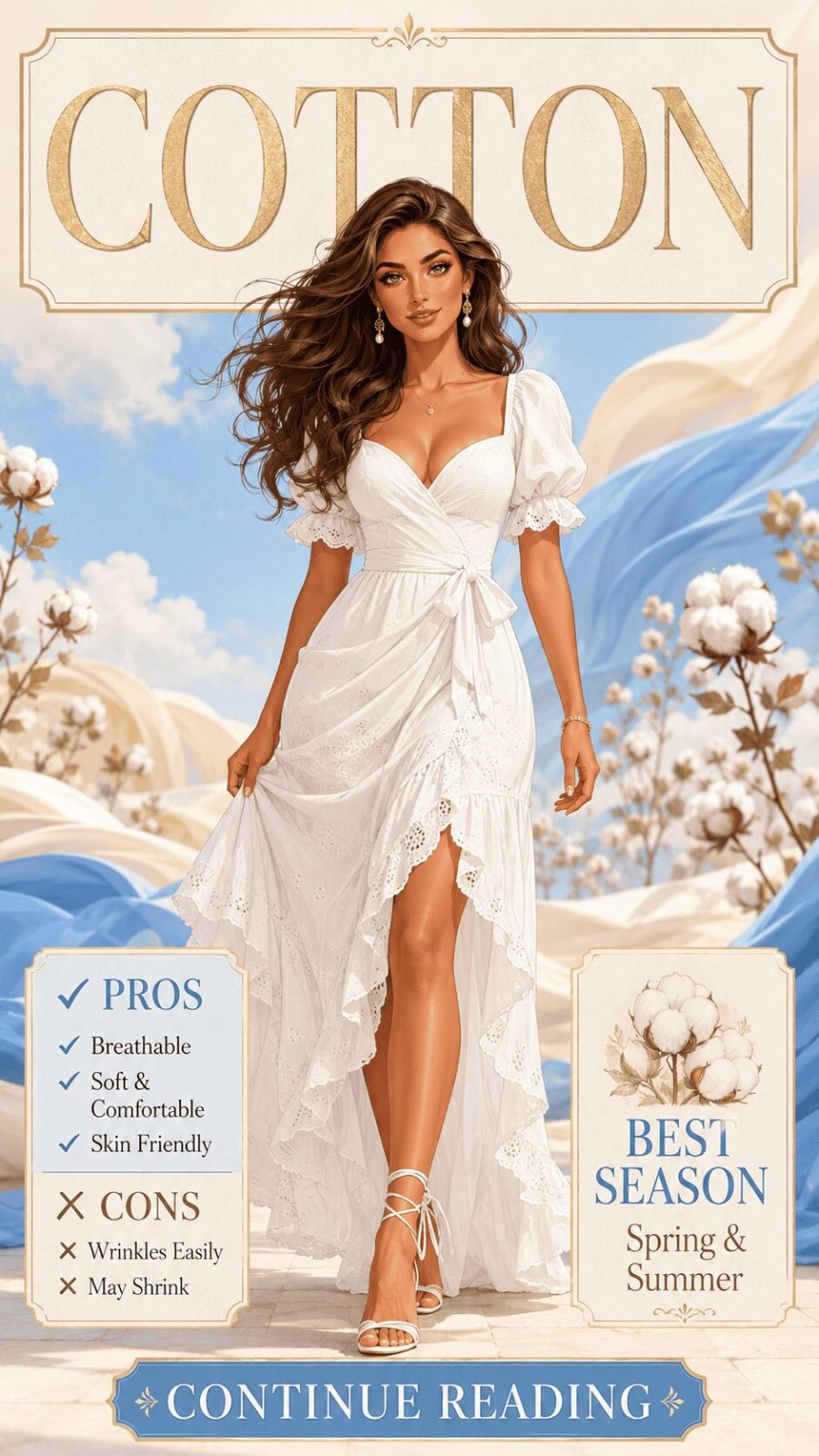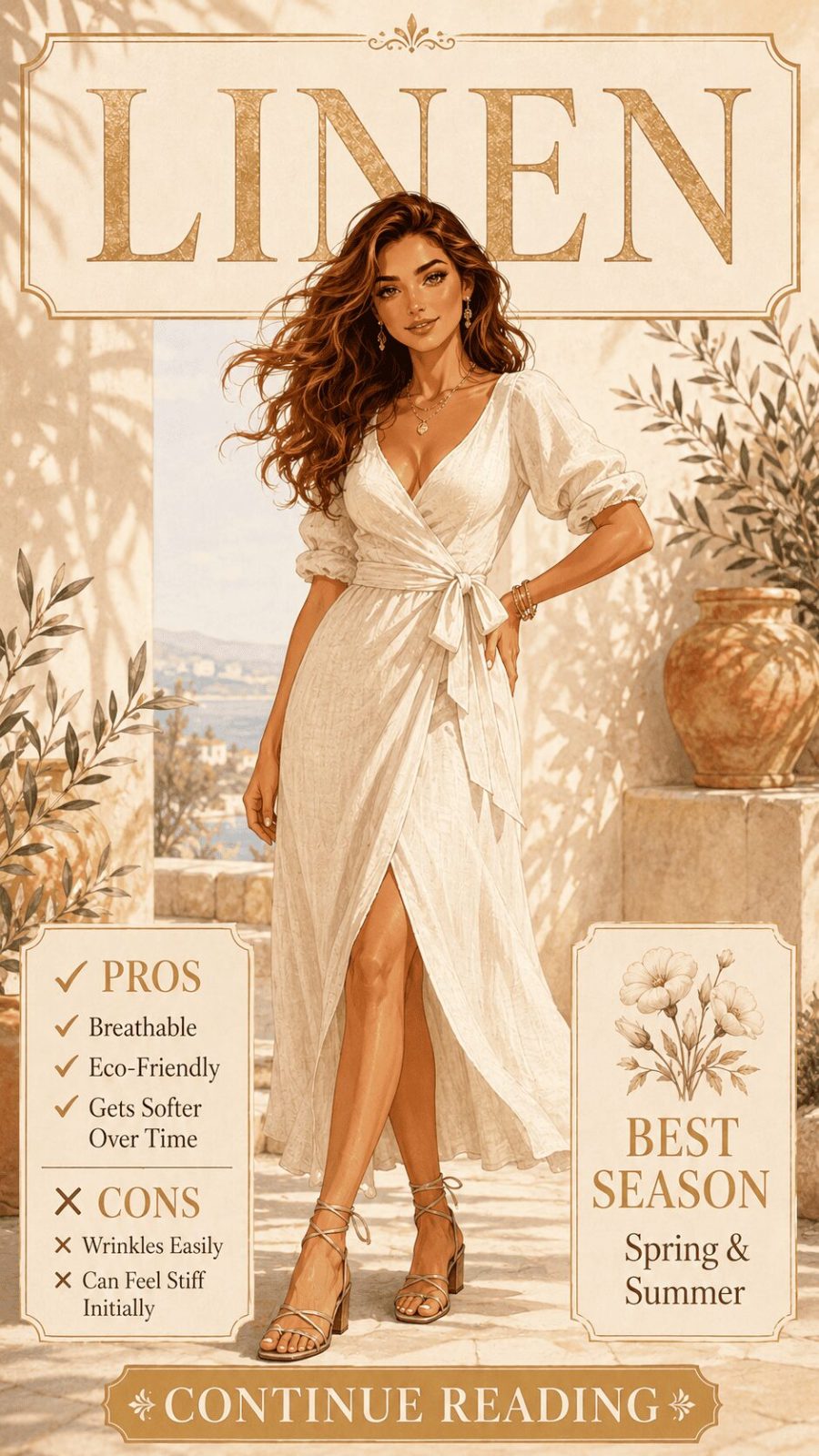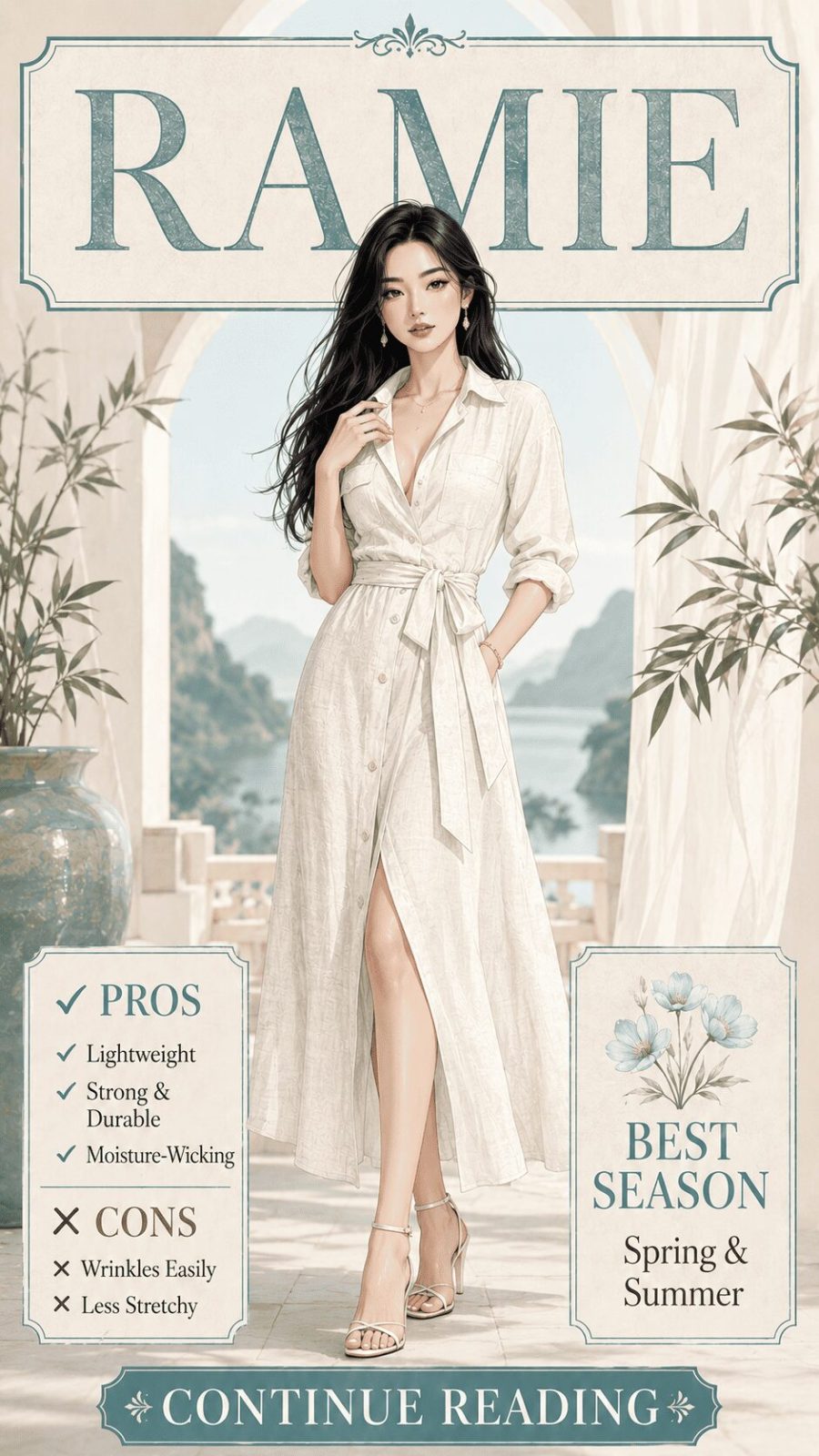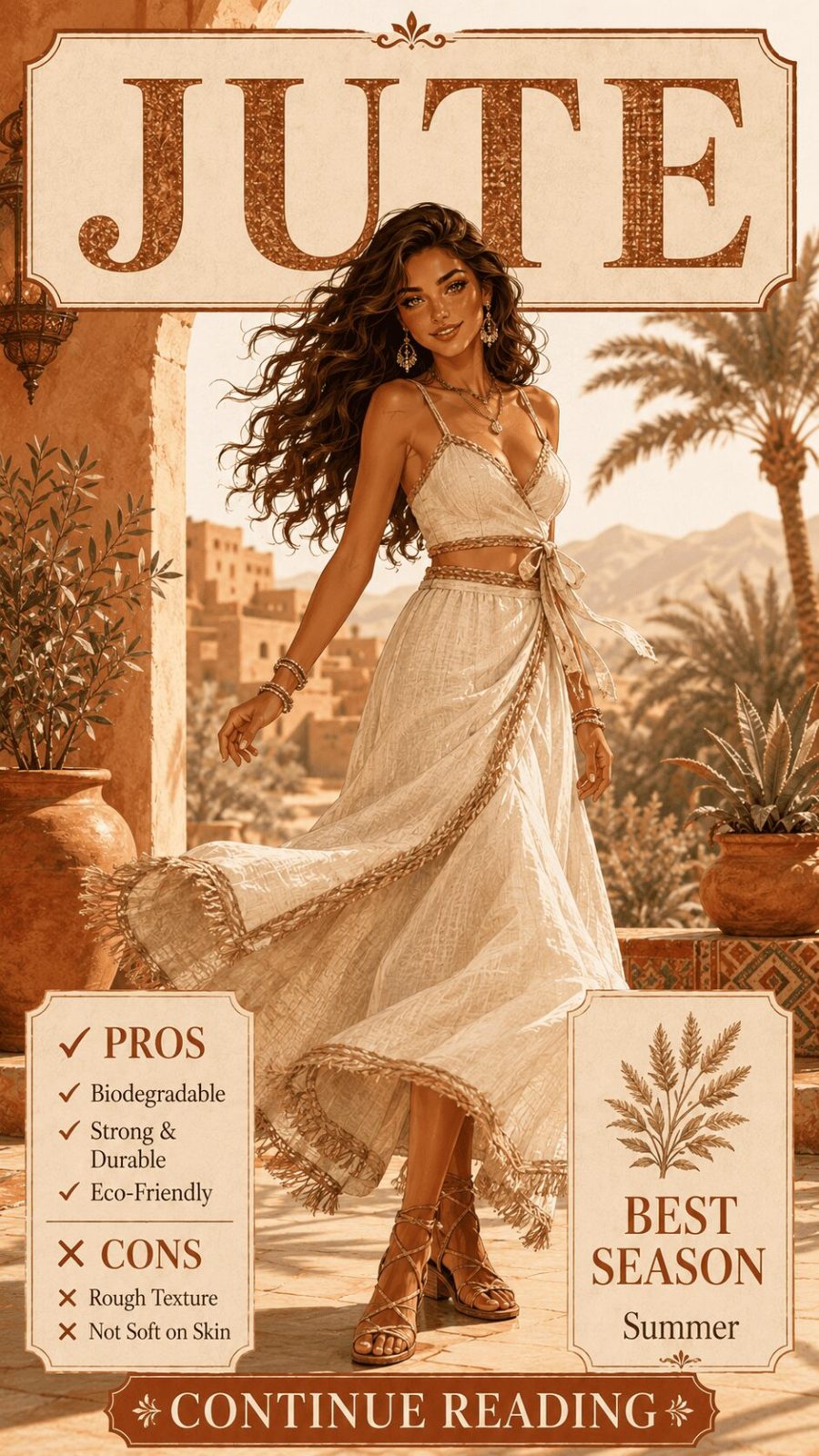
Author: Tanu Jaizz

  • 65+ Different Types of Dresses for Women (With Pictures)

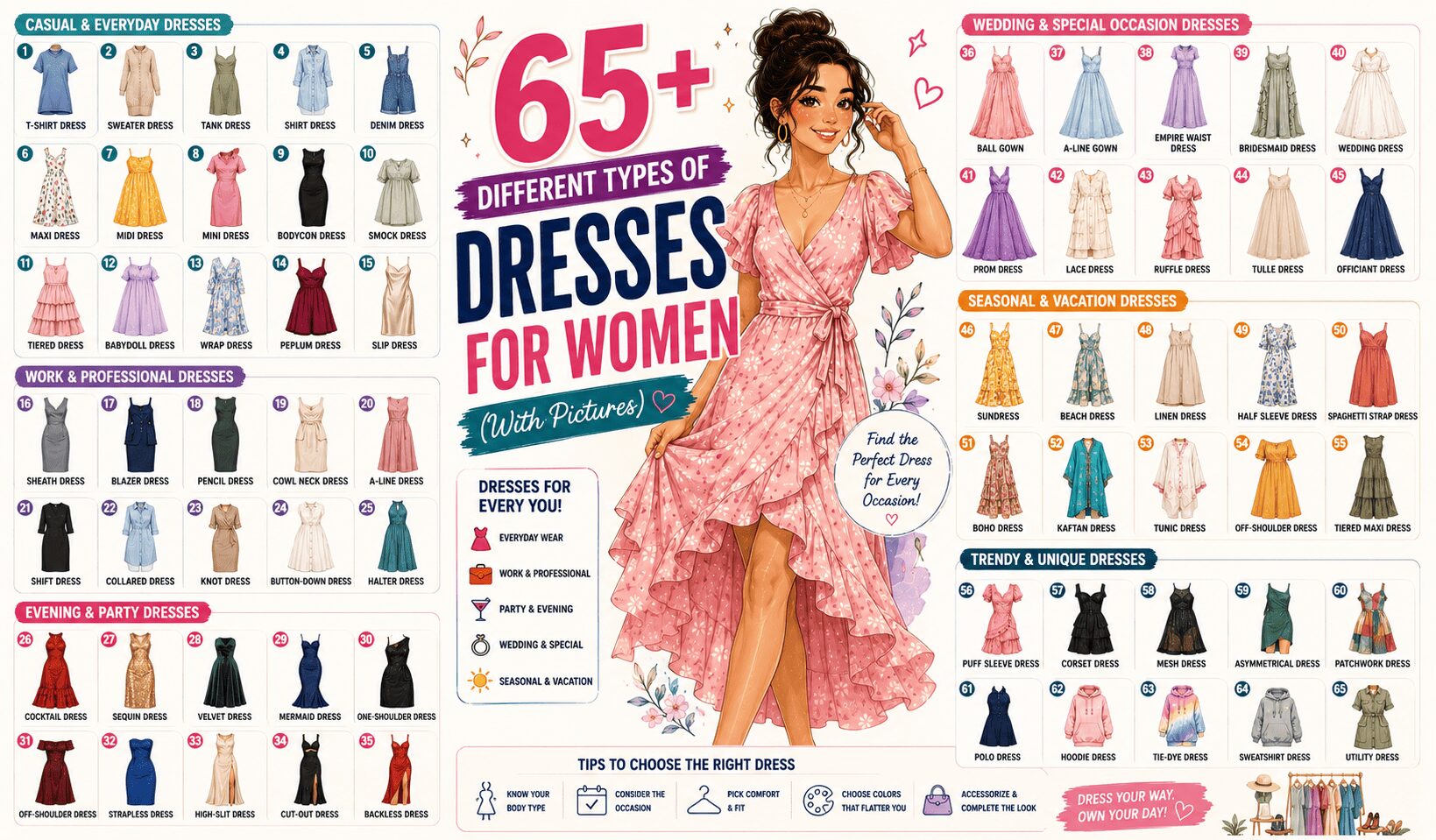
    65+ Different Types of Dresses for Women (With Pictures)

    There’s a specific moment — you’ll know it when it happens — when you slip on a dress and something clicks. Not just that it fits, but that it fits the version of yourself you’re trying to inhabit. A sundress on a cobblestoned street. A column gown in a candlelit room. A wrap dress on a Tuesday that somehow feels like a choice, not an afterthought. Dresses carry this particular power because they are, fundamentally, the most complete expression of dressing. One garment. One decision. An entire silhouette.

    A dress is not just clothing. It’s a silhouette decision, a fabric conversation, and a moment of self-definition — all at once.

    The history of dress silhouettes is, in many ways, a history of social change. The empire waist emerged from post-Revolution France, rejecting the constricted formality of the corset era. The sheath dress arrived mid-century as women claimed professional space. The wrap dress — famously democratized by Diane von Furstenberg in the 1970s — offered a silhouette built around adaptability rather than restriction. Each dress type carries its own design logic, its own construction philosophy, its own quiet argument about what dressing can mean. Understanding those arguments is what separates a wardrobe from a collection.

    The Guide

    This guide documents 65+ types of dresses for women across 10 classification systems. For every single entry:

    • Silhouette

      How it’s shaped & constructed

    • Season

      When to wear it

    • Occasion

      Where it works best

    Start here, explore every silhouette, and build a dress vocabulary that actually serves your wardrobe — and your life.

    All 10 Categories at a Glance

    A structured breakdown of the 65+ dress types documented in this guide.

    1. 01

      By Silhouette

      10 types #1–#10
    2. 02

      By Length / Hemline

      7 types #11–#17
    3. 03

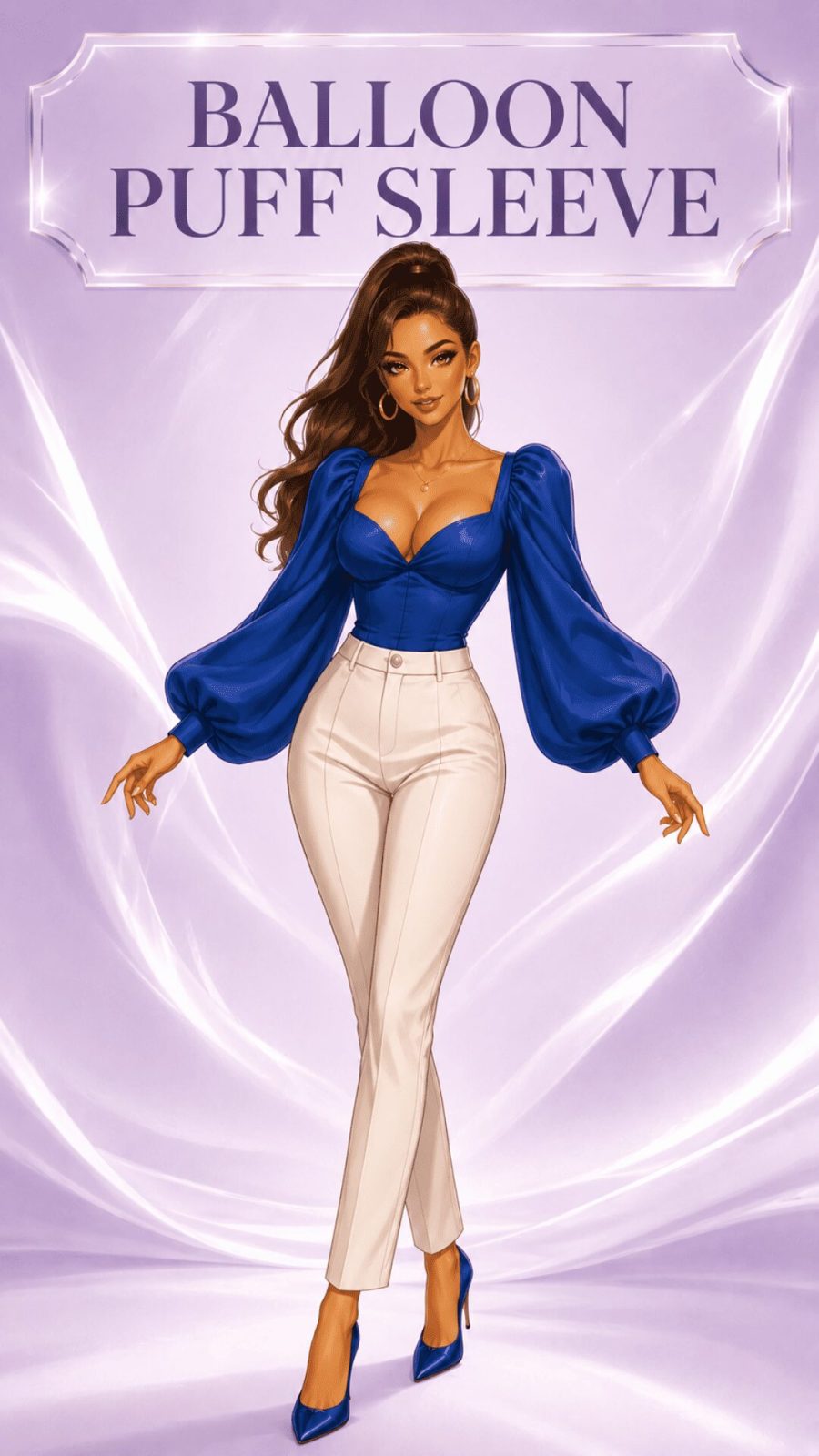
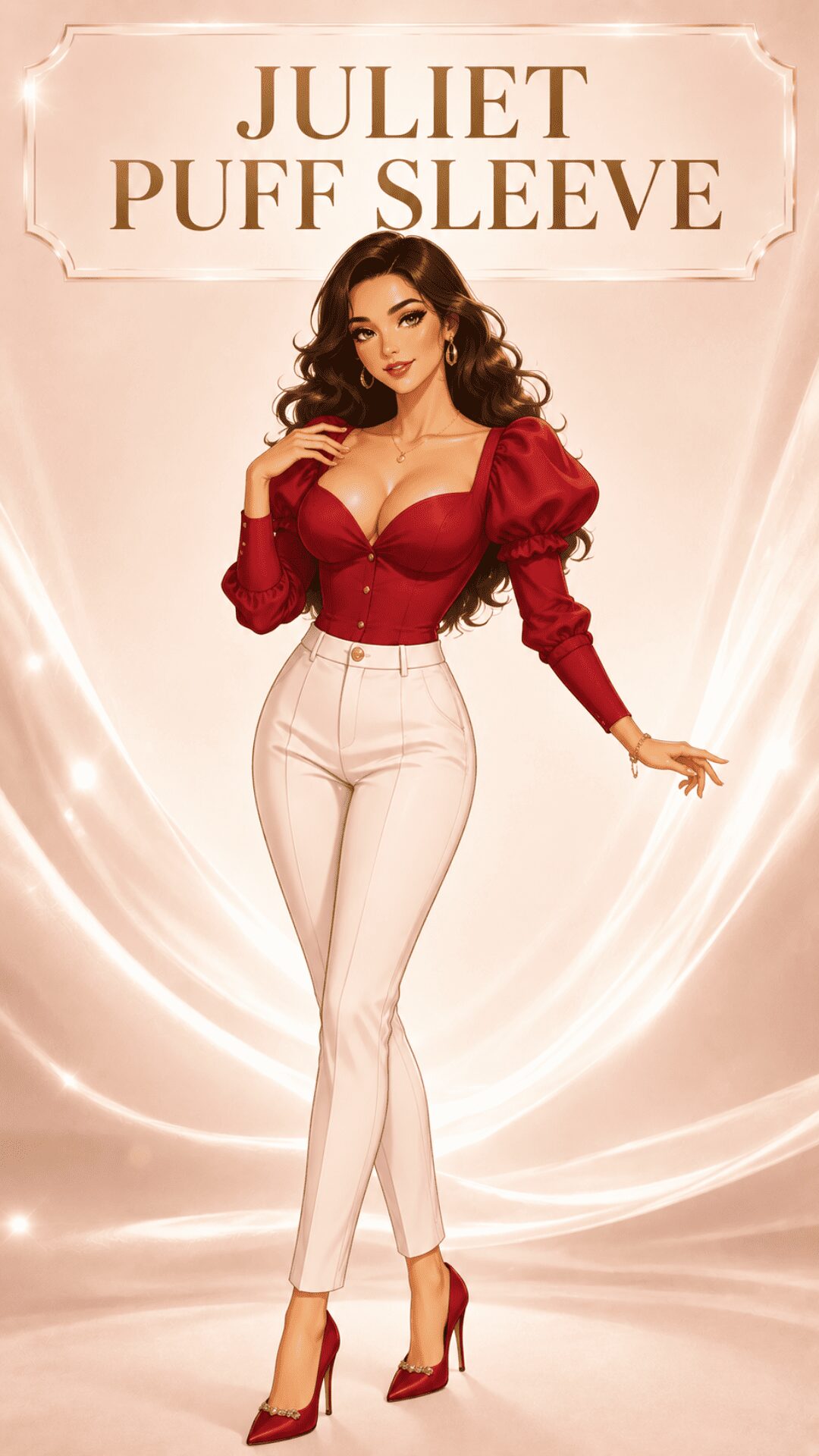
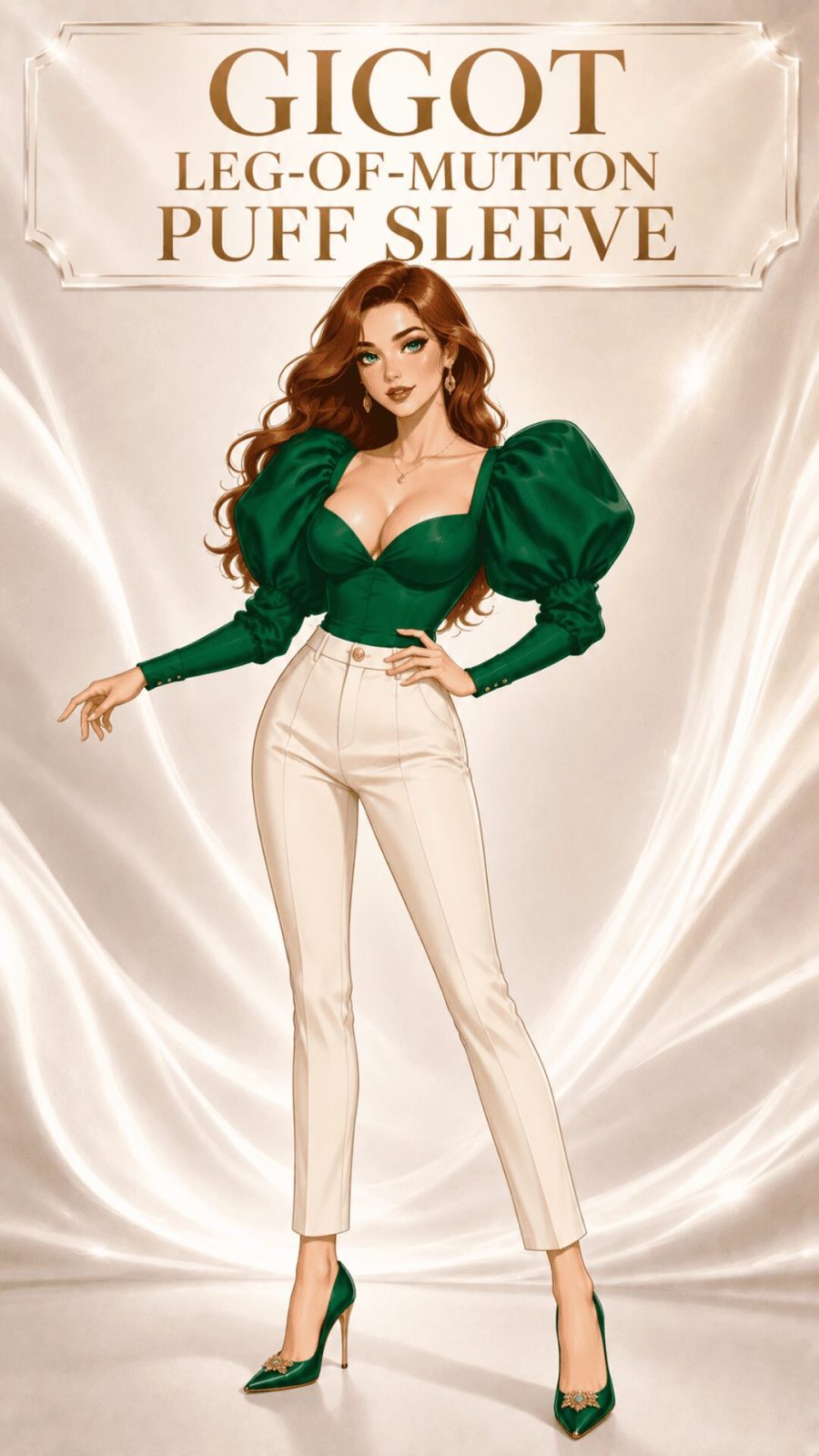
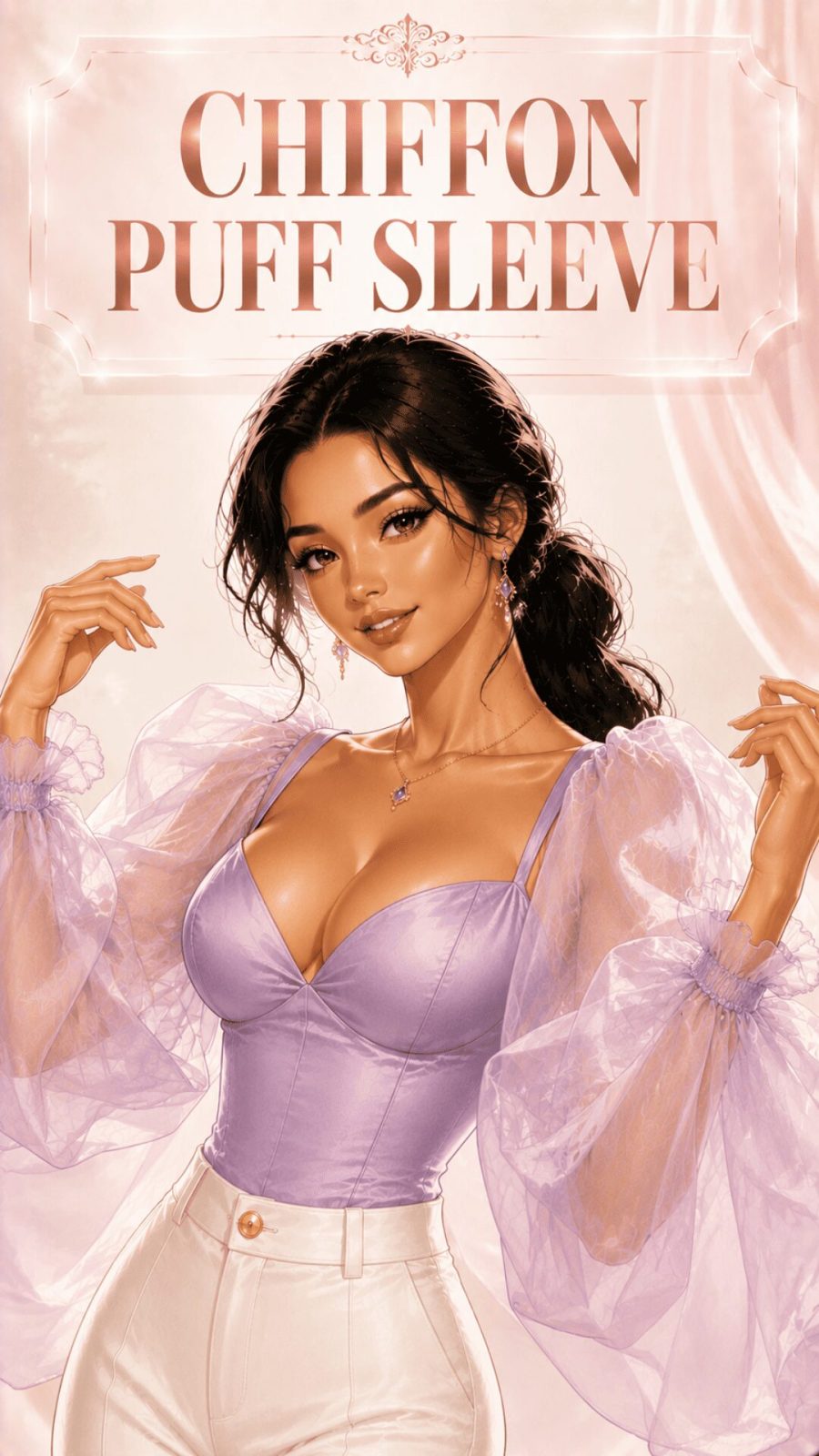
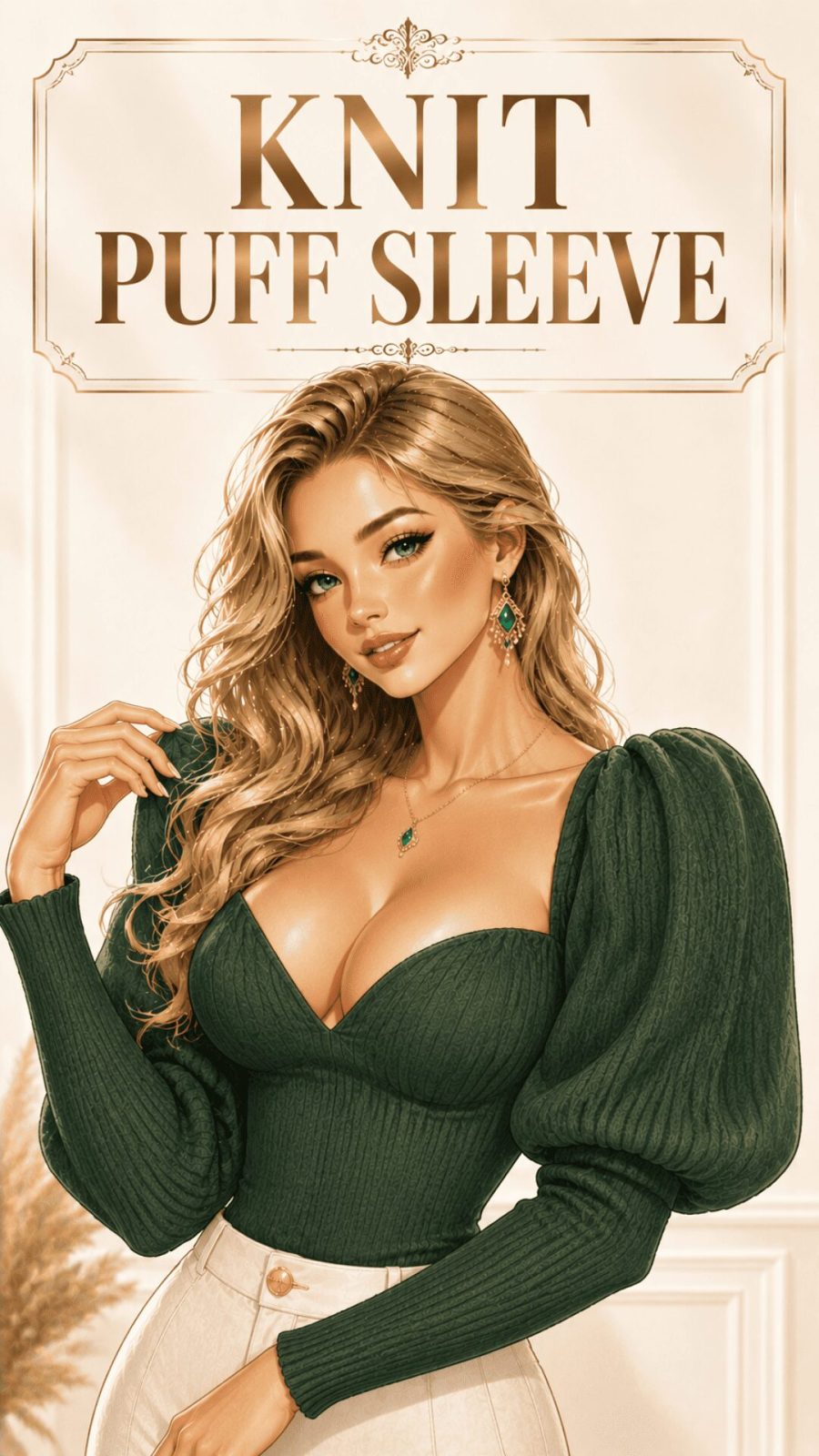
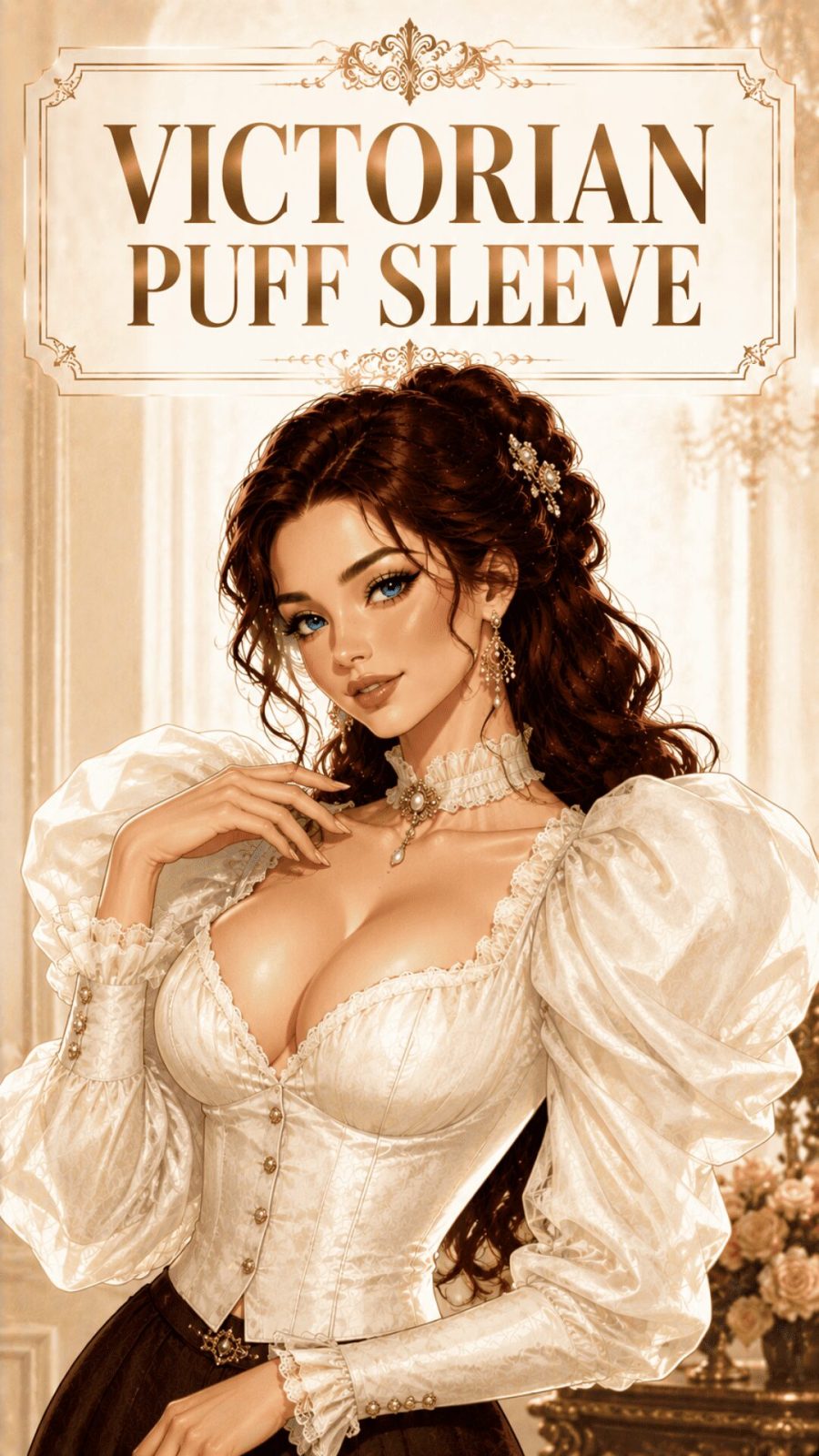
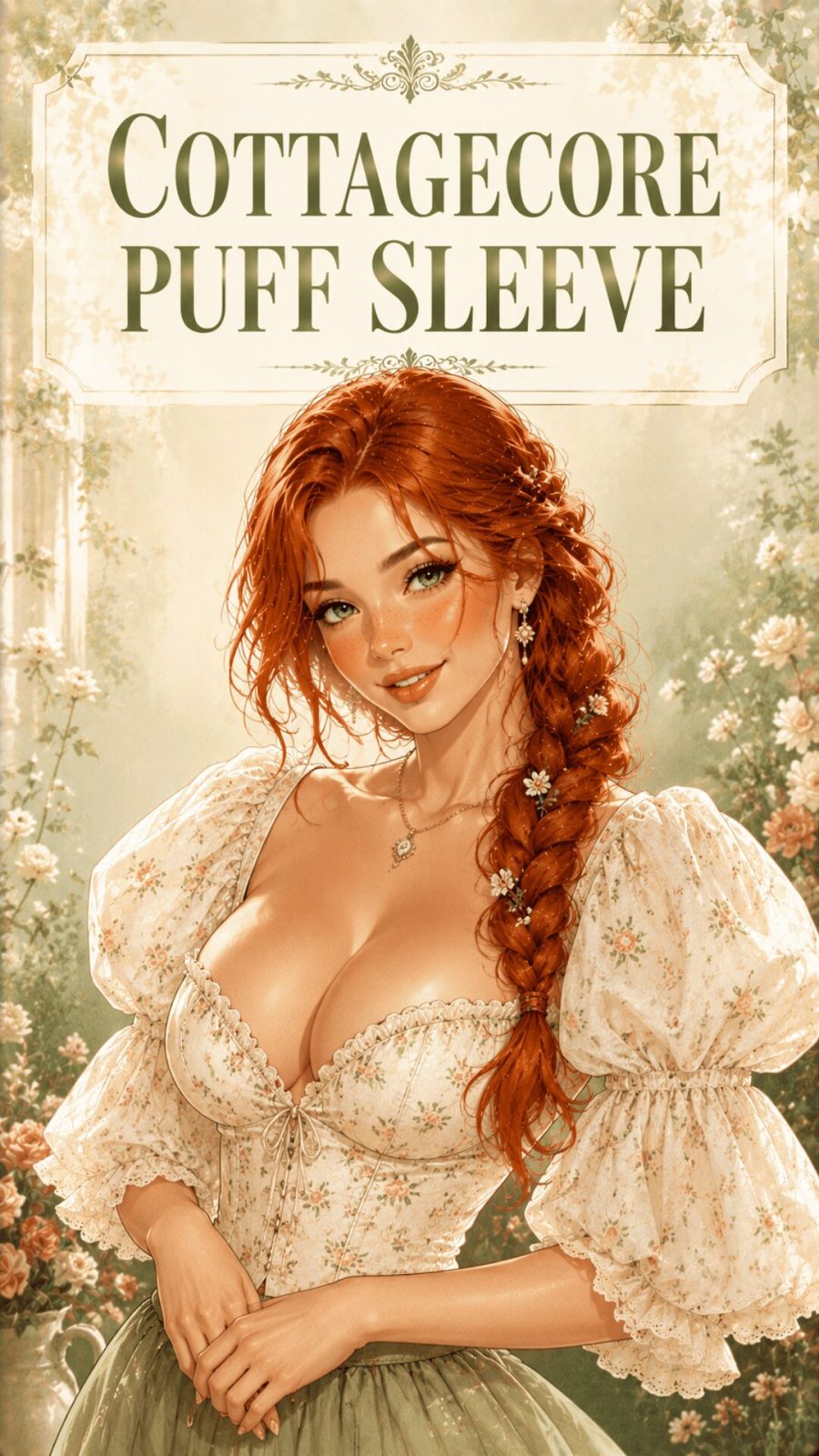
      By Sleeve Type

      7 types #18–#24
    4. 04

      By Neckline

      6 types #25–#30
    5. 05

      By Waistline

      5 types #31–#35
    6. 06

      By Occasion

      8 types #36–#43
    7. 07

      By Fabric & Construction

      7 types #44–#50
    8. 08

      By Aesthetic

      7 types #51–#57
    9. 09

      By Season

      4 types #58–#61
    10. 10

      By Construction Style

      5 types #62–#66
    Total Coverage
    66 Dress Types Documented

    65+ Different Types of Dresses for Women

    Category 1: By Silhouette (#1–#10)

    The foundational shape of the garment — how fabric moves from shoulder to hem and what architectural line it creates on the body

    Silhouette is the first decision — and arguably the most important. Before you choose a color, a fabric, or a neckline, you're choosing a shape. And that shape communicates something before you've said a word. The column dress says precision and restraint. The ball gown says intention and occasion. The wrap dress says ease with elegance. Here are the ten silhouette archetypes that every other dress style builds from, references, or reacts to.

    1. 01

      A-Line Dress

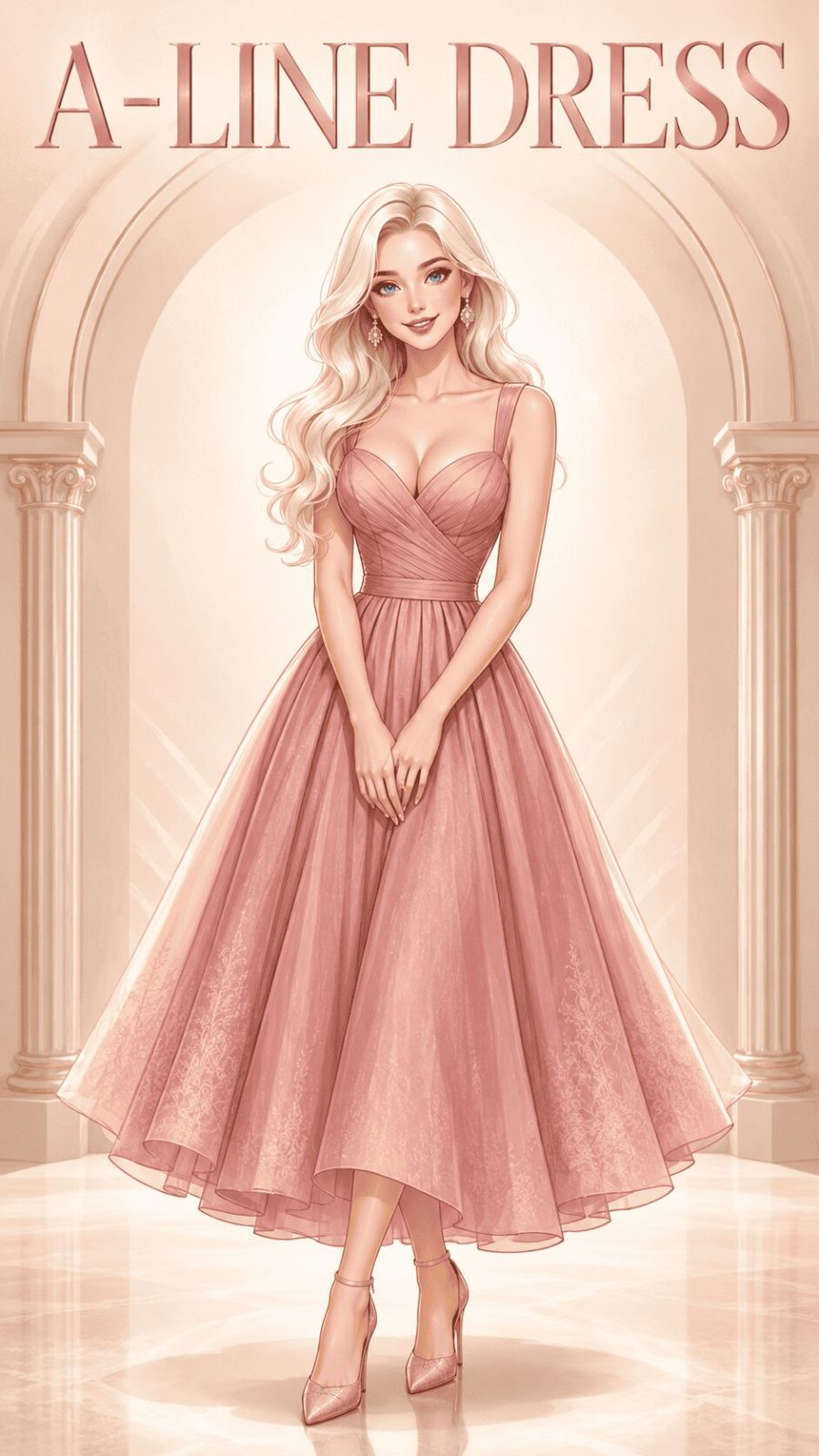
      A-Line Dress Example

      Named for the shape of the capital letter A, this silhouette fits through the bodice and flares gradually from the waist or hips, creating a skirt that widens continuously toward the hem. The A-line was perfected by Christian Dior in his 1955 collection and has remained one of fashion's most consistently worn silhouettes ever since. There's a reason this shape keeps resurfacing every decade — it creates visual balance by drawing the eye upward while adding soft volume below the hips.

      DesignFitted bodice; continuous flare from waist to hem; no break at the hip
      SeasonAll seasons — adjust fabric weight accordingly
      Best ForBrunch, weddings, office events, date nights, casual weekend
    2. 02

      Sheath Dress

      Sheath Dress Example

      A sheath is constructed to follow the body's natural line from shoulder to hem with minimal ease — no flare, no volume, no structure that doesn't serve fit. It relies on princess seams and careful darting to achieve its precisely tailored form without adding bulk. The sheath became a signifier of professional female authority through the 1960s and continues to anchor boardroom dressing today. It doesn't move dramatically — it moves with you, which is a different and more refined quality entirely.
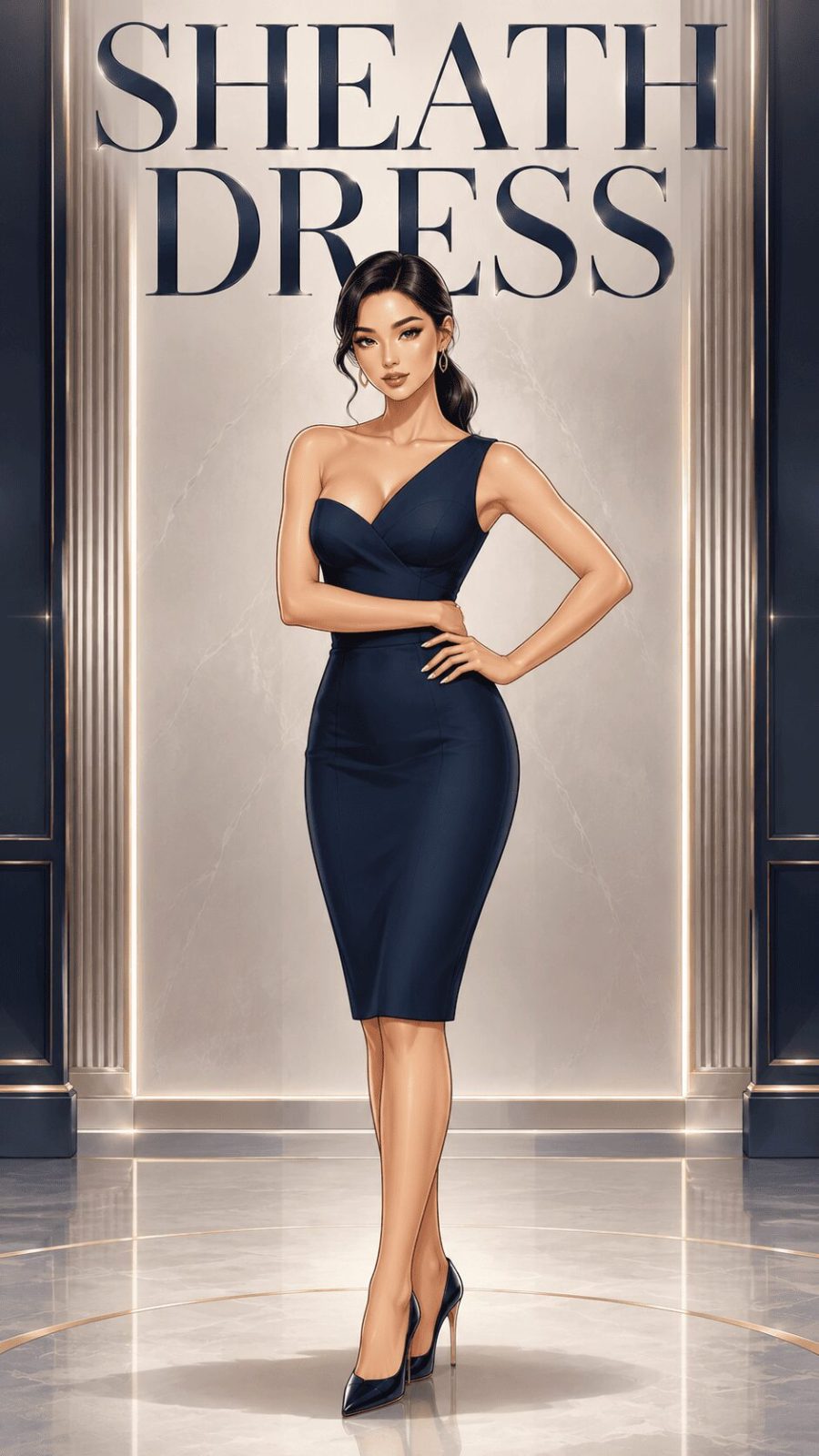
      DesignBody-skimming, princess seams, straight hem, tailored construction
      SeasonAll seasons — wool crepe in autumn, silk in spring
      Best ForOffice, professional events, cocktail parties, formal lunches
    1. 03

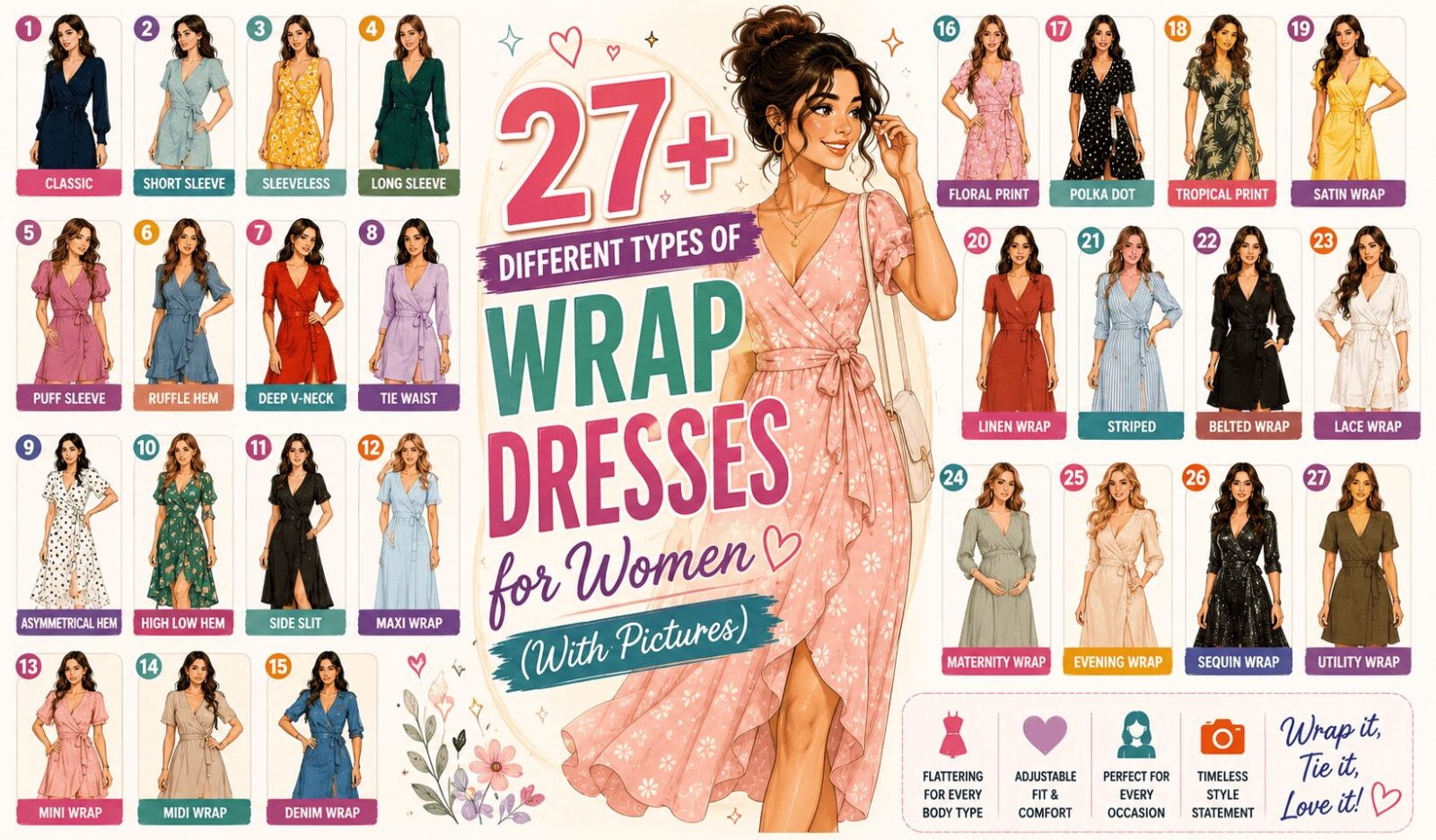
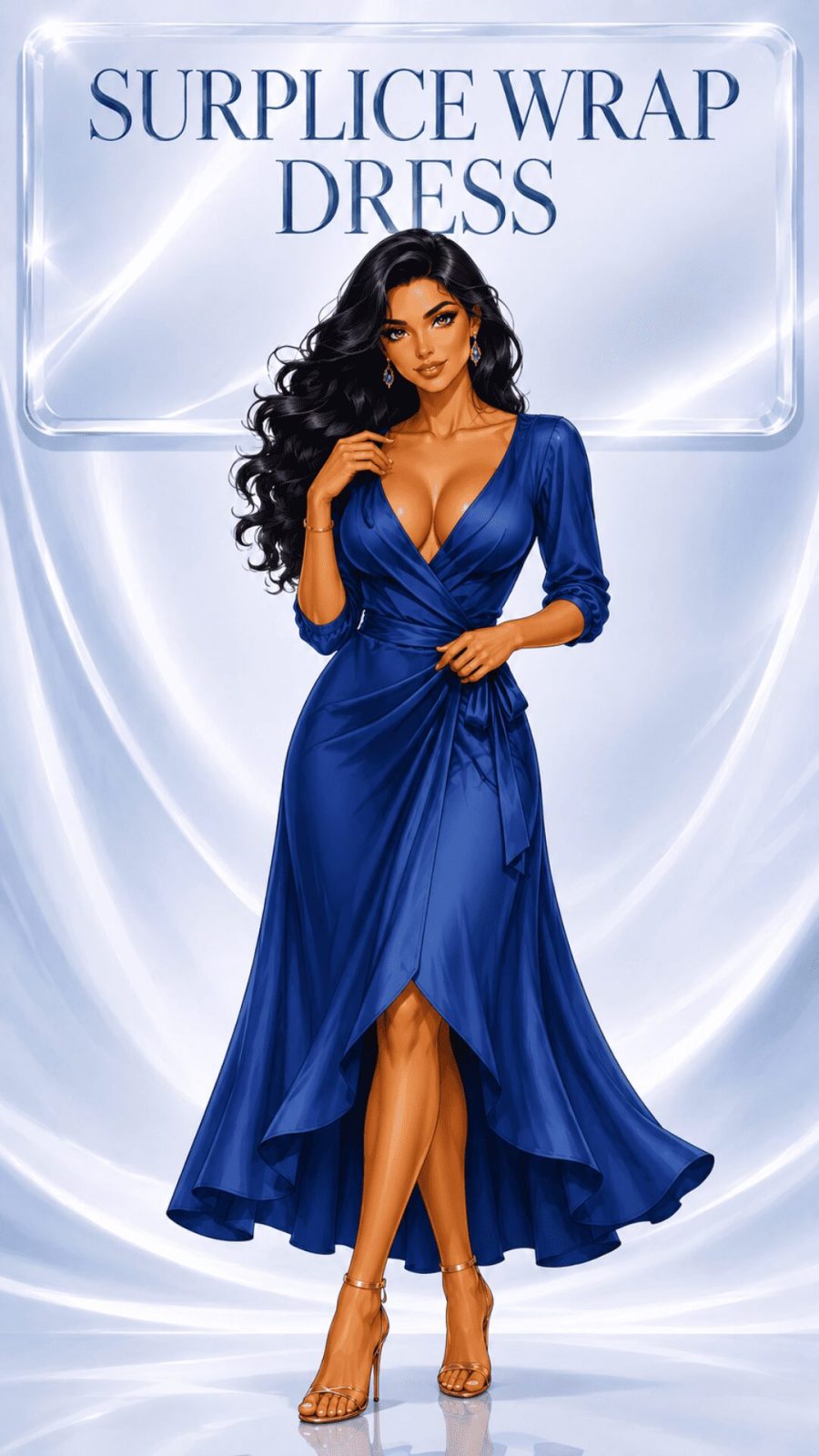
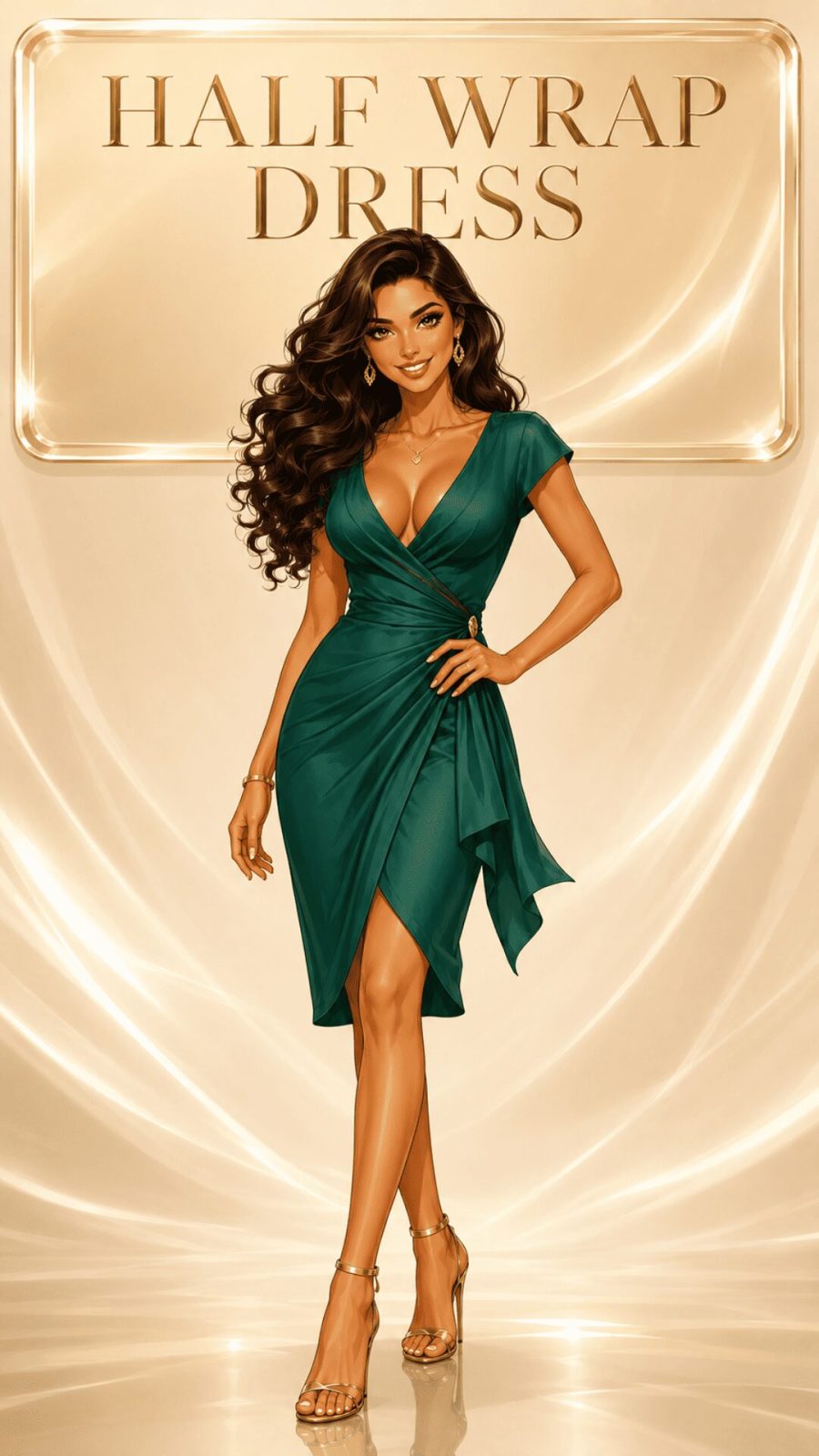
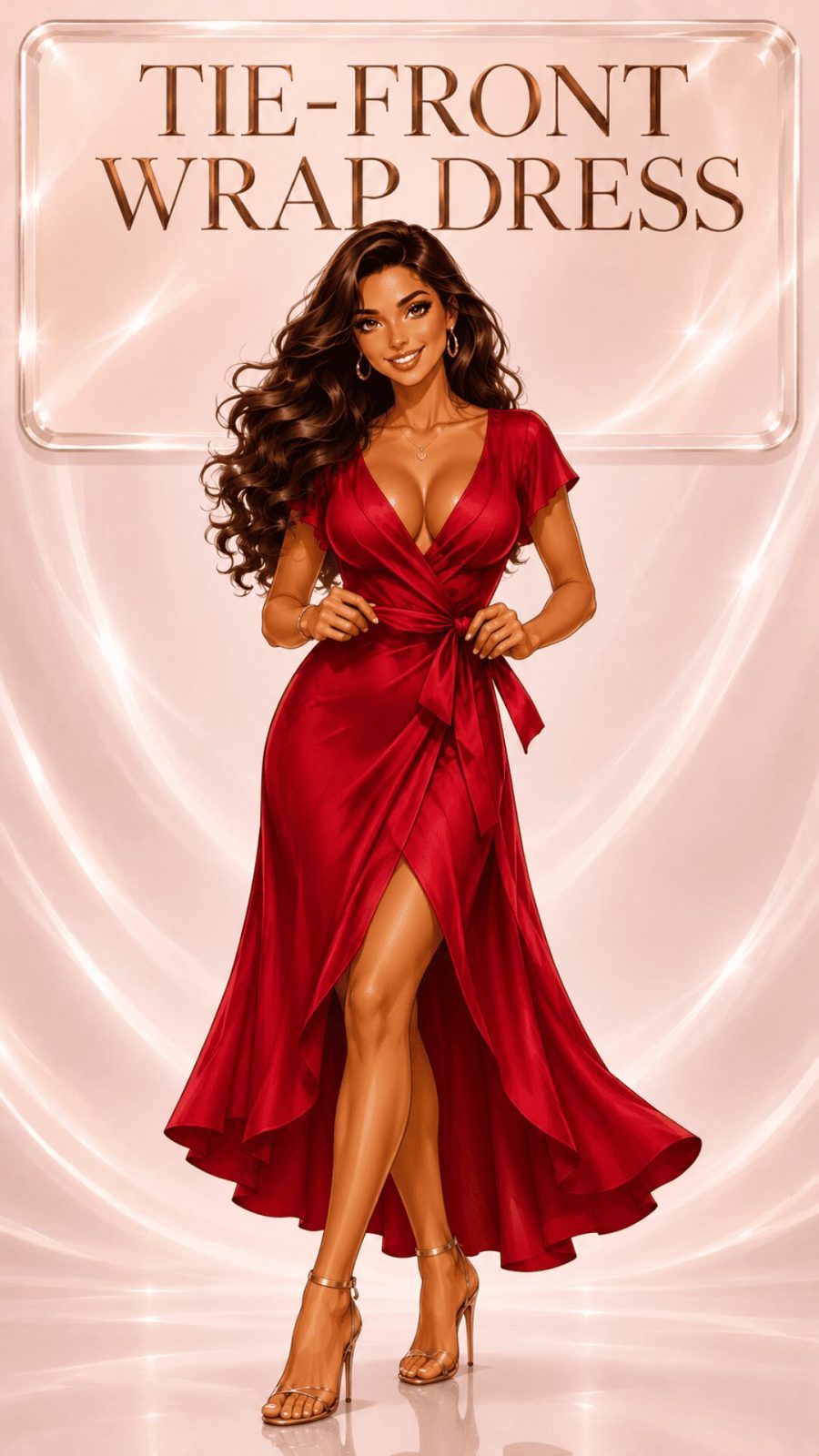
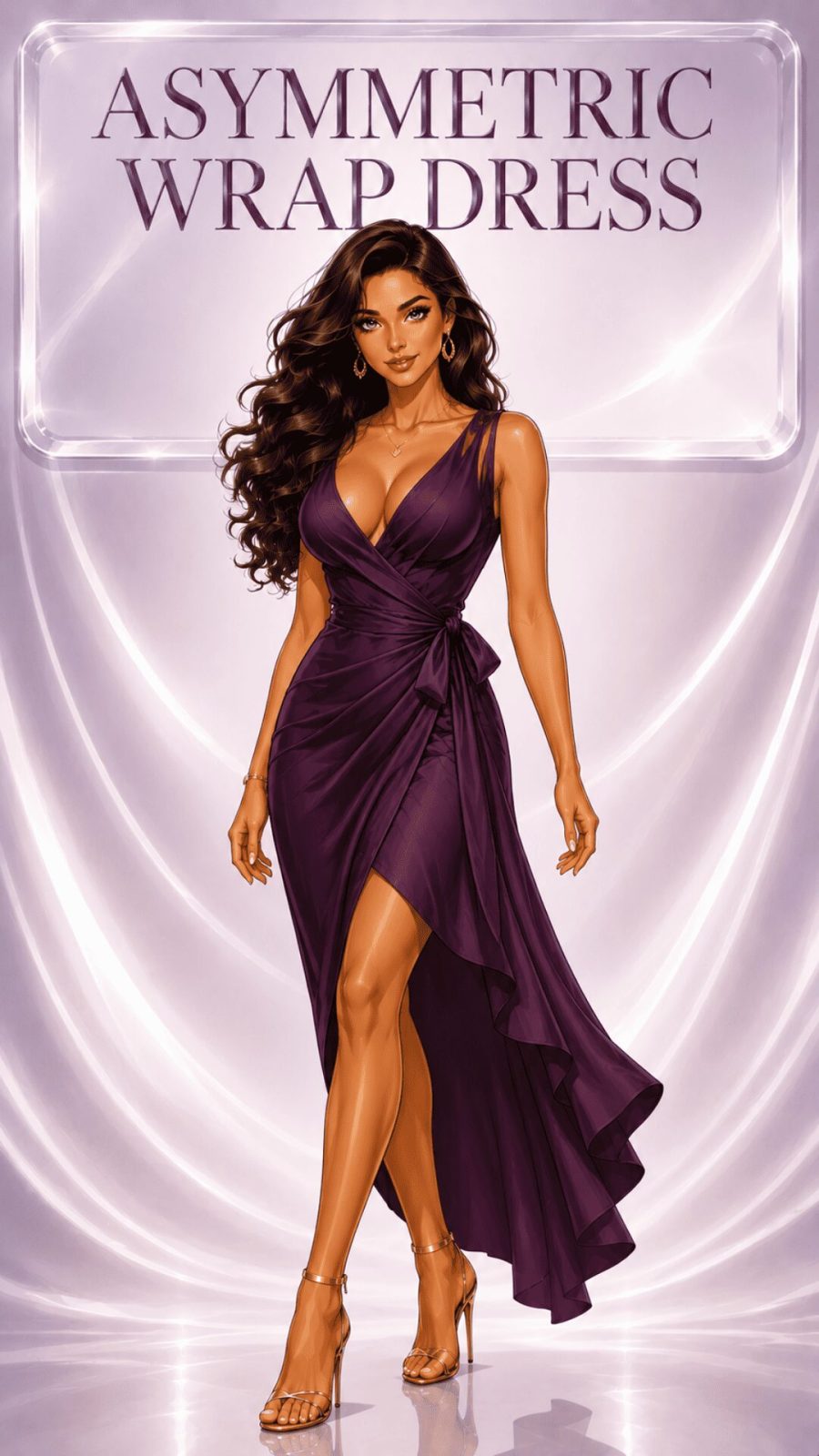
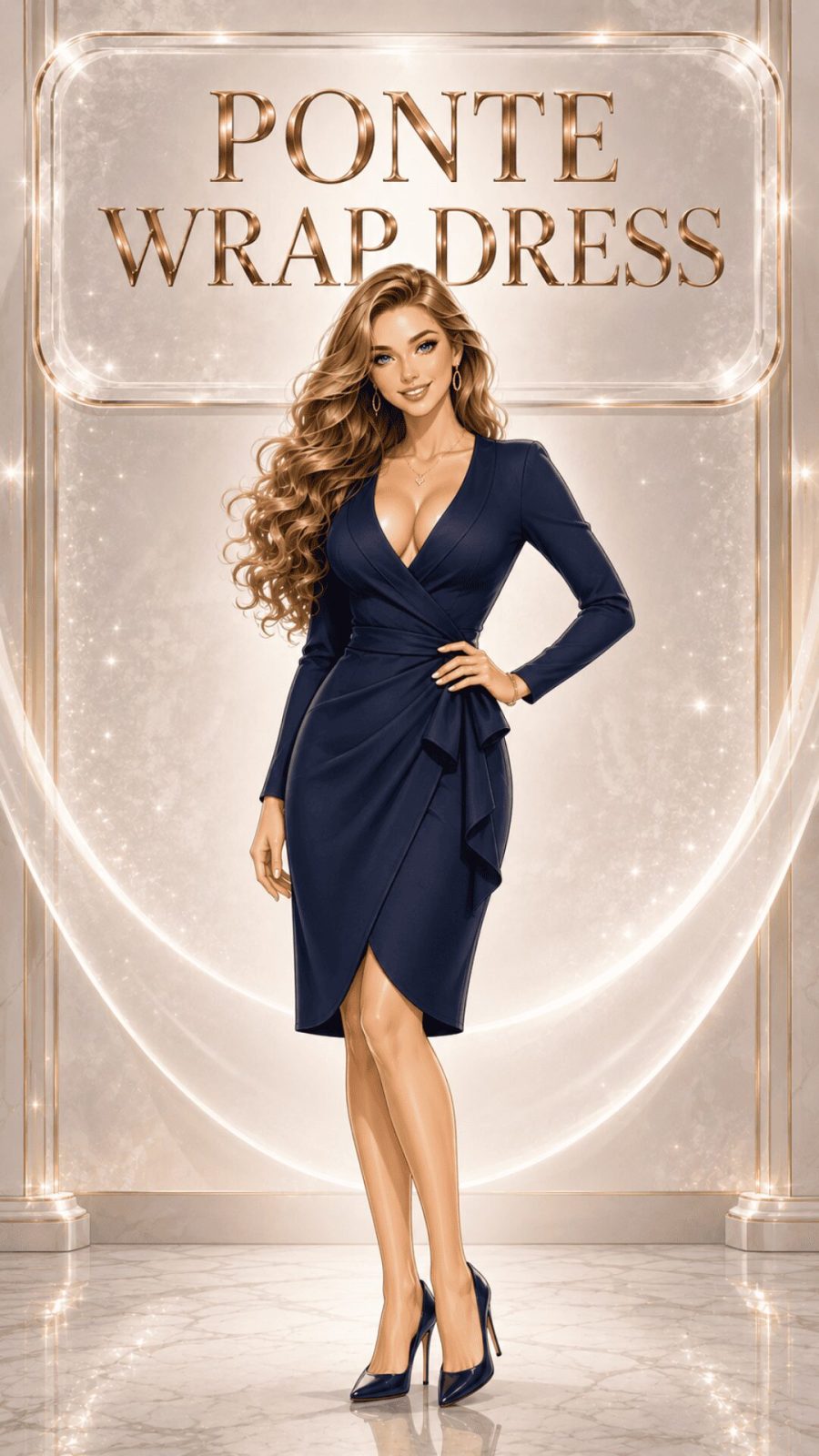
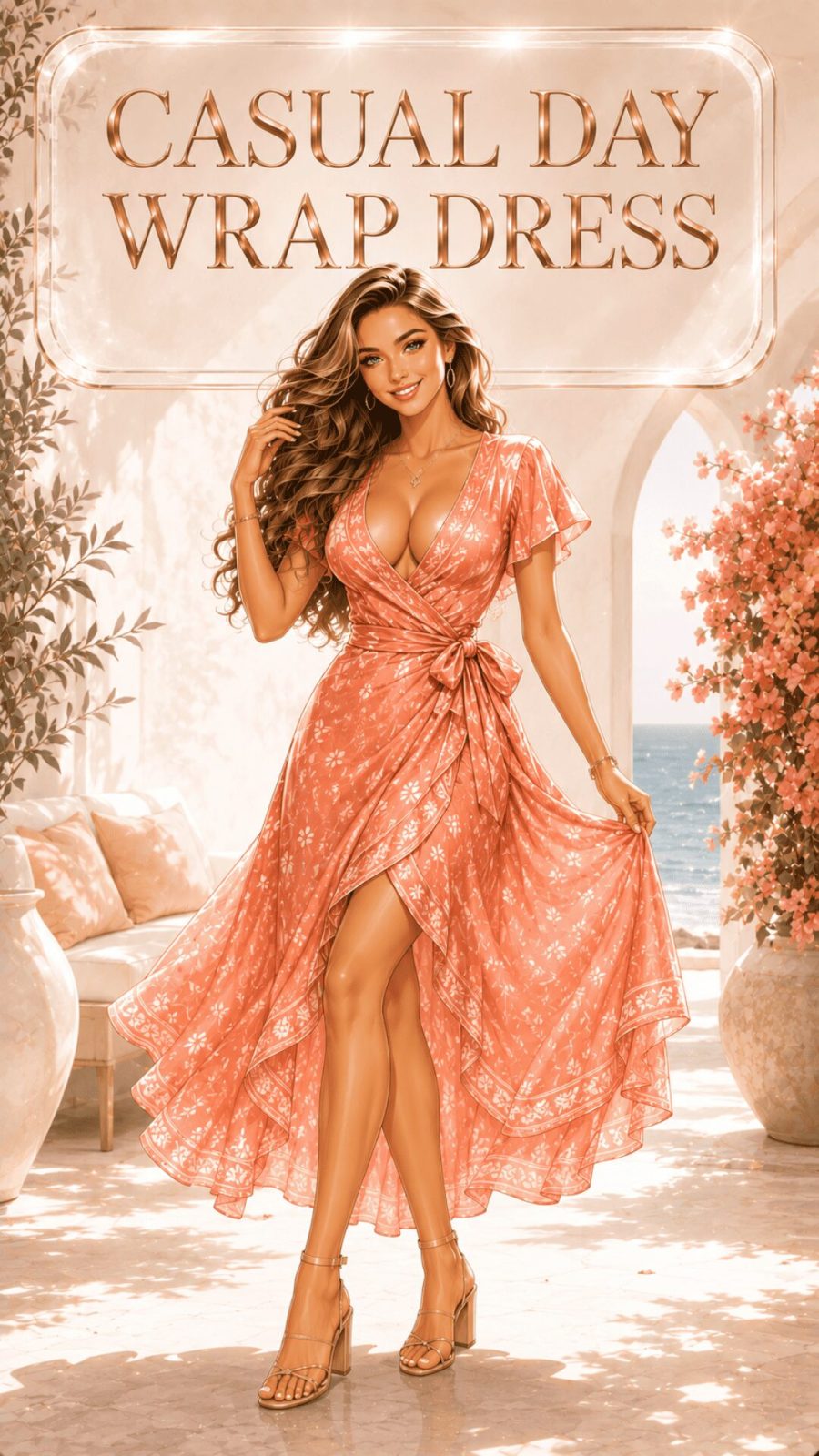
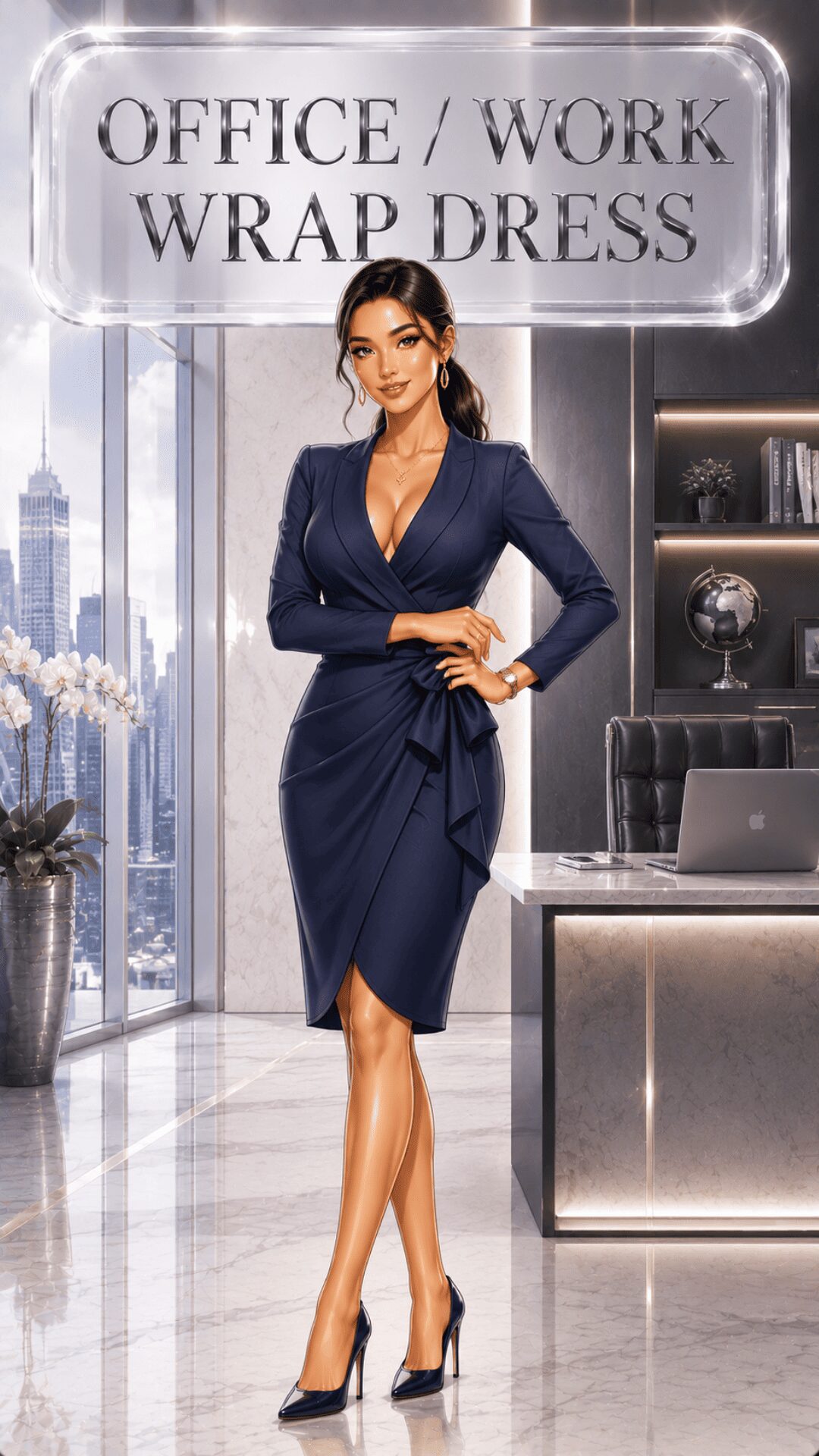
      Wrap Dress

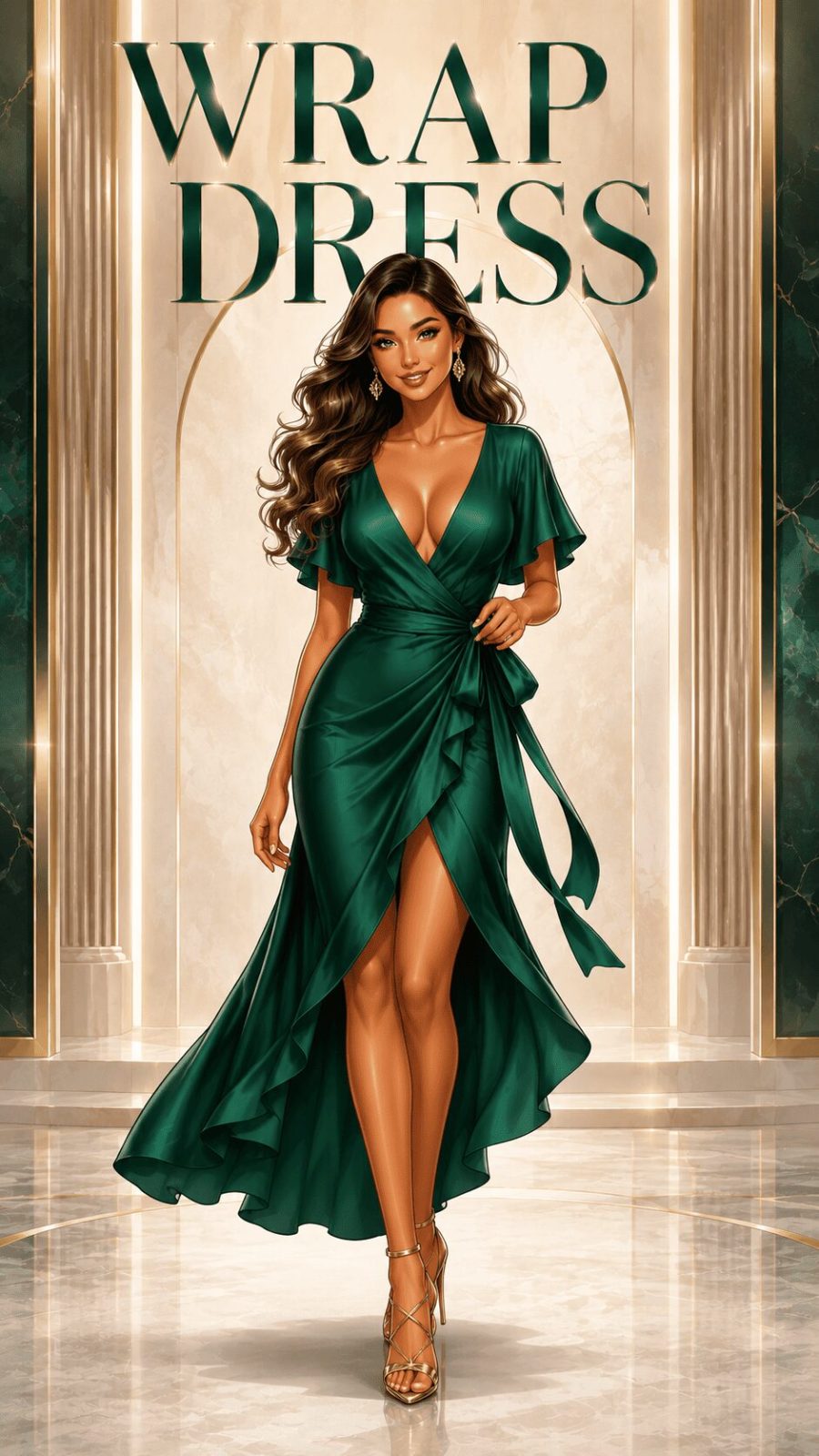
      Wrap Dress Example

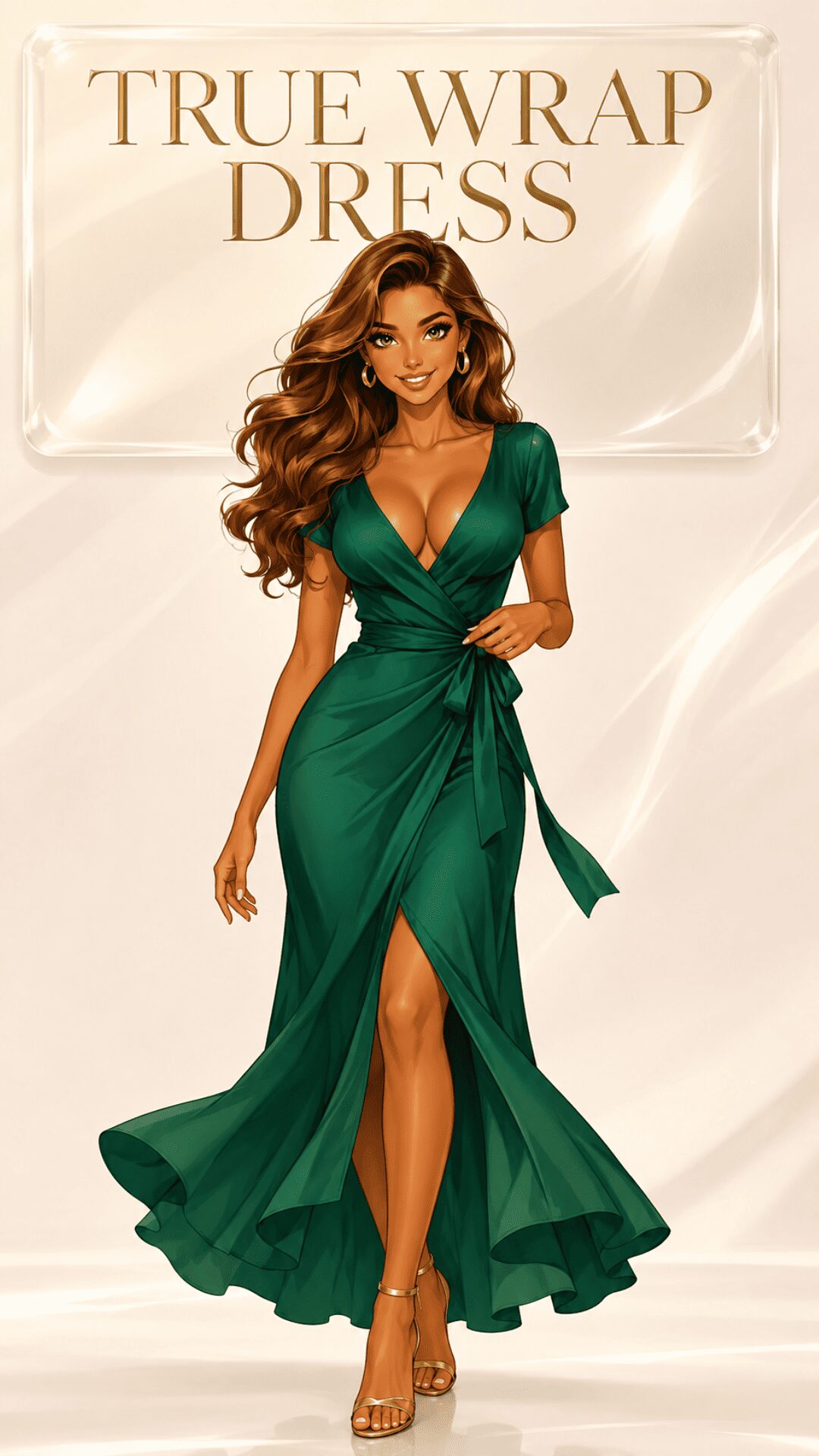
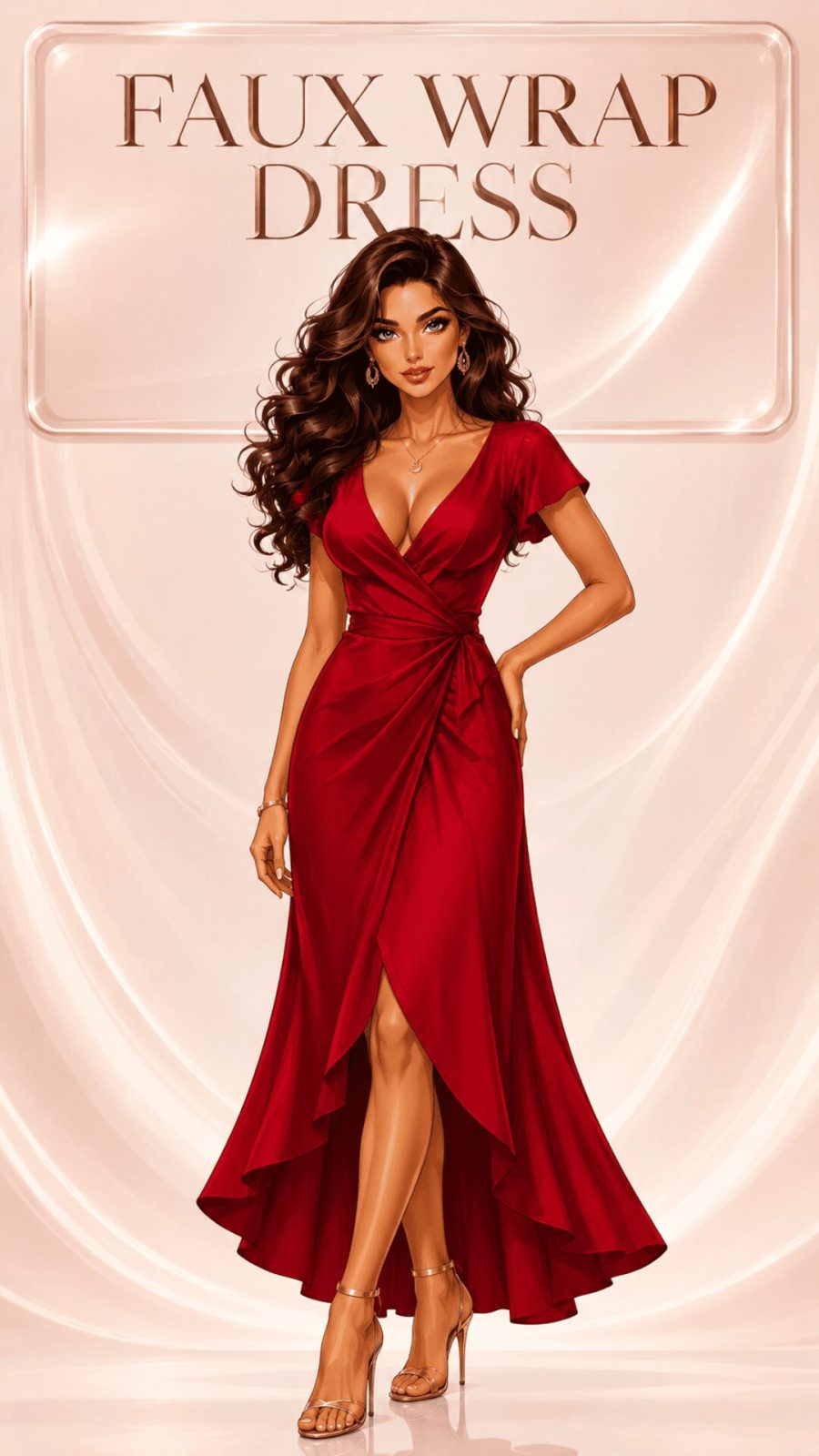
      The wrap silhouette crosses two panels of fabric over the front of the body, secured at the waist by a self-tie sash — creating a V-neckline and a defined waist without a single button, zip, or hook. Its genius is in the adjustability: the tie can be positioned to suit any waist placement, making it one of the most accommodating constructions in dress design. Diane von Furstenberg's 1974 jersey wrap dress became a cultural shorthand for a specific kind of confidence — dressed, capable, and entirely at ease.

      DesignCrossover front panels, self-tie sash, V-neckline, fluid skirt
      SeasonSpring/Summer in jersey; autumn in crepe or silk
      Best ForOffice, date night, brunch, travel, smart-casual events
    2. 04

      Fit-and-Flare Dress

      Fit-and-Flare Dress Example

      Similar in concept to the A-line but with a more pronounced architectural contrast — the fit-and-flare is closely tailored through the bodice and upper hip before releasing into a dramatically full skirt, often with a seam at the waist or high hip that marks the transition point. The seam is structural, not decorative: it allows a gathered or pleated skirt to be attached in a way that maximizes volume. The movement of this fabric changes the entire personality of the dress — walk forward and the skirt lifts; turn quickly and it swings.
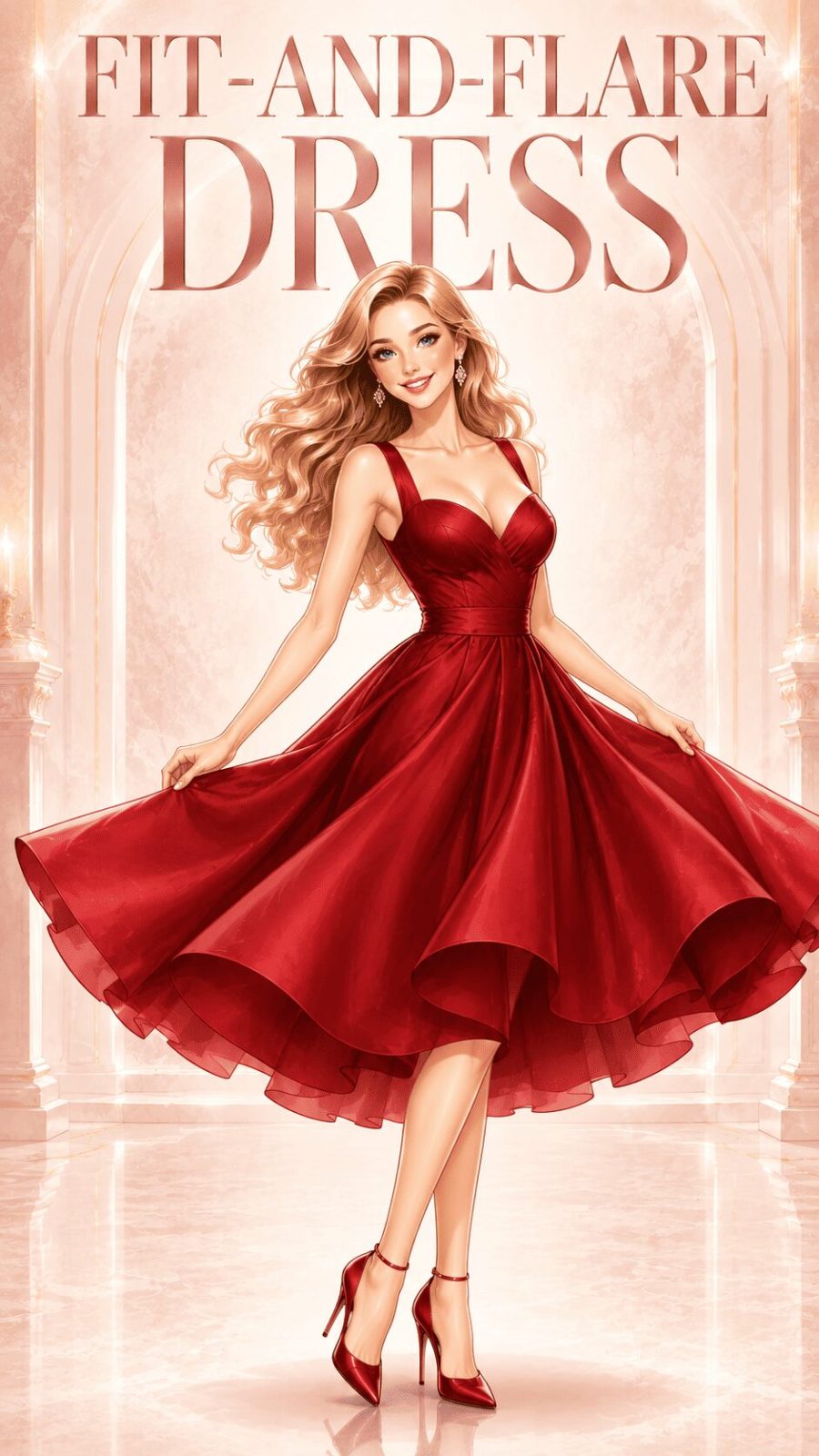
      DesignDefined waist seam, close-fitted bodice, full pleated or gathered skirt
      SeasonSpring/Summer; heavier fabric versions work through autumn
      Best ForParties, wedding guest, semi-formal occasions, brunches
    1. 05

      Bodycon Dress

      Bodycon Dress Example

      Short for "body-conscious," the bodycon is constructed from stretch fabric — typically ribbed jersey, spandex blend, or bandage knit — with minimal ease, meaning the garment conforms tightly to the body's contours throughout. Unlike the sheath, which creates shape through tailored seaming in woven fabric, the bodycon relies on fabric elasticity for its silhouette. The bandage dress variant, made famous by Hervé Léger in the 1980s, uses strategically placed horizontal fabric strips that act almost like sculpting tape.

      DesignHigh-stretch fabric, close-to-body throughout, minimal seaming
      SeasonYear-round; layer with leather jacket in winter
      Best ForNights out, cocktail parties, club events, date nights
    2. 06

      Ball Gown

      Ball Gown Example

      The ball gown is defined by its full, floor-length skirt that dramatically expands from a closely fitted, often structured bodice — typically supported by layers of tulle, crinoline, or petticoat. The construction is the most technically demanding in dress design: boning in the bodice, a built-in corsetry structure, yards of skirt fabric gathered and distributed at the waist seam. This shape became iconic not because of practicality, but because of theatrical intention. A ball gown communicates arrival.
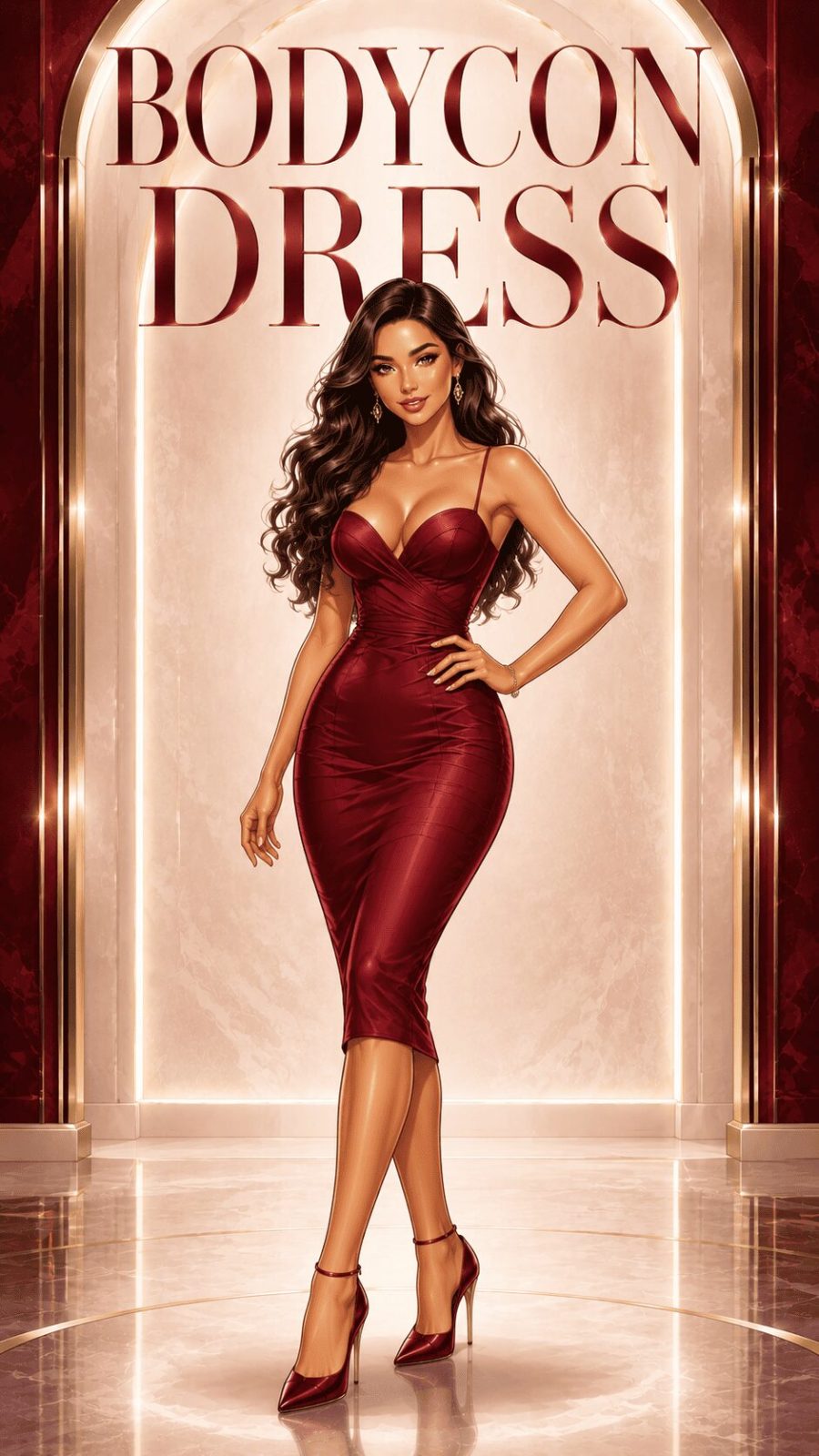
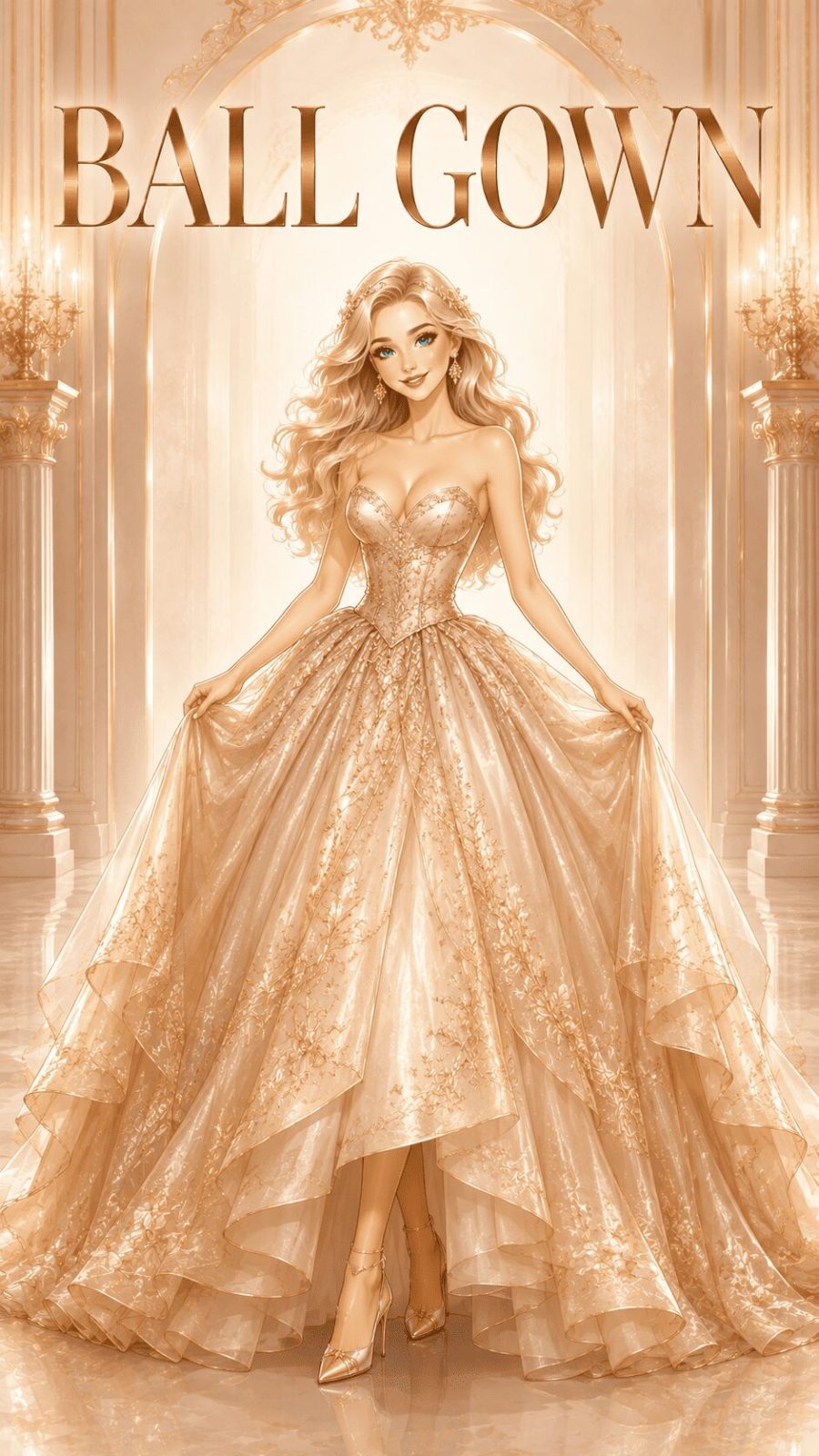
      DesignBoned fitted bodice, full floor-length skirt, tulle or crinoline underlayer
      SeasonEvening/formal occasions; season-independent
      Best ForGalas, proms, black-tie events, formal wedding guest
    1. 07

      Column / Shift Dress

      Column Shift Dress Example

      The column dress — also called a shift when it falls above the knee — maintains a straight, nearly uninterrupted vertical line from shoulder to hem with little to no waist definition. It differs from the sheath in that it doesn't follow the body's curve; instead, it floats away from it slightly, creating space rather than contact. This architectural restraint is precisely the point. The shift dress became a symbol of modernist fashion philosophy in the 1960s, particularly in the work of designers like Mary Quant and Balenciaga.

      DesignStraight vertical silhouette, minimal waist definition, clean lines
      SeasonAll seasons; layer with coats or jackets in cooler months
      Best ForOffice, art galleries, minimalist occasions, casual chic outings
    2. 08

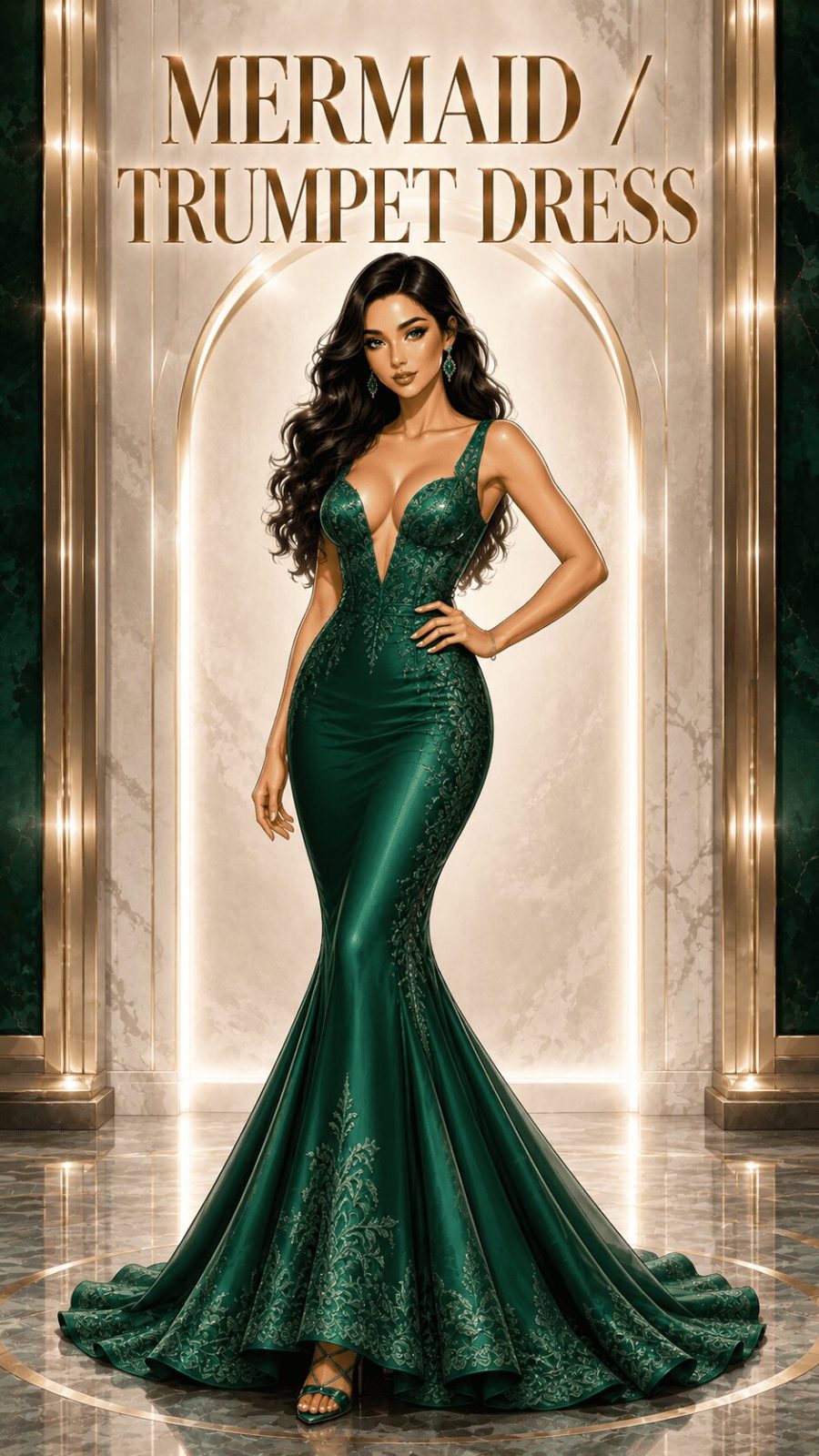
      Mermaid / Trumpet Dress

      Mermaid Trumpet Dress Example

      The mermaid and trumpet silhouettes are closely related — both fitted through the bodice, waist, hips, and upper thigh before flaring dramatically outward at the knee or below. The distinction lies in where the flare begins: a mermaid flares from below the knee, while a trumpet opens up from mid-thigh. The construction demands precise seaming through the most complex area of the body for fit: the hip-to-thigh curve. The result, when executed well, is one of the most dramatic and movement-rich silhouettes in dress design.
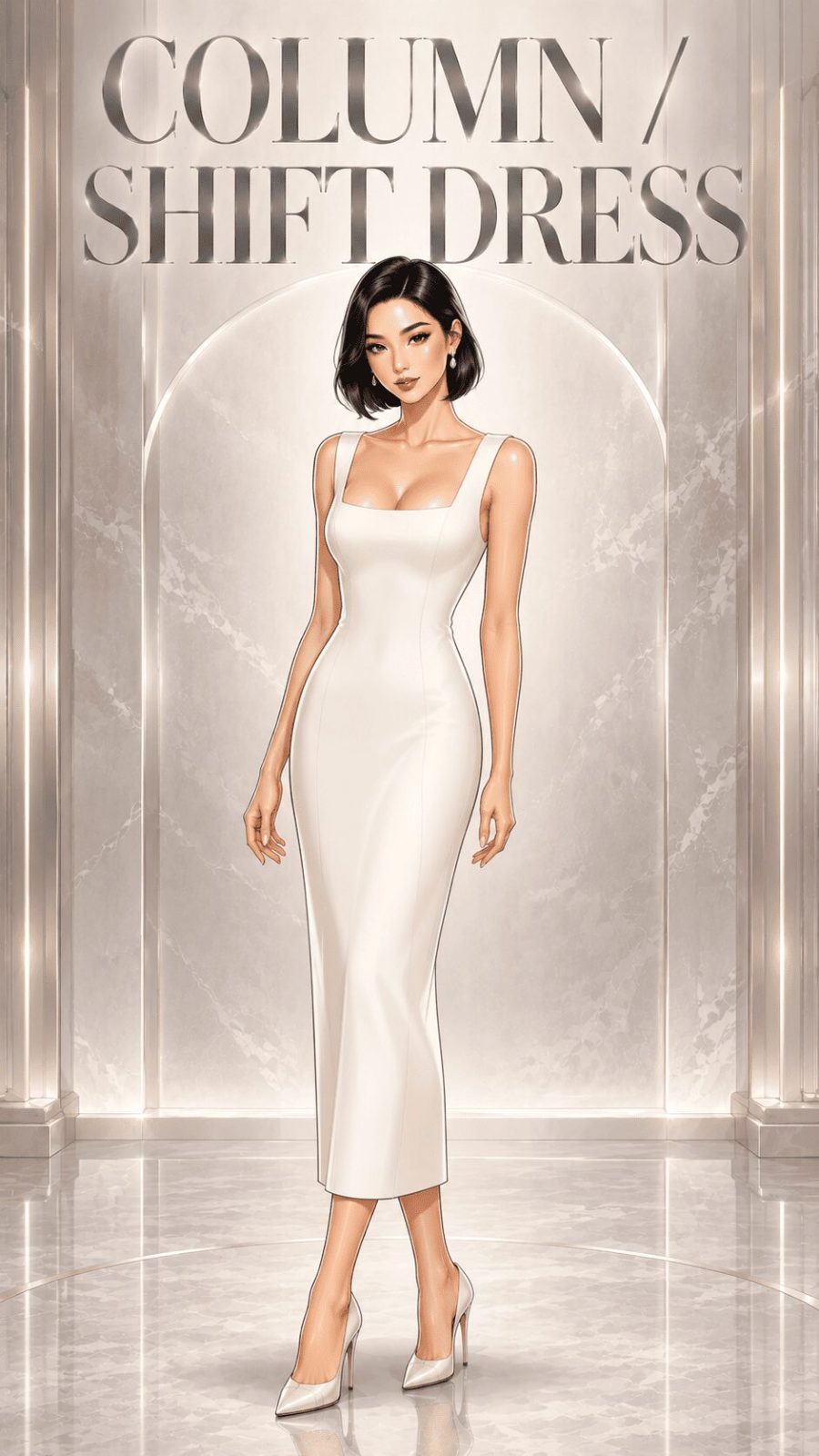
      DesignBody-skimming through hips and thighs, dramatic flare at or below knee
      SeasonEvening/formal; fabric dependent
      Best ForWeddings, black-tie, red carpet, formal galas
    1. 09

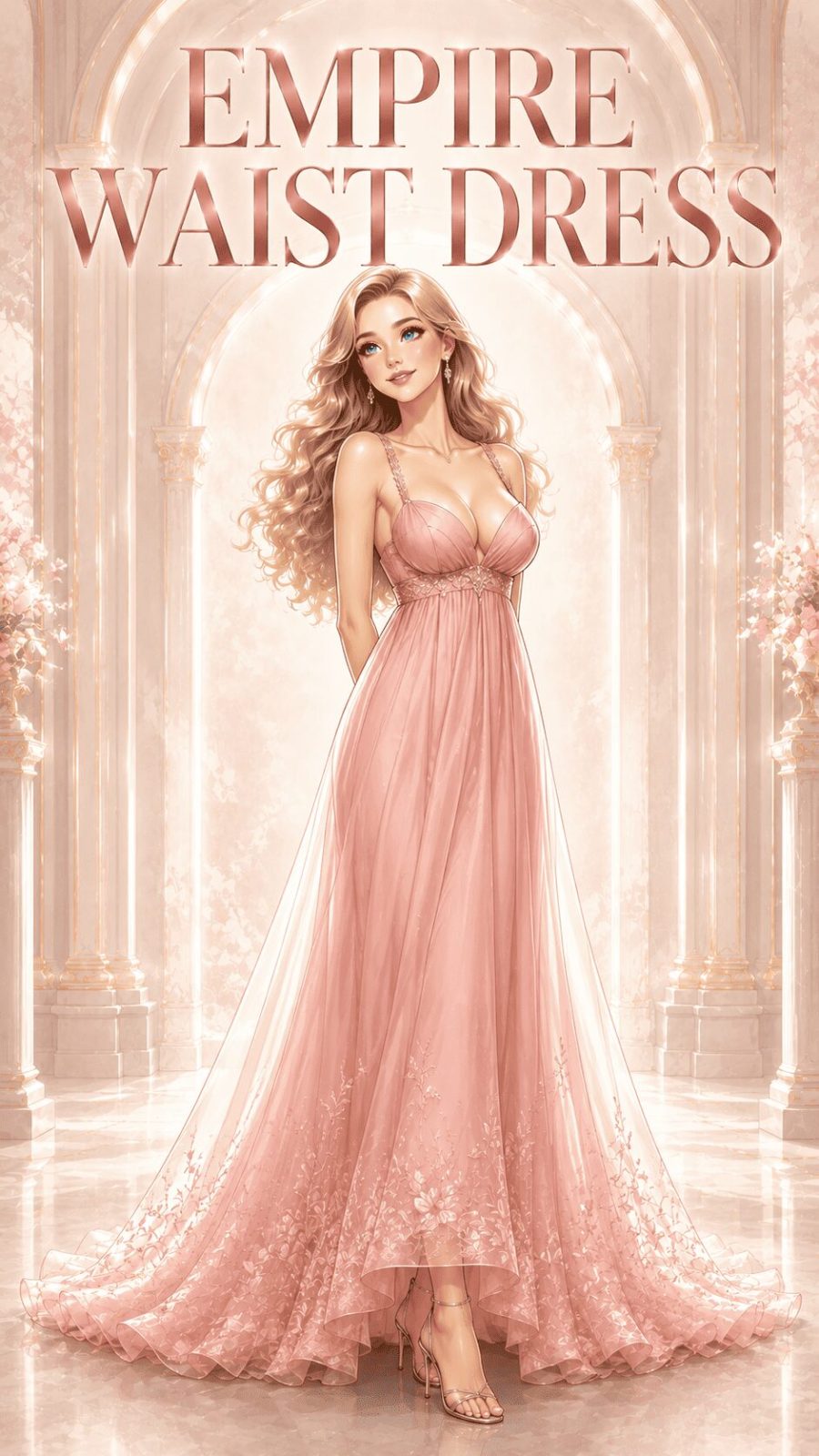
      Empire Waist Dress

      Empire Waist Dress Example

      The empire waist is positioned just below the bust — at the natural fullest point of the ribcage — and from there, the skirt falls away in a long, gentle line. The name derives from the Napoleonic Empire period in early 19th century France, when high-waisted column dresses in muslin became fashionable. What makes this construction work so beautifully is the elongation effect: by anchoring the waist seam immediately below the bustline, it draws the eye upward and creates a continuous vertical line through the lower body. It adds fluid movement through the skirt while offering soft structure at the bust.

      DesignHigh seam just below bust, flowing skirt from that point, often smocked or gathered
      SeasonSpring/Summer in cotton or chiffon; year-round in heavier weaves
      Best ForMaternity, bridal, garden parties, bohemian occasions
    2. 10

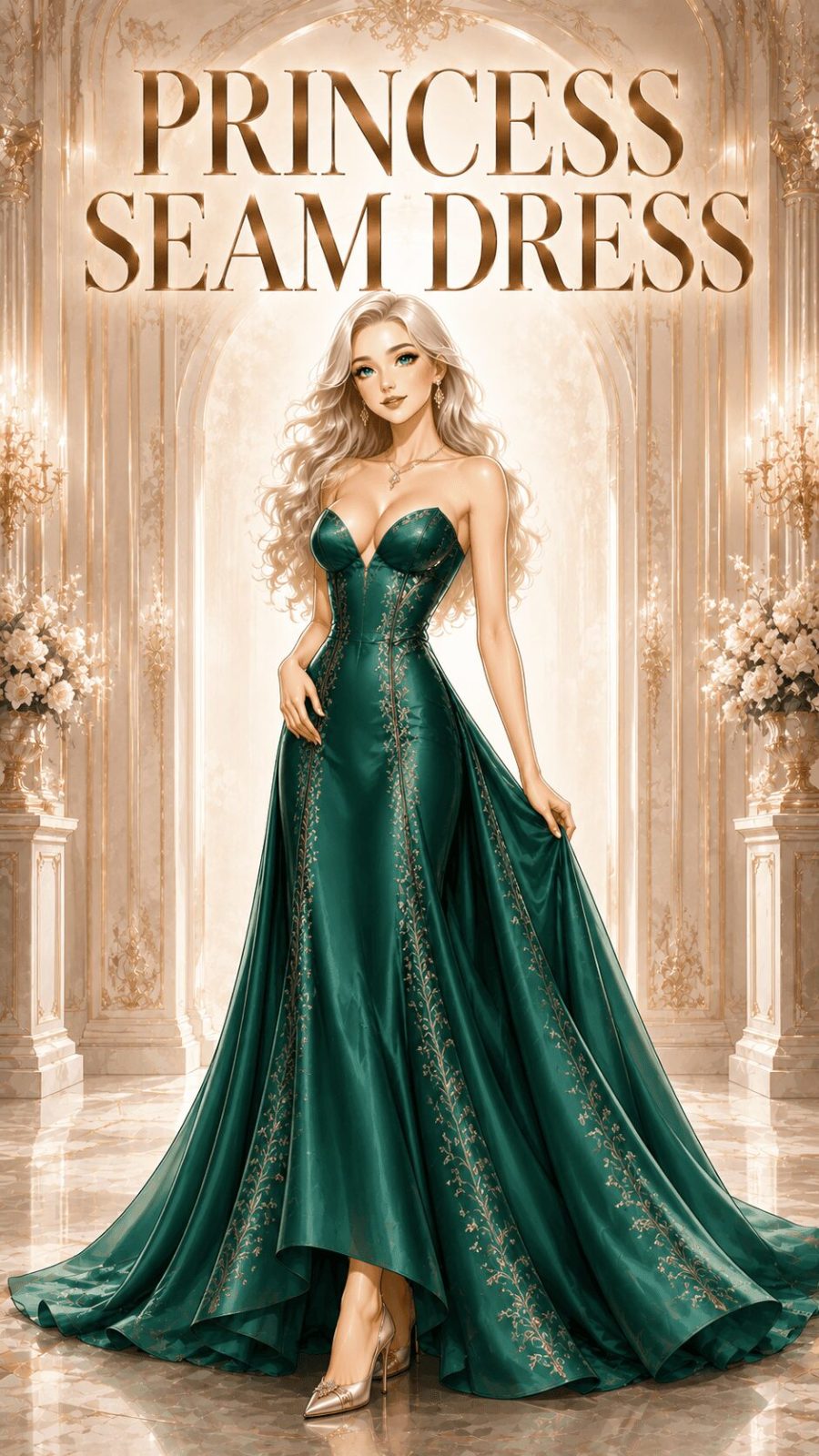
      Princess Seam Dress

      Princess Seam Dress Example

      Princess seaming is not a silhouette category in the same way as a ball gown or sheath — it's a construction technique that creates silhouette through vertical seam lines rather than horizontal waist seams. Vertical panels are shaped individually and sewn together along curved seams that pass through the bust point, creating a fitted bodice and a smooth, uninterrupted line through the body without darts. The princess seam dress achieves a beautifully sculptural quality: architectural definition without visible structure.

      DesignCurved vertical seaming from shoulder through bust, no waist dart
      SeasonAll seasons — a construction technique, not seasonal
      Best ForFormal occasions, tailored office looks, elegant evening wear

    Category 2: By Length / Hemline (#11–#17)

    Where the hemline falls changes everything — the formality register, the styling options, the visual proportion

    Hemline length is one of the most powerful — and most underappreciated — decisions in dressing. A mini dress and a maxi dress can share identical silhouettes, fabrics, and necklines, and yet communicate entirely different things. Hemline dictates formality register, exposes or conceals the leg line, and determines what shoes become possible. Understanding length as a distinct design choice — separate from silhouette — is what separates intuitive dressers from genuinely skilled ones. Explore our full breakdown of skirt silhouettes and lengths for a deeper dive into hemline theory.

    1. 11

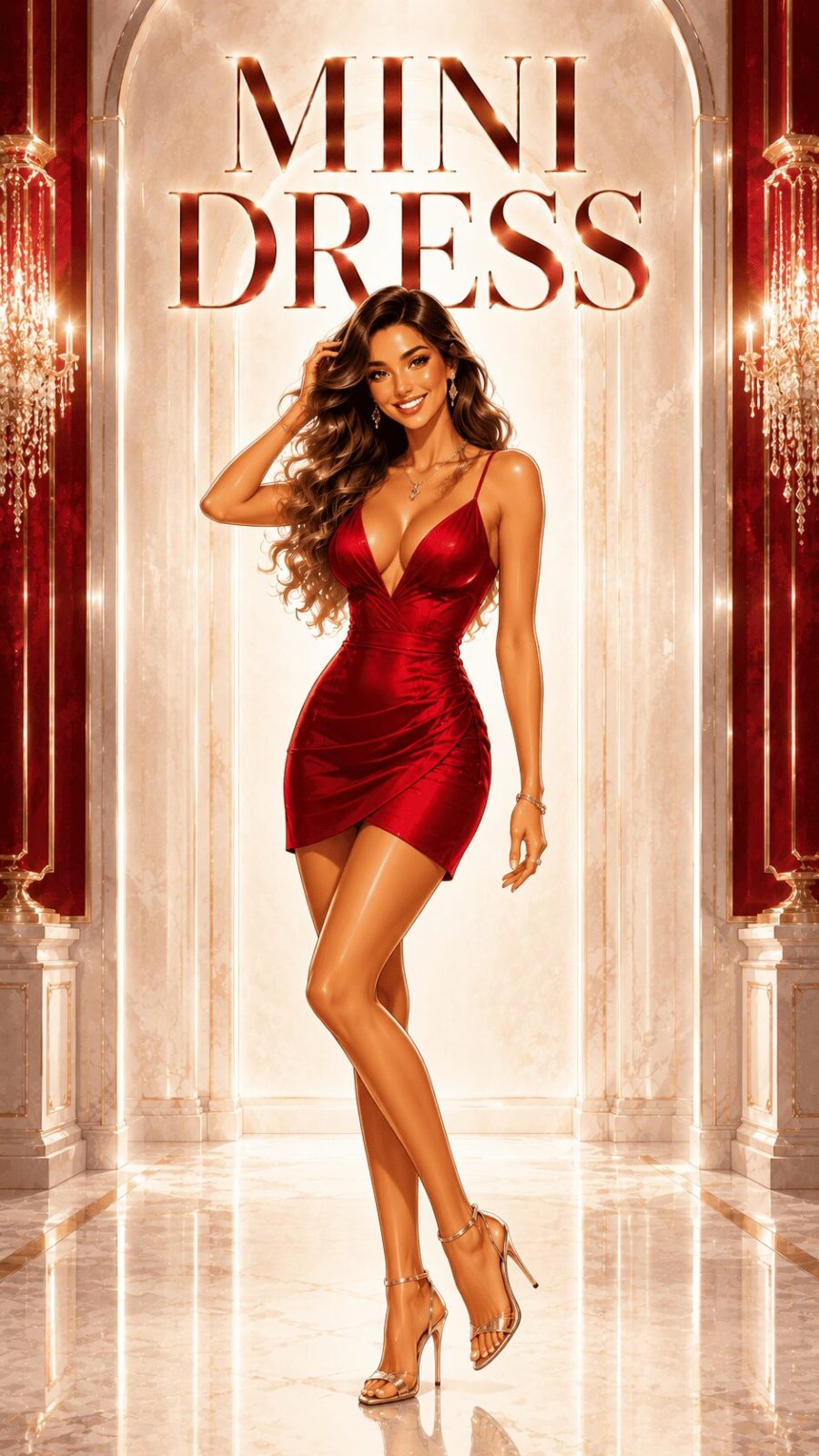
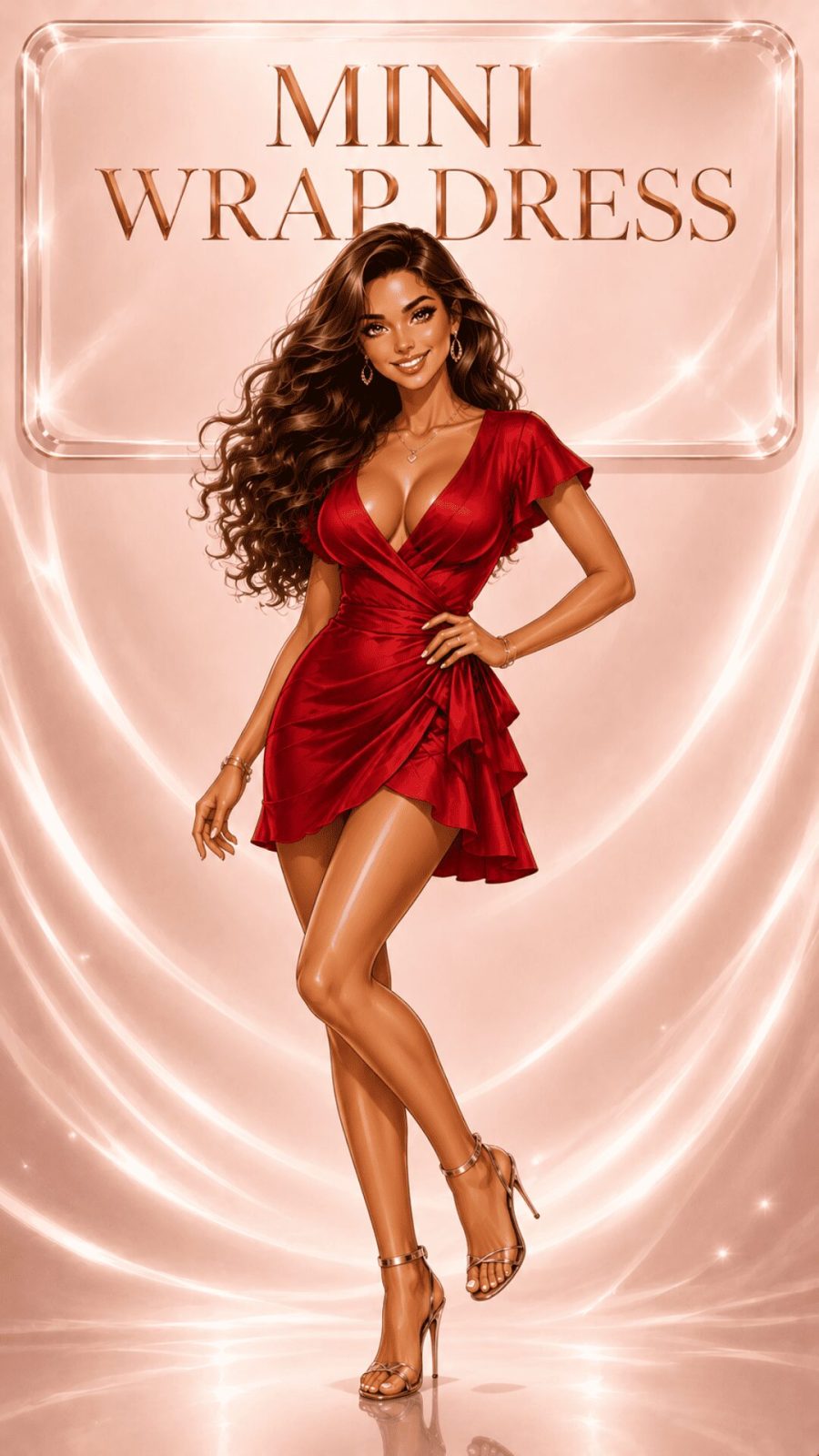
      Mini Dress

      Mini Dress Example

      A hemline that falls well above the knee — typically anywhere from mid-thigh upward. The mini emerged as a cultural statement through the 1960s British youth movement, associated with Mary Quant's Carnaby Street designs and the pop-cultural mood of liberation that accompanied them. Today the mini registers across formality levels: a structured mini in ponte knit reads office-appropriate; a sequined micro-mini reads evening. What it consistently communicates is confidence in the leg line.

      DesignHemline from mid-thigh upward; varies in silhouette and structure
      SeasonSpring/Summer; winter with tights and boots
      Best ForNights out, casual dates, weekend events, festival styling
    2. 12

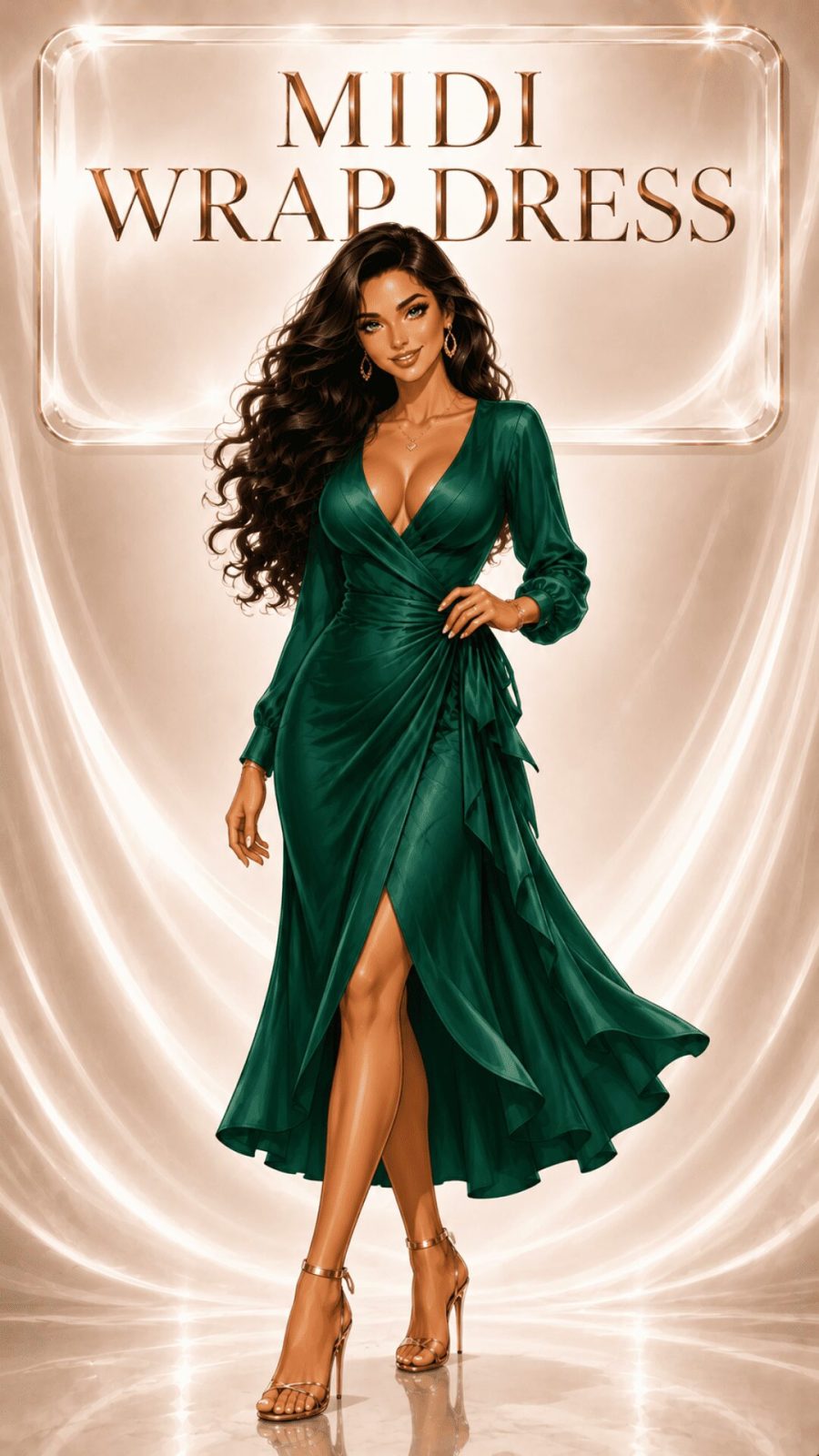
      Midi Dress

      Midi Dress Example

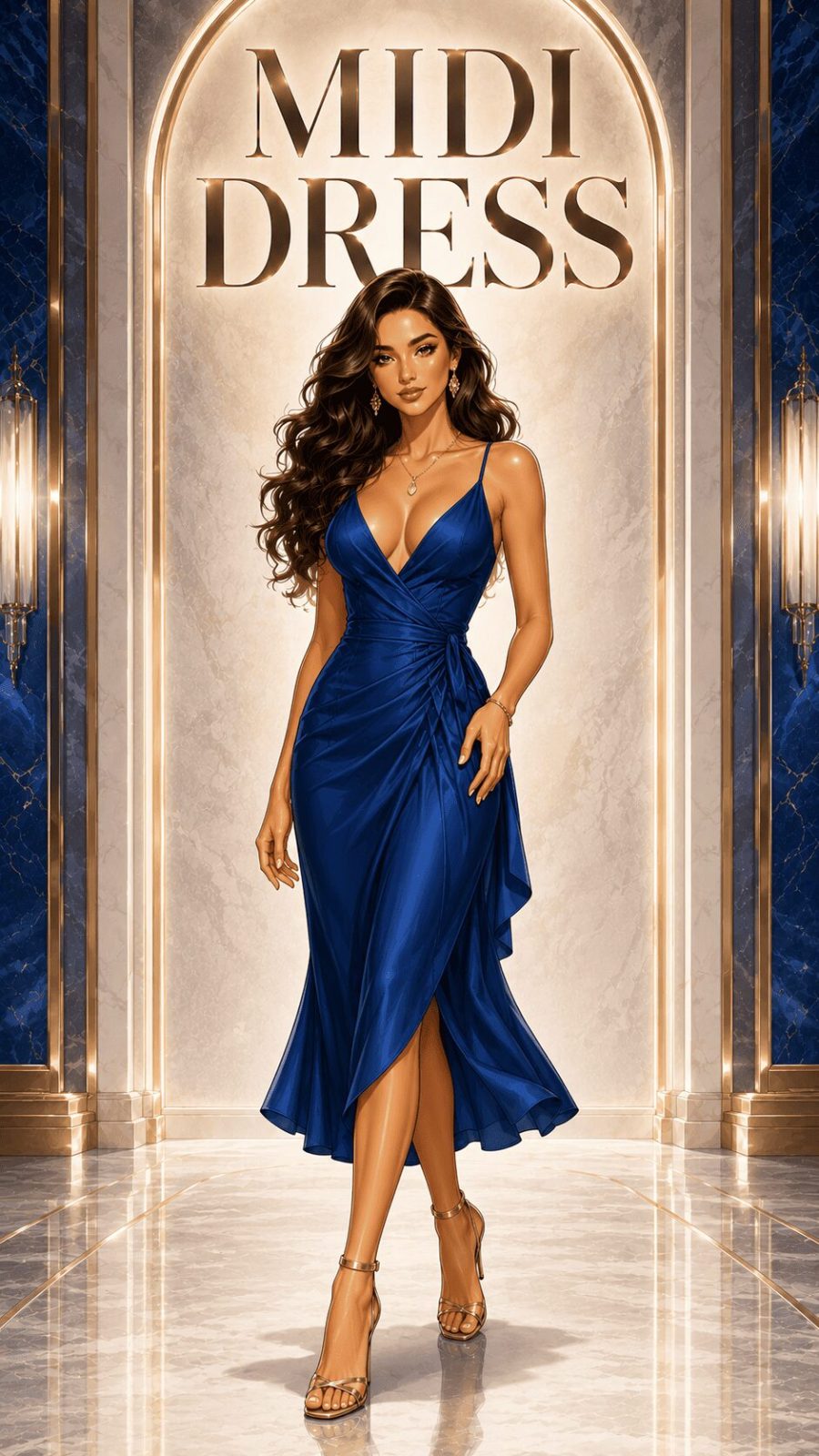
      The midi falls between the knee and the ankle — approximately mid-calf — and is, for many stylists, the single most versatile dress length in contemporary dressing. It transitions across formality levels with ease: a midi floral wrap dress works for Saturday brunch; the same length in silk charmeuse works for a wedding. The midi became the dominant dress length through the late 2010s and has maintained its authority, in part because it photographs beautifully and accommodates virtually every shoe category.

      DesignHemline from knee to ankle; mid-calf most common
      SeasonAll seasons — the most year-round-capable length
      Best ForPractically everything — the most adaptable dress length
    3. 13

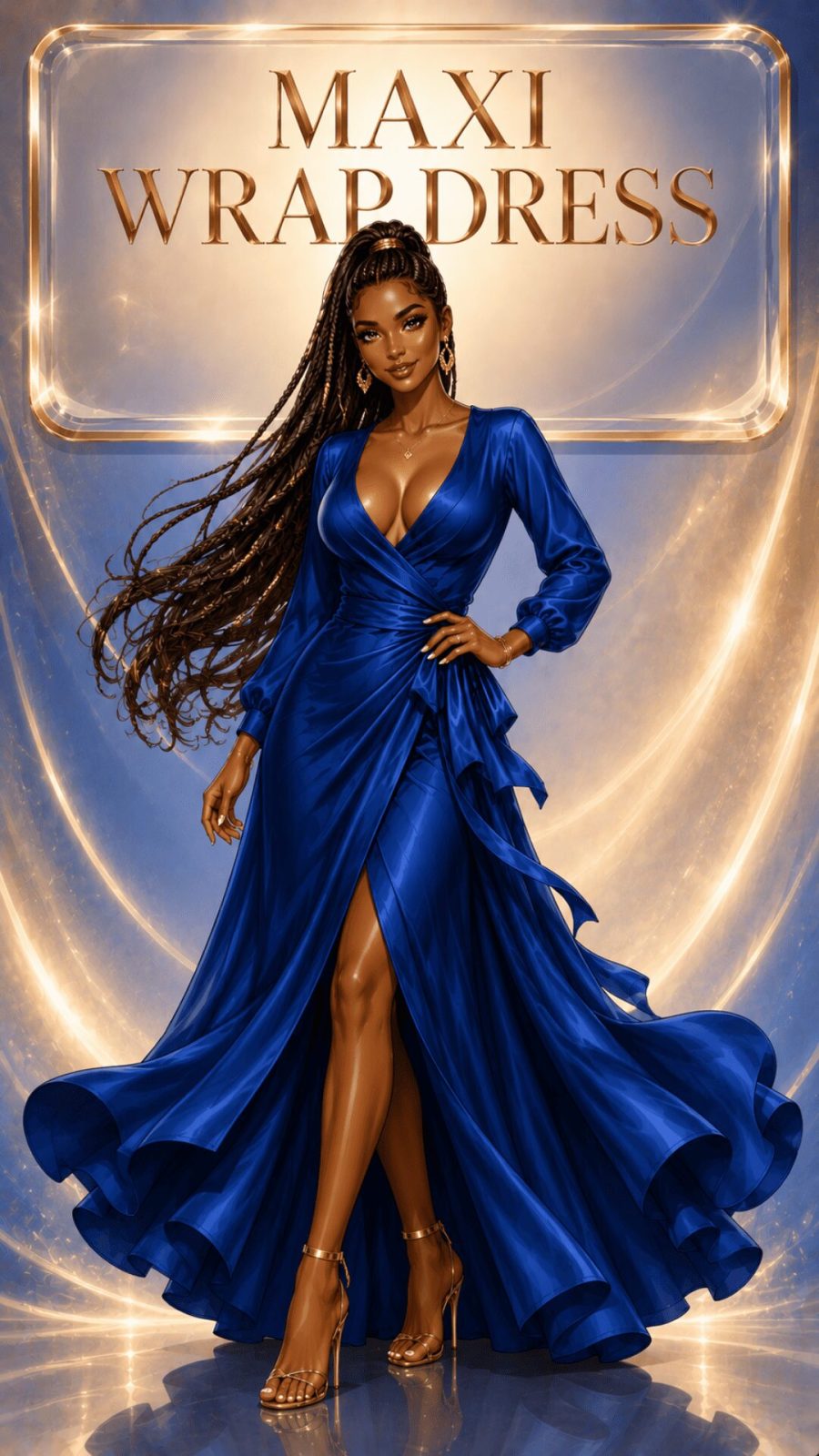
      Maxi Dress

      Maxi Dress Example

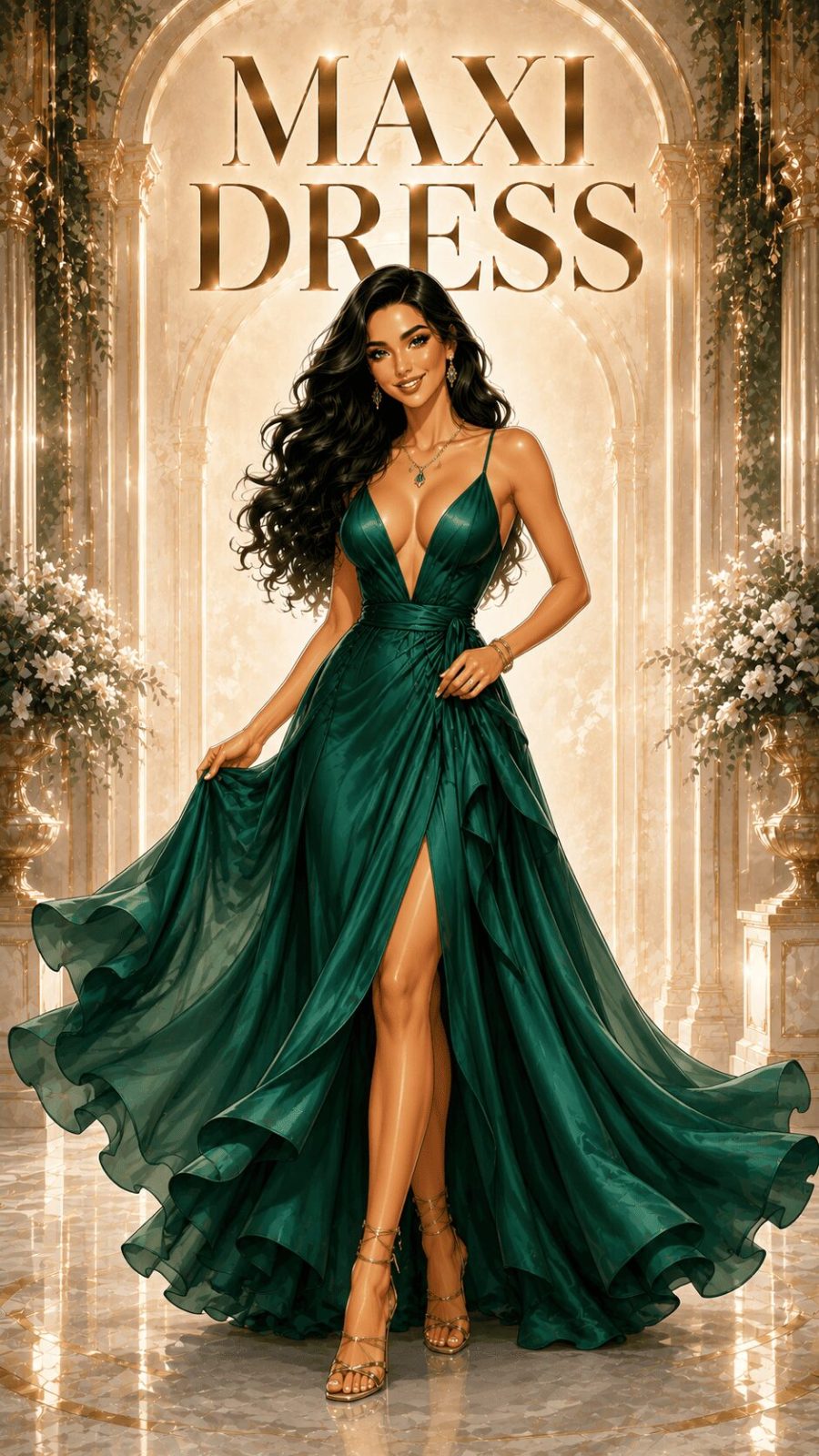
      A maxi reaches the ankle or floor, creating a long, unbroken vertical line that can feel either ceremoniously formal or effortlessly bohemian depending on the fabric and silhouette chosen. Linen maxi dresses belong to resort and summer dressing; silk charmeuse maxis belong to black-tie. The maxi is the original length of pre-20th century formal dressing, which gives it a historical gravitas that shorter hemlines simply can't replicate. It moves beautifully while walking — that trailing fabric is part of its entire personality.

      DesignAnkle to floor length; varying silhouettes within the length
      SeasonSummer in lightweight fabrics; formal occasions year-round
      Best ForBeach, resort, weddings, formal dinners, travel
    1. 14

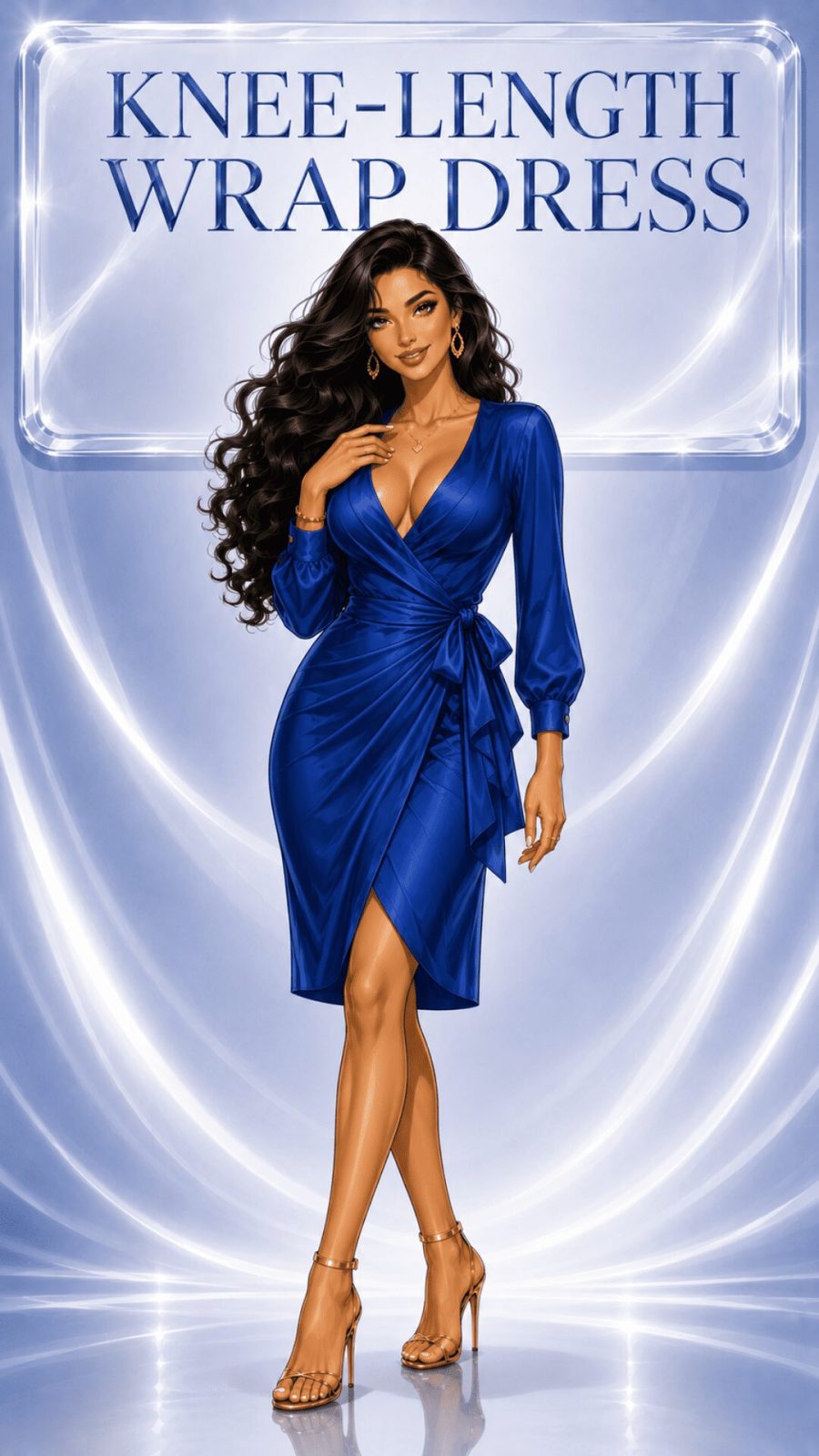
      Knee-Length Dress

      Knee-Length Dress Example

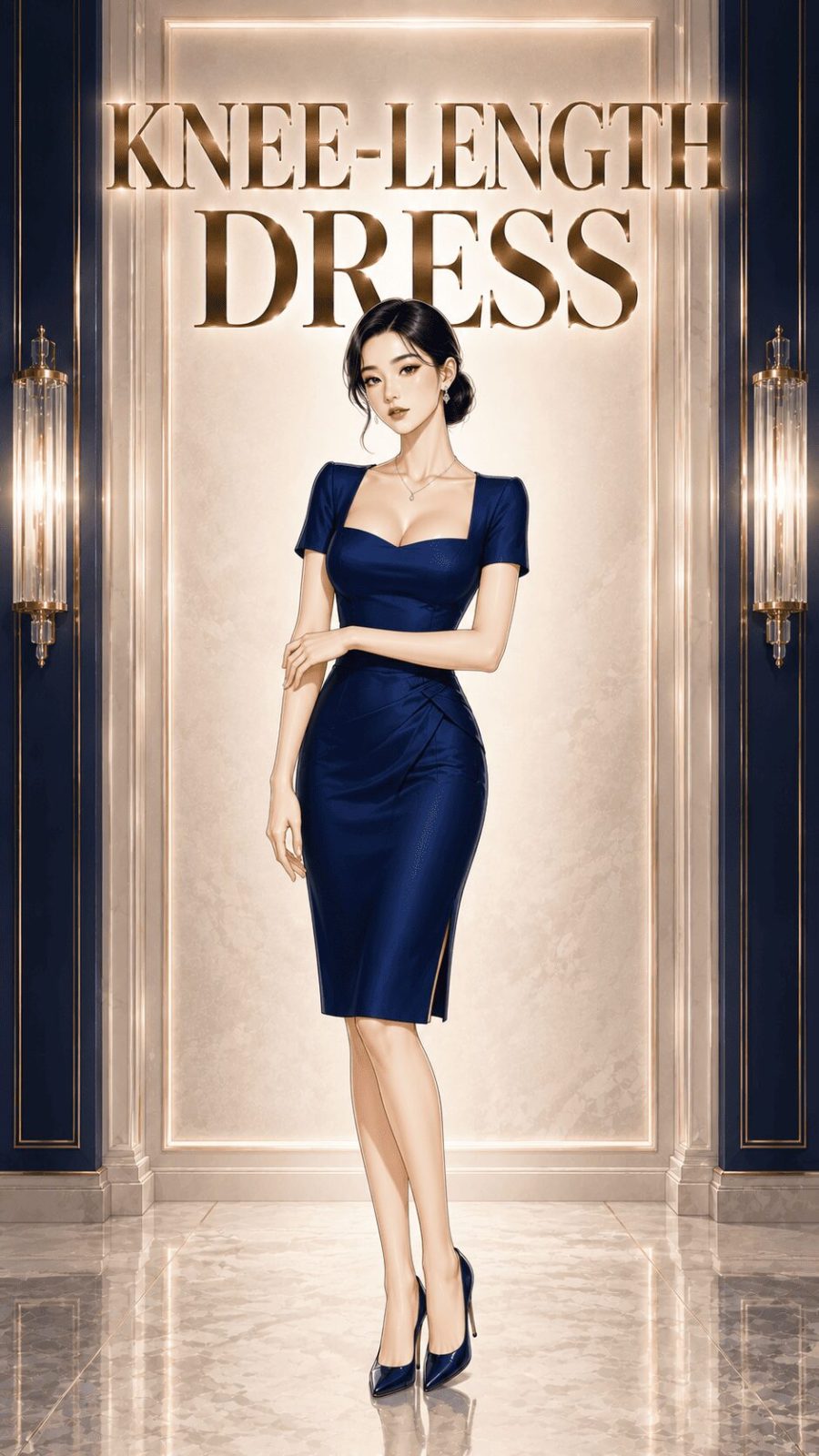
      Falling precisely at the knee or within an inch above or below, this length has been considered the benchmark of "appropriate" dressing for professional contexts since the mid-20th century. It's the sweet spot of conservative yet modern: it shows enough of the leg to feel current, while maintaining a polished formality. The knee-length sheath dress is the unofficial uniform of professional women's dressing — it transitions from boardroom to business dinner without a single style recalibration required.

      DesignHemline at or within 1 inch of the knee
      SeasonAll seasons
      Best ForOffice, professional events, cocktail occasions, formal lunches
    2. 15

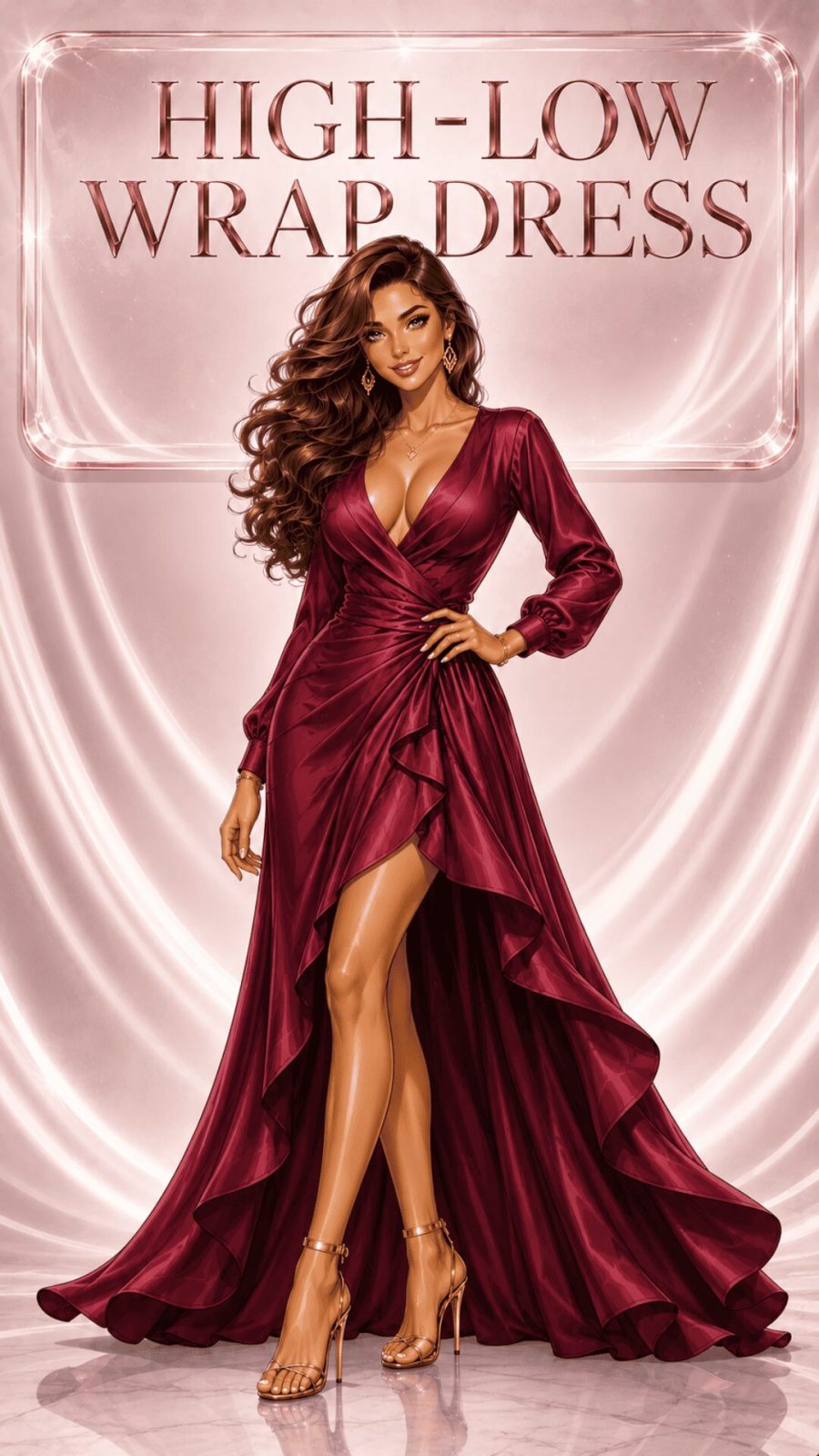
      High-Low Dress

      High-Low Dress Example

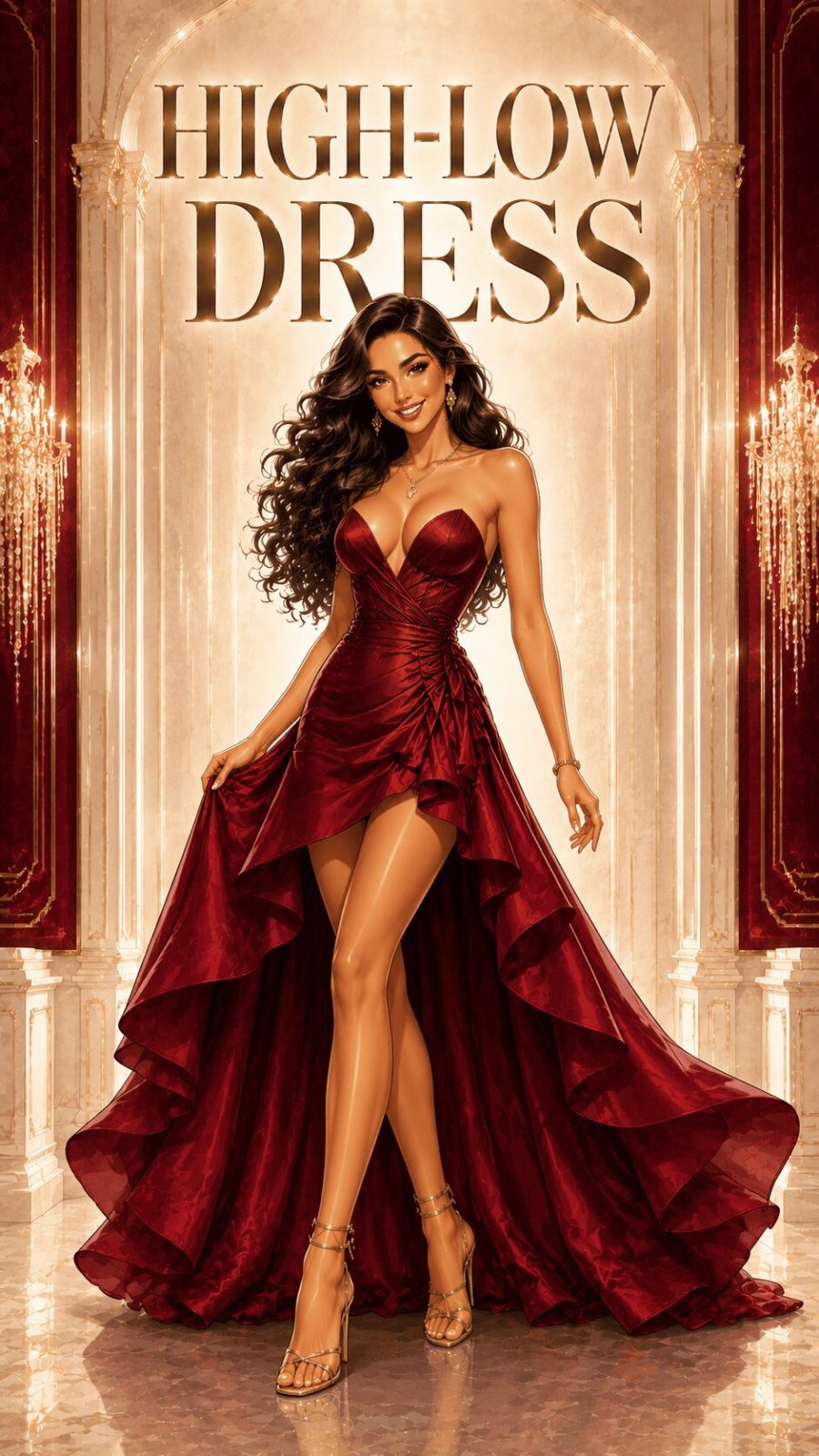
      A high-low hemline — also called a mullet dress — is shorter at the front and longer at the back, creating a dramatic diagonal sweep that reveals the leg at the front while maintaining fullness and length behind. The construction typically involves a curved hemline rather than a structured seam, and the contrast between front and back lengths can range from subtle (a few inches) to theatrical (knee in front, floor-grazing at back). It's a silhouette that rewards movement — each step reveals the design logic.

      DesignShorter front hemline, longer back; curved diagonal cut
      SeasonSpring/Summer; formal occasion gowns year-round
      Best ForWedding guest, semi-formal events, parties, formal summer occasions
    3. 16

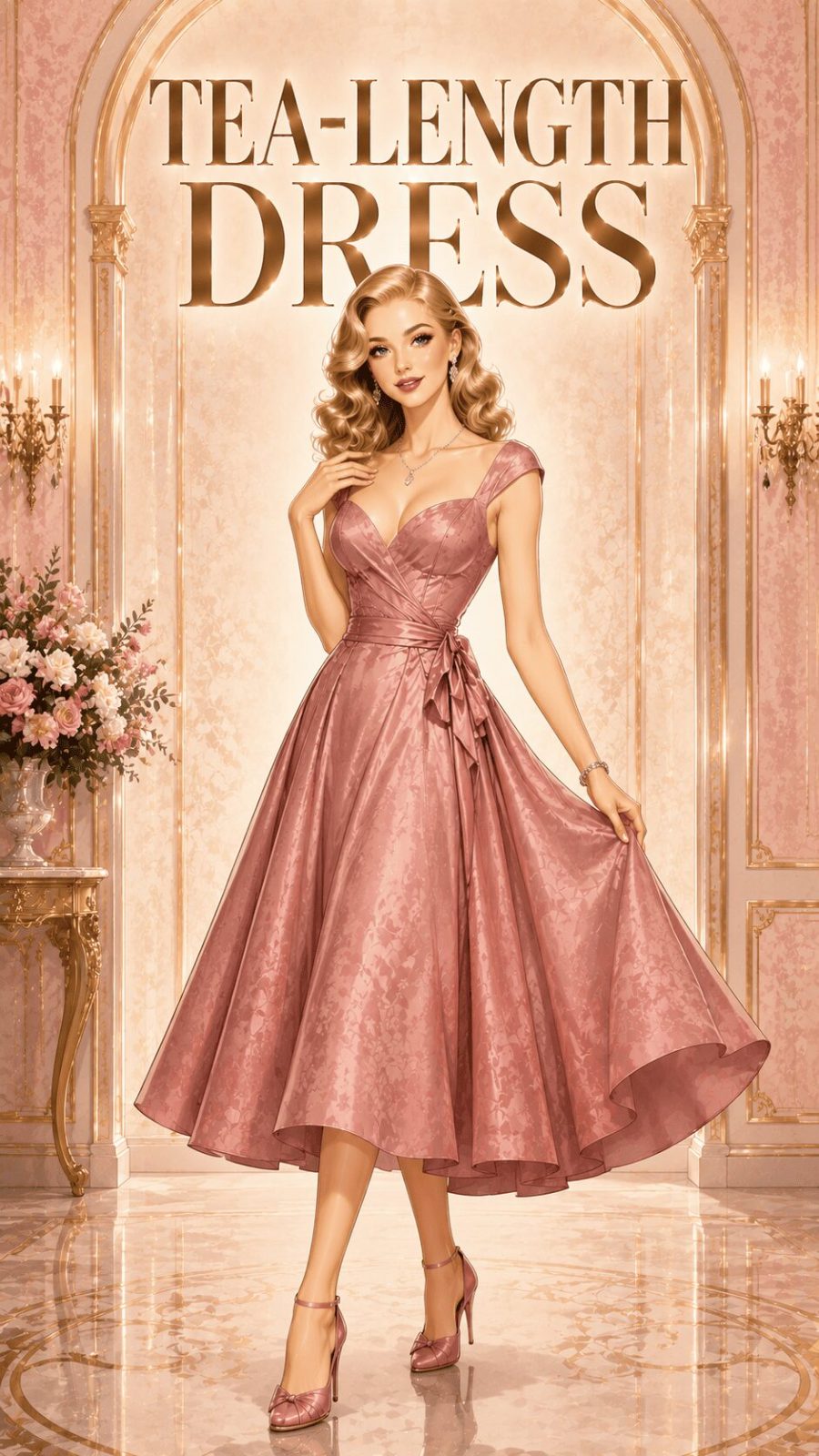
      Tea-Length Dress

      Tea-Length Dress Example

      Named for its association with afternoon tea occasions in mid-20th century social culture, the tea-length hemline falls between the mid-calf and ankle — longer than a midi, shorter than a true maxi. It carries a vintage quality that feels deliberately retro, which is part of its contemporary appeal. The silhouette most commonly paired with tea length is a full, gathered skirt — a construction that was widespread in 1950s fashion and has seen consistent revival in bridal and occasion dressing.

      DesignHemline between midi and maxi; often full or gathered skirt
      SeasonSpring/Summer; vintage-occasion wear year-round
      Best ForVintage-themed events, garden parties, bridal, afternoon occasions
    4. 17

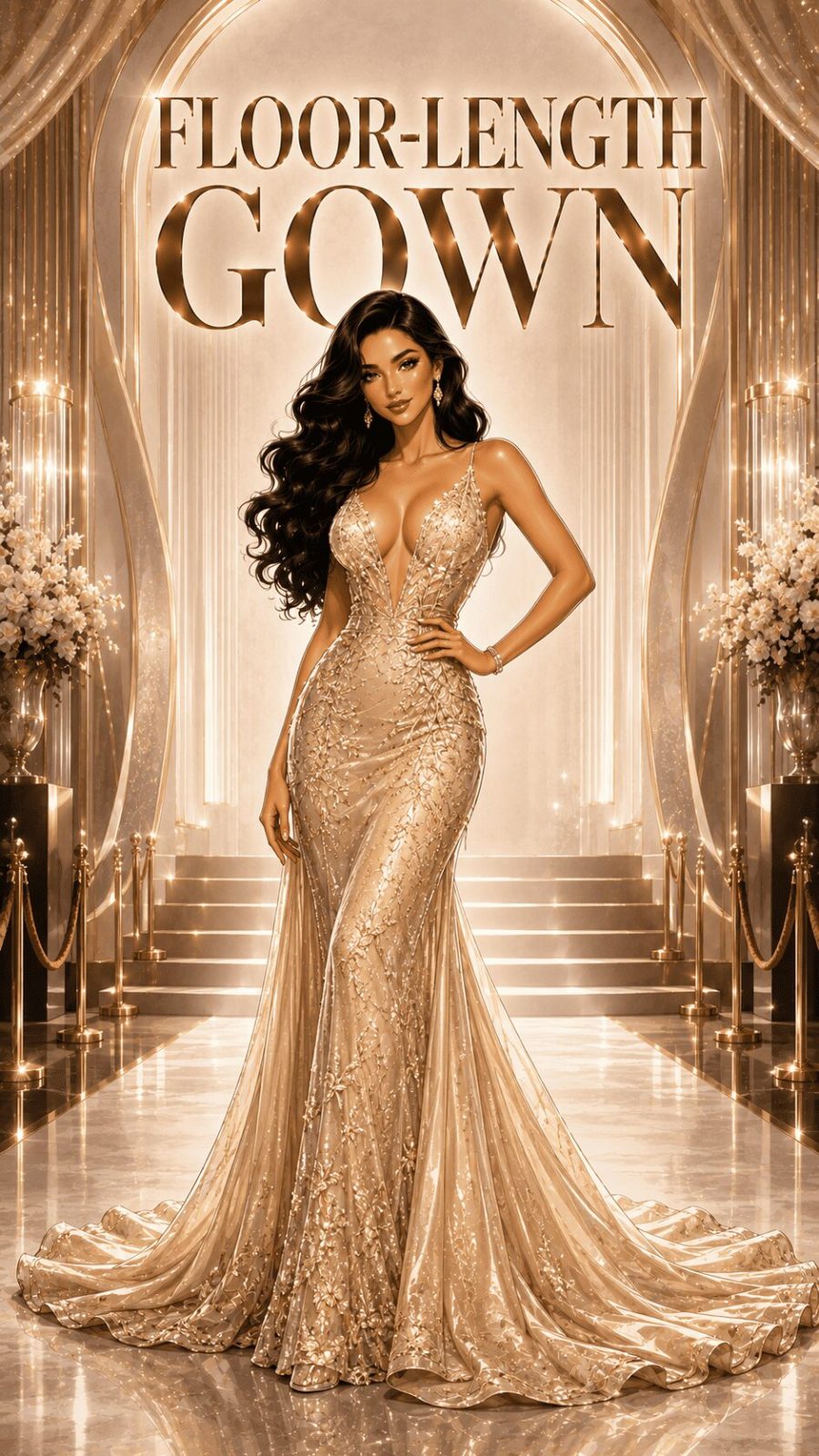
      Floor-Length Gown

      Floor-Length Gown Example

      Distinct from the maxi in intention: a floor-length gown is specifically designed for formal occasions, with hemlines that graze or pool on the floor and construction — often including inner boning, structured bodice panels, or concealed zip closures — designed to support the garment's architectural ambitions. This is the category that includes red-carpet gowns, couture evening wear, and formal bridal. Its hemline is not just a length decision; it's a complete formality statement.

      DesignHemline grazes or pools on floor; often structured bodice
      SeasonEvening occasions, season-independent
      Best ForBlack-tie, galas, bridal, red-carpet events, opera

    Category 3: By Sleeve Type (#18–#24)

    Sleeve construction fundamentally changes a dress's season, formality, and styling potential

    1. 18

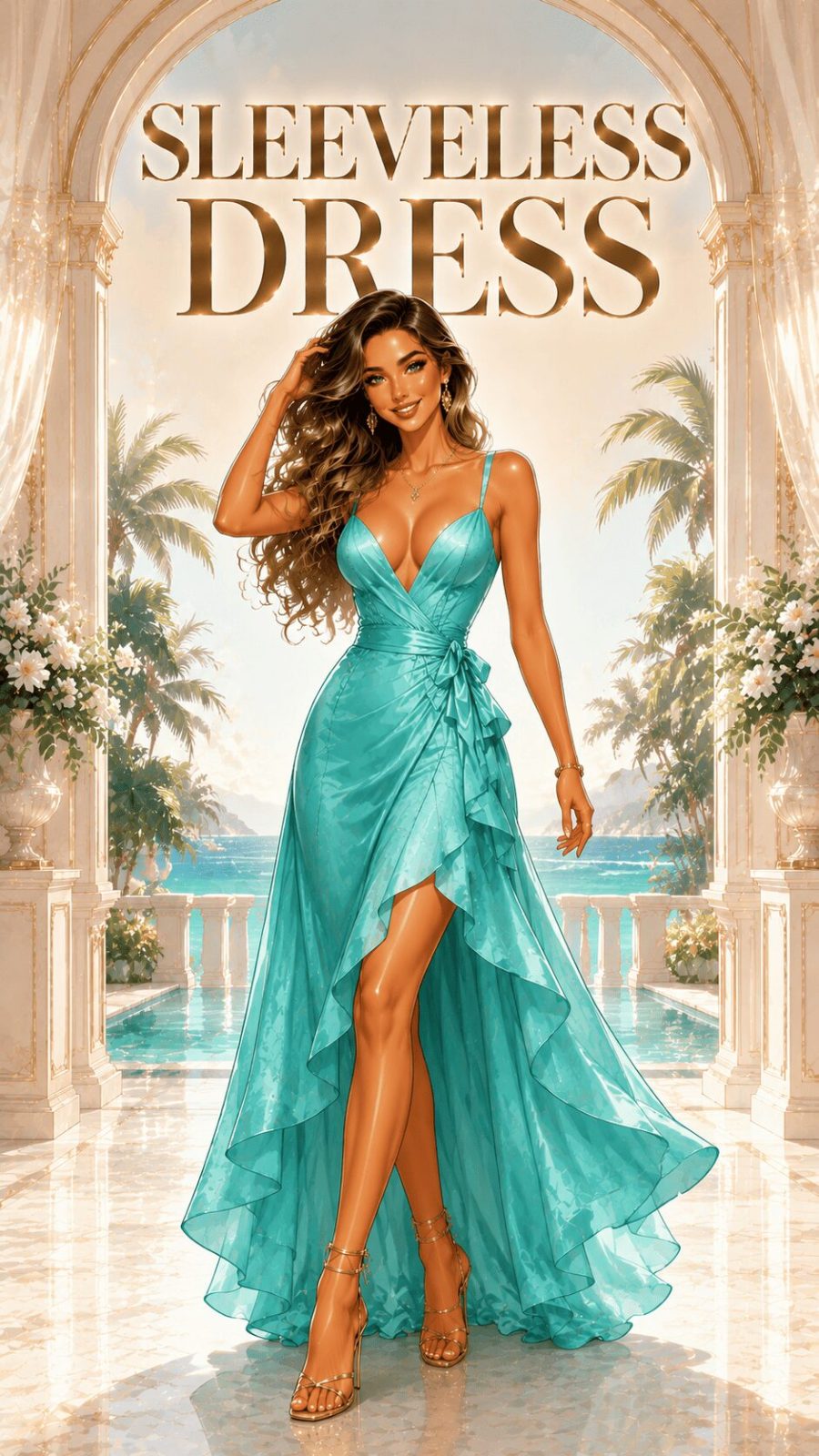
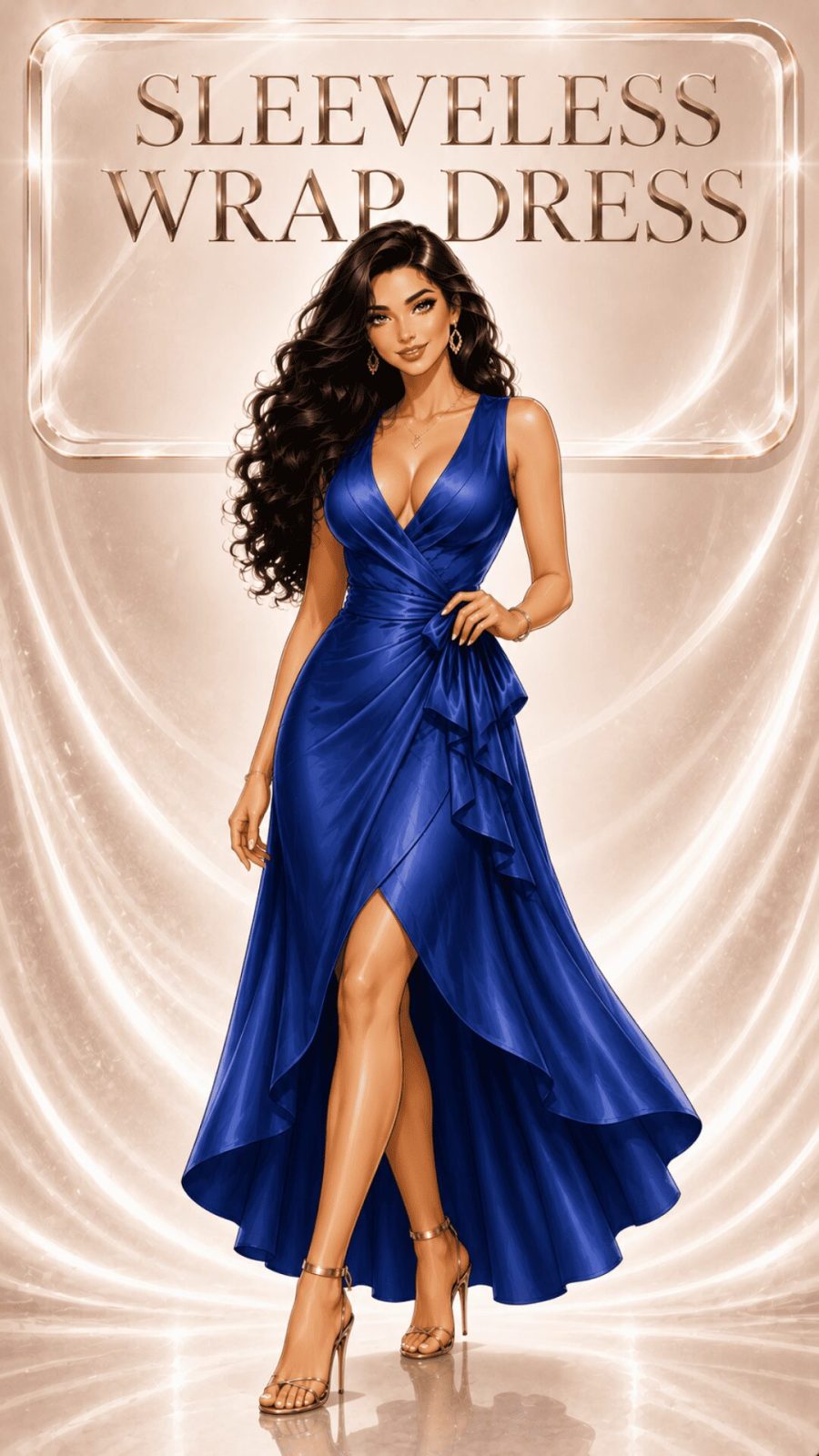
      Sleeveless Dress

      Sleeveless Dress Example

      A dress with no sleeve at all — armholes cut and finished at the shoulder. The sleeveless construction can take many neckline forms: tank-style, scoop, V-neck, or structured strapless. It's the most season-flexible construction in warm climates and the most layer-friendly in cooler ones. The sleeveless sheath dress is arguably the single most recurrent piece in professional women's dressing — it functions as a canvas for jackets, blazers, and cardigans across every workplace context. Learn more about neckline pairings in our guide to neckline styles.

      DesignNo sleeve; finished armhole; varies in neckline form
      SeasonSpring/Summer primary; year-round as layering piece
      Best ForOffice (under blazer), warm-weather occasions, formal events
    2. 19

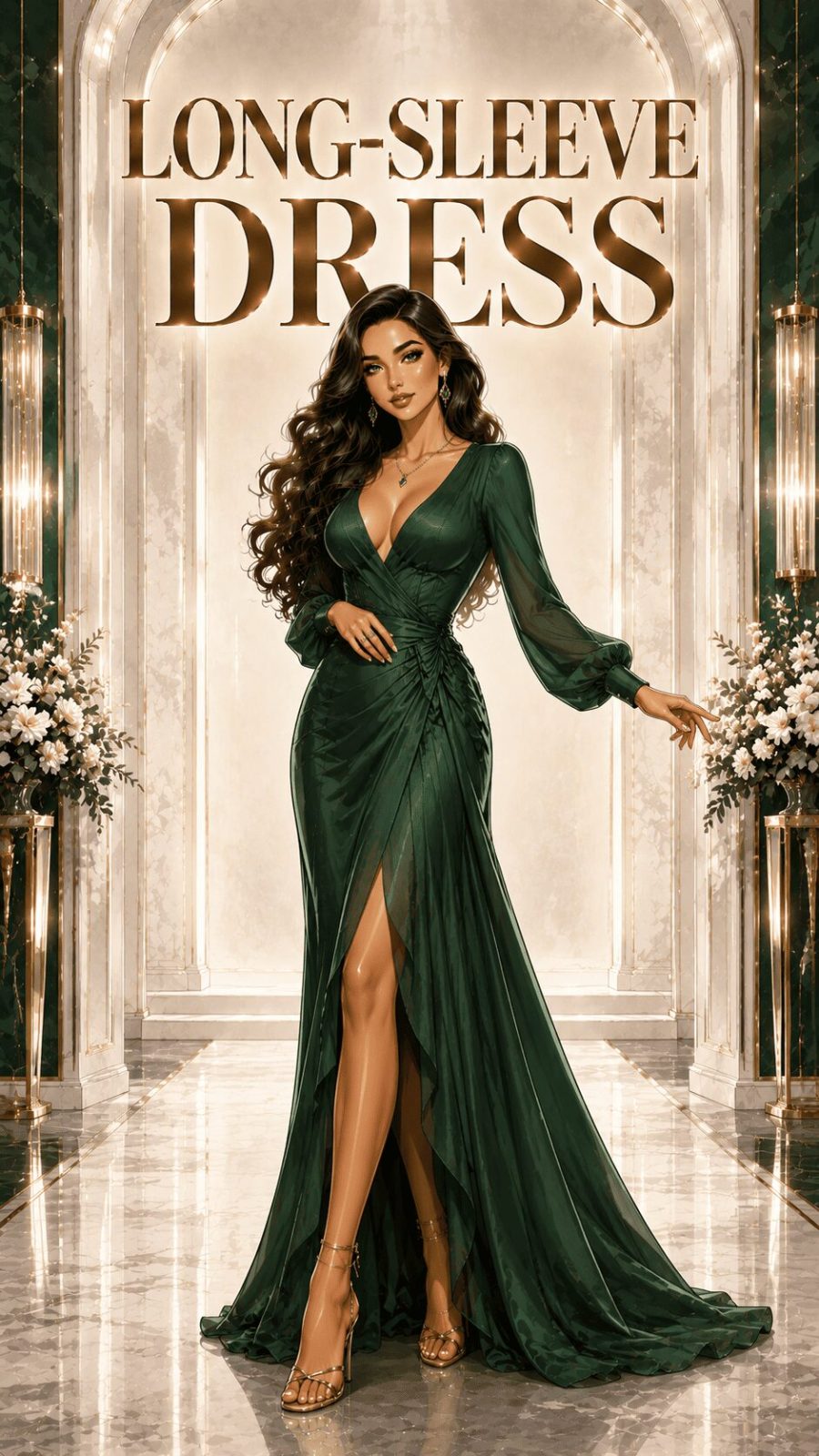
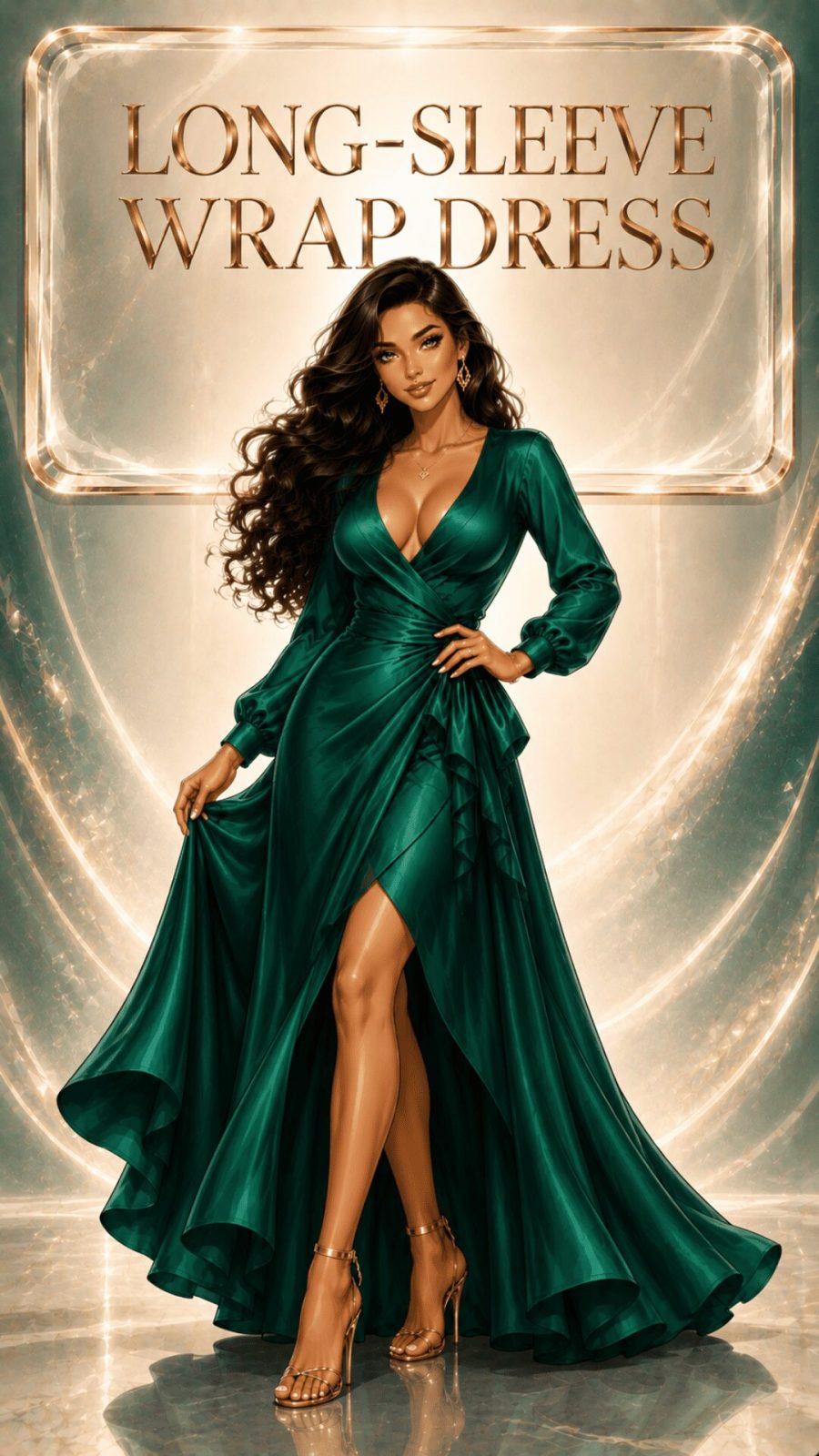
      Long-Sleeve Dress

      Long-Sleeve Dress Example

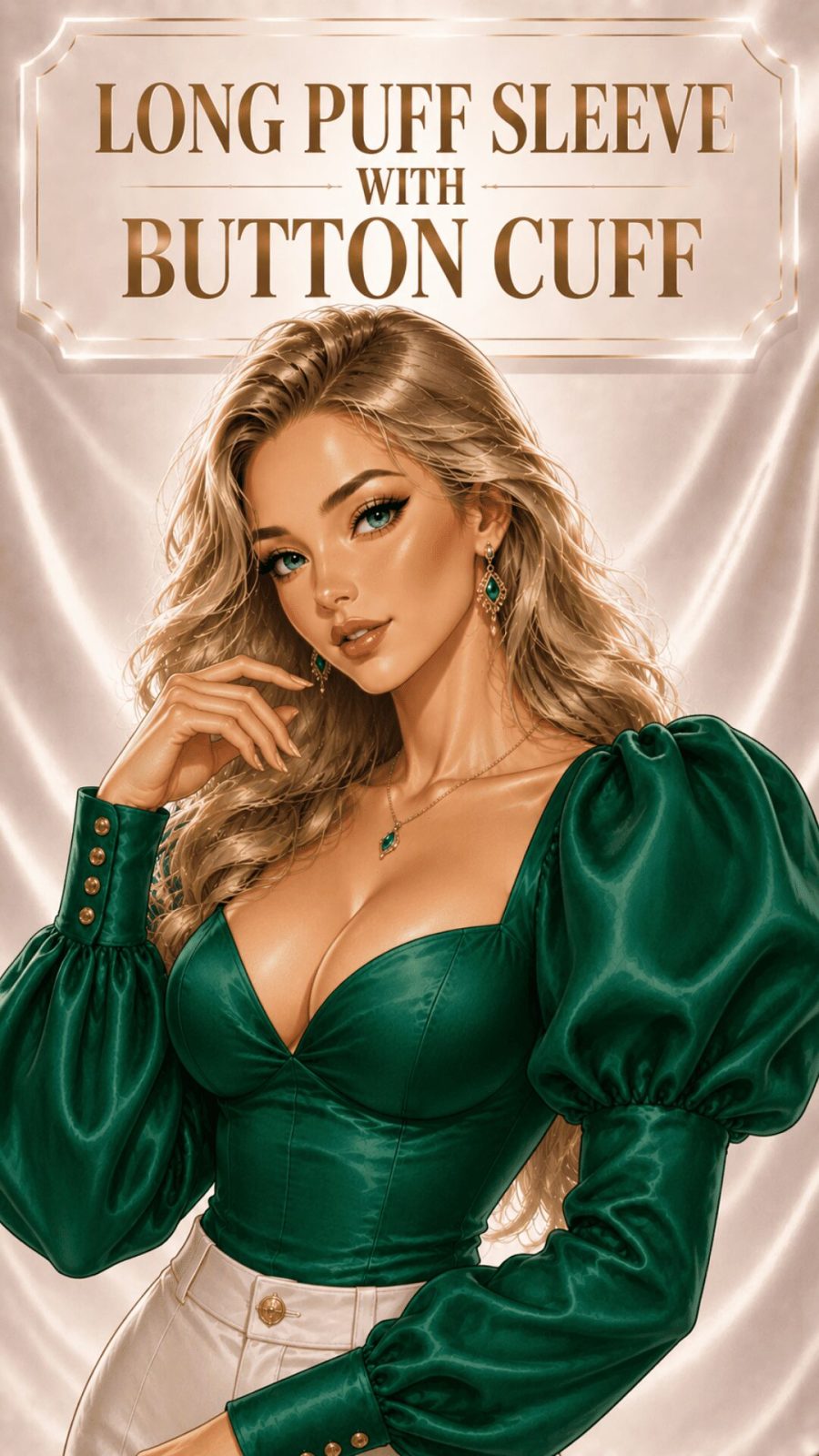
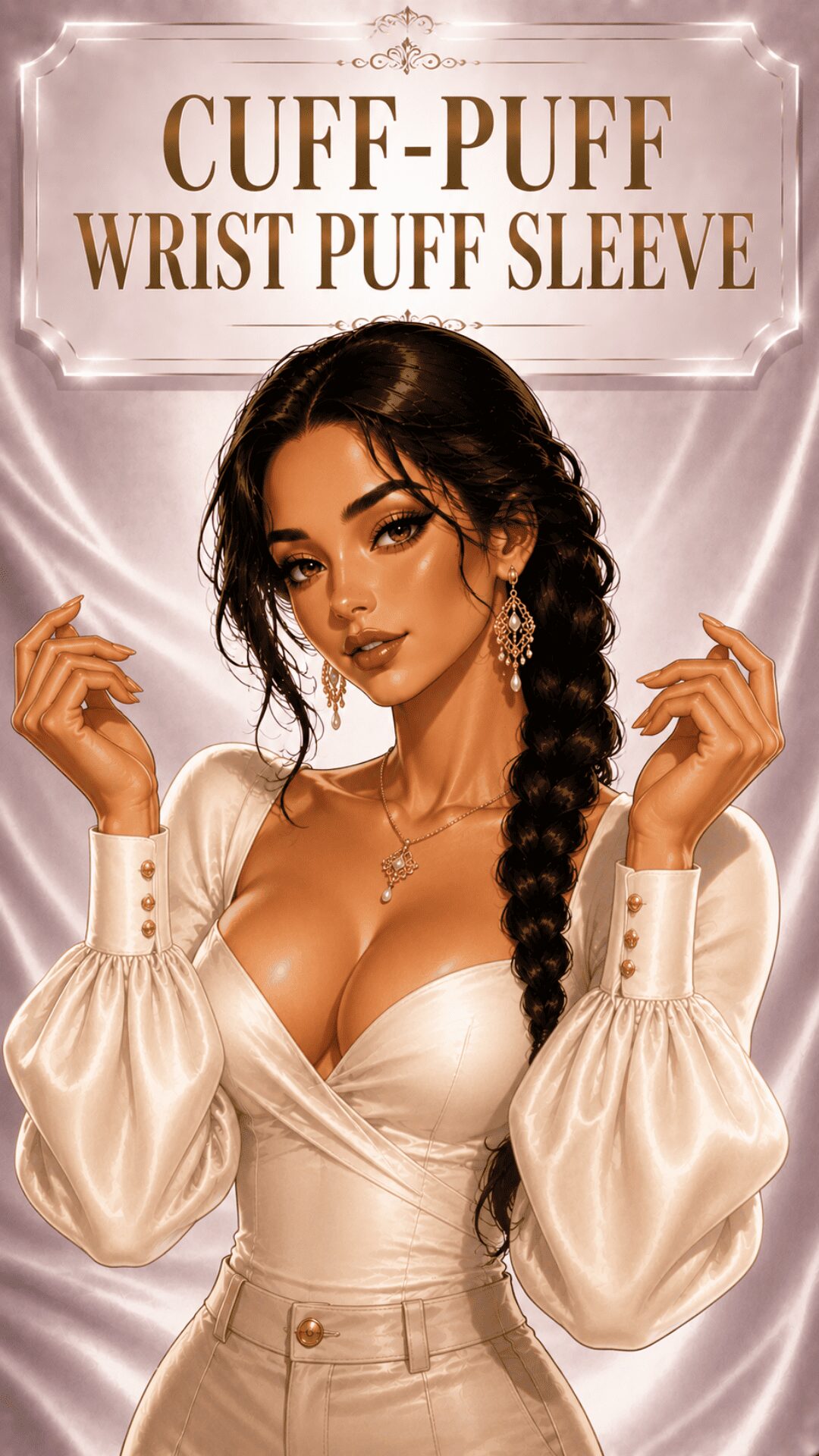
      A set-in or constructed sleeve that extends to the wrist — and what the sleeve is made of, how it's cut, and how it sits at the wrist completely changes the register of the dress. A long-sleeve jersey dress with a simple rib cuff is a casual winter staple. A long-sleeve silk dress with a gathered, cuffed wrist is elevated evening dressing. A long-sleeve lace dress is bridal or occasion wear. The sleeve length alone says nothing — the construction details say everything. For modest fashion and transitional dressing, long-sleeve options are also among the most versatile choices available.

      DesignFull-length sleeve to wrist; construction varies widely by fabric
      SeasonAutumn/Winter primary; sheer versions work year-round
      Best ForWinter dressing, modest styling, evening events, office
    3. 20

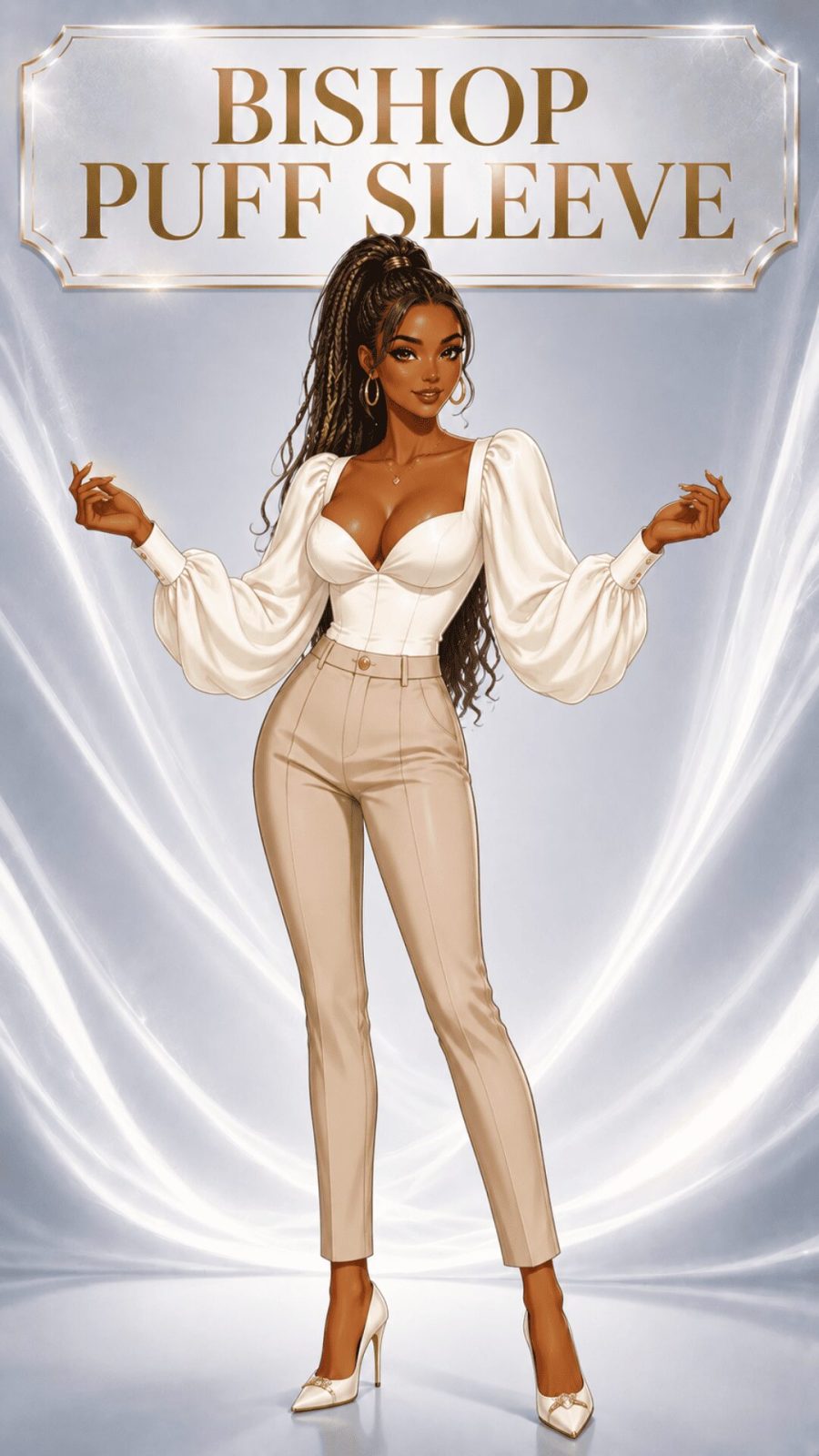
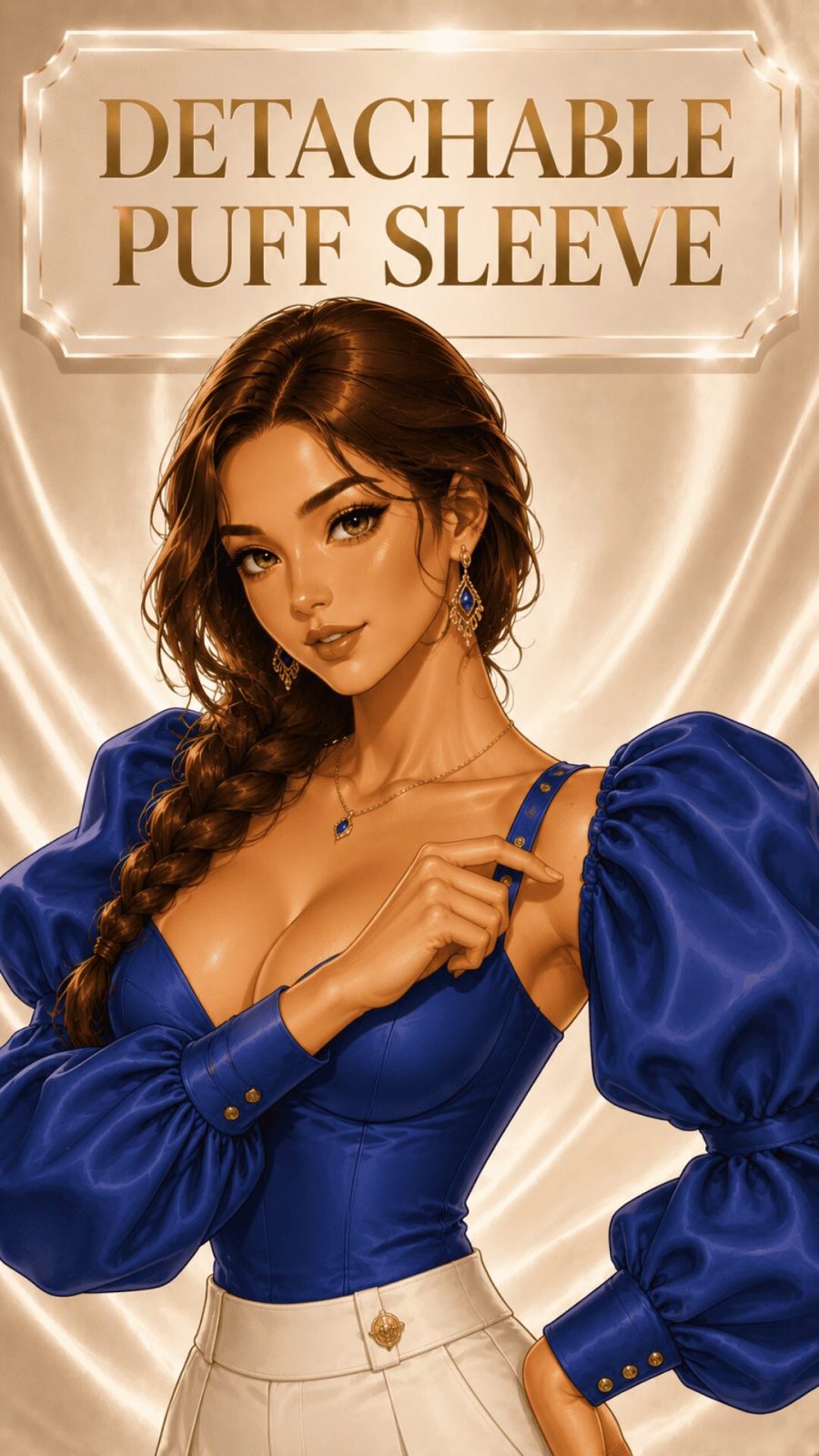
      Bishop Sleeve Dress

      Bishop Sleeve Dress Example

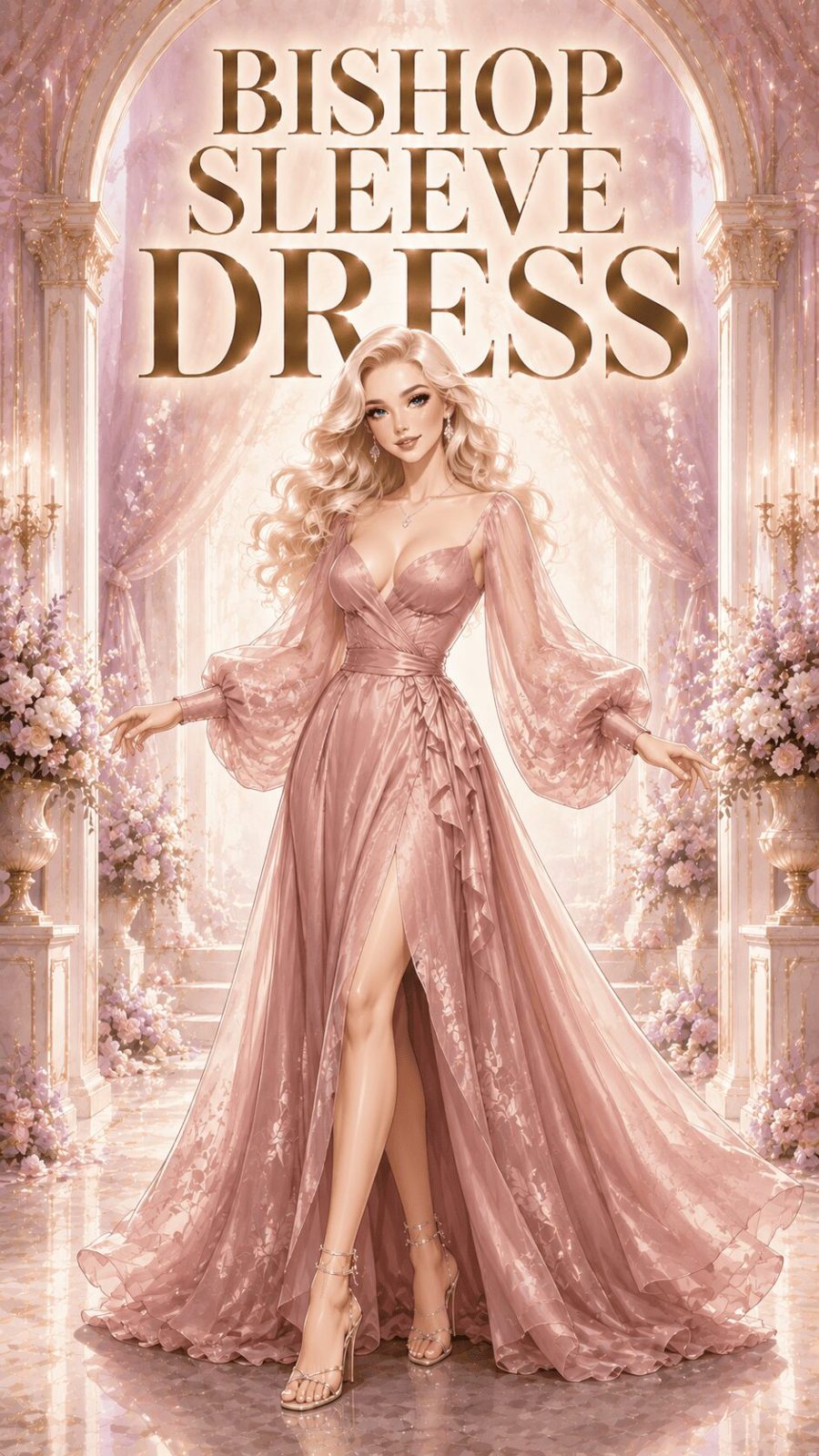
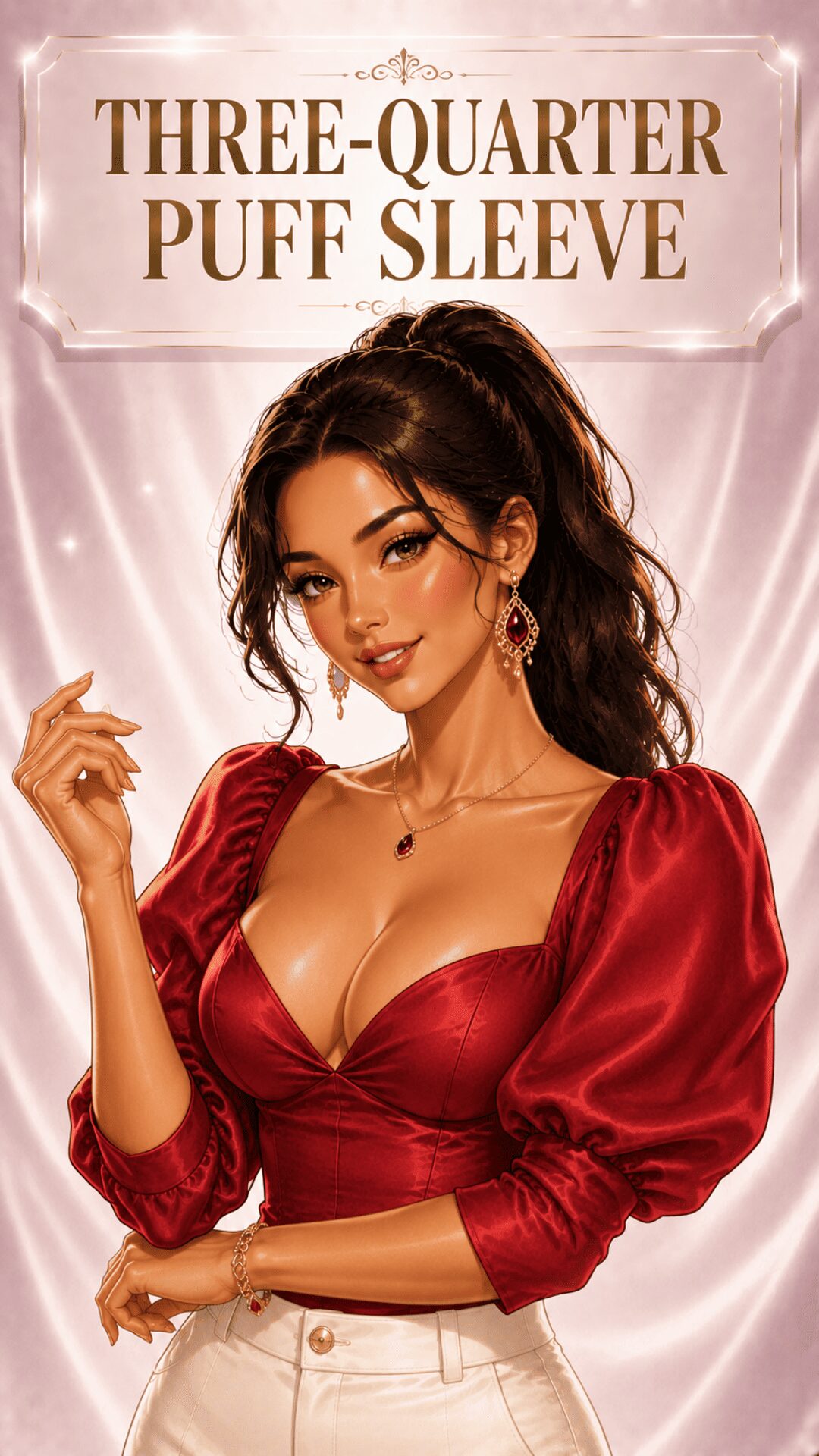
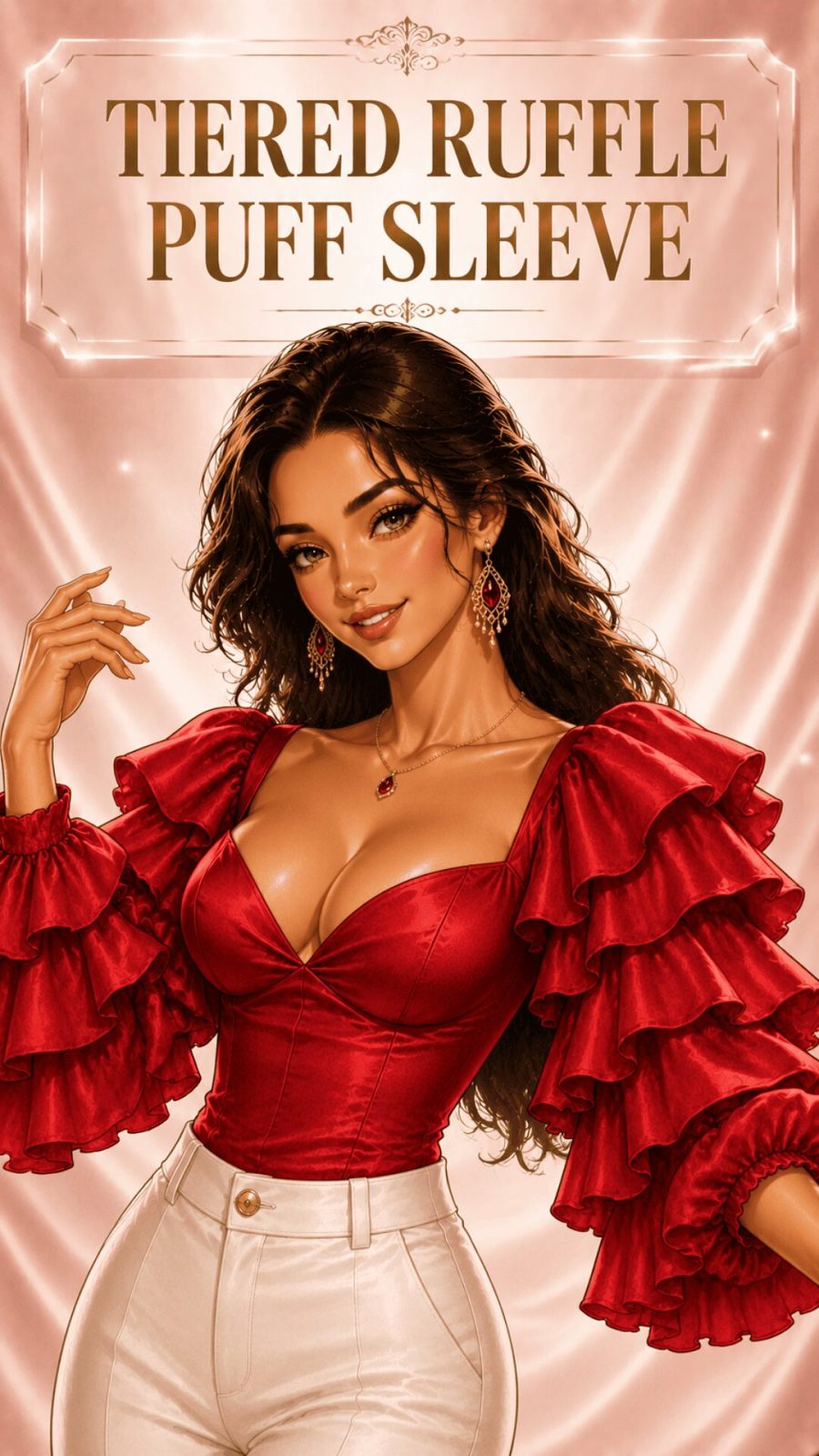
      The bishop sleeve is full and voluminous from the shoulder downward, gathered into a fitted, sometimes banded cuff at the wrist. Its defining visual quality is the dramatic balloon of fabric between shoulder and wrist — which can be modest and rounded, or theatrical and sculptural depending on construction and fabric choice. This sleeve structure has appeared across fashion history from Renaissance garments to Romantic-era gowns to contemporary prairie and cottagecore aesthetics. The visual drama is concentrated in the sleeve, which means the dress's bodice and skirt can remain relatively simple.

      DesignFull voluminous sleeve gathered to fitted wrist band or cuff
      SeasonAutumn/Winter; sheer versions in spring
      Best ForRomantic occasions, bohemian events, statement styling
    4. 21

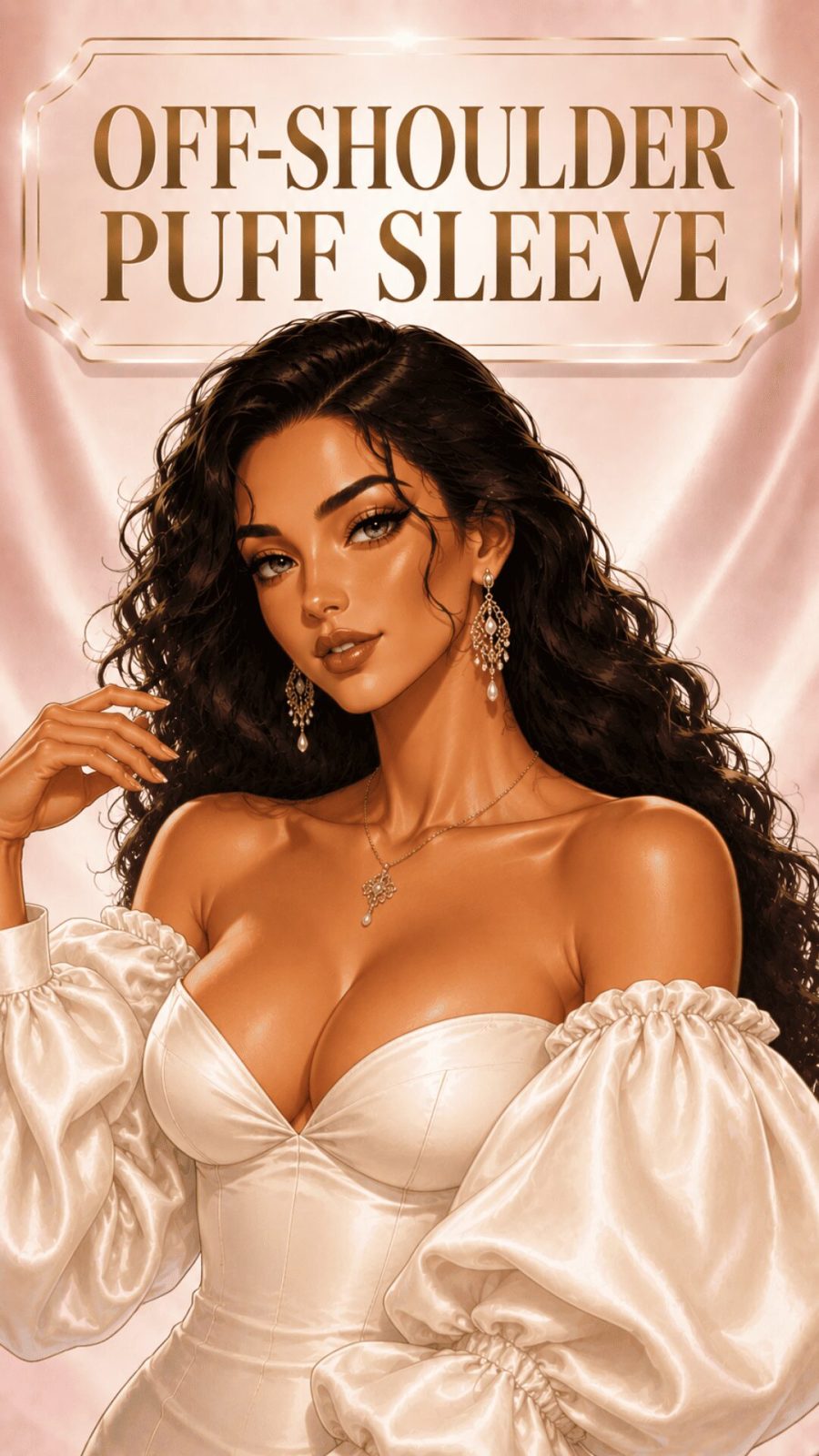
      Off-Shoulder Dress

      Off-Shoulder Dress Example

      The neckline and sleeve construction of an off-shoulder dress work together — the bodice is cut to sit below the shoulders, held in place by an internal elastic or boning structure, while the sleeve or neckline edge falls across the upper arm. The construction deliberately exposes the collarbone, shoulder, and décolletage as design features. An elasticated off-shoulder neckline creates soft horizontal movement across the top of the body; a structured off-shoulder bodice in a stiffer fabric creates architectural definition instead.

      DesignNeckline below shoulders; elastic or boned bodice top; exposed collarbone
      SeasonSpring/Summer primary
      Best ForVacation, parties, weddings, summer occasions
    1. 22

      Cap Sleeve Dress

      Cap Sleeve Dress Example

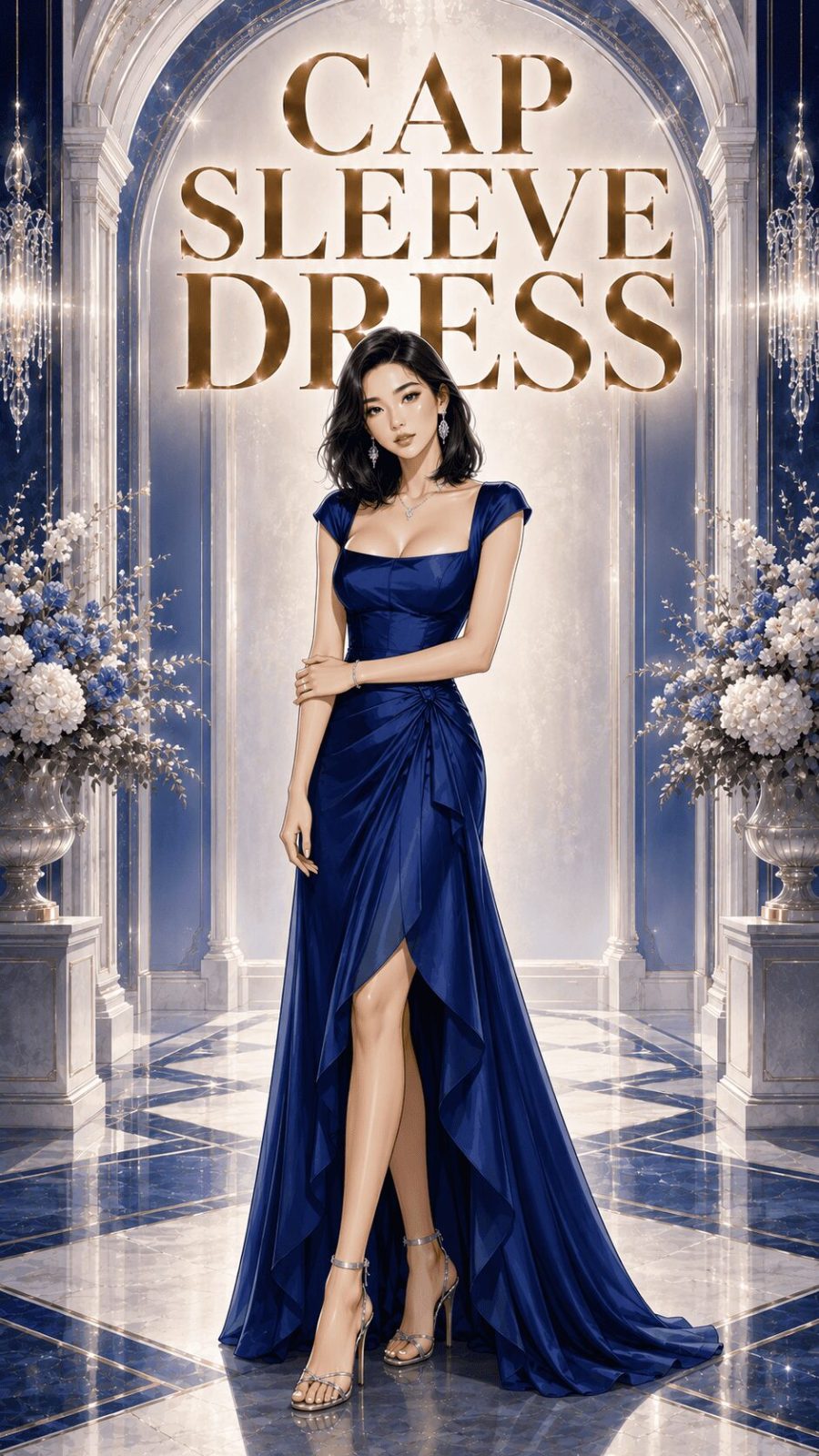
      A cap sleeve is a very short sleeve — barely extending past the shoulder seam, often cut as part of the same bodice piece rather than as a separate constructed sleeve. It covers the shoulder without actually covering any of the arm, making it a middle ground between sleeveless and short-sleeved. The cap sleeve has a slightly vintage quality — associated with 1950s housedress aesthetics and mid-century shift dresses — but returns consistently in contemporary dressing for its neat, polished shoulder line.

      DesignShort sleeve barely past shoulder seam; structured shoulder coverage
      SeasonSpring/Summer; early autumn
      Best ForVintage-inspired occasions, summer office wear, daytime events
    2. 23

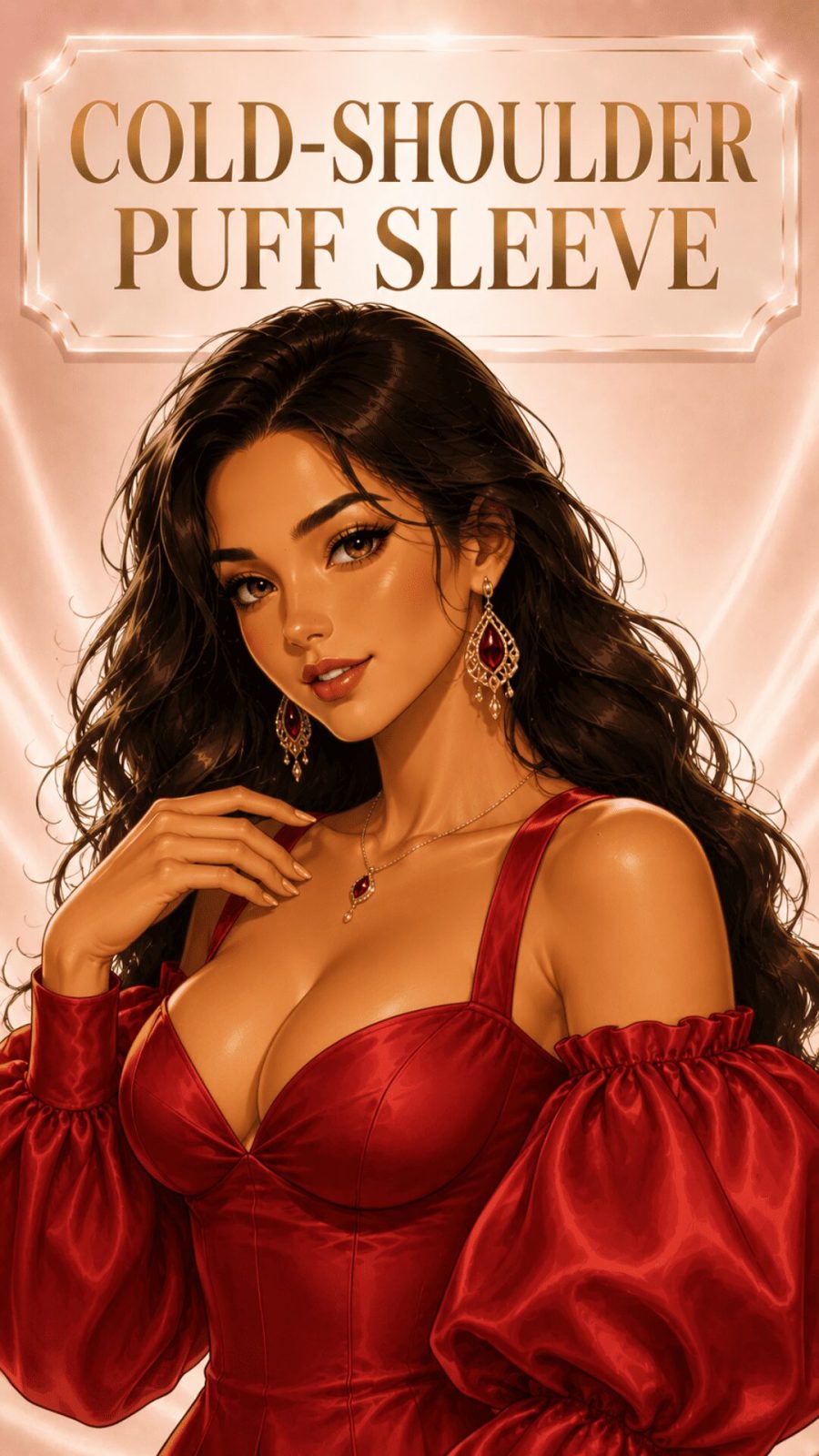
      Cold Shoulder Dress

      Cold Shoulder Dress Example

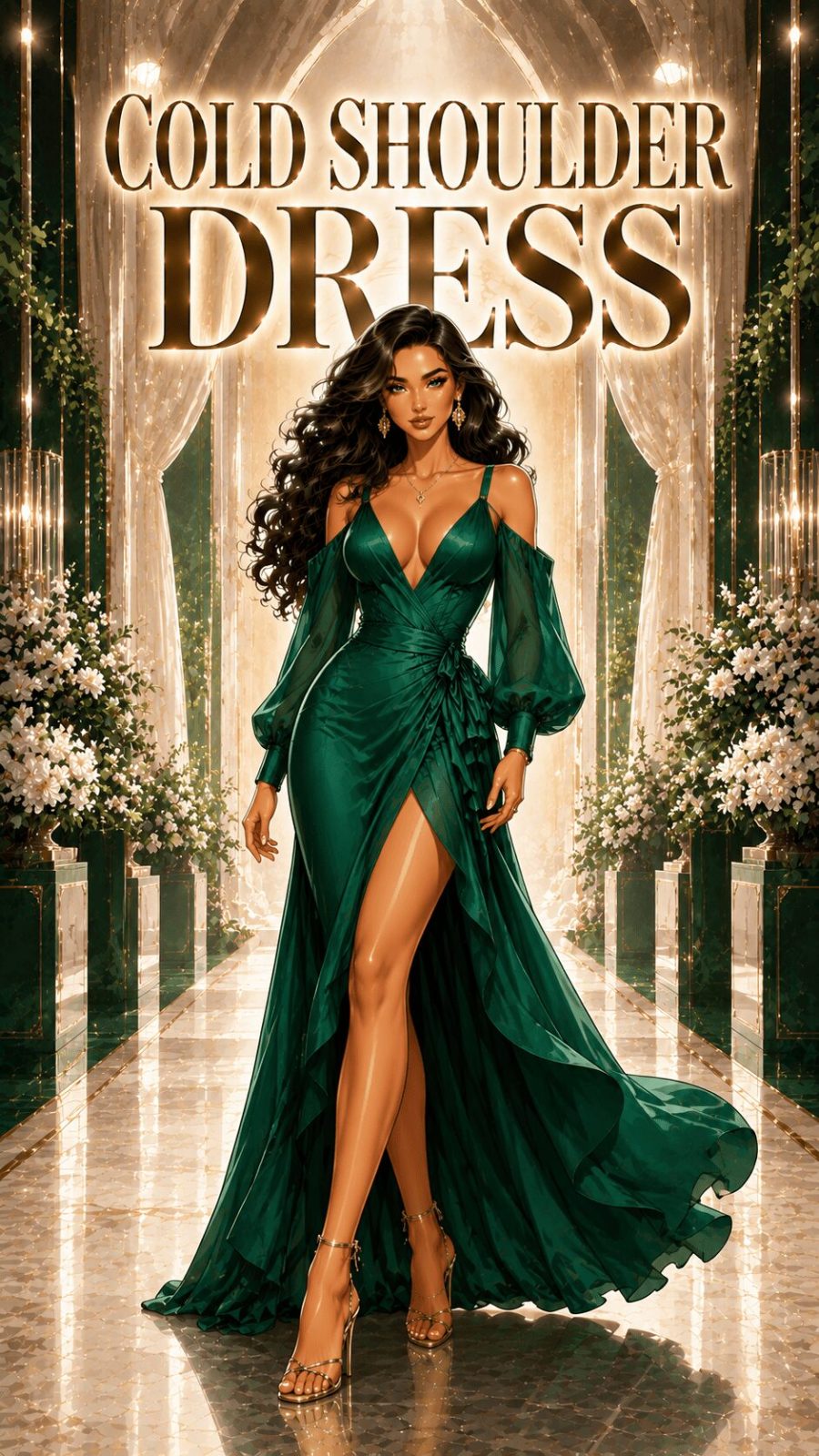
      A sleeved dress with strategic openings or cut-outs positioned specifically at the shoulder point — typically a circular or oval aperture over each shoulder — while the sleeve continues below it. The construction adds visual interest to an otherwise conventional long-sleeve silhouette by introducing deliberate negative space exactly where the eye naturally rests. This detail became widely popular in the mid-2010s and remains a casual-to-smart-casual option for warmer seasons.

      DesignSleeve with strategic cut-out at shoulder point; otherwise full-sleeved
      SeasonSpring/Summer; transitional weather
      Best ForCasual events, parties, weekend outings, vacations
    3. 24

      Strapless Dress

      Strapless Dress Example

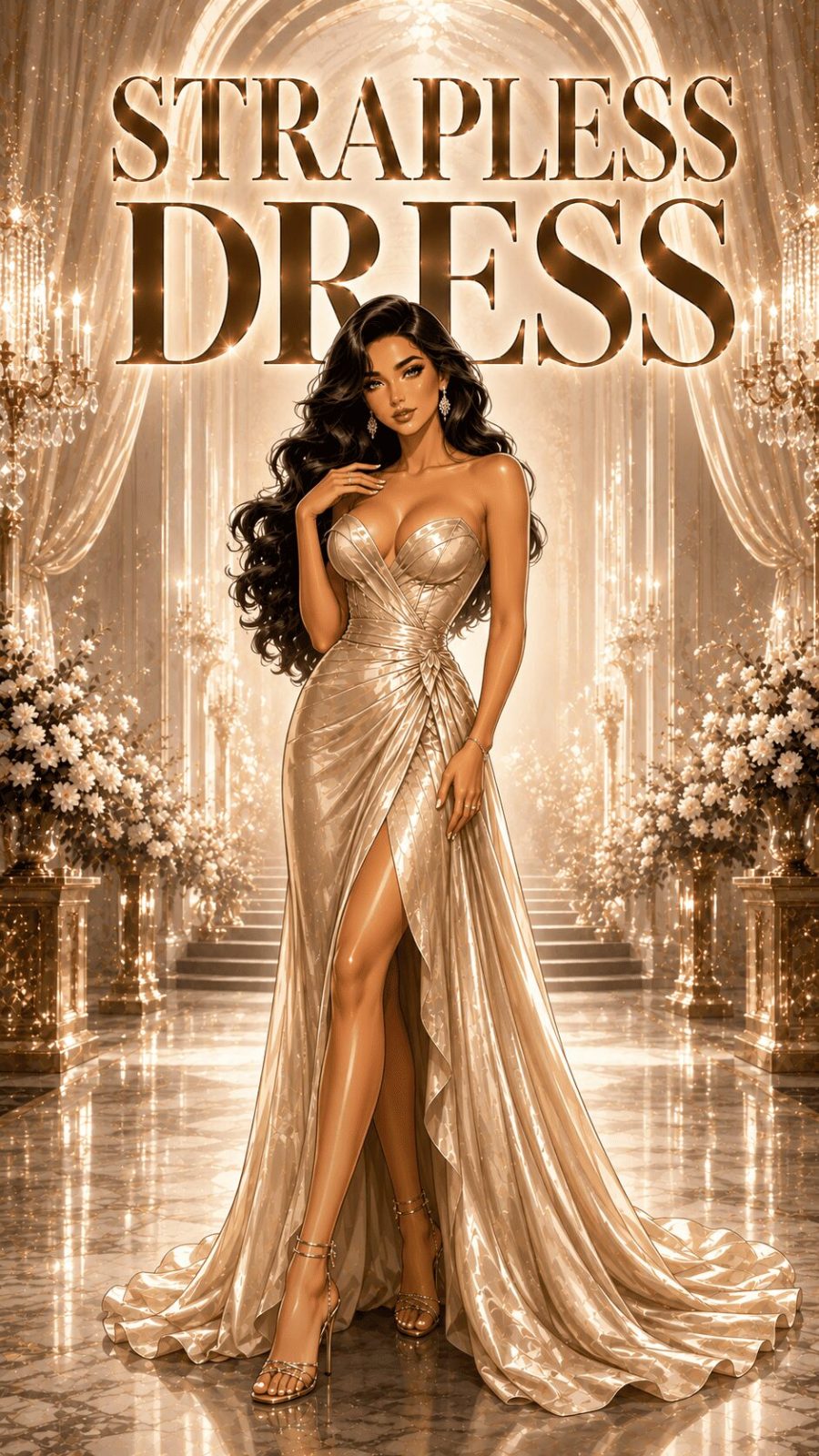
      No straps, no sleeves — the strapless bodice is held in place entirely by structure within the garment itself: boning, inner corset, grip elastic, or very precise fitting. The technical challenge of a strapless dress is significant: without any shoulder anchor, the bodice must be shaped precisely enough to stay in position through movement. When this construction works — and in quality garments, it does — the result is one of the most elegant, clean-lined silhouettes in formal dressing. The exposed shoulder and neckline become the entire visual focus.

      DesignNo straps or sleeves; internally structured bodice; clean horizontal neckline
      SeasonSummer and formal occasions year-round
      Best ForFormal events, weddings, cocktail parties, beach resort

    Category 4: By Neckline (#25–#30)

    Neckline shape directs visual focus and frames the face, collarbone, and décolletage — a design decision with profound styling implications

    1. 25

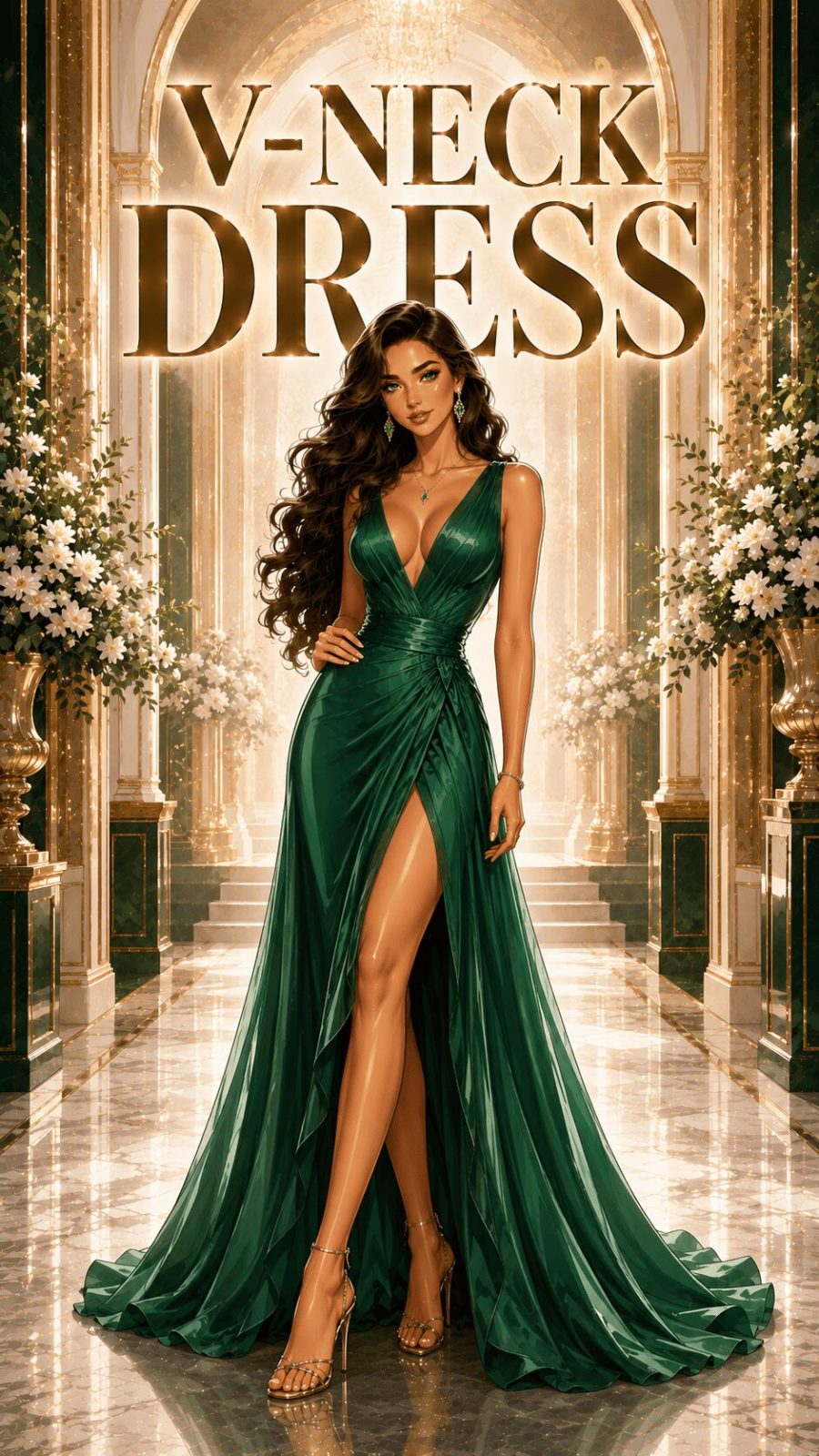
      V-Neck Dress

      V-Neck Dress Example

      A neckline that descends in a V shape from the shoulders to a point at the center front. The V can be subtle — just a few inches deep — or dramatic, plunging to the sternum or below. The depth of the V fundamentally changes the formality of the garment. A shallow V in ponte fabric is office-appropriate; a deep V in silk charmeuse is cocktail territory. What the V neckline consistently does is draw focus upward toward the face and create a lengthened line through the neck and décolletage.

      DesignV-shaped neckline; depth varies from modest to deep plunge
      SeasonAll seasons
      Best ForVersatile across casual, office, date night, evening
    2. 26

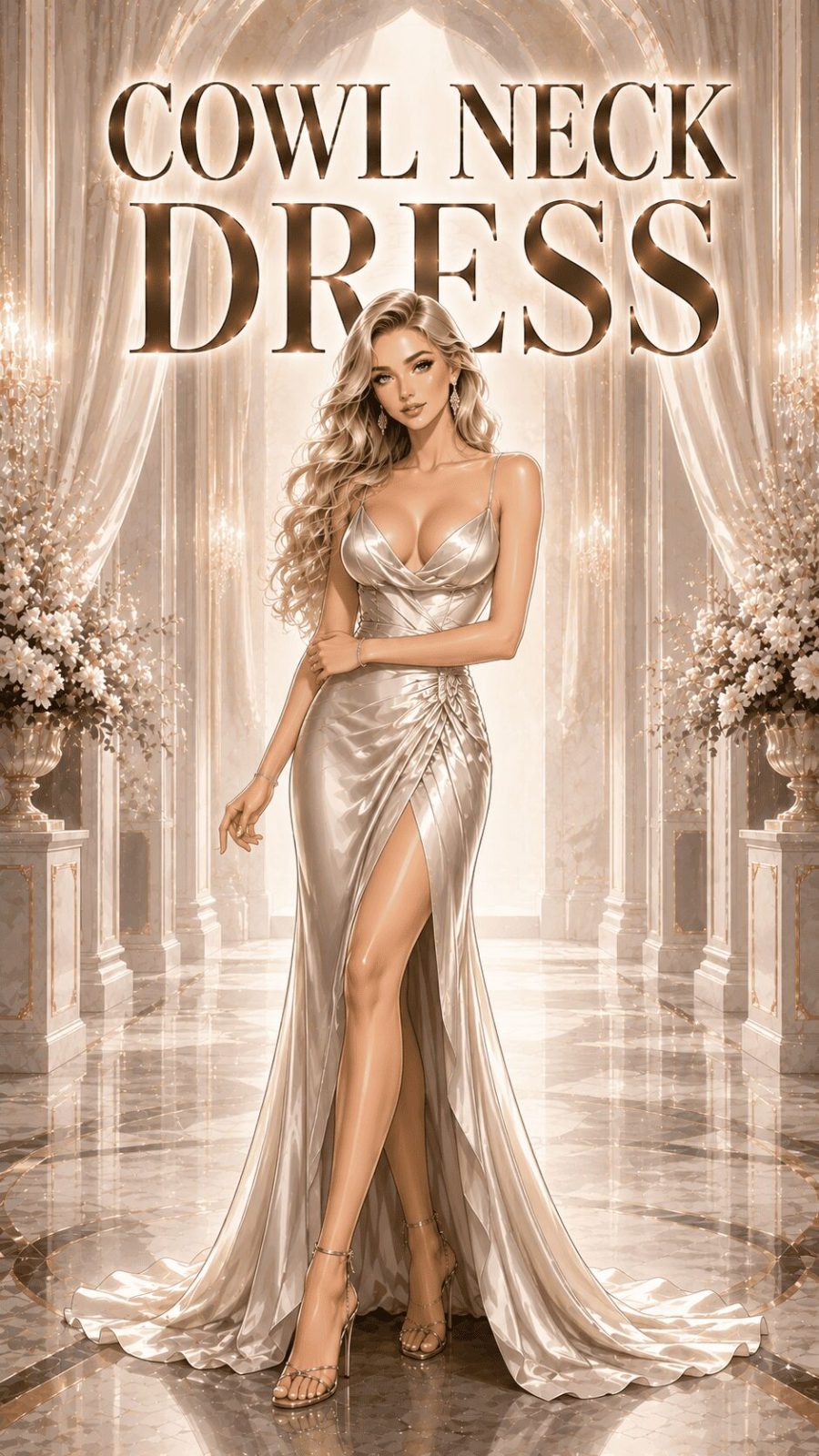
      Cowl Neck Dress

      Cowl Neck Dress Example

      A cowl neckline is created when fabric is draped and gathered at the neckline, forming soft, loose folds that hang below the natural collar level. The construction requires a bias cut at the neckline area to allow the fabric to drape rather than stand — which means cowl necklines work best in fabrics with natural drape like silk, jersey, or crepe. The effect is a liquid quality at the neckline that makes the dress feel effortlessly luxurious. This detail appears throughout history in Madeleine Vionnet's 1930s bias-cut designs — the originator of bias construction as a fashion technique.

      DesignDraped, gathered neckline with soft cascading folds
      SeasonAutumn/Winter in heavier drape; all seasons in silk
      Best ForEvening events, cocktail occasions, smart-casual dinners
    3. 27

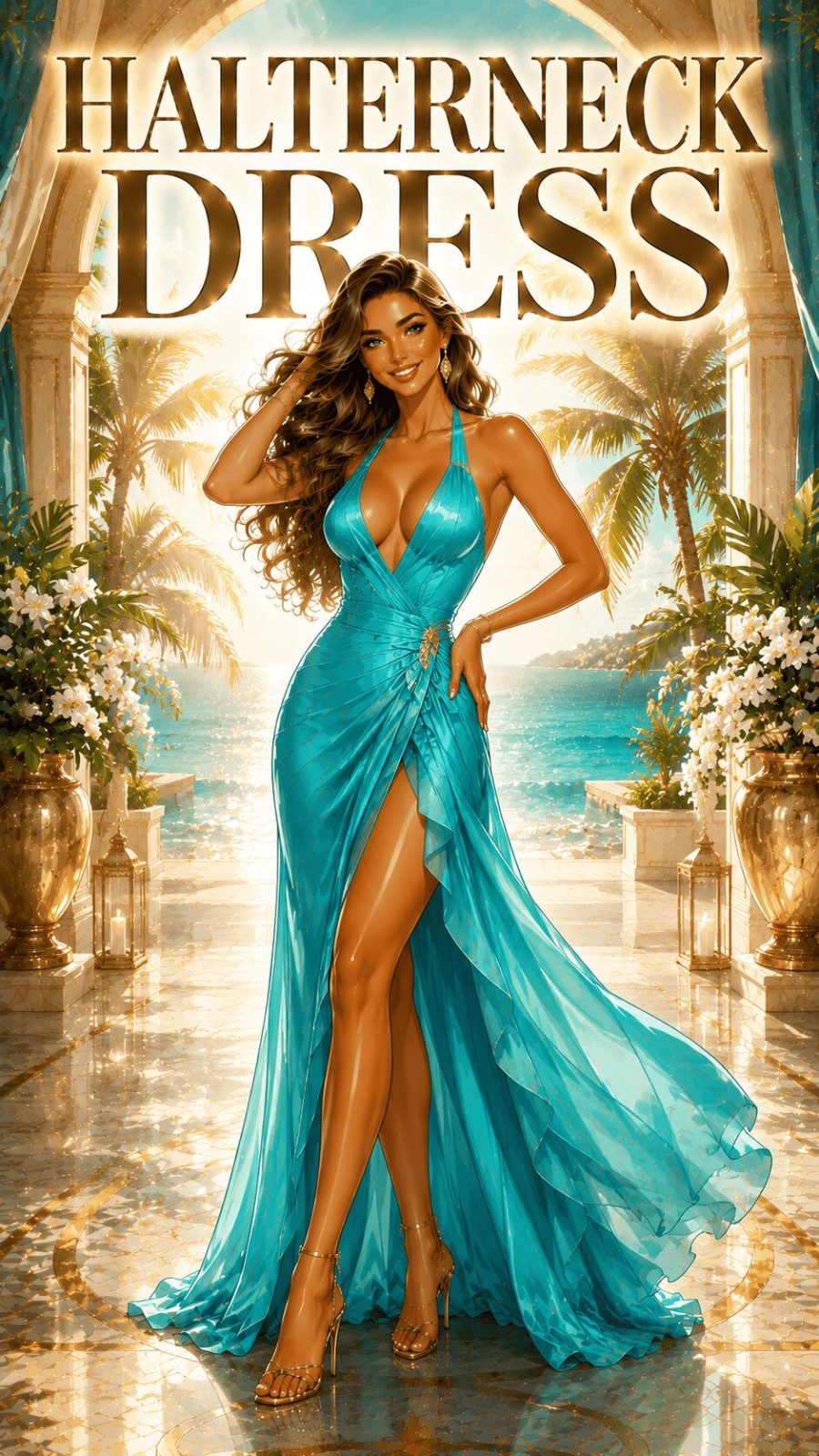
      Halterneck Dress

      Halterneck Dress Example

      A neckline where the fabric or straps run from the front bodice up and around the back of the neck, leaving the shoulders, upper arms, and upper back entirely exposed. The halter construction naturally exposes the back — which means it functions simultaneously as a neckline decision and a back-exposure decision. The visual effect is a frame around the face and décolletage, with the shoulder width drawn into the narrow neck tie, creating a triangular focal point at the top of the garment.

      DesignNeckline ties or fastens at nape; exposed back, shoulders, and arms
      SeasonSpring/Summer; formal occasions year-round
      Best ForBeach, resort, summer occasions, evening events
    4. 28

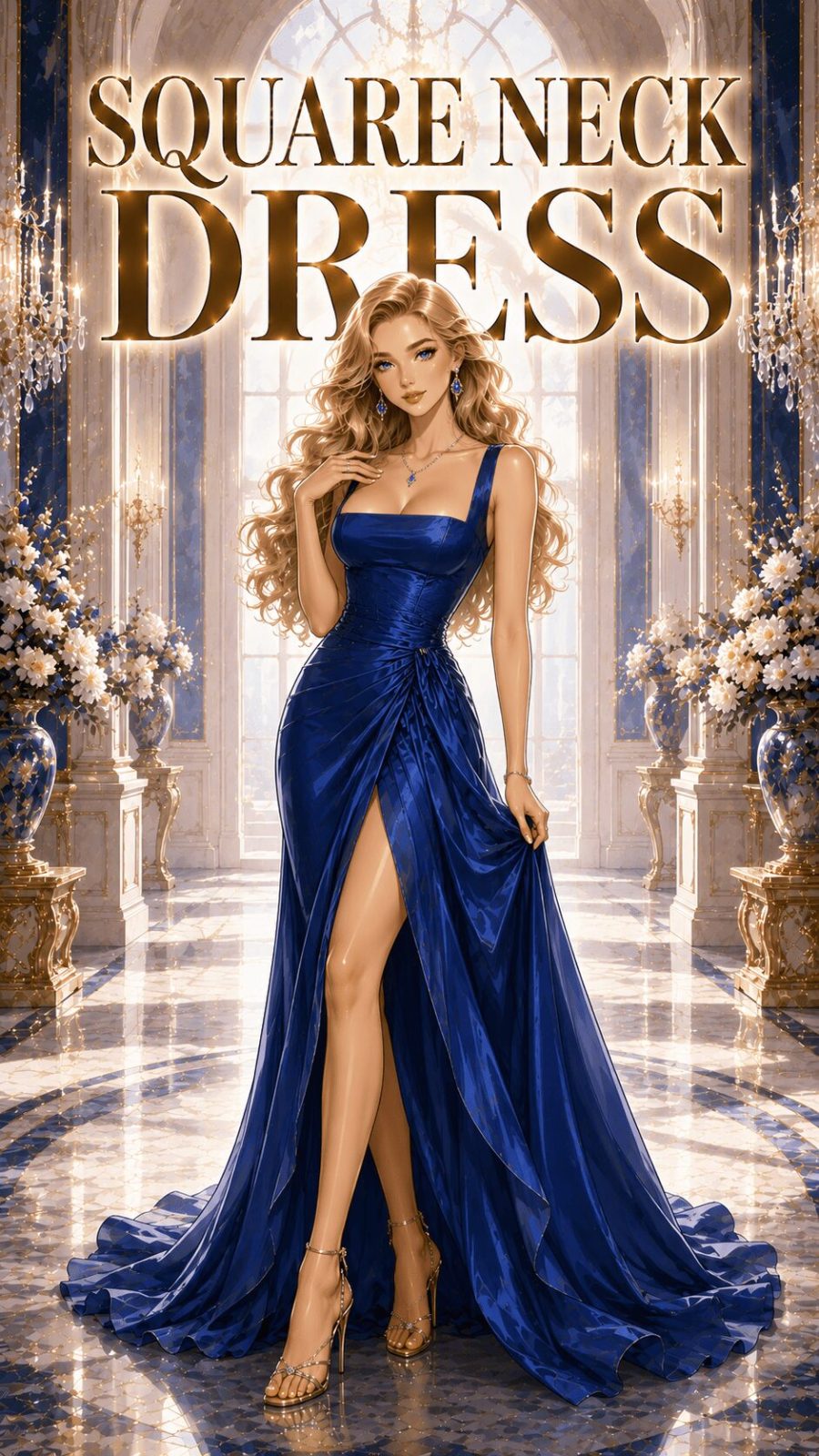
      Square Neck Dress

      Square Neck Dress Example

      The square neckline is cut with a horizontal base and straight sides, creating a geometric frame across the décolletage and upper chest. It has a distinctly feminine-yet-structured quality — the corners draw the eye horizontally, adding visual width at the shoulder and collarbone while framing the face in an unusual, portrait-like way. The square neck has strong historical associations with Renaissance portraiture and Baroque court dress, and its contemporary popularity is driven by exactly that richly historical resonance.

      DesignHorizontal base with straight vertical sides; geometric décolletage frame
      SeasonSpring/Summer primary; works year-round in warmer climates
      Best ForBrunch, summer events, feminine occasion wear, date nights
    1. 29

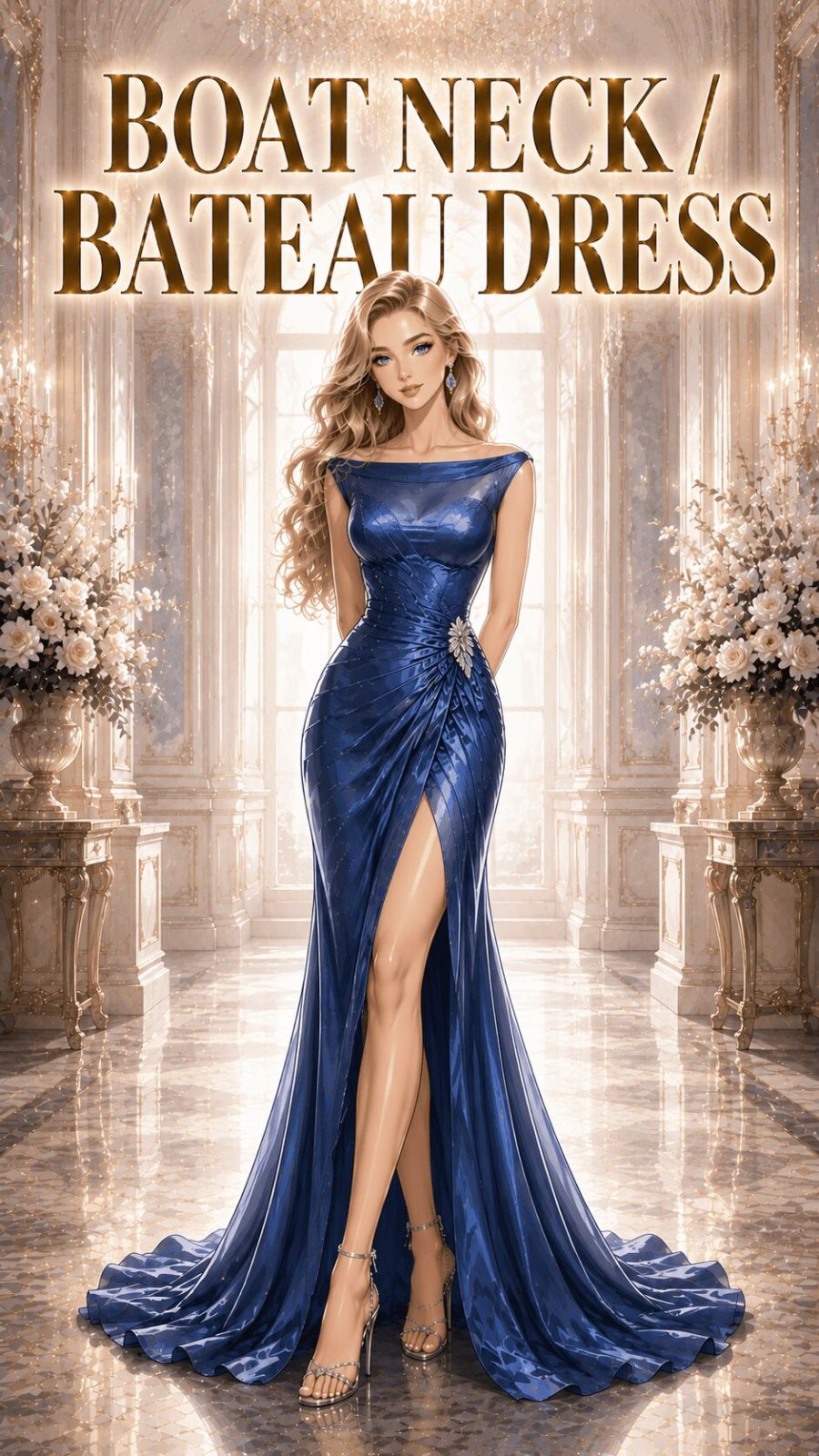
      Boat Neck / Bateau Dress

      Boat Neck Bateau Dress Example

      A high, wide neckline that runs almost horizontally from shoulder to shoulder, following the natural curve of the collarbone. The bateau neckline (French for "boat") was popularized in modern fashion by Coco Chanel, who used it extensively in her 1920s jersey collections. It's one of the most structurally clean necklines in fashion: no dip, no point, just a wide horizontal opening that draws the eye straight across the shoulder line — adding apparent width at the shoulders.

      DesignWide horizontal neckline following collarbone; high and clean
      SeasonAll seasons
      Best ForClassic occasions, timeless dressing, office events, parties
    2. 30

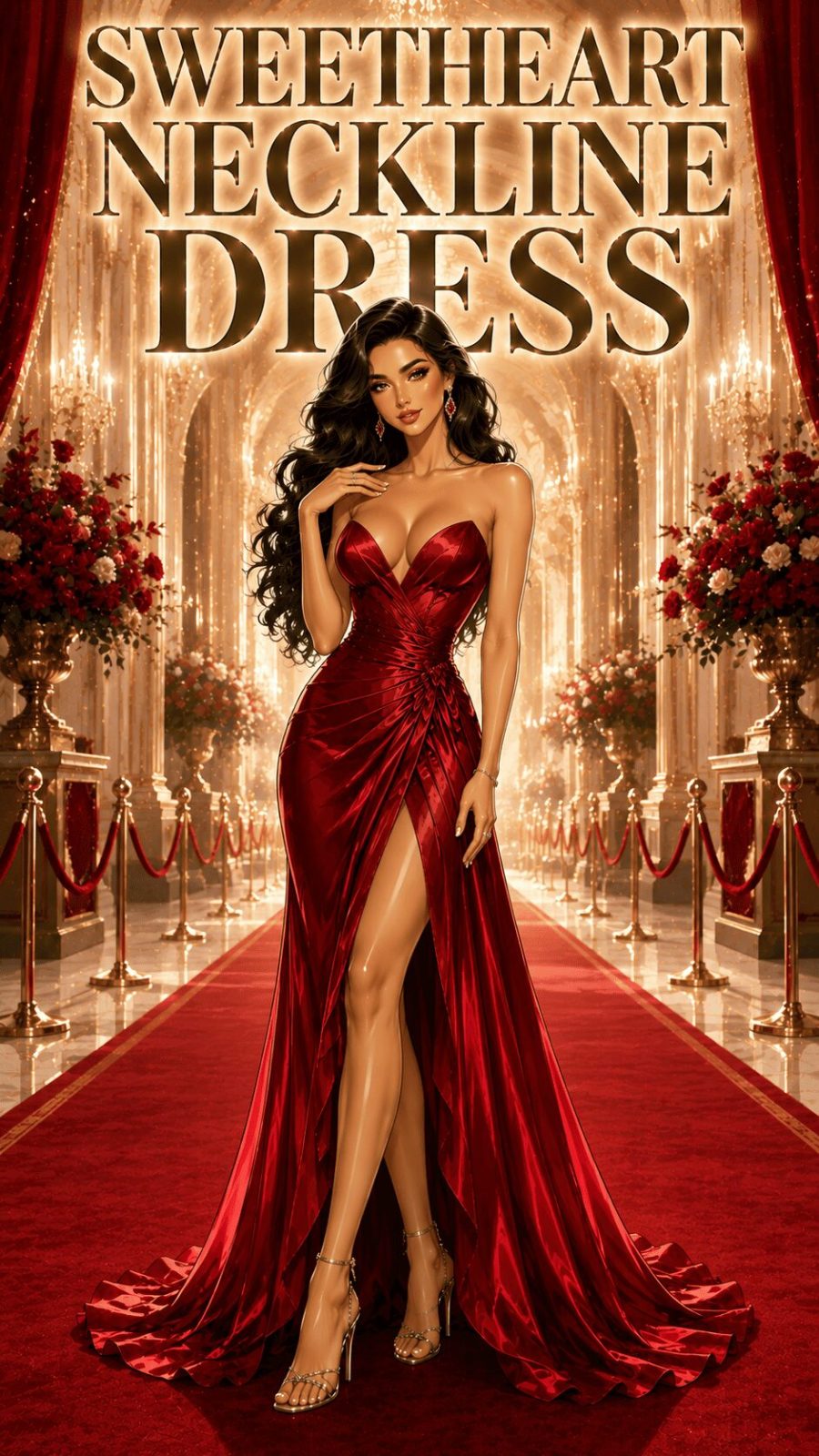
      Sweetheart Neckline Dress

      Sweetheart Neckline Dress Example

      The sweetheart neckline follows the curve of the bustline in a heart shape — two rounded curves that meet at a center dip. The construction requires precise cutting and careful understructure to support the front edge of the neckline without straps. The visual effect is romantic and feminine: the curved neckline mirrors the body's natural curves and frames the décolletage in a soft, elegant arc. This neckline is one of the most enduring in bridal and formal dressing, appearing across styles from strapless ball gowns to fitted cocktail dresses.

      DesignHeart-shaped curve following bustline; requires internal structure
      SeasonFormal occasions year-round
      Best ForBridal, prom, formal galas, cocktail parties

    Category 5: By Waistline (#31–#35)

    Where the waist seam sits — or doesn't sit — is the single most architecturally significant structural decision in dress design

    1. 31

      Natural Waist Dress

      Natural Waist Dress Example

      The seam or waist definition falls at the body's narrowest natural point — typically 2–4 inches above the hip bone. A natural waist dress creates the classic hourglass effect when paired with a fitted bodice and a full or A-line skirt. This is the waist placement of traditional tailoring and the majority of occasion dresses across the 20th century. When a dress has a natural waist seam, the bodice and skirt are constructed and often lined separately before being joined — which is why this construction has a more luxurious, structured feel than dresses cut without a waist seam.

      DesignWaist seam at body's narrowest point; bodice and skirt often separate constructions
      SeasonAll seasons depending on fabric
      Best ForFormal occasions, classic dressing, occasions requiring structured tailoring
    2. 32

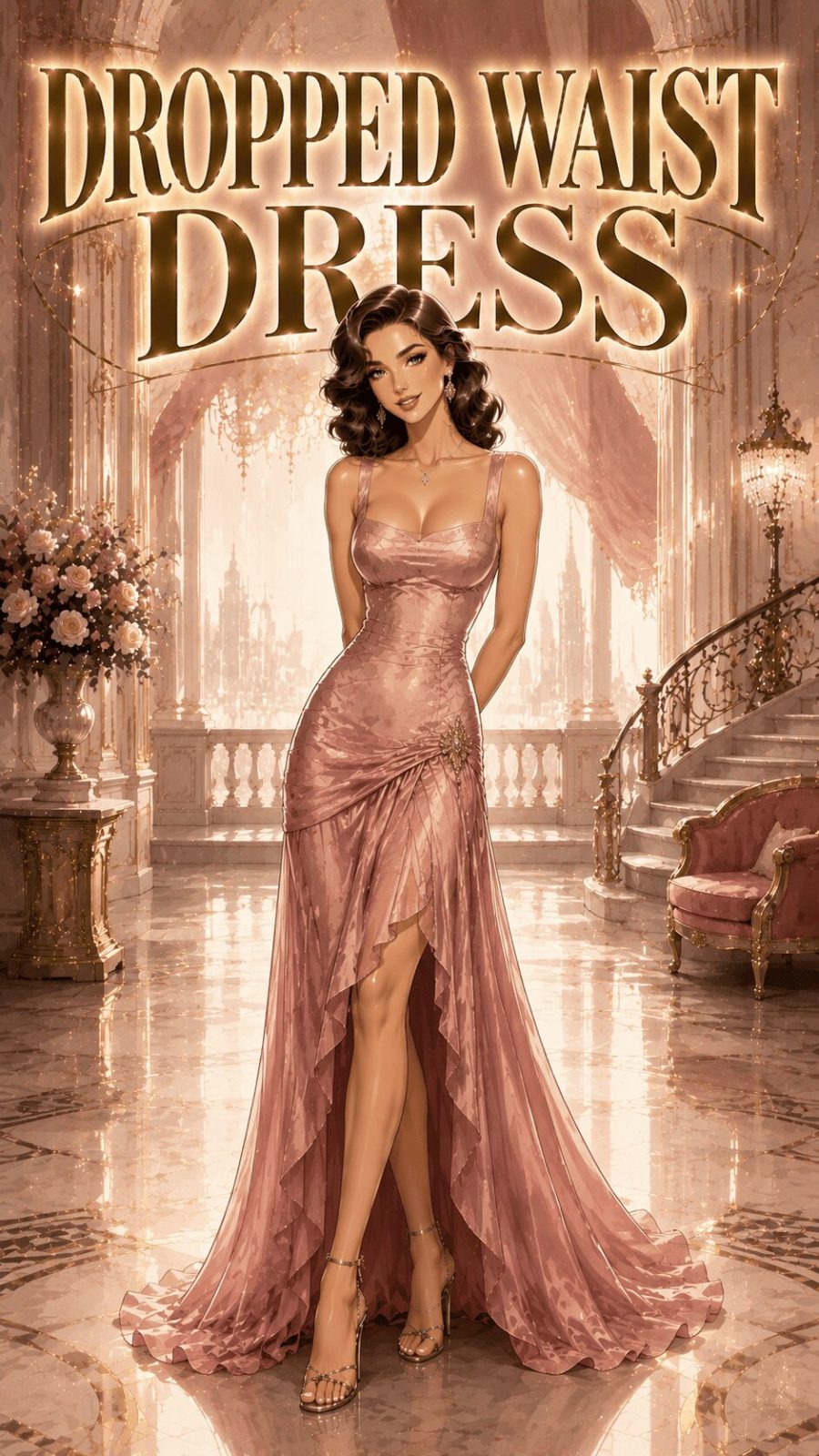
      Dropped Waist Dress

      Dropped Waist Dress Example

      The dropped waist places the waist seam at or below the hip — lower than the body's natural waistline. This placement eliminates the hourglass effect entirely, instead creating a long, tubular torso silhouette with a skirt beginning at the hip. The dropped waist dress is synonymous with 1920s Art Deco fashion — the flapper dress — and has returned periodically in fashion history as a reference to that particular elegant, elongated aesthetic. It creates a visual lengthening of the torso.

      DesignWaist seam at or below hip; elongated bodice, skirt from hip
      SeasonAll seasons; classic in lighter fabrics for summer
      Best ForVintage-inspired events, parties, Art Deco themed occasions
    3. 33

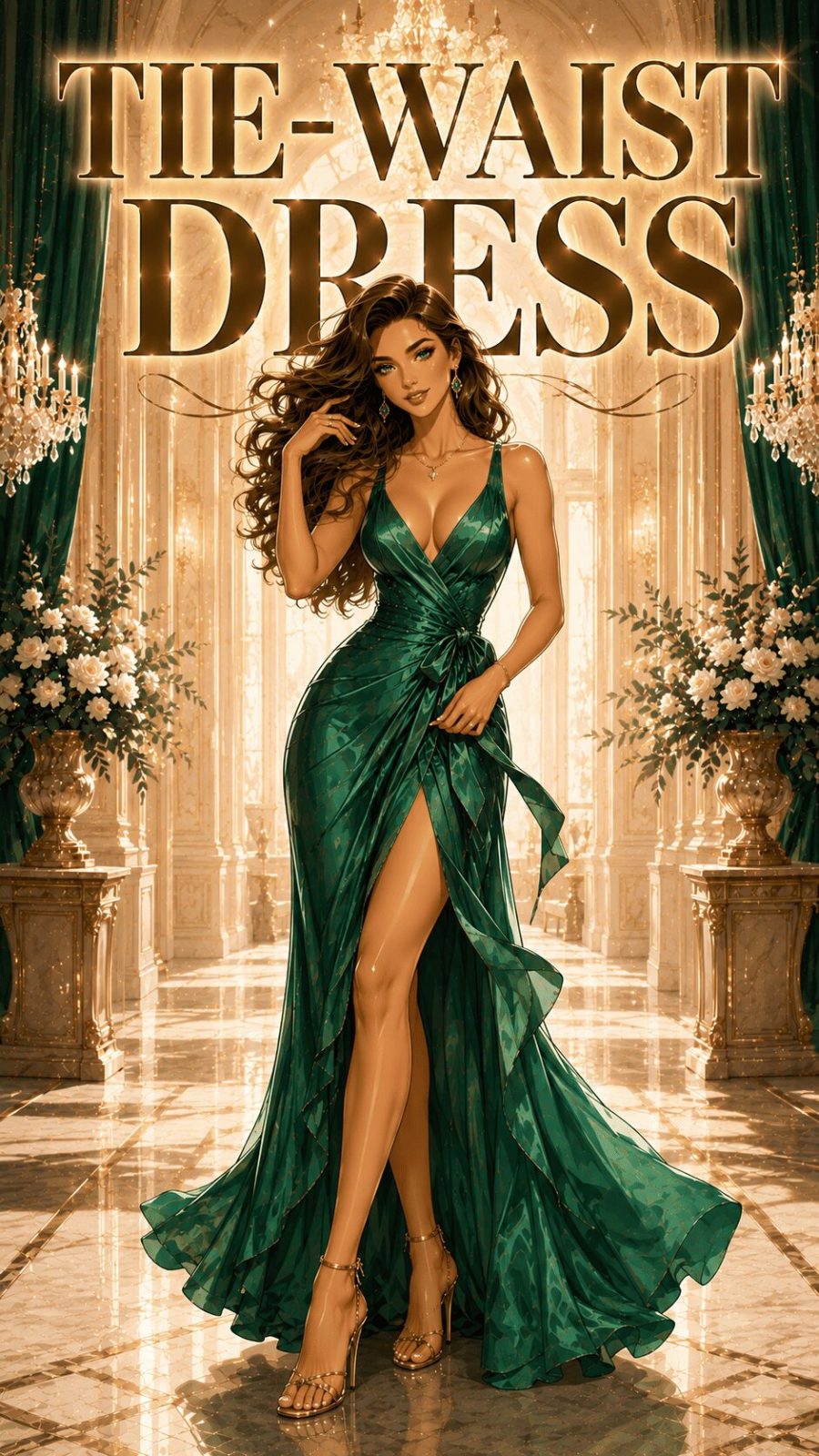
      Tie-Waist Dress

      Tie-Waist Dress Example

      Rather than relying on a fixed seam for waist definition, the tie-waist dress achieves its shape through a separate fabric sash or built-in fabric ties that cinch the silhouette wherever the wearer positions them. The beauty of this construction is adaptability — the tie can be worn at the true waist, slightly above, or loosely at the hip, creating a completely different visual each time. Tie-waist dresses are almost universally easier to size, since the tie rather than the seam does the fitting work.

      DesignSelf-tie sash or separate belt; adjustable waist position
      SeasonAll seasons depending on fabric weight
      Best ForCasual styling, travel, flexible-fit occasions
    4. 34

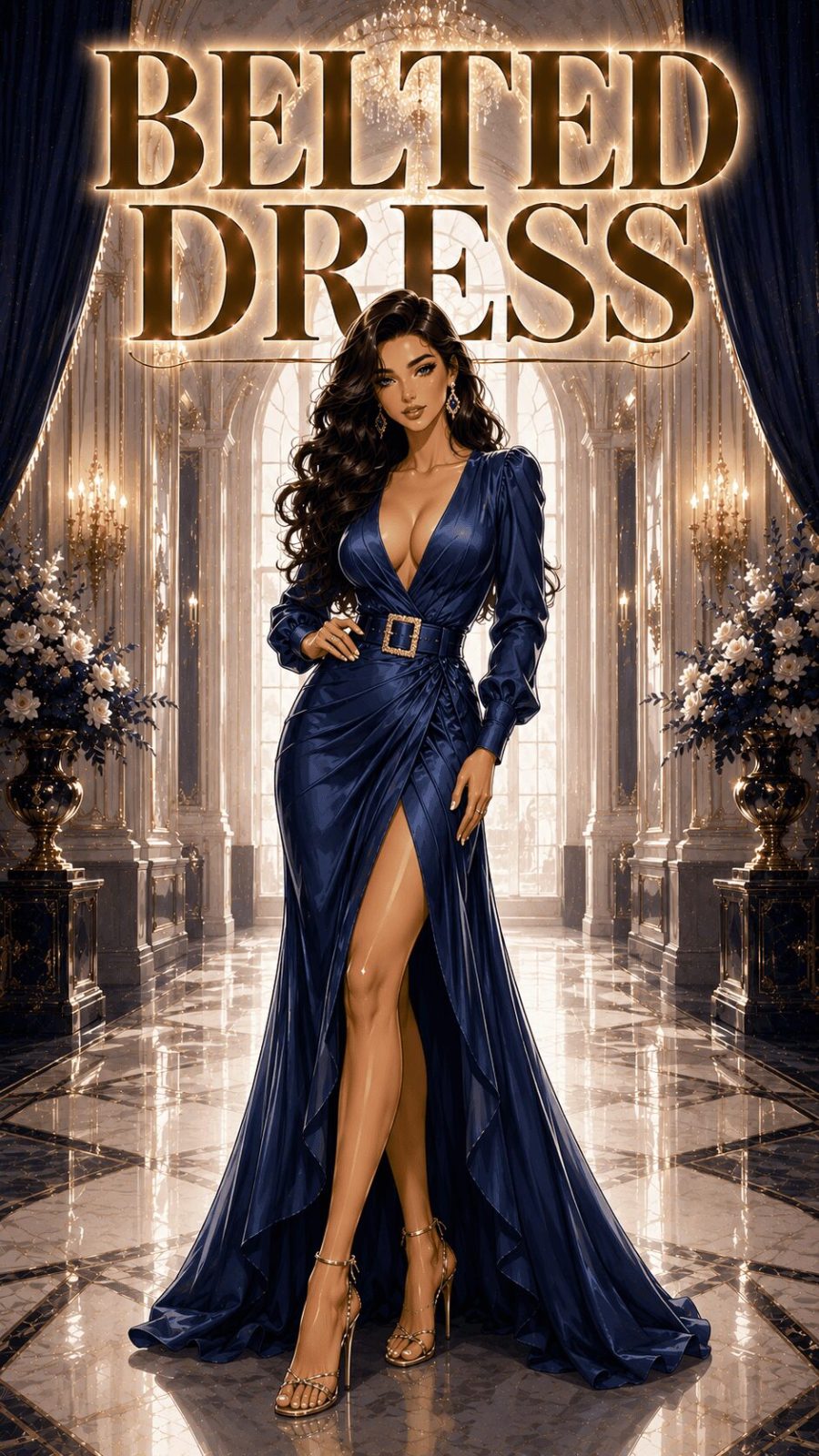
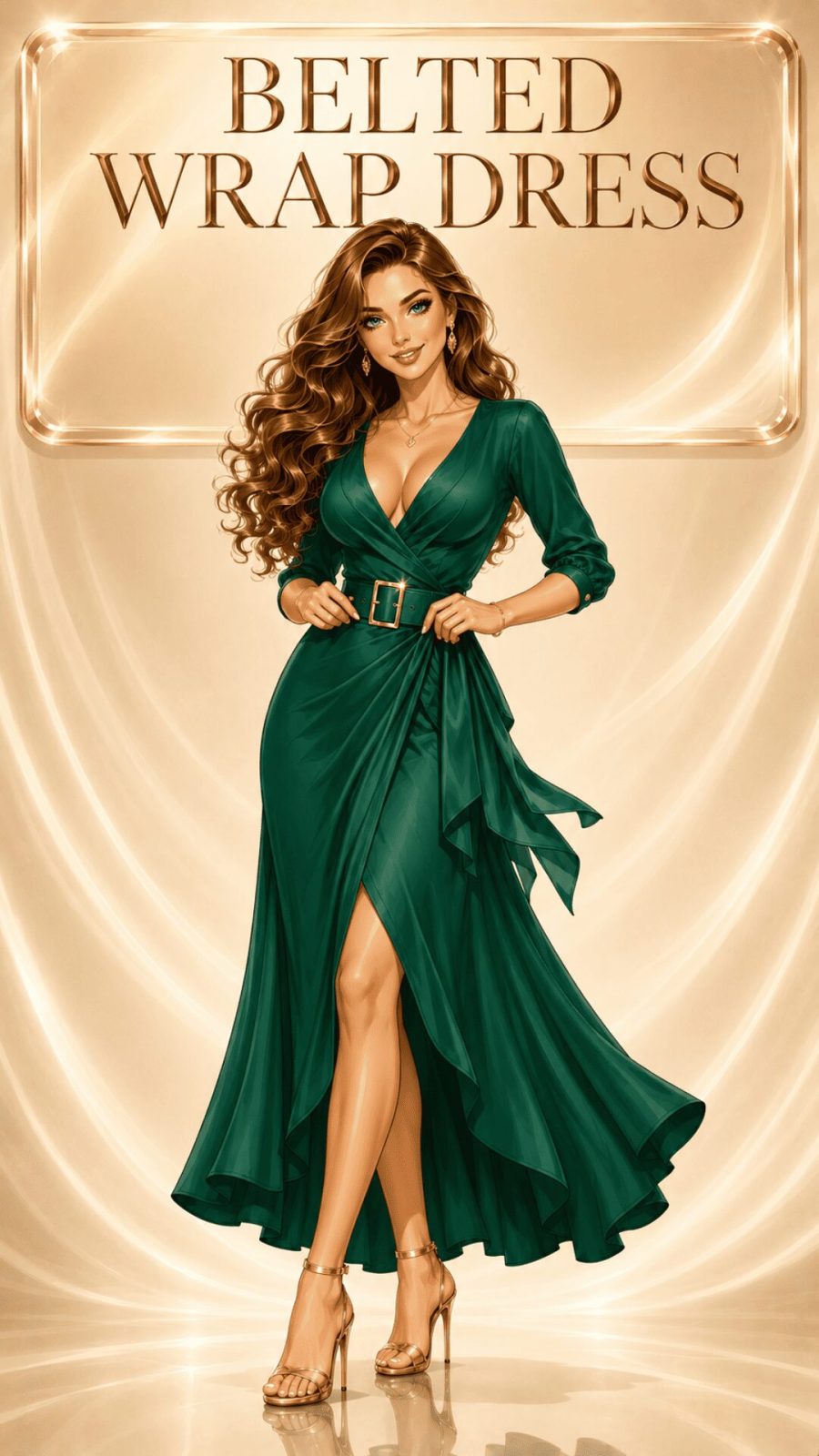
      Belted Dress

      Belted Dress Example

      A dress designed with a distinct belt — either integrated into the garment or offered as a removable accessory — that creates visible waist definition where the dress's own construction might not. Shirt dresses and blazer dresses particularly benefit from belt styling, since their straight cuts borrow structured definition from the belt rather than the seam. Belt dresses are highly versatile: wear the belt and you have a defined waist silhouette; remove it and the same garment reads differently, more relaxed, oversized, or transitional.

      DesignIntegrated or detachable belt; waist definition through accessory rather than cut
      SeasonAll seasons
      Best ForOffice, smart-casual, transitional seasonal styling
    5. 35

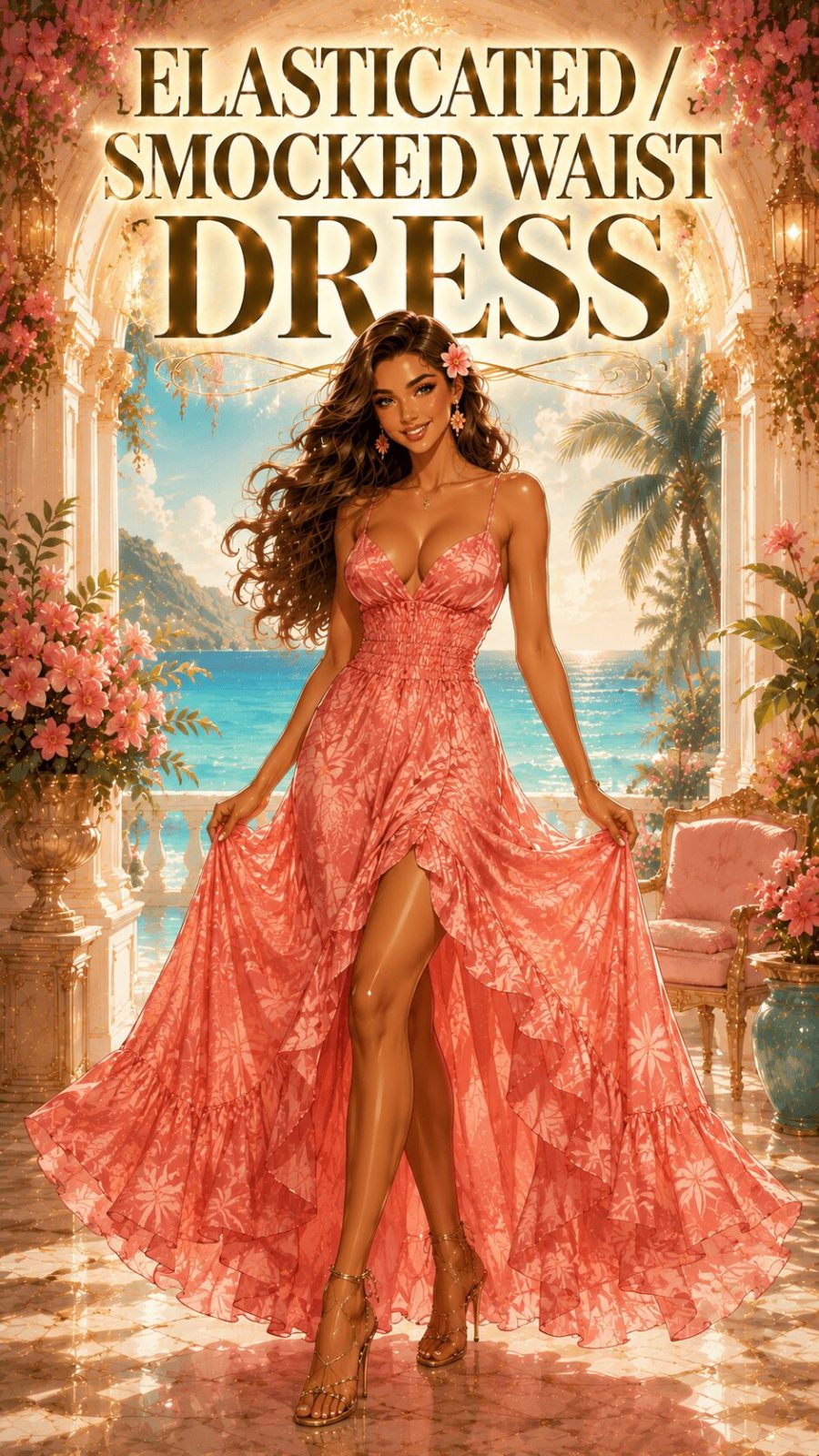
      Elasticated / Smocked Waist Dress

      Smocked Waist Dress Example

      A waistline defined not by a fixed seam or a belt, but by smocking — a decorative gathering technique where rows of elastic thread are stitched through fabric in a regular pattern, causing the fabric to gather and cinch while remaining stretchable and accommodating. Smocked waists add a textural quality to the garment, often with visible embroidery-like lines running horizontally through the gathered area. This construction is common in bohemian and cottagecore styles, tiered summer dresses, and peasant-inspired designs. It offers architectural definition with generous stretch and ease of movement.

      DesignElastic thread smocking; gathered, stretchable waist with visible texture
      SeasonSpring/Summer primary; year-round in warmer regions
      Best ForBohemian events, summer dressing, vacation, casual occasions

    Category 6: By Occasion (#36–#43)

    Occasion-specific dress types — built around the social context they were designed to inhabit

    Some dresses are classified most accurately not by their silhouette or construction, but by the precise social context they were designed for. A cocktail dress and a wedding guest dress may share a similar silhouette — but they carry entirely different cultural contracts about formality, coverage, colour, and styling. Understanding occasion dressing as a distinct classification system is how you stop buying beautiful dresses that have nowhere to go — and start building a wardrobe where every piece has clear purpose. For deeper context on occasion dressing, our complete guide to wedding guest dressing covers exactly how to navigate these codes.

    1. 36

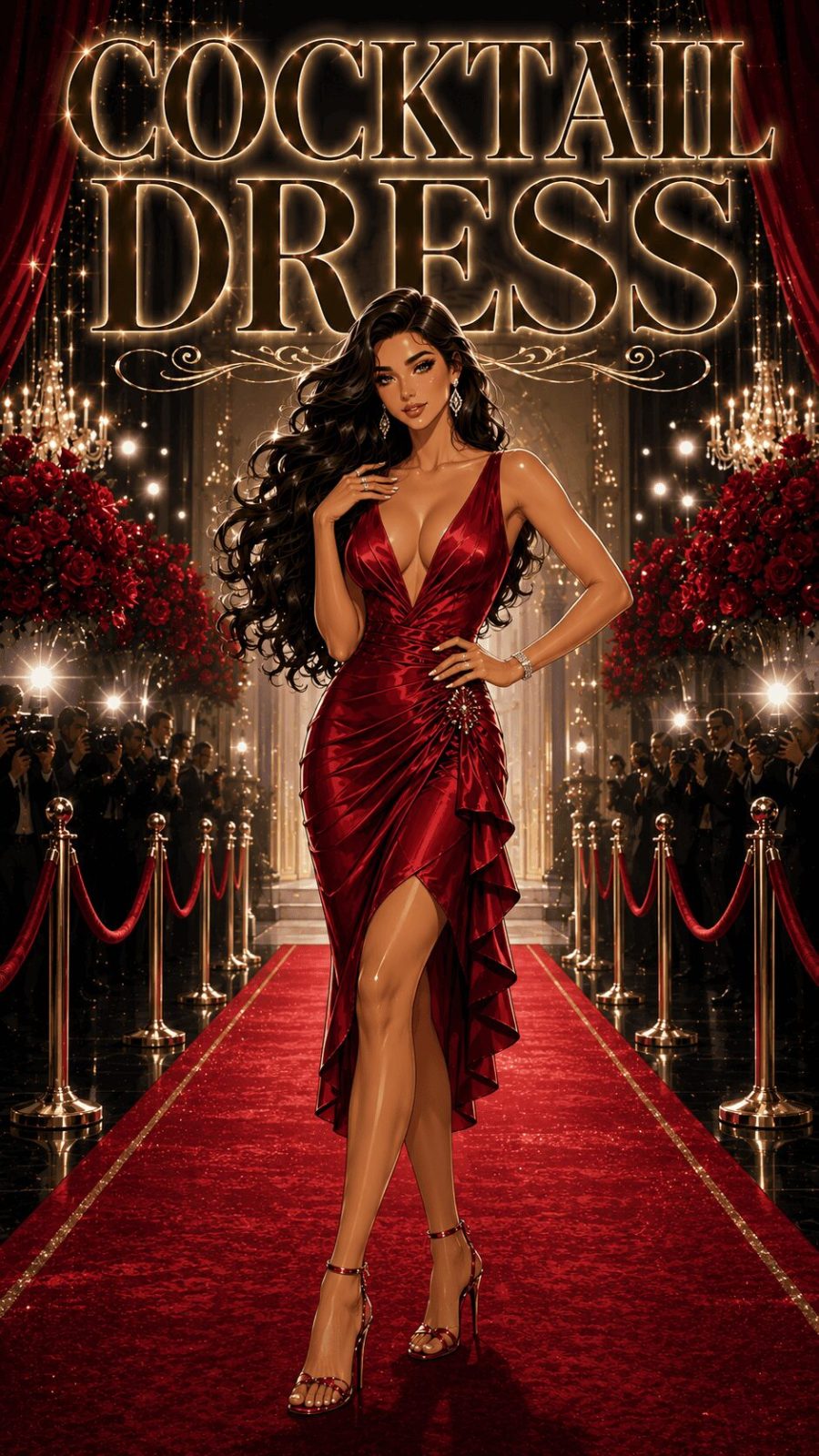
      Cocktail Dress

      Cocktail Dress Example

      The cocktail dress occupies the formality tier between business and black-tie — polished, often embellished, and typically falling at or just above the knee. It emerged as a distinct dress category in the 1940s and 50s, when the cocktail hour became an established social ritual in American and European professional circles. The construction tends toward structured bodices, quality fabrics like duchess satin, silk taffeta, or structured lace, and refined details: pleating, ruching, or minimal embellishment that communicates elegance without extravagance. A cocktail dress that works effortlessly telegraphs real style intelligence.

      DesignKnee or above-knee length; structured or semi-structured; quality fabric
      SeasonAutumn/Winter for heavier fabrics; spring/summer in lighter weaves
      Best ForCocktail receptions, company events, anniversary dinners, award nights
    2. 37

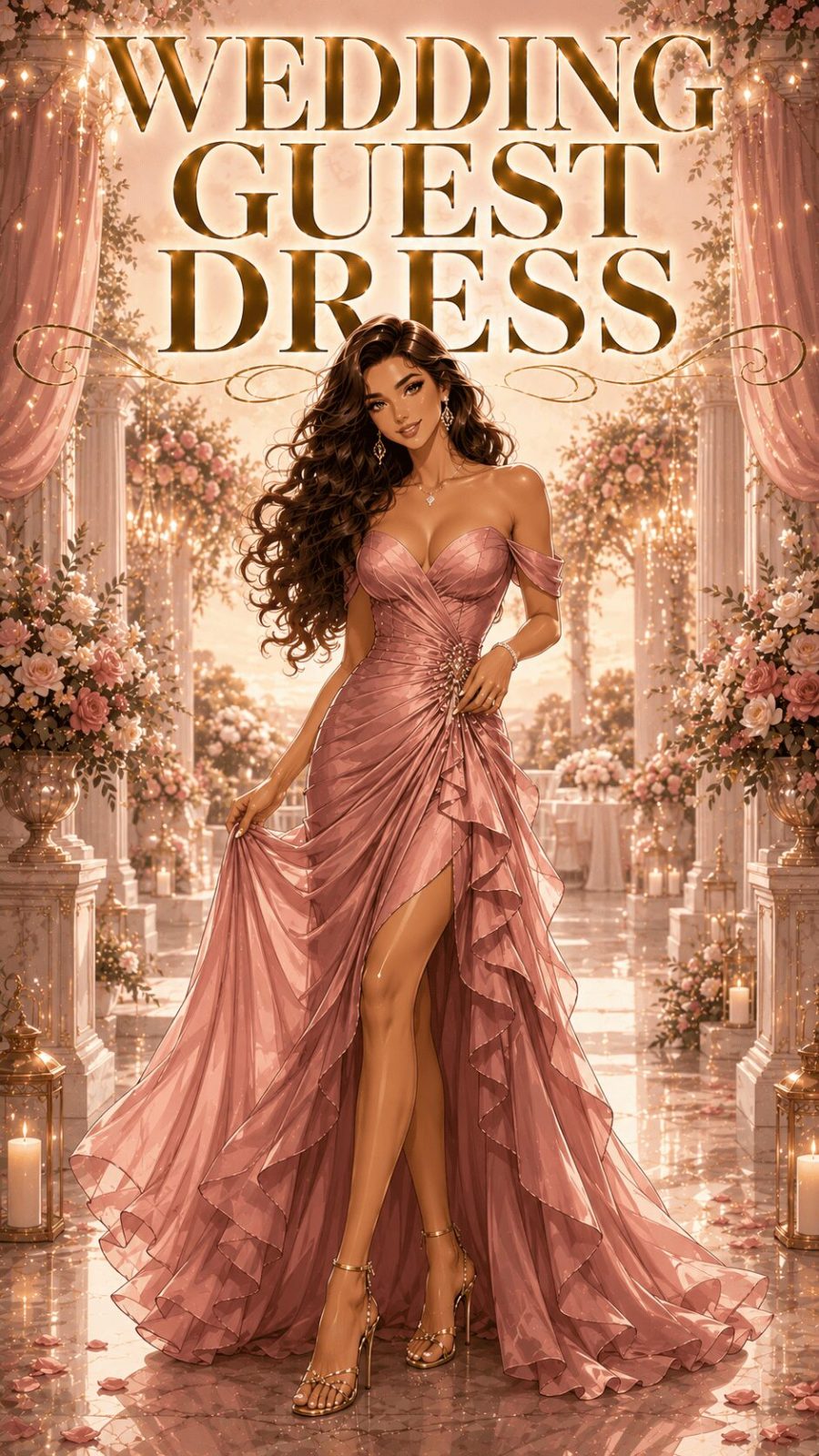
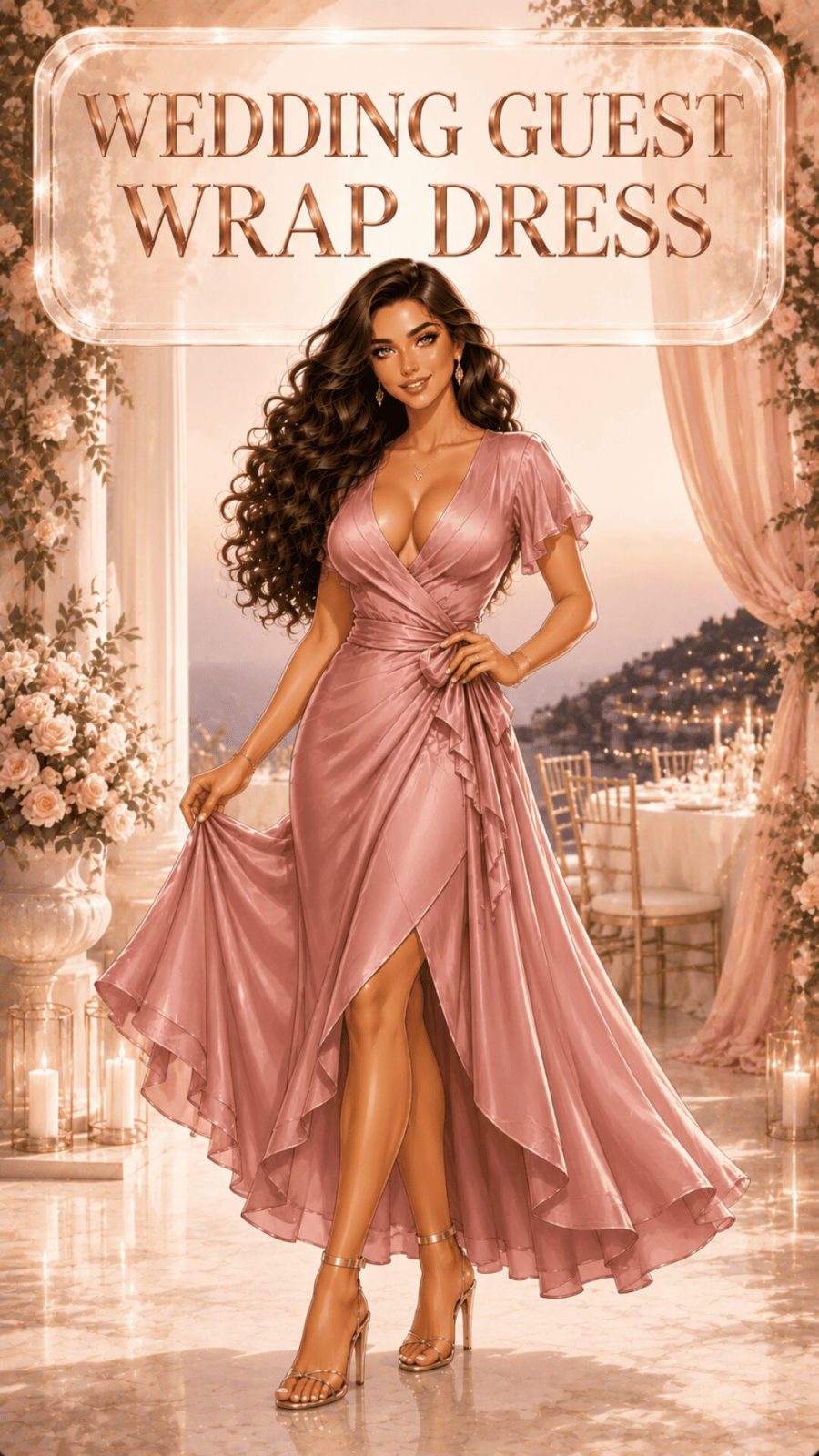
      Wedding Guest Dress

      Wedding Guest Dress Example

      Not a silhouette category — a context category. A wedding guest dress is defined by the social contract it fulfills: it must read as appropriately dressed for a formal celebration without competing with the bridal party. In practice this means avoiding white, ivory, and very pale blush, and choosing something that sits comfortably between cocktail and semi-formal. The most consistently successful wedding guest dresses tend toward floral midi dresses, structured fit-and-flare styles in deep jewel tones, or elegant wrap dresses in silk or crepe — all of which photograph well and feel celebratory rather than subdued.

      DesignContextually defined; avoid white; celebratory without bridal register
      SeasonSeason-dependent on wedding setting and dress code
      Best ForWeddings, engagement parties, formal brunch celebrations
    3. 38

      Shirt Dress

      Shirt Dress Example

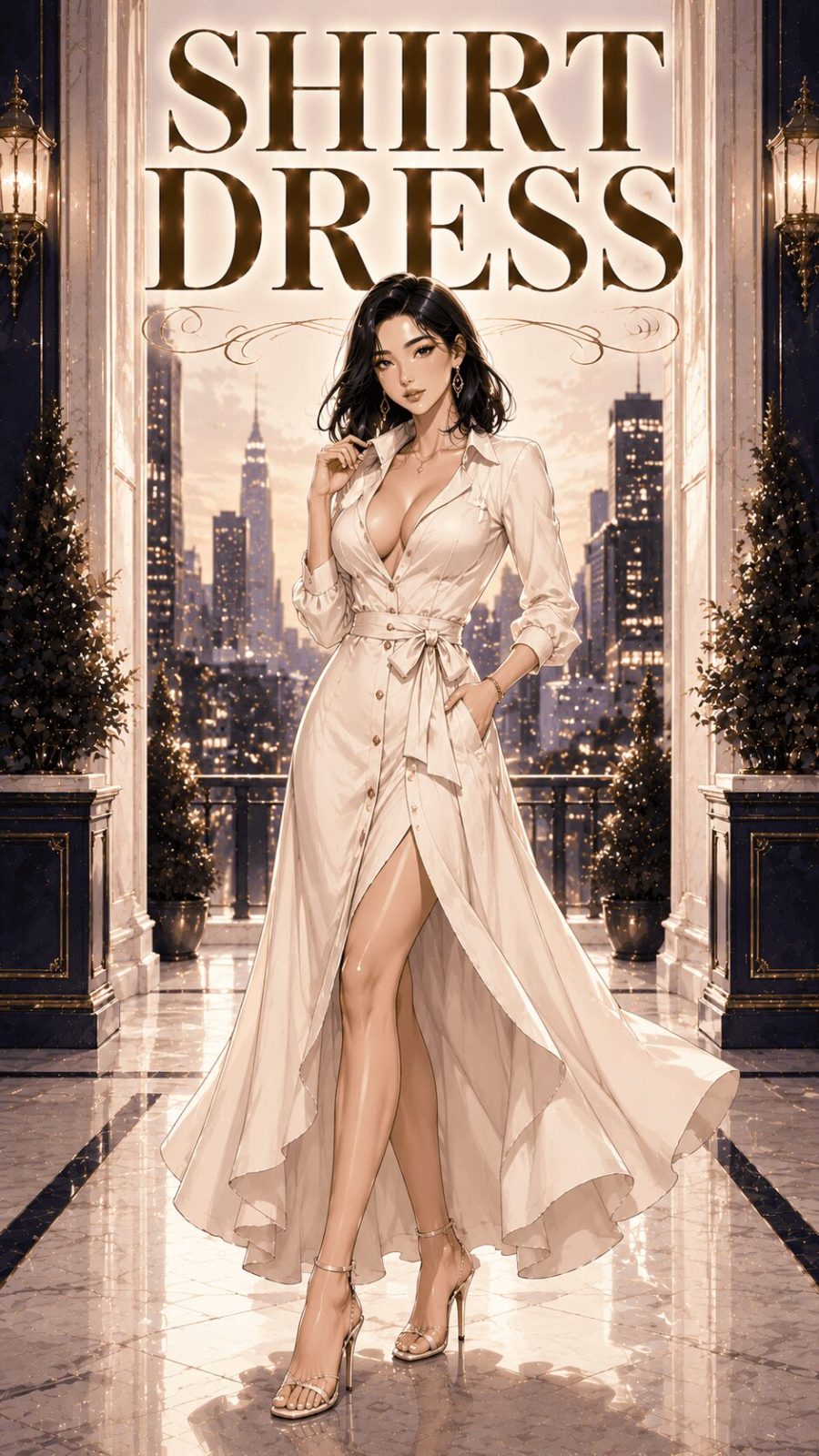
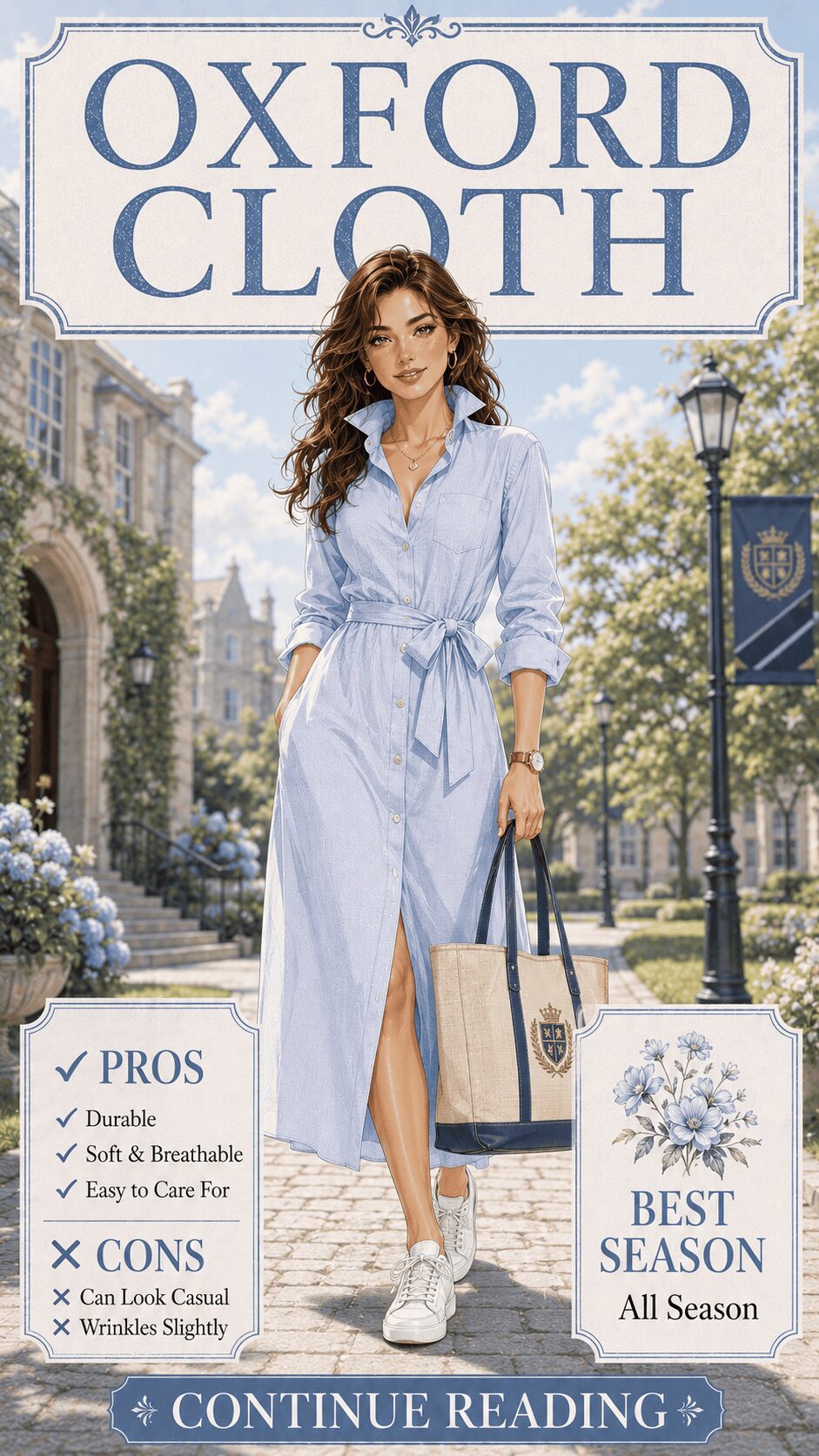
      A dress that borrows its construction directly from the tailored shirt: a structured collar, button-down placket, and often a cuffed sleeve. It typically has a relaxed, slightly oversized torso with a shirt-tail or straight hem that falls anywhere from the thigh to the ankle. The shirt dress belongs distinctly to daytime dressing — it's the dress you wear when you want to look like you put real thought in without the ceremony of something more formal. Worn with a belt and ankle boots, it becomes a precision-edited weekend outfit. Worn loose over a turtleneck, it becomes autumn layering done right. Explore our guide to shirt dress styling techniques for seasonal variations.

      DesignShirt collar, button placket, cuffed sleeves; relaxed torso fit
      SeasonAll seasons; denim and chambray in spring, wool in autumn
      Best ForWeekends, casual office, travel, smart-casual outings
    4. 39

      Sundress

      Sundress Example

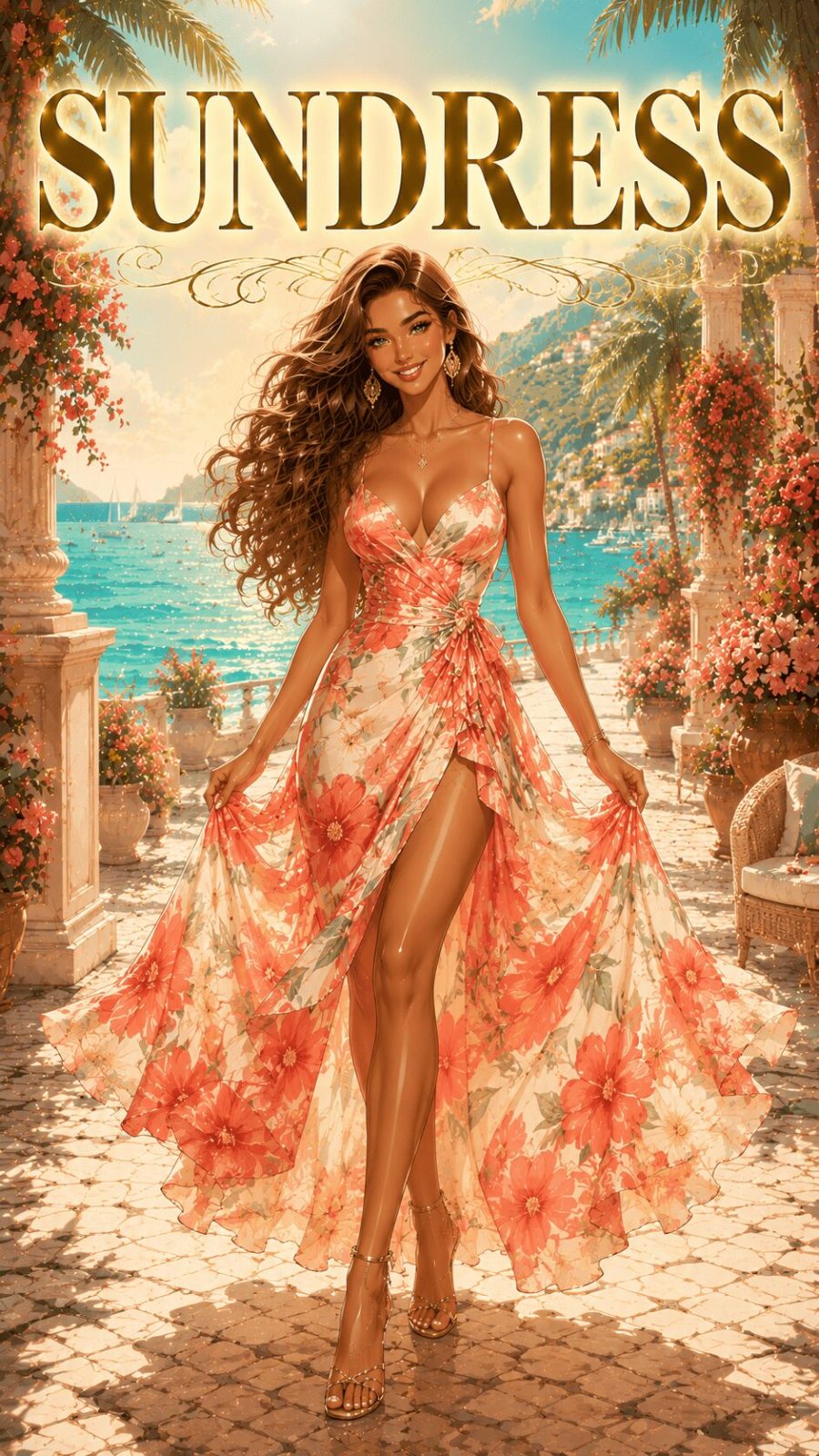
      The sundress is defined first by its fabric philosophy: lightweight, breathable, often cotton or linen, designed specifically to be comfortable in warm weather. The construction is typically uncomplicated — a simple bodice (often smocked, tie-shoulder, or spaghetti-strapped), a gathered or tiered skirt, minimal lining. The sundress doesn't try to be anything other than what it is: a dress for sun, warmth, movement, and ease. There's a relaxed joy to sundress dressing that more structured styles simply cannot replicate — and in summer, that ease is precisely the point.

      DesignLightweight fabric, simple bodice, gathered or tiered skirt; minimal structure
      SeasonSpring/Summer exclusively
      Best ForBeach, picnics, garden parties, outdoor brunch, farmers markets
    1. 40

      Bridal Gown

      Bridal Gown Example

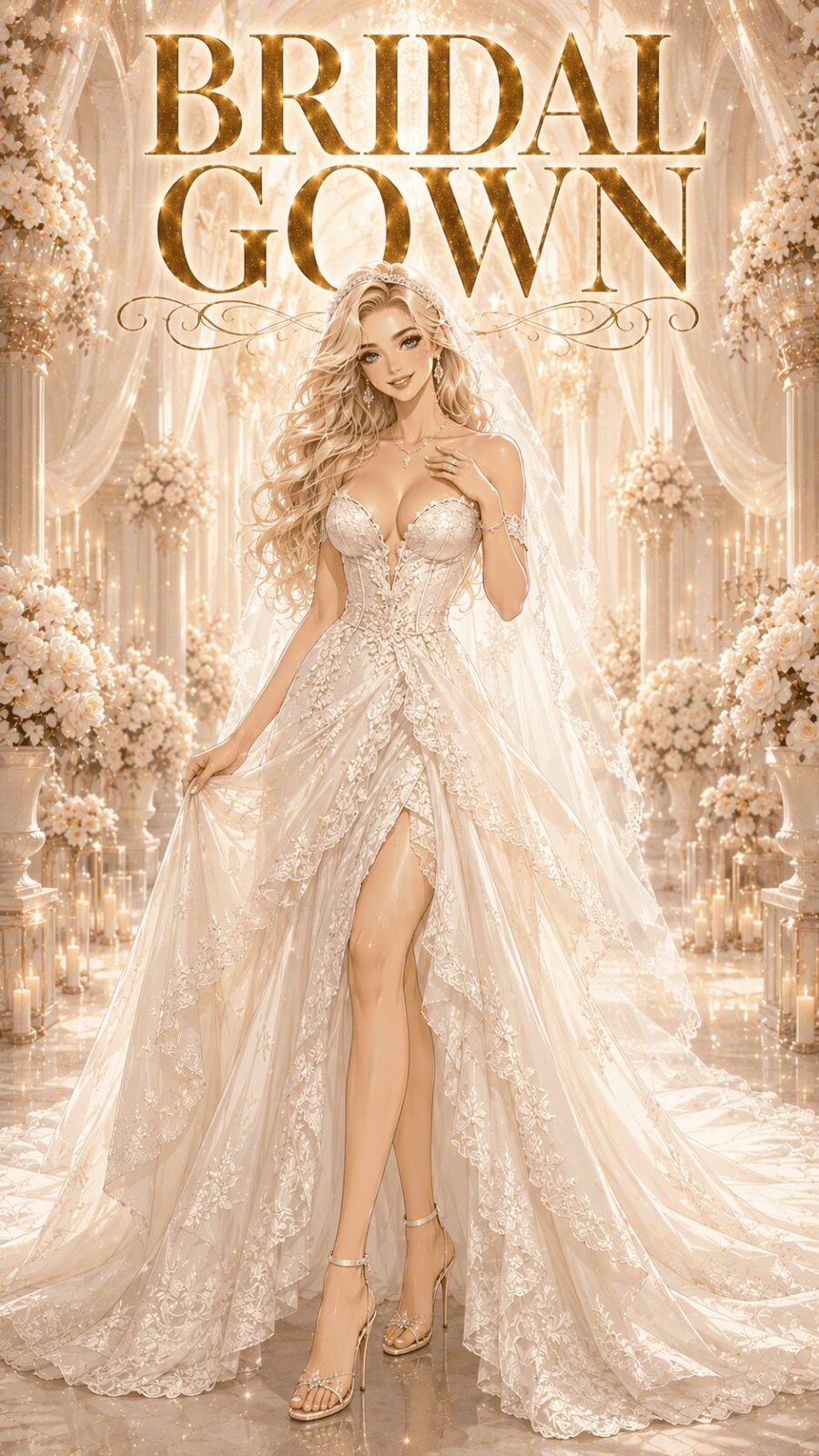
      Bridal gowns exist in their own construction category entirely. The technical requirements are extraordinary: an inner corset or boned bodice that functions independently of the outer fabric; a precisely fitted structure designed to hold its shape through hours of movement, sitting, dancing, and ceremony; heritage fabrics including duchess satin, silk mikado, crepe-back satin, and French lace — all chosen for their behaviour in movement and photography. According to reporting by The Business of Fashion, bridal remains one of the most technically demanding categories in fashion construction, with fit alterations often requiring up to four to six separate fittings.

      DesignInner boned structure, heritage fabric, precision fit alterations required
      SeasonSeason-independent — occasion-defined
      Best ForWedding ceremony and reception
    2. 41

      Party Dress

      Party Dress Example

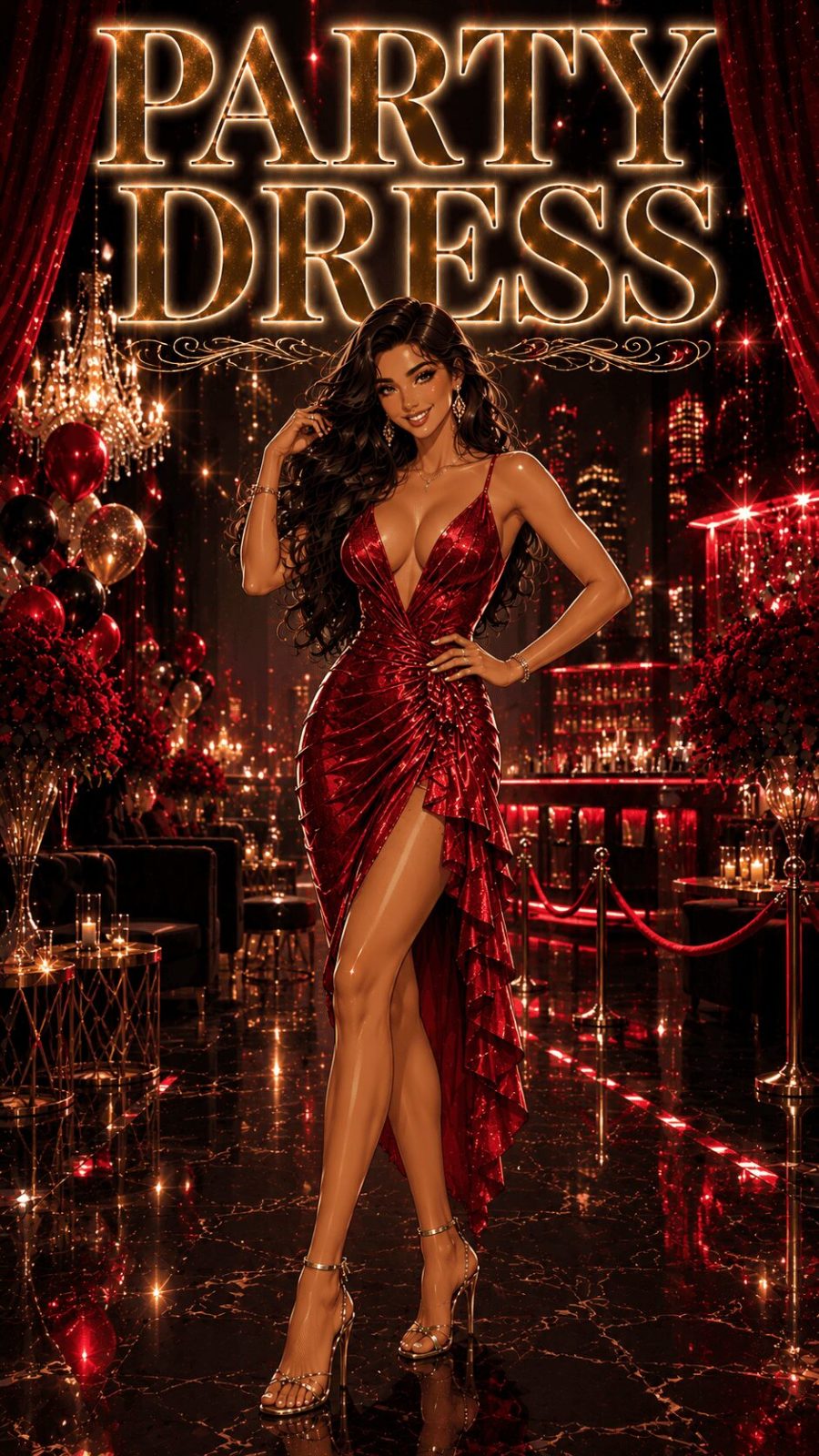
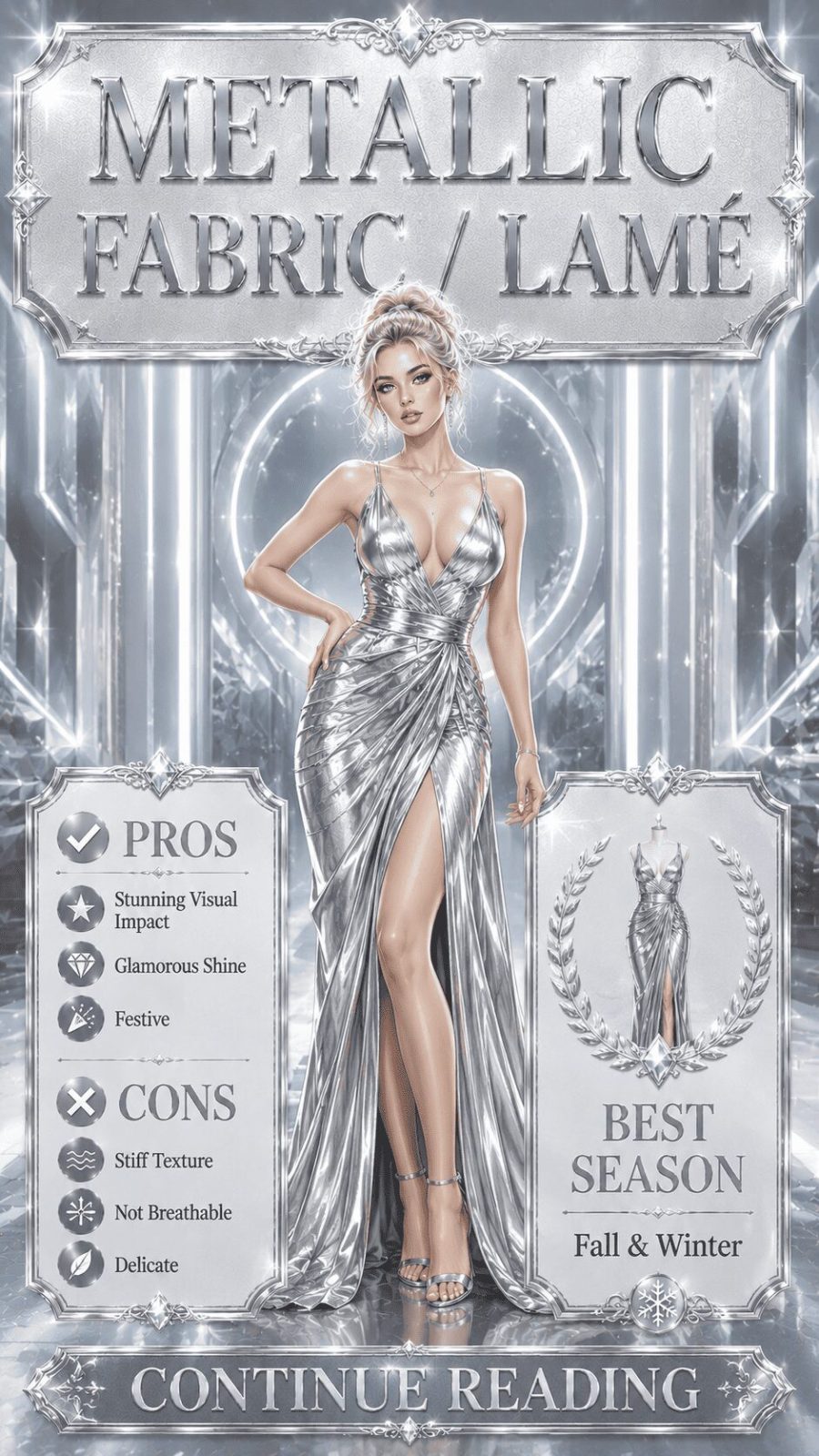
      A broad category defined by intent rather than silhouette: a party dress is designed to create visual impact in a social setting. It typically incorporates at least one elevated design element — sequins, metallic fabric, bold cutout, statement neckline, dramatic sleeve, or embellished hem. The construction can range from minimal bodycon to full A-line; what matters is that it communicates celebration and effort. A great party dress feels effortlessly dramatic — like the decision was easy and the result is entirely the point.

      DesignStatement detail — sequin, metallic, cutout, bold neckline; varying silhouette
      SeasonOccasion-independent; often autum/winter for metallic and velvet versions
      Best ForBirthday parties, holiday events, new year celebrations, night out
    3. 42

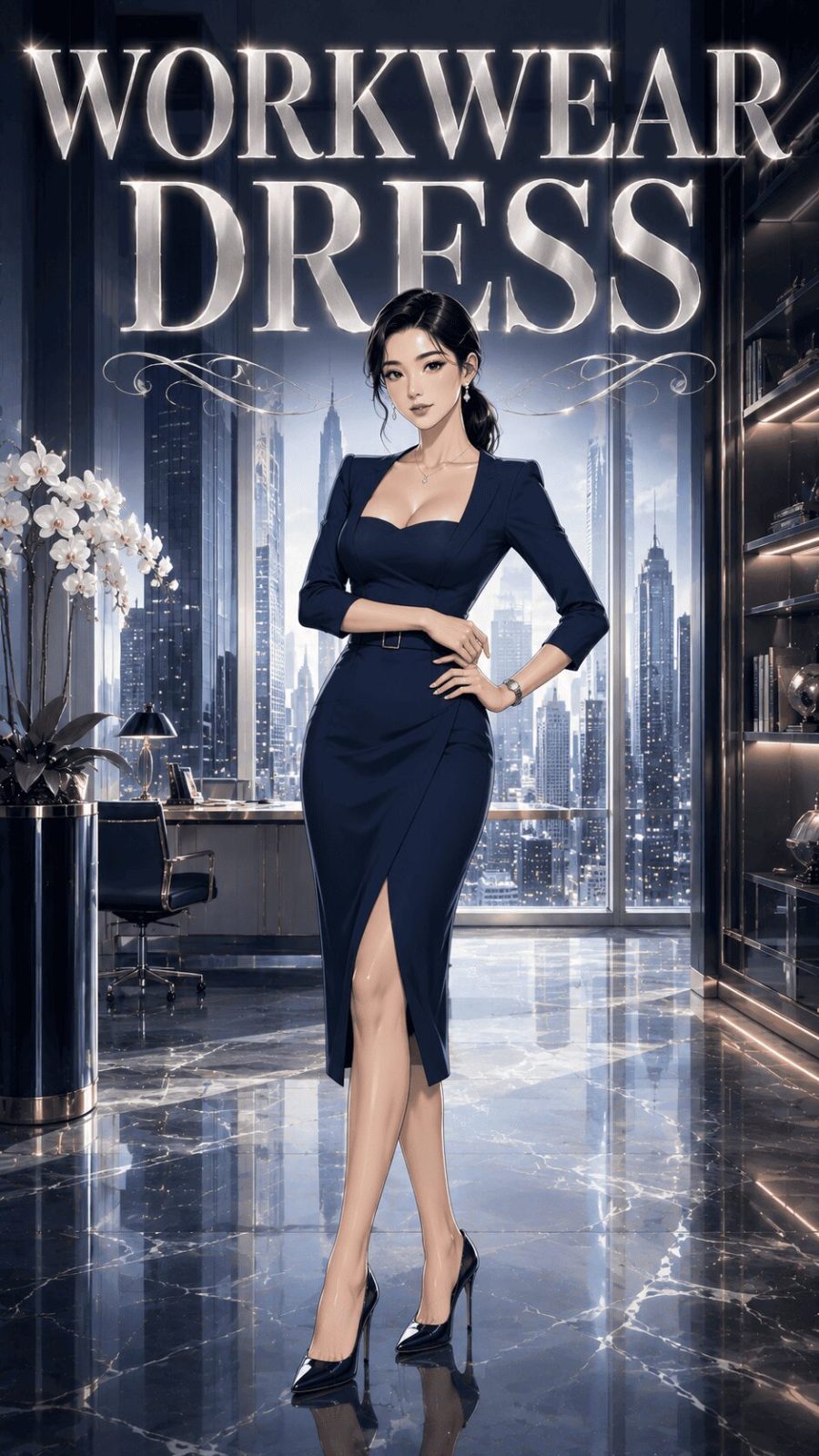
      Workwear Dress

      Workwear Dress Example

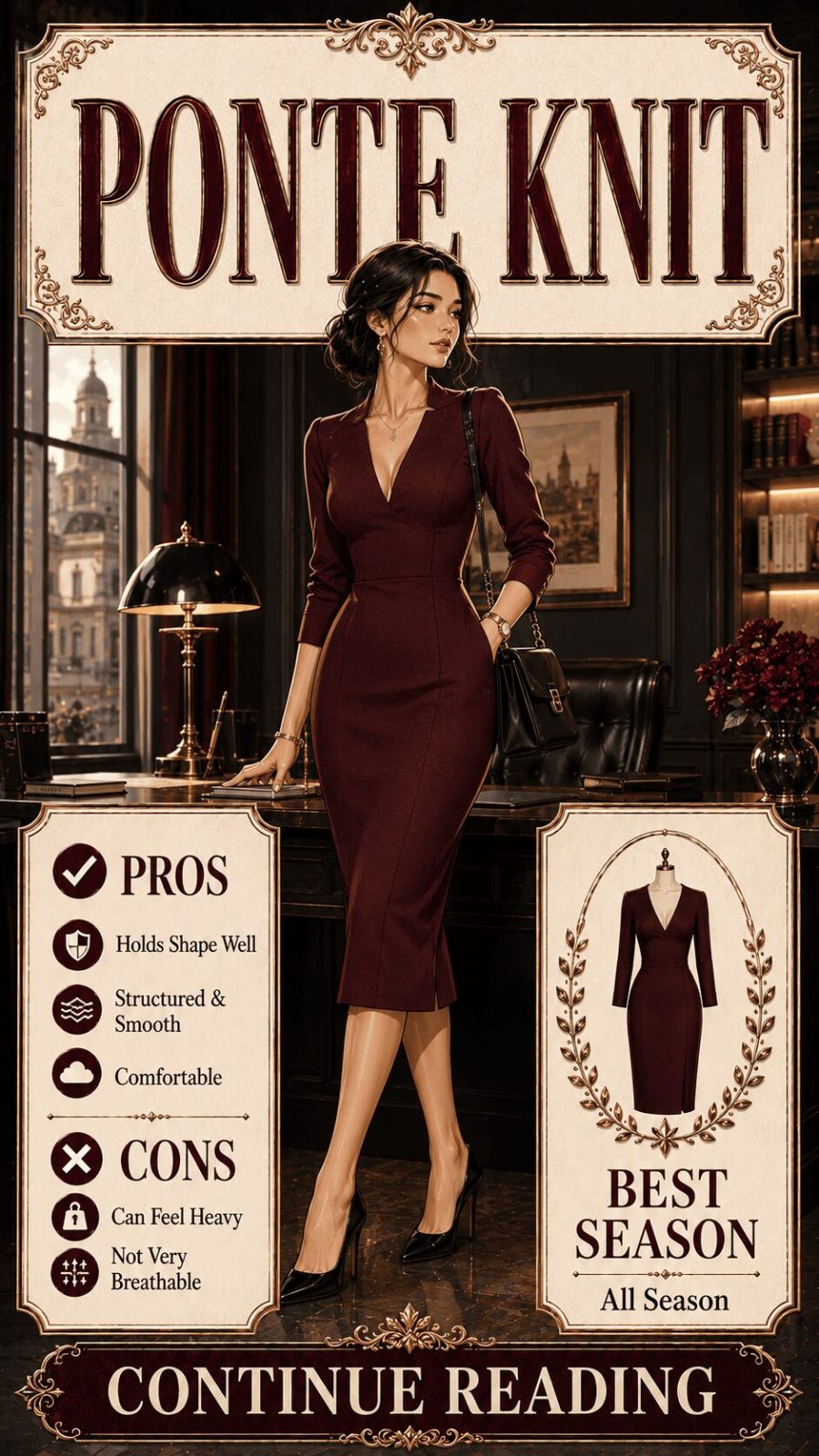
      A workwear dress is defined by professional appropriateness: structured enough to convey authority, versatile enough to function across the full professional day, and constructed in fabric that maintains its appearance over long wear. Ponte knit, wool crepe, and structured jacquard are the workwear fabrics with the longest professional track record — they hold their shape, resist creasing, and read polished without being precious. The best workwear dresses are those that transition from morning meeting to evening dinner without any styling intervention at all. Read our full guide to office outfit formulas for complete dressing context.

      DesignStructured fabric, professional silhouette; often sheath, shirt, or shift style
      SeasonAll seasons — fabric weight changes, silhouette remains
      Best ForOffice environments, business lunches, professional events
    4. 43

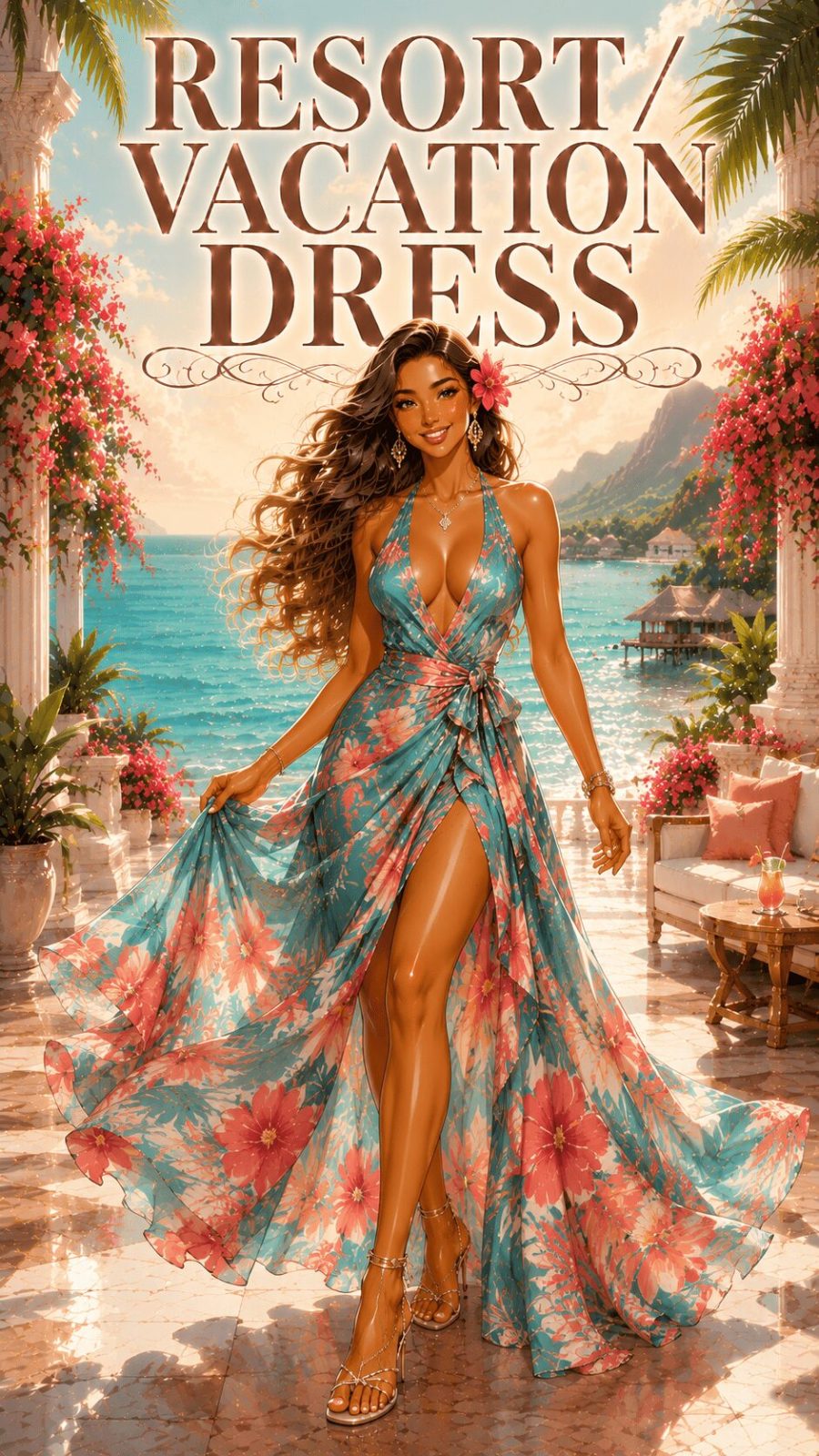
      Resort / Vacation Dress

      Resort Vacation Dress Example

      Resort dressing is its own vocabulary — and the resort dress is its centrepiece. It's typically lightweight, often in a bold print or vivid solid, designed to move beautifully in warm coastal air, photograph well in natural light, and require zero specialist care. Linen, cotton voile, and seersucker are the classic resort fabrics. The silhouette is relaxed but intentional — a kaftan, a tiered maxi, a floaty midi — something that communicates travel, warmth, and ease simultaneously. Resort dressing is where fashion and leisure genuinely merge.

      DesignLightweight, bold print or vivid solid, relaxed silhouette
      SeasonSpring/Summer; warm climate year-round
      Best ForBeach holidays, coastal dining, tropical destinations

    Category 7: By Fabric & Construction (#44–#50)

    When the fabric itself defines the dress — these types are inseparable from the textile that makes them work

    1. 44

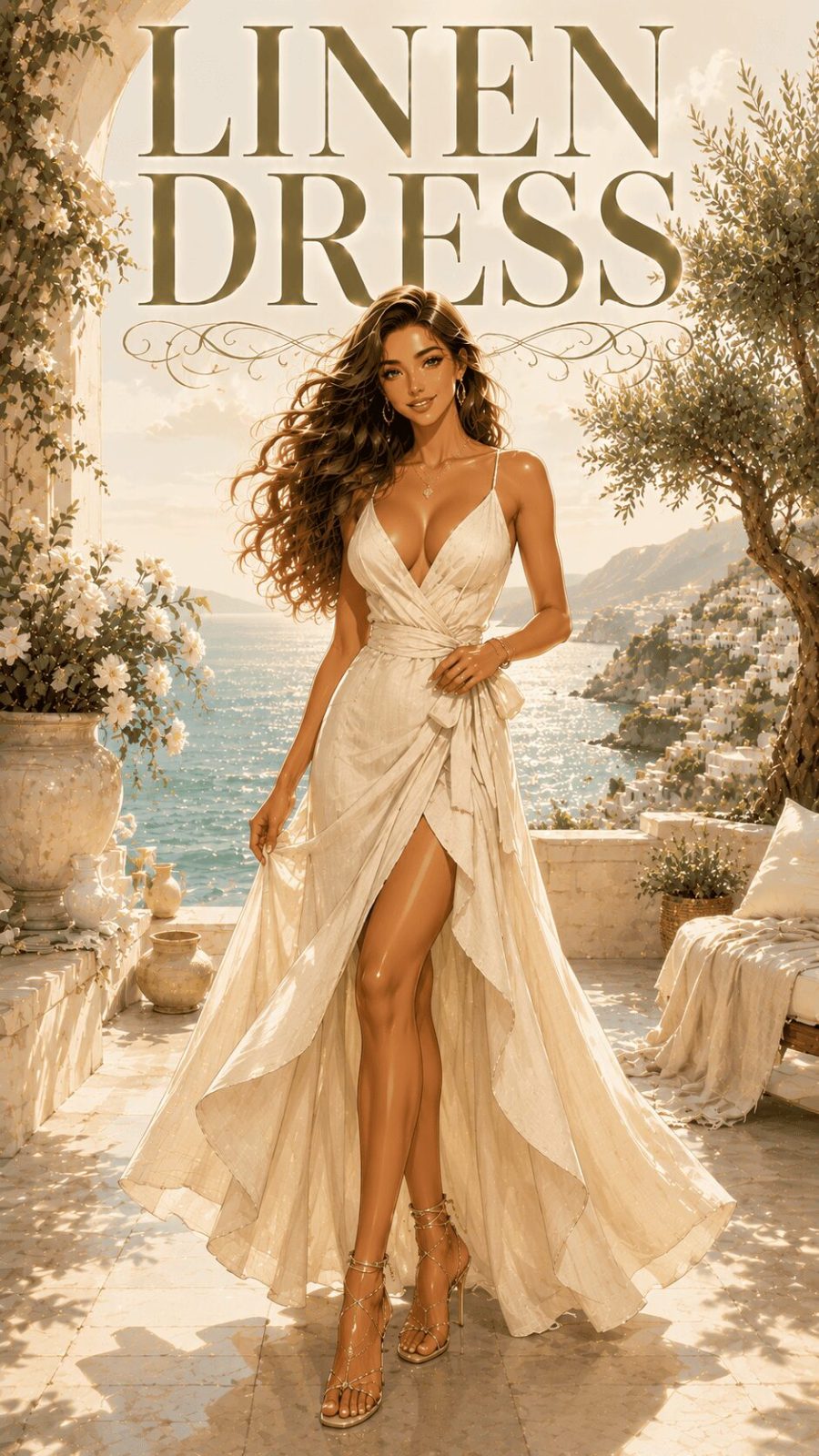
      Linen Dress

      Linen Dress Example

      Linen is the most breathable of all natural fibres — a fact that makes it the undisputed fabric of summer dressing. The linen dress has a particular relaxed elegance: it creases naturally with wear, which is not a flaw but a character quality. Pure linen dresses in simple silhouettes — shirt dresses, shift dresses, sleeveless column styles — have an understated refinement that more complicated constructions often struggle to match. The fabric's texture and its subtle lustre read sophisticated in natural and off-white tones, and playful in the deeper, saturated linens of summer's brightest palette.

      DesignNatural texture, characteristic crease, breathable; often simple silhouette
      SeasonSpring/Summer primarily
      Best ForBeach towns, garden events, casual summer occasions, travel
    2. 45

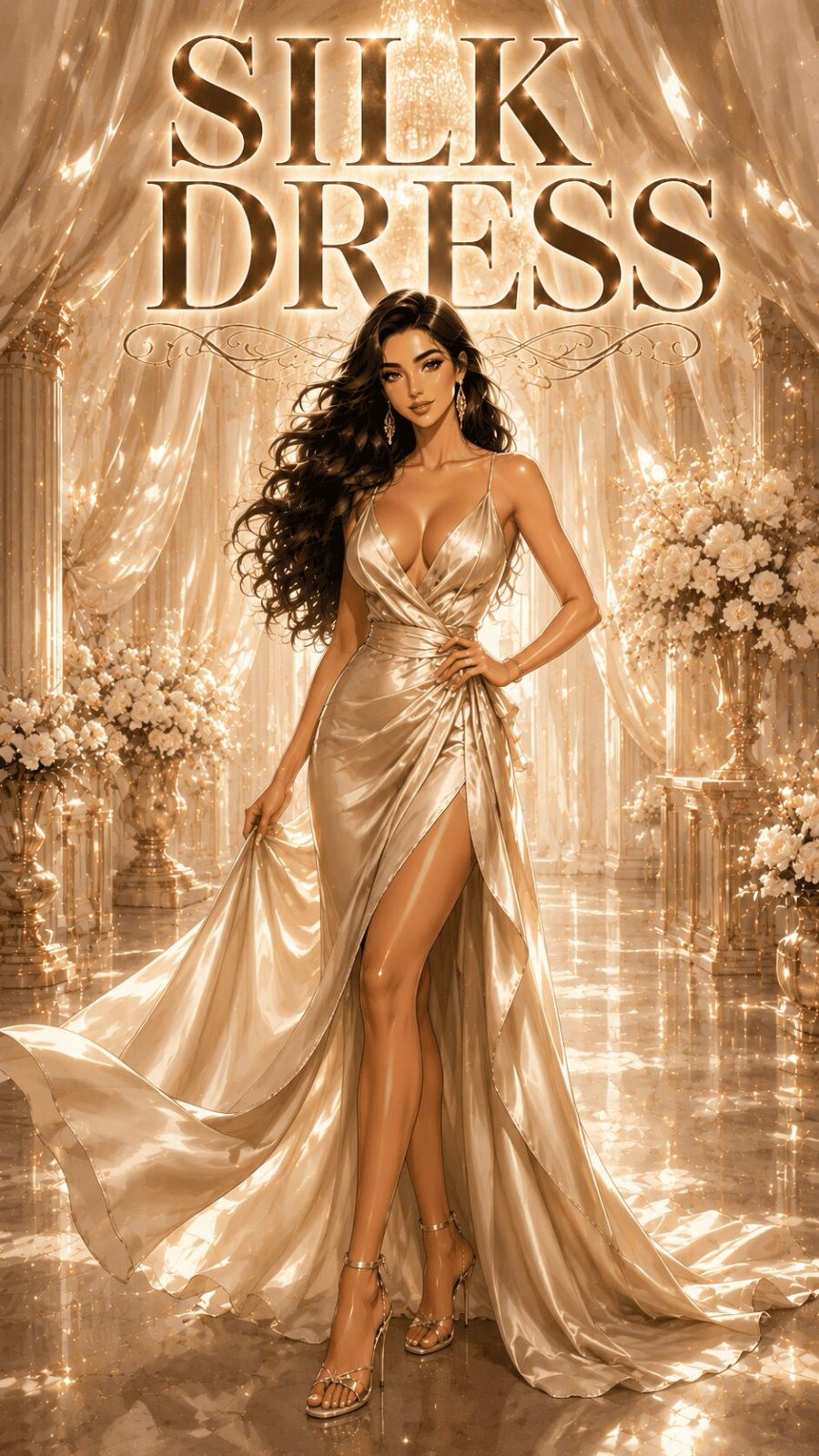
      Silk Dress

      Silk Dress Example

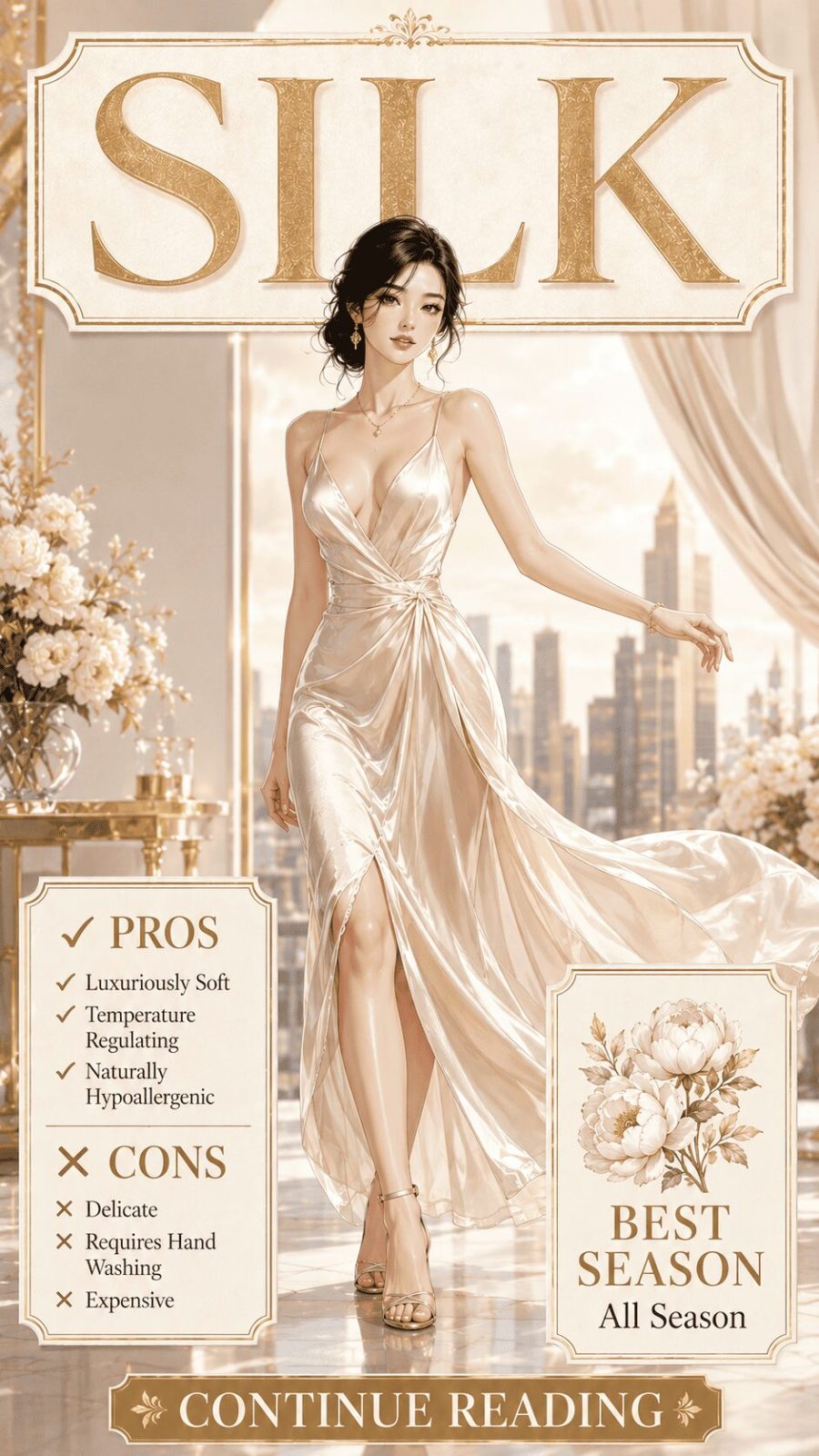
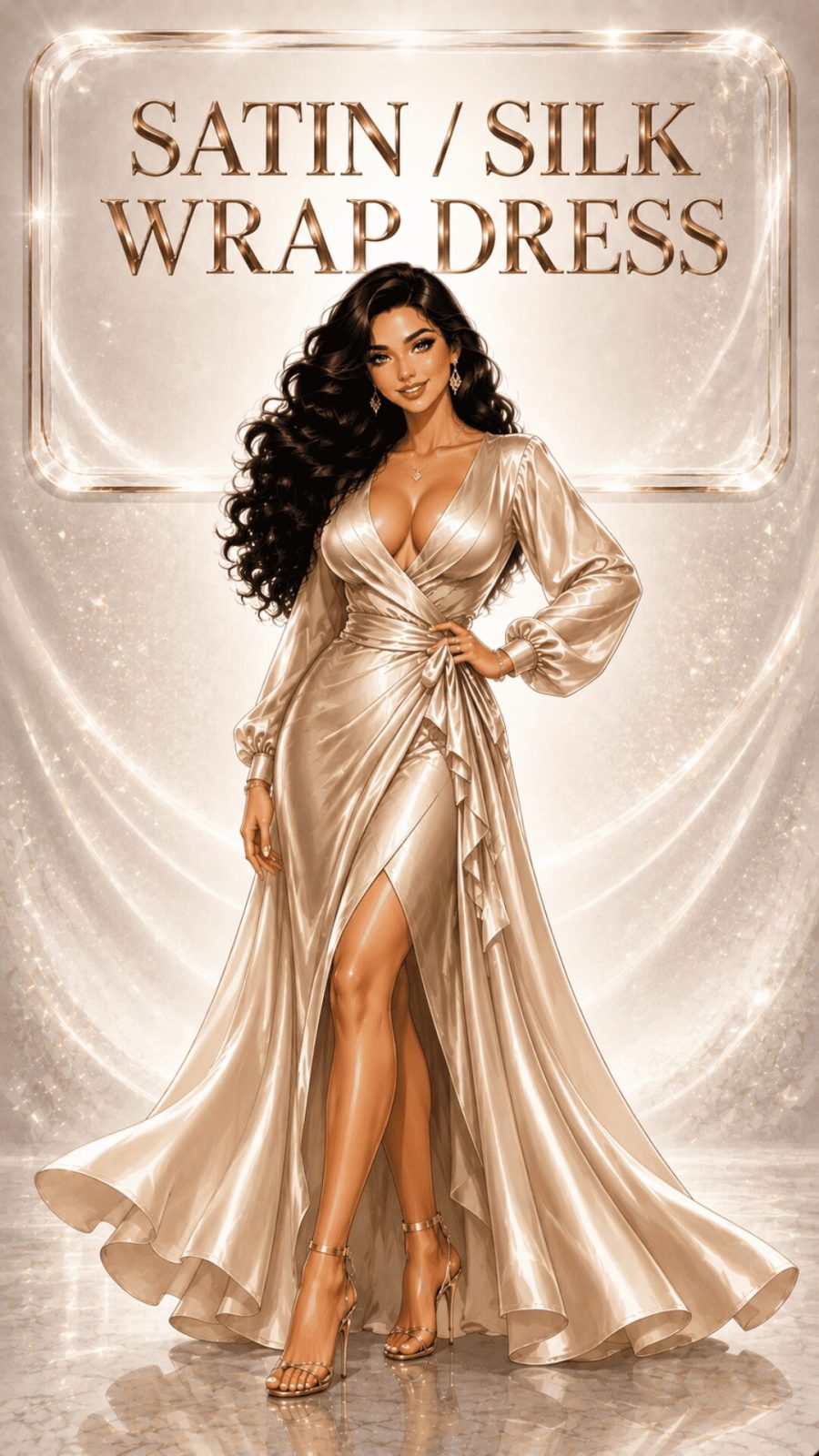
      Silk is the most elevated dress fabric, full stop. It has a weight and movement quality that no synthetic can replicate — a liquid drape that clings softly to the body in motion and catches light with a subtle, deep lustre that photographs exquisitely. The slip dress, the bias-cut gown, the cowl-neck evening dress — all of these styles reach their highest expression in silk. The difficulty of silk is proportional to its reward: it requires hand washing or dry cleaning, careful storage, and precise tailoring, since it drapes truthfully and forgives nothing in construction. But worn well, a silk dress is unmatched in its elegance.
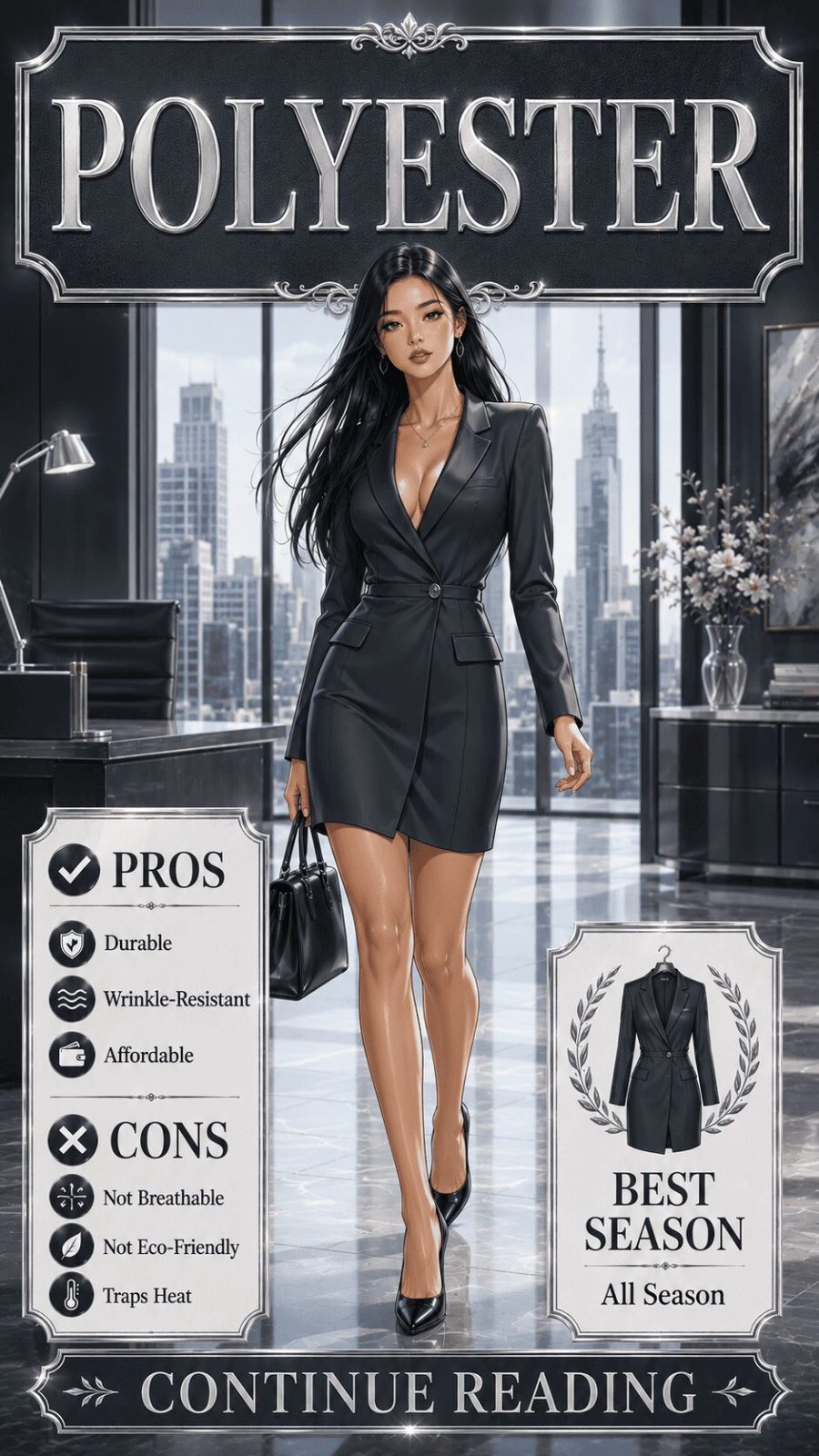
      DesignLiquid drape, deep lustre, temperature-responsive weight
      SeasonSpring/Summer for lighter weights; all seasons for heavier charmeuse
      Best ForEvening events, fine dining, formal occasions, bridal
    3. 46

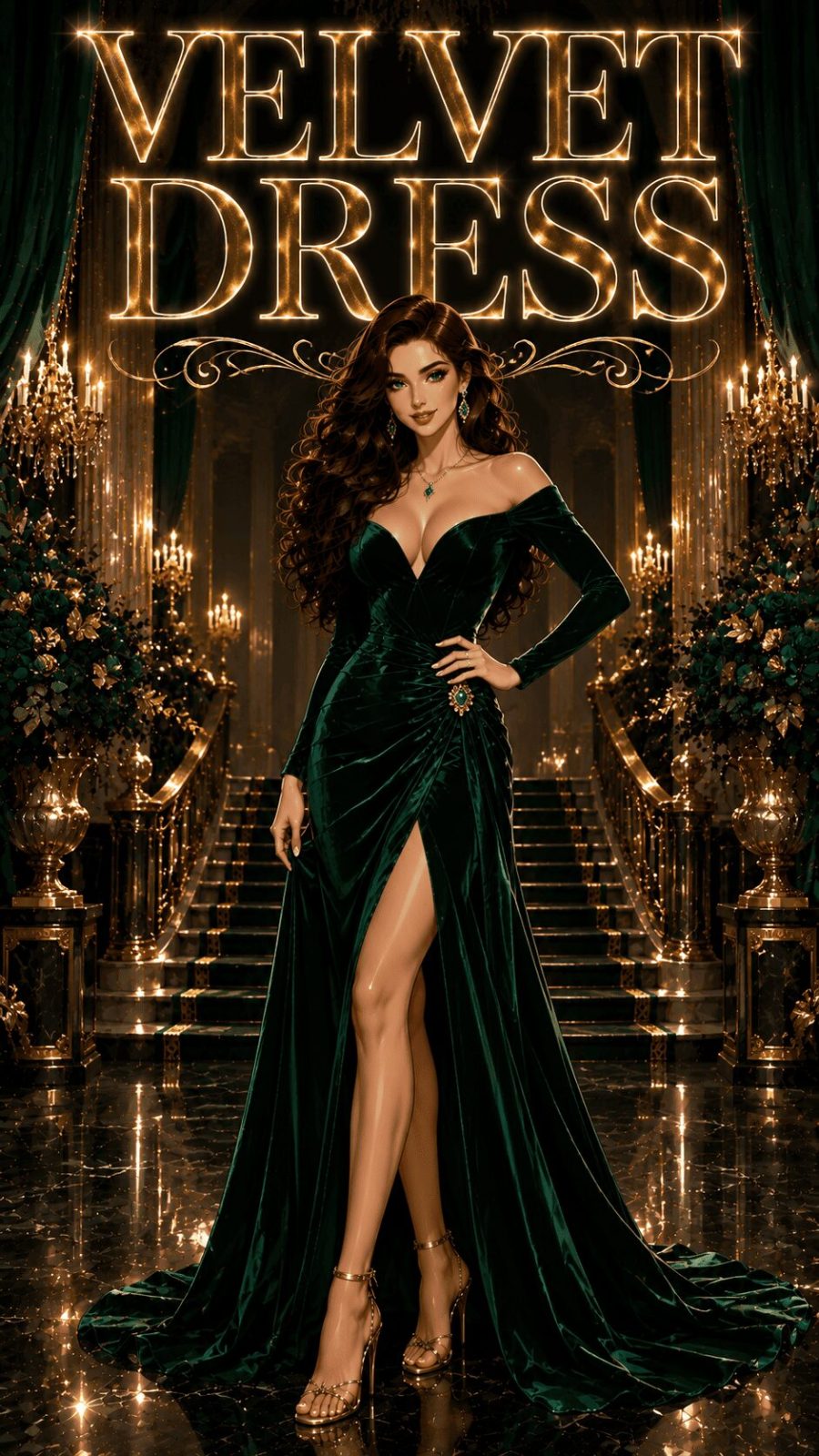
      Velvet Dress

      Velvet Dress Example

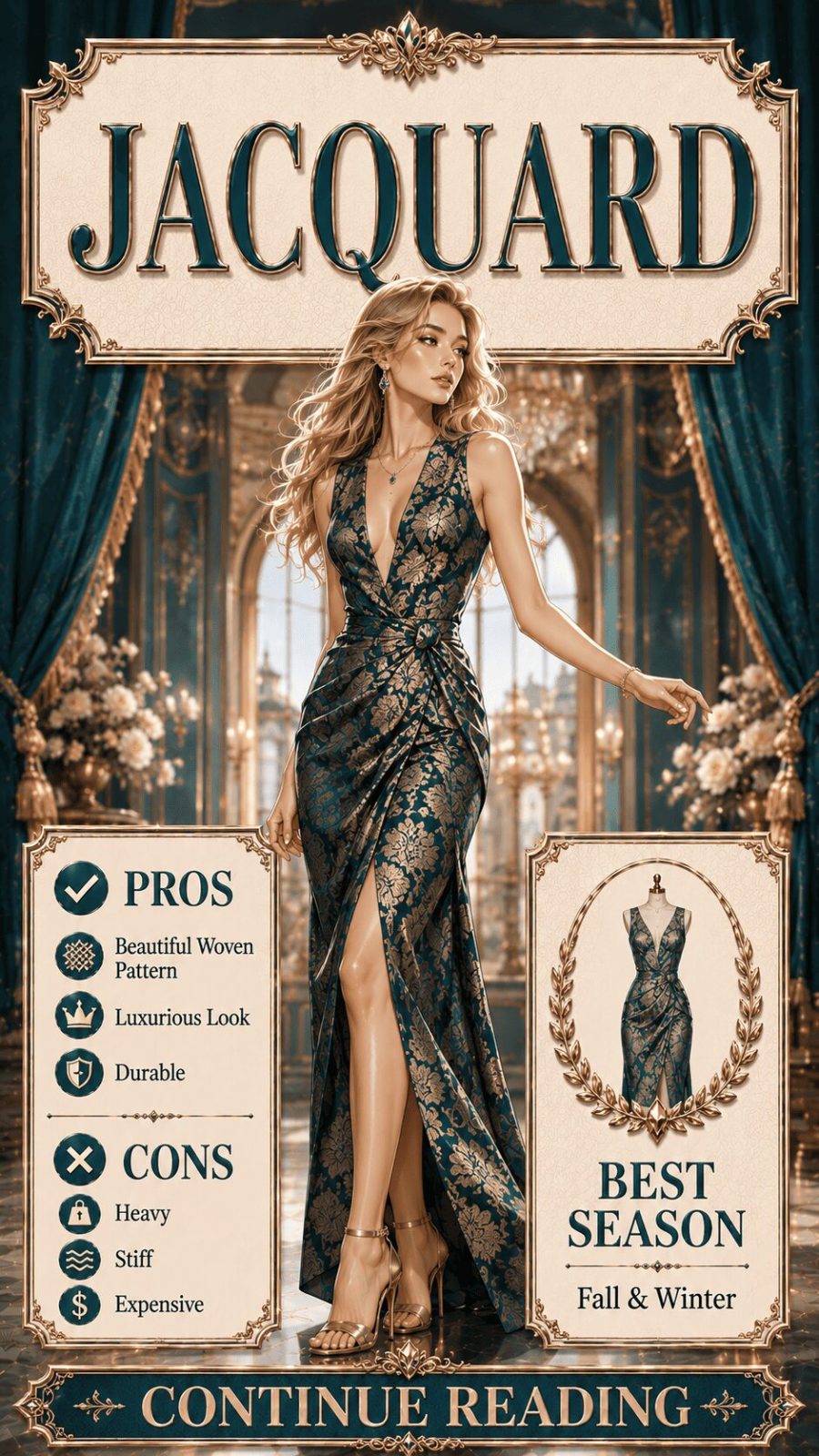
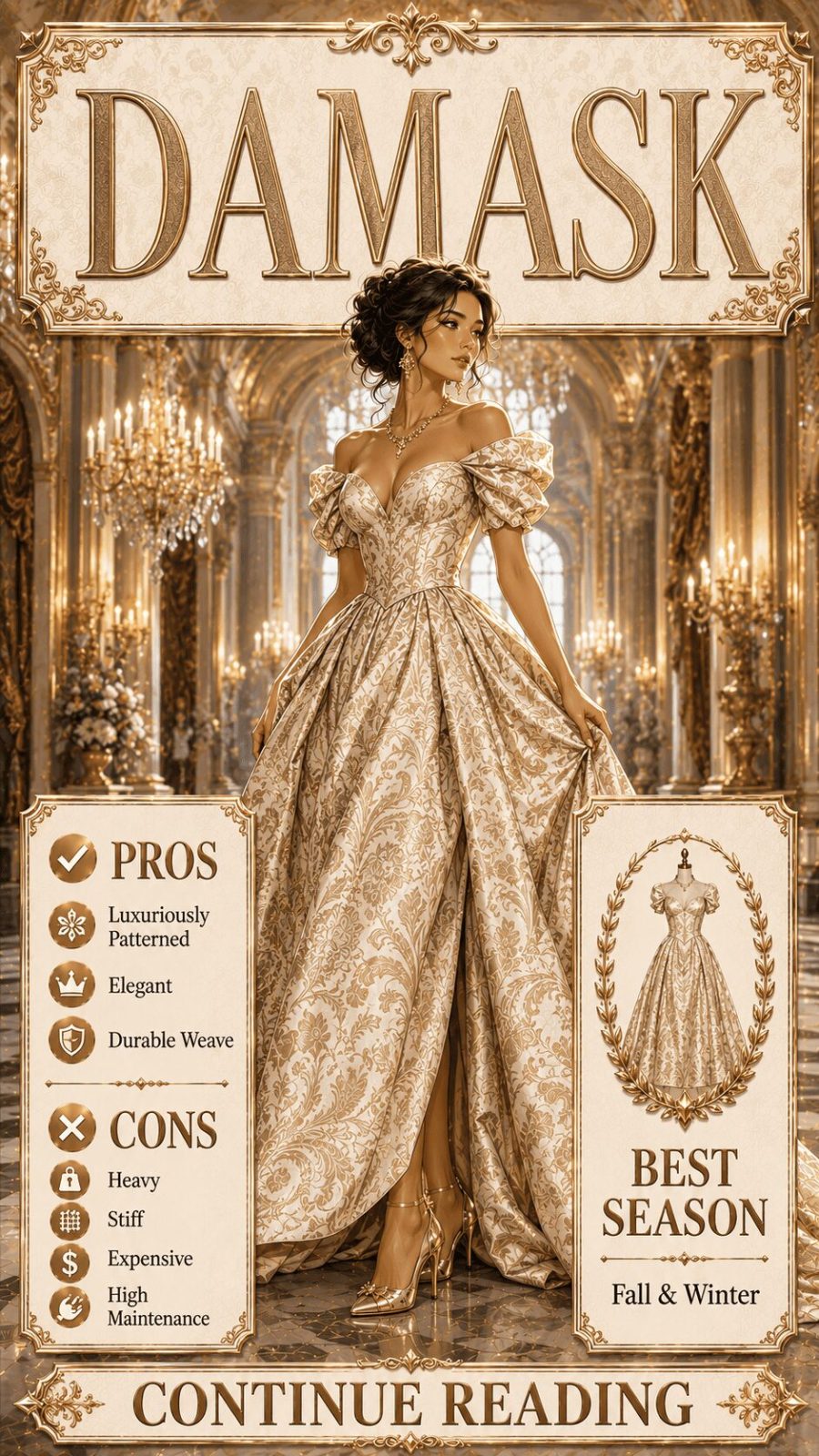
      Velvet's defining characteristic is its directional nap — a dense cut pile that changes depth of colour depending on which direction light strikes it. Crushed velvet in particular has a dimensional quality that catches light differently across the surface of the garment, creating depth that flat-woven fabrics simply cannot achieve. Velvet dresses are the most unambiguously autumnal dress choice: they read luxurious and festive, and they carry a historical association with Renaissance court dress and Victorian formal wear that gives them an almost architectural historical weight. A velvet dress in a deep jewel tone — forest green, midnight blue, burgundy — is one of the most reliably elegant choices for winter occasions.
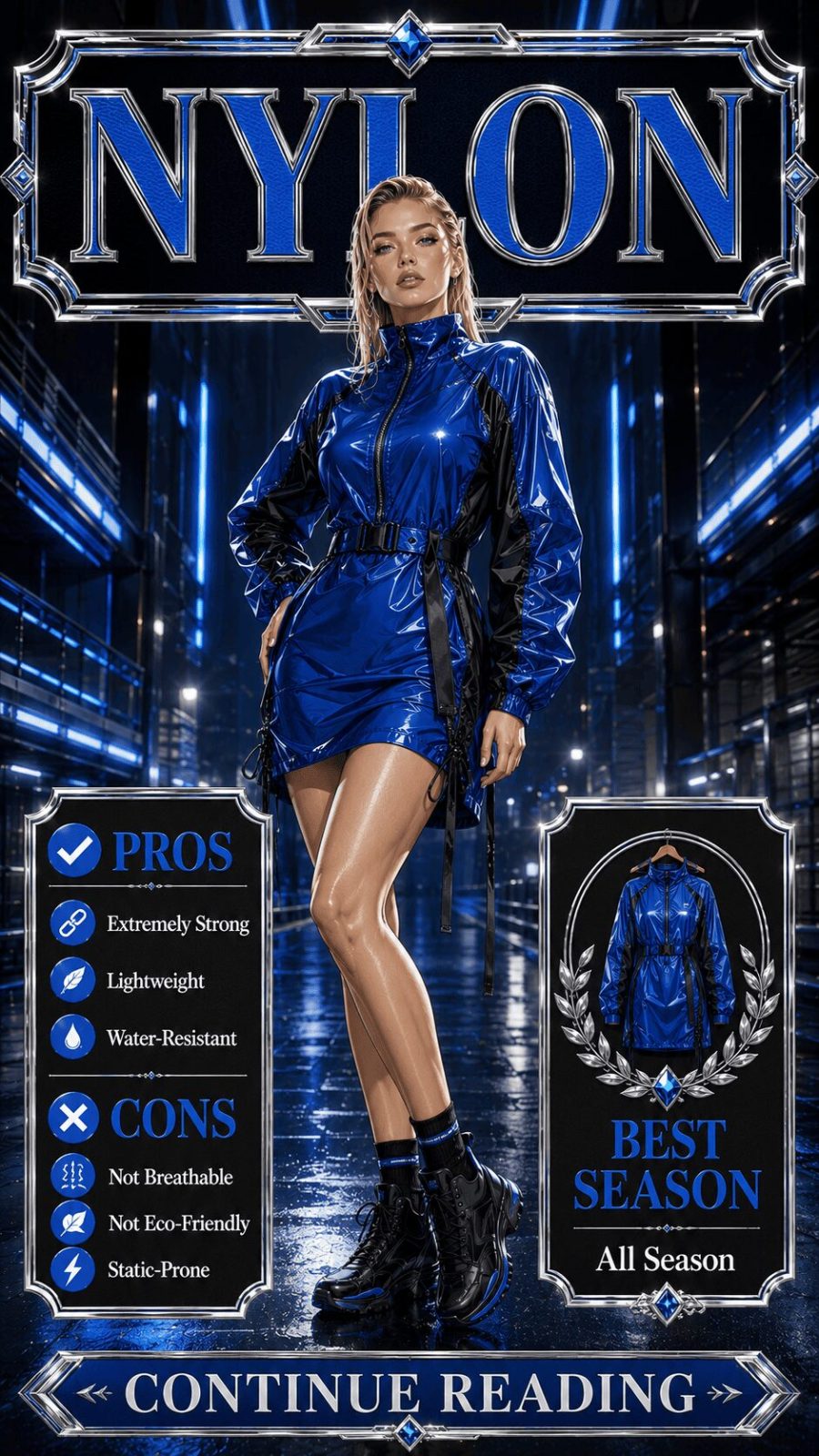
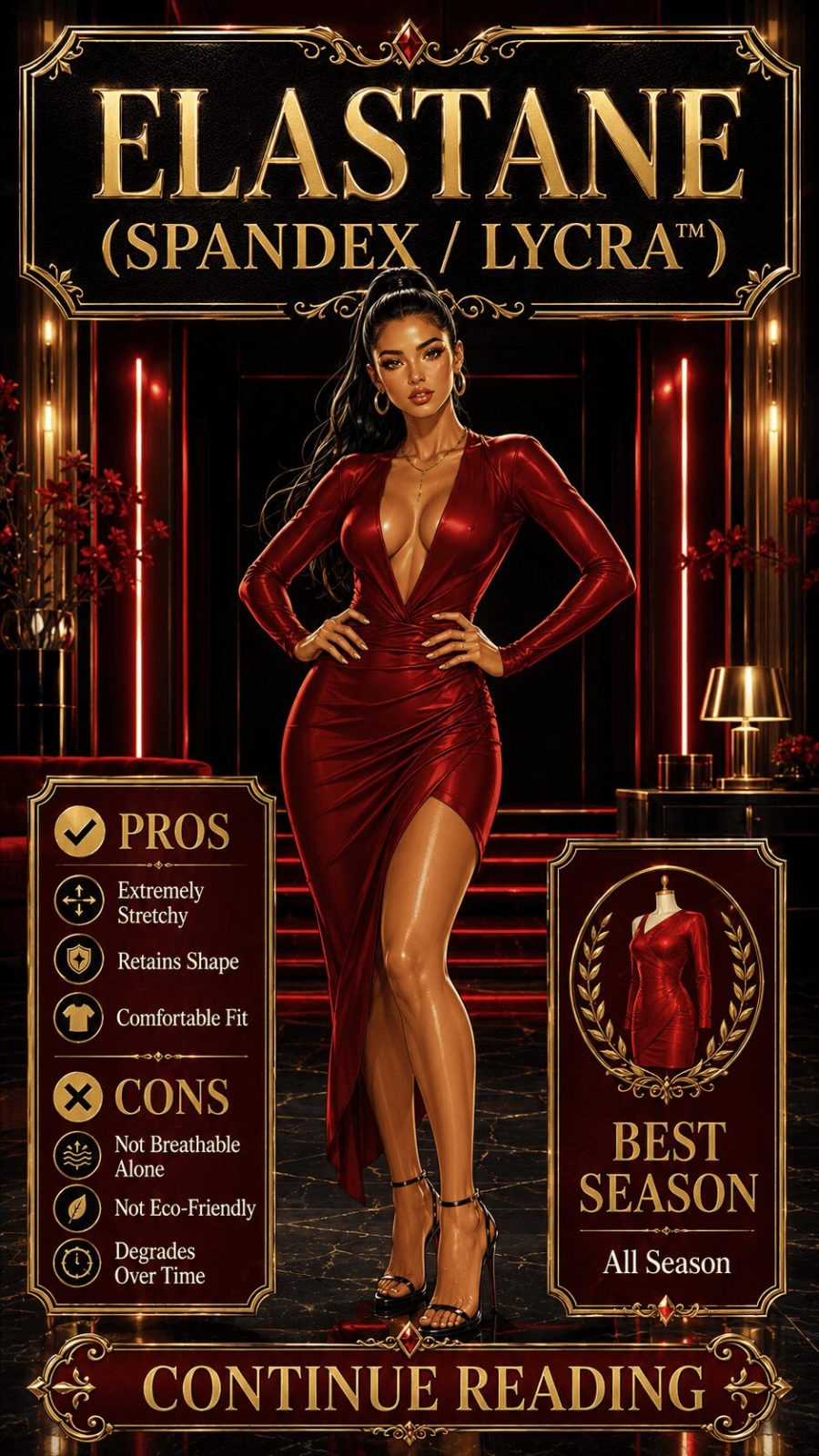
      DesignDense directional nap, dimensional colour depth, luxurious hand-feel
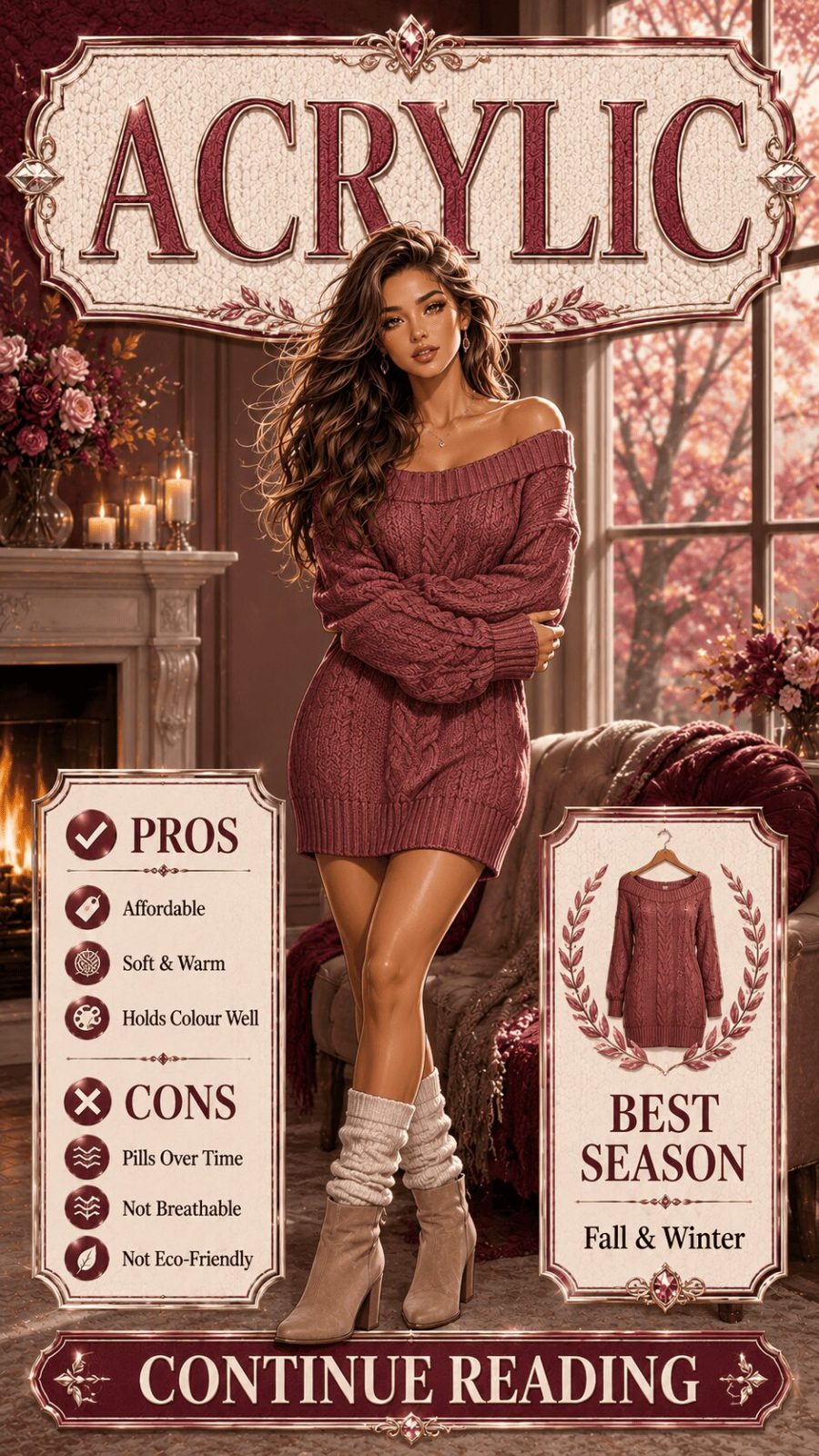
      SeasonAutumn/Winter exclusively
      Best ForWinter galas, holiday parties, formal evening events
    4. 47

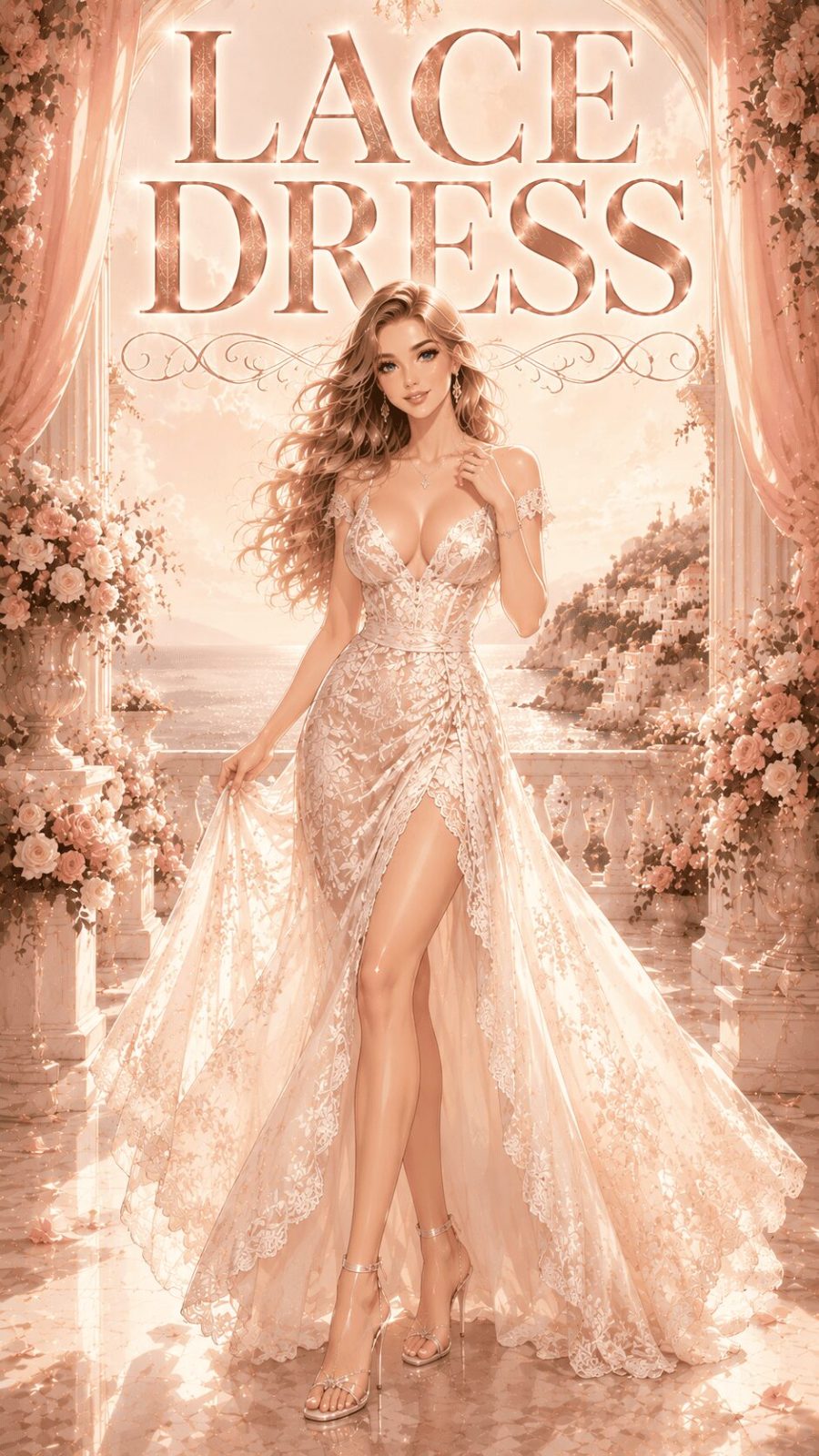
      Lace Dress

      Lace Dress Example

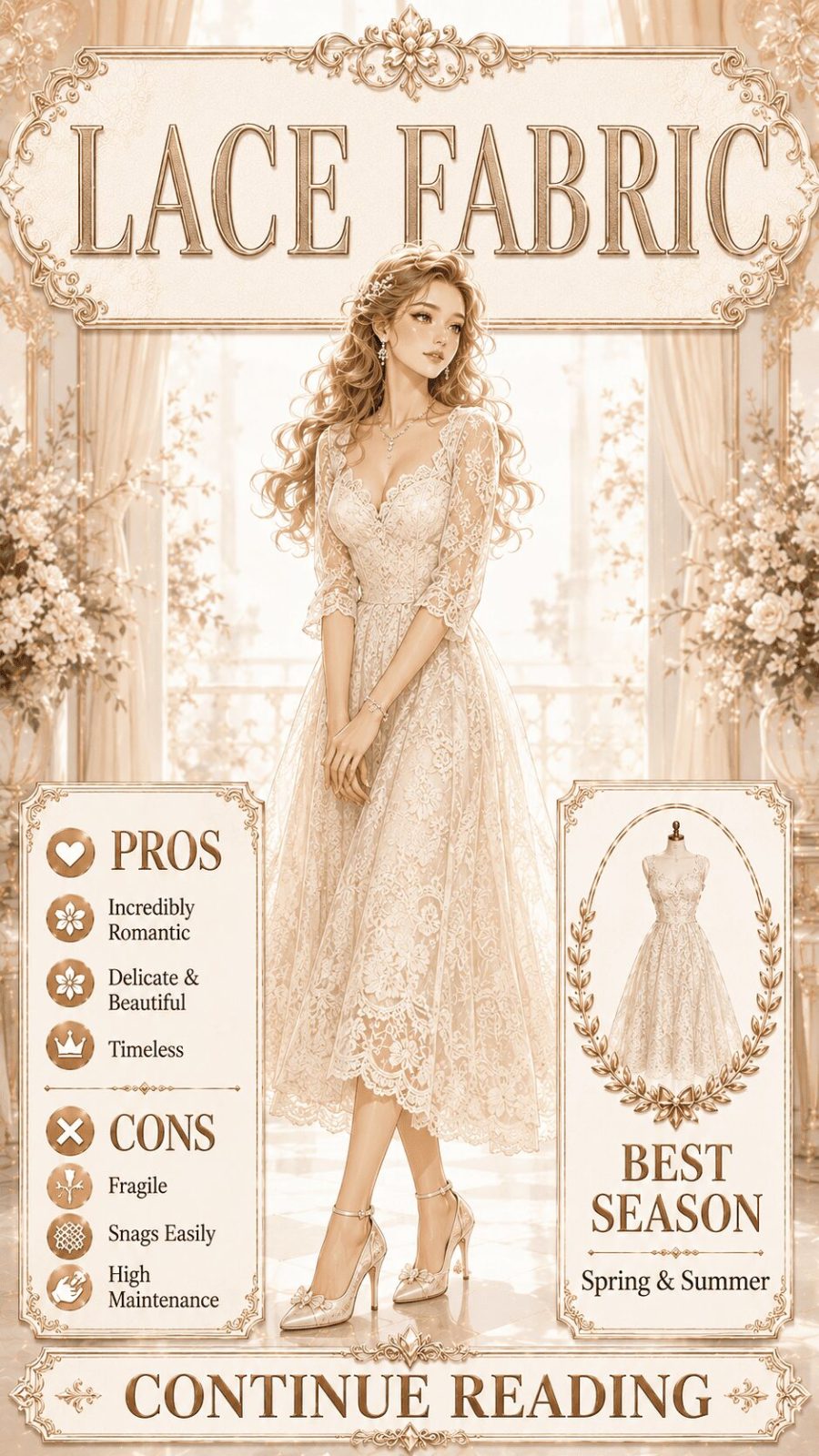
      Lace is one of fashion's most technically complex textiles — an open, patterned fabric created by the looping and twisting of threads to form decorative motifs. As a dress fabric, it operates on two registers: when used for the entire garment (often over a lining), it creates a romantic, feminine aesthetic with an inherently formal quality. When used as an overlay on a different fabric base, it adds a delicate transparency and dimension that feels layered and intentional. Chantilly lace, Guipure lace, and Alençon lace each have distinct characteristics that a skilled tailor works with rather than against.

      DesignOpen decorative textile; typically used over lining; romantic aesthetic
      SeasonSpring for lighter lace; autumn/winter for heavier guipure
      Best ForBridal, formal occasions, engagement parties, cocktail events
    1. 48

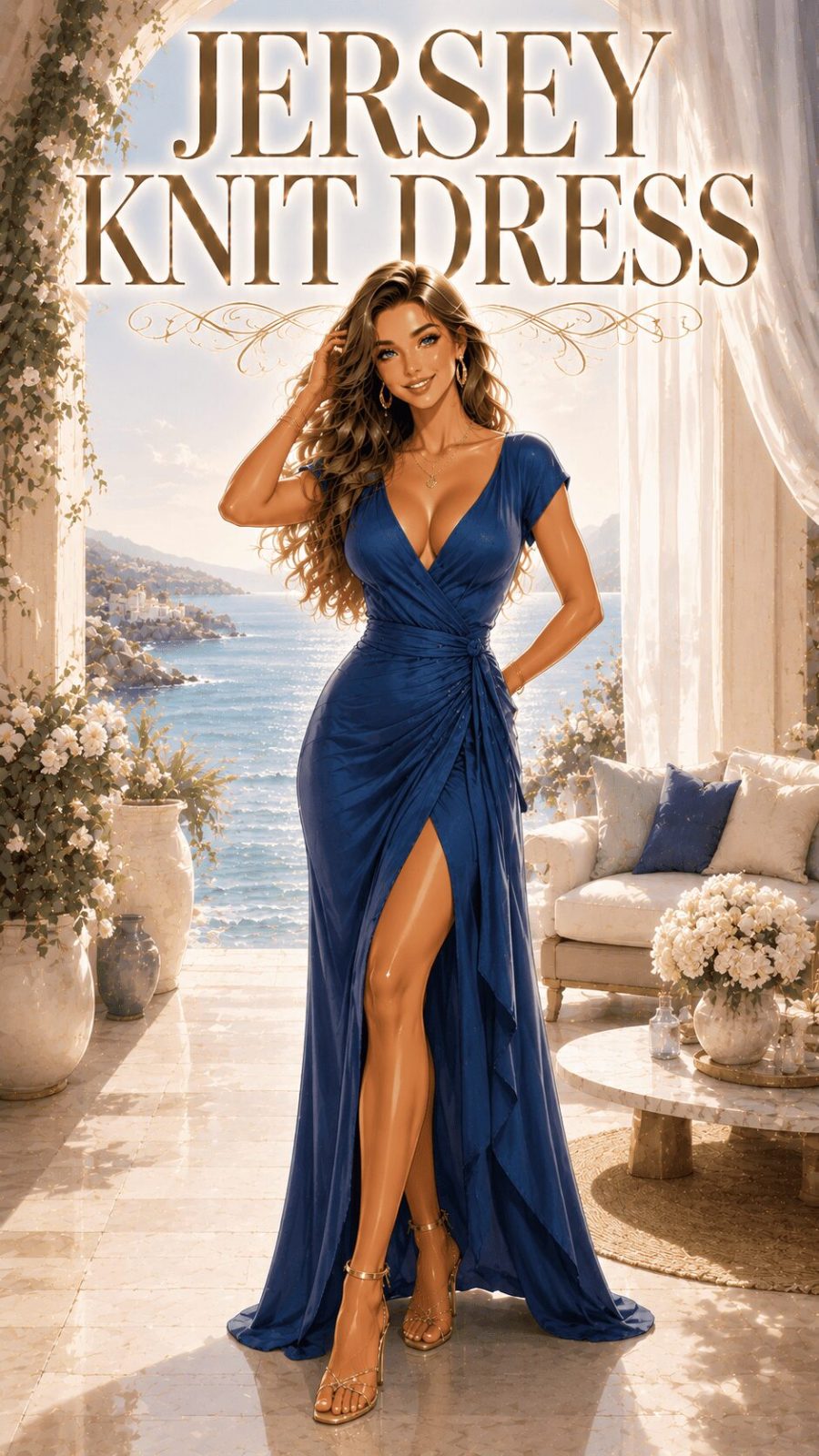
      Jersey Knit Dress

      Jersey Knit Dress Example

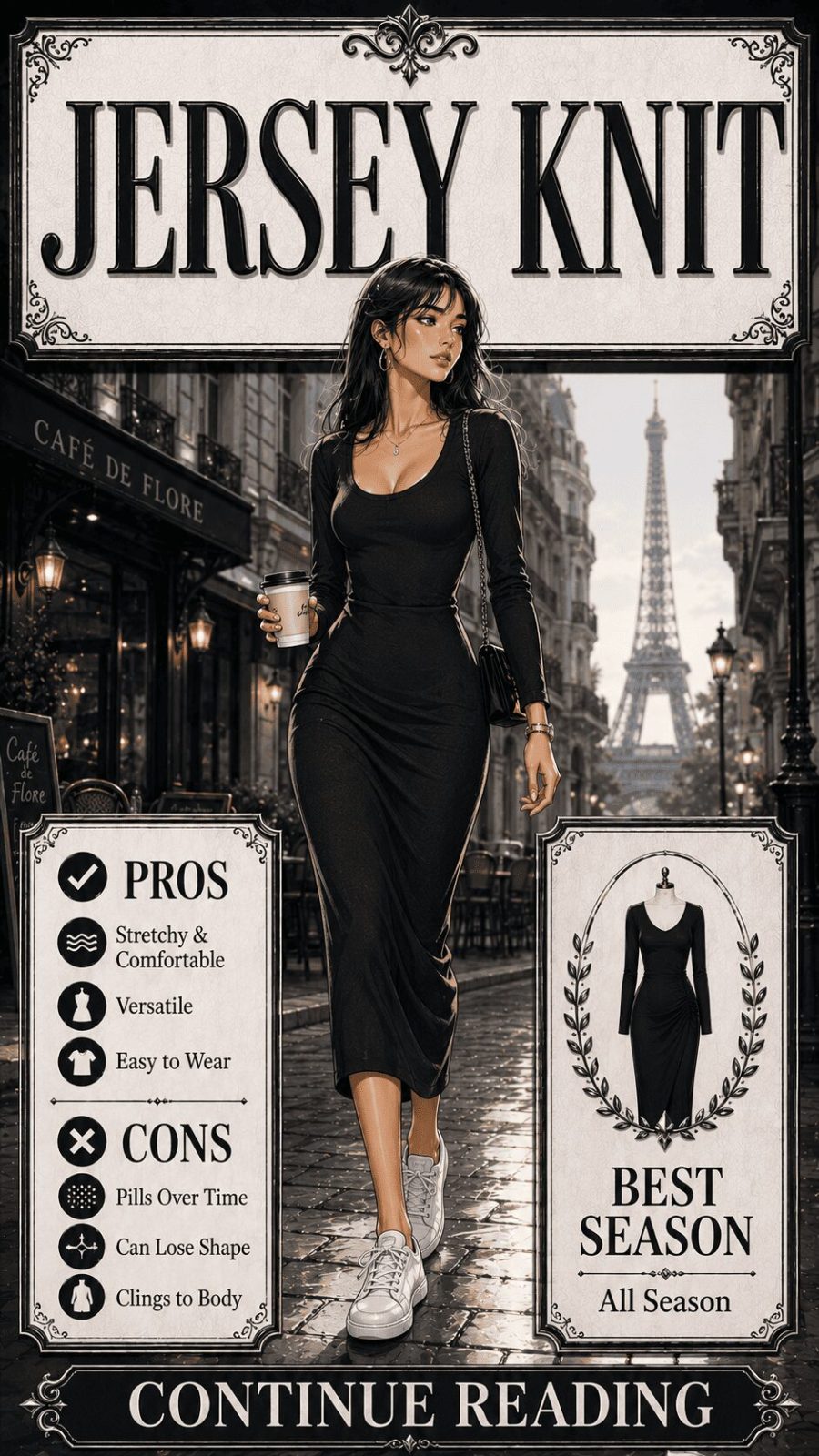
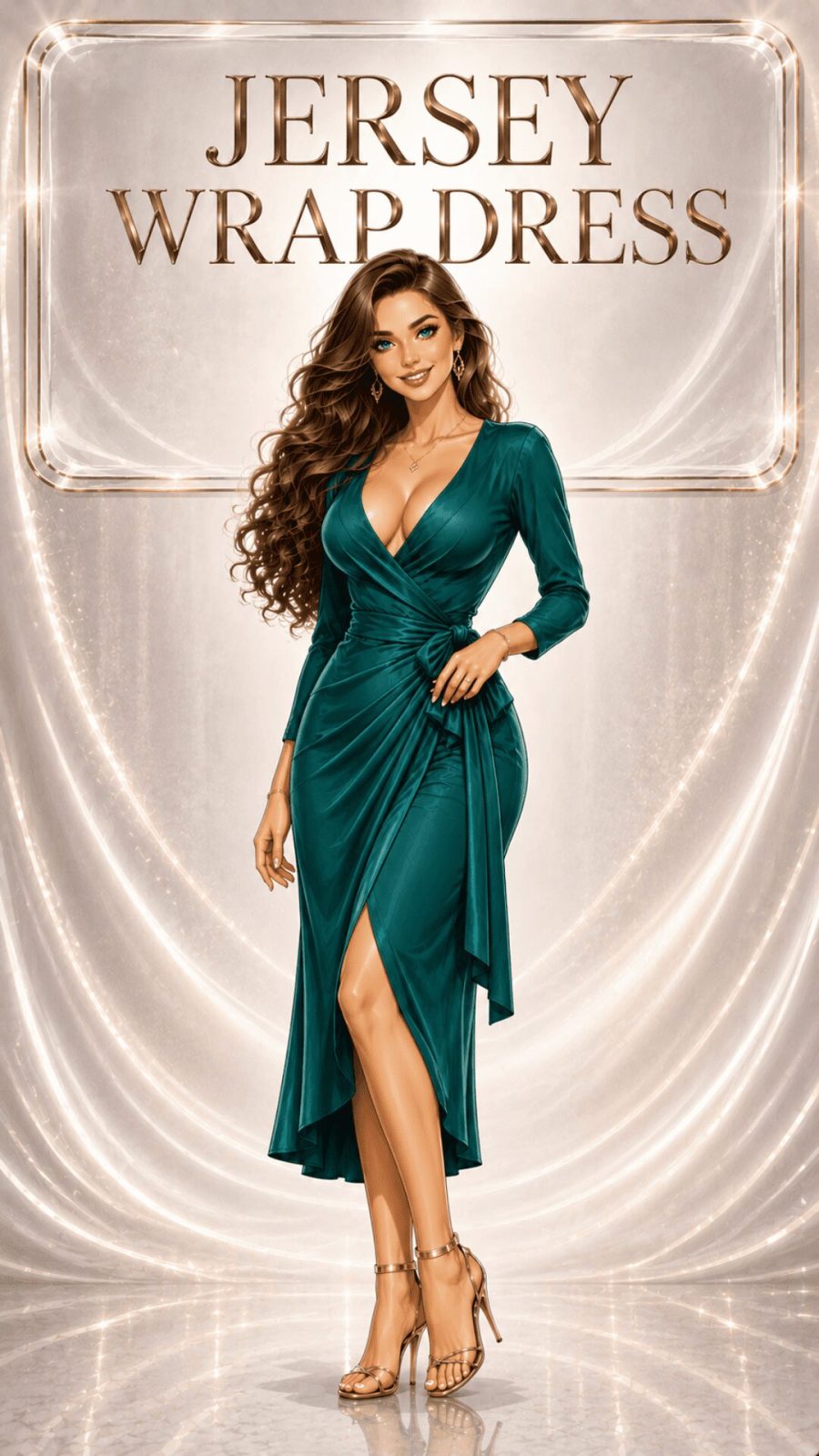
      Jersey is a single-knit stretch fabric with four-way stretch recovery — meaning it moves with the body, resists creasing, and returns to its original shape after wear. It's the fabric responsible for making the wrap dress and the bodycon dress commercially successful, since it allows a garment to fit a far wider range of body measurements than equivalent woven fabric. The jersey dress is the backbone of modern casual dressing: it's wash-and-wear, packs without damage, and looks polished with minimal effort. Viscose jersey in particular has a silk-like quality that elevates it above the purely utilitarian.

      DesignSingle-knit stretch fabric; crease-resistant; wide range of silhouettes
      SeasonAll seasons depending on jersey weight
      Best ForEveryday wear, travel, casual events, flexible-fit dressing
    2. 49

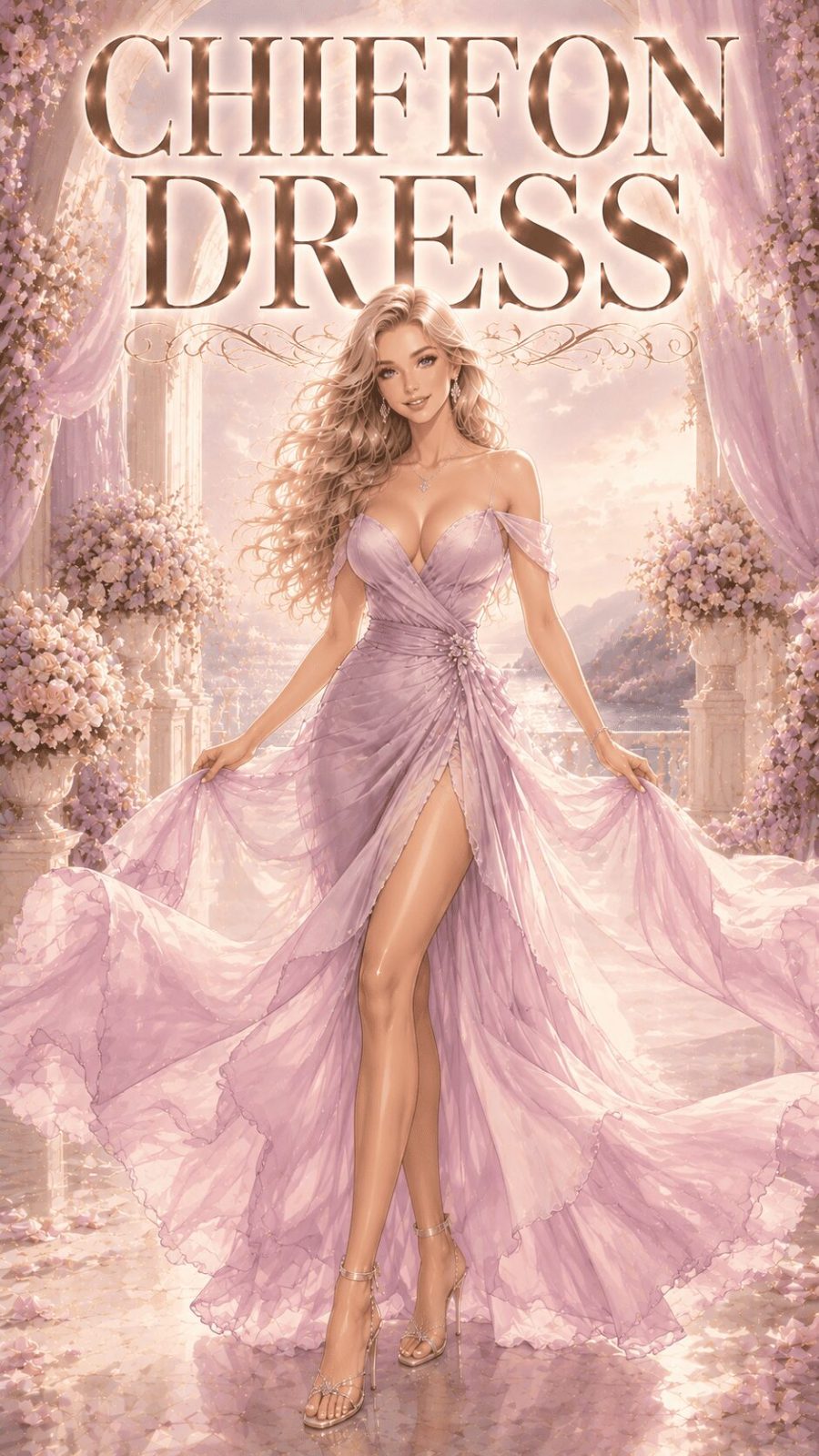
      Chiffon Dress

      Chiffon Dress Example

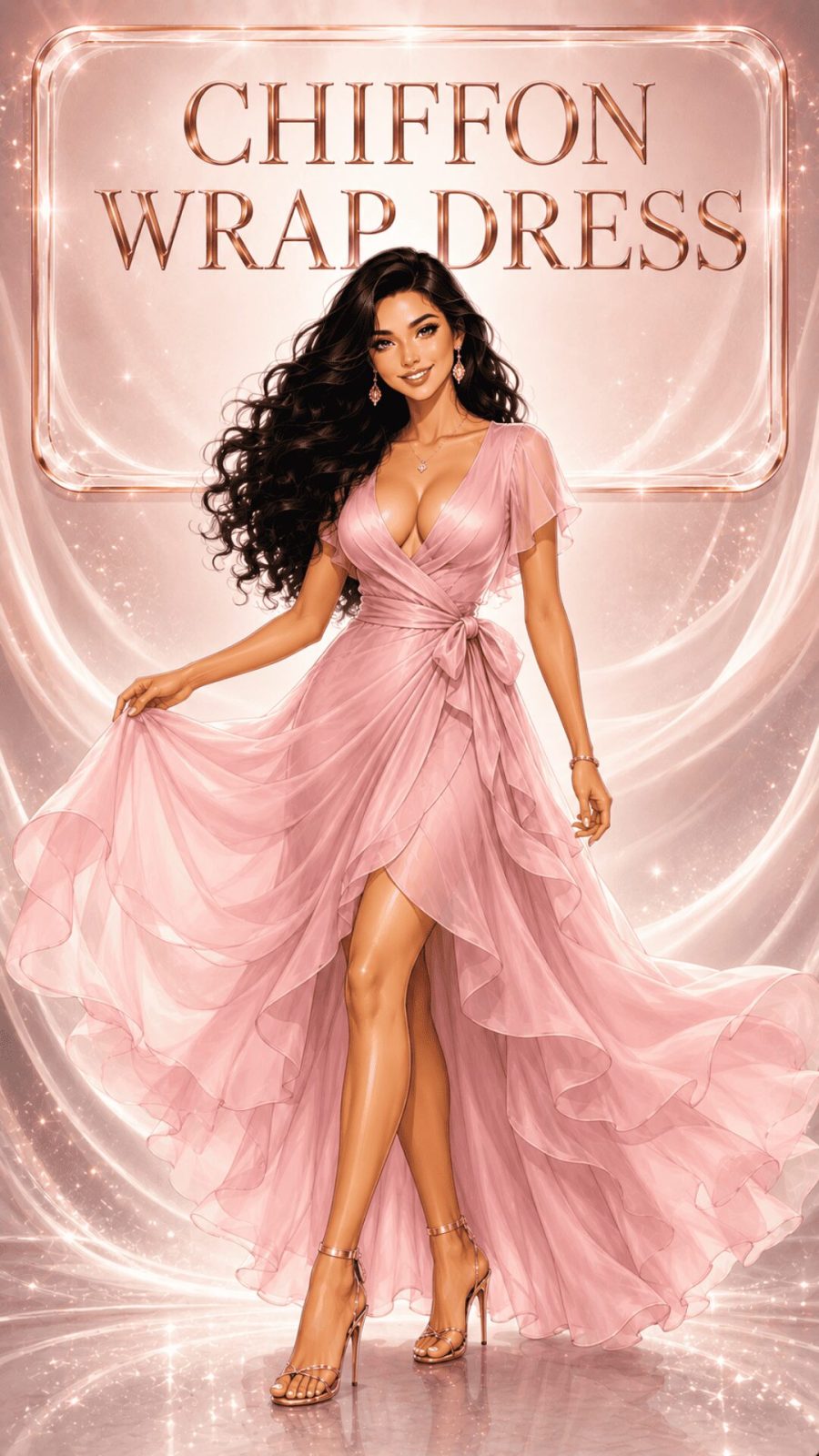
      Chiffon is an almost weightless, plain-woven sheer fabric with a subtle puckered texture and an extraordinarily light drape. The movement of chiffon changes the entire personality of any dress it's used in — layers of it float and shift with the slightest movement, creating soft dramatic volume that reads ethereal rather than structured. Chiffon dresses are almost always tiered, layered, or used in overlay construction precisely because of this floating quality. The fabric catches light gently, which is why chiffon dominates bridesmaids dressing and occasion gowns. It's unforgiving to the inexperienced home sewist but utterly exquisite in skilled hands.

      DesignSheer, almost weightless; tiered or layered construction; floating movement
      SeasonSpring/Summer; lighter formal occasions year-round
      Best ForBridal party, garden weddings, formal summer occasions
    3. 50

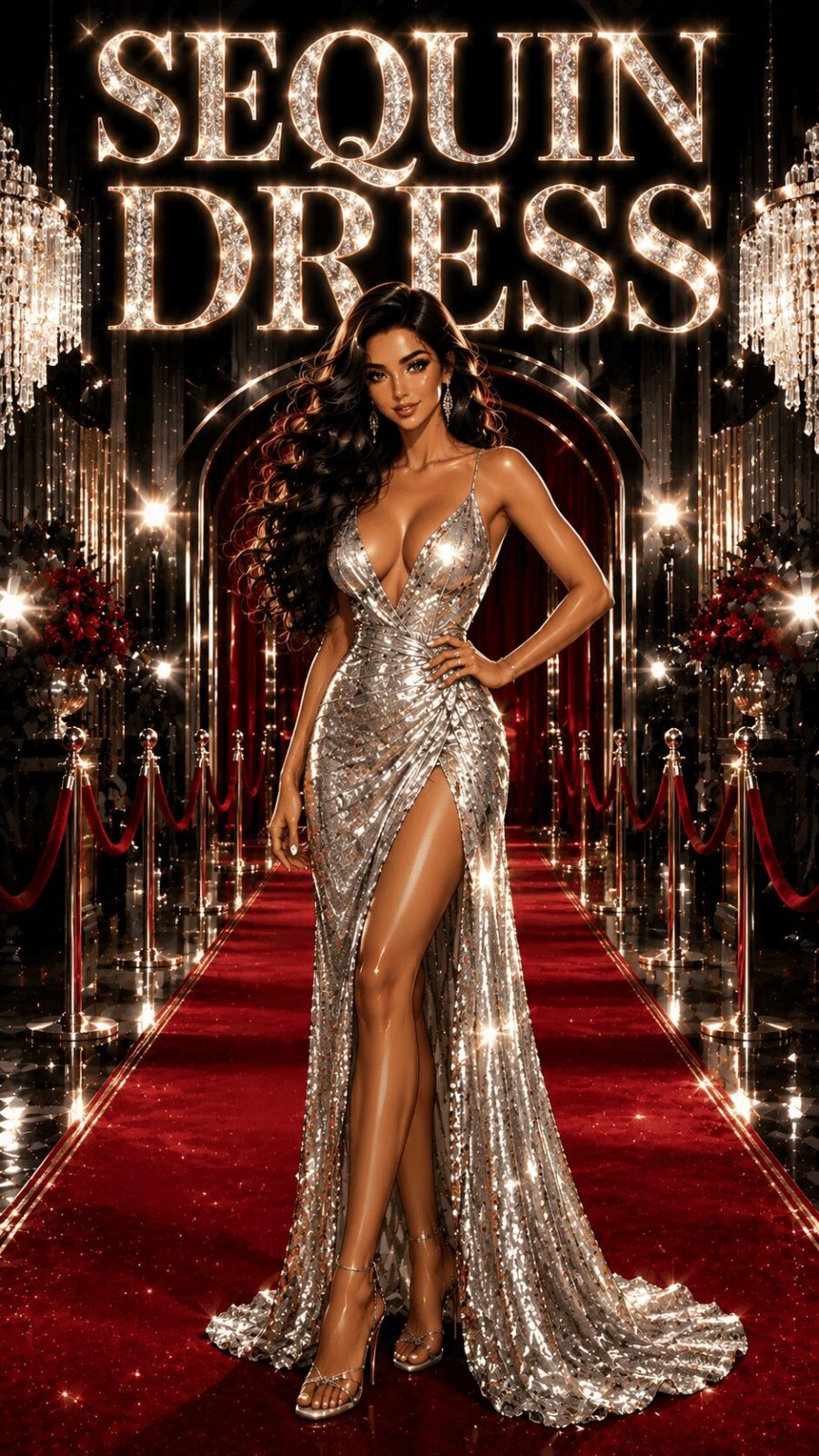
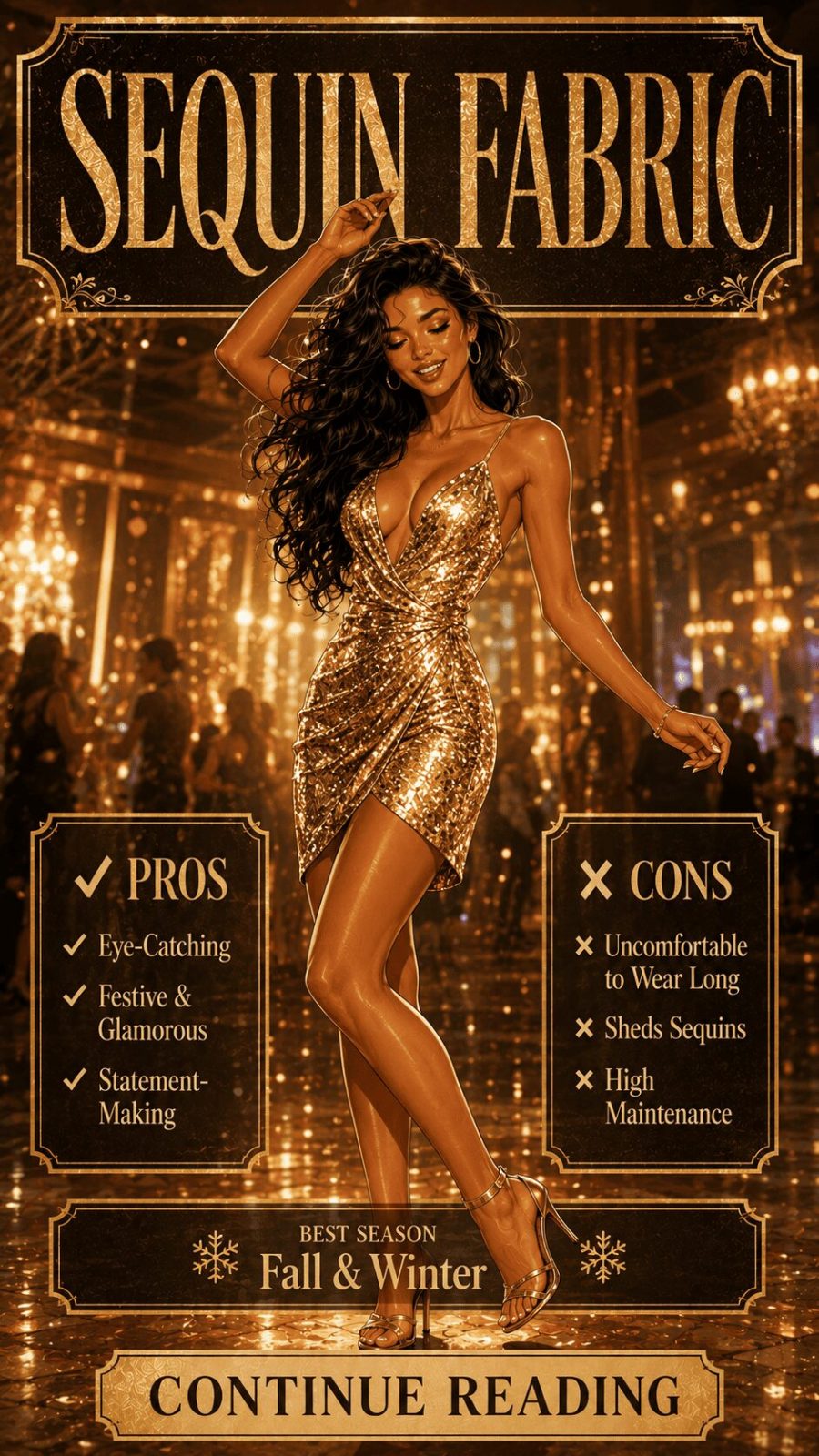
      Sequin Dress

      Sequin Dress Example

      Sequins are small, flat, reflective discs stitched onto fabric in overlapping rows, creating a surface that fractures and reflects light from every angle of movement. The effect is undeniably festive — which is why sequin dresses have anchored New Year's Eve, holiday parties, and awards-season dressing for decades. The construction challenge with sequins is weight distribution: the disc-laden fabric is heavier than it appears, and quality construction requires careful lining and invisible seaming that remains intact under the embellishment. A sequin dress that's well-made moves beautifully; a poorly made one stiffens and pulls.

      DesignFull sequin embellishment; reflective surface; requires quality lining
      SeasonAutumn/Winter festive occasions primarily
      Best ForHoliday parties, new year, award ceremonies, milestone celebrations

    Category 8: By Aesthetic (#51–#57)

    Dress styles defined by visual and cultural aesthetics — each carrying its own coherent design language and styling world

    1. 51

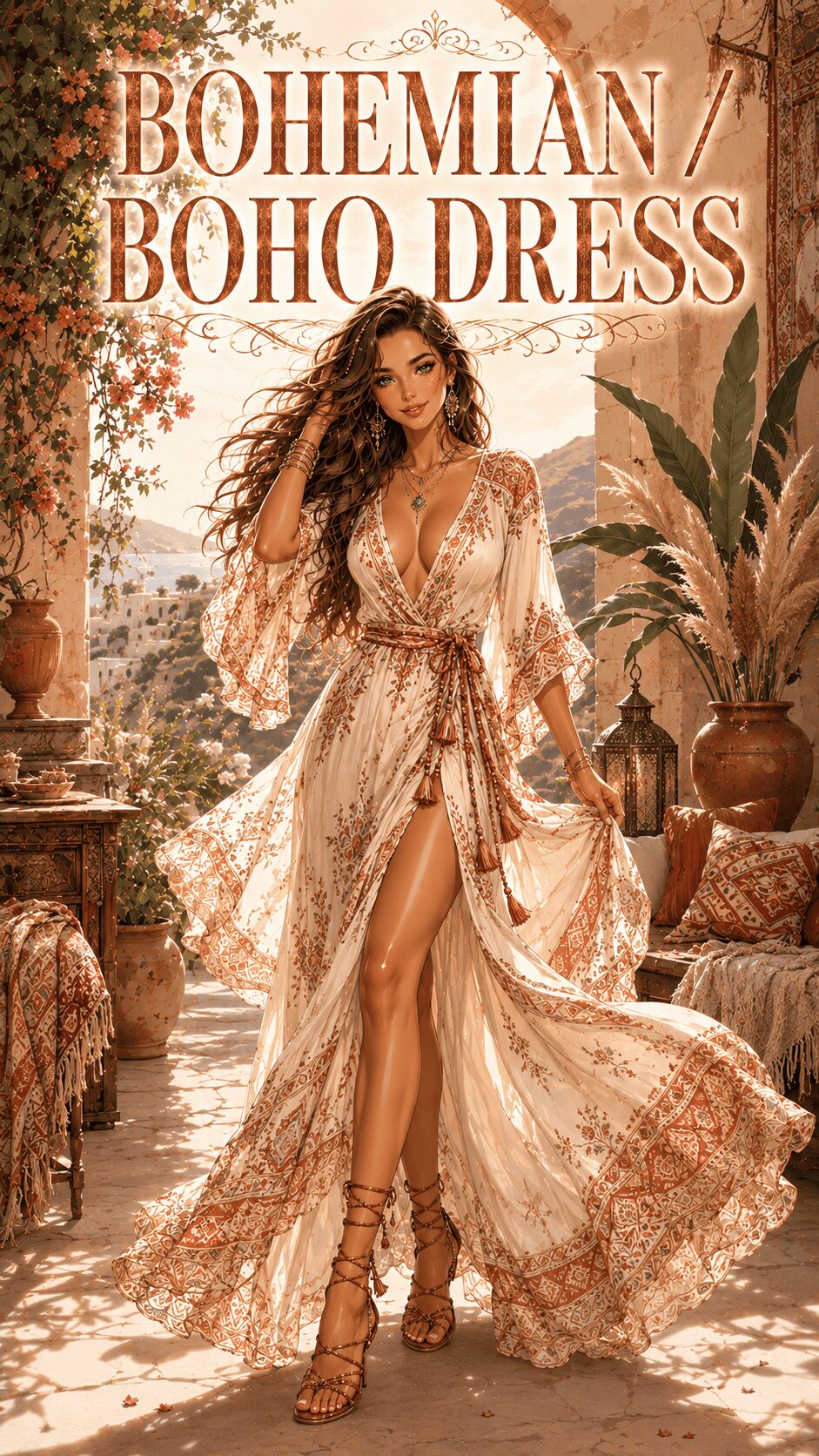
      Bohemian / Boho Dress

      Bohemian Boho Dress Example

      The bohemian aesthetic in dresses is defined by a particular visual vocabulary: flowing silhouettes, often tiered or layered, in natural fabrics with handcrafted details — embroidery, crochet panels, tassel trim, or artisan-style prints. The boho dress is anti-structure by design. Its hemlines are often irregular or asymmetric; its necklines tend toward smocking or drawstring; its construction favours artisan technique over precision tailoring. This aesthetic draws from 1960s and 70s counterculture dressing, as well as folk textile traditions from across the globe, and has maintained a consistent presence in mainstream fashion since the early 2000s bohemian revival. For styling ideas, see our complete bohemian outfit guide.

      DesignFlowing layers, artisan embellishment, crochet or embroidery detail
      SeasonSpring/Summer; festival season; autumn in heavier weaves
      Best ForFestivals, casual events, market days, beach towns, outdoor concerts
    2. 52

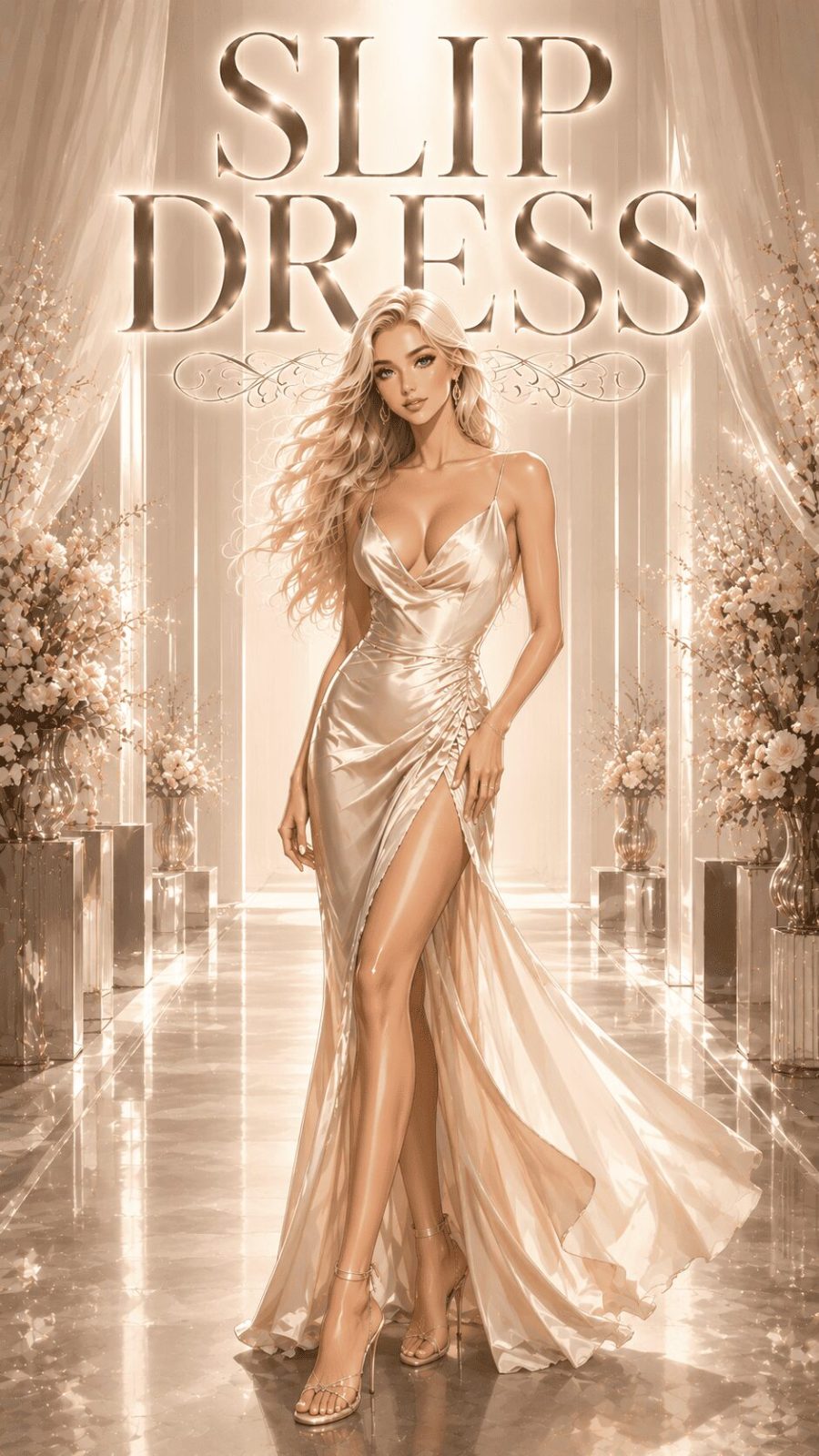
      Slip Dress

      Slip Dress Example

      Originally lingerie — the slip was the undergarment worn beneath a dress to prevent the outer fabric from clinging and to smooth the silhouette — the slip dress crossed into outerwear definitively in the early 1990s through the work of designers like Marc Jacobs and John Galliano. Its construction is deliberately minimal: bias-cut or straight-cut in satin, silk, or satin-finish fabric, with narrow spaghetti straps and a straight or slightly A-line silhouette that moves with the body rather than shaping it. The slip dress is the purest expression of the less-is-more philosophy in contemporary dressing — and when worn correctly, with deliberate layering or confident alone, it's one of the most sophisticated choices available. According to Vogue's style guide on slip dressing, it remains one of the defining archival pieces of 90s minimalism.

      DesignSatin or silk-finish; spaghetti straps; minimal construction; bias or straight cut
      SeasonSpring/Summer; layered under oversized knit in autumn
      Best ForDate nights, smart-casual events, evening outings, minimalist occasions
    3. 53

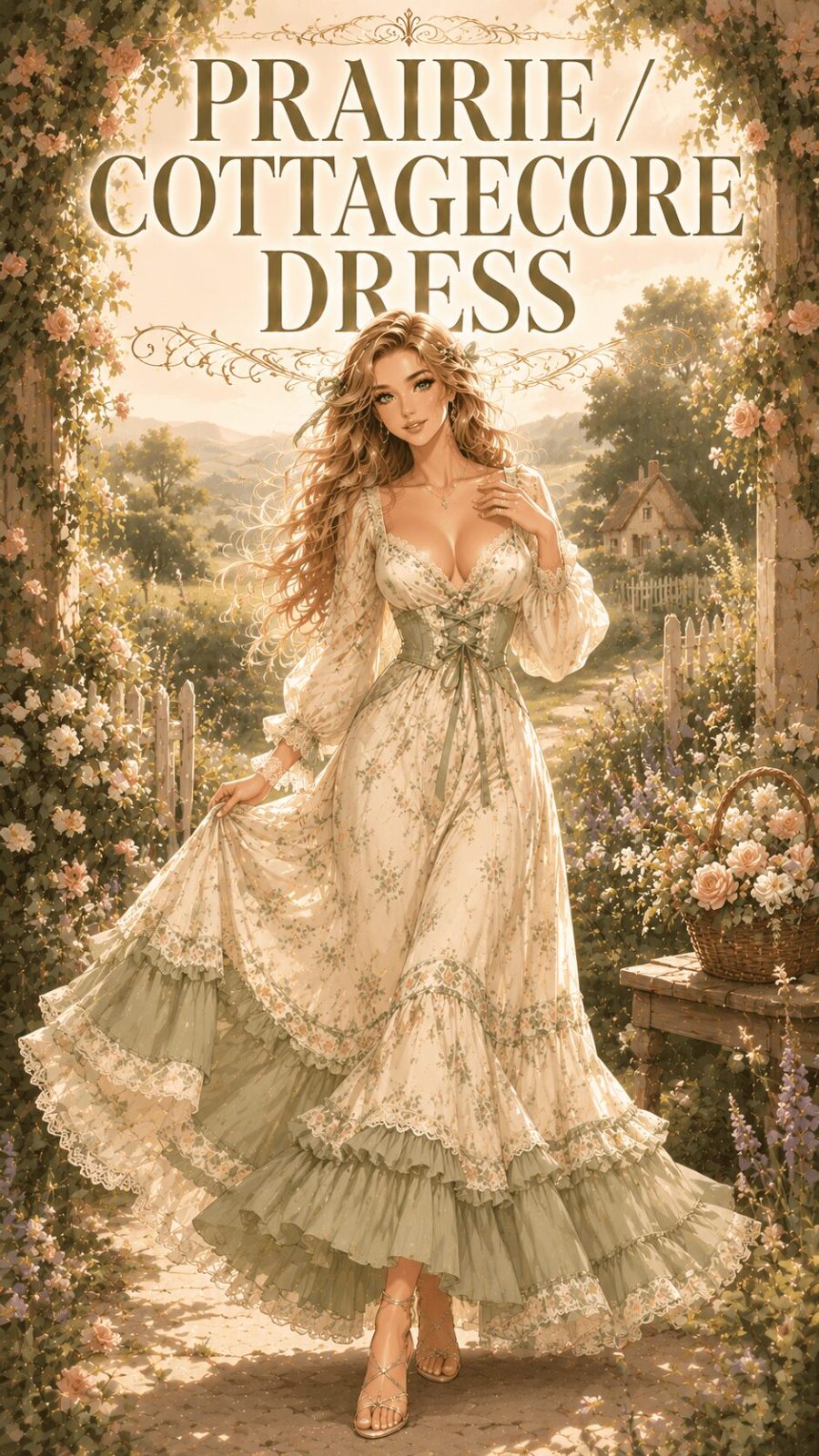
      Prairie / Cottagecore Dress

      Prairie Cottagecore Dress Example

      The prairie dress draws from 19th century rural dressing — high necks with lace or ruffle trim, long full skirts in printed cotton or lightweight wool, puffed or bishop sleeves, and an overall silhouette that communicates modest, handmade, natural-world connection. The cottagecore aesthetic (which emerged as a cultural movement on social media around 2020) elevated this aesthetic into a full styling philosophy: floral prints, natural fabrics, artisan embroidery, and the visual language of a romanticised countryside existence. These dresses are often constructed with smocked bodices, tiered skirts, and gathered sleeves — construction details that reward careful observation.

      DesignHigh neck, puffed sleeves, long full skirt, smocking, floral print
      SeasonSpring/Summer; lighter autumn in wool versions
      Best ForGarden events, countryside outings, casual aesthetic dressing
    4. 54

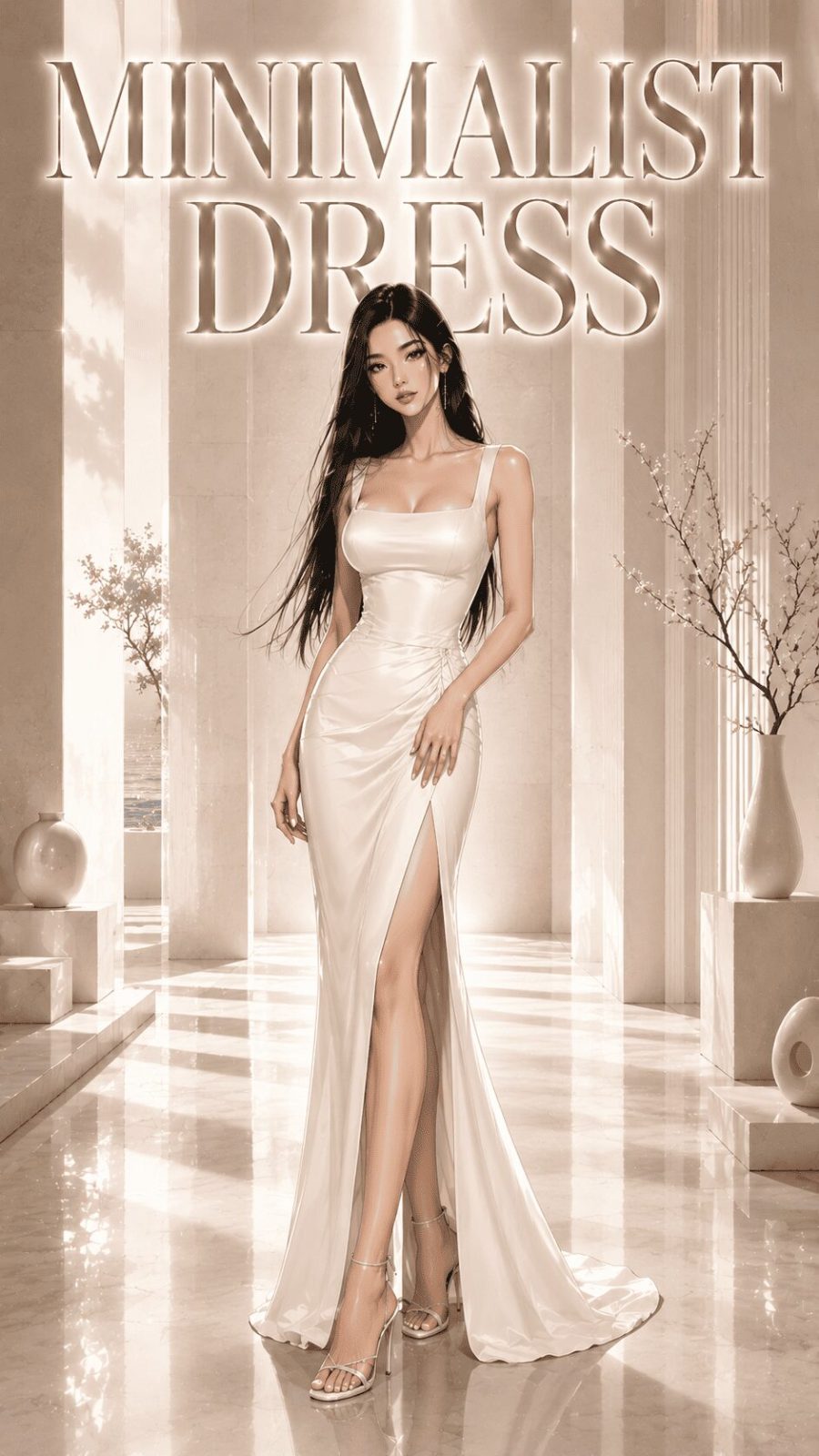
      Minimalist Dress

      Minimalist Dress Example

      The minimalist dress is defined by deliberate reduction: no pattern, no embellishment, no unnecessary detail — only the silhouette, the fabric, and the cut. Its visual power comes entirely from construction quality, fabric precision, and proportion. A minimalist dress in a neutral — bone, ivory, sand, black, deep navy — relies on its seaming, its drape, and its silhouette to carry all the aesthetic weight. This is the most technically demanding aesthetic to dress well because there is nowhere to hide: a poorly finished seam, a sagging neckline, or an imprecise hemline becomes immediately visible. But done well, it's among the most enduring and versatile styles in a wardrobe.

      DesignNo pattern or embellishment; clean lines; quality fabric and construction required
      SeasonAll seasons — fabric weight defines seasonality
      Best ForOffice, gallery openings, understated formal events, confident casual dressing
    1. 55

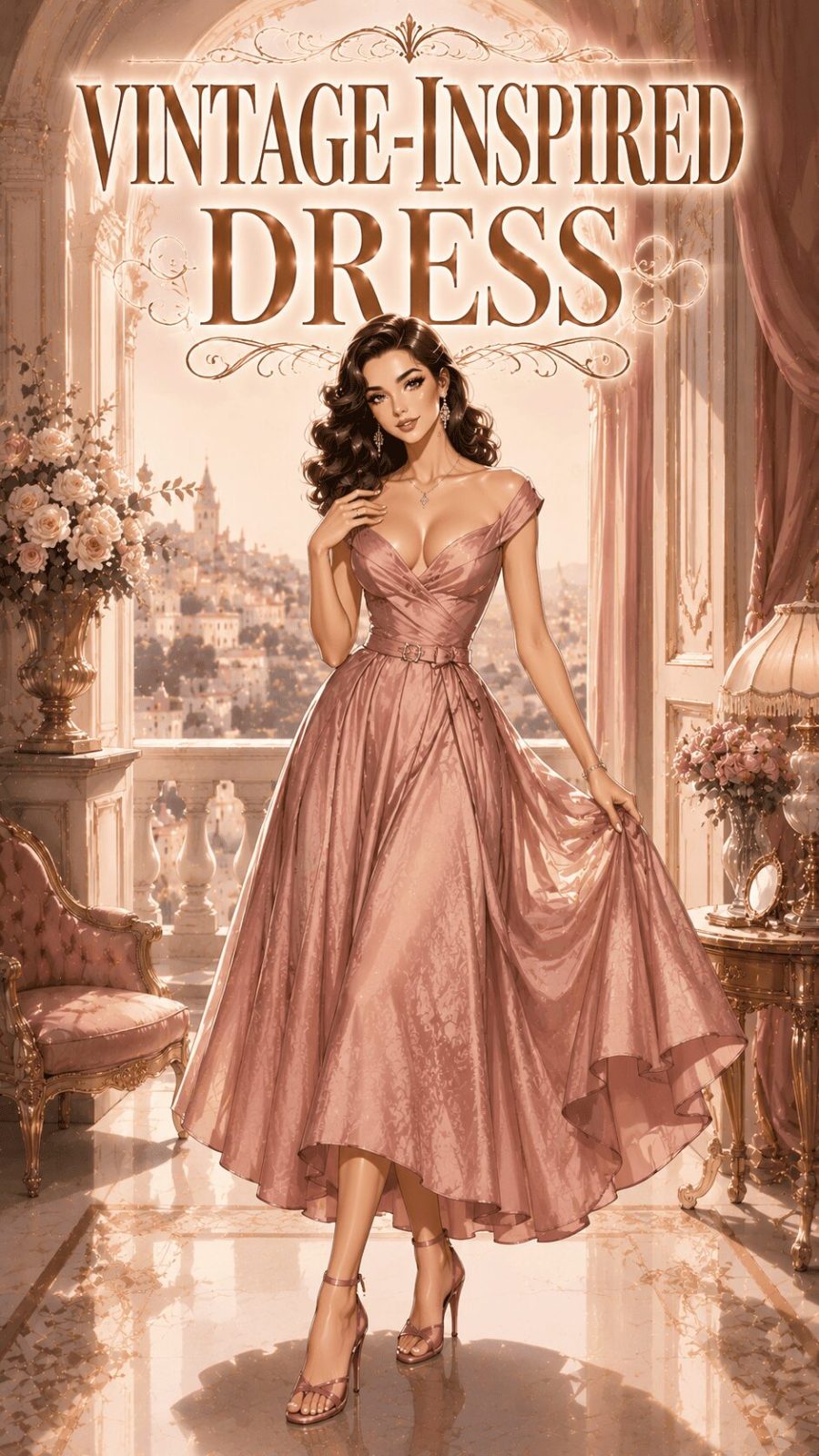
      Vintage-Inspired Dress

      Vintage Inspired Dress Example

      A dress constructed in the silhouette language of a past decade — typically the 1950s full-skirted fit-and-flare, the 1960s mod shift, the 1970s prairie, or the 1940s tea-length gown. Vintage-inspired differs from authentic vintage in that it's a contemporary garment using period-accurate construction references rather than an original archival piece. The appeal is the combination of historical silhouette with modern fabric technology and sizing standards. A 1950s-inspired tea-length dress in a contemporary floral print is the most enduring expression of this category — and consistently one of the most photographed dress styles at weddings and garden events.

      DesignPeriod-accurate silhouette references; contemporary fabric; historical details
      SeasonDependent on decade reference and fabric
      Best ForThemed events, garden parties, weddings, vintage markets
    2. 56

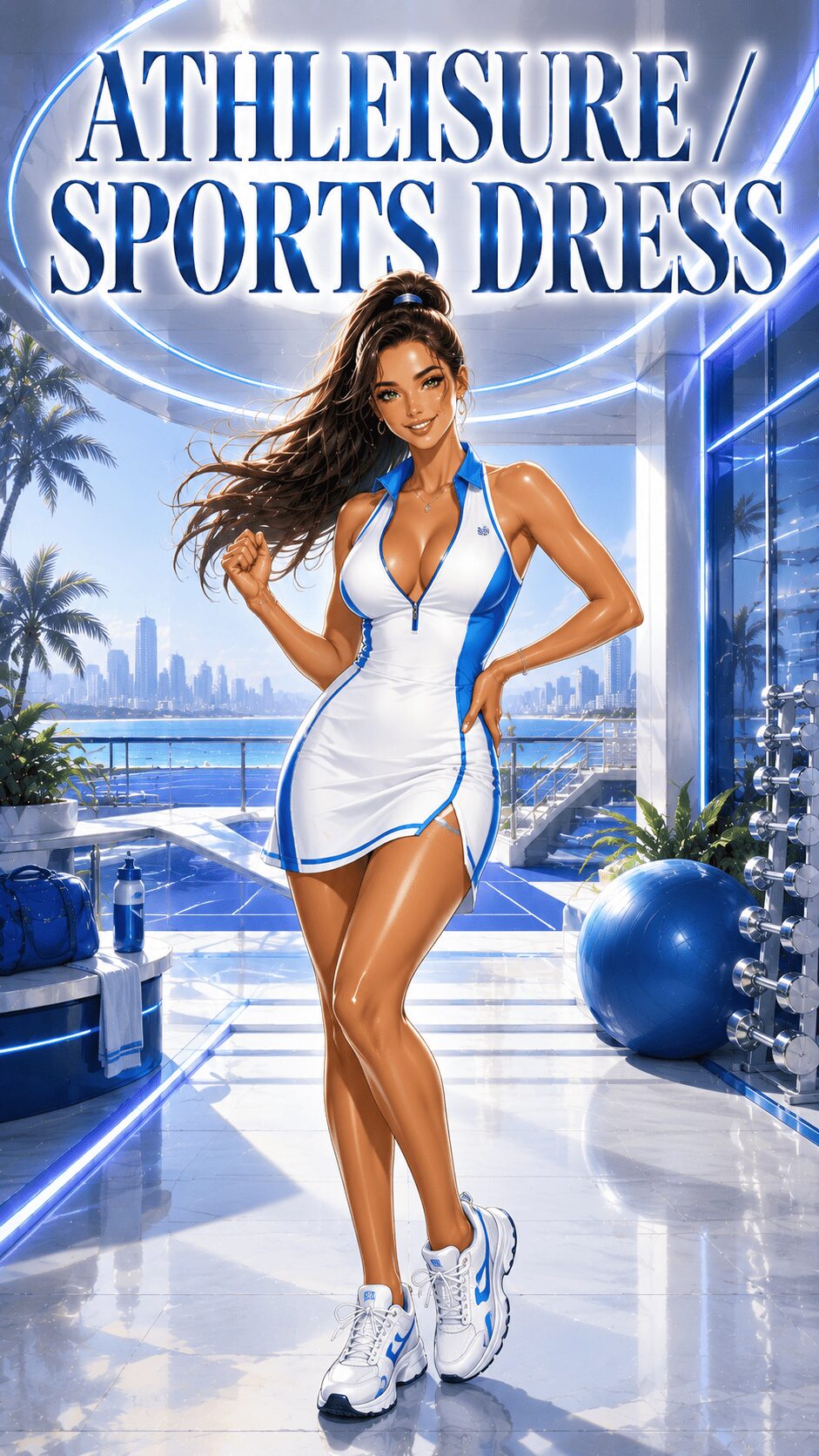
      Athleisure / Sports Dress

      Athleisure Sports Dress Example

      The athleisure dress applies performance fabric technology — moisture-wicking four-way stretch, compression panels, seamless knit construction — to a dress silhouette. The category spans tennis dresses (with built-in shorts), golf dresses, yoga dresses, and the broader market of activewear-as-outerwear dresses that function in the gym and then transition directly to daily life. This is one of the fastest-growing dress categories commercially, driven by the dissolution of the boundary between fitness wear and everyday dressing — a trend that accelerated significantly through the early 2020s and shows no sign of reversing.

      DesignPerformance fabric, four-way stretch, moisture-wicking; often includes built-in shorts
      SeasonYear-round
      Best ForSport, gym, tennis, yoga, casual daily errands post-workout
    3. 57

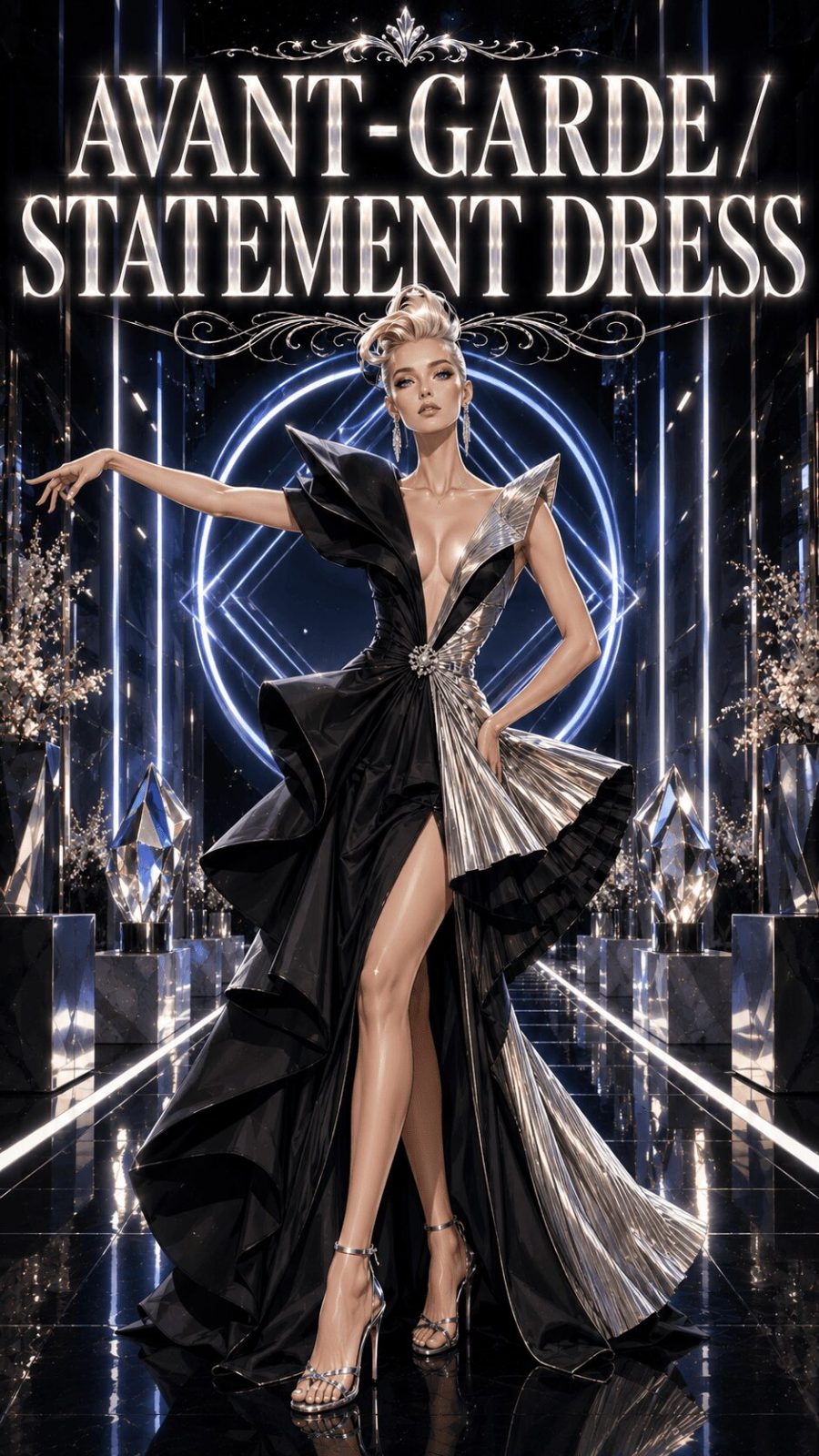
      Avant-Garde / Statement Dress

      Avant-Garde Statement Dress Example

      A dress designed primarily as a visual statement — where the silhouette, construction, or material exists to challenge conventional dressing rather than to serve utilitarian purpose. Avant-garde dresses might incorporate architectural volume that extends beyond the body, unconventional materials, deconstructed panels, or structural elements borrowed from sculpture rather than garment making. This is fashion as art — and while these dresses exist at the most extreme end of wearability, they consistently define the visual language that more commercial dressing eventually absorbs. The most distinctive silhouettes of any decade begin in this category.

      DesignSilhouette or material as the primary message; challenges convention
      SeasonOccasion and event dependent
      Best ForFashion events, runway presentations, art openings, bold social occasions

    Category 9: By Seasonal Styling (#58–#61)

    Dress categories where the season is the primary design consideration — built around climate, fabric, and how the garment behaves in specific weather

    1. 58

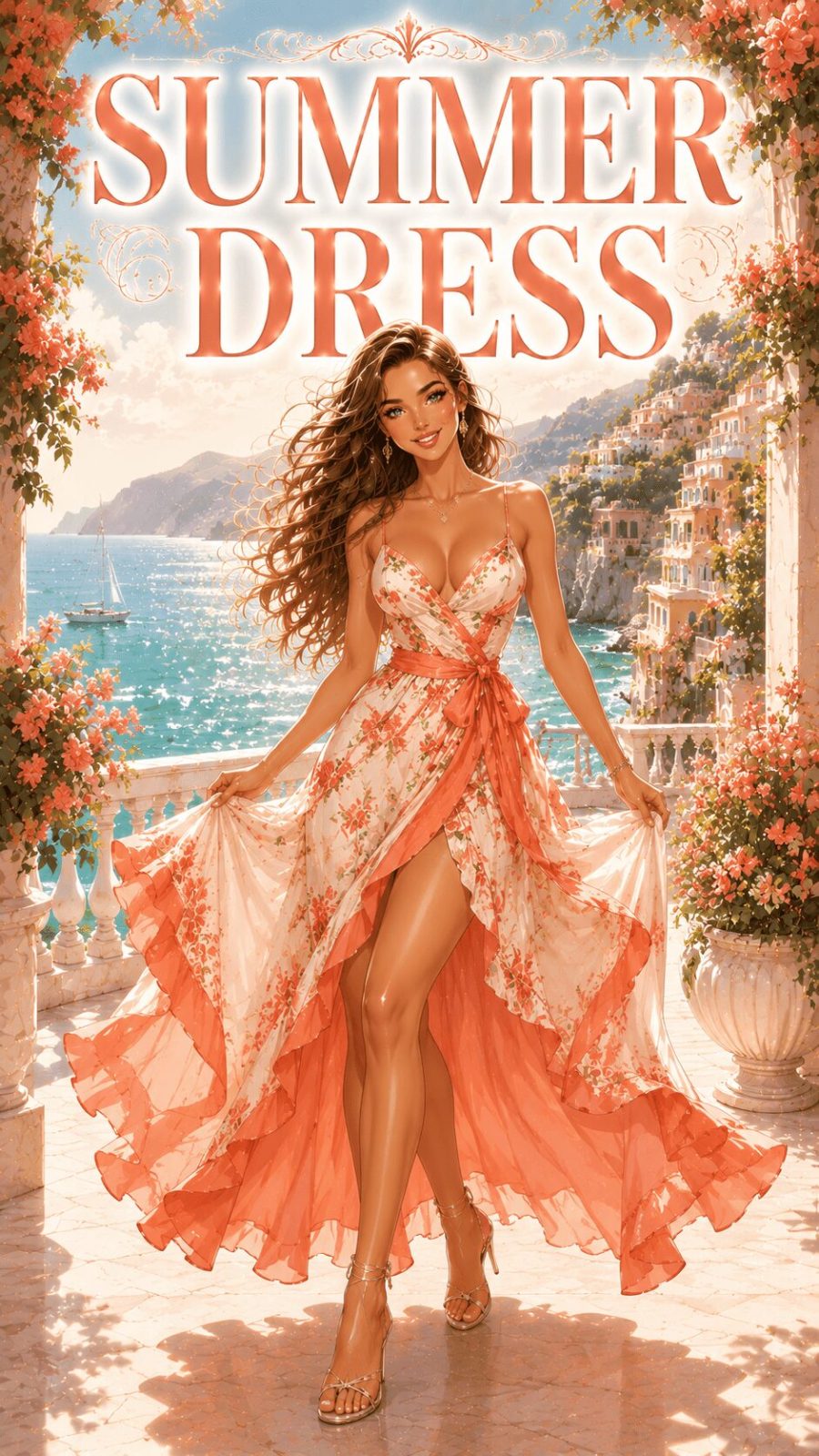
      Summer Dress

      Summer Dress Example

      More a construction philosophy than a specific silhouette: a summer dress prioritises breathability, lightness, and ease above all other considerations. Natural fibres — cotton, linen, cotton-linen blends — dominate this category, and the construction details that keep a garment cool are prioritised: minimal lining, wide silhouettes that allow air circulation, sleeveless or very lightweight sleeve options. Summer dresses span casual beach cover-ups to elegant garden party midis; what unites them is that they feel comfortable in heat and look intentional at the same time. This is harder to achieve than it sounds. See our full guide to summer dress outfit ideas for complete seasonal styling.

      DesignNatural breathable fibre; minimal lining; light construction; varied silhouettes
      SeasonSummer exclusively
      Best ForAll warm-weather occasions from beach to garden party
    2. 59

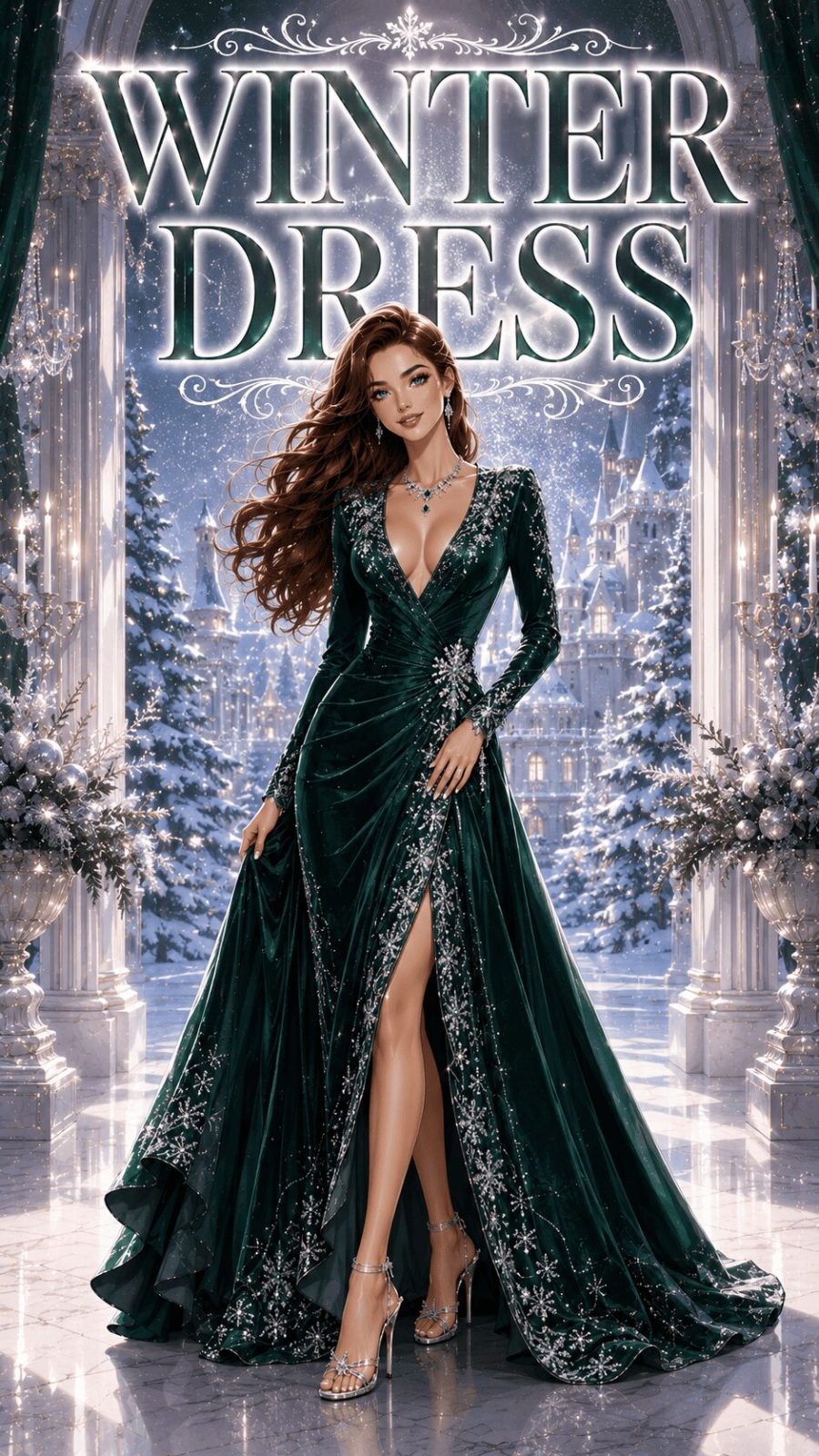
      Winter Dress

      Winter Dress Example

      A winter dress is constructed in fabric with thermal weight — wool jersey, ponte knit, cashmere blend, velvet, or heavy crepe — and often features longer sleeves and fuller coverage that manages cold without requiring a jacket over it. The long-sleeve sweater dress and the turtleneck dress are the two most consistent winter dress categories: they function as single-garment outfits that feel substantial and warm without bulk. Winter dresses in darker tones — charcoal, forest, burgundy, midnight — carry the seasonal colour story that defines autumn/winter dressing across a decade of consistently recurring fashion cycles. Our guide to winter outfit formulas covers the complete layering picture.

      DesignThermal-weight fabric; fuller sleeve; often jersey, ponte, or velvet
      SeasonAutumn/Winter exclusively
      Best ForCold-weather events, winter holiday parties, festive occasions
    3. 60

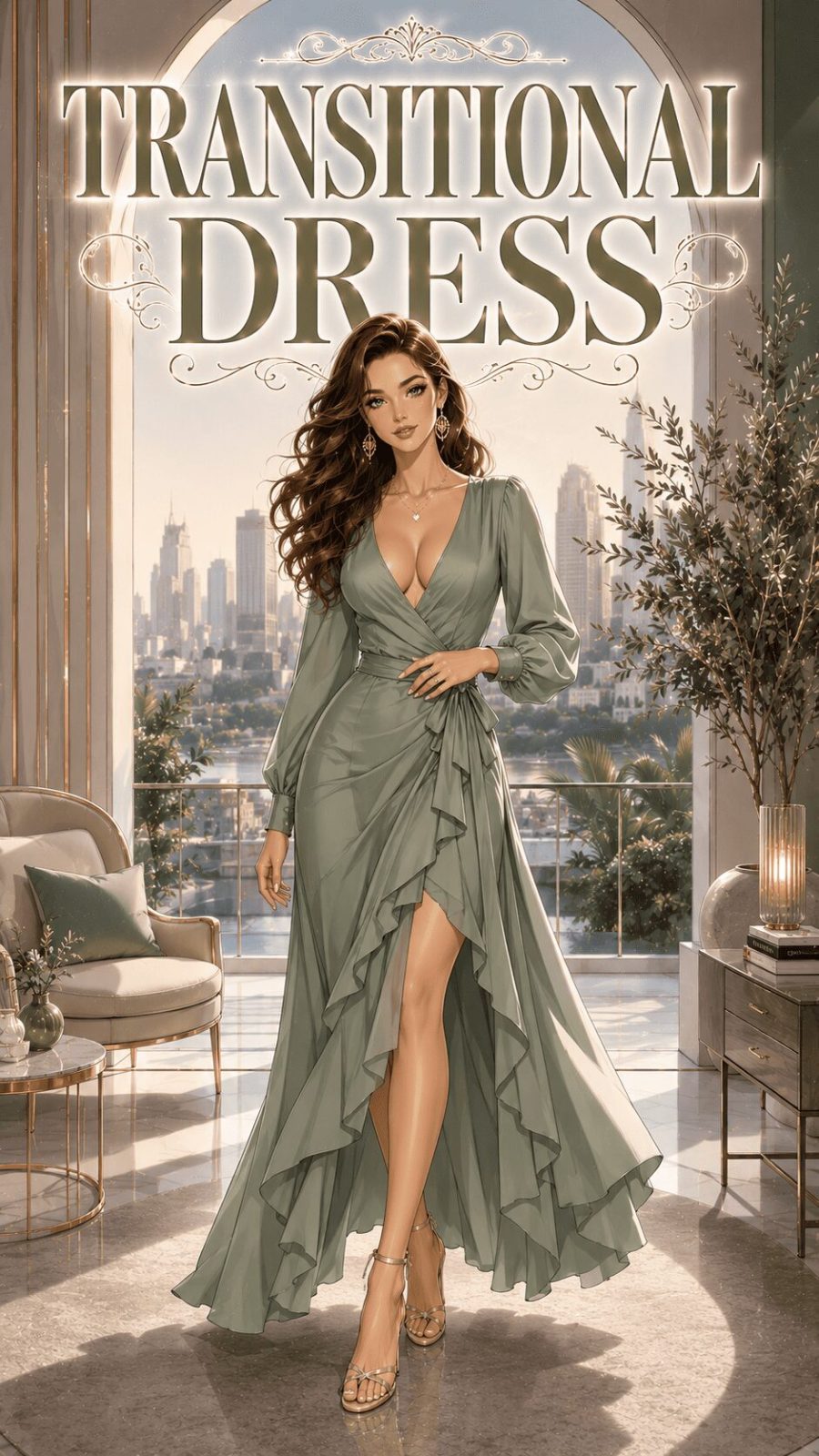
      Transitional Dress

      Transitional Dress Example

      Transitional dressing is the art of navigating the weeks between seasons — when it's too warm for full winter fabric and too cool for summer choices. The transitional dress is constructed in medium-weight fabric — crepe, chambray, a mid-weight jersey — with sleeve options that work layered under a jacket or coat. Floral prints in slightly deeper tones read spring-to-summer transition; the same silhouette in a rust or ochre print reads summer-to-autumn. The best transitional dresses earn their keep across three to four months of variable weather, which makes them among the highest cost-per-wear pieces in a wardrobe.

      DesignMedium-weight fabric; layer-compatible construction; versatile tonal palette
      SeasonSpring/Autumn — the between-season months
      Best ForVariable-climate dressing, frequent travellers, high cost-per-wear wardrobe
    4. 61

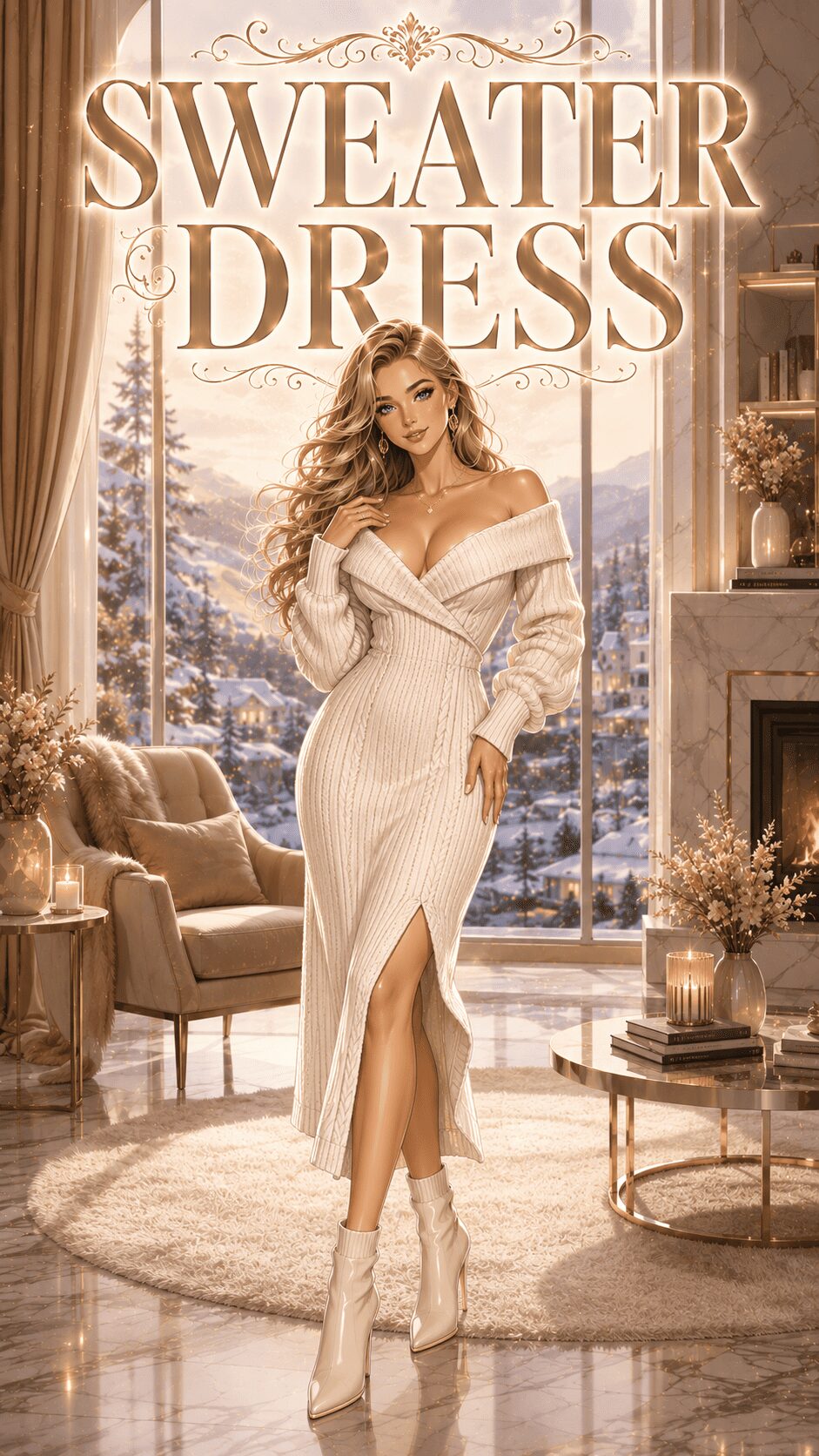
      Sweater Dress

      Sweater Dress Example

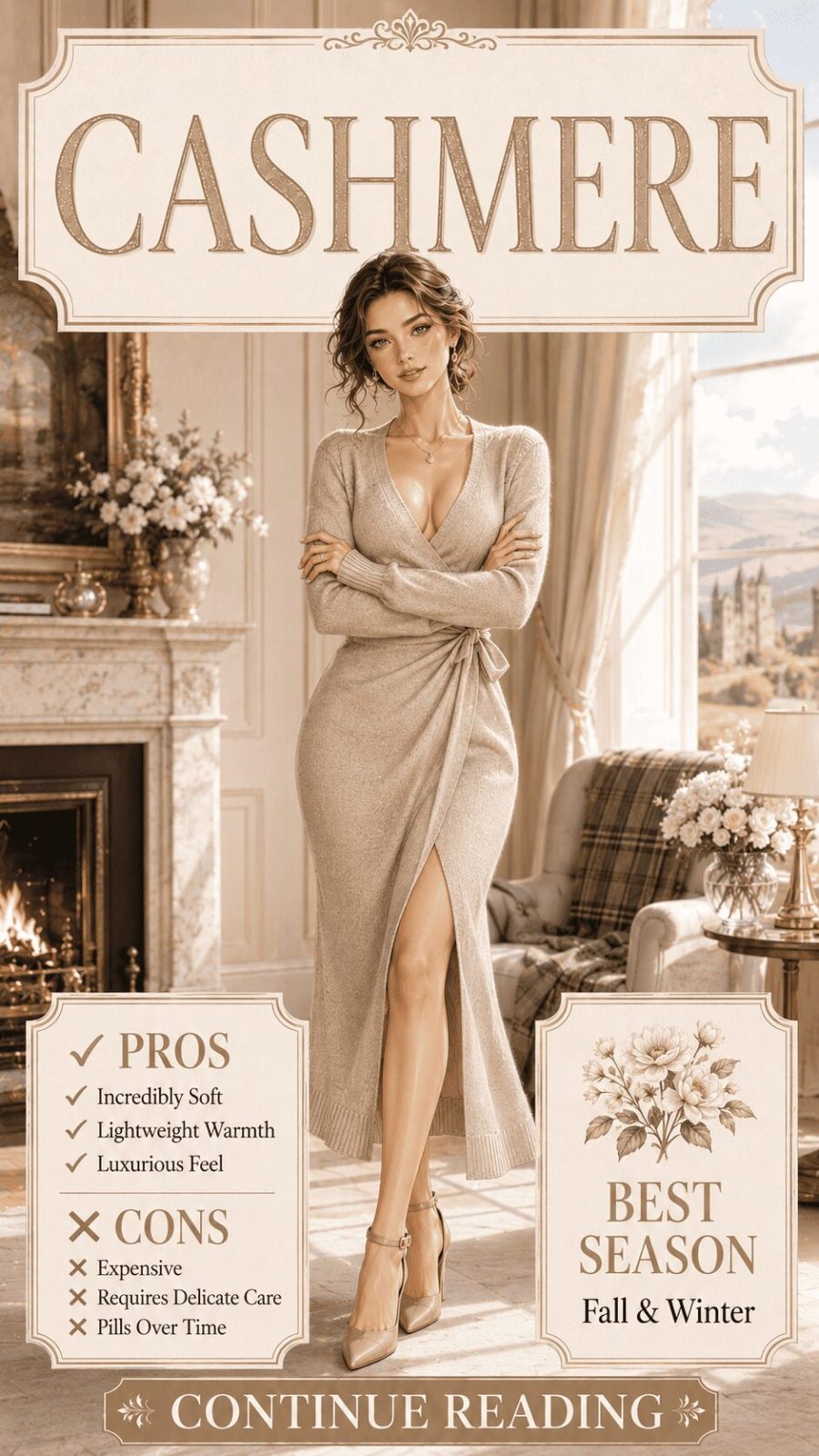
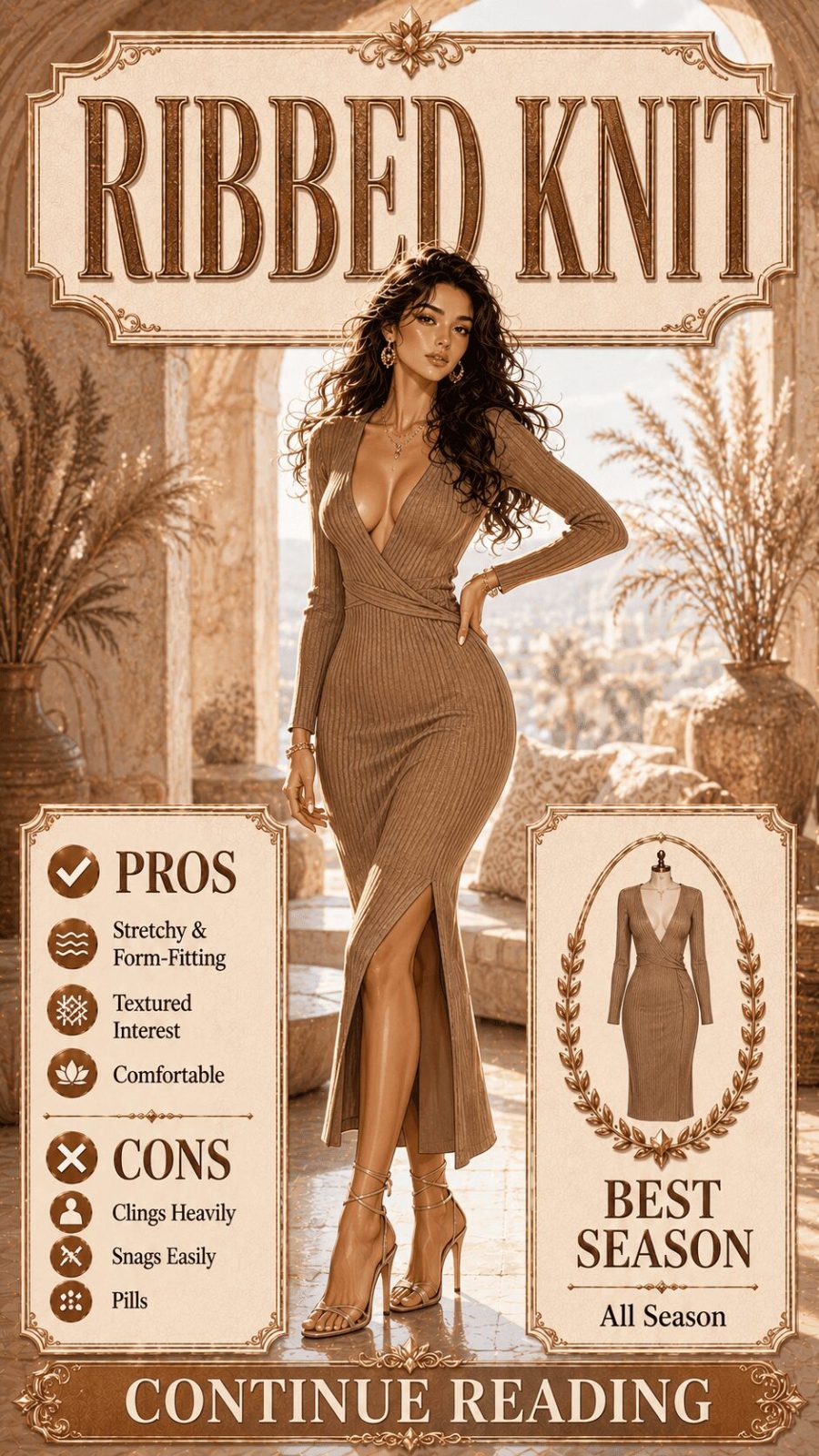
      A dress constructed in knit fabric with the visual and tactile quality of a jumper or sweater — ribbed knit, cable knit, chunky wool, or fine merino — extended to full dress length. The sweater dress is autumn/winter's most reliable casual-to-smart dress option, offering genuine warmth without sacrificing the visual polish of a dress silhouette. A fine-gauge ribbed knit in camel or charcoal, worn with knee-high boots, represents the apex of effortless autumn dressing. The construction ranges from minimal (a ribbed tube dress) to elaborate (a cable-knit midi with shawl collar), but the fabric is always the primary design statement.

      DesignKnit construction; ribbed, cable, or chunky texture; full dress length
      SeasonAutumn/Winter primarily
      Best ForWeekend casual, casual office, autumn outings, cold-weather smart dressing

    Category 10: By Construction Style (#62–#66)

    Construction-first classification — dress types where a specific technical method defines the garment's identity

    1. 62

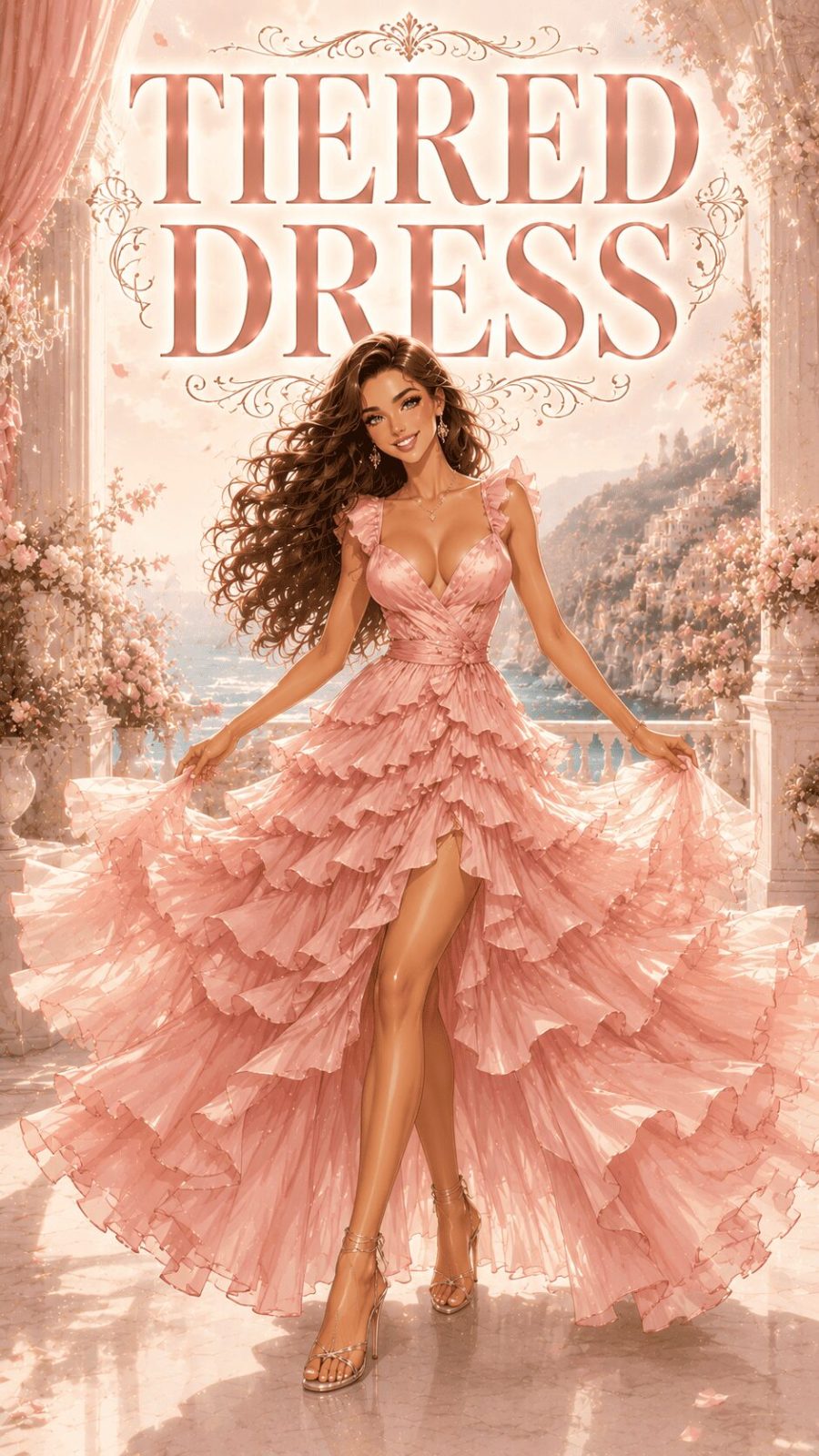
      Tiered Dress

      Tiered Dress Example

      A tiered dress is constructed from multiple horizontal bands of fabric, each one gathered onto the one below it — creating a progressively widening skirt with a layered, textured quality. The construction is deceptively simple in concept but requires precise gathering ratios and consistent seaming to execute cleanly. Each tier typically has 1.5 to 2 times the fabric of the tier above it to create even, balanced fullness. The visual effect is volume through structure — each layer adds mass, creating a silhouette that adds soft dramatic movement and a sense of considered construction. Tiered dresses in lightweight cotton or chiffon are among the most popular summer dress styles globally.

      DesignHorizontal gathered bands each stitched onto the next; progressive width
      SeasonSpring/Summer in lightweight fabric; year-round in heavier tiers
      Best ForSummer events, casual occasions, beach, bohemian styling
    2. 63

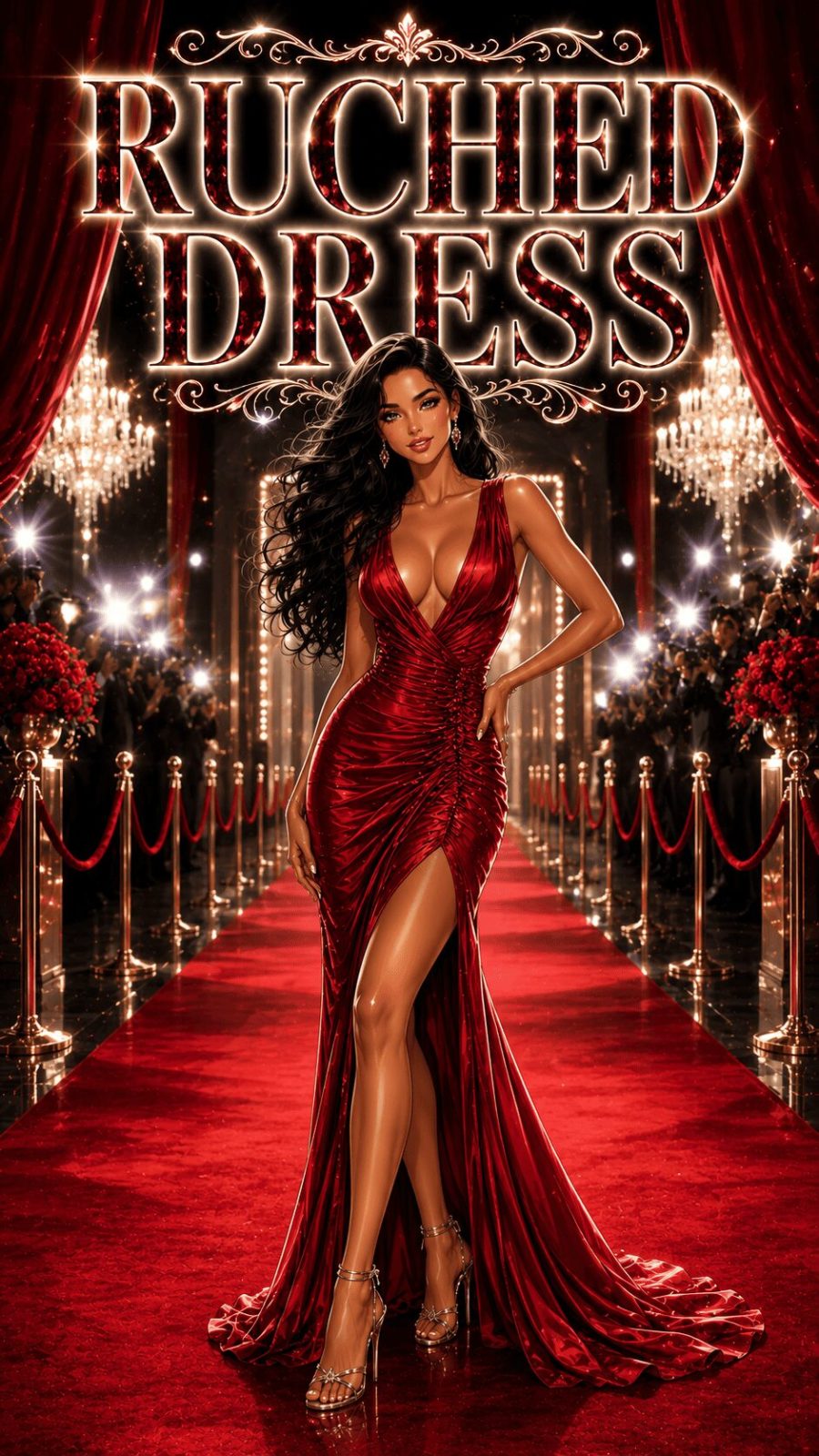
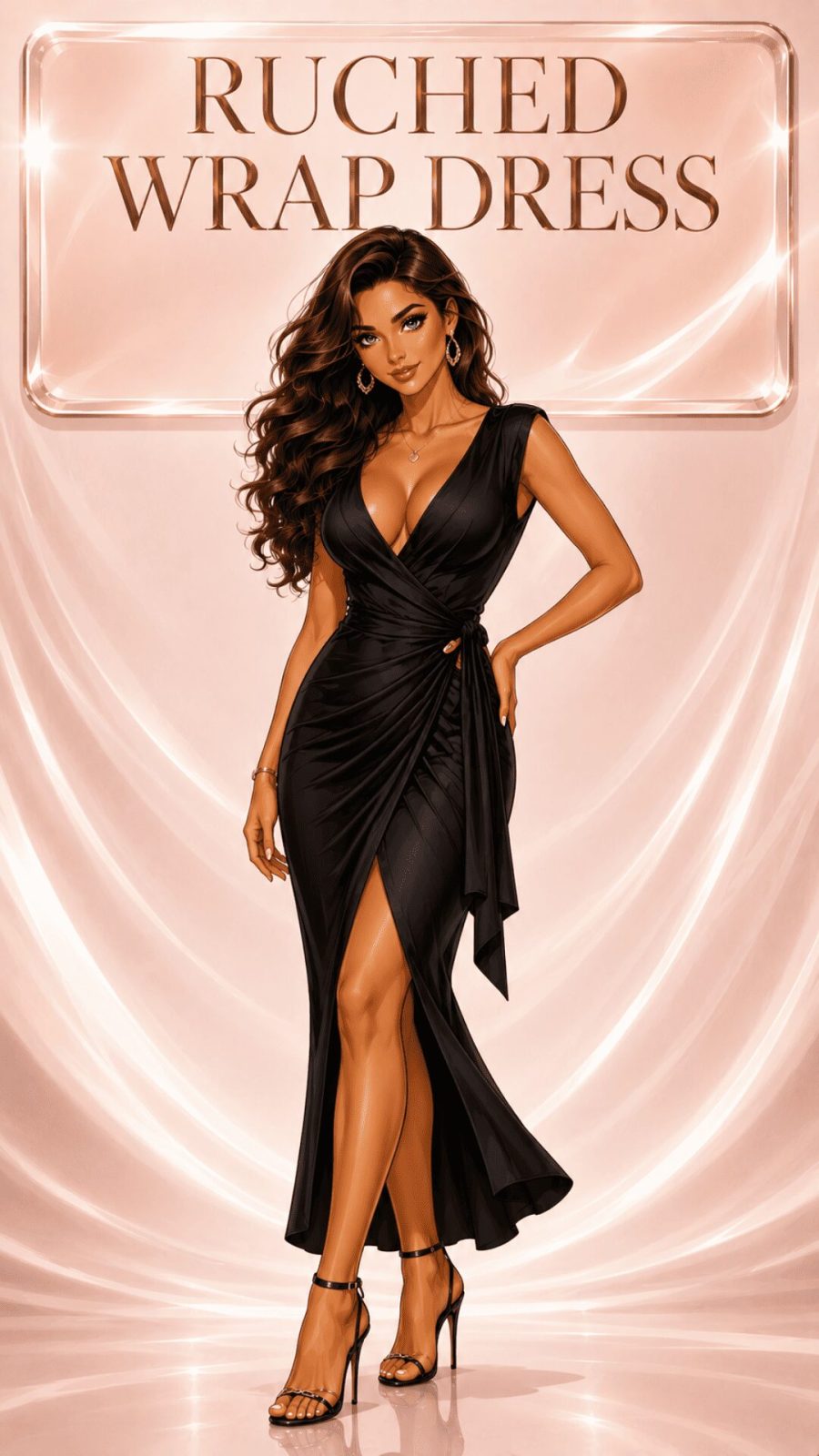
      Ruched Dress

      Ruched Dress Example

      Ruching is a construction technique where fabric is gathered, pleated, or shirred along a seam line to create deliberate texture and fullness in a specific area of the garment. The visual effect of ruching is a controlled, decorative gathering that adds dimensional detail — most typically at the bodice, waist, or hip. On a stretch dress in jersey or satin, side ruching creates a gathered effect that draws the fabric toward a central gather point, adding movement and visual interest. Ruching is one of the most technically expressive details available in commercial fashion — a single ruched seam changes the entire character of a dress.

      DesignGathered, pleated fabric at bodice, waist, or hip; dimensional texture
      SeasonAll seasons depending on base fabric
      Best ForEvening events, parties, occasions requiring visual interest
    3. 64

      Bias-Cut Dress

      Bias-Cut Dress Example

      Bias cutting means the pattern pieces are cut at a 45-degree angle to the fabric's grain — which fundamentally changes how the fabric drapes, moves, and conforms to the body. Fabric cut on the bias has significantly more stretch than the same fabric cut on the straight grain, and drapes in soft, curved waves rather than falling straight. The bias-cut technique was pioneered by Madeleine Vionnet in Paris in the 1920s and 30s, and remains the most technically demanding cutting method in fashion. A bias-cut dress moves beautifully while walking — the fabric shifts and curves with every step in a way that no other construction can replicate.

      DesignFabric cut at 45° to grain; fluid curved drape; natural body-contouring
      SeasonSpring/Summer in silk or satin; year-round for formal occasions
      Best ForEvening events, formal dinners, occasions that reward movement
    4. 65

      Pleated Dress

      Pleated Dress Example

      Pleating is a controlled folding and stitching of fabric — typically at the waistband, bodice seam, or hemline — that creates structured fullness while maintaining a pressed, tailored quality that gathering doesn't have. Knife pleats (all folding in the same direction), box pleats (folded to face away from each other), and accordion pleats (uniformly narrow folds throughout) each produce a distinct visual. The pleated midi skirt on a fitted bodice is one of the most consistently returning dress silhouettes in fashion — its structural quality and movement under walking make it simultaneously polished and dynamic. Pleating adds architectural definition without rigid stiffness.

      DesignKnife, box, or accordion pleats at skirt, waist, or bodice seam
      SeasonAll seasons — fabric weight defines seasonal range
      Best ForOffice, smart-casual events, parties, occasions requiring polished movement
    5. 66

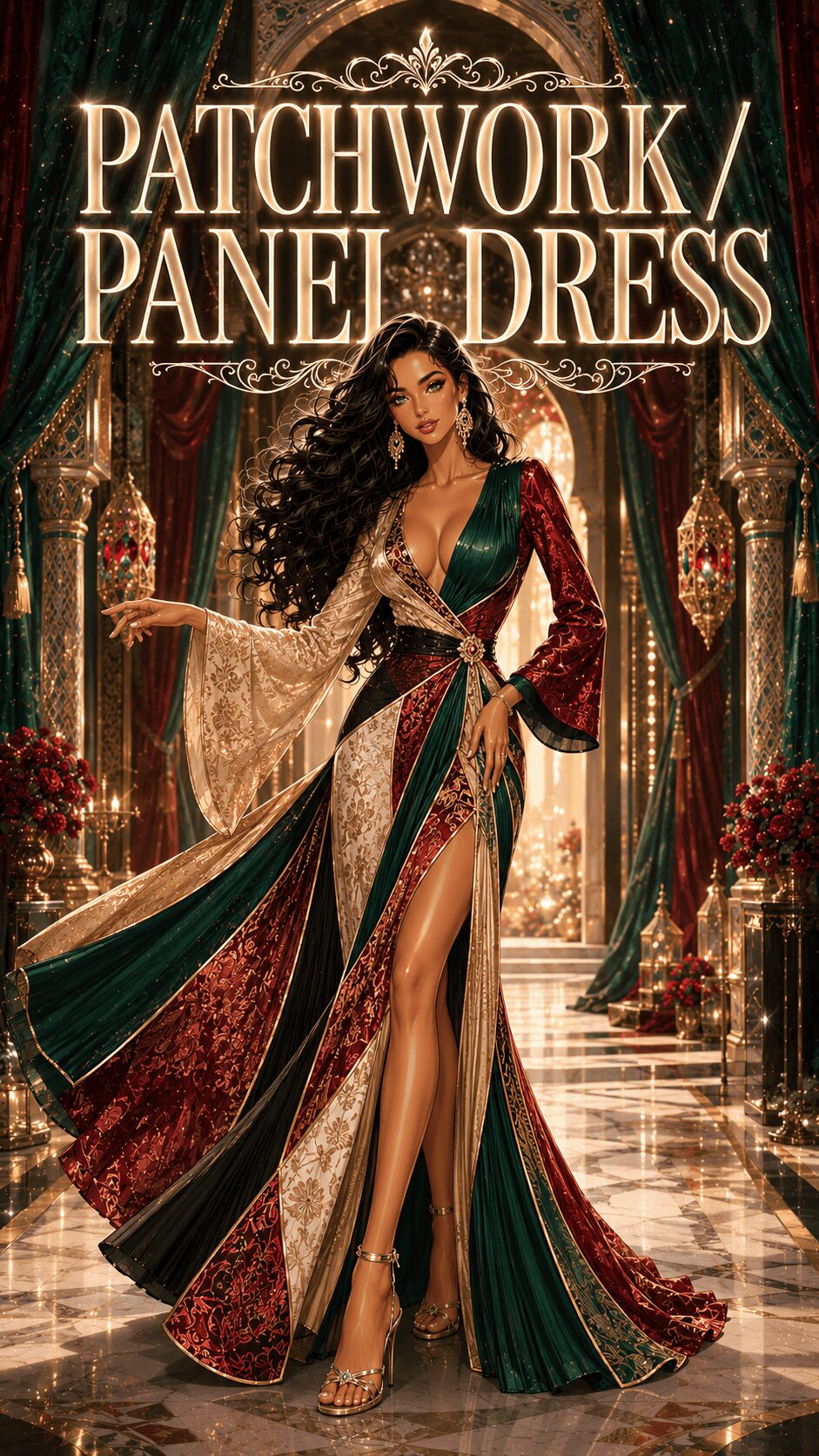
      Patchwork / Panel Dress

      Patchwork Panel Dress Example

      Panel construction uses multiple pieces of different fabric, colour, or texture stitched together to create the dress surface — each panel contributing to the overall visual composition. At the artisan end, patchwork dresses use remnant fabrics assembled in irregular geometric patterns with handcrafted seaming; at the design-led end, colour-blocked panel dresses use precisely engineered panels in contrasting solids to create optical effects and architectural visual rhythm. The construction is technically complex — each panel must be cut and joined with precision or the seaming distorts — but the visual reward is a garment that reads entirely distinct from any single-fabric alternative.

      DesignMultiple fabric, colour, or texture panels; artisan or colour-blocked construction
      SeasonSpring/Summer in lighter fabrics; artisan styling year-round
      Best ForFestival, creative occasions, casual statement dressing

    Dress Style Reference Tables

    Quick-reference comparisons for silhouette, occasion, season, and fabric

    Silhouette Comparison Table

    SilhouetteWaist DefinitionMovementBest Occasion
    A-LineFitted through bodiceFlared swingAll occasions
    SheathPrincess seams throughoutMinimal, body-followingProfessional / formal
    WrapAdjustable self-tieFluid V drapeSmart-casual / work
    Fit-and-FlareDefined seam at waist/hipDramatic skirt swingParties / occasions
    MermaidVery close through hips/thighDramatic flare at kneeFormal / bridal
    EmpireUnder bust, high seamFlowing from high waistBohemian / maternity
    Ball GownBoned fitted bodiceMaximum full-skirt volumeGala / black-tie

    Dress Length Guide

    Length NameHemline PositionFormality LevelKey Occasions
    MicroUpper thighCasual / nightlifeClub, beach, festival
    MiniMid-thighCasual to smart-casualDate, party, weekend
    KneeAt kneeProfessional / smartOffice, cocktail, formal
    MidiMid-calfMost versatileAll occasions
    TeaBetween midi and maxiVintage / occasionGarden parties, bridal
    MaxiAnkleCasual to formalResort, weddings, evening
    Floor / GownFloor-grazingFormal / black-tieGalas, bridal, red carpet

    Dress Occasion Matrix

    OccasionBest SilhouettesFabric DirectionLength Guide
    OfficeSheath, shift, wrapPonte, crepe, wool jerseyKnee to midi
    Wedding GuestA-line, fit-and-flare, wrapSilk, chiffon, crepeMidi to floor
    Black-TieBall gown, mermaid, columnSatin, velvet, lace, tulleFloor length
    Casual WeekendShirt dress, sundress, tieredCotton, linen, jerseyMini to midi
    CocktailSheath, A-line, bodyconDuchess satin, silk, laceKnee to midi
    Resort / BeachMaxi, tiered, sundressLinen, voile, cottonMini to maxi

    Seasonal Fabric Guide for Dresses

    SeasonFirst-Choice FabricsAvoid
    SummerLinen, cotton, voile, chambrayVelvet, heavy wool, ponte
    SpringCrepe, light silk, jersey, chiffonHeavy velvet, thick wool knit
    AutumnPonte, crepe, lightweight knit, velvetVoile, very lightweight cotton
    WinterWool jersey, cashmere, velvet, thick knitLinen, lightweight cotton, voile

    Frequently Asked Questions: Types of Dresses

    1. Q

      What is an A-line dress?

      An A-line dress is fitted through the bodice and flares continuously from the waist or hips to the hemline, creating a shape that resembles the capital letter A. Named by Christian Dior in 1955, it remains one of fashion's most consistently worn silhouettes. The continuous flare creates visual balance and adds movement through the skirt with every step.

    2. Q

      What is the difference between a sheath dress and a bodycon dress?

      A sheath dress achieves its body-skimming fit through structured tailoring in woven fabric — princess seams and careful darting — so it follows the body without relying on elasticity. A bodycon dress achieves its fit through stretch fabric (jersey, spandex blend) with minimal construction. The sheath reads professional and structured; the bodycon reads fashion-forward and casual-to-evening. For more on construction differences, see our guide to dress cut variations.

    3. Q

      What dress silhouette is the most timeless?

      The A-line and the wrap dress are the two most consistently recurring silhouettes in fashion history — both return across every decade because they balance proportion, accommodate a range of body measurements, and transition across multiple occasions and formality levels. Both have remained in mainstream fashion continuously since their peak popularity in the 1950s and 1970s respectively.

    4. Q

      What fabrics work best for summer dresses?

      The best summer dress fabrics prioritise breathability and moisture management: 100% linen, pure cotton, cotton voile, and cotton-linen blends are the most reliable choices. They allow air circulation, absorb perspiration, and feel comfortable in high temperatures. For formal summer occasions, silk charmeuse and lightweight crepe offer elevated options. Avoid synthetic fabrics with low breathability like polyester in warm weather.

    5. Q

      What is a fit-and-flare dress?

      A fit-and-flare dress is closely tailored through the bodice and hips before releasing into a dramatically full skirt at or above the natural waist. Unlike the A-line — which flares continuously — the fit-and-flare has a distinct waist seam that marks the point of transition between the fitted and the flared. The construction typically involves a gathered or pleated skirt attached at this seam, creating maximum volume below the waist.

    6. Q

      What is the most versatile dress length for everyday wear?

      The midi dress — falling between the knee and ankle — is the most universally versatile dress length for everyday and occasion dressing. It transitions across formality levels more effectively than any other length, photographs well in both natural and artificial light, accommodates virtually every shoe category, and works across all seasons with appropriate fabric weight changes. For most wardrobes, a midi dress is the highest cost-per-wear dress investment available. See our complete midi dress styling guide for outfit formulas.

    7. Q

      What is a bias-cut dress and why does it matter?

      A bias-cut dress is constructed with fabric pattern pieces cut at a 45-degree angle to the grain line — which gives the fabric significantly more stretch and creates a distinctive curved, flowing drape that follows the body. The technique was pioneered by Madeleine Vionnet in 1920s Paris and produces a silhouette that moves beautifully while walking and drapes in soft, elegant waves. Quality bias-cut dresses in silk or satin are among the most luxurious garments in dressmaking.
    8. Q

      How many dress types should be in a well-edited wardrobe?

      A well-edited dress wardrobe typically functions best with five to eight carefully chosen pieces that span multiple formality levels: one structured workwear dress (sheath or shift), one versatile midi in a print or neutral, one occasion dress for formal events, one casual summer dress, and one transitional-weight dress for between-season wear. Quality over quantity consistently outperforms a large collection of lower-investment pieces — a single excellent wrap dress in silk jersey serves more occasions than a dozen poorly made alternatives.


    The Last Word on Dress Types

    Knowing the name of a dress type is, frankly, the least important part of understanding it. What matters is understanding why it was constructed the way it was — what problem it solves, what aesthetic it serves, what occasion it was built for. An A-line dress isn't just a silhouette; it's a design decision about how to distribute volume while maintaining a fitted waist. A wrap dress isn't just a style; it's a construction philosophy built around adaptability and ease. A bias-cut slip dress isn't just beautiful; it represents a technical approach to fabric behaviour that changed the course of fashion history.

    The 66 dress types documented in this guide represent the full range of what dress design has produced — from the most utilitarian construction choices to the most theatrical silhouettes on fashion's formal end. Every single type has a purpose; every single type has an occasion. The most stylish dressers aren't those who own the most dresses — they're those who understand which dress to reach for and exactly why that choice works. That knowledge is what separates a wardrobe from a collection, and a stylist from someone who simply buys clothes.

    When you next stand in front of your wardrobe, or browse a rail, you'll now see not just fabric and colour — but construction logic, silhouette intention, occasion suitability, fabric behaviour, and historical context. That's the difference between dressing and understanding dressing. It's a meaningful distinction. And it makes every choice you make more considered, more deliberate, and ultimately more satisfying. For further reading, our complete capsule wardrobe guide walks through exactly how to build a dress-led wardrobe with maximum versatility and minimum excess.

    Key Takeaways

    • Silhouette is the foundational dress decision — every other choice (fabric, neckline, sleeve) builds on the silhouette architecture.
    • The midi dress is the single most versatile length in a woman's wardrobe — it works across all seasons, occasions, and formality levels.
    • Fabric choice defines the season and formality of a dress just as much as its silhouette — the same cut in linen reads summer casual; in silk it reads formal evening.
    • Construction details communicate quality and design intention far more than surface embellishment does — bias cut, ruching, pleating, and smocking all affect how a dress behaves and moves.
    • A-line and wrap remain the most timeless silhouettes in modern fashion, consistently returning across every decade since their introductions.
    • Occasion-specific dress selection is learnable, not instinctive — understanding formality codes reduces wardrobe anxiety and improves every dressing decision.
    • Natural fabrics consistently outperform synthetics in wearability, longevity, and comfort across all seasons.
    • Five to eight excellent dresses outperform twenty average ones — quality of choice always matters more than quantity of options.

    Sources & Further Reading

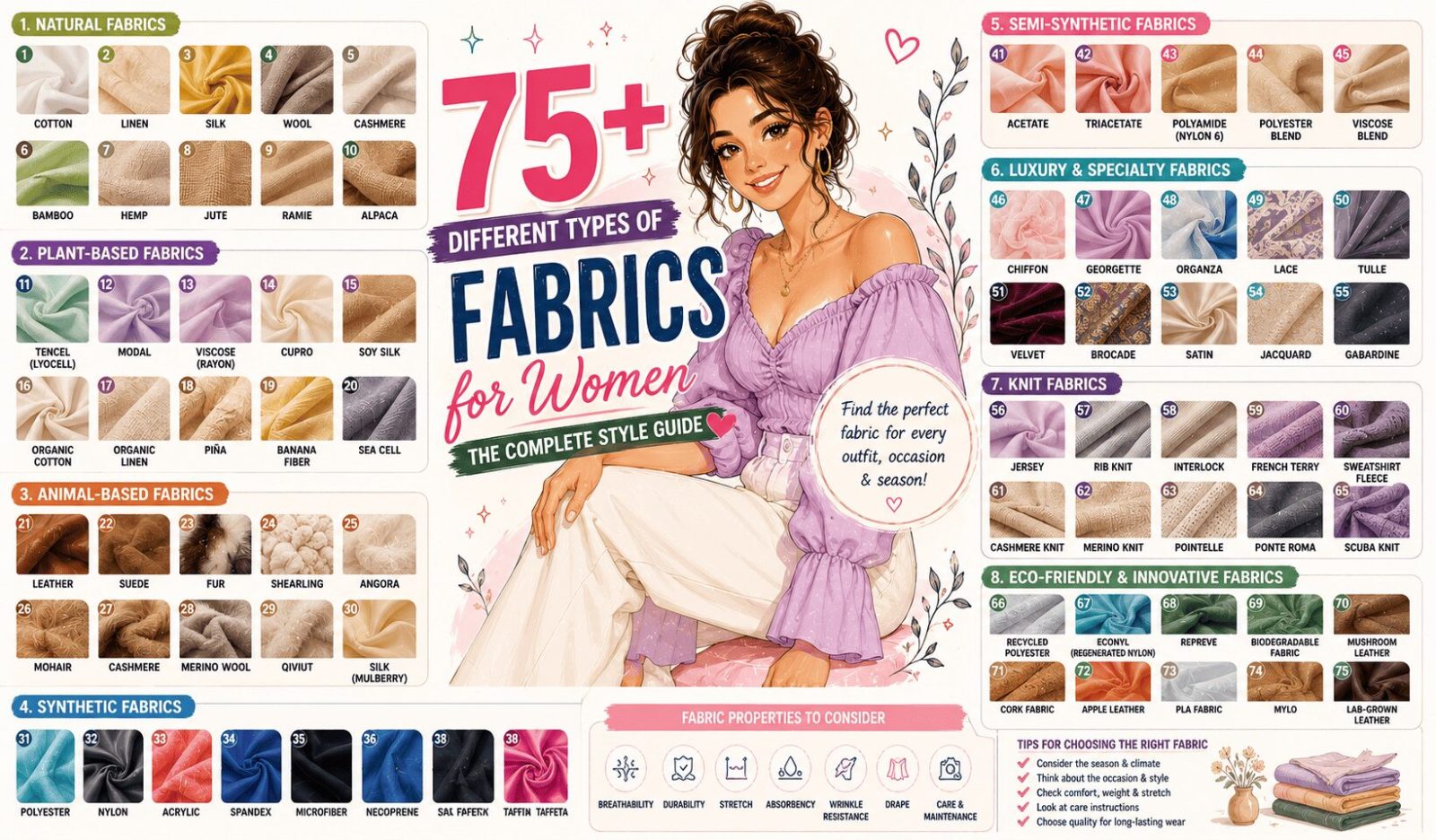
  • 75+ Different Types of Fabrics for Women Clothing (With Pictures and Names)

    75+ Different Types of Fabrics for Women Clothing (With Pictures and Names)

    There’s something almost alchemical about the moment a fabric choice clicks into place. Not just comfortable — right. That whisper-soft cashmere against your skin in January. That crisp linen in July that somehow keeps you cooler than everything else in your wardrobe. Fabric isn’t decoration layered on top of a garment. It’s the garment’s soul — shaping how it moves, how it breathes, how it ages, and crucially, how it makes you feel in it.

    Fabric is the first decision in fashion. Everything else — cut, colour, construction — is commentary.

    The history of clothing is, at its core, a history of textiles. Ancient Egypt elevated linen to a sacred material. The Silk Road reshaped civilizations because of a single thread. Cotton’s industrialization in the 18th century democratized dress entirely. Today, with natural fibres, synthetic blends, semi-synthetics, and technically engineered performance textiles all available simultaneously, fabric literacy has never been more essential — or more overlooked. This guide corrects that.

    The Guide

    This guide documents 75+ types of fabric for women’s clothing across 8 classification systems. For every single entry:

    • Fibre Origin

      Natural, synthetic, or semi-synthetic source

    • Season

      When it performs at its best

    • Best For

      Which garments and occasions it suits

    Start here, explore everything, and build a wardrobe informed by fabric intelligence — not just trend impulse. If you also want to explore how fabrics work across specific garment categories, our complete guide to women’s tops and our deep-dive into dress silhouettes both complement what you’ll find here.

    All 8 Fabric Categories at a Glance

    A structured breakdown of the 75+ fabric types documented in this guide.

    1. 01

      Natural Plant-Based Fibres

      14 types #1–#14
    2. 02

      Natural Animal-Derived Fibres

      10 types #15–#24
    3. 03

      Semi-Synthetic / Regenerated Fibres

      10 types #25–#34
    4. 04

      Fully Synthetic Fibres

      12 types #35–#46
    5. 05

      Woven Fabric Constructions

      12 types #47–#58
    6. 06

      Knit Fabric Constructions

      8 types #59–#66
    7. 07

      By Season & Climate Suitability

      6 types #67–#72
    8. 08

      Sustainable & Innovative Fabrics

      6 types #73–#78
    Total Coverage
    78 Fabric Types Documented

    75+ Different Types of Fabrics for Women’s Clothing

    Category 1: Natural Plant-Based Fibres (#1–#14)

    Grown from the earth — breathable, biodegradable, and the oldest textile tradition in human history

    Plant fibres are the foundation. Before synthetics, before blends, before performance textiles existed — there was cotton, linen, hemp, and ramie. These materials built entire economies and, in many parts of the world, still define daily dress. Their shared qualities: breathability, natural moisture management, and a tendency to soften and improve with repeated washing and wear.

    What works so well about plant-based fibres — and why they've endured — is that they don't need technical engineering to perform. They manage heat and moisture through fibre structure alone. A well-woven cotton shirt outperforms a synthetic moisture-wicking top in most real-world conditions simply because the natural fibre breathes. That's a fact most fast fashion marketing would prefer you didn't know. Our guide to breathable fabrics for women covers this in even more detail if you want to dig deeper.

    1. 01

      Cotton

      Cotton Fabric for Women's Clothing

      Spun from the soft fibres surrounding cotton plant seeds, cotton is the world's most widely used natural textile fibre — and honestly, probably the most democratic too. Its cross-section is kidney-shaped, which is precisely what makes it absorb moisture so efficiently. Available in countless weave weights, from gossamer lawn cotton to heavy canvas, it adapts across every garment category and season.

      DesignMatte finish, soft hand, wide weight range from sheer to heavy
      SeasonAll seasons; weight determines suitability
      Best ForEveryday tops, dresses, skirts, casual and smart-casual wear
    2. 02

      Linen

      Linen Fabric for Women's Clothing

      Made from flax plant stalks, linen is older than civilization itself — ancient Egyptian mummies were wrapped in it. Its hollow fibre structure allows air to circulate freely, making it two to three times more breathable than cotton. It wrinkles. That's not a flaw; that's character. And it softens considerably with every wash, becoming more beautiful the more you wear it.

      DesignCrisp texture, slubbed surface, characteristic natural drape
      SeasonSpring / Summer; transitional autumn
      Best ForSummer dresses, blouses, wide-leg trousers, resort wear
    1. 03

      Hemp

      Hemp Fabric for Women's Clothing

      One of the most durable plant fibres available, hemp requires no pesticides to grow and returns nutrients to the soil after harvest. Its texture sits somewhere between linen and canvas — slightly coarser when new, softening dramatically over time. UV-resistant and naturally antimicrobial, it's the working fibre that sustainability-minded fashion is finally taking seriously.

      DesignTextured, earthy hand; matte surface; often blended with cotton
      SeasonSpring / Summer / early Autumn
      Best ForCasual tops, trousers, tote bags, sustainable fashion pieces
    2. 04

      Ramie

      Ramie Fabric for Women's Clothing

      Extracted from the stems of the China grass plant, ramie is one of the strongest natural fibres known — reportedly eight times stronger than cotton when wet. It has a lustrous, silk-like sheen unusual for a plant fibre, and excellent resistance to mildew, bacteria, and insect attack. Often blended with cotton to improve its natural stiffness.

      DesignSilky sheen, crisp drape, slightly stiffer than linen
      SeasonSpring / Summer
      Best ForBlouses, summer tops, lightweight trousers; mostly used in blends
    1. 05

      Jute

      Jute Fabric for Women's Clothing

      Coarser than most plant fibres, jute is more commonly known as burlap in its raw form — though fashion-grade jute blends soften the texture considerably. Its golden lustre and earthy, tactile quality make it a fixture in bohemian and artisan fashion aesthetics. Biodegradable, affordable, and increasingly used in sustainable fashion accessories and statement outer layers.

      DesignCoarse texture, golden hue, visible weave structure
      SeasonSummer / Resort
      Best ForAccessories, bags, festival wear, artisan outer layers
    2. 06

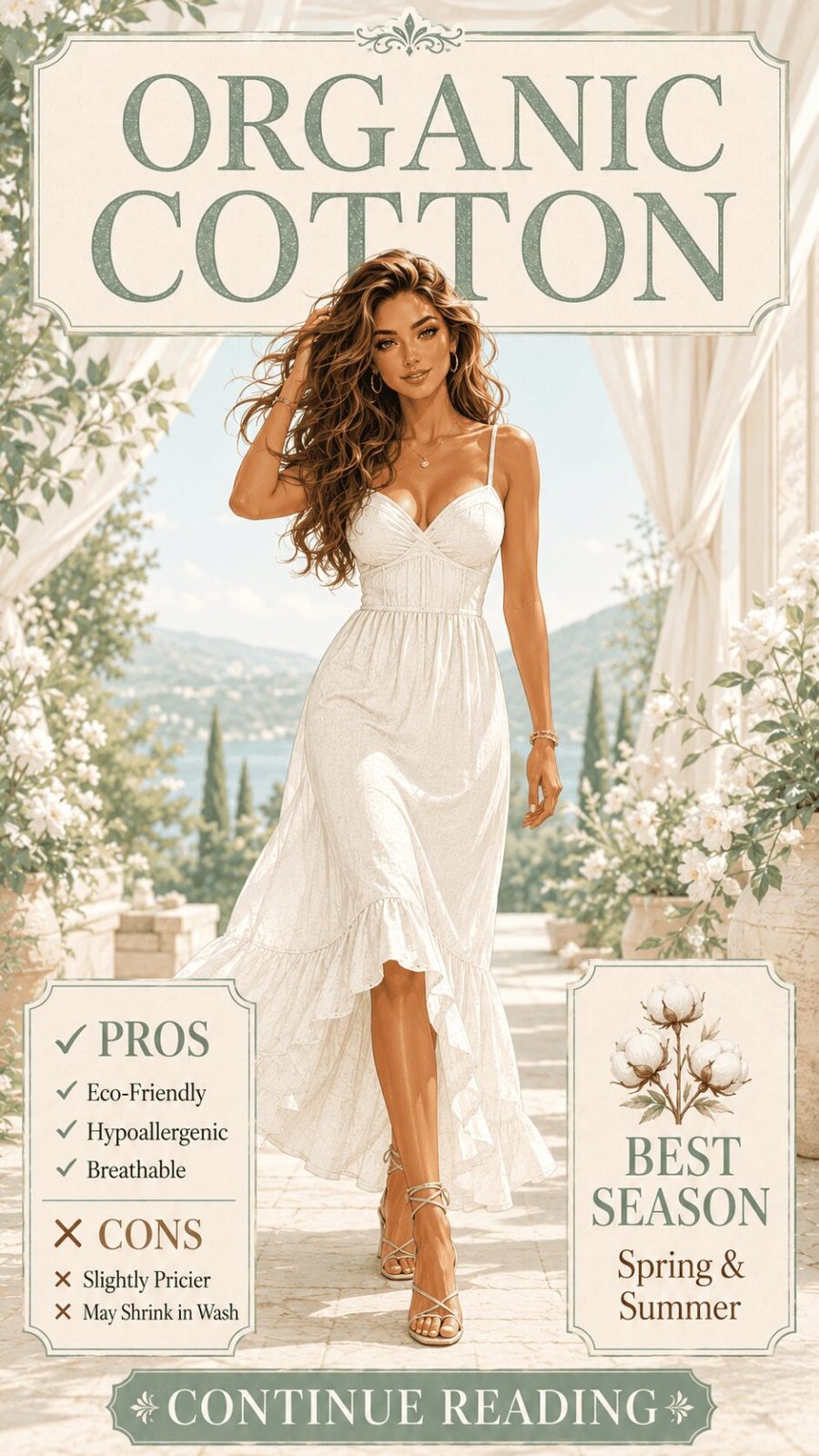
      Organic Cotton

      Organic Cotton Fabric for Women's Clothing

      Chemically identical to conventional cotton at fibre level, but grown without synthetic pesticides, fertilizers, or GMO seeds. The feel is often marginally softer — partly due to lower chemical processing — and the environmental footprint is substantially smaller. GOTS (Global Organic Textile Standard) certification is the benchmark to look for. Worth knowing: organic certification covers growing, not necessarily dyeing or finishing.

      DesignSoft, breathable, matte; indistinguishable from conventional by feel
      SeasonAll seasons by weight
      Best ForEveryday basics, children's clothing, sensitive skin, conscious fashion
    1. 07

      Muslin

      Muslin Fabric for Women's Clothing

      An ancient plain-weave cotton with origins in Mosul, Iraq — and arguably the most important fabric in fashion history that most people can't identify by name. Regency-era fashion was built on muslin's gossamer-light drape. Today it ranges from coarse open-weave (used for pattern-making toiles) to superfine Swiss muslin and voile, which float beautifully in summer dresses and blouses.

      DesignPlain weave, lightweight, semi-sheer in fine grades, soft drape
      SeasonSpring / Summer
      Best ForSummer dresses, blouses, layering under structured pieces
    2. 08

      Lawn Cotton

      Lawn Cotton Fabric for Women's Clothing

      A crisp, fine-weave cotton with a slightly sheer quality and a silky finish that sets it apart from standard quilting cotton. Originally produced in Laon, France, it holds prints with extraordinary clarity — which is why premium printed blouse fabric is often lawn. Pakistani lawn in particular is celebrated for its fine quality and vivid printed designs, dominating South Asian fashion markets.

      DesignFine, crisp weave, semi-sheer, excellent print clarity
      SeasonSpring / Summer
      Best ForPrinted blouses, kurtis, summer dresses, ethnic tops
    1. 09

      Chambray

      Chambray Fabric for Women's Clothing

      Chambray is often confused with denim — and honestly, that confusion is understandable. Both use a coloured warp thread and white weft, but chambray uses a plain weave rather than denim's diagonal twill. The result is softer, lighter, and more breathable. A chambray shirt drapes rather than holds structure, which makes it one of the best warm-weather alternatives to a formal shirt.

      DesignPlain weave, soft drape, denim-adjacent colour, much lighter weight
      SeasonSpring / Summer / Light Autumn
      Best ForShirts, dresses, smart-casual tops, warm-weather office wear
    2. 10

      Denim

      Denim Fabric for Women's Clothing

      A sturdy cotton twill weave — the defining fabric of the 20th century. Originally a workwear material (serge de Nîmes, France), it was adopted by cowboys, then teenagers, then high fashion. Its diagonal twill structure creates inherent strength and that characteristic diagonal ribbing visible on the fabric surface. Modern denim ranges from rigid raw selvedge to stretch-blend styles with 2-3% elastane. Our full guide to denim fits for women explores how the fabric works across different cuts.

      DesignDiagonal twill weave, structured hand, fades with wear
      SeasonSpring / Autumn / Winter (lighter washes in Summer)
      Best ForJeans, jackets, skirts, casual dresses, dungarees
    1. 11

      Corduroy

      Corduroy Fabric for Women's Clothing

      A ribbed velvet-like cotton textile with parallel vertical cords or "wales" — the ridge count per inch classifying the fabric from wide-wale (chunky, textural) to fine-wale (almost smooth). The name supposedly derives from "cord du roi," cloth of the king, though that etymology is disputed. Undisputed: its warmth, durability, and satisfying tactile quality make it one of autumn-winter fashion's most reliable textures.

      DesignRibbed pile surface, warm hand, directional nap that catches light
      SeasonAutumn / Winter
      Best ForTrousers, skirts, jackets, shirts, statement-texture pieces
    2. 12

      Canvas

      Canvas Fabric for Women's Clothing

      Heavy, plain-weave cotton (or linen) with enough structure to hold its shape without interfacing. Originally a sailmaker's material — and you can feel that practicality in every stitch. In women's fashion it appears in structured totes, utilitarian jackets, and architectural statement pieces where the goal is deliberate, no-apology rigidity. Bleached or dyed, it takes colour well and resists abrasion.

      DesignHeavy, stiff, structured; holds architectural shape without support
      SeasonSpring / Summer / Autumn
      Best ForBags, structured jackets, utility wear, outerwear with defined shape
    1. 13

      Poplin

      Poplin Fabric for Women's Clothing

      A tight plain-weave fabric with a fine crosswise rib produced by using a heavier weft thread than warp. The result is a smooth, slightly lustrous surface that holds a crease cleanly — which is exactly why it became the fabric of choice for formal dress shirts and office blouses. Poplin presses beautifully, resists wrinkling better than muslin, and has just enough body to maintain collar and cuff structure.

      DesignSlight crosswise rib, smooth surface, crisp pressing ability
      SeasonAll seasons
      Best ForDress shirts, office blouses, structured dresses, tailored garments
    2. 14

      Oxford Cloth

      Oxford Cloth Fabric for Women's Clothing

      A basket-weave cotton fabric with a heavier, more textural feel than poplin and a distinctly casual yet polished sensibility. Named for Oxford University (though the connection is largely marketing history), it became the foundation of the classic Oxford shirt — relaxed enough for weekends, structured enough for smart-casual. The subtle weave creates a matte, refined texture that photographs extremely well.

      DesignBasket weave, heavier hand, matte texture, slightly casual
      SeasonSpring / Autumn
      Best ForShirts, casual-smart blouses, weekend wear, travel

    Category 2: Natural Animal-Derived Fibres (#15–#24)

    Protein-based fibres from living creatures — inherently temperature-regulating and among fashion's most prized materials

    1. 15

      Silk

      Silk Fabric for Women's Clothing

      Produced by silkworm larvae spinning their cocoons, silk is a continuous protein filament — sometimes over a kilometre long from a single cocoon. That unbroken length creates the signature smooth, lustrous surface that reflects light so differently from every other fabric. Naturally temperature-regulating (genuinely warm in winter, cool in summer), hypoallergenic, and with a drape that simply cannot be replicated synthetically. For a deeper look at how silk works across garment types, our guide to silk fabrics for women covers every silk variety in detail.

      DesignLuminous sheen, fluid drape, cool touch, subtle lustre that shifts with movement
      SeasonAll seasons; weight and weave determine context
      Best ForBlouses, evening wear, occasionwear, slip dresses, scarves
    2. 16

      Wool

      Wool Fabric for Women's Clothing

      The protein fibre shorn from sheep — and one of the most technically sophisticated natural materials in existence. Wool's crimped structure traps air, creating insulation. Its natural scales manage moisture (absorbing up to 35% of its weight without feeling wet). It's naturally fire-resistant and odour-resistant. Ranging from fine super 100s suiting wool to chunky Aran knit, it spans every formality level. See our complete breakdown of wool fabrics for women for the full classification.

      DesignCrimped, warm hand, ranges from smooth fine suiting to chunky knit
      SeasonAutumn / Winter; fine merino year-round
      Best ForSweaters, coats, suits, skirts, trousers, winter dresses
    1. 17

      Cashmere

      Cashmere Fabric for Women's Clothing

      Combed from the soft undercoat of Kashmir goats, primarily in Mongolia and China. The fibres must measure under 19 microns in diameter — for reference, a human hair is 70 microns. That fineness is the source of cashmere's extraordinary softness. It's also why a single high-quality cashmere sweater requires the seasonal output of three to five goats. Worth the investment? In most stylist opinion: consistently, yes.

      DesignExceptionally soft hand, slight halo, warm without weight
      SeasonAutumn / Winter; fine-gauge works in Spring transitions
      Best ForSweaters, turtlenecks, cardigans, investment wardrobe pieces
    2. 18

      Merino Wool

      Merino Wool Fabric for Women's Clothing

      The finest category of conventional sheep's wool — fibres under 24 microns, soft enough to wear directly against skin without the itch that coarser wools produce. Merino's exceptional properties include natural odour resistance (allowing multi-wear between washes), temperature regulation across a surprisingly broad range, and a moisture management system that wicks sweat away while retaining warmth. The travel wardrobe's best friend.

      DesignFine, smooth, next-to-skin soft, minimal itch
      SeasonYear-round by weight (ultra-fine in spring/summer)
      Best ForBase layers, travel tops, lightweight sweaters, activewear layers
    1. 19

      Mohair

      Mohair Fabric for Women's Clothing

      Shorn from Angora goats (not to be confused with Angora rabbits), mohair is one of the most glamorous fibres in knitwear. Its long, smooth filaments don't felt like wool — they maintain a brilliant sheen and create that distinctive fluffy halo that catches light dramatically. Lightweight for its warmth level, durable, and increasingly central to high-fashion knitwear collections from Acne Studios to Bottega Veneta.

      DesignLuminous sheen, prominent fluffy halo, lightweight warmth
      SeasonAutumn / Winter
      Best ForStatement sweaters, cardigans, textural coats, evening knitwear
    2. 20

      Angora

      Angora Fabric for Women's Clothing

      Harvested from Angora rabbits, angora fibre is extraordinarily fine and soft — finer even than cashmere at its finest grades. The hollow core structure provides remarkable insulation with minimal weight. Pure angora sheds, which is why most commercial angora is blended with wool or nylon at 20-40% to improve durability and reduce fibre loss. Primarily used as an accent or blend fibre in luxury knitwear.

      DesignUltra-fine, extremely soft, pronounced fluffy halo, sheds without blend
      SeasonWinter
      Best ForLuxury knitwear accents, winter tops, tactile statement pieces
    1. 21

      Alpaca

      Alpaca Fabric for Women's Clothing

      A protein fibre from the South American alpaca — lighter than sheep's wool, warmer by comparison, and naturally free of lanolin (which is what makes standard wool itch for some wearers). The fibre contains microscopic air pockets that create insulation without weight. Baby alpaca — from the first shearing — is the finest and softest grade, producing a luxurious hand comparable to cashmere at a more approachable price point.

      DesignSoft, slight sheen, lightweight warmth, lanolin-free
      SeasonAutumn / Winter
      Best ForSweaters, scarves, coats; ideal for wool-sensitive wearers
    2. 22

      Tweed

      Tweed Fabric for Women's Clothing

      A rough-surfaced woollen cloth, traditionally hand-woven in Scotland and Ireland, with a distinctive nubby texture from irregular yarns. Herringbone, houndstooth, and plain colour-speckled tweeds are the most recognizable patterns. Chanel's appropriation of tweed in the 1920s transformed it from workwear to luxury fashion — a status it has held for a century. Heavy and insulating, with a structured drape that tailors beautifully.

      DesignNubby texture, multi-colour speckled yarns, structured hand
      SeasonAutumn / Winter
      Best ForJackets, skirts, blazers, structured coats
    1. 23

      Leather

      Leather Fabric for Women's Clothing

      Animal hide — most commonly cattle, though lamb, deer, and goat are also used — preserved through tanning. Full-grain leather retains the original hide surface and develops a rich patina over time. Top-grain has the surface buffed for uniformity. Suede is the underside of the hide, with a soft nap. Leather's zero-stretch structure, durability, and tactile authority make it genuinely irreplaceable in fashion — and very much worth learning the grades of before purchasing.

      DesignSmooth or napped surface, zero stretch, develops patina with age
      SeasonAutumn / Winter (lambskin in mild Spring)
      Best ForJackets, skirts, trousers, bags, boots, statement pieces
    2. 24

      Suede

      Suede Fabric for Women's Clothing

      The inner split of leather — buffed to raise a soft, velvety nap. Suede is softer and more pliable than full-grain leather but significantly less water-resistant. Its matte finish and tactile surface create a quieter, more refined aesthetic than polished leather. Particularly associated with 1970s bohemian fashion and luxury accessories. Requires specific care: suede protector spray applied before first wear is essential, not optional.

      DesignSoft nap, matte finish, supple and pliable hand
      SeasonAutumn (dry days) / Winter (with care)
      Best ForJackets, skirts, ankle boots, bags, bohemian-luxe pieces

    Category 3: Semi-Synthetic / Regenerated Fibres (#25–#34)

    Natural cellulose transformed through chemistry — the middle ground between plant fibres and full synthetics

    1. 25

      Viscose (Rayon)

      Viscose Rayon Fabric for Women's Clothing

      Produced from dissolved wood cellulose, regenerated into smooth continuous fibres. The result is fabric with a silk-like drape, lovely breathability, and an excellent ability to absorb dye in vivid, saturated colours — at a fraction of silk's cost. The trade-off? It weakens significantly when wet, can stretch out of shape, and wrinkles readily. Understanding this helps enormously when shopping: look for ECOVERO or FSC-certified viscose if sustainability matters to you.

      DesignSilky drape, vibrant colour absorption, soft hand, fluid fall
      SeasonSpring / Summer
      Best ForBlouses, summer dresses, maxi skirts, printed casual wear
    2. 26

      Modal

      Modal Fabric for Women's Clothing

      A second-generation viscose derived from beechwood pulp, processed to produce finer, stronger fibres than standard rayon. Modal has a cool, slightly silky surface that feels genuinely luxurious against skin — better wet-strength than viscose, better resistance to shrinkage, and significantly softer hand. Lenzing Modal (Austrian beechwood) is the benchmark quality grade. Commonly blended with cotton or spandex in everyday basics and underwear.

      DesignCool, silky touch, excellent drape, softer than cotton
      SeasonYear-round
      Best ForT-shirts, loungewear, fitted tops, underwear, everyday basics
    1. 27

      Lyocell (Tencel™)

      Lyocell Tencel Fabric for Women's Clothing

      Produced in a closed-loop solvent process where 99% of the spinning liquid is recycled — making it substantially more environmentally responsible than standard viscose. Tencel is Lenzing's brand name for their lyocell. The resulting fabric is smooth, breathable, incredibly soft, and has strong wet-strength. It drapes beautifully with a natural, subtle sheen. Its moisture-wicking properties make it genuinely practical for all-day wear in warm conditions.

      DesignSmooth, subtle sheen, soft drape, strong wet-strength
      SeasonAll seasons
      Best ForSustainable basics, blouses, dresses, trousers, activewear blends
    2. 28

      Bamboo Fabric

      Bamboo Fabric for Women's Clothing

      Most commercial bamboo fabric is a bamboo-derived viscose — cellulose extracted from bamboo and processed using the same chemical method as rayon. True mechanically processed bamboo (bamboo linen) is rare and expensive. Bamboo viscose is genuinely soft and breathable but the "eco" credentials depend heavily on processing method. The plant itself is remarkably sustainable (fast-growing, no pesticides); the chemical processing is where the environmental variable sits.

      DesignSilky soft, cool touch, breathable, slight natural sheen
      SeasonYear-round; especially summer
      Best ForLoungewear, basics, activewear, sensitive skin garments
    1. 29

      Cupro

      Cupro Fabric for Women's Clothing

      Regenerated from cotton linter — the short fibres too fine to spin conventionally, dissolved in a copper-ammonia solution and regenerated into smooth filaments. The result is often used as a lining fabric (it's breathable where polyester lining is stifling) and in lightweight, fluid outer garments. Cupro falls, drapes, and feels remarkably similar to silk. An underappreciated fabric that often appears in better-quality ready-to-wear without being called out by name.

      DesignSilk-like drape and hand, lightweight, breathable, cool touch
      SeasonSpring / Summer; lining year-round
      Best ForLinings, blouses, dresses, lightweight evening pieces
    2. 30

      Acetate

      Acetate Fabric for Women's Clothing

      Produced from wood pulp cellulose chemically modified with acetic acid. The resulting fibre has a high-lustre, silk-like appearance and drapes smoothly — which is why it became the go-to lining fabric for tailored garments from the 1930s onwards. Its key weakness: heat sensitivity. Acetate shrinks with hot water and will dissolve with acetone (nail polish remover). Always check care labels carefully with acetate garments.

      DesignHigh lustre, silky appearance, smooth drape, lightweight
      SeasonAll seasons as lining
      Best ForLinings, eveningwear, structured dresses, satin-look pieces
    1. 31

      Triacetate

      Triacetate Fabric for Women's Clothing

      An improved version of acetate with higher heat resistance — meaning it can actually be machine-washed and tumble-dried at low temperature without catastrophic shrinkage. This greater chemical modification creates a fabric that resists wrinkling, holds pleats exceptionally well, and maintains its crisp surface through repeated wearing. Often used in pleated skirts and structured evening pieces where pleat retention is critical.

      DesignCrisp, pleat-retaining, wrinkle-resistant, slightly stiffer than acetate
      SeasonAll seasons
      Best ForPleated skirts, structured eveningwear, easy-care formal garments
    2. 32

      Viscose Georgette

      Viscose Georgette Fabric for Women's Clothing

      A lightweight, slightly crepe-like fabric created by weaving highly twisted viscose yarns. The crinkled surface creates a matte finish quite different from silk georgette — less sheer, less refined, but more accessible and still beautifully fluid. Viscose georgette appears extensively in Indian blouses, summer dresses, and occasion tops where movement and drape are more important than structure.

      DesignCrepe texture, matte finish, fluid drape, slightly crinkled surface
      SeasonSpring / Summer
      Best ForTops, dresses, kurtis, occasion blouses, ethnic garments
    1. 33

      Satin Charmeuse

      Satin Charmeuse Fabric for Women's Clothing

      A lightweight satin-weave fabric — often produced in silk but increasingly in polyester or viscose — with a lustrous face and matte reverse. Charmeuse is softer and more fluid than standard satin; it clings rather than standing away from the body. The tactile combination of cool smoothness and fluid movement makes it a default for slip dresses, bias-cut garments, and anything designed to play with body contour rather than conceal it.

      DesignHigh-lustre face, matte reverse, fluid and clinging drape
      SeasonSpring / Summer / Evening year-round
      Best ForSlip dresses, bias-cut garments, evening blouses, lingerie-inspired tops
    2. 34

      Microfibre

      Microfibre Fabric for Women's Clothing

      Technically a fibre category rather than a single material — microfibres are any synthetic fibres measuring less than one denier (finer than silk). Most commonly polyester or nylon, microfibre fabrics achieve extraordinary softness, compressibility, and moisture management through fibre fineness rather than fibre type. The trade-off: every wash releases microplastic particles into waterways — an environmental issue increasingly tracked by researchers.

      DesignUltra-soft hand, lightweight, often peach-skin or suede-like finish
      SeasonAll seasons
      Best ForActivewear, lingerie, sportswear, lightweight outer layers

    Category 4: Fully Synthetic Fibres (#35–#46)

    Engineered from petrochemicals — performance-driven, wrinkle-resistant, and ubiquitous in modern fashion

    Synthetics have a complicated reputation — and not entirely unfairly. But dismissing them entirely ignores the genuine performance advantages they offer. Polyester's wrinkle resistance is real. Nylon's durability is real. Elastane's stretch recovery is irreplaceable. The issue is their environmental cost and their tendency to feel uncomfortable in warm conditions. Understanding where synthetics genuinely outperform natural fibres makes you a better-informed consumer, not a compromised one. For garments focused on activewear and performance, synthetics often make genuine functional sense.

    1. 35

      Polyester

      Polyester Fabric for Women's Clothing

      The world's most widely produced synthetic fibre — derived from petroleum-based polyethylene terephthalate. Resistant to wrinkles, shrinkage, and most stains. Dries extremely quickly. Holds its shape indefinitely. These are real advantages. The disadvantages are equally real: limited breathability in heat, tendency to hold odour over time, and a significant environmental footprint both in production and (as microplastic shedding) in use. Recycled polyester (rPET) addresses some of these concerns partially.

      DesignWrinkle-resistant, holds colour well, range from sheer chiffon to thick ponte
      SeasonAll seasons; avoid in high summer heat
      Best ForTravel wear, activewear, blended fabrics, low-maintenance garments
    2. 36

      Nylon

      Nylon Fabric for Women's Clothing

      The first true fully synthetic fibre — introduced by DuPont in 1938, initially for stockings. Nylon is exceptionally strong for its weight, resistant to abrasion and chemicals, and has a natural silky lustre. It replaced silk in hosiery and parachutes during the Second World War for practical reasons. In contemporary fashion it appears in hosiery, swimwear, activewear, and outer layers requiring durability without bulk. Often blended with elastane for stretch-recovery performance.

      DesignStrong, smooth, slight sheen, excellent abrasion resistance
      SeasonAll seasons; dominant in transitional outerwear
      Best ForHosiery, swimwear, activewear, windbreakers, lightweight outerwear
    1. 37

      Elastane (Spandex / Lycra™)

      Elastane Spandex Lycra Fabric for Women's Clothing

      Pure polyurethane — the stretch ingredient in almost every fitted garment made today. Elastane is essentially never used alone; it appears in blends at 2-5% in casual cotton tops, 15-20% in performance activewear, and up to 40% in swimwear. The critical property is stretch recovery: elastane returns to its original shape after stretching up to 600% of its length. Lycra is DuPont's brand name, now owned by Invista. Without elastane, fitted jeans, yoga pants, and shaped blouses as we know them simply wouldn't exist.

      DesignUsed in blends only; invisible stretch ingredient
      SeasonAll seasons in blended fabrics
      Best ForActivewear, swimwear, jeans, fitted tops, leggings — always in blend
    2. 38

      Acrylic

      Acrylic Fabric for Women's Clothing

      A synthetic fibre produced from acrylonitrile — engineered specifically to mimic wool's appearance and warmth at significantly lower cost. Acrylic pills readily, holds static in dry conditions, and breathes poorly relative to natural fibres. Its primary advantage is price point and ease of care; it's machine-washable where wool often isn't. In cheaper knitwear, acrylic is the dominant fibre — often marketed as "soft knitwear" without specifying the fibre content.

      DesignWool-like appearance, pills with wear, bright colour retention
      SeasonAutumn / Winter
      Best ForBudget knitwear, sweaters, beanies, scarves, affordable casual layers
    1. 39

      Faux Leather (PU / PVC)

      Faux Leather PU Fabric for Women's Clothing

      Polyurethane (PU) coated fabric — a fabric base (often polyester) with a polyurethane surface coating designed to replicate leather's appearance. PU leather is more breathable and softer than PVC (vinyl) and is the standard for better-quality faux leather in fashion garments. It cannot develop a genuine patina and will eventually crack and peel — typically within 3-7 years of regular wear — rather than aging as real leather does. Significant in veganism-aligned fashion for its animal-free credentials.

      DesignLeather-like surface, uniform appearance, eventual cracking with age
      SeasonAutumn / Winter
      Best ForJackets, skirts, trousers, bags; vegan/animal-free fashion choices
    2. 40

      Technical Fleece

      Technical Fleece Fabric for Women's Clothing

      A knitted polyester fabric with a raised, brushed pile on one or both sides. Unlike woven fabrics, fleece does not fray when cut — making it efficient to manufacture. Its insulation-to-weight ratio is exceptional; it's also moisture-wicking and dries quickly. Malden Mills (Polartec) pioneered high-performance fleece in the 1970s. The primary trade-off is microplastic shedding — fleece releases more plastic fibres per wash than almost any other synthetic textile.

      DesignBrushed pile, soft hand, lightweight insulation, casual aesthetic
      SeasonAutumn / Winter
      Best ForCasual outerwear, athleisure, hiking layers, winter loungewear
    1. 41

      Velvet

      Velvet Fabric for Women's Clothing

      A cut-pile woven fabric — a supplementary pile yarn is woven into a base fabric and then cut to create the characteristic short, dense pile surface. Most commercial velvet is now polyester or polyester-cotton blend; traditional silk velvet is rare and very expensive. The pile creates a directional nap that reads different colours at different angles, producing velvet's distinctive depth and richness. Crushes with handling but steams back — don't iron directly. For eveningwear and fashion-forward occasion dressing, few fabrics compete.

      DesignShort cut pile, directional nap, deep colour, tactile richness
      SeasonAutumn / Winter / Evening year-round
      Best ForEvening tops, party dresses, blazers, festive occasionwear
    2. 42

      Sequin Fabric

      Sequin Fabric for Women's Clothing

      Small disc-shaped embellishments — typically polyester or plastic — sewn or mechanically attached to a base fabric in overlapping rows. The result is a surface that reflects light at every angle, creating the characteristic visual shimmer. Quality varies enormously: cheaper sequin fabrics use hollow plastic discs that break and shed after washing; better constructions use flatter, more securely attached sequins that withstand careful cold washing. Hand washing inside-out in a laundry bag extends lifespan considerably.

      DesignAll-over light reflection, textured surface, high visual impact
      SeasonEvening / Party wear year-round
      Best ForEvening dresses, party tops, festive skirts, New Year outfits
    1. 43

      Metallic Fabric / Lamé

      Metallic Lame Fabric for Women's Clothing

      Fabric woven or knitted with metallic yarns — typically polyester threads coated in metallic film. Lamé specifically refers to fabric woven entirely with metallic thread, producing a flat, highly reflective surface used extensively in eveningwear. More contemporary metallic fabrics blend metallic threads with softer base fibres for improved comfort and drape. Metallic fabrics are heat-sensitive; never iron directly and dry clean or cold-hand-wash only.

      DesignHigh-reflective metallic surface, rigid to fluid depending on construction
      SeasonEvening / occasion wear; festive seasons
      Best ForEvening tops, party dresses, festive occasionwear, statement pieces
    2. 44

      Mesh / Net Fabric

      Mesh Net Fabric for Women's Clothing

      An open-weave or knit textile with a visible hole structure — ranging from fine tulle (used in evening skirts and veils) to coarse industrial-style mesh used in sportswear and streetwear. Most fashion mesh is polyester or nylon. The open structure creates inherent breathability regardless of fibre content. Powermesh — a firm, four-way stretch mesh — is a foundational material in shapewear, corsetry, and structured activewear.

      DesignOpen-hole structure, translucent, breathable regardless of fibre
      SeasonSummer / activewear year-round
      Best ForActivewear panels, festival tops, sheer layering, shapewear, tutus
    1. 45

      Tulle

      Tulle Fabric for Women's Clothing

      An ultra-fine, lightweight, hexagonal net fabric — named after Tulle, France, where it was first manufactured in the early 19th century. Most modern tulle is nylon or polyester; silk tulle exists but is rare. It's the fabric behind ballet tutus, bridal veils, ball gown underskirts, and whimsical fashion skirts. Multiple layers create volume without weight; a single layer is nearly invisible over other fabrics.

      DesignFine hexagonal net, creates volume without weight, nearly sheer
      SeasonOccasion wear year-round
      Best ForBridal, ball gowns, tutus, underskirts, fashion-forward skirts
    2. 46

      Organza

      Organza Fabric for Women's Clothing

      A thin, plain-weave sheer fabric — traditionally silk, increasingly polyester — made with twisted filament yarns that create a crisp, structured sheer rather than a soft one. Unlike chiffon (which floats and clings), organza holds its shape; it can be cut to stand away from the body and hold sculptural silhouettes. It photographs with beautiful lightness and is a staple of eveningwear, bridal fashion, and statement sleeves designed to catch movement.

      DesignCrisp sheer, holds sculptural shape, slight stiffness with lightness
      SeasonSpring / Summer; eveningwear year-round
      Best ForStatement sleeves, bridal overlays, eveningwear, structured overskirts


    Category 5: Woven Fabric Constructions (#47–#58)

    The structure of the weave determines drape, strength, and surface — regardless of fibre origin

    The same fibre — cotton, silk, polyester — can produce wildly different fabrics depending entirely on how the threads are interlaced. Weave structure determines whether a fabric drapes or holds shape, shines or absorbs light, breathes or insulates. Understanding weave types is the deeper layer of fabric literacy that most shopping guides never explain. It's also the level at which professional buyers and fashion designers think about cloth. For anyone wanting to understand fashion textures at a deeper level, this is where it starts.

    1. 47

      Plain Weave Fabric

      Plain Weave Fabric for Women's Clothing

      The simplest weave structure — each weft thread passes alternately over and under each warp thread, like a basket. The result is a stable, balanced fabric that is the foundation of muslin, poplin, chiffon, voile, and dozens of other textiles. Tighter plain weaves produce firmer fabrics; looser weaves produce sheers. The interlocking pattern creates equal strength in both directions, and the flat surface takes print extremely well.

      DesignFlat, stable surface; matte to semi-lustrous depending on fibre
      SeasonAll seasons by fibre and weight
      Best ForShirts, blouses, printed fabrics, dresses — the foundation of most everyday garments
    2. 48

      Twill Weave Fabric

      Twill Weave Fabric for Women's Clothing

      Characterised by diagonal rib lines — the weft threads pass over two or more warp threads before going under, creating that distinctive angled pattern visible on the fabric surface. Twill produces stronger, denser fabric than plain weave. Denim, gabardine, chinos, and herringbone are all twill constructions. The diagonal line direction can vary: right-hand twills are most common in wool suiting; left-hand twills characterise most denim. — and that directional rib is exactly why twills resist wrinkles so effectively.

      DesignDiagonal rib surface, durable, drapes well, slight sheen on smooth twills
      SeasonAll seasons; heavier twills in Autumn/Winter
      Best ForJeans, trousers, jackets, suiting, workwear
    1. 49

      Satin Weave Fabric

      Satin Weave Fabric for Women's Clothing

      In satin weave, warp threads float over multiple weft threads before interlacing — creating a smooth surface where the long floats catch and reflect light uniformly. The result is the characteristic high-lustre finish we call "satin." The weave structure, not the fibre, creates the shine. Polyester satin, silk satin, and cotton sateen all use this weave — the differences in lustre and hand come from the fibre, not the structure. Satin weave fabrics are more prone to snags than twill or plain weave because of those long floating threads.

      DesignHigh-lustre surface, smooth hand, snag-prone, fluid drape
      SeasonAll seasons; eveningwear year-round
      Best ForEvening dresses, bridal, blouses, luxury tops, slip dresses
    2. 50

      Crepe

      Crepe Fabric for Women's Clothing

      Produced using highly twisted yarns that, when woven, create a puckered, crinkled surface with a matte, non-reflective quality. Crepe can be made from silk, wool, polyester, or viscose — the word describes the surface texture, not the fibre. It's notoriously forgiving on the body, draping smoothly over figure variations that other fabrics would highlight. Professional stylists — honestly, myself included — reach for crepe constantly for client workwear precisely because it photographs well, resists wrinkle, and suits nearly every body proportion.

      DesignPebbly or crinkled surface, matte finish, smooth drape, wrinkle-resistant
      SeasonAll seasons; wool crepe in Autumn/Winter
      Best ForOffice wear, dresses, blouses, trousers, occasionwear
    1. 51

      Chiffon

      Chiffon Fabric for Women's Clothing

      A nearly weightless, sheer plain-weave fabric with a slightly rough texture from the use of alternating S- and Z-twist yarns. Silk chiffon is the most refined; polyester chiffon is more accessible and more durable, though with less of the floaty, almost-invisible quality of the genuine article. Chiffon layers beautifully, barely registers as weight on the body, and catches movement in a way that most other fabrics simply can't replicate — which is exactly why it dominates evening and bridal overlays.

      DesignNear-weightless, sheer, slightly grainy texture, floats with movement
      SeasonSpring / Summer / Evening year-round
      Best ForBlouses, evening tops, bridal overlays, layered dresses
    2. 52

      Georgette

      Georgette Fabric for Women's Clothing

      Heavier and more opaque than chiffon, georgette uses highly twisted S- and Z-twist yarns in both warp and weft, producing a pebble-like surface and a matte, crêpe-like character. Where chiffon floats and is barely-there, georgette flows and has more visual substance. It holds pleats and gathers well, drapes beautifully from the shoulder, and is one of fashion's most reliable fabrics for blouses, dresses, and kaftans in warm seasons. Named after French dressmaker Georgette de la Plante.

      DesignMatte, pebbly surface, opaque drape, holds gathers and pleats
      SeasonSpring / Summer
      Best ForBlouses, dresses, kaftans, occasion tops, ethnic garments
    1. 53

      Brocade

      Brocade Fabric for Women's Clothing

      A Jacquard-woven fabric with a raised, embossed pattern woven directly into the structure using supplementary weft threads — typically in silk, metallic, or a combination. The pattern is not printed or embroidered; it emerges from the weave itself, creating depth and relief on the fabric surface. Historically the fabric of royal courts, brocade today appears in occasionwear, structured jackets, and cultural garments including Indian lehengas, Chinese qipao, and formal Vietnamese áo dài.

      DesignRaised woven pattern, often metallic threads, heavy and structured
      SeasonAutumn / Winter / Festive / Occasion
      Best ForFormal jackets, ethnic occasionwear, structured tops, festive dressing
    2. 54

      Jacquard

      Jacquard Fabric for Women's Clothing

      Not a fabric type but a weaving method — the Jacquard loom (invented by Joseph Marie Jacquard in 1804, and an important ancestor of modern computing punch-card systems) allows individual control of each warp thread, enabling complex patterns to be woven directly into fabric. Brocade, damask, tapestry, and matelassé are all Jacquard constructions. The term "Jacquard fabric" in retail usually refers to lighter-weight Jacquard-woven patterned fabrics used in blouses, dresses, and structured tops.

      DesignWoven pattern integral to fabric, subtle to elaborate depending on construction
      SeasonAutumn / Winter / Occasion
      Best ForStructured blouses, dresses, trousers, occasionwear, formal tops
    1. 55

      Lace Fabric

      Lace Fabric for Women's Clothing

      An open-weave textile with a decorative pattern created by looping, twisting, or knitting threads — traditionally by hand (needle lace, bobbin lace) but now almost universally by machine. Chantilly lace, Venetian lace, and Alençon lace are the most celebrated historical varieties. Modern fashion lace is typically nylon or polyester with cotton or silk for premium versions. For a complete breakdown of how lace appears across fashion garments, our dedicated guide to lace details in women's fashion covers every variety.

      DesignOpen decorative pattern, floral or geometric, delicate visual quality
      SeasonSpring / Summer / Evening year-round
      Best ForBridal, lingerie, evening tops, overlay panels, feminine occasion dressing
    2. 56

      Gabardine

      Gabardine Fabric for Women's Clothing

      A tightly woven twill fabric with a very fine, steep diagonal rib — the fabric of the classic trench coat, invented by Thomas Burberry in 1879 as a waterproof wool for military officers. Modern gabardine is wool, cotton, or polyester — all share the characteristic smooth surface, clean drape, and resistance to creasing. It tailors beautifully, holds a pressed crease cleanly, and has excellent shape retention. The trench coat's enduring relevance in fashion is essentially a 145-year testimonial to gabardine.

      DesignFine diagonal rib, smooth surface, excellent shape retention
      SeasonSpring / Autumn / Winter (wool); all seasons (polyester)
      Best ForTrench coats, trousers, tailored blazers, structured skirts
    1. 57

      Flannel

      Flannel Fabric for Women's Clothing

      A soft, woven fabric — wool or cotton — that has been napped (brushed to raise the fibres) on one or both sides. The napping creates a soft, slightly fuzzy surface and traps air for warmth. Welsh flannel (wool) is distinct from American flannel (cotton), though both share the soft brushed character. Plaid flannel shirts have become a wardrobe symbol of casual cool — from lumberjacks to grunge to contemporary street style — and remain perennially in fashion for good reason.

      DesignSoft brushed surface, plaid patterns dominant, warm tactile quality
      SeasonAutumn / Winter
      Best ForShirts, casual tops, overshirts, loungewear, winter casual wear
    2. 58

      Damask

      Damask Fabric for Women's Clothing

      A Jacquard-woven fabric where the pattern is created by contrasting satin and sateen weave areas on the same fabric — producing a reversible design visible from both sides, where the pattern appears in opposite sheen on front and back. Named after Damascus, the medieval Syrian trading city through which this luxury fabric reached European markets. In contemporary fashion it appears in structured blouses, eveningwear, and upscale home-influenced fashion pieces with interior-design energy.

      DesignReversible pattern, matte/satin contrast surface, intricate woven motifs
      SeasonAutumn / Winter / Occasion
      Best ForStructured tops, occasionwear, blazers, statement blouses

    Category 6: Knit Fabric Constructions (#59–#66)

    Interlocked loops rather than interlaced threads — stretch, softness, and comfort by design

    Woven fabrics use two sets of threads crossing at right angles. Knit fabrics use a single yarn looped continuously — producing inherent stretch without the addition of elastane. This structural stretch is why a cotton jersey T-shirt moves with you while a poplin shirt doesn't. The loop structure also creates a softer hand, better thermal insulation per weight, and a forgiving, body-adapting fit. For the full picture on how knitwear silhouettes work, our guide to women's sweater styles connects fabric to garment form.

    1. 59

      Jersey Knit

      Jersey Knit Fabric for Women's Clothing

      The most ubiquitous knit construction — produced on circular knitting machines, with a smooth face and a slightly textured back. Single jersey (the standard T-shirt fabric) is lightweight with good horizontal stretch and a slight tendency to curl at the edges. Double jersey is heavier, more stable, and used for dresses and structured casual pieces. The name originates from Jersey, the Channel Island historically associated with wool knitting — long before it became associated with cotton basics.

      DesignSmooth face, slight body, horizontal stretch, matte surface
      SeasonAll seasons by weight
      Best ForT-shirts, casual dresses, everyday basics, layering tops
    2. 60

      Ribbed Knit

      Ribbed Knit Fabric for Women's Clothing

      Created by alternating knit and purl stitches in vertical columns, producing the characteristic raised ridges on both sides of the fabric. Ribbed knit has exceptional horizontal stretch and — critically — excellent stretch recovery, snapping back to its original width after being stretched. This makes it the standard for neckbands, cuffs, and waistbands on knitwear. As a fabric in its own right, fine ribbed jersey is the material of the bodycon turtleneck, the fitted top that never sags out of shape.

      DesignVertical ribs on both faces, excellent stretch recovery, body-hugging
      SeasonAll seasons; winter as main fabric, year-round in trim
      Best ForFitted tops, turtlenecks, bodycon dresses, cuffs and neckbands
    1. 61

      Ponte Knit

      Ponte Knit Fabric for Women's Clothing

      A double-knit fabric with a smooth surface on both sides and minimal stretch compared to most knits — it holds its shape firmly and has enough body to create structured silhouettes without interfacing. This is the fabric behind the "pull-on blazer" and countless workwear pieces that look tailored but have no rigid construction. Its firmness creates a visual tidiness that softer knits can't achieve. Ponte is the working wardrobe's best friend — if you're not already using it, you probably should be.

      DesignSmooth both sides, firm body, minimal stretch, structured without tailoring
      SeasonAutumn / Winter / Year-round office wear
      Best ForPull-on blazers, office dresses, structured skirts, tailored casual trousers
    2. 62

      French Terry

      French Terry Fabric for Women's Clothing

      A looped-back knit fabric with a smooth face and an uncut loop interior — the loops create absorbency and softness without the nap of fleece. Lighter than fleece and more polished-looking, French terry is the fabric of elevated sweatshirts, quality hoodies, and casual-luxe separates. It sits at the precise meeting point of comfort and presentability — which is exactly why athleisure and casual luxury brands use it extensively. You've worn it; you might just not have known the name.

      DesignSmooth face, looped interior, heavier than jersey, slightly structured
      SeasonAutumn / Spring transitional
      Best ForQuality sweatshirts, hoodies, casual-luxe separates, joggers
    1. 63

      Interlock Knit

      Interlock Knit Fabric for Women's Clothing

      Two ribbed fabrics knitted together simultaneously, creating a smooth, double-faced fabric that looks identical on both sides. Interlock is thicker and more stable than single jersey, does not curl at the edges, and has a finer, smoother hand than standard rib. It's used for higher-quality T-shirts, baby clothing, and anywhere a stable knit with excellent drape is needed. The lack of edge curl makes it the preferred knit for unfinished hems in minimalist design pieces.

      DesignSmooth both sides, stable, no curl, finer hand than jersey
      SeasonAll seasons
      Best ForPremium basics, T-shirts, underwear, childrenswear, minimalist pieces
    2. 64

      Crochet Fabric

      Crochet Fabric for Women's Clothing

      Created by interlocking loops using a hooked needle — either by hand or crochet machine — producing an open, textured fabric with visible hole structure and artisan character. Distinct from knitting in that each stitch is completed before the next is started, creating a firmer, more dimensional texture. Machine crochet-look fabric now imitates handmade crochet at scale. In fashion, it peaks during summer — appearing in cover-ups, tops, dresses, and bags — with a beach and festival aesthetic that has persisted across multiple decades.

      DesignOpen-loop texture, artisan quality, visible hole structure, dimensional
      SeasonSpring / Summer
      Best ForBeach cover-ups, summer tops, festival wear, bohemian accessories
    1. 65

      Cable Knit

      Cable Knit Fabric for Women's Clothing

      A knit pattern where groups of stitches are crossed over each other to create raised, twisted rope-like columns on the fabric surface. Traditional Aran knitting from Ireland's Aran Islands is the most celebrated form — each family historically had distinct cable patterns. Cable knit creates significantly more yarn consumption per area than plain knit, producing a thicker, warmer, and more sculptural fabric. The three-dimensional surface creates dramatic texture without print or embellishment — fashion purely through construction.

      DesignRaised twisted rope columns, three-dimensional texture, thick and warm
      SeasonAutumn / Winter
      Best ForWinter sweaters, chunky cardigans, statement knitwear, festive dressing
    2. 66

      Waffle Knit

      Waffle Knit Fabric for Women's Clothing

      A textured knit with a distinctive square-indented surface resembling a waffle pattern — created by interspersing purl and tuck stitches in a grid formation. The cells trap air, creating insulation, while the raised grid creates excellent absorbency. Originally a fabric of thermal underwear, waffle knit migrated into casualwear in the 1990s and remains a fixture in cosy loungewear, elevated thermal layers, and effortless autumn casual dressing. It pairs beautifully with denim and relaxed trousers.

      DesignSquare-grid texture, lightweight insulation, tactile and relaxed
      SeasonAutumn / Winter transitional
      Best ForLoungewear tops, thermal layers, casual sweaters, weekend dressing

    Category 7: Fabrics by Season & Climate Suitability (#67–#72)

    The same fibre in a different weight or weave can perform completely differently — season is context, not a fixed rule

    1. 67

      Summer Fabrics

      Summer Fabrics for Women's Clothing

      The best summer fabrics share one property: they allow heat to escape from the body efficiently. Linen, cotton (especially lawn and muslin weights), chiffon, georgette, seersucker, voile, and bamboo viscose all achieve this through breathability or sheerness. The key distinction most people miss: breathability means air circulates through the fabric; moisture-wicking means sweat is drawn away from skin. The best summer fabrics do both. For a dedicated guide, our overview of summer fabrics for women covers every option in seasonal context.

      Key FabricsLinen, cotton, chiffon, georgette, seersucker, voile, bamboo
      SeasonSpring / Summer
      Best ForDresses, blouses, wide trousers, resort wear, vacation outfits
    2. 68

      Winter Fabrics

      Winter Fabrics for Women's Clothing

      Winter fabric performance is about heat retention — trapping warm air close to the body while managing moisture from activity. Wool (particularly merino and cashmere) leads the natural fibre category. Technical fleece and down perform in the synthetic category. Tweed, flannel, velvet, and brocade all provide winter-appropriate insulation at different style registers. The critical layering principle: a moisture-wicking base layer (merino, bamboo) under an insulating mid-layer (wool knit, fleece) under a wind/rain-blocking outer layer. For the complete guide, see our breakdown of winter fabrics for women.

      Key FabricsCashmere, wool, tweed, fleece, flannel, velvet, brocade
      SeasonAutumn / Winter
      Best ForCoats, sweaters, trousers, formal winter dressing, outerwear
    1. 69

      All-Season Transitional Fabrics

      All Season Transitional Fabric for Women's Clothing

      Certain fabrics perform genuinely well across multiple seasons — not because they compromise on comfort, but because their fibre properties are genuinely temperature-responsive. Merino wool, modal, fine-weight Tencel, crepe, and ponte all fall here. The key indicator: the fabric's ability to regulate temperature rather than simply insulate. Merino actively responds to body heat; modal draws warmth away in summer and retains it modestly in cooler conditions. These are the fabrics that justify a wardrobe built on quality over quantity.

      Key FabricsFine merino, modal, Tencel, crepe, ponte, fine cotton blends
      SeasonYear-round / transitional Spring-Autumn
      Best ForInvestment basics, travel wardrobe, capsule wardrobe essentials
    2. 70

      Performance / Technical Fabrics

      Performance Technical Fabric for Women's Clothing

      Engineered fabrics designed for specific performance outcomes — moisture-wicking, compression, UV-protection, anti-odour, four-way stretch, water-resistance, or temperature regulation through technical means rather than natural fibre properties. Most are polyester or nylon blends with elastane. Brand-specific technologies (Dri-FIT, Climalite, GORE-TEX membrane) are applied treatments or constructions on top of a base synthetic fabric. Performance fabrics have genuinely transformed activewear — the question is whether their benefits justify their environmental cost for non-athletic use.

      DesignEngineered surface treatments, four-way stretch, moisture management
      SeasonActivity-dependent; year-round
      Best ForActivewear, gym wear, yoga, running, outdoor sports
    1. 71

      Seersucker

      Seersucker Fabric for Women's Clothing

      A puckered cotton fabric created by alternating slack and tight warp threads — producing a characteristic crinkled, rippled stripe where the looser threads bubble up from the surface. The name comes from Persian: shir o shakar, meaning "milk and sugar." That puckered surface holds the fabric away from the skin, creating tiny air pockets that improve ventilation in humid heat. It wrinkles acceptably — and in seersucker, wrinkles are entirely expected, even appropriate.

      DesignPuckered, crinkled surface, stripe pattern, holds away from skin
      SeasonSpring / Summer
      Best ForSummer dresses, shorts, smart-casual shirts, resort wear
    2. 72

      Voile

      Voile Fabric for Women's Clothing

      A lightweight, sheer plain-weave fabric similar to chiffon but with a slightly firmer, crisper hand due to the use of tightly twisted yarns. Cotton voile is particularly valued — it has the sheerness of chiffon with the natural breathability of cotton, making it genuinely excellent in tropical heat. Swiss cotton voile is the benchmark quality for embroidered and printed summer blouses. Layers beautifully and is far easier to sew cleanly than chiffon, which makes it beloved by garment makers.

      DesignSheer, slightly crisp, light and breathable, good print clarity
      SeasonSpring / Summer
      Best ForSummer blouses, printed tops, light dresses, layering in heat

    Category 8: Sustainable & Innovative Fabrics (#73–#78)

    The next generation of textile materials — where environmental responsibility meets design innovation

    The fashion industry accounts for approximately 10% of annual global carbon emissions — a figure cited consistently across environmental research bodies. Fabric production is a significant driver of that impact. The materials in this category represent genuine efforts to reduce that footprint: through closed-loop production, bio-based alternatives to petroleum synthetics, regenerated waste materials, and agricultural methods that restore rather than deplete soil. Our guide to sustainable fabrics for women covers the verification landscape in detail — what certifications mean, which claims are marketing, and which represent real change.

    1. 73

      Recycled Polyester (rPET)

      Recycled Polyester rPET Fabric for Women's Clothing

      Produced by mechanically or chemically processing post-consumer plastic — primarily PET bottles and discarded polyester textiles — into new polyester fibre. The resulting fabric is technically indistinguishable from virgin polyester in performance but requires significantly less energy and produces substantially fewer greenhouse gas emissions in its production. The environmental nuance: rPET still sheds microplastics during washing, and it does not biodegrade. Using a microfibre-catching laundry bag reduces the washing impact considerably.

      DesignIdentical to virgin polyester; look for GRS certification for verification
      SeasonAll seasons
      Best ForActivewear, outerwear, swimwear — anywhere virgin polyester would be used
    2. 74

      Piñatex® (Pineapple Fibre)

      Pinatex Pineapple Fabric for Women's Clothing

      A non-woven textile made from the long fibres of pineapple leaves — agricultural by-product from pineapple harvests, previously discarded or burned. Developed by Dr. Carmen Hijosa and commercialized by Ananas Anam, Piñatex has a slightly rough, natural texture that resembles leather. It's used in bags, shoes, accessories, and occasional fashion pieces as an alternative to both leather and PU. The supply chain is genuinely innovative; the current durability still trails real leather, which manufacturers are working to address.

      DesignLeather-like texture, natural colour, slightly rough surface
      SeasonAll seasons; accessories year-round
      Best ForBags, shoes, accessories, vegan fashion statement pieces
    1. 75

      Econyl® (Regenerated Nylon)

      Econyl Regenerated Nylon Fabric for Women's Clothing

      Produced by Aquafil, Econyl regenerates nylon from discarded fishing nets, fabric scraps, and industrial plastic waste through a chemical recycling process that restores the nylon to virgin quality — meaning it can be recycled repeatedly without degradation. The result is a nylon with identical performance to virgin nylon and a significantly reduced environmental footprint. It's now widely used in swimwear and activewear by brands committed to reducing ocean plastic pollution specifically.

      DesignIdentical to virgin nylon; look for Econyl® trademark for authenticity
      SeasonAll seasons
      Best ForSwimwear, activewear, sportswear, sustainable fashion
    2. 76

      Mycelium / Mushroom Leather

      Mycelium Mushroom Leather Fabric for Women's Clothing

      Bio-fabricated from the root structure of mushrooms — mycelium networks grown on agricultural waste substrates and then processed into flexible sheets. Bolt Threads (Mylo™) and Ecovative are the most prominent developers. The resulting material is soft, flexible, and leather-like, biodegrades at end of life, and is produced in days rather than years. Luxury fashion has taken notice: Stella McCartney, Hermès, and Adidas have all used mycelium materials in limited collections. Still in early commercial stage but increasingly viable.

      DesignSoft, leather-like, natural colour variation, biodegradable
      SeasonAll seasons; primarily accessories
      Best ForBags, accessories, luxury sustainable fashion pieces
    1. 77

      SeaCell™ (Seaweed Fibre)

      SeaCell Seaweed Fibre Fabric for Women's Clothing

      A lyocell-based fibre incorporating seaweed — harvested from the coast of Iceland and incorporated into the fibre during the closed-loop lyocell production process. The seaweed content is said to retain minerals and trace elements that have skincare benefits through contact with the skin. Whether these benefits are preserved through processing and washing is a nuanced scientific question, but the fibre itself is genuinely sustainable, soft, and biodegradable. Most commonly blended with other fibres in premium underwear and base layers.

      DesignSoft lyocell-like hand, slight natural green tint in raw state, biodegradable
      SeasonAll seasons; base layers year-round
      Best ForUnderwear, base layers, sensitive skin garments, sustainable luxury basics
    2. 78

      Bio-Fabricated Silk (Lab-Grown)

      Bio-Fabricated Lab-Grown Silk Fabric for Women's Clothing

      The frontier of fabric science — synthetic biology companies including Bolt Threads (Microsilk™), Spiber (Brewed Protein™), and AMSilk (Biosteel) are engineering proteins that replicate silk's properties using fermentation rather than silkworm cultivation. The proteins are brewed from genetically engineered microbes fed on plant sugars, then spun into fibre. Early commercial applications have appeared in collaboration with luxury brands. The performance potential — spider silk has greater tensile strength than steel by weight — makes this one of the most genuinely exciting developments in textile innovation in decades.

      DesignSilk-like in drape and hand; currently in limited luxury applications
      SeasonOccasion / luxury / innovation-forward fashion
      Best ForLuxury occasionwear, innovation collaborations, future sustainable fashion

    Frequently Asked Questions: Types of Fabric for Women's Clothing

    1. Q

      What is the most breathable fabric for women's clothing?

      Linen is broadly considered the most breathable natural fabric — its hollow fibre structure allows more air circulation than cotton. Among plant fibres, it outperforms cotton consistently in high-heat conditions. Cotton muslin, voile, and seersucker also perform extremely well. Among semi-synthetics, Tencel (lyocell) and bamboo viscose offer good breathability. The key is fibre type plus weave construction: a tightly woven fabric in a breathable fibre will perform less well than a loose weave in the same fibre.

    2. Q

      What is the difference between polyester and nylon?

      Both are petroleum-based synthetic fibres, but they differ meaningfully in properties. Nylon is stronger, more abrasion-resistant, and has a slight natural lustre that polyester lacks. Polyester is more resistant to UV degradation, holds colour slightly better, and dries faster. Nylon tends to absorb slightly more moisture than polyester. In fashion, nylon dominates in hosiery, swimwear, and performance outerwear where durability matters; polyester is more prevalent in casual wear, linings, and cost-sensitive production.

    3. Q

      What fabric is best for sensitive skin?

      For sensitive skin, fibre smoothness and chemical processing are the two key variables. Organic cotton, bamboo viscose, modal, and Tencel are consistently well-tolerated — all have smooth fibre surfaces without the scale structure that makes standard wool irritating. Silk is hypoallergenic and is one of the least reactive natural fibres. Avoid synthetic fabrics in direct skin contact if you experience reactions, as they tend to trap heat and moisture rather than manage it. Certifications to look for: GOTS (organic), OEKO-TEX Standard 100 (chemical safety), and Bluesign (processing standards).

    4. Q

      How do I tell the difference between silk and polyester satin?

      The most reliable test is the burn test — a small thread from a seam allowance: silk burns slowly, smells like burnt hair, and leaves a crushable ash. Polyester melts rather than burns, smells like plastic, and leaves a hard bead. In hand, real silk warms quickly against skin (it conducts heat); polyester stays cool longer. Silk also wrinkles more readily and recovers less quickly than polyester satin. In a retail environment, silk typically has a subtle, complex lustre that shifts with viewing angle; polyester satin has a more uniform, "flat" shine.

    1. Q

      What is the most sustainable fabric for clothing?

      Sustainability in fabric is genuinely complex — it involves fibre source, processing method, transport, care requirements, and end-of-life options. Among accessible options, organic linen and organic cotton processed with GOTS certification are among the lowest-impact plant fibres. Tencel (closed-loop lyocell) is the most responsibly produced semi-synthetic. Recycled polyester (rPET) is better than virgin polyester but not a complete solution due to microplastic shedding. The most sustainable fabric is the one already in your wardrobe, cared for properly to maximise lifespan.

    2. Q

      What is the difference between viscose and modal?

      Both are cellulose-based regenerated fibres derived from wood pulp, but modal is a second-generation improvement of viscose. Modal uses beechwood as its source material and an enhanced production process that produces finer, stronger fibres with better wet strength, better resistance to shrinkage, and a notably softer, cooler hand than standard viscose. Viscose is more widely produced and less expensive; modal costs more but performs better in everyday wear — particularly for basics where softness and durability over repeated washing matter.

    3. Q

      What fabric holds its shape best without tailoring?

      Ponte knit is the clear answer for knitted fabrics — its double-knit construction holds shape without wrinkling or sagging, making it the default for pull-on office wear that looks structured without rigid tailoring. Among woven fabrics, gabardine, heavy crepe, and poplin hold their shape well through the day. For structured garments that must retain silhouette through movement, fabrics with a small percentage of elastane add recovery; for silhouettes that should hold without movement, heavier wovens or stiff interfacing achieve the same result through different means.

    4. Q

      What fabrics are best for occasion and eveningwear?

      The strongest occasion fabrics share two qualities: elevated visual surface and controlled drape. Silk charmeuse and silk satin lead for fluidity and luminosity. Velvet provides rich colour depth and tactile drama. Brocade and Jacquard add woven pattern authority. Organza creates sculptural volume. Lace adds decorative delicacy. For budget-conscious occasion dressing, polyester satin and chiffon can perform respectably in controlled lighting; the key is construction quality rather than fabric alone — a well-cut polyester gown outperforms a poorly cut silk one consistently.

    5. Q

      How do I care for delicate fabrics to extend their lifespan?

      The most impactful care habits for delicate fabrics: wash silk and wool in cold water only (heat denatures protein fibres); lay wool flat to dry to prevent gravity-stretch; store silk away from direct light (it degrades under UV); use a mesh laundry bag for anything with elastane, lace, or sequins; steam velvet rather than ironing (direct heat crushes the pile permanently); and air garments between wears rather than washing after every use — most natural fibres recover naturally from light wear without washing. Frequency of washing is the single biggest factor in fabric longevity.

    Conclusion: Fabric Literacy Is Fashion Intelligence

    Seventy-eight types. Eight classification systems. Fibre origin, season, and best-use context for every single entry.

    What this guide does — ultimately — is give you vocabulary. And in fashion, vocabulary is genuinely practical currency. The difference between "I want something smooth and flowy for a summer dinner" and being able to identify a silk charmeuse slip dress or a viscose georgette blouse is enormous. One ends in frustration and impulse purchases that don't quite work. The other ends with garments that perform exactly as expected, season after season.

    The classification framework here — natural plant, natural animal, semi-synthetic, fully synthetic, woven constructions, knit constructions, seasonal suitability, and sustainable innovation — mirrors the way professional textile buyers, fashion designers, and experienced stylists think about cloth. It isn't specialist knowledge. It's organized thinking applied to a category that the fashion industry has always had an interest in keeping opaque. Transparent fabric knowledge is good for consumers. It's not always good for brands selling low-quality materials at high-quality prices.

    To build on what you've learned here, our complete guides to cotton fabric varieties, silk fabric types, and wool fabric varieties each go deeper into their respective categories. And when you're ready to apply this knowledge to specific garment types, our comprehensive guides to women's dress types and women's top styles show fabric knowledge in practical garment context.

    Key Takeaways
    • 78 fabric types documented across 8 systems — natural plant-based, animal-derived, semi-synthetic, fully synthetic, woven constructions, knit constructions, seasonal suitability, and sustainable innovation.
    • Fibre origin ≠ fabric performance. The same fibre (cotton, polyester, silk) can produce completely different fabrics depending entirely on weave or knit structure. Knowing both fibre and construction is the complete picture.
    • Breathability is structural, not just fibre-based. A loosely woven cotton breathes better than a tightly woven cotton. Weave density matters as much as fibre type for warm-weather comfort.
    • Semi-synthetics are the most underrated category. Modal, Tencel, and cupro often out-perform both natural fibres and full synthetics in everyday wearability — softer than cotton, more sustainable than polyester, more affordable than silk.
    • Satin is a weave, not a fibre. Silk satin, polyester satin, and cotton sateen are all satin-weave fabrics — the lustre comes from the long float structure of the weave, not the fibre itself. This distinction matters enormously when shopping.
    • Sustainable fabric claims require scrutiny. GOTS, OEKO-TEX Standard 100, GRS, and Bluesign certifications are verifiable. Marketing language ("eco-friendly," "natural-feel," "green") without certification backing is often unverified. Learn the certifications, not the adjectives.
    • Care is the biggest factor in longevity. How you wash, store, and wear a garment determines its lifespan far more than fabric type alone. Cold wash, air dry, steam rather than iron where possible — these habits extend any fabric's useful life significantly.
    • The best investment fabrics are genuinely temperature-responsive. Merino wool, fine cashmere, Tencel, and silk all actively manage body temperature rather than simply insulating. These are the fabrics that justify year-round, multi-occasion use.
    • Innovation is accelerating in sustainable textiles. Mycelium leather, bio-fabricated silk proteins, and Econyl represent a generation of materials that may substantially change fashion's environmental footprint within the next decade. Following these developments is increasingly relevant to conscious purchasing decisions.

    Sources & Further Reading

    This guide was compiled through analysis of textile science references, fashion history records, industry glossaries, and sustainability certification frameworks. All classification decisions are editorial. Last reviewed: June 2026.

  • 27+ Different Types of Puff Sleeves for Women (With Pictures)

    27+ Different Types of Puff Sleeves for Women (With Pictures)

    There’s a reason puff sleeves feel like a statement the moment you put them on. Not just volume — intention. A deliberate architectural choice that transforms the shoulder line, frames the face, and shifts the entire visual weight of an outfit in one structural decision. That feeling isn’t accidental. It’s the product of gathered fabric, construction engineering, and centuries of design language converging into a single sleeve.

    Puff sleeves are the most expressive construction in women’s fashion. Volume is never an accident — it’s always a choice.

    Volume sleeves have recurred throughout fashion history with remarkable consistency. The Victorian gigot sleeve of the 1890s. The Romantic-era poet sleeve. The structured power-shoulder puff of the 1980s that Vogue chronicled as a defining silhouette of the decade. The cottagecore revival of the 2020s that sent delicate bishop-cuffed blouses and dramatic organza puffs flooding back into mainstream fashion simultaneously. Puff sleeve construction — in all its variations — has proven itself one of the most enduring design motifs in garment history, consistently identified by Business of Fashion trend reports as a recurring runway staple across seasons.

    The Guide

    This guide documents 27+ distinct types of puff sleeves across 5 classification systems. For every single entry:

    • Design

      Construction & silhouette

    • Season

      When to wear it

    • Best For

      Who & what occasion

    Start here, explore every variation, and pair it with our full sleeve styles visual reference alongside it.

    All 5 Categories at a Glance

    A structured breakdown of the 27+ puff sleeve types documented in this guide.

    1. 01

      By Volume & Silhouette Shape

      8 types #1–#8
    2. 02

      By Placement & Position

      6 types #9–#14
    3. 03

      By Length & Cuff Construction

      5 types #15–#19
    4. 04

      By Fabric & Texture

      5 types #20–#24
    5. 05

      By Style Era & Aesthetic

      5+ types #25–#29
    Total Coverage
    27+ Types Documented

    27+ Different Types of Puff Sleeves for Women

    Category 1: By Volume & Silhouette Shape (#1–#8)

    How the gathered fabric is shaped and where the volume sits — the foundational identity of each puff sleeve type

    Volume is the conversation. Before a puff sleeve has a fabric or an era or an occasion — it has a shape. Is the volume gathered at the crown, distributed through the entire arm, or concentrated just below the shoulder? Is it structured and proud, or soft and fluid? These eight types represent the fundamental architecture of puff sleeve construction: where the extra fabric lives and how that choice defines the garment's visual language.

    What works beautifully about classifying puff sleeves by volume shape is that it cuts through the trend noise. A "cottagecore sleeve" is marketing. A gathered shoulder in cotton voile with an elasticated armscye and a fitted cuff? That's construction. And construction — as any experienced stylist will tell you — determines not just how a garment looks, but how it moves, ages, and performs in real life. The difference between a sleeve that photographs well and one that actually works matters enormously when you're the person wearing it. For a broader look at how sleeve construction types work across fashion, explore our complete sleeve styles guide.

    1. 01

      Classic Puff Sleeve

      Classic Puff Sleeve

      Gathered at both the shoulder seam and the sleeve hem — creating a rounded, balloon-like volume above the elbow. The armscye (armhole seam) is typically set higher than in a standard sleeve to emphasize the lift. This is the puff sleeve in its purest, most recognizable form — the version that Victorian dressmakers were perfecting in the 1870s and that runway designers revisit every few seasons without apology.

      DesignGathered at shoulder and sleeve hem; rounded balloon volume
      SeasonSpring / Summer; light fabrics; year-round in structured wovens
      Best ForEveryday feminine dressing, smart-casual, party occasions
    2. 02

      Mini Puff Sleeve

      Mini Puff Sleeve

      A condensed puff — the same gathering technique as the classic version but compressed to a very short sleeve length, often barely covering the shoulder cap. The volume is concentrated into a tight, upward-pushing mound rather than a sweeping balloon. Think: the sleeve whispers volume rather than announcing it. Particularly effective on dresses and blouses where a full puff would overwhelm the rest of the silhouette.

      DesignShort, condensed gather at shoulder cap; tight upward mound
      SeasonSpring / Summer; warm-weather dresses and blouses
      Best ForOffice-appropriate dressing, summer occasions, subtle romance
    1. 03

      Balloon Puff Sleeve

      Balloon Puff Sleeve

      Gathered at both the shoulder seam and the wrist or elbow cuff, creating a fully rounded, enclosed volume — like a balloon — through the entire sleeve length. Unlike the classic puff (which is primarily a shoulder statement), the balloon sleeve is volume from armhole to cuff. Often constructed in organza, taffeta, or structured cotton to maintain the spherical shape without collapsing.

      DesignGathered at shoulder and cuff; full rounded volume through arm
      SeasonAutumn / Winter in structured fabrics; Spring in lightweight versions
      Best ForStatement dressing, parties, fashion-forward occasions
    2. 04

      Juliet Puff Sleeve

      Juliet Puff Sleeve

      Puffed and gathered at the shoulder, tapering to a fitted sleeve and cuff below. Named for Shakespeare's Juliet — the romantic, elegant combination of drama at the crown and restraint through the arm creates a silhouette associated with Elizabethan court dress. The construction is technically demanding: the transition from maximum volume at the shoulder to a precisely fitted forearm requires careful pattern drafting and ease distribution.

      DesignPuffed shoulder tapering to fitted forearm and cuff
      SeasonAll seasons depending on fabric weight
      Best ForBridal, romantic occasions, evening, smart dressing
    1. 05

      Gigot / Leg-of-Mutton Sleeve

      Gigot Leg-of-Mutton Puff Sleeve

      Extremely full and rounded at the shoulder, tapering sharply to a tightly fitted forearm. Named for its resemblance to a leg of mutton — the widest, most dramatic point at the top, narrowing dramatically to almost nothing at the wrist. This is the puff sleeve at its most extreme. It reached peak popularity in the 1890s and has returned in softened versions across multiple contemporary fashion cycles. The silhouette creates a strong inverted triangle from shoulder to waist, which many find dramatically enhances the upper body proportion.

      DesignExtreme shoulder volume tapering sharply to tight wrist
      SeasonAutumn / Winter in structured wool or tweed
      Best ForFashion-forward dressing, editorial, statement occasion looks
    2. 06

      Bishop Puff Sleeve

      Bishop Puff Sleeve

      Full and generous throughout its entire length, gathered into a tight elasticated or buttoned cuff at the wrist. Unlike the Juliet (which tapers gradually), the bishop maintains fullness through the forearm before being gathered abruptly at the wrist. The volume flows downward — creating a silhouette that widens below the elbow. Named for the sleeves on clerical vestments where this construction originated. Practically — and beautifully — associated with peasant blouses, romantic tops, and cottagecore dressing.

      DesignFull through entire arm; gathered abruptly at elasticated or buttoned cuff
      SeasonSpring / Summer / Autumn in cotton, linen, or voile
      Best ForRomantic dressing, cottagecore, bohemian, smart-casual
    1. 07

      Lantern Puff Sleeve

      Lantern Puff Sleeve

      Gathered at both the shoulder and a midpoint along the arm — creating a rounded, enclosed shape in the upper sleeve and a second, smaller puff beneath. The construction resembles a paper lantern: two gathered segments separated by a cinched point. More complex to produce than a single-gather puff, the lantern sleeve reads as highly crafted and fashion-intentional. Common in East Asian fashion design, where it references the paper lantern aesthetic of traditional decorative arts.

      DesignGathered at shoulder and midpoint; double-puff lantern shape
      SeasonSpring / Autumn; structured fabrics hold the shape best
      Best ForFashion-forward occasions, Korean-influenced aesthetics, party dressing
    2. 08

      Exaggerated Oversized Puff Sleeve

      Exaggerated Oversized Puff Sleeve

      Volume taken to its logical extreme — sleeves so dramatically gathered and widened that they extend well beyond the natural shoulder line, often approaching the level of architectural sculpture. Typically constructed with internal padding, horsehair interfacing, or stiffening agents to maintain their outward thrust. This is runway fashion translated into wearable form. Not subtlety. Not suggestion. Deliberate, theatrical, and — when executed in the right fabric — genuinely stunning.

      DesignExtreme volume extending beyond shoulder; often structured or padded
      SeasonAutumn / Winter; heavy organza, taffeta, or structured wovens
      Best ForEditorial styling, galas, high-fashion occasions, statement dressing
    Stylist Insight

    Most people think "puff sleeve" means "adds volume to the shoulder." But here's what actually matters: fabric stiffness determines whether that volume reads as structured power or soft romance. Organza and taffeta hold their shape outward — assertive, architectural. Cotton voile and chiffon fall softly — gentle, feminine. Same gathering construction, completely different visual message. Choose the fabric first; the garment follows.

    Category 2: By Placement & Position (#9–#14)

    Where on the arm the puff volume sits — shoulder, elbow, cuff, or combination — defines the visual focal point and styling logic

    1. 09

      Shoulder-Only Puff Sleeve

      Shoulder-Only Puff Sleeve

      Volume concentrated entirely at the shoulder seam — gathered tightly at the armscye, then falling as a standard sleeve below. The visual emphasis is precisely at the point where the arm meets the shoulder. This is essentially a structured shoulder statement rather than a full sleeve statement. In workwear contexts, this can read as confident and polished — a modern update to the 1980s power shoulder, with gathering replacing padding. For a broader look at tops that use this shoulder emphasis effectively, see our breakdown of blouse constructions that shape the shoulder.

      DesignGather at armscye only; regular sleeve falls below the puff
      SeasonAll seasons; works across fabrics from cotton to silk
      Best ForOffice, smart-casual, everyday fashion-forward dressing
    2. 10

      Elbow Puff Sleeve

      Elbow Puff Sleeve

      Volume placed at the elbow point — gathered above and below the elbow joint, creating a puff precisely at mid-arm. Unusual and technically interesting. The elbow puff draws the eye to the middle of the arm rather than the shoulder or wrist, which creates a distinctly architectural effect. Rare in mainstream fashion; tends to appear in avant-garde or high-fashion collections where structural novelty is the point.

      DesignGathered at elbow joint; volume at mid-arm only
      SeasonSpring / Summer / Autumn in light structured fabrics
      Best ForAvant-garde styling, creative fashion occasions
    1. 11

      Detachable Puff Sleeve

      Detachable Puff Sleeve

      Puff sleeves constructed as separate, attachable garment accessories — typically fastened at the shoulder via snaps, hooks, or ties. Allows a sleeveless dress or plain top to be transformed into a dramatically different look without changing the garment itself. Particularly popular in wedding fashion, where detachable puff sleeves can convert a minimalist slip dress into a more traditional bridal silhouette for the ceremony and then be removed for the reception.

      DesignSeparate accessory; attached via snaps, ties, or hooks at shoulder
      SeasonAll seasons; versatile across garment types
      Best ForBridal, convertible styling, occasion versatility
    2. 12

      Cold-Shoulder Puff

      Cold-Shoulder Puff Sleeve

      A hybrid construction — a cutout at the shoulder combined with a puffed sleeve section above or below the opening. The shoulder point itself is exposed while the upper arm retains gathered volume. An interesting tension: the puff adds volume where the cold-shoulder removes structure, creating a playful contradiction. The combination tends to read as contemporary and fashion-aware, neither fully committed to the volume statement nor to the shoulder-baring effect alone.

      DesignShoulder cutout with gathered puff above or below the opening
      SeasonSpring / Summer
      Best ForParty, casual, date night, festival
    1. 13

      Off-Shoulder Puff Sleeve

      Off-Shoulder Puff Sleeve

      The neckline sits below the shoulder line while gathered, puffed sleeves begin at the upper arm — creating a bare collarbone and shoulder with volume starting below that exposed zone. The combination is amongst the most photographed sleeve constructions in contemporary fashion, particularly on wedding guest dresses, summer occasion tops, and birthday-dinner blouses. The off-shoulder line creates horizontal width at the collarbone while the puff sleeve creates vertical height below — a genuinely interesting proportional interplay.

      DesignNeckline below shoulder; puff begins at upper arm
      SeasonSpring / Summer; warm occasion dressing
      Best ForWedding guest, birthday, date night, garden party
    2. 14

      One-Shoulder Puff Sleeve

      One-Shoulder Puff Sleeve

      One arm is completely bare; the other features a pronounced gathered puff. The asymmetry is the design statement — the contrast between absence on one side and theatrical volume on the other. Visually dynamic in a way that balanced sleeve constructions simply can't achieve. The entire garment becomes a study in deliberate contrast. Most effective in solid colours or minimal prints where the construction itself reads clearly without competing pattern.

      DesignOne bare arm; one prominent puff sleeve; asymmetric design statement
      SeasonSpring / Summer / evening occasions year-round
      Best ForParty, evening, editorial, fashion-forward occasions

    Category 3: By Length & Cuff Construction (#15–#19)

    How long the sleeve extends and how the volume is finished at the hem — the cuff construction is often where the technical artistry lies

    1. 15

      Short Puff with Elasticated Hem

      Short Puff Sleeve with Elasticated Hem

      A short puff sleeve (ending above the elbow) with the sleeve hem finished in an elasticated band that grips the upper arm. The elastic both creates the puff at the bottom of the sleeve and keeps the garment in position. This is the construction used in most mass-market puff sleeve tops because it's technically simpler than a structured gather and still creates readable volume. The elastic hem is the tell — press your finger inside the sleeve and you'll feel the band.

      DesignShort sleeve; elasticated band at hem creates and holds puff
      SeasonSpring / Summer
      Best ForEveryday wear, casual dressing, accessible fashion
    2. 16

      Long Puff Sleeve with Button Cuff

      Long Puff Sleeve with Button Cuff

      A full, gathered puff at the shoulder transitioning to a generous sleeve that terminates in a formal button cuff at the wrist. The button cuff is the construction detail that elevates this from romantic to refined — it signals tailoring intention and places the garment firmly in smart or formal territory. This combination is particularly well-suited to blouses intended for office wearing where structure and polish matter, and has been documented as a recurring staple in contemporary workwear by fashion editors and stylists.

      DesignPuffed shoulder; long sleeve terminating in formal button cuff
      SeasonAutumn / Winter / Spring
      Best ForOffice, smart-casual, formal occasions, elevated everyday
    1. 17

      Three-Quarter Puff Sleeve

      Three-Quarter Puff Sleeve

      Puff volume at the shoulder followed by a sleeve that ends between the elbow and wrist — exposing the forearm. The three-quarter length is arguably the most office-practical of all puff sleeve constructions: it keeps volume at the shoulder without creating the typing-desk awkwardness of a full-length balloon sleeve. The exposed forearm also lightens the overall visual weight significantly, making this construction considerably more versatile across occasions.

      DesignPuffed shoulder; sleeve ending mid-forearm exposing wrist
      SeasonSpring / Autumn; transitional seasonal dressing
      Best ForOffice, smart-casual, everyday; most versatile puff sleeve length
    2. 18

      Cuff-Puff / Wrist Puff Sleeve

      Cuff-Puff Wrist Puff Sleeve

      A fitted sleeve through most of its length that puffs and gathers dramatically at the wrist — essentially an inverted puff. Volume is at the bottom rather than the top. Less common than shoulder-puff constructions and considerably more unusual to the eye because of it. The wrist puff draws visual attention downward — to the hands rather than the shoulders — which creates a distinctly different proportional emphasis. Associated with Elizabethan costume history and periodic avant-garde revivals.

      DesignFitted upper sleeve; dramatic gather and puff at wrist
      SeasonAutumn / Winter; works in rich or structured fabrics
      Best ForEvening, fashion-forward occasions, avant-garde styling
    1. 19

      Tiered Ruffle Puff Sleeve

      Tiered Ruffle Puff Sleeve

      Multiple gathered layers of fabric stacked on the sleeve — each layer ruffled and attached below the previous, creating a cascading tiered effect from shoulder to hem. Not technically a single-puff construction but a volumetric accumulation across layers. The tiered ruffle sleeve is among the most decorative sleeve constructions — significantly more elaborate than a standard puff and requiring substantially more fabric. Common in festive, bridal, and occasion wear where maximum visual complexity is the goal. For more on ruffle design details and how they interact with different garment constructions, see our complete guide to ruffle types.

      DesignMultiple gathered ruffle layers stacked from shoulder to hem
      SeasonSpring / Summer in lightweight chiffon; year-round for occasion wear
      Best ForBridal, festive occasions, parties, maximum fashion impact
    2. 20

      Organza Puff Sleeve

      Organza Puff Sleeve

      Organza is the preferred fabric when structured volume with translucency is the goal. The fabric's inherent stiffness allows gathered puffs to hold their shape outward without padding or interfacing — it stands on its own. The sheer quality creates depth and dimension: you see both the surface of the fabric and the space within the sleeve simultaneously. Organza puff sleeves read as simultaneously airy and architectural — a genuinely unusual combination that few other fabrics can achieve.

      DesignStructured organza; holds shape without padding; sheer and voluminous
      SeasonSpring / Summer; evening wear year-round
      Best ForBridal, high-fashion occasions, evening, editorial

    Category 4: By Fabric & Texture (#20–#24)

    The material determines how volume behaves — structured, fluid, sheer, or tactile — and how the garment wears across seasons and occasions

    Puff sleeve construction does not have a fixed look — it has a construction logic, and fabric determines the rest. The same gathering technique in cotton voile produces soft, romantic volume. In taffeta, the same technique produces crisp, outward-thrusting structure. In velvet, it reads as opulent and heavy. The fabric is not a secondary decision. It is, arguably, the primary one. For an in-depth reference on how different fabrics behave and what they signal, see our comprehensive fabric types guide and the specialist silk fabric breakdown.

    1. 21

      Cotton Voile Puff Sleeve

      Cotton Voile Puff Sleeve

      Cotton voile — a lightweight, semi-sheer woven cotton — produces puff sleeves that feel light, breathable, and softly romantic. The gathering falls in gentle waves rather than standing outward. This is the fabric of summer peasant blouses, cottagecore dressing, and warm-weather feminine style. The slight transparency of voile adds a delicacy that heavier fabrics cannot replicate. Because cotton voile is breathable, this puff sleeve construction is also genuinely practical in warm climates and seasons.

      DesignSoft, semi-sheer cotton; gentle fluid gathering; breathable construction
      SeasonSpring / Summer; warm-climate year-round
      Best ForCottagecore, bohemian, everyday romantic dressing, beach trips
    2. 22

      Velvet Puff Sleeve

      Velvet Puff Sleeve

      Velvet's cut-pile surface creates visual depth that smooth fabrics cannot match — the gathered folds of a velvet puff sleeve contain shadow and dimension within each pleat. This makes the puff structure more visually pronounced without requiring additional volume. Velvet puff sleeves are inherently cold-weather and occasion-dressing constructions — the fabric weight prevents them from reading as casual, and the nap catches low-light beautifully. A velvet puff sleeve blouse or dress worn to a winter event is essentially impossible to understate.

      DesignRich cut-pile nap; shadow depth in folds; heavy, luxurious drape
      SeasonAutumn / Winter
      Best ForWinter evening, parties, festive occasions, holiday dressing
    1. 23

      Chiffon Puff Sleeve

      Chiffon Puff Sleeve

      Chiffon's almost weightless quality creates puff sleeves that float rather than stand — the gathering creates volume without structure. Movement in chiffon is constant and responsive; even the smallest air current causes the gathered folds to shift. This produces a sleeve that feels alive in a way stiff fabrics cannot. The lack of body in chiffon means the puff will be softer and less defined than an organza version, but more romantic and occasion-ready than any cotton construction.

      DesignAlmost weightless; soft floating volume; fluid movement in air
      SeasonSpring / Summer; evening all year
      Best ForWeddings, garden parties, romantic occasions, evening dressing
    2. 24

      Knit Puff Sleeve

      Knit Puff Sleeve

      Puff construction applied to knit fabrics — typically achieved by gathering extra fabric at the shoulder of a sweater or knit top. This is harder to execute than a woven puff because knit's stretch makes gathering less defined, but when done with the right structure — thick ribbed cotton, structured jersey, or merino wool — it produces a cozy, modern version of the puff sleeve that bridges activewear casualness with fashion intentionality. The knit puff sleeve top is a winter wardrobe workhorse; see related sweater styles for more volume options.

      DesignGathered knit at shoulder; cozy, softer puff definition than wovens
      SeasonAutumn / Winter
      Best ForCasual, everyday, weekend, cozy dressing
    Stylist Insight

    Here's something most style advice completely misses about puff sleeves and proportion: the volume doesn't just add to the shoulder — it changes the perceived waist. A pronounced puff sleeve creates such a strong upper-body focal point that the waist reads as more defined by contrast, even with no waist shaping in the garment itself. It's optical, not structural. That makes puff sleeves one of the most genuinely versatile silhouette tools in any wardrobe — regardless of body shape.

    Category 5: By Style Era & Aesthetic (#25–#29)

    Puff sleeves don't exist in a historical vacuum — each aesthetic era produced its own distinct version, and those versions carry coded cultural meaning

    1. 25

      Victorian Puff Sleeve

      Victorian Puff Sleeve

      The gigot or leg-of-mutton sleeve in its most extreme historical form — extreme shoulder volume tapering to a tightly fitted forearm, stiffened internally with horsehair or buckram. The 1890s Victorian version reached its maximum cultural expression between 1894 and 1896, after which the silhouette began to deflate as fashion moved toward more columnar Edwardian lines. Contemporary revivals borrow the proportional logic while softening the construction — replacing buckram with light interfacing and adjusting the volume ratio. A foundational reference for understanding how 19th-century garment construction shaped modern fashion vocabulary.

      DesignExtreme gigot proportions; historically stiffened; tapering forearm
      SeasonAutumn / Winter in heavy wovens
      Best ForHistorical-inspired, editorial, high-fashion, vintage dressing
    2. 26

      Cottagecore Puff Sleeve

      Cottagecore Puff Sleeve

      The contemporary soft romantic take on the peasant-inspired puff sleeve — typically a bishop or classic puff in lightweight cotton, voile, or linen, often combined with smocking at the neckline and delicate embroidery at the cuffs. The cottagecore aesthetic (which gained enormous social media traction from 2019 onward and remains firmly established as an enduring fashion sub-genre) cherry-picks the most romantic elements of pre-industrial rural dress and recontextualizes them for modern life. Functional, beautiful, and heavily influenced by the specific aesthetic grammar of rural British and Scandinavian folk dress traditions. For the complete styling context, see our cottagecore outfit guide.

      DesignSoft bishop or classic puff; often with smocking, embroidery, or lace trim
      SeasonSpring / Summer
      Best ForEveryday romantic dressing, gardens, countryside, social events
    1. 27

      1980s Power Puff Sleeve

      1980s Power Puff Sleeve

      The structured, broad-shouldered puff of the 1980s — often built on power shoulder padding combined with gathered fabric — producing a silhouette that widened the upper torso dramatically and projected confidence and authority. Where Victorian puffs were rounded and soft, the 1980s version was angular, assertive. The structured shoulder seam might be reinforced with boning or heavy interfacing. This is the puff sleeve as power dressing. Contemporary fashion cycles revisit this construction periodically, particularly when runway collections are exploring ideas of professional authority and women's workplace presence.

      DesignAngular, structured gather; often padded; broad, assertive shoulder line
      SeasonAutumn / Winter in structured crepe, ponte, or wool
      Best ForPower dressing, formal office, statement occasions, vintage-inspired
    2. 28

      Romantic / Prairie Puff Sleeve

      Romantic Prairie Puff Sleeve

      The prairie or romantic puff sleeve typically combines a gentle bishop construction with significant embellishment — lace at the cuff, pintucking at the sleeve head, smocking along the arm. This is not a single sleeve type but an aesthetic approach applied to puff construction: every design decision reinforces softness, femininity, and gentle nostalgia. Common in Laura Ashley-inspired fashion, Romantic-era revival dressing, and the broader prairie/Western fashion cycles that have surfaced repeatedly in contemporary collections. The aesthetic connects to a specific emotional register — warmth, slowness, care — that many find both appealing and visually distinctive.

      DesignSoft bishop with lace, pintucking, or smocking embellishments
      SeasonSpring / Summer; gentle Autumn in heavier fabrics
      Best ForRomantic occasions, countryside dressing, weddings, garden parties
    1. 29

      Modern Minimalist Puff Sleeve

      Modern Minimalist Puff Sleeve

      Clean, precise gathering with no embellishment — the volume is the only design element. Often executed in high-quality solid fabrics: crisp white poplin, muted linen, or structured crepe. This is the puff sleeve stripped of its historical associations and framed purely as a contemporary silhouette choice. The minimalist puff sleeve pairs readily with tailored trousers or structured midi skirts in a way that more decorative puff constructions don't, extending the sleeve's wearability into contexts that might otherwise resist the construction. For minimal outfit pairings that work with volume sleeves, see our minimalist outfit guide.

      DesignClean, unembellished gather; solid fabric; volume as sole design statement
      SeasonAll seasons; fabric weight determines occasion register
      Best ForOffice, smart-casual, elevated everyday, contemporary styling
    Stylist Insight

    The most common mistake with puff sleeves isn't the sleeve itself — it's what goes beneath and below it. A puff sleeve with a very fitted bodice creates maximum shoulder-to-waist contrast and tends to look intentional and polished. A puff sleeve with a loose, flowy bodice creates visual chaos — both elements are competing for the same structural conversation. Choose one strong silhouette element and let the rest of the garment support it, not challenge it.

    Frequently Asked Questions — Types of Puff Sleeves for Women

    1. Q

      What is a puff sleeve?

      A puff sleeve is a sleeve constructed with gathered or pleated fabric at the shoulder, arm, or cuff — creating a rounded, voluminous shape. The gathering technique compresses more fabric than the seam would normally hold, producing the characteristic balloon-like fullness. Puff sleeves have appeared throughout fashion history from the 1890s Victorian gigot to the 1980s power shoulder and the contemporary cottagecore bishop sleeve, each version expressing the same construction logic in a different cultural context.

    2. Q

      What is the difference between a puff sleeve and a balloon sleeve?

      A puff sleeve is gathered primarily at the shoulder seam, creating volume that begins and is most prominent at the armscye. A balloon sleeve is gathered at both the shoulder and the cuff, creating a fully enclosed, rounded volume through the entire sleeve length. A puff sleeve draws attention upward; a balloon sleeve encloses volume between two gathering points. In practice, the terms are sometimes used interchangeably in retail, though garment construction specialists distinguish them by the location of the gathering.

    3. Q

      What is the difference between a puff sleeve and a bishop sleeve?

      A bishop sleeve is full and generous throughout its entire length, gathered into a tight cuff at the wrist. A puff sleeve, in its classic form, is gathered at the shoulder and ends more abruptly — either open-hemmed or with a soft elasticated finish above the elbow. The bishop sleeve's defining feature is the wrist gather; the puff sleeve's defining feature is the shoulder gather. A Juliet sleeve bridges both: puffed shoulder transitioning to a fitted forearm, combining elements of both constructions.

    4. Q

      Are puff sleeves still in fashion?

      Yes — and they have been consistently present across multiple recent fashion seasons, which suggests longevity beyond trend-cycle status. Volume sleeves including puff constructions have been tracked as recurring runway features by fashion analysts. The specific expression of the puff sleeve shifts (organza for eveningwear, voile for cottagecore, structured crepe for office wear) but the construction itself has maintained its presence across occasions and aesthetics, suggesting it has transcended momentary trend status into something more durably useful in women's fashion.

    1. Q

      Can you wear puff sleeves to the office?

      Yes, but construction choice matters significantly. A moderate shoulder-only puff in a structured woven fabric — plain white poplin, muted linen, crepe — reads as polished and intentional in most professional environments. The three-quarter puff sleeve is particularly well-suited to desk work since it doesn't interfere with keyboard or desk use the way a full balloon sleeve might. What to avoid in formal office contexts: exaggerated oversized puffs, elaborately embellished sleeves, or very sheer organza constructions.

    2. Q

      What fabrics work best for puff sleeves?

      The best fabric depends on the volume effect you want. For structured, outward-standing puffs: organza, taffeta, or stiff cotton broadcloth. For soft, fluid puffs: chiffon, georgette, or cotton voile. For romantic, breathable everyday puffs: cotton lawn, linen, or chambray. For winter or occasion puffs: velvet, brocade, or structured crepe. Knit fabrics can create puff effects but produce a softer, less defined gather than wovens — factoring this in when choosing between a casual knit puff and a structured woven version.

    3. Q

      What is a Juliet sleeve?

      A Juliet sleeve is a puffed sleeve that begins with significant volume at the shoulder and upper arm, then tapers to a fitted forearm and cuff. Named for the Elizabethan silhouette associated with Shakespeare's Juliet, it combines the romantic drama of a puff shoulder with the refined elegance of a close-fitted lower arm. The construction requires careful pattern drafting to transition smoothly between the gathered upper section and the fitted forearm. It tends to appear most often in bridal fashion, evening wear, and historical-inspired garments.

    4. Q

      What tops have puff sleeves?

      Puff sleeves appear across a wide range of garment types including blouses, shirts, dresses, jumpsuits, cardigans, and knit tops. The construction is not limited to any single garment category — it's a sleeve design applied to whatever the underlying garment structure is. Particularly common in blouses and dresses for occasion or romantic styling, in knit tops for casual winter wear, and in formal tops and evening wear where structured organza or taffeta volumes are used for maximum visual impact.

    1. Q

      How do you style puff sleeves without looking costume-like?

      The key is proportion balance and restraint elsewhere in the outfit. If the sleeve is the statement, let it be the only statement: pair a dramatic puff sleeve blouse with slim, plain trousers or a simple pencil skirt. Keep accessories minimal — one delicate necklace or earrings, not both. Avoid loud prints in a heavily puffed sleeve; the construction already carries significant visual weight. Solid, muted, or tonal colours tend to let the silhouette read clearly without tipping into fancy-dress territory.

    2. Q

      Do puff sleeves suit all body types?

      Puff sleeves create visual width at the shoulder and upper arm — an effect that many find broadens and strengthens the upper body silhouette. They can create a more defined waist by contrast if the bodice below is fitted. Whether this effect suits a particular person depends on what visual proportions they're seeking, not on any prescriptive body-type rule. The construction tends to be most proportionally balanced when the volume is considered alongside the overall garment silhouette rather than evaluated in isolation. Try before you decide — the effect varies considerably with fabric weight and gather volume.

    Conclusion: Volume Is a Design Language

    Twenty-seven types. Five classification systems. Design identity, fabric logic, seasonal context, and best-use purpose for every single one.

    What this guide ultimately hands you is a way to think about puff sleeves rather than just look at them. Once you understand that a bishop sleeve and a balloon sleeve use the same gathering technique but express it in entirely different directions — one toward the wrist, one inward and enclosed — you start reading garments differently. You stop seeing "puff sleeve top" as a single undifferentiated category and start seeing the specific construction choice a designer made, and why. That shift in perception is worth more than any trend update.

    The other thing this guide demonstrates is that puff sleeve construction is not a trend — it's a recurring design conversation across centuries. The fact that it keeps returning, from Victorian cotton to 1980s power dressing to contemporary cottagecore chiffon, tells you something important: gathered volume at the shoulder addresses something genuinely expressive and enduring in how garments communicate. That's the kind of design feature worth understanding deeply, not just wearing seasonally. For more garment design vocabulary, explore our sleeve lengths guide, necklines reference, and complete tops classification.

    Key Takeaways
    • 27+ distinct puff sleeve types exist across 5 classification systems — each has a design identity, a seasonal context, and a best-use purpose that goes well beyond "adds volume."
    • Fabric is the primary decision, not the secondary one — organza produces structured, outward-standing volume; chiffon produces floating, fluid volume; velvet produces rich, shadow-filled depth. Same gathering construction; entirely different garment.
    • The bishop sleeve and the balloon sleeve are both volume constructions, but they are not the same — bishop gathers at the wrist, balloon encloses between shoulder and cuff. The direction of the gathering changes the entire visual emphasis.
    • A puff sleeve creates an optical waist by contrast, even with no waist shaping in the garment — this makes it a genuinely flexible silhouette tool across a range of body proportions and preferences.
    • The three-quarter puff sleeve is arguably the most versatile construction for everyday wear — it maintains the shoulder statement without the practical limitations of a full balloon sleeve at a desk or in an active environment.
    • Puff sleeves pair best with restrained styling elsewhere — fitted bodice, simple bottom, minimal accessories. When the sleeve is the statement, let it speak without competition.
    • Puff sleeve construction has appeared in every major fashion era since the 19th century — Victorian gigot, Romantic bishop, 1980s power puff, contemporary cottagecore voile. Its endurance suggests this is a design vocabulary, not a passing trend.
    • Detachable puff sleeves represent a genuinely clever styling solution for occasion dressing — particularly in bridal contexts where ceremony and reception require different silhouette registers from the same garment.

    Sources & Further Reading

    This guide was compiled through analysis of fashion history records, garment construction references, and industry glossaries. All classification decisions are editorial. Last reviewed: May 2026.

    This guide was compiled through analysis of fashion history records, garment construction references, and industry glossaries. All classification decisions are editorial. Last reviewed: May 2026.

  • 21+ Different Types of Hats for Women With Pictures

    21+ Different Types of Hats for Women With Pictures

    There’s a reason certain hats feel like the final word on an outfit. Not just a layer against the cold — a declaration. You pull on a wide-brimmed felt fedora and something shifts. The whole look clicks. That sensation isn’t vanity. It’s the product of centuries of hat construction converging into a single silhouette designed — at its best — to frame the face, anchor the outfit, and project exactly who you want to be that day.

    Hats are the most underestimated accessory in a woman’s wardrobe — and the one that most immediately transforms an outfit from assembled to intentional.

    The millinery tradition spans thousands of years. The structured felt hat as we know it was formalized in European court dress by the 16th century; the wide-brimmed sun hat evolved through agricultural necessity long before it became a resort staple. In the 20th century, milliners like Coco Chanel stripped the hat of its elaborate Victorian ornamentation and reframed it as a modern accessory — functional, personal, directional. Today, the category spans everything from structured crowns to crushable packable brims, each carrying its own construction logic, seasonal purpose, and styling register.

    The Guide

    This guide covers 21+ types of hats for women across 5 classification systems. For every single entry:

    • Design

      What it looks like

    • Season

      When to wear it

    • Best For

      Who it works for

    Start here, explore everything, and build a hat vocabulary that actually makes your wardrobe work harder.

    All 5 Categories at a Glance

    A structured breakdown of the 21+ hat types documented in this guide.

    1. 01

      By Structure / Crown Shape

      6 types #1–#6
    2. 02

      By Brim Type

      5 types #7–#11
    3. 03

      By Material / Fabric

      4 types #12–#15
    4. 04

      By Occasion / Purpose

      4 types #16–#19
    5. 05

      By Cultural Heritage & Style Era

      3+ types #20–#22+
    Total Coverage
    21+ Types Documented

    21+ Different Types of Hats for Women

    Category 1: By Structure / Crown Shape (#1–#6)

    The crown is the architectural core of any hat — how it is shaped, blocked, and constructed defines everything else about the silhouette

    Crown shape is the foundational identity of every hat. Before a hat has a brim width or a fabric or an occasion context — it has a crown construction. Is it a structured felt fedora? A soft knit beanie? A rigid pillbox? These structural distinctions determine how a hat sits on the head, what face shapes it complements, and how much visual weight it adds to an outfit's overall silhouette.

    What works beautifully about classifying hats by crown is that it cuts through trend language entirely. A "coastal grandmother hat" is marketing. A wide-brimmed natural straw hat with a teardrop crown and raw-edge brim? That's construction — and construction tells you how a hat will behave in the wind, how it will photograph, and whether it'll last a decade or dissolve after one summer.

    1. 01

      Fedora

      Fedora hat for women

      Structured felt or wool hat with a pinched, lengthwise-creased crown and a medium brim turned up at the back. The fedora entered women's wardrobes in the 1880s — popularized on stage before it became a menswear staple and eventually crossed back into womenswear as a deliberate androgynous statement. The indentation in the crown is called the "pinch," and its angle is everything: forward-tilted reads vintage and dramatic; worn straight reads contemporary and crisp.

      Design Creased teardrop crown, medium brim, grosgrain band, structured felt or wool
      Season Autumn / Winter / Spring; felt year-round in temperate climates
      Best For Smart-casual, travel, editorial looks, city dressing
    2. 02

      Pillbox Hat

      Pillbox hat for women

      Small, flat-topped, brimless cylindrical hat worn at the crown or tilted forward on the head. The construction is rigidly structured — typically blocked in felt, wool, or covered in fabric — with vertical sides and a perfectly flat top. Balenciaga popularized the pillbox in the 1950s; Halston's Jackie Kennedy designs cemented its cultural permanence. It perches, it doesn't cover — which is exactly what makes it either completely impractical or strikingly elegant, depending on your perspective.

      Design Flat-topped, cylindrical, brimless, rigid construction, often fabric-covered
      Season Autumn / Winter / Spring
      Best For Formal occasions, races, weddings, vintage-inspired dressing
    1. 03

      Cloche Hat

      Cloche hat for women

      Bell-shaped felt hat that fits snugly over the head, typically worn pulled low across the brow. "Cloche" is French for bell — and the silhouette is exactly that: a downward-curving crown that follows the shape of the skull. Carolyn Reboux invented it in Paris around 1908; by the 1920s it was synonymous with the flapper era and the newly bobbed hair that made it possible to wear. The cloche only works if the crown fits: it's not a hat you can adjust with a band.

      DesignBell-shaped crown, close-fitting, pulls low over forehead, minimal brim
      SeasonAutumn / Winter
      Best ForVintage looks, autumn dressing, city walks, editorial styling
    2. 04

      Beanie / Knit Hat

      Beanie knit hat for women

      Close-fitting, brimless knit cap in wool, cashmere, acrylic, or blended yarn. The construction is the opposite of a structured hat: the beanie has no internal blocking, no wire, no frame — it's entirely the knit fabric itself conforming to the head. How you wear it changes everything. Pulled down to the brows reads streetwear-casual; worn at the back of the crown reads more relaxed and effortless. A slouchy beanie with extra length piled at the back is a distinct subtype, sometimes called a "slouch beanie."

      DesignUnstructured knit fabric, brimless, ribbed or plain, sometimes with pom-pom
      SeasonAutumn / Winter
      Best ForCasual, outdoor, weekend, streetwear, cold-weather layering
    1. 05

      Beret

      Beret hat for women

      Soft, round, flat-crowned hat without a brim, typically in wool felt or knit fabric. Worn tilted to one side — that tilt is construction-dictated by the stalk (the small central stem on the crown). The beret's Basque origins trace to 14th-century shepherds; by the 20th century it had become the universal symbol of Parisian intellectualism and, later, military elite units worldwide. The way a beret sits depends on whether it has a lining and how much oversized drape the crown has — a tightly fitted beret reads classical; a generous draping beret reads artistic.

      DesignSoft round crown, flat top, center stalk, worn tilted, no brim
      SeasonAutumn / Winter / Spring
      Best ForSmart-casual, French-inspired looks, travel, everyday Parisian styling
    2. 06

      Baseball Cap

      Baseball cap for women

      Structured or unstructured cap with a forward-facing curved brim and an adjustable back closure — snap, Velcro, or fitted construction. The six-panel crown construction is the standard; five-panel (with a single front panel creating a slight brow rise) reads more fashion-forward. Originally a sporting garment from the 1860s, it crossed fully into fashion in the 1990s. For women, it carries a deliberate "borrowed from the boys" energy — most effective when worn with something that creates tension against it: a silk dress, a blazer, structured tailoring.

      DesignStructured or soft crown, curved front brim, adjustable back strap, 5 or 6 panels
      SeasonAll seasons; especially spring and summer
      Best ForCasual, streetwear, athleisure, effortless everyday looks

    Category 2: By Brim Type (#7–#11)

    The brim is the hat's relationship with space — it determines sun protection, formality level, and the visual balance between the hat and the wearer's face

    Brim width and shape are arguably the most visually impactful decision in hat design. A three-inch brim and a six-inch brim on the same crown shape produce entirely different aesthetic registers — one reads polished and restrained, the other reads theatrical and resort. The brim also determines whether a hat works in wind (wider, floppy brims do not), indoors (wide brims require physical space awareness), and for photography (the brim controls how much shadow falls across the face).

    1. 07

      Wide-Brim Sun Hat

      Wide brim sun hat for women

      A hat with a brim measuring four inches or wider all around, typically in straw, raffia, or treated cotton. The wide brim's primary function is sun protection — the UPF rating matters more than most buyers realize, and a finely woven, tightly constructed straw provides meaningful UV blocking that a loosely woven raffia simply doesn't. Photographically, the wide brim produces that dramatic shadow-across-the-face effect that photographs beautifully but can be genuinely impractical for conversation or dining outdoors.

      Design4+ inch brim all around, floppy or semi-structured, straw or raffia construction
      SeasonSpring / Summer
      Best ForBeach, resort, garden parties, sun protection, travel
    2. 08

      Bucket Hat

      Bucket hat for women

      Soft, downward-sloping brim all around with a low, unstructured crown. Originally a fishing and outdoors hat (hence the utilitarian cotton duck or denim construction), it was reappropriated by hip-hop culture in the 1990s — LL Cool J, Run DMC — and then again by 2010s streetwear into a full fashion category. The bucket hat's proportions are deliberately oversized relative to the head; that casual, slightly sloppy silhouette is the entire point. Wear it too small and it reads wrong immediately.

      DesignDownward-sloping all-around brim, low soft crown, relaxed fit, often reversible
      SeasonSpring / Summer / early Autumn
      Best ForStreetwear, casual, festival, beach, athleisure
    1. 09

      Boater Hat

      Boater hat for women

      Rigid, flat-topped hat with a flat, stiff brim — traditionally woven in natural straw with a grosgrain or ribbon band. The crown is cylindrical with a completely flat top (no creasing, no shaping) and the brim extends straight out without curling. Named for its association with boating and Edwardian garden parties, it sits flat on the head — usually secured with a hat pin — and refuses to tilt. That rigidity is structural: proper boater straw is lacquered to hold its shape even in humidity.

      DesignFlat cylindrical crown, rigid flat brim, grosgrain ribbon band, straw construction
      SeasonSpring / Summer
      Best ForGarden parties, summer events, vintage styling, races, smart-casual occasions
    2. 10

      Cowboy / Western Hat

      Cowboy western hat for women

      High, structured felt or leather crown with a distinctive upward-curled brim at the sides and a downward front brim. The crown crease varies by regional tradition — a center-front crease is the most common contemporary version. Originally a working hat for the American West (John B. Stetson's 1865 Boss of the Plains design), it has cycled in and out of fashion but never fully leaves. Its current resurgence through Beyoncé's country crossover and Western-aesthetic runways has pushed it firmly into mainstream fashion territory.

      DesignHigh crown with front crease, upturned side brim, wide brim, felt or leather
      SeasonAll seasons; straw version for summer, felt for autumn/winter
      Best ForWestern-inspired looks, festival, outdoor events, statement dressing
    1. 11

      Visor

      Visor hat for women

      A brim-only hat — just the front brim extending from a band that circles the head, with the crown entirely open. The structural logic is the opposite of every other hat type here: the visor exists purely for front-only sun protection while keeping the top of the head ventilated. Originally and still primarily a sports accessory (tennis, golf, running), it has crossed into fashion through resort and beach styling. It does nothing for warmth and everything for airflow — which makes it a specific-use piece, not a wardrobe workhorse.

      DesignOpen crown, front-only brim extending from a head band, adjustable fit
      SeasonSpring / Summer
      Best ForSports, tennis, golf, beach, outdoor activities, resort wear
    2. 12

      Panama Hat

      Panama hat for women

      Lightweight, hand-woven toquilla palm hat with a center-dented crown and medium upturned brim. Despite the name, it originates in Ecuador — specifically the Montecristi region, where master weavers use a technique passed down for centuries. The quality is measured in "vueltas" (the number of weaves per linear inch): a superfino or Montecristi fino at 2,000+ weaves can cost thousands of dollars and can be rolled into a tube without cracking. Most Panama hats sold commercially are machine-made imitations. The real ones are UNESCO-recognized cultural heritage.

      DesignHand-woven toquilla palm, center-dented oval crown, medium turned-up brim
      SeasonSpring / Summer; year-round in warm climates
      Best ForResort, travel, smart-casual summer, beach-to-bar dressing
    Stylist Insight

    Brim width needs to be proportionate to shoulder width — not face shape. This is the part most style guides get wrong. A woman with very narrow shoulders wearing an eight-inch floppy brim hat looks unbalanced because the hat is wider than the body beneath it. The brim should not exceed or dramatically exceed the widest point of the shoulders. That's the rule that actually matters when you're standing in front of a mirror, not a theoretical face-shape chart.

    Category 3: By Material / Fabric (#13–#16)

    Material determines a hat's weight, season, formality, and longevity — fabric choice is the difference between a hat that lasts five years and one that lasts five wears

    1. 13

      Felt Hat

      Felt hat for women

      Hat constructed from compressed wool, rabbit, or beaver fur fibers — the felting process produces a dense, non-woven fabric that holds structure without needing a frame. The quality spectrum is enormous: budget felt is stiff and loses shape in rain; quality wool felt softens slightly with wear and develops a natural patina over years; beaver felt (the material of true luxury hats) is remarkably water-resistant and dense without being heavy. Felt is the most versatile hat material — it can be blocked into virtually any crown shape from fedoras to cloches to cowboy hats.

      DesignCompressed fiber construction, structured, holds blocked shape, non-woven texture
      SeasonAutumn / Winter / Spring
      Best ForAll smart-casual to formal occasions; fedoras, cloches, pillboxes
    2. 14

      Straw Hat

      Straw hat for women

      Woven from dried plant materials — wheat straw, toquilla palm, seagrass, raffia, or toyo fiber. The weave density determines both appearance and UV protection: a tightly woven Montecristi straw provides genuine sun blocking; a loosely woven raffia is largely decorative. Straw hats are defined by their material as much as their shape — the same crown can be blocked in felt for winter or woven in straw for summer, producing an entirely different wearing experience. Natural straw has a characteristic warm, sun-dried smell and a slight structural creak when bent — things that matter when assessing quality.

      DesignWoven plant fiber, warm texture, natural color range, ribbon or raw edge trim
      SeasonSpring / Summer
      Best ForBeach, resort, garden, travel, casual summer dressing
    1. 15

      Knit / Wool Hat

      Knit wool hat for women

      Any hat constructed from knitted yarn — wool, cashmere, merino, alpaca, or blended fibers. Unlike felt (which uses compressed fibers) or woven straw, knit hats are made using interlocking loops that create inherent stretch and recovery. Gauge matters: a tightly knit hat in fine merino reads sleek and elevated; a chunky open-knit hat reads casual and textural. Cashmere beanies occupy a specific luxury territory — the hand-feel against the forehead is noticeably different from even high-quality wool, and the weight difference is significant.

      DesignInterlocked loop structure, inherent stretch, ribbed or plain, pom-pom optional
      SeasonAutumn / Winter
      Best ForCold-weather casual, ski trips, everyday winter, layered autumn looks
    2. 16

      Leather / Suede Hat

      Leather suede hat for women

      Hat constructed in full-grain leather, nappa, or nubuck suede — most commonly in fedora or cowboy crown shapes. Leather hats occupy a specific register between rugged utility and luxury: they're the most durable hat material available (a quality leather fedora can outlast its owner), develop a distinctive patina with age, and are water-resistant when properly treated. Suede is softer and more tactile but more vulnerable to moisture and marking. The leather hat is one of the very few hat categories where investment in quality genuinely transforms the wearing and aging experience.

      DesignFull-grain or suede leather, develops patina, structured, most durable hat material
      SeasonAutumn / Winter; suede unsuitable for heavy rain
      Best ForEditorial, Western-inspired, smart-casual to dressy, investment dressing

    Category 4: By Occasion / Purpose (#17–#20)

    Occasion determines the hat you reach for — the same crown shape in different fabrics and contexts serves completely different social purposes

    1. 17

      Fascinator

      Fascinator hat for women

      A minimal headpiece — not technically a hat, but classified in the hat category by the millinery trade — constructed from feathers, flowers, netting, or sculptural elements on a small comb, clip, or band base. The fascinator is the hat reduced to pure decoration: it provides no sun protection, no warmth, no coverage. It exists entirely as a social signal — worn to formal races (the British racing circuit essentially runs on fascinators), weddings, and high-formality events. Milliner Philip Treacy, whose pieces have been worn by the British royal family, is the defining contemporary authority on fascinator construction.

      DesignSculptural feathers, flowers, or netting on a comb or clip; worn tilted on head
      SeasonSpring / Summer / special occasion year-round
      Best ForWeddings, races, high-formality events, mother-of-the-bride, garden parties
    2. 18

      Trapper Hat (Ushanka)

      Trapper ushanka hat for women

      Structured winter hat with earflaps that can be tied up over the crown or down under the chin, typically in shearling, faux fur, or heavy wool outer with lined flaps. The ushanka (Russian for "ear hat") was originally a functional survival garment designed for extreme cold: the earflaps create a seal against wind and the fur lining traps heat efficiently. In fashion contexts, it reads either deliberately utilitarian-chic or ski-resort stylish. The faux shearling version has become a mainstream winter trend; genuine sheepskin versions are in a completely different quality register.

      DesignStructured crown, earflaps that tie up or down, shearling or faux fur lining
      SeasonWinter; extreme cold weather
      Best ForSki resort, extreme cold, outdoors, winter travel, après-ski
    1. 19

      Newsboy Cap / Baker Boy Hat

      Newsboy baker boy cap for women

      Eight-panel, rounded, puffy crown cap with a small front brim — distinguished from a flat cap by its fuller, gathered crown. The panels are sewn together with a button at the center top, and the crown puffs out noticeably above the brim rather than lying flat. Its Edwardian working-class origins gave it a certain street authenticity that made it a favorite in 1990s British fashion and Gigi Hadid-era 2010s style. In tweed or plaid it reads heritage; in velvet it reads editorial; in denim it reads casual-contemporary. The volume at the crown flatters angular face shapes particularly well.

      DesignEight gathered panels, puffy rounded crown, center button, short front brim
      SeasonAutumn / Winter / Spring
      Best ForSmart-casual, Parisian-inspired dressing, editorial, heritage outfits
    2. 20

      Packable / Travel Hat

      Packable travel hat for women

      A hat engineered specifically to be compressed, rolled, or folded into luggage without permanent damage to the crown or brim — then returning to its original shape. The technical solution differs by material: fine toquilla straw and sewn-fabric hats can be rolled; UPF-rated nylon sun hats fold flat; felt hats can often be steam-re-blocked back to shape after mild crushing. The category is defined by function rather than silhouette. What you're actually buying is pack-and-recover engineering. Not every hat marketed as "packable" genuinely recovers well — testing by rolling before purchase is the only reliable check.

      DesignCrushable or roll-able construction, shape-recovering material, lightweight
      SeasonAll seasons depending on material; primarily spring/summer
      Best ForTravel, holidays, carry-on packing, destination trips

    Category 5: By Cultural Heritage & Style Era (#21–#22+)

    Some hat types carry specific cultural origins that define their construction, wearing conventions, and meaning — context matters as much as silhouette

    1. 21

      Turban Hat / Wrapped Hat

      Turban wrapped hat for women

      A fabric-wrapped head covering — either a true wound turban or a pre-constructed turban hat with a fixed wrapped appearance. In fashion contexts, the pre-made turban hat is constructed with a sewn, fixed wrap shape in jersey, velvet, silk, or woven fabric. The turban's fashion history in Western dress runs from 1920s Poiret-inspired exoticism through 1940s wartime utility (women wrapped hair to protect it in factory work) to 1960s Saint Laurent Orientalist collections to contemporary mainstream styling. It's a hat with extremely complex cultural layers — a fact worth knowing before wearing.

      DesignWrapped or constructed fabric, fixed or woundable, jersey/silk/velvet options
      SeasonAll seasons depending on fabric weight
      Best ForEvening dressing, resort, editorial, occasion wear, hair coverage
    2. 22

      Flat Cap

      Flat cap for women

      Low-profile, rounded cap with a small, stiffened front brim — the crown lies almost flat against the head without the volume of a newsboy cap. Originally a working-class British garment from the 14th century, the flat cap (also called a cloth cap or ivy cap) has cycled through fashion multiple times: as an aristocratic golf hat, a mod accessory in the 1960s, and a unisex fashion item from the 2000s onward. The key silhouette distinction from a newsboy cap is that flat cap panels lie down without gathering or volume. In houndstooth, herringbone, or tweed it reads heritage-smart; in cotton or canvas it reads relaxed.

      DesignLow flat crown, paneled construction without volume, small rigid front brim
      SeasonAutumn / Winter / Spring
      Best ForHeritage smart-casual, countryside styling, city autumn dressing, tailored looks
    Stylist Insight

    Hats perform very differently in photographs versus in real life. Wide-brimmed straw hats with dramatic shadow effects are photographic hats — engineered for exactly the kind of image that performs well on Pinterest and Instagram. But in a real garden party, a wide brim means constant spatial awareness around other people and genuine difficulty in conversation. A beret or flat cap, by contrast, barely photographs as anything remarkable — but it's the kind of hat you can put on in the morning and forget you're wearing. Know which problem you're solving: the photo or the day.

    Frequently Asked Questions — Types of Hats for Women

    1. Q

      What is the difference between a fedora and a panama hat?

      A fedora is primarily a felt hat (wool, rabbit, or beaver) with a pinched, creased crown and a medium brim — worn in cooler months. A panama hat is woven from toquilla palm straw and specifically associated with warmer weather and resort dressing. Both share a similar crown shape with a center crease and upturned brim, but the materials, seasons, and origins are entirely different. The panama originates in Ecuador; the fedora name comes from an 1882 French play.

    2. Q

      What hat styles suit a round face shape?

      For a round face shape, hats with height in the crown create a visual lengthening effect — a fedora with a high, creased crown, a tall cowboy hat, or an asymmetrical beret worn high and to one side all add vertical line that balances round proportions. Avoid hats that add width at the sides, such as wide symmetrical brims worn perfectly flat, as these can amplify horizontal proportions. A newsboy cap worn slightly forward works particularly well because the gathered crown adds height while the brim directs attention forward.

    3. Q

      What is the most versatile hat for a woman's everyday wardrobe?

      The beanie in a neutral color (charcoal, camel, cream) is arguably the single most versatile everyday hat — it pairs with everything from tailored coats to casual denim without creating styling tension. For year-round versatility, a mid-sized fedora in neutral felt (camel or black) transitions through three seasons and works across smart-casual to casual occasions. If you only invest in one hat, a quality neutral felt fedora with a 2.5-3 inch brim offers the widest styling range.

    4. Q

      How do I know if a wide-brim hat will suit me?

      The reliable test is proportionality: the brim should not significantly exceed your shoulder width when viewed from the front. If the hat is wider than your shoulders, the proportions will be off regardless of face shape. Beyond that, wide-brim hats work best when the outfit beneath them has some structure — a wide brim paired with a relaxed t-shirt and jeans tends to look unintentional, while the same hat over a midi dress or linen co-ord reads deliberate and cohesive.

    1. Q

      What hats are appropriate for a wedding or formal event?

      For formal events, fascinators and formal occasion hats in fine straw, sinamay, or fabric-covered felt are the standard. The size should be appropriate to the venue: a large theatrical piece works at outdoor races; a smaller tilt hat or fascinator is better for an indoor reception. For British weddings or races, hat etiquette specifies that fascinators must cover a minimum diameter of 10cm (roughly 4 inches). A pillbox hat in a matching color to the outfit reads extremely elegant at formal occasions and never feels excessive.

    2. Q

      How do I care for a felt hat?

      Store a felt hat on a hat block or in a hat box with the crown upward, never resting on the brim. If the brim misshapes, a light pass of steam (from a garment steamer held at a distance — never direct contact) relaxes the fibers enough to reshape by hand. Brush with a soft bristle hat brush in the direction of the nap to remove dust. If a felt hat gets wet, let it dry naturally away from heat sources with the crown supported. Never place it on a flat surface brim-down; the brim will permanently warp. Quality felt hats can and should last decades with proper care.

    3. Q

      What is the difference between a newsboy cap and a flat cap?

      A newsboy cap has a fuller, rounder crown with gathered panels that puff up above the brim — the volume is visible from the side. A flat cap has panels that lie flat, creating a low, streamlined profile with minimal crown height. Both have a small front brim, but the newsboy reads fuller and more romantic while the flat cap reads sleeker and more tailored. The construction is similar (paneled crown, front brim) but the crown volume is the defining visual and structural difference.

    4. Q

      Can hats be worn in hot climates? What materials work best?

      Yes — and a well-chosen hat is one of the most effective sun-protection strategies available. For hot climates, the priorities are: breathability (natural fibers like straw, toquilla palm, and open-weave cotton allow air circulation), UV protection (a tightly woven straw blocks UV far more effectively than a loose raffia), and lightweight construction. Avoid synthetic materials in extreme heat — they trap humidity. A well-ventilated bucket hat in UPF-rated fabric, or a finely woven Panama, offers both protection and wearability in high temperatures.

    Conclusion: A Hat Is a Point of View

    Twenty-two types. Five classification systems. Design identity, season context, and best-use purpose for every single entry.

    What this guide provides, ultimately, is a framework for making hat decisions deliberately rather than impulsively. Understanding that a fedora's construction determines its formality register, that a Panama hat's quality lives in weave density, that brim width should scale to shoulder width rather than face shape — these aren't obscure millinery trivia. They're the practical facts that turn a hat purchase from a guess into a considered choice.

    The hat, more than almost any other accessory, communicates instantly and loudly. It's worn at eye level. It frames the face. It signals era, aesthetic, attitude. The difference between knowing you want "a casual summer hat" and being able to specify "a medium-brim toquilla straw Panama in natural with a black grosgrain band" is enormous — one ends in a generic purchase; the other ends in the right hat. And when the right hat exists in your wardrobe, everything changes slightly. You leave the house differently. Not dramatically — just deliberately.

    Key Takeaways
    • 22+ types of women's hats exist across 5 classification systems — crown shape, brim type, material, occasion, and cultural heritage each produce distinct hat identities.
    • Crown construction is the foundation — all other variables (brim, material, occasion register) are layered on top of the crown shape decision.
    • Brim width should scale to shoulder width, not face shape — this is the proportionality principle most style guides overlook entirely.
    • Material determines season and durability — quality felt, genuine toquilla straw, and fine cashmere knit occupy completely different quality and longevity registers than their budget counterparts.
    • The fascinator is not technically a hat but is classified within millinery — it functions as pure social signal rather than protective headwear.
    • Panama hats originate in Ecuador, not Panama — their UNESCO-recognized cultural heritage status is a meaningful quality signal for authenticating genuine toquilla straw weaving.
    • Photography hats vs. wearing hats are genuinely different — a wide-brim straw hat photographs beautifully but requires spatial awareness in real-world social situations that a beret or flat cap simply doesn't.
    • Investment in hat quality pays off differently than clothing investment: a quality felt fedora can outlast decades of wear and improve with age, making it one of the highest-return accessory investments in a wardrobe.

    Sources & Further Reading

    This guide was compiled through analysis of millinery history records, fashion industry glossaries, and hat construction references. All classification decisions are editorial. Last reviewed: June 2026.

  • 55+ Different Types of Fitted Tops for Women (With Pictures)

    55+ Different Types of Fitted Tops for Women (With Pictures)

    Fitted tops occupy a particular kind of authority in a wardrobe. Worn right, they do something no other garment does quite as cleanly: they create structure through proximity. The fabric follows the body’s natural silhouette, and the result is an outfit that reads as deliberate — considered, not constructed. That effect doesn’t happen by accident. It’s the product of seam placement, fabric stretch recovery, compression grade, neckline geometry, and a dozen other engineering decisions converging into something that sits against the skin precisely where it’s supposed to.

    A fitted top doesn’t just cover the body — it defines it. The silhouette becomes the statement.

    The history of close-fit construction in womenswear runs through centuries of tailoring evolution. Corsetry shaped the earliest versions of what we now call fitted tops — boning, lacing, and rigid panels engineered to sculpt the torso into a specific silhouette. That history is still visible in modern corset-inspired tops and structured bustiers. But stretch fabric technology, developed commercially from the 1960s onward, changed the logic entirely: instead of external structure shaping the body, the fabric itself could move with it. Jersey knit, rib knit, spandex blends, and compression textiles made fitted construction possible without rigidity — and the modern fitted top was born. Today, fitted silhouettes range from the barely-there second-skin compression of athletic base layers to the precise tailoring of structured fitted blouses with princess seams and darted bodices. The category spans every construction type documented in our complete tops guide, from knit basics to woven tops to hybrid fabrications. What they share is one defining property: the garment follows the body rather than hanging away from it.

    The Guide

    This guide categorizes 55+ types of fitted tops across 8 classification systems. For every entry:

    • Design

      Construction, fabric, silhouette detail

    • Season

      When to wear it

    • Best For

      Occasions, aesthetics, layering

    Explore the full reference alongside our complete visual tops library and our breakdown of neckline types for pairing guidance.

    All 8 Categories at a Glance

    A structured breakdown of the 55+ fitted top types documented in this guide.

    1. 01

      By Construction Type

      10 types #1–#10
    2. 02

      By Neckline

      8 types #11–#18
    3. 03

      By Sleeve Style

      7 types #19–#25
    4. 04

      By Fabric / Material

      7 types #26–#32
    5. 05

      By Occasion

      6 types #33–#38
    6. 06

      By Silhouette / Fit

      5 types #39–#43
    7. 07

      By Trend / Aesthetic

      7 types #44–#50
    8. 08

      By Layering Function

      6 types #51–#56
    Total Coverage
    56 Types Documented

    55+ Types of Fitted Tops for Women

    Category 1: By Construction Type (#1–#10)

    The structural identity of the garment — how it's built, how it fits, and what holds it against the body

    Construction is the first variable. Before a fitted top has a neckline, a sleeve, or a fabric story — it has a structural identity. That structure determines the level of fit precision, the degree of compression, the way the garment responds to movement, and whether it needs internal structure (boning, stays, wires) or relies entirely on the stretch properties of its fabric. These 10 types represent the foundational construction categories within fitted tops.

    What the history of fitted silhouettes shows — from 16th-century corseted bodices to 1990s compression jerseys — is that close-fit construction has always been central to women's fashion. The engineering has changed. The appetite hasn't. For the full spectrum of women's tops, our complete tops reference documents every structural category in detail.

    1. 01

      Ribbed Fitted Top

      Ribbed Fitted Top

      A top knitted in alternating knit-and-purl rows, producing vertical ridges that run the length of the garment. The rib structure gives the fabric strong horizontal stretch recovery — meaning it pulls back firmly against the body after stretching. That self-correcting tension is what makes ribbed fabric ideal for fitted construction. Unlike smooth jersey, the ribbing also creates visible texture across the silhouette, adding dimension to the body-skimming fit. Classic rib-knit tops come in fine-gauge cotton or cotton-spandex blends; thicker gauge versions lean toward knitwear territory. A wardrobe essential tracked by fashion institutions like Vogue as a perennial closet foundation.

      DesignVertical rib texture, strong stretch recovery, body-skimming silhouette
      SeasonAll seasons; lighter gauges for spring/summer, thicker for autumn/winter
      Best ForCasual, office layering, capsule wardrobe foundation, date night
    2. 02

      Fitted T-Shirt

      Fitted T-Shirt

      The fitted version of the classic jersey T-shirt — cut with reduced ease allowance so the fabric follows the torso rather than hanging away from it. Standard T-shirt construction uses single-jersey knit, typically a cotton or cotton-elastane blend; the fitted version simply uses a narrower cut with side seams that follow the body's contour more closely. Sleeve insets sit higher and tighter, the side seam follows the waist more precisely, and the hemline sits cleanly at the hip. The difference between a fitted T-shirt and a regular one is entirely in the pattern grading — the same jersey fabric, a different silhouette output. See our guide to T-shirt fits for detailed comparison across cuts.

      DesignReduced ease jersey cut, side seams follow waist contour, higher sleeve inset
      SeasonAll seasons
      Best ForEveryday casual, layering under blazers, weekend outfits
    1. 03

      Contour Bodysuit Top

      Contour Bodysuit Top

      A fitted top that extends below the waistband and snaps or clasps at the crotch — creating a single continuous garment from shoulder to hip. The bodysuit's defining advantage over a regular fitted top is that it can't come untucked, which makes it exceptional for clean-line styling with high-waisted trousers or skirts. The contour bodysuit specifically uses closer-cut panels (often with seaming at the waist) to emphasize the hourglass silhouette. Common in stretch jersey, ribbed knit, and technical fabric. The bodysuit format has roots in 1970s dance and gymnastics wear, brought into mainstream fashion by designers including Donna Karan. Our fitted top vs bodysuit comparison breaks down the key differences.

      DesignSnap-crotch closure, waist seaming, single-piece torso coverage
      SeasonAll seasons; winter with trousers, summer solo or with mini skirts
      Best ForOffice, going out, clean-line silhouette styling, high-waisted bottoms
    2. 04

      Corset Top

      Corset Top

      A structured top with boning (or boning channels), a laced or hooked back closure, and a fitted bodice that creates defined waist shaping through external support rather than stretch. The modern corset top differs from its historical ancestor in one key way: it functions as outerwear rather than underwear, and it's designed to be styled with other garments rather than worn beneath them. Boning is typically spiral steel or plastic; the outer fabric is usually satin, denim, leather, or structured cotton. The corset top's current dominance is documented in recent trend analysis from fashion institutions — its revival from the mid-2010s accelerated significantly through 2020–2025 as part of the broader cottagecore and Y2K aesthetic waves. Explore our full guide to corset tops for construction and styling detail.

      DesignBoning structure, laced or hooked back, panel construction, defined waist shaping
      SeasonSpring through autumn; satin versions for evening year-round
      Best ForGoing out, date nights, editorial styling, layering under blazers
    1. 05

      Bustier Top

      Bustier Top

      A strapless or lightly structured fitted top with built-in cups or lining that provides support through its construction rather than bra straps. The bustier differs from the corset in scope: it covers the bust without necessarily boning the entire torso. Underwire is common; the exterior fabric is typically satin, silk, velvet, or structured cotton. The bustier's construction places it at the upper end of the fitted top formality scale — it reads as evening, editorial, or occasion wear. Pairs equally well with wide-leg trousers for a high-fashion casual look as it does with a tailored skirt for a formal event.

      DesignStrapless or minimal straps, built-in cups or underwire, structured bodice
      SeasonSpring / Summer / Evening year-round
      Best ForEvening, going out, occasion dressing, editorial outfits
    2. 06

      Peplum Fitted Top

      Peplum Fitted Top

      A fitted bodice with a short flared skirt-like extension at the waist — the peplum. The upper half fits closely against the torso; the peplum flares outward from the hip, adding volume below the waist without changing the fitted read of the top. This construction creates visual balance: a closely defined torso paired with subtle flare. The peplum has roots in Balenciaga's 1940s designs and returns regularly in fashion cycles. In fitted top terms, the peplum is the most architectural construction — it adds structural interest without adding fabric to the body.

      DesignFitted bodice, flared peplum from waist, waist seam construction
      SeasonSpring / Summer; structured fabric versions for autumn/winter
      Best ForOffice, smart-casual, occasion dressing, proportion balancing
    1. 07

      Ruched Fitted Top

      Ruched Fitted Top

      Fabric gathered and compressed in sections — typically along the side seams, centre front, or bust — to create rippled texture while keeping the overall silhouette fitted. Ruching serves two purposes simultaneously: it creates visual texture and it allows a single size to accommodate slight body variation, since gathered fabric adjusts more forgivingly than flat panels. The technique also adds vertical or diagonal lines that create visual definition across the torso. Common in stretch jersey and slinky fabrics where the gathering reads as fluid rather than stiff.

      DesignGathered fabric panels at sides or front, rippled texture, fitted silhouette
      SeasonSpring / Summer; velvet versions for winter
      Best ForGoing out, date night, smart-casual, evening events
    2. 08

      Wrap Fitted Top

      Wrap Fitted Top

      A top where one side of fabric wraps across the front and ties at the waist or side — creating a V-shaped neckline and a close-body fit through the tie tension rather than cutting. The wrap construction is inherently adjustable: the tie determines how fitted the top feels, making it one of the most size-inclusive fitted constructions. The V-neckline produced by the crossover is elongating and proportionally versatile. In woven fabrics (crepe, georgette, satin), the wrap top reads as polished and occasion-appropriate; in jersey or ribbed knit, it's casual enough for everyday wear. See the full wrap top construction guide for fabric pairings.

      DesignCrossover front, tie waist, natural V-neckline, adjustable fit tension
      SeasonAll seasons
      Best ForOffice, smart-casual, date night, travel, capsule wardrobe
    1. 09

      Seamless Fitted Top

      Seamless Fitted Top

      Constructed on circular-knit machines that produce the fabric and the garment shape simultaneously — eliminating side seams entirely. The seamless construction creates a perfectly smooth exterior with no seam ridges visible under fitted outer layers, and it reduces pressure points at the hip and underarm. Modern seamless technology allows the fabric density, stretch level, and even mesh panels to be varied at different points in the same garment without any visible joins. This makes seamless tops particularly effective for layering under structured pieces where seam lines would otherwise show through. The technology originated in the performance-wear industry and migrated to everyday fashion in the 2010s.

      DesignCircular-knit construction, no side seams, smooth exterior profile
      SeasonAll seasons; activewear-weight for summer, mid-weight for autumn/winter
      Best ForLayering base, activewear, travel, everyday comfort
    2. 10

      Sculpted Jersey Top

      Sculpted Jersey Top

      A close-fit top in heavy-weight stretch jersey — typically double-knit or ponte — with internal structure that holds its shape even while conforming to the body. The distinction from a standard fitted jersey top is weight and recovery: sculpted jersey has enough body weight to resist wrinkling, enough stretch to fit closely, and enough recovery to return to shape after wearing. The result is a fitted silhouette with structure — the jersey equivalent of a tailored garment. Designers like Azzedine Alaïa built entire collections on this fabric logic, demonstrating that jersey could be as precisely architectural as woven tailoring.

      DesignHeavy-weight stretch jersey, structured silhouette, shape-retention weave
      SeasonAutumn / Winter
      Best ForOffice, smart-casual, evening, polished casual
    Fabric Insight

    The success of a fitted top depends on fabric behavior more than any other variable. A cotton-elastane blend in a 95/5 ratio gives close fit with minimal recovery — it will stretch but slowly spring back. A 90/10 ratio has noticeably stronger recovery and holds the silhouette more firmly against the body through a full day of wear. Rib knit adds stretch-recovery through structure rather than fibre content. The right fabric choice depends on how you need the top to behave: static (sit at a desk) vs. dynamic (move, commute, gesture).

    Category 2: By Neckline (#11–#18)

    How neckline geometry shapes the visual impact of a fitted silhouette

    Neckline selection is one of the most consequential decisions in a fitted top — because in a body-skimming silhouette, the neckline is where the eye lands first. It determines how much skin is visible, where visual attention rests, and how the garment interacts with the neck and collarbone. In a fitted top, the neckline also affects perceived body proportions: a V-neck creates a vertical line that adds visual length, a square neck frames the collarbone and shoulders, a mock neck adds height and polish. For a complete comparison of neckline types across all tops, see our neckline guide.

    1. 11

      V-Neck Fitted Top

      V-Neck Fitted Top

      A fitted top with a V-shaped neckline that dips to a point at the centre front. The V creates a downward-pointing line that visually adds length to the neck and torso — one of the most proportionally effective necklines for a fitted silhouette. The depth of the V determines the register: a shallow V (ending 3–4 cm below the collarbone) reads as casual to professional; a deeper V shifts toward going-out and evening territory. V-neck fitted tops in ribbed cotton are among the most-worn fitted top types globally — appearing in every capsule wardrobe context from minimalist to bold.

      DesignAngled V opening at centre front, elongating vertical neckline line
      SeasonAll seasons
      Best ForOffice, casual, date night, capsule wardrobe anchor
    2. 12

      Square Neck Fitted Top

      Square Neck Fitted Top

      A fitted top with a straight-edged neckline forming a geometric rectangle across the chest. The square neck's flat horizontal line draws attention to the collarbone and shoulders — it works by presenting a deliberately framed, geometric opening against the fitted fabric below. Unlike the V-neck's directional depth, the square neck creates width at the top of the silhouette. This makes it particularly effective in proportional balancing: it adds horizontal emphasis at the shoulders and decolletage, which creates visual contrast with a narrowed waist. A dominant neckline across spring/summer collections throughout 2020–2025 and beyond.

      DesignStraight geometric neckline edge, collarbone and shoulder framing
      SeasonSpring / Summer; autumn in velvet or heavier fabric
      Best ForCasual, date night, editorial looks, layering with chain necklaces
    1. 13

      Scoop Neck Fitted Top

      Scoop Neck Fitted Top

      A fitted top with a wide, U-shaped neckline that opens lower and wider than a crew neck. The scoop neckline's curved shape makes it more relaxed than the precise geometry of a square neck, and more casually approachable than a V-neck. In a fitted silhouette, the scoop neck keeps the focus on the decolletage while maintaining a rounded, softer visual line. Cotton and jersey scoop necks are common in casual wear; satin and silk scoop necks cross into elevated and evening territory. One of the most comfortable necklines for everyday fitted tops because the curve distributes fabric tension evenly across the chest.

      DesignWide U-shaped opening, lower and wider than crew, rounded edge
      SeasonSpring / Summer primary; all seasons
      Best ForEveryday casual, summer, layering with necklaces, capsule basics
    2. 14

      Sweetheart Neckline Fitted Top

      Sweetheart Neckline Fitted Top

      A fitted top with a neckline shaped like the top half of a heart — two symmetrical curved arches that meet at a central dip. The sweetheart neckline reads as romantic and feminine: the dual curves frame the chest softly, and the central dip adds a subtle focal point. In a fitted top context, the sweetheart's structure requires either a boned or structured bodice (to hold the curves in position) or a tight enough fit that the fabric stays in place through tension. Most effective in strapless or thin-strap tops; becomes less visually legible when covered by wide straps or sleeves.

      DesignDual curved arches meeting at central dip, heart-shaped opening
      SeasonSpring / Summer / Evening year-round
      Best ForDate night, going out, occasion events, summer social outings
    1. 15

      Mock Neck Fitted Top

      Mock Neck Fitted Top

      A fitted top with a high, close-fitting collar that rises above the neckline without folding over — the distinction from a turtleneck being that the mock neck stands upright without the excess fabric length required to fold back. The mock neck adds visual height at the neck and a polished, minimal aesthetic that has made it a favourite in Korean fashion and minimalist styling. It works particularly well in the fitted format because the clean collar line contrasts sharply with the body-skimming fabric below — the top becomes architectural without any decorative detail. The mock neck in ribbed cotton or merino is a capsule wardrobe staple.

      DesignUpright collar, no fold, close-fit neck architecture
      SeasonAutumn / Winter / early Spring
      Best ForOffice, minimalist styling, Korean fashion aesthetic, layering
    2. 16

      Off-Shoulder Fitted Top

      Off-Shoulder Fitted Top

      A fitted top where the neckline sits below both shoulders — typically held in place by elastic, boning, or a tight fit — exposing the entire shoulder and collarbone in a single continuous horizontal sweep. The off-shoulder neckline creates maximum shoulder and collarbone visibility, and in a fitted silhouette the contrast between the exposed skin above and the close-fit fabric below is the defining visual statement. Requires elastic at the top edge (to stay in position without straps) or a tight enough bodice fit that the fabric holds through tension. Common in jersey, cotton, and satin. One of the most popular styles for summer going-out tops.

      DesignBelow-shoulder neckline, elasticated or tension-held, full shoulder exposure
      SeasonSpring / Summer
      Best ForGoing out, beach, date night, casual summer outfits
    1. 17

      One-Shoulder Fitted Top

      One-Shoulder Fitted Top

      An asymmetric fitted top with fabric covering one shoulder while the other remains exposed. The asymmetry creates visual dynamism in a fitted silhouette — the off-center drape or strap draws the eye across the body diagonally, which is different from any symmetrical neckline construction. One-shoulder tops require either structured internal support or a fabric weight that holds the asymmetric drape in position. In stretch jersey or slinky fabric, the single-shoulder drapes fluidly; in structured satin or crepe, the single shoulder holds a more architectural shape. Consistently popular for going-out and occasion wear.

      DesignSingle covered shoulder, one exposed, asymmetric diagonal neckline
      SeasonSpring / Summer; satin versions for evening year-round
      Best ForGoing out, occasion, editorial outfits, evening events
    2. 18

      Cowl Neck Fitted Top

      Cowl Neck Fitted Top

      A fitted top with a draped, loose neckline that hangs in soft folds at the front — the cowl drape. The cowl's construction requires fabric with enough weight and drape to hold the folds without rigidity (common in satin, silk, viscose, or matte crepe). In a fitted silhouette, the cowl creates an interesting contrast: close-fitting fabric from the bust down, loose flowing fabric at the neck and chest. This counterpoint makes the cowl neck top one of the most visually interesting constructions in the fitted category — structured below, fluid above. The bias-cut versions in satin are particularly effective for evening wear because the drape moves with the body.

      DesignDraped soft folds at chest, fluid cowl drape, bias-cut variants
      SeasonAll seasons; satin cowl necks particularly for autumn/winter evenings
      Best ForEvening, date night, smart-casual, going out

    Category 3: By Sleeve Style (#19–#25)

    Sleeve construction and how it modifies the fitted top's silhouette, proportion, and occasion register

    1. 19

      Fitted Tank Top

      Fitted Tank Top

      A sleeveless fitted top with wider shoulder straps than a camisole — the straps cover the bra strap entirely, making the tank top a practical and clean-looking fitted option for active and casual wear. Tank tops in fitted construction are typically in jersey or ribbed cotton; the sleeveless design maximises freedom of movement. The shoulder straps determine the read: close-set straps are more athletic; wider-set straps are more relaxed and street-casual. Fitted tanks are among the most versatile layering pieces in the fitted category — they work under blazers, under sheer tops, or as standalone summer pieces. See our fitted tank top guide for styling options.

      DesignSleeveless, wider shoulder straps, close-fit jersey or rib, arm-hole coverage
      SeasonSpring / Summer / Layering year-round
      Best ForActive, casual, gym-to-street, layering base
    2. 20

      Cap Sleeve Fitted Top

      Cap Sleeve Fitted Top

      A fitted top with a very short, minimal sleeve that sits on the shoulder cap but does not extend down the arm. The cap sleeve covers the shoulder point and the very top of the upper arm — providing minimal coverage beyond what a wide shoulder strap offers, but doing so in a more structured, deliberate way. The cap sleeve reads as feminine and classic; it's more polished than a tank and less covered than a short sleeve. In structured woven fabrics (cotton poplin, satin, crepe), the cap sleeve holds a defined shape; in jersey, it drapes softly against the shoulder.

      DesignMinimal shoulder-cap sleeve, no arm extension, structured shoulder coverage
      SeasonSpring / Summer
      Best ForSmart-casual, office (warm weather), feminine occasion outfits
    1. 21

      Long Sleeve Fitted Top

      Long Sleeve Fitted Top

      A fitted top where the sleeve extends the close-fit construction all the way to the wrist. The key distinction from a regular long-sleeve top is that the sleeve itself is fitted — cut closely against the arm, with minimal ease. The result is a continuous body-skimming line from shoulder through wrist, which makes this one of the cleanest fitted layering pieces for autumn and winter. The long-sleeve fitted top in merino, cotton-elastane, or ribbed knit is a capsule wardrobe essential. It functions as a standalone piece or as a base layer under jackets, blazers, and coats.

      DesignFull-length fitted sleeve, close-arm construction, continuous body-skimming line
      SeasonAutumn / Winter / transitional Spring
      Best ForOffice, winter casual, base layer, minimalist styling, capsule wardrobe
    2. 22

      Fitted Halter Top

      Fitted Halter Top

      A fitted top where the fabric attaches at the nape of the neck via ties or a fastening — exposing the shoulders, upper arms, and most of the back. The halter construction is sleeveless by definition; the neck tie creates the only structural support at the top of the garment. In a fitted silhouette, the halter's back exposure creates contrast: tight to the front, completely open at the back. This makes the fitted halter top one of the most interesting constructions in the category for summer occasion and going-out styling — it adds visual complexity through what it removes rather than what it adds.

      DesignNeck-tied, open back, front-fitted, exposed shoulders and arms
      SeasonSpring / Summer
      Best ForBeach, going out, resort, summer evening events
    1. 23

      Fitted Crop Top

      Fitted Crop Top

      A fitted top cut to end above the natural waist — typically ending at or above the navel. The crop length is a modifier that can apply to any construction type (jersey, ribbed, woven, structured). In fitted form, the cropped hemline adds a second visual point of interest below the neckline: the exposed midriff. This makes the crop top inherently more complex to proportion than a full-length fitted top, because the cropped hemline must align with the waist of the bottom garment. High-waisted trousers or skirts allow a fitted crop top to expose a small band of skin above the waistband — the primary styling logic for this silhouette.

      DesignHemline above natural waist, fitted body, midriff exposure
      SeasonSpring / Summer; transitional with high-waisted trousers
      Best ForCasual, going out, streetwear, beach, Y2K styling
    2. 24

      Fitted Turtleneck

      Fitted Turtleneck

      A fitted top with a high, folded collar that covers the neck — the turtleneck or polo neck. In fitted form, the turtleneck extends the close-fit silhouette from wrist to jaw, creating the most completely body-covering fitted construction in the category. The turtleneck's fashion authority comes from its complete absence of visible skin — all the visual interest comes from the fabric itself, the fit, and the silhouette. In fine-gauge merino or cashmere, it reads as luxurious minimalism; in ribbed cotton, as casual-smart. The fitted turtleneck with wide-leg trousers is one of the most reliable minimalist outfits in women's fashion.

      DesignHigh folded neck collar, full torso and neck coverage, close-fit construction
      SeasonAutumn / Winter
      Best ForMinimalist outfits, office, winter casual, capsule wardrobe
    3. 25

      Fitted Henley Top

      Fitted Henley Top

      A fitted collarless top with a short button placket at the front neckline — the Henley neck opening. The Henley's defining feature is that button placket: it's not a full button-down shirt (the buttons only go partway down), and it's not a plain crew neck (the placket adds a structural detail). In fitted form, the Henley is one of the most casually polished constructions available — it reads as effortless without being plain. In long sleeve fitted form, the Henley is a key piece in minimalist and smart-casual wardrobes. Works equally well in jersey, waffle knit, or ribbed fabric.

      DesignShort button placket, collarless, crew-adjacent with added structural detail
      SeasonAll seasons
      Best ForSmart-casual, weekend, layering, minimalist wardrobe

    Category 4: By Fabric / Material (#26–#32)

    How different fabrics change the compression level, drape, and occasion register of fitted tops

    Fabric choice determines more about how a fitted top functions than almost any other variable. The same close-cut pattern produces a very different silhouette in ribbed cotton versus satin versus compression jersey. Each fabric brings its own stretch grade, compression level, drape quality, and surface texture — and each of those properties changes the silhouette, the occasion range, and the styling logic of the top. The table below maps the primary fabric types against their key properties for fitted construction:

    FabricStretch GradeRecoveryBest Occasion
    Ribbed cottonMediumHighCasual, everyday
    Jersey knitMediumMediumCasual to smart-casual
    Compression fabricHighVery highActive, gym, athletic
    SatinLow–noneNoneEvening, occasion
    LaceLowLowEvening, layering
    MeshMediumMediumLayering, active, editorial
    Merino / fine woolLow–mediumHighOffice, smart-casual
    1. 26

      Satin Fitted Top

      Satin Fitted Top

      A fitted top in satin-weave fabric — typically polyester satin, silk satin, or charmeuse. Satin has no stretch, so a fitted satin top achieves its close fit through precise pattern cutting rather than fabric tension. The fit is achieved through careful dart work, princess seams, or a very close-cut pattern in bias-cut construction (where the 45° diagonal cut gives the woven fabric more flexibility). The high-lustre surface of satin means that every seam and silhouette line is visually amplified — the top's construction must be precise. Satin fitted tops are primarily an evening and occasion garment, and they photograph beautifully.

      DesignHigh-lustre surface, darted or seamed fit, no stretch, fluid drape
      SeasonEvening year-round; transitional spring/autumn for daywear
      Best ForEvening, going out, occasion, dinner, editorial styling
    2. 27

      Lace Fitted Top

      Lace Fitted Top

      A fitted top constructed from or trimmed with lace — an open, patterned textile that creates partial transparency and visible surface texture simultaneously. In lace fitted tops, the openwork structure of the fabric adds visual complexity to the silhouette: the pattern of the lace itself becomes the primary design feature. Lace fitted tops typically require a liner beneath them (a slip or a fitted base layer) to manage transparency levels. The occasion register for lace is elevated — lace reads as romantic, feminine, and occasion-appropriate. In black lace over a nude liner, the top moves into evening territory; in white, it's bridal-adjacent.

      DesignOpen lace structure, partial transparency, decorative surface pattern
      SeasonSpring / Summer / Evening year-round
      Best ForEvening, occasion, going out, romantic styling
    3. 28

      Mesh Fitted Top

      Mesh Fitted Top

      An open-weave fitted top where the fabric structure is deliberately perforated — creating a sheer, semi-transparent surface. Mesh fitted tops are used in three distinct contexts: athletic (for ventilation and moisture management in activewear), fashion-forward (as a visible layer over a fitted inner piece), and editorial (in structured mesh that holds a precise silhouette). The styling logic for a fashion mesh fitted top almost always involves a visible inner layer — a sports bra, a fitted cami, or a bra — since the mesh itself is sheer. The inner piece becomes a deliberate styling element. See our guide to layering sheer tops for technique.

      DesignOpen-weave perforated fabric, semi-transparent, requires visible inner layer
      SeasonSpring / Summer / Active year-round
      Best ForActive, editorial, going out, layering
    1. 29

      Stretch Cotton Fitted Top

      Stretch Cotton Fitted Top

      The most common fitted top category globally — cotton jersey or cotton-elastane blends cut in close-fit silhouettes. Stretch cotton behaves very differently from pure woven cotton: the elastane content (typically 5–8%) gives the fabric two-way or four-way stretch and decent recovery. It breathes like cotton, washes like cotton, and feels familiar against skin — while also conforming closely to the body's shape. The stretch cotton fitted top is the foundation of most everyday close-fit wardrobes: it's the ribbed scoop neck tee, the fitted long-sleeve, the bodycon jersey top.

      DesignCotton-elastane blend, two-way or four-way stretch, breathable close fit
      SeasonAll seasons
      Best ForEveryday casual, capsule wardrobe, layering
    2. 30

      Compression Athletic Top

      Compression Athletic Top

      A technically engineered fitted top in high-elastane fabric (typically 20–35% spandex) designed for physical activity. The compression level is intentional: these tops apply mild uniform pressure to the torso muscles, which reduces vibration during exercise and may support recovery. The fabric is moisture-wicking and quick-drying; flatlock seaming reduces chafing at points of friction. The compression athletic top sits at the highest technical end of the fitted top spectrum. Its aesthetic has influenced fashion significantly — the gym-to-street movement of the 2010s and 2020s made compression tops acceptable outside athletic contexts. In fashion, they're worn as standalone tops with cargo pants, bike shorts, or tailored trousers.

      DesignHigh-elastane compression, moisture-wicking, flatlock seams, four-way stretch
      SeasonAll seasons
      Best ForGym, sport, gym-to-street, athleisure styling


    1. 31

      Fitted Thermal Top

      Fitted Thermal Top

      A fitted top in waffle-knit or thermal-weave fabric — a textured knit with a grid pattern of raised squares that traps air between the body and the fabric. The air pockets are what create warmth; the waffle structure adds visible texture to the surface. Thermal tops in fitted construction are among the most practical cold-weather layering pieces: slim enough to sit cleanly under a sweater or blazer, warm enough to matter. The waffle texture also gives thermal tops a tactile quality absent from smooth jersey, making them interesting as standalone pieces in casual and smart-casual contexts.

      DesignWaffle-knit texture, air-trapping grid structure, tactile surface
      SeasonAutumn / Winter
      Best ForWinter layering, casual, weekend, base layer under blazers
    2. 32

      Structured Fitted Blouse

      Structured Fitted Blouse

      A fitted blouse in woven fabric — typically crepe, poplin, or silk — with fitted tailoring achieved through princess seams, side seams, and darts rather than stretch. This is the most formal fitted top construction: it reads as professional, polished, and complete on its own. The structured blouse holds its shape independently of the body inside it — a quality that distinguishes it from all knit and stretch fitted tops. Princess seams (curved vertical seams running from shoulder to hem) are the primary shaping technique; they create a sculpted torso line without darts or gathers. The most office-appropriate fitted top category. Our guide to work blouses covers styling in detail.

      DesignPrincess seams, dart shaping, woven fabric, self-supporting structure
      SeasonAll seasons; lighter fabrics for spring/summer, heavier crepe for winter
      Best ForOffice, formal occasions, client meetings, polished casual

    Category 5: By Occasion (#33–#38)

    The right fitted top for each context — office, evening, active, casual, and occasion dressing

    A fitted top reads differently depending on where you wear it. The same silhouette in ribbed cotton is casual; in structured crepe, it's office-ready; in silk satin, it's an evening piece. The table below maps the primary occasion contexts for fitted tops against the constructions and fabrics best suited to each.

    OccasionBest ConstructionIdeal FabricKey Detail
    OfficeStructured blouse, mock neckCrepe, poplin, merinoPrincess seams, clean neckline
    Evening / DateCorset, bustier, satin camiSatin, lace, velvetNeckline drama, fabric sheen
    CasualRibbed tee, fitted tank, crop topCotton-elastane, jerseyEase of movement, comfort
    AthleticCompression top, seamlessHigh-elastane, moisture-wickFour-way stretch, flatlock seams
    Smart-casualWrap top, peplum, bodysuitPonte, viscose, ribbed knitWaist definition, polished finish
    Resort / BeachHalter, off-shoulder, one-shoulderJersey, linen-blend, cottonSkin exposure, relaxed tension
    1. 33

      Fitted Button-Up Shirt

      Fitted Button-Up Shirt

      A woven shirt with a full button placket, collar, and fitted cut — the classic shirt construction narrowed through side seams and darts to follow the torso closely. The fitted button-up is distinguished from an oversized or relaxed shirt by its side seam placement: in a fitted version, the side seam curves inward at the waist, creating a defined silhouette without any additional fastening. Fitted button-ups in poplin, chambray, or Oxford cloth are office and smart-casual workhorses; in silk or satin, they cross into evening territory. The tucked fitted button-up with tailored trousers is one of the most reliable polished casual outfits in women's fashion. See our fitted shirt guide for sizing and fabric advice.

      DesignFull button placket, collar, waist-curved side seams, dart shaping
      SeasonAll seasons
      Best ForOffice, smart-casual, travel, capsule wardrobe anchor
    2. 34

      Fitted Polo Top

      Fitted Polo Top

      A knit top with a ribbed collar, a short 2–3 button placket, and short sleeves — cut in a fitted silhouette. The polo collar adds a structural detail that elevates the top above a plain T-shirt without reaching the formality of a shirt collar. In fitted form, the polo top has become a fashion-forward piece thanks to its preppy aesthetic, which translates well into smart-casual and Korean fashion-influenced minimalist outfits. Fitted polos in fine piqué or ribbed cotton worn with wide-leg trousers or midi skirts create a clean proportion contrast. The polo top's history in sportswear (originally tennis and golf) gives it a sporty-chic read that works across multiple aesthetics.

      DesignRibbed collar, short placket, piqué or ribbed knit, fitted cut
      SeasonSpring / Summer / early Autumn
      Best ForSmart-casual, preppy aesthetic, Korean fashion styling, weekend
    3. 35

      Fitted Satin Cami

      Fitted Satin Cami

      A sleeveless fitted top in satin fabric with narrow spaghetti straps — the most overtly lingerie-influenced fitted top in the category. The satin cami's slip-dress-adjacent aesthetic crossed from underwear to outerwear in the late 1990s and never looked back. Its current position in women's fashion is firmly as outerwear: worn alone for evening and going-out contexts, worn under blazers or cardigans for a dressed-down version of that evening energy. The bias-cut satin cami moves with the body in a way that no other fitted top does. In blush, black, or ivory, it's one of the most photographed fitted top types across social media.

      DesignSpaghetti straps, bias-cut satin, lingerie-inspired silhouette
      SeasonSpring / Summer primary; layered in winter
      Best ForEvening, going out, layering, date night, smart-casual
    1. 36

      Knit Fitted Sweater

      Knit Fitted Sweater

      A sweater knitted to a close-fitting silhouette — in fine-gauge merino, cashmere, or cotton knit. The distinction from an oversized or regular sweater is entirely in the knitting gauge and pattern: a fine-gauge knit in a close-fitting shape produces a polished, body-aware silhouette without the bulk of heavier knitwear. Fine-gauge knit fitted sweaters in merino or cashmere are among the most quietly luxurious garments in a winter wardrobe — expensive fabrics reward close fit because the quality is visible against the body. The fitted knit sweater tucked into a midi skirt or wide-leg trouser is a consistent styling formula in minimalist wardrobes.

      DesignFine-gauge knit, close silhouette, merino or cashmere construction
      SeasonAutumn / Winter
      Best ForOffice, minimalist styling, winter going-out, capsule wardrobe
    2. 37

      Fitted Graphic Tee

      Fitted Graphic Tee

      A fitted jersey T-shirt with a screen-printed or embroidered graphic — band tees, slogan tees, art prints, or photographic prints. The fitted cut matters enormously here: the same graphic on a boxy tee reads as casual streetwear; on a fitted tee, it reads as intentional and styled. Fitted graphic tees tucked into tailored trousers or paired with a sharp blazer create the contemporary high-low dressing that dominates street style globally. The graphic becomes a deliberate personality signal in a fitted format — the construction amplifies the statement. Our guide to styling graphic tees covers the pairing logic.

      DesignScreen print or embroidery on fitted jersey, graphic as focal point
      SeasonAll seasons
      Best ForCasual, streetwear, high-low dressing, weekend
    3. 38

      Fitted Zip-Up Top

      Fitted Zip-Up Top

      A fitted top with a zip closure at the front neckline — opening to a V or entirely strapless depending on how far the zip travels. The zip gives the top adjustable coverage and a hardware detail that adds a slightly utilitarian or sportswear-influenced edge. In the half-zip format (a zip stopping mid-chest), the fitted top reads as sporty-chic and is particularly popular in merino or performance fleece. The full-zip fitted top in athletic fabric is a direct gym-to-street piece. In fashion contexts, the zip detail adds a subtle masculine-industrial element to an otherwise close-fit feminine silhouette.

      DesignFront zip closure, adjustable coverage, hardware detail, utilitarian edge
      SeasonAutumn / Winter / active year-round
      Best ForGym-to-street, athletic, sporty-chic, casual
    Layering Tip

    Fitted tops layer most cleanly under structured outerwear — blazers, tailored coats, and bomber jackets — because the slim profile leaves room for the outer layer to hang correctly. The key failure point in layering fitted tops is fabric weight: a heavy fitted knit under a structured blazer adds too much bulk at the shoulder. Lightweight fitted bases (cotton-elastane jersey, fine-gauge rib, seamless knit) under structured outers create the cleanest silhouette. Conversely, layering an oversized piece over a fitted top creates intentional proportion contrast — the close-fit base reads as a visible design element beneath the looser outer.

    Category 6: By Silhouette / Fit (#39–#43)

    Fitted vs bodycon, contour vs structured — the spectrum of close-fit silhouettes explained

    The terms "fitted" and "bodycon" are often used interchangeably, but they describe different points on the close-fit spectrum. Understanding the distinction matters for shopping and styling.

    TermEase AllowanceMovementOccasion Register
    FittedMinimal (2–5 cm)Full rangeCasual through formal
    BodyconNone (negative ease)RestrictedGoing-out, evening
    ContourMinimal, seam-shapedFull rangeSmart-casual through occasion
    Second-skinNone (4-way stretch)Full rangeActive, athletic
    Structured fittedMinimal, wovenModerateOffice, formal
    1. 39

      Bodycon Knit Top

      Bodycon Knit Top

      A high-stretch knit top cut with negative ease — meaning the garment's flat measurements are smaller than the body measurements it fits. The fabric stretches to accommodate the body, creating a second-skin compression against the torso. Bodycon knit tops are typically in high-stretch ponte, viscose-elastane, or ribbed jersey. The bodycon silhouette shows every contour of the body: it's the maximum expression of the close-fit aesthetic. In fashion history, the bodycon silhouette is associated with Hervé Léger's bandage dress construction from the late 1980s and early 1990s, which set the visual language for high-compression fitted fashion.

      DesignNegative ease, high-stretch fabric, maximum body-contour silhouette
      SeasonAll seasons
      Best ForGoing out, evening, club styling, date night
    2. 40

      Contour Longline Top

      Contour Longline Top

      A fitted top that extends below the hip — the longline cut combined with close-fit construction. The extended hemline adds vertical length to the torso and creates a different proportional relationship with the bottoms worn beneath it. Longline fitted tops work particularly well over leggings, fitted trousers, or bike shorts — the extra length covers the hip entirely while maintaining the fitted silhouette throughout. In ponte or structured jersey, the longline top has enough body weight to hang cleanly without clinging at the hem. A key piece in minimalist and capsule wardrobe styling.

      DesignBelow-hip hemline, fitted through torso, vertical length silhouette
      SeasonAll seasons
      Best ForMinimalist outfits, over leggings, capsule wardrobe, casual-smart
    3. 41

      Asymmetrical Fitted Top

      Asymmetrical Fitted Top

      A fitted top where the hem, neckline, or sleeve is deliberately cut at different lengths on each side — creating a diagonal or stepped asymmetric line. The fitted base silhouette keeps the asymmetry readable: the close fit against the body makes the asymmetric cut the clear and primary design statement. Common asymmetric variations include a diagonal hem (higher on one side), a one-shoulder neckline, or a single long sleeve paired with a sleeveless side. The asymmetry adds visual movement without adding volume — making it one of the more architecturally interesting fitted top constructions.

      DesignUnequal hem, neckline, or sleeve lengths; diagonal or stepped asymmetric cut
      SeasonSpring / Summer primary; heavier fabrics for autumn
      Best ForGoing out, editorial looks, occasion, fashion-forward casual
    1. 42

      Smocked Fitted Top

      Smocked Fitted Top

      A fitted top where elastic thread is sewn through the fabric in a grid or honeycomb pattern, gathering it into a textured, stretchy section — typically across the chest or waist. Smocking creates both a decorative surface pattern and a practical stretch zone: the gathered section has significant horizontal give, making the top highly adaptable in fit. Smocked tops typically have a fitted smocked bodice and looser fabric above or below the smocked section. Common in cotton, voile, and woven fabrics. The smocked bodice with gathered fabric below is a distinct silhouette that combines fitted and relaxed elements in a single garment.

      DesignElastic-thread grid gathering, honeycomb texture, fitted stretch bodice
      SeasonSpring / Summer
      Best ForCasual, bohemian, summer, cottagecore aesthetic
    2. 43

      Fitted Denim Shirt

      Fitted Denim Shirt

      A button-front shirt in denim fabric — cut in a close-fit silhouette through the torso. Denim shirts are traditionally a relaxed garment; the fitted cut removes excess volume from the body and back of the shirt, creating a leaner, more intentional silhouette. In stretch denim (denim with 2–4% elastane), the fitted cut gains some give, making it more comfortable for full-day wear. The fitted denim shirt works across a wide range of styling contexts: tucked into a midi skirt for smart-casual, worn open over a fitted tee for layered casual, or worn as a jacket alternative. Our denim top guide covers the full styling range.

      DesignDenim twill, button front, close torso cut, chest pockets
      SeasonAll seasons
      Best ForCasual, smart-casual, weekend, layering over tees

    Category 7: By Trend / Aesthetic (#44–#50)

    Y2K, minimalist, Korean fashion, cottagecore — how distinct aesthetics shape fitted top design

    Fitted tops carry aesthetic codes that communicate more than just silhouette preference. A baby tee signals Y2K nostalgia. A mock neck in merino signals minimalism. A corset top signals fashion awareness. These codes shift across trend cycles, but the fitted construction itself stays constant — only the styling language around it changes. The following types are categorized by their primary aesthetic identity as much as their construction.

    1. 44

      Y2K Baby Tee

      Y2K Baby Tee

      The baby tee is a shrunken, extremely cropped fitted T-shirt — cut significantly shorter and narrower than a standard fitted tee, with a deliberately small fit relative to the body. Its origins are firmly in the late 1990s and early 2000s: the baby tee was a defining garment of early-millennium street style, worn tight and short to show the midriff. Its 2020s revival was documented across fashion media as a clear Y2K aesthetic trend, with brands from streetwear to luxury producing updated versions. The key difference between a fitted tee and a baby tee is intentionality of undersizing: the baby tee is meant to read small.

      DesignDeliberately undersized, cropped short, tight across chest and shoulders
      SeasonSpring / Summer
      Best ForY2K outfits, streetwear, casual, festival, going out
    2. 45

      Minimalist Fitted Tee

      Minimalist Fitted Tee

      A plain, fitted short-sleeve or long-sleeve tee in a neutral color — white, black, grey, cream, or slate — with no graphics, prints, or embellishments. The minimalist fitted tee is the cornerstone of capsule wardrobe philosophy: a high-quality basic that earns its place through fabric quality, precise fit, and clean color rather than visual noise. In premium pima cotton, modal, or merino, the minimalist fitted tee is one of the most versatile garments in any wardrobe. Its aesthetic identity is entirely expressed through fit and material rather than surface design. See our guide to building a minimalist wardrobe with fitted basics.

      DesignPlain neutral color, no graphics, high-quality fabric, clean close fit
      SeasonAll seasons
      Best ForCapsule wardrobe, minimalist styling, office layering, everyday
    3. 46

      Corset-Inspired Tee

      Corset-Inspired Tee

      A fitted jersey or stretch top that borrows visual elements from corset construction without the boning or rigid structure: decorative seaming that mimics boning channels, lace-up or eyelet details at the front, gathered or shirred sections that echo corset shaping. The corset-inspired tee occupies an interesting middle ground — it has the comfort of a knit top but the aesthetic signals of corseted fashion. This category emerged strongly through the 2020s as the corset aesthetic became mainstream but consumers wanted the look in more wearable formats. It reads as fashion-forward and trend-aware without the formality of a true corset.

      DesignDecorative seaming, lace-up or eyelet detail, corset-visual knit base
      SeasonAll seasons
      Best ForGoing out, date night, trend-led styling, Y2K and dark academia aesthetics
    1. 47

      Sculpted Corset Blouse

      Sculpted Corset Blouse

      A structured blouse with corset-influenced panel construction and boning, designed to create waist definition through the garment rather than through body compression alone. The sculpted corset blouse is a step above the regular corset top in formality and construction complexity: it has a blouse collar or neckline finish, typically a full front or back closure, and woven-fabric panels that hold a precise shape independently of the wearer's body. This is the most formal fitted top in the guide — appropriate for occasion events, formal dinners, and fashion-forward professional contexts. Pairs with wide-leg trousers or full skirts.

      DesignBoning channels, panel construction, blouse-style finish, sculptural waist shaping
      SeasonSpring through autumn; velvet versions for winter occasions
      Best ForFormal occasions, evening events, fashion-forward office, editorial
    2. 48

      Minimalist Stretch Top

      Minimalist Stretch Top

      A fitted top in plain stretch fabric — modal, viscose-elastane, or matte jersey — with minimal design features. No graphics, no hardware, no decorative details. The minimalist stretch top's identity is entirely in its color, fit, and fabric quality. In deep jewel tones or clean neutrals, these tops read as elevated basics. The minimalist stretch top is a core piece in Korean fashion-influenced wardrobes, where the focus is on precise fit and quality materials rather than surface design. It layers cleanly under blazers, sheer shirts, and structured outerwear. The minimal detail level makes it a genuinely versatile piece for everyday fitted top outfits.

      DesignPlain stretch fabric, no surface detail, clean silhouette, quality-focused
      SeasonAll seasons
      Best ForCapsule wardrobe, Korean fashion aesthetic, office, everyday
    3. 49

      Structured Knit Fitted Top

      Structured Knit Fitted Top

      A knit top where the fabric structure itself creates rigidity and shape-holding — through heavily textured knit patterns (cable, jacquard, double-knit) that have body weight and dimensional stability. The structured knit fitted top sits between a regular fitted knit and a woven structured blouse: it has stretch, but the fabric is firm enough to hold a defined shape rather than draping against the body. Cable-knit fitted tops in merino or cotton read as premium casual; jacquard knit fitted tops edge into occasion territory. The structured knit is one of the most interesting fitted top constructions because it combines the comfort of knitwear with the visual presence of structured tailoring.

      DesignHeavy-texture knit pattern, dimensional fabric, shape-holding structure
      SeasonAutumn / Winter
      Best ForOffice, smart-casual, dinner, winter going out
    4. 50

      Fitted Balloon Sleeve Top

      Fitted Balloon Sleeve Top

      A fitted top where the body is close to the torso, but the sleeves are voluminous — gathered or pleated at both the shoulder and the cuff to create a rounded, balloon-like shape. The proportion contrast between the fitted body and the dramatic sleeve is the core design statement. Balloon sleeves add visual width at the shoulders and create a strong top-of-silhouette statement, which makes them particularly effective for proportion balancing. In structured fabric (crepe, poplin, satin), the balloon holds its shape; in chiffon or georgette, it drapes more softly. This is the fitted top that proves silhouette can be dramatic without being tight from collar to hem. Our sleeve type guide covers all volume sleeve options.

      DesignFitted torso, gathered balloon sleeve, shoulder-to-cuff volume contrast
      SeasonAll seasons; heavier fabrics for autumn/winter
      Best ForOffice, smart-casual, occasion, fashion-forward styling

    Category 8: By Layering Function (#51–#56)

    Fitted tops designed specifically to work within a layered outfit system

    1. 51

      Layering Fitted Base Top

      Layering Fitted Base Top

      A fitted top engineered to sit beneath other garments — light enough not to add bulk, slim enough to show nothing through outer layers, and long enough to stay tucked. The base layer fitted top is typically in modal, fine cotton-elastane, or thin merino. Its key performance requirement is flatness: no visible seams, no fabric bulk at the waist, no rolling at the hem. A well-chosen fitted base layer changes the winter wardrobe entirely — it adds warmth without adding visual mass, and it means heavier outer layers can be removed without exposing a disheveled inner garment. The foundation piece of winter capsule wardrobe layering.

      DesignLightweight, flat seams, slim profile, designed for under-garment wear
      SeasonPrimarily Autumn / Winter
      Best ForUnder blazers, coats, knitwear; winter layering system
    2. 52

      Fitted Wrap Blouse

      Fitted Wrap Blouse

      A wrap-front blouse in woven fabric — crepe, chiffon, or silk — where the crossover creates a fitted silhouette through the tie tension. Unlike the jersey wrap top, the wrap blouse uses woven fabric and typically has a more polished, formal finish with sleeve options (short sleeve, 3/4 sleeve, or long sleeve). The wrap blouse is one of the most office-appropriate fitted top constructions because the V-neckline and fitted waist read as professional without being restrictive. It transitions from office to evening with only an accessory change. First popularized in its modern form in the 1970s, it remains an active wardrobe staple across professional and smart-casual contexts today.

      DesignWoven crossover front, tie waist, V-neckline, polished sleeve finish
      SeasonAll seasons
      Best ForOffice, smart-casual, client meetings, occasion dressing
    3. 53

      Ribbed Mock Neck Top

      Ribbed Mock Neck Top

      The combination of two distinct fitted top categories — ribbed construction and mock neck architecture — in a single garment. The rib knit creates strong horizontal stretch recovery that keeps the top closely fitted; the mock neck adds an upright collar that creates clean neck architecture. This combination appears across minimalist, Korean fashion, and capsule wardrobe contexts consistently. In a long-sleeve version with fitted ribbed body, the ribbed mock neck top is one of the most polished everyday fitted tops available: it looks structured without being formal. Works particularly well in fine cotton rib or merino blend. A consistent seller across every fashion-forward basics brand.

      DesignRib-knit body, upright mock neck collar, clean fitted silhouette
      SeasonAutumn / Winter / early Spring
      Best ForOffice, capsule wardrobe, minimalist outfits, winter casual
    1. 54

      Fitted Peasant Top

      Fitted Peasant Top

      The peasant top traditionally has a loose, gathered construction — but in its fitted adaptation, the smocked or elasticated bodice creates a close fit through the chest and waist while the sleeves or hem retain some volume. The fitted peasant sits at the intersection of the boho and fitted aesthetic categories: it has the visual language of peasant styling (gathered neckline, wide sleeve hem, embroidered details, lightweight woven fabric) but with a fitted bodice that grounds the silhouette. Common in cotton, linen, and cotton-voile. Works well for summer casual and bohemian styling.

      DesignSmocked or elastic bodice, gathered neckline, wide hem, boho detailing
      SeasonSpring / Summer
      Best ForBoho, festival, beach casual, cottagecore aesthetic
    2. 55

      Fitted Satin Blouse

      Fitted Satin Blouse

      A blouse in satin fabric — polyester satin, charmeuse, or silk satin — cut to a fitted silhouette through precise darting and seaming. The satin blouse's fitted version is distinct from the satin cami in one key way: it has sleeves, a collar or neckline finish, and a more structured construction that places it clearly in blouse territory rather than camisole territory. The lustrous satin surface picks up light and creates visual richness without any embellishment. A fitted satin blouse tucked into tailored wide-leg trousers is one of the most reliable smart-casual evening-to-office outfits in contemporary women's fashion. See our full satin top styling guide.

      DesignSatin woven fabric, darted fitted silhouette, sleeve and collar finish, high-lustre surface
      SeasonAll seasons; autumn/winter versions in heavier charmeuse
      Best ForOffice, dinner, occasion, going out, capsule wardrobe investment
    3. 56

      Fitted Longline Turtleneck

      Fitted Longline Turtleneck

      A fitted turtleneck that extends below the hip — combining the neck-to-jaw coverage of the turtleneck with the extended length of the longline cut. The result is one of the most complete close-fit silhouettes in the category: neck to below hip in a continuous body-skimming line, with no skin visible. The fitted longline turtleneck is a minimalist styling anchor — worn with slim-leg trousers or fitted jeans, it creates a monochromatic clean-line outfit with no exposed skin and no visual breaks across the torso. In fine-gauge merino or cashmere, it's the most refined casual garment in a winter wardrobe. Our guide to winter fitted top outfits shows the full styling range.

      DesignFolded turtleneck, below-hip hemline, unbroken close-fit silhouette
      SeasonAutumn / Winter
      Best ForMinimalist winter outfits, capsule wardrobe, office, monochromatic dressing
    Silhouette Psychology

    Fitted tops create a specific kind of visual confidence. The body-skimming silhouette reads as deliberate — it signals that the wearer knows their proportions and has dressed with intention. What makes fitted tops psychologically effective is proportion specificity: the close fit creates a defined boundary between the body and the garment, which makes the overall silhouette easier to read and style. The fitted top paired with volume elsewhere — a full skirt, wide-leg trousers, a voluminous sleeve — creates a proportion contrast that is the basis of most modern fashion styling logic. That contrast is what prevents a fitted top from reading as too simple: it only needs one strong counterpart.

    Frequently Asked Questions — Types of Fitted Tops

    1. Q

      What are fitted tops?

      Fitted tops are garments cut with minimal ease allowance so the fabric follows the body's natural silhouette closely. They achieve their close fit through stretch fabric, precise seam placement, darts, or a combination of these techniques. The category spans construction types from ribbed knit basics to structured woven blouses, with the defining quality being proximity to the body rather than any single construction method.

    2. Q

      What is the difference between a fitted top and a bodycon top?

      A fitted top has minimal ease allowance — it follows the body closely but allows full range of movement. A bodycon top has negative ease — the garment's flat measurements are smaller than the body wearing it, so the fabric is under constant tension against the body. Fitted tops work across all occasions; bodycon tops are primarily for going-out and evening contexts due to their more restrictive, high-visibility silhouette.

    3. Q

      What fabrics work best for fitted tops?

      Ribbed cotton, jersey knit, and cotton-elastane blends are the most practical everyday fitted top fabrics — they stretch with the body and recover well. For formal occasions, structured crepe and woven poplin achieve fitted construction through seaming rather than stretch. Compression fabrics (high-elastane) work for athletic contexts. Satin and silk fitted tops are the most elevated option, requiring precise pattern cutting since they have no stretch.

    4. Q

      How do you style fitted tops for the office?

      The most office-appropriate fitted top constructions are the structured blouse with princess seams, the mock neck in merino or crepe, the wrap blouse in woven fabric, and the fitted button-up. Key styling factors: keep the neckline conservative (crew, mock neck, modest V), use quality fabrics (crepe, ponte, merino), and ensure the fit is precise without being tight. Tucked into tailored high-waisted trousers, most fitted tops read as professional.

    1. Q

      Are fitted tops still in fashion in 2025?

      Fitted tops are a permanent fashion category rather than a trend — they appear in every season's collections because they're structurally necessary for proportion balancing in contemporary dressing. Specific fitted top styles trend cyclically: corset tops, ribbed basics, and mock neck fitted tops have all dominated in recent years. The body-skimming silhouette is consistently present in minimalist, Y2K, Korean fashion, and capsule wardrobe aesthetics, all of which remained dominant through 2024 and 2025.

    2. Q

      How do I choose the right fitted top for my body type?

      The most useful approach is proportion-based rather than body-type prescriptive. A fitted top creates a defined torso line; you then choose bottoms that balance that line. Fitted tops with wide-leg or full-skirt bottoms add volume below; fitted tops with slim bottoms create a streamlined overall silhouette. Neckline choice matters: V-necks add visual length, square necks add horizontal width at the shoulder, mock necks add height. Choose based on the visual balance you want, not a body-type category.

    3. Q

      What is a corset top and how is it different from a regular fitted top?

      A corset top has boning — rigid or semi-rigid channels sewn into the fabric — that holds a defined shape independently of stretch. Regular fitted tops achieve their close fit through stretch fabric or seam shaping without any internal structural support. The corset top's shape comes from external structure; the fitted top's shape comes from the fabric and cut. For a complete breakdown, see our guide to corset tops and their construction.

    4. Q

      What is the best fitted top for layering?

      The best fitted tops for layering are seamless or thin-ribbed tops in modal, fine cotton-elastane, or merino — fabrics that add warmth without adding bulk. A fitted tank or a lightweight long-sleeve fitted base layer sits cleanly under blazers, structured jackets, and knitwear without creating shoulder bulk or visible seam lines. For layering a fitted top over other garments — placing it visibly over a fitted turtleneck, for example — the outer fitted top needs enough fabric weight to hang over the inner layer without clinging.

    5. Q

      What's the difference between a fitted top and a slim-fit top?

      Slim-fit and fitted describe the same general silhouette approach in different terminology contexts — both indicate reduced ease allowance relative to a regular or relaxed cut. Some brands use "slim fit" to indicate moderate reduction in ease (fitting closely but not tightly), while "fitted" can indicate a more precise close-cut construction. In garment construction terms, they occupy the same point on the ease spectrum: more than a bodycon, less than a regular or relaxed fit.

    Conclusion: The Fitted Top Is a Decision, Not a Default

    Fifty-six types. Eight classification systems. Every entry with construction detail, fabric logic, seasonal context, and occasion range.

    What this guide demonstrates — and what fashion sometimes obscures with trend language — is that the fitted top is a structurally specific category with genuine construction variety. A ribbed mock neck and a satin corset blouse both count as fitted tops; they share a proximity-to-the-body silhouette logic and nothing else. Understanding those distinctions is what separates confident dressing from guesswork shopping.

    The proportion logic that makes fitted tops work is the same across all 56 types: a close-fitting top creates a defined torso line, and that line needs a counterpoint. Provide volume below (full skirts, wide-leg trousers), volume above (balloon sleeves, oversized outerwear), or a strong vertical line (slim trousers, straight-leg jeans) — and the fitted top does exactly what it's supposed to do. It defines the silhouette rather than adding to it. For more outfit ideas, explore our complete fitted top styling reference and our guide to proportion balancing in fashion.

    Key Takeaways
    • 56 fitted top types across 8 classification systems — construction, neckline, sleeve, fabric, occasion, silhouette, trend, and layering function.
    • Fitted tops achieve close fit through 3 distinct methods: stretch fabric tension, precise seam and dart construction, or external structural support (boning). Each method produces a different silhouette behavior and occasion range.
    • Fitted and bodycon are not the same: fitted tops have minimal ease allowance; bodycon tops have negative ease. The distinction changes movement range, comfort, and occasion context significantly.
    • Fabric choice determines occasion register more than construction does. The same fitted cut in ribbed cotton is casual; in structured crepe, it's office-appropriate; in satin, it's evening wear.
    • Neckline selection is the most powerful visual tool in fitted top styling — it directs where the eye goes and shapes the proportional relationship between the top and the body above it.
    • The Y2K revival established baby tees and corset tops as mainstream fashion staples, not just nostalgic references — both construction types remain active in current collections well into the 2020s.
    • Seamless and compression technology, developed for athletic wear, migrated into fashion and produced a category of everyday fitted tops with no visible seams and superior stretch recovery.
    • Proportion contrast is the key styling rule: a fitted top needs counterbalancing volume or structure somewhere in the outfit to read as intentional rather than underdressed.
    • Layering fitted tops under structured outerwear requires lightweight fabric — modal, fine jersey, or thin merino — to avoid shoulder bulk and maintain the outer garment's intended silhouette.
    • For the complete visual reference to all top types, see our full women's tops guide.

    Sources & Further Reading

    • Vogue — Best ribbed tops and body-skimming fitted styles
    • Who What Wear — Corset top styling and fitted silhouette evolution
    • Business of Fashion — The rise of contour dressing and body-skimming silhouettes
    • FIT NYC — History of stretch fabric innovation in women's fashion

  • 21+ Different Types of Sunglasses for Women With Pictures

    21+ Different Types of Sunglasses for Women With Pictures

    There’s a reason certain sunglasses feel immediately, completely you the second you slide them on. Not just functional — right. Like the frame was engineered for your face, your mood, the version of yourself you’re walking out the door to be. That sensation isn’t random. It’s the result of frame geometry, lens curvature, temple width, bridge placement — dozens of optical and aesthetic decisions converging into something that fits not just the face, but the moment.

    Sunglasses are the most identity-charged accessory a woman owns. And, honestly, the most misunderstood.

    Modern eyewear design traces its aesthetic roots to the mid-century golden age of Hollywood — the oversized cat-eye silhouettes worn by Audrey Hepburn and Jackie Kennedy defined decades of aspiration. The aviator frame was developed by Bausch & Lomb in 1936 for military pilots, then entered civilian fashion in the 1970s as a symbol of effortless cool. The round wire frame was immortalised by John Lennon but adopted by fashion houses like Gucci and Prada as a recurring luxury motif. Today, sunglasses span everything from performance shield lenses to delicate rimless ovals, each carrying its own optical logic, face-framing geometry, and cultural history.

    The Guide

    This guide categorizes 21+ types of sunglasses for women across 6 classification systems. For every single entry:

    • Frame Design

      Shape & construction

    • Best Occasion

      When to wear it

    • Best For

      Face shape fit

    Start here, explore every frame type, and discover exactly which sunglasses were built for your face — and your life. Also explore our full guide to women’s jewelry styles and earring types for complete accessory layering ideas.

    All 6 Categories at a Glance

    A structured breakdown of the 21+ sunglasses types documented in this guide.

    1. 01

      By Frame Shape / Silhouette

      9 types #1–#9
    2. 02

      By Lens Style & Coverage

      4 types #10–#13
    3. 03

      By Frame Material & Construction

      3 types #14–#16
    4. 04

      By Occasion & Purpose

      3 types #17–#19
    5. 05

      By Cultural & Fashion Aesthetic

      2 types #20–#21
    6. 06

      By Fit & Adjustment Design

      2 types #22–#23
    Total Coverage
    23+ Types Documented

    21+ Different Types of Sunglasses for Women

    Category 1: By Frame Shape / Silhouette (#1–#9)

    The foundational geometry of each frame — the lens outline and frame profile that defines visual identity

    Frame shape is everything — it's the first thing you see, the last thing you remember. Before a pair of sunglasses has a lens tint or a price point, it has a geometric identity. Is it a cat-eye? An aviator? A round? These nine types represent the fundamental what of the frame: the outline it cuts against your face, the proportions it borrows or inverts, and the cultural code it broadcasts to everyone who sees you wearing it.

    What works beautifully about classifying sunglasses by frame silhouette is that it cuts through the noise of marketing language. "Vacation vibes" is a mood board caption. An acetate cat-eye with a swept upper frame and angular corner lift? That's construction — and construction tells you how the frame will sit on your face, balance your features, and hold its shape over years. Which is the information that actually matters when you're investing in an eyewear piece you'll reach for daily.

    1. 01

      Cat-Eye Sunglasses

      Cat-eye sunglasses for women

      Upswept outer corners, exaggerated upper frame, dramatic lift at the temple — this is the quintessential feminine eyewear silhouette. The cat-eye's origins are in 1950s Hollywood glamour, popularized by Marilyn Monroe and Audrey Hepburn, and it has never truly left fashion. A frame that photographs beautifully in motion, adds visual lift to the outer brow, and intensifies any outfit from casual to red carpet.

      DesignUpswept outer corners, lifted temple, arched upper frame edge
      Best OccasionAll seasons; spring/summer peak; year-round fashion icon
      Best ForRound, oval, heart-shaped, and square faces
    2. 02

      Aviator Sunglasses

      Aviator sunglasses for women

      Teardrop-shaped lenses, metal wire frame, double or triple bridge bar, slim cable or skull temples. Engineered in 1936 by Bausch & Lomb for military pilots needing maximum field-of-vision coverage with minimal frame obstruction. The lens surface area is deliberately larger than the eye socket — creating the characteristic oversized, slightly downward-tapered silhouette. One of the few frames that works equally well on virtually every face proportion.

      DesignTeardrop lens, thin metal frame, double bridge bar
      Best OccasionAll year; casual, travel, smart-casual, outdoor
      Best ForMost face shapes; especially oval, oblong, heart
    1. 03

      Round Sunglasses

      Round sunglasses for women

      Perfectly or near-perfectly circular lens shape with equal vertical and horizontal diameter. The round frame carries layered cultural meanings — the intellectual bohemian, the 1960s mod icon, the John Lennon homage. In eyewear construction terms, circular lenses present complex cutting challenges that premium manufacturers handle in metal, acetate, or wire forms. What tends to work beautifully here is the visual softening effect on angular jaw and brow structures.

      DesignEqual-diameter circular lens, thin metal or acetate frame
      Best OccasionSpring / Summer / artistic / bohemian everyday
      Best ForSquare, oblong, triangle faces; softens angular features
    2. 04

      Wayfarer Sunglasses

      Wayfarer sunglasses for women

      Trapezoidal lens with a slightly wider top edge than bottom, thick acetate frame, pronounced brow line. Introduced by Ray-Ban in 1952 — one of the most commercially successful eyewear designs in history. The Wayfarer crossed every subculture barrier: worn by James Dean, Madonna, and virtually every decade's version of "cool." The construction logic is that a wider-top frame mimics and reinforces the natural brow structure, creating a consistently flattering effect on most faces.

      DesignTrapezoidal lens, wide brow bar, thick acetate construction
      Best OccasionEveryday casual, travel, weekend, urban street style
      Best ForOval, round, heart, square faces — universally flattering
    Stylist Insight

    The most overlooked variable in sunglasses fit isn't face shape — it's temple-to-temple measurement. Two people with the same "oval face" can wear the same frame silhouette but need completely different bridge widths and temple lengths. Before committing to a shape, measure the width of your face at cheekbone level. Most premium frames list their lens width + bridge width + temple length in millimetres on the inner arm. That number tells you more than any face-shape chart.

    1. 05

      Square Sunglasses

      Square sunglasses for women

      Equal-width-and-height lens with sharp, geometric corners and a flat top edge. Architectural rather than organic — this frame shape communicates confidence, precision, and deliberate style intent. The strong horizontal and vertical lines can balance and contrast with softer or more rounded facial features. Often available in bold acetate for fashion-forward statements, or slim metal for a more refined, editorial look.

      DesignGeometric equal-proportioned lens, sharp corners, flat top
      Best OccasionStreet style, editorial, resort, fashion-forward casual
      Best ForOval and round faces; contrasts soft facial curves
    2. 06

      Oversized Sunglasses

      Oversized sunglasses for women

      Frames scaled significantly larger than standard ophthalmic proportions — lens coverage extends to or beyond the cheekbone and brow. The oversized silhouette peaked in the 1970s with the Hollywood celebrity set (think Jackie O's signature look) and resurfaces seasonally in fashion collections. Maximum UV coverage is a genuine functional benefit, not just aesthetic — larger lenses block more lateral sun exposure. Also the most effective concealment piece in any wardrobe.

      DesignExaggerated lens scale, face-dominating proportion, drama-led
      Best OccasionResort, beach, city travel, fashion statement
      Best ForOval, oblong, square faces; tends to overwhelm very petite features
    1. 07

      Butterfly Sunglasses

      Butterfly sunglasses for women

      An evolution of the cat-eye with wider, more dramatically flared lenses that extend outward and slightly upward — the spread of wings. Where cat-eye frames concentrate drama at the corner lift, butterfly frames push lens mass further lateral and upward simultaneously. The result is a wider visual statement, stronger brow coverage, and a more theatrical silhouette. Often seen in luxury fashion houses' seasonal eyewear campaigns as a statement collector's piece.

      DesignWide-winged lens extension, dramatic upward and lateral flare
      Best OccasionFashion events, resort, summer statement, editorial looks
      Best ForRound and square faces; adds width and visual lift
    2. 08

      Geometric / Angular Sunglasses

      Geometric angular sunglasses for women

      Hexagonal, octagonal, pentagonal, or other polygon lens shapes — distinct from the classic squares and ovals by their unusual edge count and pointed or faceted corners. A strong design signal that says the wearer understands eyewear as architecture. Hexagonal frames specifically have had recurring relevance in fashion-forward editorials and street style documentation. The faceted lens perimeter creates micro-light-play effects not achievable with curved frames.

      DesignMulti-sided polygon lens, sharp faceted edges, architectural
      Best OccasionStreet style, fashion editorial, art/gallery events
      Best ForOval and round faces; strong visual contrast to soft features
    1. 09

      Shield / Mono Lens Sunglasses

      Shield mono lens sunglasses for women

      A single uninterrupted curved lens spanning both eyes with no bridge break. This construction eliminates the traditional two-lens/one-bridge architecture entirely — replacing it with a continuous visor-like surface. Originally engineered for sports performance (maximum peripheral coverage, no edge distortion), the shield silhouette crossed into high fashion via Versace, Fendi, and Balenciaga runway pieces. Maximum UV protection. Zero apology. Either you commit to a shield, or you don't — there's no neutral version of this frame.

      DesignSingle continuous curved lens, no bridge division, full-face coverage
      Best OccasionSports, outdoor, fashion-forward, festival, runway-inspired
      Best ForOval and oblong faces; strong jaw helps anchor the scale
    Quick Recap — Category 1
    • 9 frame silhouettes, each defined by lens geometry — not trend name or colour
    • Frame shape determines face balance — wider-top frames (wayfarer) reinforce brow structure; rounder frames soften angular features
    • Cat-eye ≠ butterfly: cat-eye lifts the corner; butterfly extends the entire wing laterally — a meaningful construction difference
    • Aviator and wayfarer offer the broadest cross-face-shape versatility in the silhouette category

    Category 2: By Lens Style & Coverage (#10–#13)

    How the lens itself is constructed, treated, or sized — independent of frame geometry

    1. 10

      Mirrored Sunglasses

      Mirrored sunglasses for women

      A reflective metallic coating applied to the outer lens surface — the mirror effect prevents others from seeing the eyes while dramatically reducing glare. This is a lens treatment applied to any frame shape, not a shape itself. Silver, gold, rose gold, blue, and iridescent rainbow finishes are the most common. Functionally, the reflective flash coat reduces visible light transmission by an additional 10–60%. Visually, it transforms any frame from understated to statement.

      DesignReflective metallic coating over tinted lens, high-glare exterior
      Best OccasionOutdoor, beach, skiing, festival, bold fashion moments
      Best ForAll face shapes — the effect comes from the lens, not the silhouette
    2. 11

      Gradient / Ombré Lens Sunglasses

      Gradient ombre lens sunglasses for women

      Lens tint that transitions from darker at the top to lighter or clear at the bottom — replicating the natural sky-to-ground brightness gradient your eyes already process. This is the most flattering lens construction for face-revealing wear because the lighter lower lens allows more eye visibility, creating a softer, more approachable visual effect. Fashion collections at both mass-market and luxury tiers return to gradient lenses seasonally — it's not a trend, it's a perennial design logic.

      DesignDark-to-light tint transition, top-heavy opacity, clear lower zone
      Best OccasionSpring/Summer; smart casual; photography-friendly situations
      Best ForAll face shapes; especially flattering for softer features
    Myth vs. Fact — Sunglasses & UV Protection
    Myth:

    "Darker lenses mean better UV protection."

    Fact:

    Lens tint and UV protection are entirely separate properties. A light amber lens with UV400 coating blocks 100% of UV rays. A very dark grey lens without UV treatment blocks almost none. UV protection comes from a chemical coating or lens material treatment — not from how dark the lens appears. When buying sunglasses, look for "UV400" or "100% UVA/UVB protection" on the label, not darkness level. This distinction is well established in optical health guidance.

    1. 12

      Polarized Sunglasses

      Polarized sunglasses for women

      A polarized filter embedded within the lens blocks horizontally polarized light — the specific type of glare that bounces off reflective surfaces like water, snow, and wet roads. This is a performance feature, not an aesthetic one — any frame shape can have polarized lenses. The visual effect is a dramatic reduction in surface glare that creates a crisp, almost cinematic visual clarity. Essential for water sports, driving, skiing, and any outdoor activity involving reflective surfaces. A genuinely useful investment, not just a premium marketing label.

      DesignFilter layer embedded in lens, not a surface coating; any frame shape
      Best OccasionDriving, water sports, skiing, hiking, beach
      Best ForAll face shapes — polarization is a lens feature, not a frame style
    2. 13

      Tinted / Coloured Lens Sunglasses

      Tinted coloured lens sunglasses for women

      Lenses in non-standard fashion colours — amber, rose, blue, green, yellow, orange, or unconventional hues as a deliberate style statement. Beyond aesthetics, different tint colours do affect visual perception: amber and brown lenses increase contrast and depth perception; yellow enhances clarity in low-light conditions; blue and green lenses reduce eye strain in bright daylight. Pink and rose lenses have a known mood-warming optical effect. When a lens colour becomes a signature, it becomes a fashion identity.

      DesignFashion-coloured lens tint; amber, rose, blue, green, yellow, or iridescent
      Best OccasionFestival, resort, fashion editorial, street style, beach
      Best ForAll face shapes; effect is purely about lens-to-outfit coordination

    Category 3: By Frame Material & Construction (#14–#16)

    What the frame is made of — the material identity that determines weight, durability, and aesthetic register

    1. 14

      Acetate Frame Sunglasses

      Acetate frame sunglasses for women

      Cellulose acetate is a plant-based plastic derived from wood pulp — the material standard for premium fashion eyewear frames. Denser and more lustrous than injection-moulded plastic, acetate accepts richer colours and tortoiseshell patterns, can be polished to a higher gloss, and has a characteristic satisfying weight that signals quality the moment you pick up the frame. It's temperature-sensitive — it can be slightly warmed and adjusted by an optician for a perfect fit. Most luxury designer sunglasses in fashion collections are acetate.

      DesignDense plant-based plastic, high gloss, rich colour depth, adjustable
      Best OccasionAll year; fashion-forward, smart casual, investment pieces
      Best ForAll face shapes — material choice, not a shape category
    2. 15

      Metal / Wire Frame Sunglasses

      Metal wire frame sunglasses for women

      Thin stainless steel, titanium, or gold/silver-tone alloy construction — the frame materials of the aviator, wire-rim round, and classic rimless designs. Metal frames are lighter than acetate, more adjustable at the nose bridge, and project a more refined, often minimalist aesthetic. Titanium is the premium tier — incredibly lightweight and hypoallergenic. Gold and silver-tone metal signals a different fashion vocabulary than acetate tortoiseshell: more editorial, more architectural, less casual.

      DesignSlim wire construction, lightweight, adjustable nose pads, minimal frame
      Best OccasionOffice, smart casual, travel, minimalist styling, classic looks
      Best ForMost face shapes; slim frame disrupts fewer facial proportions
    1. 16

      Rimless / Semi-Rimless Sunglasses

      Rimless semi-rimless sunglasses for women

      Rimless frames have no frame around the lens perimeter — the lens is drilled and mounted directly to the bridge and temples. Semi-rimless (also called half-rim or browline) frames have a frame across the top edge only, with the lower lens edge exposed. Both constructions create a visual minimalism that lets the lens shape read without frame interruption. The rimless silhouette tends toward invisibility — letting the face dominate — while semi-rimless creates a distinctive brow-line emphasis.

      DesignDrilled lens mounting, no or partial frame perimeter, minimal visual weight
      Best OccasionProfessional, office, understated everyday, minimalist aesthetics
      Best ForOval, oblong, heart faces; delicate features benefit from minimal framing

    Category 4: By Occasion & Purpose (#17–#19)

    Sunglasses designed for specific contexts — where function shapes form as decisively as fashion

    Stylist Insight

    Most women own one or two pairs of sunglasses and make them do everything. That works — but it works the same way wearing trainers to a wedding works. Occasion-specific sunglasses aren't luxury excess; they're the difference between a frame fighting your outfit context and one that makes the whole look feel considered. A small sport wrap for hiking. A classic aviator for travel. An oversized cat-eye for resort. Three frames, years of versatile use. That's a more honest ROI than buying one expensive "do-everything" pair that genuinely does nothing perfectly.

    1. 17

      Sport / Wraparound Sunglasses

      Sport wraparound sunglasses for women

      Curved frames that wrap around the temple providing lateral UV and wind protection; often with rubber grip nose pieces and temple tips for secure high-movement wear. Construction priorities are retention during activity, peripheral light blocking, and lens resistance to impact. The sport frame entered fashion vocabulary through running culture, cycling, and outdoor adventure aesthetics — and the athleisure movement mainstreamed it into daily streetwear. Oakley, Nike, and Adidas produce definitive versions of this category, but luxury fashion houses like Prada Sport have blurred the line between performance and runway.

      DesignCurved wrap frame, rubber grip elements, aerodynamic profile, lightweight
      Best OccasionSports, hiking, cycling, running, outdoor adventure, athleisure
      Best ForOval and oblong faces; the wider frame suits broader proportions
    2. 18

      Clip-On Sunglasses

      Clip-on sunglasses for women

      A tinted lens attachment that clips onto the front of prescription eyeglass frames — converting optical glasses into sunglasses without a frame change. The clip-on was once a purely functional solution; contemporary fashion has reclaimed it as an aesthetic object in its own right, with fashion-coloured clip-ons, oversized attachments, and magnetic clip systems becoming deliberate style choices. For optical glasses wearers, a well-matched clip is a genuinely practical investment that sidesteps the cost of prescription sunglasses.

      DesignLens attachment, clip or magnetic mount, matches prescription frame shape
      Best OccasionEveryday practical, outdoor, travel; optical glasses wearers
      Best ForDetermined by the underlying prescription frame's proportions
    1. 19

      Reading / Bifocal Sunglasses

      Reading bifocal sunglasses for women

      Sunglasses with a near-vision reading magnification in the lower lens portion — ideal for outdoor reading, menus in sunny restaurants, and phone use in bright conditions. Available in full bifocal (visible line) or progressive (no line) formats. A growing category as the population ages and women increasingly refuse to sacrifice style for optical need. The fashion-forward bifocal sunglass market has expanded significantly — you no longer have to choose between reading outdoors and looking polished doing it. Check with your optician about getting readers built into any fashion frame you love.

      DesignLower-lens reading magnification, bifocal or progressive format
      Best OccasionBeach reading, outdoor dining, travel, everyday for +40 wearers
      Best ForAll face shapes — lens function doesn't determine frame silhouette

    Category 5: By Cultural & Fashion Aesthetic (#20–#21)

    Sunglasses defined by their cultural origin, aesthetic movement, or design philosophy — where the story behind the frame is as important as the frame itself

    1. 20

      Retro / Vintage-Inspired Sunglasses

      Retro vintage sunglasses for women

      Frames that reference the design vocabulary of specific past decades — 1950s cat-eyes in pastel acetate, 1960s mod circles in white or black, 1970s oversized tinted ovals, 1980s power-shoulder-adjacent bold acetate, 1990s small rectangular wire frames. The retro frame isn't nostalgic by accident. Each decade's eyewear encoded that era's cultural values — and wearing a recognisable silhouette from a particular era is a deliberate fashion statement about identity, taste, and reference. Today's vintage-inspired collections often improve on the originals with better hinge engineering and UV coatings the originals never had.

      DesignDecade-specific silhouette reference; often in acetate with period-accurate details
      Best OccasionVintage outfits, street style, festivals, fashion-aware daily looks
      Best ForDepends on decade reference — each era suits different face proportions
    2. 21

      Futuristic / Fashion-Forward Sunglasses

      Futuristic fashion sunglasses for women

      Frames that depart from conventional eyewear geometry into uncharted formal territory — unconventional bridge positions, asymmetric lenses, architectural negative space, transparent frames, sculptural temple constructions, or technology-inflected materials. These aren't sunglasses that simply "look modern" — they're frames that operate as wearable sculpture. Rick Owens, Balenciaga, and emerging independent eyewear designers consistently produce futuristic constructions that push what a sunglass frame can be. Not for the uncommitted wearer. Worn well, they're the most powerful single accessory in any outfit.

      DesignNon-conventional geometry; architectural, sculptural, or asymmetric constructions
      Best OccasionFashion events, editorial shoots, runway-inspired looks, art openings
      Best ForConfident wearers of any face shape; proportion matters less than commitment

    Category 6: By Fit & Adjustment Design (#22–#23)

    How the frame physically interacts with the face — the fit engineering behind the wearing experience

    1. 22

      Low-Bridge Fit Sunglasses

      Low bridge fit sunglasses for women

      Frames engineered specifically for lower nasal bridge profiles — a fit consideration that affects a significant proportion of wearers, particularly those of East Asian, South Asian, Southeast Asian, and African descent. Standard European-fit frames are designed around a higher, narrower bridge that doesn't transfer well to lower or wider bridge structures, causing the frame to sit too low, close to the face, or slide continuously. Low-bridge fit frames have higher, wider nose pads or saddle bridges, adjusted frame angles, and modified temple geometry. Ray-Ban, Oakley, and Mykita among others now produce explicit low-bridge fit lines.

      DesignHigher/wider nose bridge engineering, adjusted temple angle, saddle or keyhole bridge
      Best OccasionAll occasions — a fit system, not an aesthetic category
      Best ForLower nasal bridge profiles; any face shape in this fit category
    2. 23

      Flexible / TR90 Frame Sunglasses

      Flexible TR90 frame sunglasses for women

      TR90 (thermoplastic rubber-90) is a memory-retention material that allows frames to flex and return to original shape rather than deforming under pressure. Lighter than standard acetate or injected plastic, TR90 frames are particularly popular in performance and children's eyewear — but fashion brands increasingly use the material for its durability and lightweight comfort. A TR90 frame can be sat on, stuffed into a bag, or bent significantly without permanent damage. For active wearers or anyone who is hard on their accessories, this is a genuinely practical material choice.

      DesignMemory-return thermoplastic, flexible temple and bridge, lightweight
      Best OccasionTravel, sport, outdoor, active lifestyle, daily use
      Best ForAll face shapes — frame material, not a silhouette category
    Stylist Insight

    The most common sunglasses mistake isn't choosing the wrong shape — it's choosing the wrong scale. A frame that's too small for your face reads as costume; too large overwhelms it. The proportional rule that tends to work: your frame width should roughly match your cheekbone width. Test this by holding the frames up to your face before they're on — if the outer edge of each lens extends past your cheekbone line, try the next size down. If it sits well inside, size up. Scale first. Shape second. Everything else is refinement.

    Frequently Asked Questions — Types of Sunglasses for Women

    1. Q

      What type of sunglasses suit a round face?

      Angular, geometric, and rectangular frames tend to complement round face shapes — the straight edges and defined corners create visual contrast with the face's curved contour. Wayfarer, square, and rectangular sunglasses are frequently recommended for this reason. Cat-eye frames also work well by directing visual attention upward rather than outward. What you're creating is geometric dialogue between frame and face — not a correction, but a contrast that can feel more dynamic.

    2. Q

      What is the most flattering sunglasses style for women?

      The aviator and wayfarer are consistently cited as the most broadly flattering frame shapes — both work across the widest range of face proportions. That said, "flattering" is a personal calibration: the frame that makes you feel most yourself will always perform better than the technically correct choice. Oval faces have the broadest freedom of choice; very narrow or very wide faces benefit from careful attention to frame width relative to cheekbone measurement.

    3. Q

      What's the difference between UV400 and UV protection?

      UV400 means the lens blocks all UV wavelengths up to 400 nanometres — encompassing both UVA (315–400nm) and UVB (280–315nm) radiation. "100% UV protection" should mean the same thing but the labelling is less standardised internationally. UV400 is the more specific and reliable designation. Dark lens tint alone tells you nothing about UV protection — the UV-blocking property comes from a lens treatment or material, entirely separate from colour.

    4. Q

      Are polarized sunglasses worth it?

      For most outdoor use — particularly driving, water, snow, or beach environments — polarized lenses are genuinely worth the premium. The glare reduction is not subtle; it creates a noticeably cleaner visual field by eliminating the horizontal light scatter that bounces off reflective surfaces. The caveat: polarized lenses can make some LCD screens (GPS units, dashboards, ATMs) difficult to read due to interference with the screen's own polarizing filter. For everyday fashion use without specific glare conditions, standard UV400 lenses are entirely adequate.

    1. Q

      What sunglasses are best for a heart-shaped face?

      Heart-shaped faces — wider at the forehead, narrowing toward the chin — tend to look balanced in frames that are wider at the bottom than the top, such as aviators and round frames. These add visual weight at the lower face, balancing the broader upper structure. Cat-eye frames that lift the outer corner can also work well by directing attention away from the wide forehead. The key concern is avoiding frames that add further visual width at the brow — so heavy browbar wayfarers may be less flattering in bold, thick acetate.

    2. Q

      What are the most popular sunglasses styles in 2025?

      According to the most recently available fashion trend data, oversized acetate frames, small-lens Y2K-referencing styles (tiny oval and rectangle frames), cat-eye revivals in bold tortoiseshell, and shield/visor frames with luxury house branding were among the dominant fashion-forward silhouettes. The swing between oversized and micro-small lens formats — cycling every few seasons — reflects ongoing appetite for visual contrast between proportion extremes. Classic silhouettes (aviator, wayfarer, round) continue to outsell trend pieces significantly at the commercial level.

    3. Q

      How do I choose sunglasses for a square face?

      Square faces have strong jaw definition and roughly equal width at forehead and cheekbone. Round, oval, and aviator frames — all with curved lower lens lines — tend to create contrast with the jaw's angularity, producing a balanced visual effect. Cat-eyes and butterfly frames also tend to work well by redirecting attention upward. Straight-edged geometric and square frames simply repeat the face's existing angular structure; whether that reads as harmonious or monotonous is personal. The nuanced version: a square lens in a slightly oversized proportion can work beautifully by creating proportional authority rather than tension.

    4. Q

      What sunglasses are good for small faces?

      Petite or small face proportions benefit from narrower frames — smaller lens widths, slim temples, and compact bridge widths. Oversized frames that extend past the cheekbone create a proportional imbalance that tends to look borrowed rather than styled. Narrow cat-eye styles, small aviators, slim rectangular frames, and most classic round frames in wire construction suit smaller face measurements well. Many brands now list frame dimensions (lens width + bridge + temple length) — for petite fits, total lens widths under 50mm and bridge widths of 14–16mm are usually the relevant range.

    Conclusion: The Right Frame Changes Everything

    Twenty-three types. Six classification systems. Frame shape, lens treatment, material, occasion, cultural aesthetic, and fit architecture — for every single entry.

    What this guide does, ultimately, is hand you a vocabulary. And vocabulary in eyewear is surprisingly powerful — not in a connoisseur gatekeeping sense, but in the practical sense that knowing exactly what you're looking for means you stop buying frames that almost work and start building a collection that actually serves your life. The difference between "I want something that looks effortlessly chic but isn't too attention-seeking" and being able to say "I want a slim metal aviator with a gradient grey lens in gold finish" is enormous. One ends in an hour of frustration at a sunglass stand; the other ends in the frame you'll reach for every day for years.

    The classification framework here — shape, lens, material, occasion, aesthetic, fit — mirrors how optical professionals and fashion buyers evaluate eyewear. It's not specialist knowledge reserved for industry insiders. It's organised thinking applied to a category that usually gets treated as pure impulse. You deserve better than impulse. Explore our complete guide to women's jewellery types to build out the full accessory picture, and see our watches guide for a companion wrist piece reference.

    Key Takeaways
    • 23 sunglasses types documented across 6 classification systems — shape, lens, material, occasion, aesthetic, and fit.
    • Frame shape is the primary identity of any pair of sunglasses — all other variables (lens, material, tint) are modifiers layered on top of silhouette.
    • UV protection is not determined by lens darkness — it comes from a UV400 coating or lens material treatment. Always verify UV400 labelling before purchasing.
    • Polarized lenses are a genuine functional upgrade for outdoor, driving, and water environments — not just a premium marketing label.
    • Frame scale before frame shape: a correctly proportioned frame in any silhouette outperforms a "perfectly correct" shape in the wrong size. Check your cheekbone-to-frame-edge alignment.
    • Acetate vs metal is the key material bifurcation — acetate signals fashion/luxury warmth; metal signals editorial minimalism. Neither is superior; they serve different styling registers.
    • Low-bridge fit is a critical consideration underserved by standard eyewear guidance — if you've struggled to find frames that sit correctly, look specifically for low-bridge fit collections.
    • Classic shapes outlast trend silhouettes significantly — a well-made aviator or wayfarer will remain wearable far longer than a micro-lens moment or oversized maximalist peak, as consistently supported by resale and eyewear industry analysis.
    • Sunglasses pair with the whole outfit, not just the face — consider your accessories in context. Explore earring styles, necklace types, and scarf styles to complete the look.

    Sources & Further Reading

    This guide was compiled through analysis of eyewear design history, optical industry references, and fashion trend documentation. All classification decisions are editorial. Last reviewed: March 2026.

  • 27+ Different Types of Wrap Dresses for Women (With Pictures)

    27+ Different Types of Wrap Dresses for Women (With Pictures)

    There’s a reason the wrap dress has outlasted every trend cycle since the 1970s. It’s not just comfortable — it’s intelligent design. The construction does something almost no other dress does: it adjusts to you, not the other way around. An adjustable tie at the waist, a crossover bodice that drapes rather than constrains, a hemline that moves with every step. That adaptability isn’t coincidence. It’s the result of deliberate garment engineering that happens to look effortless.

    Wrap dresses are the most architecturally forgiving silhouette in women’s fashion. And yet, somehow, the most consistently underexplored.

    The silhouette was famously brought into mainstream fashion by Diane von Furstenberg in 1974 — a construction deliberately built on adjustable, forgiving proportions that translated directly from her jersey knit original into dozens of modern interpretations. Today, the category spans everything from floor-length maxi wraps to tailored faux-wrap office silhouettes, each carrying its own construction logic, seasonal purpose, and styling depth. Understanding the differences — really understanding them — changes how you shop, how you dress, and how confidently you reach for the garment you actually need.

    The Guide

    This guide categorizes all 27+ types across 5 classification systems. For every single entry:

    • Design

      What it looks like

    • Season

      When to wear it

    • Best For

      Who it works for

    Start here, explore everything, and discover our full visual wrap dress reference alongside it.

    All 5 Categories at a Glance

    A structured breakdown of the 27+ wrap dress types documented in this guide.

    1. 01

      By Construction / Wrap Style

      8 types #1–#8
    2. 02

      By Length / Hemline

      5 types #9–#13
    3. 03

      By Sleeve Style

      5 types #14–#18
    4. 04

      By Fabric / Material

      5 types #19–#23
    5. 05

      By Occasion / Purpose

      6 types #24–#29
    Total Coverage
    29 Types Documented

    27+ Different Types of Wrap Dresses for Women

    Category 1: By Construction / Wrap Style (#1–#8)

    How the wrap is constructed — the foundational identity of each dress type

    Construction is everything. Before a wrap dress has a hemline or a season or a print — it has a structural identity. Is it a true wrap? A faux wrap? A surplice? These 8 types represent the foundational what of the garment: how fabric panels are cut, how the crossover is achieved, and what structural logic holds the silhouette together across movement.

    What works beautifully about this classification is that it cuts through the noise of marketing language. A "boho wrap dress" is a mood board. A true wrap in rayon jersey with a deep V and flutter sleeves? That's construction — and construction tells you precisely how the garment will fit, adjust, and behave when you actually put it on. Which is the information that matters. Browse our complete overview of dress silhouettes for broader context on how wraps fit within the wider dress universe.

    1. 01

      True Wrap Dress

      True Wrap Dress Example

      The original. Two fabric panels cross at the front and tie at the natural waist — one panel wrapping completely around the body, the other securing it with an interior tie and exterior sash. DVF's 1974 jersey knit version established this as the definitive silhouette. The genius is in the tie: it self-adjusts to the wearer's actual waist, making sizing far more forgiving than any fixed-closure dress.

      Design Full crossover bodice, adjustable waist tie, V-neckline, fluid skirt
      Season Spring / Summer; all seasons in heavier fabrics
      Best For Office, dates, weddings, smart-casual, travel
    2. 02

      Faux Wrap Dress

      Faux Wrap Dress Example

      Looks exactly like a true wrap but is fully sewn in place — the "tie" is decorative, not functional. The bodice is stitched closed at the crossover point, making it a pull-on garment with all the aesthetic appeal of a real wrap and none of the fiddle. What you lose is adjustability; what you gain is confidence that nothing is going to shift mid-meeting.

      Design Sewn-in crossover bodice, decorative sash or bow, pull-on construction
      Season All seasons
      Best For Office, everyday wear, events where movement is constant
    1. 03

      Surplice Wrap Dress

      Surplice Wrap Dress Example

      A surplice uses a deep diagonal crossover at the bodice — similar to a wrap, but the overlap is typically more angular, often more V-neck-forward, and the closure is usually at the side seam rather than the front. The construction creates a particularly clean, elongated neckline. Distinct from a true wrap in that there's no panel that goes all the way around — just a crossover and a side fastening.

      DesignDeep diagonal crossover bodice, side closure, angular V-neckline
      SeasonSpring / Summer / Autumn
      Best ForOffice, smart-casual, evenings out, dinner dates
    2. 04

      Half Wrap Dress

      Half Wrap Dress Example

      The wrap detail appears in only one zone — typically just the skirt, or just the bodice — rather than as a unified top-to-hem silhouette. A half wrap skirt creates that iconic front panel overlap and draped asymmetry from the waist down, while the bodice functions as a standard fitted or relaxed top. Elegant shorthand for the full wrap effect, but with more structural security at the closure points.

      DesignWrap detail in one zone only; structured bodice or skirt depending on style
      SeasonAll seasons
      Best ForCasual occasions, brunch, weekend, transitional dressing
    1. 05

      Tie-Front Wrap Dress

      Tie-Front Wrap Dress Example

      The ties are worn at the front — not wrapped around to the back — creating a visible bow or knot that sits at the waist as a deliberate style feature. This is subtly different from a standard true wrap, where the sash often ties at the side or back. The front knot draws the eye to the waist, functioning as both a closure mechanism and an accessory. Quite a brilliant double act, honestly.

      DesignFront bow or knot detail, visible tie at waist, crossover bodice
      SeasonSpring / Summer
      Best ForGarden parties, brunch, casual occasions, resort
    2. 06

      Ruched Wrap Dress

      Ruched Wrap Dress Example

      Gathered or ruched fabric at the waist or along the side seams adds textural dimension and a subtle draped effect without extra bulk. The ruching serves a practical purpose too — it accommodates fit variation and creates a gentle cinching at the waist that happens structurally, not just through the tie. Common in jersey and stretch fabrics where the gathering sits naturally without stiffening.

      DesignGathered fabric panels at waist or sides, textured drape, stretch-friendly construction
      SeasonSpring / Summer / Autumn
      Best ForEvening events, date night, parties, resort
    1. 07

      Asymmetric Wrap Dress

      Asymmetric Wrap Dress Example

      One front panel is deliberately longer, lower, or wider than the other — creating visual asymmetry as an intentional design choice rather than a fit accident. The hemline may also be uneven as a result. The asymmetric wrap creates dynamic visual energy; the eye follows the diagonal lines across the silhouette rather than reading it as static. Particularly effective in solid colours, where the construction logic reads clearly.

      DesignUnequal front panels, diagonal visual lines, often asymmetric hemline
      SeasonSpring / Summer
      Best ForParties, evening, fashion-forward occasions, gallery openings
    2. 08

      Belted Wrap Dress

      Belted Wrap Dress Example

      A detachable or attached belt replaces or supplements the traditional sash — typically a wider, more structured waistband in leather, fabric, or statement material. What this does is add architectural weight to the waist point. A thin sash drapes; a belted closure cinches. The construction consequence: the dress reads stiffer, more structured, and closer to tailored territory than a standard fluid wrap.

      DesignStructured belt at waist, crossover bodice, defined waistline architecture
      SeasonAutumn / Winter / Spring
      Best ForOffice, smart-casual, dinner, autumn layering
    Stylist Insight

    The most common wrap dress confusion I see? People treat "true wrap" and "faux wrap" as equivalent. They're not — and it matters at the dressing room stage. A true wrap can be retied tighter or looser to hit your natural waist precisely. A faux wrap is cut at a fixed size relationship between bodice and waist. If you're between sizes, the true wrap often works; the faux wrap may not. Always check the tie before assuming.

    Category 2: By Length / Hemline (#9–#13)

    Where the hemline falls — the variable that most determines occasion and styling context

    Hemline is perhaps the most powerful occasion signal a wrap dress sends before you've said a word. A mini wrap reads entirely differently from a floor-grazing maxi in the same fabric — despite sharing identical construction logic at the bodice. The length question intersects with everything: where you're going, how you're getting there, what shoes make sense, whether a slit is necessary for movement. For a deeper look at how hemline length interacts with styling decisions across all dress types, our guide to skirt and dress lengths covers the full spectrum.

    1. 09

      Mini Wrap Dress

      Mini Wrap Dress Example

      Hemline falls at the upper thigh — typically 4 to 8 inches above the knee. The mini wrap retains the crossover bodice and fluid movement of the silhouette while operating in a shorter register. Very much a summer and resort piece; the leg exposure and the airy construction make it a natural for warm-weather occasions. Pair with ankle boots in autumn for a seasonal pivot that actually works.

      DesignUpper-thigh hemline, crossover bodice, fluid skirt panels
      SeasonSummer / Resort; transitional with layering
      Best ForBeach, casual, going out, summer parties
    2. 10

      Knee-Length Wrap Dress

      Knee-Length Wrap Dress Example

      Falls at or just above or below the knee — the most universally appropriate hemline length across occasions. The knee-length wrap is, arguably, the default format for the silhouette and for good reason. It reads polished without tipping into formal territory, it works with heels or flats with equal ease, and it translates seamlessly from office to evening with only a shoe change. The original DVF jersey wrap operated at roughly this length.

      DesignAt-knee hemline, crossover bodice, classic wrap proportions
      SeasonAll seasons
      Best ForOffice, dates, weddings, casual smart, travel
    1. 11

      Midi Wrap Dress

      Midi Wrap Dress Example

      Falls between the knee and the ankle — typically mid-calf, though "midi" technically covers a range. The midi wrap has been one of the dominant dress lengths in fashion consistently since around 2016, according to ongoing trend analysis from sources including Business of Fashion. The construction note: the additional fabric weight at this length causes more movement in the skirt panels, which amplifies the wrap's characteristic fluidity. It moves — beautifully — when you walk.

      DesignMid-calf hemline, fluid draped panels, crossover bodice
      SeasonSpring / Summer / Autumn
      Best ForEveryday wear, events, office, travel, garden parties
    2. 12

      Maxi Wrap Dress

      Maxi Wrap Dress Example

      Floor-grazing or ankle-length. The maxi wrap is — unambiguously — the most dramatic version of the silhouette. Enormous amounts of fabric move with the body, creating a visual impression that is somewhere between resort and formal, depending entirely on the fabric chosen. A maxi wrap in cotton voile reads like a beach coverup that got wildly elevated. The same silhouette in crepe satin is a fully valid evening option. Fabric choice determines everything here. See our dedicated guide to maxi dress styles for the full picture.

      DesignFloor-length or ankle-grazing, sweeping fabric volume, dramatic drape
      SeasonSpring / Summer; evenings year-round
      Best ForBeach, resort, weddings, evening occasions, formal
    1. 13

      High-Low Wrap Dress

      High-Low Wrap Dress Example

      A deliberately uneven hemline — shorter at the front, longer at the back. The high-low hem creates visual drama through contrast and movement. When you walk, the back panel sweeps; the front stays relatively static. This construction is particularly effective in lightweight fabrics where the rear length adds train-like elegance without requiring a true floor-length dress. Practical note: sitting down is considerably easier in a high-low than a true maxi.

      DesignShort front hem, longer rear, asymmetric sweep, movement-forward design
      SeasonSpring / Summer
      Best ForWeddings, parties, evening, semi-formal
    2. 14

      Short-Sleeve Wrap Dress

      Short-Sleeve Wrap Dress Example

      The wrap silhouette with short sleeves — typically set-in sleeves at the elbow or slightly above. This is the construction sweet spot for office and smart-casual contexts: the sleeve adds coverage that makes the dress appropriate in professional environments without adding bulk or weight. Short sleeves in a cotton blend make this the most practical summer office option in the wrap category.

      DesignShort set-in sleeves, crossover bodice, structured and polished
      SeasonSpring / Summer
      Best ForOffice, smart-casual, daytime events, travel

    Category 3: By Sleeve Style (#14–#18)

    How the sleeve shapes occasion register, coverage, and seasonal range

    Sleeve choice — more than hemline — determines what a wrap dress can do year-round. Sleeveless in July; long-sleeve in October. That transition alone transforms what is effectively the same garment into two completely different seasonal pieces. In years of wardrobe editing, this is the variable most women underutilize when they say they "don't know how to make wrap dresses work in winter." The answer is almost always: longer sleeve, heavier fabric, and a knee-high boot. For more on sleeve construction logic, our complete guide to sleeve styles is the companion resource here.

    1. 15

      Sleeveless Wrap Dress

      Sleeveless Wrap Dress Example

      No sleeves — just the crossover bodice and an exposed shoulder. The sleeveless wrap is the purest, most summery expression of the silhouette. Nothing interrupts the shoulder-to-waist line. It layers seamlessly under a blazer, denim jacket, or cardigan when the temperature drops — making it effectively a year-round option despite its warm-weather primary register.

      DesignNo sleeves, clean shoulder line, crossover bodice
      SeasonSpring / Summer; transitional with layers
      Best ForResort, casual occasions, garden parties, office with blazer
    2. 16

      Flutter Sleeve Wrap Dress

      Flutter Sleeve Wrap Dress Example

      Short, softly draped sleeve panels that move freely with the arm rather than being set into a full sleeve construction. Flutter sleeves on a wrap dress create an effect that is — genuinely — greater than the sum of its parts: the flutter at the shoulder combined with the fluid skirt and crossover bodice means the entire garment moves when you do. Best executed in chiffon, georgette, or lightweight crepe where the flutter actually flutters rather than drooping.

      DesignLoose draped shoulder panels, movement-focused, airy construction
      SeasonSpring / Summer
      Best ForWeddings, brunch, dates, feminine occasions, resort
    1. 17

      Long-Sleeve Wrap Dress

      Long-Sleeve Wrap Dress Example

      Full sleeves to the wrist. The long-sleeve wrap dress unlocks the silhouette for autumn and winter in a way no other modification can quite replicate — the coverage and the warmth extend the construct far beyond its summery origins. In heavier woven crepes or ponte fabrics, a long-sleeve wrap dress becomes a serious competitor to the tailored suit for office authority. It's the version of the wrap that most people forget exists — and that's a wardrobe gap worth closing.

      DesignFull wrist-length sleeves, structured or fluid depending on fabric
      SeasonAutumn / Winter / Spring
      Best ForOffice, autumn events, formal, winter weddings
    2. 18

      Bell Sleeve Wrap Dress

      Bell Sleeve Wrap Dress Example

      Fitted at the upper arm, flaring dramatically toward the wrist in a bell shape. The bell sleeve wrap dress sits at the intersection of bohemian and romantic — simultaneously vintage-inspired and thoroughly contemporary when done in modern fabrics. The flare at the wrist echoes the movement of the skirt, creating a visual harmony throughout the silhouette that is quite difficult to achieve with any other sleeve construction.

      DesignFitted upper arm, bell flare at wrist, bohemian silhouette
      SeasonSpring / Summer / Early Autumn
      Best ForBoho events, weddings, evening, romantic occasions
    Myth vs. Fact — Wrap Dresses & Body Proportions
    Myth:

    "Wrap dresses flatter every body type."

    Fact:

    Wrap dresses are among the most adjustable constructions in women's fashion — which does make them work across a wide range of proportions. But "flatters every body" is an overclaim. The deep V neckline creates a lengthened visual line that many find useful, and the adjustable tie accommodates waist variation. However, the front panel overlap and diagonal lines read differently depending on proportions, and some find the gap between panels a fit challenge at the bust. The wrap silhouette is genuinely versatile — but thoughtful fabric and fit choices matter.

    Category 4: By Fabric / Material (#19–#23)

    How fabric choice determines drape, occasion register, and care requirements

    Fabric — in a wrap dress specifically — is not a secondary consideration. It's arguably the primary design decision. The exact same wrap construction in chiffon versus ponte creates two completely different garments: one that flows and moves, one that holds structure and reads as tailored. This is the variable that determines season, occasion register, care requirements, and how the garment will age. Understanding fabric types in depth is the most underrated styling skill there is, and our comprehensive fabric guide covers the full spectrum.

    1. 19

      Jersey Wrap Dress

      Jersey Wrap Dress Example

      The original fabric for the silhouette — matte, stretchy, clingy but forgiving, machine washable. DVF's first wrap dress was jersey. It remains the most practical version of the construction for daily wear: it packs without creasing, returns to shape after sitting, and handles with zero fuss. The stretch accommodates the torso adjustment at the wrap point naturally, without pulling or gaping. What works beautifully here is that the jersey does the work the construction asks of it — quietly and reliably.

      DesignMatte stretch knit, body-skimming, fluid and forgiving
      SeasonAll seasons
      Best ForEveryday wear, travel, office, casual occasions
    2. 20

      Chiffon Wrap Dress

      Chiffon Wrap Dress Example

      Sheer, lightweight woven fabric with a slightly grainy texture and exceptional drape. Chiffon wrap dresses move with the body in a way no other fabric replicates — the panels float, the skirt billows, the whole silhouette becomes something closer to sculpture than clothing. Typically lined underneath for modesty and body. The combination of wrap construction and chiffon is one of fashion's genuinely reliable formulas for a dress that photographs beautifully.

      DesignSheer layered fabric, floating drape, usually lined; airy movement
      SeasonSpring / Summer
      Best ForWeddings, evening, garden parties, resort, celebrations
    1. 21

      Satin / Silk Wrap Dress

      Satin Silk Wrap Dress Example

      Lustrous, smooth-faced fabric with a liquid drape and a subtle sheen. Silk wrap dresses are the elevated version of the silhouette — the construction that transitions the wrap entirely from daywear into evening and occasion territory. The weight of silk or satin hangs cleanly, the crossover lies flat, and the fabric responds to light in ways that synthetic weaves cannot replicate. Dry clean only in most cases; handle accordingly. For context on silk fabric varieties, that resource covers the full spectrum.

      DesignLiquid drape, subtle sheen, smooth face, elevated construction
      SeasonYear-round; weight-dependent
      Best ForEvening, weddings, formal, date night, celebrations
    2. 22

      Printed Cotton Wrap Dress

      Printed Cotton Wrap Dress Example

      Woven cotton — often voile, lawn, or poplin — with printed pattern. The printed cotton wrap is the summery, accessible, everyday version of the silhouette. It washes easily, breathes well in heat, and the print does the styling work so the wearer doesn't have to. Floral cotton wraps, in particular, have been a staple of summer dressing across multiple decades precisely because the combination of construction and fabric delivers maximum ease with minimal effort. Explore more ideas in our cotton fabric guide.

      DesignPrinted woven cotton, lightweight, breathable, pattern-forward
      SeasonSpring / Summer
      Best ForEveryday casual, brunch, holiday, market, casual events
    1. 23

      Ponte Wrap Dress

      Ponte Wrap Dress Example

      Ponte — a double-knit fabric with moderate stretch and excellent structure — is the fabric that makes a wrap dress work for winter. Heavy enough to hold shape without lining, warm enough for office environments, and stretchy enough to still function with the wrap's adjustable tie construction. Ponte wrap dresses read as tailored. Not flowy, not feminine-in-the-dreamy-sense — more structured, authoritative, and seasonally capable. This is a cold-month essential that most wardrobes simply don't have enough of.

      DesignStructured double-knit, holds shape, tailored appearance
      SeasonAutumn / Winter
      Best ForOffice, autumn events, formal winter occasions
    2. 24

      Casual Day Wrap Dress

      Casual Day Wrap Dress Example

      Designed for everyday ease — typically in jersey, cotton, or a soft printed fabric, at knee or midi length, and styled with flat sandals or trainers. The casual wrap dress is the zero-effort version of the silhouette: you put it on and it looks assembled without any effort having been applied. It's the dress you reach for when you don't want to think — and that makes it one of the hardest-working pieces in the wardrobe. Pair with flat sandals or clean-sole trainers for the effortless register this style deserves.

      DesignSoft fabric, relaxed fit, everyday length, minimal structure
      SeasonSpring / Summer
      Best ForEveryday casual, brunch, errands, travel, weekend

    Category 5: By Occasion / Purpose (#24–#29)

    How the wrap dress performs across different contexts — from the boardroom to the beach

    Perhaps more than any other dress silhouette, the wrap dress proves itself across the widest range of occasions — but not automatically. The same construction logic applies differently depending on fabric, length, and sleeve choice. A casual day wrap in printed cotton at knee length is not a wedding guest option; a maxi wrap in chiffon with flutter sleeves absolutely is. The occasion determines which version of the silhouette you reach for — and understanding that distinction is what separates a well-dressed woman from an overdressed or underdressed one. Our wedding guest outfit guide and office outfit guide are useful companion resources for specific occasion styling.

    1. 25

      Office / Work Wrap Dress

      Office Work Wrap Dress Example

      Constructed for professional environments: typically in ponte, structured crepe, or matte jersey; knee-length or midi; with short or three-quarter sleeves. The office wrap navigates the fine line between feminine and formal without tipping either way into inappropriateness or stiffness. What makes it office-appropriate isn't a single design feature — it's the combination of structured fabric, moderate neckline depth, and appropriate hemline working together. Add a structured bag and closed-toe heels; you're ready for the boardroom.

      DesignStructured fabric, moderate neckline, professional-length hemline
      SeasonAll seasons depending on fabric
      Best ForOffice, business meetings, professional events, formal
    2. 26

      Wedding Guest Wrap Dress

      Wedding Guest Wrap Dress Example

      The wedding guest context demands a specific calibration: polished enough for a formal occasion, not so formal you upstage formal guests, and comfortable enough for a long day of sitting, standing, dancing, and eating. The wrap dress handles this brilliantly — especially in midi length, with flutter sleeves or a three-quarter sleeve, in a printed floral or a solid jewel tone. The adjustable tie means it remains comfortable through dinner. A chiffon or crepe version in a non-white, non-ivory colour is effectively a guaranteed safe choice for most wedding dress codes.

      DesignMidi or maxi, polished fabric, festive print or jewel tone
      SeasonSpring / Summer / Autumn depending on fabric
      Best ForWeddings, garden parties, formal daytime events
    1. 27

      Beach / Resort Wrap Dress

      Beach Resort Wrap Dress Example

      Lightweight cotton, linen, or voile in bright prints or tropical patterns; typically at maxi or midi length; worn over a swimsuit or as a standalone beach-to-dinner option. The beach wrap occupies a specific territory between coverup and actual dress — it reads like an outfit but transitions seamlessly into a poolside situation. The construction's open panels make it naturally breezy, which is not a small consideration when you're trying to survive a July afternoon at an Italian resort. For more ideas in this territory, our resort wear guide covers the full range.

      DesignLightweight breathable fabric, tropical or bright print, flowing hem
      SeasonSummer
      Best ForBeach, poolside, resort, holiday, vacation, travel
    2. 28

      Evening / Cocktail Wrap Dress

      Evening Cocktail Wrap Dress Example

      Elevated fabric choices — satin, velvet, or luxe crepe — at a midi or maxi length, often with embellished details, a draped or structured silhouette, and accessories that push the look toward evening territory. The cocktail wrap trades the silhouette's characteristic ease for a degree of occasion-readiness. It photographs beautifully — the wrap's diagonal lines and fluid skirt create visual interest that flatters in images as much as in person. Style with a structured heel and minimal jewellery; let the fabric carry the moment.

      DesignElevated fabric, draped or structured silhouette, occasion-ready
      SeasonYear-round depending on fabric
      Best ForCocktail events, evening dinners, date night, parties
    1. 29

      Travel Wrap Dress

      Travel Wrap Dress Example

      The travel wrap dress is engineered for transit: jersey or crepe fabric that packs without creasing, returns to shape after a long haul, adjusts to fit across a day of varying activity levels (airport, tour, dinner), and functions across a range of temperatures. It's the single dress you pack that does multiple jobs. The wrap's adjustable tie accommodates the inevitable post-flight bloating without requiring a size change. Not dramatic. Just practical, in the most reliable way. Browse our vacation outfit guide and airport outfit ideas for how to build around this piece.

      DesignPackable jersey or crepe, wrinkle-resistant, versatile length
      SeasonAll seasons
      Best ForAirport, travel days, vacation, multi-purpose packing
    Stylist Insight

    In real-world styling work, the travel wrap dress is the single most undervalued wardrobe asset I come across. Most women will pack three separate outfits to cover what one jersey wrap dress in the right colour handles entirely. Airport. Dinner. A museum day. The construction adjusts to the occasion through accessory shifts alone — a tote and sandals versus a clutch and heels. That flexibility is worth more than three separate dresses you'll never wear again.

    Frequently Asked Questions — Types of Wrap Dresses for Women

    1. Q

      What is the difference between a true wrap dress and a faux wrap dress?

      A true wrap dress has fabric panels that actually wrap around the body and tie to secure — one panel goes all the way around while an interior and exterior tie hold everything in place. The fit is genuinely adjustable. A faux wrap dress mimics this appearance but is fully stitched in place at the crossover point, functioning as a pull-on garment with a decorative sash or bow. The key difference is functional: a true wrap adjusts to fit; a faux wrap is cut at a fixed size. If you're between sizes, the true wrap often accommodates better.

    2. Q

      What is the most versatile type of wrap dress?

      The knee-length or midi true wrap dress in jersey is arguably the most versatile construction — it packs without creasing, adjusts to fit variation through the tie, transitions from office to evening through shoe and accessory changes, and works across most seasons in the right weight. The adjustable waist also means it functions well during periods of body change, including post-travel or post-meal situations. Close second: a sleeveless faux wrap midi in a neutral crepe, which layers seamlessly under blazers for winter office wear.

    3. Q

      Can you wear a wrap dress to a formal event?

      Absolutely — with the right fabric and length choices. A maxi wrap dress in satin, silk crepe, or chiffon at floor or ankle length in a jewel tone or elegant print is entirely appropriate for black-tie-adjacent occasions, evening galas, and formal weddings as a guest. What makes the wrap "formal" isn't the construction type — it's the fabric quality, the length, and the accompanying accessories. A jersey wrap at midi length in a casual print, by contrast, is not a formal option regardless of how you style it.

    4. Q

      What shoes work best with a wrap dress?

      Wrap dresses pair with a wider range of footwear than almost any other dress silhouette — which is part of their appeal. For casual and beach contexts: flat sandals, espadrilles, or clean white trainers. For office and smart-casual: block-heeled pumps, strappy kitten heels, or loafers. For evening: strappy heeled sandals or pointed-toe stilettos. For autumn and winter: ankle boots or knee-high boots under a midi or maxi length. The key is matching the footwear formality register to the fabric and occasion register of the dress itself.

    1. Q

      How do you prevent a wrap dress from gaping at the chest?

      Gaping at the bust is the most common fit issue with true wrap dresses, particularly for those with a larger bust. Several solutions address this directly: attaching a small snap or hook at the interior crossover point secures the panels without altering the exterior appearance; safety pinning is a temporary alternative. For faux wraps, the construction is already stitched so gaping is less likely, but the fixed sizing may mean the bodice pulls or sits differently. Choosing a true wrap with an interior tie that adjusts independently from the exterior sash also helps — it allows the bodice tension to be set separately from the waist tie.

    2. Q

      Are wrap dresses suitable for petite frames?

      Wrap dresses tend to work well for petite proportions — the V-neckline creates a lengthened vertical line, the waist tie emphasises the natural waist without overwhelming a smaller frame, and the fluid skirt doesn't add the kind of volume that can overpower shorter heights. Petite-specific considerations: hemline matters significantly at this height. A standard midi on a petite frame may land awkwardly. Look for petite-cut versions that sit at knee length or slightly below, or hem to preference. Mini wraps and knee-length versions often work most proportionately for petite frames. Our guide to petite clothing covers this topic in depth.

    3. Q

      What fabrics are best for a wrap dress in summer?

      Linen, cotton voile, chiffon, georgette, and lightweight jersey are the strongest summer wrap dress fabrics. Linen breathes exceptionally well in high heat but creases significantly; jersey wraps without creasing and remains comfortable in heat. Chiffon and georgette create the most movement and are the most photographically pleasing options, though they require lining underneath for opacity. Avoid ponte and thick crepe in summer — these fabrics are engineered for cold-weather wear and will be uncomfortable in sustained heat.

    4. Q

      How should I accessorise a printed wrap dress?

      A printed wrap dress already has a strong visual identity, so the principle is to support rather than compete. For floral or botanical prints: pick up one colour from the print in your accessory choice — a belt, bag, or shoe in that tone ties the look together without adding visual complexity. For geometric or abstract prints: minimalist gold or silver jewellery and a neutral bag let the print lead. One deliberate accessory choice is sufficient for most printed wraps; stacking multiple statement pieces creates confusion rather than intentionality. The wrap construction itself is an accessory — the tie, when tied neatly, functions as a focal point.

    Conclusion: Why the Wrap Dress Endures

    Twenty-nine types. Five classification systems. Construction identity, hemline context, sleeve variable, fabric personality, and occasion register for every single entry.

    What this guide does, ultimately, is hand you a vocabulary. And vocabulary in fashion is surprisingly practical — not elitist. Knowing the difference between a surplice and a true wrap, between a jersey and a ponte construction, between a midi and a maxi occasion register: these distinctions let you shop more precisely, dress more intentionally, and get more genuine use out of the pieces you invest in. The difference between "I want a wrap dress for a garden wedding" and being able to search for "chiffon flutter sleeve midi wrap in a jewel tone" is enormous. One ends in vague browsing; the other ends in the right dress.

    The wrap dress has survived every trend cycle since 1974 not because it's fashionable — though it often is — but because the construction itself is intelligent. Adjustable. Forgiving. Comfortable. Versatile across occasions in ways that require only accessory shifts, not outfit overhauls. That's a design achievement worth understanding, not just wearing. Explore more of our dress guides in the complete dresses overview, and discover how the wrap silhouette relates to midi dress styles and mini dress styles across the broader category.

    Key Takeaways
    • 29 wrap dress types documented across 5 classification systems — construction, length, sleeve, fabric, and occasion — each with design identity, seasonal context, and best-use purpose.
    • True wrap vs. faux wrap is the most important distinction to understand when buying — the true wrap adjusts; the faux wrap is fixed-size. Between-size shoppers should generally seek the true construction.
    • Fabric choice determines everything in this silhouette — the same wrap construction in jersey reads as casual daywear; in satin it reads as evening occasion. Fabric is the variable that changes the dress's register, not the silhouette itself.
    • The midi wrap has been one of fashion's most consistently cited dress lengths since at least 2016, according to industry trend reporting — making a quality midi wrap dress a relatively safe investment piece.
    • Sleeve length is the winter activation switch for the wrap silhouette — a long-sleeve ponte wrap dress extends the construction fully into cold-season territory. Most women overlook this version entirely.
    • The adjustable tie is the construction feature that makes wrap dresses genuinely versatile for varying body shapes — it accommodates waist variation where fixed-closure dresses cannot.
    • Body-neutral approach: the wrap's diagonal lines and V-neckline create visual effects that many find useful — but "flatters every body" is an overclaim. Construction, fabric, and fit work together; no single garment type is universally flattering in all contexts.
    • The travel wrap in jersey is the single most functionally underutilised wardrobe asset in this category — it replaces multiple outfits through accessory variation, packs without creasing, and adjusts through a long day of varying activity levels.
    • Wrap dresses connect to the broader dress vocabulary — understanding them in context with A-line silhouettes, slip dress styles, and shirt dress constructions gives you a complete fashion vocabulary for the category.

    Sources & Further Reading

    This guide was compiled through analysis of fashion history records, industry glossaries, garment construction references, and trend reporting. All classification decisions are editorial. Last reviewed: May 2026.

  • 27+ Different Types of Wide Leg Pants for Women (With Pictures)

    27+ Different Types of Wide Leg Pants for Women (With Pictures)

    There’s something almost gravitational about wide leg pants. The moment you pull them on — the sweep of fabric, that unhurried drape from hip to floor — something shifts. Not just in how you look. In how you walk. Wide leg pants are one of those rare categories that actually changes your posture, your pace, your presence. That’s not accidental. It’s construction.

    Wide leg pants are the most architecturally expressive bottom in a woman’s wardrobe — and the most historically enduring.

    The wide leg silhouette traces its modern form through several pivotal moments in fashion history. Palazzo pants surged in the 1960s–70s, championed by designers like Yves Saint Laurent and Halston, who understood that volume at the leg could be as powerful as structure at the shoulder. The sailor-inspired wide leg trouser had already appeared in women’s fashion decades earlier, borrowed from naval uniform traditions. Today the category spans everything from fluid silk palazzo pants to structured wool culottes to cropped linen trousers — each with its own construction logic, drape behaviour, and occasion intelligence.

    The Guide

    This guide categorizes all 27+ types of wide leg pants across 6 classification systems. For every single entry:

    • Design

      What it looks like

    • Season

      When to wear it

    • Best For

      Who it works for

    Start here — and explore our complete visual reference to all women’s pants styles alongside it.

    All 6 Categories at a Glance

    A structured breakdown of the 27+ wide leg pant types documented in this guide.

    1. 01

      By Silhouette / Construction

      8 types #1–#8
    2. 02

      By Length / Hemline

      5 types #9–#13
    3. 03

      By Waistline Style

      4 types #14–#17
    4. 04

      By Fabric / Material

      4 types #18–#21
    5. 05

      By Occasion / Purpose

      4 types #22–#25
    6. 06

      By Design Details

      4 types #26–#29
    Total Coverage
    29 Types Documented

    27+ Different Types of Wide Leg Pants for Women

    Category 1: By Silhouette / Construction (#1–#8)

    How the leg opening is cut, how the volume is distributed — the foundational identity of each wide leg pant type

    Silhouette is everything — and nowhere is that more evident than in wide leg pants. Before a pair has a waistline treatment or a seasonal fabric, it has a leg shape. That shape determines how fabric falls, how the garment moves when you walk, and what visual line it draws from the hip downward. These 8 types represent the fundamental construction logic of the wide leg category.

    What works beautifully about silhouette classification is it cuts through trend language entirely. A "boho trouser" is a marketing phrase. Wide-leg pants with a high rise and clean-cut leg panel construction? That's architecture. And architecture tells you how a garment will behave on the body — which is the information that actually matters when you're shopping, styling, and building a wardrobe that works. You can explore related styles like palazzo pants and flared pants alongside this guide for a fuller picture of volume-forward bottoms.

    1. 01

      Palazzo Pants

      Palazzo Pants Example

      The widest, most sweeping entry in the wide leg family — palazzo pants are characterized by an ultra-broad leg opening that creates a fluid, almost skirt-like silhouette in motion. Named after the grand Italian palaces their dramatic drape evokes, they peaked in mainstream fashion in the 1960s–70s under designers including Yves Saint Laurent and Halston. Construction-wise, the leg panel is cut in a generous trapeze shape, allowing fabric to pool and move rather than cling or taper.

      Design Ultra-wide leg, fluid drape, minimal tapering; often floor-length
      Season Spring / Summer; lightweight fabrics; year-round in structured versions
      Best For Resort, beach-to-dinner, casual evenings, travel
    2. 02

      Wide Leg Trousers

      Wide Leg Trousers Example

      The structured, tailored interpretation of the wide leg silhouette — wide leg trousers maintain a clean, pressed line from hip to hem. Unlike palazzo pants, these are constructed with precision: side seams are straight, the leg panels are cut for architectural clarity, and the overall result is one you'd confidently wear to a boardroom. Think of them as the grown-up counterpart to the palazzo; same volume, entirely different energy. They sit comfortably alongside formal trousers in any professional wardrobe.

      Design Structured wide leg, clean seams, pressed crease, tailored finish
      Season All seasons; fabric-dependent
      Best For Office, smart-casual, business meetings, formal events
    1. 03

      Culotte Pants

      Culotte Pants Wide Leg Example

      Cropped to below-the-knee or mid-calf with a wide, flared leg that creates a convincingly skirt-like silhouette from the front. The word itself is French, meaning "short breeches" — and culottes have appeared repeatedly across fashion history precisely because they negotiate the gap between skirt ease and trouser practicality. Modern iterations are often cut with enough leg width that the trousers-versus-skirt question is genuinely ambiguous. You can see how they relate to the broader culottes category in our dedicated guide.

      DesignBelow-knee crop, wide flared leg, skirt-like visual from front
      SeasonSpring / Summer; transitional autumn
      Best ForSmart casual, brunch, daytime events, travel
    2. 04

      Sailor Wide Leg Pants

      Sailor Wide Leg Pants Example

      Distinguished by their flat-front panel construction — a wide horizontal waistband with side button closures rather than a center zip, borrowing directly from naval uniform design. Sailor pants typically feature a wide leg that begins from just below the hip, with relatively little taper. That flat-front silhouette is architecturally clean and particularly effective when the pants are in a structured fabric like gabardine or cotton canvas. The nautical detail of the button panels adds visual interest without embellishment.

      DesignFlat-front panel, side button closure, wide leg from hip
      SeasonSpring / Summer; transitional seasons
      Best ForSmart casual, resort, nautical-inspired styling, daywear
    1. 05

      Pleated Wide Leg Pants

      Pleated Wide Leg Pants Example

      Front pleats — one or two on each side — create controlled volume that releases downward from the waist, giving the leg its width through structured ease rather than simple width cutting. The pleat is a construction technique borrowed from menswear tailoring, where it historically allowed for ease of movement in high-quality trousers. In women's fashion, pleated wide legs are the most technically sophisticated member of the family: the fabric volume is intentional and directional, not simply generous. Explore related pleat types for deeper construction understanding.

      DesignOne or two front pleats, structured ease, wide leg from pleat release
      SeasonAll seasons; fabric-dependent
      Best ForOffice, polished casual, elevated daywear, smart-casual
    2. 06

      Flared Wide Leg Pants

      Flared Wide Leg Pants Example

      Where wide leg trousers maintain a consistent width from hip to hem, flared pants actively widen from the knee downward — making the hem the widest point of the garment. This A-line quality creates a different kind of visual line: the upper leg reads relatively slim, and the width explodes at the hem. Deeply associated with 1970s fashion and its various revivals, flared pants tend to create a lengthened vertical line through the body when worn with a heel. Our full flared pants guide expands on this silhouette in greater detail.

      DesignFitted through thigh, flares dramatically from knee to hem
      SeasonAll seasons
      Best ForCasual, retro styling, evening, concerts, creative workplaces
    1. 07

      Barrel Leg Pants

      Barrel Leg Pants Example

      One of the more architecturally unusual entries in the wide leg category — barrel leg pants are widest at the thigh, narrowing gradually toward the cropped hem, creating a rounded, barrel-like leg shape. They're neither tapered like a slim trouser nor consistently wide like a palazzo. The silhouette reads as deliberately voluminous and fashion-forward. When worn with a fitted top, the visual contrast between slim torso and rounded leg is — frankly — striking. This is the kind of shape that separates trend-aware dressers from those just following a basic formula.

      DesignWide at thigh, rounded silhouette, tapers slightly toward cropped hem
      SeasonAutumn / Winter; transitional seasons
      Best ForFashion-forward casual, creative settings, editorial looks
    2. 08

      Wide Leg Jeans

      Wide Leg Jeans Example

      Denim construction in a wide leg cut — usually with a straight or slightly flared leg that begins immediately at the hip rather than tapering through the thigh. Wide leg jeans sit at the intersection of the casualwear denim tradition and the tailored-volume wide leg aesthetic. They come in high-rise and mid-rise variations, in raw indigo, acid wash, and distressed finishes. For a complete look at the denim universe, our breakdown of denim fits covers every cut in detail.

      DesignDenim fabric, straight to slightly flared wide leg, varied rise options
      SeasonAll seasons
      Best ForEveryday casual, weekend, streetwear, shopping

    Category 2: By Length / Hemline (#9–#13)

    Where the wide leg ends — and how that hemline changes the styling equation

    1. 09

      Floor-Length Wide Leg Pants

      Floor-Length Wide Leg Pants Example

      Hemmed at the floor — or grazing it by a centimetre or two — floor-length wide leg pants create one of the most sweeping, architectural silhouettes in all of women's fashion. The length obscures the shoe entirely, creating a continuous vertical line from waist to floor. Fabric choice is critical here: lightweight chiffon creates billowing drama; structured wool or viscose creates a more column-like, polished effect. Pair with footwear you actually want to think about, because nothing will be visible when you're standing still.

      DesignHem grazes or touches floor; continuous leg line; dramatic drape
      SeasonSpring/Summer in light fabrics; Autumn/Winter in structured ones
      Best ForEvening, resort, elevated casual, special occasions
    2. 10

      Ankle-Length Wide Leg Pants

      Ankle-Length Wide Leg Pants Example

      Hemmed precisely at or just above the ankle bone — the most universally wearable wide leg length. Ankle-length hits the sweet spot: long enough to retain the visual sweep of the wide leg silhouette, short enough to reveal shoes and allow footwear to become part of the styling equation. This is the length that works across seasons, body proportions, and occasion registers. Explore how ankle-length fits within the broader context of ankle-length pants styles.

      DesignHem at or just above ankle; reveals footwear; clean proportions
      SeasonAll seasons
      Best ForOffice, casual, everyday wear, travel, versatile styling
    1. 11

      Cropped Wide Leg Pants

      Cropped Wide Leg Pants Example

      Hemmed above the ankle — anywhere from mid-calf to just below the knee — the cropped wide leg is the most casual and approachable interpretation of the silhouette. The exposed ankle and lower leg create lightness and visual break, which balances the volume of the leg panel. In summer, this length breathes beautifully; in transitional weather, the exposed ankle with loafers or mules becomes part of the styling intention. Our cropped pants reference covers this length across all silhouettes.

      DesignHemmed mid-calf or below knee; exposed ankle; casual proportion
      SeasonSpring / Summer; transitional autumn
      Best ForCasual, brunch, beach-adjacent styling, daywear
    2. 12

      Mid-Length Wide Leg Pants

      Mid-Length Wide Leg Pants Example

      Landing at mid-calf — the same territory as the culotte but without the culotte's extremely wide, skirt-like leg — mid-length wide leg pants are the practical traveler's choice. Not so long they drag; not so cropped they feel like shorts in formal contexts. They work particularly well in linen or cotton for warm climates, where the mid-calf hem allows airflow while remaining polished enough for restaurants and sightseeing both. Think of them as the wide leg version of the midi dress principle: maximum versatility through thoughtful length placement.

      DesignMid-calf hem, wide leg, practical length for travel and casual occasions
      SeasonSpring / Summer
      Best ForTravel, vacation, resort, warm-weather casual
    1. 13

      Wide Leg Shorts

      Wide Leg Shorts Example

      Technically a short — hem lands above the knee — but with enough leg width to feel architecturally related to the wide leg trouser family rather than the standard shorts category. Wide leg shorts often read as the summer mini-version of palazzo or culotte pants. They photograph beautifully, feel cool in heat, and work for beach-to-street styling in a way that narrow shorts simply don't. The wide hem has enough visual weight to anchor an outfit rather than leaving the leg looking undefined.

      DesignAbove-knee hem, wide leg opening; visual weight through fabric volume
      SeasonSummer
      Best ForBeach, resort, summer casual, warm-weather travel
    2. 14

      High-Rise Wide Leg Pants

      High-Rise Wide Leg Pants Example

      The rise — where the waistband sits relative to the natural waist — is one of the most impactful variables in wide leg pant construction, and the high-rise version is the most popular. Sitting at or above the natural waist, a high-rise waistband visually elongates the leg and creates definition between the torso and hip line. Paired with a tucked-in blouse or crop top, the high-rise wide leg creates one of the most proportionally balanced silhouettes in contemporary women's fashion. Our high-waist bottoms guide covers this design principle across all bottom styles.

      DesignWaistband sits at or above natural waist; elongates the leg visually
      SeasonAll seasons
      Best ForOffice, casual, party, most occasions when styled correctly
    Myth vs. Fact — Wide Leg Pants & Proportions
    Myth:

    "Wide leg pants only work if you're tall."

    Fact:

    Height interacts with wide leg proportions — but it's not the decisive factor. What actually matters is the rise placement, the hem length, and what's on top. A high-rise wide leg worn with a fitted, tucked-in top creates a lengthened vertical line through the body regardless of height. Cropped wide legs with a slight heel can create the same effect. The challenge for petite proportions isn't that wide legs don't work — it's that they need more precise proportion management than for taller frames. That's not a barrier; it's a styling brief.

    Category 3: By Waistline Style (#15–#17)

    How the waistband is constructed — and why that changes the entire garment's behaviour

    Waistline construction is the hinge point of any wide leg pant. It determines how the garment is put on, how it stays in place, how it looks tucked versus untucked — and how much it can accommodate variation in fit. Get this wrong and even the most beautifully cut wide leg panel won't save the garment.

    Our broader guide to waistline styles in women's clothing explores how this construction decision plays out across all garment types.

    1. 15

      Elastic Waist Wide Leg Pants

      Elastic Waist Wide Leg Pants Example

      An elasticated waistband — full-width or partially elasticated at the back — that allows the pants to be pulled on without fasteners. The elastic waist is often dismissed as "less polished," but that's an outdated read. In the right fabric and cut, elastic waist wide legs are architecturally as clean as any structured trouser. They also accommodate body variation throughout the day — which is a genuine functional advantage, not just a concession to comfort. See how elastic waist compares across the lounge bottoms category for context.

      DesignFull or partial elastic waistband; pull-on style; no fasteners
      SeasonAll seasons
      Best ForCasual, travel, home-to-out styling, all-day comfort
    2. 16

      Drawstring Wide Leg Pants

      Drawstring Wide Leg Pants Example

      A waistband with a drawcord threaded through it — tied at the front or tucked in — allowing the wearer to adjust fit at the waist. The drawstring waist has its origins in utilitarian garments: cargo trousers, athletic wear, resort cover-ups. Translated into wide leg pants in linen or cotton, the drawstring waist creates an intentionally relaxed aesthetic that pairs well with simple tops and sandals. Explore how this waist treatment fits into the broader drawstring pants category.

      DesignDrawcord waistband; adjustable fit; relaxed aesthetic
      SeasonSpring / Summer; travel year-round
      Best ForResort, beach, casual travel, weekend wear
    1. 17

      Paper Bag Wide Leg Pants

      Paper Bag Wide Leg Pants Example

      Named for the gathered, scrunched-waist effect that mimics the cinched top of a paper bag — this waist treatment creates a deliberately casual, bunched-fabric look at the waistband that contrasts with the wide, flowing leg. It's one of those design decisions that reads as effortlessly undone. Often tied with a self-sash or belt that passes through loops, the paper bag waist is best in softly textured fabrics like crepe, cotton blend, or linen. The result is structured softness — architectural in the leg, relaxed at the waist. See our complete paper bag pants guide for more detail.

      DesignGathered, ruched waistband; self-sash or belt tie; wide leg below
      SeasonSpring / Summer; light autumn fabrics
      Best ForSmart casual, brunches, casual office, daywear
    2. 18

      Linen Wide Leg Pants

      Linen Wide Leg Pants Example

      Linen — derived from the flax plant — is one of the oldest textile fibres in human clothing history, and it's arguably the ideal fabric for wide leg pants. It breathes exceptionally well, has a natural crumple texture that actually improves with wear, and drapes with a slightly structured relaxedness that suits the wide leg silhouette perfectly. Linen wide leg pants in summer are — not an exaggeration — a styling solution for virtually every warm-weather occasion from beach to boardroom in the right weight. The key trade-off is wrinkle visibility, which many find adds character rather than looking untidy. Explore the full summer fabric guide for fabric comparisons.

      DesignLinen construction; relaxed drape; natural texture; wrinkle character
      SeasonSpring / Summer
      Best ForSummer casual, travel, resort, warm-weather office

    Category 4: By Fabric / Material (#19–#21)

    How fabric choice changes drape, occasion register, and care — the variable most shoppers underestimate

    Fabric is the variable that most shoppers treat as secondary — and that professional stylists treat as primary. The same wide leg trouser silhouette in silk crepe versus cotton drill reads as two entirely different garments. One is evening; one is office casual. The construction is identical. The fabric is everything.

    1. 19

      Silk Wide Leg Pants

      Silk Wide Leg Pants Example

      Silk — whether charmeuse, crepe de chine, or habotai — drapes with a liquidity that no other natural fabric matches. In a wide leg cut, silk creates a silhouette that moves in response to the body and catches light with every step. These are evening-register pants when made in pure silk satin; they become more daywear-appropriate in silk crepe or silk-blend versions that have slightly more body. The care requirements of silk (hand wash or dry clean; avoid heat and sunlight storage) are the primary reason many opt for high-quality silk-look synthetics. Our silk fabrics guide breaks down the key silk types for garment construction.

      DesignFluid drape, luminous surface, light-catching movement
      SeasonSpring / Summer; evening year-round
      Best ForEvening, cocktail parties, resort, elevated occasions
    2. 20

      Wool Wide Leg Pants

      Wool Wide Leg Pants Example

      Wool — in its wide leg pants incarnation — is typically either fine wool suiting (which holds a clean, pressed crease) or bouclé (which adds textural interest with a slightly nubby surface). Both read as high quality. Wool wide legs in suiting weight are among the most professional, polished iterations of the silhouette — they hang beautifully, resist creasing through long wear, and communicate the kind of considered dressing that reads well in formal environments. The natural temperature-regulation properties of wool make these a year-round proposition in the right weights. Our wool fabrics guide covers the key variants relevant to garment construction.

      DesignStructured drape; holds crease; suiting or bouclé textures
      SeasonAutumn / Winter
      Best ForOffice, formal events, smart-casual, winter dressing
    1. 21

      Velvet Wide Leg Pants

      Velvet Wide Leg Pants Example

      Velvet in a wide leg pant cut is one of the most visually dramatic options in the entire category — the pile fabric catches and shifts light with movement, creating a depth and luminosity that photographs exceptionally well. It's a firmly autumn/winter fabric with a strongly evening or occasion register. Crushed velvet adds tactile irregularity; smooth velvet reads more formally. The key styling consideration with velvet wide legs: keep everything else minimal. The fabric does the work entirely on its own — it doesn't need competition from embellished tops or statement accessories.

      DesignPile fabric; light-shifting depth; dramatic visual weight
      SeasonAutumn / Winter
      Best ForEvening, parties, festive occasions, winter styling
    2. 22

      Workwear Wide Leg Pants

      Workwear Wide Leg Pants Example

      Wide leg pants designed specifically for professional environments — typically in structured fabrics (gabardine, ponte, wool crepe), with clean seam lines and neutral colorways. The defining characteristic isn't construction so much as context: these are pants built to survive a long workday without losing their shape, to pair naturally with blazers and smart tops, and to communicate considered, polished dressing rather than casual ease. They're among the strongest arguments that wide leg pants can be fully professional — no qualifiers needed. Browse how these fit into the broader universe of office outfit options.

      DesignStructured fabric, clean seams, neutral tones; office-appropriate silhouette
      SeasonAll seasons; fabric-dependent
      Best ForOffice, business meetings, professional environments
    Stylist Insight

    In years of working with clients on wardrobe edits, the single most consistent confusion around wide leg pants is this: women assume they need to "balance" the volume with something fitted on top. And that's partially true — but the "balance" principle is often applied too rigidly. A billowy blouse tucked loosely into high-rise wide legs can create a beautifully relaxed volume-on-volume look if the fabrics relate to each other. The rule isn't "always wear fitted on top." The rule is "manage visual weight consciously." That's a different brief — and a far more interesting one.

    Category 5: By Occasion / Purpose (#23–#25)

    How wide leg pants shift in construction and fabric when designed for specific contexts

    Occasion shapes construction choices in surprisingly specific ways. Resort wide legs are cut for movement in heat. Athletic wide legs incorporate stretch and moisture management. Evening wide legs prioritize drape and light response. The silhouette is consistent; the engineering underneath it varies enormously. Understanding what the garment was built for tells you when it will perform at its best — and when it will disappoint.

    1. 23

      Resort Wide Leg Pants

      Resort Wide Leg Pants Example

      Engineered for warm climates and the particular lifestyle demands of resort travel — poolside to restaurant to shopping without a wardrobe change. Resort wide leg pants tend to be in lightweight fabrics (linen, cotton voile, rayon) with relaxed construction, often featuring bold prints, tropical patterns, or rich colors. The silhouette is deliberately unbothered: ease of movement is built in. You'll find the most interesting iterations of this style in our broader resort wear guide — where wide leg pants are genuinely central to the category.

      DesignLightweight fabric, relaxed construction; often printed or brightly colored
      SeasonSummer / tropical year-round
      Best ForBeach, resort, vacation, warm-weather occasions
    2. 24

      Evening Wide Leg Pants

      Evening Wide Leg Pants Example

      Wide leg pants designed for evening occasions — typically in silk, satin, velvet, or heavily draped crepe, often in midnight tones (black, navy, emerald, burgundy) or in metallic fabrics. The visual drama of a floor-length wide leg in an evening fabric is genuinely equivalent to a formal gown in impact — and significantly more comfortable, particularly for dancing or long events. These pants have done significant work in reshaping the idea that "formal dressing" must mean a dress. A beautifully cut evening wide leg with a simple silk camisole is an unimpeachable formal look.

      DesignFormal fabrics, floor-length cut; evening colorways; rich drape
      SeasonYear-round; fabric determines comfort level
      Best ForFormal events, cocktail parties, galas, theatre, dinners
    1. 25

      Athletic Wide Leg Pants

      Athletic Wide Leg Pants Example

      The athletic or athleisure interpretation of the wide leg — in performance fabrics with stretch content, moisture-wicking finishes, or technical construction. These are genuinely wide-leg in silhouette (not just relaxed-fit joggers) but incorporate the functional engineering of activewear. The wide leg in a performance fabric is particularly popular for yoga, pilates, and low-impact movement where freedom of hip and leg movement matters but aesthetic still counts. See our complete activewear guide and the adjacent athleisure styles overview.

      DesignPerformance stretch fabric; moisture management; wide leg silhouette
      SeasonAll seasons; indoor activity year-round
      Best ForYoga, pilates, low-impact activity, gym-to-street styling
    2. 26

      Printed Wide Leg Pants

      Printed Wide Leg Pants Example

      Prints — florals, geometrics, abstract, botanical, graphic — interact with the wide leg silhouette in ways they don't on narrower cuts. The greater surface area amplifies a print's scale and visual impact; a large floral that might be overpowering on a straight leg reads as dramatic and intentional on a palazzo. Conversely, a fine stripe or small geometric becomes a subtle, sophisticated texture rather than a pattern statement. The scale relationship between print size and leg volume is a real variable worth thinking through. Explore the full range of prints and patterns in women's fashion for reference.

      DesignPrint on wide leg canvas; scale and color amplified by leg volume
      SeasonPrimarily Spring / Summer; autumnal prints for cooler months
      Best ForCasual, resort, special occasions, statement dressing

    Category 6: By Design Details (#27–#29)

    Specific construction details that define these wide leg variants — beyond silhouette alone

    Details matter — in ways that are easy to miss at first glance but impossible to ignore once you're wearing the garment. A seam placement, a pocket depth, a hem treatment: these design decisions accumulate into a garment that either functions as a wardrobe workhorse or gets pushed to the back of the closet after two wears. In wide leg pants specifically, details interact with the silhouette in ways that are architecturally interesting.

    1. 27

      Slit Wide Leg Pants

      Slit Wide Leg Pants Example

      A side or front slit cut into the hem of an otherwise wide leg pant — creating a glimpse of leg that adds movement, drama, and a degree of visual unpredictability. The slit in a wide leg pant behaves differently than a slit in a narrow trouser: because the leg panel already moves, the slit amplifies that movement rather than simply revealing leg. Floor-length wide legs with a side slit are among the most impactful evening dressing choices available — as explored more fully in our guide to slit placements in women's clothing.

      DesignSlit at hem or side seam; reveals leg in motion; amplifies movement
      SeasonSpring/Summer in light fabrics; evening year-round
      Best ForEvening, resort, fashion-forward casual, parties
    2. 28

      Belted Wide Leg Pants

      Belted Wide Leg Pants Example

      Wide leg pants constructed with an attached or detachable belt — a sash, a self-fabric tie, or a structured leather or fabric belt that passes through integrated loops. The belt performs two functions: it defines the waistline clearly (useful when the pants themselves have a relaxed waist), and it creates a visual anchor that organizes the proportion of the outfit. Without the belt, the waist may be vague; with it, the whole garment reads as intentionally designed. See our full guide to belt styles in women's fashion for pairing ideas.

      DesignAttached or detachable belt; defined waist; structured visual anchor
      SeasonAll seasons
      Best ForOffice, smart casual, outfits that need waist definition
    1. 29

      Cargo Wide Leg Pants

      Cargo Wide Leg Pants Example

      The utility-meets-volume combination — wide leg construction with the addition of cargo-style patch pockets on the thighs or legs. Cargo wide legs are a genuinely interesting design problem: the patch pockets add visual weight and structure to the leg panel, which can either add to the architectural quality of the silhouette or overwhelm it, depending on pocket size and placement. Done well (pockets flat and tailored, not bulging), cargo wide legs are among the most practical and street-smart iterations of the silhouette. See how they compare within the full cargo pants category.

      DesignWide leg with utility patch pockets; structured-relaxed aesthetic
      SeasonAll seasons; transitional and casual
      Best ForStreetwear, casual, outdoors, urban dressing
    Stylist Insight

    Wide leg pants photograph very differently from how they look on the hanger — and that gap surprises a lot of shoppers. On a flat surface or a standard hanger, a palazzo looks like an enormous amount of fabric. On a moving body, that same volume creates a fluid, lengthening silhouette that can look genuinely elegant. The lesson: always try wide leg pants in front of a mirror with movement. Walk a few steps. The garment needs to be experienced in motion to be properly assessed. A pant that looks enormous hanging still can transform the moment you take three steps forward.

    Frequently Asked Questions — Types of Wide Leg Pants for Women

    1. Q

      What is the difference between palazzo pants and wide leg trousers?

      Palazzo pants are distinguished by an extremely wide, ultra-fluid leg that creates an almost skirt-like silhouette — typically in lightweight fabrics with significant drape. Wide leg trousers are a more structured, tailored interpretation of the same general silhouette: the leg is wide, but the construction is architectural and pressed rather than flowing. The key distinction is structural intention. Palazzos are built for movement and drape; wide leg trousers are built for precision and polish. The same leg-width measurement could produce entirely different garments depending on which construction approach is used.

    2. Q

      Do wide leg pants work for petite women?

      Wide leg pants can work effectively for petite proportions — but they require more deliberate proportion management than for taller frames. The most reliable approach for petite styling: opt for a high-rise waistband (which visually raises the leg line), choose ankle-length or just-above-ankle hems (which reveal the foot and create a lengthening break), and wear with a slight heel or mule. Avoid extremely voluminous palazzo constructions in heavy fabrics, which may overwhelm a smaller frame — instead, look for wide-but-not-ultra-wide legs in medium-weight fabrics. The result, when properly proportioned, creates a genuinely elongated visual line.

    3. Q

      What tops work best with wide leg pants?

      The most reliably effective approach is a tucked-in fitted top — whether a classic tee, silk camisole, or structured blouse — which creates a clear visual distinction between the upper and lower body and allows the wide leg silhouette to read without competition. A cropped top (just above the waistband) achieves a similar effect with a slightly more casual register. Volume-on-volume looks — loose tops with wide legs — can work beautifully when the fabrics relate and the proportions are intentional, but they require more styling confidence. Oversized tops that cover the waistband tend to create an ambiguous, shapeless middle — which is usually the least flattering outcome.

    4. Q

      What shoes work best with wide leg pants?

      Footwear pairing with wide leg pants depends heavily on hem length. For floor-length wide legs, the shoe is largely invisible — so comfort and personal preference take priority. For ankle-length wide legs, loafers, block heels, mules, and strappy sandals all work beautifully; the visible shoe becomes part of the styling intention. For cropped wide legs, any shoe works — trainers, sandals, ankle boots — because the leg break provides a natural stopping point. Generally, chunkier footwear (platform sandals, chunky loafers) tends to balance the volume of a wide leg better than very delicate, slim footwear, which can feel visually mismatched.

    1. Q

      Are wide leg pants appropriate for the office?

      Wide leg pants are entirely office-appropriate when constructed in the right fabrics and proportions. The key variables: fabric (structured wool crepe, ponte, gabardine, or viscose blends in solid or tonal colors read as professional), construction (pleated front or clean-cut leg panels rather than ultra-relaxed palazzo drape), and styling (tucked-in blouse, fitted knit, or blazer on top). The most effective office-wide-leg is a high-rise, pleated or flat-front trouser in a suiting-weight fabric — essentially a tailored wide leg that borrows from the menswear tradition. Pair with a structured blazer and you have one of the strongest office silhouettes available.

    2. Q

      What is the difference between wide leg pants and bootcut pants?

      Bootcut pants are narrower through the thigh and knee, then flare slightly from the calf downward — the opening is modest, designed historically to accommodate a boot over the hem. Wide leg pants are consistently wide from hip to hem (or flare from the knee in the flared variant), with a significantly larger leg opening. Bootcut creates a subtle silhouette with limited volume; wide leg creates a notably architectural one with considerable volume. The bootcut is a minor-key silhouette; the wide leg is a major-key one. Our dedicated bootcut pants guide explores that silhouette in detail.

    3. Q

      What fabrics are best for wide leg pants in summer?

      Linen is arguably the ideal summer fabric for wide leg pants — it breathes exceptionally well, drapes with relaxed structure, and develops a characteristic texture with wear. Cotton (particularly in lighter weights like cotton voile or lawn) is another excellent summer choice: cooler and crisper than linen, less prone to visible wrinkles. Rayon and viscose blends offer a more fluid drape with reasonable breathability. Avoid synthetic blends heavy in polyester for hot weather — they trap heat and moisture rather than releasing it. For evenings or more polished summer occasions, silk crepe provides beautiful drape with reasonable temperature management.

    4. Q

      How do I style wide leg pants for a casual everyday look?

      The most versatile everyday wide leg combination: high-rise wide leg jeans or linen pants in a neutral tone, with a simple fitted tee tucked in at the front (or fully tucked), finished with loafers or mules. This is a genuinely low-effort combination that looks considerably more considered than it takes to assemble. Alternatively, a wide leg pant with an oversized knit half-tucked (the French tuck) creates a deliberately relaxed but styled look. For colour: start with tonal dressing — pants and top in the same colour family — which is the most forgiving approach to wide leg proportions and creates an unbroken vertical line through the outfit.

    Conclusion: The Architecture of Volume

    Twenty-nine types. Six classification systems. Silhouette, length, waist, fabric, occasion, and detail — mapped and explained.

    What this guide ultimately offers is a framework for thinking about wide leg pants as a category, not just a trend. Wide leg pants have appeared — and disappeared and returned — repeatedly throughout fashion history because the silhouette solves real problems: it's comfortable, it moves beautifully, and in the right fabric it can register across a remarkable range of occasions. That's rare. Most silhouettes specialize. The wide leg generalizes — when you understand its construction logic well enough to steer it in the right direction.

    The categorization here — silhouette, length, waistline, fabric, occasion, detail — is the same framework professional buyers and stylists use to navigate collections and build wardrobe systems. It cuts through trend language and gets to what actually matters: how a garment is built, and how that building serves the body and the context it's worn in. Pair this guide with our comprehensive overview of all women's pants styles for the complete bottom-half picture.

    Key Takeaways
    • 29 types of wide leg pants exist across 6 classification systems — each with a Design identity, Season context, and Best For purpose.
    • Silhouette is the foundational identity — palazzo, trouser, culotte, flared, barrel: all wide leg, entirely different construction logic and styling potential.
    • Rise placement changes everything. A high-rise waistband visually elongates the leg and is generally the most versatile choice; mid-rise offers a relaxed alternative for casual contexts.
    • Fabric is not secondary. The same wide leg silhouette in silk versus linen versus wool reads as three different garments in three different occasion registers. Fabric literacy matters here more than in almost any other trouser category.
    • Length determines shoe visibility — and therefore how footwear integrates into the overall look. Choose hem length deliberately based on what shoes you plan to wear.
    • Wide leg pants are not trend-dependent. They have appeared consistently across fashion history since at least the 1930s; investing in a well-made version is likely to be a long-term wardrobe decision, not a seasonal one. This aligns with Business of Fashion's analysis of classic silhouette longevity versus trend pieces.
    • The "balance with fitted on top" rule is real but overapplied. Managing visual weight is the actual principle — and there are multiple ways to do it, including intentional volume-on-volume looks in related fabrics.
    • Wide leg pants are office-appropriate when built in structured fabrics with clean construction — no qualifiers needed.

    Sources & Further Reading

    This guide was compiled through analysis of fashion history records, industry glossaries, garment construction references, and editorial research. All classification decisions are editorial. Last reviewed: May 2026.

  • 27 Different Types of Peplum Tops for Women (With Pictures)

    27 Different Types of Peplum Tops for Women (With Pictures)

    Few silhouettes in fashion history have held on as stubbornly — and as elegantly — as the peplum. It surfaces on couture runways, reappears in high-street collections, disappears briefly, then returns with fresh tailoring and a new sense of occasion. A peplum top is not simply a ruffle at the waist. It is a deliberate architectural decision: a flared extension sewn at or just below the natural waist that alters proportion, creates visual structure, and frames the body with a kind of considered femininity that few other silhouettes can replicate.

    The peplum is fashion’s most architectural waist detail — structured enough to tailor, soft enough to float.

    The silhouette has deep roots. Victorian tailoring used peplum-like jacket extensions throughout the 1870s and 1880s, when basque bodices — fitted through the torso with a short flared skirt attached below the waist seam — were standard formal dress. The construction created an hourglass impression long before stretch fabric existed to do it naturally. Then, in 1947, Christian Dior’s New Look collection reshaped postwar fashion by returning to precisely this kind of waist emphasis: nipped bodices, full skirts, structured hips. The peplum silhouette was part of that same aesthetic logic. It has never fully left.

    The Guide

    This guide documents 27 types of peplum tops across 8 classification systems. For every entry:

    • Construction

      How the flare is built

    • Season

      When to wear it

    • Best For

      Occasions and contexts

    Whether you’re building an office wardrobe, styling a cocktail look, or simply trying to understand why a certain top makes a waist feel more defined — this is where to start.

    All 8 Peplum Categories at a Glance

    A structured breakdown of the 27 peplum top types documented in this guide.

    1. 01

      By Construction Style

      5 types #1–#5
    2. 02

      By Neckline

      4 types #6–#9
    3. 03

      By Sleeve Style

      4 types #10–#13
    4. 04

      By Fabric

      4 types #14–#17
    5. 05

      By Occasion

      3 types #18–#20
    6. 06

      By Silhouette Shape

      3 types #21–#23
    7. 07

      By Fashion Influence

      2 types #24–#25
    8. 08

      By Tailoring Style

      2 types #26–#27
    Total Coverage
    27 Peplum Types Documented

    27 Types of Peplum Tops for Women

    Category 1: By Construction Style (#1–#5)

    How the peplum flare is cut, sewn, and attached — the foundational identity of the silhouette

    Construction is where every peplum top begins. The same basic concept — a fitted bodice with a flared extension at the waist — produces completely different garments depending on whether the flare is a separate sewn panel, a gathered extension cut in one piece, or a structured underlining. These distinctions determine how the peplum sits, how much volume it carries, and whether it reads as tailored or fluid. Understanding construction is what separates a peplum that flatters from one that simply adds bulk.

    1. 01

      Classic Peplum Top

      Classic Peplum Top

      The foundational form: a fitted bodice with a separate, circular-cut peplum panel attached at the natural waist seam. The flare radiates outward in a 360-degree sweep, creating a structured hip line with minimal fabric above. This is the silhouette Dior's New Look influenced most directly — a fitted top that creates the impression of a defined waist without any cinching mechanism beyond good tailoring. The waist seam is the hinge; everything above it fits close, everything below it moves.

      DesignCircular-cut flare panel, fitted bodice, defined waist seam
      SeasonAll seasons; fabric weight varies
      Best ForOffice, smart-casual, cocktail events
    2. 02

      Structured Peplum Blouse

      Structured Peplum Blouse

      Woven-fabric construction with interior boning, interfacing, or structured underlining that holds the bodice rigid before the flare begins. The peplum is cut as a separate piece and pressed flat at the attachment seam, which gives the hem a crisp, architectural angle rather than a soft float. Crepe, ponte, or cotton-blend fabric makes the structure visible. This reads as professional dressing — a blouse with formal tailoring logic. Pair with straight-leg trousers for a sharp officewear silhouette.

      DesignInterfaced or boned bodice, pressed flat peplum hem, crisp seam
      SeasonAutumn/Winter; Spring in lighter crepe
      Best ForBoardroom, formal office, business events
    1. 03

      Soft Flare Peplum Top

      Soft Flare Peplum Top

      The opposite of the structured version: the peplum here is cut from a fluid fabric — chiffon, georgette, or washed silk — that falls from the waist seam in a gentle, unlined sweep. There is no interfacing. The flare moves rather than stands. Silhouette-wise, the effect is softer and more romantic than a crisp structured peplum, with the waist definition still present but gentler. The construction works by adding just enough flare volume to create shape without weight. Good for feminine blouse styling in warmer months.

      DesignUnlined fluid flare, soft drape, no interior structure
      SeasonSpring / Summer
      Best ForBrunch, dates, casual-chic, warm-weather dressing
    2. 04

      Layered Peplum Top

      Layered Peplum Top

      Two or more tiered peplum panels, each progressively longer than the one above it, sewn at the same waist seam or staggered slightly downward. The construction adds depth and visual movement that a single-layer peplum cannot. In lightweight chiffon, multiple layers create a floating, almost ethereal hem effect — popular in eveningwear. In structured fabric, the layers stack with defined separation. The key construction detail is that each layer is hemmed separately, so the edges carry individual weight and fall independently.

      DesignMultiple tiered flare panels, staggered lengths, independent hems
      SeasonSpring through Autumn
      Best ForWeddings, cocktail parties, formal dinners
    1. 05

      Asymmetrical Peplum Top

      Asymmetrical Peplum Top

      The peplum panel is cut longer on one side than the other — often dramatically so, dipping from hip height on one side to mid-thigh on the other. This construction deliberately disrupts the visual symmetry of the waist line, creating a design-forward silhouette that reads as contemporary and fashion-led. Structurally, the asymmetry requires careful dart placement on the fitted bodice to ensure the garment sits level even as the flare extends unevenly. Seen extensively on runways from Mugler to Roland Mouret.

      DesignUneven flare hem, longer on one side, architectural contrast
      SeasonAll seasons
      Best ForEvening events, fashion-forward styling, parties

    Category 2: By Neckline (#6–#9)

    How the neckline changes the mood and register of a peplum silhouette

    The neckline on a peplum top does more than frame the face. It shifts the entire register of the garment. The same waist-flare construction reads as boardroom-ready with a square neck, romantic with a sweetheart curve, modern with a V, and luxuriously minimal with a simple crew. Neckline choice also affects how much visual weight sits above the peplum versus below — a low neckline draws attention upward and away from the flare, while a high neck concentrates attention on the garment's structure.

    1. 06

      Sweetheart Neckline Peplum

      Sweetheart Neckline Peplum Top

      The sweetheart neckline — a curved, heart-shaped décolletage that dips to a point or soft V at the center front — pairs with the peplum silhouette to create maximum femininity. The construction requires careful bodice shaping: the sweetheart curve must sit flat against the chest without gaping, which typically means boning or strong interfacing through the bust seam. Below the waist, the peplum flare completes the hourglass reference. This combination reads as overtly romantic — the go-to choice for formal occasions and evening dressing.

      DesignCurved heart-shaped neckline, boned bodice, romantic silhouette
      SeasonSpring / Summer / formal occasions year-round
      Best ForWeddings, galas, date nights, cocktail receptions
    2. 07

      Square Neck Peplum Top

      Square Neck Peplum Top

      A straight horizontal neckline with sharp corners — the square neck — positioned at mid-chest or lower. This neckline has a historical reference in Renaissance and Baroque fashion, where square-fronted bodices were standard court dress. In the peplum context, it creates a bold geometric contrast against the curved flare below: straight horizontal across the top, flowing arc at the waist. The square neck also sits well without boning because the straight edge has no tendency to gap at a center point. It works particularly well in structured ponte or satin-finish fabrics.

      DesignStraight horizontal neckline with right-angle corners
      SeasonSpring / Summer; heavier fabrics in Autumn
      Best ForSmart-casual, brunch, office, summer events
    1. 08

      V-Neck Peplum Blouse

      V-Neck Peplum Blouse

      A V-neckline on a peplum blouse creates a continuous diagonal line from shoulder to chest that draws attention upward and elongates the neck. The V is one of the most versatile necklines precisely because it suits a wide range of collar depths — from a modest 2-inch dip to a deep plunge — and each depth changes the formality of the garment significantly. On a peplum silhouette, the V interrupts the vertical axis in a way that makes the waist flare feel less prominent and more proportionally integrated. A good choice for any occasion that requires polish without rigidity.

      DesignAngled V neckline, elongating effect, variable depth
      SeasonAll seasons
      Best ForOffice, dinner, casual elegance, smart-casual
    2. 09

      Off-Shoulder Peplum Top

      Off-Shoulder Peplum Top

      The neckline sits below the shoulders entirely, exposing the collarbone and upper arm while the bodice remains fitted from chest to waist. The construction requires an elasticized or boned neckline edge to hold the fabric in place across the bust without slipping. Combined with the peplum, this creates a silhouette with visual interest at both the neckline and the waist simultaneously — two focal points separated by a clean, fitted column. An off-shoulder peplum reads as festive and romantic, suited to wedding guest dressing and summer evening events.

      DesignElasticized sub-shoulder neckline, exposed collarbone, fitted bodice
      SeasonSpring / Summer
      Best ForWedding guest, cocktail events, summer evenings

    Category 3: By Sleeve Style (#10–#13)

    How the sleeve choice changes the silhouette balance and seasonal register of a peplum top

    1. 10

      Sleeveless Peplum Top

      Sleeveless Peplum Top

      No sleeves at all — a clean, finished armhole with no additional coverage above the shoulder. The sleeveless peplum is the most direct expression of the silhouette because nothing between the shoulder and the waist distracts from the bodice-to-flare transition. The armhole finish determines the garment's quality register: a bias-cut bound edge reads as couture; a simple hemmed edge reads as casual. Sleeveless peplum tops layer easily under blazers or suit jackets without fabric bunching at the sleeve. The most versatile entry point into peplum dressing.

      DesignClean armhole, no sleeve, full bodice and flare focus
      SeasonSpring / Summer; year-round under jackets
      Best ForLayering, casual-chic, office base layer, summer outings
    2. 11

      Long Sleeve Peplum Top

      Long Sleeve Peplum Top

      Full-length sleeves extending to the wrist, set into the peplum's fitted bodice. In autumn and winter dressing, this is the most practical peplum format — the sleeve adds warmth while the fitted construction through the torso preserves the waist-defining effect. In crepe or knitted fabric, long-sleeve peplum tops stand alone as complete outerwear pieces. The sleeve finish matters: a plain hem reads as minimal, while a button cuff or slight flare at the wrist adds a tailoring detail that complements the waist flare below. Pairs naturally with tailored trousers in a full autumn look.

      DesignWrist-length sleeve, fitted bodice, button or plain cuff
      SeasonAutumn / Winter
      Best ForAutumn office wear, formal events, cooler evenings
    1. 12

      Puff Sleeve Peplum Top

      Puff Sleeve Peplum Top

      A gathered or pleated sleeve head that creates volume at the shoulder before tapering back to a fitted or banded lower sleeve. The puff sleeve on a peplum top creates a specific proportion conversation: volume at the shoulder echoes the volume at the waist, with a neat fitted section connecting the two. This is deliberate tailoring psychology — two volume points with a fitted column between them. The proportion only works if the sleeve volume and the peplum flare are roughly equivalent in scale. Oversized puffs with a tiny peplum, or massive flare with a modest puff, creates visual imbalance.

      DesignGathered sleeve head, shoulder volume, fitted lower arm
      SeasonSpring / Autumn
      Best ForBrunch, fashion-led occasions, spring events
    2. 13

      Bishop Sleeve Peplum Top

      Bishop Sleeve Peplum Top

      A sleeve that is fitted at the shoulder, gradually widens into generous fullness through the lower arm, then is gathered back into a tight band or buttoned cuff at the wrist. The bishop sleeve has been used in high fashion since the mid-19th century. On a peplum top, it creates a very specific silhouette logic: volume high on the arm draws the eye upward; volume at the waist flare draws the eye outward. The result has a distinctive Edwardian formality — a sense of deliberate, studied construction. In chiffon or silk, the bishop sleeve peplum top is among the most refined versions of the silhouette.

      DesignWide lower sleeve gathered to tight cuff, fitted bodice
      SeasonSpring / Summer in silk; Autumn in heavier weave
      Best ForFormal occasions, editorial styling, elevated casual

    Category 4: By Fabric (#14–#17)

    How material choice determines whether a peplum floats, stands, sculpts, or drapes

    1. 14

      Satin Peplum Blouse

      Satin Peplum Blouse

      Satin-weave fabric — either true silk satin or polyester-backed satin — used for the entire garment. The satin weave creates a surface with high light reflection: the bodice catches light on its flat panels, and the peplum flare creates moving shadow as it swings. This interplay of reflected light and shadow is what makes satin peplum tops so visually distinctive in eveningwear. Structurally, satin requires careful handling — it does not ease well into curved seams, so the peplum attachment typically uses a flat waist seam with a lining to cover the raw edge. The result reads as formal and luxurious.

      DesignReflective surface, structured drape, lined seams, high sheen
      SeasonAll seasons; particularly Autumn/Winter evenings
      Best ForEvening events, galas, cocktail parties, formal dinners
    2. 15

      Lace Peplum Top

      Lace Peplum Top

      Lace fabric — whether all-over, as a bodice overlay, or as a peplum-only detail — applied to the silhouette. Lace peplum tops occupy the most overtly romantic register of the category. The open, patterned textile adds visual texture that plain fabrics cannot — the flare of a lace peplum reads differently from every angle as light passes through the fabric's pattern gaps. Construction typically uses a solid-colour lining beneath the lace bodice for opacity control. A scalloped lace hem on the peplum edge, rather than a straight cut, is a construction detail that reads as especially refined. Works for bridal and occasion dressing of all kinds.

      DesignOpen lace pattern, scalloped or straight hem, lined bodice
      SeasonSpring / Summer; occasion wear year-round
      Best ForWeddings, bridal events, formal occasions, romantic dinners
    1. 16

      Knit Peplum Top

      Knit Peplum Top

      A peplum constructed from jersey, ribbed, or fine-gauge knit fabric throughout. Unlike woven-fabric peplum tops, the knit version has inherent stretch, which changes how the flare behaves: it does not stand away from the body as crisply as a woven peplum, but instead hugs slightly as it flares, creating a more body-conscious silhouette. Ribbed knit in particular creates visible vertical texture that emphasizes the waist seam and makes the flare-to-bodice transition very clear. A knit peplum top is genuinely wearable for everyday occasions — it does not demand the same dressing-up commitment as a woven or satin version.

      DesignStretch knit construction, hugging flare, visible texture
      SeasonAutumn / Winter
      Best ForEveryday wear, casual office, weekend dressing
    2. 17

      Denim Peplum Shirt

      Denim Peplum Shirt

      A denim chambray or rigid denim shirt with a peplum cut at the waist rather than a standard straight hem. This is an unusual material for the silhouette precisely because denim's inherent stiffness produces a flare that stands rather than floats — giving even a casual garment a notable architectural quality. Denim peplum shirts typically feature a button placket, chest pockets, and a collar, making the peplum the defining design detail in an otherwise conventional shirt format. The result sits between casual and elevated: too structured for truly casual wear, too relaxed for a formal setting. A strong choice for smart-casual dressing.

      DesignRigid denim with standing flare, button placket, collar
      SeasonSpring / Autumn
      Best ForCasual, weekend, smart-casual outings


    Category 5: By Occasion (#18–#20)

    Peplum tops designed and styled specifically around context — from the boardroom to the evening event

    Occasion is not simply a style preference — it shapes every construction decision. An officewear peplum has a different dart placement, fabric weight, sleeve length, and neckline than an evening version of the same silhouette. Understanding which version you're actually looking at helps with both shopping decisions and styling. These three types represent the three main registers peplum tops occupy in a woman's wardrobe.

    1. 18

      Officewear Peplum Blouse

      Officewear Peplum Blouse

      Designed from the first dart for professional environments. The officewear peplum blouse sits at the intersection of structured tailoring and feminine detail — it carries the peplum silhouette's waist definition but channels it through fabrics and construction that read as polished rather than decorative. Ponte, crepe, or matte woven fabric is standard. The neckline is typically conservative: a V, a modest square, or a crew. Sleeves are usually either short and fitted or long with a plain cuff. The peplum flare is measured — enough to create visual interest below the waist without disrupting the authority of a professional silhouette. Sits well over tailored work trousers or a fitted pencil skirt.

      DesignConservative neckline, ponte or crepe, measured flare, fitted bodice
      SeasonAll seasons — fabric weight adjusts
      Best ForOffice, meetings, professional events, boardroom
    2. 19

      Evening Peplum Top

      Evening Peplum Top

      Built for formal evening wear: fabric is typically satin, velvet, sequined chiffon, or heavily embellished. The construction prioritises visual impact — the peplum flare is often more dramatic than daywear versions, the neckline deeper or more elaborate, and the bodice more fitted through darting or boning. Evening peplum tops are frequently worn as a top half paired with a wide-leg trouser, sequined midi skirt, or tailored evening shorts rather than as part of a dress — giving the wearer more proportion control. According to Vogue's trend coverage, peplum tops paired with high-waisted eveningwear bottoms remain a recurring red carpet and fashion week solution.

      DesignEmbellished or luxury fabric, deep neckline, dramatic flare
      SeasonAutumn / Winter / formal occasions year-round
      Best ForGalas, cocktail parties, formal dinners, red carpet events
    1. 20

      Smocked Peplum Top

      Smocked Peplum Top

      Smocking — rows of gathered fabric stitched into a decorative elastic pattern — applied at the bodice, the waist seam, or occasionally across the peplum itself. The smocking serves both a functional and aesthetic purpose: it creates a self-cinching fit that eliminates the need for darts or fitted seaming in the bodice, while the gathered texture adds a handcrafted visual detail. When the smocking is at the waist seam, it acts as a natural division between bodice and peplum flare — the gathered rows narrow the waist and the flare below reads as a direct counterpoint. A casual-to-smart silhouette popular in resort and warm-weather dressing.

      DesignElasticised gathered rows, textured bodice, fluid peplum flare
      SeasonSpring / Summer / Resort
      Best ForBrunch, beach resort, casual outings, summer garden parties

    Category 6: By Silhouette Shape (#21–#23)

    The overall visual shape created by the combination of bodice fit and peplum flare volume

    1. 21

      Wrap Peplum Top

      Wrap Peplum Top

      The bodice wraps across the front — one side crossing over the other and fastening at the side or back — with the peplum cut from the wrap's natural waist point. Diane von Furstenberg's influence on the wrap silhouette is direct: the adjustable, self-tying construction that she made iconic in the 1970s translated seamlessly into standalone tops. The wrap peplum allows waist adjustment independent of the peplum placement, which means the flare begins at exactly where the fabric cinches rather than at a sewn seam. It creates a continuous diagonal visual line from neckline to waist that is particularly graceful. See our full guide to wrap tops for related silhouettes.

      DesignCross-front bodice, adjustable tie, diagonal V created by overlap
      SeasonAll seasons
      Best ForCasual, smart-casual, date nights, office in solid colours
    2. 22

      High-Low Peplum Top

      High-Low Peplum Top

      A peplum hemline that is noticeably shorter at the front than at the back — the front hem may sit just below the waist, while the back hem extends to the hip or below. The high-low construction creates movement from the back: as the wearer walks, the longer rear hemline swings. It also adds a layered visual quality that a standard 360-degree peplum does not have. The silhouette was particularly prevalent in contemporary fashion between 2010 and 2016 and has returned in more refined, editorial versions since. A dramatic choice for occasions where movement and visual interest from behind matter as much as the front silhouette.

      DesignShort front hem, longer rear hem, movement-forward silhouette
      SeasonSpring / Summer; lighter fabrics preferred
      Best ForParties, fashion-led events, statement dressing
    1. 23

      Ruffled Peplum Top

      Ruffled Peplum Top

      The peplum flare is constructed with gathered or pleated fabric at the attachment seam, creating a ruffled edge rather than a smooth, flat-sewn one. The ruffle adds vertical surface texture along the waist line and produces more volume from less fabric than a plain circular peplum would. In lightweight chiffon, the ruffled peplum creates a delicate, almost cloud-like effect at the waist. In satin, the gathered seam catches light differently on each fold. The key construction distinction is that a ruffled peplum is attached with controlled gather, not with a smooth flat seam — this changes how the flare behaves under movement and how it photographs.

      DesignGathered seam at waist, textured ruffle edge, volumetric flare
      SeasonSpring / Summer
      Best ForRomantic occasions, brunch, casual evening, garden parties

    Category 7: By Fashion Influence (#24–#25)

    Peplum tops shaped by a specific historical or cultural fashion lineage

    1. 24

      Corset Peplum Top

      Corset Peplum Top

      A bodice constructed with boning channels — usually 6 to 12 bones — that give the bodice structural rigidity from bust to waist, with the peplum flare attached below the boning line. The corset reference is direct: this is the Victorian basque bodice logic updated for contemporary dressing. The boning creates a defined waist seam that holds its shape independently of the wearer's posture, and the peplum below reads as the flared skirt section of the original basque. Modern corset peplum tops for fashion wear typically use flexible plastic or spiral steel boning rather than traditional whalebone — same structural principle, lighter execution. Seen on runways from Vivienne Westwood to Balmain.

      DesignBoned channels, rigid bodice, structured waist seam, flare below bones
      SeasonAll seasons; typically worn for eveningwear
      Best ForEvening events, fashion editorials, dramatic formal occasions
    2. 25

      Dramatic Couture Peplum Top

      Dramatic Couture Peplum Top

      A runway-scale interpretation: the peplum flare is extreme in volume — sometimes extending 10 to 15 centimetres or more from the waist seam — and often constructed using internal structure (horsehair braid, stiff interfacing, or a petticoat-style layer) to maintain its volume without fabric weight. Couture peplum tops are where the silhouette becomes truly sculptural. Balenciaga's mid-century work with exaggerated peplum jackets and Dior's 1950s hourglass constructions are the direct design lineage. Contemporary couture houses including Alexander McQueen and Valentino have revisited the extreme peplum in recent collections, typically pairing ultra-fitted bodices with flares wide enough to read as structural garment architecture rather than simple fashion detail.

      DesignExtreme flare volume, internal structure, architectural scale
      SeasonOccasion-specific; no seasonal restriction
      Best ForGalas, red carpet, fashion-forward formal events

    Category 8: By Tailoring Style (#26–#27)

    How the level of tailoring detail and finish defines the garment's register and wearing context

    1. 26

      Minimalist Modern Peplum

      Minimalist Modern Peplum Top

      No decoration, no embellishment, no structural drama — just the peplum silhouette reduced to its cleanest possible version. A plain crew neck, no visible seam detailing, a measured flare that adds shape without announcement, and fabric in a single solid neutral. The minimalist modern peplum is the version that works best in capsule wardrobes because it reads as architectural rather than decorative. The tailoring craft here is in the precision of the invisible dart work that creates fit without visible structure. This version has been particularly influential in Korean-inspired fashion, where clean silhouette construction and careful proportion work characterise contemporary Korean womenswear.

      DesignPlain solid colour, invisible darts, no embellishment, clean hem
      SeasonAll seasons
      Best ForCapsule wardrobe, everyday elevated, office, smart-casual
    2. 27

      Belted Peplum Blouse

      Belted Peplum Blouse

      A peplum blouse with a built-in or detachable belt that sits at or just above the natural waist, creating a defined waist point distinct from the peplum's seam placement. The belt adds a secondary waist marker — one from construction (the peplum seam), one from hardware or fabric (the belt). This doubling of waist definition creates a very precise silhouette signal. The belt also allows the wearer to adjust the visual waist point slightly, which changes how the peplum reads below. When the belt sits just above the seam, the peplum flare appears to spring from a higher point, creating the impression of a longer torso. A staple in contemporary office blouse dressing.

      DesignIntegrated or detachable belt, double waist definition, adjustable fit
      SeasonAll seasons
      Best ForOffice, smart-casual, business meetings, formal lunches

    Peplum Top Comparison Tables

    Structured vs Soft Peplum

    FeatureStructured PeplumSoft Flare Peplum
    FabricPonte, crepe, brocadeChiffon, georgette, silk
    InteriorInterfacing or boningUnlined or lightly lined
    Flare behaviourStands away from bodyFalls and floats with movement
    Best occasionOffice, formal, professionalBrunch, casual, warm-weather
    SeasonAutumn / WinterSpring / Summer

    Peplum Tops by Occasion

    OccasionBest Peplum TypeFabric Recommendation
    Office / BoardroomStructured Blouse, Belted PeplumPonte, crepe, matte woven
    Cocktail / EveningSatin Peplum, Corset PeplumSatin, velvet, embellished
    Wedding GuestLace Peplum, Sweetheart PeplumLace, silk, chiffon
    Brunch / CasualKnit Peplum, Smocked PeplumJersey, cotton, linen
    Fashion-Led / PartyAsymmetrical, Couture, High-LowStructured or embellished

    Seasonal Peplum Styling Guide

    SeasonPeplum TypeStyling Tip
    SpringSoft Flare, Smocked, WrapPair with wide-leg linen trousers
    SummerSleeveless, Off-Shoulder, DenimWear with tailored shorts or mini skirt
    AutumnLong Sleeve, Knit, Structured BlouseLayer over fitted turtleneck
    WinterSatin Evening, Corset, Bishop SleeveWear to formal events with wide-leg trousers

    1. Q

      What is a peplum top?

      A peplum top is a garment with a fitted bodice and a flared extension — the peplum — sewn at or just below the natural waist. The flare creates visual waist definition and adds structure below the waist seam. Peplum tops come in woven and knit constructions, across every neckline and sleeve style.

    2. Q

      Are peplum tops still in style?

      Yes. The peplum silhouette has appeared on recent runways from Valentino, Zimmermann, and Balmain. The minimalist version in particular has become a capsule wardrobe staple. Fashion cycles have refined the silhouette — contemporary peplum tops tend to have a more measured flare than the overtly dramatic versions of the early 2010s.

    3. Q

      Why do peplum tops create waist definition?

      The fitted bodice contracts toward the waist seam, and the flare expands below it. This contrast — narrow above the seam, wider below — draws the eye to the waist transition point. The construction creates visual waist definition through proportion contrast, not physical compression. A well-placed waist seam with good dart work does the same work as cinching, without any pressure on the body.

    4. Q

      What bottoms pair best with peplum tops?

      High-waisted bottoms in particular — tailored trousers, wide-leg trousers, pencil skirts, or midi skirts — work well because they meet the peplum flare cleanly at the hip rather than bunching under it. Straight-leg jeans at the natural waist also pair well with casual peplum styles. Avoid low-rise bottoms, which create a gap between the peplum hem and the trouser waistband.

    5. Q

      What is the difference between a peplum top and a peplum blouse?

      The terms are often used interchangeably. Technically, a blouse implies a looser, more fluid bodice construction in a woven fabric — often with feminine detailing. A peplum top can refer to any garment with the silhouette, including knit, structured, or casual versions. In practice, "peplum blouse" tends to signal a dressier, office-oriented garment.

    6. Q

      How do you style a peplum top for the office?

      Choose a structured peplum in ponte or crepe, in a neutral colour. Pair with straight-leg or wide-leg tailored trousers at the natural waist, or with a fitted pencil skirt. Keep the neckline modest — V-neck or crew — and the sleeve either short-fitted or long. Avoid embellishment, deep necklines, and fabrics with significant sheen for daytime office dressing.

    7. Q

      Where does the word "peplum" come from?

      The word derives from the Latin "peplum" and the Ancient Greek "peplos" — a type of draped outer garment worn in ancient Greece, typically fastened at the shoulder and falling loose from the waist. The term entered English fashion vocabulary in the 19th century to describe the short, flared extension on a jacket or bodice, which remains its primary meaning today.

    8. Q

      Can you tuck a peplum top in?

      No — tucking a peplum top removes the defining design feature entirely. The peplum flare is meant to sit outside the waistband of whatever bottom you're wearing. Wear the peplum over high-waisted bottoms so the flare rests against the hip line cleanly, rather than bunching or floating above a dropped waistband.

    Final Thoughts on Peplum Tops

    The peplum top endures because its underlying logic is sound. A fitted bodice. A waist seam. A flared extension that creates visual structure below. That construction has held for more than 170 years of fashion — from Victorian basque bodices to Dior's New Look to contemporary runway tailoring — because the proportion it creates is genuinely flattering in a way that requires no tricks and asks nothing from the wearer except the willingness to wear it well.

    Twenty-seven types — from a minimalist knit with barely-there flare to a couture-scale structured panel with architectural volume — all trace back to that same seam. The sophistication of the category is in how much variation a single construction principle can carry. A satin peplum for a gala and a smocked cotton peplum for a Sunday brunch share the same silhouette logic and nothing else. That range is what keeps the peplum relevant across decades. It does not belong to one occasion, one season, or one aesthetic. It belongs to proportion — and proportion does not date.

    Key Takeaways

    • A peplum top is defined by one construction principle — a fitted bodice attached to a flared extension at the natural waist seam.
    • The flare can be circular-cut, gathered, ruffled, asymmetrical, layered, or structured — each produces a different silhouette quality.
    • Fabric weight determines behaviour — structured fabrics hold shape while chiffon, georgette, and knits create softer movement.
    • Neckline choice changes the visual register — sweetheart reads romantic, V-neck elongates, square necklines feel more modern.
    • Sleeve choice changes proportion and occasion — puff sleeves balance the flare while long sleeves add seasonality and formality.
    • High-waisted bottoms pair best because they meet the peplum hem cleanly at the hip.
    • Never tuck a peplum top — the flare is the defining feature of the silhouette.
    • The minimalist neutral peplum is the most versatile version for capsule wardrobes and repeated styling.
    • The corset and couture peplum reference Victorian basque construction directly — the historical lineage is visible in the garment architecture.
    • The peplum works across occasions because it is a silhouette, not a fixed style — fabric, sleeve, and neckline determine the final mood.
  • 37 Different Types of Crop Tops for Women (With Pictures)

    37 Different Types of Crop Tops for Women (With Pictures)

    There’s a particular confidence that comes from wearing the right crop top. The hemline hits — just above the waist, or grazing it, or a few inches above — and suddenly the proportions of an outfit click into place. The crop top is one of fashion’s most misunderstood silhouettes. Often written off as a summer staple or a trend leftover, it’s actually a precision tool. The amount of midriff it reveals is almost secondary to what it does for the rest of an outfit.

    The crop top doesn’t just shorten the torso. It rebalances the entire outfit — directing visual weight upward, creating contrast with high-waisted bottoms, and making layering feel intentional rather than accidental.

    Crop tops as a category exploded commercially in the early 1980s, partly driven by aerobics culture and the era’s obsession with athletic silhouettes. But the cropped hemline has much older roots — midriff-baring garments appear in South Asian dress traditions dating back centuries, and the tied-front shirt has been a workwear adaptation in warm climates for as long as shirts have existed. What the Y2K revival of the early 2000s added wasn’t the crop — it was permission. Suddenly, the cropped hemline was fashionable at every price point, in every fabric, across every aesthetic. Today, as part of the broader women’s tops landscape, crop tops occupy more design territory than almost any other garment category.

    The Guide

    This guide documents every kind and style of crop top for women — 37+ types of crop tops across 8 classification systems, each with names and pictures so you can identify exactly what you’re looking at. For every single entry:

    • Design

      What it looks like

    • Season

      When to wear it

    • Best For

      Occasions and styling contexts

    Start here, explore every crop top silhouette, and pair it with our complete women’s tops reference for the full picture.

    All 8 Categories at a Glance

    A structured breakdown of all 37+ kinds and styles of crop tops documented in this guide, organized by how they’re most often searched and categorized.

    1. 01

      By Silhouette & Fit

      6 types #1–#6
    2. 02

      By Sleeve Type

      5 types #7–#11
    3. 03

      By Neckline

      6 types #12–#17
    4. 04

      By Construction Style

      5 types #18–#22
    5. 05

      By Fabric

      5 types #23–#27
    6. 06

      By Aesthetic & Trend

      4 types #28–#31
    7. 07

      By Occasion

      3 types #32–#34
    8. 08

      Specialty & Statement Styles

      3+ types #35–#37+
    Total Coverage
    37+ Types Documented

    37+ Different Types of Crop Tops for Women: All Styles, Names & Kinds (With Pictures)

    Category 1: By Silhouette & Fit (#1–#6)

    How the crop top fits the body — from fitted and boned to oversized and draped

    Fit is the first decision in any crop top. Everything else — fabric, neckline, sleeve — layers on top of what the silhouette already establishes. A fitted crop top creates one type of visual contract with an outfit. An oversized crop tee creates a completely different one. The proportions below represent the most distinct crop silhouettes you'll encounter across every price point and aesthetic category, from corset-boned construction to the relaxed, dropped-shoulder crop.

    1. 01

      Fitted Crop Top

      Fitted Crop Top Example

      A crop top cut to follow the body closely with minimal ease — typically in stretch jersey, ribbed knit, or compression fabric. The fitted silhouette creates sharp visual contrast when paired with wide-leg trousers or a flared skirt. This is the workhorse of the category: the cut that lets everything else in an outfit breathe. Pair with high-waisted bottoms to keep proportions balanced without adding visual bulk above the waist.

      DesignClose-cut bodice, minimal ease, contour seaming
      SeasonSpring / Summer; year-round with layering
      Best ForCasual, streetwear, gym-to-street, going out
    2. 02

      Oversized Crop Tee

      Oversized Crop Tee Example

      A T-shirt with a standard or dropped-shoulder construction, cut short at the hemline — typically landing 2–4 inches above the natural waist. The contrast between a boxy, voluminous upper body and a cropped hemline creates the outfit tension that makes streetwear proportions work. Best worn with high-waisted trousers or bike shorts for a clean, intentional finish.

      DesignDropped shoulder, boxy cut, cropped hem, jersey knit
      SeasonAll seasons
      Best ForStreetwear, casual, airport, music festivals
    1. 03

      Bralette Crop Top

      Bralette Crop Top Example

      The shortest crop top in the category — structured like a soft bra, sitting just below the bust with minimal coverage below the chest seam. Bralette crop tops use unlined or lightly lined soft-cup construction without underwire. The fabric choices vary widely: lace, ribbed cotton, stretch satin, mesh. What makes this distinct from a standard bra used as a top is intentional outerwear construction — adjustable straps built for visibility, fabric choices made for styling. It works as a stand-alone piece in warm weather and as a layering element under open blazers or sheer kimono tops year-round.

      DesignSoft-cup, no underwire, sits below the bust
      SeasonSummer; layering in all seasons
      Best ForBeach, resort, festival, layering under jackets
    2. 04

      Peplum Crop Top

      Peplum Crop Top Example

      A fitted bodice with a short, flared ruffle or panel attached at the waist seam. The peplum crop top is technically structured above the waist with a gathered flare that skims the hip — making it one of the most waist-defining silhouettes in the crop top category. The seam placement at the natural waist draws the eye precisely where the flare begins, creating a defined waistline without any boning or elastication. Pairs well with tailored trousers and works for smart-casual and evening contexts that other crop tops don't reach.

      DesignFitted bodice with flared ruffle at natural waist seam
      SeasonSpring / Summer; transitional
      Best ForSmart-casual, brunch, evening, office-adjacent
    1. 05

      Tube Crop Top

      Tube Crop Top Example

      Completely strapless — a cylinder of fabric held against the torso by an elasticized band or body tension alone. The tube crop top is one of the oldest and most persistent crop silhouettes: it appeared in 1970s beachwear, dominated the Y2K era in ribbed cotton, and returned with force in the 2020s revival. The construction has no shoulder line, no neckline shaping, no sleeve — just fabric, tension, and proportion. What makes it work is what goes below: a high-waisted midi skirt, wide-leg denim, or tailored shorts creates all the visual structure the top deliberately withholds.

      DesignStrapless, elasticized band, cylindrical construction
      SeasonSummer / Festival / Beach
      Best ForBeach, resort, going out, Y2K styling
    2. 06

      Structured Crop Blouse

      Structured Crop Blouse Example

      A woven crop top with a defined bodice structure — seaming, interfacing, or tailored paneling that gives it shape independent of the wearer. This is the formal end of the crop top spectrum. It pairs naturally with high-waisted wide-leg trousers for a polished silhouette that reads as deliberate dressing rather than casual styling. Fabrics include poplin, satin, crepe, and lightweight suiting. A structured crop blouse in a solid neutral or a restrained print can hold its own in a smart-casual work environment — which is something very few crop top styles can claim.

      DesignWoven fabric, tailored paneling, defined bodice shape
      SeasonAll seasons depending on fabric weight
      Best ForSmart-casual, evening, work-adjacent dressing

    Category 2: By Sleeve Type (#7–#11)

    Sleeve construction dramatically changes the register and styling context of a crop top

    The sleeve turns a crop top from a warm-weather piece into a year-round item. A long-sleeve crop top in ribbed knit worn with high-waisted jeans is a winter outfit. The same silhouette in sleeveless form reads as summer casual. Sleeve construction is also where crop tops gain styling range — the balloon sleeve adds drama, the racerback adds athletic clarity, the cold-shoulder adds edge without full exposure. Our complete breakdown of sleeve types covers these in much greater depth across the full tops category.

    1. 07

      Long Sleeve Crop Top

      Long Sleeve Crop Top Example

      A full-length sleeve paired with a cropped hemline — the proportional contrast between arm coverage and midriff exposure is exactly what makes this one of the most interesting silhouettes in the crop category. In ribbed knit, it's a winter outfit anchor. In sheer mesh or chiffon, it becomes a layering piece for transitional weather or a statement over a bikini top at a beach resort. The long sleeve effectively extends the crop top's season into autumn and winter without changing the proportional logic of the garment.

      DesignFull-length sleeve, cropped hemline, ribbed or fitted construction
      SeasonAutumn / Winter; year-round in sheer fabrics
      Best ForCasual, streetwear, gym, transitional layering
    2. 08

      Balloon Sleeve Crop Top

      Balloon Sleeve Crop Top Example

      A rounded, pouched sleeve gathered at both the shoulder seam and the cuff — creating a dramatic inflated shape along the arm. When this sleeve construction appears on a crop top, the volume above the waist contrasts sharply with anything slim below. The effect adds visual weight upward, creating balance with wider-leg bottoms without adding fabric length at the hemline. Balloon sleeves in structured fabric — taffeta, organza, poplin — hold their shape well throughout the day. In softer fabrics, they gather and relax into a more fluid puff.

      DesignGathered at shoulder and cuff, rounded voluminous sleeve shape
      SeasonSpring / Summer; transitional in heavier fabrics
      Best ForBrunch, evening, rooftop events, fashion-forward dressing
    1. 09

      Tank Crop Top

      Tank Crop Top Example

      A sleeveless crop top with wide shoulder straps — the standard tank construction shortened to a cropped hemline. The clean, minimal shoulder line makes this one of the most versatile options for warm-weather dressing: it layers under open shirts and jackets without adding bulk, reads equally well in athletic and casual contexts, and works across fabric weights from jersey cotton to satin. The tank crop top is the crop top equivalent of the plain white tee — it doesn't need styling justification.

      DesignWide shoulder straps, sleeveless, cropped hemline
      SeasonSpring / Summer; layering piece year-round
      Best ForBeach, gym, casual, layering
    2. 10

      Racerback Crop Top

      Racerback Crop Top Example

      A sleeveless design where the shoulder straps converge at the center back in a T or Y shape — the racerback construction removes fabric from the upper back to allow full shoulder range of motion. Originally an athletic construction, it crossed into fashion as activewear aesthetics moved into everyday dressing. In compression fabric, it functions as a performance piece. In softer jersey or mesh, it's a casual or going-out top with a distinctly athletic-adjacent edge. The back construction is intentionally visible — it's designed to be seen under low-back garments or worn alone.

      DesignConverging back straps, exposed upper back, athletic silhouette
      SeasonSpring / Summer; gym year-round
      Best ForGym, athletic, gym-to-street, casual summer
    1. 11

      Cold Shoulder Crop Top

      Cold Shoulder Crop Top Example

      A top with cutouts at the shoulder points — fabric removed from the shoulder seam area while the sleeve continues below. The cold shoulder detail creates unexpected exposure in a garment that otherwise appears fully covered. On a crop top, this doubles the visual interest: both the hemline and the shoulder openings break the silhouette's continuity. Works well in jersey, crepe, or chiffon. The shoulder cutout draws attention upward, elongating the vertical line from shoulder to waist.

      DesignShoulder cutouts, sleeves continue below opening
      SeasonSpring / Summer
      Best ForCasual, going out, rooftop, vacation

    Category 3: By Neckline (#12–#17)

    Neckline shaping determines where the eye travels first — and how the entire crop top reads from a distance

    1. 12

      Halter Crop Top

      Halter Crop Top Example

      Straps extend from the front bodice and tie or fasten at the nape of the neck, leaving both the back and shoulders fully exposed. The halter neckline on a crop top creates maximum visual interest at the shoulder and collarbone area. The construction draws the shoulder line inward and upward, elongating the neck and framing the face. It's one of the most photogenic crop necklines — there's a reason it dominated both the 1970s and the Y2K era. Halter crop tops pair naturally with high-waisted maxi skirts for a long-and-lean vertical line, or with shorts and high-waisted denim for a more casual read. See our guide to halter top variations for the full range of strap configurations.

      DesignNeck-tied or neck-fastened straps, open back, exposed shoulders
      SeasonSpring / Summer; resort
      Best ForBeach, resort, going out, summer vacation
    2. 13

      Off-Shoulder Crop Top

      Off-Shoulder Crop Top Example

      A neckline that sits below both shoulder points, exposing the collarbone and the full width of both shoulders. Held in place by an elasticized neckline band. The off-shoulder construction on a crop top creates horizontal visual emphasis across the widest point of the upper body — broadening the shoulder line and directing attention toward the collarbone and décolletage. In ruffled form, it reads romantic. In a clean, unembellished cut, it reads modern. The dual exposure — bare shoulders above, bare midriff below — keeps this construction firmly in warm-weather territory, though layered under a light jacket it works in transitional weather.

      DesignNeckline below shoulders, elasticized band, exposed collarbone
      SeasonSpring / Summer
      Best ForBeach, brunch, casual, vacation dressing
    1. 14

      Sweetheart Crop Top

      Sweetheart Crop Top Example

      A neckline shaped like the upper arc of a heart — two curved arches meeting at a central dip. The sweetheart neckline on a crop top requires structured boning or a fitted bodice to maintain its shape, which places it firmly in bustier and corset crop territory. The curved neckline creates soft horizontal emphasis across the chest, drawing visual attention upward and inward. In satin or crepe, the sweetheart crop top reads evening-ready. In cotton or denim, it reads vintage-casual. It's one of the rare neckline shapes that translates across formality registers without losing its identity.

      DesignDouble-arch heart neckline, structured fitted bodice
      SeasonSpring / Summer; evening year-round
      Best ForEvening, going out, brunch, date night
    2. 15

      Cowl Neck Crop Top

      Cowl Neck Crop Top Example

      A draped, loose neckline where excess fabric folds in soft cascading pleats at the front. The cowl construction requires a fabric with enough drape to pool naturally — bias-cut satin, silk, jersey, and modal are the best candidates. On a crop top, the cowl neck creates visual softness and downward movement at the neckline that contrasts with the abrupt hemline below. The combination creates an interesting proportional tension: a top that reads fluid and relaxed up top, precise at the hemline. Particularly striking in neutral satin tones for evening.

      DesignDraped cascading neckline, bias-cut or fluid fabric
      SeasonAll seasons depending on fabric
      Best ForEvening, date night, smart-casual
    1. 16

      One-Shoulder Crop Top

      One-Shoulder Crop Top Example

      A single-strap or single-shoulder construction where one shoulder is covered and the other is completely bare. The asymmetry is the design — the diagonal line created from the covered shoulder to the bare one draws the eye across the chest and creates strong visual movement. On a crop top, this asymmetry doubles: the off-shoulder line moves diagonally, and the hemline cuts straight across. The interplay between those two horizontals at different heights creates a graphic quality that very few symmetric designs can match. Pairs best with a clean high-waisted bottom that doesn't compete for attention.

      DesignSingle strap or panel, one exposed shoulder, diagonal neckline
      SeasonSpring / Summer; evening year-round
      Best ForGoing out, date night, rooftop, vacation
    2. 17

      Asymmetrical Crop Top

      Asymmetrical Crop Top Example

      A crop top with a deliberate imbalance in its cut — a diagonal hemline, unequal shoulder coverage, or an irregular neckline that does not mirror itself across the centerline. The asymmetrical crop top is the fashion-forward end of the category: it requires clean, high-quality construction to read as intentional. A diagonal hemline that slants from higher on one hip to lower on the other creates a lengthening diagonal line that adds energy to a simple outfit. Works best in solid colors or minimal prints, where the cut itself does the visual work without competing with pattern.

      DesignDiagonal hem or unequal neckline; deliberate imbalance in cut
      SeasonSpring / Summer; transitional
      Best ForGoing out, streetwear, fashion-forward casual

    Category 4: By Construction Style (#18–#22)

    Corset boning, wrap ties, smocking, ruching — how the garment is built changes everything about how it fits and functions

    1. 18

      Corset Crop Top

      Corset Crop Top Example

      A structured crop top with boning channels sewn into the bodice — typically 4 to 12 bones depending on the design — and a laced, hook-and-eye, or zip closure at the back. Corset construction creates waist definition through structural compression rather than stretch fabric alone. This is distinct from a "corset-style" top that merely mimics the aesthetic with lace-up detailing on a jersey base. Real corset crop tops require stiffened interfacing, boning, and a lining layer. The construction draws attention to the waist, adds structure through the ribcage, and creates a confident vertical posture. Our detailed guide to corset top styles and construction breaks down the full range of boning types and back closures.

      DesignBoned bodice channels, stiffened lining, lace-up or hook closure
      SeasonAll seasons; autumn / winter in heavier fabrics
      Best ForEvening, going out, date night, occasion dressing
    2. 19

      Bustier Crop Top

      Bustier Crop Top Example

      A strapless structured top with an underwire or light boning at the cups, creating bust support and shaping without a bra. The bustier differs from the corset crop top in that it provides cup shaping rather than full torso compression — the focus is on the bust and the upper bodice, with the lower hemline cutting at or just above the waist. Bustier crop tops in satin, velvet, or brocade read evening-formal. In denim or cotton, they cross into casual territory. The construction naturally creates an elevated posture and a defined shoulder line without the coverage of a sleeve.

      DesignStrapless, underwire cups, structured upper bodice
      SeasonSummer; evening year-round
      Best ForEvening, going out, special occasions
    1. 20

      Wrap Crop Top

      Wrap Crop Top Example

      One side of the front bodice crosses over the other and ties at the waist or back, creating a V-shaped neckline and a defined waistline simultaneously. The wrap construction is one of the most adjustable fits in fashion — the tie allows for small variations in how closely the garment sits at the waist. In crop form, the tie sits at or just above the natural waist, with the hemline ending there rather than falling into a full wrap skirt or top below. The diagonal front creates visual interest without additional detailing. In soft fabrics like rayon or modal, it drapes naturally. In woven poplin, it holds a more precise shape.

      DesignCrossover front bodice, waist tie, V-neckline
      SeasonSpring / Summer; transitional
      Best ForBrunch, casual, date, smart-casual
    2. 21

      Tie-Front Crop Top

      Tie-Front Crop Top Example

      A top — often a button-up shirt or a camp-collar blouse — with the front hem gathered and tied in a knot at center-front. The tie-front construction is a styling choice built into the garment's design: the hemline panels are lengthened and tapered so that when tied, the knot sits neatly at the natural waist. This is different from simply knotting a standard hem — the fabric is cut to create a clean, styled result. The knot draws visual attention to the waist, creates definition through gathered fabric, and exposes a small band of midriff below. Works in chambray, linen, and printed cotton; the more casual the fabric, the more relaxed the overall effect.

      DesignExtended hem panels, center-front knot, shirt or blouse base
      SeasonSpring / Summer
      Best ForCasual, beach, vacation, summer brunch
    1. 22

      Smocked Crop Top

      Smocked Crop Top Example

      A construction technique where rows of elastic thread are sewn through the fabric in parallel lines, gathering it into a textured, stretchy grid. Smocking — either hand-worked or machine-elasticized — creates fabric with significant horizontal stretch recovery while adding visible surface texture. On a crop top, smocking most commonly appears at the bodice or from neckline to hemline. The elasticized construction gives the garment a forgiving fit across the chest and waist. In lightweight cotton or voile, the smocked bodice traps air between gathers, making it particularly comfortable in warm weather. A smocked crop top with a square or straight neckline is one of the defining summer pieces in the category — effortlessly casual, with enough textural interest to work without additional accessories.

      DesignElastic-thread gathered rows, textured surface, stretch bodice
      SeasonSpring / Summer; resort
      Best ForBeach, casual, brunch, festival, vacation

    Stylist Insight

    The corset and bustier crop top are often used interchangeably in retail descriptions — they're not the same thing. A corset has boning channels that create torso compression; a bustier has cup shaping that creates bust support. Both are structured, but they fit differently, sit differently, and work for different body proportions and outfit contexts. Check the product description for boning before buying, not just the silhouette photo.

    Category 5: By Fabric (#23–#27)

    Fabric determines drape, occasion register, season, and care — the material makes the crop top

    1. 23

      Ribbed Crop Top

      Ribbed Crop Top Example

      Constructed from rib-knit fabric — alternating columns of knit and purl stitches creating vertical ridges with strong horizontal stretch recovery. Ribbed fabric is among the most form-following knit structures: it doesn't drape loosely or billow away from the body. Instead, it follows the contours closely, snapping back after stretch. In crop form, the ribbed top is the defining silhouette of the Y2K revival — it appeared in coordinated sets, as standalone tops with wide-leg denim, as layering pieces under oversized jackets. The vertical rib structure also adds elongating visual texture, drawing the eye up and down rather than across.

      DesignVertical knit-purl ridges, strong stretch recovery, close fit
      SeasonAll seasons depending on knit weight
      Best ForCasual, streetwear, Y2K styling, layering
    2. 24

      Lace Crop Top

      Lace Crop Top Example

      An open, patterned textile with a decorative or semi-sheer structure — either as the primary fabric throughout or as a layer over a lining. Lace crop tops sit at the intersection of romantic and edgy: in white or ivory with a strapless or bralette silhouette, they read bridal-adjacent. In black, especially with a fitted bodice or a deeper neckline, they read evening or going-out. The key construction decision in a lace crop top is whether to line it — unlined lace is sheerer, lighter, and more intimate in feel; lined lace reads more polished and works for a wider range of occasions. Lace requires more care in washing and storage than most knit crop fabrics.

      DesignOpen patterned textile, lined or unlined, decorative surface
      SeasonSpring / Summer; evening year-round
      Best ForEvening, going out, romantic occasions
    1. 25

      Satin Crop Top

      Satin Crop Top Example

      Satin is a weave structure that places most of the warp threads on the surface, creating a high-lustre, smooth face with a duller back. In a crop top, satin's light-reflective surface adds an immediate evening register — a satin camisole crop top in champagne or black reads occasion-ready without any additional effort. The weight of satin determines how well it drapes: lighter satin-back crepe flows and clings; heavier duchess satin holds its structure. The key styling consideration with a satin crop top is proportion — it pairs naturally with wide-leg trousers or a tailored midi skirt, where the fabric's elegance reads as intentional rather than underdressed.

      DesignHigh-lustre weave, smooth surface, light-reflective finish
      SeasonEvening year-round; autumn / winter for warmer satin
      Best ForEvening, date night, going out, occasions
    2. 26

      Mesh Crop Top

      Mesh Crop Top Example

      An open-weave fabric with visible holes throughout — breathable, semi-transparent, and inherently edgy. Mesh crop tops span a wide range: from athletic mesh used in sports bras and performance tops for ventilation, to fashion mesh in fine nylon worn over a bralette for festival or going-out styling. The mesh top's transparency is its defining characteristic. Styling choices around what goes beneath the mesh — a matching bralette, a contrasting fabric, nothing at all — determine the entire register of the outfit. Fine mesh in neutral tones reads fashion-forward. Athletic mesh reads gym-to-street. Both are valid contexts; the key is knowing which one you're in.

      DesignOpen-weave holes, translucent surface, athletic or fashion mesh
      SeasonSummer; festival; gym year-round
      Best ForFestival, gym, going out, layering
    1. 27

      Knitwear Crop Sweater

      Knitwear Crop Sweater Example

      A sweater in a cropped length — typically ending at or just above the natural waist — in any knit structure from chunky cable to fine-gauge merino. The knit crop sweater extends the crop top category firmly into autumn and winter. Proportionally, it works the same way as all crop tops: it creates visual contrast and lengthens the lower body relative to the upper. In a chunky knit with a crew or turtleneck, the volume of the knit structure adds warmth visually and practically. In fine-gauge merino or cashmere, it sits closer to the body and works as a smart-casual layering piece under a blazer. The crop sweater is probably the easiest entry point into wearing crop tops in cooler weather without it feeling like a style risk.

      DesignKnit sweater construction, waist-length hemline, any knit gauge
      SeasonAutumn / Winter; transitional
      Best ForCasual, smart-casual, layering, cold-weather dressing

    Category 6: By Aesthetic & Trend (#28–#31)

    Y2K nostalgia, streetwear edge, bohemian ease, and the graphic tee — trend-driven crop top identities

    Aesthetic isn't a category in the same way fabric or construction is — but it's the lens through which most people actually shop for crop tops. The Y2K crop is recognizable at a glance, even without a label. So is the bohemian smocked version versus the clean athletic silhouette. These four entries capture the aesthetic identities that cross construction categories: a ribbed tube top can be Y2K; a smocked cotton version is bohemian; a plain fitted crewneck version is streetwear. The aesthetic is the mood the garment sends before styling choices enter the picture. For the deeper streetwear connection, our streetwear tops reference is worth reading alongside this section.

    1. 28

      Graphic Crop Tee

      Graphic Crop Tee Example

      A standard or oversized crop T-shirt featuring a printed graphic — band artwork, slogan, illustration, brand mark, or vintage-style print. The graphic crop tee is the most culturally loaded crop silhouette. It communicates identity more directly than almost any other garment: what's printed on it tells you something about the wearer before they've said a word. In streetwear, band tees and tour merch in cropped form remain a perennial styling anchor. The cropped length turns the print into a focal point — it's framed from below by the hemline, which keeps the composition contained. Pair with wide-leg jeans or a high-waisted skirt to let the graphic do its full job without competition from a busy bottom half.

      DesignJersey knit base, printed graphic, crop hemline
      SeasonAll seasons
      Best ForConcerts, streetwear, casual, airport, festivals
    2. 29

      Peasant Crop Top

      Peasant Crop Top Example

      A loose, relaxed bodice with a gathered or elasticized neckline — often with flutter or bell sleeves and embroidered detail. The peasant top's construction is defined by volume and softness: generous fabric gathers, drawstring or elastic neckline shaping, and a fluid hemline. In crop form, the peasant silhouette loses the tunic length and gains a midriff-baring hemline that transforms the bohemian register from covered and flowing to more intentional. In lightweight cotton, voile, or cheesecloth, the peasant crop top is a summer festival staple. Embroidery at the neckline or sleeve hem adds the folkloric detail that defines the aesthetic. Works naturally with wide-leg linen trousers or a tiered maxi skirt for a complete bohemian proportion.

      DesignElasticized or drawstring neckline, gathered fabric, embroidered detail
      SeasonSpring / Summer
      Best ForFestival, beach, casual, bohemian styling
    1. 30

      Polo Crop Top

      Polo Crop Top Example

      A polo shirt — ribbed collar, short button placket, usually short-sleeved — cut at a cropped hemline. The polo crop top sits at an interesting collision point between preppy and streetwear aesthetics. The collar structure and placket read sporty-formal; the crop length adds a contemporary edge that the standard polo doesn't have. It appeared prominently in 2020s streetwear as brands like Sporty & Rich and various Y2K-revival labels recontextualized athletic heritage pieces in cropped proportions. Works well tucked halfway into high-waisted trousers for a smart-casual look, or worn fully cropped over a mini skirt for a more overtly fashion-forward result. The collar draws visual attention upward, elongating the neck.

      DesignRibbed collar, short placket, piqué or jersey fabric, crop hem
      SeasonSpring / Summer; transitional
      Best ForStreetwear, casual, smart-casual, tennis-aesthetic dressing
    2. 31

      Hoodie Crop Top

      Hoodie Crop Top Example

      A standard hooded sweatshirt construction cut at a cropped hemline — ending at or above the natural waist rather than the hip or below. The crop hoodie is one of the defining garments of 2010s and 2020s athleisure and streetwear. The hood adds visual weight and structure above the hemline cut, creating a distinctive silhouette that a plain crewneck crop doesn't replicate. In a matching sweatshirt-set, the crop hoodie and high-waisted joggers or shorts read as a put-together athleisure look rather than disconnected separates. The cropped length specifically allows the waistband of the bottom to be seen — which is why it works visually in a way that a standard-length hoodie doesn't when paired with the same bottoms.

      DesignHood, ribbed cuffs and hem band, fleece or French terry, cropped
      SeasonAutumn / Winter; transitional
      Best ForAthleisure, streetwear, casual, gym-to-street

    Category 7: By Occasion (#32–#34)

    Athletic performance, summer vacation, and evening dressing — three crop top contexts that require distinct construction choices

    1. 32

      Athletic Crop Top

      Athletic Crop Top Example

      A performance-engineered crop top in moisture-wicking, four-way stretch fabric — designed for actual athletic use rather than athletic aesthetics. The construction differs significantly from a fashion crop top: flatlock seams reduce chafe; compression panels support the torso during movement; moisture-wicking finishes move sweat away from the skin. Built-in shelf bra or removable padding is common. The athletic crop top sits between a sports bra and a standard top in terms of coverage — it's the garment that gives more coverage than a bra while still allowing full upper-body range of motion. In gym contexts it functions as a standalone top; in streetwear contexts it reads as athletic-adjacent layering.

      DesignFour-way stretch, moisture-wicking, flatlock seams, compression
      SeasonAll seasons
      Best ForGym, yoga, running, gym-to-street
    2. 33

      Button-Up Crop Shirt

      Button-Up Crop Shirt Example

      A woven shirt with a full-length button placket, collar, and cuffs — cut at a cropped hemline rather than full shirt length. The button-up crop shirt is one of the most genuinely versatile pieces in the category: it can be worn fully buttoned for a cleaner, more polished result; left mostly open over a bralette or tank for a layered look; or tied at the front for a more casual, relaxed silhouette. In chambray or linen, it's a summer essential. In a cotton Oxford, it reads smart-casual year-round. In a printed silk, it reads evening-adjacent. The collar and cuffs give it formal structure that other crop tops completely lack — which is why it functions in contexts that require a little more polish.

      DesignFull placket, collar and cuffs, woven fabric, crop hem
      SeasonAll seasons depending on fabric
      Best ForCasual, smart-casual, vacation, layering
    1. 34

      Sequin Crop Top

      Sequin Crop Top Example

      A crop top with sequin embellishment — either all-over coverage on a mesh base or partial sequin detailing on a fabric ground. Sequins on a crop top create maximum visual impact at the precise spot where an outfit draws the most attention: the upper body and torso. The light-catching quality of sequins works particularly well in low-light environments — clubs, evening events, outdoor night settings — where the movement of sequins reads differently than in static daylight. In crop form, a sequin top with wide-leg tailored trousers or a sleek midi skirt is among the strongest going-out silhouettes available. The key: keep the bottom simple. The sequins carry enough visual load for the entire outfit on their own.

      DesignAll-over or partial sequins on mesh or fabric base, light-catching
      SeasonEvening year-round; party season peak
      Best ForGoing out, evening, parties, New Year's, rooftop bars

    Category 8: Specialty & Statement Styles (#35–#37+)

    Ruched, denim, and sheer — the crop top styles that carry the most distinctive character

    1. 35

      Ruched Crop Top

      Ruched Crop Top Example

      Fabric gathered into folds along a seam line — either from a side gathering that pulls the center toward the body, or through gathered elastic sewn into the bodice fabric. Ruching creates surface texture and visual movement while adjusting the garment's effective fit: a side-ruched crop top pulls fabric from a wider cut toward a closer body fit, creating both silhouette definition and the gathered texture simultaneously. This makes ruching one of the most forgiving construction techniques in knit crop tops — the gathering adapts slightly to different proportions without the top reading ill-fitting. In jersey or matte satin, ruching reads polished. In stretch knit, it reads casual-everyday.

      DesignGathered seam line, visible fold texture, side or center ruching
      SeasonAll seasons
      Best ForCasual, going out, brunch, date night
    2. 36

      Denim Crop Top

      Denim Crop Top Example

      A crop top in denim fabric — whether a cut-off or purpose-built cropped jacket, a denim bustier, a sleeveless denim crop, or a denim button-up shirt in cropped length. Denim's twill-weave cotton construction gives it a distinct texture and weight unlike other crop fabrics. It holds its shape without boning or stretch, it ages and fades over time in ways that add character rather than degrading it, and it carries strong cultural associations with casualwear, streetwear, and vintage dressing. A denim crop top — particularly a cropped jacket or vest — worn over a floral midi dress is a classic proportional contrast that has remained relevant across multiple decades of fashion. Denim-on-denim in a crop format reads intentional when the washes are different enough to create clear distinction.

      DesignTwill-weave cotton, structured weight, variety of silhouettes
      SeasonSpring / Summer; light denim layering in transitional
      Best ForCasual, streetwear, vacation, layering over dresses
    1. 37

      Sheer Crop Top

      Sheer Crop Top Example

      A crop top in a translucent or fully transparent fabric — chiffon, organza, voile, fine mesh, or georgette — where the fabric's sheerness is an intentional design element. The sheer crop top works on two levels simultaneously: as a layering piece over a bralette, bikini top, or athletic top; and as a standalone statement in contexts where sheerness reads as intentional fashion rather than a styling oversight. What makes the sheer crop top interesting is the question of what goes beneath it — and how that choice changes the entire register of the outfit. A structured lace bralette beneath a sheer silk crop reads evening and editorial. A sports bra beneath a sheer mesh crop reads athletic and casual. The outer layer is a framework; the underlayer is the decision.

      DesignTranslucent or transparent fabric, worn over or as layering piece
      SeasonSpring / Summer; evening year-round
      Best ForEvening, going out, layering, beach cover-up

    Stylist Insight

    The most common crop top styling mistake is pairing a crop top with low-rise or mid-rise bottoms that meet the hemline too closely — there's no visual break, no waistband revealed, no proportional contrast. The crop top's silhouette logic depends on the high-waisted bottom doing its job. Even a modest crop top in a fine-knit sweater format reads intentional and fashion-forward when paired with a high-waisted trouser at the natural waist. The same top over a mid-rise jean simply reads like a slightly short top. The bottom does as much work as the top in this equation.

    Quick-Reference Comparison Tables

    Crop top by occasion, neckline, and fabric — at a glance

    Crop Top by Occasion

    Crop Top TypeGym / SportCasual / StreetEvening / Going OutBeach / Resort
    Athletic Crop Top? Primary? Gym-to-street?
    Corset Crop Top? Streetwear? Primary
    Graphic Crop Tee? Primary? Concert?
    Satin / Sequin Crop? Primary
    Smocked / Peasant? Primary? Primary
    Knitwear Crop Sweater? Primary? Smart-casual

    Crop Top Fabric Comparison

    FabricDrapeStretchSeasonOccasion Register
    Rib KnitMinimal — body-followingHigh horizontalAll seasonsCasual ? evening
    SatinFluid, light-catchingNone (woven)Evening year-roundEvening ? occasion
    Cotton JerseyRelaxed, softModerateAll seasonsCasual ? streetwear
    LaceOpen, decorativeLow–moderateSpring / Summer / EveningRomantic ? evening
    MeshSheer, open-weaveModerate–highSummer / gym year-roundAthletic ? fashion
    Woven Knit (Chunky)Structured, volumeLowAutumn / WinterCasual ? smart-casual

    Neckline Comparison: Crop Tops

    NecklineVisual EffectBest PairingOccasion
    HalterElongates neck, frames shouldersMaxi skirt, wide-leg denimBeach, resort, going out
    Off-ShoulderBroadens shoulder line horizontallyHigh-waisted shorts, midi skirtCasual, brunch, vacation
    SweetheartCreates soft inward focus at chestTailored trousers, pencil skirtEvening, date night
    One-ShoulderStrong diagonal movementStraight-leg jeans, midi skirtGoing out, rooftop, vacation
    Cowl NeckAdds softness and drape downwardTailored trousers, midi skirtEvening, smart-casual
    AsymmetricalGraphic diagonal energyStraight trousers, clean bottomsStreetwear, going out

    Frequently Asked Questions — Types of Crop Tops

    1. Q

      What is a crop top?

      A crop top is any top garment cut shorter than full torso length — ending above the natural waist, at the waist, or anywhere between the bust and the hip. It's a length modifier applied to many construction types: you can have a cropped T-shirt, a cropped corset, a cropped sweater, or a cropped blouse. The defining feature is the shortened hemline relative to a standard top length, not a specific silhouette or fabric.

    2. Q

      What are the most popular types of crop tops right now?

      The most active crop top styles across streetwear, fashion, and contemporary retail include ribbed fitted crop tops in coordinated sets, corset-style crop tops for going out, oversized graphic crop tees, satin camisole crops for evening, and knitwear crop sweaters for cooler weather. The Y2K-adjacent tube and halter crop remain consistent sellers across multiple seasons. Vogue's current crop top coverage reflects the continued centrality of the corset and ribbed silhouettes in contemporary fashion.

    3. Q

      What's the difference between a bustier and a corset crop top?

      A corset crop top has boning channels sewn through the bodice that compress and shape the full torso. A bustier has underwired or lightly padded cups that shape and support the bust, with lighter or no boning below. Both are structured, but a corset creates torso compression; a bustier creates cup shaping. Corsets typically close with a back lace or hook-and-eye system. Bustiers are often strapless and close with a back zipper. They fit differently and work for different proportions and occasions.

    4. Q

      What bottoms work best with crop tops?

      High-waisted bottoms are the most reliable pairing for crop tops — they reveal just the waistband, create a clean proportional break, and let the crop hemline serve its purpose. High-waisted wide-leg trousers, high-waisted midi skirts, high-waisted shorts, and high-waisted denim all work well. Low-rise or mid-rise bottoms tend to reduce the visual contrast that makes crop proportions work. The goal is showing the waistband of the bottom, which anchors the outfit and gives the eye a place to rest between the hemline and the lower silhouette.

    5. Q

      Can you wear crop tops in winter?

      Yes — several crop top constructions work well in cooler weather. Knitwear crop sweaters in chunky or fine-gauge knit are a direct cold-weather equivalent of the summer fitted crop. Long-sleeve ribbed crop tops worn with high-waisted jeans read like a winter outfit without sacrificing the proportional logic of the crop silhouette. Layering a crop top over a fitted turtleneck or under a structured blazer also extends the crop season into autumn and winter. The key is choosing fabrics with appropriate weight and warmth for the temperature.

    6. Q

      How do you style a crop top for a more modest look?

      Pair a crop top that sits just at or barely above the natural waist — rather than several inches above — with a high-waisted bottom that meets the hemline closely. A knitwear crop sweater or a structured crop blouse reveals minimal midriff while still using the same proportional logic. Layering a crop top under an open blazer or a longline cardigan covers the hemline area while keeping the layered outfit visually interesting. A long-sleeve crop top with high-waisted trousers is among the most covered interpretations of the crop silhouette that still reads intentionally styled.

    7. Q

      What is a Y2K crop top?

      Y2K crop tops refer to the cropped silhouettes that dominated fashion in the late 1990s and early 2000s — primarily ribbed tube tops, fitted ribbed camisoles, butterfly-print fitted crops, and logo-branded fitted tees cut short. The Y2K aesthetic revival of the early 2020s recontextualized these silhouettes through a contemporary lens: lower-cut ribbed tubes, coordinated ribbed sets, satin slip crops, and asymmetric fitted crops all carry Y2K aesthetic DNA while fitting into a modern wardrobe. The Y2K fashion trend analysis at Who What Wear traces the specific garments that drove the revival.

    8. Q

      What is the most versatile crop top for everyday wear?

      A fitted ribbed crop top in a neutral tone is the most versatile everyday option in the category — it works with high-waisted jeans, shorts, midi skirts, and tailored trousers, transitions from casual to smart-casual with a blazer or structured jacket, functions as a layering piece under open shirts, and works year-round in varying knit weights. A tank crop top in a soft jersey is a close second for pure styling range. Both are low-cost, easy-care options that earn their wardrobe place through adaptability rather than statement quality. For occasion dressing, a satin camisole crop in a neutral adds evening range without adding wardrobe complexity.

    9. Q

      Are crop tops appropriate for work?

      Standard fitted or casual crop tops are rarely appropriate in formal office environments. However, structured crop blouses in woven fabric, peplum crop tops with tailored trousers, or a knitwear crop sweater worn with high-waisted trousers can work in creative, fashion, or smart-casual workplace contexts where the overall silhouette reads polished. The key is the bottom — a high-waisted tailored trouser that meets the hemline cleanly reads more professional than a low-rise or casual bottom. Exposure level, fabric, and the rest of the outfit all factor into whether a crop reads work-appropriate for a specific environment.

    1. Q

      What are the different kinds of crop tops?

      Crop tops fall into several overlapping kinds: silhouette-based kinds (fitted, oversized, bralette), sleeve-based kinds (long sleeve, balloon, tank, cold shoulder), construction kinds (corset, bustier, wrap, smocked), fabric kinds (ribbed, lace, satin, mesh, denim), and occasion kinds (athletic, evening, everyday casual). Most crop tops belong to more than one kind at once — a ribbed tank crop top, for example, is simultaneously a fabric kind and a sleeve kind.

    2. Q

      How do you style crop tops?

      The most reliable styling formula is pairing a crop top with a high-waisted bottom so the waistband — not bare midriff — carries the visual break. From there, structure follows occasion: a fitted or ribbed crop top with jeans for daily casual wear, a corset or satin crop top with tailored trousers or a skirt for evening, a hoodie or knit crop top layered under a jacket for cooler weather, and an athletic crop top with leggings for the gym. Layering pieces — blazers, cardigans, and open shirts — extend a crop top's range across seasons and dress codes.

    3. Q

      Are cropped shirts the same as crop tops?

      Yes — a cropped shirt is a crop top where the base construction is a woven, collared shirt rather than a knit tee or tank. The button-up crop shirt and the tie-front crop top are the two most common cropped shirt styles: both use a traditional shirt construction (collar, placket, woven fabric) shortened to a cropped hemline, which sets them apart from knit-based crop tops like the fitted or ribbed crop top.

    The Crop Top — What the Silhouette Actually Does

    Every crop top in this guide does the same fundamental thing: it shortens the torso's visual length, raises the eye's natural resting point, and creates contrast with whatever is worn below. The rest — neckline, sleeve, fabric, construction — are variations on that core function.

    What makes the crop top category so enduring isn't novelty. It's proportion. The cropped hemline creates one of the cleanest proportional contrasts available in dressing — a short top against a long or high-waisted bottom draws the eye upward, lengthens the lower body visually, and gives every outfit a clear focal point. That logic works in 1975, in 2003, and in 2025 — which is why the category doesn't disappear between trend cycles. It pauses, reframes itself through a new aesthetic lens, and returns.

    The construction variety documented here — from boned corset crop tops to oversized graphic tees — means there's no single context that a crop top can't address. Gym mornings, beach afternoons, evening events, cold-weather layering, work-adjacent smart-casual: the right crop top construction exists for all of it. The skill is in matching construction to context — which is precisely what this guide is built to help with.

    For the broader landscape of women's tops beyond the crop category, our complete 155-type women's tops reference covers every silhouette, sleeve type, neckline, and fabric across all lengths. The crop top is a chapter in a much larger story.

    Key Takeaways

    • The crop top is a length modifier, not a single silhouette — it applies to T-shirts, blouses, corsets, sweaters, athletic tops, and more. Construction determines context; the crop length is what unifies them.
    • High-waisted bottoms are essential to the proportional logic of a crop top. Low-rise or mid-rise pairings undercut the visual contrast that makes the silhouette work.
    • Fabric determines occasion register more than silhouette. The same fitted crop top reads casual in jersey cotton, evening-ready in satin, and athletic in compression fabric.
    • The corset and bustier are not interchangeable — corset construction compresses the torso through boning channels; bustier construction shapes the bust through underwired cups. Both are structured, but they fit and function differently.
    • The Y2K revival added mainstream permission to the crop silhouette at every aesthetic register — from ribbed tube tops to structured corset crops — but the silhouette's history extends well before the early 2000s.
    • Sleeve choice extends the crop top's season. A long-sleeve ribbed crop, a knitwear crop sweater, or a layered crop under a blazer carry the proportional logic of the crop into cooler months without compromise.
    • Sheer and mesh crop tops are layering frameworks — the fabric seen beneath them is as much a design decision as the top itself. What goes beneath determines the outfit's entire register.
    • Necklines direct visual attention powerfully in crop tops: halter elongates the neck; off-shoulder broadens horizontally; sweetheart draws focus inward; asymmetric creates diagonal movement. Neckline choice is a focal point decision.
    • The graphic crop tee is the most identity-expressive of all crop constructions — the print communicates before styling choices even enter the picture. Keep the bottom simple when the graphic is the point.
    • Construction literacy means better shopping. Knowing whether a garment uses real boning versus stretch fabric mimicry, true smocking versus printed smock-texture, or a genuine bias cut versus a regular cut tells you how a piece will actually fit, age, and behave.

    Sources & Further Reading

    • Vogue — Contemporary crop top trend reporting and styling guidance
    • Who What Wear — Y2K fashion revival analysis and crop top trend documentation
    • Business of Fashion — Trend lifecycle and wardrobe investment analysis across top categories
    • FIT New York — Garment construction and fashion history reference