Author: Tanu Jaizz

  • 77+ Different Types of Casual Wear for Women With Pictures

    77+ Different Types of Casual Wear for Women With Pictures

    There’s a specific kind of magic that happens when you pull on a piece of clothing and immediately feel — not just comfortable, but completely yourself. Not overdressed. Not underdressed. Just settled. That’s what the best casual wear actually does. It removes friction from the day before the day even begins.

    Casual wear isn’t the absence of style. It’s style at its most intentional — because comfort and aesthetics have to earn their place simultaneously.

    The category itself has a fascinating history. What we now call “casual wear” emerged gradually through the 20th century — driven by sportswear pioneers like Coco Chanel, who introduced jersey fabric into women’s daywear in the 1920s, and later by American sportswear designers who reframed relaxed dressing as a genuine aesthetic category rather than simply the absence of formality. Today, casual wear spans everything from a classic white cotton tee to a breezy linen co-ord set, from well-loved denim to a perfectly slouchy sweatshirt — each carrying its own construction logic, occasion range, and styling potential. For a broader view of how these garments connect, our full reference on casual wear for women maps the territory visually.

    The Guide

    This guide documents 78 types across 7 classification systems. For every single entry:

    • Design

      What it looks like

    • Season

      When to wear it

    • Best For

      Who it works for

    Start here, explore everything, and browse our full visual casual wear reference alongside it.

    All 7 Categories at a Glance

    A structured breakdown of the 78 casual wear types documented in this guide.

    1. 01

      By Garment Type / Construction

      20 types #1–#20
    2. 02

      By Fit / Silhouette

      10 types #21–#30
    3. 03

      By Fabric / Material

      12 types #31–#42
    4. 04

      By Occasion / Setting

      10 types #43–#52
    5. 05

      By Layering Role

      8 types #53–#60
    6. 06

      By Season / Weather

      8 types #61–#68
    7. 07

      By Style Aesthetic

      10 types #69–#78
    Total Coverage
    78 Types Documented

    78+ Different Types of Casual Wear for Women

    Category 1: By Garment Type / Construction (#1–#20)

    The foundational what of each casual piece — how it’s cut, built, and structurally defined

    Construction is everything — even in casual wear. Perhaps especially in casual wear. Before a piece has a colour or a season or a trend label, it has a garment identity. Is it a tee? A sweatshirt? A denim shirt? These 20 types represent the fundamental what of each casual garment: how the fabric is cut, how the pieces are assembled, and what structural logic keeps it together wash after wash.

    What's genuinely useful about construction-based classification is that it cuts straight through the noise of trend marketing. A "coastal grandmother look" is a mood board. A linen button-down shirt worn open over a white tee with relaxed trousers? That's construction. And construction tells you how a garment fits, how it layers, how it ages — which is the information that actually matters when you're building a wardrobe rather than a wish list.

    1. 01

      Classic T-Shirt

      Classic T-Shirt Casual Wear for Women

      The most democratic garment in fashion history — jersey-knit, short-sleeved, crew or V-neck. First migrated from military undershirt to civilian wardrobes in the mid-20th century, the cotton tee is now a genuine wardrobe anchor. Quality varies enormously here: a thin, flimsy cut reads very differently from a substantial, well-weighted jersey. The weight of the cotton — somewhere between 160–200 gsm — is what separates a throwaway tee from one you reach for every week. Our complete breakdown of every type of women's top gives useful construction context.

      DesignJersey knit, crew or V-neck, short sleeves, minimal seaming
      SeasonAll seasons; layering base in cooler months
      Best ForEveryday casual, travel, layering, weekend dressing
    2. 02

      Casual Button-Down Shirt

      Casual Button-Down Shirt for Women

      A woven shirt with collar and full button placket — but in casual fabrications. Think: chambray, linen, cotton poplin, or a soft flannel. Unlike a formal dress shirt, the casual button-down is cut with relaxed ease and lightweight fabric. Worn tucked, half-tucked, or entirely open over a tee, it's one of the most genuinely versatile pieces in casual dressing — it moves between breakfast errands and a casual Friday without blinking. Explore how different collar styles shift the formality register.

      DesignCollar, full placket, relaxed ease; chambray, linen, or flannel fabrics
      SeasonAll seasons; linen in summer, flannel in autumn/winter
      Best ForEveryday casual, casual Friday, travel, weekend outings
    1. 03

      Graphic Tee

      Graphic Tee Casual Wear for Women

      A T-shirt with a printed, embroidered, or screen-printed graphic — band tees, art prints, vintage logos, abstract designs. It's still a tee, but the graphic does heavy styling work; it's often the only statement piece an outfit needs. Vintage band tees specifically have become something of a currency in contemporary casual dressing — worn with tailored trousers or a blazer, they bridge casual and smart-casual with surprising authority. The graphic communicates; everything else supports it.

      DesignPrinted or embroidered graphic front; jersey-knit base; expressive focal point
      SeasonAll seasons; layer under jackets in cooler weather
      Best ForWeekend casual, streetwear, concerts, college, everyday expression
    2. 04

      Sweatshirt

      Sweatshirt Casual Wear for Women

      A crew-neck pullover in fleece-backed cotton — ribbed cuffs, ribbed hem, no hood. Originated as athletic training wear and became a cornerstone of casual dressing by the 1980s. The sweatshirt's strength is its simplicity: it photographs cleanly, layers easily, and adapts from pure loungewear to smart-casual with just a trouser swap. A quality heavyweight sweatshirt — thick, structured, not pilling after three washes — is honestly one of the best casual investments you can make. For a full look at the construction range, check our guide to sweatshirt styles for women.

      DesignFleece-back cotton, crew neck, ribbed cuffs and hem, no hood
      SeasonAutumn / Winter / Spring
      Best ForEveryday casual, cosy at-home, casual office, weekends
    1. 05

      Hoodie

      Hoodie Casual Wear for Women

      A sweatshirt with an attached hood and typically a front kangaroo pocket — pullover or zip-front. The hoodie has transcended its athletic origins entirely. It's now a streetwear staple, a cosy-dressing essential, and — when in a quality heavyweight fabric — a genuinely versatile casual layer. The hood itself adds a design dimension that a plain sweatshirt lacks: worn up, it changes the silhouette. Worn down, it frames the back neckline differently. See the full range of construction options in our guide to hoodies for women.

      DesignAttached hood, kangaroo pocket, pullover or zip-front, fleece-back
      SeasonAutumn / Winter; lighter versions for spring evenings
      Best ForCasual everyday, streetwear, cosy dressing, travel
    2. 06

      Casual Dress

      Casual Dress for Women

      A single-piece garment — combining bodice and skirt — in casual fabrications and relaxed construction. Distinct from formal or cocktail dresses by its fabric choice (jersey, cotton, linen, casual wovens) and ease of wear. Casual dresses solve a specific styling problem that separating tops and bottoms can't: they're an instant complete outfit. One garment, zero coordination required. Our comprehensive breakdown of every dress type maps the full construction landscape.

      DesignOne-piece, jersey or cotton construction, relaxed fit, minimal formality
      SeasonAll seasons depending on fabric and styling
      Best ForEveryday wear, errands, casual outings, effortless dressing
    1. 07

      Jeans

      Jeans Casual Wear for Women

      Denim trousers — twill-weave cotton, traditionally in indigo blue but now in every wash and colour imaginable. The most globally worn casual garment. Jeans exist across an enormous range: skinny, straight, wide-leg, boyfriend, barrel, flared — each reading differently and pairing differently. The fit and rise determine almost everything about how a pair of jeans works in an outfit. Our detailed reference on every type of women's jeans and the full breakdown of denim fits are both worth exploring.

      DesignDenim twill-weave, multiple fits, varied rise heights, diverse washes
      SeasonAll seasons; heavier denim in winter, lighter in summer
      Best ForEveryday casual, most casual occasions, travel, weekends
    2. 08

      Casual Skirt

      Casual Skirt for Women

      Skirts in casual fabrics and easy construction — denim, cotton, jersey, or linen; in mini, midi, or maxi length; with elasticated waist or simple pull-on construction. What separates a casual skirt from a formal one is fabric behaviour, waistband construction, and ease of movement. A denim mini with an elasticated back waistband is fundamentally a casual piece regardless of how it's styled. Our guide to every skirt type is the most thorough reference on the topic.

      DesignCasual fabric (denim, jersey, cotton), pull-on or elasticated waist, easy silhouette
      SeasonSpring / Summer primarily; heavier fabrics for autumn
      Best ForEveryday casual, errands, brunch, relaxed outings
    Stylist Insight

    The most underrated detail in casual wear is fabric weight. Two identical sweatshirts — same colour, same silhouette — can read completely differently if one is 280gsm and the other is 380gsm. The heavier one drapes better, holds its shape after washing, and simply looks more expensive standing still. When people say they "can't make casual look good," it's almost always a fabric weight problem, not a styling one.

    1. 09

      Joggers / Sweatpants

      Joggers Casual Wear for Women

      Elasticated-waist trousers in fleece, French terry, or jersey — with tapered or straight-leg construction and usually ribbed cuffs at the ankle. Originally purely athletic, now a fully legitimate casual wardrobe piece. The styling pivot: pair joggers with a structured top or a fitted knit, and the look immediately moves beyond the gym. Shapeless, worn-out sweatpants read as loungewear; fitted, quality joggers in a good fabric genuinely work for casual outings. For a detailed breakdown, explore our guides to joggers and sweatpants for women.

      DesignElasticated waist, tapered or straight leg, ribbed ankle cuffs, fleece or jersey
      SeasonAutumn / Winter / Spring
      Best ForCasual every day, loungewear-adjacent, errands, weekend
    2. 10

      Co-ord / Matching Set

      Co-ord Matching Set Casual Wear for Women

      A top and bottom in the same fabric, print, or colourway — sold and worn as a coordinated pair. In casual dressing, this typically means a knit set, a linen two-piece, a matching sweatshirt and jogger pair, or a co-ordinated cotton short set. The genius of a co-ord is that the outfit decision is already made for you — they're designed to work together. What looks like minimal effort often looks extremely pulled-together. The category is explored in detail in our guide to co-ord sets for women.

      DesignMatching top and bottom; same fabric, print, or colour; pre-coordinated dressing
      SeasonAll seasons; fabric choice determines seasonality
      Best ForEveryday casual, travel, effortless dressing, brunch outings
    1. 11

      Denim Jacket

      Denim Jacket Casual Wear for Women

      The quintessential casual outer layer — denim fabric, structured enough to hold its shape, relaxed enough to throw on without thinking. The denim jacket is essentially the casual world's answer to the blazer. It adds structure to a casual outfit without adding formality. Worn over a dress, a tee, a light blouse — it immediately grounds the look in a casual register. The wash matters enormously: a dark indigo denim jacket reads differently from a faded light wash or a distressed vintage style. Our complete guide to denim jackets for women covers every variation.

      DesignStructured denim outer; button front; chest pockets; varied washes
      SeasonSpring / Autumn; lighter layering in summer evenings
      Best ForEveryday casual outerwear; instantly grounds any outfit
    2. 12

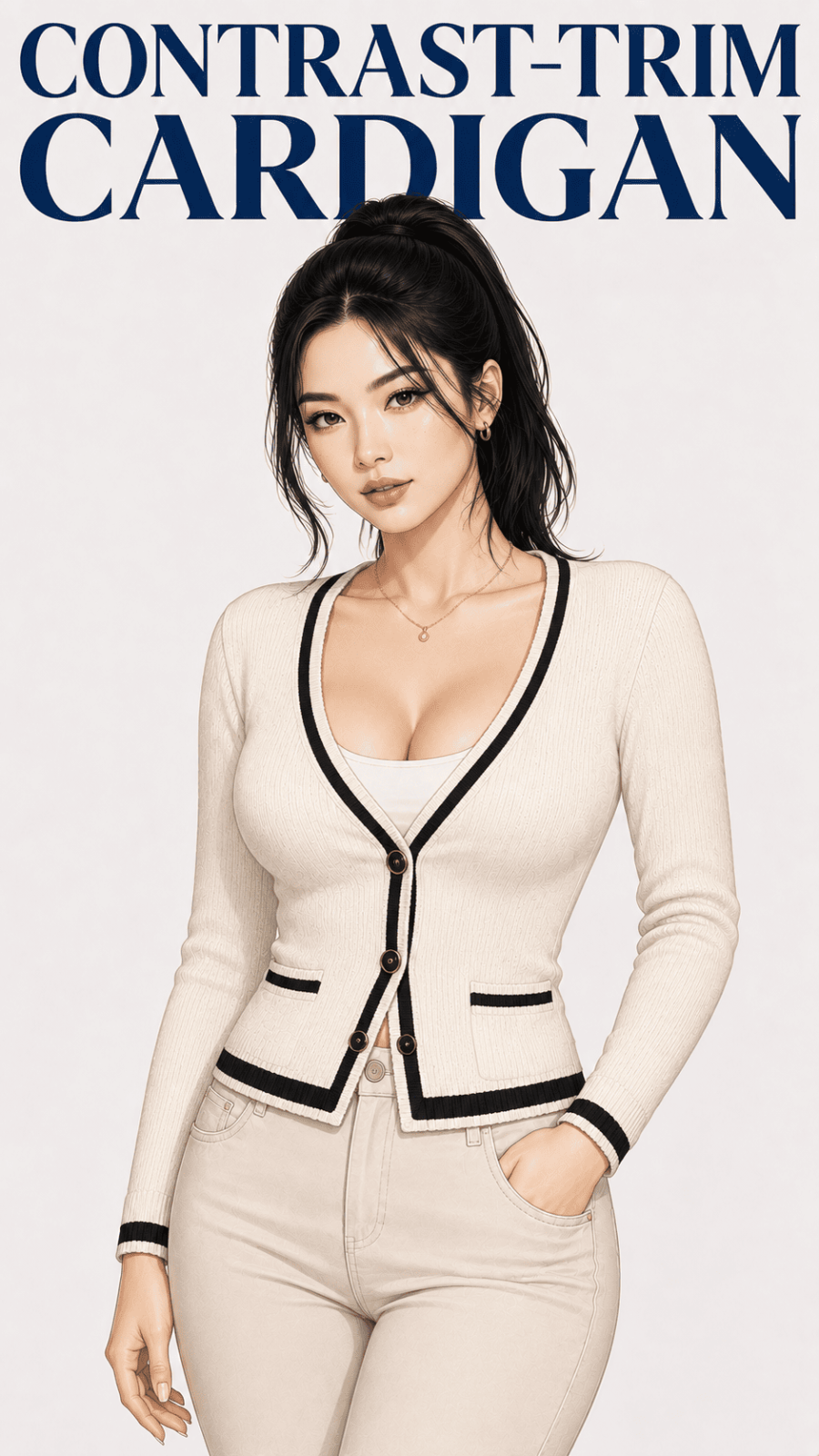
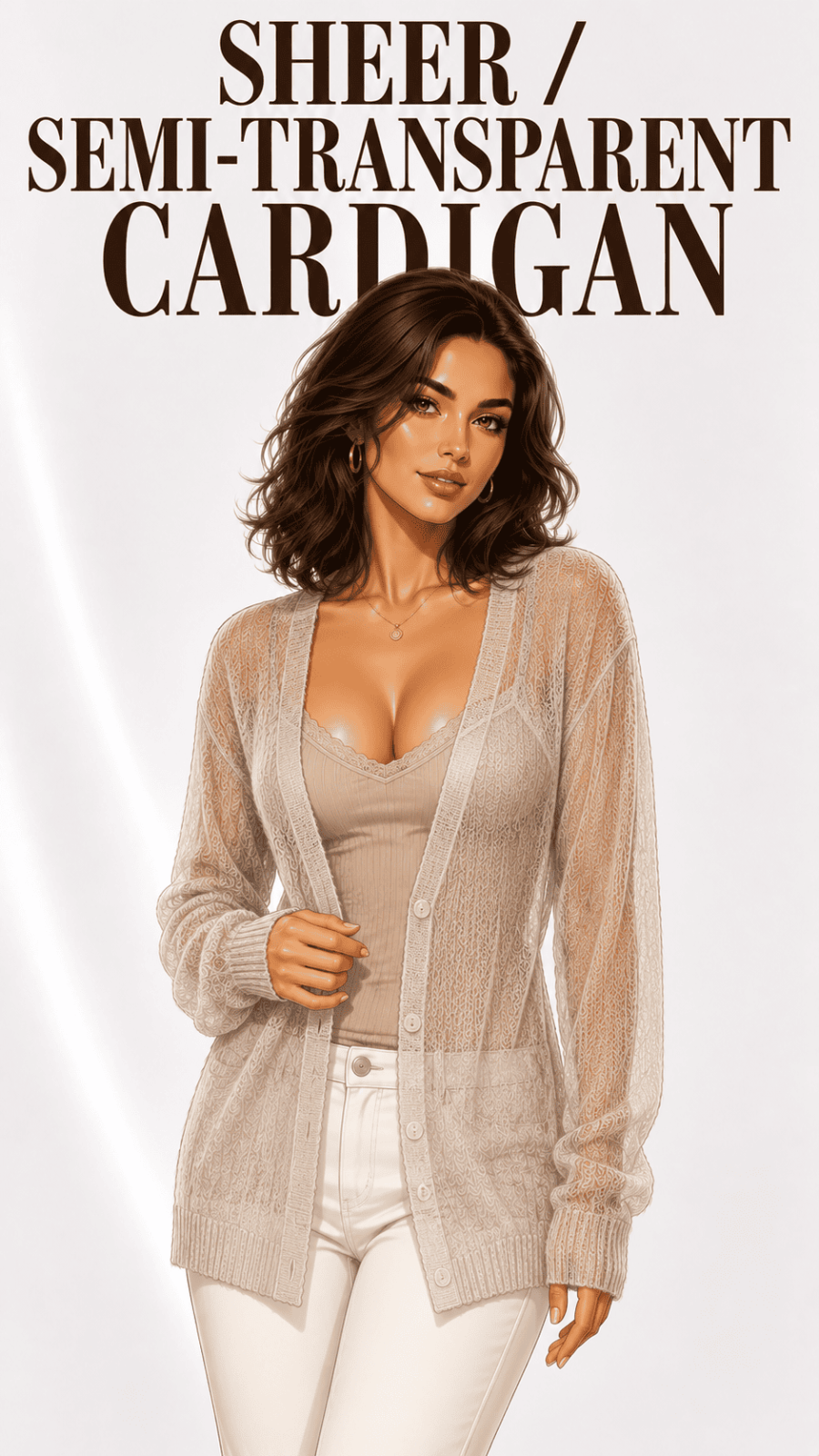
      Cardigan

      Cardigan Casual Wear for Women

      An open-front knit garment — button-front or open edge — in cotton, wool, or synthetic blends. Named after James Brudenell, 7th Earl of Cardigan, who apparently needed a garment that didn't muss his uniform. In casual dressing, it functions as a light layer, a top in its own right when buttoned, or an open drape over a fitted tee. The oversized cardigan specifically had a genuine cultural moment in the early 2020s and hasn't really left. Explore the full range in our guide to cardigans for women.

      DesignOpen-front knit, button or open edge, varied weight and texture
      SeasonAutumn / Winter; lightweight cotton versions for spring
      Best ForLayering, casual office, weekend, cosy dressing
    1. 13

      Casual Jumpsuit

      Casual Jumpsuit for Women

      A one-piece garment combining top and trousers — in casual fabrics like linen, cotton, denim, or jersey. The casual jumpsuit solves the coordination problem entirely: one piece, complete outfit. Styling pivots happen through accessories — a wide belt at the waist, a denim jacket layered over, or footwear choice. Relaxed-fit jumpsuits in linen or cotton particularly excel in warm weather for precisely this reason: they're cool, complete, and effortless simultaneously. See the full range in our guide to jumpsuits for women.

      DesignOne-piece top-and-trouser; linen, cotton, or denim; relaxed construction
      SeasonSpring / Summer primarily; heavier fabrics in autumn
      Best ForEveryday casual, travel, warm-weather outings, brunch
    2. 14

      Casual Shorts

      Casual Shorts for Women

      Abbreviated trousers — knee-length or above — in casual fabrics: denim cut-offs, cotton shorts, jersey shorts, linen shorts. The casual shorts landscape is actually broader than most wardrobes reflect. There's a significant difference between a pair of fraying denim cut-offs and a tailored linen short with a proper waistband, even if both read as "casual." Length, fabric, and waistband construction are the three variables that determine where a pair of shorts sits on the casual register. See the full breakdown in our guide to shorts for women.

      DesignAbove-knee or knee length; denim, cotton, or linen; casual waistband
      SeasonSpring / Summer
      Best ForWarm-weather casual, beach, outdoor activities, weekend
    1. 15

      Pullover Knit / Sweater

      Pullover Knit Sweater Casual Wear for Women

      A knitted pullover — in cotton, wool, cashmere, or synthetic blends. Crew neck, V-neck, or turtleneck; chunky or fine-gauge; relaxed or fitted. The sweater is casual dressing's most reliable cold-weather anchor — it adds warmth without sacrificing the ease that defines the casual register. A well-chosen sweater in a good-quality yarn is also one of the few casual pieces that photographs equally well in bright daylight and low-light settings. See the range in our guides to sweaters and pullovers for women.

      DesignKnitted pullover; varied gauge and yarn; multiple necklines
      SeasonAutumn / Winter; light cotton knits in spring
      Best ForCold-weather casual, cosy weekend dressing, travel
    2. 16

      Tank Top

      Tank Top Casual Wear for Women

      Sleeveless with wide shoulder straps — the heat-friendly casual staple. In casual dressing, tanks serve a dual role: standalone summer top and year-round layering piece beneath open shirts, cardigans, and blazers. The ribbed tank has had a genuine design moment in recent years — body-skimming, often in a neutral tone, worn tucked into wide-leg trousers or high-waist jeans. It's deceptively simple and works across more casual contexts than people usually credit it with. Our detailed guide to tank tops for women explores every construction variation.

      DesignWide shoulder straps, scoop or square neck, jersey or ribbed fabric
      SeasonSummer standalone; year-round as layering base
      Best ForEveryday casual, layering, beach, summer outings
    1. 17

      Casual Midi Dress

      Casual Midi Dress for Women

      A dress falling between the knee and ankle — the midi length — in casual fabrications. Cotton, jersey, linen, or a relaxed woven. The casual midi dress has become one of the most photographed casual pieces in recent years for a specific reason: the midi length is inherently more interesting than a mini or a maxi because it occupies an unexpected mid-point. It works for a beach bar dinner without overdressing, or a Sunday market without underdressing. There's a reason it keeps appearing. Our guide to midi dresses for women covers every silhouette.

      DesignKnee-to-ankle length; casual fabric; relaxed or semi-fitted silhouette
      SeasonSpring / Summer / early Autumn
      Best ForVersatile casual occasion — works across a wide range of settings
    2. 18

      Cargo Pants

      Cargo Pants Casual Wear for Women

      Multi-pocket utility trousers — large patch pockets at the thigh being the defining construction feature. Originally military workwear, adopted into streetwear, and now a mainstream casual staple. The functional detail (those pockets) is also the aesthetic detail. In recent casual fashion cycles, cargo pants have appeared in softer fabrics — cotton poplin, lightweight nylon, even satin — moving the garment beyond pure utility into genuinely stylish casual territory. Our guide to cargo pants for women maps every variation.

      DesignThigh patch pockets, relaxed fit, utilitarian construction, varied fabrics
      SeasonAll seasons; fabric weight adjusts by season
      Best ForStreetwear-adjacent casual, everyday, travel, outdoor activities
    1. 19

      Casual Romper

      Casual Romper for Women

      A one-piece combining a top with shorts rather than trousers — the casual, abbreviated version of the jumpsuit. Rompers thrive in warm weather and resort settings. They're complete as a single piece, making them genuinely practical for warm days when the last thing anyone wants to do is coordinate separates. In cotton, denim, or jersey; with strapless, spaghetti-strap, or short-sleeve construction. The styling range is surprisingly wide. Our guide to rompers for women explores the full category.

      DesignOne-piece top-and-shorts; varied strap constructions; casual fabrics
      SeasonSpring / Summer
      Best ForBeach, resort, warm-weather casual, festivals
    2. 20

      Casual Wide-Leg Trousers

      Casual Wide-Leg Trousers for Women

      Wide-leg trousers in casual fabrications — linen, cotton, jersey, or soft wovens — with an elasticated waist or relaxed waistband. Distinct from formal wide-leg trousers by their fabric drape and construction simplicity. Wide-leg casual trousers have become perhaps the single most dominant casual bottom silhouette of the mid-2020s — they pair with almost everything above the waist, and their generous leg width creates a visual interest that slim or straight trousers can't match at the same comfort level. Our full reference on wide-leg pants for women covers every variation.

      DesignGenerous leg width; elasticated or relaxed waist; casual fabric drape
      SeasonAll seasons; fabric weight adjusts
      Best ForEveryday casual, errands, brunch, relaxed outings
    Quick Recap — Category 1
    • 20 garment types defined by construction — not colour, trend, or occasion
    • Fabric weight and construction quality determine how casual pieces look and age
    • Co-ords, wide-leg trousers, and casual midi dresses are the highest-versatility casual pieces in this category
    • One-piece garments (dresses, jumpsuits, rompers) eliminate coordination effort entirely — often underused in casual wardrobes

    Category 2: By Fit / Silhouette (#21–#30)

    How the garment relates to the body — the visual shape and physical ease of each casual piece

    Fit is where casual dressing often quietly fails — or quietly excels. The same garment type in a relaxed fit versus an oversized fit reads entirely differently, generates a different visual impression, and pairs with a different set of bottoms or layers. Understanding the silhouette vocabulary of casual wear is what separates "comfortable clothes I threw on" from "casual dressing I actually chose."

    1. 21

      Oversized Casual

      Oversized Casual Wear for Women

      Deliberately cut larger than body measurements — the excess volume is the intended aesthetic. Drop shoulders, extended hemlines, a silhouette that doesn't map the body underneath. In casual dressing, oversized works through proportion contrast: a boxy oversized tee looks intentional with slim jeans or leggings; the same tee with wide-leg trousers risks losing definition entirely. The pivot point is always balance. Our reference on oversized tops for women provides useful construction detail.

      DesignExcess volume; drop shoulders; extended hem; body-obscuring silhouette
      SeasonAll seasons; heavier fabrics in cooler months
      Best ForStreetwear-adjacent casual, weekend, cosy dressing
    2. 22

      Relaxed Fit

      Relaxed Fit Casual Wear for Women

      A comfortable, non-compressive fit with ease throughout — not body-mapping, but not deliberately oversized either. This is the "in-between" silhouette that most casual dressing lands in by default. The distinction matters: a relaxed-fit tee drapes softly over the body without clinging; an oversized tee actively hides it; a fitted tee follows it closely. Relaxed fit is the most wearable for the widest range of bodies and the most forgiving across seasonal size fluctuations. Our full breakdown of loose, slim, and relaxed fits explores the full spectrum.

      DesignComfortable ease; not body-mapping; soft drape without deliberate volume
      SeasonAll seasons
      Best ForMost casual occasions; the default fit for everyday dressing
    1. 23

      Fitted Casual

      Fitted Casual Wear for Women

      Casual pieces cut to follow the body's contours — ribbed knit tanks, fitted cotton tees, slim-cut casual trousers. Fitted casual dressing tends to work through proportion contrast: a fitted ribbed top with wide-leg linen trousers creates a balanced silhouette that looks considered rather than accidental. Fitted pieces in casual fabrics often transition more smoothly into smart-casual territory than oversized ones — they carry slightly more visual formality while remaining entirely comfortable. For construction reference, our guide to fitted tops for women is worth exploring.

      DesignBody-following cut; minimal excess fabric; often in ribbed or stretch construction
      SeasonAll seasons
      Best ForEveryday casual, smart-casual transition, proportion contrast dressing
    2. 24

      Boxy / Straight-Cut Casual

      Boxy Straight Cut Casual Wear for Women

      A square, box-like silhouette — straight sides, no waist shaping, equal width from shoulder to hem. The boxy silhouette sits between fitted and oversized: it doesn't cling, but it doesn't swim either. Boxy casual tops work particularly well with straight-leg or slightly tapered trousers because the geometric simplicity of both pieces creates a clean, intentional visual. Japanese minimalist fashion houses have built entire aesthetic identities around this exact proportion. It's more considered than it looks.

      DesignSquare silhouette; straight sides; no waist shaping; geometric simplicity
      SeasonAll seasons
      Best ForMinimalist casual dressing, clean-lined outfits
    1. 25

      Cropped Casual

      Cropped Casual Wear for Women

      An abbreviated hemline — falling at or above the natural waist rather than at the hip. Cropped casual pieces (tees, sweatshirts, jackets, cardigans) work through the proportion logic of exposing the waistline to create visual interest and define the silhouette. Cropped works best paired with a high-waist bottom — the visual "gap" between crop hem and waistband is the design detail, whether it's visible skin or simply the waistband sitting where the hem sits. Our guide to crop tops for women covers every cropped construction type.

      DesignAbbreviated hemline at or above waist; works through proportion contrast with high-waist bottoms
      SeasonSpring / Summer; layered in cooler months
      Best ForCasual, streetwear-adjacent, warm-weather casual dressing
    2. 26

      Longline Casual

      Longline Casual Wear for Women

      An extended-hem casual piece — a tee, sweatshirt, or cardigan that falls to hip or mid-thigh rather than the usual waist-level hem. The longline silhouette creates a continuous vertical line that can feel very clean and elongated. It's also more modest and versatile: a longline tee can function as a tunic over leggings, as a casual dress in its own right with the right fabric weight, or as a layering piece over slim trousers. One garment, several options.

      DesignExtended hem to hip or mid-thigh; continuous vertical line; layering versatility
      SeasonAll seasons
      Best ForModest casual dressing, layering, gym-to-street transition
    1. 27

      Monochromatic Casual

      Monochromatic Casual Wear for Women

      A casual outfit built entirely within a single colour family — all-white, all-grey, all-black, all-camel, all-earth-tones. Monochromatic casual dressing is one of the most dependable styling strategies because it looks intentional by default, works regardless of which specific garment types are involved, and photographs cleanly in almost any setting. The key nuance: tonal variation (different shades of the same colour) tends to look more sophisticated than a flat single-shade uniform look. Texture variation within the tonal range adds the visual interest.

      DesignSingle colour family; tonal variation; texture contrast within the palette
      SeasonAll seasons; colour temperature shifts seasonally
      Best ForEffortless polished casual, travel, minimal-effort high-impact dressing
    2. 28

      Slouchy / Drape-Heavy Casual

      Slouchy Drape Casual Wear for Women

      Casual pieces in fabrics with significant drape — viscose, modal, lightweight jersey, cupro — that fall and pool around the body in a characteristically relaxed way. Slouchy dressing requires fabric knowledge: a lightweight viscose tee drapes entirely differently from a cotton one of the same cut. The drape is the aesthetic. It's the quality that makes certain casual pieces look effortlessly chic rather than simply unstructured — and it's almost entirely a fabric property rather than a fit or cut property. What makes it work beautifully is that the fabric does the styling for you.

      DesignDrapey fabric (viscose, modal, jersey); fabric does the styling work; relaxed pooling
      SeasonSpring / Summer; lighter fabrics in warm weather
      Best ForEffortless casual, warm-weather dressing, travel
    1. 29

      A-Line Casual

      A-Line Casual Wear for Women

      A silhouette fitted through the shoulders and bust that gently flares to a wider hem — creating an A shape. In casual dressing, this appears most commonly in skirts and dresses. The A-line is one of fashion's most reliable silhouettes because its proportions tend to work well across a range of body types — it's fitted where visual structure is helpful (the upper body) and relaxed where ease of movement matters (the skirt). For a comprehensive look at the construction across dress types, explore our guide to A-line dresses for women.

      DesignFitted upper; gently flaring hem; A-shaped visual silhouette
      SeasonSpring / Summer / Autumn
      Best ForVersatile casual dressing; one of the most cross-occasion silhouettes
    2. 30

      Wrap Casual

      Wrap Casual Wear for Women

      A top or dress that crosses at the front and ties at the waist — the wrap construction. In casual fabrics (jersey, cotton, soft wovens), the wrap silhouette is genuinely one of the most versatile casual constructions. The tie mechanism is adjustable, accommodating fit variation across seasons or body changes. The V-neckline created by the wrap opening adds visual length. Diane von Furstenberg's 1970s wrap dress is the cultural reference point, but in casual jersey, the construction is entirely democratic and practical. Our complete guide to wrap dresses covers the silhouette across dress types.

      DesignCrossover front; tie waist; adjustable fit; V-neckline created by wrap
      SeasonSpring / Summer; jersey wrap in autumn
      Best ForVersatile casual, brunch, casual occasions; adjusts to the body
    Stylist Insight

    The proportion contrast principle is the most useful concept I've found for making casual dressing look intentional rather than haphazard. Fitted on top, wider below. Or wider on top, narrower below. When both pieces have similar volume, the outfit reads flat. When there's a clear contrast — a cropped fitted tee with wide-leg trousers, or an oversized sweatshirt with straight-leg jeans — it reads considered. The garments don't need to be expensive. The proportions do need to be deliberate.

    Category 3: By Fabric / Material (#31–#42)

    The material backbone of casual dressing — what each fabric actually feels, moves, and wears like

    In casual dressing, fabric is everything. Two T-shirts of identical cut can feel and look completely different if one is a thin, scratchy blend and the other is a thick, breathable organic cotton. Understanding the fabric vocabulary of casual wear is what allows you to shop with genuine intention rather than relying on how something looks on a hanger or a website — because how fabric behaves in motion, in heat, and after washing is the actual product you're buying.

    1. 31

      Cotton Casual

      Cotton Casual Wear for Women

      The default fabric of casual dressing — breathable, washable, durable, and reliably comfortable in most climates. Cotton in casual wear ranges from very lightweight (lawn, voile) to very heavy (canvas, duck cloth). The mid-range — a 150–200 gsm jersey knit, or a 130–150 gsm woven cotton poplin — is where most everyday casual pieces live. Organic cotton has become more widely available at accessible price points, offering the same comfort with reduced environmental impact. For deeper context, our guide to cotton fabrics for women covers the full range.

      FabricNatural fibre; breathable; varied weights; washable; most widely worn casual fabric
      SeasonAll seasons; lighter weights in summer, heavier in cooler months
      Best ForAll casual occasions; the most universally appropriate casual fabric
    2. 32

      Linen Casual

      Linen Casual Wear for Women

      The most breathable natural fibre — derived from flax plant stems — with a characteristic slightly rough texture that softens with washing over time. Linen is the quintessential warm-weather casual fabric. Its thermal regulation is genuinely functional: it keeps the body cooler in heat than most alternatives. The wrinkle is part of the character, not a flaw to fight. According to coverage by the Business of Fashion's sustainability reporting, linen also has a lower environmental footprint than cotton in water usage per kilogram of fibre. See our guide to breathable fabrics for women for more context.

      FabricFlax-derived natural fibre; breathable; slight texture; wrinkle is part of the aesthetic
      SeasonSpring / Summer primarily
      Best ForWarm-weather casual, resort, travel, relaxed summer dressing
    1. 33

      Denim Fabric Casual

      Denim Fabric Casual Wear for Women

      Twill-weave cotton in indigo blue or other colours — the fabric associated with jeans but applied across a huge range of casual garments: jackets, shirts, skirts, dresses, shorts, overalls. Denim is casual dressing's most culturally loaded fabric. Its specific weight (typically 10–14 oz for trousers, lighter for shirts and dresses) determines how it drapes and moves. A rigid, raw selvedge denim reads differently from a soft, washed-out stretch denim — same fabric category, very different aesthetic territory. Our reference on denim fits for women covers the range in detail.

      FabricTwill-weave cotton; varied weights and washes; culturally specific casual signal
      SeasonSpring / Autumn primarily; lighter denim works in summer
      Best ForMost casual occasions; the most globally understood casual fabric signal
    2. 34

      Jersey Knit Casual

      Jersey Knit Casual Wear for Women

      A stretchy, single-knit fabric — the base of most T-shirts, casual dresses, and knit tops in everyday wardrobes. Jersey's strength is its intrinsic stretch recovery: it moves with the body without losing its shape (in quality constructions), wrinkles less than wovens in travel or storage, and drapes softly over the figure. The weight and composition (100% cotton jersey behaves differently from a viscose blend) determine how a jersey garment feels and moves. For deeper fabric context, our guide to fabric types for women is the most comprehensive reference available.

      FabricSingle-knit stretch fabric; soft drape; stretch recovery; travel-friendly
      SeasonAll seasons; lighter weights in summer
      Best ForEveryday casual, travel, comfortable all-day dressing
    1. 35

      Fleece Casual

      Fleece Casual Wear for Women

      A synthetic or cotton-blend fabric with a brushed, napped surface — warm, lightweight, and quick-drying. Fleece is the technical fabric of cold-weather casual dressing. A quality fleece pullover or zip-through is genuinely warm for its weight, and the gorpcore aesthetic of the 2020s has elevated certain fleece pieces (the Patagonia Snap-T, the quarter-zip pullover) from purely functional items to genuinely stylish casual pieces. In a good colour — deep burgundy, forest green, stone — a fleece top photographs surprisingly well. Our guide to cosy layers for women explores the cold-weather casual layering landscape.

      FabricBrushed synthetic or cotton blend; warm for weight; quick-drying; textured surface
      SeasonAutumn / Winter
      Best ForCold-weather casual, outdoor activities, gorpcore-adjacent dressing
    2. 36

      Ribbed Knit Casual

      Ribbed Knit Casual Wear for Women

      Alternating knit and purl rows creating a vertical texture with strong horizontal stretch recovery. Ribbed knit in casual wear appears in tanks, tees, midi dresses, and co-ord sets — and has been one of the dominant casual fabric aesthetics of the mid-2020s. The body-skimming quality of ribbed knit (it stretches to fit but recovers its shape) combined with its vertical texture creates a clean visual that works very well in neutral tones. A ribbed midi dress in cream or camel, for example, is both entirely casual and surprisingly versatile across settings.

      FabricVertical-texture knit; strong stretch recovery; body-skimming quality
      SeasonAll seasons; lighter weight in summer
      Best ForEveryday casual, smart-casual bridge, fitted casual layering
    1. 37

      Viscose / Rayon Casual

      Viscose Casual Wear for Women

      A semi-synthetic fibre derived from cellulose (usually wood pulp) with a characteristically silky drape, cool hand-feel, and excellent colour saturation. Viscose casual pieces — a printed summer shirt, a lightweight blouse, a flowing midi dress — have a softness and movement that cotton can't replicate at the same price point. The tradeoff: viscose is less durable than cotton when wet, and requires more careful washing. It wrinkles easily but also releases wrinkles with a little steam or humidity. In summer casual dressing, a viscose blouse or dress is often the most photographable option available.

      FabricSemi-synthetic; silky drape; cool hand-feel; excellent colour; flows beautifully
      SeasonSpring / Summer primarily
      Best ForWarm-weather casual, print-forward pieces, effortless draping
    2. 38

      Knit Wool / Merino Casual

      Wool Merino Casual Wear for Women

      Merino wool in particular has remarkable temperature-regulating properties — genuinely comfortable in a wider temperature range than most other fibres. A fine-gauge merino turtleneck or cardigan works in a cold office, a mild autumn day, and a cool summer evening simultaneously. It's a problem-solving fabric for casual dressing. The trade-off is cost and care requirements: quality merino is expensive, and most requires either cold hand-washing or a delicate machine cycle. For the full winter fabric landscape, see our guide to winter fabrics for women.

      FabricNatural protein fibre; temperature-regulating; soft against skin; varied gauge
      SeasonAutumn / Winter; fine merino works across transitional seasons
      Best ForCold-weather casual, investment casual pieces, versatile layering
    1. 39

      Modal / Bamboo Casual

      Modal Casual Wear for Women

      Modal (derived from beechwood) and bamboo-derived fabrics both share a cool, silky surface quality with a soft drape that falls somewhere between cotton and silk in hand-feel. They're the fabrics of casual lounge-adjacent dressing — the T-shirt you wear when you want to feel genuinely comfortable but also pulled-together. Modal in particular resists pilling better than cotton in casual knitwear and retains colour more faithfully over repeated washes. Our guide to sustainable fabrics for women places these materials in broader context.

      FabricSemi-synthetic cellulose; cool silky surface; soft drape; anti-pill; colour-retaining
      SeasonAll seasons; particularly useful in transitional weather
      Best ForEveryday casual, lounge-adjacent, comfortable all-day dressing
    2. 40

      Canvas / Poplin Casual

      Canvas Poplin Casual Wear for Women

      Crisp, tightly woven cotton fabrics — canvas (heavier) and poplin (lighter) — that hold their shape and press well. In casual dressing, poplin appears in button-down shirts, casual trousers, and lightweight dresses where a bit of structure is wanted without formality. Canvas in heavier gauge is the fabric of casual bags and utility pieces. The crispness of poplin is part of its appeal in casual dressing: a well-ironed poplin shirt over denim reads as effortfully casual rather than accidentally so. It photographs with excellent clarity of colour and line.

      FabricCrisp tightly woven cotton; holds shape; presses well; clean visual lines
      SeasonSpring / Summer / early Autumn
      Best ForStructured casual shirts and trousers; smart-casual casual transition
    1. 41

      Printed / Patterned Casual

      Printed Casual Wear for Women

      Casual pieces where the visual interest comes primarily from surface print or woven pattern — florals, stripes, abstract prints, geometric patterns. Printed casual pieces do the styling work for the wearer: a bold floral dress or a classic Breton stripe needs very little else to complete the outfit. The styling rule most people overlook: when wearing a print, everything else should be quieter. A plain white sneaker under a printed dress tends to look better than a patterned trainer. The print is the star; let it perform. Our comprehensive guide to prints for women maps the full landscape.

      DesignPrint does the styling work; rest of the outfit stays quiet; pattern is the hero
      SeasonSpring / Summer primarily; autumnal prints work in cooler months
      Best ForWarm-weather casual, resort, everyday effortful-effortless dressing
    2. 42

      Sustainable / Eco-Fabric Casual

      Sustainable Eco Fabric Casual Wear for Women

      Casual pieces in certified organic cotton, recycled fibres (recycled polyester, recycled nylon), Tencel/Lyocell, hemp, or other low-impact materials. The sustainable fabric category has grown substantially in quality and accessibility over the past five years. Organic cotton now performs identically to conventional in most casual applications. Tencel/Lyocell has a beautiful, smooth drape similar to viscose but with a more transparent and independently certified production process. The WGSN trend forecasting reports have documented sustained consumer interest in sustainable casual wear across all age demographics since 2022. Our guide to sustainable fabrics for women maps the available options in detail.

      FabricCertified organic, recycled, or low-impact fibres; increasingly accessible at mainstream prices
      SeasonAll seasons; available across full casual wardrobe range
      Best ForAny casual occasion; an increasingly mainstream choice across all casualwear categories
    Quick Recap — Category 3
    • 12 fabric types that define how casual pieces actually behave, feel, and age
    • Fabric weight is often more important than fabric type in determining how a casual piece looks
    • Cotton and linen remain the most reliable natural fibres for everyday casual dressing across climates
    • Sustainable fabrics now match conventional in performance for most casual applications — and are increasingly price-accessible

    Category 4: By Occasion / Setting (#43–#52)

    Where casual wear performs — matching the right casual register to the right context

    Casual wear isn't a monolith. A beach-morning casual outfit and a casual Friday office outfit are both casual — but they're operating in entirely different contexts, with different levels of social signalling required. Understanding which sub-register of casual applies to your actual occasion is what prevents the awkward feeling of being over-casual or under-casual in a setting. These 10 types map the casual landscape by where and when each approach belongs.

    1. 43

      Everyday Errand Casual

      Everyday Errand Casual Wear for Women

      The workhorse of casual dressing — the outfit you wear for grocery runs, coffee shops, gym trips, post-office visits, and all the unglamorous navigation of daily life. The brief is simple but genuinely demanding: comfortable, presentable, practical. A well-worn pair of straight-leg jeans, a quality tee or sweatshirt, and clean trainers is the formula that most casual wardrobes default to — and there's good reason for that. It solves the brief efficiently. The upgrade isn't a different outfit structure; it's better versions of the same pieces. For comprehensive everyday basics references, our guide to everyday basics for women is the right starting point.

      SettingDaily life tasks; comfort + presentability + practicality simultaneously
      SeasonAll seasons
      Best ForThe foundation of a functional casual wardrobe
    2. 44

      Casual Brunch / Social

      Casual Brunch Social Wear for Women

      The social version of casual — slightly more pulled-together than pure errand dressing, but still entirely within the casual register. A brunch or casual social occasion requires: comfortable enough to sit in for two hours, presentable enough for photographs, and considered enough to signal that you made some effort. The approach that tends to work: one elevated-feeling piece (a nicer knit, a printed dress, a well-cut trouser) paired with casual basics. Our guide to brunch outfits for women covers the specific occasion in depth.

      SettingWeekend socialising; slightly elevated casual; photo-friendly and comfortable
      SeasonAll seasons
      Best ForWeekend socialising, casual dining, relaxed daytime occasions
    1. 45

      Travel Casual

      Travel Casual Wear for Women

      Casual dressing optimised for the specific demands of travel: sitting for extended periods without creasing badly, moving through varied temperatures (airport cold, plane cabin, destination heat), packing compactly, and looking presentable on arrival. The strongest travel casual pieces: jersey fabrics (wrinkle-resistant), layers that add and remove easily, and footwear that passes security quickly. The worst travel casual mistake is prioritising style over comfort on a long-haul — regret sets in somewhere over the Atlantic. Our guide to airport outfits for women covers the most-photographed travel casual context in detail. See also our comprehensive resource on travel pants for women.

      SettingLong-haul travel, airports, multi-climate transitions; comfort-first construction
      SeasonAll seasons; adapt for destination climate
      Best ForAll travel occasions; the most practically demanding casual context
    2. 46

      Casual Smart / Smart-Casual

      Smart Casual Wear for Women

      The register between casual and formal — polished enough for work environments, social occasions, or restaurant dining, while retaining the comfort and ease of casual construction. The smart-casual pivot points: fabric quality and finish (well-cut linen instead of cotton jersey; poplin instead of denim), footwear (loafers or ankle boots instead of trainers), and one structured piece (a blazer, a wrap dress, tailored wide-leg trousers). Our guides to office outfits and formal wear for women help map where smart-casual sits on the broader formality spectrum.

      SettingWork, restaurant dining, social occasions; casual comfort meets professional finish
      SeasonAll seasons
      Best ForOffice environments, casual dining, social events, versatile occasion dressing
    1. 47

      Beach / Resort Casual

      Beach Resort Casual Wear for Women

      Casual dressing in the specific context of beach towns, resort settings, and warm holiday destinations — where the stakes for "looking good" are high but the formal register is entirely absent. Cover-ups, breezy linen sets, lightweight printed dresses, cotton shorts with a casual blouse, sandals, and straw bags. The beach-resort casual aesthetic photographs exceptionally well because the setting does most of the work. Our guides to beachwear, swim cover-ups, and resort wear for women map the full warm-weather casual landscape.

      SettingBeach towns, resort destinations, warm-weather holidays; breezy and lightweight
      SeasonSummer / warm-weather travel
      Best ForHolidays, resort stays, beach destinations, warm-weather casual
    2. 48

      College / Campus Casual

      College Campus Casual Wear for Women

      Campus dressing has specific demands: comfortable enough to sit through three-hour lectures, practical for walking between buildings, capable of looking pulled-together in spontaneous social settings, and suitable for carrying a backpack without ruining the look. The most effective campus casual pieces: oversized sweatshirts or hoodies, wide-leg or straight jeans, a quality tote that also works as a casual bag, and trainers that photograph well. Our extensive guide to college outfits for women covers the full campus casual wardrobe.

      SettingUniversity campus; comfort-first with social-readiness; backpack-compatible
      SeasonAll seasons; layers adjust for climate
      Best ForStudents, young professionals, active daily schedules
    1. 49

      Athleisure / Gym-to-Street

      Athleisure Casual Wear for Women

      Athletic aesthetic pieces worn in non-athletic casual contexts — leggings, sports bras, performance tops, gym shorts — styled with non-athletic accessories and footwear to signal "off the court, not on it." The distinction from pure activewear is important: athleisure dressing is about the aesthetic borrowed from sport, applied to ordinary life. A sleek pair of black leggings with a fitted cashmere knit, clean white trainers, and a structured tote bag is athleisure done well. Our guides to athleisure outfits and activewear for women explore the category in depth.

      SettingEveryday casual; athletic aesthetic + non-athletic accessories and context
      SeasonAll seasons; heavier layers in winter
      Best ForBusy schedules, active lifestyles, gym-adjacent daily life
    2. 50

      Loungewear-Adjacent Casual

      Loungewear Adjacent Casual Wear for Women

      Comfortable pieces that sit between pure loungewear and street-ready casual — soft knit sets, wide-leg lounge trousers in better fabrics, oversized knit cardigans, modal pyjama-adjacent pieces worn as outerwear. The category became more prominent post-2020, when the boundary between home dressing and casual public dressing became genuinely more fluid. The key pivot: a satin slip in silk or quality fabric with clean sandals and jewellery reads as intentional casual; the same satin slip looking worn or mismatched reads as forgot to change. Our guide to loungewear sets for women covers the full category.

      SettingHome-to-street; comfort-first pieces elevated by accessories and footwear choices
      SeasonAll seasons; heavier fabrics in cooler months
      Best ForRelaxed casual daily life; comfort without compromising presentability
    1. 51

      Weekend Casual

      Weekend Casual Wear for Women

      The most relaxed register of casual public dressing — for farmers' markets, Sunday walks, visiting friends, or leisurely day activities where the primary brief is comfort with zero formality requirements. Weekend casual tends to be where people are most genuinely themselves in their wardrobe choices, which is partly why it photographs so authentically. The best pieces for weekend casual: your most comfortable jeans, your favourite worn-in tee or sweater, and footwear that's comfortable enough to walk in for hours. Investment in these three pieces pays dividends across hundreds of weekend days. Our guide to all casual wear types for women gives useful reference context.

      SettingWeekends, leisure time, relaxed social occasions; no formality requirements
      SeasonAll seasons
      Best ForThe most genuinely relaxed casual context; prioritise comfort above all
    2. 52

      Vacation / Holiday Casual

      Vacation Casual Wear for Women

      Holiday dressing sits at the intersection of casual and aspirational — you're relaxed, but you want to look and feel good because this is your time off and photography happens. Breezy dresses, linen sets, printed cotton pieces, sandals. Vacation casual allows for slightly more colour and print expressiveness than everyday casual, partly because holiday contexts visually accommodate more visual energy. Our full guide to vacation outfits for women covers the breadth of holiday-casual dressing occasions.

      SettingHoliday destinations; relaxed but aspirational; photo-friendly + comfortable
      SeasonSummer / warm-weather travel; adapt for destination
      Best ForHoliday and leisure travel; the context where casual fashion gets most photographed
    Stylist Insight

    The single most common casual wear mistake I see is buying for the occasion you wish you were going to rather than the one you're actually going to. A beautifully impractical linen set for a beach holiday looks great on Instagram and awful after two hours of walking in the heat. Match the piece to the actual physical demands of the day — not the idealised version of it. The best casual outfits feel as good at the end of the day as at the beginning.

    Category 5: By Layering Role (#53–#60)

    How casual pieces function within layered outfits — base, mid, or outer layer

    1. 53

      Base Layer Casual

      Base Layer Casual Wear for Women

      The innermost layer — a plain tee, camisole, tank, or fitted long-sleeve that sits directly against the body and forms the foundation for anything worn over it. Base layers in casual dressing need to do one thing well: fit correctly and not create bulk when layered under other pieces. A too-large base layer creates rumpling under a fitted cardigan or jacket; a too-small one stretches visibly through the outer piece. In both cases, it undermines the entire look. Getting the base layer right — often the least expensive piece in the outfit — is foundational. See our guides to camisoles and tank tops for the full base layer range.

      RoleFoundation layer; fit accuracy critical; minimal bulk; supports outer layers
      SeasonAll seasons; fabric weight adjusts
      Best ForEvery casual layered outfit; the often-overlooked foundation of good casual dressing
    2. 54

      Mid-Layer Casual

      Mid-Layer Casual Wear for Women

      The middle piece in a casual layered outfit — a cardigan, lightweight knit, open shirt, or zip-through sweatshirt worn over a base layer and under an outer jacket or coat. The mid-layer adds warmth without bulk, and in transitional seasons often functions as the outermost piece for part of the day. For casual layering, the mid-layer should have slightly more visual interest than the base layer — a texture, a colour, a print — because it's the layer most likely to be seen when the outer layer is removed. Our comprehensive reference on layering pieces for women covers the full range of mid-layer options.

      RoleWarmth without bulk; visual interest layer; often outermost in mild weather
      SeasonAutumn / Winter / Spring transitional
      Best ForTransitional weather dressing; casual outfits with temperature flexibility
    1. 55

      Casual Outer Layer

      Casual Outer Layer for Women

      The outermost casual piece — a denim jacket, a lightweight bomber, a trench coat in a casual fabric, or a casual parka. The casual outer layer is the piece most people see when passing you on the street, which gives it disproportionate styling influence relative to what's worn underneath. A sharp, clean denim jacket over an otherwise basic outfit immediately elevates the entire look's coherence. Our guides to jackets, lightweight jackets, and trench coats for women cover the full outer layer landscape.

      RoleOutermost visible layer; highest styling influence; completes the casual outfit system
      SeasonSpring / Autumn primarily; parka or puffer for winter
      Best ForCompleting any casual layered outfit; disproportionate styling impact
    2. 56

      Shrug / Wrap Casual Layer

      Shrug Wrap Casual Layer for Women

      A minimal lightweight layer — a shrug (a very short cardigan covering just the shoulders and arms), a wrap worn loosely, or a light scarf used as a shoulder cover. This type of casual layer adds a modest cover or a warmth layer without adding bulk or changing the silhouette significantly. Particularly useful in indoor-outdoor transitions where the temperature difference is small — air-conditioned restaurants, transitional evenings, or mild spring days. Our guide to shrugs for women covers the full range of this very specific casual layer type.

      RoleMinimal warmth/coverage; no bulk added; useful for small temperature transitions
      SeasonSpring / Summer / mild Autumn
      Best ForIndoor-outdoor transitions, warm evenings, air-conditioned settings
    1. 57

      Open Shirt Over Tee Layer

      Open Shirt Over Tee Casual Layer for Women

      A classic and perpetually reliable casual layering technique: an open (unbuttoned) shirt worn over a fitted tee. The shirt functions as a lightweight outer layer rather than a primary garment — adding texture, colour, or pattern interest above the tee's simplicity. Flannel over a white tee is the archetypal version. But a linen shirt over a fitted cotton tee in summer, or a denim shirt open over a long-sleeve layer in autumn, are equally effective variations of the same formula. The technique works because it creates visible depth — two different fabrics and layers simultaneously visible.

      RoleLightweight outer layer over tee; adds texture/colour depth; classic casual layering formula
      SeasonSpring / Autumn / mild Summer evenings
      Best ForEveryday casual; one of the simplest and most effective layering formulas
    2. 58

      Hoodie Under Jacket Layer

      Hoodie Under Jacket Casual Layer for Women

      A hoodie worn as a mid-layer beneath a structured jacket — denim, leather, or bomber. The hoodie's drawstring and hood visible below and above the jacket's collar creates a distinctly casual, urban layering aesthetic. The jacket should ideally be slightly shorter than the hoodie or the same length so that the hoodie hem is visible — this is the layering detail that makes it work as a deliberate styling choice rather than just practical warmth. A shorter or cropped jacket over a longer hoodie creates the best visual proportion for this combination.

      RoleHoodie as mid-layer; visible hood and hem below jacket; urban casual aesthetic
      SeasonAutumn / Winter
      Best ForStreetwear-adjacent casual, cold-weather city dressing
    1. 59

      Vest Over Tee Layer

      Vest Over Tee Casual Layer for Women

      A waistcoat, puffer vest, or casual knit vest worn over a long-sleeve tee or shirt. This layering approach adds visual interest and a degree of structure at the torso while leaving the arms free — which is why it works particularly well in contexts where mobility matters (cycling, city walking, outdoor activities). A puffer vest over a long-sleeve thermal tee is one of the most functional casual winter layering options. The sleeveless outer piece also creates a distinctive silhouette that photographs with good visual clarity. Our guide to vests for women and waistcoats for women cover both approaches.

      RoleTorso-warmth sleeveless outer layer; mobility preserved; distinctive casual visual
      SeasonAutumn / Winter / early Spring
      Best ForActive casual, cold-weather city dressing, gorpcore-adjacent casual
    2. 60

      Scarf / Blanket Layer

      Scarf Blanket Casual Layer for Women

      A scarf, oversized wrap, or blanket poncho used as a warm casual layering piece — draped, knotted, or wrapped around the shoulders. Scarves are one of the most underused casual styling tools: a large cashmere or wool scarf draped over a basic casual outfit immediately adds texture, colour, and visual warmth. In transitional seasons, a large scarf often does the job of a light jacket without the commitment. For the full range, see our guides to scarves, shawls, and ponchos for women.

      RoleTextile warmth layer; adds texture and colour without structured layering
      SeasonAutumn / Winter / Spring transitional
      Best ForTransitional weather, instant outfit upgrade, effortless casual warmth

    Categories 6 & 7: By Season + By Style Aesthetic (#61–#78)

    Seasonal casual wear optimised for each part of the year, plus the main aesthetic frameworks shaping casual dressing today

    1. 61

      Summer Casual

      Summer Casual Wear for Women

      Warm-weather casual — maximising breathability while maintaining the visual logic of a considered outfit. Summer casual relies heavily on fabric choice: linen, cotton, lightweight jersey, viscose. The layering challenge disappears; the proportion challenge remains. Without coats and jackets doing visual work, footwear and accessories carry more of the styling weight. A classic summer casual formula: a breezy midi dress in cotton or linen, flat sandals, a straw bag, and minimal jewellery. Easy. Effective. Completely appropriate for most warm-weather casual settings. Our guide to summer fabrics and summer layers for women covers the seasonal wardrobe in detail.

      SeasonSummer; breathable fabrics; footwear and accessories carry the styling weight
      Key FabricsLinen, cotton, lightweight jersey, viscose, crochet
      Best ForAll warm-weather casual occasions
    2. 62

      Autumn Transitional Casual

      Autumn Casual Wear for Women

      Autumn is where casual layering logic proves most valuable — mornings are cold, afternoons warm up, evenings cool again. The effective approach: a reliable mid-layer base (a quality tee or lightweight knit), an adaptable mid-layer (a cardigan or light sweatshirt that can be tied at the waist when not needed), and an outer layer that handles wind or light rain. The autumn colour palette — ochre, burgundy, forest green, camel, rust — is genuinely one of the most photogenic casual palettes of the year. Our full guide to fall outfits for women covers seasonal casual dressing in depth.

      SeasonEarly Autumn; layering system essential for temperature variation
      Key FabricsLight denim, cotton fleece, knit, canvas, softshell
      Best ForAutumn casual dressing; the season with most layering opportunity
    1. 63

      Winter Casual

      Winter Casual Wear for Women

      Cold-weather casual where warmth is non-negotiable but formality remains absent. The brief: cosy, practical, and still visually interesting beneath heavy outerwear. The casual winter formula that consistently works: a quality heavyweight knit (chunky or fine-gauge merino) over a long-sleeve base, with well-fitting jeans or warm casual trousers, and either ankle boots or clean trainers. The outerwear — a casual parka, a puffer, or a casual wool coat — is the visual statement piece. Everything beneath it simply needs to work together and keep you warm. See the full cold-weather casual landscape in our guide to winter wear for women.

      SeasonWinter; warmth non-negotiable; outerwear carries visual statement
      Key FabricsHeavyweight fleece, chunky knit, merino wool, brushed cotton, insulated nylon
      Best ForCold-weather everyday casual; comfort and practicality above all
    2. 64

      Spring Casual

      Spring Casual Wear for Women

      The lightening-up season — shedding winter layers gradually and reintroducing colour, lighter fabrics, and the optimism of warmer weather. Spring casual tends to feature softer tones (pastels, fresh whites, sage greens), lighter-weight fabrics, and the return of casual dresses and skirts after months of heavier bottoms. The practical challenge of spring casual: it often rains and temperatures are unpredictable. A light trench or waterproof jacket as the outer layer, combined with the same casual wardrobe pieces from winter but in lighter fabrics, is the most functional approach. Our guide to spring layers for women covers the seasonal transition in detail.

      SeasonSpring; lighter fabrics, softer palette, gradual layer reduction
      Key FabricsLight denim, cotton jersey, cotton knit, linen (late spring), light poplin
      Best ForSpring everyday casual; the most visually refreshing casual season
    1. 65

      Minimalist Casual

      Minimalist Casual Wear for Women

      Casual dressing reduced to clean essentials — a restrained palette (neutrals, whites, blacks, earthy tones), quality fabrics, simple silhouettes, and no unnecessary detail. The minimalist aesthetic in casual wear is probably the most timeless approach: a cream linen shirt, stone wide-leg trousers, and white leather trainers will look just as relevant in ten years as today. The investment case for minimalist casual is strong — fewer pieces, higher quality, longer life cycle. Our dedicated guide to minimalist outfits for women gives a thorough treatment of the aesthetic and approach.

      AestheticNeutral palette; quality over quantity; clean silhouettes; no unnecessary detail
      SeasonAll seasons; palette and fabric weight shift seasonally
      Best ForAll casual occasions; the most timeless casual aesthetic approach
    2. 66

      Streetwear-Influenced Casual

      Streetwear Casual Wear for Women

      Casual dressing informed by streetwear aesthetics — oversized proportions, graphic communication, athletic references, and urban cultural coding — without necessarily following a specific streetwear subculture. The mainstream absorption of streetwear into everyday casual dressing means that most contemporary casual wardrobes already contain streetwear elements: an oversized hoodie, a graphic tee, wide-leg jeans, chunky trainers. Our full reference on streetwear outfits for women maps the category comprehensively if you want to go deeper into the aesthetic.

      AestheticOversized proportions; graphic elements; urban references; now part of mainstream casual
      SeasonAll seasons; heavier layers in winter
      Best ForCasual everyday, weekend, college, streetwear-coded settings
    1. 67

      Cottagecore Casual

      Cottagecore Casual Wear for Women

      A romanticised rural aesthetic applied to casual dressing — floral prints, prairie-style blouses, linen and cotton in earthy and floral tones, milkmaid silhouettes, woven baskets as bags, leather sandals. Cottagecore casual emerged strongly from 2020 social media aesthetics and has retained a consistent following. It photographs beautifully in natural settings. What makes it work as genuine casual rather than costume: restraint. A floral prairie blouse with simple straight jeans is cottagecore casual; the same blouse with a matching skirt, an apron, and a flower crown is costume. See our full exploration of cottagecore outfits for women.

      AestheticFloral, prairie, linen and cotton, earthy and floral tones; romanticised rural references
      SeasonSpring / Summer primarily; heavier fabrics in autumn
      Best ForNature settings, casual social, warm-weather outings, content creation
    2. 68

      Vintage / Thrift Casual

      Vintage Thrift Casual Wear for Women

      Second-hand and vintage pieces assembled into casual outfits — mixing eras, sourcing from charity shops and vintage markets, finding pieces with genuine provenance and wear history. The vintage aesthetic has become one of the most culturally valued casual approaches among younger demographics, partly because of its sustainability credentials and partly because vintage pieces offer visual uniqueness that fast fashion can't replicate. Our detailed guide to vintage outfits for women explores the full spectrum of vintage casual dressing.

      AestheticSecond-hand and vintage pieces; mixed era references; unique visual identity
      SeasonAll seasons; vintage pieces span every era and climate
      Best ForAny casual occasion; uniqueness-focused dressing; sustainability-conscious wardrobe
    1. 69

      Korean Fashion Casual

      Korean Fashion Casual Wear for Women

      The K-pop and K-drama wave has brought Korean casual fashion aesthetics into mainstream global consciousness — neat proportions, oversized blazers worn casually, soft neutral palettes, layered basics, platform trainers, and a general emphasis on looking polished even in casual contexts. Korean casual fashion occupies a distinctive register: it's casual but not underdressed; relaxed but always considered. It leans into basics, neutrals, and proportion play in ways that feel very aligned with contemporary minimalist casual aesthetics. Our guide to Korean fashion outfits for women covers the aesthetic thoroughly.

      AestheticNeat proportions; soft neutrals; polished casual; layered basics; always considered
      SeasonAll seasons; transitions beautifully between casual registers
      Best ForEveryday casual, college, social settings, polished casual dressing
    2. 70

      Y2K Casual Revival

      Y2K Casual Revival Wear for Women

      Early 2000s aesthetic reinterpreted through a contemporary lens — low-rise jeans, velour tracksuit elements, baby tees, butterfly clips, layered jewellery, and the general maximalism of late 90s and early 2000s fashion. Y2K casual has been a powerful trend in casualwear from the mid-2020s, driven heavily by social media nostalgia cycles. It photographs distinctively well. The contemporary version tends to incorporate only a few Y2K reference points at a time rather than a full head-to-toe 2003 reconstruction — which is the approach that reads as intentional revival rather than throwback. See our full Y2K reference guide for Y2K outfits for women.

      AestheticEarly 2000s references; low-rise, velour, baby tees; best in restrained doses
      SeasonSpring / Summer primarily; velour and fuller-look pieces in autumn
      Best ForSocial casual, content creation, trend-expressive dressing
    1. 71

      Old Money Casual

      Old Money Casual Wear for Women

      The aesthetic of understated inherited wealth applied to casual dressing — quality basics in neutral and classic tones, preppy references (polo shirts, loafers, cable knits), a restrained palette of navy, cream, camel, forest green, and burgundy, and a general sense of clothes that last decades rather than seasons. Old money casual isn't about specific brand logos or luxury signifiers; it's about quality of fabric and construction communicating itself quietly. A genuinely well-made cashmere crewneck over straight-leg chinos and clean leather loafers is the aesthetic distilled. The trend reflects a broader cultural move towards investment dressing and away from conspicuous fast fashion consumption.

      AestheticQuality basics; classic palette; no logos; understated; built to last
      SeasonAll seasons; particularly strong in Autumn/Winter
      Best ForAll casual occasions; the most timeless investment-piece casual approach
    2. 72

      Boho / Free-Spirit Casual

      Boho Free Spirit Casual Wear for Women

      An eclectic, free-spirited aesthetic drawing from global and folk textile traditions — embroidered blouses, crochet and macramé details, layered jewellery, fringe, flowing silhouettes, warm earth tones and rich jewel colours. Boho casual allows for more ornamental detail than most casual aesthetics, and its tolerance for layering and textures is high. The key to making boho casual look intentional rather than chaotic: a consistent colour story that connects all the disparate elements. When the palette is coherent, the maximalism reads as deliberate. When it isn't — it doesn't.

      AestheticGlobal folk references; embroidery, crochet, fringe; layered jewellery; consistent palette is essential
      SeasonSpring / Summer primarily; warm-weather casual
      Best ForFestival casual, resort, outdoor settings, expressive casual dressing
    1. 73

      Preppy Casual

      Preppy Casual Wear for Women

      The casual expression of East Coast Ivy League style — polo shirts, Oxford button-downs, cable knits, Bermuda shorts or chinos, loafers, and a palette of navy, white, red, and classic stripes. Preppy casual has had a significant revival in the mid-2020s, partly driven by the "quiet luxury" trend and partly by genuine nostalgia for a more structured casualness. At its best, preppy casual is clean and classic and completely appropriate for a wide range of settings. Our guide to Bermuda shorts for women is useful for one of the preppy casual bottom essentials.

      AestheticPolo, Oxford shirts, cable knit, loafers, Bermuda shorts; Ivy League references
      SeasonSpring / Summer / Autumn; classics work year-round
      Best ForCollege, weekend, casual dining, all-purpose casual with classic credentials
    2. 74

      Indie / Alternative Casual

      Indie Alternative Casual Wear for Women

      An eclectic, subculture-referencing aesthetic that borrows from indie music, art school culture, and anti-mainstream sensibilities — second-hand finds alongside unexpected colour combinations, band tees with skirts, unusual fabric mixing, and a general resistance to following the dominant trend narrative. Indie casual is defined more by what it refuses than what it adopts. It tends to feature a higher proportion of vintage or second-hand pieces, expressive accessories, and an ease with visual contradiction that more mainstream casual aesthetics avoid. Authenticity — in the garments and in the wearer's relationship to them — is the core value.

      AestheticEclectic mixing; vintage + unexpected; anti-mainstream; authenticity-led
      SeasonAll seasons; vintage layering adjusts for climate
      Best ForCreative environments, music events, college, authentic self-expression
    1. 75

      Feminine Casual

      Feminine Casual Wear for Women

      Casual dressing that leans into traditionally feminine aesthetics — soft fabrics, floral prints, ruffles, soft silhouettes, pastel tones, and delicate accessories. What distinguishes feminine casual from formal feminine dressing is fabric choice and silhouette ease: a cotton ditsy-print midi dress with flat sandals and a tote bag is feminine and casual simultaneously. The feminine casual approach has historically been underserved in the "casual wear" conversation, which often defaults to jeans-and-a-tee as the baseline. It deserves more recognition as a fully valid and widely practised casual framework. Our guides to blouses and lounge dresses for women are relevant starting points.

      AestheticSoft fabrics, florals, ruffles, pastels, delicate accessories; easy casual construction
      SeasonSpring / Summer primarily; heavier feminine pieces in Autumn
      Best ForAll casual occasions; a consistently undervalued casual aesthetic
    2. 76

      Capsule Casual Wardrobe

      Capsule Casual Wardrobe for Women

      Not a single garment type but a wardrobe system — a curated, intentional collection of 10-15 core casual pieces that combine to produce dozens of outfits. The capsule approach to casual dressing prioritises interoperability: every piece must work with at least three others in the wardrobe. The result is a casual wardrobe that requires significantly less physical space and financial investment than trend-driven alternatives while producing equal or greater outfit variety. The typical casual capsule: 3 quality tees (white, grey, neutral), 2 bottoms (jeans + casual trousers), 1 sweatshirt, 1 hoodie or cardigan, 1 denim jacket, 1 casual dress, and 2 footwear options. Explore the underlying principles in our guide to everyday basics for women.

      System10-15 core interoperable pieces; every item works with 3+ others; dozens of outfit combinations
      SeasonAll seasons; seasonal add-ons extend the capsule without replacing it
      Best ForAnyone building or refining a casual wardrobe with intention
    1. 77

      Modest Casual

      Modest Casual Wear for Women

      Casual dressing that prioritises coverage and modesty without sacrificing style or comfort — longer hemlines, higher necklines, long sleeves, loose or layered silhouettes. Modest casual fashion is one of the fastest-growing segments of the global fashion market, driven by both religious and personal-choice preferences. What's become increasingly clear is that modest dressing and stylish casual dressing are not in tension — a flowing linen wide-leg trouser with a relaxed long-sleeve top and clean trainers ticks both modest and contemporary casual simultaneously. Our guide to modest fashion outfits for women explores the category in depth, including tunic-based dressing in our tunic guide.

      AestheticFull coverage; longer hemlines; layered; loose silhouettes; modest and stylish simultaneously
      SeasonAll seasons; fabric weight and layering adjust for climate
      Best ForAll casual occasions; one of the fastest-growing casual fashion segments globally
    2. 78

      Party-Casual (Elevated Casual for Celebrations)

      Party Casual Elevated Casual for Women

      The highest register of casual — the outfit for a casual birthday dinner, a house party, a casual celebration — where the brief is slightly elevated but formal wear would be inappropriate. One elevated material (satin, velvet, metallic), combined with the proportions and comfort logic of casual dressing, creates this register. A satin wide-leg trouser with a quality ribbed knit and block-heel sandals. A velvet casual midi dress with trainers. The material does the elevation; the silhouette preserves the casualness. Our guides to party wear and festive outfits for women cover the elevated casual celebration context.

      AestheticOne elevated material + casual proportions; material elevates, silhouette keeps it casual
      SeasonAll seasons; fabric choice adapts to temperature
      Best ForCasual celebrations; the gap between everyday casual and formal occasion wear
    Stylist Insight

    The capsule wardrobe question I ask in every wardrobe session: if you had to pack for two weeks using only what you already own, what would make the cut? The answer tells you which pieces are genuinely working and which are taking up space. In casual wardrobes especially, the answer is almost always a much smaller number than the wardrobe contains. The goal isn't more clothes — it's better versions of fewer clothes, bought deliberately, with actual occasions in mind.

    Frequently Asked Questions

    Practical, honest answers to the questions women most commonly have about casual wear

    1. Q

      What exactly is casual wear — and where does it end?

      Casual wear is clothing prioritising comfort, ease of wear, and everyday practicality over formality or occasion-specific dress codes. It generally encompasses everything from loungewear-adjacent pieces to smart-casual territory, stopping short of formal, professional, and occasion-specific dress categories. The honest answer is that the boundaries are contextual: the same pair of straight-leg jeans might be casual in one setting and dressed-down in another. Casual is a register, not a rigid category — it's determined as much by how pieces are styled and which footwear accompanies them as by the garments themselves.

    2. Q

      What are the most versatile casual wear pieces for building a functional wardrobe?

      The highest-interoperability casual pieces — those that combine with the most other items in a wardrobe — are: a quality heavyweight white tee, well-fitting straight-leg or wide-leg jeans, a plain sweatshirt in a neutral tone, a denim jacket, and a casual dress (midi length in particular). These five pieces, in quality versions, combine to produce more outfits than most wardrobes twice their size. The emphasis on quality isn't about price — it's about fabric weight, construction durability, and how the piece holds its shape across many washes. Getting these five right is the foundation of a functional casual wardrobe.

    3. Q

      What is the difference between casual wear and smart-casual?

      Casual wear prioritises comfort and everyday practicality with no specific formality requirements. Smart-casual occupies the register between casual and formal — polished enough for work or social occasions with an implied dress code, while retaining the comfort and ease of casual construction. The practical distinction: fabric quality and finish (a poplin shirt reads smarter than a jersey tee of the same colour), footwear (loafers or clean leather instead of trainers), and the presence of at least one structured piece (a blazer, a tailored trouser, a wrap dress). Smart-casual is casual dressing that has been deliberately elevated for a specific context.

    4. Q

      What fabrics are best for everyday casual wear?

      For everyday casual, the most practical and comfortable fabrics are: cotton (breathable, washable, durable across most temperatures), linen (the best warm-weather casual fabric for breathability), jersey knit (stretch comfort with minimal wrinkling), and French terry or fleece for cooler weather. Modal and Tencel/Lyocell are excellent upgrades from standard cotton — both have a softer, silkier feel and hold colour better over multiple washes. The important variable that's often overlooked is fabric weight: two garments in the same fabric can look and behave very differently if one is significantly heavier than the other. For a full fabric reference, our guide to fabric types for women covers every option in the casual wardrobe.

    5. Q

      How do I make casual outfits look more pulled-together without dressing up?

      Three things make casual outfits look more deliberately styled without adding formality: proportion awareness (a clear contrast between volume on top and bottom, or vice versa, reads as intentional), fabric quality (a thick, well-constructed cotton tee looks more considered than a thin, limp one regardless of colour or style), and footwear choice (clean, well-maintained shoes are the single most powerful upgrade available in any casual outfit). A well-worn, dirty trainer undermines even the most carefully assembled casual outfit; a clean, good-quality trainer elevates even the simplest jeans-and-tee combination. Invest in footwear. Clean it regularly. The returns are disproportionate.

    1. Q

      What's the best casual wear for travel?

      Travel casual prioritises four things simultaneously: comfort for extended sitting, minimal wrinkling, adaptability to temperature variation, and visual presentability on arrival. The best travel fabrics are jersey knit (wrinkle-resistant and comfortable for long periods), merino wool (temperature-regulating, odour-resistant, packable), and lightweight polyester blends (wrinkle-resistant, quick-drying). The worst choices for travel are linen (wrinkles badly), heavy denim (uncomfortable sitting for hours), and anything requiring dry-cleaning. The most practical travel casual outfit: wide-leg or tapered jersey trousers, a quality tee or lightweight knit, slip-on shoes, and a layer that can add or remove easily. Our guide to travel pants for women covers the most important travel bottom choice in detail.

    2. Q

      What is athleisure and is it genuinely casual wear?

      Athleisure is the aesthetic of athletic clothing applied to non-athletic daily contexts — leggings, sports bras, joggers, and performance tops worn as casual streetwear rather than gym wear. Yes, athleisure is genuinely casual wear when styled appropriately. The distinction matters: activewear is designed specifically for physical performance (moisture-wicking, compression, performance construction); athleisure is designed to look athletic in everyday settings. The styling pivot that makes athleisure work as genuine casual rather than gym-adjacent dressing: one or two deliberate non-athletic elements — a structured bag, quality jewellery, or clean footwear — that signal the wearer has chosen the aesthetic rather than simply not changed after working out. Our full guide to athleisure outfits for women explores this distinction thoroughly.

    3. Q

      How many pieces do you actually need for a functional casual wardrobe?

      Far fewer than most people own, and far more than they think they need to buy. A genuinely functional casual wardrobe can be built from approximately 15-20 core pieces that combine across 40-60 outfit combinations. The capsule approach suggests: 3 tees (white, grey, one colour/print), 2 pairs of bottoms (jeans plus one casual trouser or skirt), 1 sweatshirt, 1 hoodie or cardigan, 1 casual dress, 1 outer layer (denim jacket or light bomber), and 2 footwear options. Beyond these, additions should solve specific gaps — a specific occasion need, a seasonal fabric addition, a piece that opens up new combinations within what already exists. The question to ask before buying anything: which three other pieces I already own does this work with?

    4. Q

      What are the most common casual wear mistakes — and how do you fix them?

      Five consistent errors appear across casual dressing: poor fabric quality (thin, limp fabrics undermine every outfit regardless of how well-chosen the garment type is); ignoring proportion (same-volume top and bottom reads as flat — contrast creates visual interest); wrong fit (too large to be intentional, too small to be comfortable); underwear and underwear-adjacent errors (visible bra straps in the wrong colour, visible underwear waistbands); and footwear neglect (dirty or visually mismatched shoes undermine the entire outfit). The corrections, in priority order: upgrade fabric quality in the pieces you wear most, learn the proportion formula that works for your personal style (oversized top + slimmer bottom, or fitted top + wide bottom), and invest in shoe maintenance.

    5. Q

      Is sustainable casual wear actually as good as conventional?

      For most casual applications: yes. Organic cotton now performs identically to conventional in tees, sweatshirts, and casual bottoms. Tencel/Lyocell has a beautiful drape comparable to viscose with a more transparent production process. Recycled polyester performs equally to virgin polyester in fleece and activewear applications. The gaps have narrowed significantly at the mid-range price point. The areas where sustainable options still lag are: very specific performance fabrics (high-stretch technical wear), certain dye processes, and the very cheapest price points where sustainable production costs make fast-fashion pricing impossible to match. For the practical casual wardrobe, sustainable fabrics are a viable and often preferable choice. Our guide to sustainable fabrics for women maps the landscape in detail.

    Conclusion: What Casual Wear Actually Is

    Seventy-eight types. The full breadth of casual wear, from breezy summer linen to cold-weather knit-and-jeans layering.

    What this guide ultimately gives you isn't just a list — it's a framework for how to think about casual dressing. Casual wear is the category where the gap between what fashion tells us and what we actually wear is smallest and largest simultaneously. Smallest because the brief is comfort, and most people understand comfort intuitively. Largest because "casual" is also where most styling decisions go unmade, most fabric quality gets ignored, and most wardrobe money gets wasted on pieces that don't combine with anything else.

    The most useful principle across all of them: casual dressing works best when it's intentional. Not formal. Not overdressed. But chosen — fabric, fit, proportion, and occasion considered — rather than grabbed. The gap between casual dressing that looks effortless and casual dressing that looks like an afterthought is almost entirely a question of how much thought went into it before the clothes were put on.

    Key Takeaways
    • 78 types of casual wear exist across the full comfort-to-elevated spectrum — from everyday errand dressing to the elevated casual register of a celebration dinner.
    • Casual is a register, not a rigid category — the brief is comfort, but that spans a breezy summer linen dress to a cold-weather knit-and-jeans combination.
    • Fabric weight often matters more than fabric type — a heavier tee reads better than a thin one of the exact same colour and cut.
    • Proportion contrast is the simplest styling lever — a fitted top with a wide-leg bottom, or vice versa, is what makes casual look intentional rather than grabbed.
    • Footwear is the highest-impact upgrade available — clean, well-maintained shoes elevate every other piece in a casual outfit above them.
    • A 15–20 piece capsule outperforms a larger trend wardrobe — core interoperable casual pieces produce more outfit variety than double the trend-driven pieces.
    • The layering system — base, mid, outer — carries a wardrobe through seasons without requiring a rebuild each time the weather changes.
    • Sustainable fabrics now match conventional performance in most casual applications and are increasingly available at mainstream price points.
    • Effortless-looking casual dressing is almost always more thought-through than it appears — it just hides the thought very well.
  • 45+ Different Types of Maternity Wear for Women With Pictures

    45+ Different Types of Maternity Wear for Women With Pictures

    There’s a particular moment in pregnancy when your regular jeans simply stop buttoning — and the panic that follows has nothing to do with vanity. It’s about not knowing what comes next. Maternity wear isn’t a smaller, sadder version of your old wardrobe. It’s engineered clothing — built around a body that changes shape on a weekly basis, sometimes faster than any pattern designer would like.

    Maternity fashion isn’t about hiding a changing body. It’s about dressing it properly — at every single stage.

    The underbust panel — now standard across nearly every maternity legging and dress — traces back to maternity-specific pattern engineering pioneered in the 1980s, when brands first split the women’s market into pre- and post-pregnancy categories with genuinely different blocks. The ruched side-seam, the discreet nursing access panel, the demi-panel jean waistband: each of these solved a real, specific problem rather than simply scaling up a non-maternity garment. Vogue has tracked this shift toward maternity wear as legitimate fashion category, not medical necessity. Today the category spans everything from structured work blazers to nursing-friendly nightgowns, each carrying its own construction logic and trimester-specific purpose.

    The Guide

    This guide categorizes 45+ types across 7 classification systems. For every single entry:

    • Design

      What it looks like

    • Trimester

      When to wear it

    • Best For

      Who it works for

    Start here, explore everything, and pair this with our complete visual maternity wear reference alongside it.

    All 7 Categories at a Glance

    A structured breakdown of the 45+ types documented in this guide.

    1. 01

      By Dresses & Gowns

      10 types #1–#10
    2. 02

      By Tops & Nursing Wear

      8 types #11–#18
    3. 03

      By Bottoms

      8 types #19–#26
    4. 04

      By Outerwear & Layers

      6 types #27–#32
    5. 05

      By Active, Lounge & Sleep

      6 types #33–#38
    6. 06

      By Occasion & Formal Wear

      4 types #39–#42
    7. 07

      By Support & Postpartum

      4 types #43–#46
    Total Coverage
    46 Types Documented

    45+ Different Types of Maternity Wear for Women

    Category 1: By Dresses & Gowns (#1–#10)

    Full-length and standalone maternity dresses — the foundational category for bump-friendly dressing across all trimesters

    Dresses solve a problem that separates never quite manage: continuous coverage without a waistband fight. There's no seam sitting directly over the belly, no button placket straining at week 30, no fabric riding up when you sit down. A maternity dress built correctly accounts for vertical growth — not just horizontal — which is why the best ones use stretch panels, ruching, or an empire seam rather than a single fixed measurement.

    What works beautifully about this classification is that it separates dresses by how they accommodate growth, not just by trend name. A "babymoon dress" is marketing. A wrap-front maxi with an adjustable tie and a stretch-jersey body? That's construction — and construction tells you whether a dress will still fit comfortably by week 36, which is the information that actually matters when you're shopping at week 14.

    1. 01

      Wrap Maternity Dress

      Wrap Maternity Dress Example

      Front panels cross over and tie at the side or back, with an adjustable closure that expands as the bump grows. The wrap construction — adapted from Diane von Furstenberg's 1974 design — is arguably the single most useful silhouette in maternity dressing because the tie point moves with you, not against you.

      Design Crossover front, adjustable side tie, expands with belly growth
      Trimester All three; adjusts as bump grows
      Best For Office, baby showers, photo sessions, postpartum nursing
    2. 02

      Empire Waist Maternity Dress

      Empire Waist Maternity Dress Example

      Seam sits just below the bust, with fabric falling loosely from that point — meaning the bump never has to "fit" anywhere. This is the oldest maternity-adjacent silhouette in Western fashion, dating to the Regency era, and it remains structurally unbeatable for early pregnancy through full term.

      Design Under-bust seam, loose flowing body, no fixed waist measurement
      Trimester All three; especially strong in third trimester
      Best For Everyday wear, work, casual outings, summer dressing
    1. 03

      Maxi Maternity Dress

      Maxi Maternity Dress Example

      Floor-length silhouette, typically with a stretch-knit body and an elasticated or ruched waist panel. The vertical sweep of a maxi visually balances the horizontal growth of the bump — a genuinely useful proportion trick rather than a vague styling claim. Works equally well for a babymoon and a hospital-room photo.

      Design Floor-length hem, ruched or elastic waist panel, stretch jersey
      Trimester Second and third trimester
      Best For Babymoon, maternity photoshoots, summer evenings
    2. 04

      Bodycon Maternity Dress

      Bodycon Maternity Dress Example

      Form-fitting, four-way stretch construction designed specifically to skim — not compress — the bump. Maternity-specific bodycon dresses use a heavier-weight jersey and a deeper belly panel than standard bodycon styles, since the fabric needs to hold its shape under significantly more strain across the midsection.

      Design Four-way stretch, reinforced belly panel, body-skimming fit
      Trimester All three
      Best For Date night, baby shower, gender reveal, going out
    1. 05

      Shirt Maternity Dress

      Shirt Maternity Dress Example

      Structured collar, full button placket, often belted at the natural waist with a tie that can be loosened or removed entirely as the trimesters progress. A genuinely versatile category — equally at home in a hospital ward consult or a Sunday brunch.

      DesignCollar, removable tie-belt, full button placket, woven cotton
      TrimesterFirst and second; layer-friendly into third
      Best ForOffice, appointments, travel, casual weekend
    2. 06

      A-Line Maternity Dress

      A-Line Maternity Dress Example

      Fitted through the upper bodice, then flares outward from below the bust or at the natural waistline. The flare does the structural work that elastic alone can't — it expands the silhouette gradually rather than stretching a fixed panel to its limit.

      DesignFitted bodice, continuous outward flare, no fixed waist seam
      TrimesterAll three
      Best ForWork, weddings, baby showers, everyday versatility
    1. 07

      Slip Maternity Dress

      Slip Maternity Dress Example

      Thin straps, bias-cut body, satin or charmeuse finish. Originated as lingerie before crossing into eveningwear in the 1990s — the maternity version simply widens the cut through the hip and torso while keeping the same fluid drape.

      DesignThin straps, bias cut, satin or charmeuse finish
      TrimesterSecond and third trimester
      Best ForEvening events, anniversary dinners, gender reveals
    2. 08

      Smock Maternity Dress

      Smock Maternity Dress Example

      Loose, unstructured body that falls freely from a gathered or smocked yoke at the chest. No waist definition at all — by design. Genuinely one of the most comfortable maternity silhouettes for the final trimester, when waistbands of any kind become unwelcome.

      DesignGathered chest yoke, fully loose body, no waist seam
      TrimesterThird trimester especially
      Best ForEveryday comfort, hospital bag staple, travel
    1. 09

      Maternity Gown (Formal)

      Formal Maternity Gown Example

      Floor-sweeping, structured formalwear built on the same empire or ruched foundations as everyday maternity dresses — just elevated in fabric and finish. Look for built-in support panels at the bust, since strapless and corseted construction needs extra reinforcement when worn over a growing frame.

      DesignFloor-length, reinforced bust panel, elevated fabric, formal finish
      TrimesterAll three
      Best ForWeddings, galas, formal portraits, black-tie events
    2. 10

      Maternity Photoshoot Gown

      Maternity Photoshoot Gown Example

      Sheer, flowing chiffon or tulle construction with a fitted underlayer beneath an open, trailing outer skirt. Built purely for the camera rather than for a full day of wear — the dramatic train and sheer panels are designed to move and catch light, not to survive a long event.

      DesignSheer chiffon overlay, fitted underlayer, dramatic train
      TrimesterThird trimester, weeks 32–37 ideal
      Best ForMaternity photoshoots, studio sessions, outdoor portraits
    Stylist Insight

    The detail most women overlook when buying maternity dresses early in pregnancy is fabric recovery — how well a stretch knit bounces back after being pulled. A cheap jersey loses its shape permanently by week 30, leaving you with a dress that sags rather than skims. A higher percentage of spandex or elastane (look for 8% or above) means the dress will actually still fit properly in the final weeks, not just the first ones.

    Quick Recap — Category 1
    • 10 dress types built around how they accommodate growth, not just trend names
    • Wrap, empire, and A-line construction are the highest cross-trimester versatility silhouettes
    • Fabric recovery (elastane percentage) matters more than the silhouette itself in late pregnancy
    • Photoshoot gowns prioritize camera drama over wearability — buy the everyday dresses separately

    Category 2: By Tops & Nursing Wear (#11–#18)

    Garments built for the upper body during and after pregnancy — where nursing access becomes a construction requirement, not an afterthought

    Tops carry a second job that dresses don't: most women keep wearing the same maternity tops well into the postpartum nursing period, which means construction has to serve two very different bodies and two very different functions. A nursing-friendly top isn't simply a top with a lower neckline — it's engineered with hidden clip access, layered fabric, or a discreet horizontal opening that a non-nursing top simply doesn't need.

    Understanding which construction detail does what also explains why some "maternity tops" stop being useful the moment the baby arrives, while others quietly become the most-worn pieces in the closet for the following year.

    1. 11

      Nursing Top (Clip-Access)

      Nursing top clip access example

      Double-layer construction with discreet clip openings at the bust, hidden beneath an outer panel. The outer layer stays in place while the inner layer drops down — meaning there's no need to lift the entire garment to nurse in public.

      DesignDouble-layer panel, hidden clip openings, outer layer stays in place
      TrimesterPostpartum / nursing period
      Best ForEveryday postpartum, public outings, errands
    2. 12

      Maternity Wrap Top

      Maternity wrap top example

      Front panels cross and tie at the side, creating natural, adjustable nursing access without a single seam or clip needed. The same construction that makes wrap dresses so adaptable through pregnancy carries directly into nursing functionality afterward.

      DesignCrossover panels, side tie, natural nursing access via overlap
      TrimesterAll three, plus full nursing period
      Best ForOffice, casual, nursing-friendly everyday wear
    1. 13

      Maternity Tunic

      Maternity tunic example

      Loose, hip- to mid-thigh-length top designed to sit over the bump rather than cling to it. Worn over leggings or maternity jeans, the tunic offers coverage without bulk — a particularly useful combination once the bump reaches the third trimester.

      DesignLoose through torso, hip-to-thigh hem, minimal shaping
      TrimesterAll three; ideal third trimester
      Best ForCasual comfort, travel, everyday versatility
    2. 14

      Maternity Camisole

      Maternity camisole example

      Sleeveless layering piece with stretch-jersey body and a deepened length to cover the bump fully when layered under cardigans or open shirts. A small wardrobe detail that solves the recurring "gap" problem when an outer layer rides up.

      DesignExtended hem length, stretch jersey, simple straps
      TrimesterAll three; layering staple
      Best ForLayering, under cardigans, warm-weather basics
    1. 15

      Maternity Button-Down Shirt

      Maternity button-down shirt example

      Full-length placket with widened spacing across the bust panel and a slightly longer back hem to accommodate the curve of the belly without untucking. Doubles seamlessly as a nursing-accessible top postpartum by simply unbuttoning from the bottom up.

      DesignFull button placket, widened bust spacing, curved back hem
      TrimesterAll three, plus postpartum nursing
      Best ForOffice, video calls, smart-casual, nursing-friendly
    2. 16

      Maternity Peplum Top

      Maternity peplum top example

      Fitted at the bust, then flares outward from below the chest in a structured ruffle that skims rather than clings over the bump. Particularly useful in the first and early second trimester, before the belly fully takes over the silhouette.

      DesignFitted bust, structured flare below chest, ruffle hem
      TrimesterFirst and early second trimester
      Best ForOffice, dates, smart-casual occasions
    1. 17

      Maternity & Nursing Sweater

      Maternity nursing sweater example

      Knit construction with extra ease through the body and, in nursing-specific versions, a discreet zip or wrap-front opening at the chest. The double-duty design — wearable comfortably through pregnancy and immediately useful after — is part of why this category sees such high repeat purchase rates.

      DesignExtra body ease, knit construction, discreet nursing zip option
      TrimesterAll three, plus extended nursing period
      Best ForCold weather, everyday, casual layering
    2. 18

      Maternity Off-Shoulder Top

      Maternity off-shoulder top example

      Fabric rests below both shoulders; body falls loosely over the bump with stretch-elastic at the neckline. A consistent favorite for babymoon and maternity photo sessions since the horizontal neckline creates visual width at the shoulder, balancing the bump below.

      DesignBelow-shoulder elastic neckline, loose body, stretch jersey
      TrimesterSecond and third trimester
      Best ForMaternity photoshoots, summer outings, casual evenings
    Fit Advisory

    Most maternity size charts are built around pre-pregnancy size, not current measurements — meaning you generally buy your regular size in maternity-specific cuts, not a size up. The exception is bust measurement, which can shift significantly by the second trimester regardless of overall weight gain. When in doubt, size up specifically in the bust panel rather than the entire garment.

    Category 3: By Bottoms (#19–#26)

    Trousers, skirts, and shorts engineered around belly-panel placement — the most technically demanding category in maternity construction

    Belly panel placement is where maternity bottoms get genuinely interesting from a construction standpoint. The panel can sit full-coverage (extending to the bust), demi (covering only the lower half of the bump), or under-belly (sitting entirely below it) — and each option changes how the garment behaves at different points in pregnancy. A full-panel legging that fits perfectly in week 20 will likely sit differently by week 35, simply because the panel's elastic recovery is being asked to do more work.

    Understanding belly panel types also explains why some maternity jeans get worn daily through three trimesters while others are abandoned by month five.

    1. 19

      Over-the-Belly Maternity Jeans

      Over-the-belly maternity jeans example

      Full-coverage stretch panel extends from the hip up to the bust, replacing a traditional waistband entirely. Designed for maximum belly support — the panel acts almost like a built-in compression layer, which many women find genuinely comfortable through the later trimesters.

      DesignFull-coverage stretch panel to bust, no traditional waistband
      TrimesterSecond and third trimester
      Best ForEveryday wear, full bump support, longer wear days
    2. 20

      Under-Belly Maternity Jeans

      Under-belly maternity jeans example

      Waistband sits entirely beneath the bump, relying on a wide, soft elastic band rather than a high panel. A genuinely useful early-pregnancy option, and many women return to this style postpartum since it doesn't put pressure on a healing C-section incision.

      DesignWide soft elastic band sitting below the belly entirely
      TrimesterFirst trimester; also postpartum-friendly
      Best ForEarly pregnancy, post-C-section recovery, everyday
    1. 21

      Maternity Leggings

      Maternity leggings example

      Four-way stretch leg with a full-belly support panel — likely the single most-worn category across all of maternity wear. Quality varies enormously here: a thin panel rolls down by midday, while a properly reinforced one stays put through a full workday.

      DesignFour-way stretch leg, full-belly panel, non-roll waistband
      TrimesterAll three
      Best ForEveryday, gym, lounging, layering under tunics
    2. 22

      Maternity Wide-Leg Trousers

      Maternity wide-leg trousers example

      Broad-cut leg paired with a demi or full belly panel and a tailored waistband finish that reads as office-appropriate rather than purely casual. Among the most useful maternity workwear pieces because the wide leg balances the changing proportions of the upper body too.

      DesignBroad-cut leg, demi or full belly panel, tailored finish
      TrimesterSecond and third trimester
      Best ForOffice, smart-casual, work-from-home video calls
    1. 23

      Maternity Maxi Skirt

      Maternity maxi skirt example

      Floor-length silhouette with an elasticated or fold-over waistband that sits comfortably under or over the bump depending on preference. The fold-over waist is a particularly clever construction detail — it can be worn higher in early pregnancy and folded down as the bump grows.

      DesignFloor-length, fold-over elastic waistband, adjustable rise
      TrimesterAll three
      Best ForSummer, vacation, casual everyday
    2. 24

      Maternity Denim Shorts

      Maternity denim shorts example

      Stretch-denim construction with a demi or under-belly elastic panel, retaining the structured look of regular denim shorts while accommodating bump growth. A practical summer staple that doesn't sacrifice the casual-cool aesthetic women want to keep through pregnancy.

      DesignStretch denim, demi or under-belly panel, structured leg
      TrimesterFirst and second trimester
      Best ForSummer casual, weekend, warm climates
    1. 25

      Maternity Joggers

      Maternity joggers example

      Tapered knit leg with ribbed ankle cuffs and a soft, full or demi belly panel built from the same fabric as the leg rather than a separate elastic insert. The seamless construction makes these one of the few maternity bottoms that genuinely feel like loungewear rather than "adapted" regular clothes.

      DesignRibbed ankle cuffs, tapered leg, seamless belly panel construction
      TrimesterAll three, plus postpartum recovery
      Best ForLounging, hospital bag, recovery, travel
    2. 26

      Maternity Pencil Skirt

      Maternity pencil skirt example

      Slim, fitted silhouette with a stretch-ponte body and a full or demi belly panel that maintains the structured, professional line of a standard pencil skirt. A reliable office staple for women who want to keep their existing work-wardrobe aesthetic through pregnancy.

      DesignSlim ponte body, full or demi belly panel, structured hem
      TrimesterFirst and second trimester
      Best ForOffice, formal meetings, professional dressing
    Myth vs. Fact — Maternity Belly Panels
    Myth:

    "Full-belly panels are always the most comfortable option."

    Fact:

    A full-belly panel works well for many women — it tends to provide useful support through long days. But comfort here depends heavily on individual preference, the specific pregnancy, and the season. Some women find that any compression across the belly feels restrictive by the third trimester, and prefer an under-belly band instead. Others find the opposite. There's no universal answer — only options worth trying before committing to a full maternity wardrobe in one panel style.

    Category 4: By Outerwear & Layers (#27–#32)

    Coats, jackets, and layering pieces that need to close comfortably over a growing bump without sacrificing shape or warmth

    Outerwear is the category most women try to avoid buying specifically for pregnancy — and it's also the one where a poor decision becomes most obvious, fastest. A standard coat simply won't close over a third-trimester bump, and forcing the issue means either an open coat in cold weather or a strained button that eventually pops. Maternity-specific outerwear solves this with expandable front panels, adjustable side ties, or deliberately oversized cuts that work both pre- and post-pregnancy.

    1. 27

      Maternity Wrap Coat

      Maternity wrap coat example

      Front panels cross and tie at the side rather than buttoning down a fixed center front, allowing the coat to close comfortably regardless of how far the bump has grown. The same adjustable-tie logic that makes wrap dresses so versatile carries directly into outerwear, and the coat remains wearable well past pregnancy.

      DesignCrossover front, side tie closure, adjustable to bump size
      TrimesterAll three; also useful postpartum
      Best ForOffice, transitional weather, everyday outerwear
    2. 28

      3-in-1 Maternity & Baby-Carrying Coat

      3-in-1 maternity and babywearing coat example

      Modular construction with a zip-out front insert: worn as a standard coat pre-pregnancy, with the bump panel added during pregnancy, and a babywearing extension panel zipped in afterward for carrying an infant inside the coat. One of the more genuinely clever pieces of maternity engineering, designed to be useful across roughly two full years of changing need.

      DesignModular zip-in bump panel, zip-in babywearing extension panel
      TrimesterAll three, plus first year postpartum
      Best ForCold-climate pregnancies, babywearing parents, long-term value
    1. 29

      Maternity Blazer

      Maternity blazer example

      Structured lapel and shoulder construction identical to a standard blazer, but cut with extra ease through the front panel and often left deliberately unstructured at the closure, designed to be worn open over the bump rather than buttoned. Brings tailored polish back into a maternity work wardrobe without a single fit compromise above the chest.

      DesignStructured lapel, extra front ease, designed to be worn open
      TrimesterAll three
      Best ForOffice, meetings, professional formal occasions
    2. 30

      Maternity Denim Jacket

      Maternity denim jacket example

      Classic washed-denim shape that's typically already roomy enough through the body to wear open over a growing bump without a maternity-specific cut being strictly necessary, though the better versions add stretch denim through the side seams. A genuinely versatile transitional-weather layer that needs no real adaptation to pregnancy at all.

      DesignWashed denim, stretch side seams, roomy unstructured fit
      TrimesterFirst and second trimester
      Best ForCasual, weekend, layering, transitional weather
    1. 31

      Maternity Puffer Jacket

      Maternity puffer jacket example

      Quilted insulated construction with an expandable side-panel insert or simply an oversized cut roomy enough to close over the bump in cold-weather pregnancies. Channel direction matters less here than in non-maternity puffers — the priority is closure room and warmth retention through the final trimester.

      DesignQuilted insulation, expandable side panel or oversized cut
      TrimesterAll three; cold-climate pregnancies
      Best ForCold weather, daily commuting, outdoor errands
    2. 32

      Maternity Cardigan

      Maternity cardigan example

      Open-front knit layer, often longline, that requires essentially no maternity-specific adaptation since it's worn open by design. The longer length versions are particularly useful in later pregnancy, draping past the bump rather than stopping at its widest point and drawing visual attention there.

      DesignOpen front, longline knit, no closure needed over bump
      TrimesterAll three, plus full nursing period
      Best ForLayering, office, casual, transitional weather
    Stylist Insight

    One outerwear trick that quietly saves money: a longline, open-front cardigan or wrap coat in a non-maternity size will often work through an entire pregnancy without ever needing the maternity label at all. Save the maternity-specific budget for the pieces that genuinely require engineered construction — leggings, jeans, and dresses — and lean on open, layered pieces for outerwear instead.

    Quick Recap — Category 4
    • 6 outerwear types — solving the "won't close over the bump" problem in different ways
    • Wrap coats and longline cardigans tend to carry the most value across all three trimesters
    • Not every layer needs a maternity label — open-front pieces in regular sizing often work just as well
    • 3-in-1 modular coats offer the longest practical lifespan, spanning pregnancy through babywearing

    Category 5: By Active, Lounge & Sleep (#33–#38)

    Maternity wear built for movement, rest, and recovery — where elastane percentage and panel softness matter more than anything else

    Pregnancy changes sleep, movement, and recovery needs simultaneously — and this category is where that becomes most apparent in construction. Activewear needs to support a shifting center of gravity without restricting breathing as the diaphragm comes under increasing pressure in the third trimester. Sleepwear needs to accommodate frequent overnight temperature swings and a body that can no longer lie flat on its back comfortably. Recovery wear, particularly post-birth, needs to avoid pressure on a healing abdomen entirely.

    1. 33

      Maternity Sports Bra

      Maternity sports bra example

      Wide, soft-cup support with wider underbust band coverage designed to manage the significant breast tissue and ligament changes of pregnancy without underwire pressure. The wider band distributes support across more surface area, which matters considerably more here than in standard sports bras.

      DesignWide underbust band, wireless soft cup, high support level
      TrimesterAll three, plus nursing
      Best ForLow-impact exercise, walking, prenatal yoga
    2. 34

      Maternity Activewear Leggings

      Maternity activewear leggings example

      Compression-grade four-way stretch with a moderate-support belly panel built for movement rather than all-day wear — typically a lighter, more breathable fabric weight than everyday maternity leggings. Light compression across the belly is something many prenatal physiotherapists actively recommend for added core stability during exercise.

      DesignCompression-grade stretch, breathable fabric, moderate belly support
      TrimesterAll three
      Best ForPrenatal fitness classes, walking, swimming pool sessions
    1. 35

      Maternity & Nursing Nightgown

      Maternity and nursing nightgown example

      Loose, knee-to-ankle length with a button or wrap front opening at the chest for nighttime nursing access. Frequently the most-worn single piece in a hospital bag, since it serves equally well for labor, recovery, and the first weeks of nighttime feeding.

      DesignLoose body, button or wrap-front nursing access, soft jersey
      TrimesterThird trimester, plus full nursing period
      Best ForHospital bag, overnight feeding, postpartum recovery
    2. 36

      Maternity Pajama Set

      Maternity pajama set example

      Two-piece set pairing a nursing-accessible top with under-belly or full-panel bottoms in breathable cotton or modal. The separated construction means the top and bottom can be replaced or sized independently as pregnancy progresses, which is more practical than a one-piece option for many women.

      DesignTwo-piece set, nursing access top, soft belly-panel bottoms
      TrimesterAll three, plus postpartum nursing
      Best ForSleep, home recovery, everyday lounging
    1. 37

      Maternity Robe

      Maternity robe example

      Open-front, tie-waist wrap garment in soft cotton, waffle weave, or fleece — functionally identical to a regular robe but typically cut with more body ease and a longer tie to accommodate a full-term bump comfortably. A practical hospital-stay essential for moving between rooms during labor and recovery.

      DesignOpen-front wrap, extended tie, generous body ease
      TrimesterThird trimester, labor, postpartum recovery
      Best ForHospital bag, labor and delivery, home recovery
    2. 38

      Maternity Lounge Jumpsuit

      Maternity lounge jumpsuit example

      One-piece soft-knit construction with a full-belly stretch panel and a relaxed, wide-leg cut — built purely for at-home comfort rather than structure or shaping. Increasingly popular as a single grab-and-go option for video calls and lazy weekends alike during pregnancy.

      DesignOne-piece soft knit, full-belly panel, relaxed wide leg
      TrimesterAll three
      Best ForWorking from home, lounging, travel comfort
    Fit Advisory

    For activewear specifically, a moderate compression maternity legging is generally considered safe for low-impact exercise, but anyone with a diagnosed condition such as diastasis recti or pelvic girdle pain should check with a healthcare provider before adding compression garments to a workout routine. Comfort and medical guidance should always take priority over any styling consideration in this category.

    Category 6: By Occasion & Formal Wear (#39–#42)

    Pieces built for the specific high-visibility moments of pregnancy — showers, weddings, gender reveals, and milestone celebrations

    1. 39

      Maternity Cocktail Dress

      Maternity cocktail dress example

      Knee-to-midi length, typically built on an empire or ruched silhouette in a slightly more polished fabric than everyday maternity dresses — think crepe, ponte, or a lightweight metallic knit. Designed specifically for the heavier social calendar that often surrounds the second trimester, when the bump has become visible but energy levels remain high.

      DesignKnee-to-midi hem, empire or ruched silhouette, elevated fabric
      TrimesterSecond and third trimester
      Best ForBaby showers, gender reveals, holiday parties
    2. 40

      Maternity Wedding Guest Dress

      Maternity wedding guest dress example

      Midi or maxi length in a formal-adjacent fabric — chiffon, satin, or crepe — typically with a wrap or empire bodice that holds shape through a full evening of standing, dancing, and photos. The strongest options in this category prioritize fabric weight that won't crease or cling after hours of wear.

      DesignMidi or maxi hem, wrap or empire bodice, formal fabric weight
      TrimesterAll three
      Best ForWeddings, formal evening events, anniversary dinners
    1. 41

      Maternity Workwear Dress

      Maternity workwear dress example

      Structured ponte or twill construction with a tailored silhouette — typically a sheath or shirt-dress shape built specifically to project the same professional polish as a non-maternity work dress. The defining detail is fabric stability: a stretch fabric with strong recovery holds the structured line through long meeting days.

      DesignStructured ponte construction, tailored sheath silhouette
      TrimesterFirst and second trimester
      Best ForOffice, client meetings, professional presentations
    2. 42

      Maternity Maxi Gown for Babyshower

      Maternity maxi gown for babyshower example

      Floor-length, often floral or pastel-toned, with a fitted bodice transitioning into a flowing, full skirt — the celebratory dress purpose-built for the host's chair at a baby shower. Prioritizes how the dress photographs while seated as much as standing, since the wearer spends much of the event sitting for gifts and games.

      DesignFloor-length, fitted bodice, full flowing skirt, celebratory print
      TrimesterThird trimester especially
      Best ForBaby showers, gender reveal parties, celebratory portraits
    Myth vs. Fact — Formal Maternity Dressing
    Myth:

    "You need a separate maternity dress for every single formal event."

    Fact:

    One well-chosen wrap or empire-waist dress in a neutral, dressier fabric can realistically cover several formal occasions across the entire pregnancy, simply styled differently with accessories, layering pieces, or footwear. The construction logic that makes maternity dresses versatile for everyday wear applies just as well to formalwear — fewer, better pieces tend to outperform a wardrobe built around single-use buys.

    Category 7: By Support & Postpartum (#43–#46)

    Specialty support garments addressing physical comfort during pregnancy and recovery in the weeks immediately following birth

    This final category sits slightly apart from the rest — these are pieces chosen primarily for physical comfort and medical support rather than aesthetics, though good design still matters considerably in how comfortable and dignified they feel to wear. A well-constructed support garment should never be noticeable under clothing, and a poorly constructed one will be felt within an hour.

    1. 43

      Maternity Belly Support Band

      Maternity belly support band example

      A wide elastic band worn directly against the skin under regular clothing, providing gentle lift to the underside of the bump and reducing strain on lower-back muscles. Frequently recommended for women experiencing round ligament pain or general lower-back discomfort in the second half of pregnancy.

      DesignWide elastic band, worn against skin, gentle under-belly lift
      TrimesterSecond and third trimester
      Best ForLower-back discomfort, long standing days, light support
    2. 44

      Postpartum Recovery Belt

      Postpartum recovery belt example

      A wider, firmer compression band designed for wear in the immediate weeks after birth, supporting the abdominal wall as it gradually recovers. Differs meaningfully from a pregnancy support band in both firmness and intended placement, and should be chosen based on the type of delivery and any healthcare provider guidance given after birth.

      DesignFirm compression band, wider coverage, abdominal wall support
      TrimesterPostpartum, first 6–8 weeks typically
      Best ForEarly postpartum recovery, under medical guidance
    1. 45

      Nursing Bra (Wireless)

      Wireless nursing bra example

      Soft-cup, wire-free construction with drop-down clip cups at each side, designed for the significant size fluctuation that occurs during active breastfeeding — including the temporary engorgement that happens between feeds. Wireless construction is generally preferred during nursing since underwire can press against milk ducts and contribute to blockages.

      DesignWireless soft cup, drop-down clip access, stretch back band
      TrimesterPostpartum, full breastfeeding period
      Best ForDaily nursing, overnight wear, postpartum comfort
    2. 46

      Pregnancy Support Pillow Wrap

      Pregnancy support pillow wrap example

      A wearable strap-and-cushion accessory worn around the torso to support the bump's weight while seated for extended periods, frequently used for desk work or long travel. Not strictly clothing in the traditional sense, but a genuinely useful comfort accessory that fits squarely within the broader maternity wear category.

      DesignStrap-and-cushion wearable, torso wrap, seated belly support
      TrimesterThird trimester
      Best ForDesk work, long flights, extended seated periods
    Stylist Insight

    Postpartum bodies don't return to a fixed "before" size on a predictable schedule, and shopping a complete new wardrobe immediately after birth tends to be both expensive and frustrating. The pieces that earn their place in a transitional postpartum wardrobe are almost always the ones with adjustable, non-fixed construction — wrap tops, drawstring waistbands, and stretch-panel bottoms — the exact same construction logic that made them useful during pregnancy in the first place.

    Quick Recap — Categories 5 to 7
    • 14 types spanning active, lounge, sleep, formal occasion, and postpartum support garments
    • Nursing access and wireless construction matter most in sleepwear and bras through the postpartum period
    • Support belts and bands differ meaningfully between pregnancy and postpartum use — check guidance before buying
    • Adjustable, non-fixed construction is the common thread that carries pieces successfully into postpartum wear

    Frequently Asked Questions About Maternity Wear

    When should I start buying maternity clothes?

    Most women begin needing maternity-specific clothing somewhere between weeks 12 and 16, though this varies considerably depending on body type and whether it's a first or subsequent pregnancy. A practical signal is when regular waistbands start feeling genuinely uncomfortable rather than simply snug — that's usually the point worth shopping for stretch-panel basics like leggings and a few versatile tops.

    Do I need to size up for maternity clothes, or buy my normal size?

    Maternity sizing is generally built around pre-pregnancy size, so buying your regular size in maternity-specific cuts is the standard approach rather than sizing up. The one common exception is bust measurement — many women find they need a slightly larger size specifically in tops and dresses with fitted bust panels, even while staying true to size everywhere else.

    What's the difference between a full-belly panel and an under-belly panel?

    A full-belly panel extends from the hip area all the way up to the bust, replacing the waistband entirely with stretch fabric, while an under-belly panel uses a wide elastic band that sits below the bump. Full panels tend to offer more support and stay in place better through long days, while under-belly options are often preferred in early pregnancy or postpartum, when nothing pressing directly on the belly feels more comfortable.

    Can I keep wearing maternity clothes after giving birth?

    Yes, and many women do for several months — postpartum bodies rarely snap back to a fixed pre-pregnancy size on a predictable schedule, and maternity pieces with stretch panels, wrap closures, and adjustable waistbands tend to be genuinely comfortable during recovery. Nursing-specific tops and dresses are particularly useful to keep in rotation since they double as practical breastfeeding wear.

    What fabric should I prioritize for maternity wear?

    Fabric recovery — how well a stretch material bounces back after being pulled — matters more in maternity wear than in almost any other clothing category, since panels are under sustained strain for months. Look for cotton-elastane or modal-spandex blends with at least 8% elastane content in leggings and bodycon pieces, and a slightly heavier-weight jersey for dresses meant to last through all three trimesters.

    Are nursing-specific tops worth buying, or can I manage with regular maternity tops?

    Regular maternity tops with looser or wrap-style necklines can often be adapted for nursing without much difficulty, but dedicated nursing tops with hidden clip access or layered panels make the process considerably more discreet and convenient, especially in public settings. A reasonable approach is buying a few nursing-specific basics for daily wear while keeping versatile non-nursing maternity pieces for occasions where convenience matters less.

    How many maternity outfits do I actually need?

    A genuinely functional maternity wardrobe can run on far fewer pieces than most people assume — a handful of versatile dresses, two or three pairs of bottoms with different belly panel styles, several adaptable tops, and one or two layering pieces typically covers most situations across all three trimesters. Prioritizing construction quality and versatility over quantity tends to be both more cost-effective and more practical than building an extensive single-use wardrobe.

    Final Thoughts

    Forty-six types, seven categories, three trimesters, and one consistent thread running through all of it: the best maternity wear is engineered, not improvised. A wrap dress works because the tie genuinely moves with a changing body. A nursing top works because the clip access is hidden where it needs to be. A belly band helps because the support sits exactly where the strain is greatest. None of this is about hiding a pregnant body or making it look smaller — it's about giving that body clothing that's actually built for what it's doing.

    The most efficient way to build a maternity wardrobe isn't to buy everything on this list — it's to identify which two or three categories matter most for your specific situation (a desk job versus physical work, a cold climate versus a warm one, breastfeeding plans versus formula feeding) and invest properly in those construction types first. The rest can be filled in gradually, and many of the smartest purchases — wrap tops, longline cardigans, adjustable joggers — will keep earning their place well past the nursery and into the unpredictable, exhausting, genuinely lovely first year that follows.

    For the complete visual reference alongside this guide, browse our maternity wear with pictures collection.

  • 65+ Different Types of Wedding Guest Outfits for Women With Pictures

    65+ Different Types of Wedding Guest Outfits for Women With Pictures

    There’s a feeling that happens when you finally get a wedding guest outfit right. Not just “fine” — actually right. Confident. Appropriate without being forgettable. Expressive without overshadowing. That precision doesn’t happen by accident. It comes from understanding what you’re actually dressing for: a ceremony, a reception, a season, a venue, a dress code that may say “cocktail attire” but really means something far more specific about the host’s expectations.

    Wedding guest dressing is one of the most misunderstood categories in women’s fashion — and one of the most consequential to get right.

    Wedding guest fashion as a distinct category solidified in Western culture alongside the formalization of wedding dress codes in the mid-20th century. As Vogue’s guide to wedding dress codes makes clear, the shift from rigid formality toward a spectrum of expectations — from black tie to beach bohemian — means guests today face far more decisions than their grandmothers did. The wrap dress, popularized by Diane von Furstenberg in the 1970s, remains one of the most reliably appropriate wedding guest silhouettes — adjustable, universally flattering in construction, and dressed up or down with ease. Today, the category spans midi dresses to tailored jumpsuits, floral coordinates to sleek column gowns, each carrying its own construction logic, occasion suitability, and styling potential.

    The Guide

    This guide documents 65+ wedding guest outfit types across 7 classification systems. For every single entry:

    • Outfit Style

      What it looks like

    • Dress Code Fit

      When it works

    • Best For

      Who it works for

    Start here, explore everything, and browse our full visual wedding guest outfit reference alongside it.

    All 7 Categories at a Glance

    A structured breakdown of the 65+ wedding guest outfit types documented in this guide.

    1. 01

      By Silhouette / Dress Style

      18 types #1–#18
    2. 02

      By Dress Code Level

      10 types #19–#28
    3. 03

      By Season & Venue

      10 types #29–#38
    4. 04

      By Separates & Two-Piece Outfits

      8 types #39–#46
    5. 05

      By Fabric & Texture

      8 types #47–#54
    6. 06

      By Cultural & Theme Style

      6 types #55–#60
    7. 07

      By Styling & Accessory Approach

      7 types #61–#67
    Total Coverage
    67 Outfit Types Documented

    65+ Different Types of Wedding Guest Outfits for Women

    Category 1: By Silhouette / Dress Style (#1–#18)

    The shape, cut, and structural identity of the garment — the foundational what of every wedding guest look

    Silhouette is everything. Before a wedding guest outfit has a color or a fabric or a neckline — it has a shape. And that shape is the first thing that reads across a ceremony room. Is it flowy and romantic? Sleek and structured? Feminine and fitted? The 18 silhouette types here represent the foundational vocabulary of wedding guest dressing. They're the reason a certain outfit photographs well in a garden venue but feels visually wrong at a formal ballroom — not because of color, but because of shape.

    What works beautifully about understanding silhouette first is that it cuts through the noise of trend language. A "garden party look" is marketing copy. A floral-print midi dress with an A-line skirt, flutter sleeves, and a fitted bodice? That's construction. And construction tells you how the outfit will behave — whether it photographs well in natural light, whether it survives a full day of standing, whether it translates from a ceremony into dancing at the reception. Understanding silhouettes in women's fashion is the single most transferable skill for navigating wedding guest shopping decisions.

    1. 01

      Midi Wrap Dress

      Midi Wrap Dress Wedding Guest Outfit

      Front panels cross and tie at the waist; hem falls between knee and ankle. The definitive wedding guest silhouette — DVF's 1974 wrap construction was engineered for exactly this kind of forgiving, adjustable fit. It moves with the body, never fights it, and photographs beautifully across venue types. Among the most universally recommended wrap dress styles for occasions.

      DesignCrossover bodice, self-tie waist, fluid skirt below mid-calf
      Dress CodeCocktail, garden party, smart casual, semi-formal
      Best ForMost body proportions; spring through autumn weddings
    2. 02

      A-Line Midi Dress

      A-Line Midi Dress Wedding Guest Outfit

      Fitted at the bodice; skirt flares gently from the waist in a clean A-shape. The construction creates a triangular silhouette that balances the torso with the lower body. Unlike a circle skirt, the A-line's flare is disciplined — it adds volume without drama. A perennial favourite across A-line dress occasions, particularly outdoor ceremonies.

      DesignFitted bust and waist; gradual A-shaped flare to mid-calf hem
      Dress CodeGarden party, cocktail, semi-formal, smart casual
      Best ForOutdoor venues, daytime weddings, spring and summer
    1. 03

      Floral Maxi Dress

      Floral Maxi Dress Wedding Guest Outfit

      Floor-grazing length with an all-over floral print. Inherently romantic in character — the combination of length and pattern signals festivity without effort. The maxi's silhouette creates a lengthened vertical line through the entire body, and a floral print on that base tends to photograph particularly well outdoors. See the full guide to maxi dress styles and occasions.

      DesignFloor-length hem, all-over floral print, often empire or A-line silhouette
      Dress CodeGarden party, boho wedding, outdoor ceremony, beach wedding
      Best ForSpring and summer; warm outdoor weddings; daytime receptions
    2. 04

      Column / Sheath Dress

      Column Sheath Dress Wedding Guest Outfit

      Straight, slim silhouette from shoulder to hem with no flare. Clean and architectural. The column dress signals understated confidence — not trying too hard, which is exactly the correct energy for an upscale wedding. Construction holds the silhouette through dart placement and precise seaming rather than volume.

      DesignStraight vertical silhouette, minimal flare, dart-fitted construction
      Dress CodeFormal, black tie optional, cocktail, upscale evening
      Best ForBallrooms, elegant venues, autumn and winter weddings
    1. 05

      Fit-and-Flare Dress

      Fit and Flare Dress Wedding Guest

      Fitted through the bodice and hips; skirt flares dramatically from mid-thigh or knee. The contrast between the fitted upper and full lower half creates visual energy — a classic cocktail silhouette that photographs beautifully on dance floors. Distinct from an A-line in that the flare begins lower on the body, creating more pronounced contrast.

      DesignFitted bodice and hip; dramatic skirt flare from knee or mid-thigh
      Dress CodeCocktail, semi-formal, festive evening
      Best ForEvening receptions, cocktail-hour dressing, indoor venues
    2. 06

      Slip Dress (Satin / Silk)

      Slip Dress Wedding Guest Outfit

      Bias-cut or straight-cut minimal dress in satin or silk; spaghetti straps, V-neck. Elegant through deliberate restraint — the less structure, the more the fabric drape does all the talking. Often styled with a blazer or tailored jacket for more formal settings. Explore the full range of slip dress styles and their occasion fits.

      DesignSpaghetti straps, fluid satin or silk, V-neckline, minimal structure
      Dress CodeCocktail, semi-formal, upscale modern, evening reception
      Best ForEvening receptions, intimate weddings, warm venues
    1. 07

      Chiffon Maxi Gown

      Chiffon Maxi Gown Wedding Guest

      Floor-length gown in sheer, lightweight chiffon — often layered over a slip lining. The multi-layer construction creates movement and visual softness that photographs magnificently in natural light. The chiffon gown occupies the upper echelon of wedding guest options, signaling genuine effort without encroaching on bridal territory. A staple across formal gown categories.

      DesignSheer chiffon layers over slip lining, floor-grazing hem, fluid silhouette
      Dress CodeBlack tie optional, formal, semi-formal evening
      Best ForUpscale indoor venues, evening receptions, spring and summer
    2. 08

      Mini Dress (Structured)

      Structured Mini Dress Wedding Guest

      Above-knee structured dress — often in crepe, brocade, or jacquard. The structured mini reads as confident and fashion-forward rather than underdressed, particularly when the fabric is elevated and the cut precise. Best suited to evening or cocktail weddings rather than formal ceremonies. See the guide to mini dress occasion styling.

      DesignAbove-knee hem, structured boning or stiff fabric, clean neckline
      Dress CodeCocktail, semi-formal, evening party
      Best ForYounger guests, evening receptions, evening cocktail weddings
    1. 09

      Bodycon Midi Dress

      Bodycon Midi Dress Wedding Guest

      Form-fitting, stretch construction that follows the body from bust to mid-calf. Bold and fashion-forward — the bodycon's fit is the entire statement. This works best in elevated fabrics like ribbed knit, scuba, or ponte, and with restrained accessories so the silhouette reads intentional rather than accidental. A core reference in the guide to bodycon dress occasion dressing.

      DesignStretch fabric, close-fit through full length, minimal structure seaming
      Dress CodeCocktail, evening, modern party
      Best ForEvening receptions, contemporary weddings, intimate celebrations
    2. 10

      Shirt Dress (Elevated)

      Shirt Dress Wedding Guest Outfit

      Shirt-construction dress — collar, button placket, cuff detailing — elevated in silk, linen, or jacquard. The shirt dress is the quietly clever wedding guest option for guests who resist obvious occasion dressing but still want to look appropriately dressed. Construction relies on tailoring logic rather than decorative detail. For the full range, see shirt dress styles across occasions.

      DesignCollar, full button placket, cuff detail, structured shirt silhouette
      Dress CodeSmart casual, daytime semi-formal, garden party
      Best ForDaytime ceremonies, outdoor venues, relaxed summer weddings
    1. 11

      Ruched Midi Dress

      Ruched Midi Dress Wedding Guest

      Gathered, pleated, or shirred fabric creating textural volume at the bodice, side, or throughout. Ruching is one of fashion's most forgiving construction techniques — the gathered fabric creates depth and visual interest while accommodating a wider range of body proportions than smooth-faced designs. It forgives. And it photographs well under evening light.

      DesignGathered or shirred panels creating textural depth; midi hem
      Dress CodeCocktail, semi-formal, evening
      Best ForEvening receptions; spring through autumn; indoor venues
    2. 12

      Puff-Sleeve Midi Dress

      Puff Sleeve Midi Dress Wedding Guest

      Gathered, voluminous sleeves at the shoulder combined with a refined midi skirt. The puff sleeve creates deliberate visual emphasis on the shoulder frame — a construction detail that has appeared consistently across runway and street style since the mid-2010s. According to the most recently published WGSN Trend Report from 2024, volume sleeves remain among the most persistent silhouette features in occasion dressing.

      DesignGathered puff at shoulder; fitted or A-line skirt; midi hem
      Dress CodeCocktail, garden party, smart-casual, semi-formal
      Best ForGarden and outdoor weddings; daytime to evening transition
    1. 13

      Lace Overlay Dress

      Lace Overlay Dress Wedding Guest

      A sheer lace layer constructed over a slip lining in a contrasting or tonal color. The construction creates depth and texture that plain fabrics cannot — the interplay between lace pattern and underlying color produces a garment that reads as both delicate and deliberate. Lace at a wedding guest event signals respect for the occasion's formality without competing with bridal lace.

      DesignLace overlay on slip lining; contrast or tonal construction
      Dress CodeSemi-formal, cocktail, black tie optional, formal evening
      Best ForEvening weddings; upscale venues; romantic formal events
    2. 14

      Tiered Midi Dress

      Tiered Midi Dress Wedding Guest

      Skirt constructed in horizontal layers — each tier adds volume and movement below the previous one. The layered construction moves beautifully and photographs well in motion, making it a reliable choice when you know there'll be dancing. Light fabrics like georgette or cotton voile work especially well in tiered construction because each layer retains enough independence to catch and release light.

      DesignMultiple horizontal skirt tiers; each layer adds width and movement
      Dress CodeGarden party, bohemian wedding, smart casual, semi-formal
      Best ForOutdoor ceremonies, rustic venues, receptions with dancing
    1. 15

      One-Shoulder Dress

      One Shoulder Dress Wedding Guest

      One shoulder fully covered, the other completely bare — the asymmetric neckline creates inherent visual tension and movement. The construction's asymmetry is its entire aesthetic statement. In silk, satin, or structured crepe, this reads as elegant and fashion-aware rather than merely exposed.

      DesignSingle strap or sleeve; exposed opposite shoulder; asymmetric neckline
      Dress CodeCocktail, semi-formal, evening reception
      Best ForIndoor evening events, cocktail weddings, warm venue receptions
    2. 16

      Off-Shoulder Midi Dress

      Off Shoulder Midi Dress Wedding Guest

      Fabric positioned below both shoulders; collarbone and shoulder fully exposed. The horizontal off-shoulder line creates visual breadth across the shoulder frame — elegant and romantic in satin or organza, slightly edgier in structured crepe. One of the most photographed neckline styles at outdoor spring weddings.

      DesignBelow-shoulder bodice, exposed collarbone and arms, elastic or boned top
      Dress CodeCocktail, garden party, semi-formal
      Best ForOutdoor spring and summer weddings; garden venues
    1. 17

      Pleated Midi Dress

      Pleated Midi Dress Wedding Guest

      Skirt constructed with knife or box pleats that release volume with movement. Pleating is one of the most technically elegant construction methods in dressmaking — each pleat is precisely folded and stitched, and the release creates movement that flat fabric simply cannot match. In chiffon or silk, a pleated midi has an almost sculptural quality that stands out in group photographs.

      DesignKnife or box pleats from waistline; releases volume and movement
      Dress CodeSemi-formal, cocktail, garden party, smart casual
      Best ForAll season weddings; receptions with movement and dancing
    2. 18

      Blazer Dress

      Blazer Dress Wedding Guest

      A blazer extended to dress length — lapels, structured shoulders, often belted at the waist. The blazer dress occupies a deliberately androgynous territory in wedding guest dressing that reads as both fashion-forward and effortlessly polished. Best in solid colors or tonal patterns. In double-breasted construction with strong shoulder tailoring, it becomes a full outfit with minimal accessories required.

      DesignBlazer construction at dress length; lapels, structured shoulder, button front
      Dress CodeSmart casual, cocktail, modern semi-formal
      Best ForCity weddings; autumn and winter ceremonies; urban venues
    Stylist Insight

    The most consistent mistake in wedding guest dressing? Choosing a silhouette that only makes sense in one context. A flowing tiered maxi is gorgeous in a garden ceremony at noon — and looks unmoored in a basement cocktail bar at midnight. Before you buy anything, picture the venue, the lighting, the floor surface. Cobblestones and stilettos; a wrap dress and a dance floor. Construction and context are inseparable.

    Quick Recap — Category 1: Silhouettes
    • 18 silhouette types — each carrying distinct construction logic and occasion relevance
    • The midi wrap and A-line remain the most universally appropriate silhouettes across all dress code levels
    • Construction technique — ruching, pleating, tiering — creates movement and visual interest that flat fabric cannot replicate
    • Match silhouette to venue and lighting, not just dress code wording — they are not the same thing

    Category 2: By Dress Code Level (#19–#28)

    Understanding what each dress code actually requires — and the outfits that meet it precisely

    Dress codes are a shorthand — and like all shorthand, they mean more than they say. "Cocktail attire" is not a single instruction. It's a negotiation between the host's vision for the event, the formality of the venue, the time of day, and the cultural context of the gathering. A cocktail wedding in Manhattan reads differently from a cocktail wedding in rural France. What this category does is ground each dress code in specific outfit language — the actual garments, not the abstract labels.

    1. 19

      Black Tie Wedding Guest Look

      Black Tie Wedding Guest Outfit

      Full-length gown in silk, chiffon, or velvet — or a floor-length column dress. Black tie is the clearest instruction in the formal wedding lexicon, and floor length remains the most appropriate response. Color is open — navy, emerald, burgundy, champagne all photograph beautifully. Avoid white, ivory, and anything that could read as bridal. See our full breakdown of formal occasion dressing for women.

      DesignFloor-length gown or column dress; luxury fabric; formal neckline
      Dress CodeBlack tie
      Best ForGrand ballrooms, five-star hotels, upscale evening ceremonies
    2. 20

      Black Tie Optional Look

      Black Tie Optional Wedding Guest Outfit

      The instruction that causes the most confusion — and the most over-thinking. "Optional" means floor-length is welcome but not required. A sophisticated midi in silk crepe or a long sequined skirt with a structured top both read correctly. The key is elevated fabric and deliberate styling. What this does NOT mean: smart casual or cocktail-level dressing. The floor still has a raised bar.

      DesignMidi to floor-length; elevated fabric; polished, formal styling
      Dress CodeBlack tie optional
      Best ForUpscale hotel venues, evening events with formal overtones
    1. 21

      Cocktail Attire Look

      Cocktail Attire Wedding Guest

      The knee-to-midi range is your playground here. Structured cocktail dress, sophisticated midi, or a polished jumpsuit all read correctly. The cocktail dress code is the most versatile in weddings — it covers more territory than any other label. Invest in fabric quality and clean construction; this is where a mid-range budget shows most clearly. For a comprehensive view of party and cocktail occasion dressing.

      DesignKnee to midi length; structured or semi-structured; elevated fabric
      Dress CodeCocktail attire
      Best ForMost indoor reception venues; evening ceremonies; urban weddings
    2. 22

      Garden Party Attire Look

      Garden Party Wedding Guest Outfit

      The most atmospheric of all dress codes. Light fabrics, floral or botanical prints, midi or maxi length — the garden party instruction is an invitation to embrace femininity without apology. Floaty skirts, flutter sleeves, and soft drape all belong here. Importantly, footwear matters enormously: stilettos sink into grass. Block heels, wedges, or elegant flats are the correct footwear choice for grass-surface ceremonies.

      DesignLight fabric, floral or botanical print, midi to maxi, flowing silhouette
      Dress CodeGarden party, outdoor ceremony, spring semi-formal
      Best ForEstate gardens, vineyard venues, daytime spring and summer
    1. 23

      Smart Casual Wedding Look

      Smart Casual Wedding Guest Outfit

      Polished but not formal — structured trousers with a silk blouse, a tailored midi, or a refined printed dress. Smart casual at a wedding means more dressed-up than you'd wear to a restaurant dinner, but less constructed than a cocktail requirement. This is where the quality of individual pieces matters most — one investment piece elevates an otherwise simple outfit. Explore the full range of smart casual dressing approaches.

      DesignRefined separates or polished midi; elevated casual fabric; structured silhouette
      Dress CodeSmart casual
      Best ForCasual wedding receptions; registry ceremonies; intimate gatherings
    2. 24

      Festive Attire Look

      Festive Attire Wedding Guest

      Often used for holiday-season weddings — the instruction signals that colour, texture, and embellishment are not just allowed, they're encouraged. Think sequined midi, velvet wrap, jewel-toned gown. This is the most genuinely fun dress code to work with. The construction can be elaborate; richly textured fabrics like brocade or velvet perform particularly well under warm, low indoor lighting. One of the most referenced festive occasion outfit categories.

      DesignRich color or embellishment; velvet, sequin, brocade; midi to floor
      Dress CodeFestive attire, holiday wedding
      Best ForWinter and autumn evening receptions; holiday season weddings
    1. 25

      Beach Wedding Guest Look

      Beach Wedding Guest Outfit

      Lightweight, breathable fabric — chiffon, cotton voile, linen — in a silhouette that tolerates sand and wind. The beach setting imposes genuine practical constraints that override aesthetic preferences: stilettos sink, heavy fabrics cling when humid, and stiff construction becomes uncomfortable in heat. A flowy sundress or light-weight maxi tends to work beautifully here. Heeled sandals or flat-soled footwear are essential. Full reference for beach-appropriate occasion dressing.

      DesignLight chiffon or voile; midi to maxi; flowing, heat-tolerant construction
      Dress CodeBeach wedding, destination resort ceremony
      Best ForCoastal ceremonies, resort destinations, summer warmth
    2. 26

      Rustic / Boho Wedding Look

      Rustic Boho Wedding Guest Outfit

      Romantic, relaxed, often earthy — embroidered details, smocked fabric, flowing silhouettes in natural tones. The boho dress code is an invitation to lean into texture, layering, and organic construction. Peasant blouse styles, tiered skirts, lace-trimmed dresses — all belong here. This is genuinely one of the more generous dress codes to dress for, because the style vocabulary is wide and forgiving. Deeply connected to cottagecore and bohemian fashion aesthetics.

      DesignEmbroidered or smocked bodice; earthy tones; flowing maxi or tiered midi
      Dress CodeRustic, boho, barn wedding
      Best ForBarn venues, vineyard ceremonies, countryside settings
    1. 27

      Religious Ceremony Modest Look

      Modest Religious Wedding Guest Outfit

      Full coverage — covered shoulders, longer hemlines, nothing sleeveless or low-cut. Church, mosque, temple, and synagogue ceremonies all impose specific coverage requirements that aren't negotiable. Modest dressing for a wedding does not mean plain dressing. A beautifully constructed long-sleeve lace dress or a midi dress with a silk cardigan can be both fully appropriate and genuinely beautiful. See our detailed guide to modest fashion dressing approaches.

      DesignLong sleeves or coverup; midi to maxi; high neckline or layered
      Dress CodeReligious ceremony, cultural modesty requirement
      Best ForChurch, temple, mosque, and synagogue weddings
    2. 28

      Destination Wedding Look

      Destination Wedding Guest Outfit

      Packable, versatile, lightweight — the destination wedding wardrobe requires outfits that perform across multiple days, travel well (wrinkle-resistant fabrics matter enormously here), and suit an unfamiliar climate. The practical constraints are real: what you bring is what you have. Jersey knit, cotton gauze, and chiffon all travel well. Construction with minimal lining also packs flatter. A full guide to vacation and travel-ready outfit building.

      DesignPackable fabric; travel-friendly silhouette; lightweight construction
      Dress CodeDestination wedding, resort, travel occasion
      Best ForOverseas travel, multi-day wedding events, resort venues
    Myth vs. Fact — Wedding Guest Dress Codes
    Myth:

    "You should always wear a cocktail dress to a wedding."

    Fact:

    The dress code on the invitation is the actual instruction — not a general wedding-guest convention. A beach wedding with "casual attire" doesn't want a stiff cocktail dress; it wants something that works in heat on uneven ground. A black tie wedding requires floor-length regardless of your personal cocktail preference. Reading the dress code carefully, then checking the venue type and time of day, gives you far more useful information than any generic rule.

    Category 3: By Season & Venue (#29–#38)

    The context in which your outfit lives — season, climate, and venue type shape every practical decision

    The season and venue are not merely stylistic considerations — they're functional ones. A strapless chiffon dress at a January evening church wedding is physically uncomfortable, regardless of how beautiful it looks on the hanger. A heavy velvet column dress at a midsummer outdoor ceremony will be visually incongruous and personally miserable by the time the ceremony ends. Understanding how fabric, silhouette, and construction interact with environment is the difference between an outfit that works and one that merely looks good in theory.

    Our comprehensive overview of resort and warm-climate occasion dressing covers the warm-weather end of this spectrum in detail.

    1. 29

      Spring Wedding Outfit

      Spring Wedding Guest Outfit

      Light fabrics, botanical or pastel palette, midi or maxi length. Spring weddings benefit from the full range of feminine silhouettes — the mild temperatures allow chiffon and georgette without discomfort. The challenge is unpredictable weather; a silk cardigan or lightweight blazer stored in your bag is the practical solution. Pastel colors and soft florals tend to photograph particularly well in spring natural light.

      DesignChiffon or georgette; pastel or floral print; midi to maxi
      SeasonSpring
      Best ForGarden venues, outdoor ceremonies, March through May
    2. 30

      Summer Wedding Outfit

      Summer Wedding Guest Outfit

      Breathable, sweat-resistant fabrics — linen, cotton, chiffon. Heat tolerance matters more than any aesthetic consideration in high summer. Bold, saturated colors perform beautifully in summer light. Natural fabrics like linen and cotton breathe significantly better than synthetics — an important distinction after four hours at a summer reception. The silhouette should allow movement without cling.

      DesignNatural breathable fabric; bold or floral color; relaxed structure
      SeasonSummer
      Best ForJune through August ceremonies; outdoor and semi-outdoor venues
    1. 31

      Autumn Wedding Outfit

      Autumn Wedding Guest Outfit

      Rich jewel tones — burgundy, forest green, rust, mustard — in velvet, satin, or textured crepe. Autumn wedding dressing is, honestly, the most satisfying category to dress for. The palette is rich, the layering possibilities are generous, and the fabric vocabulary expands significantly compared to summer. A jewel-toned velvet midi with a tailored jacket covering the shoulders is a perfect autumn wedding guest outfit. Our full guide to autumn occasion dressing covers the full spectrum.

      DesignJewel tone or warm rich palette; velvet, satin, or textured crepe
      SeasonAutumn / Fall
      Best ForSeptember through November; indoor and estate venues
    2. 32

      Winter Wedding Outfit

      Winter Wedding Guest Outfit

      Long sleeves, warm fabric, darker palette — navy, black, deep red, or forest green in velvet, heavy crepe, or brocade. The winter wedding sets specific functional requirements: temperature comfort, coverage, and the ability to layer a coat without ruining the look. A velvet floor-length dress or an embellished midi with tights and a structured coat creates a fully composed winter wedding ensemble. See winter occasion dressing strategies.

      DesignHeavy fabric; long sleeves or covered shoulders; darker palette
      SeasonWinter
      Best ForDecember through February; indoor ballrooms and churches
    1. 33

      Indoor Ballroom Wedding Outfit

      Indoor Ballroom Wedding Guest Outfit

      Structured, elegant — the controlled indoor environment allows heavier fabrics, bolder silhouettes, and more elaborate construction. Ballrooms photograph under warm artificial light, which means richer colors and metallic fabrics perform particularly well. There's no grass, no wind, no weather concern. This is where structured gowns, column dresses, and elaborate embellishment can be deployed without practical compromise.

      DesignStructured gown or column; metallic or rich color; elaborate construction
      VenueHotel ballroom, grand hall, upscale venue
      Best ForFormal evening receptions; black tie and semi-formal events
    2. 34

      Vineyard / Winery Wedding Outfit

      Vineyard Winery Wedding Guest Outfit

      Rustic elegance — flowing midi or maxi in warm neutral or earthy tones; block-heel footwear essential for uneven terrain. The vineyard setting is among the most forgiving for fashion because it accommodates both elegant and relaxed silhouettes. Wine-adjacent color — burgundy, terracotta, dusty rose, sage — tends to photograph extraordinarily well against the backdrop. Avoid anything too structured or heavy; the setting is inherently relaxed even when the dress code is elevated.

      DesignEarthy warm palette; flowing midi or maxi; rustic-elegant aesthetic
      VenueWinery, vineyard, estate grounds
      Best ForAutumn estate weddings; rustic-elegant dress codes
    1. 35

      City / Urban Venue Wedding Outfit

      City Urban Wedding Guest Outfit

      Sleek, structured, metropolitan — a polished midi, tailored jumpsuit, or architectural dress. City weddings tend to occur in art galleries, rooftops, restaurants, or loft spaces; the aesthetic leans toward editorial rather than romantic. Strong silhouettes, unusual cuts, and bold single colors all read well here. Heels are practical — you're on flat pavement rather than grass. Explore the world of urban-influenced occasion dressing.

      DesignStructured midi or tailored silhouette; bold or architectural aesthetic
      VenueUrban loft, rooftop, art gallery, restaurant
      Best ForModern city celebrations; architectural or editorial wedding aesthetics
    2. 36

      Church / Cathedral Wedding Outfit

      Church Cathedral Wedding Guest Outfit

      Conservative, covered, and traditionally feminine — midi or maxi length, covered shoulders, respectful neckline. Church and cathedral settings have physical requirements (coverage) and aesthetic ones (formality). The high ceilings and stone architecture of traditional churches create a specific visual scale that benefits larger silhouettes — wide-skirted midis, structured gowns, and layered looks all read well. Thin straps and short hemlines don't.

      DesignMidi to maxi; covered shoulders; formal, conservative aesthetic
      VenueChurch, cathedral, chapel
      Best ForTraditional religious ceremonies; all seasons with appropriate fabric
    1. 37

      Barn / Farmhouse Wedding Outfit

      Barn Farmhouse Wedding Guest Outfit

      Rustic warmth — warm tones, relaxed silhouettes, practical footwear. Barn floors are typically uneven; stilettos are impractical and potentially damaging. A flowing floral or linen midi with ankle boots or wedge sandals is a genuinely smart choice — beautiful and functional. Textures that evoke the organic environment (linen, cotton, light wools) tend to look more visually at home than structured satins.

      DesignNatural fabric; warm tones or floral; relaxed silhouette, practical hem
      VenueBarn, farmhouse, converted outbuilding
      Best ForRural or countryside settings; spring through autumn
    2. 38

      Tropical / Resort Destination Outfit

      Tropical Resort Destination Wedding Guest

      Vibrant color, light breathable fabric, resort silhouette — often maxi with cutouts, or a sophisticated sundress. The tropical destination wedding gives you the widest color palette of any wedding context: saturated coral, electric blue, sunny yellow, deep tropical green. Bold prints — botanical, geometric, abstract — all work here. Construction must prioritize breathability; lined polyester in 35°C humidity is a genuinely difficult experience. More on this in our guide to resort occasion dressing.

      DesignBold print or vibrant color; maxi or sundress; ultra-light breathable fabric
      VenueTropical resort, island destination, beachside venue
      Best ForDestination weddings in hot climates; resort celebrations
    Fit Advisory

    One practical note that most styling guides skip: the venue photographs change significantly based on the floor type and lighting. An outfit that looks effortlessly polished in a hotel ballroom mirror at home may read completely differently against the backdrop of a barn in autumn afternoon light. Before you commit to a purchase, look up the venue online. The visual environment of the space tells you more about what will work than any dress code label.

    Category 4: By Separates & Two-Piece Outfits (#39–#46)

    The growing wedding guest category for women who'd rather mix pieces than commit to a single dress

    For a long time, "wedding guest outfit" was shorthand for "dress." That's changed. Separates — a matching set, a tailored two-piece, a jumpsuit — now occupy a genuinely significant share of the category, and for good reason. They photograph differently than a single garment (more architectural, less soft), they're often more packable for travel, and they tend to be more wearable again afterward, which matters more to a lot of people than fashion media usually admits.

    The full range of jumpsuit styles for occasion dressing overlaps significantly with this category, particularly for warm-weather and destination weddings.

    1. 39

      Matching Co-Ord Set (Skirt + Top)

      Matching Co-Ord Set Wedding Guest Outfit

      A fitted or cropped top paired with a midi or maxi skirt in identical fabric and print. Co-ords read as a single garment from a distance but offer more flexibility up close — the top can be re-worn with jeans, the skirt re-styled for work. The matching print creates a cohesive, intentional silhouette without the commitment of a one-piece dress.

      DesignMatching print or fabric; fitted or cropped top, midi/maxi skirt
      Dress CodeCocktail, garden party, smart casual
      Best ForSpring and summer daytime receptions; guests who re-wear pieces separately
    2. 40

      Wide-Leg Jumpsuit

      Wide Leg Jumpsuit Wedding Guest Outfit

      One-piece construction with a fitted or wrapped bodice flowing into wide-leg trousers — from a distance, it reads as a gown, but it moves and sits like trousers. The wide leg creates a floor-sweeping silhouette without any of the fabric volume of a skirt, which makes it considerably easier to sit, dance, and move through a reception in.

      DesignFitted or wrap bodice; wide-leg trouser silhouette; floor-grazing hem
      Dress CodeCocktail, black tie optional, semi-formal
      Best ForReceptions with extended dancing; guests who find skirts restrictive
    1. 41

      Tailored Trouser Suit (Pantsuit)

      Tailored Pantsuit Wedding Guest Outfit

      Matching blazer and trouser in the same fabric — structured shoulders, straight or wide-leg trouser line. The pantsuit has shifted from "alternative" to genuinely mainstream wedding guest territory over the last several years, and for understated formal weddings it can read as more deliberate than a dress. A silk camisole or simple bralette underneath the blazer keeps it from feeling corporate.

      DesignMatching blazer and trouser; structured shoulder; straight or wide-leg cut
      Dress CodeSmart casual, cocktail, black tie optional
      Best ForAutumn and winter city weddings; guests who prefer trousers to skirts
    2. 42

      Culotte & Blouse Set

      Culotte and Blouse Set Wedding Guest Outfit

      Wide, flowing culottes that fall to ankle length, paired with a tucked or loosely tied blouse. From across a room, culottes can read as a skirt — but they offer the practical movement of trousers, which tends to matter more than people expect once you've been standing for a ceremony and walking across uneven ground to a reception tent.

      DesignAnkle-length flowing culottes; tucked or tied blouse; relaxed silhouette
      Dress CodeSmart casual, garden party, destination wedding
      Best ForOutdoor and destination weddings; guests prioritizing comfort and movement
    Stylist Insight

    Separates get dismissed as "less dressed up" than a one-piece, and that's mostly a myth. A genuinely well-cut pantsuit or co-ord, in the right fabric, can be more formal-reading than a casual sundress — formality lives in fabric quality, fit, and tailoring, not in whether the outfit is one piece or two. If you're someone who finds dresses uncomfortable or simply doesn't enjoy wearing them, separates are not a compromise. They're a category in their own right.

    1. 43

      Cropped Top + Maxi Skirt Combo

      Cropped Top Maxi Skirt Wedding Guest Outfit

      A fitted cropped top in a contrasting color or texture, paired with a high-waisted floor-length skirt. The high waistline creates the illusion of length through the torso, and the contrast between the fitted top and flowing skirt produces visual interest without requiring a print. Works particularly well when the skirt has movement — pleating, chiffon, or a slight A-line.

      DesignFitted cropped top; high-waisted floor-length skirt; contrasting texture or color
      Dress CodeCocktail, semi-formal, evening
      Best ForEvening receptions; younger guests; fashion-forward styling
    2. 44

      Vest + Wide-Leg Trouser Set

      Vest Wide Leg Trouser Set Wedding Guest

      A fitted, often collarless vest paired with high-waisted wide-leg trousers in matching or coordinating fabric. This combination borrows from menswear tailoring but reads as distinctly modern in occasion settings. The clean lines and minimal embellishment let fabric quality do the work — a silk or satin vest set elevates instantly, while cotton reads more casual.

      DesignFitted collarless vest; high-waisted wide-leg trouser; matching or coordinating fabric
      Dress CodeSmart casual, modern cocktail, city wedding
      Best ForEditorial-leaning weddings; guests who want a tailored, modern look
    1. 45

      Cape-Sleeve Top + Skirt Set

      Cape Sleeve Top Skirt Set Wedding Guest

      A fitted top with attached cape-like sleeve panels that drape from the shoulder, paired with a slim or A-line skirt. The cape sleeve adds drama and movement to the upper body without requiring a full cape or jacket — useful for guests who want a statement element but find oversized outerwear impractical for a long event.

      DesignFitted top with draped cape sleeves; slim or A-line skirt
      Dress CodeCocktail, semi-formal, black tie optional
      Best ForEvening formal events; guests who want drama without bulk
    2. 46

      Halter Top + Palazzo Pants Set

      Halter Top Palazzo Pants Set Wedding Guest

      A halter-neck top — neck strap, open back — paired with full, flowing palazzo trousers. This combination shows off the shoulders and neckline while keeping the lower body fully covered and breezy, which makes it a genuinely smart choice for warm-weather and beach weddings where coverage and comfort both matter.

      DesignHalter-neck top with open back; full flowing palazzo trousers
      Dress CodeBeach wedding, destination resort, garden party
      Best ForHot-climate destination weddings; beach and resort ceremonies
    Quick Recap — Category 4: Separates
    • 8 separates and two-piece types — increasingly mainstream for formal and semi-formal weddings
    • Formality comes from fabric and tailoring, not from whether a piece is one garment or two
    • Jumpsuits and wide-leg trousers offer the visual impact of a gown with the practicality of trousers
    • Separates tend to be more re-wearable, which can make them a practical long-term choice

    Category 5: By Fabric & Texture (#47–#54)

    How a garment is made — and what it's made from — often matters more than its shape

    Two dresses can share an identical silhouette and read as completely different outfits depending on fabric alone. A column dress in cotton poplin looks crisp and daytime-appropriate; the same cut in satin becomes evening formal. Fabric carries information about formality, season, and care — and it's often the first thing a fitting room mirror tells you that a product photo can't.

    For deeper fabric-specific guidance, our overview of satin occasion dressing covers one of the most popular fabric choices in this category in detail.

    1. 47

      Satin Slip-Style Dress

      Satin Slip Dress Wedding Guest Outfit

      A high-sheen, fluid fabric with significant drape — satin catches light in a way matte fabrics simply don't, and that sheen alone signals evening formality. The trade-off is that satin clings; a slip lining underneath is often necessary, and the fabric tends to show every seam and undergarment line, so what's worn beneath genuinely matters here.

      FabricHigh-sheen satin; fluid drape; bias or straight cut
      Dress CodeCocktail, semi-formal, black tie optional
      Best ForEvening receptions; indoor venues with controlled lighting
    2. 48

      Velvet Wrap Dress

      Velvet Wrap Dress Wedding Guest Outfit

      The wrap construction in a deep-pile velvet — the fabric's density absorbs light rather than reflecting it, producing a rich, almost three-dimensional color depth that's particularly striking in jewel tones. Velvet is genuinely warm, which makes it one of the more practical fabric choices for cold-weather ceremonies, not just an aesthetic one.

      FabricDeep-pile velvet; wrap construction; rich jewel-tone color depth
      Dress CodeFestive attire, semi-formal, winter formal
      Best ForAutumn and winter weddings; evening ceremonies
    1. 49

      Sequin Embellished Dress

      Sequin Embellished Dress Wedding Guest

      All-over or placement sequins sewn onto a base fabric, catching and scattering light with every movement. Sequins are inherently celebratory — they signal "this is a special occasion" more directly than almost any other fabric choice. A fully sequined midi or mini works particularly well for evening receptions with dancing, where the light-catching effect is most visible.

      FabricAll-over or placement sequins on base fabric; light-reflective texture
      Dress CodeFestive attire, cocktail, evening party
      Best ForEvening receptions with dancing; festive and holiday weddings
    2. 50

      Linen Shift Dress

      Linen Shift Dress Wedding Guest Outfit

      A simple, straight-cut dress in linen or a linen blend — minimal seaming, relaxed fit. Linen's natural texture and breathability make it one of the most comfortable fabric choices for hot-weather daytime weddings, though it does wrinkle readily, which is worth knowing before a long day of travel and standing. Pairs beautifully with structured accessories to balance its casual texture.

      FabricLinen or linen blend; minimal seaming; relaxed straight cut
      Dress CodeSmart casual, daytime, destination wedding
      Best ForSummer daytime weddings; hot-climate destinations
    Myth vs. Fact — Fabric Choice
    Myth:

    "Heavier, more expensive-looking fabric always reads as more formal."

    Fact:

    Formality is about the relationship between fabric, cut, and finish — not weight alone. A crisp, well-pressed cotton poplin shirt dress can look more put-together than a poorly fitted satin gown. What tends to matter most is whether the fabric holds its shape, how it photographs under the venue's lighting, and whether the construction looks deliberate. Heavier doesn't automatically mean dressier; it just means warmer.

    1. 51

      Brocade / Jacquard Midi Dress

      Brocade Jacquard Midi Dress Wedding Guest

      A fabric with a woven-in pattern — raised, textured, often metallic-threaded — that creates dimension without printing. Brocade and jacquard hold their shape well, which makes them excellent for structured silhouettes like the column or A-line. The woven pattern reads as inherently formal and tends to photograph beautifully under warm indoor lighting.

      FabricWoven-in raised pattern; structured drape; often metallic-threaded
      Dress CodeBlack tie optional, festive, formal evening
      Best ForBallroom and indoor evening venues; autumn and winter weddings
    2. 52

      Tweed Skirt Suit

      Tweed Skirt Suit Wedding Guest Outfit

      A structured jacket and matching knee-length or midi skirt in textured wool-blend tweed. Tweed brings a heritage, polished quality that works particularly well for daytime autumn and winter weddings. The boucle-like texture adds visual interest without pattern, and the structured tailoring gives the silhouette a finished, intentional appearance.

      FabricTextured wool-blend tweed; structured jacket; matching skirt
      Dress CodeSmart casual, daytime semi-formal, autumn ceremony
      Best ForAutumn and winter daytime ceremonies; church and civil weddings
    1. 53

      Organza Overlay Dress

      Organza Overlay Dress Wedding Guest Outfit

      A crisp, sheer fabric layered over a fitted lining — unlike chiffon, organza holds structure and can create voluminous sleeves, collars, or skirts that stand away from the body. The crispness gives a slightly architectural, fashion-forward quality that distinguishes it from softer sheer fabrics. Particularly striking in statement-sleeve or balloon-skirt silhouettes.

      FabricCrisp sheer organza overlay; structured volume; fitted lining
      Dress CodeCocktail, semi-formal, fashion-forward evening
      Best ForEvening receptions; guests wanting a statement silhouette
    2. 54

      Ribbed Knit Midi Dress

      Ribbed Knit Midi Dress Wedding Guest

      A fine-gauge ribbed knit, fitted through the body with natural stretch and recovery. Knit fabrics bring a softness and comfort that woven fabrics can't match — genuinely useful for a long day of travel, sitting, and standing. The fine ribbing creates subtle vertical texture that elevates it beyond a simple jersey dress.

      FabricFine-gauge ribbed knit; stretch and recovery; fitted midi silhouette
      Dress CodeSmart casual, transitional weather, travel-day dressing
      Best ForMulti-event weddings; guests prioritizing comfort across a long day
    Fit Advisory

    Fabric care often gets overlooked until it's too late. Linen wrinkles on the drive over. Satin shows every mark from a careless hand at the buffet. Velvet attracts lint and pet hair like nothing else. Before committing to a fabric, think honestly about how the day will actually unfold — travel time, seating, food, weather — and choose accordingly. A backup plan (a portable lint roller, a small stain pen) tends to be worth the minor inconvenience of carrying it.

    Quick Recap — Category 5: Fabric & Texture
    • 8 fabric types — each carrying its own formality signal, season suitability, and care profile
    • Sheen (satin, sequin) signals evening formality; matte natural fibers (linen, cotton) signal daytime ease
    • Velvet and tweed bring warmth for cold-weather ceremonies; linen and chiffon suit heat
    • Plan for fabric care realistically — travel, seating, and weather all affect how a fabric performs over the day

    Category 6: By Cultural & Theme Style (#55–#60)

    Outfit traditions and aesthetics rooted in global dress cultures and distinct visual eras

    Weddings are one of the few remaining occasions where cultural dress traditions and contemporary fashion regularly intersect — multicultural ceremonies, themed receptions, and destination weddings in regions with distinct sartorial histories all invite (and sometimes specify) outfit choices that draw on a particular heritage or era. Approached thoughtfully and respectfully, these styles bring genuine richness and individuality to wedding guest dressing.

    For guests attending ceremonies rooted in a specific cultural tradition, our guide to ethnic and traditional dress styles offers a useful starting point for understanding etiquette and construction.

    1. 55

      Saree-Inspired Drape Dress

      Saree Inspired Drape Dress Wedding Guest

      A modern dress that incorporates draping techniques from the traditional saree — a single length of fabric wrapped and pleated to create an asymmetric, flowing silhouette, often pre-stitched for ease of wear. Common at South Asian weddings and increasingly seen as a standalone occasion-wear option for its movement and elegance, in rich silk or chiffon with woven borders.

      DesignDraped, pre-stitched silhouette with asymmetric pleating; woven-border fabric
      Dress CodeSouth Asian wedding ceremonies; festive attire
      Best ForMulticultural ceremonies; guests wanting heritage-inspired elegance
    2. 56

      Kaftan Dress

      Kaftan Dress Wedding Guest Outfit

      A loose, flowing floor-length garment with wide sleeves, often featuring embroidery or embellishment at the neckline and hem. Rooted in Middle Eastern and North African dress traditions, the kaftan has become a popular choice for warm-climate and resort weddings for its combination of coverage, comfort, and visual richness — particularly in embellished or block-printed versions.

      DesignLoose floor-length silhouette; wide sleeves; embroidered or embellished trim
      Dress CodeResort, destination, festive attire
      Best ForHot-climate destination weddings; guests wanting coverage with movement
    1. 57

      Cheongsam-Inspired Sheath Dress

      Cheongsam Inspired Sheath Dress Wedding Guest

      A fitted, knee-to-midi length dress with a high mandarin collar, side slit, and often a frog-button or piped front closure — drawing on the traditional Chinese cheongsam (qipao) silhouette. Frequently seen at East Asian weddings and increasingly adapted in modern fabrics and lengths for broader occasion wear, often in silk or silk-blend with subtle florals.

      DesignMandarin collar; fitted sheath; side slit; frog-button or piped closure
      Dress CodeEast Asian wedding ceremonies; cocktail, semi-formal
      Best ForMulticultural and East Asian wedding ceremonies; evening receptions
    2. 58

      Embroidered Folk-Style Dress

      Embroidered Folk Style Dress Wedding Guest

      A midi or maxi dress featuring hand-embroidered or embroidery-inspired motifs along the neckline, cuffs, and hem — drawing on Eastern European, Latin American, and Mediterranean folk dress traditions. The embroidery adds color and craft-driven texture to an otherwise simple silhouette, and tends to suit outdoor, rustic, or harvest-season celebrations particularly well.

      DesignHand-embroidered motifs at neckline, cuffs, hem; midi or maxi length
      Dress CodeRustic, boho, garden party
      Best ForAutumn harvest-season and outdoor rustic weddings
    Stylist Insight

    When a wedding draws on a specific cultural tradition, the most useful thing a guest can do — beyond choosing a beautiful outfit — is a little research. Many cultures have specific guidance for guests: colors to avoid (white is reserved for the bride in many South Asian and East Asian traditions, for instance), styles considered respectful versus overly casual, and customs around modesty that may differ from a typical Western "garden party" dress code. When in doubt, asking the couple or a member of the wedding party is always welcomed.

    1. 59

      Vintage 1950s-Inspired Tea Dress

      Vintage 1950s Tea Dress Wedding Guest Outfit

      A fitted bodice, defined waist, and full circle or A-line skirt falling to mid-calf — the silhouette that defines the 1950s tea dress era. Often in polka dot, gingham, or small florals, this style brings a nostalgic, polished femininity that suits both vintage-themed weddings and any guest who simply loves the era's proportions.

      DesignFitted bodice, defined waist, full circle or A-line skirt to mid-calf
      Dress CodeGarden party, vintage-themed, smart casual
      Best ForVintage and retro-themed weddings; daytime garden ceremonies
    2. 60

      Global Print Maxi Dress

      Global Print Maxi Dress Wedding Guest Outfit

      A floor-length dress in a bold, graphic print drawing on African wax-print, Latin American, or other global textile traditions — vivid color blocking, geometric or botanical motifs, often with a matching headwrap or accessory. This style brings genuine visual energy and works particularly well for celebratory, music-forward receptions.

      DesignBold global-textile print; floor-length; often paired with matching accessory
      Dress CodeFestive attire, celebratory reception, garden party
      Best ForCelebratory, music-forward receptions; multicultural weddings
    Quick Recap — Category 6: Cultural & Theme Styles
    • 6 culturally and historically rooted styles — each with distinct construction and etiquette context
    • For multicultural ceremonies, a small amount of research on colors and customs goes a long way
    • Vintage and folk-inspired styles bring distinctive silhouettes that stand out in modern wardrobes
    • Approached respectfully, cultural styles add genuine richness rather than feeling like costume

    Category 7: By Styling & Accessory Approach (#61–#68)

    The finishing choices that turn a good outfit into a complete, considered look

    The outfit is maybe sixty percent of the picture. The remaining forty is how it's accessorized — and this is genuinely where a lot of wedding guest looks either come together or fall slightly flat. The good news is that styling choices are also the easiest and most affordable way to change how an outfit reads, transform last year's dress into something that feels new, or stretch one piece across multiple wedding seasons.

    Our broader guide to statement jewelry styling pairs well with several of the approaches below.

    1. 61

      Statement Earring Pairing

      Statement Earring Pairing Wedding Guest Outfit

      Large, eye-catching earrings — drops, chandeliers, sculptural shapes — paired with a simple dress and an updo or pulled-back hairstyle. This approach lets a single accessory carry the visual interest, which means the dress itself can be plain, even a basic slip or shift, while the earrings do all the talking. An efficient way to elevate a simple outfit.

      ApproachLarge drop or chandelier earrings; simple base outfit; hair pulled back
      Dress CodeCocktail, semi-formal, evening
      Best ForGuests building one capsule outfit around different accessory moods
    2. 62

      Belted Waist Styling

      Belted Waist Styling Wedding Guest Outfit

      A thin or wide belt added at the natural waist of an otherwise loose-fitting dress — shirt dress, kaftan, or wrap style. The belt defines the waistline and adds a structured focal point, transforming a relaxed silhouette into something more tailored-looking without altering the garment itself. A genuinely useful trick for re-styling existing pieces.

      ApproachThin or wide belt at natural waist; defines silhouette of loose garments
      Dress CodeSmart casual, garden party, semi-formal
      Best ForRe-styling loose dresses for a more defined silhouette
    1. 63

      Layered Necklace Styling

      Layered Necklace Styling Wedding Guest Outfit

      Multiple necklaces of varying lengths and weights worn together — typically a choker paired with one or two longer chains. This styling approach works particularly well with simple necklines (round, square, scoop) that have visual "room" for the layered effect, and offers a relatively low-cost way to add personality to a minimal dress.

      ApproachMultiple varying-length necklaces layered together; suits simple necklines
      Dress CodeSmart casual, garden party, daytime semi-formal
      Best ForSimple necklines that benefit from extra visual interest near the face
    2. 64

      Structured Clutch Pairing

      Structured Clutch Pairing Wedding Guest Outfit

      A small, rigid-frame clutch — box shape, hard edges — carried in a contrasting color or metallic finish. The structured clutch adds a polished, finished quality that a soft pouch or oversized bag doesn't quite achieve. Choosing a contrasting or metallic clutch against a solid-color outfit creates a deliberate focal point at the hand.

      ApproachRigid box-frame clutch in contrasting color or metallic finish
      Dress CodeCocktail, semi-formal, black tie optional
      Best ForSolid-color outfits that benefit from a focal accessory
    Myth vs. Fact — Accessorizing
    Myth:

    "More accessories always make an outfit look more put-together."

    Fact:

    Past a certain point, additional accessories compete with each other rather than working together. A genuinely polished look usually has one clear focal point — statement earrings, a bold necklace, or a striking bag — with everything else kept deliberately quiet. Choosing one "moment" and letting the rest of the outfit support it tends to read as more considered than wearing several standout pieces at once.

    1. 65

      Wrap / Shawl Layering

      Wrap Shawl Layering Wedding Guest Outfit

      A lightweight pashmina, silk scarf, or structured shawl draped over the shoulders — practical for temperature changes between an outdoor ceremony and an air-conditioned reception, and visually useful for adding coverage to sleeveless or strapless dresses for modesty-conscious ceremonies. A versatile, low-commitment way to adapt one outfit across different settings.

      ApproachPashmina, scarf, or shawl draped over shoulders; adds coverage and warmth
      Dress CodeReligious ceremony, outdoor evening, transitional weather
      Best ForOutdoor ceremonies with temperature shifts; modesty-conscious venues
    2. 66

      Hair Accessory Styling

      Hair Accessory Styling Wedding Guest Outfit

      A decorative clip, comb, headband, or small floral pin incorporated into an updo or half-up style. Hair accessories add a festive, occasion-appropriate touch without competing with jewelry, and tend to photograph beautifully in close-up shots — useful for guests who'll be in a lot of group photos throughout the day.

      ApproachDecorative clip, comb, headband, or floral pin in updo or half-up style
      Dress CodeGarden party, festive attire, daytime celebration
      Best ForGuests anticipating lots of group and close-up photography
    1. 67

      Statement Heel Pairing

      Statement Heel Pairing Wedding Guest Outfit

      A bold-colored, metallic, or strappy heel worn with a simple, neutral-toned outfit — the shoes become the conversation piece. This approach particularly suits midi-length dresses and culottes, where the footwear is genuinely visible, and offers a way to bring color and personality into an otherwise restrained look. Comfort still matters: a block heel achieves the same visual effect with considerably more wearability across a long day.

      ApproachBold-color, metallic, or strappy heel paired with a neutral outfit
      Dress CodeCocktail, smart casual, semi-formal
      Best ForMidi dresses and culottes where footwear remains visible
    2. 68

      Mini / Belt Bag Pairing

      Mini Belt Bag Pairing Wedding Guest Outfit

      A small cross-body or belt bag worn over a dress or jumpsuit — a deliberately casual, hands-free alternative to a clutch. This pairing has moved from purely practical to genuinely fashion-forward, particularly for receptions involving dancing where a hand-held clutch becomes a nuisance. Works best when the bag's color or texture coordinates with another accessory in the outfit.

      ApproachSmall cross-body or belt bag; hands-free alternative to a clutch
      Dress CodeSmart casual, garden party, festive reception
      Best ForReceptions with dancing; guests who prefer hands-free practicality
    Quick Recap — Category 7: Styling & Accessories
    • 8 styling approaches — the most affordable way to refresh or adapt an existing outfit
    • One clear focal accessory tends to read as more intentional than several competing statement pieces
    • A wrap or shawl solves both temperature changes and modesty requirements in one practical piece
    • Hands-free bags and block heels balance style with the practical realities of a long wedding day

    Quick Comparison: Matching Outfits to Occasion & Budget

    Dress CodeBest-Fit StylesTypical Price TierSeason Suitability
    Black TieChiffon maxi gown, column dress, brocade midiInvestmentAll seasons (indoor venues)
    CocktailMidi wrap dress, fit-and-flare, satin slip dressMid-rangeAll seasons
    Garden PartyFloral maxi, tiered midi, puff-sleeve midiBudget to mid-rangeSpring & summer
    Smart CasualShirt dress, co-ord set, linen shift dressBudgetSpring through autumn
    Festive / HolidayVelvet wrap dress, sequin dress, brocade midiMid-range to investmentAutumn & winter
    Beach / DestinationKaftan dress, halter + palazzo set, linen shiftBudget to mid-rangeSummer / hot-climate travel

    Before You Buy: Wedding Guest Outfit Checklist
    • Dress code check — have you read the actual dress code on the invitation, not just assumed cocktail or smart casual?
    • Venue research — have you looked up the venue online to understand the floor surface, lighting, and visual setting?
    • Terrain-appropriate footwear — no stilettos on grass, cobblestones, or uneven barn floors.
    • Season-appropriate fabric — not too hot, not too cold, not too prone to wrinkling.
    • No bridal-adjacent colours — avoid white, ivory, champagne, and anything else that could read as bridal.
    • Religious ceremony dress code — if attending one, are your shoulders covered and is your hem below the knee?
    • Movement test — have you tried sitting, walking, and dancing in the outfit, or at minimum moved in it for five minutes?
    • One accessory focal point — rather than several competing statement pieces.
    • Cultural customs check — if it's a multicultural ceremony, have you checked on any colour or style customs that apply to guests?

    Frequently Asked Questions — Wedding Guest Outfits for Women

    1. Q

      What is the most appropriate outfit for a wedding guest?

      A wedding guest outfit is most appropriate when it matches the dress code stated on the invitation, suits the venue type and season, avoids white and ivory, and allows the wearer to move comfortably across the full day. The most reliably appropriate silhouettes are the midi wrap dress and A-line midi in a non-bridal color — they suit most dress codes from garden party to cocktail. When in doubt, err slightly more formal than you think necessary.

    2. Q

      What should a woman wear to a wedding if the dress code says "cocktail attire"?

      Cocktail attire for a wedding guest means a dress or outfit that falls between the knee and the mid-calf — a midi or knee-length is the standard interpretation. Structured fabrics like crepe, satin, or jacquard read as appropriately elevated. A tailored jumpsuit or polished co-ord in a luxury fabric also works. Avoid casual cottons or anything you'd wear to the office. The cocktail dress code covers the widest range of any wedding instruction, so fabric quality matters more than silhouette specifics. For outfit examples, see our cocktail and party wear guide.

    3. Q

      Can a wedding guest wear black to a wedding?

      Black is entirely appropriate for wedding guests in most Western and contemporary contexts, particularly for evening, cocktail, and formal dress codes. It tends to work less well for daytime outdoor ceremonies where the setting is light and pastoral — a black column dress looks visually incongruous in a sun-drenched garden. For cultural ceremonies where black carries mourning associations, it's worth checking specific customs. In most cases, a well-chosen black dress is a reliable and polished choice across a wide range of venues and dress codes.

    4. Q

      Is a jumpsuit appropriate for a wedding guest?

      A jumpsuit is appropriate for most wedding guest dress codes when the fabric and fit are elevated. A wide-leg jumpsuit in silk crepe, satin, or structured chiffon reads as equivalent to a cocktail dress in most venues. Tailored pantsuits and wide-leg jumpsuits have become genuinely mainstream for wedding guest dressing over the last decade. The key considerations are fabric quality, neckline, and whether the setting is conservative — for religious ceremonies, a trouser-based outfit may read as less appropriate, though a well-cut suit with covered shoulders often works fine.

    1. Q

      What colours should a wedding guest avoid?

      White, ivory, and champagne are the primary colours to avoid in most contexts, as they risk resembling bridal attire. Beyond that, the specific culture and ceremony context matter: red tends to carry bridal associations in some East Asian traditions; in South Asian weddings, white is often associated with mourning. Nude and very pale blush shades can read as white in photographs, which is worth bearing in mind. Most other colors — including black, navy, green, burgundy, and bold prints — are generally appropriate across a wide range of wedding dress codes. When attending a multicultural ceremony, checking with the couple or wedding party is the most reliable approach.

    2. Q

      What is the difference between "cocktail attire" and "semi-formal" at a wedding?

      Cocktail attire and semi-formal are often used interchangeably, but semi-formal tends to sit slightly higher on the formality scale and frequently implies midi to floor-length options. Cocktail attire specifically references the cocktail-length dress — above the calf, below the knee — whereas semi-formal allows a longer silhouette. In practice, both dress codes welcome the same core silhouettes: structured midis, sophisticated printed dresses, and elevated jumpsuits. When both labels appear, dressing toward the higher interpretation (midi over mini, silk crepe over cotton) tends to be the safer choice.

    3. Q

      What should I wear to an outdoor summer wedding?

      An outdoor summer wedding calls for lightweight, breathable fabric above all else — linen, cotton voile, chiffon, or lightweight georgette. Bold or saturated colors and botanical prints tend to photograph well in natural light. Footwear is a significant practical consideration: stilettos sink into grass, so block heels, wedges, or flat sandals work considerably better on outdoor terrain. Bring a light wrap or linen blazer for shade and temperature changes. See our broader guide to warm-weather outfit dressing for additional ideas.

    4. Q

      How formal should a wedding guest outfit be if the invitation says "formal attire"?

      Formal attire for a wedding guest typically means floor-length or midi-length in luxury fabric — the same general territory as black tie optional, without the strict gown requirement. A long column dress in silk, a chiffon floor-length gown, or a brocade midi with structured accessories all meet this standard. The distinguishing characteristic is fabric elevation and silhouette length. Mini dresses, casual sundresses, and separates that read as smart casual are generally too relaxed for a formal instruction. When the invitation says "formal," it means the couple has planned an event that warrants a genuinely elevated wardrobe response.

    Conclusion: Bringing It All Together

    Somewhere in these 68 entries — 7 classification systems, hundreds of individual styling considerations — is the outfit that will work for the specific wedding you're attending. That's what this guide was built for.

    Not to show you every option that exists, but to give you a vocabulary for describing what you're looking for, a framework for understanding why certain choices work in certain contexts, and the confidence to make a genuinely informed decision rather than a guess. What emerges clearly across all 7 categories is this: the best wedding guest outfits share a quality that has nothing to do with price, trend, or silhouette preference. They're considered. They reflect an understanding of where you're going, who you're celebrating, and what the environment demands — and within that understanding, they express something true about how you want to show up. That's harder to buy than the right dress. But it's what makes a dress actually work.

    The midi wrap dress will still be appropriate for almost any dress code. A sequined midi will still photograph beautifully on a dancing floor. And a kaftan on a beach at sunset will always look better than a stiff cocktail dress in 32-degree heat. Construction is context. And context — not convention — is the most useful thing this guide can give you.

    Key Takeaways — 65+ Wedding Guest Outfits for Women
    • Read the actual dress code on the invitation before choosing anything — it is a specific instruction, not a suggestion.
    • The midi wrap dress and A-line midi are the most universally appropriate silhouettes across all dress code levels.
    • Formality comes from fabric and tailoring — not from whether an outfit is a dress, a jumpsuit, or a suit.
    • Silhouette choice should match the venue and lighting, not just the dress code wording.
    • Footwear and terrain are inseparable — plan footwear for the floor surface you'll actually be standing on.
    • Satin signals evening; linen signals daytime; velvet signals autumn/winter — fabric choice carries occasion information.
    • One focal accessory always reads as more intentional than three competing statement pieces.
    • For multicultural ceremonies, a small amount of research on color customs and coverage norms is always worth doing.
    • White, ivory, and near-white shades remain the most reliable colors to avoid regardless of dress code.
    • The most considered wedding guest outfits reflect an understanding of context — where you're going, not just what you look like.

  • 27+ Different Types of Co-Ord Sets for Women With Pictures

    27+ Different Types of Co-Ord Sets for Women With Pictures

    There’s a specific kind of satisfaction that hits when you open your wardrobe and the entire outfit is already decided — top and bottom made for each other, proportions balanced, color sorted, occasion covered. That’s not luck. That’s a co-ord set. And once you understand how these matched pieces actually work — construction, fabric, silhouette, occasion range — getting dressed stops feeling like guesswork.

    Co-ord sets are the wardrobe shortcut that serious dressers have always known about. The rest of us are finally catching on.

    The concept of matched separates has a longer history than most realize. Coco Chanel’s two-piece jersey suits in the 1920s were arguably the original co-ord — intentionally matched top and skirt, cut from the same fabric with unified construction logic. The matching set as a category for everyday women’s dressing was then codified through decades of fashion evolution, moving from tailored daywear into resort sets, into athleisure two-pieces, into the highly styled matched sets that dominate fashion searches today. Right now, co-ord sets span everything from linen blazer-and-trouser combinations to printed crop-top-and-skirt duos to ribbed matching knit sets — each with its own construction logic, styling range, and occasion fit.

    The Guide

    This guide covers 27+ types of co-ord sets across 6 classification systems. For every single entry:

    • Design

      What it looks like

    • Season

      When to wear it

    • Best For

      Who it works for

    Start here, explore everything, and pair it with our full visual reference for women’s matched sets.

    All 6 Categories at a Glance

    A structured breakdown of the 27+ types documented in this guide.

    1. 01

      By Bottom Type

      8 types #1–#8
    2. 02

      By Top Style

      6 types #9–#14
    3. 03

      By Fabric & Material

      4 types #15–#18
    4. 04

      By Occasion / Purpose

      4 types #19–#22
    5. 05

      By Silhouette / Fit

      3 types #23–#25
    6. 06

      By Design Detail & Style Aesthetic

      4 types #26–#29
    Total Coverage
    27+ Types Documented

    27+ Different Types of Co Ord Sets for Women

    Category 1: By Bottom Type (#1–#8)

    What the lower half of the set looks like — the defining construction decision in any co-ord

    The bottom piece is where co-ord sets get genuinely interesting. A matched crop top paired with wide-leg trousers reads completely differently from the same top paired with a mini skirt — same fabric, same print, entirely different silhouette story. Understanding bottom-type classification is the fastest way to get clear on what you actually need.

    What works beautifully about classifying by bottom type is that it immediately communicates the occasion range. Matching shorts sets signal casual and resort. Matching trousers signal polish and office-adjacent. Matching skirts shift based on length — mini for going out, midi for brunch or travel, maxi for formal or bohemian occasions. The bottom half sets the register; the top half adds personality. That's the construction logic at work.

    1. 01

      Crop Top & Mini Skirt Co-Ord

      Crop Top and Mini Skirt Co-Ord Set

      A short, midriff-baring top matched with a thigh-length skirt in the same fabric and print. The most universally recognized co-ord format — and, arguably, the one that drove the category's mainstream revival in the early 2010s. Both pieces are cut from the same cloth, so color and pattern alignment is inherent, not achieved through careful shopping.

      DesignMatched fabric crop top + above-knee skirt; often bralette or bandeau top style
      SeasonSpring / Summer
      Best ForNight out, beach club, festival, casual summer occasion
    2. 02

      Crop Top & Wide-Leg Trousers Co-Ord

      Crop Top and Wide-Leg Trousers Co-Ord Set

      A fitted or semi-fitted short top matched with high-waisted, wide-leg trousers in the same fabric. This combination balances proportions in a way single-piece dressing rarely achieves. The width at the hem reads as grounded and confident — not overwhelming — when the waistline is clearly defined between the two pieces. See our full breakdown of wide-leg pant styles for bottom-half reference.

      DesignHigh-waist wide-leg trousers + short fitted top; elongated silhouette
      SeasonSpring / Summer; lightweight fabrics; Autumn in heavier weights
      Best ForSmart-casual, brunch, vacation, office-adjacent styling
    1. 03

      Blazer & Shorts Co-Ord

      Blazer and Shorts Co-Ord Set

      A tailored or semi-tailored jacket matched with above-knee shorts in the same fabric. The contrast between structured tailoring on top and bare legs on the bottom is exactly what makes this set so memorable — it plays formality against casualness in the same outfit, and the combination tends to work precisely because of that tension. Often styled without a top beneath the blazer for a clean, editorial effect.

      DesignMatched blazer jacket + tailored shorts; structured lapels, clean cut
      SeasonSpring / Summer
      Best ForBrunch, events, date, business casual, summer weddings
    2. 04

      Blazer & Wide-Leg Trousers Co-Ord (Power Set)

      Blazer and Wide-Leg Trousers Co-Ord Power Set

      The modern suit reinvented. A structured blazer paired with matching wide-leg or straight-cut trousers — often in linen, crepe, or suiting fabric — produces what the fashion industry has consistently referred to as the "power set." This is, in real-world wardrobe terms, the co-ord that does the most work: it reads office-appropriate, event-ready, and fashion-forward depending almost entirely on what you wear underneath and which shoes you choose. Explore how different blazer constructions affect the overall silhouette.

      DesignLapeled blazer + wide-leg trousers in matching suiting fabric; tailored seams
      SeasonAll seasons (fabric-dependent)
      Best ForOffice, formal events, presentations, business travel, evening
    1. 05

      Crop Top & Midi Skirt Co-Ord

      Crop Top and Midi Skirt Co-Ord Set

      A short top matched with a below-knee, above-ankle skirt in the same fabric and print. The midi length grounds this co-ord format considerably — it reads more polished and travel-appropriate than the mini version while retaining the visual impact of a matched set. A satin crop top with a flowy midi skirt is one of the most elegant iterations; a cotton bralette with a linen midi reads as effortlessly sophisticated for warm-weather occasions.

      DesignMatching crop top + mid-calf skirt; often fluid silhouette with defined waist
      SeasonSpring / Summer; transitional Autumn in heavier fabric
      Best ForTravel, brunch, resort, wedding guest, elevated casual
    2. 06

      Bralette & Maxi Skirt Co-Ord

      Bralette and Maxi Skirt Co-Ord Set

      A minimal, soft bralette top — typically unstructured, often with lace or ribbed detailing — matched with a floor-length maxi skirt in the same fabric. The construction contrast between the tiny top and the sweeping length of the skirt creates maximum visual drama with minimal fabric investment. This set photographs beautifully in motion — which is, honestly, why it dominates resort and festival imagery.

      DesignSoft unstructured bralette + floor-length skirt; dramatic volume contrast
      SeasonSummer / Resort
      Best ForBeach, festival, resort, holiday, evening event
    1. 07

      Matching Shorts Set (Top + Shorts)

      Matching Shorts Co-Ord Set for Women

      A top — typically a fitted tank, button-through shirt, or camisole — matched with above-knee shorts in identical fabric. The casual register here is non-negotiable: this set was built for warm weather and easy living. That said, a linen shirt-and-shorts matching set in a muted neutral can transition from beach to restaurant to airport lounge with minimal effort — which is the real flexibility many overlook. Our guide to shorts styles for women covers the full range of bottom-half options.

      DesignMatching top + shorts in same fabric; relaxed, casual proportions
      SeasonSpring / Summer
      Best ForCasual, beach, vacation, resort, weekend errands
    2. 08

      Crop Top & Palazzo Pants Co-Ord

      Crop Top and Palazzo Pants Co-Ord Set

      A short, often fitted top matched with extremely wide-leg, floor-grazing palazzo trousers in the same fabric. The silhouette is dramatic — maximum fabric volume from the hip down. In fluid fabrics like georgette, chiffon, or crepe, the palazzo creates a swishing, almost gown-like visual effect that reads as genuinely elevated occasion wear. The crop proportion on top is, technically, the proportional anchor that prevents the volume from overwhelming the look.

      DesignFitted crop top + sweeping wide palazzo trousers; fluid, high-impact silhouette
      SeasonSpring / Summer / Resort
      Best ForEvening events, resort, cocktail occasions, destination travel
    Stylist Insight

    Most people buy co-ord sets and wear them exactly as styled on the mannequin. That's fine — but the real value of a matched set is its separates potential. A blazer from a blazer-trouser co-ord works over jeans. The trousers pair with a simple white tee. The crop top from a crop-and-skirt set layers under a cardigan for autumn. When you buy a co-ord, you're actually buying three or four outfits. That's the investment logic that most styling guides completely skip over.

    Quick Recap — Category 1
    • 8 types defined by the bottom piece — shorts, skirts, trousers, and palazzo all produce entirely different silhouette results
    • Bottom type determines occasion register — midi skirt = elevated; shorts = casual; trousers = office-ready
    • The blazer + wide-leg trouser power set offers the highest cross-occasion versatility in this category
    • Every co-ord set is also 3–4 separates — the investment logic that most people miss when pricing matched sets

    Category 2: By Top Style (#9–#14)

    What the upper piece looks like — neckline, structure, and construction identity of the top half

    The top piece is where co-ord sets express their personality. A matching set with a structured blazer as the top reads formal. The same bottom piece with a camisole top shifts everything into evening or resort territory. A matching set anchored by a button-through shirt top becomes travel-friendly and casual-smart. The top half doesn't just complete the set — it determines how the set is read by everyone else in the room.

    1. 09

      Shirt & Trouser Co-Ord (Matching Shirt Set)

      Matching Shirt and Trouser Co-Ord Set

      A button-through or open-collar shirt matched with straight-cut or wide-leg trousers in identical fabric. This is — and let's just say it plainly — the most wearable co-ord format for everyday life. It manages to look pulled-together without being overdressed. In linen, it's a summer uniform. In a textured cotton, it handles casual office settings. Worn with the shirt open over a tank, it functions as a lightweight jacket. The versatility is, genuinely, remarkable. You can read more about the range of trouser styles to understand how bottom construction shifts the overall look.

      DesignCollared button-through shirt + matching trousers; relaxed or tailored depending on fabric
      SeasonAll seasons (fabric-dependent)
      Best ForEveryday casual, travel, office-adjacent, brunch, smart-casual events
    2. 10

      Camisole & Skirt Co-Ord (Satin or Slip Set)

      Camisole and Satin Skirt Co-Ord Slip Set

      A spaghetti-strap, bias-cut or flat-front camisole top matched with a slip-style midi or maxi skirt in the same satin, silk, or silky-finish fabric. This is the set that exists at the intersection of lingerie-as-outerwear and genuine elegance — and it photographs beautifully under both artificial and natural light. The construction relies entirely on fabric quality: a true silk or charmeuse satin drapes and moves with gravity; a cheap polyester satin clings and creases. Construction note: look for French seams on quality versions of this set. Details like camisole construction variations affect how the set lays on the body.

      DesignSpaghetti-strap camisole + slip skirt in fluid satin or silk; bias cut preferred
      SeasonSpring / Summer; evening year-round with a blazer layer
      Best ForEvening, date night, cocktail events, resort dinner
    1. 11

      Corset Top & High-Waist Trouser Co-Ord

      Corset Top and High-Waist Trouser Co-Ord Set

      A structured, boned or heavily stiffened corset-style top matched with tailored high-waist trousers in the same fabric. The boning in the top creates a defined torso structure; the high waist on the trouser continues that waist emphasis downward. The result is a silhouette that draws strongly on the hourglass construction tradition — not because it prescribes a particular body shape, but because it uses fabric engineering to create strong visual definition at the waistline, which tends to read as dressed-up and deliberate regardless of the wearer's proportions.

      DesignBoned or stiffened corset bodice + high-waist matching trousers; waist-defining construction
      SeasonSpring / Autumn / Winter depending on fabric weight
      Best ForEvening, party, fashion events, date night, formal occasion
    2. 12

      Peplum Top & Pencil Skirt Co-Ord

      Peplum Top and Pencil Skirt Co-Ord Set

      A peplum-hemmed top — with its signature flared frill at the hip — matched with a fitted, knee-length pencil skirt in the same fabric. The peplum frill adds constructed volume at the hip point while the pencil skirt tapers tightly below. It's a deliberate design: the flare-and-narrow combination creates visual interest at the hip-to-thigh transition that would otherwise read as a plain fitted silhouette. This is the co-ord category that tends to work particularly well for smart-casual office dressing. Our guide to peplum top variations covers the full construction range.

      DesignHip-flounce peplum top + fitted knee-length pencil skirt; structured office silhouette
      SeasonAll seasons (fabric-dependent)
      Best ForOffice, smart events, interviews, formal daywear
    1. 13

      Bandeau & Midi Skirt Co-Ord

      Bandeau and Midi Skirt Co-Ord Set

      A wide, strapless elasticized bandeau top matched with a mid-calf or below-knee skirt. The bandeau gives maximum skin exposure at the shoulders and collarbone while the midi length grounds the set into something that reads less beach, more fashion. Seen frequently on resort runways and in warm-weather editorial content — and for good reason: this particular top-bottom proportion combination photographs strikingly well and works across a range of body proportions.

      DesignStrapless wide bandeau + midi skirt; shoulder and collarbone exposure emphasized
      SeasonSummer / Resort
      Best ForBeach resort, holiday, vacation dinner, warm-weather occasion
    2. 14

      Off-Shoulder Top & Trouser Co-Ord

      Off-Shoulder Top and Trouser Co-Ord Set

      An elasticized, off-the-shoulder neckline top — exposing both shoulders and the collarbone — matched with tailored or wide-leg trousers in the same fabric. The off-shoulder neckline creates a horizontal visual emphasis across the upper body; when balanced with the vertical line of well-fitted trousers, the result reads genuinely elegant. This set tends to translate well from day to evening depending on fabric: a broderie anglaise version works for afternoon events; a crepe version pushes into formal evening territory. Look at our guide to neckline variations to understand how off-shoulder construction differs from other exposed-neckline styles.

      DesignElasticized off-shoulder neckline top + tailored trousers; collarbone and shoulder emphasis
      SeasonSpring / Summer / early Autumn
      Best ForDaytime events, evening, brunch, wedding guest, smart-casual
    Myth vs. Fact — Co-Ord Sets & Proportions
    Myth:

    "Co-ord sets only look good on certain body types."

    Fact:

    Construction — not body type — determines how a co-ord set reads. The bottom type, fabric weight, and silhouette line are what create visual proportion effects. A high-waisted wide-leg trouser set creates a long uninterrupted line from waist to floor regardless of the wearer's height. A matching shirt set in a relaxed linen reads as effortlessly easy regardless of size. The set does the proportional work; the body doesn't have to conform to the set.

    Category 3: By Fabric & Material (#15–#18)

    How the fabric choice defines the set's character, season range, and care requirements

    Fabric is where co-ord set quality separates itself from co-ord set mediocrity. The same silhouette in linen versus polyester behaves so completely differently that they function almost as different garments. Linen breathes, wrinkles characteristically, and carries a natural quality signal that reads well in photographs. A smooth polyester in the same cut can look sleek or cheap depending on weight and finish. Understanding fabric classification helps you shop smarter and care for your pieces correctly.

    1. 15

      Linen Co-Ord Set

      Linen Co-Ord Set for Women

      Two matched pieces — typically a shirt, camisole, or blazer top with wide-leg trousers or a midi skirt — cut entirely from linen or a linen-cotton blend. Linen's characteristic texture and slight natural stiffness gives matched sets a casually elevated quality that other fabrics rarely replicate. It creases — and, notably, this is not a flaw in linen but rather an expected material behavior that contributes to its aesthetic. A wrinkled linen set looks lived-in and intentional; a crumpled polyester set looks neglected. Those are genuinely different effects. Explore how breathable fabric choices affect warm-weather wearability.

      DesignNatural texture, slight stiffness, earthy tones common; shirt or blazer top most prevalent
      SeasonSpring / Summer; light layering in early Autumn
      Best ForTravel, resort, vacation, casual smart, beach lunch
    2. 16

      Knit / Ribbed Co-Ord Set

      Ribbed Knit Co-Ord Set for Women

      A matching set in ribbed jersey, fine knit, or chunky knitwear — typically a cropped knit top or fitted turtleneck matched with a ribbed skirt or fitted trousers in the same yarn and knit structure. The rib construction creates fine vertical texture lines that run continuously across both pieces when they're worn together, giving the set an extremely polished, unified visual. This is the co-ord that tends to dominate autumn and winter fashion content — and not just because of warmth. There's a certain clean, minimal elegance to a matching ribbed set in a neutral that simply photographs well.

      DesignContinuous rib texture across both pieces; fitted to body-con silhouette range
      SeasonAutumn / Winter; fine ribbed also works Spring
      Best ForCasual, lounge, street style, date, transitional weather
    1. 17

      Satin / Silk Co-Ord Set

      Satin and Silk Co-Ord Set for Women

      Matched pieces in satin-weave fabric — either genuine silk or silk-finish polyester charmeuse. The light-reflecting surface of satin creates luminosity at the garment's curves that no matte fabric can replicate. A satin co-ord set catches light in motion in a way that reads genuinely expensive regardless of price point. Construction note: true silk satin moves with the body and self-regulates temperature; polyester charmeuse moves similarly but does not breathe. Both photograph beautifully. The difference matters most in warm-weather wear or extended wear situations. Our comprehensive look at silk fabric types covers the performance differences in detail.

      DesignLight-reflecting satin weave; luminous surface; slip or camisole top most common
      SeasonSpring / Summer; evening year-round
      Best ForEvening, date night, cocktail, parties, formal occasions
    2. 18

      Printed Cotton Co-Ord Set

      Printed Cotton Co-Ord Set for Women

      A cotton or cotton-blend matched set in a coordinating print — florals, abstract, geometric, tropical, or abstract brush-stroke patterns are the most commercially prevalent. The print is what ties the two pieces together visually, meaning the construction can be more relaxed and casual without the set looking mismatched. Prints tend to be the entry point for co-ord sets commercially, and with good reason: a bold floral cotton set is easy to wear, easy to care for, and instantly visually coherent. The challenge is avoiding prints so ubiquitous they read as disposable fast fashion.

      DesignCoordinating print across both pieces; cotton woven or poplin construction
      SeasonSpring / Summer
      Best ForCasual, vacation, beach, everyday warm-weather dressing
    Stylist Insight

    When buying a co-ord set in a print, the key question isn't whether you like the print — it's whether the print placement on both pieces aligns in a way that looks intentional when worn together. Cheap sets often have the print running straight on both pieces regardless of cut direction, which means seam lines cut through pattern repeats in visually awkward ways. Well-made sets match the pattern at the side seams and center seams. It's not visible at a glance, but it makes a genuine difference in finished appearance.

    Category 4: By Occasion / Purpose (#19–#22)

    Where and when the set was designed to be worn — the occasion-fit classification system

    Occasion classification is the most practical way to use this guide for shopping decisions. If you know you need a co-ord for work, you're looking at a completely different category than if you need one for a beach holiday. The construction characteristics, fabric choices, and silhouette lines all shift dramatically based on occasion engineering. These four types cover the most commercially prevalent occasion-specific co-ord categories.

    1. 19

      Resort / Beach Co-Ord Set

      Resort and Beach Co-Ord Set for Women

      Lightweight, often sheer, loose-woven, or gauze-textured matched sets designed for beach, pool, or resort environments. The construction prioritizes airflow and ease of movement over structure or tailoring. Linen gauze, cotton voile, or open-weave crochet are the most common fabric choices. Silhouettes tend toward loose and unfitted — cover-up styles, wide-leg shorts, flowing skirts. The best resort co-ords function simultaneously as swimwear cover-ups and standalone beach outfits. For an extended look at this occasion category, see the full resort wear guide.

      DesignLightweight open-weave or gauze fabric; loose, flowing construction; sun-friendly prints
      SeasonSummer / Resort
      Best ForBeach, pool, resort, holiday, sunset dinners
    2. 20

      Office / Workwear Co-Ord Set

      Office and Workwear Co-Ord Set for Women

      Structured, tailored matched sets designed for professional environments — typically a blazer-and-trouser combination or a fitted blouse-and-pencil-skirt set in suiting fabric, crepe, or a matte ponte knit. The office co-ord essentially replaces the traditional suit with something that reads equally formal but allows individual pieces to be worn separately across a working week. A well-chosen office co-ord in a quality neutral — charcoal, navy, camel, black — offers more wardrobe versatility per investment than almost any other single-garment purchase. Look through our full office outfit guide for occasion-specific styling reference.

      DesignStructured suiting fabric or ponte; tailored lines; neutral or muted palette
      SeasonAll seasons (fabric-dependent)
      Best ForOffice, professional meetings, business events, formal presentations
    1. 21

      Party / Evening Co-Ord Set

      Party and Evening Co-Ord Set for Women

      Sets engineered specifically for evening or party occasions — sequined, embellished, satin-finish, or dramatically cut matched pieces that signal celebration and high-occasion dressing. Sequin co-ords, velvet matched sets, and feather-trim two-pieces all fall here. The construction doesn't have to be practical or particularly wearable across multiple contexts: the occasion-specific intent is the point. A sequin blazer-and-mini-skirt set is designed for one occasion, photographed well, and remembered. That's exactly what it's supposed to do. See our full party wear reference for occasion-specific styling ideas.

      DesignEmbellished, sequined, velvet, or dramatic fabric; high-impact, occasion-specific construction
      SeasonAutumn / Winter (sequin / velvet); year-round for lightweight versions
      Best ForNight out, parties, celebrations, NYE, festive occasions
    2. 22

      Loungewear / Casual Co-Ord Set

      Loungewear and Casual Co-Ord Set for Women

      Soft, comfortable matched sets in jersey, modal, brushed cotton, or velour — designed for at-home relaxation or casual everyday wear. The construction here prioritizes comfort over structure: elastic waistbands, soft seam finishes, relaxed cuts. But — and this is a genuinely underrated point — a well-chosen loungewear co-ord in a neutral or muted tone can look enormously put-together for casual errands, coffee runs, or low-key social occasions. It's not just pyjamas; it's the category that athleisure and loungewear overlap into. See our broader overview of loungewear set types for the full comfortable-dressing picture.

      DesignSoft jersey or modal; elastic waist; relaxed fit; minimal structural seaming
      SeasonAll seasons
      Best ForAt-home, weekend errands, casual outings, travel comfort

    Category 5: By Silhouette / Fit (#23–#25)

    How the set fits the body — the visual proportion and construction logic of the overall silhouette

    Silhouette classification in co-ord sets is where the fashion industry's body-neutral language becomes genuinely useful. Instead of asking "what hides my shape," this framework asks "what visual proportion does this set create?" — which is a fundamentally different and more productive question. Fitted sets create defined, close-to-body silhouettes. Oversized sets create relaxed, volume-forward proportions. Structured sets use construction to shape a specific outline independent of the wearer's natural body shape. Each has its moment.

    1. 23

      Fitted / Body-Con Co-Ord Set

      Fitted Bodycon Co-Ord Set for Women

      Both pieces cut to follow the body's contours closely — typically in a stretch jersey, ribbed knit, or stretch satin. The defining characteristic is minimal ease: the fabric moves with the body rather than hanging away from it. This requires careful fabric selection — stretch content is essential, since a body-con silhouette in a non-stretch woven fabric simply won't allow movement. Ribbed jersey and ponte knit both work well because they provide stretch while retaining shape recovery. Body-con co-ords tend to look most polished when the fabric has enough body weight to avoid clinging at unintended seam areas — it's a balance construction-wise.

      DesignClose-fit construction with stretch; follows body contours; minimal ease
      SeasonAll seasons (lightweight for spring/summer; heavier knit for autumn/winter)
      Best ForNight out, parties, fashion-forward everyday, editorial
    2. 24

      Oversized / Relaxed Co-Ord Set

      Oversized and Relaxed Co-Ord Set for Women

      Both pieces cut with significant ease — meaning the fabric hangs deliberately away from the body across the torso, shoulders, and hips. The key construction principle here is intentionality: an oversized set is a design decision, not an accidental sizing issue. Structured shoulder seams that sit deliberately off the shoulder, intentionally wide trouser legs, a deliberately boxy or dropped-hem top — all of these signal deliberate volume rather than poor fit. In Korean street fashion and Japanese minimalist dressing, the oversized matched set is a foundational aesthetic statement. It reads as effortless precisely because the construction does all the visual work without relying on body-fit for its effect. Explore the full breadth of oversized top constructions for top-half reference.

      DesignDeliberate volume and ease; dropped seams; wide cuts; body-independent silhouette
      SeasonAll seasons
      Best ForStreet style, casual, travel, minimalist aesthetic, everyday
    1. 25

      Structured / Tailored Co-Ord Set

      Structured and Tailored Co-Ord Set for Women

      Sets where the garment's structure — darts, interfacing, boning, seam shaping — creates a defined outline that holds its shape independently of the body wearing it. A structured co-ord stands on its own when laid flat on a surface. A good blazer in a suiting wool maintains its shoulder shape; a boned bodice top maintains its torso silhouette; a stiffened skirt maintains its A-line or pencil-line profile. This construction category is where investment dressing lives — quality structured pieces outlast their casualwear counterparts by years and maintain their silhouette through multiple wearings without tailoring intervention.

      DesignDarts, interfacing, shoulder padding, boning — construction holds shape independently
      SeasonAll seasons (fabric-dependent)
      Best ForFormal, office, events, investment dressing, power dressing
    2. 26

      Floral Print Co-Ord Set

      Floral Print Co-Ord Set for Women

      Both pieces carrying the same floral print in matched placement across the set. Floral print co-ords represent the broadest commercially available sub-category in this entire guide — and the range is genuinely enormous. A tiny ditsy floral in a muted sage palette on a linen set reads as restrained and sophisticated. A bold tropical floral in high-contrast colours on a satin set reads as maximalist and statement-forward. The same construction can produce entirely different aesthetic registers simply by changing scale and saturation of the print. Understanding print scale relative to the garment's size is the key distinguishing factor: small-scale prints on small-piece sets (crop and mini) can disappear; large-scale prints on the same set read powerfully. Scale matters.

      DesignMatched floral across both pieces; scale and palette define the aesthetic register
      SeasonSpring / Summer; muted florals in Autumn
      Best ForBrunch, events, vacation, garden parties, everyday warm-weather

    Category 6: By Design Detail & Style Aesthetic (#27–#29)

    The finishing touches, aesthetic movements, and design signatures that define each set's visual character

    Design detail classification is where co-ord sets move from functional fashion into aesthetic identity. These last three types cover the sets defined not by construction method or occasion, but by a distinctive design language — the embellishment choice, the cultural reference, the styling movement — that makes them recognizable as a specific thing beyond "matched outfit." These tend to be the sets that get saved on Pinterest, photographed on vacation, and remembered long after a season ends.

    1. 27

      Embellished / Embroidered Co-Ord Set

      Embellished and Embroidered Co-Ord Set for Women

      Sets where the defining design characteristic is an embellishment — embroidery, beading, mirror-work, sequin application, cutwork, or lace insertion — that runs consistently across both pieces of the set. In South Asian fashion design traditions, the embellished co-ord set occupies a sophisticated category that spans festival wear, wedding guest dressing, and formal occasion dressing, with embroidery styles that carry significant cultural and regional specificity. In Western fashion, embellished co-ords most frequently appear in party wear and evening contexts. The key construction consideration: embellishments add weight and can affect drape — a heavily beaded fabric drapes differently than the same base cloth without embellishment, which means fit assessments on lightly-embellished samples can be misleading.

      DesignContinuous embellishment across both pieces; embroidery, beading, mirror work, cutwork, sequin
      SeasonAutumn / Winter for beaded/sequin; year-round for embroidery
      Best ForFestival wear, wedding guest, festive occasions, evening, cultural events
    2. 28

      Ethnic / Fusion Co-Ord Set

      Ethnic and Fusion Co-Ord Set for Women

      Co-ord sets that draw on cultural textile traditions — block print, batik, ikat, handloom weaves, traditional embroidery — presented in a contemporary two-piece silhouette. The fusion co-ord is where traditional craft meets modern wearing occasion. A handwoven ikat fabric constructed into a blazer-and-trouser set bridges formal and cultural dressing in a single garment decision. A block-print cotton in a crop-and-skirt format bridges festival and vacation dressing. The construction is typically modern; the textile carries the cultural heritage. Our broader look at ethnic wear for women covers the full range of traditional and fusion formats.

      DesignTraditional textile (block print, batik, ikat, handloom) in modern two-piece silhouette
      SeasonAll seasons depending on weight; Summer for lightweight cotton versions
      Best ForCultural events, festive occasions, vacation, casual smart, everyday elevated
    1. 29

      Minimalist / Tonal Co-Ord Set

      Minimalist and Tonal Co-Ord Set for Women

      A matched set where the design statement is absence of obvious design: clean lines, zero embellishment, tonal or monochromatic color palette, precise construction. The minimalist co-ord positions itself against the maximalist embellished set — it draws attention through restraint rather than decoration. What's technically demanding here is that minimal design exposes construction quality completely: seam straightness, hem precision, shoulder alignment are all visible without ornament to distract the eye. A beautifully constructed minimalist set in a perfect muted neutral is, in many wardrobes, the hardest-working piece. It transitions from work to dinner to travel with accessories as the only variable. Explore how a minimalist outfit approach extends across your full wardrobe.

      DesignZero embellishment; clean precise seaming; tonal or monochromatic palette; quality-driven
      SeasonAll seasons
      Best ForInvestment dressing, work, travel, capsule wardrobe building
    Stylist Insight

    The biggest mistake I see when people shop for co-ord sets? Buying the trend, not the construction. A set in a micro-trend print might feel compelling in April and completely uninteresting by August. A well-made minimalist set in a neutral — properly cut, good seam work, quality fabric — looks excellent across multiple years and multiple styling contexts. The rule I've come back to again and again in wardrobe consulting: buy the construction first, the print second. A great silhouette in a bad print is fixable through separates styling. A weak silhouette in a great print remains a weak silhouette.

    Frequently Asked Questions — Types of Co-Ord Sets for Women

    1. Q

      What is a co-ord set for women?

      A co-ord set is a two-piece outfit in which the top and bottom pieces are designed and cut from the same fabric, print, or yarn — making them a matched pair. Unlike a dress (single piece) or separates (independent pieces), a co-ord is engineered to be worn together while maintaining the option to be styled separately. The term comes from "coordinated," and the defining characteristic is visual and material unity between the two pieces.

    2. Q

      What is the most versatile type of co-ord set?

      The blazer-and-wide-leg-trouser power set is arguably the most functionally versatile co-ord format — it reads professional, fashion-forward, and event-appropriate depending on what's worn underneath and which shoes are chosen. Close second: the linen shirt-and-trouser matching set, which transitions between casual, travel, and smart-casual with minimal styling change. Both offer the most complete separates-styling value of any co-ord format.

    3. Q

      Can you wear co-ord sets to the office?

      Yes — with the right construction and fabric. Office-appropriate co-ords are typically in structured suiting fabric, crepe, or ponte knit, with a blazer-and-trouser or fitted blouse-and-skirt format. The determining factors are: fabric (avoid anything too sheer, casual, or resort-finish), silhouette (structured and tailored reads as office-appropriate), and neckline (nothing too revealing). A well-chosen office co-ord outperforms many single-occasion pieces in wardrobe utility.

    4. Q

      What fabrics work best for co-ord sets?

      Fabric choice should match the set's occasion and season purpose. Linen and cotton work best for casual, vacation, and warm-weather co-ords. Satin and silk-finish fabrics work for evening and occasion sets. Ribbed jersey and ponte knit work for body-con and casual-smart sets across most seasons. Suiting fabrics (crepe, twill, gabardine) work for office and formal co-ords. The construction of the set — whether it's relaxed or tailored — should also inform fabric weight: heavy fabric in a relaxed cut works; heavy fabric in a tight body-con cut rarely does.

    1. Q

      How do you style a co-ord set to make it look more elevated?

      Three reliable styling moves: first, accessorize with one quality piece — a structured bag or clean leather shoe changes the register of almost any set. Second, consider footwear carefully — a co-ord set that looks casual with sandals often reads as polished with pointed-toe flats or block heels. Third, adjust layering: a blazer from another set worn over a crop-and-skirt co-ord transforms it entirely. The set does the work; the accessories fine-tune the occasion.

    2. Q

      What is the difference between a co-ord set and a two-piece dress?

      A two-piece dress is typically a bodice and skirt designed as components of a single garment — they function together and are rarely styled independently. A co-ord set is designed as two separates that are matched: the top and bottom are cut from the same fabric but function as independent wardrobe pieces. A two-piece dress reads and functions as a dress; a co-ord set reads and functions as separates that happen to match. The distinction matters for styling flexibility and wardrobe investment value.

    3. Q

      How do you wear the pieces of a co-ord set separately?

      Each piece works best when paired with something that provides visual contrast — different texture, weight, or silhouette. A blazer from a blazer-trouser set works over jeans or a slip dress. The trousers pair with a fitted knit, white tee, or camisole. A crop top from a crop-and-skirt set layers under a cardigan, denim jacket, or blazer. A matching skirt pairs with a plain fitted top in a complementary neutral. The key is pairing the co-ord piece with something simpler — the matched fabric is already doing visual work; the separate just needs to support, not compete.

    4. Q

      Are co-ord sets suitable for wedding guests?

      Yes — with the right set selection. Appropriate wedding guest co-ords tend to be in occasion-weight fabrics (satin, chiffon, crepe, lace, embroidered cotton), with a midi or maxi skirt or tailored trouser as the bottom, and a top that aligns with the wedding's formality. Avoid overly casual constructions (loungewear, jersey, printed cotton shorts sets) for formal weddings. A well-chosen co-ord in a dress fabric and silhouette can be as appropriate as a dress for most wedding occasion tiers.

    Conclusion: The Matched Set Advantage

    Twenty-seven types. Six classification systems. Design, season, and best-use context for every entry in this guide.

    What this guide ultimately gives you isn't just a list — it's a framework for how to think about matched-set dressing. The bottom type tells you the occasion register. The fabric tells you the season and care needs. The top style tells you the personality. The silhouette tells you the proportional logic. Put those four variables together and you can describe — and find — exactly the co-ord set you're looking for, rather than endlessly scrolling through product images hoping something looks right.

    The co-ord set category has grown considerably since its mainstream revival — and it hasn't stopped. According to fashion trend analysis from Business of Fashion, the matched set format continues to appear across multiple price tiers, seasons, and brand categories, suggesting that its commercial momentum reflects genuine consumer value rather than pure trend cycle behavior. The wardrobe logic is simply too sound: two pieces, multiple outfits, one coordinated decision.

    Key Takeaways
    • 27+ types of co-ord sets exist across 6 classification systems — bottom type, top style, fabric, occasion, silhouette, and design detail each produce a genuinely different set.
    • Bottom type is the primary occasion signal — shorts for casual/resort, midi skirt for elevated, trouser for office, palazzo for evening. The bottom determines the dress code; the top adds personality.
    • Every co-ord set functions as 3–4 separate outfits — this is the investment logic that makes matched sets worth more per wear than most single garments at equivalent price points.
    • Fabric determines drape, season, and occasion register — the same silhouette in linen, satin, and ribbed jersey produces three entirely different garments for three entirely different contexts.
    • Construction quality is especially visible in minimalist sets — clean lines without embellishment expose every seam, hem precision, and shoulder alignment, which is why quality matters most in this category.
    • The blazer-and-wide-leg-trouser power set and the linen shirt-and-trouser matching set offer the highest cross-occasion versatility of any co-ord formats in the guide.
    • Print scale matters — small-scale prints can disappear on small-piece sets (crop and mini); large-scale prints on the same format read powerfully. Match print scale to garment size for maximum visual impact.
    • Body-neutral shopping for co-ords starts with asking what visual proportion a set creates — not what it hides or minimizes. Construction creates the proportion effect; the body works within it.
    • Trend longevity varies significantly — micro-trend prints date quickly; structural silhouettes in neutral fabrics outlast seasonal pieces by years. Investment co-ord buying should prioritize construction over print.

    Sources & Further Reading

    This guide was compiled through analysis of fashion industry data, garment construction references, and styling research. All classification decisions are editorial. Last reviewed: June 2026.

  • 55+ Different Types of Cardigans for Women With Pictures

    55+ Different Types of Cardigans for Women With Pictures

    There is a garment that has outlasted every major trend cycle of the past two centuries, survived the death of formal dressing, the rise of athleisure, and the complete reinvention of the office — and arrived in the contemporary wardrobe not merely intact, but more useful than ever. That garment is the cardigan. And the reason it keeps surviving is not nostalgia. It’s construction logic.

    The cardigan is the most adaptable layering piece in women’s fashion. And the most consistently underestimated.

    The cardigan’s origin story is military: James Thomas Brudenell, the 7th Earl of Cardigan, wore a knitted waistcoat during the Crimean War of 1854 that British soldiers popularized through sheer visibility. By the early twentieth century, Coco Chanel had adapted the format into her iconic jersey suits, dissolving the boundary between knitwear and outerwear in a single collection. The 1950s saw the cardigan become a defining collegiate garment — draped backward over the shoulders became a cultural gesture. The 1990s reclaimed it through grunge and the deliberate anti-fashion aesthetic of Kurt Cobain, who wore oversized vintage cardigans as a studied rejection of mainstream style. Today the category spans everything from fitted ribbed shells to floor-length duster coats, each construction carrying its own seasonal logic, occasion range, and styling vocabulary.

    The Guide

    This guide documents 55+ types of cardigans across 6 classification systems. For every single entry:

    • Design

      What it looks like

    • Season

      When to wear it

    • Best For

      Occasions & styling

    Start here, explore everything — and keep our full tops and knitwear visual reference open alongside it.

    All 6 Categories at a Glance

    A structured breakdown of the 57+ cardigan types documented in this guide.

    1. 01

      By Length / Silhouette

      12 types #1–#12
    2. 02

      By Construction & Knit Type

      12 types #13–#24
    3. 03

      By Closure & Front Style

      10 types #25–#34
    4. 04

      By Fabric & Fibre

      10 types #35–#44
    5. 05

      By Occasion & Style Context

      8 types #45–#52
    6. 06

      By Design Detail & Feature

      8 types #53–#60
    Total Coverage
    57+ Types Documented

    57+ Different Types of Cardigans for Women

    Category 1: By Length / Silhouette (#1–#12)

    How far the cardigan falls on the body — the primary variable that determines its layering logic and occasion range

    Length is the cardigan's most decisive characteristic. It determines whether the garment reads as a layering piece, an outerwear substitute, a casual top, or a statement coat — before you've considered fabric, colour, or closure. A cropped cardigan over a high-waisted skirt creates an entirely different proportional conversation than a duster-length cardigan over wide-leg trousers, even if both are made from identical yarn in identical colours. Understanding length as the primary variable cuts through the noise of trend-language and gets directly to what a cardigan will actually do on your specific body in your specific context.

    The 12 silhouette types in this category are ordered from shortest to longest — a spectrum that maps directly from the most contemporary and casual at the short end to the most relaxed and statement-making at the long end. For a broader look at how length interacts with proportion across all knitwear, our complete sweater types guide covers the full range of knit silhouettes.

    1. 01

      Cropped Cardigan

      Cropped Cardigan for Women Example

      Hemline falls at or above the natural waist — typically between the midriff and the hip bone. The cropped cardigan is the silhouette most strongly associated with the Y2K revival and with contemporary high-waisted bottom pairings. Its logic is proportional: by ending the cardigan above the waistband of whatever is worn below, it creates a clean visual break that makes high-waisted trousers and skirts appear even more defined. Cropped cardigans are typically worn open or with a single button fastened, allowing the hemline geometry to do the visual work.

      DesignAbove-waist hemline, emphasises high-rise proportions, often worn open
      SeasonSpring / Summer / Autumn
      Best ForHigh-waisted outfits, casual, college, smart-casual
    2. 02

      Waist-Length Cardigan

      Waist-Length Cardigan for Women Example

      Hem falls precisely at the natural waist — the most balanced cardigan proportion. Unlike the cropped variant, the waist-length cardigan doesn't expose the midriff; it simply ends at the body's narrowest point. This makes it one of the most universally flattering cardigan lengths, as it neither shortens nor elongates the torso dramatically. It functions equally well tucked, half-tucked, or worn entirely open. The waist-length cardigan is the standard classic cardigan silhouette that has persisted in women's fashion since the mid-twentieth century without meaningful interruption.

      DesignHem at natural waist, balanced proportion, versatile closing options
      SeasonAll seasons by yarn weight
      Best ForOffice, smart-casual, everyday layering, most body types
    1. 03

      Hip-Length Cardigan

      Hip-Length Cardigan for Women Example

      Hemline falls at the fullest part of the hip — the most common everyday cardigan length and the default "classic cardigan" silhouette in most women's wardrobes. The hip-length cardigan provides coverage of the midsection and upper hip while leaving the full length of the leg visible below. It layers cleanly over most tops, sits well with both jeans and skirts, and provides enough coverage to function as a light outerwear piece in mild weather. The hip-length specification is where most button-through cardigans, classic collegiate styles, and everyday workwear cardigans sit.

      DesignHem at fullest hip point, classic proportions, covers midsection cleanly
      SeasonAll seasons
      Best ForEveryday wear, office, casual, travel, most occasions
    2. 04

      Tunic Cardigan

      Tunic Cardigan for Women Example

      Extends below the hips to the upper thigh — long enough to cover the seat and thighs but stopping well above the knee. The tunic cardigan occupies a specific proportional niche: it provides enough length to be worn as a standalone top over leggings or slim trousers without requiring anything underneath that provides bottom coverage. This makes it one of the most functional cardigan lengths for cold-weather layering and one of the most common silhouettes in autumn/winter knitwear collections. It also tends to be more forgiving through the midsection than shorter lengths.

      DesignUpper-thigh hemline, covers seat fully, works over leggings
      SeasonAutumn / Winter
      Best ForOver leggings, casual cold-weather, weekend, travel
    1. 05

      Knee-Length Cardigan

      Knee-Length Cardigan for Women Example

      Hemline lands at or just above or below the knee — transitional between a tunic cardigan and a true longline. The knee-length cardigan begins to function more like a lightweight coat than a knitwear layering piece; it provides significant warmth coverage and creates a full-length silhouette impression when worn over narrow trousers or leggings. This length tends to read as more polished and considered than shorter cardigans, which makes it well-suited to office casual and elevated everyday occasions.

      DesignKnee-point hemline, coat-like coverage, polished silhouette
      SeasonAutumn / Winter / Spring
      Best ForOffice casual, smart-casual, cold-weather layering
    2. 06

      Longline / Midi Cardigan

      Longline Midi Cardigan for Women Example

      Falls between the knee and the mid-calf — the cardigan format that most directly competes with traditional outerwear in terms of coverage and visual weight. The longline cardigan became a key piece in the 2010s minimalist wardrobe movement, where it was worn over monochromatic outfits in place of a structured coat. Its appeal is the combination of warmth, visual lengthening, and the softness of knitwear construction that a coat cannot provide. The longline cardigan requires careful attention to width: too wide and it creates bulk; too narrow and it loses the relaxed quality that makes the silhouette work.

      DesignKnee-to-mid-calf length, coat-substitute silhouette, often open-front
      SeasonAutumn / Winter
      Best ForOuterwear substitute, minimalist styling, transitional weather
    1. 07

      Duster Cardigan

      Duster Cardigan for Women Example

      Floor- or near-floor-length cardigan — the most dramatic and statement-making silhouette in the category. The term "duster" originally referred to long lightweight protective coats worn over clothing to shield against road dust; applied to cardigans, it describes the same extreme length in knit construction. Duster cardigans function as flowing, relaxed outerwear alternatives and create a full-length vertical line that has a distinctly editorial quality. Most are worn open and used as layering pieces rather than standalone garments. More on long outerwear layering in our coats and outerwear guide.

      DesignFloor-length or near-floor, sweeping silhouette, typically open-front
      SeasonAutumn / Winter; lightweight versions for Spring
      Best ForStatement layering, editorial looks, relaxed-luxury outfits
    2. 08

      Oversized Cardigan

      Oversized Cardigan for Women Example

      Significantly wider and roomier than standard fit — deliberately sized up to create a relaxed, enveloping silhouette. The oversized cardigan became a cultural touchstone in the early 1990s through grunge aesthetics and has since become one of the most searched cardigan types online, particularly in the context of Taylor Swift's "cardigan" cultural moment of 2020 which sparked a significant commercial revival. The key to oversized cardigan styling is the same principle governing all oversized garments: balance the volume in the upper body by keeping the lower body proportion slim.

      DesignDeliberately wide fit, relaxed drape, roomy through shoulders and body
      SeasonAutumn / Winter
      Best ForCasual, weekend, cosy home outfits, slim-bottom pairings
    1. 09

      Fitted / Slim Cardigan

      Fitted Slim Cardigan for Women Example

      Contoured closely to the body — follows the shoulder, waist, and hip curve without excess fabric. The fitted cardigan is the most office-appropriate and occasion-flexible cardigan silhouette precisely because it doesn't add visual bulk. It layers cleanly under blazers and structured coats, works over fitted dresses and blouses, and provides warmth without the volume that would disrupt a tailored outfit. Ribbed construction is most common in fitted cardigans because rib knitting has inherent horizontal stretch that accommodates body curve without the need for shaping seams.

      DesignBody-contouring fit, no excess fabric, layers cleanly under outerwear
      SeasonAll seasons
      Best ForOffice, smart-casual, under blazers, layered formal dressing
    2. 10

      Relaxed / Boxy Cardigan

      Relaxed Boxy Cardigan for Women Example

      Straight-cut with minimal waist tapering — not as deliberately oversized as an oversized cardigan but with a relaxed, non-fitted quality. The boxy cardigan hits a comfortable middle ground between structured and slouchy. It doesn't cling and doesn't overwhelm; it simply sits squarely on the body with a casual authority. Most common in lightweight cotton, linen, or sport-weight yarn, and particularly prevalent in spring and summer wardrobes where the relaxed knit functions as a light layer over sleeveless tops and dresses.

      DesignStraight cut, minimal waist shaping, relaxed square shoulder
      SeasonSpring / Summer / Autumn
      Best ForCasual, weekend, light layering, summer evenings
    1. 11

      Cocoon Cardigan

      Cocoon Cardigan for Women Example

      Wider through the body and shoulders than a standard cardigan, tapering toward the hem to create a rounded, enveloping shape. The cocoon silhouette — borrowed from cocoon coat construction — applies to cardigans as a distinctly cocooning, warmth-prioritising shape. The widest point sits across the upper back and shoulders, narrowing as it approaches the hem, which creates an unusual proportion that reads as deliberately sculptural rather than simply oversized. Works best in medium-to-heavy weight yarns that have enough structure to hold the cocoon shape without collapsing.

      DesignWide at shoulder tapering toward hem, enveloping rounded silhouette
      SeasonAutumn / Winter
      Best ForCold weather, statement layering, minimalist winter dressing
    2. 12

      Waterfall / Draped Cardigan

      Waterfall Draped Cardigan for Women Example

      Open-front cardigan with cascading front panels that fall in a continuous draped line from the shoulder to below the hem — creating a flowing, asymmetric front that moves with the wearer. The waterfall cardigan emerged as a significant knitwear trend in the mid-2000s and remains a persistent choice for women who want the warmth and coverage of a cardigan without the visual weight of a fully closed front. The draped panels create a slimming vertical line while keeping the silhouette open and fluid. More on draped and layered knitwear in our sweater types guide.

      DesignCascading open front panels, vertical drape line, fluid open silhouette
      SeasonAll seasons by yarn weight
      Best ForSmart-casual, office, flattering everyday layering
    Stylist Insight

    The single most common cardigan mistake: choosing length by trend rather than by proportional logic. A duster cardigan that photographs beautifully on a 5'10" model may cut a shorter figure in an awkward place. The rule is simple — the cardigan hem should either end before a curve on the body or fall well below it. Hemlines that land at the widest hip point or at the middle of the thigh create visual width. Hemlines at the waist, upper thigh, knee, or below all work with the body's natural proportion rather than against it.

    Quick Recap — Category 1
    • 12 silhouettes ordered from shortest (cropped) to longest (duster) — length is the cardigan's primary decision variable
    • Fitted and hip-length are the most versatile cross-occasion silhouettes; duster and oversized are the most statement-making
    • Tunic and knee-length cardigans work over leggings without requiring separate bottom coverage
    • Hemline placement relative to body curves — not trend — should drive length selection

    Category 2: By Construction & Knit Type (#13–#24)

    The knitting technique and structural approach — what determines how the fabric looks, drapes, and behaves

    Knit construction is the cardigan's material identity. Two cardigans in the same length, the same colour, and the same yarn fibre will produce entirely different garments if one is ribbed and one is cable-knit. The rib creates a clingy, body-conscious structure; the cable creates textured dimension and a warmth-retaining air pocket. Understanding construction type cuts through the visual ambiguity of online shopping in particular — where fabric and texture are difficult to assess from photographs — and helps predict how a garment will actually behave on the body and through repeated wearing.

    1. 13

      Ribbed Cardigan

      Ribbed Cardigan for Women Example

      Constructed using alternating knit and purl stitches to create vertical ridges that run the length of the garment. Ribbing has inherent two-way stretch in the horizontal direction, which gives ribbed cardigans their body-conscious, clinging quality without the need for elastic or shaped seams. A 1x1 rib (alternating single knit and purl stitches) produces a fine, tight-fitting rib; a 2x2 rib creates wider channels and a slightly more relaxed stretch. Ribbed cardigans are among the most photogenic knit constructions and are frequently associated with clean, minimal styling.

      DesignVertical rib channels, inherent horizontal stretch, body-conscious drape
      SeasonAll seasons
      Best ForOffice, minimal styling, smart-casual, monochromatic looks
    2. 14

      Cable-Knit Cardigan

      Cable-Knit Cardigan for Women Example

      Features twisted rope-like cable patterns created by crossing stitches over each other during construction. Cable knitting originated in the fishing communities of the Aran Islands off the Irish coast, where the technique created dense, warm fabric for fishermen. The crossing of stitches traps air pockets within the knit structure, significantly increasing the garment's thermal efficiency beyond what the yarn weight alone would provide. Contemporary cable-knit cardigans range from the traditional Aran pattern (featuring multiple distinct cable types in one garment) to modern minimal interpretations with a single wide cable panel centred on the front.

      DesignTwisted rope cable patterns, textured dimension, warm air-pocket construction
      SeasonAutumn / Winter
      Best ForCold weather, casual, weekend, heritage-inspired dressing
    1. 15

      Chunky / Bulky Knit Cardigan

      Chunky Bulky Knit Cardigan for Women Example

      Knitted from thick, heavy yarn (classified as "bulky" or "super bulky" in standard yarn weight systems) with large, open stitches visible to the naked eye. Chunky cardigans are the maximum-warmth, maximum-texture end of the knitwear spectrum — they have significant visual presence as well as thermal weight. Hand-knitted or hand-knit-style chunky cardigans saw a significant commercial surge during the late 2010s, when the "hygge" lifestyle trend pushed Nordic-inspired heavy knitwear into mainstream fashion consciousness across markets well beyond Scandinavia.

      DesignLarge visible stitches, thick bulky yarn, maximum texture and warmth
      SeasonAutumn / Winter
      Best ForCold weather, cosy weekend, hygge-inspired looks
    2. 16

      Fine-Knit Cardigan

      Fine-Knit Cardigan for Women Example

      Constructed from very fine, lightweight yarn at a high stitch gauge — producing a smooth, almost fabric-like surface texture with fine stitches barely visible at a glance. Fine-knit cardigans bridge the perceptual gap between knitwear and woven garments: they drape like fabric, layer without adding bulk under structured outerwear, and photograph at formal occasions without the visual weight that heavier knits would add. Cashmere and merino fine-knits are the premium end of this category; machine-knit fine-gauge acrylics are the accessible end.

      DesignHigh-gauge fine yarn, fabric-like surface, minimal visible stitch structure
      SeasonSpring / Autumn; year-round for air-conditioned environments
      Best ForOffice, formal layering, under blazers, most occasions
    1. 17

      Open-Weave / Lattice Cardigan

      Open-Weave Lattice Cardigan for Women Example

      Constructed with deliberately large gaps between stitches — creating an open lattice or net-like structure where the spaces between yarns are part of the design. Open-weave cardigans are the warmest-weather knit option: they provide the layering structure of a cardigan without meaningful warmth, functioning more as a visual layer and styling piece than a temperature-management garment. They are common in spring and summer resort wear, where a beach or garden setting demands light textures rather than heat-retaining constructions.

      DesignDeliberate gaps between stitches, net or lattice structure, airy visual
      SeasonSpring / Summer
      Best ForBeach cover-up, resort, summer casual, visual layering
    2. 18

      Intarsia / Colour-Block Knit Cardigan

      Intarsia Colour-Block Knit Cardigan for Women Example

      Knitted using the intarsia technique — separate yarn supplies create distinct colour blocks or motifs within the fabric, with each colour area worked individually rather than carried across the row. Intarsia allows large-scale colour block patterns (distinct from the smaller-scale fair isle technique that carries yarn across the row) and is used to create cardigans with graphic, bold colour division. The technique is technically demanding and therefore associated with quality craftsmanship when executed in pure yarn. Colour-block cardigans experienced a significant revival in the 2020s across both luxury and commercial knitwear markets.

      DesignDistinct colour blocks knitted in separate yarn panels, graphic divisions
      SeasonAutumn / Winter / Spring
      Best ForFashion-forward occasions, statement outfits, smart-casual
    1. 19

      Fair Isle / Jacquard Cardigan

      Fair Isle Jacquard Cardigan for Women Example

      Multi-colour pattern knitting where two or more yarn colours are worked in the same row — the unused yarn is "carried" across the back of the work, creating a double-thickness fabric with its own distinct visual vocabulary. True Fair Isle knitting originates from the Fair Isle, a small island between Orkney and Shetland in Scotland, where the traditional pattern system of X-motifs and OXO patterns developed over centuries. Today "fair isle" describes any carried-yarn multi-colour pattern; the technique produces a warmer fabric than single-colour knitting due to the doubled yarn layers.

      DesignMulti-colour pattern knitting, carried yarn, double-thickness warmth
      SeasonAutumn / Winter
      Best ForHeritage dressing, festive occasions, winter casual
    2. 20

      Pointelle Cardigan

      Pointelle Cardigan for Women Example

      Features a delicate openwork pattern of small eyelet holes arranged in geometric or floral configurations within a fine-knit fabric. The pointelle technique creates a semi-sheer, lace-like quality without true lace construction — the holes are created by yarn-over increases and deliberate dropped stitches in a controlled pattern. Pointelle cardigans occupy a uniquely feminine position in the knitwear spectrum: the delicate openwork pattern reads as intricate and considered without the formality of actual lace, making them a versatile choice for occasions that need texture and visual interest. More on delicate knitwear in our sweater types guide.

      DesignSmall eyelet holes in geometric pattern, semi-sheer lace-like quality
      SeasonSpring / Summer / Autumn
      Best ForRomantic occasions, dates, smart-casual, spring dressing
    1. 21

      Crochet Cardigan

      Crochet Cardigan for Women Example

      Constructed using crochet technique rather than traditional knitting — a single hook creating interlocking loops rather than the two-needle knitted stitch structure. Crochet produces a denser, less stretchy fabric than knitting at the same yarn weight, and creates its own distinctive textural vocabulary (granny squares, shell stitches, mesh patterns) that cannot be replicated with knitting needles. Crochet cardigans experienced a major handcraft revival during the pandemic era of 2020–2022 and continue to be a significant commercial category in both handmade and mass-market fashion.

      DesignHook-created looped structure, granny squares or shell patterns, textural
      SeasonSpring / Summer
      Best ForBohemian, beach, festival, artisanal fashion, casual
    2. 22

      Textured Stitch Cardigan

      Textured Stitch Cardigan for Women Example

      A catch-all category for cardigans featuring raised or embossed stitch patterns beyond standard rib and cable — seed stitch, moss stitch, basketweave, garter stitch, honeycomb, and any other textural construction that creates a three-dimensional fabric surface. Textured stitch cardigans derive their visual interest entirely from the play of light across raised and recessed stitch areas, meaning they tend to work best in solid or tonal colours where the stitch texture is the only surface event. The texture creates a garment that appears more interesting up-close than at a distance — a quality that translates particularly well to person-to-person dressing.

      DesignThree-dimensional stitch surface, light-catching raised and recessed areas
      SeasonAutumn / Winter / Spring
      Best ForSmart-casual, office, occasions where quality is the message
    1. 23

      Slub / Uneven Yarn Cardigan

      Slub Uneven Yarn Cardigan for Women Example

      Knitted from slub yarn — yarn with intentional thick-and-thin irregularities in the twist — creating a naturally variegated surface texture that mimics handspun fibres. Slub cardigans have an organic, artisanal quality that even fine machine knitting can achieve; the irregular yarn itself creates a visual texture without requiring a complex stitch pattern. Most common in cotton and linen blends for spring and summer; the natural colour variation in undyed or naturally dyed slub yarns tends toward the earthy and botanical end of the palette.

      DesignThick-thin irregular yarn surface, handspun-like texture, organic quality
      SeasonSpring / Summer
      Best ForArtisanal aesthetic, resort, casual, sustainable-leaning wardrobes
    2. 24

      Bouclé Cardigan

      Bouclé Cardigan for Women Example

      Knitted from bouclé yarn — a looped, curly textured yarn that creates a distinctive nubby, fuzzy surface characteristic of Chanel-style tweed suiting. Bouclé cardigans sit at the intersection of knitwear and structured tailoring: the yarn's tight loop construction creates a fabric with enough body to hold a structured silhouette while retaining the softness of knitwear. The Chanel association is inescapable and intentional — bouclé has been the house fabric of Chanel since Coco Chanel introduced her jersey suits in the 1920s. A high-quality bouclé cardigan is genuinely investment-level knitwear.

      DesignLooped nubby yarn surface, Chanel-tweed aesthetic, structured body
      SeasonAutumn / Winter / Spring
      Best ForOffice, occasion dressing, investment pieces, smart-casual
    Fit Advisory

    Knit construction type is the most-overlooked variable when buying cardigans online. The same yarn in a ribbed construction and a stockinette construction will produce garments that behave differently on the body, photograph differently, and care differently. Rib clings; stockinette drapes. Bouclé holds shape; slub flows. Before purchasing, check what stitch pattern is used — not just what fibre. A "merino cardigan" tells you almost nothing useful without knowing whether it's ribbed, cable-knit, fine-knit, or open-weave.

    Category 3: By Closure & Front Style (#25–#34)

    How the cardigan opens, closes, or wraps — the front construction that defines its wearability and visual character

    The front closure is where a cardigan declares its formality register and practical personality. A buttoned cardigan with a neat placket reads as polished and professional; an open-front cardigan without any closure reads as relaxed and casual; a zip-front cardigan reads as sporty and functional. These are not arbitrary style choices — they reflect genuine differences in construction approach that affect how the garment hangs, how it layers, and what visual impression it creates before any other styling decision has been made. Understanding closure types also helps enormously in functional situations: if you know you'll be putting the cardigan on and taking it off repeatedly throughout a day, a button closure is significantly more practical than a zip or pin closure.

    1. 25

      Button-Through Cardigan

      Button-Through Cardigan for Women Example

      Buttons running the full length of the front opening from collar to hem — the defining classical cardigan format. The button-through design is the original cardigan construction from which all other variants deviate. Its appeal is complete versatility: worn fully buttoned it functions as a structured layering piece; worn partially buttoned it creates a more relaxed open-collar effect; worn fully open it becomes a lightweight layering coat. The choice and size of button matters significantly — tortoiseshell, wood, metal, and plastic buttons all read differently and affect the garment's formality register. For button and fastening types, our buttons guide covers every variety.

      DesignFull-length button placket, classic cardigan format, completely versatile
      SeasonAll seasons
      Best ForOffice, everyday, most occasions — the universal cardigan
    2. 26

      Open-Front Cardigan

      Open-Front Cardigan for Women Example

      No buttons, zips, or closures — the front falls open naturally. The open-front cardigan is permanently in its layering configuration: it cannot be closed to create warmth, but it creates an effortlessly open, drapey visual that the button-through cardigan only achieves when deliberately worn unbuttoned. The absence of a closure removes any visual interruption down the front of the garment and creates a cleaner vertical line than a button placket. This makes open-front cardigans particularly effective for elongating the visual silhouette when worn over a contrasting inner layer.

      DesignNo closure, permanently open front, clean uninterrupted vertical line
      SeasonAll seasons by weight
      Best ForLayering, elongating silhouette, casual to smart-casual
    1. 27

      Wrap Cardigan

      Wrap Cardigan for Women Example

      Front panels wrap across the body and tie or tuck at the waist — borrowing the wrap dress's construction logic and applying it to knitwear. The wrap cardigan is simultaneously a layering piece and a waist-defining garment: the self-tie creates an adjustable cinching effect that gives the wearer control over how fitted or relaxed the silhouette appears. This adjustability makes wrap cardigans exceptionally flattering across different body shapes and sizes, which is part of why the format remains commercially consistent season after season. More on wrap styling in our wrap style guide.

      DesignCross-front panels, self-tie waist, adjustable cinched fit
      SeasonAll seasons
      Best ForOffice, dates, smart-casual, flattering most figures
    2. 28

      Zip-Front Cardigan

      Zip-Front Cardigan for Women Example

      A zip replaces the button placket — providing a smooth, flat front closure that opens and closes rapidly without the visual interruption of individual buttons. Zip-front cardigans read as more sporty and functional than button-through versions — the zip itself carries associations with activewear and casual outerwear rather than classic knitwear. This makes them well-suited to smart-casual office environments and active leisure contexts. Half-zip cardigans (where the zip covers only the top third to half of the front) are a distinct sub-variant that functions more like a mock-neck top with adjustable collar ventilation.

      DesignFlat zip closure, smooth front, quick fastening, sporty character
      SeasonAll seasons
      Best ForSmart-casual, active leisure, workwear casual, travel


    1. 29

      Belted Cardigan

      Belted Cardigan for Women Example

      An open-front or loosely structured cardigan with an attached or separate belt that cinches the waist. The belt transforms the cardigan's proportional relationship with the body: without it, the cardigan falls straight and relaxed; with it, the waist is defined and the garment takes on a coat-like structured quality. Belted cardigans are particularly effective in longline or duster lengths, where the belt prevents the long open panels from looking shapeless. The belt also functions as the garment's closure without the visual interruption of buttons or zip, which creates a cleaner front line.

      DesignBelt at waist creates cinching, transforms flat silhouette into structured shape
      SeasonAutumn / Winter / Spring
      Best ForLongline layering, smart-casual, office, waist-defining outfits
    2. 30

      Single-Button Cardigan

      Single-Button Cardigan for Women Example

      One single button or clasp positioned at the chest or waist — the minimal-closure variant that provides just enough fastening to keep the cardigan in place without creating a structured button-through placket. The single button creates a distinct styling moment: it draws the eye to a specific point on the garment, and the choice of where to position it (bust, waist, or lower) changes the visual emphasis. A bust-level single button references blazer styling; a waist-level single button defines the waistline; a lower single button creates a relaxed open-lapel effect above it. The single-button cardigan is always partially open by design.

      DesignOne fastening point only, eye-drawing focal detail, always partially open
      SeasonAll seasons
      Best ForCasual layering, smart-casual, minimalist styling
    1. 31

      Shawl-Collar Cardigan

      Shawl-Collar Cardigan for Women Example

      Front panels roll back at the collar to form a continuous, rounded lapel that wraps across both shoulders in a shawl-like drape. The shawl collar is one of the most classically elegant collar treatments available in knitwear — it references both the robe-style garments of Eastern dress traditions and the smoking jackets of 19th-century European menswear. In a cardigan, the shawl collar adds a significant visual quality upgrade over a standard V-neck or crew-neck opening, transforming what might otherwise be a casual garment into something with genuine occasion range. More on collar styles in our collar types guide.

      DesignContinuous rolled lapel collar, no distinct break at shoulder, elegant drape
      SeasonAutumn / Winter
      Best ForSmart-casual, office, elevated weekend, occasion layering
    2. 32

      Lapel / Notched-Collar Cardigan

      Lapel Notched-Collar Cardigan for Women Example

      Structured lapels at the front opening that mirror blazer construction — a distinct notch or peak where the collar meets the lapel, exactly as in tailored suiting. This construction sits furthest from traditional knitwear aesthetics in the cardigan category, deliberately blurring the boundary between knitwear and tailoring. The lapel cardigan is often used as a soft blazer substitute in professional environments, providing the visual authority of a jacket collar with the comfort of knit construction. Works particularly well in bouclé, structured jersey, and heavier ribbed fabrics that hold the lapel shape.

      DesignStructured blazer-style lapels in knit, notch or peak detail at collar break
      SeasonAutumn / Winter / Spring
      Best ForOffice, blazer substitute, power dressing, smart occasions
    1. 33

      Snap-Closure Cardigan

      Snap-Closure Cardigan for Women Example

      Metal or plastic press-studs replace traditional buttons as the closure mechanism — snapping shut quickly rather than threading through a buttonhole. Snap closures are particularly common in utility-influenced fashion and in garments designed for ease of dressing and undressing. On cardigans, the snap provides a flatter, less visually prominent closure than traditional buttons, keeping the front surface cleaner. The functional click of a snap closure carries slightly different connotations than buttons — more practical, slightly more modern, occasionally more utilitarian.

      DesignPress-stud closures, flat front surface, quick fastening, modern utility character
      SeasonAll seasons
      Best ForCasual, everyday wear, functional styling, smart-casual
    2. 34

      Asymmetric-Front Cardigan

      Asymmetric-Front Cardigan for Women Example

      Front panels are deliberately uneven — one side longer than the other, or the closure running diagonally rather than vertically. The asymmetric front creates visual dynamism without relying on colour, print, or embellishment to do it: the construction itself generates the interest. Common in fashion-forward and designer knitwear collections where straightforward construction would read as insufficient for the price point. The asymmetric opening also creates a more dramatic lapel or drape effect than a symmetrical front can achieve.

      DesignUneven front panels, diagonal closure, construction-generated visual interest
      SeasonAutumn / Winter / Spring
      Best ForFashion-forward occasions, editorial, statement layering
    Stylist Insight

    The button is the cardigan's most neglected design element — and the easiest upgrade available. A good-quality tortoiseshell or horn button on an otherwise ordinary knit transforms the cardigan's formality register immediately. Replacing cheap plastic buttons with quality wooden, metal, or shell alternatives is one of the highest-return-per-effort alterations in women's fashion. The cost is minimal; the impact is significant. Always check button quality before buying and factor in replacement cost if the buttons are poor.

    Category 4: By Fabric & Fibre (#35–#44)

    The raw material — what the cardigan is actually made from and how that changes its performance, feel, and care requirements

    Fibre is where the cardigan's long-term value is determined. Two identically constructed cardigans — same pattern, same stitch, same colour — in cashmere and acrylic will perform differently in every measurable way: warmth, weight, pilling rate, longevity, care requirements, and the way the fabric moves against the body. Understanding what a cardigan is made from is arguably more important than understanding what it looks like, because the fibre determines what the garment will actually be like to own and wear for the next five to twenty years. For a comprehensive overview of yarn and fabric fibre types, our fabric types and fibre guide covers every material in womenswear construction.

    1. 35

      Cashmere Cardigan

      Cashmere Cardigan for Women Example

      Constructed from the fine, soft undercoat fibres of the Cashmere goat — a material that is significantly warmer by weight than standard wool, extraordinarily soft against skin, and among the most expensive natural fibres commercially available. Cashmere cardigans are investment-tier knitwear: a well-made pure cashmere cardigan, properly cared for, can last decades without meaningful degradation. The primary quality indicator is ply count — two-ply cashmere is standard quality; four-ply is robust and longer-lasting; single-ply is sometimes used in lightweight cardigans but pilles more quickly.

      Care Note: Always hand-wash or use a gentle wool cycle in cold water. Never hang cashmere — fold and store flat to prevent stretching. Cedar blocks deter moths without chemical damage.

      DesignExceptionally soft fine fibre, lightweight warmth, investment-grade construction
      SeasonAutumn / Winter / Spring
      Best ForAll occasions; investment wardrobe, office, occasion dressing
    2. 36

      Merino Wool Cardigan

      Merino Wool Cardigan for Women Example

      Made from the fine, non-itchy wool of Merino sheep — a fibre that offers the warmth of traditional wool with a significantly finer fibre diameter that doesn't prickle against sensitive skin. Merino wool's natural moisture-wicking properties make it function-optimised knitwear: it pulls moisture away from the skin, regulates temperature in both warm and cold conditions, and resists odour more effectively than synthetic alternatives. Merino cardigans are the workhorse tier of quality knitwear — substantially more accessible than cashmere but delivering significantly better performance than standard wool or acrylic blends.

      DesignFine non-itchy fibre, moisture-wicking, temperature-regulating, odour-resistant
      SeasonAll seasons by gauge weight
      Best ForEveryday quality layering, travel, office, active use
    1. 37

      Cotton Cardigan

      Cotton Cardigan for Women Example

      Knitted from cotton yarn — the most breathable and washable natural fibre available for knitwear. Cotton cardigans are the definitive warm-weather layering piece: they provide the layering structure of a cardigan without meaningful warmth addition, making them practical for air-conditioned offices in summer and for spring and autumn transitional days. Cotton's lack of elasticity means cotton cardigans typically have less stretch recovery than wool alternatives and may grow slightly with wear — construction in rib stitch compensates for this by adding horizontal recovery. More on cotton construction in our cotton fabric guide.

      DesignBreathable natural fibre, washable, best in rib construction for shape retention
      SeasonSpring / Summer
      Best ForSummer layering, air-conditioned offices, everyday warm-weather wear
    2. 38

      Linen Cardigan

      Linen Cardigan for Women Example

      Knitted from linen or linen-blend yarn — providing the natural breathability and slight texture of linen in a knitted construction. Linen knit cardigans sit at the most relaxed, artisanal end of the cardigan market: the slight irregularity of linen fibre gives the knit a relaxed, lived-in quality that reads as deliberately effortless rather than polished. Linen improves with washing — the fibre softens and the characteristic natural crinkle becomes more pronounced — which makes linen cardigans genuinely investment pieces even at accessible price points. Best in open-weave or light-weight constructions where the fibre's breathability advantage is fully utilized.

      DesignNatural irregular texture, effortlessly relaxed, improves with age and washing
      SeasonSpring / Summer
      Best ForResort, casual, effortless summer dressing, artisanal aesthetic
    1. 39

      Alpaca Cardigan

      Alpaca Cardigan for Women Example

      Knitted from alpaca fibre — a hollow-shafted natural fibre from the Andean alpaca that is hypoallergenic, exceptionally warm by weight, and has a distinctive silky-soft surface quality. Alpaca cardigans occupy a distinct position between merino and cashmere: warmer than merino, not as soft as cashmere but less prone to pilling. Baby alpaca (fibres from the first shearing) is the softest and most desirable grade. Alpaca has minimal lanolin, making it particularly suitable for people with wool sensitivities. The fibres have less elasticity than wool, so alpaca cardigans may need more careful storage to prevent stretching.

      DesignHollow warm fibre, hypoallergenic, silky soft surface, minimal pilling
      SeasonAutumn / Winter
      Best ForCold weather, sensitive skin, luxury layering, investment dressing
    2. 40

      Mohair Cardigan

      Mohair Cardigan for Women Example

      Constructed from mohair fibre — the lustrous, long-haired fleece of the Angora goat — which creates a distinctive halo effect of fine filaments extending beyond the knit structure. Mohair cardigans are visually unique in a way that no other fibre replicates: the halo creates a soft, blurred outline that photographs beautifully and changes character depending on lighting conditions. Pure mohair can feel scratchy against sensitive skin; most commercial mohair cardigans blend it with silk or merino to soften the handle. The halo effect means mohair cardigans should be stored carefully to prevent fibre felting — fold rather than hang.

      DesignDistinctive halo of extending filaments, lustrous surface, soft blurred outline
      SeasonAutumn / Winter
      Best ForPhotography-forward occasions, evening, festive dressing, statement layering
    1. 41

      Viscose / Bamboo Cardigan

      Viscose Bamboo Cardigan for Women Example

      Knitted from viscose (also called rayon) or bamboo-derived fibre — semi-synthetic materials that combine the breathability of natural fibre with a drape quality that wools cannot achieve. Viscose and bamboo cardigans have a distinctly silky, fluid quality: they drape rather than holding shape, which makes them the most dress-like of all cardigan fibres. They are cooler-wearing than any wool alternative and photograph with a liquid quality that reads as expensive even at accessible price points. The main drawback is durability — viscose is significantly weaker when wet and loses shape with repeated washing if not cared for correctly.

      DesignSilky fluid drape, cool-wearing, dress-like quality in lightweight constructions
      SeasonSpring / Summer
      Best ForWarm-weather layering, dressy casual, evening, travel
    2. 42

      Recycled / Sustainable Fibre Cardigan

      Recycled Sustainable Fibre Cardigan for Women Example

      Constructed from recycled polyester (rPET, derived from plastic bottles), recycled wool, organic cotton, or other certified sustainable fibres. The sustainable fibre cardigan is a growing commercial category driven by consumer demand for more responsible knitwear. Recycled polyester cardigans have improved dramatically in quality since their early commercial iterations — modern recycled polyester has similar performance to virgin polyester in terms of pill resistance, colour retention, and wash durability. Certifications to look for include Global Recycled Standard (GRS), GOTS (for organic cotton), and RWS (for responsibly sourced wool).

      DesignPost-consumer recycled or certified sustainable fibre, responsible credentials
      SeasonAll seasons by construction
      Best ForSustainable wardrobes, everyday wear, conscious shoppers
    1. 43

      Lambswool Cardigan

      Lambswool Cardigan for Women Example

      Knitted from the first shearing of a young sheep — producing fibres that are softer and finer than standard wool from adult animals. Lambswool sits between standard wool and merino in terms of fibre fineness and softness: noticeably softer than regular wool against the skin, but not quite as refined as high-grade merino. British lambswool has a particularly strong heritage identity — Shetland and Scottish lambswool cardigans have been continuously produced since the 18th century and represent some of the most enduring knitwear traditions in the English-speaking world.

      DesignFirst-shearing soft fibre, between standard wool and merino in refinement
      SeasonAutumn / Winter
      Best ForHeritage dressing, cold weather, classic British styling
    2. 44

      Acrylic / Synthetic Blend Cardigan

      Acrylic Synthetic Blend Cardigan for Women Example

      The most commercially widespread cardigan fibre — acrylic yarn or wool-acrylic blends that offer affordability, machine-washability, and colour vibrancy at a fraction of the cost of natural fibres. Acrylic cardigans are the market-volume category: the majority of cardigans available at any given price point under £50 globally will contain significant acrylic content. The main practical advantages are machine washability and colour stability; the main disadvantages are pilling rate, static electricity, and reduced breathability compared to natural fibres. Wool-acrylic blends (typically 50/50 or 80/20 wool-to-acrylic) provide a middle ground of easy care with improved natural fibre performance.

      DesignMachine-washable, colour-stable, affordable, widely available in all styles
      SeasonAll seasons
      Best ForBudget-conscious everyday wear, easy-care wardrobe basics

    Category 5: By Occasion & Style Context (#45–#52)

    When and where the cardigan works — how different constructions align with specific social and lifestyle contexts

    1. 45

      Office / Workwear Cardigan

      Office Workwear Cardigan for Women Example

      A cardigan configured for professional environments — typically a fine-knit, fitted, button-through design in a neutral colour, functioning as a layering piece over a blouse or shell top. The office cardigan's primary job is to add warmth to an outfit without disrupting its professional register. Key requirements: structured enough not to look slovenly when worn with tailored pieces; long enough to layer cleanly without bunching; fine enough in gauge to layer under a blazer if needed. The fitted ribbed cardigan in merino or cashmere is the gold standard office cardigan construction. For full office outfit context, our office outfit guide covers every wardrobe configuration.

      DesignFine-knit, fitted, neutral, structured enough for professional layering
      SeasonAll seasons; air-conditioned environments year-round
      Best ForProfessional settings, office, smart-casual work environments
    2. 46

      Loungewear Cardigan

      Loungewear Cardigan for Women Example

      Prioritises comfort and softness over structure — typically an oversized or relaxed fit in ultra-soft yarn (cashmere, soft merino, plush acrylic), worn at home or for indoor leisure. The loungewear cardigan category expanded significantly during the work-from-home era of 2020 onwards, when the boundary between homewear and casual outerwear collapsed in most wardrobes. A good loungewear cardigan is soft enough against bare skin to be worn without a layer underneath, warm enough to replace a throw blanket at a desk, and structured enough to answer a video call without appearing undressed.

      DesignUltra-soft yarn, relaxed or oversized fit, comfort-first construction
      SeasonAutumn / Winter
      Best ForHome, WFH, leisure, cosy indoor occasions
    1. 47

      Resort / Travel Cardigan

      Resort Travel Cardigan for Women Example

      A lightweight, packable cardigan in a breathable fibre (cotton, bamboo, lightweight merino, or viscose) designed to transition between beach-to-bar or air-conditioned-plane-to-hot-destination contexts. The ideal travel cardigan is wrinkle-resistant or wrinkle-forgiving (viscose and merino recover better than cotton), lightweight enough to compress into a carry-on, and versatile enough to layer over a swimsuit cover-up in the day and pair with dinner dressing in the evening. Merino's temperature-regulation properties make it particularly suited to travel scenarios involving multiple climate zones in a single trip.

      DesignLightweight, packable, wrinkle-forgiving, multi-context versatility
      SeasonSpring / Summer; all-season for travel contexts
      Best ForHolidays, travel, resort, beach-to-dinner transitions
    2. 48

      Evening / Occasion Cardigan

      Evening Occasion Cardigan for Women Example

      A cardigan in an elevated fabric or construction — cashmere, mohair, embellished knitwear, or very fine-gauge construction — designed to work as a light layer over evening dresses or formal occasion outfits. The evening cardigan serves a practical function (warmth for air-conditioned venues) while maintaining the visual register of the outfit beneath. The most successful evening cardigans are those where the garment's own quality elevates the outfit rather than compromising it: a fine cashmere cardigan over a silk dress enhances the look; a chunky acrylic over an evening gown disrupts it entirely.

      DesignPremium fine fibre or embellishment, designed not to compromise formal outfits
      SeasonAll seasons
      Best ForEvening events, cocktail occasions, formal dinners, weddings
    1. 49

      Maternity Cardigan

      Maternity Cardigan for Women Example

      Constructed with extra width through the body, longer length to accommodate a growing bump, and soft fibres that don't irritate skin. Maternity cardigans serve a dual function: they extend the wearability of pre-existing wardrobe pieces (by layering over garments that can no longer button or zip) while providing warmth and coverage appropriate for the changing body shape throughout pregnancy. Open-front cardigans without buttons work particularly well as maternity cardigans because they can't become too small as the body grows. Post-partum, many maternity cardigans function as nursing-friendly layering pieces.

      DesignExtra body width, longer length, skin-soft fibre, often open-front
      SeasonAll seasons
      Best ForPregnancy, post-partum, nursing-compatible layering
    2. 50

      Sports / Active Cardigan

      Sports Active Cardigan for Women Example

      Performance-oriented construction — moisture-wicking technical yarn, stretch fabric for unrestricted movement, and often a zip front for ventilation management. Active cardigans sit at the sportswear end of the knitwear spectrum: they are worn to the gym, for running warm-up and cool-down, and for outdoor activities where both warmth and movement freedom are required. Technical merino cardigans (particularly those from specialist outdoor brands) occupy a high-performance tier that bridges active sportswear and versatile everyday knitwear.

      DesignTechnical yarn, stretch construction, zip front, movement-optimised
      SeasonAll seasons
      Best ForGym, outdoor activities, active leisure, sportswear styling
    1. 51

      Collegiate / Preppy Cardigan

      Collegiate Preppy Cardigan for Women Example

      V-neck or crew-neck button-through cardigan in classic colours — navy, burgundy, camel, forest green — associated with Ivy League collegiate aesthetic and preppy dressing. Often features striped or contrast ribbing at the cuffs and hem. The collegiate cardigan is one of the most consistently revived style references in women's fashion — it appeared prominently in the 1950s and 60s, was revived through the 1990s preppy revival, and continues to resurface with each generation's rediscovery of classic Americana. The Clueless-style cardigan over a short pleated skirt remains one of fashion's most durable visual references.

      DesignClassic colours, V or crew neck, contrast ribbing, Ivy League associations
      SeasonAutumn / Winter / Spring
      Best ForCollege, smart-casual, preppy aesthetic, heritage dressing
    2. 52

      Grandpa Cardigan

      Grandpa Cardigan for Women Example

      Deliberately oversized, slightly worn-looking or vintage-feeling cardigan with a V-neck, button-through front, and often a slightly drooping shoulder line — evoking the aesthetic of an inherited vintage garment. The "grandpa cardigan" aesthetic references the ironic adoption of menswear knitwear that defined 1990s grunge and continues to be a significant reference point in contemporary vintage and thrift culture. Women's versions often feature patch pockets, elbow patches, or slightly uneven knit texture that reinforces the vintage-authentic feel. Kurt Cobain wore this cardigan at the MTV Unplugged performance in 1993; the garment sold at auction for over $334,000 in 2023.

      DesignOversized V-neck, vintage-feel, drooping shoulder, often patch pockets
      SeasonAutumn / Winter
      Best ForGrunge aesthetic, vintage styling, casual, thrift-inspired looks

    Category 6: By Design Detail & Feature (#53–#60)

    Specific construction details and embellishments that define a cardigan's character beyond its basic silhouette and fibre

    1. 53

      Pocket Cardigan

      Pocket Cardigan for Women Example

      Features one or more functional pockets — patch pockets, side-seam pockets, or welt pockets. The presence of pockets on a cardigan performs a significant practical function that the garment's otherwise purely aesthetic construction usually lacks. Patch pockets in particular carry strong visual associations with utility and workwear; welt pockets read as more refined and tailored. Women's cardigans with functional pockets command a genuine commercial premium driven by persistent consumer frustration with the fashion industry's tendency to eliminate functional pockets from women's clothing. A cardigan with real pockets is a quality signal as much as a practical feature.

      DesignFunctional pockets — patch, side-seam, or welt — practical utility focus
      SeasonAll seasons
      Best ForPractical everyday wear, anyone who values functional pockets
    2. 54

      Embellished / Beaded Cardigan

      Embellished Beaded Cardigan for Women Example

      A cardigan decorated with beads, sequins, embroidery, or crystal embellishment — most commonly concentrated at the collar, cuffs, and front button placket. The embellished cardigan is historically associated with mid-century American fashion where beaded cardigans were a common formal accessory for women who wished to dress up a simple skirt suit or dress without adding a full jacket. Contemporary versions range from subtle pearl-button embellishment on a simple cashmere to fully sequined knits designed for party dressing. The embellishment changes the garment's care requirements significantly — hand-wash only is almost always the safest approach.

      DesignSurface embellishment — beads, sequins, embroidery — at collar, cuffs, or placket
      SeasonAutumn / Winter; festive occasions year-round
      Best ForEvening, festive occasions, cocktail events, statement layering
    1. 55

      Three-Quarter Sleeve Cardigan

      Three-Quarter Sleeve Cardigan for Women Example

      Sleeve ending between elbow and wrist rather than at the wrist — the three-quarter sleeve cardigan is a transitional construction that works across more weather conditions than a full-length sleeve. Three-quarter sleeves are classically considered among the most flattering sleeve lengths for women because the exposed forearm and wrist area tends to be a slimmer part of the arm, while the sleeve provides upper arm coverage. The length also avoids the practical issue of sleeve ends dipping into food, liquids, or dirt during active situations, making it a reliably useful construction for daily wear.

      DesignBetween-elbow-and-wrist sleeve length, exposes flattering forearm area
      SeasonSpring / Summer / Autumn
      Best ForOffice, smart-casual, transitional weather, flattering everyday layering
    2. 56

      Elbow-Patch Cardigan

      Elbow-Patch Cardigan for Women Example

      Leather, suede, or contrast-fabric patches at the elbow — originally a functional reinforcement to protect and extend the life of a heavily-worn garment, now primarily a design element with strong academic and heritage connotations. Elbow patches read as learned, bookish, and deliberately non-fashion-forward — which is part of their appeal to a significant market segment. In women's knitwear, elbow patches appear most frequently on tailored-adjacent cardigans with V-necks or shawl collars, reinforcing the professor-chic or British-countryside aesthetic associations.

      DesignContrast or leather elbow patches, heritage-academic design detail
      SeasonAutumn / Winter
      Best ForHeritage dressing, academic aesthetic, smart-casual, British countryside
    1. 57

      Striped Cardigan

      Striped Cardigan for Women Example

      Horizontal or vertical stripe pattern knitted or printed into the cardigan — the most commercially enduring patterned cardigan format. Breton-stripe cardigans (navy and white horizontal stripes of varying widths) are among the most consistently produced and purchased knitwear items in Western fashion, with origins in the official French navy uniform stripes mandated in 1858 and popularised by Coco Chanel in the 1920s. Horizontal stripes on cardigans can create width in the visual impression; vertical stripes elongate. Stripe width, colour contrast, and spacing are independent design variables that produce meaningfully different visual outcomes. More on stripe styling in our stripes and patterns guide.

      DesignHorizontal or vertical stripe pattern, Breton heritage strong commercial reference
      SeasonAll seasons
      Best ForCasual, coastal, resort, classic Breton-inspired dressing
    2. 58

      Contrast-Trim Cardigan

      Contrast-Trim Cardigan for Women Example

      Cardigan body in one colour with contrasting ribbing at cuffs, hem, and collar — creating a clean graphic separation between the main body and the edges. The contrast trim cardigan is one of the most efficient pattern techniques available in knitwear: a single colour contrast at the garment's edges creates a banded, structured impression without the complexity of all-over pattern knitting. Classic examples include navy body with cream cuffs and hem, or camel with burgundy trim. The technique is associated with sportswear and collegiate aesthetics but appears across all formality registers.

      DesignSolid body, contrasting edge ribbing at cuffs, hem, and collar
      SeasonAll seasons
      Best ForCollegiate, smart-casual, colour-blocked outfits, heritage references
    1. 59

      Printed Knit Cardigan

      Printed Knit Cardigan for Women Example

      A cardigan where pattern is applied to the knitted fabric via printing rather than being knitted into the structure — florals, abstract prints, conversational prints, or digital photographic patterns applied through screen printing or digital textile printing processes. Printed knit cardigans differ from jacquard and fair isle cardigans in that the pattern is surface-applied rather than structural. This allows much more complex and colour-rich patterns than knitting technology typically permits, at a lower production cost — but the printed surface may crack or fade differently from yarn-dyed structural patterns over time.

      DesignSurface-printed pattern on knit fabric, complex colour range possible
      SeasonSpring / Summer
      Best ForCasual, resort, fashion-forward outfits, spring occasions
    2. 60

      Sheer / Semi-Transparent Cardigan

      Sheer Semi-Transparent Cardigan for Women Example

      Open-weave or ultra-fine knit that creates a semi-transparent effect — you can see through the fabric to whatever layer is worn beneath. The sheer cardigan is the furthest point from the garment's original warmth-providing function: it provides no meaningful temperature regulation, functioning instead as a purely visual layering piece. It creates texture, depth, and the impression of deliberate, considered layering over whatever base garment is worn beneath. Common in openwork cotton, mesh-knit synthetics, and very fine viscose constructions. Often styled over spaghetti-strap tops or bralette tops where the see-through quality reveals an intentional inner layer.

      DesignOpen-weave or ultra-fine, semi-transparent, purely visual layering function
      SeasonSpring / Summer
      Best ForGoing out, fashion-forward styling, summer evenings, layered looks
    Myth vs. Fact — Cardigans & Office Dressing
    Myth:

    "Cardigans are too casual for professional settings."

    Fact:

    This conflates the category with its most casual variants. A fine-gauge merino or cashmere cardigan in a neutral colour, worn over a tailored blouse with structured trousers and good shoes, projects as much professional authority as a blazer — and significantly more comfort. The garments that made cardigans seem "too casual" for offices were chunky, oversized, or brightly coloured knits worn as standalone pieces. Fitted, fine-knit cardigans in office-appropriate colours have been legitimate professional dressing since Coco Chanel introduced jersey knitwear to the boardrooms of 1920s Paris. The garment isn't the issue; the construction and fibre choice is. For comprehensive office outfit guidance, our office styling guide covers cardigans in professional contexts in detail.

    Frequently Asked Questions — Types of Cardigans for Women

    1. Q

      What is the difference between a cardigan and a sweater?

      A cardigan is specifically an open-front knitwear garment — it has a front opening that is fastened with buttons, a zip, ties, or left entirely open. A sweater (or jumper) is a closed knitwear garment pulled on over the head without any front opening. Both are knitted garments, but the cardigan's defining characteristic is its openable front, which gives it its layering versatility. All cardigans are a type of sweater in the broadest sense; not all sweaters are cardigans. For a complete comparison of knitwear types, our sweater types guide covers every variant with visual examples.

    2. Q

      What is the most versatile cardigan to own?

      For pure versatility, a hip-length, fitted or relaxed-fit, button-through cardigan in a fine-to-medium weight neutral yarn (merino in camel, navy, black, or grey) covers the widest range of occasions and weather conditions. This configuration works over everything from T-shirts to blouses, layers under blazers when needed, transitions from office to weekend, and functions across three seasons without difficulty. If budget allows a single investment piece, merino or cashmere in a neutral at hip length is the most cost-per-wear-efficient cardigan available. Our full knitwear and tops guide covers how cardigans fit into a complete wardrobe structure.

    3. Q

      How do you style an oversized cardigan?

      The fundamental rule: balance oversized volume in the upper body with slim or fitted volume in the lower body. An oversized cardigan over a miniskirt or slim straight-leg trousers creates a considered proportional contrast. The same oversized cardigan over wide-leg trousers or a full midi skirt creates competing volumes that tend to look unintentional. The most effective oversized cardigan outfits are those where the bottom half provides a clean, uncluttered counterpoint to the cardigan's volume — typically through slim jeans, leggings, mini skirts, or tailored narrow trousers. Belting an oversized cardigan at the waist is a reliable technique for adding definition to an otherwise shapeless silhouette.

    4. Q

      What is the best cardigan fibre for sensitive skin?

      Baby alpaca and fine-grade merino wool (measured at 17–19 microns fibre diameter) are the most reliably skin-comfortable natural wool fibres. Standard wool and lower-grade merino can cause itching or rash on sensitive skin because fibre diameter above 20–25 microns physically irritates skin receptors. Cashmere is also non-irritating for most people. If all wool fibres cause a reaction, cotton, bamboo, or high-quality viscose cardigans provide natural-fibre alternatives without any wool proteins. Machine-washable merino (treated with Superwash or Chlorine-Hercosett processes) maintains softness well but loses some of the fibre's natural properties in the process. Always check fibre micron ratings in product descriptions if skin sensitivity is a concern.

    1. Q

      How do you care for a cashmere cardigan?

      Cashmere cardigans require hand washing in cold water with a wool-specific or gentle shampoo (not regular detergent) — the hair-like fibre scales felt and shrink irreversibly in hot water or agitation. After washing, press out excess water gently without wringing, then dry flat on a towel rather than hanging (hanging stretches wet cashmere out of shape). Between washes, airing the garment outside for an hour after wearing refreshes it without washing — cashmere is naturally odour-resistant and rarely needs frequent laundering. Store folded, not on hangers, and use cedar moth deterrents rather than chemical mothballs which can damage fibre. Pilling on cashmere is normal and can be removed with a cashmere comb or fabric shaver — it does not indicate poor quality but rather active wearing.

    2. Q

      Can cardigans be worn in summer?

      Yes — with the right construction. Summer cardigans are typically cotton, linen, bamboo, or open-weave constructions that provide the layering structure of a cardigan without meaningful warmth addition. They serve a specific practical function in summer: air-conditioned restaurants, offices, cinemas, and aircraft where cold air can make sleeveless summer outfits uncomfortably cold while warm outdoor temperatures make heavier layers impractical. A thin cotton or bamboo cardigan in a neutral colour is a summer travel essential for exactly this reason. Resort wear collections consistently include lightweight cardigans as beach-to-dinner transition pieces. More on summer layering in our summer outfit guide.

    3. Q

      What is a duster cardigan?

      A duster cardigan is a floor-length or near-floor-length open-front cardigan — named after the long lightweight protective coats (dusters) that travellers wore in the early automobile era to protect clothing from road dust. In contemporary fashion, the duster cardigan functions as a knitted outerwear substitute: it provides a dramatic, sweeping silhouette that reads as more relaxed than a structured coat but more considered than a standard cardigan. Typically worn open without a belt over a simple outfit — jeans and a T-shirt, or a slip dress — where the cardigan itself provides all the visual interest needed. More silhouette options in our outerwear types guide.

    Key Takeaways — 57+ Cardigan Types for Women
    • Length is the cardigan's most decisive variable — it determines whether the garment reads as a layering piece, a standalone top, or an outerwear substitute before any other decision has been made
    • Fibre determines long-term ownership experience: merino and cashmere perform differently from cotton and acrylic in every measurable dimension — warmth, longevity, care, pilling rate, and skin comfort
    • Knit construction type (ribbed, cable, chunky, fine-knit) is the most overlooked variable in cardigan selection — two cardigans in the same yarn will behave completely differently if the stitch structure differs
    • The button is the cardigan's most neglected design element — upgrading poor-quality buttons on an otherwise solid garment is the highest-return-per-effort alteration in knitwear
    • The hip-length, fitted, fine-knit, button-through cardigan in a neutral natural fibre is the most versatile single-piece investment in the category — covering office, casual, and smart-casual across three seasons
    • Cardigans are fully appropriate for professional environments when constructed in fine-knit, neutral fibre, and worn with tailored pieces — the "too casual" perception applies to specific variants (chunky, oversized), not the category as a whole
    Final Thought

    The cardigan has survived everything fashion has thrown at it — formalism, casualisation, the athleisure decade, the blazer revival, the pandemic wardrobe reset. It survives because it solves a real problem: the need to add warmth, coverage, and layering logic to an outfit without committing to a coat. That problem doesn't go away. The specific solution — which length, which knit, which fibre, which closure — evolves constantly. But the underlying utility is permanent.

    Choose a cardigan based on what it needs to do — not what it looks like on someone else's body in a photograph taken in optimal lighting.

    Explore our complete knitwear reference alongside this guide: all sweater types, tops and knitwear reference, and our fibre and fabric guide for everything you need to buy knitwear with genuine confidence.

    Know what you need. Choose what works. The right cardigan makes every outfit it touches better.

  • 35+ Different Types of Cargo Pants for Women With Pictures

    35+ Different Types of Cargo Pants for Women With Pictures

    There’s a moment — somewhere between grabbing your keys, your phone, your earbuds, a snack, and your lip balm — when you realize your pockets are already full. That moment? That’s exactly why cargo pants for women exist. Not as a fashion compromise. Not as a “tomboy” aesthetic. As a genuinely brilliant design solution wrapped in a silhouette that’s been reinvented more times than almost any other trouser style in fashion history.

    Cargo pants don’t ask you to choose between function and style. The best ones have always delivered both — unapologetically.

    Originally designed for military utility in the 1930s — those signature side pockets added purely for carrying field gear — cargo trousers crossed into civilian fashion decades later through workwear and outdoor culture. By the 1990s, they’d become a street staple, adopted by hip-hop artists, skaters, and anyone who valued movement over formality. Then they retreated. Then, almost quietly, they came roaring back — this time reimagined by designers from Vogue-featured runways to fast-fashion giants — into wide-leg silhouettes, tailored iterations, parachute versions, and cropped styles that bear almost no visual resemblance to their utilitarian ancestors. Yet the DNA is unmistakable: those pockets, that attitude.

    The Guide

    This guide documents 35+ types of cargo pants for women across 6 classification categories. For every single entry:

    • Design

      What it looks like

    • Season

      When to wear it

    • Best For

      Who it works for

    Start here, explore every silhouette and cut variation, and find the cargo pant style that actually fits your life — not just your aesthetic.

    All 6 Categories at a Glance

    A structured breakdown of the 35+ cargo pant types documented in this guide.

    1. 01

      By Silhouette / Cut

      8 types #1–#8
    2. 02

      By Rise & Waistline

      5 types #9–#13
    3. 03

      By Length

      5 types #14–#18
    4. 04

      By Fabric & Material

      6 types #19–#24
    5. 05

      By Aesthetic / Style Direction

      6 types #25–#30
    6. 06

      By Occasion & Use

      6 types #31–#36
    Total Coverage
    36 Types Documented

    35+ Types of Cargo Pants for Women

    Category 1: By Silhouette / Cut (#1–#8)

    The leg shape and overall line — the first thing you notice and the decision that shapes everything else

    Silhouette is the argument. Before pockets, before fabric, before colour — the cut of a cargo pant determines how it reads on the body, what it pairs with, and whether it skews utilitarian or polished. Wide-leg cargos and slim-fit cargos are practically different garments despite sharing the same design DNA. Understanding the silhouette first means every other choice falls into place naturally.

    What works beautifully about silhouette-first thinking is how it cuts through trend noise. A "Y2K cargo" is marketing language. A low-rise, straight-leg pant with flap pockets at the thigh and a wide hem? That's construction — and construction tells you exactly how this pant will behave, what shoes will finish it, and whether your existing wardrobe can absorb it. Start here. Everything else is detail.

    1. 01

      Wide-Leg Cargo Pants

      Wide-leg cargo pants for women

      The reigning silhouette in contemporary women's cargo fashion — and honestly, for good reason. Wide-leg cargos open from the hip and maintain a generous, relaxed leg width all the way to the hem. The generous cut creates visual balance and a relaxed drape that reads effortless rather than sloppy. Pair with a fitted crop or tucked-in top to anchor the volume. These are the ones dominating streetwear-inspired looks right now — and they photograph beautifully in motion.

      Design Full-width leg from hip to hem; multiple cargo pockets; relaxed through the seat
      Season Spring / Summer / Autumn
      Best For Streetwear, casual-cool dressing, weekend outings
    2. 02

      Slim-Fit Cargo Pants

      Slim-fit cargo pants for women

      Slim cargos are the bridge between utilitarian and refined — closer to a tailored trouser in overall feel, but with those unmistakable flap pockets that announce their cargo identity. The leg tapers gently from hip to ankle, creating a streamlined silhouette that works surprisingly well in smart-casual environments. Not a tight fit, not a wide one — that measured narrowness is exactly the point. They're the cargo pant you reach for when you want pockets but also need to look like you tried.

      Design Tapered leg, minimal pocket bulk, clean-line flap or zip side pockets
      Season All seasons
      Best For Smart-casual, office-adjacent, travel, everyday polish
    1. 03

      Straight-Leg Cargo Pants

      Straight-leg cargo pants for women

      Straight-leg cargo pants are the workhorse of the category — consistent leg width from hip to hem, no dramatic tapering, no excessive volume. They're easier to style than wide-leg versions and more relaxed than slim cuts. The straight silhouette pairs naturally with chunky sneakers or low-profile trainers for a casual look, or with ankle boots and a blazer for something smarter. Classic for a reason — this cut has remained in rotation across every revival cycle since the 1990s.

      Design Uniform leg width; side-seam or thigh-mounted cargo pockets; clean hem
      Season All seasons
      Best For Everyday casual, weekend, versatile everyday styling
    2. 04

      Tapered Cargo Pants

      Tapered cargo pants for women

      Tapered cargo pants start generously at the thigh and narrow deliberately toward the ankle — creating a modern, sculpted silhouette that avoids the visual weight of a straight or wide leg. The taper creates natural movement and tends to show shoes to good effect. These are the cargos that work with both clean leather loafers and chunky footwear, which makes them unexpectedly versatile. The tapered ankle cut signals contemporary styling — not throwback utility.

      Design Wider thigh, narrows toward ankle; structured taper with functional pockets
      Season Spring / Autumn / Winter
      Best For Smart-casual, transitional styling, elevated streetwear
    1. 05

      Barrel-Leg Cargo Pants

      Barrel-leg cargo pants for women

      Barrel-leg cargos — sometimes called bubble cargos — have a distinctly rounded, curved leg that's wide at the thigh and hip, then cinches slightly at the ankle into a narrower hem. The effect is almost sculptural. Dramatic? Yes. Worth it? Absolutely, when styled with intention. A fitted top is non-negotiable here — the rounded leg does all the visual work below the waist, and a boxy top above it creates a shape that reads as costume rather than fashion. Best worn with ankle boots that peek out at the hem.

      Design Rounded, curved leg shape; full through thigh, cinched at ankle
      Season Spring / Autumn
      Best For Fashion-forward styling, editorial looks, statement dressing
    2. 06

      Parachute Cargo Pants

      Parachute cargo pants for women

      Parachute cargos are the maximalist branch of the family. Constructed from lightweight, often shiny or nylon-like fabrics that have a distinctly smooth, technical hand-feel, these pants drape with enormous volume — wide, fluid, and almost billowy. Multiple pockets, drawstring hems, and sometimes zip details complete the look. The silhouette is deliberately extreme, which means proportion management becomes essential. A cropped, fitted top is the only sensible pairing. These are everywhere in Y2K-inspired wardrobes — and they move in a way that photographs well in almost any environment.

      Design Billowy nylon or tech-fabric construction; drawstring cuffs; multiple pockets
      Season Spring / Summer
      Best For Street fashion, festival dressing, Y2K-inspired styling
    1. 07

      Jogger-Style Cargo Pants

      Jogger-style cargo pants for women

      Jogger cargos merge athletic construction with cargo utility — elasticated waistband, gathered or ribbed ankle cuffs, relaxed through the thigh, and at least one or two cargo pockets on the thigh. The result sits somewhere between activewear and streetwear, and that's exactly the appeal. These tend to sit in a mid-rise and feel effortless to throw on. They're not quite classic joggers — the pocket detail elevates the utilitarian quotient considerably — but the comfort level is similar.

      Design Elastic waist; ribbed or gathered ankle cuffs; relaxed thigh; cargo pockets
      Season All seasons
      Best For Athleisure, casual errands, travel, relaxed weekends
    2. 08

      Flared Cargo Pants

      Flared cargo pants for women

      Flared cargo pants are a genuinely unexpected hybrid — the structural drama of a flared hem silhouette combined with the utilitarian identity of cargo pockets. They fit through the hip and thigh in much the same way as straight-leg cargos, then kick outward from the knee with a pronounced flare. The result is an outfit with real retro-influenced personality that still reads as current because of the cargo detailing. Pair with a heeled boot beneath the flare and a body-conscious top — the volume lives below the knee, so balance above the waist matters.

      Design Straight or tapered through thigh; dramatic outward flare below knee; side cargo pockets
      Season Autumn / Spring
      Best For Retro-influenced styling, evening casual, statement looks
    Stylist Insight

    Most women gravitate toward wide-leg cargos for their fashion-forward look, then find themselves overwhelmed by the volume. Here's what actually works: the wider the leg, the more intentional your top choice needs to be. A cropped, fitted top or a tucked-in blouse creates the visual waist definition that wide-leg cargos need. Without that anchor point, the outfit reads as formless — not relaxed, not stylish. Just lost. It's not the silhouette's fault; it's the proportion logic being ignored.

    Category 2: By Rise & Waistline (#9–#13)

    Where the pant sits on the body — and why that single measurement changes everything about how an outfit reads

    Rise is a decision that most shoppers make unconsciously — and then wonder why the outfit isn't quite working. The waistline of a cargo pant changes the entire visual proportion of the look: how long your legs appear, where your torso ends, and what tops make sense to pair with it. High-waist cargos and low-rise cargos are not interchangeable, even in the same silhouette. Understand the rise, and the styling choices write themselves.

    1. 09

      High-Rise Cargo Pants

      High-rise cargo pants for women

      High-rise cargos sit at or just above the natural waist — usually two to three inches above the navel — and create a visual lengthening effect on the leg line. They're the most contemporary-feeling rise option for cargo pants right now, largely because they allow the waistband to become part of the outfit rather than something hidden under a top. Tuck in a fitted blouse or let a cropped top meet the waistband deliberately. These pair beautifully with other high-waist bottom styling principles — the logic transfers directly.

      Design Waistband sits at or above natural waist; creates elongated leg visual line
      Season All seasons
      Best For Contemporary casual, streetwear, tucked-top styling
    2. 10

      Mid-Rise Cargo Pants

      Mid-rise cargo pants for women

      Mid-rise cargo pants sit between the hip bone and the navel — roughly at the point that feels neutral on most bodies. They're the most universally comfortable rise option. Not so low that they require constant adjustment, not so high that they constrain movement. Mid-rise cargos offer the most flexibility in terms of what you can wear on top — tucked, untucked, cropped, or oversized all work. If you're uncertain about rise, start here and adjust from this point based on what feels most natural to how you move.

      Design Waistband sits between hip bone and navel; versatile and universally comfortable
      Season All seasons
      Best For Everyday wear, travel, wide range of styling approaches
    1. 11

      Low-Rise Cargo Pants

      Low-rise cargo pants for women

      Low-rise cargo pants sit at or below the hip bone — the silhouette most associated with early-2000s fashion and now firmly back in conversation through the Y2K revival. The waistband sits four to six inches below the navel, exposing the lower abdomen when worn with a cropped top. The proportional dynamic is completely different from high-rise: the visual leg starts lower, and the torso appears longer. These tend to feel more casual and attitude-forward. Explore how low-rise styling works across different bottom types — the principles are consistent.

      Design Waistband below hip bone; Y2K-coded attitude; often paired with cropped tops
      Season Spring / Summer
      Best For Y2K styling, festival dressing, casual streetwear
    2. 12

      Ultra-High Waist Cargo Pants

      Ultra-high waist cargo pants for women

      Ultra-high waist cargo pants push the waistband well above the navel — sometimes as high as the lower rib cage — creating an almost dramatic visual elongation of the leg line. These are structured, often with a wide waistband that functions as a design element in its own right. The look is very much intentional fashion rather than casual utility. A tucked-in blouse or a cropped top that just meets the waistband are the cleanest pairings. These work exceptionally well when you want cargo pants to read as polished rather than casual.

      Design Wide waistband above navel; dramatic leg elongation; often tailored construction
      Season All seasons
      Best For Elevated casual, editorial styling, fashion-forward occasions
    1. 13

      Drawstring Waist Cargo Pants

      Drawstring waist cargo pants for women

      Drawstring waist cargo pants let you adjust the fit at the waistband — a practical feature that also functions as a design detail when the drawstring is left visible and knotted at the front. The adjustable element means these tend to suit a wider range of waist measurements than fixed waistband styles. They have a slightly more relaxed, casual aesthetic compared to structured waistband cargos — they lean into the utility roots of the category rather than away from them. See how drawstring pants work across different contexts for more styling direction.

      Design Adjustable drawstring closure; often with elasticated back panel; relaxed waistband
      Season Spring / Summer
      Best For Casual dressing, travel, athleisure crossover
    2. 14

      Belted Cargo Pants

      Belted cargo pants for women

      Belted cargo pants come with a functional or decorative belt built into the waistband loops — usually a canvas or woven belt that can be tied at the front, knotted loosely at the side, or simply buckled. The belt adds structure and waist definition, and changes the overall character of the pant from purely utilitarian to something with a slightly more intentional, even fashion-forward quality. These look particularly strong when paired with tucked blouses or fitted tops that let the belted waistline read clearly. A good belt selection guide can help identify the best waist-defining options.

      Design Integrated belt loops with detachable or fixed belt; structured waist definition
      Season Spring / Autumn
      Best For Smart-casual, elevated streetwear, transitional dressing

    Category 3: By Length (#15–#19)

    From full-length to cropped — how hemline choices change the styling equation entirely

    Cargo pant length isn't just about how much leg is on show — it changes the shoe options, the seasonal range, and the overall styling register of the outfit. A full-length cargo pant with a drawstring hem creates an entirely different visual to a cropped version that hits mid-calf. Neither is better. They're different tools for different styling intentions. Hemline is a decision worth making deliberately rather than defaulting to whatever the mannequin was wearing in the shop.

    1. 15

      Full-Length Cargo Pants

      Full-length cargo pants for women

      Full-length cargo pants hit at the ankle or just below — the traditional trouser length that allows the most footwear flexibility. They work equally well with ankle boots tucked or stacked under the hem, trainers, flat sandals, or loafers. Full length also means the leg is uninterrupted by a visible hemline that could shorten the visual line of the leg — which is worth knowing if that's a concern in your styling decisions.

      Design Hemline at ankle or just below; uninterrupted leg line; versatile footwear pairing
      Season All seasons
      Best For All-weather wear, maximum footwear flexibility, everyday styling
    2. 16

      Ankle-Length Cargo Pants

      Ankle-length cargo pants for women

      Ankle-length cargo pants hit precisely at the ankle bone — slightly shorter than full-length, creating a distinct gap between hem and shoe. This break is intentional. It shows the shoe clearly, making footwear selection more critical and more visually impactful. Loafers, white leather trainers, and low-heeled mules all benefit from the exposure this length provides. These pair naturally with other ankle-length trouser styling concepts — the proportion logic is identical across styles.

      Design Hem at ankle bone; shoe-showcasing length; clean, deliberate break
      Season Spring / Summer / Autumn
      Best For Showing off footwear, warm-weather dressing, polished casual
    1. 17

      Cropped Cargo Pants

      Cropped cargo pants for women

      Cropped cargo pants end somewhere between mid-calf and just below the knee — that in-between zone that creates maximum visual breathing room between hem and shoe. They're lighter in feel than full-length versions and tend to have a more youthful, energetic styling register. Sandals, mules, and espadrilles work exceptionally well here. These are the go-to summer cargo option — the exposed lower leg keeps the overall look from feeling heavy even in lightweight fabrics. Check out how cropped trouser proportions work across different leg shapes.

      Design Hemline mid-calf to below knee; airy, lightweight feel; sandal-friendly
      Season Spring / Summer
      Best For Warm weather, casual outings, vacation dressing
    2. 18

      Cargo Shorts (Mini Cargo)

      Cargo shorts for women

      Technically shorts rather than pants — but they belong in this conversation because they share the same design identity. Cargo shorts for women hit anywhere from upper-thigh mini length to just-above-the-knee bermuda territory, always with those signature thigh pockets. The shorter versions carry the same Y2K energy as low-rise cargos; the longer versions have a more classic utility camp vibe. Either way, they're the warmest-weather version of cargo dressing. Browse the full range of women's short styles for comparison across lengths.

      Design Thigh- to knee-length; multiple cargo pockets; same DNA as full-length versions
      Season Summer
      Best For Hot weather, festivals, beach days, casual summer outings
    1. 19

      Wide-Hem / Stacked Cargo Pants

      Wide-hem stacked cargo pants for women

      Wide-hem cargo pants — sometimes called "stacked" cargos — are deliberately designed to pool slightly at the ankle, with enough extra fabric length to create folds or stacks over the top of the shoe. The stacking effect is intentional and part of the aesthetic. These tend to work best with chunky trainers or platform footwear that gives the hem something to rest against rather than collapse on the floor. It's an extremely streetwear-specific look — one that tends to photograph well but requires wearing with genuine commitment to the aesthetic.

      Design Deliberately long hem that stacks/pools at ankle; requires volume-footwear pairing
      Season Autumn / Winter
      Best For Streetwear, skate-influenced looks, platform footwear styling
    2. 20

      Bermuda-Length Cargo Pants

      Bermuda-length cargo pants for women

      Bermuda-length cargo pants end just above or at the knee — the traditional utility length that originally defined military and workwear cargos. This is the length where the "camp counsellor" or "outdoor guide" associations most strongly surface, which is actually its charm when styled deliberately. A fitted blazer or structured jacket over bermuda cargos with loafers creates a surprising smart-casual hybrid. Don't dismiss this length as purely practical — it's having a genuine fashion moment as more structured, tailored bermuda-length bottoms gain mainstream traction.

      Design Knee-grazing hem; traditional utility length; multiple pocket placement options
      Season Spring / Summer
      Best For Warm weather casual, outdoor activities, preppy-utility hybrid
    Myth vs. Fact — Cargo Pants
    Myth:

    "Cargo pants add bulk and aren't flattering."

    Fact:

    Cargo pants add visual interest at the thigh — which is entirely a proportion and styling question, not a fixed outcome. A slim-fit cargo with flat pockets creates no more visual volume than a standard trouser. Wide-leg cargos can be styled with a fitted top to create clear waist definition and balance. The "bulk" narrative mostly applies to ill-fitting, low-quality versions with oversized, overstuffed pockets. Choose the right silhouette for the look you want, and the "bulk" argument dissolves.

    Category 4: By Fabric & Material (#21–#26)

    The material that shapes the drape, weight, durability, and seasonal range of every cargo pant you own

    Fabric is the invisible decision that determines everything about how a cargo pant behaves in real life. The same wide-leg silhouette in cotton twill drapes completely differently than in technical nylon — and both look different again in linen. Understanding what the material does helps you buy smarter and wear better. These six fabric categories cover the full range of what women's cargo pants are actually made from, including some options that might surprise you.

    1. 21

      Cotton Twill Cargo Pants

      Cotton twill cargo pants for women

      Cotton twill is the original cargo pant fabric — a tightly woven, durable cotton with a distinctive diagonal weave structure that makes it stiffer and more robust than plain cotton. It holds its shape through wear, handles pockets without sagging, and softens with washing in a way that feels earned rather than worn out. The construction logic is similar to chino fabric — which is why twill cargo pants often cross into smart-casual territory more naturally than nylon or technical versions. Cotton twill also tends to take dye well, making it the most colour-varied option in the category. See how cotton fabrics compare in terms of weight and drape.

      Design Diagonal weave structure; structured body; softens with wear; excellent dye retention
      Season Spring / Summer / Autumn
      Best For Everyday wear, smart-casual, wide colour range
    2. 22

      Technical Nylon / Ripstop Cargo Pants

      Technical nylon ripstop cargo pants for women

      Technical nylon and ripstop fabrics represent the performance end of cargo pants — lightweight, quick-drying, water-resistant, and built to withstand abrasion. Ripstop in particular has a visible crosshatch grid woven into the fabric (the pattern that prevents tears from spreading). These are the materials behind parachute cargos and outdoor adventure pants. They drape differently than cotton — more fluid, more technical-looking, with a subtle sheen that reads as fashion-forward in streetwear contexts and practical in outdoor ones. These also tend to be wrinkle-resistant, which makes them excellent for travel-focused wardrobe planning.

      Design Lightweight, quick-drying; visible crosshatch grid in ripstop; water-resistant finish
      Season Spring / Summer
      Best For Outdoor activities, travel, streetwear, parachute-style cargos
    1. 23

      Linen Cargo Pants

      Linen cargo pants for women

      Linen cargo pants are a summer wardrobe revelation — breathable, naturally textured, and with a relaxed drape that makes even structured silhouettes look effortless. The natural wrinkle that linen develops through wear has become increasingly accepted as part of its charm rather than a flaw to manage. Linen cargos tend to come in earthy, natural tones — stone, khaki, ecru, clay — that complement the material's organic character. The pocket construction can occasionally struggle with the softer drape of linen, so look for versions with reinforced pocket openings for longevity. Linen is one of the most environmentally considered fabric choices available in fashion.

      Design Natural texture; relaxed drape; breathable; develops beautiful natural wrinkle
      Season Spring / Summer
      Best For Summer casual, vacation dressing, sustainable wardrobe building
    2. 24

      Denim Cargo Pants

      Denim cargo pants for women

      Denim cargo pants bring together two of fashion's most enduring utility fabrics in one garment — and the combination works precisely because both materials have the same cultural origin story in workwear and outdoor labour. Denim cargos tend to feel stiffer and more structured than cotton twill versions, and they develop fading and wear patterns over time that add character. The styling register of denim cargo pants is slightly different from standard jeans — that pocket placement gives them a distinct personality that reads as more intentional than a plain straight-leg denim. Explore the full range of denim fit options to understand how cargo denim sits within the broader denim world.

      Design Denim construction with cargo pocket placement; develops fading over time; structured feel
      Season All seasons
      Best For Casual everyday, all-season versatility, utility-forward styling
    1. 25

      Velvet / Velour Cargo Pants

      Velvet cargo pants for women

      Velvet and velour cargo pants occupy an interesting design territory — the softness and luxurious surface finish of velvet against the utilitarian form of cargo pockets creates an intentional aesthetic contradiction that works surprisingly well. Velvet cargos tend to appear in richer, deeper colours: burgundy, forest green, midnight blue, black. They're not casual-everyday items; they're statements, and they require styling that matches their mood. A simple fitted top and heeled boots or clean leather trainers keep the look grounded. These are a strong autumn-winter choice and work particularly well as an elevated alternative to trousers for evening events where a dress feels too formal.

      Design Pile fabric surface; rich deep tones; luxe-utility contradiction; structured cargo pockets
      Season Autumn / Winter
      Best For Evening events, winter statement dressing, fashion-forward occasions
    2. 26

      Fleece / Sherpa Cargo Pants

      Fleece cargo pants for women

      Fleece and sherpa cargo pants are the comfort-maximalist end of the category — soft, insulating, and unambiguously cozy. These aren't about utility in the traditional cargo sense; they're about warmth and textural appeal. The cargo pockets on a fleece pant are somewhat secondary to the overall material personality. These live comfortably in the same wardrobe space as loungewear-adjacent pieces — but styled with a structured jacket or puffer coat, they read as a deliberate street-fashion choice rather than indoor wear. Cream, grey, and brown tones tend to dominate in this fabric category.

      Design Soft pile construction; maximum warmth; cozy-utility hybrid; casual cargo pocket placement
      Season Autumn / Winter
      Best For Winter casual, cozy streetwear, cold-weather outdoor comfort

    Category 5: By Aesthetic / Style Direction (#27–#32)

    The cultural and stylistic identity of the pant — where cargo meets a specific fashion tribe or visual world

    Cargo pants have always carried cultural weight — they signal something. Military surplus, skate culture, hip-hop, gorpcore, Y2K, tailored minimalism — the cargo pant has appeared in all of them and looked entirely at home in each. Understanding which aesthetic direction a pair of cargos belongs to helps you style them in a way that feels coherent rather than conflicted. These six categories aren't mutually exclusive — a single pant can live comfortably across two or three — but knowing the primary aesthetic helps with building complete looks.

    1. 27

      Military / Utility Cargo Pants

      Military utility cargo pants for women

      These are the original cargos — closest in construction to military field trousers, with their stacked side pockets, reinforced knee panels, straight or slightly tapered cut, and muted earthy palette of olive drab, khaki, and army green. The aesthetic reads genuine utility rather than fashion-forward play. Military cargos work best when paired with items that create intentional contrast: a silky blouse, a feminine shoe, an unexpected bag. The tension between the utilitarian pant and the softer styling above it is what elevates this from costume to fashion. According to Business of Fashion's utility dressing trend analysis, military-coded pieces have remained among the top-performing categories in women's casualwear since 2022.

      Design Stacked side pockets; reinforced seams; olive, khaki, or army green palette; functional construction
      Season All seasons
      Best For Utility-inspired dressing, outdoor aesthetic, contrast styling
    2. 28

      Streetwear Cargo Pants

      Streetwear cargo pants for women

      Streetwear cargos are fashion-forward interpretations — looser fits, bolder pocket placements, graphic or tonal branding (sometimes), and a silhouette that's been influenced by skate culture, hip-hop aesthetics, and contemporary menswear crossover. These tend to sit lower in the rise, stack at the hem, and pair with oversized tops, chunky trainers, and caps. They're the cargos most likely to appear in street-style photography at fashion weeks. The styling intent is confidence and attitude — these don't blend into an outfit quietly. They're the focal point. Browse the full world of women's streetwear for how to build complete looks around this aesthetic.

      Design Fashion-forward proportion; lower rise; stacking hem; bold pocket placement
      Season All seasons
      Best For Urban fashion, street style photography, bold casual statements
    1. 29

      Gorpcore / Outdoorsy Cargo Pants

      Gorpcore outdoorsy cargo pants for women

      Gorpcore — the aesthetic built around outdoor gear worn as fashion — has made technical cargo pants genuinely cool in a way that would have been unthinkable a decade ago. Gorpcore cargos are typically made from ripstop or technical nylon, come with multiple zippered pockets, ventilation panels, and details borrowed directly from hiking and outdoor performance gear. They're meant to look like they could handle a mountain trail but are actually being worn to coffee shops in the city. The styling involves mixing technical elements with more polished or unexpected pieces — a structured blazer over ripstop cargos, or a silk blouse with trail-shoe footwear. It's intentionally incongruous. It works.

      Design Technical fabrics; zippered pockets; ventilation details; outdoor-performance construction
      Season Spring / Summer / Autumn
      Best For Outdoor-fashion crossover, trail-to-city dressing, adventurous casual
    2. 30

      Tailored / Smart Cargo Pants

      Tailored smart cargo pants for women

      Tailored cargo pants are the result of designers asking "what if cargo pants went to the office?" — and arriving at a genuinely compelling answer. These feature all the structural hallmarks of a well-made trouser (crisp seaming, clean waistband, precise pleat or flat-front construction) combined with the cargo pocket placement, but the pockets are intentionally flat, minimal, and incorporated into the design rather than bolted on. The result is a smart-casual trouser that has utility credentials without screaming it. A blazer, heeled loafers, and a silk top make this an entirely office-viable option in creative or business-casual environments. See the full range of smart trouser options for how tailored cargos sit within the broader formal-casual spectrum.

      Design Flat, incorporated cargo pockets; structured waistband; precision seaming; trouser-quality construction
      Season All seasons
      Best For Office-adjacent, smart-casual, business casual environments
    1. 31

      Y2K Cargo Pants

      Y2K cargo pants for women

      Y2K cargos are immediately recognisable — low rise, wide-leg or straight-cut, often in army green or khaki, with exaggerated pocket placement and sometimes additional zip or strap details. They're the pants that a teenage pop star in 2002 would have worn on a magazine cover. And now — after two decades of dormancy — they're back, worn with crop tops, chunky platform trainers, and butterfly clips. The revival is genuine and the styling is more thoughtful than the original era. For full Y2K outfit inspiration, the complete Y2K outfit guide covers how to wear this aesthetic without it reading as fancy dress.

      Design Low rise; wide or straight leg; exaggerated pockets; strap or zip details; army or khaki palette
      Season Spring / Summer
      Best For Y2K revival styling, festival looks, nostalgic fashion
    2. 32

      Minimalist Cargo Pants

      Minimalist cargo pants for women

      Minimalist cargo pants answer the question nobody expected to ask: what if cargo pants were restrained? These feature one or two flat, flush pockets — often with hidden or barely visible closures — in neutral, quiet tones (stone, ecru, black, slate). The cargo DNA is present but whispered rather than announced. The silhouette is usually straight or slightly tapered. Styled with other minimal pieces — a fitted turtleneck, clean leather loafers, an unstructured blazer — they work within a pared-back wardrobe without disrupting its calm. For minimalist outfit ideas that pair beautifully with these, browse the minimalist outfit guide for women.

      Design Flat, flush pockets; muted neutrals; clean silhouette; understated cargo identity
      Season All seasons
      Best For Capsule wardrobes, quiet fashion, pared-back styling
    Stylist Insight

    Here's something that most cargo pant guides skip entirely: the pocket's relationship to the thigh seam changes everything about how the pant reads on the body. A cargo pocket that sits at mid-thigh adds visual interest at exactly the widest point of many women's legs — which is entirely fine and can actually look great, but it's worth knowing before you buy. Flat, minimalist cargo pockets placed slightly lower (mid-to-lower thigh) tend to distribute the visual interest more evenly. Try before you buy when possible, or read the pocket placement details carefully in product descriptions. It's the single most overlooked consideration in cargo pant shopping.

    Category 6: By Occasion & Use (#33–#36)

    Where these pants actually go — and the specific styling decisions each occasion demands

    Cargo pants aren't just one thing anymore — and the occasions they suit have expanded dramatically as the category has evolved. What started as purely workwear and outdoor utility has stretched into travel, casual dressing, athleisure, evening casual, and even smart-casual office environments. This final category maps specific cargo pant types to the real-world contexts where they perform best — with honest notes on where they work and where they don't.

    1. 33

      Cargo Pants for Travel

      Cargo pants for travel women

      Travel is where cargo pants genuinely earn their design brief — multiple accessible pockets for passport, phone, boarding pass, headphones, snacks, medication, and all the things that usually vanish into a bag at the worst possible moment. The best travel cargos are in technical nylon or stretch cotton blend (wrinkle-resistant, lightweight, quick-drying), with at least four functional pockets of appropriate depth, and a straight or slightly tapered leg that works with both white leather sneakers and flat sandals for destination versatility. They're the most functional argument for cargo pant ownership — and the most convincing one.

      Design Technical or stretch fabric; minimum 4 deep pockets; wrinkle-resistant; lightweight
      Season All seasons
      Best For Long-haul flights, airport transit, city exploration, multi-climate trips
    2. 34

      Cargo Pants for the Office

      Cargo pants for the office women

      Can cargo pants work in an office? In the right environment — yes. Absolutely. The key is a tailored or slim-fit version in cotton twill or structured fabric, in a neutral colour (black, slate, stone, navy), with minimal pocket volume. Pair with a polished blouse, structured blazer, and leather loafers. The cargo detail adds personality without disrupting the professional register. This works most naturally in creative industries, media, fashion, and relaxed tech environments. Traditional corporate environments may require more restraint. For full styling direction, the complete office outfit guide covers every level of formality.

      Design Tailored or slim fit; flat cargo pockets; neutral palette; structured waistband
      Season All seasons
      Best For Creative offices, business casual, smart-casual professional
    1. 35

      Cargo Pants for Festivals

      Cargo pants for festivals women

      Festival cargo pants need to survive twelve-hour days in variable weather, carry everything you'd normally keep in a bag, and still look intentional in photos. Parachute cargos and technical nylon versions tick all these boxes — they're lightweight, wipe-clean friendly, and have enough pocket real estate to hold a phone, cash, a small battery pack, sunscreen, and everything else the moment demands. Style with a fitted crop, chunky boots, and an oversized jacket for layering when temperatures drop. Bright colours, metallics, and iridescent finishes are entirely at home in this category. Festivals are where fashion and function finally shake hands — cargos are the natural outcome of that negotiation.

      Design Lightweight, wipe-clean fabric; maximum pocket volume; bold colour or metallic options
      Season Summer / Early Autumn
      Best For Music festivals, outdoor events, all-day adventure dressing
    2. 36

      Cargo Pants for Athleisure

      Cargo pants for athleisure women

      Athleisure cargo pants blur the line between gym-ready and street-ready — using stretch fabrics, elastic waistbands, and performance-focused construction while incorporating the signature cargo pocket placement. These are the pants you wear to a pilates class and then directly to coffee without changing. Jogger-style cargos in moisture-wicking or stretch-nylon blend fabrics are the most natural fit here. Pair with a sports bra or fitted athletic top, chunky clean sneakers, and an oversized hoodie for the full athleisure outfit formula that has dominated casual dressing since 2020.

      Design Stretch or moisture-wicking fabric; elastic waistband; athletic construction with cargo detail
      Season All seasons
      Best For Gym to street, casual errands, active lifestyle dressing
    Quick Recap — All 6 Categories of Cargo Pants for Women
    • Silhouette is the first decision — wide-leg, slim, straight, tapered, barrel, parachute, jogger, or flared each creates a fundamentally different outfit
    • Rise placement changes proportion dramatically — high-rise elongates the leg line, low-rise creates a casual Y2K-coded look
    • Fabric determines the seasonal range and styling register — cotton twill is the most versatile; technical nylon is best for travel and outdoor activities
    • Pocket placement at mid-thigh adds visual interest — flat, flush pockets create a more minimal aesthetic; oversized stack pockets read as utilitarian or streetwear
    • Cargo pants now span every occasion from travel and festivals to offices and evening casual — the right version exists for almost any context
    Fit Advisory

    One thing that rarely gets mentioned in cargo pant guides: pocket depth matters enormously in practice. Many fashion-oriented cargos feature pockets that are decorative in appearance but shallow in function — they'll hold a lipstick, not a phone. If utility is part of your reason for choosing cargos, check pocket depth before buying. A pocket that's at least 6–7 inches deep will hold a standard-size phone without the risk of it falling when you sit. Zip closures on side pockets are the safest option for travel and active use. These aren't aesthetic details — they're the difference between cargos that actually work for you and ones that just look like they do.

    Frequently Asked Questions — Cargo Pants for Women

    1. Q

      What are cargo pants for women?

      Cargo pants for women are trousers characterised by their multiple external patch pockets — typically placed on the outer thigh — along with standard front and back pockets. Originally derived from military field trousers developed in the 1930s, they entered mainstream women's fashion through the 1990s and have been periodically revived since. Today they span a wide range of silhouettes, from tailored wide-leg to slim-fit to parachute-style, made in fabrics from cotton twill to technical nylon. The defining feature is always the pocket placement — that's what distinguishes cargo pants from other trouser styles.

    2. Q

      How do you style cargo pants for women?

      The fundamental styling rule for cargo pants is proportion balance: the pocket volume on the thigh means your top choice matters more than it would with a plain trouser. Wide-leg and parachute cargos work best with a fitted or cropped top that creates clear waist definition. Slim-fit and tapered cargos are more flexible — they accept oversized tops, fitted blouses, and structured blazers with equal success. Footwear should complement the overall register: chunky trainers or platform shoes for street-led looks, loafers or ankle boots for smarter options. For outfit ideas across every styling direction, browse the complete casual wear guide.

    3. Q

      Are cargo pants in style for women in 2024 and 2025?

      Yes — and not just in a trend-cycle way. Cargo pants have been confirmed as a sustained category rather than a seasonal moment by multiple fashion weeks and ongoing search data. The wide-leg cargo, in particular, has appeared across multiple major runway collections from 2023 through 2025, while the gorpcore aesthetic has kept technical cargo styles consistently relevant in street fashion. The Y2K revival also brought low-rise styles back with genuine momentum. According to Vogue's 2024 cargo pants trend coverage, consumer searches for women's cargo pants have remained significantly above pre-2022 baseline levels across all major platforms.

    4. Q

      What tops go with cargo pants for women?

      The best tops for cargo pants depend primarily on the silhouette of the pant. Wide-leg cargos: fitted crop tops, tucked-in blouses, ribbed tank tops, structured body-suits. Slim or tapered cargos: fitted T-shirts, oversized button-downs (half-tucked), blazers worn open over a simple tee. Parachute cargos: cropped fitted tops only — the volume of the pant does all the visual work and needs something minimal above it. Tailored cargos: silk blouses, fitted knits, collarless shirts. For a complete breakdown of tops and how different styles interact with various bottom types, the comprehensive tops guide covers every option in depth.

    1. Q

      What shoes to wear with cargo pants for women?

      Shoe choice depends on the aesthetic direction. For streetwear cargo looks: chunky trainers, platform sneakers, combat boots. For smart-casual: leather loafers, ankle boots, clean white leather sneakers. For summer and resort cargo styling: flat sandals, espadrilles, mules. For tailored cargo pants: heeled loafers, pointed-toe flats, block-heel boots. The one general rule: avoid very delicate footwear (thin stilettos, strappy heeled sandals) with wide or heavy cargo silhouettes — the contrast tends to read as disproportionate rather than intentional. Explore the full women's shoe type guide for more detailed pairing logic.

    2. Q

      Do cargo pants make you look bigger?

      This is a proportion question, not a fixed outcome. Cargo pockets add visual volume at the thigh — which is a design element, not a flaw. Slim-fit cargos with flat, minimal pockets add virtually no more visual volume than a plain trouser. Wide-leg cargos do create more overall volume, but that's the entire point of the silhouette — and it tends to create a relaxed, fashion-forward visual rather than a "larger" one. The more important styling principle is balance: whatever visual width the pant creates at the thigh is best counterbalanced with a more fitted top to maintain proportion. This is true for most bottom-heavy silhouettes, not just cargo pants.

    3. Q

      What's the difference between cargo pants and regular pants?

      The defining difference is the external patch pockets — specifically the cargo pockets positioned on the outer thigh or lower leg. Standard trousers and pants have front slash pockets and back pockets flush with the fabric. Cargo pants have those additional external pockets, usually with button flap, velcro, or zip closures. Beyond the pocket placement, cargo pants often share silhouettes with other trouser types — straight-leg, wide-leg, tapered — so the cargo identity comes entirely from that distinctive pocket construction. For comparison across the full range of trouser and pant options, the complete pants guide covers every category side by side.

    4. Q

      What colour cargo pants should women buy first?

      For a first cargo pant purchase, olive green or khaki tends to be the most versatile entry point — it's the colour most associated with the cargo pant identity, it works with neutrals (white, cream, black, grey) and earthy tones equally well, and it photographs well in most lighting. Black is the second-most versatile option and the most office-appropriate. After these two anchor options, stone and army green are strong additions. Bright colours, metallic, and tonal prints are for those who've already established a base and want to build out the category further.

    Conclusion: The Function-First Wardrobe Piece

    Cargo pants for women have earned their permanent place in the wardrobe — not because a trend cycle decided so, but because they solve a genuine problem that almost no other garment addresses with the same combination of style and function.

    Those pockets are real. The design is considered. And the range of silhouettes, fabrics, and aesthetic directions available now means there is genuinely a cargo pant that works for almost every style identity and every occasion. The key is choosing deliberately rather than defaulting to whatever version is most visible in shop windows. Understand your silhouette preference first — that decision shapes every other choice that follows. Then consider rise, length, fabric, and occasion.

    One final thought: the best cargo pants are the ones that actually get used — that you reach for on travel days, festival days, city-exploration days, and days when you just need to carry more than your pockets usually allow. Fashion and function aren't competing arguments here. In cargo pants, they finally agree.

  • 55+ Different Types of Maxi Dresses for Women With Pictures

    55+ Different Types of Maxi Dresses for Women With Pictures

    There’s something that happens when a maxi dress is exactly right. The hem grazes the floor at the perfect point, the fabric breathes, the silhouette moves — and you stop thinking about what you’re wearing entirely. That feeling isn’t random. It’s the result of cut, construction, fabric weight, and proportion all working together in a way that just works. Maxi dresses have been doing this, in one form or another, for centuries.

    The maxi dress is one of the most democratic garments in fashion history — it flatters across seasons, occasions, and proportions in ways few other silhouettes can.

    The maxi silhouette entered Western mainstream fashion in the late 1960s and early 1970s — partly as a counter-reaction to the dominance of the miniskirt, partly through the influence of designers like Ossie Clark and Yves Saint Laurent, who recognized that floor-grazing length carried its own kind of authority. But the garment’s roots go far deeper — draped floor-length dresses appear in ancient Greek, Egyptian, and Indian dress traditions, making the maxi one of humanity’s oldest silhouette instincts. Today, the category spans everything from a ruched jersey bodycon maxi to an embroidered ethnic kurta maxi to a structured A-line formal gown — each with its own construction logic, fabric requirements, and occasion hierarchy.

    The Guide

    This guide categorizes all 55+ types across 7 classification systems. For every single entry:

    • Design

      What it looks like

    • Season

      When to wear it

    • Best For

      Who it works for

    Whether you’re building a capsule wardrobe or hunting for the right dress for a specific occasion, start here. Explore our full visual guide to dress styles alongside this reference for complete context.

    All 7 Categories at a Glance

    A structured breakdown of the 55+ types documented in this guide.

    1. 01

      By Silhouette / Cut

      14 types #1–#14
    2. 02

      By Neckline Style

      10 types #15–#24
    3. 03

      By Sleeve Type

      8 types #25–#32
    4. 04

      By Fabric / Material

      8 types #33–#40
    5. 05

      By Occasion / Purpose

      6 types #41–#46
    6. 06

      By Cultural / Regional Style

      6 types #47–#52
    7. 07

      By Design Details & Embellishments

      7 types #53–#59
    Total Coverage
    55+ Types Documented

    55+ Different Types of Maxi Dresses for Women

    Category 1: By Silhouette / Cut (#1–#14)

    The overall shape the maxi dress creates — how fabric flows from shoulder to floor

    Silhouette is the first thing you see — and the last thing you forget. Before the print registers, before the neckline, before the fabric name means anything at all — you see shape. An A-line maxi and a wrap maxi can be made from the same floral chiffon, but they create entirely different impressions because of what the cut does to the space between fabric and body. These 14 silhouette types represent the foundational geometry of every maxi dress in existence.

    What makes this classification genuinely useful — as opposed to just organizing dresses by trend name — is that silhouette tells you how a garment will behave. A bias-cut maxi moves differently from a tiered maxi. A column maxi photographs differently from a flowing trapeze. Understanding the cut means understanding the dress before you even try it on. And in a garment this long, fit behavior matters enormously. For more on how silhouette choices affect overall proportion, that linked guide goes deep on the mechanics.

    1. 01

      A-Line Maxi Dress

      A-Line Maxi Dress Example

      Fitted at the bodice and gradually flares outward from the waist to a full, floor-length hem — tracing the shape of the letter A. The A-line cut has been a cornerstone of dress design since the 1950s, when Christian Dior formalized the silhouette. It's dependable without being boring. The flared skirt creates movement as you walk, and the fitted bodice defines the waist with structure rather than cinching. In a maxi length, the flare becomes dramatic — which is exactly the point.

      DesignFitted bodice, gradual flare from waist to floor-length hem
      SeasonAll seasons by fabric
      Best ForWeddings, formal events, casual occasions, everyday elegance
    2. 02

      Wrap Maxi Dress

      Wrap Maxi Dress Example

      Front panels cross over and tie at the waist; the V-neckline is created by the overlap itself rather than cut into the fabric. Applied to maxi length, the wrap silhouette becomes one of the most universally accommodating dress constructions available. The adjustable tie means the fit can shift slightly day to day — cinched tighter, loosened, repositioned. Diane von Furstenberg's 1974 wrap dress established this construction's modern cultural foothold, and its influence on the maxi wrap is direct and acknowledged. See the full breakdown of wrap dress styles for its many sub-types.

      DesignCrossover front panels, self-tie waist, V-neck formed by overlap
      SeasonSpring / Summer / Autumn
      Best ForDates, resort, office-adjacent, travel, pregnancy-friendly
    1. 03

      Bodycon Maxi Dress

      Bodycon Maxi Dress Example

      Form-fitting through the entire length from chest to ankle; cut close to the body in stretch fabric that moves with every step. The bodycon maxi is, in many ways, the opposite of a flowing maxi — it prioritizes silhouette definition over movement and drape. Usually constructed in jersey, ribbed knit, or scuba fabric with substantial stretch content. The floor-grazing length adds unexpected elegance to what is fundamentally a very revealing fit. See how it compares with other bodycon dress cuts.

      DesignStretch knit, body-skimming from bust to ankle, form-defining
      SeasonAll seasons
      Best ForGoing out, evening, parties, fashion-forward occasions
    2. 04

      Shirt Maxi Dress

      Shirt Maxi Dress Example

      A classic button-down shirt — collar, full placket, tailored cuffs — extended to floor length. The shirt dress in its standard form is already a wardrobe staple; the maxi version amplifies its versatility by making it work across casual and smart-casual territory simultaneously. Often worn belted to define the waist, or left unbuttoned from mid-thigh as a duster layer over other pieces. Explore our detailed guide to shirt dress styles for full context.

      DesignShirt collar, full button placket, structured cuffs at maxi length
      SeasonAll seasons
      Best ForOffice, smart-casual, travel, weekend, layering
    1. 05

      Slip Maxi Dress

      Slip Maxi Dress Example

      Fluid, bias-influenced silhouette with spaghetti straps; lingerie-inspired construction at maxi length. The slip dress crossed from underwear to outerwear in the 1990s — Kate Moss, supermodels, and the entire minimalist fashion moment of that decade accelerated its mainstream arrival. In maxi form, the slip carries its languid quality to dramatic effect: it grazes the body without gripping, moves beautifully with any motion, and photographs in ways that heavier constructions rarely match. Check our guide to slip dress variations for the full range.

      DesignSpaghetti straps, fluid bias-influenced drape, lingerie-origin silhouette
      SeasonSpring / Summer
      Best ForEvening, dates, resort, fashion-forward casual
    2. 06

      Tiered Maxi Dress

      Tiered Maxi Dress Example

      Multiple horizontal layers of gathered fabric stacked from waist to hem. Each tier adds volume and movement, creating a skirt that cascades rather than falls. The tiered construction is fundamentally about texture through repetition — the gathering at each seam line breaks up the vertical expanse of a maxi hem into distinct horizontal rhythm. Particularly effective in lightweight fabrics like cotton voile, muslin, and rayon, where each tier can actually move independently. This is the dress that looks best on a windy day — truly.

      DesignStacked horizontal gathered tiers, cascading volume, bohemian movement
      SeasonSpring / Summer
      Best ForBohemian casual, beach, resort, festivals, vacation
    1. 07

      Column / Straight Maxi Dress

      Column Straight Maxi Dress Example

      A clean, straight vertical line from shoulder to hem — minimal shaping, no flare. The column maxi creates an uninterrupted visual line through the body, which is exactly why it dominates red carpet and formal contexts. It's not a dramatic silhouette. It's a deliberate one. The entire point is restraint — letting the fabric, the neckline, or the jewelry carry the interest rather than the cut itself. In heavy crepe, silk charmeuse, or structured ponte, this becomes genuinely powerful.

      DesignStraight vertical line, minimal body shaping, clean hem
      SeasonAll seasons by fabric
      Best ForFormal events, red carpet, minimalist styling, office
    2. 08

      Empire Waist Maxi Dress

      Empire Waist Maxi Dress Example

      The waistline seam sits directly beneath the bust — elevated well above the natural waist — and the skirt falls straight or slightly flared from that high point. Rooted in Neoclassical Regency-era fashion (think Jane Austen adaptations), the empire waist maxi remains one of the most consistently elegant silhouettes in women's dress history. The elevated seam creates an extremely long visual line through the skirt portion, which tends to create an elongated effect through the lower body. Often preferred during pregnancy for its ease and lack of waist compression.

      DesignUnder-bust seam, elevated waistline, flowing long skirt below
      SeasonSpring / Summer / Autumn
      Best ForMaternity, weddings, garden events, romantic occasions
    1. 09

      Fit-and-Flare Maxi Dress

      Fit-and-Flare Maxi Dress Example

      Close-fitted through the bodice and hips — more fitted than a basic A-line — before dramatically flaring below the hip or knee. The flare-point placement is the critical construction variable here: a high-hip flare creates a different effect entirely from a knee-flare. In maxi length, the flared section can span three feet of fabric or more, producing substantial movement and a skirt that genuinely sweeps as you walk. Technically demanding to sew correctly because the bias flare must be stabilized to avoid twisting.

      DesignClose-fitted bodice and hips, dramatic flare from hip or knee
      SeasonSpring / Summer / Autumn
      Best ForWeddings, formal occasions, dances, parties
    2. 10

      Kaftan / Caftan Maxi Dress

      Kaftan Maxi Dress Example

      Wide, flowing, rectangular construction with a central neck opening and often wide sleeves — rooted in Middle Eastern, North African, and South Asian dress traditions spanning thousands of years. The kaftan is possibly the most ancient maxi dress form in existence. What makes it genuinely different from other loose maxi constructions is its rectangular cut: the sides are not curved or fitted in any way, which creates the characteristic tent-like drape that is simultaneously the kaftan's visual statement and the source of its extraordinary comfort in hot climates. See related kaftan styles for more.

      DesignRectangular construction, central opening, wide sleeves, full length
      SeasonSummer / Resort
      Best ForBeach, resort, vacation, ethnic occasions, lounge
    1. 11

      Peasant / Boho Maxi Dress

      Peasant Boho Maxi Dress

      Gathered or smocked neckline, often with flutter sleeves or off-shoulder construction; flowing, unstructured skirt in lightweight woven fabric. References European folk dress and Latin American huipil traditions, continuously reinterpreted by bohemian fashion aesthetics since the 1960s. The smocking at the neckline and the volume through the skirt work together — the dress is generous in every dimension, which is both its aesthetic and its practical appeal.

      DesignSmocked neckline, gathered skirt, lightweight woven fabric
      SeasonSpring / Summer
      Best ForFestivals, beach, casual, vacation, cottage-core styling
    2. 12

      Halter Maxi Dress

      Halter Maxi Dress

      Straps or neck-tie fastening behind the neck; shoulders and back fully exposed. In maxi length, the halter construction creates a dramatic contrast between the bare upper body and the floor-sweeping skirt — a contrast that works particularly well in warm climates and resort contexts. The backless quality is the entire visual argument of this silhouette, and it photographs in motion far better than it might at first seem. Pair it with a simple undercut bra or go backless — few other dress constructions force that decision as cleanly.

      DesignNeck-tied or fastened straps, exposed shoulders and back, open sides
      SeasonSpring / Summer
      Best ForBeach, resort, going out, warm-weather formal occasions
    1. 13

      Bias-Cut Maxi Dress

      Bias-Cut Maxi Dress

      Cut on the diagonal grain of the fabric — 45 degrees to the selvage — which causes the fabric to stretch, cling, and drape in ways that are impossible to achieve on the straight grain. Madeleine Vionnet pioneered bias cutting in the 1920s and 1930s, and the technique has never been surpassed for achieving fluid, body-conscious drape without conventional structure. A bias-cut maxi in silk or satin moves like water and reveals the body through drape rather than fit. The trade-off? Bias garments are difficult to sew, prone to stretching out over time, and require careful pressing.

      DesignDiagonal grain cut, fluid cling and drape, body-revealing through movement
      SeasonAll seasons by weight
      Best ForEvening, formal, red carpet, high-fashion occasions
    2. 14

      Tent / Trapeze Maxi Dress

      Tent Trapeze Maxi Dress

      Wide from shoulder to hem — no waist definition at all; the garment gets progressively broader toward the floor. Balenciaga and Givenchy developed the trapeze silhouette in the 1950s as a deliberate rejection of Dior's waist-emphasis New Look. In maxi length, the tent construction creates significant volume and complete bodily freedom. It's the anti-bodycon: volume is the point, movement is the experience, and waist shape is irrelevant. Tends to work beautifully in stiff or structured fabrics where the silhouette holds its geometric character.

      DesignShoulder-to-floor widening, no waist seam, geometric tent shape
      SeasonSpring / Summer / Autumn
      Best ForArtistic fashion, comfort dressing, minimalist aesthetic, casual
    Stylist Insight

    Here's what most women get wrong about maxi dress shopping: they focus on print and color before they've confirmed the silhouette works for them. The silhouette is the structural decision — everything else is surface. A kaftan in the right print won't fix the wrong proportional choice. But an A-line in a neutral solid will almost always work, regardless of your body's specific shape. Start with silhouette. Commit. Then choose the fabric and print.

    Quick Recap — Category 1
    • 14 silhouettes from A-line to bias-cut — each creates a fundamentally different relationship between garment and body
    • The kaftan is among the oldest silhouettes in fashion history; the bodycon maxi is among the newest constructions in widespread use
    • Wrap, A-line, and tiered constructions offer the highest cross-occasion versatility in this category
    • Silhouette choice determines fit behavior — always confirm construction before committing to print or color

    Category 2: By Neckline Style (#15–#24)

    The shape and cut of the neckline — the most immediately expressive design feature on any maxi dress

    In a dress that extends to the floor, the neckline carries an outsized responsibility. Your face — and whatever frames it — is the first thing anyone registers. The neckline is that frame. A square neckline on a tiered maxi creates an entirely different impression than a plunging V on the same garment. For a full breakdown of how necklines interact with face shape and jewelry, our neckline types guide goes into considerable depth on the mechanics — worth reading alongside this section.

    1. 15

      V-Neck Maxi Dress

      V-Neck Maxi Dress

      Two diagonal lines meeting at a point on the chest — available in shallow, moderate, and deep variations, each producing a different visual effect. On a maxi dress, the V-neckline tends to create a continuous vertical visual line that reinforces the floor-length silhouette's natural elongating quality. The depth of the V matters enormously: a shallow V reads as modest and versatile; a deep V reads as deliberately sensual. The wrap maxi naturally produces a V through its overlap construction — making it the most common V-neck maxi variant in everyday wardrobes.

      DesignTwo diagonal lines meeting at chest point; shallow to deep variations
      SeasonAll seasons
      Best ForDates, office, casual, resort, most occasions
    2. 16

      Square-Neck Maxi Dress

      Square-Neck Maxi Dress

      Three straight edges forming a square opening — structured, modern, geometric. In recent years, the square neckline has seen consistent runway presence, appearing across everything from slip maxi dresses to smocked cotton styles. What makes it interesting on a maxi dress is the tension between the neckline's clean geometry and the flowing length of the skirt: the structured top meets movement below, and the combination tends to feel contemporary in a way that softer necklines don't quite achieve.

      DesignThree straight geometric edges, structured square opening
      SeasonSpring / Summer / Autumn
      Best ForGoing out, dates, smart-casual, garden parties
    1. 17

      Off-Shoulder Maxi Dress

      Off-Shoulder Maxi Dress

      Fabric sits below both shoulders; collarbone and shoulder area fully exposed. The off-shoulder construction creates a wide horizontal line across the chest — which tends to broaden the shoulder frame visually. In maxi length, the contrast between the exposed upper body and the sweeping floor-length skirt creates a silhouette that reads as simultaneously casual and romantically dressed up. Elastic channels in the neckline hold the fabric in position without straps; the engineering underneath the simple look is more involved than it appears.

      DesignBelow-shoulder placement, collarbone fully exposed, elastic channel
      SeasonSpring / Summer
      Best ForBeach, resort, going out, warm-weather parties
    2. 18

      Cowl-Neck Maxi Dress

      Cowl-Neck Maxi Dress

      Draped, gathered fabric falling in soft folds at the neckline. The cowl is the only neckline that creates depth through fold rather than through cut — and in a maxi dress, that quality becomes deeply romantic. The draped neckline introduces a softness that contrasts beautifully with the weight and gravity of a floor-length skirt below. Particularly effective in crepe, silk, and matte jersey, where the fabric has enough weight to hold the folds elegantly. It photographs in a way that few necklines do — depth of drape creates shadow and visual interest that flat necklines can't replicate.

      DesignDraped folded neckline, bias-influenced, soft gathered depth
      SeasonAutumn / Winter
      Best ForEvening, formal, smart-casual, cold-weather occasions
    1. 19

      Sweetheart-Neck Maxi Dress

      Sweetheart-Neck Maxi Dress

      Curved edges forming the top half of a heart shape — accentuates the bust and draws the eye upward. A romantic construction with deep roots in bridal and evening wear, the sweetheart neckline on a maxi dress creates a quietly dramatic effect. The heart-shaped cut frames the décolletage without being dramatically revealing, which is part of why it's remained a consistent choice for wedding guest dresses, formal occasions, and anything requiring that specific balance of feminine elegance and appropriate coverage.

      DesignHeart-shaped curved neckline, typically strapless or strapped above
      SeasonSpring / Summer
      Best ForWeddings, formal occasions, romantic events, evening
    2. 20

      One-Shoulder Maxi Dress

      One-Shoulder Maxi Dress

      One shoulder covered, the other completely bare — an asymmetric neckline that creates inherent visual movement and tension even before you take a step. On a maxi dress, the one-shoulder construction is among the most visually sophisticated options available: the asymmetry at the top works in dialogue with the symmetrical length below, and the result is a dress that reads as deliberately fashion-forward. It's also far more versatile than it first appears — it tends to work well across formal, semi-formal, and going-out contexts equally.

      DesignSingle shoulder covered, opposite side bare, asymmetric line
      SeasonSpring / Summer
      Best ForEvening, cocktail events, formal, fashion-forward occasions
    1. 21

      High-Neck Maxi Dress

      High-Neck Maxi Dress

      Any neckline that rises to the throat or above — including mock neck, turtleneck, mandarin collar, or simple high crew. On a maxi dress, the high neckline creates total coverage in combination with the floor length, which makes it one of the most modest silhouettes available in the category. This isn't a limitation — it's a feature. The covered neck emphasizes the face and draws attention entirely upward, and in the right fabric (particularly silk or heavy crepe), a high-neck floor-length silhouette can read as architecturally powerful.

      DesignThroat-level or above neckline, full coverage, various collar forms
      SeasonAutumn / Winter / Spring
      Best ForModest fashion, formal, office, cold-weather occasions
    2. 22

      Boat-Neck Maxi Dress

      Boat-Neck Maxi Dress

      Wide, shallow horizontal neckline skimming the collarbone from shoulder to shoulder — Audrey Hepburn's defining neckline and one of the most reliably elegant options in dress design. On a maxi dress, the boat neck's wide horizontal opening tends to broaden the shoulder frame while the floor-length skirt creates an elongated lower silhouette. The combination creates a proportional balance that tends to work beautifully across body types. In a column maxi, the boat neck achieves something genuinely timeless.

      DesignWide horizontal neckline across collarbone, shoulder to shoulder
      SeasonAll seasons
      Best ForElegant casual, formal events, office, timeless occasions
    1. 23

      Scoop-Neck Maxi Dress

      Scoop-Neck Maxi Dress

      U-shaped neckline, lower and wider than crew — one of the most consistently versatile neckline options available. On a maxi dress, the scoop neckline's gentle curve frames the collarbone without plunging dramatically, which makes it appropriate across a much broader range of occasions than deeper necklines. The wide curved opening sits comfortably on most body types and interacts well with both statement necklaces and simple studs. It's not the most dramatic choice — and that's precisely its strength as an everyday-wear neckline.

      DesignWide U-shaped opening, lower than crew, gentle curved edge
      SeasonAll seasons
      Best ForEveryday casual, smart-casual, dates, resort
    2. 24

      Plunging / Deep-V Maxi Dress

      Plunging V Maxi Dress

      A deeply cut V extending well below the standard neckline — past the sternum and sometimes toward the waist. Bold, high-impact, and genuinely sensual in effect. In a maxi dress, the plunging neckline creates a long continuous vertical line from chin to floor, which can be a striking effect. Fashion tape and adhesive support are practical necessities here for most wearers; the neckline's engineering requires planning. The depth of the plunge matters: a V to the sternum is evening-appropriate; a V past it is intentionally dramatic.

      DesignDeep V extending below sternum, bold open front, requires support
      SeasonSpring / Summer
      Best ForEvening, parties, red carpet, fashion-forward occasions
    Fit Advisory

    Neckline photographs on product pages are almost always shot on taller models with longer torsos. A "scoop neck" that sits at mid-chest on a 5'10" model may feel significantly lower on a shorter frame — or vice versa with a "modest" crew neck. Always check both the garment's chest measurement and the model's stated height alongside your own measurements. On a maxi dress in particular, the neckline's placement relative to your actual shoulder line determines everything about how the bodice will drape.

    Category 3: By Sleeve Type (#25–#32)

    The sleeve construction on a maxi dress — from completely absent to dramatically voluminous

    The sleeve on a maxi dress is the variable most often decided by season — but it deserves more deliberate consideration than that. A sleeveless maxi and a full bishop-sleeve maxi in the same silhouette and fabric are entirely different garments in terms of formality, warmth, coverage, and occasion. The sleeve type also affects how the dress layers: a cap-sleeve maxi under a blazer works; a flutter-sleeve maxi under the same blazer does not. Our detailed sleeve styles guide covers the full construction vocabulary.

    1. 25

      Sleeveless Maxi Dress

      Sleeveless Maxi Dress

      Arms fully exposed; no sleeve construction at all. The sleeveless maxi is the summer default — and probably the most widely owned maxi dress construction globally. The complete absence of sleeve coverage makes it maximum-comfort in heat while the floor-length hem maintains coverage at the bottom. In a simple jersey or cotton fabric, a sleeveless maxi tends to be the most casual option. In silk or structured crepe, it elevates to formal territory surprisingly quickly. It's also the most layerable construction — a denim jacket, blazer, or kimono goes over it without any struggle.

      DesignClean armhole finish, no sleeve, full arm exposure
      SeasonSpring / Summer
      Best ForBeach, casual, resort, layering, everyday summer
    2. 26

      Flutter-Sleeve Maxi Dress

      Flutter-Sleeve Maxi Dress

      Short, loose, softly draped sleeve panels that flutter with any movement. Delicate, feminine, and inherently graceful — the flutter sleeve adds just enough fabric to cover the upper arm without adding warmth or bulk. In lightweight fabrics like chiffon, georgette, or crepe de chine, each flutter panel moves independently, creating perpetual gentle motion that makes the dress feel alive. It's one of those sleeve constructions where photographs genuinely fail to capture what makes it so appealing — you have to see it in motion.

      DesignShort loose draped panels, movement-focused, airy lightweight
      SeasonSpring / Summer
      Best ForFeminine occasions, dates, resort, casual, parties
    1. 27

      Long-Sleeve Maxi Dress

      Long-Sleeve Maxi Dress

      Full arm coverage from shoulder to wrist — the cold-weather maxi dress at its most practical. The long-sleeve maxi achieves something that layering over a sleeveless dress cannot: a unified, complete silhouette from collar to floor with no visual interruption. In heavier fabrics like wool crepe, ponte, or velvet, it becomes genuinely formal. In lightweight jersey or cotton, it reads as a casual everyday garment. The full-coverage combination of long sleeve and maxi length makes it a key silhouette in modest fashion contexts worldwide.

      DesignFull arm coverage to wrist, complete silhouette from neck to floor
      SeasonAutumn / Winter / Spring
      Best ForModest fashion, formal, office, cold-weather occasions
    2. 28

      Bell-Sleeve Maxi Dress

      Bell-Sleeve Maxi Dress

      Fitted at the shoulder and flaring dramatically toward an open hem — shaped, as the name says, like a bell. On a maxi dress, the bell sleeve creates a symmetrical volume at the arm that mirrors the floor-length skirt's movement: both ends of the garment are in motion simultaneously, which produces a silhouette that's genuinely theatrical in the best sense. The bell sleeve is an explicitly bohemian construction in contemporary fashion — it dominates festival and boho-resort contexts and works beautifully in chiffon, crepe, and lightweight woven fabrics.

      DesignFitted shoulder, dramatically flaring to open sleeve hem
      SeasonSpring / Summer
      Best ForBohemian occasions, festivals, resort, casual dates
    1. 29

      Puff-Sleeve Maxi Dress

      Puff-Sleeve Maxi Dress

      Gathered volume at the shoulder, normal fit below — a construction that broadens the shoulder frame through carefully contained puff rather than shoulder pads or structure. On a maxi dress, the puff sleeve adds drama at the top of the garment that balances the drama at the bottom. According to the most recently published WGSN Trend Report data from 2024, volume sleeves including puff constructions remained among the top recurring silhouette themes in womenswear — and the puff sleeve maxi dress was specifically cited as a breakout category in both bridal and resort contexts.

      DesignGathered puff at shoulder, fitted or normal below, broad shoulder effect
      SeasonAutumn / Winter / Spring
      Best ForFashion-forward, parties, weddings, editorial, bridal
    2. 30

      Three-Quarter Sleeve Maxi Dress

      Three-Quarter Sleeve Maxi Dress

      Sleeve ending between elbow and wrist — one of the most consistently elegant sleeve lengths in women's fashion, and one that remains underappreciated relative to its actual versatility. On a maxi dress, the three-quarter sleeve achieves an excellent balance between coverage and formality: it covers the upper arm (which many women prefer) without carrying the heavier winter associations of a full long sleeve. It also photographs exceptionally well, creating a visual break at the arm that draws attention to the forearm and hand — often where jewelry sits. It's a quietly practical choice that consistently outperforms trend-driven sleeve lengths in real-world wear.

      DesignElbow-to-wrist hem, elegant proportioning, photographs beautifully
      SeasonSpring / Autumn / mild Winter
      Best ForOffice, smart-casual, formal occasions, travel
    1. 31

      Cap-Sleeve Maxi Dress

      Cap-Sleeve Maxi Dress

      A tiny sleeve extending just to the shoulder cap — the minimum sleeve construction available without going fully sleeveless. On a maxi dress, the cap sleeve creates a neat structural detail at the shoulder that reads as more polished than a raw armhole finish, while adding virtually no warmth. It's a particularly useful sleeve type for a dress intended to work year-round: the cap sleeve keeps the sleeveless-style coolness while allowing the dress to layer more naturally under a jacket or cardigan without the sleeve bunching that longer sleeves can cause.

      DesignMinimal sleeve covering shoulder cap only, neat structural finish
      SeasonSpring / Summer
      Best ForSmart-casual, office, layering, feminine occasions
    2. 32

      Bishop-Sleeve Maxi Dress

      Bishop-Sleeve Maxi Dress

      Full and voluminous throughout the sleeve length, gathered into a fitted cuff at the wrist. The bishop sleeve has a genuinely regal quality — the large volume of fabric catches light and shadow in ways that make it exceptional in photography. On a maxi dress, the bishop sleeve creates a statement at both ends of the garment simultaneously: floor at the bottom, volume at the wrists. It's a lot of dress — and when it works, it genuinely works. The cuff gathering is the construction element that keeps it from becoming formless: structure at the wrist anchors all that volume above it.

      DesignFull volume sleeve gathered into fitted wrist cuff, regal silhouette
      SeasonAutumn / Winter / Spring
      Best ForRomantic occasions, editorial, formal, elevated smart-casual
    Stylist Insight

    In real wardrobe consultations, sleeve length is the most underused styling lever available on a maxi dress. Most women have a sleeveless version and stop there. Adding a three-quarter or full-sleeve option in the same silhouette doesn't just extend the season — it changes the occasion range entirely. A sleeveless maxi is a summer dress. That same dress in a long-sleeve version becomes a year-round piece that works across office, formal, and casual registers simultaneously. Worth investing in the same silhouette twice with different sleeve lengths.

    Category 4: By Fabric / Material (#33–#40)

    The material the maxi dress is made from — which determines how it drapes, breathes, seasons, and ages

    Fabric is not a styling detail — it's a structural decision. A maxi dress in linen behaves like a completely different garment than the same silhouette cut in silk charmeuse, even if both are technically "A-line" and "floral." The linen holds its shape, resists drape, and communicates casual ease. The silk moves, clings, reflects light, and immediately reads as formal. Understanding fabric in maxi dresses helps you choose not just what looks right but what will feel right through a full evening, a beach afternoon, or a working day. For deeper context, explore our comprehensive fabric types guide and the focused summer fabrics breakdown.

    1. 33

      Cotton Maxi Dress

      Cotton Maxi Dress

      Woven or knit cotton — breathable, washable, and the backbone of casual maxi dress culture globally. Cotton maxi dresses range from the ultra-casual jersey tank maxi to the structured cotton poplin shirtdress. The fabric's natural breathability makes it the dominant choice for summer everyday wear; its washability makes it genuinely practical for regular use. Cotton voile and cotton lawn are the more refined ends of the spectrum — lightweight, slightly sheer, and beautifully suited to tiered or gathered maxi silhouettes. Our cotton fabric guide covers every significant variety.

      DesignWoven or knit construction, breathable natural fiber, washable
      SeasonSpring / Summer
      Best ForEveryday casual, beach, travel, festivals, vacation
    2. 34

      Silk / Satin Maxi Dress

      Silk Satin Maxi Dress

      Natural silk or silk-like satin weave — lustrous, fluid, with a characteristic drape that no other fabric quite replicates. A silk maxi dress moves like nothing else. The sheen catches and reflects light with each movement, the fabric grazes the body with almost no friction, and it photographs in a way that has made silk the fabric of choice for red carpet and high-occasion maxi dresses across decades. The practical reality: genuine silk requires dry cleaning or careful hand-washing. Satin polyester approximates the look at a significantly lower price point and with easier care — though it doesn't drape or breathe identically.

      DesignLustrous sheen, fluid drape, light-catching surface movement
      SeasonAll seasons by weight
      Best ForEvening, red carpet, formal, high-occasion events
    1. 35

      Linen Maxi Dress

      Linen Maxi Dress

      Woven from flax fiber — stiff when new, softening with each wash, ultimately arriving at the beautifully rumpled ease that makes linen so persistently beloved. A linen maxi dress communicates a specific aesthetic: unhurried, natural, effortlessly intelligent. It doesn't pretend to be formal and it doesn't try to be sporty. It simply is what it is — and what it is tends to look exactly right in Mediterranean coastal, countryside, and relaxed summer contexts. The wrinkle factor is real; it's not a bug for most linen devotees, it's the point.

      DesignTextured flax weave, natural rumpled quality, cool and structured
      SeasonSpring / Summer
      Best ForBeach, resort, casual summer, brunch, relaxed smart-casual
    2. 36

      Chiffon Maxi Dress

      Chiffon Maxi Dress

      Lightweight, sheer plain-weave fabric in silk or polyester — translucent, floating, and producing the kind of movement that photographs like it's in a constant gentle breeze. Chiffon maxi dresses are the dominant category in evening and formal wear because the fabric does things in photographs and video that heavier materials simply can't: it catches every air current, layers beautifully over lining, and creates a layered depth of translucency that draws the eye. The trade-off is practicality: chiffon requires lining beneath, snags easily, and tends to cling to skin in humidity.

      DesignSheer floating weave, translucent layering, perpetual soft movement
      SeasonSpring / Summer
      Best ForEvening, formal, weddings, resort, red carpet
    1. 37

      Jersey Knit Maxi Dress

      Jersey Knit Maxi Dress

      Stretchy knit construction — cotton, viscose, or modal jersey — with inherent give that makes it the most forgiving fabric category in maxi dresses. A jersey maxi moves with you rather than against you, which is why it dominates everyday casual wear, travel wardrobes, and the kind of dresses you reach for on days when comfort and presentability both matter equally. The bodycon maxi and the simple sleeveless everyday maxi are almost always jersey. It's not a glamorous fabric — and it's not trying to be. It's the workhorse. Reliable, comfortable, machine-washable, and quietly essential.

      DesignStretchy knit with inherent give, body-adaptive, comfortable
      SeasonAll seasons
      Best ForEveryday casual, travel, comfort dressing, errands
    2. 38

      Velvet Maxi Dress

      Velvet Maxi Dress

      A cut-pile woven fabric with a distinctively soft, plush surface that catches and absorbs light rather than reflecting it — the opposite of satin in almost every quality. Velvet maxi dresses are the quintessential winter occasion dress: the fabric's weight anchors the floor-length silhouette, the pile provides warmth that lighter fabrics cannot, and the visual richness is inherently festive. Crushed velvet adds irregular texture to the pile direction, creating an iridescent effect. Velvet is directional — always brush with the pile, never against it — and requires careful storage to avoid crushing.

      DesignCut-pile surface, light-absorbing plush texture, weighted drape
      SeasonAutumn / Winter
      Best ForFestive occasions, parties, winter formals, holiday events
    1. 39

      Rayon / Viscose Maxi Dress

      Rayon Viscose Maxi Dress

      Semi-synthetic cellulose fiber with silk-like drape at a fraction of silk's price — the most popular fabric in the mid-range maxi dress market globally. Rayon and viscose drape beautifully, breathe reasonably well in heat, and print with vivid color retention that cotton and linen can't always match. The drawback? They lose significant strength when wet, wrinkle easily, and shrink readily if machine-washed incorrectly. But the drape is genuinely excellent — in a printed tiered maxi or a gathered boho silhouette, rayon's fluid quality is exactly what makes those dresses look right.

      DesignFluid semi-synthetic drape, vivid print retention, silk-like movement
      SeasonSpring / Summer
      Best ForPrinted maxi dresses, casual resort, everyday smart-casual
    2. 40

      Lace Maxi Dress

      Lace Maxi Dress

      Openwork fabric formed by looping, interlacing, or knitting threads into a net-like ground with decorative patterns — historically one of fashion's most labor-intensive and expensive fabrics. A full lace maxi dress is a commitment: the fabric is inherently delicate, requires lining beneath, and communicates a very specific aesthetic register (romantic, bridal, formal, vintage-inspired). Guipure lace and Chantilly lace are the most common in dress construction — guipure is thicker and more graphic; Chantilly finer and more delicate. Worn as a wedding dress or a formal evening gown, a lace maxi achieves something few other fabric choices can.

      DesignOpenwork net-like structure, decorative pattern, requires lining
      SeasonSpring / Summer / Autumn
      Best ForWeddings, bridal, formal events, romantic occasions

    Category 5: By Occasion / Purpose (#41–#46)

    The context the maxi dress is designed for — from beach-casual to black-tie formal

    1. 41

      Beach / Resort Maxi Dress

      Beach Resort Maxi Dress

      Lightweight, breezy construction in cotton, linen, or rayon — designed for warm-climate coastal wear, pool environments, or resort contexts. The beach maxi functions simultaneously as swimwear cover-up, casual dining outfit, and sunset walk dress. It's the Swiss Army knife of warm-weather dressing. Typically features easy on-off construction (no zips, elastic waist or smocked bodice), bold prints or embroidery, and fabrics that recover quickly from salt and chlorine exposure. For more on this category, our beachwear guide and resort wear breakdown both go deeper.

      DesignLightweight breezy fabric, easy construction, bold prints or embroidery
      SeasonSummer
      Best ForBeach, pool, resort, vacation, coastal casual dining
    2. 42

      Formal / Evening Maxi Dress

      Formal Evening Maxi Dress

      Structured, high-quality fabrication designed for black-tie, cocktail, or formal event contexts — the alternative to a ball gown in maxi silhouette. The formal maxi dress occupies an interesting position in occasion dressing: it is technically as formal as a gown in hemline, but often feels more wearable because it doesn't carry the same theatrical associations. A formal maxi in silk column silhouette, or a chiffon A-line with embellishment, tends to read as elegantly self-assured rather than trying. It's a category that rewards investment — a quality evening maxi wears more occasions per cost than almost any other dress type. See related formal wear options.

      DesignStructured premium fabric, refined finish, embellishment or detail
      SeasonAll seasons by fabric
      Best ForBlack-tie events, galas, cocktail parties, awards, formal dinners
    1. 43

      Wedding Guest Maxi Dress

      Wedding Guest Maxi Dress

      A maxi dress calibrated specifically for the complex dress code of wedding guest dressing — elevated without competing with the bridal party, celebratory without being casual, photographable without being theatrical. The maxi silhouette has become one of the dominant choices for wedding guests over the past decade because it simultaneously ticks so many boxes: formal enough for most ceremony dress codes, comfortable enough for extended reception dancing, and photographable enough to justify the investment. Florals, deep jewel tones, and dusty pastels dominate this category — white, ivory, and anything too bridal-adjacent are the consistent avoidances. More in our wedding guest outfit guide.

      DesignElevated but non-bridal, celebratory but restrained, photographable
      SeasonAll seasons by fabric
      Best ForWeddings, garden parties, formal celebrations
    2. 44

      Maternity Maxi Dress

      Maternity Maxi Dress

      Designed or adapted for pregnancy — typically featuring empire waistlines, wrap constructions, smocked bodices, or stretch jersey fabrics that accommodate a changing body without compression. The maxi silhouette is genuinely one of the best pregnancy dress options available because the floor-length hem creates a complete visual line that doesn't require fitted hip or thigh accommodation. A stretch jersey maxi or an empire-waist chiffon maxi can comfortably span the full pregnancy arc from first trimester through the final weeks. Our maternity wear guide covers this in depth.

      DesignEmpire waist or wrap construction, stretch or adjustable fit
      SeasonAll seasons
      Best ForPregnancy, postpartum, comfort dressing, baby showers
    1. 45

      Lounge / Sleep Maxi Dress

      Lounge Sleep Maxi Dress

      Designed for indoor comfort — soft jersey, modal, or bamboo fabric in relaxed constructions prioritizing ease over silhouette definition. The lounge maxi sits at the intersection of sleepwear and casual daywear; in lightweight modal, it functions comfortably as a sleep dress while remaining presentable enough for a quick grocery run. Not to be confused with casual daywear maxi dresses — the lounge version prioritizes feel over appearance. Our lounge dress guide covers the full soft-dressing spectrum.

      DesignUltra-soft fabric, relaxed fit, minimal structure, comfort-first
      SeasonAll seasons
      Best ForHome lounging, sleep, low-key days, wellness contexts
    2. 46

      Travel Maxi Dress

      Travel Maxi Dress

      Engineered for transit comfort and multi-occasion versatility — typically wrinkle-resistant, packable, breathable, and presentable enough to go straight from airport to dinner without steaming. The best travel maxi dresses are those that don't look like travel clothes: a rayon or jersey wrap maxi in a versatile print can function as airport wear, beach cover-up, casual dinner dress, and city sightseeing outfit without anyone identifying it as specifically "travel clothing." The airport outfit has become its own fashion genre — our airport outfit guide includes extensive maxi dress content.

      DesignWrinkle-resistant, packable, multi-occasion, breathable fabric
      SeasonAll seasons
      Best ForAirport, transit, vacation, extended trips, multi-climate packing

    Category 6: By Cultural / Regional Style (#47–#52)

    Maxi dresses rooted in specific cultural traditions — construction details, fabrics, and styling that carry heritage meaning

    1. 47

      Anarkali Maxi Dress

      Anarkali Maxi Dress

      A floor-length Indian garment with a fitted bodice and dramatically flared, circular skirt — traditionally worn over churidar or palazzo pants. Named after Anarkali, a legendary courtesan of the Mughal court, this silhouette has centuries of cultural depth behind its contemporary form. Modern anarkali dresses incorporate zari embroidery, mirror work, cutwork, and digital prints, worn across festive, wedding, and formal occasions throughout South Asia and the global Indian diaspora. The skirt's circular cut produces extraordinary sweep — when made in georgette, it's among the most movement-expressive maxi silhouettes in any tradition. Explore more in our ethnic wear guide.

      DesignFitted bodice, dramatic circular flared skirt, embroidery or embellishment
      SeasonAll seasons
      Best ForFestive occasions, weddings, Eid, Diwali, cultural celebrations
    2. 48

      Maxi Kurti / Long Kurti Dress

      Maxi Kurti Long Kurti Dress

      The kurta extended to ankle or floor length — a relaxed straight or slightly A-line silhouette with side slits for ease of movement, often featuring mandarin collars, full plackets, or pintuck detailing. The maxi kurti is one of the most versatile garments in Indian everyday fashion: it functions as a standalone dress, as a layer over leggings or palazzo pants, and increasingly as a fusion piece styled with western accessories. Contemporary designers are expanding the kurti maxi significantly — block prints, indigo dyeing, bandhani, and ikat weaves are common. Our dedicated kurti styles guide covers every variation.

      DesignStraight or A-line, side slits, mandarin collar or placket, prints
      SeasonAll seasons
      Best ForEveryday Indian wear, office, festive, casual, fusion styling
    1. 49

      Abaya-Style Maxi Dress

      Abaya-Style Maxi Dress

      A floor-length, full-coverage outer garment originating in Arabian Peninsula dress traditions — flowing, modest, and increasingly a site of significant design innovation. Contemporary abaya-style maxi dresses incorporate structured embroidery, architectural cuts, contrasting panel details, and luxury fabrics that have repositioned the form from purely traditional dress to a recognized fashion category. Saudi Arabia, UAE, and other Gulf fashion weeks have elevated abaya design to international attention. Full sleeves, high necklines, and floor-covering length are consistent across variations; it is within those parameters that the design language shifts dramatically. Related: our modest fashion guide.

      DesignFull-coverage, floor-length, flowing, structured embroidery or detail
      SeasonAll seasons
      Best ForModest fashion, religious observance, formal, cultural occasions
    2. 50

      African Print / Ankara Maxi Dress

      African Print Ankara Maxi Dress

      Floor-length dresses constructed in wax-resist printed cotton fabric (commonly called Ankara or Dutch wax print) featuring bold, geometric, or narrative-pattern prints with intensely saturated color. The wax print fabric itself has a complex cultural history — developed through Dutch and Indonesian batik traditions and adopted into West African fashion identity in the 19th century — and is now inseparable from contemporary African fashion's global influence. Ankara maxi dresses range from traditional wrapped silhouettes to modern A-line and bodycon cuts, styled by designers across Africa, the African diaspora, and globally. The prints carry cultural meaning — patterns have names and histories that vary by region.

      DesignBold geometric/narrative print wax-resist cotton, various silhouettes
      SeasonAll seasons
      Best ForCultural celebrations, formal occasions, festive events, everyday wear
    1. 51

      Sundress Maxi / Prairie Maxi

      Sundress Prairie Maxi Dress

      Loose, light, warm-weather maxi in cotton or cotton blend — often with ruffled hem tiers, smocking, floral or ditsy prints, and an overall aesthetic that references American frontier or Victorian countryside dress traditions. The prairie maxi became a dominant trend in Western fashion from 2019 onward, propelled by the broader cottagecore aesthetic movement and reinforced by pandemic-era interest in nostalgic, nature-adjacent dressing. It sits squarely within the cottagecore aesthetic — relaxed, printed, layered, and pointedly anti-urban.

      DesignRuffled tiers or smocking, floral or ditsy print, cottagecore aesthetic
      SeasonSpring / Summer
      Best ForCountryside, casual summer, picnics, garden, bohemian styling
    2. 52

      Indo-Western Fusion Maxi Dress

      Indo-Western Fusion Maxi Dress

      A deliberate design synthesis combining Indian craft elements (block prints, hand embroidery, mirror work, ikat weaves, zardosi) with Western dress silhouettes (A-line, wrap, slip, shirt dress). The Indo-western fusion maxi is one of the fastest-growing categories in global South Asian fashion — it gives wearers the cultural resonance of traditional craft without the formality constraints of traditional dress codes. A hand-blocked cotton A-line maxi with a mandarin collar worn with sneakers is the paradigm case: the aesthetic language is unmistakably Indian, the silhouette and styling idiom are unmistakably global. More in our Indo-western outfit guide.

      DesignIndian craft meets Western silhouette — prints, embroidery in A-line or wrap cut
      SeasonAll seasons
      Best ForFestive-casual, diaspora everyday, global fashion, parties

    Category 7: By Design Details & Embellishments (#53–#59)

    The surface detail, construction feature, or embellishment that defines the dress's visual character

    1. 53

      Ruched Maxi Dress

      Ruched Maxi Dress

      Gathered or pleated fabric creating texture through controlled bunching along the body — typically at the sides, waist, or bodice. Ruching is a construction detail that simultaneously adds visual interest and allows a single size to accommodate body variation: the gathered fabric provides stretch capacity without changing the garment's size. On a maxi dress in jersey or stretch fabric, ruching at the side seams creates dramatic texture while allowing the dress to fit comfortably across a range. It's not just decorative — it's genuinely functional construction. One of the more interesting intersections of technique and aesthetics in dress design.

      DesignGathered texture along sides or waist, stretch-fit accommodation
      SeasonAll seasons
      Best ForGoing out, parties, evening, fashion-forward occasions
    2. 54

      Smocked Maxi Dress

      Smocked Maxi Dress

      Elastic thread stitched through gathered fabric in a honeycomb or chevron pattern — creating a textured, stretchy bodice or waistband that accommodates body variation while adding distinctive visual texture. Smocking has roots in historical European folk dress and was revived extensively in the 1970s — it never fully went away after that, and it hasn't needed to. A smocked cotton maxi dress is among the most accommodating silhouettes available: the smocked bodice stretches with the body, requires no zip, and maintains its shape wash after wash. It tends to be a perennial favorite in the beach-to-brunch category.

      DesignElastic-thread honeycomb gather, stretchy textured bodice or waist
      SeasonSpring / Summer
      Best ForBeach, resort, casual, brunch, bohemian occasions
    1. 55

      Slit Maxi Dress

      Slit Maxi Dress

      A vertical cut extending upward from the hem — at the front, side, or back — that simultaneously solves a practical problem and creates a design feature. At maxi length, without any slit at all, walking freely can require a shortened stride. A side or front slit resolves this completely while adding the flash of leg that transforms a modest silhouette into something unexpectedly dynamic. The height of the slit is the critical variable: a knee-level slit reads as practical; a thigh-level slit reads as intentionally sensual. It's the same construction decision at different heights, with entirely different implications.

      DesignVertical cut from hem upward, front/side/back placement, height variable
      SeasonAll seasons
      Best ForEvening, going out, formal, fashion-forward occasions
    2. 56

      Printed Maxi Dress

      Printed Maxi Dress

      The surface of the fabric carries a repeated or engineered print — floral, geometric, abstract, animal, tropical, conversational, or placement-printed. In a maxi dress, print choice carries outsized visual weight because the sheer surface area involved means the print dominates the entire silhouette. A print that works on a mini dress may overwhelm at maxi length; a large-scale print that looks busy on a short dress may find its correct proportion at floor length. Scale-to-length calibration matters more on a maxi dress than on almost any other silhouette — and yet it's rarely discussed in buying guides. Our prints and patterns guide covers the full landscape.

      DesignFull-surface or engineered print, scale-to-length calibration critical
      SeasonAll seasons by print palette
      Best ForCasual, resort, everyday, vacation, events
    1. 57

      Embroidered Maxi Dress

      Embroidered Maxi Dress

      Decorative stitching applied to the fabric surface — from delicate floral threadwork to bold geometric embroidery, mirror work, cutwork, or sequin application. Embroidery on a maxi dress is the statement version of a printed dress: where print is surface color, embroidery is surface texture and depth. It photographs differently, feels different against the skin, and communicates craft investment that print cannot. Placement embroidery (at the neckline, hem, or sleeve cuffs only) tends to be more wearable and more versatile than allover embroidery, which can tip into occasion-specific territory quickly. Our embroidery styles guide is the companion resource here.

      DesignThread, mirror, or sequin work on fabric surface; placement or allover
      SeasonAll seasons
      Best ForFestive, formal, cultural occasions, elevated casual
    2. 58

      Sequined / Beaded Maxi Dress

      Sequined Beaded Maxi Dress

      Reflective flat discs (sequins) or dimensional beads applied across or on sections of the fabric surface — creating a light-refractive dress that is built specifically for artificial lighting environments. In a maxi dress, full-body sequin or beading application creates something genuinely theatrical: a floor-length column of moving light. This is the dress for photographic events, New Year celebrations, galas, and any occasion where being visually striking is part of the brief. The weight of fully beaded gowns can be considerable — a fully hand-beaded floor-length gown may weigh 10 to 15 pounds, which affects how long it can be comfortably worn.

      DesignReflective surface, light-refractive under artificial lighting, heavy weight
      SeasonAutumn / Winter (festive season)
      Best ForNYE, galas, red carpet, nightclubs, photographic events
    1. 59

      Cutout Maxi Dress

      Cutout Maxi Dress

      Strategic openings cut into the fabric at the waist, midriff, back, or sides — creating deliberate exposure within what would otherwise be a fully covered silhouette. The cutout creates tension between revelation and coverage that is unique to this construction: the dress appears modest, then resolves into something more daring at closer range. On a maxi dress, midriff cutouts, back cutouts, and side panel cutouts have all had significant runway and street presence. The best cutouts are structurally necessary — they hold the garment together while being the design point. The worst ones simply expose skin with no compositional purpose. There's a meaningful difference.

      DesignStrategic fabric openings at waist/back/sides, coverage-revelation tension
      SeasonSpring / Summer
      Best ForEvening, going out, fashion-forward, vacation styling
    Myth vs. Fact — Maxi Dresses & Proportions
    Myth:

    "Maxi dresses are only for tall women — petite frames get overwhelmed by the length."

    Fact:

    The effect of maxi length on apparent height depends almost entirely on silhouette and styling — not on how tall you actually are. A petite woman in a floor-length column dress with a monochrome outfit and pointed-toe heels can create a vertical line that photographs as incredibly elongated. What tends to overwhelm petite frames is not length but volume: a very full tiered maxi with a lot of horizontal movement can feel overpowering. An A-line or column maxi, chosen in a solid or vertical print and styled with heels, tends to work beautifully across heights. Length alone is not the variable — volume distribution is.

    Stylist Insight

    The single most underutilized maxi dress styling tool? A belt. Most women buy a maxi dress and wear it exactly as it comes off the hanger. Adding a simple leather or fabric belt at the natural waist — even over a tiered boho maxi that wasn't designed for it — instantly creates a waist, changes the proportion, and elevates the overall impression. It takes three seconds. It costs nothing if you own a belt already. And it genuinely transforms the silhouette in a way that no amount of jewelry or footwear changes can match.

    Frequently Asked Questions — Maxi Dresses for Women

    1. Q

      What is a maxi dress, exactly?

      A maxi dress is any dress with a hemline that falls at or near the ankle — typically between the mid-calf and the floor. The term "maxi" entered mainstream fashion vocabulary in the late 1960s as a contrast to the dominant mini silhouette of the era. It applies to the hemline length, not to the construction, fabric, silhouette, or occasion — which is why the category is so broad. An A-line cotton sundress that grazes the floor and a floor-length bias-cut silk gown are both technically maxi dresses.

    2. Q

      Can you wear a maxi dress to a formal event?

      Yes — with the right fabric and construction. A maxi dress is equivalent in hemline formality to a floor-length gown. The formality depends on what the dress is made of and how it's constructed. A silk charmeuse column maxi with structural boning is as appropriate for black-tie as a ball gown. A cotton jersey maxi is not. The silhouette alone doesn't determine formality — fabric weight, finish quality, neckline, and embellishment all contribute. When in doubt, check the fabrication and detail rather than the hemline.

    3. Q

      What shoes work best with maxi dresses?

      The answer changes depending on the silhouette. For bodycon and column maxis: strappy heels or pointed-toe kitten heels tend to create the cleanest line. For A-line and tiered maxis: flat sandals, espadrilles, and block-heeled mules all work beautifully — the volume of the skirt accommodates casual footwear without looking underdressed. For formal maxis: stilettos or structured block heels in a color that matches or closely coordinates with the dress hem. For boho and peasant maxis: ankle-strap sandals, leather slides, and woven espadrilles. The key rule most styling guides skip: the shoe should be visible for at least the brief moments when you're in motion, even if the hem covers it when still. See our full sandals guide for summer maxi pairings.

    1. Q

      Can maxi dresses be worn in winter?

      Absolutely — and the full-coverage length is actually an advantage in colder weather. The approach: long-sleeve maxi in heavier fabric (ponte, wool crepe, velvet, thick jersey), layered with a structured coat, blazer, or longline cardigan. Under the dress, thermal leggings or opaque tights are rarely visible at maxi length, providing warmth without changing the silhouette. Footwear-wise, ankle boots or knee-high boots pair naturally with maxi dresses in cold weather, and the boot shaft disappears under the hem. Velvet and long-sleeve ponte maxis are among the best investment pieces for cold-season event dressing. For more winter ideas, see our winter wear guide.

    2. Q

      What accessories work with maxi dresses?

      At floor length, the dress dominates the eye, so accessories should complement rather than compete. For solid maxi dresses, statement jewelry is appropriate and often necessary — a plain column maxi needs a necklace or earrings to feel complete. For printed maxi dresses, keep jewelry minimal since the print is already doing the decorative work. Belts at the natural waist work across nearly all maxi silhouettes except bodycon and bias-cut, where they disrupt the line. For bags, crossbody and clutch both work well, while oversized totes can feel proportionally heavy against a floor-length silhouette. Wide-brim sun hats pair naturally with boho and beach maxis, and scarves or shawls layer beautifully over strapless or sleeveless maxis for transitional weather. Our jewelry styling guide and belt guide have extensive maxi-dress context.

    Key Takeaways — 55+ Types of Maxi Dresses
    • A maxi dress is defined by hemline length — ankle to floor — not by silhouette, fabric, or occasion. The category is much broader than most people realize.
    • Silhouette is the first decision — choose A-line, wrap, column, tiered, or bodycon based on the occasion and how you want the garment to behave, before choosing fabric or print.
    • Fabric determines the dress's seasonal range, formality register, and care requirements — two dresses in the same silhouette communicate entirely different things in cotton versus silk.
    • Maxi dresses work in winter — long-sleeve ponte, velvet, or wool-blend maxis layered with coats and boots function as complete cold-weather looks without compromising warmth.
    • A belt at the natural waist is the single most transformative styling addition for most maxi dress silhouettes — it creates proportion where there is none, and costs nothing extra.
    • Cultural maxi dress traditions — anarkali, abaya, Ankara, kurti — represent centuries of design development and are worth understanding on their own terms, not just as "exotic" alternatives to Western styles.
    • Print scale matters at maxi length more than at shorter hemlines — a large-scale print that works on a mini dress may overwhelm at floor length, while a print that reads as too small on a midi may find its correct proportion at maxi.

    There is something genuinely enduring about a dress that reaches the floor. Every culture, across every period of recorded history, has produced floor-length garments for women — because the silhouette works. It creates drama without requiring it. It covers without concealing. It moves in a way that shorter hemlines physically cannot. The maxi dress, in its modern global form, is simply the most democratic version of one of fashion's oldest ideas: that a single garment, cut to fall at the feet, can carry you from morning to midnight, from a beach town in Goa to a ballroom in London, from a casual Tuesday to the most important occasion of your year.

    The 55+ types documented here are not a list of options to choose from — they're a vocabulary. Once you understand that a tiered maxi behaves differently from a column maxi, that a kaftan carries different cultural meaning than a slip dress, that velvet and cotton jersey in the same silhouette are functionally different garments — you stop shopping randomly and start building a wardrobe with intention. That's the whole point. Not more dresses. Better decisions about the ones you choose.

    For the full context of how maxi dresses fit within women's dress design, explore our complete types of dresses guide — and for related midi and mini silhouettes, our midi dress guide and mini dress guide provide the full hemline spectrum.

  • 75+ Different Types of Formal Wear for Women With Pictures

    75+ Different Types of Formal Wear for Women With Pictures

    There’s a particular kind of confidence that arrives with formal dressing — not the performative kind, but something quieter. More grounded. The moment a well-cut column gown settles against the body, or a structured power blazer snaps into place at the shoulder, something shifts. Formal wear isn’t just clothing for occasions. It’s clothing that changes how you inhabit a room.

    Formal wear is, at its core, construction with intention. Every seam, every silhouette, every fabric choice is deliberate — and that deliberateness is exactly why it commands attention.

    The architecture of formal dressing for women has roots that stretch back centuries. The structured bodice was refined in 16th-century European court dress, where silhouette carried political meaning alongside aesthetic weight. The modern power suit — a fixture of women’s formal wardrobes since the 1970s — owes its authority to designers like Yves Saint Laurent, whose 1966 Le Smoking tuxedo translated masculine tailoring authority into a radical new feminine language. Evening gowns evolved from Victorian tea gowns and Edwardian hostess wear into the minimalist column silhouettes of mid-century modernism. Today, the category spans black-tie ballgowns to sleek formal co-ord sets, each piece carrying its own construction logic, occasion hierarchy, and styling potential.

    The Guide

    This guide documents 75+ types of formal wear across 8 classification systems. For every single entry:

    • Design

      What it looks like

    • Occasion

      When to wear it

    • Best For

      Dress code & context

    Start here, explore every category, and browse our full visual reference for formal wear ideas alongside it.

    All 8 Categories at a Glance

    A structured breakdown of 75+ formal wear types documented in this guide.

    1. 01

      By Dress & Gown Silhouette

      16 types #1–#16
    2. 02

      By Suit & Tailored Separates

      12 types #17–#28
    3. 03

      By Jumpsuit & Pantsuit

      8 types #29–#36
    4. 04

      By Fabric & Embellishment

      10 types #37–#46
    5. 05

      By Neckline & Back Detail

      8 types #47–#54
    6. 06

      By Dress Code Level

      8 types #55–#62
    7. 07

      By Cultural & Heritage Formal Wear

      8 types #63–#70
    8. 08

      By Occasion & Context

      8 types #71–#78
    Total Coverage
    75+ Types Documented

    75+ Different Types of Formal Wear for Women

    Category 1: By Dress & Gown Silhouette (#1–#16)

    The foundational silhouette of formal dressing — how the garment is cut, structured, and shaped from neckline to hem

    Silhouette is the first — and most powerful — signal a formal gown sends. Before color, before fabric, before embellishment. The A-line reads as effortlessly elegant. The mermaid signals drama and curve-confidence. The column is power in its most streamlined form. These 16 dress and gown silhouette types represent the full vocabulary of formal dress construction — each with a distinct occasion hierarchy, body relationship, and visual effect.

    What works beautifully about classifying formal wear by silhouette is that it cuts through the noise of occasion labels. "Black tie" tells you a dress code. An A-line floor gown in duchess satin? That tells you how the fabric will move, how the garment will photograph, and exactly how much structure your undergarments need. Construction is the information that actually matters when you're dressing for something important. Explore the full spectrum of dress silhouettes for women for a broader reference alongside this guide.

    1. 01

      Ball Gown

      Ball Gown Formal Wear

      Fitted bodice, dramatically full skirt — typically floor-length — often supported by crinoline, tulle layers, or structured petticoats. The ball gown is the most architecturally ambitious silhouette in formal wear. Its construction logic is theatrical by design: the volume of the skirt creates physical presence in a room. Classic ball gown fabrics include duchess satin, taffeta, organza, and tulle. The silhouette has Cinderella-in-the-ballroom connotations for a reason — it was genuinely designed for ballroom floors, where its sweeping skirt and fitted waist were equally functional and spectacular.

      DesignFitted structured bodice, voluminous full skirt, floor-length, often with boning
      OccasionBlack tie, white tie, galas, proms, grand weddings
      Best ForMaximum formal impact; highest dress code events
    2. 02

      Column / Sheath Gown

      Column Sheath Gown Formal Wear

      Straight, narrow silhouette that follows the body line from shoulder to hem without significant flare or volume. The column gown is formal dressing at its most architecturally disciplined — it creates a continuous vertical line that reads as sleek, confident, and modern. Favored by minimalist designers and the foundation of the red-carpet power look for decades. Works best in heavy, structured fabrics — crepe, matte jersey, ponte — that hold the line cleanly rather than draping or softening the silhouette.

      DesignStraight narrow silhouette, continuous vertical line, minimal volume
      OccasionBlack tie, formal dinners, awards events, state occasions
      Best ForPower dressing; modern minimalist formal aesthetic
    1. 03

      A-Line Evening Gown

      A-Line Evening Gown Formal Wear

      Fitted at the bodice, gradually flaring to a full hem — tracing the shape of a capital A from waist to floor. The A-line evening gown is the most reliably flattering formal silhouette across different body proportions because the flare originates at the natural waist rather than at the knee (mermaid) or from volume-adding structure (ball gown). It creates gentle movement without theatricality — which is why it appears consistently at formal events from diplomatic functions to garden parties. Explore the full range of A-line dress constructions for reference.

      DesignFitted bodice, waist-to-floor gentle flare, clean A-shape silhouette
      OccasionBlack tie, formal dinners, weddings, gala events
      Best ForThe most broadly flattering formal silhouette; high versatility across body types
    2. 04

      Mermaid / Trumpet Gown

      Mermaid Trumpet Gown Formal Wear

      Closely fitted through the bodice, waist, hips, and upper thighs before dramatically flaring at the knee or below. The distinction between mermaid and trumpet: a mermaid gown flares from the knee; a trumpet flares slightly higher — from mid-thigh. Both are high-impact, confidence-forward silhouettes. The construction demands precision — every seam must align with the body's natural curves, which means fit and fabric quality matter more in this silhouette than in any other.

      DesignBody-fitted through hips, dramatic flare at knee or mid-thigh
      OccasionBlack tie, red carpet events, formal balls, weddings
      Best ForHigh-drama formal occasions; statement red-carpet dressing
    1. 05

      Empire Waist Gown

      Empire Waist Gown Formal Wear

      Seam placed directly under the bust; skirt flows freely from that high gathering point. Named for the Napoleonic Empire period when this silhouette dominated European court fashion — the elevated waistline elongates the torso and creates the illusion of height. In formal wear, the empire waist works beautifully in chiffon, silk charmeuse, and fine georgette, where the fabric's natural drape flows elegantly from the high seam. The construction has an inherent elegance that doesn't require a fitted lower body — which makes it one of the most comfortable formal silhouettes to wear for extended periods.

      DesignUnder-bust seam, free-flowing skirt from high waist point
      OccasionFormal dinners, galas, outdoor weddings, charity events
      Best ForElegant, elongating formal look; comfortable for extended wear
    2. 06

      Wrap Evening Dress

      Wrap Evening Dress Formal Wear

      Crossover front panels tied at the waist in formal-appropriate fabric — silk, satin, chiffon, crepe — creating a fluid V-neckline and adjustable waist definition. The wrap silhouette brought into high-fashion context sits between the casual DVF-era wrap dress and full formal wear. In luxury fabrics with floor-length skirts, the wrap evening dress occupies a sophisticated middle ground that works for cocktail dinners, formal receptions, and semi-formal events. Our detailed guide to wrap dress constructions and variations is a useful companion reference.

      DesignCrossover front panels, self-tie waist, V-neckline, formal fabric
      OccasionFormal receptions, cocktail dinners, semi-formal events, weddings
      Best ForSmart-formal and semi-formal range; adjustable fit advantage
    1. 07

      Formal Slip Dress

      Formal Slip Dress Formal Wear

      Minimalist bias-cut or straight-cut dress in silk, satin, or satin-look fabrics — designed to skim the body with minimal structural intervention. The formal slip dress emerged as high fashion in the mid-1990s, when designers like John Galliano and Calvin Klein reinterpreted the garment as a complex statement of restraint rather than casual simplicity. In silk charmeuse or heavy satin, the slip dress moves with the body in a way that structured gowns can't replicate — creating a fluid, skin-close silhouette that photographs with remarkable luminosity. Reference our complete guide to slip dress styles for variations.

      DesignBias or straight cut, spaghetti straps, silk or satin, minimal structure
      OccasionCocktail events, formal dinners, art openings, awards ceremonies
      Best ForMinimalist formal style; editorial and fashion-forward formal looks
    2. 08

      Fit-and-Flare Formal Dress

      Fit and Flare Formal Dress

      Fitted through the bodice and waist with a pronounced flare beginning at the hip. Similar to A-line but more defined at the waist — the transition from fitted to full is more dramatic and intentional. In formal fabrics, the fit-and-flare silhouette creates a retro-influenced elegance that references 1950s New Look couture without being costume. The construction reads as decidedly feminine and festive — appropriate for cocktail galas, dinner dances, and evening receptions where the dress code calls for dressy but not maximum formality.

      DesignFitted bodice and waist, pronounced flare from hip point
      OccasionCocktail galas, dinner dances, wedding receptions, evening events
      Best ForCocktail to semi-formal range; festive and feminine formal occasions
    1. 09

      Bodycon Formal Dress

      Bodycon Formal Dress

      Form-fitting through every section — bodice, waist, hips, thighs — in stretch or structured formal fabric. The bodycon formal dress is a high-confidence, high-visibility choice: it leaves nothing to the imagination in terms of silhouette. In formal contexts, the fabric and length elevate it beyond casual — midi or maxi versions in scuba crepe, structured jersey, or metallic fabric read as genuinely occasion-appropriate. Widely seen on red carpets and at entertainment-industry events. Read our in-depth reference on bodycon dress constructions for further detail.

      DesignForm-fitting throughout in stretch or structured formal fabric
      OccasionEntertainment events, cocktail parties, award shows, nighttime galas
      Best ForHigh-visibility formal impact; bold, confidence-forward formal statement
    2. 10

      Maxi Formal Dress

      Maxi Formal Dress

      Floor-length or near-ankle formal dress that isn't specifically a gown — simpler in construction than a gown, more relaxed in volume, but equally appropriate for formal occasions. The maxi formal dress occupies a sophisticated middle ground between occasion dressing and everyday formal wear. In chiffon, silk, or linen-blend with clean tailoring, it reads as considered and intentional without the theatrical commitment of a gown. Particularly relevant for daytime formal events, outdoor weddings, and occasions that call for formal appropriate but not maximum formality. See our reference on maxi dress silhouettes.

      DesignFloor-length, formal fabric, simpler construction than a gown
      OccasionDaytime formal events, outdoor weddings, garden parties, dinners
      Best ForSmart formal to semi-formal; versatile formal length across occasions
    1. 11

      Off-Shoulder Formal Gown

      Off Shoulder Formal Gown

      Neckline rests below both shoulders, exposing the collarbone and upper arm — a horizontal line that broadens the shoulder frame visually. In gown form, the off-shoulder construction creates immediate presence and a classic evening-wear aesthetic. Bardot necklines in formal wear trace their contemporary lineage to Brigitte Bardot's 1950s styling, but the construction itself is far older — it appeared in 17th-century court dress where the bare shoulder signified aristocratic status. In structured satin or velvet, an off-shoulder floor gown is among the most consistently glamorous formal choices available.

      DesignBelow-shoulder neckline, exposed collarbone and upper arm, floor-length
      OccasionBlack tie, formal balls, evening galas, weddings
      Best ForGlamorous formal impact; one of the most classic evening gown constructions
    2. 12

      High-Low Formal Dress

      High Low Formal Dress

      Shorter at the front hem, longer at the back — the hemline differential creating a dramatic visual sweep. High-low formal dresses gained significant presence on the red carpet and at debutante events through the 2010s. The construction does specific visual work: the shorter front hem displays footwear (making shoe choice particularly consequential), while the long rear sweep creates movement and presence from behind. In chiffon or organza, the back panel trails gracefully; in structured satin, it creates a more theatrical effect.

      DesignShorter front, dramatically longer rear panel, sweeping back hem
      OccasionCocktail galas, formal dances, prom, wedding guest
      Best ForDramatic formal look that also showcases footwear; semi-formal to formal
    1. 13

      One-Shoulder Formal Gown

      One Shoulder Formal Gown

      One shoulder fully covered, the other completely bare — the asymmetric neckline creating visual tension and directional movement through the entire silhouette. The one-shoulder gown is inherently dynamic because it violates the bilateral symmetry we expect from formalwear — and that violation is precisely its power. It draws the eye diagonally across the body. In Greco-Roman draped references, this construction was a marker of classical elegance; in contemporary red-carpet dressing, it remains one of the most photographically striking formal silhouettes available.

      DesignSingle covered shoulder, opposite side bare, diagonal body line
      OccasionBlack tie, red carpet, gala events, formal award ceremonies
      Best ForHigh-drama formal; photography-forward events
    2. 14

      Halter Neck Formal Gown

      Halter Neck Formal Gown

      Straps or fabric panels tie or fasten at the nape of the neck, leaving shoulders, upper back, and arms exposed. The halter neck gown is a classic of warm-weather and summer formal dressing — it creates maximum upper body exposure with a clean, deliberate neckline that reads as elegant rather than casual. The exposed back is often this gown's defining design feature: many halter gowns are designed with as much attention to the rear silhouette as the front, with deep open backs creating a dramatic secondary view that's particularly effective on dance floors and at moving-about events.

      DesignNeck-fastened straps, exposed shoulders, back, and arms, floor-length
      OccasionSummer galas, outdoor formal events, resort formal, cocktail occasions
      Best ForWarm-weather formal; back-revealing gown for warm venues and outdoor events
    1. 15

      Cape Gown

      Cape Gown Formal Wear

      A gown with an attached cape panel — fabric falling from the shoulders or neckline in a sweeping secondary layer over the main dress. The cape gown is the formal world's most theatrical silhouette after the ball gown, and for a specific reason: the cape creates presence from across a room before the wearer has even moved. It adds volume and dramatic authority to the upper body without requiring sleeves or complex construction. On the red carpet, cape gowns have been worn with exceptional effect by A-list figures specifically because they generate visual impact with every movement. The draped cape references heroic and ecclesiastical dressing traditions reaching back to antiquity.

      DesignAttached cape panel from shoulders or neckline, dramatic secondary drape layer
      OccasionGalas, premieres, state events, high-drama formal occasions
      Best ForMaximum formal impact; statement silhouette for high-visibility events
    2. 16

      Midi Cocktail Dress

      Midi Cocktail Dress Formal Wear

      Knee-to-ankle length formal dress designed for cocktail and semi-formal occasions — the standard dress code range between business formal and black tie. The midi cocktail dress is arguably the most practically useful formal piece in a contemporary wardrobe: it covers the widest range of occasion types, travels easily, and adapts through accessories. In structured crepe, lace, or textured satin, a midi cocktail dress works for corporate awards evenings, wedding receptions, charity dinners, and formal celebrations without the logistics of a floor-length gown. Our detailed reference on midi dress silhouettes and constructions provides a thorough companion guide.

      DesignKnee-to-ankle length, formal fabric, any silhouette appropriate for occasion
      OccasionCocktail events, wedding receptions, corporate formal dinners, gala receptions
      Best ForThe most versatile formal piece; broadest occasion range in the category
    Stylist Insight

    The single most common mistake I see with formal gown shopping is women choosing by photo rather than by construction. A mermaid gown looks spectacular on a runway — but it requires specific hip-to-waist proportions, significant structural undergarments, and the ability to walk in a constrained lower silhouette. None of that shows in a photo. Before committing to any gown silhouette, understand how it's constructed and whether that construction genuinely works with how you move and what you're wearing it for. The A-line exists as a default precisely because it solves most construction-movement conflicts before they arise.

    Quick Recap — Category 1
    • 16 gown and formal dress silhouettes, each with distinct construction logic, occasion hierarchy, and visual effect
    • Ball gown = maximum formality and architectural drama; column gown = modern power and restraint
    • A-line is consistently the most versatile formal silhouette across body types and occasion types
    • Midi cocktail dress = broadest occasion range; the most practically useful formal piece in the category


    Category 2: By Suit & Tailored Separates (#17–#28)

    The formal power of tailoring — blazers, trouser suits, skirt suits, and structured separates

    The women's suit is probably the most politically significant garment in formal dressing history. When Yves Saint Laurent introduced Le Smoking in 1966 — a tuxedo suit designed for women — it wasn't just a fashion moment. It was a confrontation with the entire established hierarchy of formal wear. That confrontation has since been absorbed into the mainstream, and the result is a formal category that now offers some of the most authoritative, cross-occasion power dressing available. Understanding how different suit constructions work — what differentiates a power blazer from an oversized suit jacket, what makes a skirt suit read more formally than a trouser suit — is genuinely useful information for building a formal wardrobe that actually functions. For a thorough reference on blazer construction specifically, our complete blazer guide covers the full range.

    1. 17

      Classic Trouser Suit

      Classic Trouser Suit Formal Wear

      Matching tailored blazer and straight-leg or wide-leg trousers in the same fabric — the foundational women's formal suit. The classic trouser suit signals authority without requiring justification; it occupies a specific visual frequency that reads as competent and serious across almost every professional and formal context. Construction matters significantly here: a suit built with proper canvas interlining in the blazer holds its shape over long days and repeated wears. The trouser cut — straight, wide-leg, or tapered — shifts the silhouette register from corporate-classic to contemporary without changing the formal reading. For a deeper look at formal trouser constructions, our guide to formal trousers is a useful companion.

      DesignMatching blazer and trousers, tailored construction, same fabric throughout
      OccasionCorporate formal, business meetings, formal dinners, conferences, presentations
      Best ForProfessional authority dressing; broadest cross-context formal versatility
    2. 18

      Tuxedo Suit

      Tuxedo Suit Formal Wear

      A formal suit with satin or grosgrain lapel facing and side-stripe trouser detail — the women's version of black tie dressing in suit form. The tuxedo suit for women directly references Saint Laurent's 1966 Le Smoking. In construction terms, the distinguishing feature is the facing: the satin lapel and the stripe on the trouser leg are the markers of tuxedo construction rather than standard suit construction. In white, ivory, cream, or classic black, the tuxedo suit functions as a black-tie alternative that carries equal or greater authority than a gown in certain environments — particularly in creative, media, and entertainment industries where the suit reads as a more sophisticated formal choice than conventional evening wear.

      DesignSatin-faced lapels, matching trouser with satin stripe, formal suit construction
      OccasionBlack tie, red carpet, galas, awards, high-profile evening events
      Best ForBlack-tie alternative to a gown; maximum formal authority in suit form
    1. 19

      Skirt Suit

      Skirt Suit Formal Wear

      Matching blazer and skirt in the same fabric — typically pencil, A-line, or pleated skirt paired with a structured jacket. The skirt suit occupies a specific position in formal dressing history: it was the standard formal business ensemble for women from the 1950s through the 1980s, and it carries a certain classical authority that the trouser suit lacks in some contexts. In terms of construction, the skirt choice dramatically affects the overall silhouette: a pencil skirt creates a sleek, linear effect; an A-line opens the silhouette; a pleated skirt adds structured volume. The Chanel-style boucle skirt suit remains one of the most recognizable formal separates in fashion history.

      DesignMatching tailored blazer and skirt — pencil, A-line, or pleated variation
      OccasionCorporate formal, formal meetings, court appearances, diplomatic functions
      Best ForClassical formal authority; professional and diplomatic formal contexts
    2. 20

      Oversized Power Blazer + Tailored Trousers

      Oversized Power Blazer Tailored Trousers Formal Wear

      A deliberately oversized or longline blazer worn with slim or tailored trousers — the volume of the jacket contrasted against the lean trouser line. This is where formal wear intersects with contemporary fashion rather than traditional tailoring convention. The oversized blazer creates what stylists call the "borrowed from menswear" effect — a studied, confident informality within a formal register. The key construction distinction is that the oversized proportions must be intentional: a blazer that fits properly reads as professional; a blazer that's comically too large reads as sloppy. The proportions between a generous jacket and a clean trouser line must be precisely calibrated.

      DesignDeliberately oversized blazer volume contrasted with slim tailored trouser
      OccasionCreative industry formal, media events, fashion-forward corporate, presentations
      Best ForContemporary formal authority; fashion-aware professional contexts
    1. 21

      Structured Blazer Dress

      Structured Blazer Dress Formal Wear

      A blazer extended to dress length — the tailored jacket silhouette applied to a standalone dress without requiring separates. The blazer dress occupies a uniquely efficient formal position: it delivers the authority of a suit and the simplicity of a dress in a single garment. Typically structured at the shoulders and chest with tailoring details (lapels, pocket details, button placket) then extending to a fitted or A-line skirt length below. Works particularly well for high-intensity professional days when a dress is logistically simpler but a suit-level authority is required.

      DesignBlazer construction extended to dress length — lapels, structure, button detail
      OccasionCorporate formal, board meetings, formal presentations, power lunches
      Best ForSingle-piece suit-level authority; efficient professional formal dressing
    2. 22

      Pinstripe Power Suit

      Pinstripe Power Suit Formal Wear

      Tailored suit in a pinstripe fabric — narrow, evenly spaced vertical stripes on a dark ground. The pinstripe suit is one of the most culturally loaded patterns in formal wear: it originated in 19th-century British banking and financial industry dress, where it signified serious professional standing. When women adopted it from the 1970s onward, the pattern carried that entire professional heritage with it — which is precisely why it reads as powerful. The vertical stripe also creates a lengthening visual line through the silhouette, making it one of the more flattering suiting patterns.

      DesignStandard suit construction in pinstripe fabric — vertical narrow stripe pattern
      OccasionFinance and legal professional formal, corporate settings, formal meetings
      Best ForMaximum professional authority in finance, law, and traditional corporate contexts
    1. 23

      Collarless Suit

      Collarless Suit Formal Wear

      Suit jacket or blazer without a traditional lapel or collar — a clean, straight neckline edge that reads as modern and European-influenced. The collarless suit jacket has roots in both Chanel's influential cardigan suit of the 1920s and in Asian menswear traditions (Nehru collar influence). Without the lapel's structural and visual weight, the collarless suit creates a lighter, more contemporary reading that works particularly well in pastel, neutral, and jewel-tone fabrics. The neckline simplicity often benefits from a statement necklace or earring. This is a formal choice that reads as fashion-literate rather than conventionally authoritative.

      DesignSuit jacket without lapels or collar — clean straight neckline edge
      OccasionCreative and fashion-aware formal settings, corporate events, smart dinners
      Best ForModern, European-influenced formal look; softer suit authority
    2. 24

      Double-Breasted Suit

      Double Breasted Suit Formal Wear

      Jacket with two parallel rows of buttons, typically with wide peaked lapels — a construction that produces a more structured, powerful visual effect than a single-breasted jacket. The double-breasted suit carries significant heritage weight: it was a marker of formal authority in mid-20th century menswear, adopted by women's fashion as an explicit power statement. The wide lapels and overlapping front panels add visual breadth to the chest and shoulder frame. In formal suiting fabrics, it reads as commanding and deliberately formal without requiring explanation.

      DesignTwo parallel button rows, wide peaked lapels, overlapping front panels
      OccasionHigh-stakes corporate formal, legal settings, political events, formal receptions
      Best ForMaximum suit authority and formality; commanding presence in professional settings
    1. 25

      Formal Co-Ord Set

      Formal Co-Ord Set Formal Wear

      Matching top and bottom in formal fabric — not a structured suit jacket, but coordinated separate pieces designed to be worn together as a deliberate formal ensemble. The formal co-ord differs from a suit in its construction: it typically features a more relaxed top (structured blouse, camisole, crop jacket) paired with a wide-leg trouser or skirt in the same fabric. In jacquard, brocade, satin, or lace, a well-chosen co-ord set reads as genuinely formal and highly intentional. Explore the full range of co-ord set styles and fabric variations for reference.

      DesignMatching top and bottom in formal fabric — brocade, jacquard, satin, lace
      OccasionFormal receptions, dinner parties, weddings, corporate galas
      Best ForFashion-forward formal; contemporary alternative to suit or gown
    2. 26

      Tailored Wide-Leg Trousers + Statement Blouse

      Wide Leg Trousers Statement Blouse Formal Wear

      Tailored wide-leg trousers in a formal fabric paired with a constructed or embellished blouse — the separates route to formal impact without requiring a matching suit. This combination works because the wide-leg trouser provides the visual weight and floor-presence of a gown's lower half while the statement blouse elevates the top. In silk wide-leg trousers with a structured satin blouse, or crepe trousers with an embellished top, the combination reads as genuinely formal and highly composed. For reference on wide-leg trouser constructions, see our wide-leg pant guide.

      DesignTailored wide-leg trousers in formal fabric + constructed or embellished blouse
      OccasionCorporate dinners, awards evenings, wedding guest, cultural events
      Best ForFormal separates dressing; elegant alternative to the suit or gown route
    1. 27

      Pencil Skirt + Structured Blouse

      Pencil Skirt Structured Blouse Formal Wear

      A fitted pencil skirt paired with a structured, tailored blouse — the classic corporate formal separates combination. The pencil skirt creates a clean, linear lower silhouette while the structured blouse provides upper body authority. Together, they read as professional, composed, and deliberately formal without the full visual commitment of a suit. The key is fit precision: both pieces must fit impeccably to achieve the intended effect. A poorly fitted pencil skirt loses the clean line that is its entire design logic. For deeper context on blouse construction, our comprehensive blouse guide covers every style.

      DesignKnee-length fitted skirt + tailored blouse with structure or construction detail
      OccasionCorporate formal, office formal, meetings, formal presentations
      Best ForClassic professional formal; foundational corporate formal separates combination
    2. 28

      Velvet Blazer + Formal Trousers

      Velvet Blazer Formal Trousers Formal Wear

      A velvet blazer — in jewel tones, black, or deep burgundy — worn with formal tailored trousers as a dressy evening formal ensemble. Velvet elevates a standard blazer into formal evening wear: the fabric's light-absorbing quality and rich texture create a visual weight appropriate for dinner dances, theatre evenings, formal receptions, and autumn-winter galas. The pairing works across dress codes from smart-casual formal to semi-formal black tie because velvet carries inherent luxury without requiring a gown silhouette. A particular favorite for holiday and winter formal events where the fabric's warmth is both practical and aesthetically appropriate.

      DesignVelvet fabric blazer in jewel tone or black + tailored formal trousers
      OccasionFormal dinners, theatre, winter galas, receptions, holiday events
      Best ForAutumn/winter formal; luxurious formal alternative to a gown for evening events
    Stylist Insight

    In years of professional wardrobe editing, the most consistent observation I can offer about formal suits is this: the trouser cut matters more than the blazer style. A standard blazer with wide-leg trousers reads as contemporary and fashion-aware. The same blazer with slim-cut trousers reads as corporate-classic. And the same blazer with cropped trousers reads as creative-industry. The blazer stays constant; the trouser silhouette shifts the entire professional register of the outfit. Choose your trouser cut as deliberately as you choose the blazer itself.


    Category 3: By Jumpsuit & Pantsuit (#29–#36)

    Single-piece formal solutions — the jumpsuit and pantsuit as formal wear statements

    The formal jumpsuit is one of modern fashion's most interesting constructions: it delivers complete outfit coherence in a single garment, with none of the coordination anxiety of separates and none of the specific-occasion commitment of a gown. When it works — when the fabric, cut, and fit align correctly — a formal jumpsuit creates a visual impact that suits and dresses rarely match for sheer contemporary authority. Understanding the different construction types within the formal jumpsuit category is genuinely useful, because the difference between a palazzo-leg formal jumpsuit and a straight-leg version is the difference between event dressing and office dressing.

    For a comprehensive visual reference across all jumpsuit constructions, our complete jumpsuit style guide documents every variation in detail.

    1. 29

      Formal Wide-Leg Jumpsuit

      Formal Wide Leg Jumpsuit Formal Wear

      Floor-length or near-floor wide-leg jumpsuit in a formal fabric — satin, crepe, velvet, or structured jersey — creating a single-piece silhouette with the visual impact of a floor-length gown and the ease of a single garment. The wide-leg formal jumpsuit has become a genuine red-carpet staple since the 2010s: its combined ease, authority, and visual presence represent exactly the kind of practical luxury that contemporary formal dressing gravitates toward. The wide legs create a fluid, gown-like lower silhouette while the upper body can be tailored or structured for a more formal reading.

      DesignOne-piece construction, wide-leg floor length, formal fabric throughout
      OccasionGalas, black-tie alternatives, red carpet, awards evenings
      Best ForGown-level impact in a single practical piece; fashion-forward formal statement
    2. 30

      Strapless Formal Jumpsuit

      Strapless Formal Jumpsuit Formal Wear

      A strapless or bandeau-neckline formal jumpsuit — baring the shoulders and décolletage while the garment continues in one piece to the leg. The strapless jumpsuit creates an interesting visual hybrid: the shoulder-bare drama of a strapless gown with the clean trouser line of a suit. This combination is inherently statement-making. Construction demands significant bodice engineering to maintain its position without straps — boning, internal structure, or precise fit are essential. In formal silk, velvet, or heavy crepe, this is a high-impact choice for evening galas and cocktail-formal events.

      DesignStrapless or bandeau top, one-piece construction into formal trousers
      OccasionEvening galas, cocktail-formal events, awards ceremonies
      Best ForStatement formal impact; high-glamour evening jumpsuit choice
    1. 31

      Tailored Blazer Jumpsuit

      Tailored Blazer Jumpsuit Formal Wear

      A jumpsuit with a structured blazer-style upper body — lapels, button placket, and shoulder structure — extending into formal trousers in one continuous piece. The blazer jumpsuit is the most overtly corporate-formal jumpsuit construction: it delivers full suit-level authority without requiring separates or coordination. The structural integrity of the blazer top makes it appropriate for high-stakes professional contexts where a standard jumpsuit might read as too casual. It photographs with architectural precision and is a growing choice for professional women in creative leadership roles.

      DesignBlazer-structured upper body with lapels and button placket, one-piece into trousers
      OccasionCorporate formal, conferences, formal presentations, creative leadership events
      Best ForSuit-level authority in a single piece; professional and creative formal contexts
    2. 32

      Halter Neck Formal Jumpsuit

      Halter Neck Formal Jumpsuit Formal Wear

      A halter-neck formal jumpsuit — neck-fastened straps, shoulders and back exposed, continuing into formal trousers. Combines the open-shoulder glamour of evening wear with the practicality and contemporary authority of trouser dressing. Particularly effective for warm-weather formal events and summer galas where a fully covered formal outfit would be genuinely impractical. In silk or satin with a clean trouser leg and minimal accessories, the halter jumpsuit creates a streamlined formal presence that feels effortless rather than effortful — which is arguably the ideal quality in contemporary formal dressing.

      DesignNeck-fastened straps, open shoulders and back, one-piece into formal trousers
      OccasionSummer galas, outdoor formal events, cocktail evenings, resort formal
      Best ForWarm-weather formal; effortlessly glamorous formal jumpsuit choice
    1. 33

      Off-Shoulder Formal Jumpsuit

      Off Shoulder Formal Jumpsuit Formal Wear

      An off-shoulder or Bardot neckline formal jumpsuit — the horizontal collarbone-exposing neckline combined with the single-piece trouser silhouette. This jumpsuit creates visual balance through contrast: the widening horizontal neckline at the top is balanced by the vertical trouser lines at the bottom. In velvet or structured satin, this construction reads as highly formal and quite fashion-forward — it's a choice that signals aesthetic confidence and a deliberate departure from conventional gown dressing. Works especially well in darker jewel tones where the neckline's exposure provides visual interest without requiring additional accessories.

      DesignBelow-shoulder Bardot neckline, one-piece construction into formal trousers
      OccasionEvening galas, cocktail events, formal parties, entertainment industry events
      Best ForFashion-forward formal; aesthetic-confident statement for evening events
    2. 34

      V-Neck Satin Formal Jumpsuit

      V-Neck Satin Formal Jumpsuit Formal Wear

      A deep or moderate V-neck formal jumpsuit in satin or satin-look fabric — one of the most consistently wearable formal jumpsuit formulas. The V-neckline creates a clean vertical focal point that elongates the torso, while the satin fabric delivers the luster and weight that elevates the garment into formal-wear territory. Belted or unbelted versions both work: a belt defines the waist; an unbelted version creates a more fluid, relaxed formal silhouette. In midnight blue, deep burgundy, ivory, or champagne, this construction covers an exceptionally wide range of formal occasions.

      DesignV-neckline, satin or satin-look fabric, one-piece with optional belt
      OccasionFormal dinners, galas, cocktail events, weddings, awards ceremonies
      Best ForVersatile formal jumpsuit; widest occasion range in the jumpsuit category
    1. 35

      Embellished Formal Jumpsuit

      Embellished Formal Jumpsuit Formal Wear

      A formal jumpsuit featuring beading, sequins, embroidery, or other surface embellishment — elevating the silhouette's formality through detail work rather than fabric alone. The embellished jumpsuit occupies a specific formal niche: it achieves gown-level occasion-appropriateness without requiring a skirt or dress construction. The embellishment does the heavy lifting: sequin or beaded fabric transforms a relatively simple jumpsuit cut into something genuinely spectacular in event lighting. Works particularly well for cocktail galas and entertainment-industry formal events where maximum visual impact is appropriate.

      DesignAny formal jumpsuit silhouette with beading, sequins, or embroidery
      OccasionGala events, awards ceremonies, cocktail-formal occasions
      Best ForGown-level occasion formality in jumpsuit form; maximum evening impact
    2. 36

      Cropped Blazer + High-Waist Formal Trousers

      Cropped Blazer High Waist Formal Trousers Formal Wear

      A cropped blazer — ending at the waist or just above — paired with high-waisted tailored formal trousers. The high-waist trouser waistband sits above the natural waist, and when the blazer ends at exactly that point, the two pieces create a seamless vertical line with the appearance of elevated proportion. This combination creates what stylists call a "lengthened visual leg line" — the high waistband effectively raises the visual starting point of the leg. In matching fabrics, this reads as a suit; in contrasting formal fabrics, it reads as a considered separates choice.

      DesignCropped blazer at natural waist, high-waisted formal trousers rising above
      OccasionFashion-forward corporate, creative events, cocktail receptions, formal dinners
      Best ForContemporary formal; proportion-aware power dressing for fashion-literate formal contexts
    Myth vs. Fact — Formal Jumpsuits & Dress Codes
    Myth:

    "Jumpsuits aren't appropriate for black-tie events."

    Fact:

    This was largely true until the early 2010s — and it's simply no longer the case. A wide-leg floor-length jumpsuit in formal fabric (velvet, heavy satin, structured silk) now routinely appears at black-tie events, red-carpet occasions, and high-profile galas. The determining factor is fabric and construction, not garment category. A satin palazzo-leg jumpsuit read alongside a ball gown at a formal event — and in many creative industries, it reads as more sophisticated. What remains true is that not all jumpsuits are appropriate: a casual linen jumpsuit is not black-tie appropriate regardless of the occasion. The fabric and construction carry the formal weight, not the category name.


    Category 4: By Fabric & Embellishment (#37–#46)

    The materials and surface details that define formal wear's visual weight, occasion hierarchy, and lasting impression

    Fabric is the single variable that most determines whether a garment reads as genuinely formal or merely dressed-up. The same A-line silhouette in cotton jersey is a casual dress. In duchess satin, it's a wedding gown. In crepe, it's a corporate formal dress. In sequined silk chiffon, it's black-tie. The construction hasn't changed — the fabric has. Understanding which fabrics carry which formality registers, and what embellishment types are appropriate at which dress code levels, is as important as understanding silhouette. These 10 fabric and embellishment types map the material vocabulary of formal women's dressing.

    1. 37

      Sequin / Beaded Formal Dress

      Sequin Beaded Formal Dress

      Any formal dress or gown featuring sewn-on sequins, beading, paillettes, or crystal embellishment across the fabric surface. Sequin dressing has deep roots in early 20th-century theatre and jazz-age fashion, where reflective fabric was used to amplify presence in low-light, high-drama environments. The physics are deliberate: sequins and beads scatter and redirect light, creating movement and luminosity that no static fabric can match. In event lighting — particularly at galas, ballrooms, and evening receptions — a sequined garment actively generates visual interest through every movement. The sequin dress doesn't require accessories to achieve presence; the fabric does the work.

      DesignSequined, beaded, or crystal-embellished surface on any formal silhouette
      OccasionGalas, black-tie events, awards ceremonies, evening receptions, New Year's
      Best ForMaximum evening impact; self-sufficient formal statement requiring minimal accessories
    2. 38

      Lace Formal Dress

      Lace Formal Dress

      A formal dress made primarily from lace fabric — Chantilly, Alençon, guipure, or other lace constructions — either as the full garment or as a significant overlay. Lace has been the defining luxury fabric in women's formal wear since the 16th century, when the ability to wear needle lace signified aristocratic standing across European courts. In contemporary formal dressing, lace carries inherent occasion-appropriate authority: it reads as romantic, elevated, and deliberately dressed without requiring architectural construction or embellishment. The lace texture does what structure does in other formal garments — it adds visual richness and weight appropriate to ceremonial and high-status occasions.

      DesignLace fabric — Chantilly, guipure, or Alençon — as primary or overlay material
      OccasionWeddings, black-tie formal, galas, ceremonial occasions, formal receptions
      Best ForRomantic elevated formal; ceremonial and high-status formal occasions
    1. 39

      Duchess Satin Gown

      Duchess Satin Gown Formal Wear

      A gown constructed in duchess satin — a heavy, structured satin with a matte reverse and a high-lustre face, stiff enough to hold sculptural shapes without internal boning. Duchess satin is the fabric that most clearly signals maximum formal intent: its structural weight creates volume and shape that lighter fabrics can't achieve, making it the preferred choice for ball gown skirts, structured bodices, and any construction requiring the fabric itself to contribute to the silhouette. The fabric's characteristic drape — heavy enough to be sculptural, smooth enough to read as deeply luxurious — is why it's the standard for couture bridal and black-tie gowns.

      DesignHeavy structured satin, high lustre face, sculptural shape-holding quality
      OccasionWhite tie, black tie, couture occasions, formal weddings
      Best ForHighest formal register; couture and top-tier formal events
    2. 40

      Chiffon Formal Gown

      Chiffon Formal Gown

      A formal gown constructed in chiffon — a sheer, lightweight woven fabric with a floaty, translucent quality that creates an ethereal visual effect through layered panels. Chiffon formal gowns are the opposite of duchess satin in every construction sense: where satin holds shape through its own weight and structure, chiffon achieves presence through volume and movement — layers of sheer fabric catching light and air simultaneously. Multi-layer chiffon creates a look of weightless luxury that photographs extraordinarily well in natural and event lighting. The fabric's sheer quality is typically managed through multiple layers or lining, depending on designer intent.

      DesignLayered sheer chiffon, lightweight and floating, ethereal volume effect
      OccasionBlack tie, outdoor formal events, spring and summer galas, weddings
      Best ForEthereal formal aesthetic; warm-weather or daytime formal occasions
    1. 41

      Velvet Formal Gown

      Velvet Formal Gown

      A floor-length formal gown in velvet — the fabric's pile surface absorbing light rather than reflecting it, creating a depth and richness that appears visually dimensional. Velvet has been a marker of status and formal occasion in European dress since at least the 14th century; sumptuary laws in several periods restricted its use to specific social classes. In contemporary formal wear, velvet remains the most visually assertive fabric available: its deep colour saturation in jewel tones — emerald, sapphire, burgundy, midnight navy — photographs with extraordinary richness and carries a weight of occasion-awareness that lighter fabrics don't replicate. The ideal choice for autumn and winter formal occasions.

      DesignVelvet pile fabric, deep jewel tones, light-absorbing dimensional quality
      OccasionAutumn/winter black tie, holiday galas, evening dinners, theatre formal
      Best ForAutumn-winter formal peak; most visually assertive fabric choice in formal wear
    2. 42

      Jacquard / Brocade Formal Dress

      Jacquard Brocade Formal Dress

      A formal dress or suit in jacquard or brocade — textured woven fabrics with patterns constructed directly into the weave structure rather than printed on the surface. Jacquard refers to the loom technique; brocade refers to a raised, often metallic-threaded pattern. Both fabrics carry inherent formality because of their complexity: the weave patterns — florals, geometric motifs, abstract designs — are visible as texture as well as colour, creating a multi-dimensional surface richness that flat fabrics can't replicate. Particularly suited to structured formal suits and tailored midi dresses where the fabric's body complements structured construction.

      DesignWoven-in pattern — florals, geometric or metallic — with dimensional surface texture
      OccasionFormal dinners, galas, weddings, cocktail-formal events, cultural events
      Best ForTextured formal richness; suits and structured pieces requiring fabric body
    1. 43

      Tulle / Organza Ball Skirt Gown

      Tulle Organza Ball Skirt Gown Formal Wear

      A gown featuring a tulle or organza skirt — the stiff mesh or crisp woven fabric creating and maintaining extreme volume without heavy understructure. Tulle is the engineering material of the ball gown world: its stiffness creates and sustains volume through the skirt's own structure, with petticoat layers multiplying that effect. Organza provides a similar stiffness with a slightly more refined, silk-like texture. Together or separately, these fabrics are how couture ball gowns achieve their dramatic volume without requiring crinoline or hooped frames. The romance of the tulle ball skirt has a direct lineage to Christian Dior's 1947 New Look, which positioned the full skirt as the definitive formal silhouette of post-war luxury.

      DesignTulle or organza skirt, self-supporting volume, layered construction
      OccasionBlack tie, white tie, galas, proms, opera, ballet openings
      Best ForMaximum volume formal; the most dramatically feminine ball gown construction
    2. 44

      Metallic / Lamé Formal Dress

      Metallic Lame Formal Dress

      A formal dress in metallic or lamé fabric — gold, silver, bronze, copper, or bi-metal — the reflective surface creating maximum luminosity in event lighting. Metallic formal dressing has deep roots in gold cloth traditions across cultures from Byzantine court dress to Japanese imperial ceremonial wear to the gold lamé evening gowns of 1930s Hollywood glamour. In contemporary formal wear, metallic remains one of the strongest signals of occasion-awareness: it's a fabric choice that says, unambiguously, "this is an event." The key styling consideration is restraint in accessories — a metallic dress is its own statement and requires minimal additional visual input.

      DesignGold, silver, or bi-metal reflective fabric in any formal silhouette
      OccasionGalas, awards, New Year's events, high-profile celebrations, festive formal
      Best ForMaximum event luminosity; self-sufficient formal statement requiring minimal accessories
    1. 45

      Embroidered Formal Dress

      Embroidered Formal Dress

      A formal dress featuring hand or machine embroidery — thread-based decorative stitching, often with floral, geometric, or figurative motifs — as a primary or significant decorative element. Embroidery as formal embellishment has the longest pedigree of any decorative technique: it predates written European fashion history, appearing in excavated textile fragments from ancient civilisations across the globe. In contemporary high-end formal dressing, hand embroidery — particularly goldwork, Lunéville beading, and Cannetille — remains the most labour-intensive and expensive embellishment type, signalling genuine craft investment. A heavily embroidered gown from an atelier like Valentino or Dior Haute Couture represents hundreds of hours of hand work.

      DesignThread-based decorative stitching — floral, geometric, figurative — as key embellishment
      OccasionGalas, weddings, cultural events, ceremonial occasions, high-profile formal
      Best ForCraft-invested formal occasion; culturally rich or ceremonially significant events
    2. 46

      Feather-Trim Formal Dress

      Feather Trim Formal Dress

      A formal dress featuring feather trim — ostrich, marabou, or synthetic feather fringing — typically at the hem, neckline, cuffs, or as a full feather skirt. Feather trim formal dressing has peaks of popularity at roughly 30-year intervals, tracing through 1920s Jazz Age dressing, 1950s Hollywood glamour, 1980s excess, and its recent significant revival in contemporary red-carpet fashion. The feather's movement creates immediate theatrical presence — it responds to air currents and movement in a way that no other trim material replicates. In contemporary ethical fashion contexts, sustainable or responsibly sourced feathers are increasingly specified.

      DesignFeather fringing at hem, neckline, cuffs, or full feather skirt panel
      OccasionGalas, celebrity events, fashion-forward black tie, high-profile parties
      Best ForMaximum theatrical formal impact; movement-driven visual presence at evening events


    Category 5: By Neckline & Back Detail (#47–#54)

    The neckline and back construction — the formal gown's most defining detail beyond silhouette

    In formal wear, the neckline does more visual work per centimetre of fabric than any other construction detail. It frames the face, defines the decolletage, and sets the tone for the entire garment. A sweetheart neckline signals romantic femininity. A high-neck formal dress signals architectural restraint. A deep V signals confident sensuality. These are not accidental associations — they're the product of decades of fashion communication through neckline construction. Understanding what each neckline signals, and choosing accordingly, is one of the most powerful tools in formal dressing. For a thorough neckline-by-neckline reference, our complete neckline guide documents every variation.

    1. 47

      Sweetheart Neckline Gown

      Sweetheart Neckline Gown Formal Wear

      A curved, heart-shaped neckline that dips to a central point — mimicking the upper curve of a heart — sitting strapless or with minimal shoulder support. The sweetheart neckline is one of the most flattering formal necklines across a broad range of body proportions because its curved line echoes and flatters the natural décolletage. It's a non-symmetrical neckline that nonetheless reads as balanced, which is why it consistently appears on bridal gowns, prom dresses, and cocktail formal wear across decades of fashion history. In structured formal fabric, the sweetheart creates a sophisticated formality; in soft chiffon or lace, it reads as romantically elegant.

      DesignCurved heart-shaped neckline dipping to centre, typically strapless
      OccasionGalas, weddings, proms, cocktail-formal, black tie
      Best ForBroadly flattering formal neckline; romantic formal occasions
    2. 48

      Cowl Neck Formal Gown

      Cowl Neck Formal Gown

      Loose, draped fabric falling from the neckline in soft folds — a construction derived from classical Greek draped dress and revived in 1930s Hollywood bias-cut gowns. The cowl neck is inherently fluid and body-adjacent: the draped fabric sits close to the décolletage without tension, creating a soft, organic neckline effect that reads as both intimate and sophisticated. In bias-cut silk or satin — the fabrics that honour the construction's 1930s golden-age origins — a cowl neck gown creates one of the most continuously photographed and referenced formal aesthetics in fashion history. Madeleine Vionnet, who pioneered bias cutting, created definitive cowl-neck gown constructions that are still referenced in contemporary design.

      DesignSoft draped fabric folds at neckline, fluid construction, bias-cut body
      OccasionBlack tie, galas, art-world events, formal dinners, awards occasions
      Best ForMinimalist formal sophistication; fashion-aware formal aesthetic
    1. 49

      High Neck / Mock-Neck Formal Dress

      High Neck Formal Dress

      A formal gown or dress with a high, close-to-throat neckline — mock-neck, turtleneck, or mandarin collar construction. The high-neck formal dress is a statement of architectural restraint: it covers rather than reveals, creating a clean, column-like visual from throat to hem. In formal contexts, the high neckline often signals maximum sophistication — it asks for no jewellery at the neck, redirecting the eye to face, posture, and overall silhouette. Particularly prevalent in contemporary minimalist formal dressing and in Asian-influenced formal fashion. The construction has strong historical precedents in Victorian formal dress and in Chinese qipao construction.

      DesignClose-to-throat neckline — mock-neck, turtleneck, or mandarin collar
      OccasionBlack tie, state events, minimalist galas, conservative formal contexts
      Best ForArchitectural restraint; conservative formal settings and minimalist formal aesthetic
    2. 50

      Deep V-Back Gown

      Deep V-Back Gown Formal Wear

      A formal gown with a dramatic deep V or plunge cut at the back — the reveal architectural and deliberate, often extending to the lumbar or beyond. The low V-back gown is one of fashion's most consistently powerful constructions because it operates on the principle of deferred revelation: from the front, the gown may appear completely conservative; from behind, it creates an entirely different aesthetic impression. This dynamic is inherently theatrical and highly effective at events where the wearer moves through a room, turns away, and creates sequential visual impressions. The back in this construction is designed to be seen — it functions as the gown's primary statement.

      DesignDeep V plunge at back — extending to lumbar or lower — as primary design feature
      OccasionGalas, red carpet, black tie, awards ceremonies, high-profile evening events
      Best ForDeferred-reveal formal impact; events where movement creates sequential impressions
    1. 51

      Illusion Neckline Gown

      Illusion Neckline Gown Formal Wear

      A neckline created in sheer tulle or mesh, giving the appearance of an open décolletage while providing actual coverage through the sheer fabric panel. The illusion neckline is formal dressing at its most technically sophisticated: it achieves simultaneous modesty and revelation, allowing for embellishment (beading, embroidery) on the sheer panel that appears to float against the skin. Widely used in bridal wear, it has migrated into formal gowns for occasions requiring greater coverage than conventional strapless or low-cut styles while maintaining a romantic, decorative neckline aesthetic.

      DesignSheer tulle or mesh panel creating visible-but-covered décolletage effect
      OccasionGalas, weddings, ceremonial formal, conservative-adjacent black tie
      Best ForCoverage with romantic décolletage effect; bridal-adjacent formal occasions
    2. 52

      Boat Neck / Bateau Formal Dress

      Boat Neck Bateau Formal Dress

      A wide, horizontal neckline that runs from shoulder point to shoulder point, following the curve of the collarbone — the French term "bateau" (boat) references the shape's resemblance to a boat's hull. The boat neck is one of the most classically French formal necklines, associated with Balenciaga, Givenchy, and Audrey Hepburn's 1950s wardrobe. It creates a horizontal emphasis across the shoulder line that reads as aristocratic and architecturally precise. It provides full coverage of the décolletage while exposing the collarbone and upper chest in a way that reads as elegant rather than revealing.

      DesignWide horizontal neckline from shoulder to shoulder following collarbone line
      OccasionBlack tie, formal receptions, state dinners, diplomatic events, wedding guest
      Best ForClassical formal elegance; diplomatic and state-level formal occasions
    1. 53

      Square Neck Formal Dress

      Square Neck Formal Dress

      A straight-edged, right-angle neckline that creates a precise rectangular opening across the décolletage. The square neckline is a Renaissance-era construction that gained its strongest formal fashion association through Tudor court dress — portraits of Queen Elizabeth I frequently feature the square-neck bodice. Its geometric precision reads as structured and aristocratic; unlike the soft curves of a sweetheart neckline, the square neck asserts architectural deliberateness. In contemporary formal wear, it appears most frequently in silk and satin midi dresses and structured formal tops, where the geometric line complements the fabric's clean drape.

      DesignStraight-edge rectangular neckline, geometric décolletage opening
      OccasionFormal receptions, cocktail events, dinner dances, wedding guest
      Best ForStructured formal aesthetic; architectural neckline for minimalist formal dressing
    2. 54

      Plunge V-Neck Formal Gown

      Plunge V-Neck Formal Gown

      A dramatically deep V-neckline extending well below the sternum — a neckline construction that prioritises confident décolletage exposure as a design statement. The deep plunge V creates a vertical focal line through the centre of the body that elongates the torso significantly. In formal context, the neckline must be supported with appropriate undergarment solutions and tailored construction to maintain position. In silk crepe or heavy satin, the plunge V is one of the most consistently powerful red-carpet constructions: it creates immediate visual impact and a clear statement of aesthetic confidence. Associated particularly with contemporary red-carpet dressing from the 2000s onward.

      DesignDramatically deep V extending well below sternum, creating vertical torso line
      OccasionRed carpet, galas, entertainment awards, black-tie evening events
      Best ForConfidence-forward formal statement; contemporary red-carpet formal aesthetic
    Stylist Insight

    Neckline choice should be your first decision in formal gown selection, not your last. Before you choose a silhouette, a fabric, or a colour — decide on the neckline that most consistently flatters your face and décolletage. This is the detail that most directly frames your face in photographs and in person. A gown in the wrong silhouette but the right neckline will photograph better than a gown in the right silhouette and the wrong neckline. Once your neckline preference is established, let the rest of the gown decisions follow from it.


    Category 6: By Dress Code Level (#55–#62)

    The formal wear hierarchy — what to wear at every dress code level from smart-casual to white tie

    Dress codes are communication systems. They're the host's way of signalling the event's social register and telling guests what level of dress is expected. Dressing above or below that register is a social error in both directions: overdressing can read as attention-seeking; underdressing signals a failure to take the occasion seriously. Understanding what each dress code actually requires — and what the most common misinterpretations are — is among the most practically useful formal dressing knowledge a woman can have. These eight entries map the full formal dress code hierarchy with concrete outfit guidance at each level.

    1. 55

      White Tie Formal Wear

      White Tie Formal Wear

      The highest dress code level — traditionally floor-length ball gown, formal gloves optional, fine jewellery, and formal updo or structured hair. White tie events include state dinners, royal occasions, certain embassy functions, and the most formal classical music and opera gala performances. The floor-length requirement is not negotiable at true white tie. Fabric should be of the highest quality — duchess satin, silk taffeta, heavy silk charmeuse, or couture fabrics. Accessories should be formal and fine: diamond or pearl jewellery, structured evening bag, formal heels. This is the dress code that leaves the least room for personal interpretation.

      DesignFloor-length ball or evening gown, finest fabric, formal jewellery and accessories
      OccasionState dinners, royal occasions, embassy galas, top-tier opera/ballet openings
      Best ForThe highest formal register; maximum occasion formality with no room for interpretation
    2. 56

      Black Tie Formal Wear

      Black Tie Formal Wear

      Full-length evening gown, formal floor-length jumpsuit, or — in certain contexts — a sophisticated tailored tuxedo suit. Black tie is the most commonly misunderstood dress code because it allows more interpretation than white tie while still requiring genuine formal commitment. The key principle: black tie means evening-appropriate, floor-length or near-floor-length, in formal fabric. A midi dress, however beautiful, is technically below the required length for traditional black tie. A floor-length gown in formal fabric, a velvet tuxedo suit, or a formal floor-length jumpsuit in satin — all correct. The tuxedo suit option has become more broadly accepted over the past decade, particularly in creative-industry black-tie contexts.

      DesignFloor-length gown or tuxedo suit in evening-appropriate formal fabric
      OccasionGalas, awards ceremonies, charity balls, high-profile fundraisers
      Best ForThe standard high formal event; floor-length gown is traditional baseline
    1. 57

      Cocktail Attire

      Cocktail Attire Formal Wear

      Knee to midi-length dress in formal fabric — the standard dress code for the broadest range of evening events below black tie. Cocktail attire is the most versatile of the formal dress codes: it requires formal intent without floor-length commitment. The Little Black Dress at this length is the cocktail dress's most famous expression, but the category extends to structured midi dresses, formal co-ords, and tailored separates in appropriate fabrics. The critical element is fabric: a knee-length dress in jersey is casual; the same length in structured crepe, silk satin, or lace reads as genuine cocktail attire.

      DesignKnee to midi-length dress in formal fabric — crepe, satin, lace, structured jersey
      OccasionCorporate galas, dinner parties, receptions, weddings, charity events
      Best ForThe most broadly applicable formal dress code; covers widest event range
    2. 58

      Business Formal / Corporate Formal

      Business Formal Corporate Formal Wear

      Professional formal attire for high-stakes corporate environments — tailored suit (trouser or skirt), structured dress or blazer dress, in professional fabrics (wool, crepe, fine cotton, ponte). Business formal is the office counterpart to evening formal: equally strict in its construction requirements, different in its visual register. Where evening formal prioritises luxury fabric and visual impact, business formal prioritises professional authority and construction quality. The signalling is different but equally precise: a well-cut business formal suit communicates competence, investment in professionalism, and self-awareness of the professional context you're operating in.

      DesignTailored suit or structured dress in professional fabrics — wool, crepe, ponte
      OccasionBoard meetings, courtrooms, diplomatic functions, high-stakes presentations
      Best ForMaximum professional authority; high-stakes corporate and legal environments
    1. 59

      Semi-Formal / Smart Formal

      Semi Formal Smart Formal Wear

      A dress code level between business formal and full cocktail attire — requiring more than everyday polished dressing but not demanding the construction formality of true cocktail or evening wear. In practice: a tailored midi dress in a quality fabric, a structured blouse with formal trousers, or a sophisticated co-ord set in textured fabric. Semi-formal allows more personal expression than strict business or cocktail codes while maintaining obvious intentional dressing. It's the dress code for corporate dinners, certain wedding receptions, theatre openings, and fundraisers where full cocktail attire might feel excessive but casual is clearly insufficient.

      DesignTailored midi dress or formal separates — quality fabric, intentional dressing
      OccasionCorporate dinners, theatre, certain weddings, graduation events, award ceremonies
      Best ForThe most ambiguous formal dress code; deliberately composed but not maximum formal
    2. 60

      Garden Party / Outdoor Formal

      Garden Party Outdoor Formal Wear

      Formal attire adapted for outdoor settings — typically a floral or solid-colour midi dress in lightweight formal fabric, with consideration for terrain, weather, and practical movement requirements. Garden party formal is where construction logic must account for environmental conditions: high heels on grass, lightweight fabrics in wind, colour saturation in natural light. The most practical formal choices for outdoor settings include block-heel or platform shoes (for stability on lawn), midi lengths (to avoid hem damage), and lighter fabrics like chiffon, silk, and cotton-silk blends that move beautifully in natural light without becoming inappropriate in a breeze.

      DesignMidi length, lightweight formal fabric, practical footwear-conscious silhouette
      OccasionOutdoor weddings, garden parties, outdoor receptions, race days
      Best ForOutdoor formal settings where terrain and environment affect construction choices
    1. 61

      Festive / Holiday Formal

      Festive Holiday Formal Wear

      Formal attire for holiday and festive contexts — incorporating seasonally appropriate colour (deep reds, greens, midnight blues, champagne gold), texture (velvet, brocade, sequin), and an elevated level of decorative intent appropriate to celebratory occasions. Festive formal is the dress code where maximum embellishment and richest fabrics are not only appropriate but actively expected. Holiday formal is one of the few contexts where a sequined gown, a heavily beaded dress, or a richly velvet-trimmed suit reads as perfectly calibrated rather than excessive. The seasonality of the fabric and colour choices matters as much as the construction formality.

      DesignRich seasonal fabrics and colours — velvet, sequins, brocade, jewel tones
      OccasionChristmas parties, New Year's galas, corporate holiday events, festive dinners
      Best ForThe context where maximum embellishment is actively appropriate and expected
    2. 62

      Creative Black Tie

      Creative Black Tie Formal Wear

      A dress code that explicitly invites formal dress with personal creative expression — floor-length gowns remain appropriate but non-traditional choices (dramatic colours, unexpected silhouettes, fashion-forward interpretations) are equally valid. Creative black tie is most common in entertainment, arts, and fashion-industry events where the audience is itself fashion-aware and unusual choices are not only tolerated but actively enjoyed. The key is maintaining genuine formality in construction and fabric quality while exercising creative freedom in silhouette, colour, or embellishment choice. It's not an invitation to underdress — it's an invitation to overdress with imagination.

      DesignFull formal quality construction with creative latitude in silhouette and expression
      OccasionEntertainment industry galas, art-world events, fashion awards, creative fundraisers
      Best ForFashion-aware formal audiences; formal construction + personal creative expression


    Category 7: By Cultural & Heritage Formal Wear (#63–#70)

    Global traditions of formal dressing — the world's most significant cultural formal wear garments

    The Western formal wear tradition — gowns, suits, tailoring — represents one strand of a vastly richer global formal dressing heritage. Across cultures, formal wear traditions reflect centuries of craft knowledge, social hierarchy, ceremonial function, and aesthetic philosophy that the Western fashion industry has only recently begun to engage with seriously. These eight cultural formal wear types represent significant traditions in their own right — garments with deep roots in cultural identity, ceremony, and craft — each with a specific construction logic, occasion function, and contemporary relevance.

    1. 63

      Saree / Sari

      Saree Sari Formal Wear

      An unstitched length of fabric — typically five to nine metres — draped in one of multiple regional styles around the body, tucked at the waist and pleated or draped over the shoulder. The saree is one of the world's oldest formal garments and one of its most sophisticated: its draping technique is a learned skill, and its fabric choices — silk Kanchipuram, Banarasi brocade, Chanderi, Dhaka muslin — represent some of the world's finest textile traditions. For formal occasions, the saree is worn in silk or silk-blend fabric with gold zari work, heavy embroidery, or rich handloom construction. The formality level is communicated through fabric weight, embellishment density, and regional convention.

      DesignDraped unstitched fabric in silk or silk-blend with zari, embroidery or handloom construction
      OccasionWeddings, religious ceremonies, formal cultural events, diplomatic functions
      Best ForSouth Asian formal occasions; one of the world's most sophisticated formal garments
    2. 64

      Qipao / Cheongsam

      Qipao Cheongsam Formal Wear

      A form-fitting, high-neck Chinese dress with a characteristic side slit and frog (Chinese knot) button closure — typically in silk, brocade, or embroidered fabric. The qipao evolved from Manchu dress in the early 20th century and became Shanghai's definitive urban formal garment of the 1920s to 1940s. Its construction is architecturally precise: the high mandarin collar, the fitted body following natural curves, the diagonal closure, and the side slit allowing movement are all specific design features with cultural and practical logic. In fine silk with intricate embroidery or brocade weave, the qipao is one of formal fashion's most refined garments — its complexity is in the construction restraint rather than in embellishment excess.

      DesignHigh mandarin collar, body-fitted, diagonal frog-button closure, side slit
      OccasionChinese cultural events, formal celebrations, diplomatic functions, weddings
      Best ForChinese-heritage formal occasions; one of formal fashion's most architecturally refined garments
    1. 65

      Hanbok

      Hanbok Formal Wear

      Traditional Korean formal wear consisting of a jeogori (short jacket or blouse) and chima (full skirt) in silk or silk-blend fabrics — characterised by simple lines, a high waist position, a flowing silhouette, and vivid colour combinations. The hanbok's construction philosophy is intentionally opposed to Western tailoring: it creates negative space around the body rather than following its contours, producing a silhouette defined by the fabric's own drape rather than body-fitting construction. In formal contexts, hanbok fabrics are silk or silk-brocade in harmonious colour combinations with subtle embellishment. Contemporary Korean designers have created contemporary hanbok-influenced formal wear that incorporates the aesthetic vocabulary in modern silhouettes.

      DesignJeogori jacket + chima full skirt in silk, flowing non-body-following silhouette
      OccasionKorean cultural events, ceremonies, Chuseok, Seollal, formal Korean celebrations
      Best ForKorean-heritage formal occasions; a beautifully constructed heritage formal garment
    2. 66

      Kaftan Formal Dress

      Kaftan Formal Dress

      A long, wide-sleeved or T-shaped robe-dress in luxury fabric — silk, brocade, embroidered cotton or velvet — with roots in Middle Eastern, North African, and Central Asian court dress traditions. The kaftan's construction is based on flowing, non-fitted volume: like the hanbok, it defines its shape through fabric drape rather than body-fitting construction. In formal Moroccan, Gulf, or Ottoman-influenced kaftans, the garment's embellishment — hand embroidery, metallic thread, decorative trim — is extraordinarily elaborate, communicating status and ceremonial seriousness through decorative intensity rather than silhouette complexity. Contemporary luxury fashion has adopted kaftan silhouettes as resort-formal and occasion-wear.

      DesignFloor-length T-shaped or wide-sleeved robe in silk or embroidered luxury fabric
      OccasionMiddle Eastern and North African formal events, resort formal, luxury evening wear
      Best ForHeritage formal occasions and luxury resort contexts; rich embellishment tradition
    1. 67

      Lehenga Choli

      Lehenga Choli Formal Wear

      A three-piece South Asian formal ensemble comprising a choli (fitted short blouse), a lehenga (flared floor-length skirt), and a dupatta (long scarf or veil). The lehenga choli is among the most elaborate formal ensembles in the world: the lehenga skirt is typically heavily embellished with zardozi (goldwork), dabka, sequins, or resham (silk thread) embroidery across every panel, with a separate choli bodice equally detailed and a dupatta completing the look. The weight of a heavily embellished formal lehenga — sometimes exceeding several kilograms — is evidence of the craft investment involved. It is the standard bridal and formal ceremonial wear across many North and West Indian celebrations.

      DesignThree-piece: fitted choli blouse + flared embellished lehenga skirt + dupatta
      OccasionIndian weddings, sangeet, formal religious ceremonies, cultural celebrations
      Best ForSouth Asian formal celebrations; among the world's most embellishment-rich formal garments
    2. 68

      Formal Kimono / Furisode

      Formal Kimono Furisode Formal Wear

      A formal Japanese robe-garment in silk with long, flowing sleeves — the furisode being the most formal kimono type for unmarried women, with sleeves extending to near floor-length. The kimono's construction is orthogonal to Western tailoring in every respect: it is cut in straight pieces, not curved to fit the body, with the draping and obi (sash) managing fit. In formal contexts, the kimono fabric is hand-painted or embroidered silk with nature motifs — cranes, peonies, pine, seasonal imagery — communicating formality through fabric quality and motif refinement. The process of dressing in a formal kimono is itself a formal art, with specific wrapping, tucking, and obi-tying techniques that take years to master.

      DesignStraight-cut silk robe, long flowing sleeves, wrapped obi sash, nature motifs
      OccasionJapanese ceremonies, coming-of-age events, tea ceremonies, formal cultural events
      Best ForJapanese formal occasions; one of world's most sophisticated textile formal traditions
    1. 69

      Àbàdá / Aso-Oke West African Formal Wear

      Abada Aso Oke West African Formal Wear

      West African formal ceremonial attire — particularly Nigerian Yoruba aso-oke (hand-woven cloth in silk or lurex-threaded cotton) or àbàdá (matching fabric outfits) worn for significant celebrations. West African formal wear is characterised by richly coloured, often hand-woven fabrics in structured or wrapped silhouettes — blouse and wrapper combinations, flowing buba and iro, or contemporary styles using traditional fabrics in modern cuts. The gele (elaborate head wrap) is integral to formal West African dressing and represents a distinct art form in its own right. Aso-ebi (coordinated group fabric) traditions make the fabric choice itself a social and ceremonial statement.

      DesignHand-woven aso-oke or rich aso-ebi fabric, gele head wrap, structured wrapper or blouse
      OccasionNigerian and West African weddings, naming ceremonies, chieftaincy events, celebrations
      Best ForWest African formal celebrations; one of the world's most vibrant formal wear traditions
    2. 70

      Áo Dài

      Ao Dai Formal Wear

      Vietnam's national formal garment — a close-fitting tunic with high Mandarin collar and front or side slits worn over wide-leg trousers. The áo dài is Vietnamese formal culture's most immediately recognisable visual identity: its combination of high-necked modesty with the form-fitting tunic and the flowing fabric panels over trousers creates a silhouette unlike any other formal tradition. In formal contexts, silk áo dài with embroidery or painted silk panels in deep jewel tones or ivory are standard. The garment has been continuously evolved and refined since its standardisation in the 1930s and remains the choice for formal occasions, diplomatic functions, and Vietnamese national celebrations.

      DesignFitted silk tunic with high collar and side slits over wide-leg silk trousers
      OccasionVietnamese celebrations, formal national occasions, diplomatic functions, weddings
      Best ForVietnamese formal occasions; a silhouette of unique formal elegance


    Category 8: By Occasion & Context (#71–#78)

    Specific formal occasions and the precise garment requirements they create

    1. 71

      Wedding Guest Formal Outfit

      Wedding Guest Formal Outfit

      Formal attire appropriate for attending a wedding as a guest — requiring genuine occasion-appropriate dressing while carefully avoiding white or ivory (reserved for the bride in most Western traditions) and not competing with the bridal party. Wedding guest formal covers a wide range of dress codes depending on venue and invitation guidance: outdoor garden wedding (floral midi dress, garden formal); country house wedding (formal midi or maxi dress in nature colours); black-tie wedding (floor-length gown or formal tuxedo). The key principle: dress to honour the occasion without overshadowing the couple. Read the invitation dress code carefully; when in doubt, err formal rather than casual.

      DesignVaries by invitation dress code; avoids white/ivory, defers to couple's aesthetic
      OccasionWedding ceremonies and receptions at all formality levels
      Best ForHonouring the occasion; following dress code while avoiding direct competition with bridal party
    2. 72

      Award Ceremony / Red Carpet Formal

      Award Ceremony Red Carpet Formal Wear

      Formal dressing specifically designed for the demands of award ceremony and red carpet contexts — high photographic scrutiny, repeated full-length and close-up documentation, extended standing on a step-and-repeat backdrop, and seated camera coverage. Red carpet formal requires construction that holds its shape under sustained pressure, necklines that read clearly in photographs, and silhouettes that photograph with proportional accuracy. The red carpet is fashion's most demanding single context: the garment will be photographed from every angle by professional photographers with high-quality equipment. Construction precision is consequently more important here than at any other formal context.

      DesignConstruction-precise formal gown; must hold shape, photograph well, sustain extended wear
      OccasionFilm, music, and television awards; industry galas; charity benefit events
      Best ForMaximum photographic scrutiny formal contexts; construction precision over stylistic risk
    1. 73

      Corporate Presentation / Panel Formal

      Corporate Presentation Panel Formal Wear

      Formal attire designed specifically for presenting, speaking, or appearing on panels in high-stakes professional environments — requiring camera-friendly colours and patterns, construction that allows movement and gesturing, and silhouettes that read as authoritative from a standing or seated position. Presenting formal has specific technical requirements that distinguish it from general corporate formal: avoid small repetitive patterns (stripes, fine checks) that create moiré on camera; prioritise solid colours or large-scale patterns; choose construction that doesn't shift or require adjustment while moving; consider how the garment reads from every seated angle. A well-chosen presentation suit in a bold solid colour creates consistent on-camera visual authority.

      DesignCamera-friendly solid colours, secure construction, movement-permitting silhouette
      OccasionKeynote presentations, media appearances, panels, conferences, speaking engagements
      Best ForOn-camera professional formal contexts; camera-technical formal requirements
    2. 74

      Funeral / Memorial Service Formal

      Funeral Memorial Service Formal Wear

      Formal attire appropriate for funeral and memorial services — typically in dark or muted tones (black, navy, charcoal, dark grey) with restrained construction and conservative coverage. The dress code conventions for mourning formal wear vary significantly by culture: Western traditions generally favour black or dark tones; many South and East Asian traditions use white as the colour of mourning; some cultures use specific colours unique to their mourning conventions. In contemporary Western contexts, the expectation is for coverage, restraint, and respectful understatement — avoiding embellishment, sheer fabrics, dramatic silhouettes, or anything that creates personal visual attention in a context where the occasion belongs to the deceased and the bereaved family.

      DesignDark or muted tones, conservative coverage, restrained construction and embellishment
      OccasionFuneral services, memorial ceremonies, wake events
      Best ForRespectful formal attendance; restraint and deference to the occasion over personal expression
    1. 75

      Graduation Ceremony Formal

      Graduation Ceremony Formal Wear

      Formal attire worn beneath graduation robes or as standalone formal dressing for graduation ceremonies. Under-robe considerations are specific: the garment should be formal without being excessive (it will largely be covered), should not add significant heat under academic robes, and should be comfortable for an extended standing and seated ceremony. Standalone graduation formal — worn to ceremonies where robes are not required or for post-ceremony celebrations — follows standard semi-formal to formal dress code depending on institution and level of ceremony. A structured midi dress or tailored separates in celebration colours (bright, memorable, personally meaningful) are the most photographically effective choices.

      DesignFormal dress or suit; comfortable under robes or celebratory formal as standalone
      OccasionUniversity and school graduation ceremonies at all levels
      Best ForCelebratory personal milestone formal; comfortable for extended ceremony duration
    2. 76

      Opera / Ballet / Theatre Formal

      Opera Ballet Theatre Formal Wear

      Formal attire for attending major performance arts events — opera, ballet, symphony, or theatre — where the audience itself is part of the occasion's formality. Performance arts formal dressing has specific practical requirements: garments must be comfortable for extended seated wearing (typically 2–4 hours), must not create noise (rustling fabrics are a courtesy issue), and should be appropriate for the venue's physical environment (temperature, seating width). For opening night galas, the standard rises to near-black-tie; for regular performances at major institutions, cocktail to semi-formal is typically appropriate. The performance arts context remains one of the few where deliberate elegant dressing is consistently expected and visually appreciated.

      DesignComfortable for extended seated wear; non-rustling fabric; semi-formal to black tie
      OccasionOpera, ballet, symphony, theatre — regular performances and opening nights
      Best ForPerformance arts contexts where audience participation in formal dressing is appreciated
    1. 77

      Diplomatic / State Function Formal

      Diplomatic State Function Formal Wear

      Formal attire for diplomatic and state occasions — receptions, state dinners, embassy functions, official ceremonies. Diplomatic formal dressing operates under a specific set of considerations that distinguish it from commercial formal wear: garment choices often carry national or cultural signalling (first ladies and diplomatic representatives frequently wear pieces that reference their own nation's textiles or design heritage); colour choices may be strategically chosen; and the most conservative formal standards apply as a baseline. The universal diplomatic formal principle is that the garment should honour the occasion, not compete with it — polished, restrained, and impeccably constructed.

      DesignConservative highest-quality formal; restrained, polished, impeccable construction
      OccasionState dinners, embassy receptions, royal functions, diplomatic ceremonies
      Best ForHighest state and diplomatic formal contexts; construction quality above all
    2. 78

      Charity Gala / Fundraiser Formal

      Charity Gala Fundraiser Formal Wear

      Formal attire for charity galas and fundraising events — requiring genuine formal commitment while allowing the most personal expressive freedom of any black-tie-adjacent context. Charity gala dressing is unique because the audience wants to see you dressed with imagination and investment: it signals commitment to the occasion's social importance. More colour, more embellishment, and more personal aesthetic expression are all appropriate here compared to, say, a state dinner. The practical consideration is that charity galas often involve extended standing, networking, and dancing — which means construction that allows movement while maintaining formal presence is more important than at seated dinner events.

      DesignBlack-tie-level formal with personal expression; movement-permitting construction
      OccasionCharity galas, fundraising dinners, benefit concerts, major social causes events
      Best ForFormal events where personal expression and commitment to occasion are equally valued


    Frequently Asked Questions About Formal Wear for Women

    FAQ: What is the difference between black tie and cocktail attire?
    Answer:

    Black tie requires floor-length or near-floor-length evening wear in formal fabric — gowns, formal jumpsuits, or tuxedo suits. Cocktail attire covers knee-to-midi length formal dressing without the floor-length requirement. The key distinction is length and fabric formality. A beautifully constructed midi dress in silk crepe is correct for cocktail; for black tie, it falls below the required register. When in doubt between the two dress codes, a floor-length option always works for both.

    FAQ: Can women wear a suit to a black-tie event?
    Answer:

    Yes — a women's tuxedo suit in formal fabric (satin-lapelled, high quality construction) is now broadly accepted at black-tie events, particularly in creative, entertainment, and media industry contexts. The suit must meet the same construction and fabric quality standards as a gown: a cheap or poorly constructed suit will read as underdressed regardless of the dress code. A well-made velvet or satin-faced tuxedo suit in black, white, or a deep jewel tone reads as genuinely black-tie appropriate. In more traditional or conservative black-tie contexts (state functions, royal occasions), the floor-length gown remains the expected choice.

    FAQ: What are the best fabrics for formal wear?
    Answer:

    The most reliably formal fabrics are duchess satin, heavy silk charmeuse, silk crepe, silk chiffon, velvet, lace, structured ponte, and fine wool for suiting. These fabrics carry formality through their inherent weight, drape, and visual richness. The fabrics to avoid in formal contexts are polyester jersey, casual cotton, denim, linen (except in very specific semi-formal contexts), and any fabric that reads as casual in construction or texture. Sequined or beaded fabric on any base material typically elevates to formal status regardless of the underlying construction.

    FAQ: What formal wear is most flattering for different body types?
    Answer:

    Rather than prescribing silhouettes by body type — an increasingly outdated framework — the more useful approach is understanding what each construction does visually and choosing accordingly. The A-line elongates and balances proportions across most body shapes. The empire waist lengthens the torso. The column creates a streamlined vertical line. The fit-and-flare defines the waist clearly. The mermaid celebrates and emphasises curves. The ball gown creates drama through volume. Choose the visual effect you want to create rather than following prescriptive rules — fashion's evolution away from body-type prescriptivism reflects the reality that the "flattering" label is entirely subjective and personal.

    FAQ: How do you build a versatile formal wardrobe on a budget?
    Answer:

    The most cost-efficient approach is to anchor around three high-quality foundational pieces rather than buying multiple average garments. A well-made midi cocktail dress in a solid dark colour (navy, black, or deep burgundy) covers the widest range of formal occasions. A classic tailored suit — trouser or skirt — covers professional formal across all levels. A single floor-length option (gown or formal jumpsuit) covers black-tie and the highest dress code occasions. These three pieces, in quality fabric with impeccable fit, will outperform a wardrobe ten times larger in inferior construction. Second-hand and vintage sourcing at quality end-of-season sales is also highly effective: formal garments in luxury fabrics retain their appearance and formality regardless of when they were made.


    The Complete Formal Wear Guide — Key Takeaways

    Seventy-eight formal wear types. Eight classification systems. One consistent principle running through all of them: formal dressing is construction dressing. The silhouette, the fabric, the embellishment, the neckline — these are not decoration. They are information. They communicate occasion-awareness, investment in the event, understanding of dress code hierarchy, and confidence in how you choose to present yourself.

    The most important things this guide can leave you with are these: understand your dress code before choosing your garment; choose fabric before silhouette; know what each construction communicates before committing to it. The rest — colour, embellishment, accessories — follows naturally once the construction decisions are right.

    Formal wear at its best is not about following rules. It's about understanding them well enough to make genuinely informed choices. That understanding, applied to whatever occasion you're dressing for, is what creates formal wear that works — not just visually, but in how it makes you feel in the room.

    The Complete Guide — Key Takeaways
    • Silhouette is the first formal signal — the A-line remains the most broadly versatile construction across body types and occasions
    • Fabric determines formality register — duchess satin, silk, velvet, and lace carry inherent formal weight that construction alone cannot create
    • The women's suit is legitimate black-tie formal wear — tuxedo suits, velvet blazers, and formal jumpsuits cover the full formal occasion range
    • Dress codes are communication systems — understanding each level prevents both overdressing and underdressing errors
    • Global formal wear traditions represent equally sophisticated dress cultures — the Western formal tradition is one strand of a vastly richer heritage
    • Three quality foundational pieces — cocktail midi, classic suit, floor-length option — cover the full formal occasion range more effectively than a larger collection of inferior garments

  • 45+ Different Types of Midi Dresses for Women With Pictures

    45+ Different Types of Midi Dresses for Women With Pictures

    There’s a length that does something unusual in fashion — it refuses to belong to just one occasion. The midi dress doesn’t commit to a season, a mood, or a single version of who you are. It falls somewhere between the knee and the ankle, that deliberate in-between placement being precisely the whole point. Long enough to feel intentional, short enough to stay dynamic. And underneath that simplicity, a genuinely staggering range of silhouettes, construction methods, fabrics, and styling territories.

    The midi is not a compromise length. It’s the most considered length in a woman’s wardrobe.

    The midi silhouette traces its modern identity to the late 1960s and early 1970s, when designers began deliberately pushing hemlines back down after the mini’s decade of dominance. What emerged wasn’t a retreat — it was a recalibration. Houses from Valentino to Halston began building midi proportions into fluid jersey columns and bias-cut silk constructions that moved differently from everything before them. That movement quality — the way a midi hem travels, catches air, photographs in motion — is still the defining sensory attribute of the length today. Whether it’s a structured A-line in ponte or a gossamer wrap in chiffon, the dress category rewards understanding. Because knowing what type of midi you’re looking at tells you how it will fit, how it will move, and what it will do for you.

    The Guide

    This guide categorizes 45+ types of midi dresses across 6 classification systems. For every single entry:

    • Design

      What it looks like

    • Season

      When to wear it

    • Best For

      Who it works for

    Start here, explore everything, and browse our complete visual midi dress reference alongside it.

    All 6 Categories at a Glance

    A structured breakdown of the 46 midi dress types documented in this guide.

    1. 01

      By Silhouette / Construction

      14 types #1–#14
    2. 02

      By Neckline & Sleeve

      8 types #15–#22
    3. 03

      By Fabric & Material

      8 types #23–#30
    4. 04

      By Occasion / Purpose

      8 types #31–#38
    5. 05

      By Design Details & Embellishments

      4 types #39–#42
    6. 06

      By Fit & Cultural Style

      4 types #43–#46
    Total Coverage
    46 Types Documented

    45+ Different Types of Midi Dresses for Women

    Category 1: By Silhouette / Construction (#1–#14)

    How the midi dress is cut, shaped, and built — the foundational identity of each type

    Silhouette is everything in a midi dress. Before you think about color, fabric, or occasion — there is the cut. The silhouette determines how the dress will interact with the body, how it will move, and whether it will carry tension or release it. An A-line midi and a bodycon midi are the same length — they produce entirely different experiences.

    What works beautifully about classifying midi dresses by construction is that it bypasses trend language entirely. "Cottagecore midi" is a mood board. A tiered cotton dress with elasticized waist and flutter sleeves? That's construction. And construction tells you how the garment will fit your specific body — which is the information that actually matters.

    1. 01

      A-Line Midi Dress

      A-Line Midi Dress Example

      Fitted bodice flaring gradually from the waist to a midi hem — the silhouette traces an uppercase A. Among the most consistently flattering dress constructions in the modern wardrobe. Christian Dior's 1955 A-line collection codified this shape into fashion vocabulary, and it has never truly left the conversation since.

      DesignFitted bodice, gradually flared skirt from waist to midi hem
      SeasonAll seasons — fabric determines warmth
      Best ForOffice, weddings, smart-casual, everyday
    2. 02

      Wrap Midi Dress

      Wrap Midi Dress Example

      Front panels cross over and tie at the waist, creating an adjustable V-neckline and a fluid, draped skirt that falls to midi length. Diane von Furstenberg's 1974 wrap dress established this construction as the definitive modern silhouette — universally adaptable because the tie accommodates fit rather than demanding it. See the full breakdown of wrap dress variations here.

      DesignCrossover front panels, self-tie waist, V-neckline, flared skirt
      SeasonAll seasons
      Best ForOffice, dates, travel, smart-casual, wedding guest
    1. 03

      Bodycon Midi Dress

      Bodycon Midi Dress Example

      Constructed from stretch fabric — jersey, bandage, ribbed knit — that conforms closely to the body from shoulder or bust to midi hem. No flare, no volume. The silhouette relies entirely on fit tension. At midi length, a bodycon dress reads as elevated in a way the mini version rarely does. More on the full range of bodycon dress styles here.

      DesignBody-hugging stretch fabric, minimal seaming, fitted to midi hem
      SeasonSpring / Summer / Autumn
      Best ForEvening, going out, parties, confident fashion statements
    2. 04

      Slip Midi Dress

      Slip Midi Dress Example

      Bias-cut or straight-cut satin, silk, or satin-weave fabric with spaghetti straps — a lingerie-inspired silhouette worn as outerwear. The 1990s brought the slip dress from boudoir to street, and the midi-length version is the most sophisticated iteration. It moves like water. Explore all the types of slip dresses here.

      DesignSpaghetti straps, satin or silk fabric, bias cut, fluid drape
      SeasonSpring / Summer; layered in Autumn
      Best ForEvening, dates, resort, fashion-forward casual
    1. 05

      Shirt Midi Dress

      Shirt Midi Dress Example

      A button-front dress with shirt-style collar, placket, and often a belted waist that allows the skirt portion to fall to midi length. Shirt construction logic applied to a dress — structure at the top, movement at the bottom. One of the most versatile midi silhouettes for office environments or smart-casual settings. Explore the complete range of shirt dress styles here.

      DesignButton placket, collar, often belted waist, woven fabric
      SeasonAll seasons
      Best ForOffice, smart-casual, weekend, travel
    2. 06

      Tiered Midi Dress

      Tiered Midi Dress Example

      Multiple horizontal layers of fabric — two to four tiers — each gathered or ruffled to create volume that compounds at the hem. A tiered dress has movement as its primary design feature. The bohemian midi par excellence — and in years of wardrobe editing sessions, consistently among the most reached-for summer pieces regardless of style preference.

      Design2–4 gathered horizontal tiers, cascading volume to midi hem
      SeasonSpring / Summer
      Best ForCasual, bohemian, resort, vacation, festivals
    1. 07

      Fit-and-Flare Midi Dress

      Fit-and-Flare Midi Dress Example

      A closely fitted bodice and waist that transitions — often dramatically — into a full, flared skirt at the hips or waist seam. Similar to A-line in concept but with a more pronounced contrast between fitted upper and flared lower sections. The flare is deliberate architectural intent, not gradual easing.

      DesignFitted bodice and waist, pronounced flare from hip or waist seam
      SeasonAll seasons — by fabric
      Best ForParties, wedding guest, dates, smart-casual
    2. 08

      Smocked / Babydoll Midi Dress

      Smocked Babydoll Midi Dress Example

      Gathered or smocked elastic panel at the bust or waist releases into a loose, full skirt that falls without shaping to midi length. A babydoll silhouette at midi scale shifts the registration from playful to genuinely grown-up. The gathering is the construction — it provides fit through tension rather than darts or seams.

      DesignSmocked elastic panel, loose skirt, minimal shaping seams
      SeasonSpring / Summer
      Best ForCasual, bohemian, beach cover-up adjacent, maternity-friendly
    1. 09

      Sheath Midi Dress

      Sheath Midi Dress Example

      A narrow, structured silhouette that skims the body without significant shaping or flare — a clean, continuous vertical line from shoulder to midi hem. Not a bodycon. A sheath has structure; it holds its shape off the body as well as on it. In real-world office environments, this cut consistently outperforms trend-driven shapes for sustained polish.

      DesignNarrow structured silhouette, clean vertical line, minimal flare
      SeasonAll seasons
      Best ForOffice, formal occasions, corporate environments
    2. 10

      Prairie / Peasant Midi Dress

      Prairie Peasant Midi Dress Example

      Gathered or smocked neckline or yoke, loose flowing body, often with ruffles, lace trim, or embroidery — referencing traditional European and American folk dress. This silhouette felt genuinely fresh during the cottagecore surge of the early 2020s, and its construction logic explains why: the fullness around the hem creates movement at the ankle that photographs beautifully in any setting.

      DesignSmocked neckline or yoke, full flowing body, folk-inspired details
      SeasonSpring / Summer
      Best ForCasual, resort, cottagecore aesthetic, festivals
    1. 11

      Pleated Midi Dress

      Pleated Midi Dress Example

      A dress with structured, uniform pleats — knife pleats, box pleats, or accordion pleats — in the skirt portion, falling to midi length. The pleat is the construction differentiator here: it creates volume through deliberate fold geometry rather than gathering. In satin or silk, it has a distinctly elevated quality. In cotton, it feels clean and workwear-ready.

      DesignStructured pleats in skirt — knife, box, or accordion; clean fold geometry
      SeasonAll seasons — by fabric
      Best ForOffice, smart-casual, weddings, elevated everyday
    2. 12

      Bias-Cut Midi Dress

      Bias-Cut Midi Dress Example

      Fabric cut on the diagonal grain rather than the straight grain — creating a drape that clings slightly then moves fluidly away from the body. The bias cut has a liquid quality no straight-grain construction can replicate. Madeleine Vionnet pioneered this technique in the 1920s; it remains the most technically demanding cut in womenswear. Best in silk, satin, or velvet.

      DesignDiagonal grain cut, fluid cling-and-release drape, minimal seaming
      SeasonAll seasons — by fabric
      Best ForEvening, formal events, resort, special occasions
    1. 13

      Shift Midi Dress

      Shift Midi Dress Example

      Loose, straight-cut with no defined waist and minimal structural seaming. The shift midi relies on volume and drape rather than tailoring — simplicity is the entire design philosophy. At midi length, this silhouette reads as deliberately, confidently relaxed rather than oversized.

      DesignStraight cut, no waist shaping, minimal seams, relaxed volume
      SeasonSpring / Summer
      Best ForCasual, minimalist aesthetic, comfort dressing
    2. 14

      Column / Straight Midi Dress

      Column Straight Midi Dress Example

      A narrow, vertical-line silhouette without significant shaping — the body flows through a consistent tube from shoulder to mid-calf. Unlike a sheath, a column tends toward more structured, heavier fabrics like ponte or crepe. Creates a clean, uninterrupted vertical line — which is exactly why it dominates red carpet dressing in subtle, sophisticated configurations.

      DesignNarrow vertical silhouette, consistent width, structured fabric
      SeasonAutumn / Winter / Spring
      Best ForEvening, formal occasions, elevated casual
    Stylist Insight

    Most women assume they need a defined waist for a midi dress to work. In reality, the silhouette does that work structurally. A pleated midi with a banded waist creates visual definition without ever touching the natural waist. An A-line implies waist definition through contrast of fitted bodice against flared skirt. The body doesn't need to do what the construction already does.

    Quick Recap — Category 1
    • 14 types defined by construction — silhouette determines fit behavior and occasion range
    • A-line, wrap, and sheath are the highest cross-occasion versatility silhouettes
    • Bias-cut ≠ slip dress: bias is a cutting technique; slip refers to construction and strap type
    • Tiered and prairie silhouettes rely on volume through gathering; pleated silhouettes use fold geometry

    Category 2: By Neckline & Sleeve (#15–#22)

    How the neckline and sleeve shape define the character and occasion range of a midi dress

    The neckline and sleeve are the modifiers — they take a base silhouette and shift the dress into a completely different category of occasion and formality. The same A-line midi construction becomes a sundress with spaghetti straps, a business appropriate piece with a crew neck and three-quarter sleeves, or an evening option with a cowl neck and no sleeves at all. Understanding this modifier system is how a small wardrobe punches far above its weight.

    1. 15

      Off-Shoulder Midi Dress

      Off-Shoulder Midi Dress Example

      Fabric rests below both shoulders; collarbone and shoulder area fully exposed, paired with a midi-length skirt. The horizontal shoulder line contrasts with the dress's vertical length — it photographs beautifully in motion. An exceptional choice for summer weddings and resort events where the neckline does the visual work while the length maintains formality.

      DesignBelow-shoulder fabric placement, exposed collarbone, various skirt silhouettes
      SeasonSpring / Summer
      Best ForWedding guest, resort, going out, summer parties
    2. 16

      One-Shoulder Midi Dress

      One-Shoulder Midi Dress Example

      One shoulder fully covered, the opposite side completely bare — an asymmetric neckline at midi length. The visual tension between covered and uncovered sides creates inherent movement even in a still garment. Simultaneously formal and striking. Requires a strapless or convertible bra beneath and rewards that extra effort.

      DesignSingle-shoulder coverage, asymmetric neckline, diagonal body line
      SeasonSpring / Summer
      Best ForEvening, cocktail events, wedding guest, going out
    1. 17

      Halter Neck Midi Dress

      Halter Neck Midi Dress Example

      Straps tie or fasten at the nape of the neck; shoulders and back fully exposed, flowing into a midi skirt. The construction deliberately frames the shoulders and upper back as the focal point — not afterthoughts. At midi length, the halter loses its purely casual beach associations and acquires genuine evening credentials.

      DesignNeck-tied straps, fully exposed back and shoulders, midi hem
      SeasonSpring / Summer
      Best ForResort, evening, summer parties, beach-to-bar
    2. 18

      Long-Sleeve Midi Dress

      Long-Sleeve Midi Dress Example

      Full arm coverage from shoulder to wrist combined with a midi-length skirt — the all-seasons workhorse. Depending on fabric, a long-sleeve midi moves from summer-appropriate linen through transitional jersey to fully winter-ready wool. One of the most consistent performers in modest fashion wardrobes and structured office dressing alike.

      DesignFull wrist-length sleeves, various necklines and silhouettes possible
      SeasonAutumn / Winter — linen variants in Spring
      Best ForOffice, modest styling, cold-weather occasions, travel
    1. 19

      Square-Neck Midi Dress

      Square-Neck Midi Dress Example

      Three straight edges forming a square opening at the neckline, paired with any midi silhouette. Structured and modern — particularly effective at highlighting the collarbone. This neckline applied to a midi floral dress was among the most circulated dress silhouettes across fashion search trends in 2023–2024. It reads simultaneously vintage and very current — a rare combination.

      DesignGeometric square neckline, three straight edges, body-aware pairing
      SeasonSpring / Summer / Autumn
      Best ForDates, brunch, going out, wedding guest, smart-casual
    2. 20

      Puff-Sleeve Midi Dress

      Puff-Sleeve Midi Dress Example

      Gathered, puffy volume at the shoulder with normal or fitted below, paired with a midi-length skirt. According to the most recently published WGSN Trend Report from 2024, volume sleeves including puff constructions remained among the most recurring silhouette themes in contemporary womenswear — and the midi-length pairing is what elevates the look beyond trend into considered dressing. See more on puff sleeve construction variations.

      DesignGathered puffy shoulder volume, fitted below, midi-length skirt
      SeasonSpring / Summer / Autumn
      Best ForWedding guest, parties, fashion-forward office, dates
    1. 21

      Cowl-Neck Midi Dress

      Cowl-Neck Midi Dress Example

      Draped, gathered fabric falling in soft folds at the neckline, flowing into a midi skirt. The cowl's organic drape has a distinct visual quality — it's the only neckline that creates depth through fold rather than through cut. Particularly powerful in liquid fabrics like satin or heavy silk crepe, where the folds deepen and the entire garment achieves a sculptural quality.

      DesignDraped cowl neckline folds, bias-influenced front, fluid skirt
      SeasonAutumn / Winter
      Best ForEvening, smart-casual, dinner, formal occasions
    2. 22

      Turtleneck Midi Dress

      Turtleneck Midi Dress Example

      A high-rise fold-over collar combined with full arm coverage and a midi-length skirt — the definitive cold-weather dress. Simultaneously cozy and polished, this is the midi that makes winter dressing feel effortless. It draws the eye from neck to hem in a single clean line, which explains why minimalist aesthetics consistently reach for it.

      DesignFold-over high collar, long sleeves, fitted or A-line midi skirt
      SeasonAutumn / Winter
      Best ForCold-weather office, minimalist styling, seasonal transitional
    Fit Advisory

    Neckline photographs are almost always shot on taller models in bright studio conditions. A cowl neckline that falls in beautiful, deep folds on a 5'10" frame may bunch awkwardly on a 5'4" frame if the fabric weight isn't right. Always check the specific fabric weight listed — a heavy satin cowl behaves entirely differently from a lightweight charmeuse cowl. If in doubt, size up on cowl-neck and off-shoulder styles; the extra fabric improves the drape.

    Category 3: By Fabric & Material (#23–#30)

    The material determines behavior, season, care, and the way a midi dress lives in the body

    Fabric is the thing most shoppers look at last — and it should be among the first. Two midi dresses with identical silhouettes in different materials behave so differently that they may as well be different garments. A linen shirt midi and a satin shirt midi share construction but diverge entirely in occasion, care, drape, and season. The fabric is not decoration; it is the dress.

    Our detailed guide to dress fabrics and their properties is the companion resource for this section. Read it alongside any significant purchase decision.

    1. 23

      Linen Midi Dress

      Linen Midi Dress Example

      Linen — woven from flax fibers — is crisp when freshly pressed, softens beautifully with washing, and breathes better than almost any other natural fabric. A linen midi dress is the quintessential summer wardrobe anchor: it can appear at beach restaurants, gallery openings, and office meetings depending solely on the silhouette and accessories. The wrinkling? Not a flaw — it's the texture that signals authenticity. More on summer fabric properties here.

      DesignCrisp-yet-relaxed texture, natural slight stiffness, breathable weave
      SeasonSpring / Summer
      Best ForAll summer occasions — beach to board meetings
    2. 24

      Silk / Satin Midi Dress

      Silk Satin Midi Dress Example

      True silk — protein fiber with a natural sheen — or satin weave fabric (which can be silk, polyester, or acetate) produces a liquid drape, subtle luminosity, and a weight that moves distinctly from any other material. It's both the most luxurious and most demanding fabric to wear and care for. The slip dress and bias-cut constructions are its natural habitat. More on silk fabric types here.

      DesignLiquid drape, natural or synthetic sheen, minimal seaming ideal
      SeasonAll seasons — weight varies by weave
      Best ForEvening, resort, formal occasions, investment wardrobe
    1. 25

      Jersey Knit Midi Dress

      Jersey Knit Midi Dress Example

      Jersey is a knit fabric with inherent stretch in both directions — T-shirt fabric elevated to dress form. At midi length, jersey creates one of the most wearable everyday dress options available: it doesn't crease, it moves easily, it requires no special care. The stretch accommodates fit variation in a way that woven fabrics simply cannot. It's not dramatic. It's deliberate.

      DesignStretch knit fabric, no creasing, adaptable fit through stretch
      SeasonAll seasons — weight determines warmth
      Best ForEveryday wear, travel, casual, comfortable smart-casual
    2. 26

      Cotton Midi Dress

      Cotton Midi Dress Example

      Cotton in its woven form offers breathability, washability, and a crispness that holds silhouette shape. Poplin, voile, lawn, broderie anglaise, chambray — each is cotton woven differently, producing distinct textures and weights. A cotton tiered midi and a cotton shirt midi share the fiber but create entirely different garment personalities. See the range of cotton fabric types and their properties.

      DesignNatural woven fiber, various weights and textures, clean finish
      SeasonSpring / Summer
      Best ForCasual, everyday, holiday, easy-care wardrobe
    1. 27

      Velvet Midi Dress

      Velvet Midi Dress Example

      Velvet — a fabric woven with a cut pile that creates its characteristic plush surface — is one of the most textural materials in fashion. It catches and shifts light as you move; it reads as expensive even in synthetic form. A velvet midi dress is the winter evening dress that requires no jewellery explanation. The texture does all the work.

      DesignCut pile surface, light-shifting texture, rich depth of colour
      SeasonAutumn / Winter
      Best ForEvening, winter parties, festive occasions, formal events
    2. 28

      Chiffon / Georgette Midi Dress

      Chiffon Georgette Midi Dress Example

      Chiffon is lightweight, sheer, and floaty — it catches air and moves at the slightest breeze. Georgette is a slightly heavier, more opaque version with a textured crepe surface. Both fabrics require lining in a midi dress construction, but the resulting garment has a lightness and movement quality that no structured fabric can approximate. The flutter sleeve works best in exactly these fabrics.

      DesignLightweight sheer or semi-sheer fabric, floaty movement, requires lining
      SeasonSpring / Summer
      Best ForEvening, weddings, resort, feminine occasions
    1. 29

      Knit / Sweater Midi Dress

      Knit Sweater Midi Dress Example

      A dress constructed from knitted yarn — wool, cashmere, cotton, or synthetic — extending to midi length. The sweater dress's greatest asset is thermal comfort without bulk; at midi length, it produces the ideal winter dress: warm enough, structured enough, casual enough to wear on repeat. A cashmere knit midi with ankle boots? That combination outperforms virtually every winter outfit challenge.

      DesignKnitted construction, ribbed or cable texture, thermal weight
      SeasonAutumn / Winter
      Best ForCold-weather casual, cozy layering, weekend, travel
    2. 30

      Denim Midi Dress

      Denim Midi Dress Example

      Denim — twill-woven cotton in indigo dye — applied to a midi-length dress construction. The combination of structured fabric and relaxed midi length produces a casual garment with inherent credibility. Usually constructed with a button-front placket (shirt dress form) or an A-line cut. Depending on wash — dark, mid, or distressed — it crosses from truly casual to smart-casual territory.

      DesignIndigo twill weave, button placket or A-line, structured weight
      SeasonSpring / Summer / Autumn
      Best ForCasual, weekend, smart-casual transition, brunch
    Stylist Insight

    The most overlooked fabric consideration in midi dresses is opacity — not weight. A thin jersey can be fully opaque; a heavier chiffon can be completely see-through. Always check whether your midi dress requires a slip beneath before purchasing. If the product listing doesn't mention lining and the fabric is described as "lightweight" or "flowy", assume you'll need a slip. The cost of getting this wrong in public is disproportionate to the cost of a five-second check.

    Category 4: By Occasion / Purpose (#31–#38)

    Midi dresses classified by their primary occasion territory — the context they were built for

    Occasion classification is where the midi dress proves its unusual versatility claim. No other dress length covers as many contexts with as little restyling required. The same A-line in solid crepe moves from office to cocktail party with a shoe change. A floral tiered midi transitions from brunch to beachside wedding reception with only an accessories swap. Understanding which midi dress types were designed for which contexts removes the guesswork entirely.

    1. 31

      Wedding Guest Midi Dress

      Wedding Guest Midi Dress Example

      A midi dress selected specifically for wedding guest dressing — typically in elevated fabrics (chiffon, satin, lace, floral print), with formality calibrated to the specific venue and dress code. The midi length is the safest choice for wedding guest dressing across virtually all ceremony types because it photographs gracefully, maintains decorum without overpowering, and travels without wrinkling catastrophically. For more, see the full guide to wedding guest outfit types here.

      DesignElevated fabric, occasion-appropriate silhouette, modest coverage
      SeasonAll seasons — fabric determines
      Best ForWeddings, formal events, celebrations
    2. 32

      Office / Workwear Midi Dress

      Office Workwear Midi Dress Example

      A midi dress calibrated for professional environments — structured fabrics (ponte, crepe, suiting), modest coverage, and silhouettes that maintain polish through a full working day. The sheath, shirt dress, and A-line in solid neutrals or subtle prints are the dominant workwear midi forms. For the full range of formal wear options for women, the midi dress earns its place as the most efficient single-piece solution for office dressing.

      DesignStructured fabric, modest coverage, professional silhouette
      SeasonAll seasons
      Best ForOffice, business meetings, professional settings
    1. 33

      Resort / Vacation Midi Dress

      Resort Vacation Midi Dress Example

      Lightweight, often printed, designed for warm-weather holiday environments — typically in linen, cotton voile, or soft jersey. The resort midi does one specific thing well: it transitions from a poolside morning through a lunch terrace into a dinner setting without requiring a full outfit change. Explore the full range of vacation outfit ideas here.

      DesignLightweight breathable fabric, print or solid, relaxed silhouette
      SeasonSpring / Summer
      Best ForVacations, holidays, resort, beach-to-dinner transitions
    2. 34

      Evening / Cocktail Midi Dress

      Evening Cocktail Midi Dress Example

      A midi dress built for evening occasions — typically in luxury fabrics (satin, velvet, lace, sequin), with deliberate design elements (low back, one-shoulder, cowl neck) that elevate it beyond daywear. At midi length, a cocktail dress navigates the formality gap between a full-length gown and a cocktail mini with extraordinary confidence. The length adds gravitas that shorter versions lack.

      DesignLuxury fabric, statement design feature, formal silhouette
      SeasonAll seasons
      Best ForCocktail events, dinner parties, galas, formal evenings
    1. 35

      Casual Everyday Midi Dress

      Casual Everyday Midi Dress Example

      A midi dress designed for daily, high-rotation wear — typically in jersey, cotton, or denim, with comfortable construction, easy care instructions, and a relaxed silhouette. The casual midi should function as a uniform: easy to throw on, appropriate for most situations encountered in a normal day, and resilient enough to be worn frequently. This is the wardrobe anchor category, found in detail in our casual wear guide here.

      DesignEasy-care fabric, relaxed silhouette, versatile construction
      SeasonAll seasons — varies by fabric choice
      Best ForEveryday life — errands, café, shopping, all casual contexts
    2. 36

      Travel Midi Dress

      Travel Midi Dress Example

      A midi dress built with travel's specific demands in mind: wrinkle-resistance, packability, temperature flexibility, and the ability to look put-together after hours in transit. Jersey, ponte, and matte crepe excel here. A well-chosen travel midi handles an airport, a dinner reservation, and a museum in sequence — without needing to return to the hotel. See our airport outfit guide here.

      DesignWrinkle-resistant fabric, packable, comfortable for extended wear
      SeasonAll seasons — fabric varies
      Best ForTravel days, city trips, multi-occasion travel wardrobes
    1. 37

      Party / Going-Out Midi Dress

      Party Going Out Midi Dress Example

      A midi dress designed for social evening settings — typically with bold design elements: sequins, ruching, cut-outs, dramatic necklines, or high slits. The party midi is deliberately attention-seeking while the midi length itself keeps the overall look polished rather than purely provocative. A sequined bodycon midi is the most visible example: bold from the waist up, refined from the waist down. See more in the full party wear guide here.

      DesignBold design element — sequins, ruching, cut-out, dramatic neckline
      SeasonAll seasons
      Best ForParties, clubs, going out, birthdays, festive occasions
    2. 38

      Lounge / Relaxed Midi Dress

      Lounge Relaxed Midi Dress Example

      A midi dress designed for comfort-first wearing — loungewear-adjacent fabrics (modal, bamboo jersey, soft cotton), relaxed silhouettes, and the kind of ease that makes it possible to spend a full day at home in a dress without once wishing you'd worn sweatpants. The lounge midi makes the strong case that comfort and looking intentional are not mutually exclusive. See the full lounge dress guide here.

      DesignSoft comfort fabric, relaxed or flowy silhouette, minimal structure
      SeasonAll seasons
      Best ForHome, leisurely weekends, casual comfort dressing
    Myth vs. Fact — Midi Dresses & Occasion Dressing
    Myth:

    "A midi dress is too casual for a formal occasion."

    Fact:

    The formality of a midi dress is determined almost entirely by fabric, silhouette, and styling — not by length. A bias-cut satin midi in deep emerald with a cowl neck reads as black-tie adjacent. A velvet column midi with a structured bodice belongs at a gala. The midi length itself carries no inherent formality register — it is a neutral canvas that responds to what you put on and around it.


    Category 5: By Design Details & Embellishments (#39–#42)

    Midi dress types defined by their signature surface detail — the element that names the garment

    Some midi dresses are built around a single defining detail — an embellishment or construction feature that becomes the dress's entire identity. A sequined midi IS a sequined midi: the fabric, the construction, the occasion registration are all dictated by that one design decision. In this category, the detail is the taxonomy. The silhouette, fabric, and occasion are secondary to the feature that names the garment.

    1. 39

      Floral Print Midi Dress

      Floral Print Midi Dress Example

      A midi dress featuring botanical or floral print — ranging from small ditsy prints to large-scale watercolour blooms. The floral midi is consistently among the most searched dress types globally because it covers such a wide utility range. The print does styling work that solid fabrics require accessories for. A bold floral midi with minimal jewellery and flat sandals is a complete outfit. For a full breakdown of floral dress styles, visit here.

      DesignBotanical or floral print on various base fabrics and silhouettes
      SeasonSpring / Summer — dark florals work in Autumn
      Best ForWeddings, brunch, garden events, casual, travel
    2. 40

      Sequin / Embellished Midi Dress

      Sequin Embellished Midi Dress Example

      A midi dress covered fully or partially in sequins, beading, embroidery, or other surface embellishment. The sequin midi dress is the clearest example of the length's sophistication advantage: a sequined mini reads as purely party. A sequined midi — especially in a column or A-line silhouette — reads as a statement piece with a level of intention that gown-wearers often spend triple the price to achieve. See more on sequin dress styles here.

      DesignFull or partial sequin/bead/embroidery coverage; light-reflecting surface
      SeasonAutumn / Winter evening; resort in lighter versions
      Best ForEvening events, parties, NYE, festive occasions, galas
    1. 41

      Lace Midi Dress

      Lace Midi Dress Example

      A midi dress constructed from lace fabric or featuring significant lace panelling — an openwork textile with intricate pattern created through looping, twisting, or knitting threads. Lace carries the strongest romantic register of any dress material; at midi length, it pivots from bridal-adjacent to genuinely sophisticated. White lace midi = bridal territory. Black lace midi = thoroughly evening-appropriate. The colour changes the entire occasion reading. Explore the full range of lace dress styles here.

      DesignOpenwork lace fabric or panelling, requires lining, intricate texture
      SeasonSpring / Summer / Autumn
      Best ForWeddings, evening, bridal events, romantic occasions
    2. 42

      Ruched / Gathered Detail Midi Dress

      Ruched Gathered Midi Dress Example

      Fabric gathered or ruched — stitched into close, parallel folds — typically at the waist, side seams, or across the bodice, to create texture, visual interest, and shape through gathered volume. Ruching is simultaneously a construction technique and a style statement. It creates volume where you want it and eliminates fabric excess where you don't. In jersey fabrics, it's one of the most effective body-contouring tools available in ready-to-wear dressing.

      DesignGathered parallel folds at waist, sides or bodice; textural shaping
      SeasonAll seasons — by fabric
      Best ForEvening, going out, date nights, parties
    Quick Recap — Categories 4 & 5
    • The wedding guest and evening midi are the two highest-stakes occasions — fabric and silhouette precision matters most here
    • The casual and travel midi are the highest-utility purchases — they earn their wardrobe space through frequency, not occasion prestige
    • Floral print is a styling tool as much as a design element — the print removes the need for statement accessories
    • Ruching shapes the body through the garment's construction — it is not just decoration but active fit management

    Category 6: By Fit & Cultural Style (#43–#46)

    Midi dress types defined by their fit philosophy, cultural tradition, or distinct aesthetic identity

    The final category captures midi dress types that resist silhouette or fabric classification because their identity derives from a broader cultural, aesthetic, or philosophical framework. A modest midi dress and a bohemian midi dress may share identical construction — yet they represent completely different relationships with clothing, body, and occasion. Cultural and fit identity is its own classification axis.

    1. 43

      Modest / Covered Midi Dress

      Modest Covered Midi Dress Example

      A midi dress designed with full or near-full coverage — long sleeves, high neckline, and midi or lower hemline — aligned with modesty dressing principles practiced across many cultural, religious, and personal value frameworks. The modest midi dress is one of the fastest-growing fashion categories globally, reflecting the reality that full coverage and genuine style are entirely compatible. See the complete guide to modest fashion dressing here.

      DesignHigh neckline, long sleeves, full coverage to midi hem or lower
      SeasonAll seasons — fabric varies
      Best ForAll occasions — office, formal, casual, religious events
    2. 44

      Plus-Size / Curve-Fit Midi Dress

      Plus Size Curve Midi Dress Example

      A midi dress cut and graded specifically for curvier body proportions — with additional hip and waist ease, adjusted bodice shaping, and proportional sleeve and neckline scaling that works for fuller figures rather than simply sizing up a straight-size pattern. The distinction matters: a correctly graded plus-size midi behaves entirely differently from a scaled-up straight-size pattern at the same size. The midi length is widely noted by curve stylists as the most universally flattering dress length for fuller figures. For more, see the complete plus size fashion guide here.

      DesignProportionally graded for curve fit, hip ease, adjusted bodice shaping
      SeasonAll seasons
      Best ForAll occasions — constructed specifically for fuller figures
    1. 45

      Bohemian / Festival Midi Dress

      Bohemian Festival Midi Dress Example

      A midi dress drawing from bohemian aesthetic vocabulary: flowing silhouette, earth-tone or bold print, natural fabrics (cotton, linen, rayon), folk-inspired embroidery or trim, and a generally unstructured, free-spirited character. The boho midi exists at the intersection of fashion and lifestyle identity in a way few other dress types do — it communicates an entire orientation toward clothing rather than just a silhouette preference. See our full bohemian dress guide here.

      DesignFlowing silhouette, folk print or embroidery, natural fabric, unstructured
      SeasonSpring / Summer
      Best ForFestivals, outdoors, casual, resort, laid-back occasions
    2. 46

      Maternity Midi Dress

      Maternity Midi Dress Example

      A midi dress designed specifically for pregnancy — with ruched side panels for bump accommodation, stretchy fabric with full-length give, and silhouettes that remain flattering across all trimesters. The maternity midi is the most functional dress category of all because it must work across a continuously changing body while maintaining a garment that a wearer still wants to put on. Smocked bodice, empire waist, and wrap constructions are the most successful maternity midi forms. For the complete maternity dress guide, visit here.

      DesignRuched side panels, stretch fabric, empire waist or wrap silhouette
      SeasonAll seasons
      Best ForAll pregnancy stages and occasions — functional all-day wear
    Quick Comparison — 10 Most Versatile Midi Types
    • A-Line — fitted bodice, gradual flare. All seasons, Smart-Casual+. Best for office, weddings, dates.
    • Wrap — crossover front, fluid skirt. All seasons, Casual–Formal. Best for office, travel, dates, weddings.
    • Slip — spaghetti straps, bias drape. Spring/Summer, Evening. Best for dates, evening, resort.
    • Shirt — button placket, collar. All seasons, Smart-Casual. Best for office, weekend, travel.
    • Tiered — layered gathered tiers. Spring/Summer, Casual. Best for holiday, casual, boho.
    • Bodycon — stretch, form-fitting. Spring–Autumn, Evening. Best for going out, parties.
    • Pleated — structured fold skirt. All seasons, Smart-Casual+. Best for office, weddings, elevated casual.
    • Knit/Sweater — knitted construction. Autumn/Winter, Casual–Smart. Best for weekend, travel, cold-weather.
    • Bias-Cut — diagonal grain, liquid drape. All seasons, Evening+. Best for formal, special occasions.
    • Floral Print — any silhouette with print. Spring/Summer, Casual–Smart. Best for weddings, brunch, casual.
    Tip 01 — Footwear Breaks the Length

    The shoe you choose determines whether a midi reads as effortful or effortless. Ankle boots with a midi hem create a slight visual break between hem and boot top — keep that gap under 2cm or intentionally wide (5cm+) to avoid the awkward in-between. Strappy flat sandals work universally. Block heels add the clearest formality elevation. Pointed-toe flats are the most underrated midi pairing.

    Tip 02 — Tuck, Don't Accessorise Over

    When wearing a patterned or embellished midi, resist the instinct to add a belt or waist-level accessory. The construction already provides waist definition in most midi silhouettes. Adding a belt over a tiered dress or floral wrap creates visual clutter at the most important point of the garment. Instead, tuck one edge of a shirt midi to suggest waist definition without committing to full volume reduction.

    Tip 03 — Layer with Cropped, Not Long

    When layering over a midi dress, a cropped jacket, blazer, or cardigan preserves the hem's visual impact. A full-length coat worn open works beautifully. What disrupts the midi is a hip-length open cardigan — it creates a horizontal break at the widest point without offering any visual payoff. A cropped denim jacket over a tiered linen midi is one of the most consistently successful warm-weather layering combinations.

    Tip 04 — Match Print Scale to Silhouette Volume

    Small, ditsy prints work best on fitted silhouettes — bodycon, sheath, slip. The print adds texture without competing with minimal volume. Large-scale prints need volume to read correctly — tiered, pleated, and A-line midis carry a bold botanical print far more gracefully than a fitted jersey does. Mixing large print with minimal silhouette creates visual tension that rarely resolves in person as beautifully as it does on a screen.

    Tip 05 — Proportions for Petite Frames

    On petite frames (under 5'4"), the standard midi can land at an unflattering calf-widening point. Look for dresses described as "petite midi" — typically 1–2 inches shorter — or opt for silhouettes with a high slit that restores leg-length visual balance. A high-waisted midi with a heel creates the most length-enhancing combination. Avoid thick horizontal borders or tier lines that cut the body at its widest points.

    Tip 06 — The Bag Tells the Story

    A midi dress is a canvas for bag styling in the way few other pieces are. The same jersey midi shifts from casual to polished solely through the bag: a raffia tote = beach or market; a structured mini bag = city-chic; an embellished clutch = evening. At a practical level, midis often benefit from a crossbody that sits at the upper hip rather than at hem level — it creates a clean proportional break.

    Tip 07 — Transitional Dressing: The Shirt Over the Dress

    One of the most underused autumn styling moves: wearing an oversized shirt (denim, flannel, or Oxford cloth) open over a slip midi or tiered dress. The shirt functions as a casual layer, the midi provides the polished underpin. The hemline of the shirt should hit either at or above the midi hem, or be knotted at the waist. If the shirt hem falls between the waist and the midi hem, it creates a proportion that doesn't resolve cleanly.

    Tip 08 — Colour Temperature in Fabric

    Warm fabric tones (terracotta, camel, rust, olive) photograph better in natural light and carry through autumn-to-spring transitions without looking season-inappropriate. Cool fabric tones (cobalt, sage, blush, ivory) peak in spring and summer light. When building a midi wardrobe, anchor with two neutral-tone (warm or cool, matching your natural palette) midi dresses — they become the baseline that all print and embellished pieces work alongside.

    Frequently Asked Questions — Midi Dresses

    1. Q

      What length exactly is a midi dress?

      A midi dress falls between the knee and the ankle — typically landing somewhere between 2 inches below the knee and mid-calf. In practical retail terms, most midi dresses measure approximately 42–52 inches in total length on a standard size, which positions the hem at mid-calf on a 5'5"–5'7" frame. The term is descriptive, not standardised — expect variation between brands, particularly for petite or tall ranges. If a retailer provides a total garment length measurement, compare it against the distance from your natural waist to your desired hem point on your own body.

    2. Q

      Is a midi dress appropriate for the office?

      Yes — in the right construction and fabric. A midi dress is one of the most efficient office dressing solutions available because it's a single piece that handles all professional situations without the coordination requirements of separates. For office wear, choose structured fabrics (ponte, crepe, suiting-weight wool), modest necklines, and silhouettes without significant skin exposure — sheath, A-line, shirt dress, and pleated forms are the best starting points. Avoid very lightweight or sheer fabrics, overly casual prints, or embellishments unless your workplace culture explicitly permits them.

    3. Q

      What shoes go best with a midi dress?

      The midi length is unusually compatible with most shoe types, which is part of its enduring appeal. For casual midi dresses, flat sandals, espadrilles, and white trainers are the most natural pairings. For smart-casual or office midi dresses, pointed-toe flats, low block heels, and loafers are excellent. For evening midi dresses, strappy heeled sandals, pointed stilettos, and mules create the right formality elevation. Ankle boots work beautifully when the boot-to-hem gap is either very small or deliberately generous. Knee-high boots under a mid-calf midi create a strong, fashion-forward layered effect.

    4. Q

      Are midi dresses flattering for petite women?

      Yes — with the right approach. The conventional concern about midi dresses on petite frames is that the hem can land at a visually widening point on the leg. To navigate this: look for petite-specific midi lengths (slightly shorter), choose silhouettes with a high slit at the front or side hem to restore visual leg length, wear with a pointed-toe heel for maximum length effect, and prioritise high-waisted or empire-waist constructions that elongate the lower body. Monochromatic dressing dramatically increases the apparent height of any figure.

    1. Q

      Can you wear a midi dress in winter?

      Absolutely. Winter midi dressing works in several ways: knit or sweater midis in wool or cashmere are inherently warm, worn with knee-high or ankle boots; velvet midi dresses are among the strongest winter evening options; any fabric midi can be winter-proofed with opaque thermal tights, a cropped blazer or structured coat, and boots; and turtleneck or long-sleeve midi constructions are specifically designed for cold-weather dressing. The midi length is actually a winter advantage over mini dresses — the extra hem coverage provides meaningful thermal protection.

    2. Q

      What is the difference between a midi dress and a maxi dress?

      The length: a midi dress falls between the knee and ankle (typically mid-calf), while a maxi dress falls to the ankle or floor. In practical dressing terms, the midi offers more footwear flexibility (heels, flat sandals, boots all read clearly), while the maxi works best with flat sandals or heels tall enough to prevent hem-dragging. The midi also tends to be more versatile for everyday and office dressing, while the maxi skews more strongly toward resort, formal, or festival occasions. Both are flattering across a wide range of body types, but the midi requires less seasonal restriction.

    3. Q

      How do you style a midi dress for a wedding?

      For wedding guest dressing, a midi dress is the most reliable choice across venue types. Match the fabric formality to the venue — chiffon or satin for formal churches or hotels; floral cotton or linen for outdoor or garden weddings; lace for formal evening ceremonies. Avoid white, ivory, cream, and champagne in all forms. Floral midi dresses are universally appropriate for outdoor summer and spring weddings. A block or kitten heel provides stability for outdoor receptions while maintaining elegance, and one statement accessory piece is enough.

    4. Q

      What is the most flattering midi dress silhouette?

      The A-line and wrap midi silhouettes are the most consistently cited as flattering across body types, for the same structural reason: both define the waist and release volume below it. This proportional logic — narrower upper body transitioning to a more relaxed lower — creates the visual impression of an hourglass regardless of starting proportions. For apple-shaped figures, the empire waist midi is particularly effective. For pear-shaped figures, A-line and pleated midi dresses provide skirt volume that balances a narrower shoulder. For rectangular figures, wrap and ruched midis create waist definition the figure doesn't naturally have.

    Explore More Dress Guides

    Conclusion: The Midi Dress, A Final Word

    Forty-six types across six classification systems — and the conclusion is not that the midi dress is complicated. The conclusion is precisely the opposite.

    What this level of variation demonstrates is that the midi is so structurally open, so length-neutral in its occasion signal, and so receptive to fabric, construction, and styling modification that it functions as fashion's most flexible foundation category. There is a midi dress for every context your life produces. The question was never whether the length works — it's which version of it works best for what you're doing next.

    Start with construction: determine whether you need volume (A-line, tiered, fit-and-flare) or containment (sheath, column, bodycon). Then move to fabric — the material determines season, occasion range, and care far more than any other single variable. Finish with the detail layer: neckline, sleeve, print, embellishment. That sequence — construction, fabric, detail — produces a correctly chosen midi dress every time.

    Key Takeaways
    • Footwear breaks the length — the shoe determines whether a midi reads as effortful or effortless; keep the boot-to-hem gap either very small or intentionally wide.
    • Don't over-accessorise a patterned midi — most silhouettes already provide waist definition; a belt adds clutter rather than clarity.
    • Layer with cropped pieces, not long ones — a cropped jacket or full-length open coat preserves the hem; a hip-length cardigan disrupts it.
    • Match print scale to silhouette volume — small prints suit fitted midis; large-scale prints need volume (tiered, pleated, A-line) to read correctly.
    • Petite frames should look for petite-specific lengths or a high slit to avoid the hem landing at an unflattering calf-widening point.
    • The bag sets the register — the same jersey midi reads beach, city, or evening depending purely on the bag chosen.
    • The midi is a genuine winter option — knit, velvet, and turtleneck constructions, plus tights and boots, extend it across every season.
    • The A-line and wrap silhouettes are the most universally flattering — both create waist definition and hourglass proportion regardless of starting shape.

  • 37+ Different Types of Ankle-Length Pants for Women With Pictures

    37+ Different Types of Ankle-Length Pants for Women With Pictures

    There’s something almost effortlessly right about a pair of ankle-length pants. Not too long to drag, not short enough to question the occasion — they occupy that precise, considered middle ground where practical dressing meets genuine style intention. The ankle-length pant has quietly become one of the most-worn silhouettes in modern women’s wardrobes, and honestly? It’s earned that position.

    Ankle-length pants are the most versatile hemline in women’s bottomwear — equally at home in a boardroom, a café, or a weekend farmers’ market.

    The cropped-to-the-ankle silhouette has a surprisingly rich lineage. Audrey Hepburn popularized the cigarette pant — a slim, cropped trouser that grazed the ankle — as a defining look of 1950s and 60s cinematic style. Decades later, the wide-leg ankle pant stormed runways from Milan to New York, redefining what “cropped” could mean in fashion-forward dressing. Today, according to the most recently published Business of Fashion runway analysis from 2024, the ankle-length silhouette remains one of the top recurring trouser lengths across contemporary womenswear — and that staying power is exactly why this guide exists.

    The Guide

    This guide documents 37+ types of ankle-length pants for women across 6 classification systems. For every single entry:

    • Design

      What it looks like

    • Season

      When to wear it

    • Best For

      Occasions & styling

    Whether you’re building a capsule wardrobe, updating your workwear, or just trying to finally understand the difference between a cigarette trouser and a tapered ankle pant — start here. Browse our complete women’s pants style guide alongside this for full visual reference.

    All 6 Categories at a Glance

    A structured breakdown of the 37+ ankle-length pant types documented in this guide.

    1. 01

      By Silhouette / Leg Shape

      10 types #1–#10
    2. 02

      By Rise / Waistline

      6 types #11–#16
    3. 03

      By Fabric / Material

      8 types #17–#24
    4. 04

      By Occasion / Purpose

      6 types #25–#30
    5. 05

      By Closure / Waist Detail

      4 types #31–#34
    6. 06

      By Style Identity / Aesthetic

      4+ types #35–#38+
    Total Coverage
    37+ Types Documented

    37+ Types of Ankle-Length Pants for Women (With Pictures)

    Category 1: By Silhouette / Leg Shape (#1–#10)

    The leg width, taper, and overall shape from hip to hem — the foundational variable that defines how ankle-length pants wear on the body

    Silhouette is everything with ankle-length pants. Identical hemlines can read completely differently depending on whether the leg is slim, wide, tapered, or flared — and understanding that difference is what separates a considered wardrobe from a confusing one. The ankle-length hemline itself acts as a fixed anchor point, but the leg shape above it determines the proportion, the occasion-readiness, and frankly, how much effort the whole outfit seems to have taken. Get the silhouette right and the rest almost styles itself. For a broader understanding of how leg shape categories interact across all pant lengths, our complete trouser silhouette reference is worth bookmarking.

    1. 01

      Cigarette Trousers

      Cigarette Trousers Ankle Length

      Slim, straight-cut trousers that taper gently from hip to a narrow ankle hem — named for the pencil-thin silhouette that echoes a cigarette's proportions. These defined mid-century dressing before fast fashion had a vocabulary for it. Audrey Hepburn wore them with ballet flats; modern wardrobes pair them with block heels and a tucked-in blouse. The construction is deceptively structured — typically with a centre-front crease, a side zip or concealed fastening, and minimal ease through the leg. In real-world office environments, this cut consistently outperforms trend-driven shapes precisely because it creates a clean, uninterrupted vertical line. Explore how these interact with formal trouser styles for complete occasion coverage.

      DesignNarrow straight leg, front crease, ankle hem, minimal ease
      SeasonAll seasons — fabric choice varies
      Best ForOffice, smart-casual, dates, transitional dressing
    2. 02

      Tapered Ankle Pants

      Tapered Ankle Pants Women

      Wider through the thigh and hip, tapering progressively to a narrower opening at the ankle — the taper is gradual rather than abrupt. That distinction matters more than most people realize. Where a cigarette pant is slim throughout, a tapered pant provides volume where the body is widest and streamlines as it descends. It photographs beautifully and tends to feel more forgiving through the seat and thigh than slim cuts. The ankle-grazing hem means footwear shows clearly — which makes shoe selection a real styling consideration rather than an afterthought. See how tapered fits relate to the broader fit spectrum across women's bottoms.

      DesignFull at hip, progressive taper to narrow ankle, structured drape
      SeasonSpring / Autumn / Winter
      Best ForOffice, casual, everyday, smart-casual events
    1. 03

      Wide-Leg Ankle Pants

      Wide-Leg Ankle Pants Women

      Full, sweeping width from hip to ankle hem — these are the volume-forward cousins of the cigarette pant, and they couldn't be more different in energy. Wide-leg ankle pants create drama through fabric movement rather than structure. The key distinction from full-length wide-leg trousers? The ankle cut prevents pooling and keeps the look intentional rather than accidentally oversized. They tend to drape best in fluid fabrics — crepe, satin-backed georgette, or lightweight linen — rather than stiff constructions that fight the leg opening. Our dedicated guide on wide-leg pant variations covers the full range of silhouette options.

      DesignGenerous leg width throughout, fluid drape, clean ankle hem
      SeasonSpring / Summer; light layers in Autumn
      Best ForCasual, resort, weekend, elevated going-out looks
    2. 04

      Straight-Leg Ankle Pants

      Straight-Leg Ankle Pants Women

      Consistent leg width from hip to hem — neither tapering in nor flaring out. Just a clean, honest straight line all the way down to the ankle. Sounds simple, and it is. That's the point. The straight-leg ankle pant is the workhorse of the category — it pairs with virtually everything, transitions effortlessly between casual and professional contexts, and never competes with what's happening on top. In years of wardrobe editing sessions, this is the silhouette most often underestimated. Find the right rise and fabric and it just... works. See all the straight-leg variations across our straight-leg pants breakdown.

      DesignUniform leg width, ankle hem, clean vertical line throughout
      SeasonAll seasons
      Best ForUniversal — office, casual, travel, everyday
    1. 05

      Flared Ankle Pants

      Flared Ankle Pants Women

      Fitted through the thigh and knee, then opening into a subtle-to-moderate flare at the ankle hem. The flared ankle pant? It's the trouser equivalent of a statement without shouting. The flare is measured — not bootcut, not palazzo — just enough movement at the hem to create rhythm and balance. This construction tends to elongate the leg visually by drawing the eye downward and outward simultaneously, which is why it photographs so well from a standing position. Pair with a pointed-toe heel or a block mule and the proportions click into place. For the full family of flare variations, our flared pants style reference has everything mapped out.

      DesignFitted thigh, flared hem opening, movement at ankle
      SeasonSpring / Summer / Autumn
      Best ForEvening, date night, fashion-forward casual, parties
    2. 06

      Slim-Fit Ankle Pants

      Slim-Fit Ankle Pants Women

      Close-fitting through the seat, thigh, and calf — but with enough ease to move comfortably and avoid the skin-tight silhouette of true skinny pants. The slim ankle pant occupies a specific middle ground that a lot of style guides conflate with either cigarette trousers or skinny jeans. It's neither. The fit is body-conscious without being restrictive, and the ankle hem allows footwear to be the punctuation. In stretch fabrics, these become the comfortable commuter option; in woven fabrics, they read considerably more formal. A smart shoe — loafer, pointed pump, or ankle boot — lifts the entire look without much additional effort.

      DesignBody-conscious fit, comfortable ease, clean ankle finish
      SeasonAll seasons
      Best ForOffice, smart-casual, everyday, evening with heels
    Stylist Insight

    Most people choose ankle-length pants by rise or fabric — but the leg shape should come first. A slim-fit ankle pant in linen reads casual. The same slim fit in ponte reads corporate. Meanwhile a wide-leg ankle pant in denim reads weekend, but in crepe? That's evening dressing. The silhouette is the container — fabric and occasion determine what goes inside it. Get the silhouette right first, then dress it up or down from there.

    1. 07

      Bootcut Ankle Trousers

      Bootcut Ankle Trousers Women

      Fitted through the thigh and knee with a slight kick-flare from the knee downward — traditionally designed to sit over a boot heel, but at ankle length, the flare is proportionally compressed into something much more refined. A subtle boot-cut at the ankle reads sophisticated rather than retro, particularly in tailored fabrics. It's the kind of detail that looks almost imperceptible in a photograph but makes an outfit feel considerably more considered in person — those final few inches of flare change the visual weight of the hem entirely. Our guide on bootcut pant constructions goes deeper on the proportional differences.

      DesignFitted thigh, subtle kick-flare from knee, refined proportions
      SeasonAutumn / Winter / Spring
      Best ForSmart-casual, evening, transitional dressing, ankle boots
    2. 08

      Palazzo Ankle Pants

      Palazzo Ankle Pants Women

      Ultra-wide leg that flows from a fitted or gathered waist — traditionally floor-length, but cropped to the ankle in this iteration. The ankle-cropped palazzo? It's honestly a more wearable proposition than its full-length counterpart for most people. The ankle hem grounds the look and prevents the fabric from overwhelming shorter frames, while the volume through the leg still delivers that breezy, effortless quality that palazzo dressing is known for. In lightweight georgette or satin, these border on occasion wear. In linen or cotton, they're resort-perfect. See the full palazzo spectrum in our palazzo pants variations guide.

      DesignDramatic leg volume, fluid drape, clean ankle cut, fitted waist
      SeasonSpring / Summer
      Best ForResort, casual evenings, beach, relaxed occasions
    1. 09

      Culotte-Style Ankle Pants

      Culotte Style Ankle Pants Women

      Wide through the thigh with a distinctively cropped, boxy leg opening — somewhere between a culotte's volume and a pant's length commitment. The ankle-length culotte plays with proportion in a way that's genuinely unusual. The wide hem at the ankle reads almost skirt-like from a distance, creating a floating quality that flat shoes enhance considerably. Interesting construction — typically cut with an A-shaped leg panel rather than the typical tubular construction of most trousers — which is what gives it that distinctive rounded quality. Explore the complete culotte variations for more on that distinctive silhouette.

      DesignA-shaped leg panel, wide boxy ankle hem, skirt-adjacent silhouette
      SeasonSpring / Summer
      Best ForCasual, beach, fashion-forward occasions, resort
    2. 10

      Peg-Leg Ankle Trousers

      Peg-Leg Ankle Trousers Women

      Voluminous and gathered at the waistband, narrowing dramatically to a tapered, almost-tight ankle — essentially a tapered pant taken to its structural extreme. The pegged silhouette has a long history in fashion: it appeared prominently in 1940s utility clothing and returned in modified form throughout the 1980s and again in the 2010s. At ankle length, the pronounced taper creates a distinctive lantern-like volume through the hip and thigh that compresses to a tight ankle hem. It's bold and requires confident footwear — a clean loafer or a minimal flat reads best; a chunky sneaker makes it quirky in an entirely good way. Check out how these relate to paper-bag waist and gathered silhouettes.

      DesignFull gathered waist, dramatic taper, tight ankle hem, structural
      SeasonSpring / Autumn
      Best ForFashion-forward, editorial, casual statement dressing
    Quick Recap — Category 1: Silhouette / Leg Shape
    • 10 distinct leg shapes — from narrow cigarette to dramatic peg-leg
    • Silhouette determines proportion — choose this first, then pick fabric and occasion
    • Straight-leg is the most versatile; wide-leg and peg-leg make the strongest visual statement
    • Ankle hem exposes footwear — shoe choice matters more than with full-length trousers

    Category 2: By Rise / Waistline (#11–#16)

    Where the pant sits on the body — the variable that shapes posture, proportion, and silhouette before you've even looked at the leg

    The rise of a pant — where the waistband sits relative to your natural waist — changes everything about how the garment reads. A high-rise ankle pant and a low-rise ankle pant in the same silhouette are essentially two different garments with the same hemline. The rise alters the leg-to-torso ratio visually, the comfort of the fit through the seat, and the relationship between the pant and whatever top is worn with it. Our full guide to high-waist bottom styles — as well as the mid-rise options reference — covers the proportional logic in depth.

    1. 11

      High-Rise Ankle Pants

      High-Rise Ankle Pants Women

      Waistband sits at or above the natural waist — typically 9–11 inches from the crotch seam to the waistband top. High-rise ankle pants are having an extended moment in contemporary fashion, and the staying power is earned. The elevated rise visually elongates the leg from waist to ankle, creates a defined waistline even without a belt, and makes tucked-in tops work effortlessly. The trade-off is that the fit through the seat and hip needs to be precise — too loose and the waistband gaps; too tight and the whole look reads strained rather than tailored. Worn well, these create a proportional silhouette that feels genuinely polished. This is the rise most commonly seen paired with semi-formal blouse styles.

      DesignWaistband at or above natural waist, elongated leg line, fitted seat
      SeasonAll seasons
      Best ForOffice, everyday, smart-casual, tucked-in styling
    2. 12

      Mid-Rise Ankle Pants

      Mid-Rise Ankle Pants Women

      Waistband sits midway between the hip bone and natural waist — the most common rise in mass-market women's trousers for a reason. Mid-rise is the compromise position: it fits a wider range of body proportions out of the box, feels comfortable through extended wear, and looks balanced with both tucked and untucked tops. For ankle pants specifically, mid-rise creates a slightly less elongated leg line than high-rise but compensates with a more relaxed, effortless feel. Most people's default pair of go-to ankle pants probably sit right here. See how mid-rise interacts with different bottom categories via our mid-rise bottoms style breakdown.

      DesignComfortable mid-body waistband, balanced proportions, versatile
      SeasonAll seasons
      Best ForEveryday, casual, travel, weekend, most occasions
    1. 13

      Low-Rise Ankle Pants

      Low-Rise Ankle Pants Women

      Waistband sits below the natural waist — often at the hip or below — creating a longer visual torso and a more relaxed, casual feel. Low-rise bottoms returned to fashion conversation strongly in recent seasons, driven by Y2K aesthetic revival and a shift toward more relaxed dressing codes. At ankle length, the low-rise placement creates an interesting proportion: the longer visual torso, combined with the ankle hem, can elongate the entire lower half when styled intentionally. Pair with a crop top or a fitted tucked tee and the proportion clicks. Oversized tops worn low-rise? That's a more complex styling challenge. Our low-rise bottoms reference covers the full styling logic.

      DesignBelow-natural-waist band, hip-sitting, relaxed front rise
      SeasonSpring / Summer
      Best ForCasual, streetwear, Y2K-inspired styling, weekend
    2. 14

      Paper-Bag Waist Ankle Pants

      Paper-Bag Waist Ankle Pants Women

      Defined by an excess of fabric gathered at and above the waistband, creating a cinched, ruffled appearance at the waist — like the folded top of a paper bag. The waist detail is the whole design statement here. The paper-bag construction creates a pronounced gathering that falls softly over the waistband, adding volume and texture at exactly the point where most trousers are their most minimal. At ankle length, the gathered waist combined with a tapered or straight leg creates a distinctive proportion that tends to work beautifully belted — the self-tie belt is almost always included in the construction for exactly this reason. A full overview of paper-bag pant variations covers every silhouette pairing.

      DesignGathered ruched waistband, self-tie belt, tapered or straight leg
      SeasonSpring / Summer / Autumn
      Best ForSmart-casual, brunch, date, casual office, weekend
    1. 15

      Elastic-Waist Ankle Pants

      Elastic-Waist Ankle Pants Women

      No structured waistband, no zip — just a fully or partially elasticated waist that stretches to fit and recovers its shape. These get unfairly dismissed as "casual-only," and that's genuinely wrong. An elasticated waistband in a tailored fabric — crepe, ponte, even a quality linen — reads clean and polished from the outside. The elastic is invisible in construction, the front panel can be fully flat, and the comfort level is significantly higher than a stiff waistband. For travel dressing specifically, these are the pragmatic choice that never looks like it is. Related styles worth exploring include drawstring waist constructions and the full range of comfortable lounge-style bottoms.

      DesignHidden or visible elastic waist, no fastening, clean front panel
      SeasonAll seasons
      Best ForTravel, everyday, home, maternity, casual office
    2. 16

      Belted Ankle Trousers

      Belted Ankle Trousers Women

      Constructed with belt loops and designed to be worn with a belt as a functional and aesthetic detail — not just a holding mechanism. The belt on trousers has moved well beyond utility. Worn with a statement belt — wide leather, braided, chain — the belted ankle trouser becomes a two-piece look that reads considerably more curated than the sum of its parts. The belt marks the waist, breaks the vertical body line, and creates a silhouette focal point that shifts attention upward. In tailored fabrics, belted ankle trousers carry formal energy; in softer fabrics with a braided tie belt, the look relaxes considerably. A well-chosen belt is explored further in our women's belt style guide.

      DesignBelt loops or self-tie belt, waist-defining detail, structured
      SeasonAutumn / Winter / Spring
      Best ForSmart-casual, office, evening, elevated everyday
    Fit Advisory

    Rise measurements aren't standardized across brands — a "high-rise" at one retailer may sit where another brand's "mid-rise" does. Always check the front rise measurement (waistband top to crotch seam) rather than relying on the label. For ankle pants specifically: if the rise is correct and the leg length is right, most fit issues through the seat and thigh can be resolved by tailoring the seat seam — a straightforward alteration that most tailors complete in under 30 minutes. Don't size up to accommodate rise; get the rise right and tailor the fit.

    Category 3: By Fabric / Material (#17–#24)

    What the pant is made from — the variable that determines drape, structure, seasonality, and how formal or casual the silhouette reads

    Fabric is where the same trouser silhouette becomes six entirely different garments. A slim-leg ankle pant in linen reads summer casual. In ponte, it reads corporate Monday. In silk crepe, it becomes evening wear. In technical stretch, it becomes the travel pant you wear on every long-haul flight. Understanding fabric behavior — how it drapes, whether it holds a crease, how it behaves in heat — is the difference between buying a pant that works in theory and wearing one that actually performs. Our full fabric guide for women's clothing covers every material property in depth.

    1. 17

      Linen Ankle Pants

      Linen Ankle Pants Women

      Natural linen — woven from flax fibre — creates a characteristically textured, slightly crisp fabric that softens and relaxes with every wear. At ankle length, linen pants are essentially summer's answer to tailored dressing: they breathe in heat, they develop a lived-in texture that reads as intentional rather than sloppy, and the natural wrinkle that comes with linen is now universally understood as part of the material's charm rather than a care failure. Wide-leg linen ankle pants in a neutral — cream, sand, terracotta — are perhaps the most universally flattering summer bottom of the last several years, according to styling analyses published in recent Refinery29 summer fashion round-ups. Pair with a linen shirt or a fitted tank and sandals — it's a complete look that takes two minutes to assemble.

      DesignTextured natural weave, breathable, relaxed drape, wrinkle-friendly
      SeasonSpring / Summer
      Best ForBeach, casual, weekend, resort, warm-weather office
    2. 18

      Ponte / Crepe Ankle Pants

      Ponte Crepe Ankle Pants Women

      Ponte is a double-knit fabric with excellent structure, body, and recovery — it holds its shape throughout a full working day without bagging at the knee or wrinkling at the seat. Crepe is a woven or knit fabric with a slightly pebbly surface texture and excellent drape — it moves beautifully and maintains a professional appearance from morning to evening. Both materials translate the ankle pant into genuine workwear. The silhouette stays crisp, the construction reads polished, and neither fabric requires ironing in the traditional sense — a significant practical advantage for daily wear. These are the fabrics behind most high-street "office trouser" offerings, and for good reason. Explore how these pair with structured blazer and jacket styles for complete professional looks.

      DesignStructured knit or woven, shape-retaining, professional finish
      SeasonAutumn / Winter / Spring
      Best ForOffice, formal, smart-casual, business meetings
    1. 19

      Denim Ankle Pants

      Denim Ankle Pants Women

      Denim at ankle length — which is simply the cropped version of the most universally worn fabric in the world. The denim ankle pant comes in every silhouette: slim, straight, wide-leg, tapered. What denim brings that other fabrics don't is instant casualization — even a slim-cut denim ankle trouser with a pressed crease reads more relaxed than its ponte equivalent. That's the fabric doing the work. In rigid, selvedge denim, ankle pants maintain a structured, almost formal quality. In stretch denim, they function as comfortable everyday wear. The ankle hem in denim is particularly practical because it avoids the fraying that full-length denim hems are notorious for. Our denim fit reference and broader jeans style guide cover every denim silhouette available.

      DesignWoven cotton twill, various weights and washes, diverse silhouettes
      SeasonAll seasons
      Best ForCasual, weekend, everyday, smart-casual
    2. 20

      Satin / Silk Ankle Trousers

      Satin Silk Ankle Trousers Women

      Fluid, light-reflective satin or silk — the fabric construction alone elevates the ankle pant into occasion wear territory. A slim or wide-leg ankle pant in satin reads evening without needing a dramatic silhouette. The reflective surface catches light differently as the wearer moves, and that quality alone makes it photography-ready. Real silk satin is the investment option; polyester satin and satin-backed crepe offer accessible price points with similar visual effect. Important care note: silk satin requires delicate washing and will waterspot if not handled correctly. Polyester satin is considerably more forgiving in daily use. These pair naturally with silk blouses or camisoles — see our guide to camisole and tank top styles for pairing ideas.

      DesignLiquid drape, light-reflective surface, fluid movement quality
      SeasonSpring / Summer / Evening year-round
      Best ForEvening, parties, date night, formal occasions
    1. 21

      Cotton Ankle Pants

      Cotton Ankle Pants Women

      Cotton is the everyday fabric — breathable, washable, durable, available in every weight and weave from featherlight poplin to heavy twill. At ankle length, cotton pants cover the full range from casual chinos to structured trousers depending on the weave weight and finish. A lightweight cotton poplin ankle pant in a neutral reads casual-smart. A heavier twill cotton in a tailored cut reads workwear. Both machine-wash easily — a practical advantage that silk and even some ponte fabrics don't offer. The versatility of cotton across ankle-pant silhouettes is genuinely unmatched by any other single fabric. Related styles include chino variations and the complete cargo pant style breakdown, both typically cotton-constructed.

      DesignBreathable woven natural fibre, varied weights, machine-washable
      SeasonSpring / Summer primarily
      Best ForEveryday, casual, weekend, summer office
    2. 22

      Knit / Jersey Ankle Pants

      Knit Jersey Ankle Pants Women

      Stretch knit — the fabric of leggings applied to trouser construction. The result is a pant that has the silhouette of structured trousers and the comfort of your softest separates. Jersey and knit ankle pants are the pragmatic wardrobe choice for people who commute, travel frequently, or simply find woven trousers uncomfortable through extended sitting. The key distinction from leggings? Construction details — proper waistband, sewn leg seam, sometimes pockets. These maintain trouser visual codes while delivering knit-fabric comfort. In a heavier knit, the silhouette holds; in lightweight jersey, it drapes more. See how these relate to the full leggings spectrum and the broader category of jogger-style bottoms.

      DesignStretch knit construction, trouser silhouette, comfort-forward
      SeasonAll seasons
      Best ForEveryday, travel, casual office, comfort dressing
    1. 23

      Wool / Tweed Ankle Trousers

      Wool Tweed Ankle Trousers Women

      Wool and tweed are winter's answer to professional dressing — heavyweight, structured, warmth-providing fabrics that create ankle pants with genuine architecture. A tailored wool ankle trouser in charcoal or camel reads formal even without a matching jacket. Tweed, with its flecked, multi-tonal surface, adds texture and visual interest that solid fabrics cannot replicate. At ankle length, wool trousers pair naturally with ankle boots and fine-knit turtlenecks — a combination that becomes a complete autumn/winter look with minimal effort. Care note: quality wool should be dry-cleaned or hand-washed cold to maintain the fabric structure. See the full range of winter fabric options and how they translate across bottomwear styles.

      DesignHeavyweight structured fabric, architectural drape, textured surface
      SeasonAutumn / Winter
      Best ForOffice, smart-casual, formal events, winter styling
    2. 24

      Technical / Performance Ankle Pants

      Technical Performance Ankle Pants Women

      Technical fabrics — nylon blends, polyester microfibre, stretch-woven performance materials — bring moisture management, four-way stretch, and packability to ankle trouser construction. These are the travel pants, the airport pants, the hiking-to-dinner pants. Technical ankle pants are typically cut in a slim or straight silhouette with clean seaming, minimal detailing, and hidden stretch that allows full range of motion. The finish reads like a tailored trouser; the performance is closer to activewear. Multiple pockets and hidden security features are common. Our travel pants guide and activewear collection cover the functional performance spectrum in full.

      DesignPerformance synthetic, four-way stretch, packable, moisture-wicking
      SeasonAll seasons
      Best ForTravel, outdoor activities, airport, active casual
    Myth vs. Fact — Ankle-Length Pant Edition
    Myth:

    "Ankle pants make your legs look shorter."

    Fact:

    The ankle hem actually exposes the ankle, which creates a visual elongation when paired with heels or pointed-toe flats. It's the break between hem and shoe that creates the lengthening effect — something full-length trousers covering the shoe entirely cannot achieve in the same way. The visual line continues through the exposed ankle to the heel or toe of the shoe, creating a longer perceived leg line.

    Myth:

    "Ankle pants only work in summer."

    Fact:

    Ankle pants work across every season when the fabric choice is appropriate. Wool and tweed ankle trousers with ankle boots and fine-knit turtlenecks are a complete cold-weather uniform. The ankle hem over a boot is no different proportionally from the ankle hem over a sandal — it exposes the ankle bone, not the whole foot.

    Category 4: By Occasion / Purpose (#25–#30)

    Where you're actually going in them — the real-world context that determines which ankle pant is the right ankle pant

    Occasion is where theory meets the wardrobe. You can understand every silhouette, fabric weight, and rise measurement perfectly and still end up in the wrong pair of ankle pants for a given situation. What reads polished at a creative agency might read underdressed at a law firm. What works for a Sunday farmers' market gets the footwear wrong for an airport. Understanding the occasion category helps match not just the pant but the entire outfit equation — shoes, top, accessories — to the specific context. Our full office outfit reference and the broader casual wear breakdown build on exactly this thinking.

    1. 25

      Workwear Ankle Trousers

      Workwear Ankle Trousers Women

      Professionally appropriate ankle trousers — structured fabric, tailored fit, minimal embellishment, and a silhouette that communicates effort without being flashy. The workwear ankle trouser operates under a specific brief: it needs to look polished at 8 AM, still look polished at 6 PM, and survive a full day of sitting, moving, and meeting. Ponte and crepe win here, consistently. The silhouette is almost always slim, straight, or tapered — never too wide, never too narrow. A side zip or a clean waistband with concealed fastening keeps the front panel uninterrupted. Paired with a structured blazer and a pointed-toe heel, this is the formula that works in virtually every professional environment. See how to build a complete formal wardrobe around these foundational pieces.

      DesignTailored construction, structured fabric, clean waistband, professional finish
      SeasonAll seasons — fabric rotates
      Best ForOffice, business meetings, professional environments
    2. 26

      Casual Weekend Ankle Pants

      Casual Weekend Ankle Pants Women

      Comfortable, relaxed, pull-on or easy-fastening ankle pants designed for errands, brunches, weekend outings, and the kind of dressing that needs to look good in photographs without feeling like a production. The casual weekend ankle pant usually comes in cotton, linen, jersey, or a soft blended fabric — and the silhouette tends toward the relaxed side: wide-leg, straight, or a generously cut tapered. The key distinction from workwear ankle pants is feel: these are meant to move with you. Flat shoes — loafers, trainers, espadrilles, sandals — complete the look naturally without heels or deliberate dressing-up. See the full casual dressing picture via our brunch outfit ideas and casual college outfit reference.

      DesignRelaxed fit, comfortable fabric, easy fastening or pull-on
      SeasonAll seasons
      Best ForWeekend, errands, brunch, casual outings, everyday
    1. 27

      Evening / Going-Out Ankle Pants

      Evening Going-Out Ankle Pants Women

      Ankle pants designed for evening wear — high-sheen fabrics, statement silhouettes, or embellished details that signal occasion dressing without defaulting to a dress. The ankle pant as evening wear is a modern proposition that wouldn't have existed in the same form three decades ago. Today it's a genuinely competitive alternative to occasion dresses — a wide-leg satin ankle trouser with a sequin camisole and strappy heels reads evening as fully as any midi dress. The construction difference from daywear versions is usually in the fabric first (satin, velvet, metallic jersey) and sometimes in detail work — a side seam with a slight flare, an exposed zip, a bold print. A complete party wear guide covers ankle pant styling for evening and celebration contexts in depth.

      DesignHigh-sheen or embellished fabric, statement silhouette, occasion details
      SeasonYear-round — context-dependent
      Best ForParties, evenings out, celebrations, dinner, events
    2. 28

      Travel Ankle Pants

      Travel Ankle Pants Women

      Ankle pants specifically chosen for their travel performance — lightweight, packable, wrinkle-resistant, and versatile enough to move between in-transit comfort and at-destination dressing without changing. Travel pants have their own functional brief: survive a long-haul flight without creasing, look presentable on arrival, pack flat without adding luggage bulk, and ideally work for both casual sightseeing and a dinner out. Technical fabrics, jersey blends, and wrinkle-resistant wovens all meet that brief in different ways. The ankle length is actually a travel advantage — it avoids the hem-dragging issues of full-length trousers in transit. Our dedicated travel pants guide and airport outfit reference expand this considerably.

      DesignPackable, wrinkle-resistant, versatile, comfortable through extended wear
      SeasonAll seasons
      Best ForFlights, long travel days, vacation, multi-context dressing
    1. 29

      Resort / Vacation Ankle Pants

      Resort Vacation Ankle Pants Women

      Lightweight, often printed or vibrantly coloured ankle pants designed for warm-destination dressing — the kind of clothes you pack for a beach holiday that look genuinely good in every photo. Resort ankle pants lean toward linen, cotton, or lightweight wovens in statement prints — tropical florals, geometric patterns, bold stripes. The wide-leg silhouette dominates resort dressing because it photographs beautifully in movement and feels appropriately relaxed. Paired with a simple fitted top or a tied linen shirt, these look completely effortless in the kind of natural light that outdoor destinations provide. Our resort wear collection and vacation outfit inspiration each covers the full warm-weather dressing picture.

      DesignLightweight, often printed, relaxed silhouette, warm-weather fabrics
      SeasonSummer / warm destinations year-round
      Best ForBeach, resort, holiday, tropical destinations
    2. 30

      Smart-Casual Ankle Pants

      Smart-Casual Ankle Pants Women

      The grey zone — dressier than casual but not quite formal. Smart-casual ankle pants occupy the most-used slot in most modern wardrobes and the hardest to define precisely. A clean straight-leg chino at ankle length with a tucked-in blouse and loafers? Smart-casual. A tailored linen trouser with a relaxed linen shirt and flat sandals? Also smart-casual. The range within the category is genuinely wide. What unites them is intentionality — these look considered without being stiff, relaxed without being sloppy. They're the pants you reach for when the invitation says "smart casual" and you need to mean it. Our streetwear outfit reference and minimalist styling guide both explore smart-casual territory from different angles.

      DesignConsidered but relaxed — clean construction, versatile fabric range
      SeasonAll seasons
      Best ForSmart-casual events, dinners, work social, dates

    Category 5: By Closure / Waist Detail (#31–#34)

    How the pant fastens and what the waist construction communicates — the technical detail that shapes both fit and visual identity

    1. 31

      Zip-Fly Ankle Trousers

      Zip-Fly Ankle Trousers Women

      Front zip fastening with a button or hook at the waistband — the classic trouser closure and still the default in tailored and formal constructions. The zip-fly creates a clean, unbroken front panel that reads professional. Side zips are the dressier variation — these completely eliminate any front panel interruption, creating the flattest possible finish across the hip and stomach area. That detail matters particularly in fitted fabrics where the front silhouette reads clearly. A concealed zip (hidden behind a fabric fly) is the most formal version; an exposed zip adds an intentional hardware-focused design detail. Explore how closures interact with zipper styles across women's clothing for the full technical picture.

      DesignFront or side zip, button/hook waistband, clean flat panel
      SeasonAll seasons
      Best ForOffice, formal, tailored looks, smart occasions
    2. 32

      Drawstring Ankle Pants

      Drawstring Ankle Pants Women

      A fabric tie or cord threaded through a casing at the waistband — pulled and tied to adjust the fit. The drawstring waist is the most adjustable closure available and tends to gather the fabric at the waist when tied, creating a naturally relaxed, slightly ruched appearance that reads casual regardless of fabric choice. In lightweight linen or cotton, a drawstring ankle pant is essentially a summer essential. In a more structured woven, the drawstring can actually work in a smart-casual context if the silhouette is clean enough. The full category of drawstring pant constructions covers every weight and silhouette variation.

      DesignFabric cord or tie waist, adjustable gathered band, relaxed feel
      SeasonSpring / Summer
      Best ForCasual, beach, resort, weekend, lounge
    1. 33

      Pleated Front Ankle Trousers

      Pleated Front Ankle Trousers Women

      One or two vertical folds of fabric sewn into the waistband at the front, releasing into the leg for extra volume through the thigh. Pleated trousers went from "dad-trouser" shorthand to genuine fashion reissue over the past several years — and at ankle length, they're particularly effective. The pleat adds volume through the hip and thigh intentionally, creating a high-waisted, full-through-the-seat silhouette that tapers toward the ankle. This construction requires no tailoring to fit well through the seat (the pleat provides the room) and creates movement through the leg that flat-front trousers can't replicate. Our guide on pleat types and constructions explains how single versus double pleats read differently on the body.

      DesignFront-sewn pleats, volume through thigh, tapered leg, high-waist feel
      SeasonAutumn / Winter / Spring
      Best ForSmart-casual, editorial, fashion-forward office, evening
    2. 34

      Side-Stripe Ankle Pants

      Side-Stripe Ankle Pants Women

      A contrasting stripe or tape running vertically down the outer seam of each leg — a design detail borrowed from military and athletic uniform tailoring that has moved firmly into fashion-forward territory. The side stripe on ankle pants creates a continuous vertical line from hip to hem that visually elongates the leg in a way that a plain trouser cannot quite replicate. In sportswear contexts, this is the defining feature of track pants; in fashion contexts, the same detail appears in tailored fabrics as an intentional styling statement. The ankle-length cut shows off the full stripe without it disappearing into a shoe or boot. This detail connects naturally to the athleisure aesthetic and the broader streetwear dressing vocabulary.

      DesignContrast outer-seam stripe, vertical elongating detail, sport-influenced
      SeasonSpring / Summer / Autumn
      Best ForCasual, streetwear, athleisure, weekend, going out

    Category 6: By Style Identity / Aesthetic (#35–#38+)

    The aesthetic language a pant speaks — how style identity, trend era, and cultural reference translate into specific ankle-length pant choices

    1. 35

      Minimalist Ankle Trousers

      Minimalist Ankle Trousers Women

      No hardware. No print. No embellishment. Just a clean, well-constructed trouser in a neutral colour — black, white, grey, camel, navy — with nothing to distract from the silhouette itself. Minimalist ankle trousers are the backbone of capsule wardrobes everywhere, and the reason they work so consistently is that restraint creates versatility. A plain black slim-leg ankle trouser pairs with everything from a silk camisole to a chunky-knit pullover to a blazer and a basic tee. Nothing about the trouser fights with what's happening above it. According to multiple recent capsule wardrobe analyses published by Who What Wear, ankle-length neutral trousers consistently rank among the top five most-cited capsule wardrobe pieces across all body types. Our full minimalist dressing reference builds on exactly this foundation.

      Why It Works Restraint creates versatility — nothing competes with the outfit above
      When It ShinesAll seasons — this is a year-round capsule piece
      Who Wears It BestAnyone building a capsule — office, daily dressing, every context
    2. 36

      Printed / Patterned Ankle Pants

      Printed Patterned Ankle Pants Women

      Surface print — geometric, floral, abstract, animal print, stripe, or mixed — applied to the ankle pant fabric. The printed ankle pant makes the trouser the statement piece. That shifts the styling logic entirely: the top should be a neutral, the accessories minimal, the shoes clean. The print carries the look. This is actually the styling principle most people get wrong with printed trousers — they try to match rather than balance, and the result is visual noise. A bold geometric-print wide-leg ankle pant with a plain white fitted tee and clean white trainers? That photographs strikingly because the print has room to breathe. Explore the full range of print types across women's clothing and how different patterns communicate aesthetically.

      DesignSurface print is the statement — everything else is support
      SeasonAll seasons — print choice shifts with season
      Best ForCasual, resort, weekend, statement dressing, going out
    1. 37

      Vintage-Inspired Ankle Trousers

      Vintage-Inspired Ankle Trousers Women

      Ankle trousers that reference past fashion eras — 1940s high-waist pleated, 1950s cigarette-slim, 1970s wide-leg crepe, 1990s minimalist straight-leg. The vintage-inspired ankle pant is interesting because ankle length has appeared across virtually every era of trouser dressing in women's fashion. It's not a recent invention — it's a recurring proportional choice that different decades have interpreted differently. The 1940s high-waist pleated pant at ankle length is historically and aesthetically very different from the 1990s flat-front straight-leg at the same hemline, but both are equally valid period references. Our vintage outfit reference maps out how era-specific styling translates into contemporary wardrobe choices.

      DesignEra-referencing construction, period-specific details, considered silhouette
      SeasonAll seasons — era determines the fabric
      Best ForFashion-forward, editorial, personal style, curated dressing
    2. 38

      Co-Ord Set Ankle Pants

      Co-Ord Set Ankle Pants Women

      Ankle pants designed as part of a matching two-piece set — sold and worn with a coordinating top (blazer, crop top, oversized shirt, or jacket) in the same fabric and print. The co-ord ankle pant removes one of dressing's most persistent decisions: what to wear this with. The matching top is built in. Worn together, the co-ord creates an intentional, put-together look that functions as a modern alternative to a suit. Worn as separates — the co-ord pant with a different top, or the co-ord top with different trousers — you effectively get two or three outfits from one purchase. In our complete co-ord sets guide, the ankle pant variation consistently appears as the most versatile format within the category.

      DesignMatching fabric/print to coordinating top, designed as a set
      SeasonAll seasons — fabric and print rotate
      Best ForOccasions, travel, office, smart-casual, events
    Stylist Insight

    The most common ankle-pant styling error? Wearing them with chunky-soled shoes that visually break the leg line at exactly the wrong point. The ankle hem creates a natural visual terminus — the shoe should extend that line, not interrupt it. A pointed-toe flat or heel draws the eye through the ankle and elongates. A thick-soled trainer cuts across it and shortens. Neither is wrong for every context — but it's worth understanding the visual mechanics before deciding. In real-world dressing sessions, this single footwear swap changes the perceived leg length more dramatically than almost any other styling variable.

    Quick Recap — All 6 Categories
    • Category 1 (Silhouette): Choose leg shape first — it determines proportion, occasion-readiness, and how the whole look reads
    • Category 2 (Rise): Rise changes the visual leg-to-torso ratio — high-rise elongates; mid-rise is the comfortable universal; low-rise lengthens the torso
    • Category 3 (Fabric): The same silhouette in linen reads casual; in ponte, it reads corporate; in satin, it reads evening — fabric changes the entire occasion signal
    • Category 4 (Occasion): Match the pant to the context — workwear, casual, evening, travel, and resort all have distinct fabric and silhouette requirements
    • Category 5 (Closure / Detail): Construction details — pleats, side stripes, paper-bag waists — add visual character without changing the fundamental silhouette
    • Category 6 (Aesthetic): Style identity — minimalist, printed, vintage, co-ord — determines the styling logic for the rest of the outfit

    Frequently Asked Questions

    Direct answers to the most-searched questions about ankle-length pants for women

    1. Q

      What exactly are ankle-length pants?

      Ankle-length pants are trousers cut so the hem falls at or just above the ankle bone — typically between 26 and 28 inches in inseam length depending on the wearer's height. They're shorter than full-length trousers (which cover the ankle entirely) but longer than capri pants (which hit mid-calf). The defining characteristic is that the ankle bone is visible or just covered, exposing footwear from at least the ankle upward. The category spans every silhouette from slim cigarette to wide-leg palazzo — "ankle-length" is a hemline designation, not a silhouette type.

    2. Q

      What shoes work best with ankle-length pants?

      Pointed-toe shoes — heels, flats, or loafers — tend to visually extend the leg line through the ankle hem, creating the most elongating effect. Ankle boots work well when the boot shaft ends close to the hem, continuing the vertical line. Strappy sandals are ideal for summer and resort contexts. The shoes that tend to disrupt the silhouette most are chunky-soled trainers and platform shoes with significant height at the sole — these create a visual break at the ankle hem that shortens the perceived leg line. That said, this isn't a rule so much as a visual mechanic — wearing chunky sneakers with ankle pants is a deliberate street-style choice that many people make intentionally and very successfully.

    3. Q

      Are ankle-length pants appropriate for the office?

      Yes — in most professional environments, ankle-length trousers are completely appropriate for office wear. The key variables are fabric and silhouette. Ponte, crepe, or tailored woven ankle trousers in a slim, straight, or tapered cut read as professional as any full-length trouser. The ankle hem is no different in formality from any other trouser length — it's what sits above the hem that determines the professional register. A structured blazer, a tucked-in blouse, and a pointed heel or clean loafer create a complete and appropriately professional look at ankle-pant length. Very casual fabrics (linen, jersey) or very casual silhouettes (wide palazzo in a print) would be context-dependent in more conservative environments.

    4. Q

      What is the difference between ankle pants and cropped pants?

      The terms are often used interchangeably, but there's a meaningful distinction in traditional fashion terminology. Ankle-length pants are specifically cut to hit at or just above the ankle bone — roughly 26–28 inches in inseam. Cropped pants is a broader category that includes any trouser cut shorter than full length — which could mean anything from mid-calf (capri) to just below the knee to ankle-length. All ankle-length pants are technically cropped pants, but not all cropped pants are ankle-length. When shopping, always check the actual inseam measurement rather than relying on the "cropped" label, since it varies considerably between brands and intended fit models.

    5. Q

      Can ankle pants be worn in winter?

      Absolutely. The exposed ankle in cold weather is easily managed with ankle boots (which close the gap between hem and shoe), tights or hosiery worn under the trouser, or simply a heavier fabric choice. Wool, tweed, and thick ponte ankle trousers worn with ankle boots, knee-high boots, or over-the-knee boots all work well through autumn and winter. The ankle hem isn't inherently cold — it's the gap between the hem and the shoe that creates the cold-weather concern, and that gap is easily closed with appropriate footwear. Many people wear ankle trousers with tights year-round without any comfort issues.

    6. Q

      What tops work best with ankle pants?

      Almost everything works — but the proportion between top and trouser determines the overall balance of the look. Tucked-in tops (blouses, fitted tees, camisoles) emphasise the waist and create a defined silhouette — this works particularly well with high-rise ankle pants where the waistband position is part of the visual story. Cropped tops leave a small section of waist visible and work well with high-rise or mid-rise ankle pants. Untucked tops (relaxed shirts, oversized knits) create a more casual, relaxed proportion — these tend to work better with slim or tapered ankle pants rather than wide-leg, where the volume of the trouser combined with an oversized top can create too much visual mass in the middle of the look.

    7. Q

      Do ankle pants work for petite or tall women?

      Ankle pants tend to work particularly well across height ranges because the hemline acts as a natural proportioning tool for both. For petite frames: the exposed ankle and foot area — when paired with pointed-toe shoes or heels — tends to create a lengthening visual line. The high-rise version is particularly effective for petite frames because it maximises the visible leg length above the shoe. For tall frames: ankle pants are genuinely excellent because there's no concern about the trouser being "too short" — the ankle-length hem is intentional and appropriate regardless of leg length. Tall women often find that ankle-length trousers fit more reliably off the rack than full-length trousers, which frequently sit above the ankle anyway due to standard inseam lengths.

    8. Q

      What is the most versatile type of ankle-length pant to own first?

      A straight-leg or tapered ankle pant in a neutral colour — black, navy, or camel — in a mid-weight structured fabric (ponte, crepe, or a quality cotton twill) at a mid-rise or high-rise is the single most versatile ankle pant available. That combination works across professional, smart-casual, and everyday contexts; it pairs with virtually every top silhouette; it works across spring, autumn, and winter with appropriate layering; and it photographs cleanly in nearly any context. After owning one neutral structured version, a linen or cotton relaxed version in a warm neutral for summer fills the second most-needed slot. From there, the rest of this guide expands into occasion-specific and aesthetic-specific territory.

    The Takeaway

    The ankle-length pant is one of those rare wardrobe categories where understanding the variables genuinely changes how you shop and how you dress. Knowing the difference between a tapered leg and a peg leg, or between a high-rise that elongates and a low-rise that extends the torso, transforms a potentially confusing category into a set of clear, intentional choices. Silhouette first. Rise second. Fabric according to the season and occasion. Construction detail as personality.

    What makes ankle-length pants particularly valuable in a modern wardrobe isn't any single style — it's the hemline's consistent usefulness across contexts. The ankle hem exposes the shoe, which makes footwear more visible and more expressive. It avoids the dragging-hem problems of full-length trousers. It works across seasons with appropriate footwear choices. And it spans a range from deliberately casual to genuinely formal that very few hemline categories can match.

    Start with one neutral, well-fitted pair in a structured fabric. Understand the silhouette it belongs to. Then expand from there — a wide-leg linen for summer, a printed pair for resort, a satin version for evenings. Each addition makes more sense once the foundational pair has been worn and understood. Browse our complete women's pants style reference, explore trouser silhouettes across all lengths, or jump directly to the cropped pants guide for the shorter end of the spectrum — and the wide-leg pants breakdown for the fuller silhouette range.

    Key Takeaways — 37+ Types of Ankle-Length Pants
    • "Ankle-length" is a hemline designation, not a silhouette — it applies across every leg shape from slim cigarette to wide palazzo
    • Choose silhouette first, then rise, then fabric — this order prevents the most common ankle-pant shopping mistakes
    • The same slim-leg ankle pant reads casual in linen, professional in ponte, and evening-appropriate in satin — fabric changes the entire occasion signal
    • High-rise ankle pants visually elongate the leg from waist to heel — particularly effective paired with pointed-toe shoes
    • Ankle pants are appropriate for office wear in structured fabrics — the hemline itself does not reduce formality
    • Ankle pants work across all seasons — wool and tweed versions with ankle boots are a complete cold-weather professional uniform
    • Footwear is more visible with ankle pants than with any other trouser length — shoe choice is a primary styling decision, not an afterthought
    • One neutral, well-fitted straight-leg or tapered ankle pant in a structured fabric is the single most versatile bottomwear capsule piece available
    • Always check the actual inseam measurement when shopping — "cropped," "ankle," and "7/8 length" mean different things at different brands